
The 1990s were a golden age for cars, blending mechanical simplicity with the first wave of real modern reliability. It was a time when automakers experimented freely, creating vehicles that balanced raw performance with everyday usability.
Many of those cars have quietly aged into a sweet spot today, where they’re old enough to feel nostalgic but not yet expensive collector items.
Unlike the fragile supercars of the past or the high-tech machines of today, ‘90s cars carry a different charm. They offer analog driving feedback, physical buttons, and engines that reward skill rather than software.
Most are still affordable, yet their uniqueness is starting to draw attention from enthusiasts who recognize their rising potential.
Values for cars from this decade are steadily climbing as collectors rediscover their appeal. Japanese sports coupes, European sedans, and American muscle from this period all deliver character that’s hard to replicate now. Many of them can still be found for reasonable prices if you know where to look, but that window is closing fast.
This list celebrates twelve cars from the 1990s that remain accessible yet poised to become future classics. Each one has something special that sets it apart, whether it’s a brilliant engine, timeless design, or a loyal fanbase keeping it alive.
These are the cars that connect old-school driving joy with modern reliability, the kind that makes every mile feel meaningful.
If you want something collectible without needing a fortune, these ‘90s machines represent one of the smartest ways to get in early. Affordable today, admired tomorrow these are the future classics worth watching.
Also Read: 12 Cars That Are Dirt Cheap to Maintain
1. Mazda MX-5 Miata (NA)
The first-generation Mazda MX-5 Miata, known as the NA, is an icon of 1990s driving simplicity. Introduced in 1989, it captured the essence of lightweight, affordable sports cars and made them fun for a wider audience. Today, it remains one of the most accessible classic roadsters you can buy.
The NA Miata is tiny and nimble, with a perfect balance between weight and power. Its 1.6 or 1.8-liter engines don’t produce massive horsepower, but the car’s light body means acceleration feels lively. Manual transmissions are engaging, and the soft top adds to the thrill of open-air motoring.
Reliability is one of its strongest points. The engines are simple, and parts are easy to source. Even older examples can be kept running without a fortune. This is part of why the NA Miata remains affordable despite its classic status it’s a car people can drive without fear of exorbitant maintenance.
The design has aged beautifully. The pop-up headlights are instantly recognizable, and the compact proportions give it a timeless charm. Unlike flashier ‘90s sports cars, the NA Miata doesn’t rely on gimmicks. It’s a pure driver’s car that emphasizes connection over complexity.
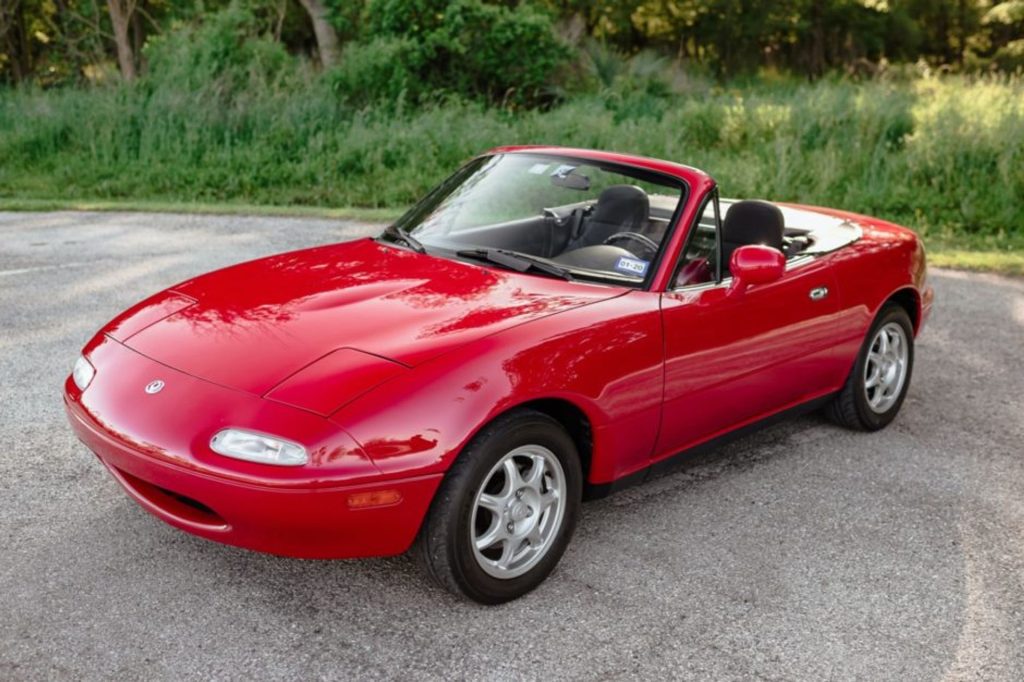
Enthusiasts have already started recognizing the NA Miata as a future classic. Clean examples are climbing in value slowly, and limited editions like the M-Edition are particularly sought after. Even so, a well-maintained NA is still within reach for most enthusiasts, making it a smart entry point into collectible cars.
Its combination of reliability, fun, and charm makes the NA Miata a standout. While more modern sports cars might outperform it on paper, nothing matches the sense of balance and responsiveness the Miata offers. In short, it’s a car that rewards simple joys, and its future as a classic is already being written.
2. Acura Integra GS-R
The 1990s Acura Integra GS-R is a car that blends practicality with performance, making it one of the most underrated future classics of the decade. Its high-revving 1.8-liter DOHC VTEC engine delivers a thrilling drive while still functioning as a reliable daily car.
The GS-R was known for its precision handling. Lightweight chassis, front-wheel-drive balance, and tight suspension setup allowed it to feel sharp around corners. It rewarded skilled driving without ever feeling overwhelming, which made it popular among enthusiasts and young drivers alike.
Inside, the Integra is simple but driver-focused. The dashboard is clean, the gauges are easy to read, and the seats hold you in place during spirited driving. While it doesn’t have luxury trimmings, the cabin is durable and practical, standing the test of time better than many contemporaries.
Parts are plentiful and inexpensive. Even today, maintaining a GS-R is straightforward, and many owners enjoy modifying them for increased performance. The combination of affordability and upgrade potential makes it appealing to collectors and tuners alike.
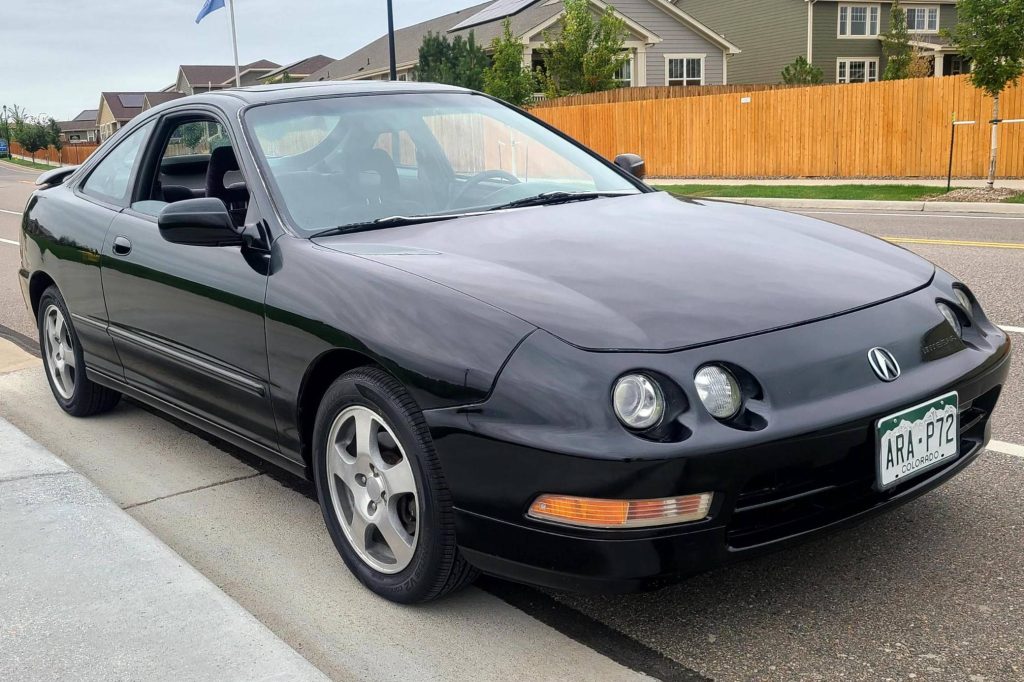
Design-wise, the Integra remains sharp. Its wedge-shaped profile and clean lines give it a sporty yet understated look. Unlike some 1990s compact cars, it hasn’t aged awkwardly. Its aesthetic has earned it a loyal following that spans generations.
Values for the Integra GS-R are rising slowly. It’s still possible to find clean examples for reasonable prices, but interest in them is growing. The GS-R offers an accessible entry into 1990s Japanese performance cars, combining reliability, driving enjoyment, and investment potential.
It’s a car that represents a moment in time when Japanese engineering prioritized high-revving engines, balanced handling, and practicality. For anyone seeking a 1990s car that is both fun and poised to become a classic, the Integra GS-R is a clear choice.
3. Toyota Supra (Mark IV)
The Toyota Supra Mark IV is one of the most legendary Japanese sports cars from the 1990s. Produced from 1993 to 2002, it became a symbol of performance and tuning potential. Its 2JZ-GTE inline-six engine is revered for durability and ease of modification, making it a dream for enthusiasts and collectors alike.
The Mark IV Supra is instantly recognizable thanks to its long, sleek hood, aerodynamic lines, and large rear spoiler. Unlike many cars from the era, its design has aged gracefully, maintaining a modern, aggressive presence even decades later. This timeless look adds to its appeal as a future classic.
Performance is where the Supra truly shines. The turbocharged 2JZ engine produces strong horsepower while offering remarkable reliability.
Even stock models can handle high power outputs, and aftermarket parts are widely available. Manual transmission versions are particularly sought after, providing a rewarding, connected driving experience.
While its performance credentials make it famous, the Supra also offers practical aspects. The cabin is simple and driver-focused, featuring supportive seats and controls that are easy to reach. Interior quality remains solid even in older examples, which adds to its long-term collectibility.
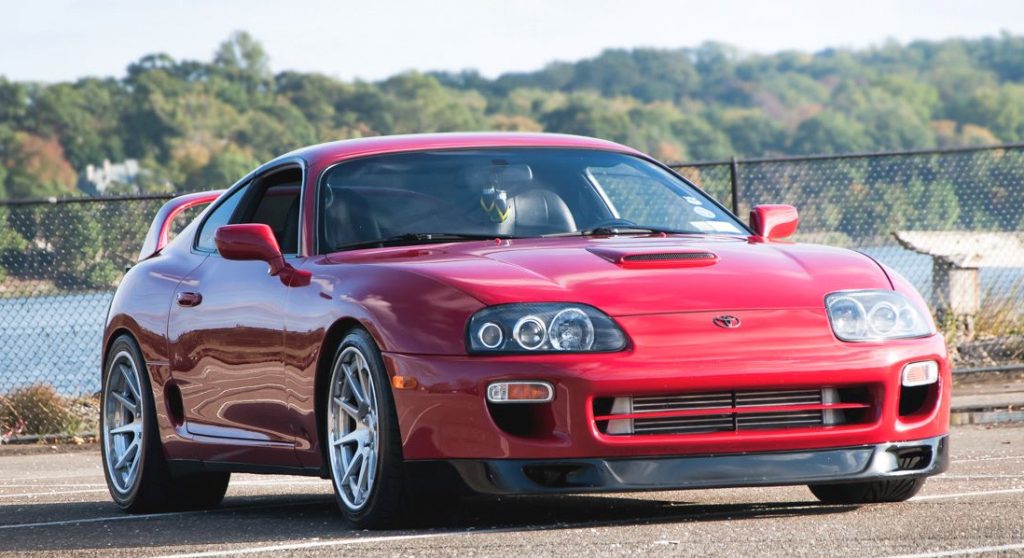
Today, prices for clean Mark IV Supras have already begun to rise. They are often considered the pinnacle of 1990s Japanese sports cars, and limited special editions like the Twin Turbo naturally command higher premiums. Yet, there are still examples on the market that remain within reach for serious enthusiasts.
What makes the Mark IV Supra so special is its combination of style, performance, and cultural significance. It represents the peak of Japanese engineering from the 1990s while still being a usable, enjoyable car for driving today. Collectors and tuners both recognize its value, making it a true future classic.
4. Nissan 300ZX (Z32)
The Nissan 300ZX Z32 is another standout 1990s sports car that remains affordable relative to its potential. Produced between 1989 and 2000, it offered a mix of performance, comfort, and technology that few cars of the era could match.
The Z32’s design is sleek and modern even by today’s standards. Its low, wide stance, pop-up headlights, and flowing lines make it instantly recognizable. Unlike some 1990s sports cars that feel dated, the 300ZX has a design that continues to impress, contributing to its appeal as a future classic.
Performance is impressive for its time. Twin-turbo models produce strong power while naturally aspirated versions offer reliable and responsive driving. The car’s balanced chassis and rear-wheel-drive setup make it a joy on winding roads. Its handling feels precise, rewarding skill without being punishing.
Inside, the 300ZX offers comfort and quality materials. While its electronics may feel retro now, they were advanced for the 1990s, giving drivers a blend of luxury and sportiness. Seats are supportive, and the layout is driver-oriented, making longer drives enjoyable.
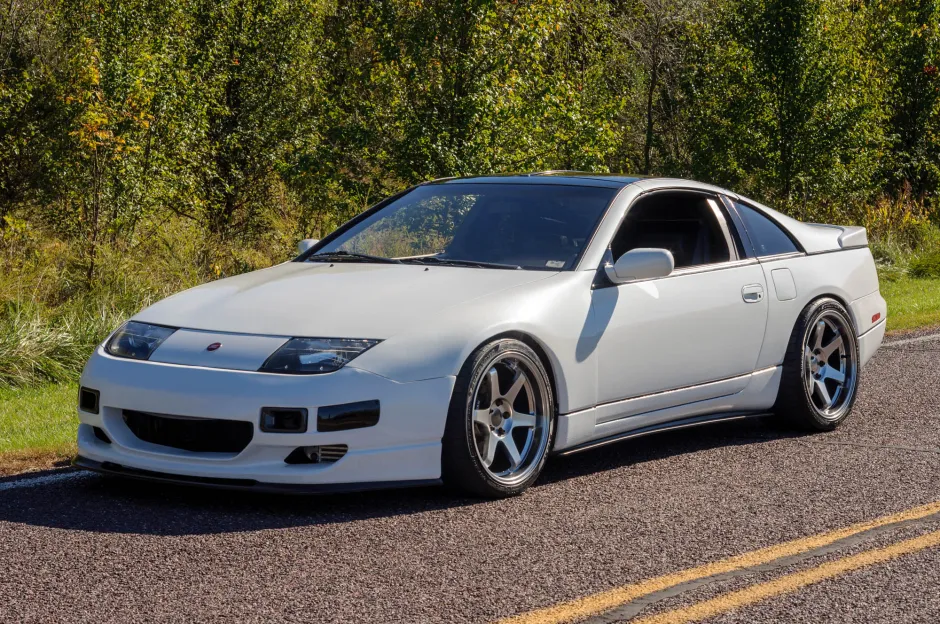
Reliability is reasonable, though maintenance requires attention. Parts are still accessible, and aftermarket support is extensive, allowing both restorations and performance upgrades. Its combination of affordability and potential for growth in value makes the 300ZX a smart choice for enthusiasts.
The 300ZX also holds a strong cultural presence. Featured in movies, video games, and car magazines, it symbolizes 1990s Japanese sports car engineering. Its combination of style, performance, and growing desirability ensures it will continue to attract attention, making it a genuine future classic.
5. BMW E36 M3
The BMW E36 M3 is widely regarded as one of the finest 1990s sports sedans and coupes. Produced from 1992 to 1999, it combined BMW’s precision engineering with performance that felt accessible to enthusiasts. Today, it remains affordable, making it a strong candidate for a future classic.
The E36 M3’s styling is understated yet purposeful. Unlike later BMW models that leaned toward extravagance, the E36 has clean lines and balanced proportions. Its subtle flares, compact stance, and aggressive front end give it presence without being flashy. This timeless design ensures it still looks appropriate on modern roads.
Under the hood, the E36 M3 features the legendary S50 or S52 inline-six engine, depending on the market. These naturally aspirated engines deliver smooth power, high revs, and an unmistakable sound. Paired with a manual gearbox, the car offers a direct and engaging driving experience that few modern vehicles can match.
The chassis is another highlight. With near-perfect weight distribution, responsive steering, and well-tuned suspension, the E36 M3 feels connected to the road. It can handle tight corners confidently while remaining comfortable for daily driving. This balance of performance and usability is part of what makes it appealing to collectors.
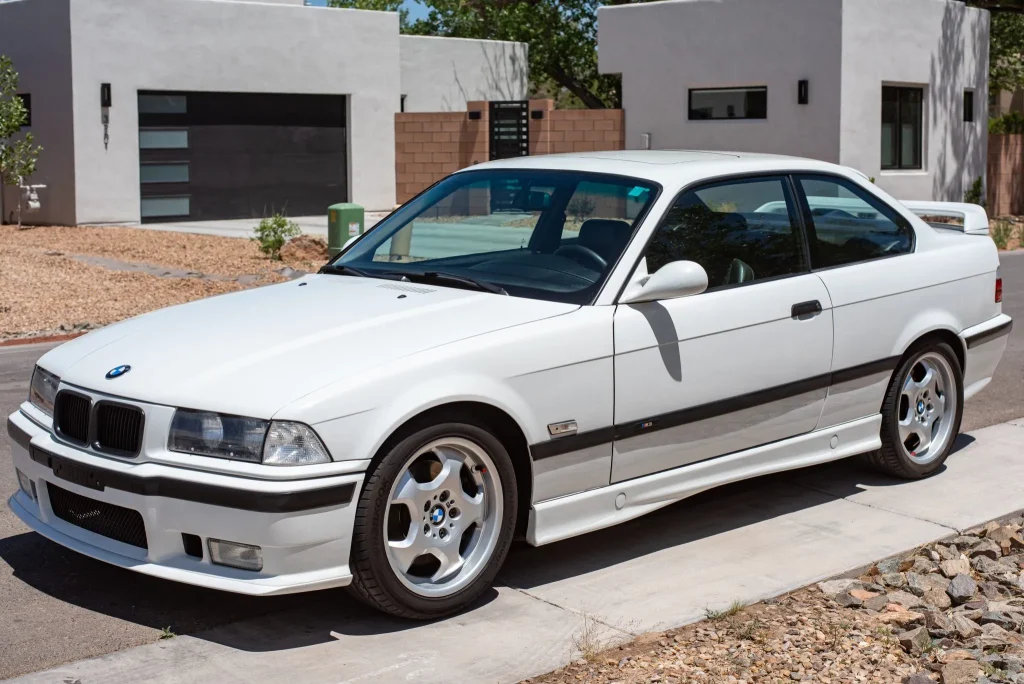
Inside, the E36 M3 is functional and driver-focused. Seats are supportive, controls are logically placed, and the interior materials remain durable even decades later. Unlike modern cars that rely heavily on electronics for driver engagement, the E36 offers a purer, mechanical feel.
Affordability is a major advantage. Many well-maintained examples can still be found without breaking the bank. Enthusiasts are starting to recognize their value, and clean models are steadily rising in price. The E36 M3 offers a rare combination: classic BMW performance, solid reliability, and potential for appreciation, all at a reasonable cost.
Its mix of style, performance, and cultural significance makes it one of the most attractive 1990s cars for future collectors. It’s a car that rewards driving skill, looks timeless, and is poised to grow in value over the coming years.
6. Subaru Impreza WRX (GC8)
The first-generation Subaru Impreza WRX, known as the GC8, is one of the most iconic rally-inspired cars from the 1990s. Produced from 1992 to 2000, it combined all-wheel-drive capability, turbocharged performance, and compact dimensions, creating a car that was exciting both on the street and in motorsport.
Its design is distinctive yet practical. Unlike many exaggerated 1990s sports cars, the GC8 remains functional with clean lines and a purposeful stance. Early models with hood scoops and aggressive bumpers hint at performance without being overbearing. Even today, it commands attention without appearing dated.
Performance is where the WRX excels. The turbocharged flat-four engine produces impressive power for its size, and the all-wheel-drive system provides excellent traction in all conditions. Its responsive handling and ability to tackle corners confidently made it a favorite for rally enthusiasts and street drivers alike.
The interior is simple but functional. Seats are supportive, controls are easy to reach, and the cabin is durable. While it lacks luxury features, the focus is clearly on driving enjoyment. For enthusiasts, this simplicity is a plus it keeps the connection between driver and car direct.
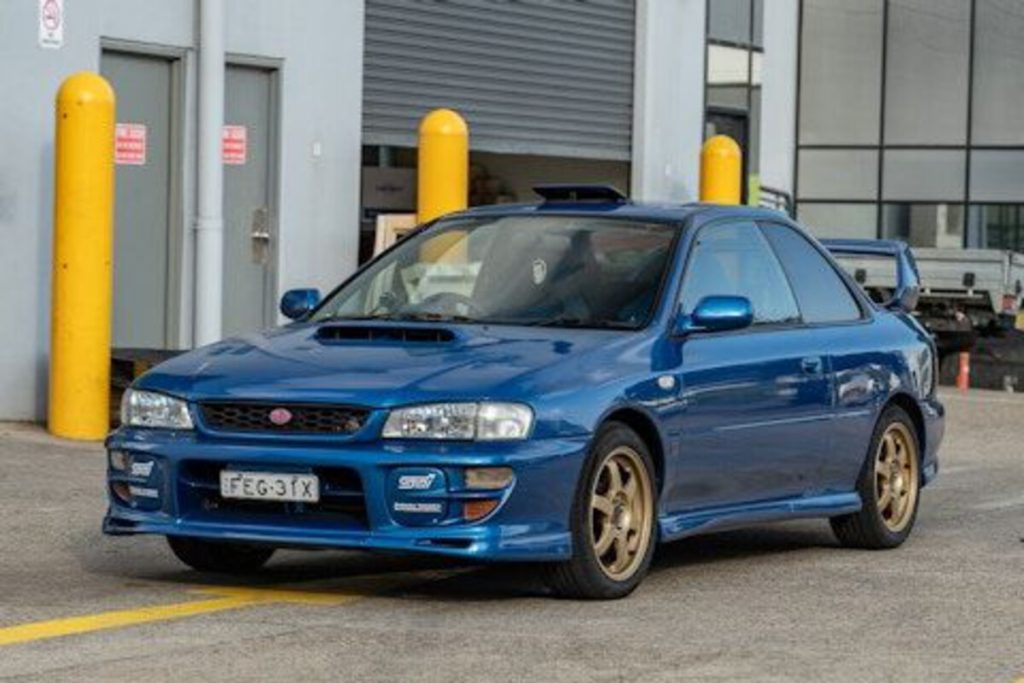
Maintenance is straightforward, with a wealth of parts available and strong aftermarket support. These qualities make the GC8 both usable and collectible, a combination rare among older performance cars. Its reputation in motorsport adds to its desirability, giving it a cultural significance that strengthens its future classic potential.
Values for clean, unmodified examples are steadily climbing. The GC8 WRX is still attainable for many enthusiasts, yet the interest from collectors and rally fans suggests that prices will continue to rise.
With its combination of performance, heritage, and long-term reliability, the first-generation WRX stands out as a 1990s car that is both fun to drive today and poised to become a highly sought-after classic in the years ahead.
7. Honda NSX (NA1)
The first-generation Honda NSX, produced from 1990 to 2005, is one of the most celebrated Japanese supercars of the 1990s. Its combination of reliability, performance, and everyday usability makes it a standout candidate for a future classic.
Designed with input from Formula 1 legend Ayrton Senna, the NSX was engineered to provide precise handling and exceptional balance. Its mid-engine layout and lightweight construction give it an agility and responsiveness that rivaled much more expensive European supercars of the time.
The naturally aspirated V6 engine is smooth, high-revving, and surprisingly reliable. Unlike many exotic cars, it can be driven daily without constant maintenance worries. Paired with a manual transmission, the NSX offers a connected and thrilling driving experience that few modern cars can replicate.
Design-wise, the NSX remains striking. Its low profile, pop-up headlights, and clean aerodynamic lines have aged gracefully. Unlike flashier supercars from the 1990s, it avoids excessive ornamentation, giving it a timeless appeal that keeps collectors interested.
Inside, the NSX is simple but functional. The cockpit is driver-focused, featuring comfortable seats and logical controls. While it lacks modern infotainment or luxury features, the interior quality is high, with durable materials that stand the test of time.
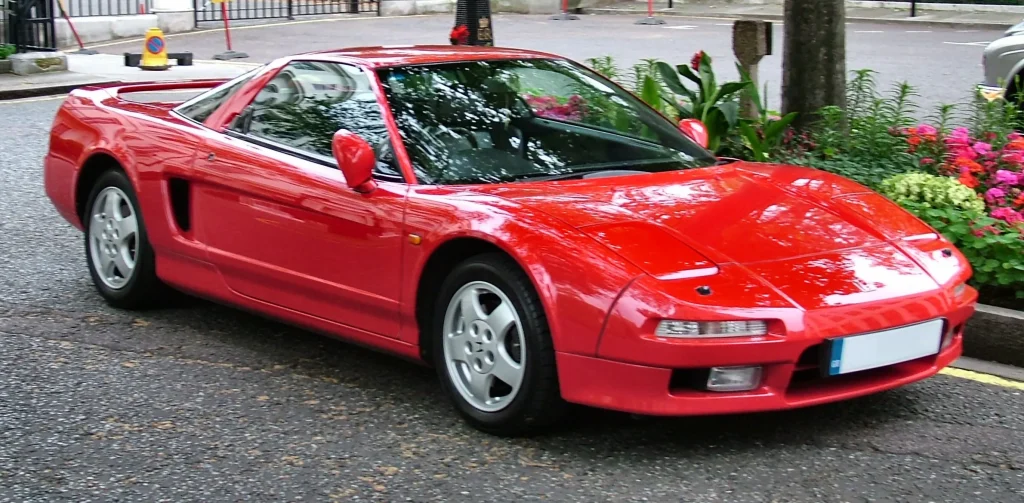
Maintenance is more straightforward than many contemporary exotics. While parts can be costly compared to everyday cars, the NSX’s engineering ensures longevity when properly cared for. This reliability has kept more examples on the road, further increasing its desirability among collectors.
Values are steadily rising. Early models and low-mileage examples are increasingly recognized as investment pieces. Its combination of performance, reliability, and heritage makes the NSX one of the few 1990s supercars that remains accessible while poised to appreciate further.
For enthusiasts seeking a supercar that combines driving purity with lasting value, the NSX NA1 remains unmatched. It’s a car that represents the best of 1990s engineering and has earned its place among future classics without sacrificing usability or dependability.
8. Toyota MR2 (SW20)
The second-generation Toyota MR2, known as the SW20, was produced from 1989 to 1999. This mid-engine, rear-wheel-drive sports car captured attention with its sharp handling, unique styling, and driver-focused design. Today, it remains an affordable entry into 1990s collectible cars.
Its design is distinctive and aggressive. The long, wedge-shaped nose, pop-up headlights, and wide rear stance give it a purposeful appearance. Unlike other 1990s sports cars that have aged poorly, the SW20 still looks modern and purposeful on the road.
Performance is one of the MR2’s strengths. Turbocharged and naturally aspirated four-cylinder engines offer strong acceleration, and the mid-engine layout provides excellent balance and cornering ability. Steering is precise, giving drivers confidence on twisty roads.
The interior is simple but functional. Seats are supportive, controls are logically placed, and the dashboard avoids unnecessary clutter. While it lacks luxury features, its focus on driving experience is clear. The cabin is also surprisingly durable, with many examples showing minimal wear even decades later.
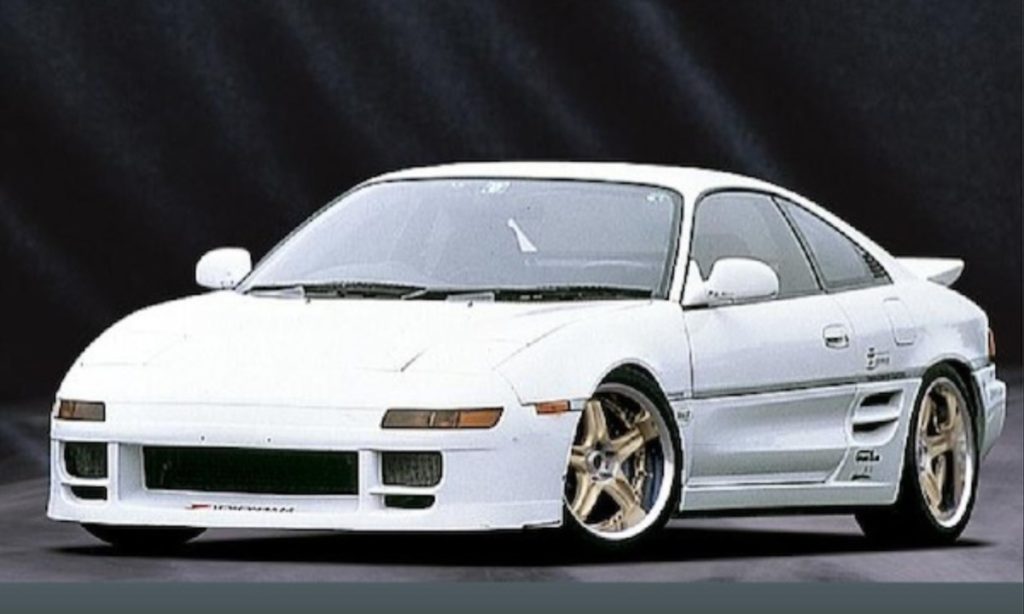
Maintenance is manageable. Parts are still available, and the car’s mechanical simplicity ensures that repairs are straightforward. Enthusiasts also enjoy modifying the MR2, making it both a fun daily driver and a collectible car with potential for performance upgrades.
The MR2’s value has been steadily rising, particularly for clean, low-mileage examples. Its combination of reliability, driving enjoyment, and unique design makes it a strong candidate for a future classic. It represents a time when small, affordable sports cars could offer mid-engine thrills without breaking the bank.
For anyone seeking a 1990s car that is fun, distinctive, and poised for appreciation, the SW20 MR2 remains one of the best choices. Its driving experience, durability, and style ensure it will remain relevant to enthusiasts for years to come.
9. Ford Mustang (SN95)
The 1990s Ford Mustang SN95, produced from 1994 to 2004, is a 1990s muscle car that has started gaining attention as a future classic. Its blend of performance, styling, and affordability makes it a standout choice for collectors seeking American muscle from this decade.
The SN95 updated the classic Mustang design while retaining recognizable cues. Its aggressive front end, rounded fenders, and sleek proportions give it a sporty presence. Unlike some later Mustangs that prioritized size over style, the SN95 strikes a balance that still appeals today.
Performance varies depending on the engine choice. V6 models are manageable and fuel-efficient, while V8 GTs deliver classic Mustang power with a throaty exhaust note. The handling is far improved from earlier generations, and the car offers a solid, confident feel on the road.
Inside, the SN95 is simple but functional. The cockpit is driver-oriented, with clear gauges and supportive seats. While the materials are not luxurious, the cabin is durable and practical, contributing to the car’s long-term appeal. The layout is straightforward, emphasizing driving rather than gadgets.
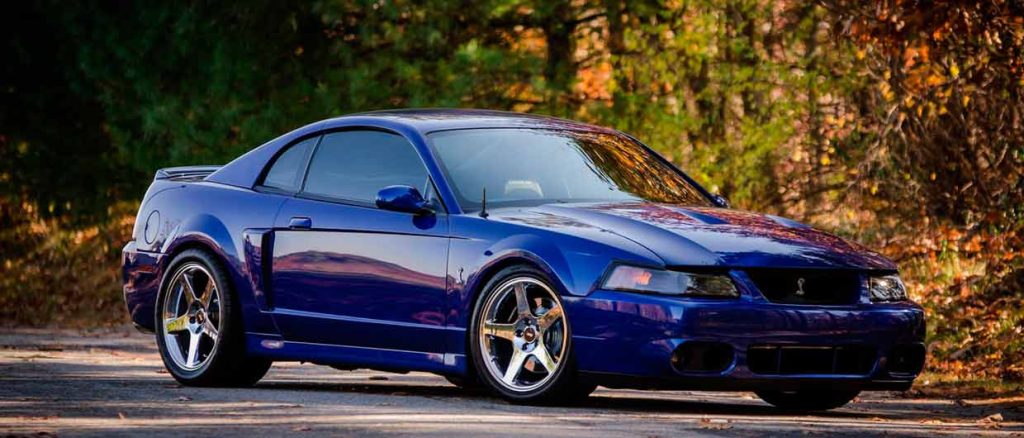
Maintenance and parts are easy to find, making the SN95 a practical collectible. Even for enthusiasts interested in modifying or restoring their Mustang, the availability of aftermarket components makes projects accessible and affordable.
Values for clean, low-mileage examples are rising, particularly for V8 models and special editions like the Cobra. The SN95 combines the nostalgia of 1990s muscle with the reliability and practicality needed for modern ownership, giving it strong potential as a future classic.
The Mustang SN95’s combination of iconic design, solid performance, and accessibility ensures it will remain desirable among collectors. For those who want an entry point into American 1990s muscle without spending a fortune, it is one of the most appealing options.
10. Subaru Legacy GT (BD/BG)
The Subaru Legacy GT from the mid to late 1990s is an all-wheel-drive performance sedan that deserves more recognition as a future classic. Produced between 1993 and 1999, it combined turbocharged power, balanced handling, and everyday usability, creating a car that’s both practical and fun to drive.
Its design is subtle but purposeful. Unlike flashier sports cars of the era, the Legacy GT has clean lines, a wide stance, and functional aerodynamics. Its understated style ensures it has aged well, making it attractive for enthusiasts who appreciate a more refined look.
Performance is where the Legacy GT stands out. Its turbocharged flat-four engine produces strong power for its class, while the all-wheel-drive system provides excellent grip in all conditions. Handling is precise, and the chassis feels stable yet engaging on corners.
The interior is simple but driver-focused. Seats are supportive, controls are accessible, and the cabin remains comfortable for daily use. While technology is limited by modern standards, the build quality ensures long-term reliability.
Maintenance is straightforward, with parts still available and many cars having a strong aftermarket following. This makes the Legacy GT a practical choice for enthusiasts seeking a daily driver that can also appreciate over time.
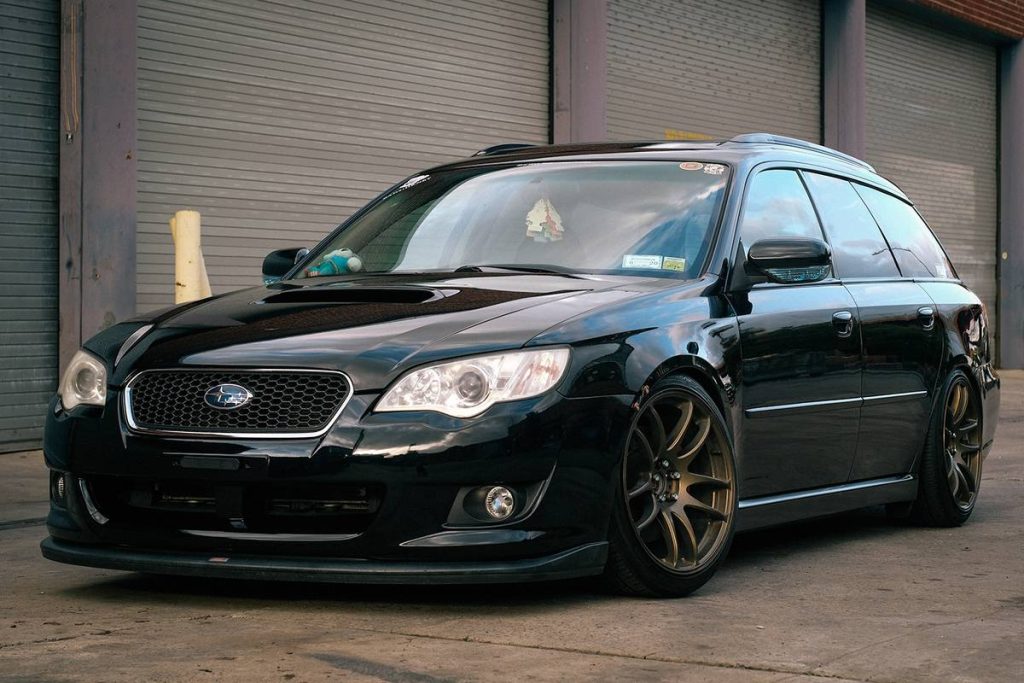
Values are beginning to rise, especially for clean, unmodified examples. The combination of performance, AWD capability, and rarity in good condition gives it potential as a future collectible.
The Subaru Legacy GT represents the 1990s trend of practical performance cars that could handle daily life while providing real driving excitement. Its balance of usability, fun, and potential for appreciation makes it one of the standout affordable future classics from the decade.
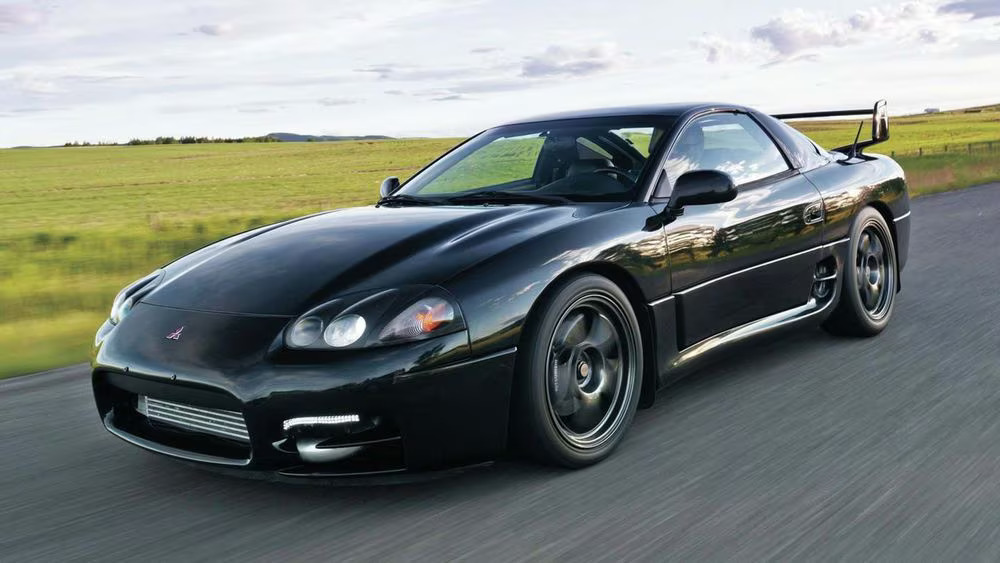
11. Mitsubishi 3000GT VR-4
The Mitsubishi 3000GT VR-4 is one of the most technologically advanced Japanese sports cars of the 1990s. Produced from 1990 to 2000, it combined twin-turbo power, all-wheel drive, four-wheel steering, and active aerodynamics. Today, it remains affordable relative to its capabilities, making it a strong candidate for a future classic.
Its design is bold and aggressive, with wide fenders, a low hood, and pop-up headlights. The car’s styling reflects its performance focus while maintaining a sleek and aerodynamic profile. Unlike some 1990s supercars that appear dated, the 3000GT VR-4 still commands attention on the road.
Performance is impressive. The twin-turbo 3.0-liter V6 delivers strong power, and the all-wheel-drive system provides excellent traction. Handling is sharp, aided by the car’s lightweight components and advanced suspension setup. Despite its technology, the VR-4 remains engaging to drive, especially with the manual gearbox option.
Inside, the cabin is driver-focused but comfortable. Seats are supportive, and the dashboard layout is functional, even if slightly busy. The car includes features that were advanced for its era, such as digital gauges and climate control, giving it a sense of sophistication uncommon in 1990s sports cars.
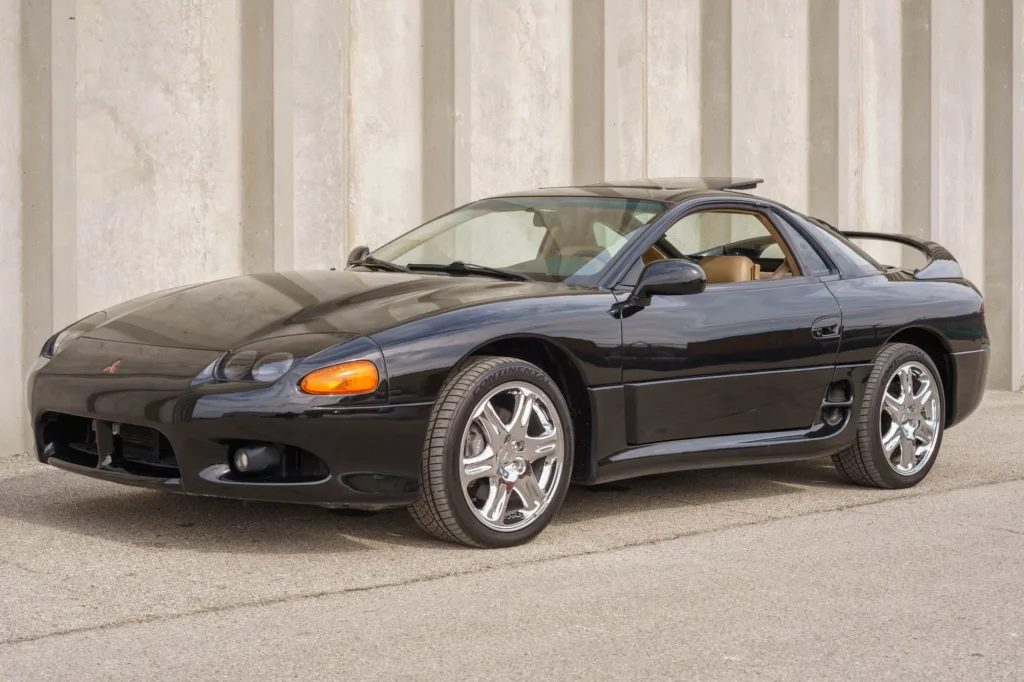
Maintenance can be challenging, but parts remain available, and enthusiasts value the VR-4’s rarity and engineering. This combination of innovation, performance, and uniqueness makes it a collectible in the making.
Values for well-preserved examples are rising slowly. Clean, unmodified VR-4s are increasingly sought after, particularly by enthusiasts who appreciate the car’s technological significance and driving experience.
The Mitsubishi 3000GT VR-4 represents a peak of 1990s Japanese engineering. Its combination of speed, innovation, and relative affordability ensures it will continue to attract attention as a future classic, appealing to collectors who value both performance and nostalgia.
12. Volkswagen Golf GTI (Mk3)
The Volkswagen Golf GTI Mk3, produced from 1991 to 1997, is a compact hot hatch that continues to appeal to enthusiasts. It combines practicality, fun, and a solid build, making it one of the more accessible future classics from the 1990s.
Its design is simple and clean. Unlike later generations, the Mk3 GTI avoids overly aggressive styling while maintaining a sporty presence. Subtle flared arches, distinctive wheels, and a lowered stance hint at its performance without being excessive. This timeless look has aged well.
Performance is lively for its size. The 2.0-liter four-cylinder engine provides enough power for spirited driving, especially in models with manual transmissions. Handling is precise, thanks to a well-tuned suspension and front-wheel-drive layout. The car rewards skilled drivers without requiring advanced modifications.
The interior is functional and durable. Seats are supportive, controls are logically placed, and the cabin remains comfortable for daily use. Technology is basic by modern standards, but the simplicity is part of the charm, keeping the driving experience engaging.
Maintenance is straightforward. Parts are widely available, and the Golf platform is known for reliability. Many enthusiasts enjoy restoring or lightly modifying the Mk3 GTI, which helps maintain its popularity and potential for appreciation.
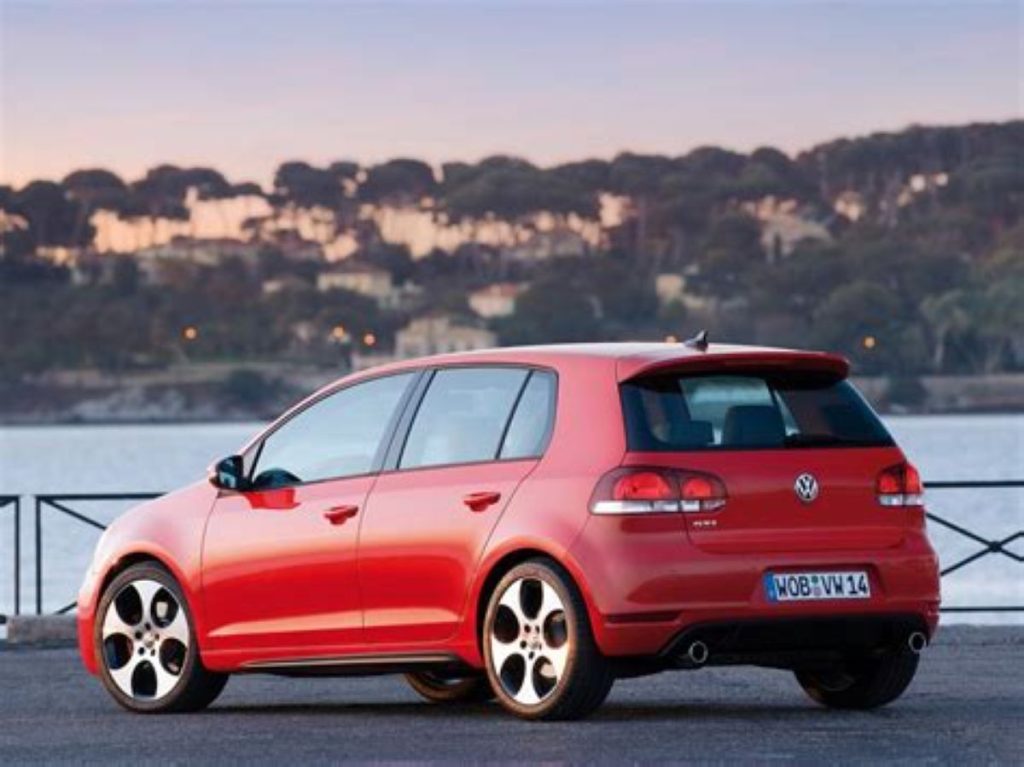
Values for clean, well-maintained Mk3 GTIs are slowly climbing. The car’s combination of practical usability, enjoyable driving, and 1990s nostalgia makes it a sensible choice for collectors looking for an affordable entry into classic cars.
The Volkswagen Golf GTI Mk3 represents a period when hot hatches combined everyday practicality with fun. Its balance of style, performance, and reliability ensures it will continue to be appreciated as a future classic, proving that small cars can leave a lasting legacy.
The 1990s produced some of the most memorable and enjoyable cars in recent history. Many combined performance, reliability, and design in a way that still resonates today. The twelve cars highlighted here are all affordable yet possess qualities that make them strong candidates for future classics.
From the Mazda MX-5 Miata and Honda NSX to the Toyota Supra and Nissan 300ZX, these cars offer pure driving enjoyment. Lightweight chassis, responsive engines, and thoughtful engineering ensure they remain engaging even decades later. Meanwhile, models like the Subaru WRX, BMW E36 M3, and Acura Integra GS-R blend everyday usability with performance, making them practical choices for enthusiasts who want a car they can drive regularly.
Japanese sports cars dominate the list, reflecting the era’s focus on high-revving engines, balanced handling, and tuning potential. European and American entries like the Volkswagen Golf GTI and Ford Mustang show that fun and collectibility were not limited to one region.
The appeal of these cars lies in their combination of style, performance, and affordability. Well-maintained examples are increasingly sought after, and values are beginning to rise. For anyone looking to invest in a 1990s vehicle that can be enjoyed today and appreciated tomorrow, this list offers a smart starting point.
Also Read: 12 Cars That Outsold Everyone’s Expectations
