
The shift toward electric vehicles is transforming the automotive industry at a rapid pace. Yet, even as battery technology and charging networks improve, certain cars remain essential, relevant, and desirable.
These are vehicles whose design, performance, versatility, or brand reputation ensures they continue to matter, even in an era dominated by EVs.
Not every car needs to be electric to remain valuable. Some offer unique driving experiences, while others fill niches that EVs cannot easily replace.
Pickup trucks, high-performance sedans, rugged SUVs, and practical family cars all retain their importance because they meet specific needs that will persist regardless of powertrain trends.
These models are built with longevity in mind. They combine reliability, strong engineering, and practical appeal, making them vehicles that will stay on the road for years to come.
Their relevance is measured not only by sales numbers but also by how well they adapt to changing times and maintain desirability among drivers.
This list highlights twelve vehicles that are likely to remain significant even as the EV revolution unfolds. Each one offers something unique, whether it’s enduring performance, unmatched utility, or a blend of style and functionality that keeps buyers interested.
They demonstrate that a car’s value extends beyond just its powertrain and that certain designs, technologies, and capabilities are timeless.
For drivers and collectors alike, these cars represent smart choices. They will continue to make sense in terms of usability, reliability, and overall appeal. While EVs will define much of the future, these twelve models prove that some vehicles are built to remain relevant, regardless of the power source.
Also Read: 12 Cars That Are Dirt Cheap to Maintain
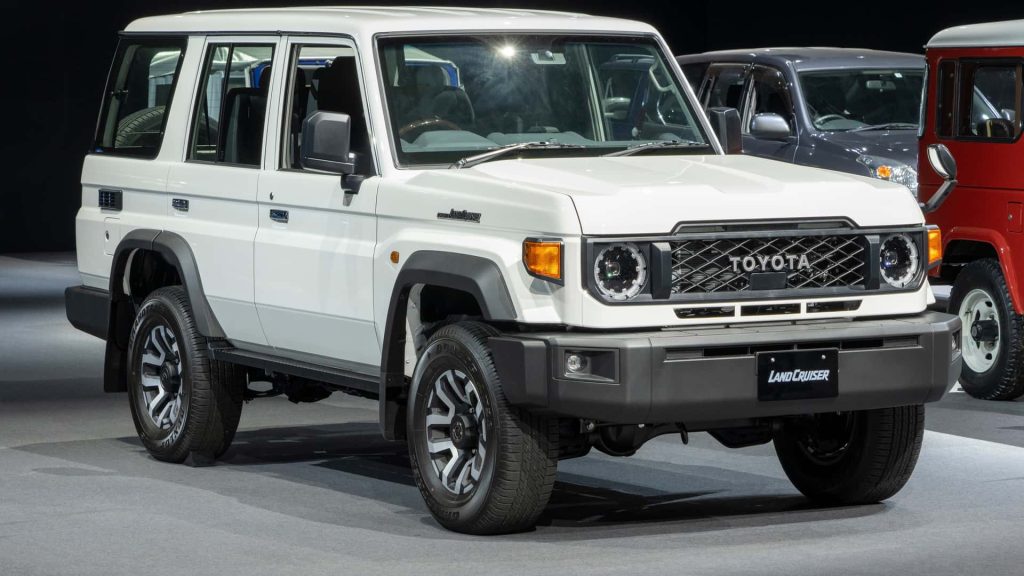
1. Toyota Land Cruiser
The Toyota Land Cruiser has long been a benchmark for rugged reliability and off-road capability. Even as the automotive world shifts toward electric vehicles, this SUV remains relevant due to its unmatched durability and global reputation.
Its body-on-frame construction and robust drivetrain allow it to tackle extreme conditions that EVs cannot yet handle efficiently. From deserts to mountains, the Land Cruiser’s mechanical simplicity and engineering make it a vehicle that owners can rely on for decades. This long-term usability is a key reason it continues to hold value in a changing market.
The interior balances practicality and comfort. While not packed with the latest tech, it offers durable materials, spacious seating, and intuitive controls. This simplicity contributes to its longevity, as fewer electronics mean fewer potential points of failure over time.
Performance is tailored to endurance rather than outright speed. The engine choices, including powerful V8s in certain markets, deliver steady torque and impressive towing capacity. Coupled with a sophisticated suspension, the Land Cruiser remains comfortable on highways while retaining its off-road capability.
Maintenance is straightforward, with parts widely available worldwide. This reliability and ease of repair make it particularly appealing for remote or challenging regions where EV infrastructure may be limited. Its global popularity ensures that resale value remains strong, even in the EV era.
The Land Cruiser’s combination of versatility, proven engineering, and brand loyalty makes it more than just an SUV. It is a practical choice that continues to fulfill critical roles for families, adventurers, and businesses alike.
In a market rapidly moving toward electrification, the Land Cruiser proves that well-built, durable vehicles retain relevance and value, regardless of powertrain trends.
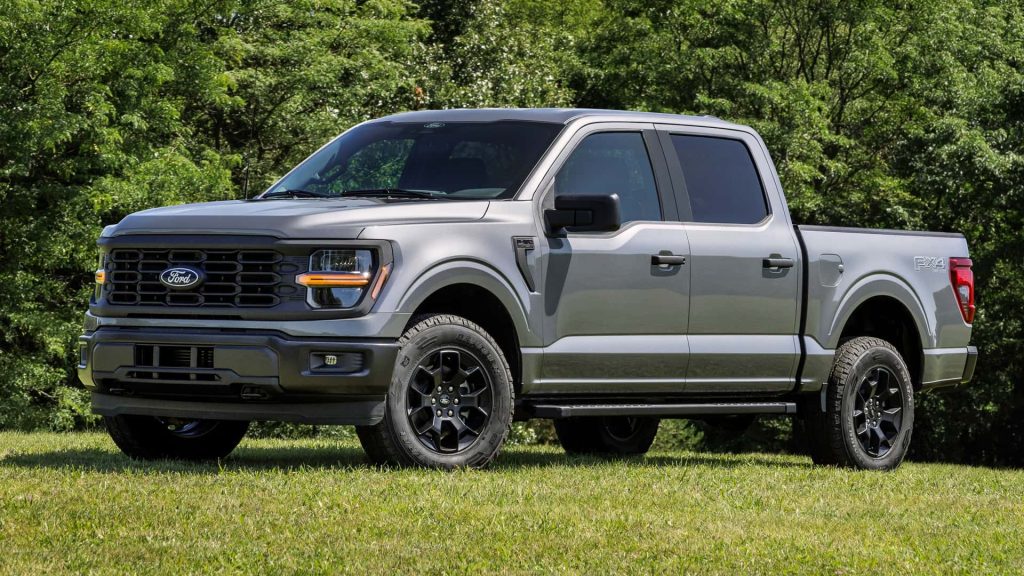
2. Ford F-150
The Ford F-150 is a full-size pickup that has defined its segment for decades. Its blend of utility, durability, and versatility ensures it will continue to matter, even as electric alternatives gain prominence.
Known for its strong towing and hauling capabilities, the F-150 serves work, recreational, and family purposes. Its platform allows for multiple engine choices, bed lengths, and trim levels, catering to a wide variety of users. This adaptability is a core reason it maintains relevance in an evolving market.
The cabin has evolved to balance comfort with practicality. Modern F-150s offer spacious seating, durable materials, and user-friendly controls. Even older models provide straightforward, reliable functionality that owners trust.
Performance varies by engine, but the focus is on dependable power delivery and long-term reliability. Gasoline and diesel engines offer range and strength that most current EV trucks cannot match, especially in demanding conditions like remote worksites or towing heavy loads.
Parts and service networks for the F-150 are extensive, further ensuring its longevity and ongoing value. Owners can rely on widespread dealer support and readily available replacement parts, making ownership practical even as technology shifts toward electrification.
The F-150’s cultural significance also contributes to its lasting relevance. It represents a combination of utility and lifestyle that resonates globally.
Its ability to adapt to changing needs while retaining core functionality ensures it will remain a meaningful choice for buyers long after the EV transition accelerates.
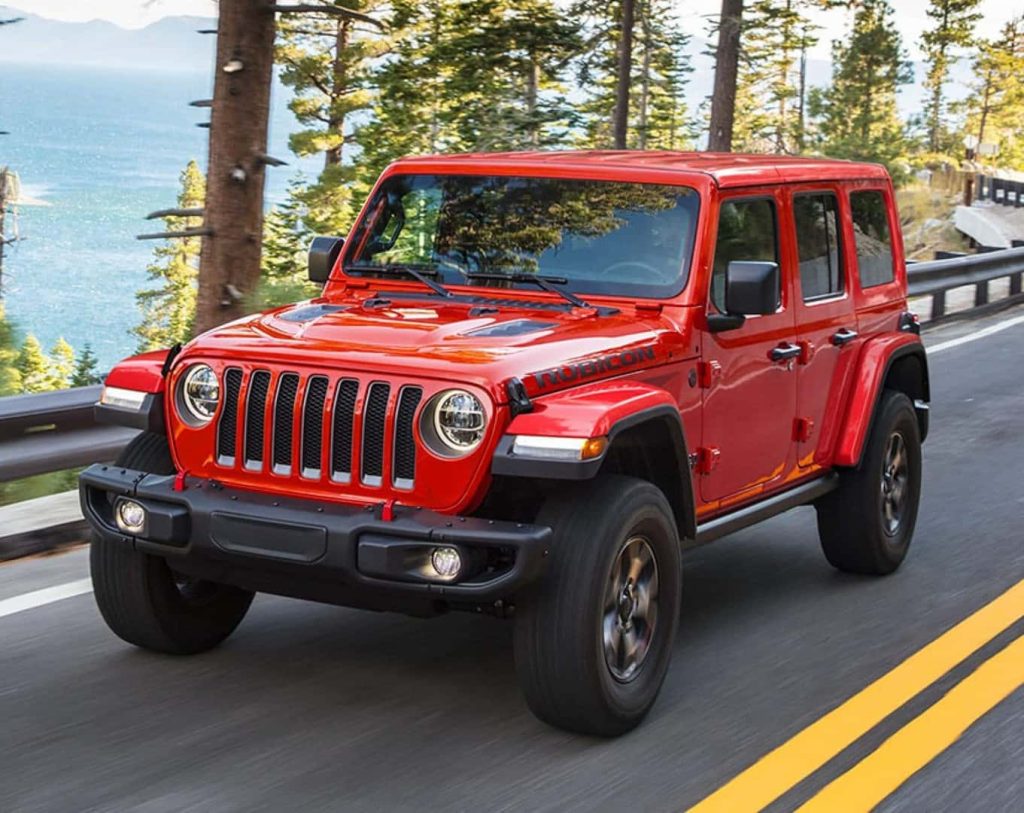
3. Jeep Wrangler
The Jeep Wrangler has been a symbol of off-road adventure for decades. Its iconic design, rugged construction, and unmatched trail capabilities ensure it remains relevant even as electric vehicles gain traction.
The Wrangler’s body-on-frame architecture and solid axles provide strength and durability that few vehicles can match. It is designed to handle extreme terrain, from rocky trails to sandy dunes, making it a practical choice for adventure enthusiasts. EVs, with their reliance on battery packs and sensitive electronics, struggle in such environments.
Its interior is functional and straightforward. Controls are easy to use, seats are supportive, and the cabin is designed to withstand dirt, water, and rough use. This practicality contributes to long-term ownership satisfaction. While modern Wranglers offer tech upgrades, the core design focuses on reliability and ease of repair.
Performance is tailored to off-road capability rather than speed. Engine choices deliver strong torque for climbing and towing, and the four-wheel-drive system provides grip and stability across diverse conditions. The Wrangler’s suspension is designed to absorb shocks and maintain traction, making it a dependable off-road companion.
Maintenance is manageable, and parts are widely available. Jeep’s global presence and dedicated aftermarket support ensure that repairs and upgrades remain accessible. This durability and serviceability strengthen the Wrangler’s relevance for years to come.
Cultural significance also plays a role. The Wrangler has a loyal following, from weekend adventurers to collectors who value its heritage. Its design and utility have changed little over decades, proving that practical, capable vehicles retain importance.
Whether on the road or off it, the Wrangler continues to deliver experiences that EVs cannot yet fully replicate. Its combination of rugged capability, simplicity, and cultural resonance ensures it will remain relevant throughout the transition to electric mobility.
4. Toyota Hilux
The Toyota Hilux is one of the most respected pickup trucks worldwide. Known for extreme durability, reliability, and versatility, it has earned a reputation as nearly indestructible, making it highly relevant in any era, including the EV age.
Its body-on-frame design and robust drivetrain allow the Hilux to withstand harsh environments. From deserts to jungles, it reliably performs in conditions that challenge most modern vehicles, including many EV trucks. This real-world resilience is a key reason it continues to be in demand globally.
The interior is simple but practical. Seats are durable, controls are intuitive, and the cabin prioritizes function over luxury. This straightforward design reduces the likelihood of long-term issues, enhancing its longevity and usability.
Performance is dependable and designed for utility. Engine options, including reliable diesels, provide strong torque for hauling and towing. Coupled with its durable suspension and drivetrain, the Hilux performs consistently in heavy-duty tasks, whether on paved roads or rough terrain.
Parts availability and ease of service are major advantages. With a global service network and widely available components, the Hilux remains practical for long-term ownership. Its reliability and simplicity make it suitable even in remote locations without EV infrastructure.
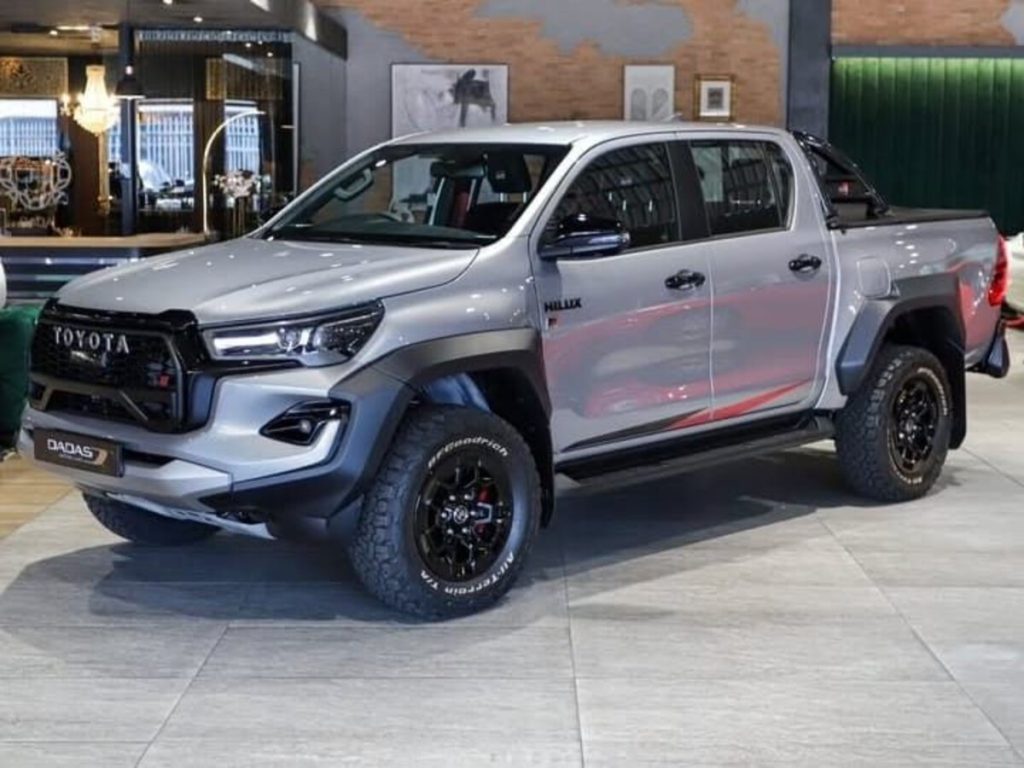
Cultural and professional significance adds to its relevance. From businesses and farmers to adventurers, the Hilux is trusted worldwide. Its combination of strength, practicality, and dependability ensures it continues to meet real-world needs, reinforcing its place in a market moving toward electric vehicles.
For buyers seeking a truck that works as hard as it lasts, the Toyota Hilux remains a vehicle that will continue to matter long after electrification becomes mainstream.
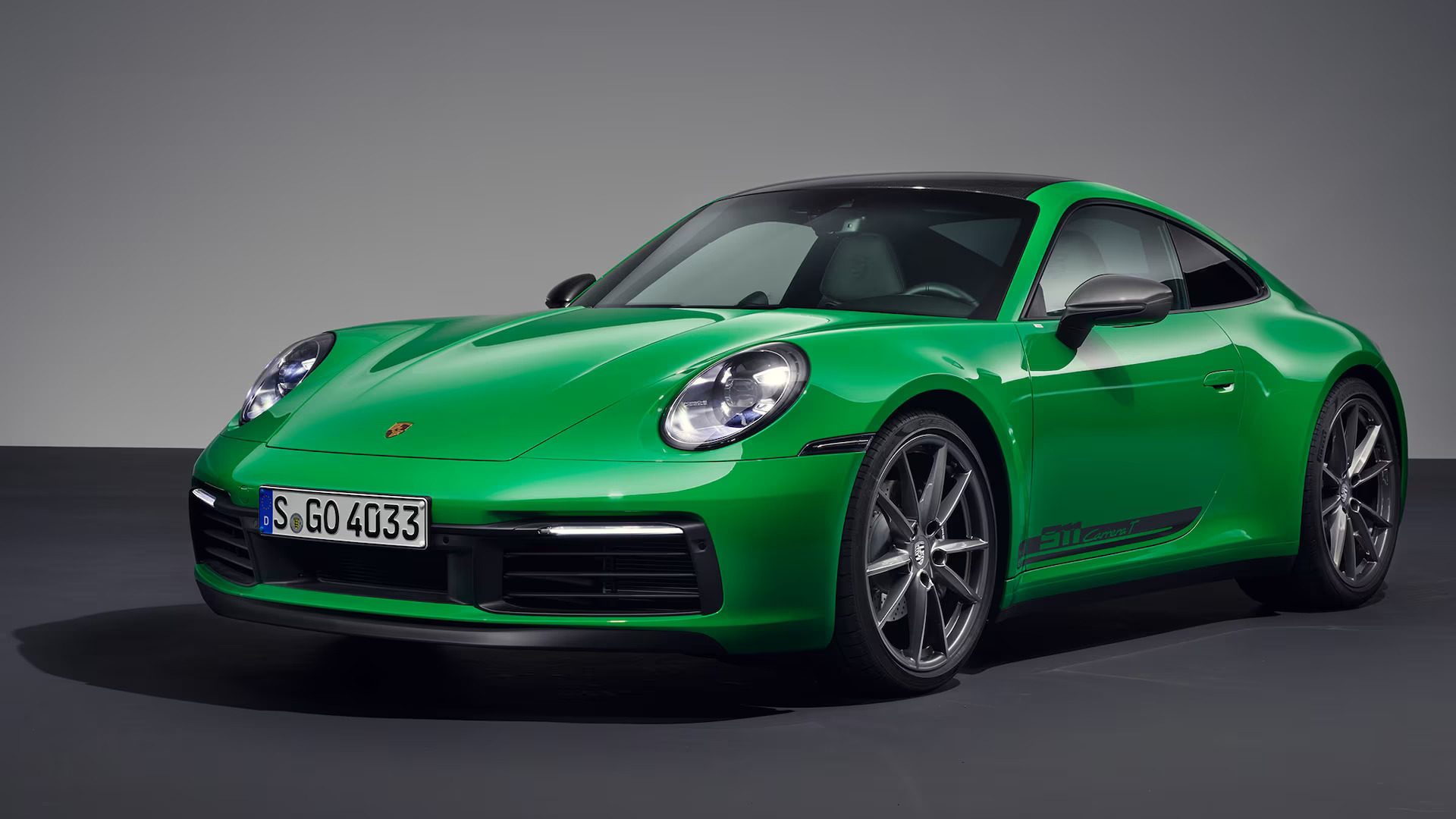
5. Porsche 911 (992)
The Porsche 911, especially the 992 generation, continues to stand as a benchmark for sports cars. Its timeless design, performance pedigree, and adaptability ensure it remains relevant even as the automotive world moves toward electric vehicles.
The 911’s rear-engine layout and precise handling give drivers an experience that is difficult to replicate with EVs. Its balance, steering feedback, and agility make it a sports car that rewards skill and provides a unique connection between driver and machine.
Design is another factor in its longevity. The 992 retains the classic 911 silhouette while integrating modern touches for improved aerodynamics and efficiency. This continuity ensures that the car remains instantly recognizable and desirable to enthusiasts across generations.
Performance is exceptional. Turbocharged flat-six engines deliver impressive acceleration, high-speed stability, and a thrilling exhaust note. The 911 balances everyday usability with track-capable performance, making it a versatile sports car that fits multiple lifestyles.
The interior blends driver focus with quality craftsmanship. While it includes modern infotainment and safety features, the layout is logical, and controls are intuitive. Porsche prioritizes durability, ensuring that interiors withstand long-term use without losing appeal.
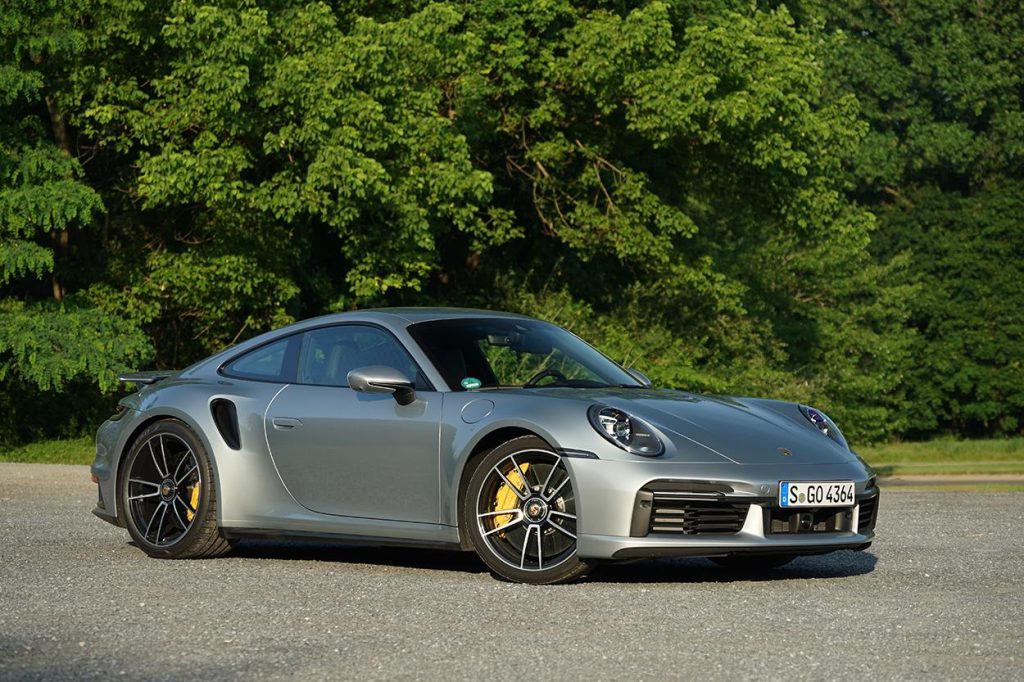
Maintenance is supported by a strong dealer and service network. Parts are widely available, and Porsche’s engineering emphasizes reliability even under high-performance conditions. This combination of performance, usability, and service support ensures the 911 remains relevant as EVs enter the market.
Cultural significance also plays a role. The 911 is a symbol of driving passion and automotive excellence. Its blend of heritage, performance, and practicality makes it one of the few sports cars that continues to be appreciated for both driving and collecting.
For buyers seeking a car that maintains its appeal regardless of powertrain trends, the Porsche 911 remains an enduring choice. Its engineering, design, and brand reputation ensure it will continue to be relevant in the EV era.
6. Chevrolet Silverado
The Chevrolet Silverado is one of America’s most popular full-size pickups. Its combination of durability, capability, and versatility ensures it remains significant even as the EV market grows.
Its body-on-frame construction and range of engine options make it a dependable choice for work, recreation, and family use. Whether towing heavy loads or hauling gear, the Silverado offers performance that few EV trucks currently match in real-world versatility.
The cabin balances comfort and practicality. Modern models feature spacious interiors, intuitive controls, and durable materials. Even older models are known for reliability, making the Silverado a long-term solution for drivers needing utility and comfort.
Performance is built around reliability and strength. V6 and V8 engines provide the torque and horsepower required for demanding tasks. Coupled with rugged suspension and drivetrain options, the Silverado handles diverse terrain while maintaining comfort and control.
Maintenance and service support are readily available. Parts are widely accessible, and Chevrolet’s dealer network ensures that repairs are manageable, even in regions without extensive EV infrastructure. This practicality strengthens its continued relevance.
Cultural and professional appeal contributes as well. The Silverado represents a blend of tradition, capability, and everyday usefulness. Its reputation for toughness and adaptability ensures it remains a top choice for businesses, families, and enthusiasts alike.
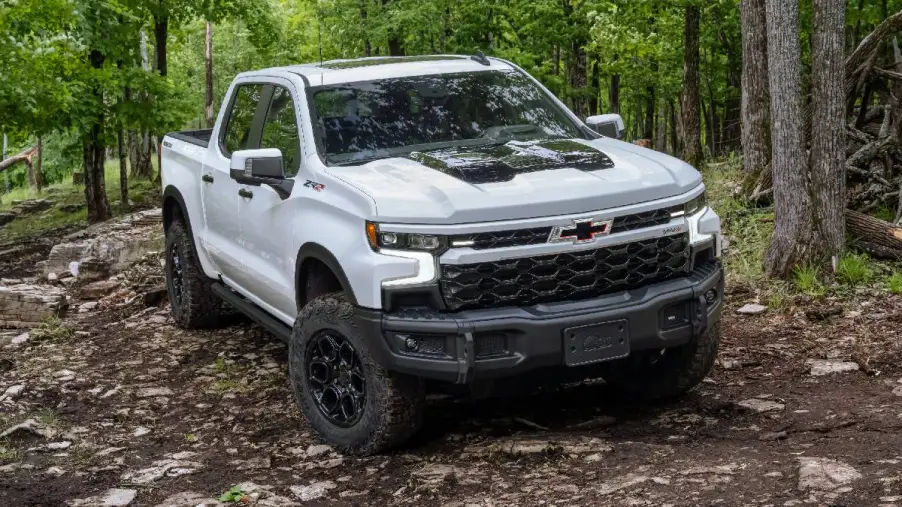
In a market increasingly focused on electrification, the Silverado demonstrates that vehicles with proven utility, reliability, and versatility will continue to matter. Its combination of performance, comfort, and practicality ensures it will stay relevant well into the EV era.
7. Honda CR-V
The Honda CR-V has long been a benchmark in the compact SUV segment. Its combination of reliability, practicality, and efficiency ensures it will remain relevant even as electric vehicles gain popularity.
Its design emphasizes utility without sacrificing comfort. Spacious interiors, practical cargo space, and straightforward controls make it ideal for families and urban drivers alike. The cabin remains user-friendly, with durable materials that hold up over time.
Performance is tuned for everyday usability. Engines provide sufficient power for city driving and highway cruising, while front-wheel-drive or all-wheel-drive options add flexibility. Handling is predictable, making it a safe and comfortable vehicle for a wide range of drivers.
Reliability is a key factor in its continued relevance. Honda’s engineering ensures that even older CR-Vs remain functional with minimal issues, and parts availability is extensive. Long-term ownership is practical, which keeps demand strong in both new and used markets.
Technology integration has evolved while maintaining simplicity. Recent models include driver-assist features, infotainment upgrades, and safety systems, but the focus remains on usability rather than overcomplication. This balance ensures that the CR-V adapts to changing trends without losing its core appeal.
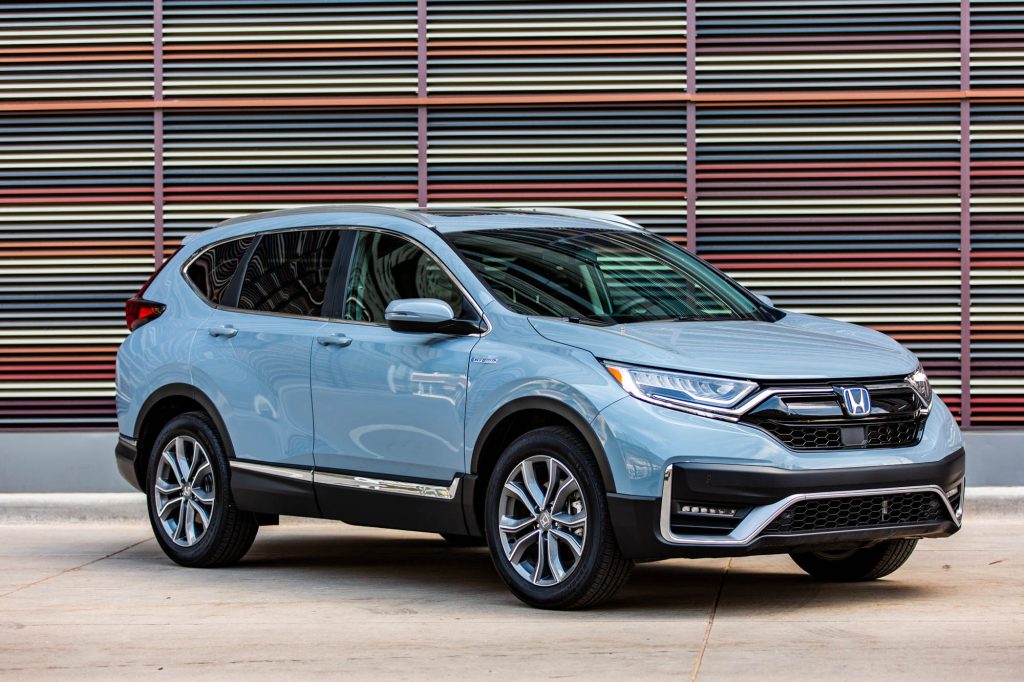
Cultural significance is another factor. The CR-V represents practicality and smart design, and it has consistently been a popular choice worldwide. Its versatility allows it to remain relevant for families, commuters, and fleet operators even as EVs gain prominence.
For buyers seeking a reliable, practical, and well-rounded vehicle, the Honda CR-V continues to offer real-world value. Its combination of durability, design, and usability ensures it will remain important in the automotive landscape, regardless of shifts toward electrification.
8. Jeep Grand Cherokee
The Jeep Grand Cherokee has been a staple of midsize SUVs for decades. Its blend of off-road capability, luxury options, and everyday practicality ensures it will continue to hold relevance as the EV era unfolds.
Its body-on-frame construction and advanced four-wheel-drive systems make it capable of tackling challenging terrain that many EV SUVs cannot handle. This durability is complemented by a suspension that balances off-road ruggedness with on-road comfort.
The interior combines versatility and quality. Spacious seating, intuitive controls, and durable materials make the Grand Cherokee a comfortable and practical vehicle. Modern models add safety features and infotainment systems, enhancing usability without compromising reliability.
Performance options cater to a wide range of drivers. From V6 engines to powerful V8s, the Grand Cherokee provides the necessary torque for towing, hauling, and off-road adventures. Its drivetrain versatility ensures it remains practical in diverse environments.
Maintenance is straightforward with a broad dealer network and widely available parts. This ease of ownership contributes to its long-term relevance, making it a trusted choice for families, adventurers, and professionals.
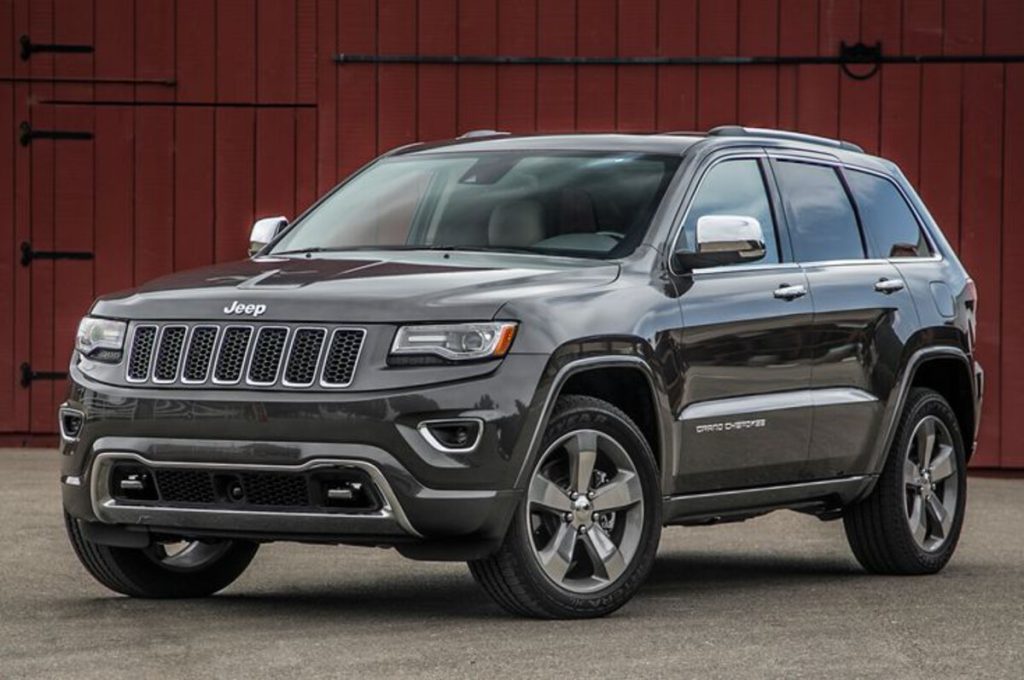
Cultural and lifestyle appeal also strengthens its position. The Grand Cherokee balances ruggedness with refinement, appealing to drivers who need a capable SUV without sacrificing comfort. Its reputation for reliability and performance ensures it remains desirable even as the industry transitions toward electric powertrains.
The Jeep Grand Cherokee continues to be a vehicle that meets real-world needs. Its combination of off-road capability, everyday usability, and enduring design ensures it will stay relevant well into the era of electrification.
9. Tesla Model S
The Tesla Model S redefined the electric sedan segment and remains relevant as EV technology advances. Its combination of range, performance, and technological integration ensures it continues to be a benchmark for premium electric vehicles.
Performance is one of the Model S’s strongest points. Dual or tri-motor setups deliver rapid acceleration and precise handling. The instant torque and smooth delivery make it a thrilling car for daily driving and long-distance cruising alike.
Range and efficiency are crucial for staying relevant. With over 400 miles of range in certain versions, the Model S remains practical for long trips, overcoming one of the key limitations of earlier EVs. Its charging network further strengthens its usability, allowing drivers to cover large distances with minimal inconvenience.
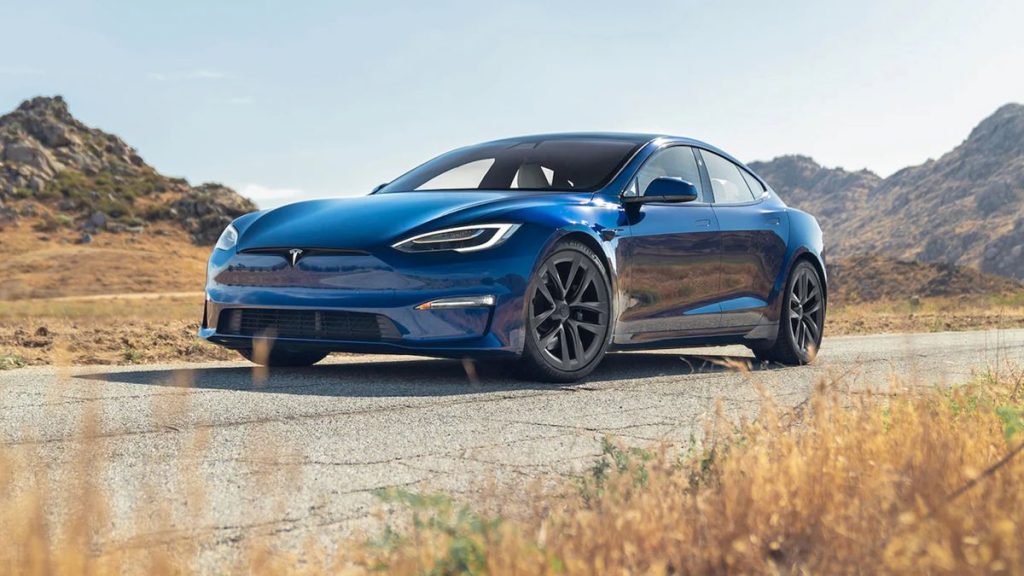
The interior emphasizes technology and comfort. The minimalist cabin houses a large touchscreen that controls most functions, paired with supportive seating and quality materials. Over-the-air updates keep the car current, providing new features and improvements long after purchase.
Reliability and ownership experience are improving. Tesla’s growing service network, coupled with remote diagnostics, ensures that maintenance and support are accessible. This reinforces confidence in long-term ownership, even as technology evolves rapidly.
Cultural and technological significance adds to its relevance. The Model S represents a shift in automotive priorities and continues to influence competitors. Its performance, style, and innovation ensure it remains a desirable choice for early adopters and mainstream buyers alike.
Even with the rise of new EVs, the Tesla Model S remains a standard-bearer. Its combination of range, speed, comfort, and technology guarantees that it will stay relevant and competitive in the evolving market for years to come.
10. Rivian R1T
The Rivian R1T pickup is a modern electric truck designed to compete in a segment where versatility and adventure are key. Its combination of all-electric performance, utility, and off-road capability ensures it stays relevant in a market increasingly focused on EVs.
Performance is tailored for both utility and fun. Quad-motor setups allow precise control over torque delivery, enabling excellent traction in challenging conditions. Acceleration is impressive for a full-size truck, making it versatile for daily driving and recreational use.
The design emphasizes functionality. A spacious cargo bed, storage compartments, and modular interior allow it to serve both as a work vehicle and adventure companion. The cabin is modern, with touchscreen controls, durable materials, and seating for five, ensuring practicality alongside innovation.
Range and charging support make it a practical choice. With over 300 miles of range in certain configurations, the R1T is capable of handling long trips. Fast-charging infrastructure and home charging options enhance convenience, addressing common EV concerns.
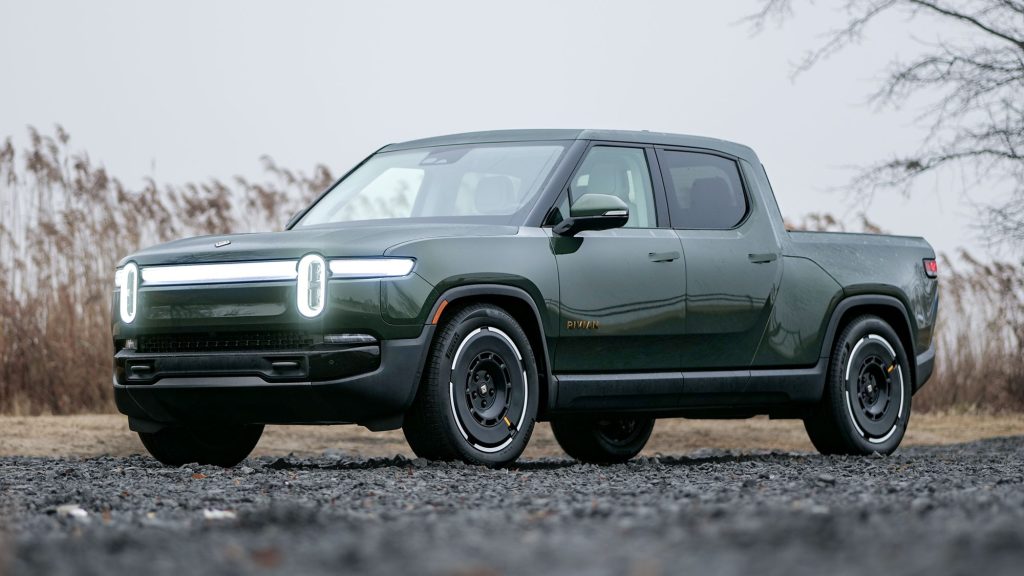
Maintenance is simplified compared to traditional trucks. Fewer moving parts and advanced diagnostics reduce potential repair issues. Rivian’s growing service network and support initiatives further strengthen ownership confidence.
The R1T’s cultural impact and brand positioning ensure relevance. It appeals to enthusiasts seeking a capable truck without compromising sustainability or technology. Its combination of off-road prowess, electric efficiency, and modern design makes it a standout in the evolving automotive landscape.
For buyers seeking an electric pickup that balances performance, utility, and technology, the Rivian R1T represents a forward-looking option that will remain relevant as EV adoption continues to grow.
11. Ford Mustang Mach-E
The Ford Mustang Mach-E represents a bold step for Ford, bringing the iconic Mustang name into the electric vehicle segment. While the automotive industry accelerates toward electrification, the Mach-E proves that performance, style, and practicality can coexist in an EV.
Performance is one of the Mach-E’s strongest attributes. With multiple configurations, including single-motor rear-wheel-drive and dual-motor all-wheel-drive options, the Mach-E offers impressive acceleration and a driving experience that is engaging and responsive.
Even in a fully electric format, it retains the Mustang’s sporty character, offering instant torque, precise handling, and confident cornering. The Mach-E is not just about straight-line speed; it provides a sense of connection and feedback that makes it enjoyable on winding roads or during everyday city driving.
Range and usability are critical for relevance in the EV market. Depending on the battery pack and drivetrain, the Mach-E offers between 230 and 314 miles of range. This makes it practical for daily commuting, road trips, and long-distance travel, without the range anxiety that often deters EV adoption.
Ford’s expanding network of charging partnerships and home charging options further enhances convenience, ensuring the Mach-E can integrate into modern life seamlessly.
Inside, the Mach-E balances advanced technology with driver-friendly design. A vertical touchscreen controls most of the car’s functions, including climate, navigation, and media. Physical controls are limited, but the interface is intuitive and responsive.
The cabin is spacious, with comfortable seating for five passengers, making it versatile for families or individuals who want both utility and style. Driver-assist features, including adaptive cruise control, lane centering, and automatic emergency braking, provide confidence and safety for modern driving conditions.
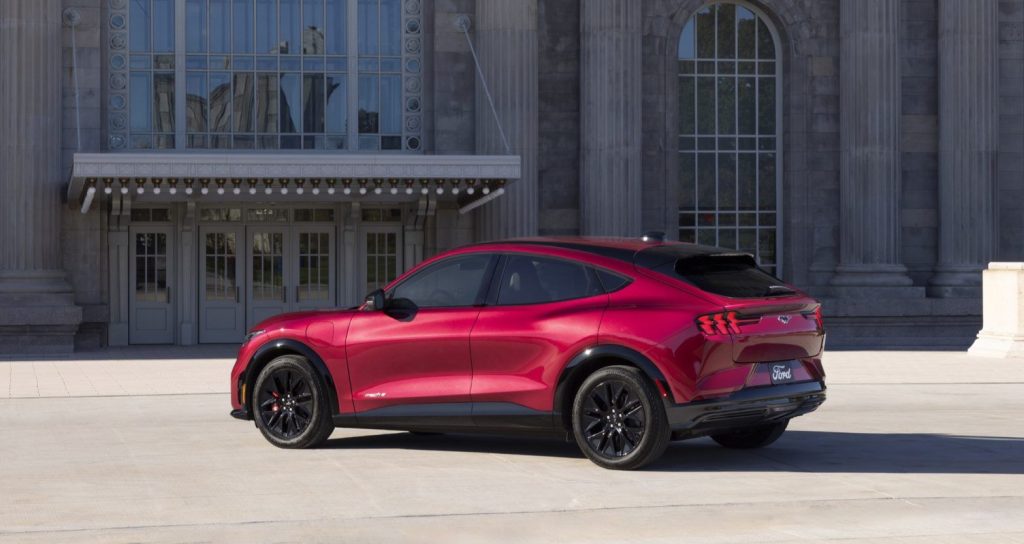
Reliability and service infrastructure add to its long-term relevance. Ford’s dealer network supports the Mach-E with maintenance, diagnostics, and over-the-air updates that continuously improve the vehicle’s performance and software. This ensures that owners can enjoy a modern EV experience without worrying about rapid obsolescence.
Cultural significance also plays a role. The Mach-E carries the Mustang brand into the EV era while appealing to a new generation of buyers who value sustainability, technology, and driving enjoyment.
It bridges the gap between traditional muscle cars and modern electric mobility, showing that EVs can deliver excitement without sacrificing practicality.
The Ford Mustang Mach-E’s combination of utility, performance, style, and technological sophistication ensures it will remain relevant for years to come.
Its versatility, brand heritage, and thoughtful design make it a standout choice for anyone entering the electric vehicle market while still valuing driving pleasure and everyday usability.
12. Mercedes-Benz EQS
The Mercedes-Benz EQS is Mercedes’ flagship electric sedan, representing the pinnacle of the brand’s vision for luxury and innovation in the EV era. Designed to combine comfort, performance, and cutting-edge technology, the EQS demonstrates that electric vehicles can deliver a full spectrum of automotive excellence.
Performance is refined yet impressive. The EQS comes in multiple configurations, including rear-wheel-drive and dual-motor all-wheel-drive setups. Acceleration is smooth and immediate, delivering a sense of effortless power.
Steering and handling are precise, balancing comfort with agility. The EQS can cruise silently on highways or accelerate confidently when needed, providing a dynamic yet composed driving experience. Even as a large sedan, it feels nimble and responsive thanks to its low center of gravity and advanced suspension systems.
Range and charging capabilities enhance its practicality. Depending on battery and trim, the EQS offers over 350 miles of range, allowing it to handle long trips with ease.
Fast-charging capability ensures minimal downtime, and Mercedes’ network of compatible chargers and home solutions adds convenience for daily use.
With over-the-air updates, the EQS can receive software improvements that enhance efficiency, comfort, and safety, keeping the vehicle current for years.
The interior exemplifies Mercedes’ approach to luxury. The MBUX Hyperscreen spans almost the entire dashboard, integrating infotainment, climate control, navigation, and driver-assist features in a seamless, futuristic interface.
Seating is spacious and supportive, with premium materials that create a sense of refinement and comfort. Advanced features, such as adjustable ambient lighting and multi-zone climate control, cater to passenger comfort while emphasizing the EQS’s status as a top-tier luxury vehicle.
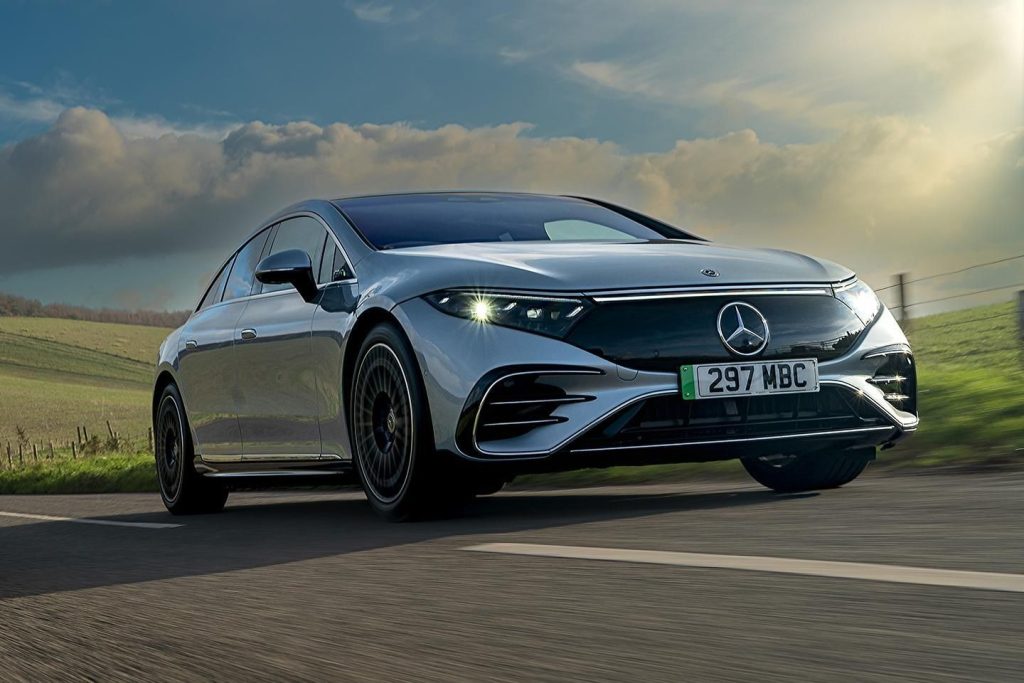
Reliability and support infrastructure ensure relevance. Mercedes-Benz offers global service coverage, ensuring that maintenance and software updates are accessible. This combination of engineering excellence, advanced technology, and aftersales support provides confidence for long-term ownership.
Cultural and brand significance reinforce the EQS’s position. It represents the transition of a traditional luxury automaker into the EV age without compromising brand identity or quality standards. Its combination of style, performance, technology, and prestige ensures it will appeal to both luxury buyers and technology enthusiasts for years to come.
The Mercedes-Benz EQS demonstrates that an electric vehicle can be more than just sustainable; it can be luxurious, powerful, and forward-thinking. Its comprehensive package of comfort, innovation, and performance guarantees that it will remain relevant and desirable in the evolving automotive market for years ahead.
The automotive industry is rapidly shifting toward electric power, yet certain vehicles remain essential and relevant despite this transformation. The twelve models highlighted here demonstrate that design, performance, versatility, and brand reputation can ensure long-term appeal, even in an era dominated by EVs.
Rugged SUVs and trucks like the Toyota Land Cruiser, Jeep Wrangler, Toyota Hilux, and Chevrolet Silverado continue to matter because of their durability, off-road capability, and utility.
Their mechanical reliability and practical design make them indispensable for families, adventurers, and professionals who need vehicles that perform in challenging conditions where EVs may struggle.
Luxury and performance vehicles, including the Porsche 911, Mercedes-Benz EQS, and Tesla Model S, remain relevant due to their blend of comfort, technology, and driving experience.
These cars demonstrate that electrification does not have to come at the expense of performance or prestige. Advanced features, long-range capability, and refined engineering allow them to stay desirable as benchmarks in their respective segments.
Practical and versatile models such as the Honda CR-V, Ford F-150, Jeep Grand Cherokee, and Ford Mustang Mach-E show that adaptability matters. These vehicles balance everyday usability with innovation, safety, and technology, proving that practicality and modernity can coexist.
Across all segments, the key factors for continued relevance include reliability, versatility, brand strength, and the ability to adapt to changing market expectations. Vehicles that combine these elements remain in demand, regardless of whether they are powered by internal combustion engines or electricity.
For buyers and enthusiasts, these twelve models represent smart choices for long-term ownership. They offer usability, enjoyment, and future-proof value, demonstrating that while the EV era is expanding rapidly, certain vehicles are built to maintain their significance, appeal, and practicality for years to come.
