Finding a vehicle that combines reliability, performance, and low upkeep can feel like striking automotive gold. With rising repair costs and unpredictable maintenance bills, choosing a car that’s economical to maintain over time is increasingly important.
From compact SUVs to full-size luxury rides, and even high-performance sports cars and electric vehicles, some models stand out for their affordability in long-term ownership. The 2024 Buick Envision and Chevrolet Trax provide budget-friendly options in the crossover segment, while full-size SUVs like the GMC Yukon XL offer space and capability without breaking the bank.
Performance enthusiasts aren’t left out either, with the Chevrolet Corvette and Ford Mustang delivering thrilling driving experiences alongside manageable upkeep. Meanwhile, electric vehicles such as the Tesla Model 3 and Model S show that cutting-edge technology doesn’t have to come with hefty maintenance costs. Here, we explore 12 cars that prove owning a dependable vehicle doesn’t have to drain your wallet.
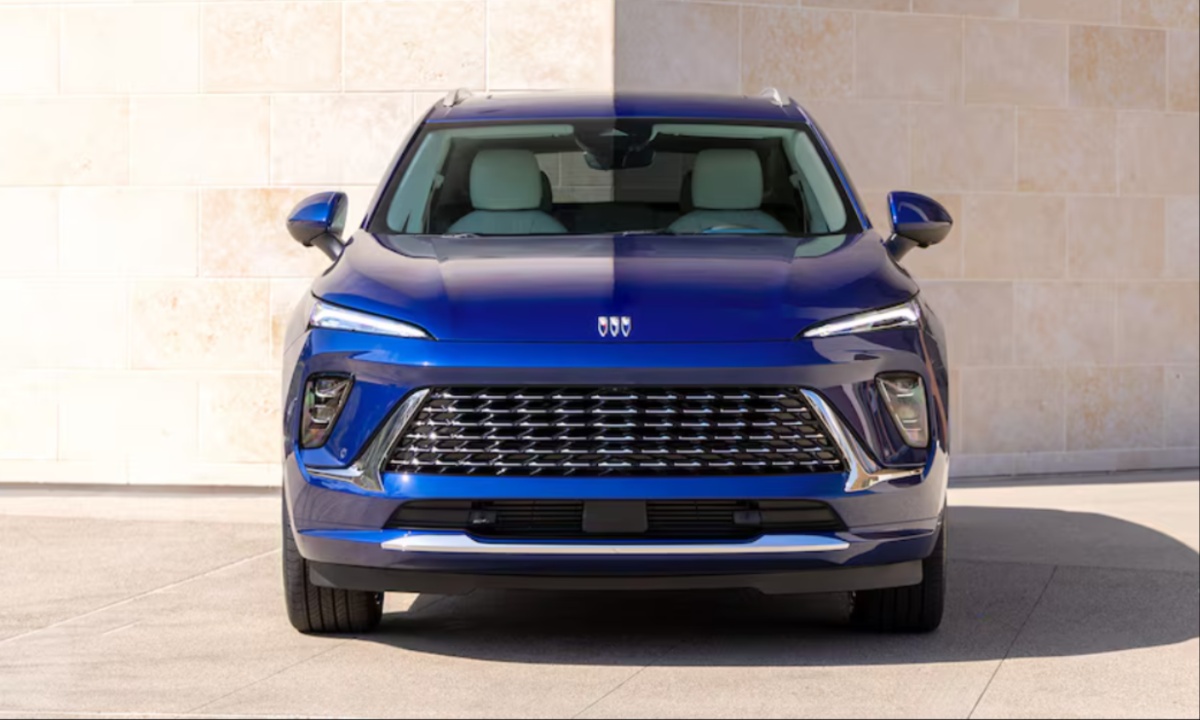
1. 2024 Buick Envision
The 2024 Buick Envision has been fully redesigned, featuring a modern exterior and interior that align with Buick’s updated lineup. It now comes with a range of enhanced technology systems and increased standard safety and driver-assistance features.
The Envision is a compact crossover SUV priced at an MSRP of $35,100. Maintenance costs are relatively low, with projected expenses of $2,287 over five years and $8,521 over ten years.
The vehicle carries a 25.14% chance of requiring a major repair, reflecting Buick’s reputation for reliability, further supported by an 81/100 score in J.D. Power’s Quality and Reliability ratings. All-wheel drive comes standard, slightly increasing potential maintenance needs.
The Envision delivers competent performance, reaching 60 mph in 7.7 seconds. While this is respectable for a small SUV, the acceleration feels composed rather than sporty, appealing to drivers who prefer smooth confidence over aggressive performance.
The gas pedal is highly responsive, and the brakes provide short stopping distances with reassuring pedal feedback. Handling is adequate, with some noticeable body roll, making it more suitable for everyday driving rather than spirited maneuvers. The Envision provides a confident and controlled ride at normal speeds.
Front-seat comfort is good, with adjustable seating positions, though taller passengers may find the seat cushion slightly short. Firm padding can create discomfort over long trips, and the massage function is mild compared to luxury alternatives. The ride quality is soft and smooth, complemented by a quiet cabin that effectively reduces wind and road noise.
The interior is clean and functional, with the dashboard angled toward the driver for easy access. The push/pull gear selector is intuitive and conserves space on the center console. Passenger space is average, potentially limiting comfort on longer trips for taller occupants. Outward visibility is aided by well-sized roof pillars and a clear surround-view camera system.
Standard tech includes wireless Apple CarPlay and Android Auto, though wireless CarPlay can be slow to respond. The 10-inch touchscreen is sharp, but its placement near the infotainment knob is less convenient than if it were on the center console.
Driver-assistance features, including adaptive cruise control and lane-keeping assist, function smoothly without false alarms. Audio quality is decent at moderate volumes but lacks punch at higher levels.
Cargo space is 25.2 cubic feet, below average for the segment, with limited interior storage solutions. The hands-free liftgate and wireless charging pad are practical additions. Rear-facing infant seats may reduce front-seat space, but car seat anchors are easy to access.
The front-wheel-drive Envision is rated at 26 mpg combined, with observed highway performance slightly higher at 28.8 mpg. While the Envision offers higher-quality materials and styling than typical small SUVs, its price sits between mainstream and luxury segments, making it less compelling as a value proposition.
Warranty coverage is standard, but Buick’s six-year/70,000-mile roadside assistance is generous, and the first scheduled maintenance visit is complimentary.
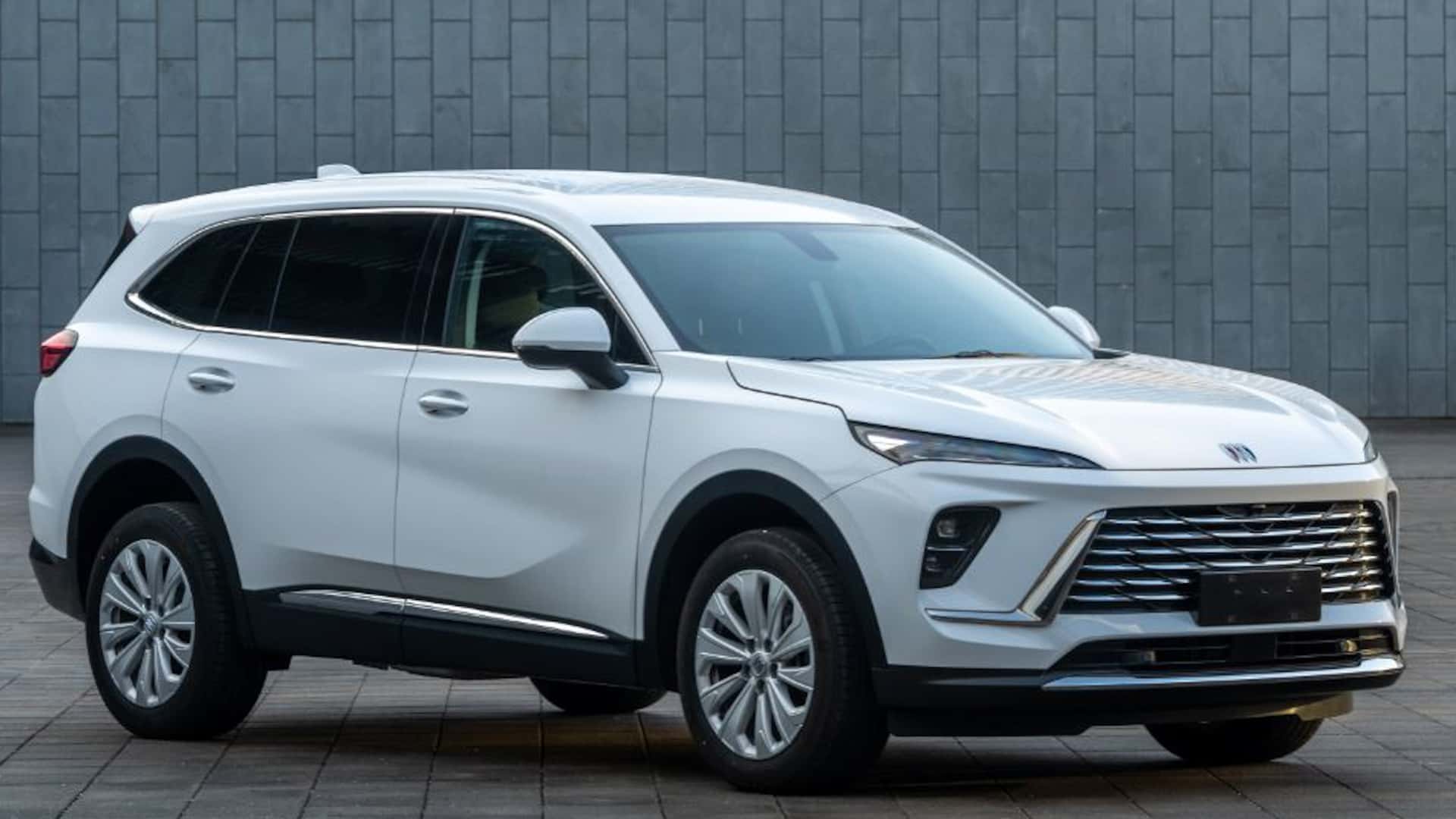
2. 2024 GMC Yukon XL
The 2024 GMC Yukon XL remains largely unchanged as GMC prepares a refreshed design for 2025. This full-size SUV combines enormous interior space with strong capability, making it ideal for family hauling or luxury utility needs. Pricing starts at $63,195, with the top-tier Denali Ultimate trim reaching $103,750.
Maintenance costs are reasonable for a vehicle of its size, estimated at $2,475 over five years and $8,517 over ten years, with a 22.8% chance of requiring a major repair. The Yukon XL also benefits from strong reliability and one of the lowest probabilities of major repairs among full-size American SUVs.
The Yukon XL offers three engine options. The standard 5.3-liter V8 produces 355 horsepower and 383 lb-ft of torque. A more powerful 6.2-liter V8, standard on Denali trims and optional on the AT4, delivers 420 horsepower and 460 lb-ft of torque.
The available Duramax 3.0-liter inline-6 turbodiesel provides the same 460 lb-ft of torque while improving fuel efficiency. All engines are paired with a 10-speed automatic transmission and offer rear-wheel drive as standard, with four-wheel drive optional or standard depending on the trim.
Towing capacity ranges from 7,400 to 8,400 pounds, depending on engine and drivetrain. The AT4 trim adds off-road readiness with all-terrain tires, a skid plate, and red tow hooks.
Despite its massive size, the Yukon XL is comfortable and composed, thanks to its independent rear suspension, optional magnetic ride control, and air suspension. Fuel economy is modest for the V8 engines, with the 5.3-liter returning 17 mpg combined and the 6.2-liter 16 mpg. The turbodiesel improves efficiency significantly, achieving up to 23 mpg on the highway.
The Yukon XL can seat seven to nine passengers, depending on configuration. Front bucket seats are standard on most trims, while the base SLE trim offers a front bench for nine-passenger capacity.
The XL model adds extra legroom in the third row and substantially more cargo space: 41.5 cubic feet behind the third row, 93.8 with it folded, and 144.7 with both rear rows down. Luxury Denali trims include massaging seats, premium leather, wood trim, rear-seat entertainment, and other upscale amenities.
Available technology includes the Super Cruise hands-free driving system, ProGrade trailering system, and a wide array of safety features. OnStar provides three years of remote access on select trims. NHTSA rates the Yukon XL four stars, while IIHS testing has not yet been completed.
The Yukon XL offers leading resale value, surpassing competitors like the Ford Expedition, Toyota Sequoia, and Nissan Armada. Standard warranty coverage includes three years/36,000 miles for the vehicle and five years/60,000 miles for the powertrain. With its extensive interior space, luxury options, and towing capability, the Yukon XL balances utility and comfort for a wide range of buyers.
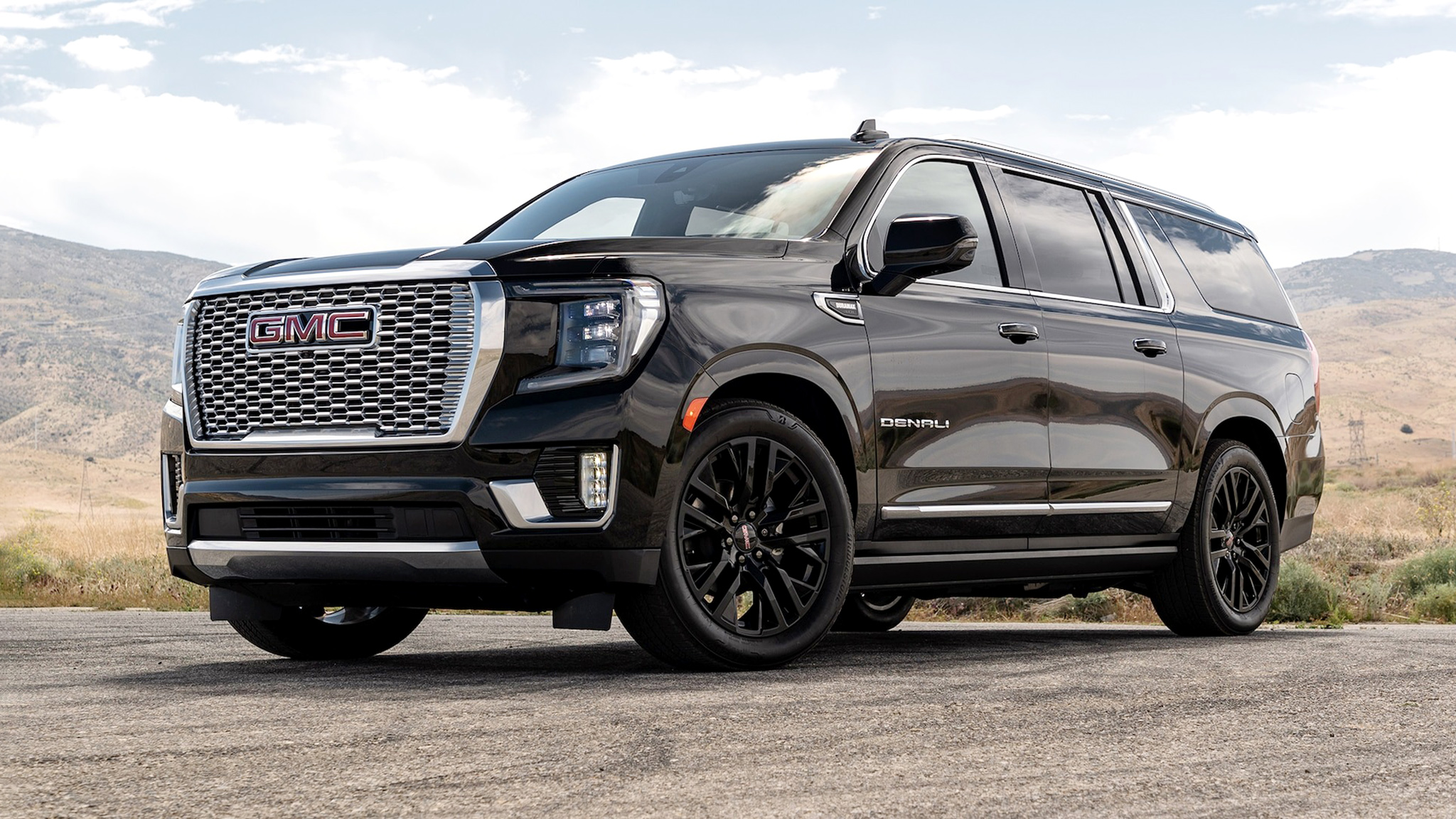
3. 2024 Chevrolet Trax
The 2024 Chevrolet Trax has been redesigned, gaining slightly more size and an expanded set of features, including improved passenger safety and driver-assistance systems. Five trim levels are available: LS, 1RS, 2RS, LS, and ACTIV.
Maintenance costs are estimated at $2,379 over five years and $8,512 over ten years, with a low chance of major repair, making it one of the more affordable options in its segment. With its small size and practical design, the Trax offers a rare combination of affordability, usability, and build quality in an extra-small SUV.
The Trax is powered by a small turbocharged three-cylinder engine. It accelerates from 0 to 60 mph in 9.1 seconds, which is competitive for its class. Around town, the engine delivers sufficient torque for smooth traffic flow, though highway passing can feel strained.
The automatic transmission shifts smoothly, and braking is adequate, providing controlled stops. Steering is light, making the Trax easy to maneuver and park. Handling is stable through turns, though the vehicle is not designed for sporty driving.
Seating in the Trax is soft and comfortable, though slightly flat, offering moderate support on sharp turns. Ride quality is smooth, absorbing most road imperfections, and rear passengers benefit from ample legroom. Wind and road noise are noticeable but not intrusive. Climate control is basic, with no dual-zone or rear vents, which can affect comfort on longer trips.
The interior is well-laid-out, with easy-to-use dashboard buttons and logically organized touchscreen menus. The driving position provides excellent visibility, and wide-opening doors make entry and exit simple. Rear seats are spacious for most adults, and visibility is aided by upright windows, well-sized mirrors, and a crisp backup camera.
The Trax includes wireless Apple CarPlay and Android Auto as standard. While it lacks a built-in navigation system and voice commands, smartphone integration is smooth. Available driver-assistance features include adaptive cruise control and blind-spot warning, both of which operate smoothly and intuitively.
Cargo space measures 25.6 cubic feet, above most rivals in this class, with a wide and deep area for groceries and luggage. Interior storage is practical, including a deep center console and large door pockets, though the rear lacks cupholders. Rear-facing car seats can be installed easily, and accessible anchors make child safety installation straightforward.
The EPA rates the Trax at 30 mpg combined, though real-world testing yielded 28.7 mpg. The Trax is one of the most affordable options in its segment, offering strong value for its price. Build quality is solid for the class, and the interior avoids a cut-rate feel despite cost-saving measures.
Standard warranty coverage includes three years/36,000 miles basic and five years/60,000 miles powertrain, plus five years of roadside assistance and the first maintenance visit.
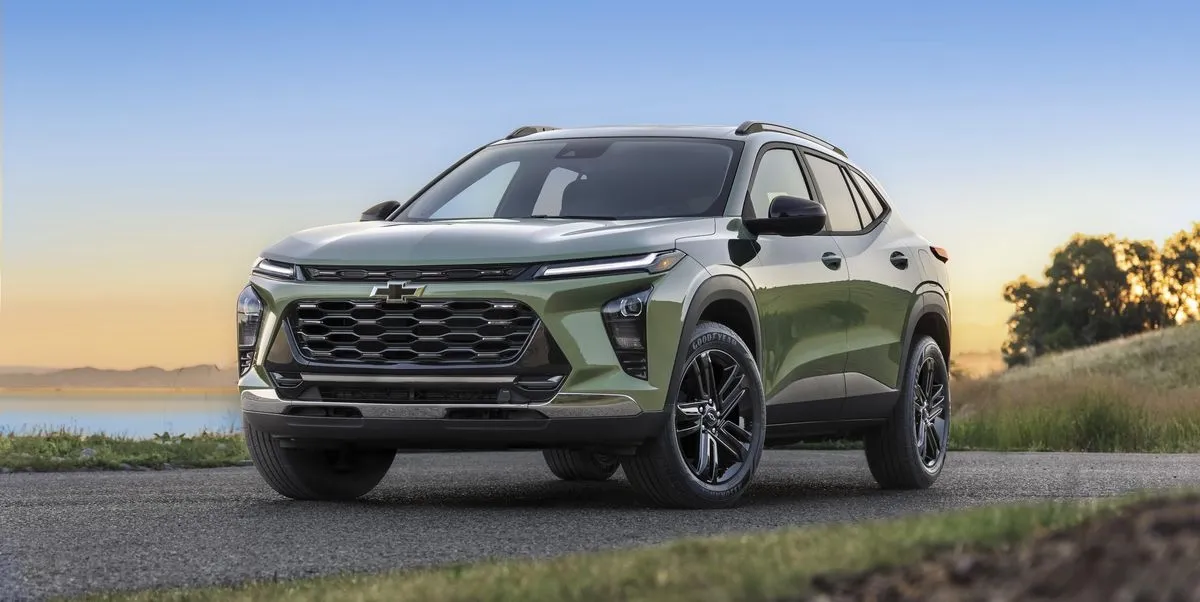
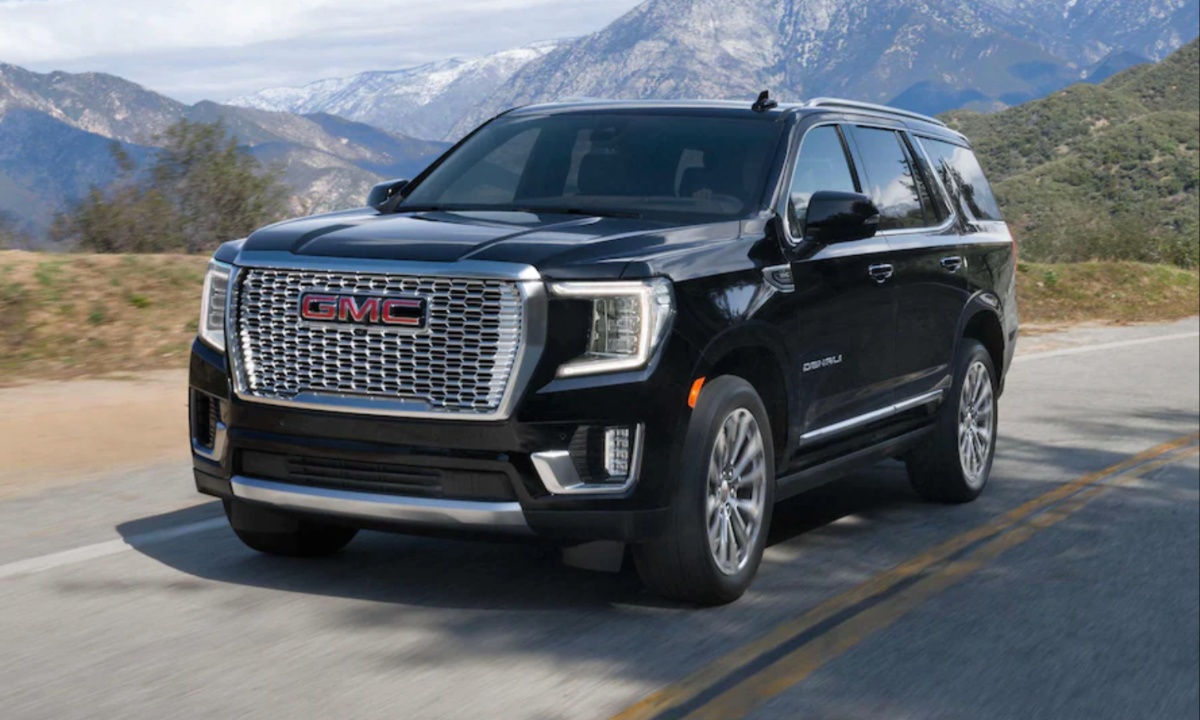
4. 2024 GMC Yukon
The 2024 GMC Yukon is a full-size SUV that balances size, capability, and luxury. While largely unchanged for this model year, it receives the rugged AT4 package and continues to offer Denali Ultimate and other trim levels.
Maintenance costs are estimated at $2,360 over five years and $8,300 over ten years, with a 22.8% chance of major repair. With its durable construction and extensive features, the Yukon is positioned between mainstream and luxury SUVs, offering flexibility for families, towing, and daily driving.
The Yukon is available with multiple engines, including a standard 5.3-liter V8, an optional 6.2-liter V8, and a Duramax turbodiesel. The 6.2-liter V8 produces ample power, enabling a 0–60 mph sprint in 6.5 seconds. All engines are paired with a 10-speed automatic transmission, and rear-wheel drive comes standard, with four-wheel drive available.
The Yukon handles its weight well, though it can feel ponderous in tight corners. Brakes provide smooth stopping, and light steering effort aids maneuvering in parking lots. Adaptive suspension and air suspension enhance ride comfort, making this truck-based SUV surprisingly smooth on the road.
The cabin is quiet, with minimal wind noise despite the boxy shape. Climate control efficiently circulates air across all three rows. The massive touchscreen is the main interface, supplemented by a row of toggles and a central volume knob for easy adjustments.
The third-row seats can be raised or lowered from the upper control console. Some buttons are less intuitively placed, and the shift stalk is less user-friendly than alternatives, but most controls are easy to access with minimal practice.
The Yukon features a Google-based operating system with a 16.8-inch touchscreen, Apple CarPlay and Android Auto, and available Super Cruise hands-free driving assistance.
A premium 18-speaker Bose audio system and multiple USB ports and wireless charging pads ensure connectivity for all passengers. Driver aids, including adaptive cruise control and lane-keeping assistance, generally perform well, though adaptive cruise can occasionally react slowly to lane changes.
Cargo space measures 25.5 cubic feet behind the third row, expanding to 122.9 cubic feet with all rear seats folded. Cabin storage is plentiful, with multi-tier door pockets, hidden compartments, and armrest storage.
Child seats fit comfortably in the second row with easily accessible anchors. The Yukon can tow between 8,000 and 8,400 pounds, depending on engine and drivetrain, offering strong utility compared with most luxury SUVs.
EPA-estimated fuel economy ranges from 16 mpg with V8 engines to 23 mpg with the diesel option. The Yukon sits between mainstream SUVs like the Ford Expedition and high-end luxury SUVs in price, providing a mix of capability, space, and customization options.
Standard warranty coverage includes three years/36,000 miles and powertrain and roadside assistance for five years/60,000 miles, with the first scheduled maintenance visit included.
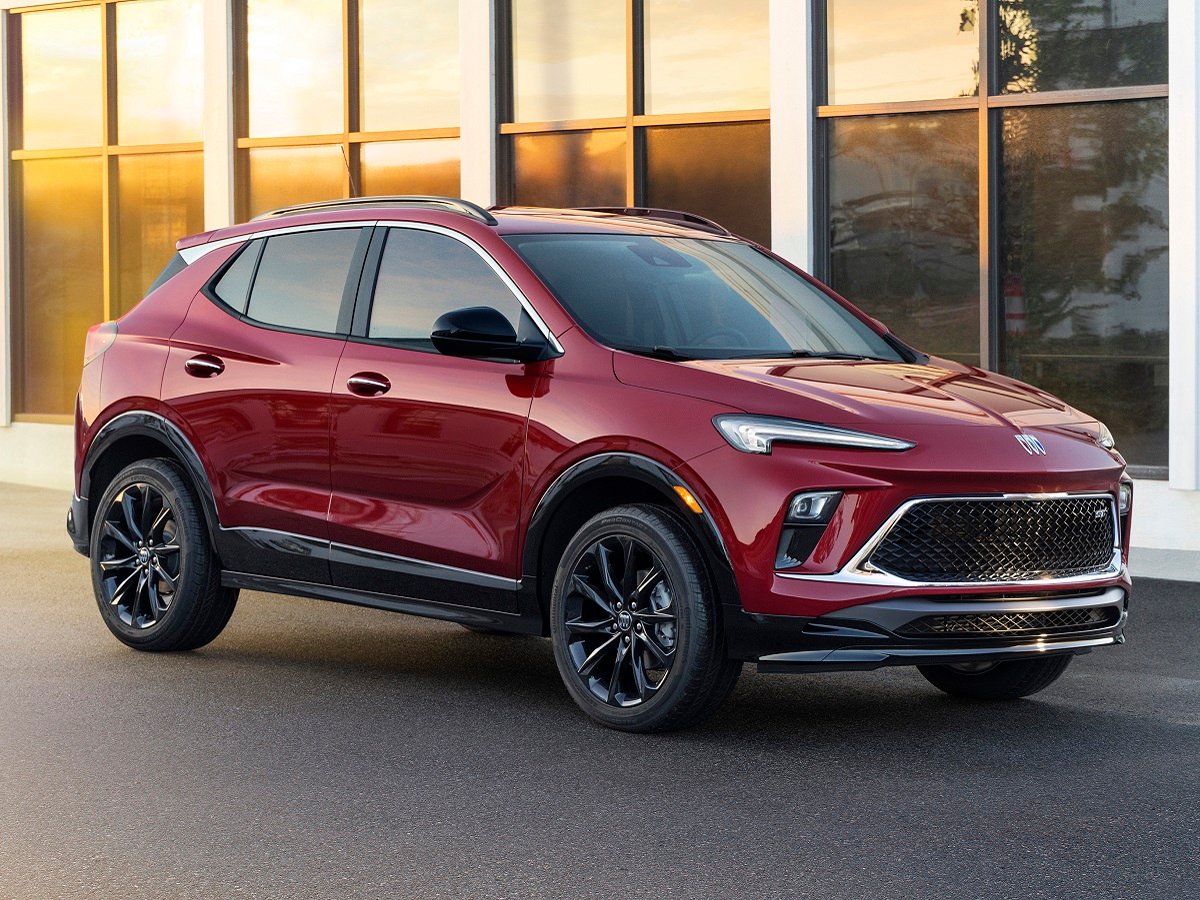
5. 2024 Buick Encore GX
The 2024 Buick Encore GX is Buick’s most popular subcompact SUV, available with either a 1.2-liter turbocharged three-cylinder engine producing 137 hp or a 1.3-liter turbocharged three-cylinder making 155 hp. All-wheel drive is optional, setting it apart from its corporate cousin, the Chevrolet Trax.
Maintenance costs are low, estimated at $2,158 over five years and $8,264 over ten years, with a 25.14% chance of a major repair. The Encore GX scored an impressive 87/100 in the J.D. Power Quality and Reliability rankings, highlighting Buick’s focus on long-term dependability.
The Encore GX drives surprisingly dynamically for a subcompact SUV. Its suspension limits body roll, and steering is light yet accurate for city driving. Acceleration from the turbocharged 1.3-liter engine reaches 0–60 mph in 9.2 seconds, slightly faster than average for the segment.
The nine-speed automatic transmission can be slow to downshift when more power is needed, and the engine stop-start system causes noticeable jolts at traffic lights, though it can be turned off. Braking is sensitive but effective, and the ride absorbs most road imperfections, though square-edged bumps can be felt in the cabin.
Front seat comfort is firm, with modest lateral support, while rear passengers enjoy adequate legroom and headroom. Tire and engine noise are noticeable on highways, and engine vibrations can be felt through the steering wheel.
The cabin design blends analog and digital controls, keeping the interface simple and intuitive. Climate control is effective, seat heaters warm quickly, and entry is easy despite the upright seating position. Child seat anchors are present but somewhat hidden.
The Encore GX offers a strong tech suite, including a responsive infotainment system, wireless Apple CarPlay and Android Auto, four USB ports, a 120-volt outlet, and a wireless charging pad. The navigation system uses predictive text and delivers accurate routing. Available safety features include forward-collision warning and other driver-assistance aids, which function smoothly.
Cargo space is 23.5 cubic feet behind the rear seats and 50.2 cubic feet with seats folded, slightly above average for its class. Rear seats fold flat without moving the front seats, and the liftgate height is adjustable. Cabin storage includes a divided center console, front cubbies, and door pockets, though rear cupholders are limited. The interior accommodates child seats comfortably despite the compact size.
The Encore GX AWD achieves an EPA-estimated 27 mpg combined, with real-world testing reaching 31.1 mpg, among the best for extra-small SUVs. Pricing starts near the higher end of its segment, reflecting its upscale interior and quality materials. Standard warranty coverage includes three years/36,000 miles for the vehicle, five years/60,000 miles for the powertrain, roadside assistance, and the first service visit.
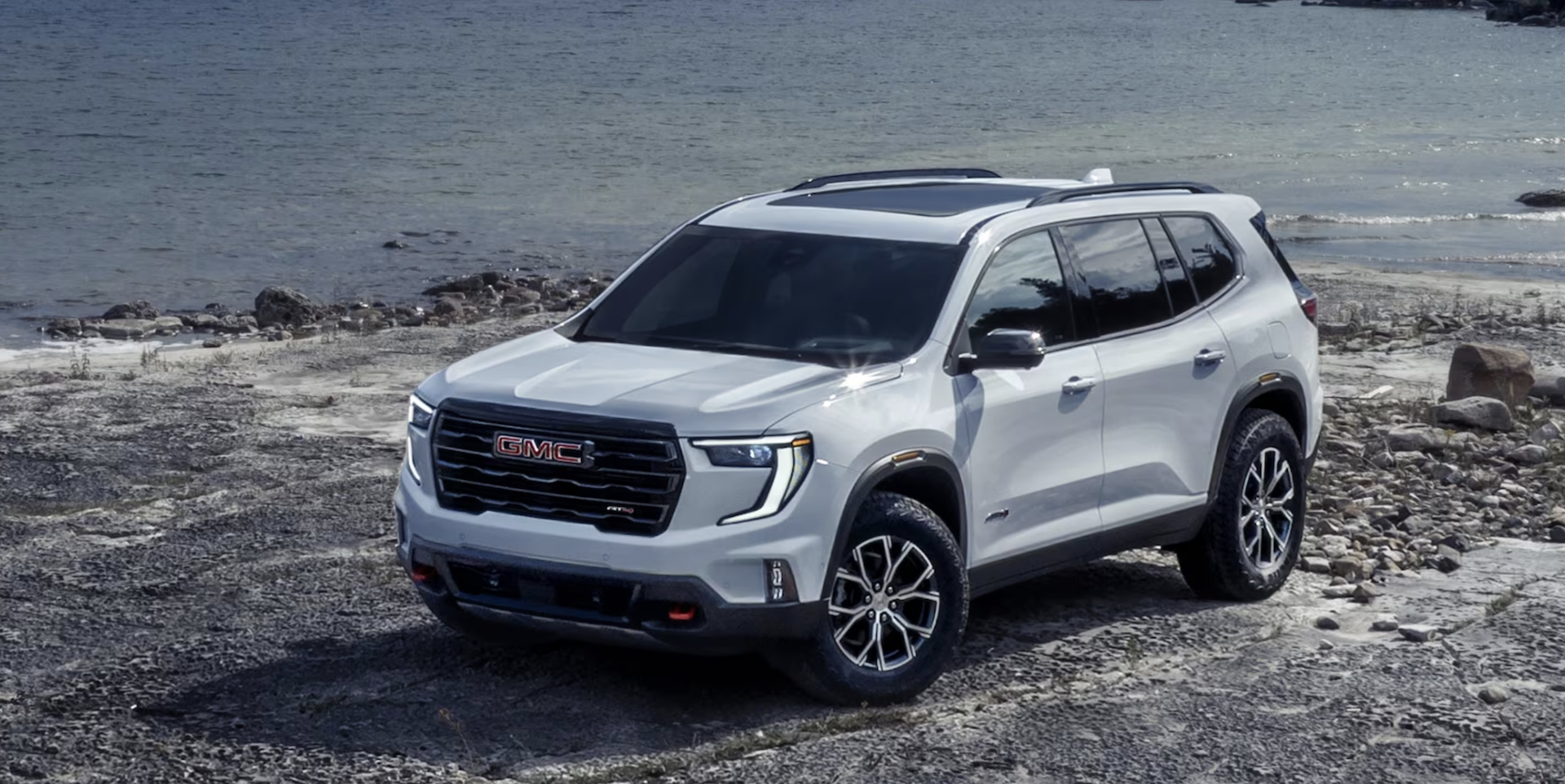
6. 2024 GMC Acadia
The 2024 GMC Acadia is a significantly larger and more refined three-row crossover than its 2023 predecessor. Maintenance costs are estimated at $2,119 over five years and $7,817 over ten years, with a 22.8% chance of major repair.
The model benefits from an expanded suite of safety and driver-assistance features, an upscale interior, and a more powerful turbocharged 2.5-liter four-cylinder engine producing 328 hp and 326 lb-ft of torque.
The Acadia’s turbocharged four-cylinder engine delivers strong acceleration and maintains competitive fuel economy despite the larger body. EPA estimates for front-wheel-drive models are 20 mpg city, 27 mpg highway, and 23 mpg combined, while AWD versions achieve 19/24/21 mpg.
Real-world testing of the AWD model produced 22 mpg on mixed driving. The eight-speed automatic transmission ensures smooth power delivery, though the engine emits a harsh, raspy sound under acceleration.
The Acadia handles corners with confidence, and the ride remains comfortable even with 22-inch wheels. The AT4 trim adds an off-road package with upgraded suspension, more ground clearance, all-terrain tires, and hill-descent control.
The interior is more upscale, featuring a 15-inch infotainment touchscreen and an 11-inch digital gauge cluster. The cabin accommodates seven passengers with second-row captain’s chairs and a third-row bench. Legroom in the third row is improved but still less spacious than some rivals.
Easy third-row access is a plus, but taller passengers may feel constrained. Leatherette or genuine leather is available depending on trim, and features like ventilated and heated seats, a panoramic sunroof, and a heated steering wheel enhance comfort.
The Acadia offers advanced tech, including a Google-based infotainment system, Apple CarPlay, Android Auto, and multiple USB ports and wireless charging options. Super Cruise hands-free driving is newly optional, allowing semi-autonomous driving on compatible highways.
Driver-assistance systems include adaptive cruise control, forward automatic emergency braking, lane-keeping assistance, and blind-spot monitoring. Some functions, like headlight and seat controls, are accessed through touchscreen menus, which can be less intuitive.
Cargo space measures 23 cubic feet behind the third row, 57 cubic feet with the third row folded, and 98 cubic feet with both rear rows down, ranking among the best in the segment. Rear seats fold flat for easy loading, and the liftgate height is adjustable. Storage throughout the cabin includes multiple bins and compartments. The Acadia can tow up to 5,000 pounds, typical for its class.
Pricing starts at $42,600, with fully loaded Denali and AT4 trims reaching over $60,000 with options. The Acadia’s competitors include the Chevrolet Traverse, Buick Enclave, Toyota Grand Highlander, Volkswagen Atlas, Hyundai Palisade, and Kia Telluride.
While the Acadia is more expensive than some rivals, it offers a combination of cargo space, tech features, and premium interior touches that make it a compelling choice for buyers prioritizing space and technology.
Also Read: 5 Cars That Outlast Their Bad Reputations vs 5 That Don’t
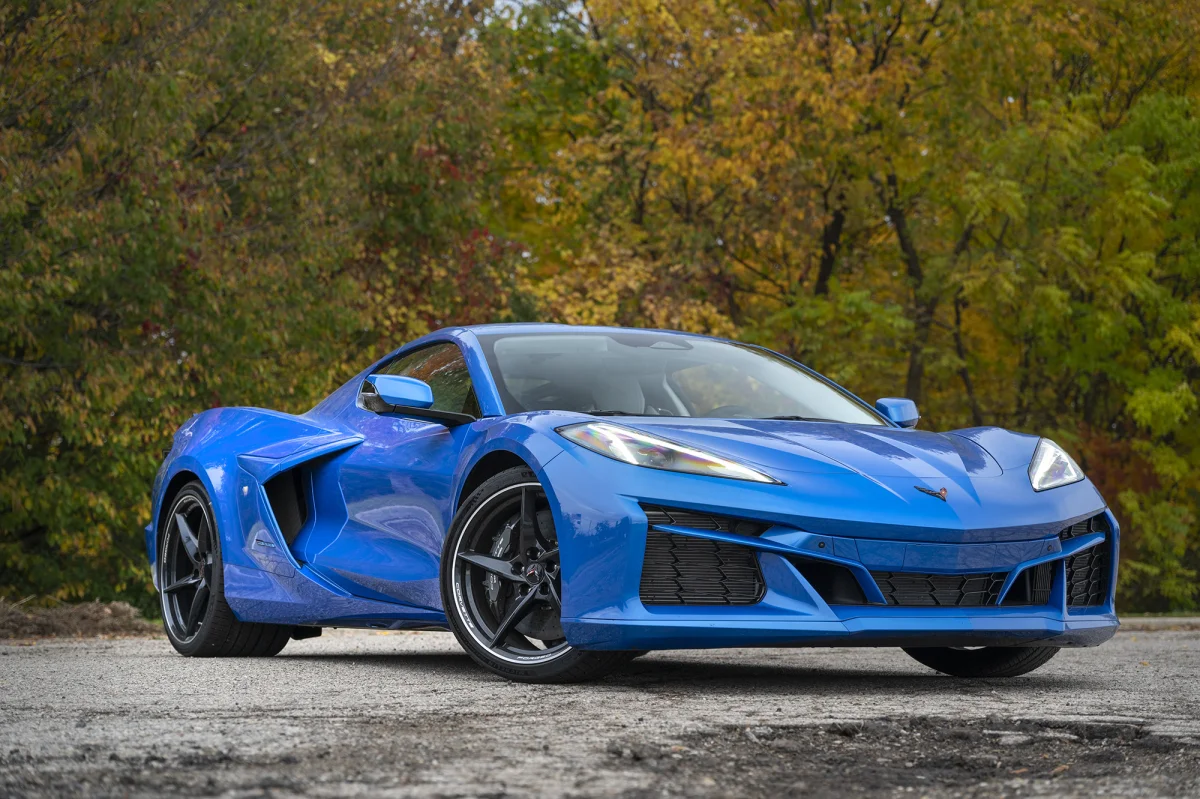
7. 2024 Chevrolet Corvette
The 2024 Chevrolet Corvette delivers high performance without high maintenance costs. Estimated maintenance is $2,259 over five years and $7,714 over ten years, with a 20.26% chance of major repair. The Corvette enjoys excellent reliability ratings, with a 92/100 score in J.D. Power Quality and Reliability, making it one of the few mid-engine sports cars that combines thrilling performance with reasonable upkeep.
The Corvette offers outstanding acceleration and handling. Equipped with a 3LT coupe setup and optional Z51 Performance package, it achieves 0–60 mph in 3.6 seconds (3.3 seconds with rollout) and the quarter mile in 11.8 seconds at 118 mph. With the Z51 package, these numbers improve to 3.4 seconds and 11.5 seconds at 120 mph, respectively.
Braking distances are competitive, with a tested 60–0 mph stop of 109 feet (105 feet with Z51). Steering is precise, and the eight-speed automatic transmission shifts smoothly and quickly. The Corvette handles well even for moderately skilled drivers, thanks to balanced weight distribution and excellent chassis tuning.
Despite being a sports car, the Corvette is surprisingly comfortable. Optional MagneRide adaptive suspension smooths uneven roads while keeping the car planted in corners. GT2 bucket seats provide long-distance comfort with heated and ventilated functions.
Climate control offers good airflow, and the cabin is relatively quiet, though tire noise can be noticeable on rough roads. Entry and exit require more effort due to the low stance, and rear visibility is limited, partially addressed by a camera-based rearview display.
The Corvette comes equipped with a modern infotainment system featuring a touchscreen positioned close to the driver for ease of use. Standard wireless Apple CarPlay and Android Auto allow seamless smartphone integration.
Optional features include a 14-speaker Bose audio system and GPS-enabled nose-lift for steep driveways. Performance Traction Management software enhances driving dynamics, while driver aids are minimal due to the car’s performance-oriented focus.
Storage is limited but reasonable for a mid-engine sports car. The front trunk fits small groceries, while the rear accommodates two golf bags. Storing the removable coupe roof reduces rear space significantly. Interior storage consists of a small center console and limited cupholders, with narrow felt-lined door pockets.
EPA estimates are 19 mpg combined, and real-world testing returned 21.8 mpg. This is notable given the Corvette encourages spirited driving, demonstrating balance between performance and efficiency.
The Corvette is a strong value among high-performance cars. Even with options like the Z51 package or 3LT luxury upgrades, it remains competitively priced. Build quality, fit, and finish are improved over previous generations, with premium interior materials and tight panel gaps.
Warranties include a three-year/36,000-mile basic and five-year/50,000-mile powertrain coverage, plus five years/60,000 miles roadside assistance and the first service visit free.
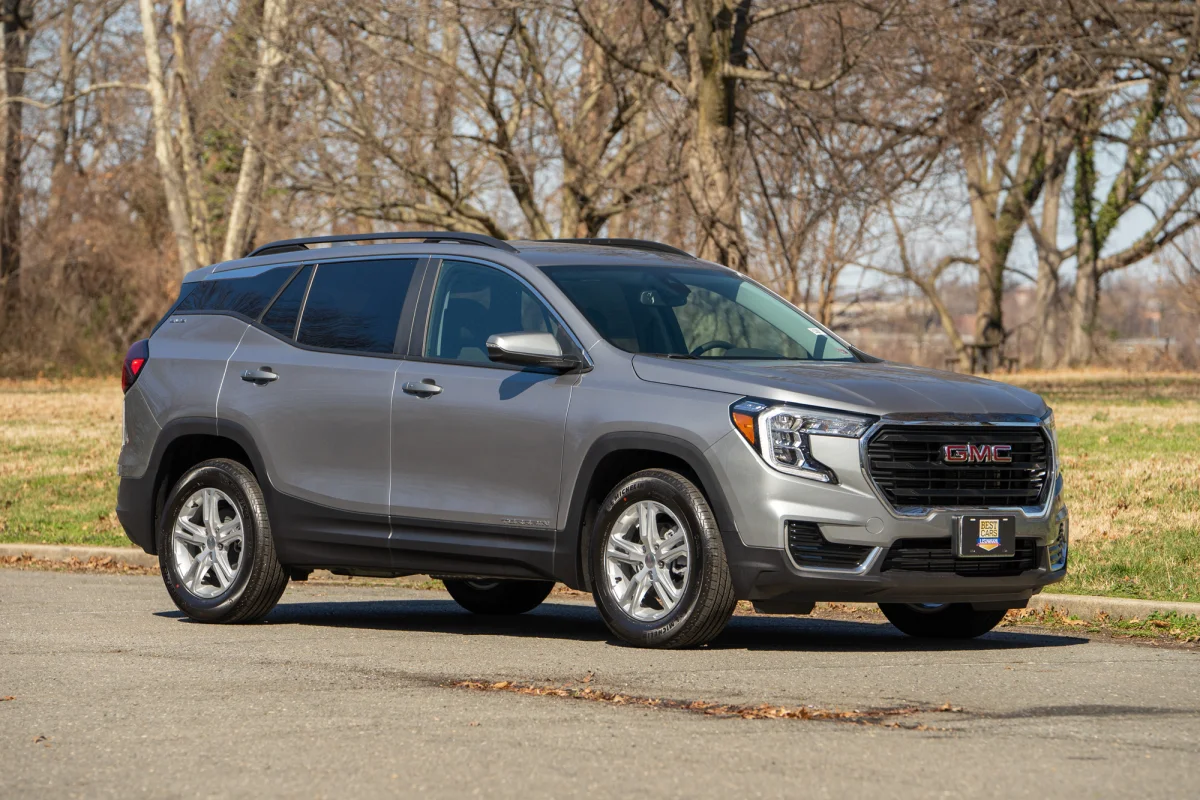
8. 2024 GMC Terrain
The 2024 GMC Terrain is a reliable and practical compact SUV, carrying over unchanged from the 2023 model as GMC prepares to launch the redesigned 2025 version. It is powered by a 175-hp 1.5-liter inline-four engine paired with a nine-speed automatic transmission, offering front- or all-wheel-drive configurations.
With a starting MSRP of $30,095, the Terrain is notable for its low maintenance costs, estimated at $2,063 over five years and $7,706 over ten years. The chance of incurring a major repair is 22.8%, reflecting GMC’s reputation for dependability. While a minor NHTSA recall exists for a door-latching issue, RepairPal reports no significant recurring problems.
The Terrain’s powertrain prioritizes fuel efficiency over performance. Acceleration is slow, reaching 0–60 mph in 9.3 seconds, and the transmission responds sluggishly. However, the SUV performs competently in other areas.
Braking is smooth and predictable, and the steering weights nicely at highway speeds, providing stability and confidence. The Terrain handles twisty roads with minimal body roll, remaining composed and balanced even at higher speeds. While it isn’t sporty, it delivers a comfortable and secure driving experience for everyday use.
Ride quality is somewhat firm, with the Terrain transmitting low-impact shocks and vibrations over moderately rough surfaces. Front seats are comfortable for long trips, while the rear seats are flat and supportive. The interior is attractive and well-laid-out, though some controls are awkwardly placed.
The transmission interface feels unnecessarily clumsy. Seat adjustment is generous, but taller drivers may wish for more steering wheel extension. Visibility is below average due to a deep, angled dash, though front side windows offer decent outward views.
The optional Bose audio system delivers clear sound, while Apple CarPlay and Android Auto come standard. GMC’s native infotainment works fine but is less intuitive than smartphone integration. Forward collision warning and lane-keeping assist are slightly intrusive but manageable.
Cargo space measures 63 cubic feet with the rear seats folded, which is below segment leaders like the Honda CR-V and Toyota RAV4. A fold-flat front passenger seat, power liftgate, and low liftover height enhance practicality. Child seat anchors are accessible, though a top tether for the rear middle seat is missing.
Fuel economy is rated at 26 mpg combined for the front-wheel-drive model, with real-world testing showing mixed results depending on driving style. While the Terrain is solid and reliable, it faces stiff competition from rivals like the CR-V that offer better ride quality, comfort, and versatility. Warranty coverage is standard, making it a dependable, if not class-leading, choice in the compact SUV segment.
9. 2024 Ford Mustang
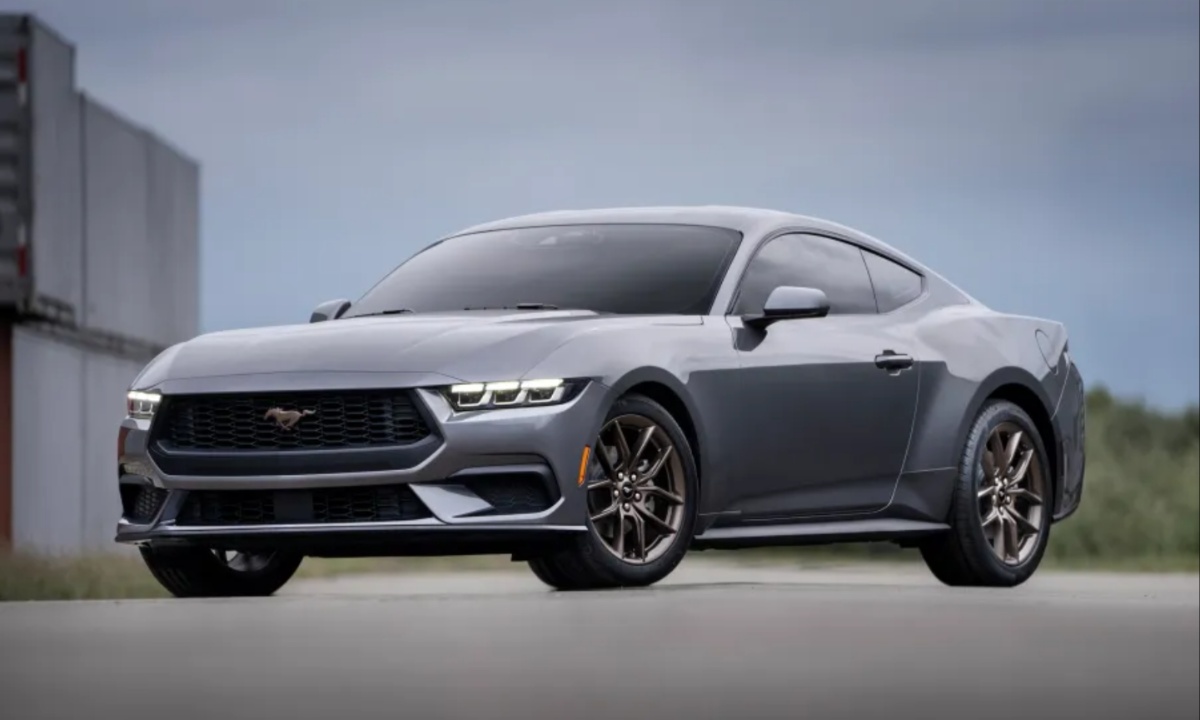
The 2024 Ford Mustang remains an iconic American sports car, now fully redesigned for its 60th year. Maintenance costs are estimated at $1,915 over five years and $7,093 over ten years, with a 20.79% chance of major repair.
Average annual upkeep is roughly $700, and recalls mostly concern the convertible rear window, brake pedal, and clutch components. This makes the Mustang surprisingly affordable to own compared with other performance vehicles in its class.
Performance is a highlight of the Mustang lineup. The EcoBoost 2.3-liter four-cylinder reaches 0–60 mph in 5.6 seconds, the GT with a six-speed manual achieves 4.8 seconds, and the GT with the 10-speed automatic drops to 4.3 seconds. Quarter-mile times mirror this order, while braking is strong with 60–0 mph stops near 100 feet.
Handling is sharp, aided by Pirelli P Zero tires, precise steering, and solid body control. Daily driving is easy, with the EcoBoost keeping up with traffic and the GT V8 offering ample torque for highway cruising. Optional MagneRide adaptive suspension improves cornering for enthusiasts without major comfort compromises.
Front seats are generally comfortable, with optional Recaro sport seats providing better support but slightly restricting entry and exit. Rear seats are tight, suitable only for short trips. Interior noise is well-managed, with some tire and road sound in convertible models.
Fully digital climate controls may require extra steps for adjustments, and relocated air vents provide less airflow than previous models. The driving position accommodates both track and street use well.
The Mustang integrates a 12.4-inch digital instrument panel and a 13.2-inch Sync 4 touchscreen. The interface is intuitive, responsive, and allows quick navigation and media control.
Wireless Apple CarPlay and Android Auto are standard. Optional upgrades include a 12-speaker B&O audio system and wireless charging pad. Standard safety tech includes automatic emergency braking and blind-spot warning, though lane-keeping assistance can feel uneven.
Trunk space is competitive for a sports car, with 13.5 cubic feet in the fastback and 11.4 cubic feet in the convertible. Items remain secure during spirited driving, and the convertible preserves trunk capacity with the top down. Interior storage is limited but sufficient for phones, sunglasses, and beverages. Car seats are possible but tight.
EPA estimates are 26 mpg combined for the EcoBoost and 17 mpg combined for the GT V8. Real-world testing closely matches these figures, with 26.0 mpg for the four-cylinder and 18.0 mpg for the V8. This puts the Mustang within the range of its performance-class competitors.
The Mustang EcoBoost offers a relatively affordable entry into American sports car culture, while the GT models compete with rivals such as the Toyota GR Supra, BMW M240i, and Nissan Z. Warranties include three years/36,000 miles bumper-to-bumper and five years/60,000 miles for the powertrain, with five years/60,000 miles roadside assistance. Free maintenance is not included.
10. 2024 Chevrolet Malibu
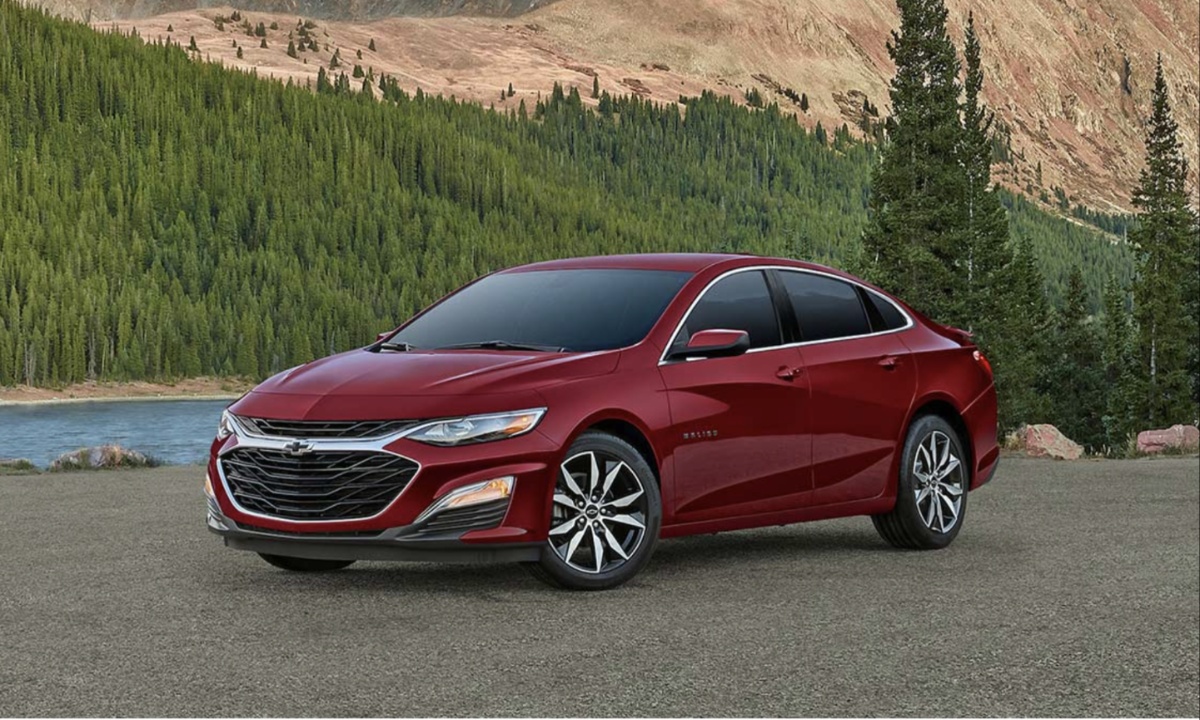
The 2024 Chevrolet Malibu remains a reliable, mid-size family sedan, despite being in its ninth generation with no replacement announced. Maintenance costs are modest, estimated at $1,718 over five years and $6,460 over ten years, with a 19.26% chance of major repair.
Annual upkeep averages $532, and there are no outstanding recalls. The biggest known issue is the electrical power steering, which occasionally requires steering column replacement. The Malibu earns an 85/100 rating from J.D. Power for quality and reliability.
The Malibu is offered with a single powertrain: a turbocharged 1.5-liter four-cylinder producing 160 hp, paired with a continuously variable automatic transmission (CVT). Acceleration is modest, with older tests showing a 0–60 mph time of roughly 7.8 seconds.
This setup provides adequate city driving performance, though it lags behind sportier rivals like the Hyundai Sonata N Line and Kia K5 GT. Steering is precise, handling is competent, and the front-wheel-drive layout keeps the car predictable on most roads.
EPA estimates for the Malibu are 30 mpg combined, with highway testing showing about 34 mpg at 75 mph. While slightly behind some mid-size competitors like the Honda Accord and Toyota Camry, the Malibu’s efficiency is respectable for daily commuting. Its turbocharged engine balances performance and fuel economy, making it a practical choice for long-distance driving.
The interior is comfortable and user-friendly, though it relies heavily on lower-grade plastics. The front seats have wide bases and supportive side bolsters, but back cushions may feel narrow for taller occupants. Rear passenger space is adequate, though legroom is less than in some rivals.
Visibility out of the cabin is acceptable, but not best-in-class. Cargo capacity is generous, with a spacious trunk capable of carrying suitcases, groceries, or other family items. Additional storage compartments throughout the cabin provide convenience for small items.
All Malibus come standard with a touchscreen infotainment system offering Apple CarPlay, Android Auto, and a mobile Wi-Fi hotspot. The interface is easy to navigate but lacks a secondary rotary control knob, which could aid driver interaction. While functional, the infotainment system is beginning to feel slightly dated compared with competitors’ setups.
The 2024 Malibu delivers an affordable, practical mid-size sedan experience. It combines reasonable maintenance costs, decent fuel economy, and a comfortable ride. Its performance is adequate for everyday driving, and interior space is competitive. While it lacks sporty acceleration or the most advanced infotainment, it remains a solid choice for families seeking a dependable, no-frills sedan.
11. 2017 Tesla Model S
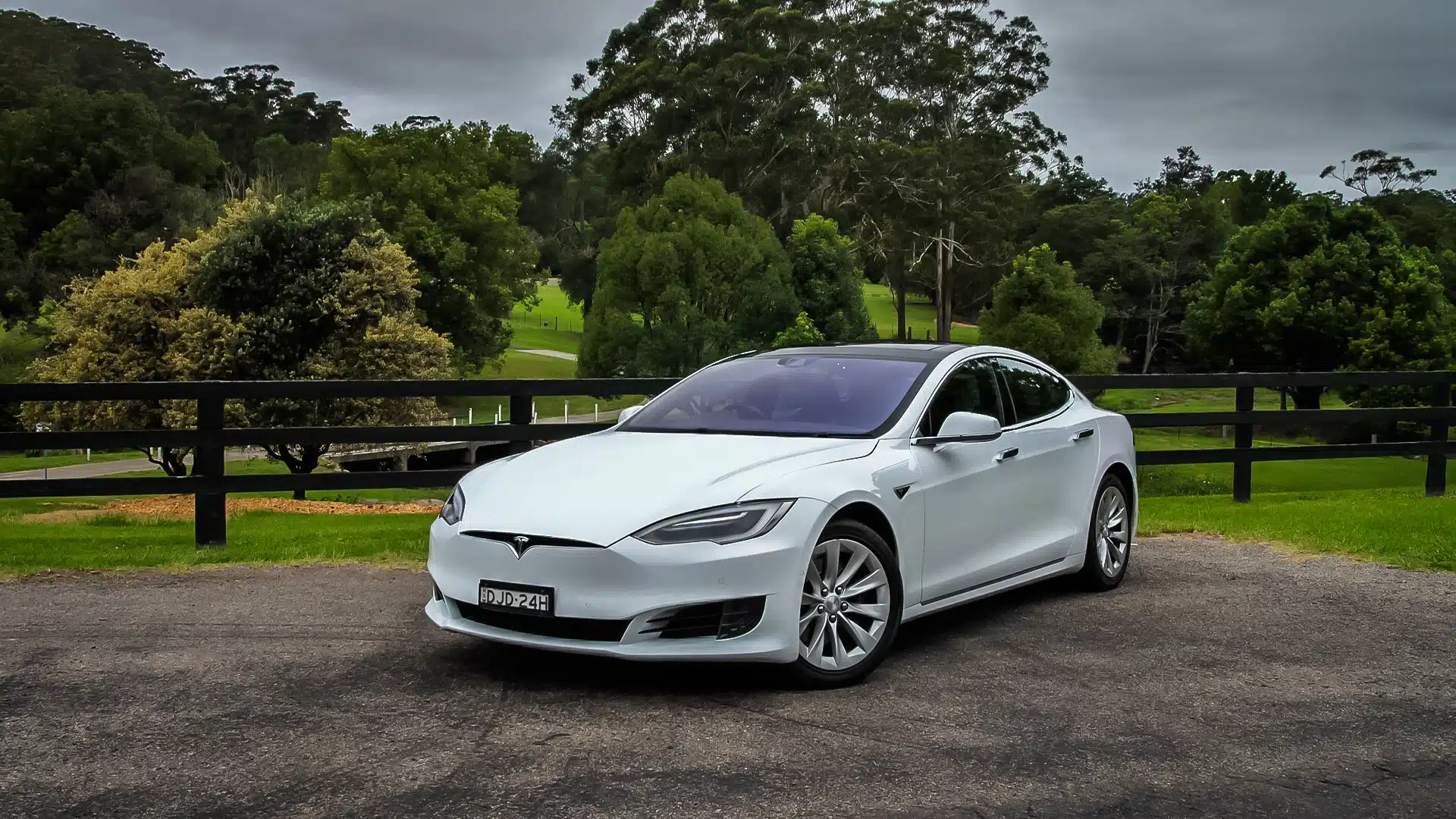
The 2017 Tesla Model S remains a benchmark for luxury electric vehicles, blending high-tech features with exhilarating performance. Despite its age, the Model S has retained much of its cutting-edge appeal, thanks to Tesla’s software updates and constant improvements.
Maintenance costs are remarkably low for a large luxury EV, estimated at $1,605 over five years and $4,556 over ten years, with only an 8.64% chance of major repairs. RepairPal reports an average annual upkeep of $1,047, with no significant mechanical issues, while the NHTSA lists just one minor recall concerning an instrument panel light. Customer complaints mostly target electrical components.
The Model S excels in acceleration and handling. Its all-wheel-drive system provides abundant grip, and it changes direction with agility unusual for a large vehicle. The P85D variant, featuring “Insane” acceleration mode, reaches 0–60 mph in 3.5 seconds.
Regenerative braking makes routine deceleration smooth, and panic stops are stable and consistent, with a 60-to-0 mph distance of 102 feet. Steering effort is adjustable across three modes, remaining quick and responsive, and cornering is aided by sticky performance tires, making the car fun to drive at high speeds.
Inside, the Model S is spacious and modern, with a wide-open cabin and airy feel. Seats are well-bolstered and adjustable, though they lack cooling functionality. Ride quality is firm but not harsh, even with 21-inch wheels and air suspension. Noise levels are reasonable, with minor electric motor whine.
Visibility is excellent, augmented by a large backup camera display. The optional third-row rear-facing jump seats fold flat into the floor, and cargo space totals 26.3 cubic feet behind the second row, expanding to 63.3 cubic feet with rear seats folded. The open-concept center console offers a simple tray for small items rather than closed storage compartments.
The 17-inch central touchscreen dominates the cabin, controlling nearly all vehicle functions. While intuitive, the menus can be complex, and some driver-assistance features are not fully refined. Autopilot adaptive cruise control works well but is not a replacement for attentive driving.
Audio quality is high, though customization options are limited. The Model S lacks Apple CarPlay and Android Auto, instead offering Bluetooth hands-free phone integration. Navigation works, but it can be unreliable compared with modern systems.
The 2017 Model S is an impressive blend of performance, technology, and low maintenance costs, particularly for a high-end electric vehicle. Its combination of rapid acceleration, spacious cabin, and cargo flexibility makes it practical as well as thrilling to drive. While some interior controls and features show their age, the vehicle continues to represent one of the best electric driving experiences available.
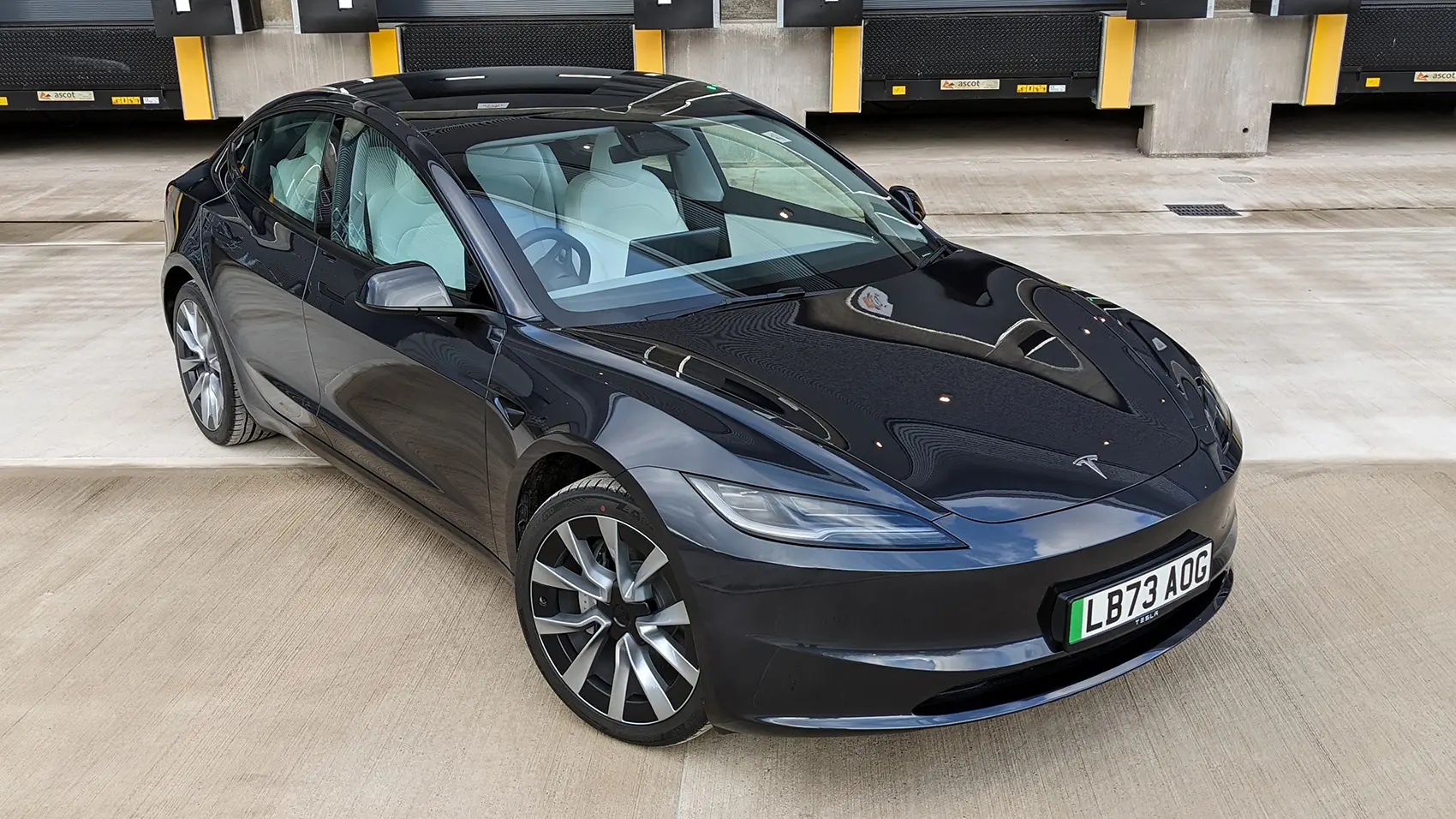
12. 2024 Tesla Model 3
The 2024 Tesla Model 3 remains Tesla’s most affordable EV, offering a compelling blend of efficiency, performance, and technology. Its 10-year maintenance cost is exceptionally low at $3,587, with a 5-year cost of $1,117 and only an 8.64% chance of a major repair. Like the Model S, most complaints relate to minor electrical issues, including steering wheel buttons and airbag recalls, though nothing is considered major.
The Model 3 Long Range is surprisingly sporty and engaging. Our test car accelerated from 0–60 mph in just 4.2 seconds, demonstrating strong straight-line performance. Cornering is balanced and composed, aided by sharp handling and stable weight distribution.
Braking is reliable, though in testing, the 60–0 mph distance was slightly longer than expected. One-pedal driving via regenerative braking is smooth and intuitive, making city commuting effortless while also extending range.
Front seats strike a balance between firmness and cushioning, offering decent bolstering for spirited driving. Rear seats are comfortable, though somewhat low to the floor for taller passengers.
Ride quality is smooth over most surfaces, and the cabin blocks out road and wind noise effectively. Visibility is excellent, and the cabin feels spacious despite the vehicle’s compact size. Climate control is limited to a single zone, and adjustments are made via the central touchscreen.
The Model 3’s interior is dominated by a 15.4-inch touchscreen that controls nearly every function. While intuitive for tech-savvy drivers, some may find the lack of physical controls challenging. Tesla’s Autopilot system is standard, providing driver-assist features that generally work well but require full attention.
Audio quality is excellent, especially with the 17-speaker premium system, though smartphone integration lacks Apple CarPlay and Android Auto. Additional rear-seat screens and USB-C ports enhance passenger comfort and device charging.
Despite being a compact EV, the Model 3 offers a total of 24.1 cubic feet of cargo space, including a usable frunk. Rear seats fold nearly flat, creating a wide loading area. Small-item storage is generous with deep center console compartments and felt-lined door pockets. Car seat installation is slightly tricky due to recessed anchors, but legroom is adequate for rear passengers.
The Model 3 Long Range delivers an EPA-estimated 341 miles per charge, and our testing nearly matched that at 338 miles. Energy consumption averaged 25.3 kWh per 100 miles, making it one of the most efficient dual-motor EVs tested. Fast charging is supported up to 250 kW, providing an estimated 175 miles of range in 15 minutes.
The Model 3 combines affordability and luxury EV features with low maintenance and impressive efficiency. Its nationwide Supercharger network supports long-distance travel, and its warranty provides four years/50,000 miles basic coverage and eight years/120,000 miles on the battery and drive unit. For buyers seeking a practical yet fun EV, the Model 3 is hard to beat.
Owning a car doesn’t have to be a financial headache, and these 12 models demonstrate that reliability and performance can coexist with surprisingly low maintenance costs. From compact options like the Buick Encore GX and Chevrolet Trax to family-oriented SUVs like the GMC Acadia and Yukon XL, each vehicle delivers long-term value without compromising comfort, space, or safety.
Sports car fans can enjoy the Ford Mustang or Chevrolet Corvette without fearing sky-high upkeep, while EV owners can rely on the Tesla Model 3 and Model S for both efficiency and affordability. Even mid-size sedans like the Chevrolet Malibu prove that everyday practicality can pair with low-cost maintenance.
These vehicles highlight the importance of choosing models known for quality, reliability, and sensible service requirements. Whether you prioritize luxury, performance, utility, or eco-friendly technology, this list offers a roadmap to owning a car that’s not only enjoyable to drive but also gentle on your wallet over the years.
Also Read: 10 Cars That Are Loved by Owners but Hated by Critics