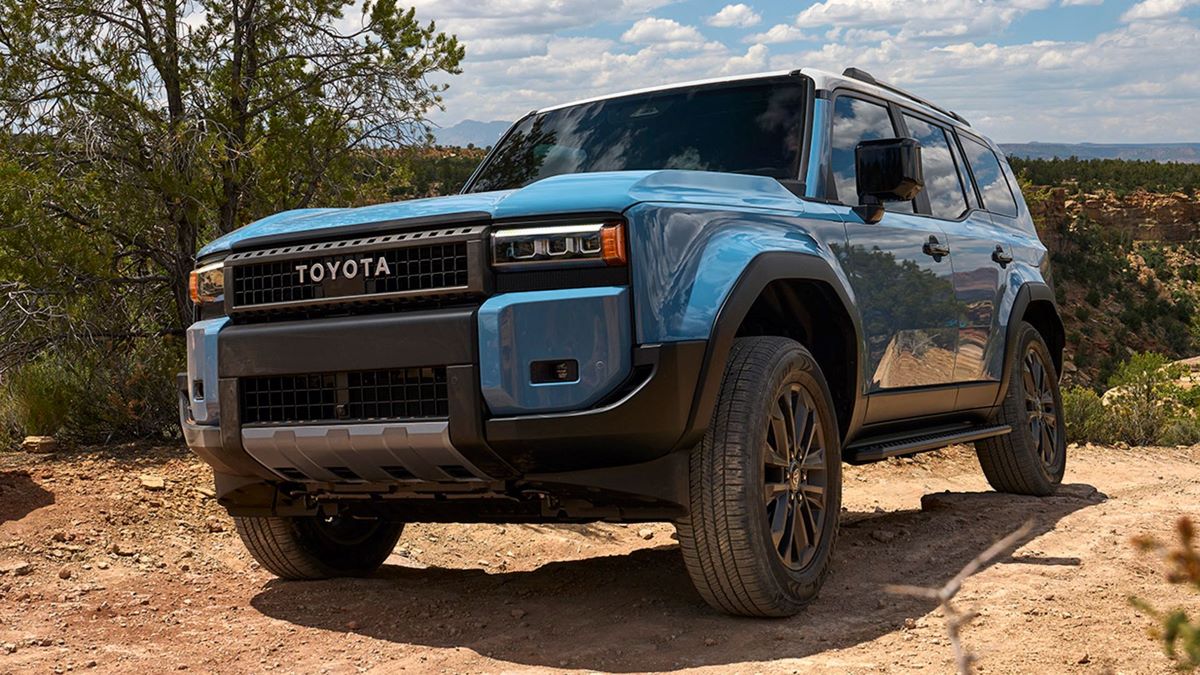
In an age where automakers are constantly redesigning engines for efficiency, emissions, and performance, there are a few that stand out for doing the opposite keeping the same powerplant for years or even decades.
These engines have proven so reliable and versatile that manufacturers continued using them across multiple generations, sometimes with only minor updates.
For American drivers who value dependability, parts availability, and proven engineering, these vehicles represent the gold standard of “if it isn’t broken, don’t fix it.”
Here are ten cars that proudly carried the same engine design for decades, a rare achievement in modern automotive history.
1. Toyota Land Cruiser
For decades, the Toyota Land Cruiser has been the go-to SUV for reliability and endurance. The 4.2-liter diesel inline-six, known as the 1HZ and later the 1HD series, became legendary in global markets.
Introduced in the late 1980s and continuing into the 2000s, these engines were beloved for their simplicity, mechanical injection, and near-indestructible build.
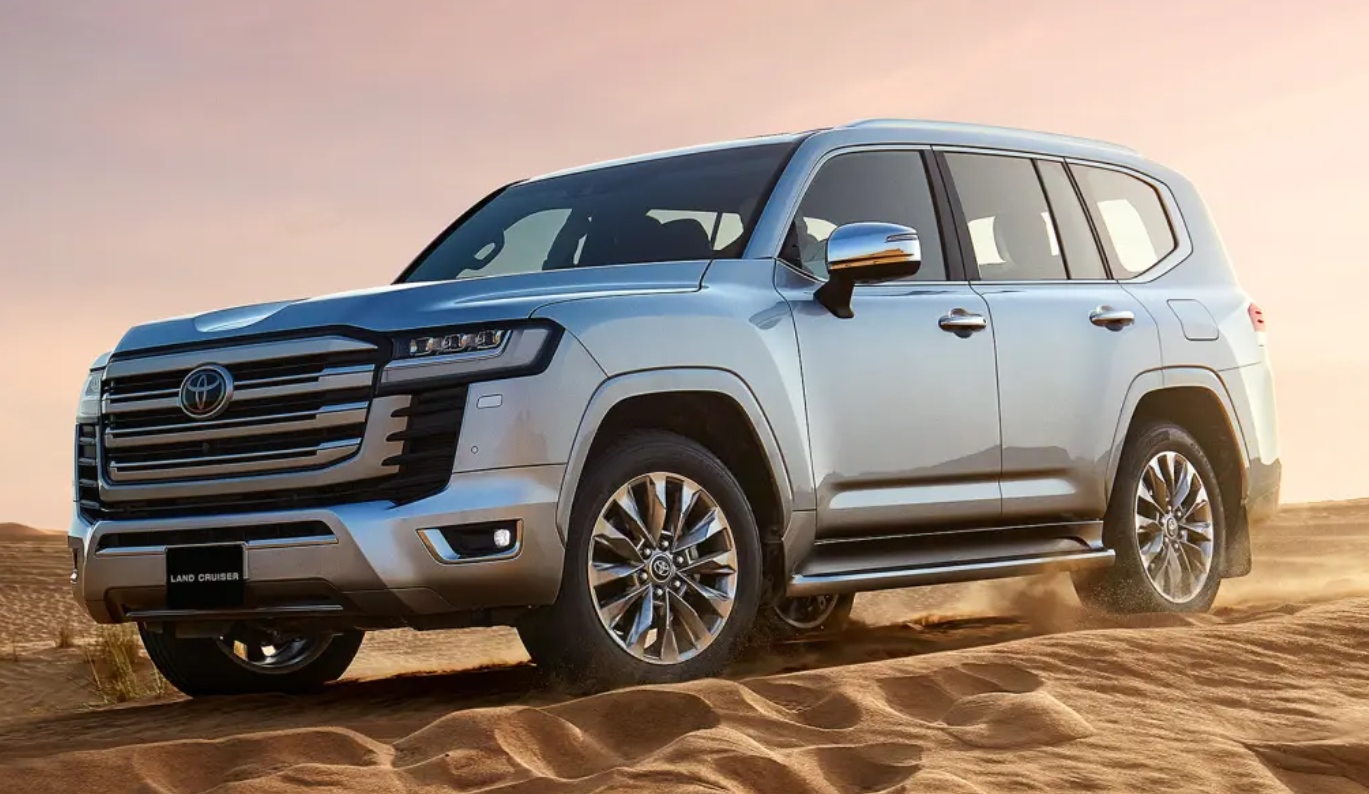
In regions like Africa and Australia, it’s common to find Land Cruisers with over 500,000 miles running on their original 1HZ engines.
Though not the fastest or cleanest, Toyota’s decision to retain the same design for so long stemmed from one thing complete owner trust.
2. Ford Mustang
The Ford Mustang’s relationship with the 5.0-liter V8 stretches back to the 1960s, and though the technology has evolved, the displacement has remained iconic.
From the classic 302 Windsor small block to the modern Coyote engine, Ford’s 5.0L V8 has been the heart of American muscle for over 50 years.
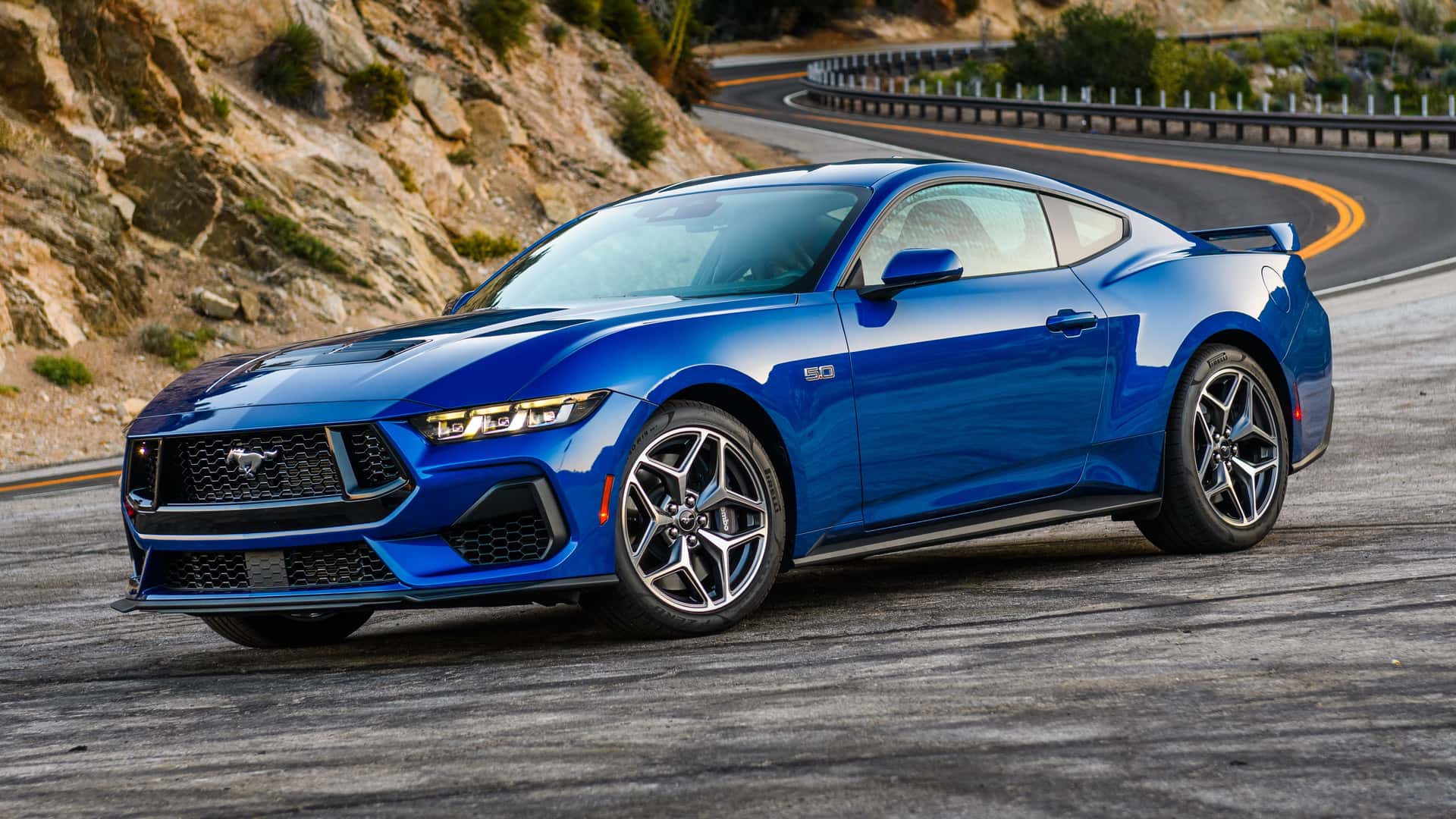
The magic lies in its adaptability Ford has refined, not reinvented, the formula through better materials, improved breathing, and electronics.
It’s the rare case where a displacement figure became part of a brand identity, proving that sometimes continuity can be as powerful as change.
Ford revealed the 2024 Mustang Dark Horse in late 2022 as a high-performance variant of its legendary pony car.
Alongside a number of visual enhancements, this model came equipped with the most powerful Coyote engine ever fitted to a Mustang at that time.
Since its debut in the 1964 ½ model year, the Mustang has remained a defining part of American automotive culture.
Over the decades, Ford has introduced numerous versions of this iconic car, each one pushing the boundaries of power and performance. It was, in fact, the vehicle that established the pony car segment itself.
Built on the all-new 2024 Mustang platform, the Dark Horse stood out with unique design details, including a darkened pony emblem on the grille and distinct badges featuring a horse’s head on the trunk and sides.
Ford offered lightweight carbon-fiber wheels in addition to the standard 19-inch alloy ones. The hood sported several air intakes to help the engine breathe better, while the front bumper included side scoops to cool the brakes and a large, honeycomb-patterned center grille.
At the rear, a short deck incorporated a functional rear wing for improved aerodynamics. Inside, the cabin showcased a fully digital instrument cluster paired with a wide touchscreen infotainment system that also managed various vehicle settings.
This update eliminated the traditional double-bubble dashboard design seen in earlier generations. The front featured Recaro sport seats, emphasizing the car’s track-focused nature.
Next to the driver sat a lever-style handbrake—though electronically controlled, it mimicked the action of a traditional e-brake, particularly useful when the car was set to drift mode.
Powering the Dark Horse was the most potent naturally aspirated Coyote V8 ever produced by Ford, generating 500 hp (507 PS) from a 5.0-liter displacement. Buyers could choose between a six-speed Tremec manual transmission or a ten-speed automatic gearbox.
3. Chevrolet Corvette
Few engines are as famous or as enduring as Chevrolet’s small-block V8. First introduced in 1955, this engine family powered the Corvette in one form or another for nearly seven decades.
Even the modern LT2 and LT6 engines in the C8 Corvette trace their DNA back to the original small-block architecture.
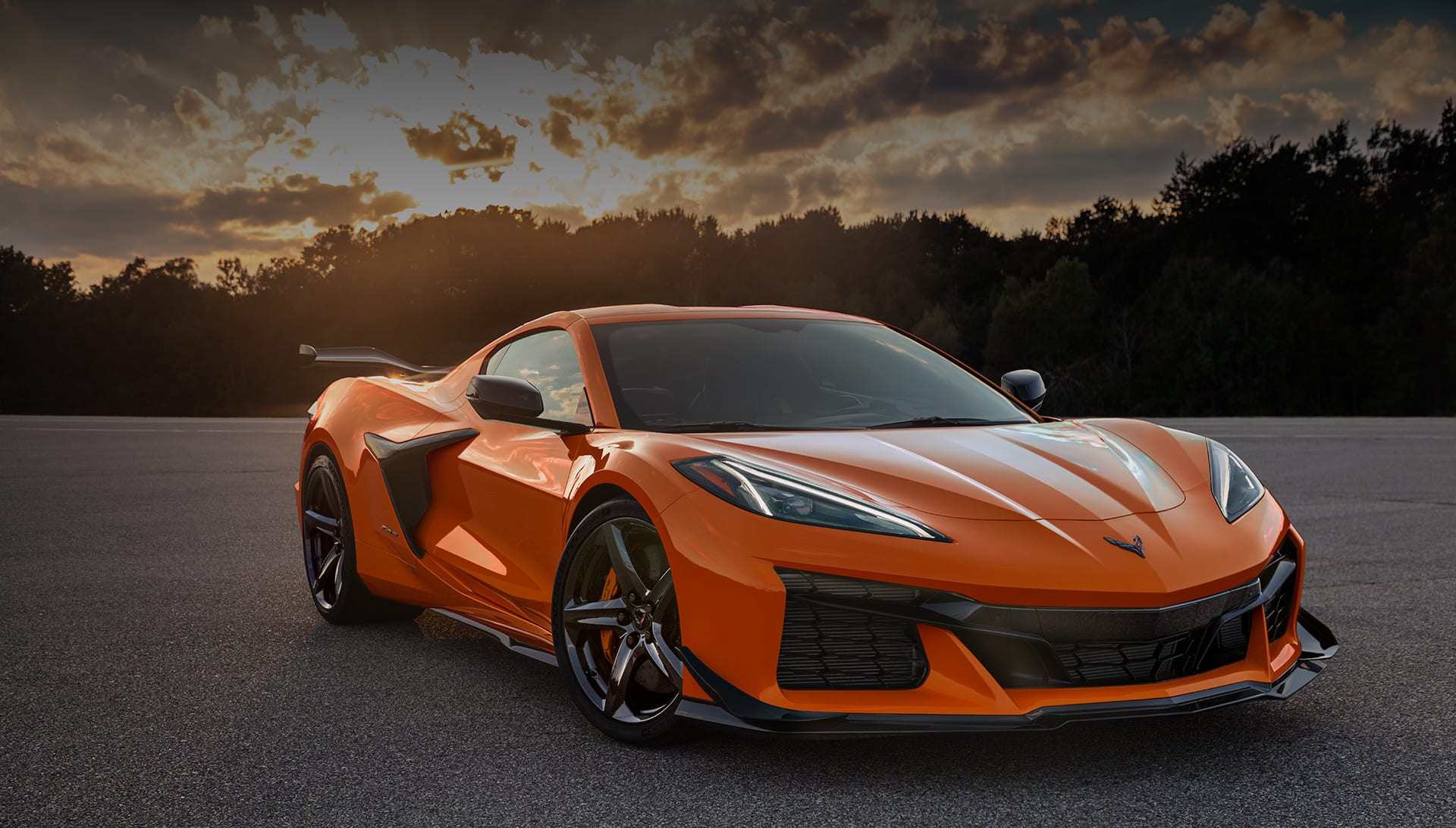
Its modular design, compact size, and balance between power and reliability made it a cornerstone of American performance. The small-block isn’t just an engine it’s a piece of living history that continues to roar down highways and racetracks across the US.
The 2025 Corvette delivers outstanding handling, aided by its mid-engine layout and sharp, precisely weighted steering. It’s an absolute thrill to carve through corners, yet it maintains a smooth and composed ride over most road surfaces.
Whether you choose the standard Brembo brakes or upgrade to the available carbon-ceramic setup, this sports car stops with impressive quickness and control.
At its core, the Corvette’s base powerplant is a 490-horsepower V8 that, according to Chevy, propels the car from zero to 60 mph in just 2.9 seconds when properly equipped.
The high-performance Z06 and E-Ray variants take things further, boasting a 670-horsepower V8 and a 655-horsepower gas-electric hybrid system, respectively. The Z06 rockets from 0 to 60 mph in only 2.6 seconds, while the E-Ray completes the same sprint in a Chevy-estimated 2.5 seconds.
Meanwhile, the range-topping ZR1 comes armed with a monstrous 1,064-horsepower twin-turbo V8, though its official zero-to-60 time hasn’t been released yet.
All Corvette models feature an eight-speed dual-clutch automatic transmission, with rear-wheel drive standard across the lineup, except for the all-wheel-drive E-Ray, which uses an electric motor to power the front axle.
No matter which version you choose, the driving experience is exhilarating. Each delivers an ideal balance of raw power and smooth refinement, with ample thrust available both off the line and during midrange acceleration.
Yet, despite its performance pedigree, the Corvette remains easygoing and well-mannered in everyday driving, proving that speed and civility can coexist beautifully.
4. Jeep Wrangler
When enthusiasts talk about Jeep reliability, they’re often referring to the bulletproof 4.0L inline-six.
Originally developed by AMC in 1986 and carried through until 2006, this naturally aspirated six-cylinder became the soul of the Jeep Cherokee and Wrangler.
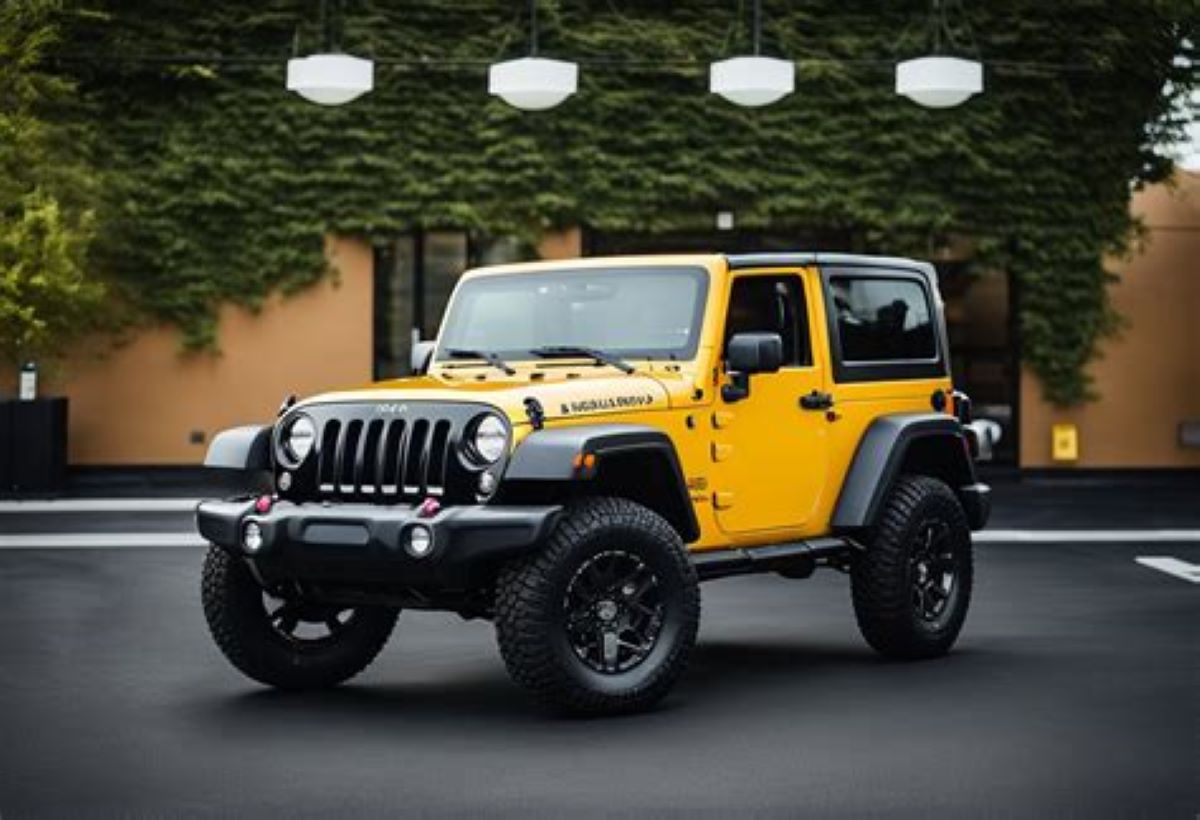
Known for its rugged torque delivery and cast-iron toughness, it could withstand abuse on trails, deserts, and snowy roads with minimal complaint.
Jeep refined the 4.0L over time but never replaced its core because it didn’t have to. Even today, off-road fans search for Wranglers equipped with this engine, calling it the most trustworthy powertrain Jeep ever made.
5. Mercedes-Benz G-Class
The Mercedes-Benz G-Class is famous for being both luxurious and unstoppable off-road, but beneath its boxy exterior lies one of the most enduring engines in German automotive history the M113 V8.
Used from the late 1990s well into the 2010s, this naturally aspirated 5.0L and later 5.5L engine powered various G-Class and AMG models.
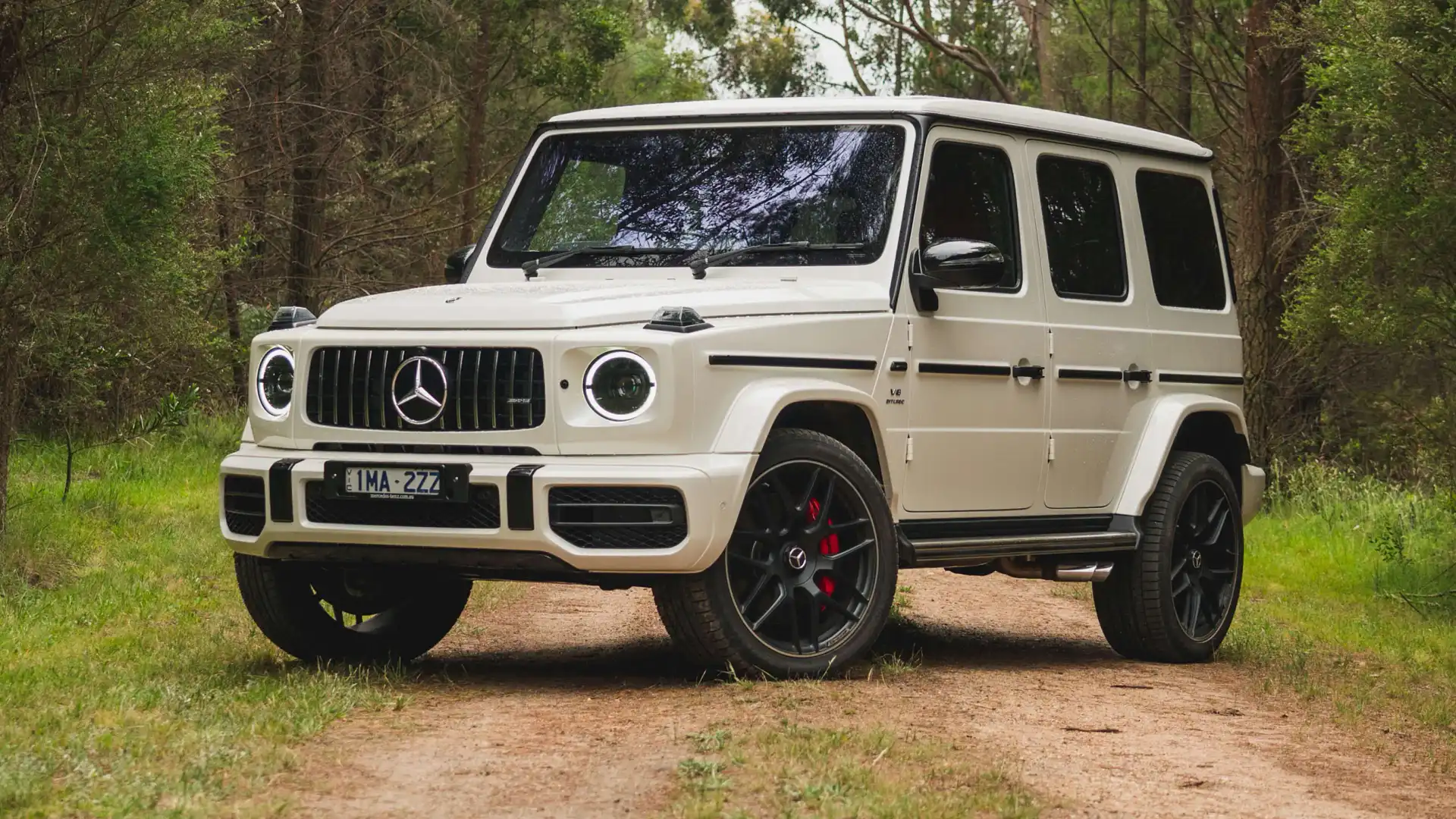
With its simple design, robust block, and ability to handle serious mileage, the M113 became one of Mercedes’ most respected engines.
Even after newer twin-turbo units replaced it, the M113’s reputation for bulletproof reliability remains unmatched among V8s.
6. Porsche 911
Since 1964, the Porsche 911 has stayed true to its rear-mounted flat-six configuration. While Porsche has refined and modernized it through water-cooling, direct injection, and turbocharging, the engine’s layout remains fundamentally the same.
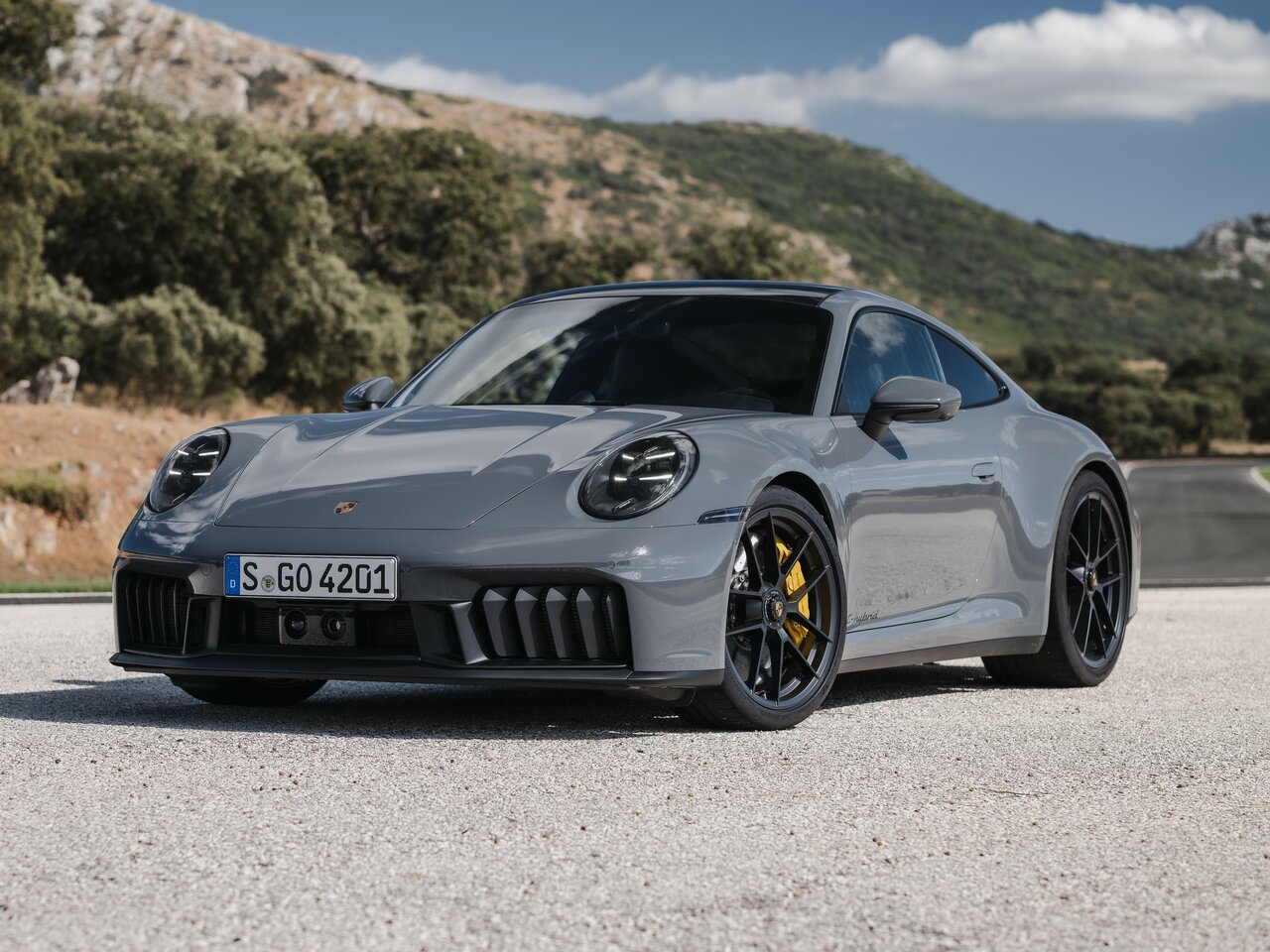
The flat-six provides a low center of gravity and an unmistakable sound that defines the 911 experience. Over the years, it’s proven adaptable to everything from racing to daily commuting.
The consistency of this design shows Porsche’s commitment to evolution over revolution improving an idea rather than replacing it.
Most car enthusiasts are familiar with the long-standing joke that every new Porsche 911 generation looks nearly identical to the last. There’s some truth to that observation, as Porsche has always favored an evolutionary design approach rather than radical overhauls.
This consistency means each 911 retains the classic shape and spirit of its predecessors, but those incremental refinements over the years have honed the model into the class-leading sports car it is today.
If the generational differences are subtle on the outside, distinguishing between the numerous existing 911 models can be just as tricky.
At first glance, most appear nearly identical aside from a few letters on the trunk lid, yet the distinctions among models like the T, S, GTS, GT3, and Turbo are far more significant than they seem.
Porsche has carefully developed the 911 lineup to cater to every possible type of driver, ensuring there’s a version for every taste and performance preference.
Currently, there are 23 variations in total, including different body styles and drivetrain configurations, each designed with a specific audience in mind. All the figures mentioned here are sourced from reputable data, and every 0–60 mph time includes the Sport Chrono Pack.
The base Carrera has always represented the perfect blend of performance, usability, and comfort, making it a superb daily-driving sports car. It comes powered by a 3.0-liter twin-turbo flat-six engine producing 388 horsepower and 331 lb-ft of torque, allowing it to sprint from 0 to 60 mph in just 3.7 seconds.
The Carrera T shares the same engine but is geared toward driving enthusiasts, offering features like a manual transmission, adaptive suspension, and brakes borrowed from the Carrera S.
It takes 4.3 seconds to reach 60 mph in manual form and starts at $146,050. For those seeking even more excitement, the Carrera S boosts output to 473 horsepower and 390 lb-ft of torque, cutting the 0–60 time to an impressive 3.1 seconds.
Like the base Carrera, it’s paired exclusively with the PDK automatic transmission, though it can be configured as a coupe, convertible, or even a Targa with all-wheel drive.
The Carrera GTS has traditionally been considered the sweet spot in the 911 range, and the latest 992.2 model only reinforces that reputation. It introduces an advanced T-Hybrid powertrain that integrates two electric motors, one mounted in the transmission housing and another beside the turbocharger.
This configuration delivers sharper throttle response, improved acceleration, and a total output of 532 horsepower and 449 lb-ft of torque. It rockets from 0 to 60 mph in just 2.9 seconds and carries a base price of $178,250.
Distinctive GTS badging and unique trim details set it apart from lower trims, and it’s one of only two current 911 models, alongside the Carrera S, available in the iconic Targa body style.
The GTS T-Hybrid is noticeably quicker than both the Carrera and Carrera S, and it provides a glimpse of what to expect from the upcoming Turbo models set to debut later this year.
For those looking for something even more special, the 911 Spirit 70 convertible pays homage to Porsche’s heritage with its 1970s-inspired Olive Neo paint finish, retro Pasha-patterned interior, and vintage detailing throughout the cabin.
Limited to just 1,500 units worldwide, it shares its T-Hybrid powertrain with the GTS. Although its $250,000-plus price tag may raise eyebrows, this exclusive edition is destined to become a highly sought-after collector’s item, continuing Porsche’s long tradition of producing timeless and valuable special-edition 911s.
7. Honda Civic
Honda’s D-series engines powered the Civic lineup for nearly two decades, from the late 1980s through the early 2000s. The D15 and D16 variants became legendary for their efficiency, tunability, and longevity.
Whether in base models or sporty Si trims, these engines delivered incredible fuel economy without sacrificing fun. Many Civics from the 1990s still run with their original D-series engines, proving their staying power.
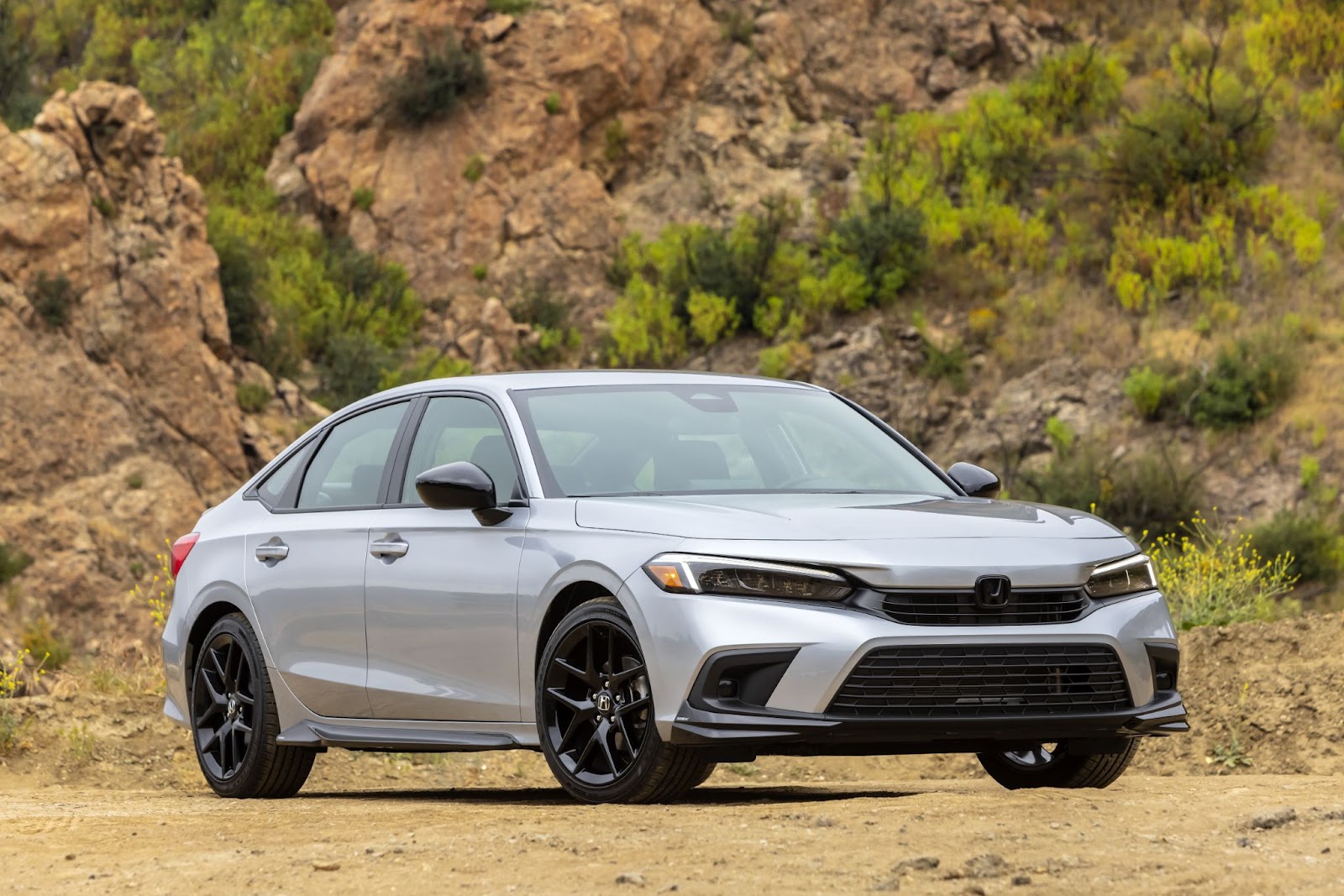
Honda’s ability to refine this simple four-cylinder into one of the most dependable engines in automotive history reflects its engineering discipline during the golden age of compact cars.
8. BMW 3 Series
BMW’s devotion to the inline-six engine layout is one of the most consistent themes in automotive engineering.
From the M20 in the 1970s to the modern turbocharged B58 found in today’s 3 Series, the company has continually refined not abandoned its straight-six heritage.
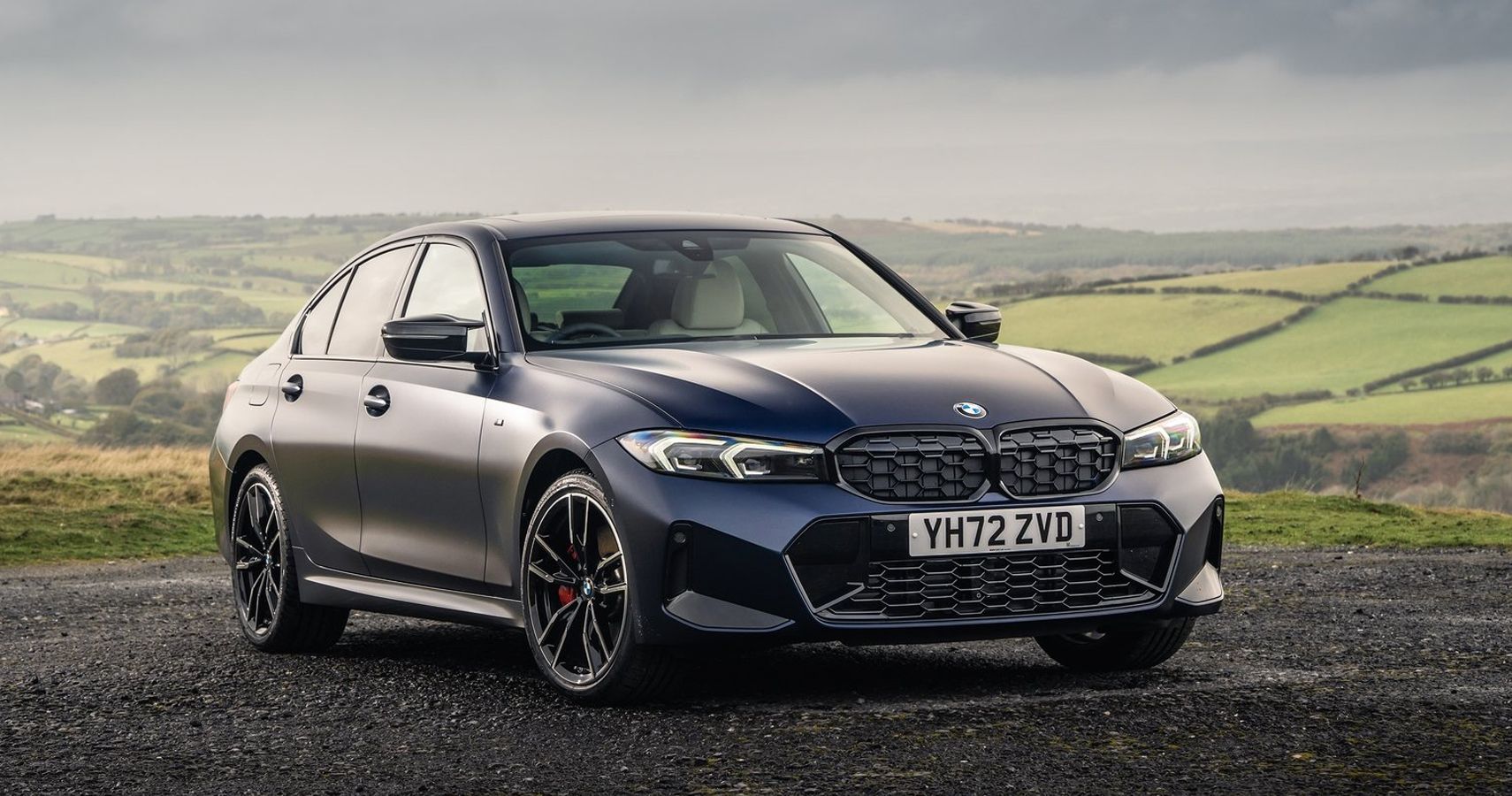
Smooth, balanced, and powerful, these engines became synonymous with BMW’s slogan: “The Ultimate Driving Machine.” Even as emissions rules tighten, BMW continues to find ways to preserve the magic of the inline-six, showing that refinement can coexist with progress.
9. Nissan Z
Nissan’s VQ-series V6 engines have powered the Z sports cars and several sedans since the mid-1990s, earning recognition on Ward’s “10 Best Engines” list multiple times.
The 3.0L and later 3.5L versions found in the 350Z, 370Z, and even modern Infiniti models share a common core design that emphasizes balance and responsiveness.
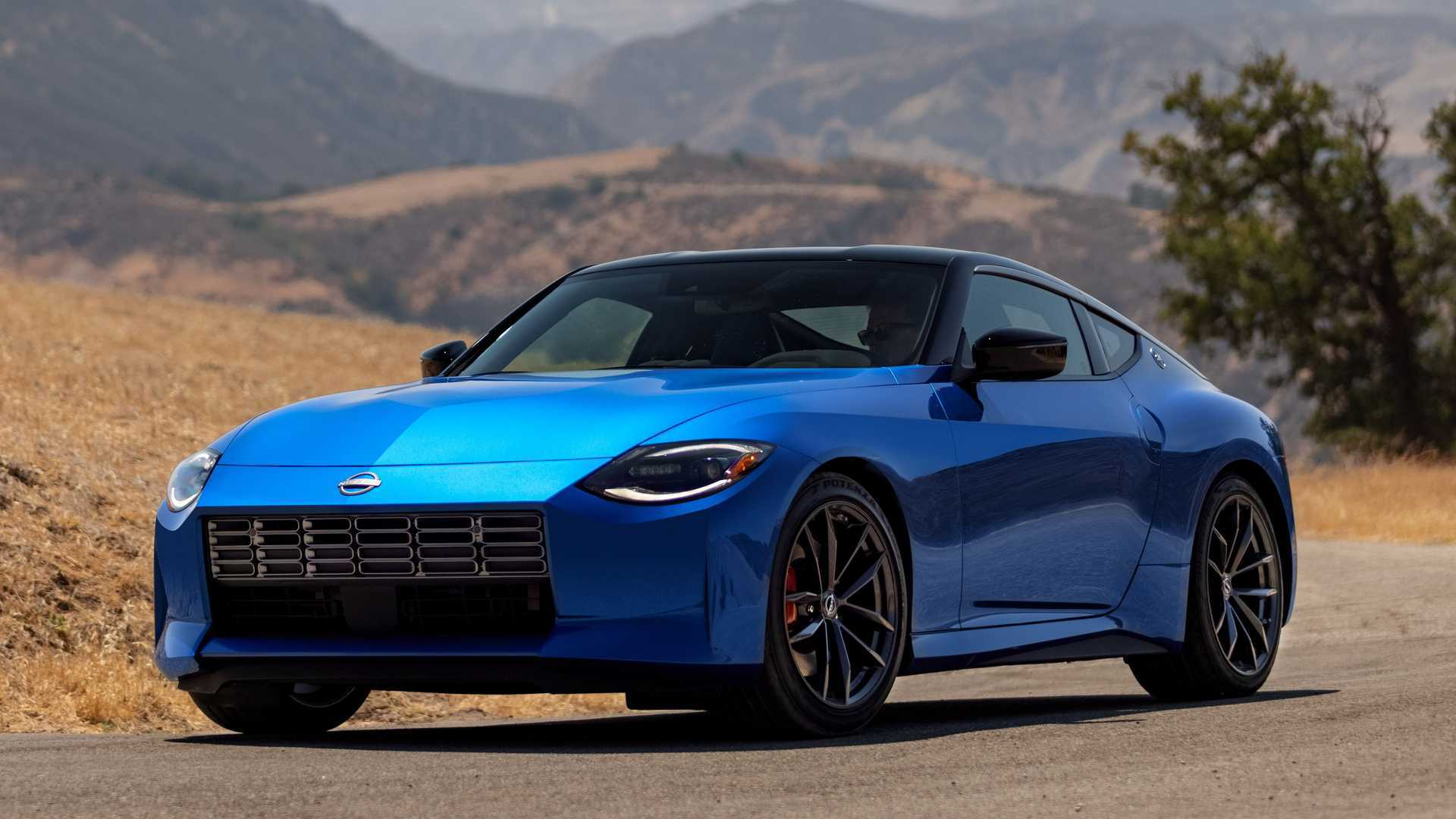
The engine’s long run proves Nissan’s early engineering hit the right notes for both reliability and performance. With modern updates like twin-turbocharging, the newest Z still owes its DNA to this enduring powerplant family.
Every car enthusiast recognizes the Nissan Z, a legendary nameplate that has defined Japanese sports car culture since the late 1960s.
The latest seventh-generation model, introduced for 2023, carries that legacy forward with a modern twist. It’s powered by a twin-turbocharged V-6 engine and available with either a manual or automatic transmission.
The lineup also includes the performance-focused NISMO variant. The Z faces off against rivals such as the Ford Mustang, Toyota Supra, and BMW 2 Series.
For 2025, the Nissan Z gains some fresh styling options. The striking Bayside Blue paint color, borrowed from the GT-R, is now available.
Additionally, buyers can now pair the car’s white or red exterior paints with a contrasting black-painted roof for a more dynamic appearance.
As much as we want to adore the Nissan Z, it doesn’t quite stir the emotions the way a great sports car should. While it boasts more power and sharper styling than its predecessor, too many of its underlying components feel dated and unrefined.
That said, the Z’s 400-horsepower twin-turbo V-6 is genuinely strong, and both transmission choices, a six-speed manual and a nine-speed automatic, offer their own appeal. For drivers who crave a classic front-engine, rear-wheel-drive experience, the Z delivers on that traditional formula.
However, that’s where the admiration largely ends. From its overall driving dynamics to its interior functionality, it’s clear the Z still rides on a platform with deep roots in the past. When driven back to back with more modern sports cars, its age shows unmistakably.
At its price point, the competition offers better-rounded options, whether they’re front-, rear-, or all-wheel-drive, powered by gasoline or electricity. Even the NISMO model’s enhancements don’t do enough to change that impression.
Every 2025 Z comes equipped with the twin-turbo 3.0-liter V-6 engine, internally coded VR30DDTT. In standard form, it produces 400 horsepower and 350 lb-ft of torque, sent exclusively to the rear wheels.
When paired with the six-speed manual gearbox, the Z sprints from 0 to 60 mph in 4.9 seconds, while the nine-speed automatic version trims that time to 4.3 seconds. Fuel economy is rated at 18/24 mpg (city/highway) for the manual and 19/28 mpg for the automatic.
Like most two-seat sports cars, the 2025 Z doesn’t provide a particularly spacious interior, though it’s typical for its segment.
However, its hatchback layout gives it a practical edge, offering more usable cargo space than traditional trunk designs. While not designed for utility, the Z’s cabin and cargo area make it versatile enough for weekend getaways or spirited daily driving.
10. Volkswagen Beetle
Few engines have defined a car or an era like Volkswagen’s 1.6L air-cooled flat-four. Produced from the 1930s all the way through the early 2000s in some regions, this simple, durable engine powered millions of Beetles around the world.
Its air-cooled design eliminated the need for a radiator, reducing complexity and maintenance. Though modest in power, it became a symbol of practicality and endurance, running reliably in everything from beach buggies to taxis.
In an automotive world that constantly evolves, the Beetle’s flat-four stands as a timeless reminder that simplicity often lasts the longest.
In a market where new engines appear and disappear every few years, these ten examples show that long-term dependability can be just as valuable as innovation.
It might seem unusual, but back in 1973, Volkswagen had already created a race-ready version of the Beetle that carried the GSR nameplate.
Buyers could upgrade their vehicles to an impressive 100 PS (99 hp) at specialist tuning shops, allowing them to compete in a one-make racing series, an innovative move in the racing world at that time.
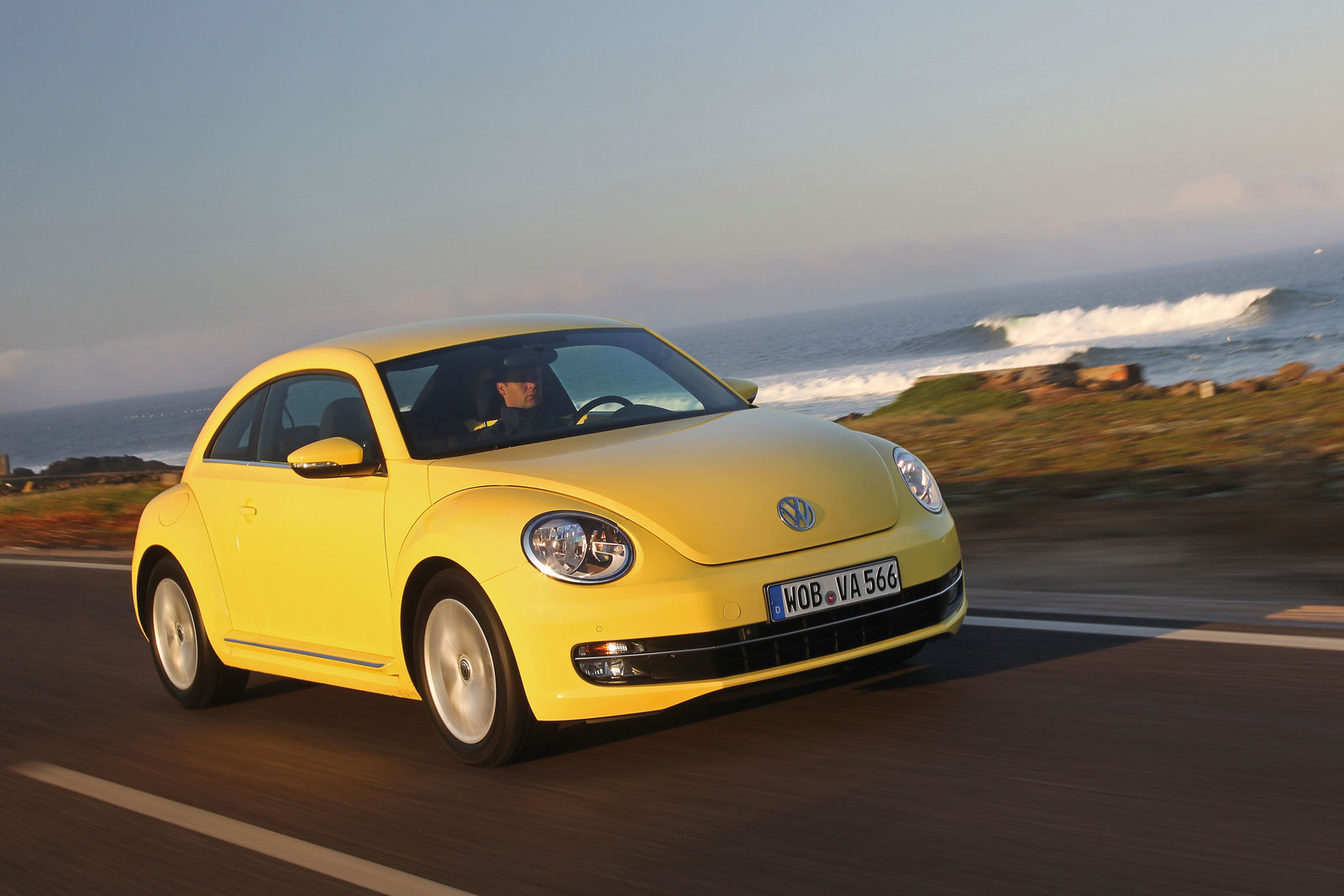
Four decades later, in 2013, Volkswagen revived the GSR designation for a high-performance Beetle built in a limited run of 3,500 units, mirroring the production number of the 1973 original.
Just like its predecessor, the 2014 Volkswagen Beetle GSR received special treatment from the automaker’s motorsports division. Its front end retained the Beetle’s signature rounded Xenon headlights with LED daytime running lights beneath them.
However, unlike the regular versions, this model featured a trapezoidal central air intake on the lower bumper, flanked by side scoops housing round fog lamps. Chrome trim bordered the parking and turn signal lights positioned above, adding a touch of flair.
Staying true to its roots, the 2013 Beetle GSR showcased a bold yellow and black exterior. Beyond the signature black hood and tailgate decals, this updated version also came with a black roof.
The sides were decorated with longitudinal stripes and GSR lettering, while the mirrors and C-pillars were finished in black as well.
To further set it apart, Volkswagen equipped the GSR with 19-inch alloy wheels wrapped in 235/40R19 tires, the same setup as the Beetle Turbo.
At the rear, an oversized spoiler dominated the sloped tailgate, integrating the third brake light, while a dual exhaust system flanking a rear diffuser completed the sporty aesthetic.
Inside, the GSR offered a cabin unlike any other Beetle of its time. The black dashboard featured a distinctive three-dial cluster mounted on top, and the instrument panel came with black dials and red needles, maintaining the large fuel gauge found in standard models.
The center console housed Volkswagen’s infotainment system with a color display and control knobs, while the passenger side of the dashboard proudly displayed a yellow GSR badge.
Emphasizing its sporty character, the front seats were heavily bolstered bucket-style chairs upholstered in black leather with yellow stitching. The split-folding 50/50 rear bench carried the same black-and-yellow theme.
The most impressive upgrade, however, lay beneath the hood. Volkswagen fitted the Beetle GSR with the new EA888 turbocharged inline-four TSI engine, delivering 210 PS (207 hp).
Power was sent through a standard six-speed manual transmission, with a six-speed dual-clutch automatic available as an option. This setup enabled the car to sprint from 0 to 60 mph (0–97 km/h) in just 6.6 seconds and reach an electronically limited top speed of 130 mph (209 km/h).
Whether it’s Toyota’s indestructible diesels, Ford’s evolving 5.0L V8, or Porsche’s iconic flat-six, these engines became legends not because they were constantly reimagined, but because they were perfected over time.
For American car buyers who prize longevity, heritage, and mechanical honesty, these long-lasting engines represent the enduring soul of automotive engineering proof that some machines are simply built to last.