The conversation around electric vehicles (EVs) often centers on range, charging speed, and price but one factor that’s quietly shaping the long-term value of an EV is battery degradation.
In simple terms, battery degradation refers to the gradual loss of a battery’s ability to hold a charge over time.
For buyers in the US looking to go electric, understanding which models maintain their range after years of use is crucial especially since replacement batteries can cost thousands of dollars.
Fortunately, some automakers have proven remarkably successful at minimizing degradation, even after years of daily driving and frequent fast charging.
Below are nine electric cars that have consistently demonstrated shockingly low battery degradation, based on real-world data, engineering design, and warranty-backed confidence from their manufacturers.
1. Tesla Model 3
Tesla’s Model 3 has been one of the best-selling EVs in the United States for years and it’s not just because of its sleek design and long range.
According to data from thousands of Tesla owners and independent studies, the Model 3’s battery retains around 90% of its original capacity even after 150,000 miles.
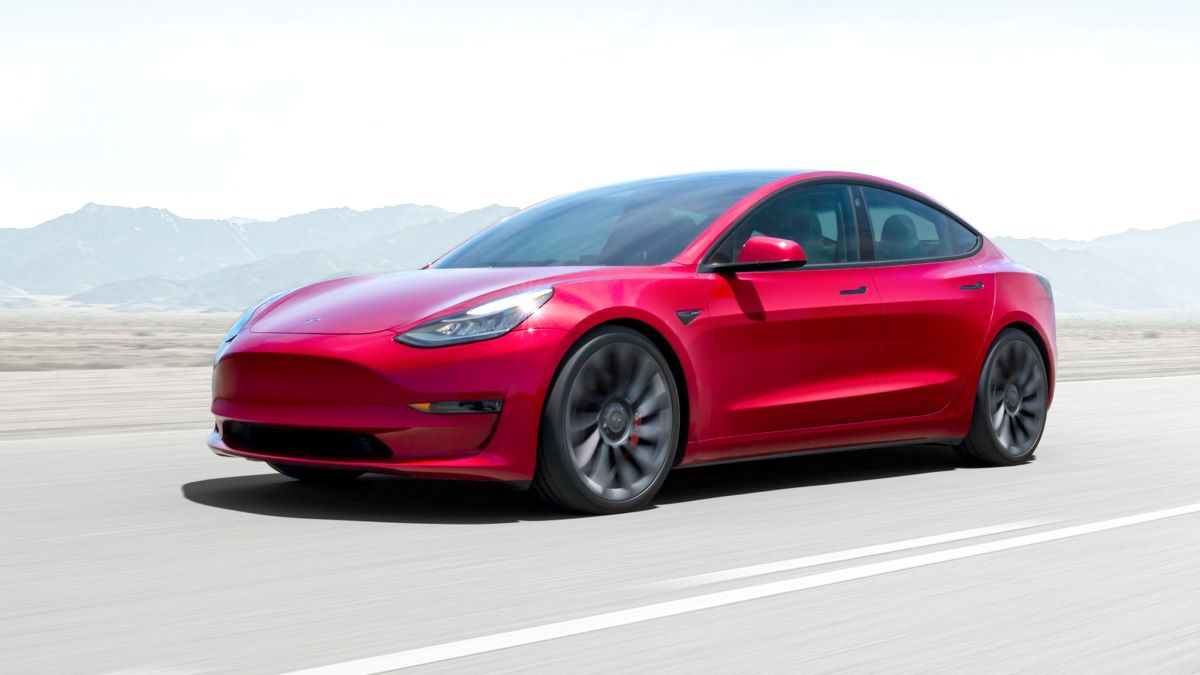
Tesla’s advanced battery management system (BMS) minimizes charging stress, while its liquid cooling system ensures consistent temperatures across all cells.
Moreover, frequent over-the-air software updates allow Tesla to tweak energy efficiency and battery calibration. For US buyers who rack up long commutes, this makes the Model 3 a standout choice for longevity.
Also Read: 12 Cars That Shock Drivers With Unstoppable Reliability
2. Chevrolet Bolt EV
Despite its rocky past with recalls, the Chevy Bolt EV has emerged as one of the most durable electric cars on the road.
Owners report less than 10% battery degradation after over 100,000 miles, thanks in part to GM’s conservative approach to battery management.
The Bolt doesn’t allow full 100% charging unless manually overridden, which helps prevent stress on the lithium-ion cells. Its air-cooled system, while simpler than Tesla’s liquid setup, has been surprisingly effective in mild to moderate climates.
With a long battery warranty and affordable pricing, the Bolt EV remains a strong value proposition for drivers prioritizing long-term reliability.
The 2021 Chevrolet Bolt may not capture attention like the sleek Tesla Model 3 or the stylish Hyundai Kona Electric, yet its smooth driving dynamics, spacious interior, and extensive list of standard features make it a strong contender for buyers seeking practicality and comfort in an electric vehicle.
With an EPA-estimated range of 259 miles, the Bolt offers impressive distance for its class, and its fast-charging system can restore up to 100 miles of range in just 30 minutes.
While the Bolt’s design leans toward the quirky side and its interior materials fall short of luxury expectations, especially given its nearly $40,000 starting price (before federal tax incentives), it compensates with peppy performance.
Its electric motor generates 266 pound-feet of torque to the front wheels, delivering brisk acceleration. The car’s one-pedal driving and intuitive hand-brake system further enhance the engaging driving experience.
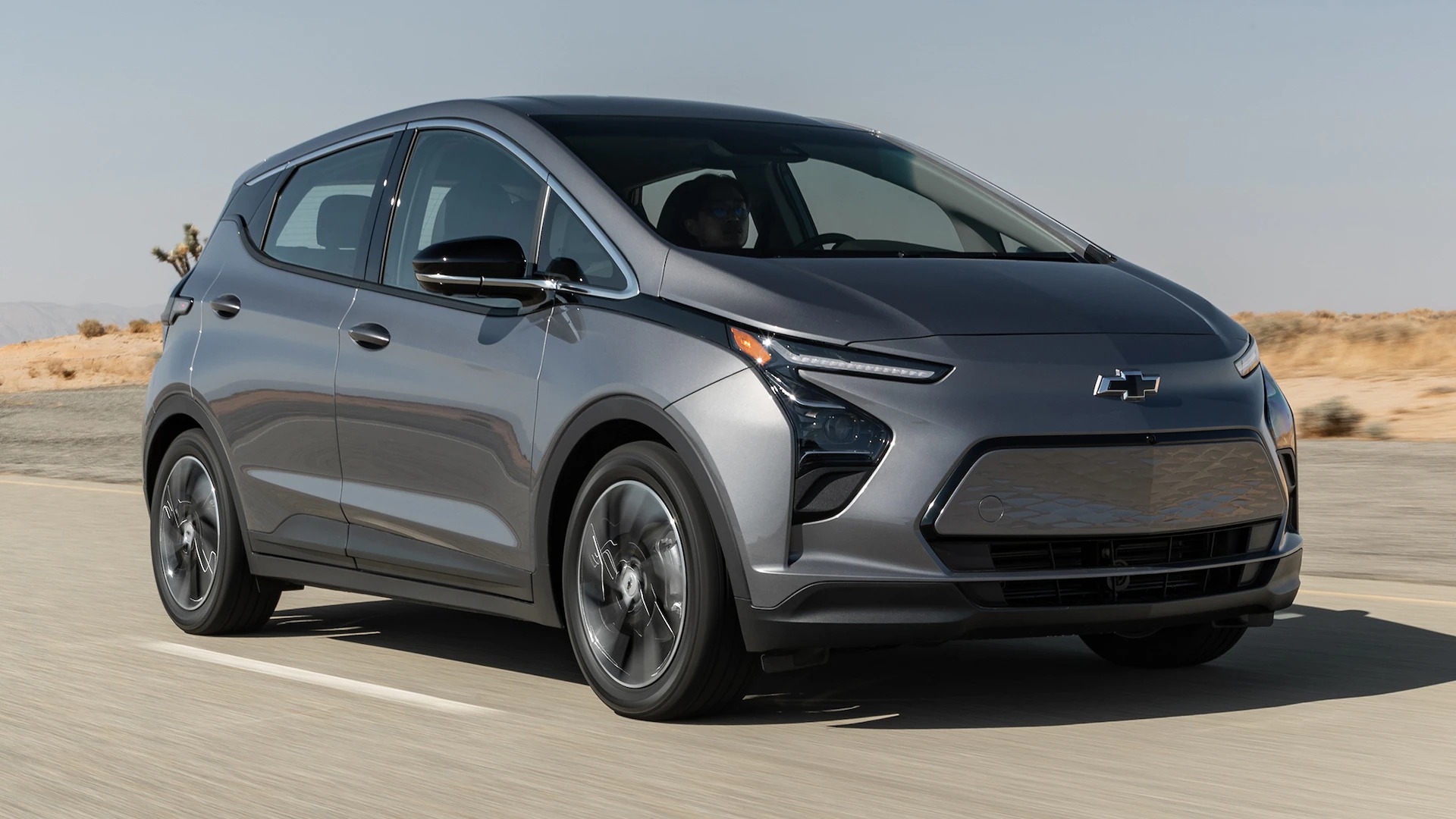
Although the Premier model includes upscale touches such as ambient lighting, leather upholstery, and heated rear seats, these extras don’t quite justify the price jump.
The LT trim remains the smarter choice for most buyers, offering a generous set of features at a lower cost. To enhance comfort, the Comfort and Convenience package, adding heated front seats and a heated, leather-wrapped steering wheel, is a worthwhile upgrade.
We’d also recommend the Driver Confidence package, which includes essential safety aids such as blind-spot monitoring, rear cross-traffic alert, and rear parking sensors.
Under the hood, the Bolt’s electric motor delivers instant response to throttle inputs and strong low-end torque, allowing the car to surge off the line effortlessly when the light turns green. At highway speeds, response times are slightly less immediate, but acceleration for overtaking or merging remains confident and smooth.
The Bolt’s refined suspension provides a comfortable, composed ride that absorbs bumps effectively, keeping passengers insulated from rough surfaces. Its steering is precise and agile, though it could benefit from more tactile road feedback.
The firm brake pedal offers solid stopping power, while the regenerative braking system efficiently replenishes the battery whenever the driver lifts off the accelerator, often eliminating the need to use the brake pedal at all.
A paddle located on the left side of the steering wheel enables drivers to increase regenerative braking on demand, even bringing the vehicle to a complete stop when desired.
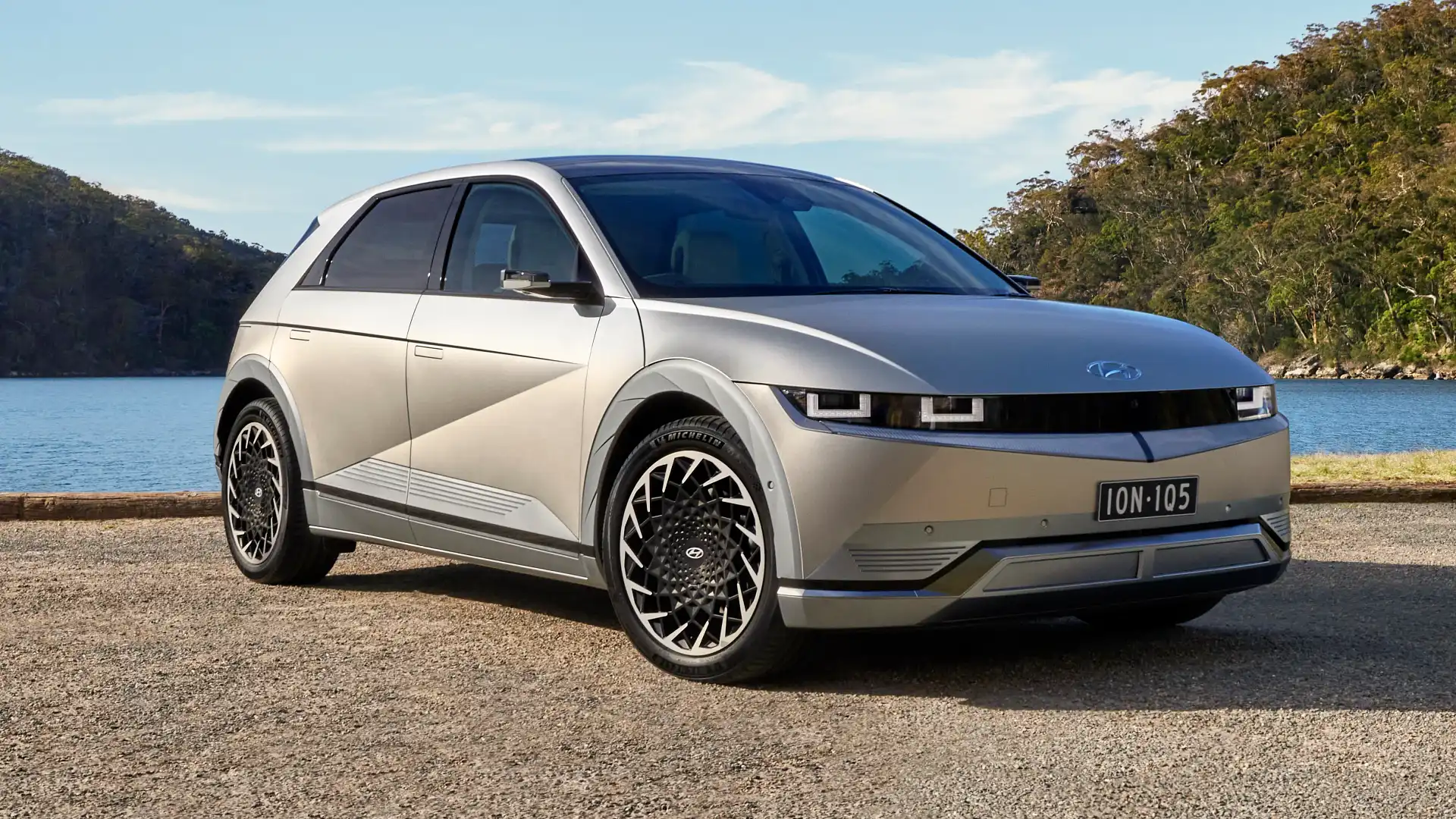
3. Hyundai Ioniq 5
Hyundai has made major strides in EV battery technology, and the Ioniq 5 stands as proof. Using an 800-volt electrical system, this futuristic crossover not only charges faster but also runs cooler, extending battery health.
Hyundai’s regenerative braking and software-controlled charge limits further protect the pack from overuse. Real-world owners in the US have reported less than 5% degradation after three years, putting it ahead of many competitors in its class.
The brand’s 10-year/100,000-mile battery warranty offers additional peace of mind a rarity even among top-tier EV manufacturers.
You may already be familiar with the Hyundai Ioniq, a compact hatchback reminiscent of the Toyota Prius that’s available in hybrid, plug-in hybrid, and fully electric versions.
However, Hyundai has taken the Ioniq name in a new direction, using it as the foundation for a lineup of upcoming electric vehicles. The first model in this new family is the all-electric 2022 Hyundai Ioniq 5, a compact crossover SUV that stands out with its futuristic design and advanced technology.
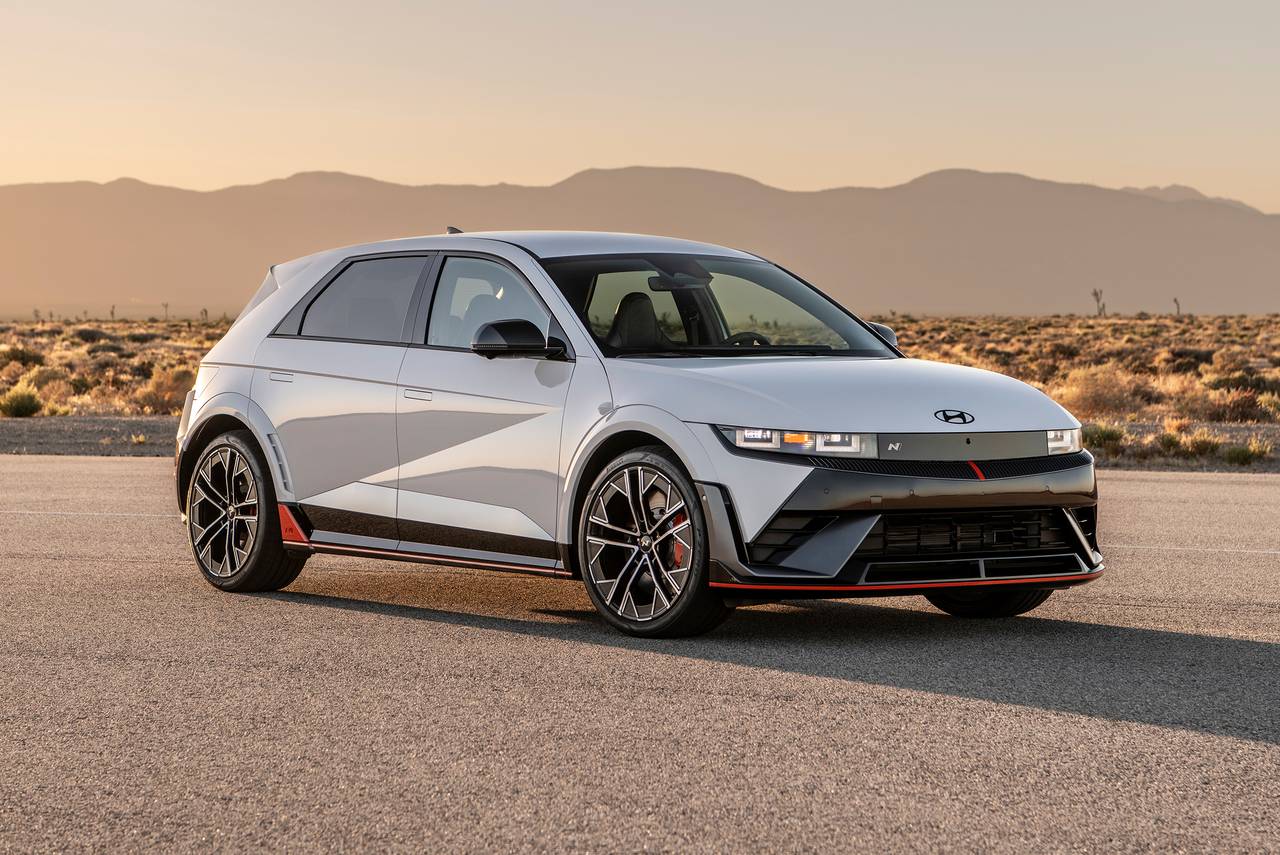
The Ioniq 5 is offered with two battery options: a 58-kWh pack (available later) or a 77.4-kWh pack. The smaller battery serves as the base model and powers a single electric motor that drives the rear wheels. Versions equipped with the larger battery can be configured with either rear-wheel drive or all-wheel drive, the latter achieved by adding a second motor to the front axle.
In Edmunds’ real-world range testing, an all-wheel-drive Ioniq 5 achieved 277 miles on a full charge. While this figure trails some competitors—such as the Ford Mustang Mach-E, which managed 304 miles, it’s still a solid range for the majority of EV drivers.
One of the Ioniq 5’s most impressive features is its 800-volt electrical architecture, which supports ultra-fast DC charging. When connected to a 350-kW charger, Hyundai claims the battery can be recharged from 10% to 80% in just 18 minutes.
Additionally, the Ioniq 5 can act as a portable power source, allowing you to run electronic devices, tools, and other equipment directly from its battery.
Rounding out the package, Hyundai gives the Ioniq 5 an attention-grabbing exterior design, large digital infotainment displays, and a generous list of standard and available features, making it one of the most forward-thinking electric crossovers on the market.
4. Kia EV6
Sharing its E-GMP platform with the Ioniq 5, the Kia EV6 also benefits from the same advanced thermal management and ultra-fast charging technology.
What makes it impressive is how Kia balances performance with battery preservation. The EV6 GT model, despite its higher power output, has shown excellent long-term efficiency, losing only about 3% to 7% of battery capacity after 60,000 miles.
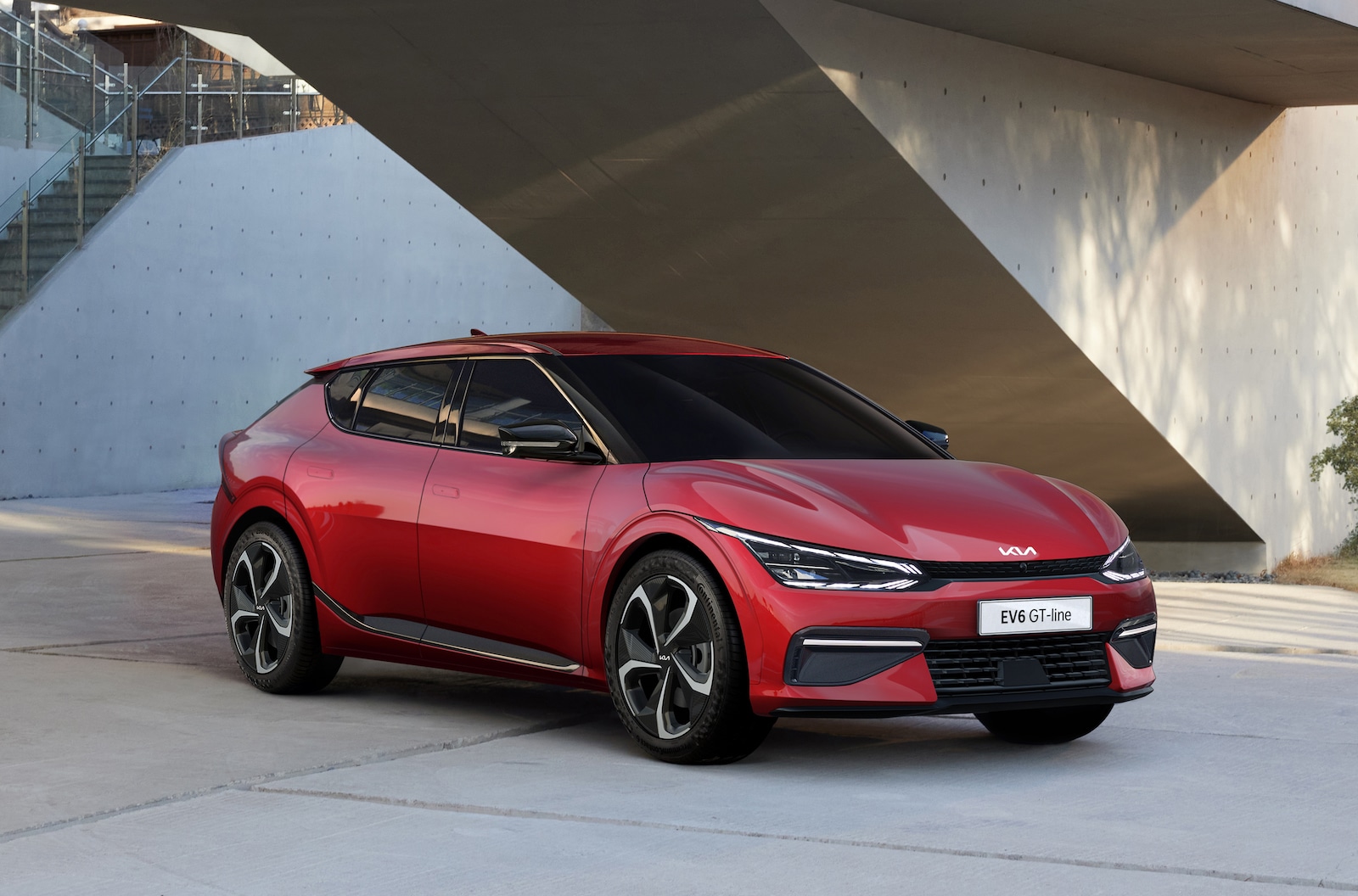
Kia’s use of nickel-cobalt-manganese (NCM) chemistry helps maintain stability and charge retention. For American drivers who want a sporty EV without sacrificing battery health, the EV6 strikes that balance perfectly.
5. Nissan Leaf (Second Generation)
The Nissan Leaf was one of the first mass-market EVs, and while early models suffered from faster degradation due to lack of thermal management, the second-generation Leaf (post-2018) turned that around.
The introduction of improved battery chemistry and better cooling control has made newer Leafs far more resilient. Recent data shows battery capacity retention of 85–90% after five years, a major improvement over first-gen versions.
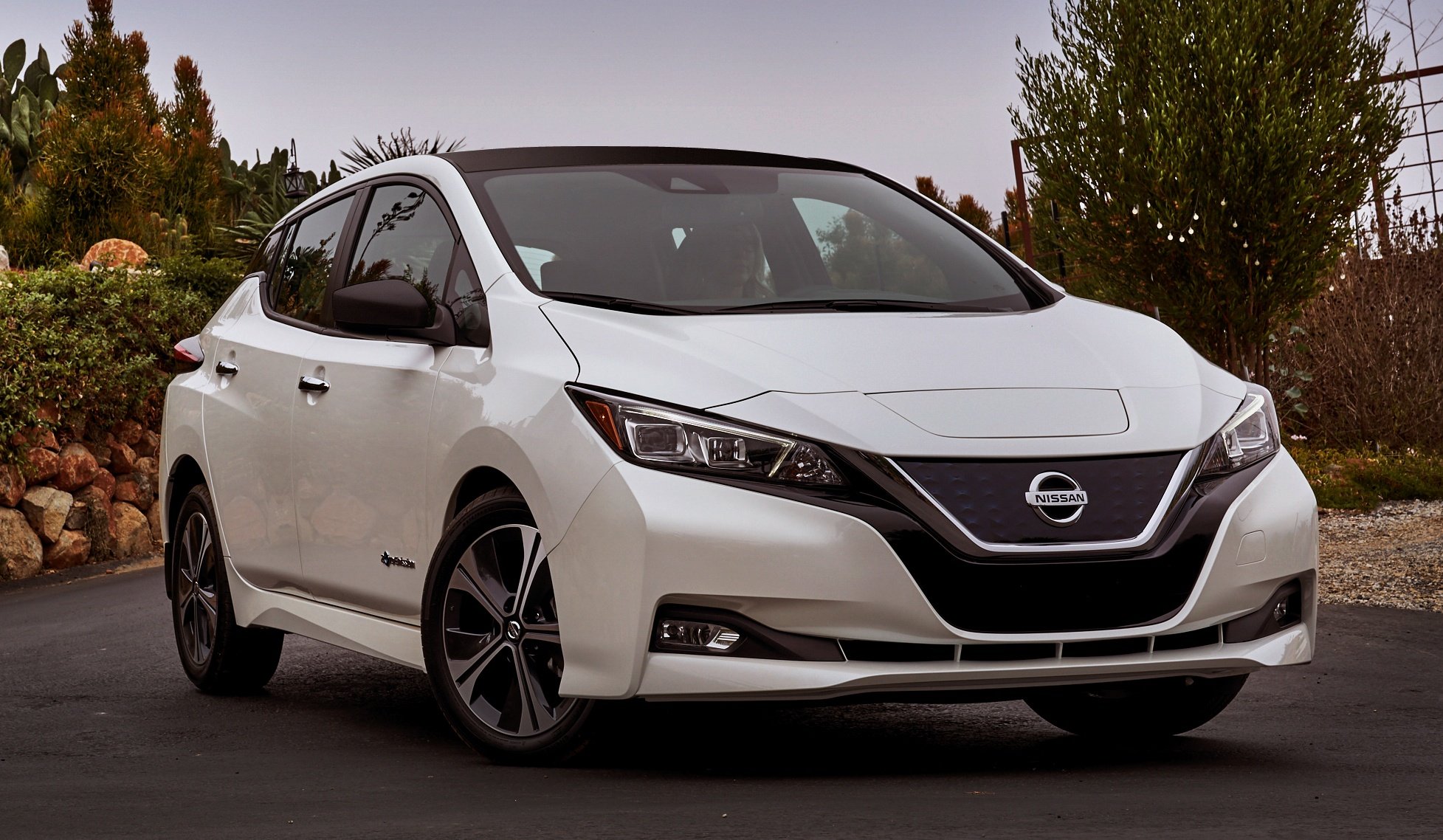
For budget-conscious buyers in the US looking for a used EV, the 2019 or later Leaf represents an affordable entry point into the electric world without significant degradation worries.
6. Tesla Model S
The Tesla Model S has long been the benchmark for luxury EV performance, but its endurance is equally impressive.
Some early Model S vehicles have crossed 300,000 miles while retaining over 80% battery capacity an incredible feat for a car introduced over a decade ago.
Tesla’s meticulous battery cooling, cell balancing, and proprietary software give it one of the lowest degradation rates in the industry.
The brand’s track record with the Model S battery is so strong that it continues to command high resale values, particularly for long-range variants.
Even though it may appear that Tesla has its hands full, with projects like robotaxis, humanoid robots, and the long-promised affordable model that continues to face delays, the company’s core vehicle lineup has remained relatively unchanged for quite some time.
Recently, however, that has started to shift. The first step was the updated Model 3 introduced for 2024, followed by a refreshed Model Y SUV earlier this year.
Meanwhile, Tesla’s longest-running models, the Model S sedan and Model X SUV, have continued on largely unchanged for years.
To put it in perspective, the Model S originally debuted in 2011, and its last major updates came with the mainstream redesign in 2017 and the arrival of the 1,000-horsepower Plaid variant in 2021. Now, the Model S is finally receiving another round of updates, but the changes are fairly modest in scope.
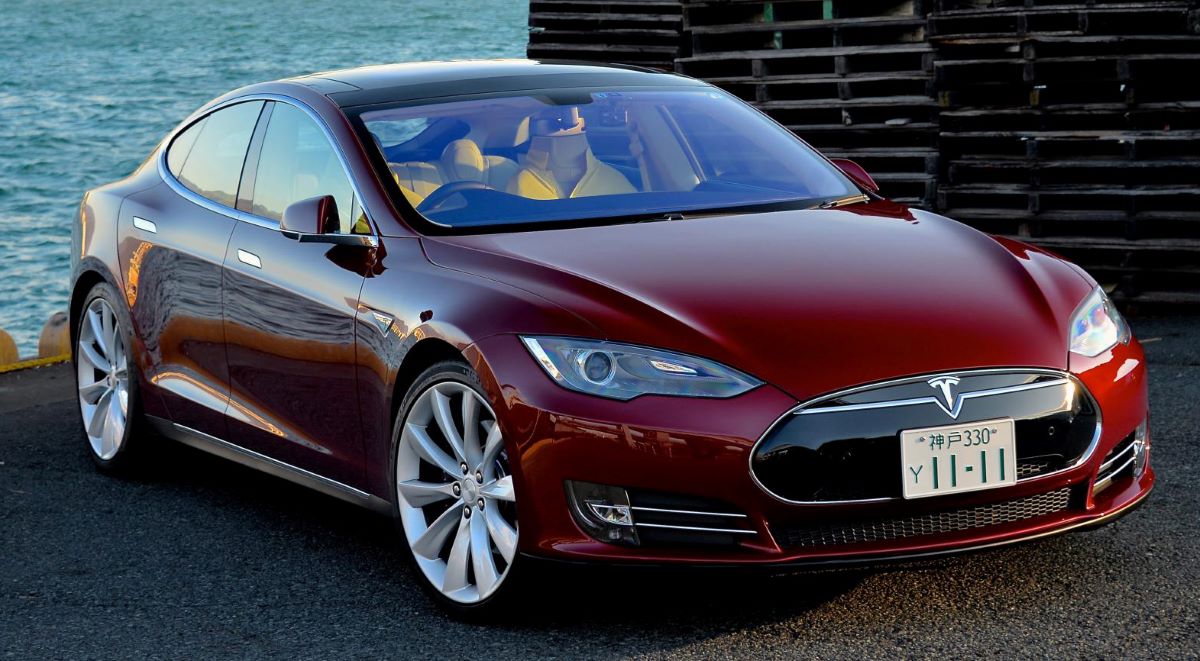
At first glance, distinguishing the latest Model S from its predecessor might be a challenge. The exterior tweaks are subtle: both the headlights and taillights have been reworked internally, giving them slightly different lighting signatures. The headlights now feature adaptive beams, and the Plaid model’s front bumper has been reshaped with larger, more angular air intakes.
Across the lineup, every Model S, the standard All-Wheel Drive version and the Plaid, now comes with redesigned wheels. The standard setup includes 19-inch wheels, with optional 21-inch versions available. The Plaid’s wheel options are the same sizes but have distinct designs.
Tesla calls the Plaid’s exterior look “new,” though the changes appear limited to revised bumpers and lower aerodynamic elements aimed at improving airflow and stability at high speeds.
In practical terms, these adjustments are subtle enough that only dedicated Tesla enthusiasts are likely to notice. What might stand out, however, is the addition of a Frost Blue paint color. Like all non-gray paint choices, it comes at an extra cost, $2,500 in this case.
Inside, changes are minimal. Tesla adds what it calls “dynamic ambient lighting,” which introduces animated lighting effects along the dashboard and doors as you enter the vehicle. Beyond that, the cabin remains essentially the same as before.
Tesla’s latest tweaks to the Model S focus less on what meets the eye and more on how the car feels to drive. Many of the improvements are hidden beneath the surface, small engineering refinements designed to enhance comfort and refinement.
Similar subtle updates elevated the ride and noise isolation in the redesigned Model 3 “Highland” and Model Y “Juniper”, and Tesla appears to be taking the same approach here.
Under the familiar bodywork, engineers have reworked the suspension bushings and hardware, with the goal of delivering a smoother, more compliant ride, an area that benefited greatly from similar changes in the Model 3.
Tesla also claims to have implemented additional soundproofing improvements, resulting in a quieter cabin that better shields occupants from wind and road noise. The Active Noise Cancellation system within the premium audio setup has been upgraded as well.
While Tesla hasn’t specified every alteration, it’s likely these updates involve numerous small refinements to the body seals, welds, and insulation, collectively contributing to a more composed and refined driving experience. In other words, while the new Model S may not look drastically different, drivers and passengers alike will feel the improvements every time they get behind the wheel.
7. BMW i4
The BMW i4 combines traditional German engineering with modern EV precision. Built with prismatic lithium-ion cells and a well-calibrated liquid cooling system, the i4’s battery chemistry is designed for longevity.
BMW also limits usable capacity slightly below the full pack size, meaning the cells never experience full charge or full discharge cycles a known cause of degradation.
So far, early reports show less than 5% degradation after 50,000 miles, even under mixed driving conditions. BMW’s comprehensive 8-year/100,000-mile battery warranty underscores the brand’s confidence in its technology.
The 2025 BMW i4 stands as an all-electric luxury sedan and serves as the most affordable EV in BMW’s lineup. Essentially, the i4 is an electrified adaptation of the BMW 4 Series Gran Coupe, sharing the same fundamental design both inside and out.
Unlike some new EVs that differentiate themselves from their gasoline-powered counterparts, the i4 closely mirrors the look and feel of a traditional BMW, only with an all-electric powertrain under the hood. Capable of traveling up to 300 miles on a full charge, the i4 also delivers impressive acceleration, especially in versions equipped with dual electric motors.
The i4 eDrive40 offers an EPA-estimated range of 318 miles. Given that EV batteries typically lose around 1–2% of range annually, the estimated range for this vehicle would be approximately 270 miles after eight years of use.
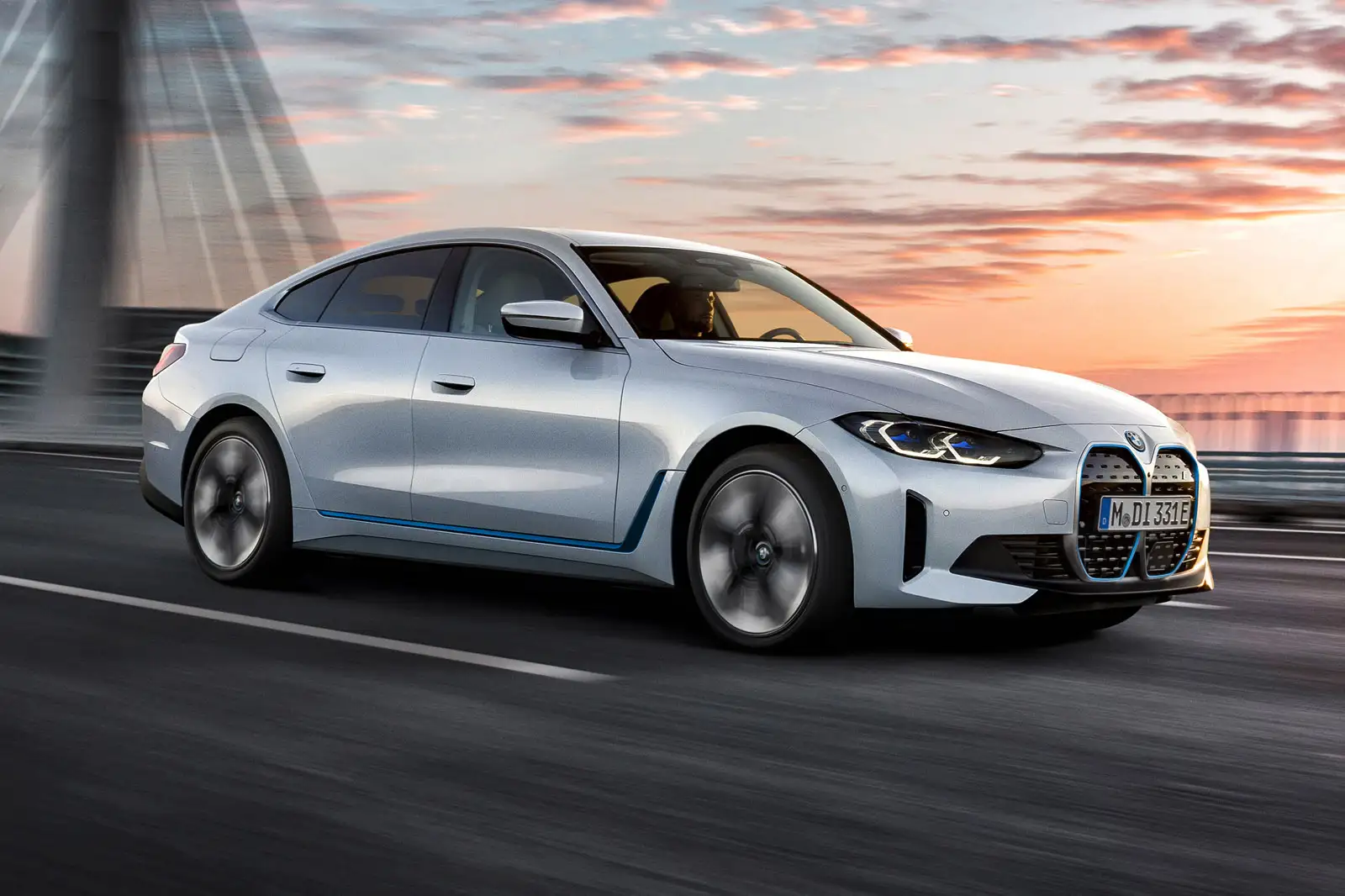
The i4 utilizes an SAE Combo plug type for charging and takes about 10 hours to fully charge using a 240V home outlet. To prolong battery life, owners are advised to maintain a charge between 30% and 80%.
The model’s EV battery warranty covers 8 years or 100,000 miles, ensuring long-term reliability. If current degradation rates remain consistent, most EV batteries, including those in the i4, will likely outlast the usable lifespan of the vehicle itself.
Owning an EV like the i4 works best when you have access to home charging via a 240V outlet. Installing a home charging system is estimated to cost around $1,616.
This software update reorganizes layouts and menus on the standard Curved Display, which now also integrates climate controls. A vertical bar on the driver’s side of the central screen offers customizable shortcuts, similar to a smartphone, allowing users to access frequently used apps and widgets with ease.
In addition to touchscreen input, the system remains compatible with the iDrive knob for tactile control, and now supports enhanced voice command functionality, offering a more intuitive and versatile in-car experience.
8. Porsche Taycan
Luxury and performance usually come at the cost of efficiency but not for the Porsche Taycan. Porsche employs an 800-volt architecture similar to Hyundai’s E-GMP system, allowing for faster, cooler charging cycles.
The Taycan also actively manages each individual cell’s temperature through an advanced liquid cooling loop. Owners have reported that even after years of spirited driving, battery capacity loss remains under 5%, which is exceptional for a high-performance car.
For enthusiasts who crave a premium electric sports sedan that won’t degrade quickly, the Taycan is one of the most technically advanced options available in the US.
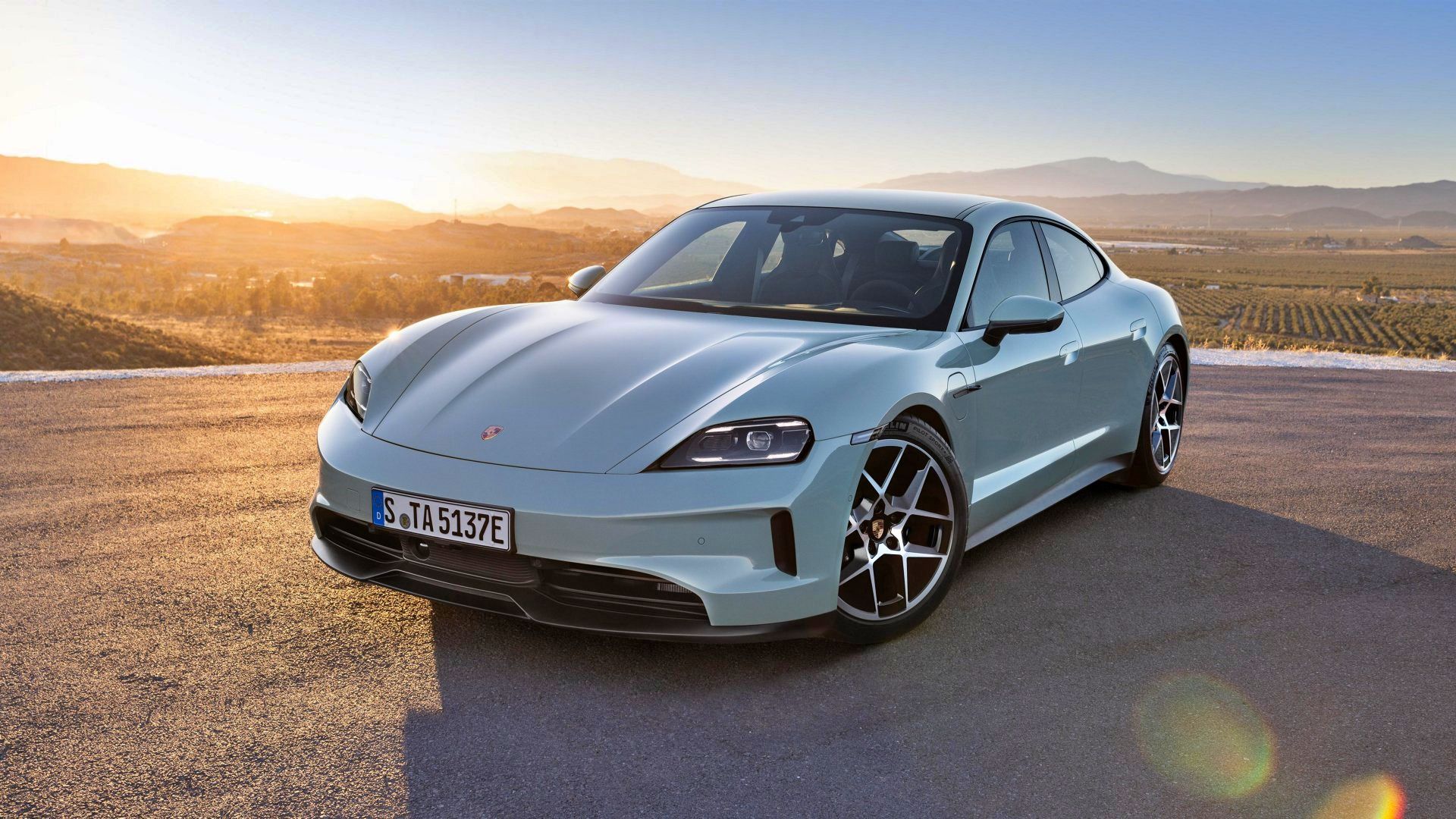
An electric Porsche might have sounded like an absurd idea not too long ago, but the arrival of the 2021 Porsche Taycan proves otherwise, and it’s unmistakably a Porsche in every sense.
The Taycan delivers exhilarating performance, sleek and refined styling, and a wide range of customization options. Even its pricing reflects the traditional Porsche approach, premium and ambitious. While that may not appeal to everyone, it’s reassuring to know the brand remains true to its identity.
For the 2021 model year, Porsche expanded the Taycan lineup with a new base trim, offering a lower starting price compared to the existing 4S and Turbo variants, though with less power. Additionally, Porsche is introducing a new Cross Turismo body style, featuring a larger rear hatch reminiscent of a wagon for enhanced practicality.
Regardless of the version, the Taycan fully earns its Porsche badge, embodying the brand’s legendary driving experience in an electrified form. Still, it’s worth noting that the Taycan faces tough competition.
The updated 2021 Tesla Model S continues to serve as a benchmark in the luxury EV segment, while corporate sibling Audi’s e-tron GT, which shares some of the Taycan’s underlying hardware, offers a compelling alternative for those seeking a different take on the same high-performance electric formula.
9. Rivian R1T
As one of the newer entries in the EV market, the Rivian R1T has impressed not only with its off-road prowess but also its battery health.
Rivian uses large-format cylindrical cells sourced from Samsung SDI, paired with a state-of-the-art thermal management system optimized for heavy-duty use.
Owners and early fleet data show minimal degradation often below 4% after 40,000 miles, even with frequent DC fast charging.
Considering its rugged nature and load demands, that’s an outstanding result. Rivian’s active battery preconditioning before charging also plays a big role in extending the battery’s lifespan.
The electric vehicle landscape in 2025 is far more mature than it was a decade ago. Battery degradation, once a major concern for early adopters, has become far less of a threat thanks to smarter software, improved cooling systems, and better battery chemistry.
Every year, a few million new pickup trucks hit the roads across the U.S., but among the handful of fully electric options available, none can match the Rivian R1T’s speed and performance.
Producing up to 835 horsepower, this electric powerhouse sprints from 0 to 60 mph in just 3.0 seconds, making it a few tenths quicker than a Ford Mustang Shelby GT500, and can tow up to 11,000 pounds, all while operating in near silence.
Inside, the R1T embraces an upscale, outdoorsy aesthetic, one that will feel familiar to anyone who has shopped at REI for tents or hiking boots. The cabin features a massive 15.6-inch central touchscreen, complemented by finely stitched leather seats and high-end materials throughout.
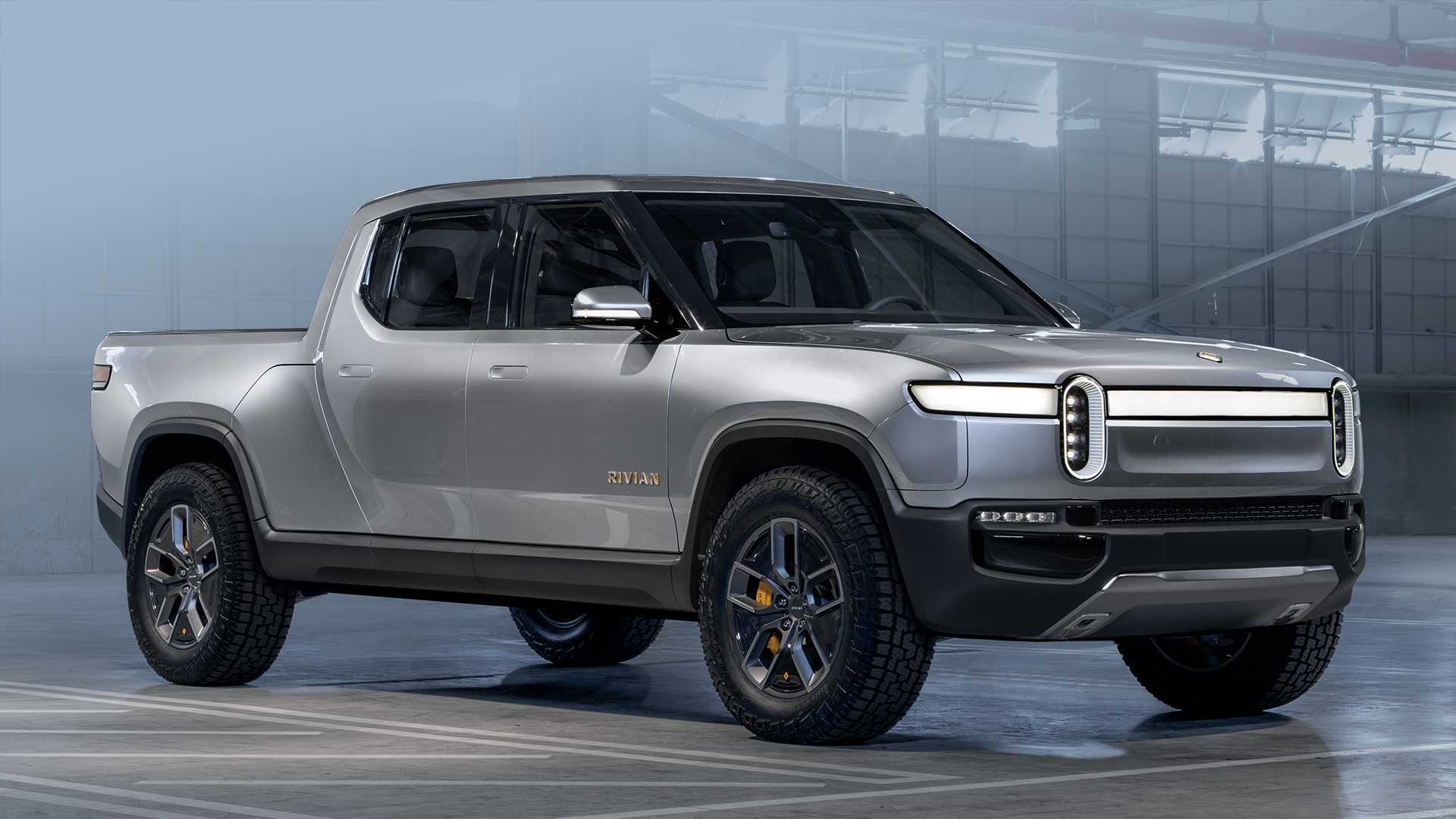
Though EV pickups remain a niche market, the R1T faces competition from the Ford F-150 Lightning, Chevrolet Silverado EV, and GMC Hummer EV SUT. Yet, none of them offer the same combination of style, innovation, and practicality that Rivian does.e cabin and the front trunk.
Every R1T comes with all-wheel drive, available in two configurations: Dual-Motor and Quad-Motor. The standard Dual-Motor setup produces 533 horsepower, while the Performance Dual-Motor option increases output to 665 horsepower and 700 lb-ft of torque.
Opting for the Quad-Motor configuration unlocks the R1T’s full 835 horsepower, enabling it to reach 60 mph in just 3.0 seconds—making it the quickest pickup truck ever tested. Even the Dual-Motor version is no slouch, hitting 60 mph in 3.4 seconds.
The R1T also features a standard air suspension system that allows the driver to adjust ground clearance between eight and 14 inches. During our first test drive in Colorado’s Rocky Mountains, the R1T proved itself equally at home on rugged trails as it is on smooth highways, combining exceptional off-road prowess with impressive on-road acceleration and comfort.
Whether you’re choosing a budget-friendly Chevy Bolt or a luxury Porsche Taycan, today’s EVs are built to maintain performance for hundreds of thousands of miles.
As the US transitions toward a predominantly electric future, buyers can feel increasingly confident that their EV investment will stand the test of time not just in features and performance, but in the most vital component of all: the battery.