
The automotive industry is perpetually evolving, with manufacturers constantly pushing boundaries to create vehicles that challenge conventional wisdom about their respective segments.
While established segment leaders often enjoy brand recognition and customer loyalty, they don’t always deliver the most compelling packages.
Throughout the years, we’ve witnessed remarkable vehicles that have emerged to redefine expectations, offering superior features, performance, technology, and value propositions that exceed what the traditional market leaders provide.
These cars represent a fascinating intersection of ambition, engineering excellence, and market disruption. Whether through innovative design, cutting-edge technology, exceptional performance capabilities, or unbeatable value propositions, these vehicles have managed to outclass their more famous competitors.
They prove that being first to market or having the largest market share doesn’t guarantee superiority. Some of these cars arrive from unexpected manufacturers, challenging the status quo of their segments.
Others come from established brands that decide to revolutionize their approaches, introducing features and capabilities that redefine category expectations.
What makes a car truly outclass its competition in its segment? It’s rarely just one factor. It could be the combination of luxury appointments in a segment known for practicality, or the introduction of advanced safety systems before competitors recognize the market demand.
It might be delivering thrilling performance while maintaining fuel efficiency, or offering technology features that were previously exclusive to higher price brackets. Sometimes it’s the value equation delivering premium experiences at mainstream prices, or providing specialized capabilities that address unmet customer needs.
The vehicles featured in this list represent different eras and market conditions. Some have already transformed their segments permanently, forcing competitors to follow suit.
Others continue to prove their worth by attracting customers who recognize that there’s something special about their particular formula.
These cars have earned their recognition through genuine merit, not marketing spin. They offer tangible advantages over their competitors that real-world buyers can appreciate and experience.
From luxury sedans that challenge sports car performance to SUVs that redefine versatility, from affordable vehicles packed with technology to high-performance machines that question the very nature of their categories, these twelve vehicles exemplify what happens when manufacturers truly commit to excellence.
They demonstrate that challenging the segment leader isn’t about spending the most money or having the longest history. Instead, it’s about understanding customer needs, leveraging technological advantages, and having the courage to deliver something genuinely different.
These cars have proven that disruption in the automotive world comes not through revolution, but through evolution and a relentless commitment to doing things better than established competitors.
1. Tesla Model 3 vs. BMW 3 Series
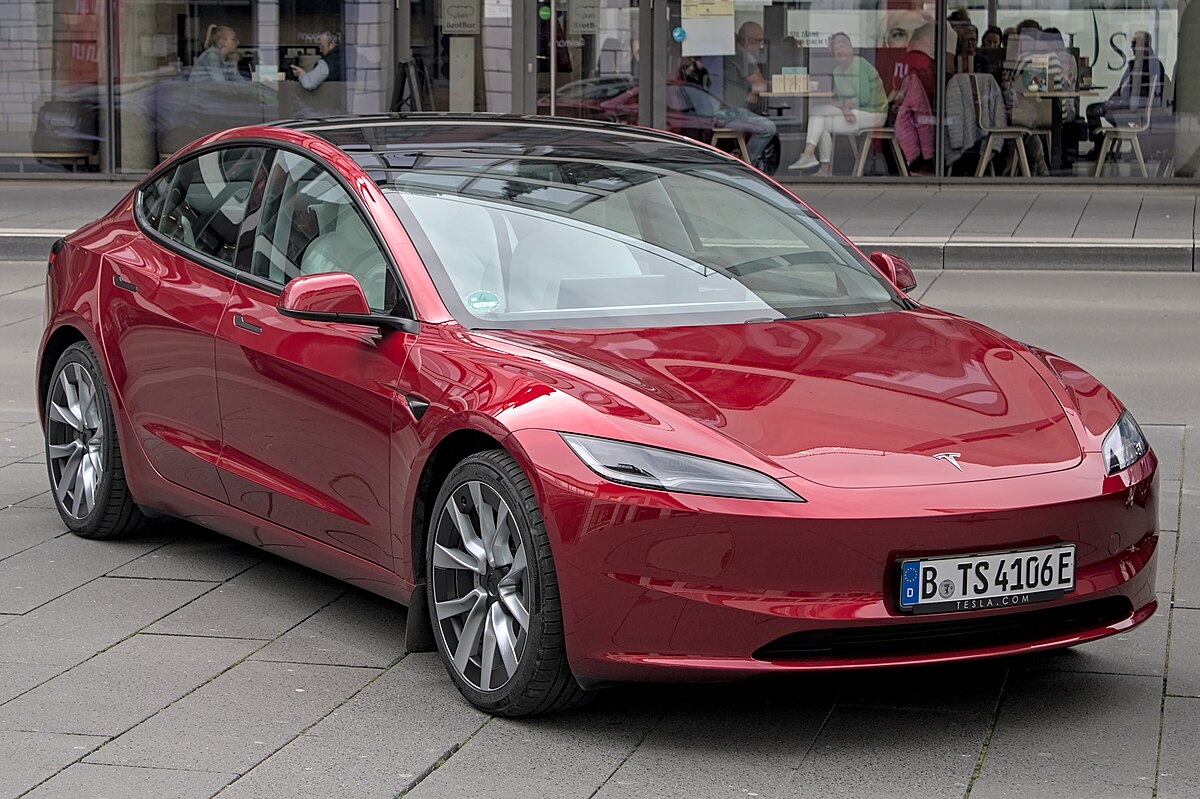
The Tesla Model 3 has fundamentally disrupted the compact luxury sedan segment, reshaping industry expectations and challenging the long-standing dominance of the BMW 3 Series.
While the 3 Series has ruled this category for decades through engineering reputation and brand prestige, the Model 3 arrived with revolutionary technology and performance characteristics that forced competitors to reconsider their fundamental approaches to vehicle design and functionality.
The Model 3 outclasses the 3 Series not through traditional automotive refinement but through comprehensive innovation in electric powertrains, software integration, and customer experience architecture that reimagines what modern transportation should deliver.
Performance metrics dramatically illustrate the Model 3’s overwhelming advantage. The Performance variant achieves 0-60 mph in approximately 3.1 seconds, rivaling dedicated sports cars while the 3 Series requires significantly more aggressive engine configurations to approach similar numbers.
More importantly, this acceleration arrives with perfect consistency, zero turbo lag, and total predictability that turbocharged competitors cannot replicate.
The electric motor’s instant torque delivery maximum power available immediately from zero RPM provides visceral driving thrills that traditional gasoline engines struggle to match.
This transformative acceleration doesn’t require exotic engineering; it represents fundamental physics advantages of electric propulsion, something internal combustion competitors cannot overcome.
Everyday commuting becomes genuinely engaging, transforming drives that drivers previously merely tolerated into experiences they anticipate. The technology ecosystem represents Model 3’s most compelling differentiator.
The minimalist interior philosophy centers on an expansive touchscreen interface managing all vehicle functions through intuitive software receiving regular over-the-air updates.
New features, performance improvements, and capability enhancements arrive automatically throughout ownership, essentially improving the vehicle continuously without owner intervention or dealership visits.
BMW’s sophisticated iDrive system, while impressive from traditional automotive standards, remains fundamentally static after purchase, requiring dealership appointments for meaningful updates that typically involve software downloads requiring significant time investment.
Tesla’s Autopilot capabilities, despite ongoing development and refinement, already exceed the autonomous features available in the 3 Series by substantial margins, with continuous improvement suggesting further capabilities approaching near-term realization.
This fundamental difference in software evolution means Model 3 owners enjoy increasingly capable vehicles throughout ownership.
Charging infrastructure advantages significantly favor Tesla ownership. The proprietary Supercharger network provides convenient long-distance charging that eliminates traditional gas station inconvenience.
Charging at home overnight means starting each day with a “full tank,” a convenience gas-powered cars cannot offer. Energy cost economics prove dramatically favorable electricity expenses represent a fraction of gasoline costs, reducing operating expenses substantially over vehicle ownership duration.
While BMW purists might appreciate traditional driving engagement and luxurious interior ambiance cultivated through decades of refinement, the Model 3’s comprehensive package combining exhilarating performance, cutting-edge technology, practical advantages, superior operating economics, and forward-thinking capability represents the more compelling proposition for contemporary luxury sedan buyers prioritizing innovation, efficiency, sustainability, and transformative vehicle ownership experiences.
The Model 3 doesn’t simply outclass the 3 Series; it fundamentally questions whether traditional approaches to luxury sedans remain relevant in an electrified, software-driven automotive future that rewards innovation over heritage.
2. Toyota Camry vs. Honda Accord
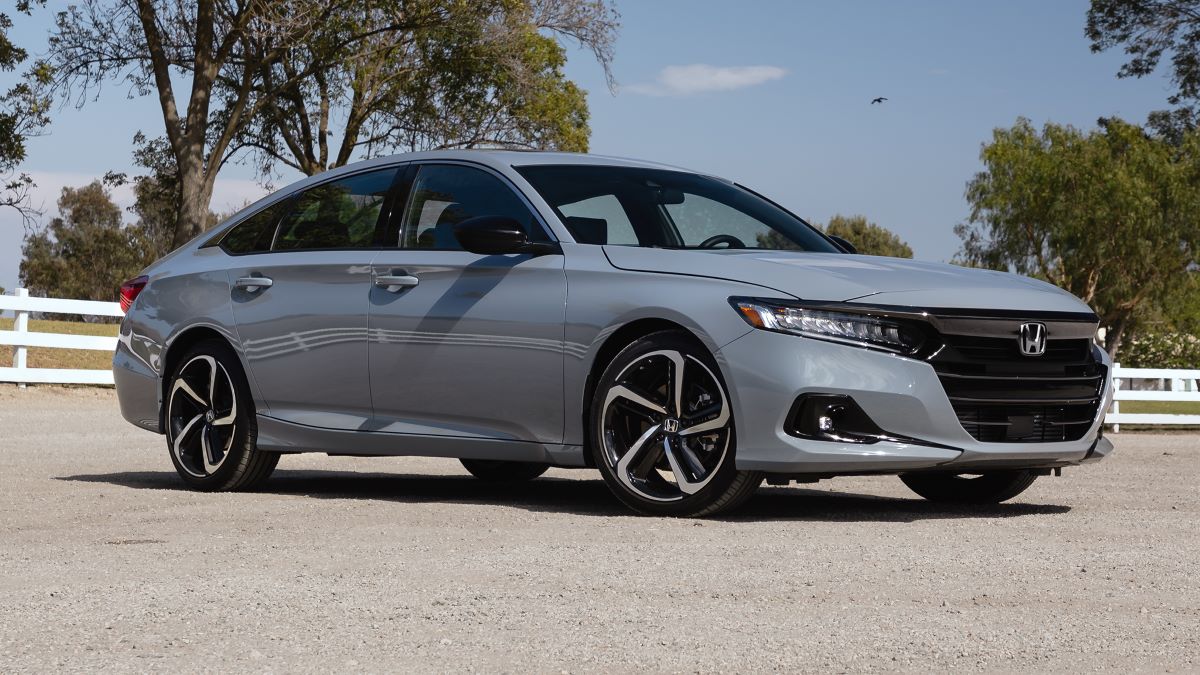
The Toyota Camry has managed to outclass the Honda Accord, the segment leader that previously defined midsize sedan excellence.
While the Accord built its reputation on handling finesse and driving engagement, the current-generation Camry has evolved into a vehicle that offers superior comfort, technology, reliability perception, and value. This represents a notable shift in the eternal Camry-Accord rivalry.
Modern Camry models deliver a driving experience that doesn’t surrender to the Accord’s traditional handling advantage. Toyota’s chassis development has produced a sedan that balances comfort with competence through corners.
The suspension tuning provides a composed ride that accommodates highway miles while maintaining responsiveness in more dynamic driving situations. While enthusiasts might still favor the Accord’s steering feedback, casual buyers increasingly prefer the Camry’s relaxed yet controlled demeanor.
The technology integration in the Camry significantly exceeds what the Accord offers at comparable price points. Toyota’s infotainment system has matured into an intuitive interface that rivals or exceeds Honda’s system in terms of functionality, responsiveness, and smartphone integration.
The Camry offers segment-leading safety technology, including available adaptive cruise control, collision mitigation, and lane-keeping assistance that work seamlessly to reduce driver fatigue on long journeys.
Interior space represents another Camry advantage. The rear legroom, trunk capacity, and cabin volume provide noticeably more comfort for passengers on long journeys.
The seat quality has improved dramatically, with optional leather upholstery that feels as premium as anything in the Accord’s range.
Dashboard design prioritizes ergonomic functionality over stylistic expression, making the Camry more practical for diverse driver preferences.
Reliability perception tilts decisively toward Toyota, with the Camry enjoying a reputation for longevity that attracts buyers prioritizing low-maintenance ownership.
While Accords prove reliable, the Camry’s perception among used car buyers translates into better resale value and lower insurance costs.
Toyota’s hybrid Camry offers fuel efficiency that the Accord cannot match with any conventional powertrain, appealing to efficiency-conscious buyers. The warranty coverage and dealer service experience often favor Toyota locations, providing additional peace of mind for owners.
3. Hyundai Genesis G70 vs. Lexus IS
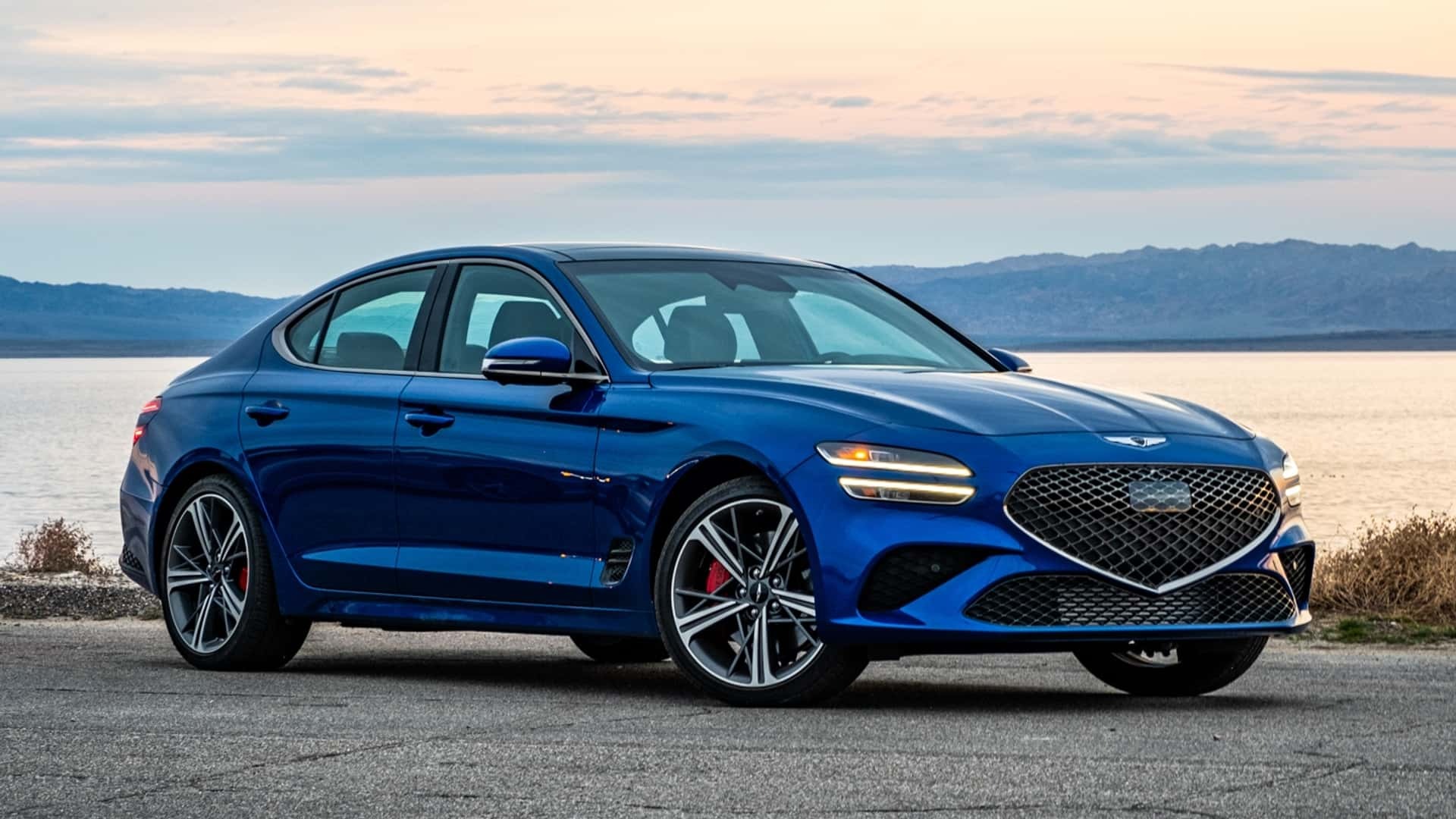
The Hyundai Genesis G70 has emerged as a credible threat to Lexus IS dominance in the compact luxury sedan segment through impressive design, feature richness, and value proposition.
The G70 combines Korean manufacturing confidence with premium specifications that undercut the Lexus IS significantly in pricing while matching or exceeding it in technical capability.
Design-wise, the G70 strikes an aggressive stance that contradicts its relatively affordable price point. The exterior features sophisticated proportions, LED lighting treatments, and visual presence that wouldn’t seem out of place among significantly more expensive luxury marques.
The interior design demonstrates mature attention to detail, with premium material choices, thoughtful ergonomics, and sophisticated color schemes that create an ambiance rivaling Lexus’s reputation for interior elegance.
Performance specifications tip decidedly in the G70’s favor, particularly in the turbocharged variants. The available 2.0-liter turbocharged engine delivers 252 horsepower with responsive acceleration and admirable turbo characteristics.
Compare this to the Lexus IS’s naturally aspirated engines, which feel underpowered in comparison despite Lexus’s reputation for engineering excellence. The G70’s transmission delivers quicker shifts and smoother operation than IS variants, contributing to a more engaging driving dynamic.
Technology innovation gives the G70 significant advantages over the IS. The infotainment system features better responsiveness, more intuitive menu structures, and smartphone integration that operates more seamlessly.
The available wireless charging, panoramic sunroofs, and advanced driver assistance systems come standard or at accessible price points compared to Lexus’s à la carte options. The G70’s over-the-air software update capability means the vehicle improves throughout ownership, whereas the IS relies on dealership updates.
The warranty coverage provided by Hyundai Genesis extends protection beyond Lexus’s offerings, with comprehensive coverage periods that reduce ownership stress. The pricing differential permits G70 buyers to specify higher trim levels with more features than comparable Lexus IS models.
For buyers prioritizing technological sophistication, dynamic performance, and warranty security, the Genesis G70 delivers superior value while matching or exceeding the Lexus IS’s quality metrics, effectively outclassing the established luxury segment leader.
4. Kia EV6 vs. Tesla Model Y
The Kia EV6 has proven itself as a compelling electric vehicle that challenges Tesla Model Y’s market dominance through superior design, diverse powertrain options, and refined driving dynamics.
While the Model Y offers undeniable advantages in performance and charging infrastructure, the EV6 delivers a more complete package for many buyers prioritizing design sophistication and interior functionality.
Design excellence represents the EV6’s most obvious advantage. The vehicle’s futuristic aesthetic features advanced proportions, striking LED lighting, and an presence that conveys premium quality without the utilitarian simplicity of the Model Y.
Interior design philosophy emphasizes passenger comfort and intuitive functionality, with a generous cabin that feels more spacious than the Model Y despite similar dimensions.
The optional innovative sliding doors and dual-screen infotainment setup create an experience that feels more forward-thinking than Model Y’s minimalist approach.
Performance-wise, the EV6 offers competitive acceleration with the Model Y at mainstream trim levels, delivering spirited 0-60 times that satisfy most buyers despite not matching Model Y’s most potent variants.
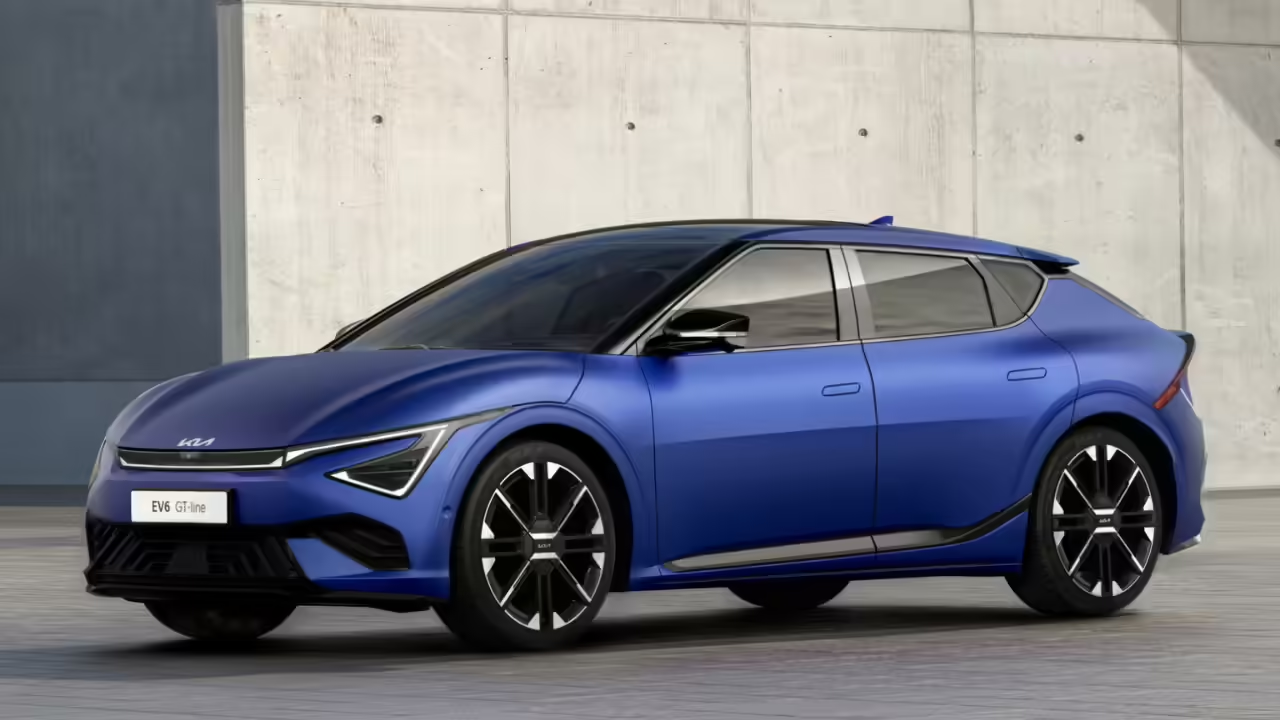
What distinguishes the EV6 is the refined suspension tuning that prioritizes composure and ride quality without sacrificing handling precision.
The steering feel communicates road conditions more effectively than Model Y’s electronically-managed system, providing drivers with more engagement during spirited driving.
The EV6’s battery technology, developed in partnership with Hyundai-Kia’s advanced engineering, provides rapid charging capabilities approaching Tesla’s Supercharger speeds while utilizing multiple charging standards for greater compatibility.
The interior functionality exceeds Model Y through better material choices, more intuitive control layouts, and superior seating configurations. Passenger space in both front and rear exceeds what the Model Y offers at comparable price points.
Warranty protection favors Kia significantly, with comprehensive coverage extending beyond Tesla’s offerings. The EV6’s manufacturing quality standards have impressed reviewers and owners, with attention to detail that rivals or exceeds Tesla’s quality control.
While Tesla’s Supercharger network remains unmatched, Kia’s EV6 functions seamlessly across multiple charging networks, providing flexibility that Tesla owners lack.
For buyers valuing sophisticated design, warranty security, and comprehensive functionality over pure performance extremes, the Kia EV6 outclasses the Model Y through superior value and refined ownership experience.
Also Read: 10 Cars That Keep Over 80% Value in 5 Years
5. Genesis GV70 vs. BMW X3
The Genesis GV70 luxury compact crossover has successfully challenged BMW X3 supremacy through aggressive pricing, sophisticated design language, and technology capabilities that exceed the established segment leader.
While BMW’s X3 pioneered the premium compact SUV category, Genesis has leveraged modern design philosophy and Korean manufacturing efficiency to create a superior proposition.
The GV70’s exterior design projects premium confidence through sophisticated proportions, distinctive lighting treatments, and presence that contradicts its position as an upstart challenger.
The dual-face lighting design and athletic body lines create visual appeal that rivals or exceeds the X3’s traditional design language. The interior ambiance surpasses the X3 through superior material selection, thoughtful ergonomic design, and color coordination that feels deliberately curated rather than assembled.
Performance capabilities match or exceed the X3 across key metrics. The turbocharged engine options deliver responsive acceleration, smooth transmission behavior, and driving dynamics that compare favorably to BMW’s turbocharged offerings.
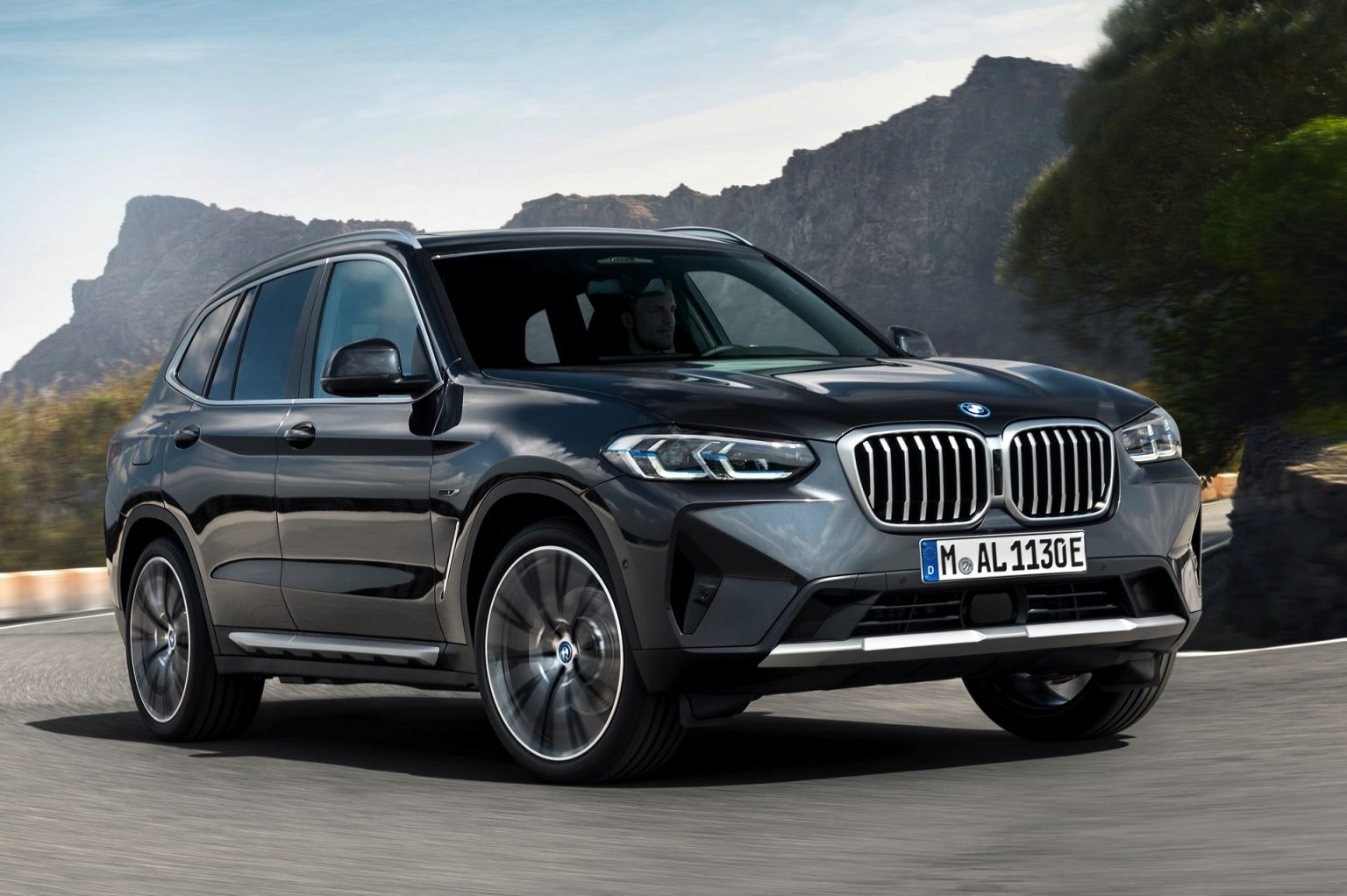
The GV70’s suspension tuning provides composed highway manners while maintaining corner composure, with steering that communicates road conditions more effectively than X3 variants. The available all-wheel-drive system includes advanced torque vectoring that outperforms comparable BMW systems.
Technology integration represents a decisive GV70 advantage. The dual infotainment screens provide intuitive control access that BMW’s iDrive system hasn’t fully matched.
The integrated navigation system demonstrates superior accuracy and user-friendliness, while the available augmented reality head-up display technology exceeds X3’s offerings. Driver assistance features, including semi-autonomous driving capabilities, arrive earlier in Genesis models than comparable BMW variants.
The pricing advantage permits GV70 buyers to access higher trim levels with more features than comparable X3 models. The warranty structure provides superior coverage extending beyond BMW’s offerings, reducing ownership anxiety.
The manufacturing quality has impressed critics and owners, with attention to detail suggesting investment in production excellence that traditional manufacturers increasingly deprioritize.
The GV70’s spacious interior delivers more practical utility than the X3, with innovative storage solutions and flexible seating configurations. For buyers seeking premium SUV experience without premium brand pricing, the Genesis GV70 outclasses the BMW X3 through superior design sophistication, technology integration, and value proposition.
6. Mazda CX-5 vs. Honda CR-V
The Mazda CX-5 has outclassed the Honda CR-V, the segment’s traditional leader, through driving engagement philosophy that prioritizes handling and connection over pure practicality.
While CR-V buyers expect competent family transportation, CX-5 buyers discover an SUV that delivers genuine driving pleasure without compromising functional capability.
Driving dynamics represent the CX-5’s defining advantage. Mazda’s chassis development prioritizes responsive steering, composed suspension behavior, and vehicle feel that transforms daily commuting into an enjoyable experience.
The CR-V, by contrast, emphasizes comfort and stability over driving connection, resulting in numb steering feel and detached handling characteristics. For drivers who appreciate engaging vehicles, the CX-5 delivers substantially more rewarding experience.
The interior design language demonstrates Mazda’s commitment to premium feel despite mainstream pricing. The use of quality materials, sophisticated color schemes, and thoughtful ergonomic consideration create an ambiance that rivals more expensive competitors. The CR-V’s interior, while practical and durable, feels uninspired and utilitarian by comparison.
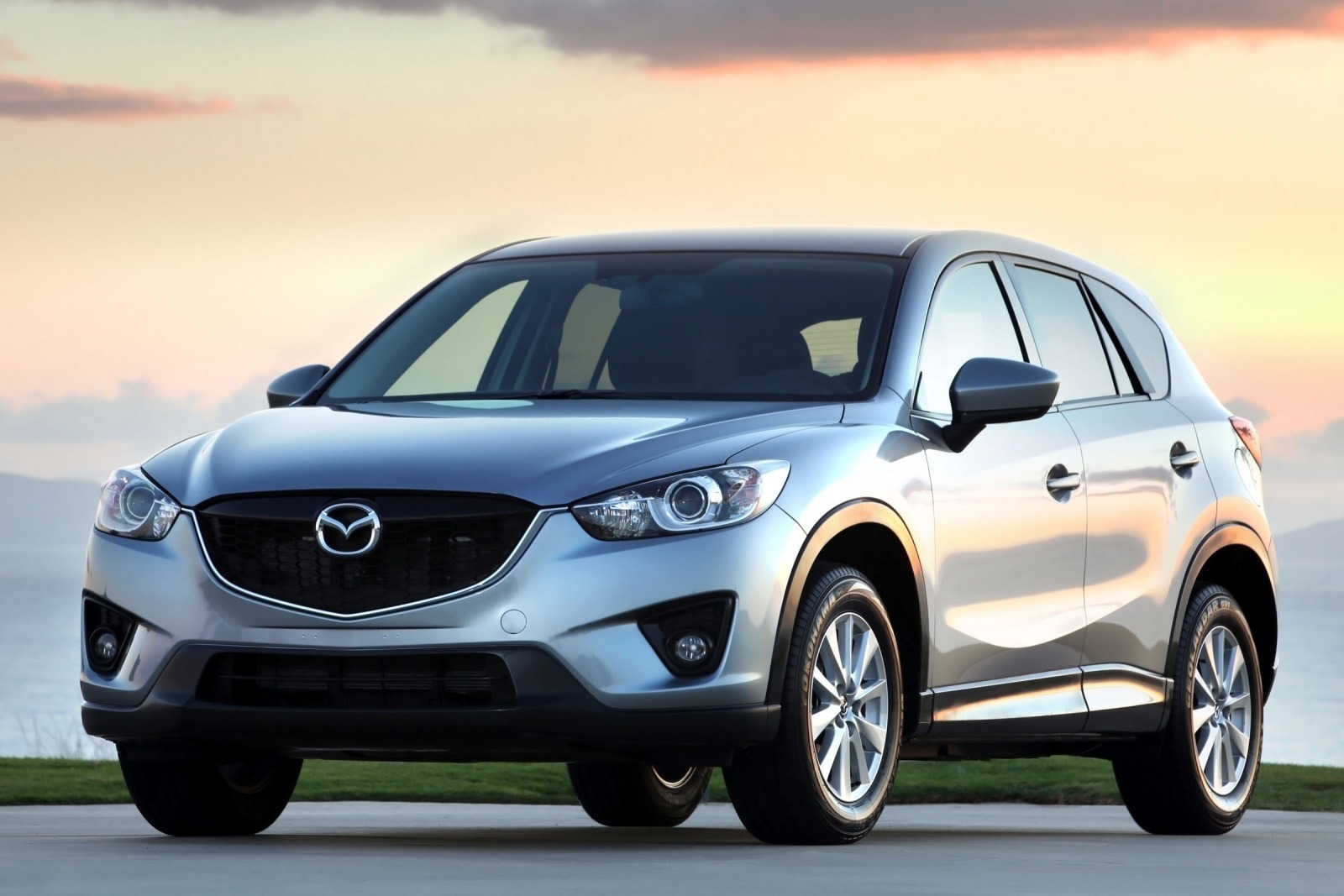
Dashboard layouts in the CX-5 prioritize intuitive control access, with an infotainment system that responds quickly and functions intuitively. Fuel efficiency metrics approach each other closely, but the CX-5 achieves similar efficiency through sophisticated engine management and aerodynamic design rather than relying on hybrid powertrains.
The turbocharged engine options in CX-5 models deliver more engaging acceleration than CR-V’s conventional engines, with better transmission behavior and more responsive throttle mapping.
Driver engagement never sacrifices passenger comfort, with seats that provide excellent support on long journeys while maintaining composure through aggressive cornering.
Technology integration in the CX-5 has matured into a competitive offering that rivals CR-V’s capabilities while maintaining superior responsiveness and intuitive menu architecture.
Safety features arrive comprehensively equipped, with driver assistance systems functioning seamlessly. The warranty structure matches CR-V’s offerings while manufacturing quality frequently exceeds Honda’s standards.
The CX-5’s reputation among driving enthusiasts continues building, attracting buyers who prioritize engagement alongside practicality. For customers valuing driving satisfaction equal to transportation practicality, the Mazda CX-5 convincingly outclasses the Honda CR-V.
Also Read: 5 Cars That Rarely Need Alternators vs 5 That Burn Through Them
7. Polestar 2 vs. Tesla Model 3
The Polestar 2, Volvo’s high-performance electric subsidiary’s flagship, offers a refined alternative to Tesla Model 3 through sophisticated design philosophy, superior interior quality, and refined performance characteristics.
While Tesla emphasizes minimalism and technological disruption, Polestar delivers premium ambiance with thoughtful engineering that appeals to discerning buyers.
Interior quality represents Polestar’s most compelling advantage. The use of sustainable materials, Scandinavian-inspired design, and premium upholstery selections create an atmosphere that transcends the Model 3’s minimalist approach.
Every control operates smoothly, every surface feels intentionally selected, and the environment communicates quality throughout the ownership experience.
The Model 3’s touchscreen-dominated approach feels increasingly dated compared to Polestar’s balanced physical controls and digital interface integration.
Performance credentials match Model 3 across significant metrics, with the dual-motor performance variant delivering 0-60 acceleration comparable to Model 3 Performance models. What distinguishes Polestar is the suspension tuning that prioritizes ride quality without sacrificing handling precision.
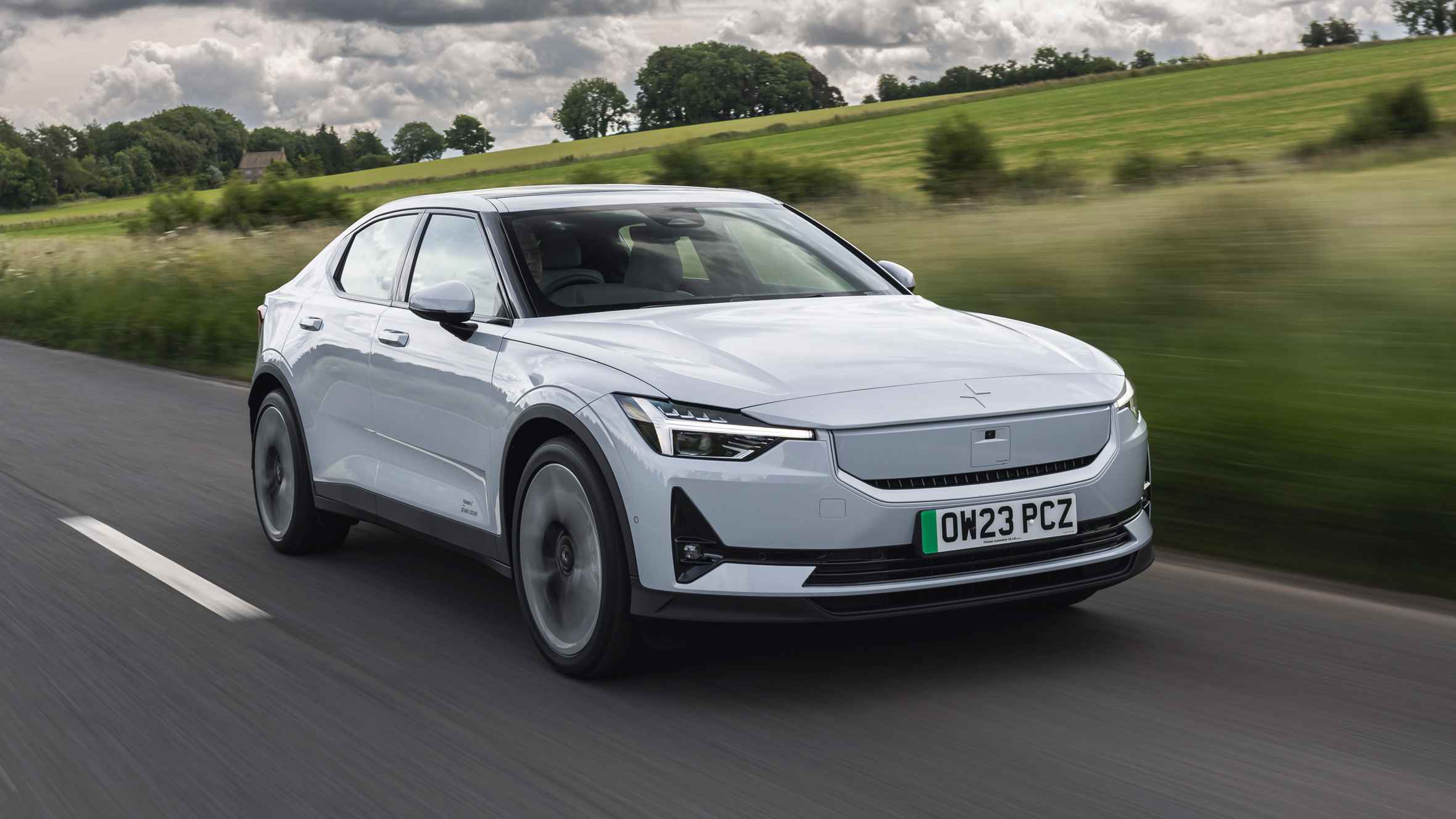
The steering feel proves more communicative than Model 3’s electronically-managed system, providing genuine connection between driver inputs and vehicle response. The driving dynamic feels more polished and refined.
Technology integration demonstrates Polestar’s commitment to functionality over flashiness. The infotainment system, developed in partnership with Android, provides reliable operation and intuitive menu structures that outclass Model 3’s sometimes frustrating approach.
Physical controls for essential functions mean critical operations don’t require going through the menus while driving. The build quality throughout suggests genuine investment in production excellence.
Range and charging capabilities approach competitive parity with Model 3, with Polestar’s battery technology providing competitive efficiency metrics.
The warranty coverage extended by Polestar exceeds Tesla’s offerings, providing ownership security that reduces anxiety. Manufacturing quality impresses reviewers consistently, with attention to detail throughout vehicle construction.
The interior design language creates an environment where extended time feels comfortable rather than merely functional. For discerning buyers prioritizing refined ambiance, genuine quality, and balanced performance over technological disruption, the Polestar 2 outclasses the Tesla Model 3.
8. Volkswagen Passat vs. Toyota Camry
The Volkswagen Passat represents a European alternative that outclasses the Toyota Camry for driving enthusiasts through sophisticated engineering, engaging handling characteristics, and premium design language.
While Camry dominates sales figures through reputation and perceived reliability, Passat delivers a fundamentally more engaging ownership experience.
Engineering excellence distinguishes the Passat through meticulous chassis development and powertrain refinement that German manufacturers continue perfecting.
The suspension tuning balances comfort with composure through corners, delivering ride quality that rivals Camry while maintaining superior handling precision.
The steering feel proves notably more communicative than Camry’s assisted system, with actual road feedback transmitted through the wheel to the driver.
Design sophistication favors the Passat decisively. The exterior conveys premium presence through sophisticated proportions and refined visual language that transcends the Camry’s conservative approach.
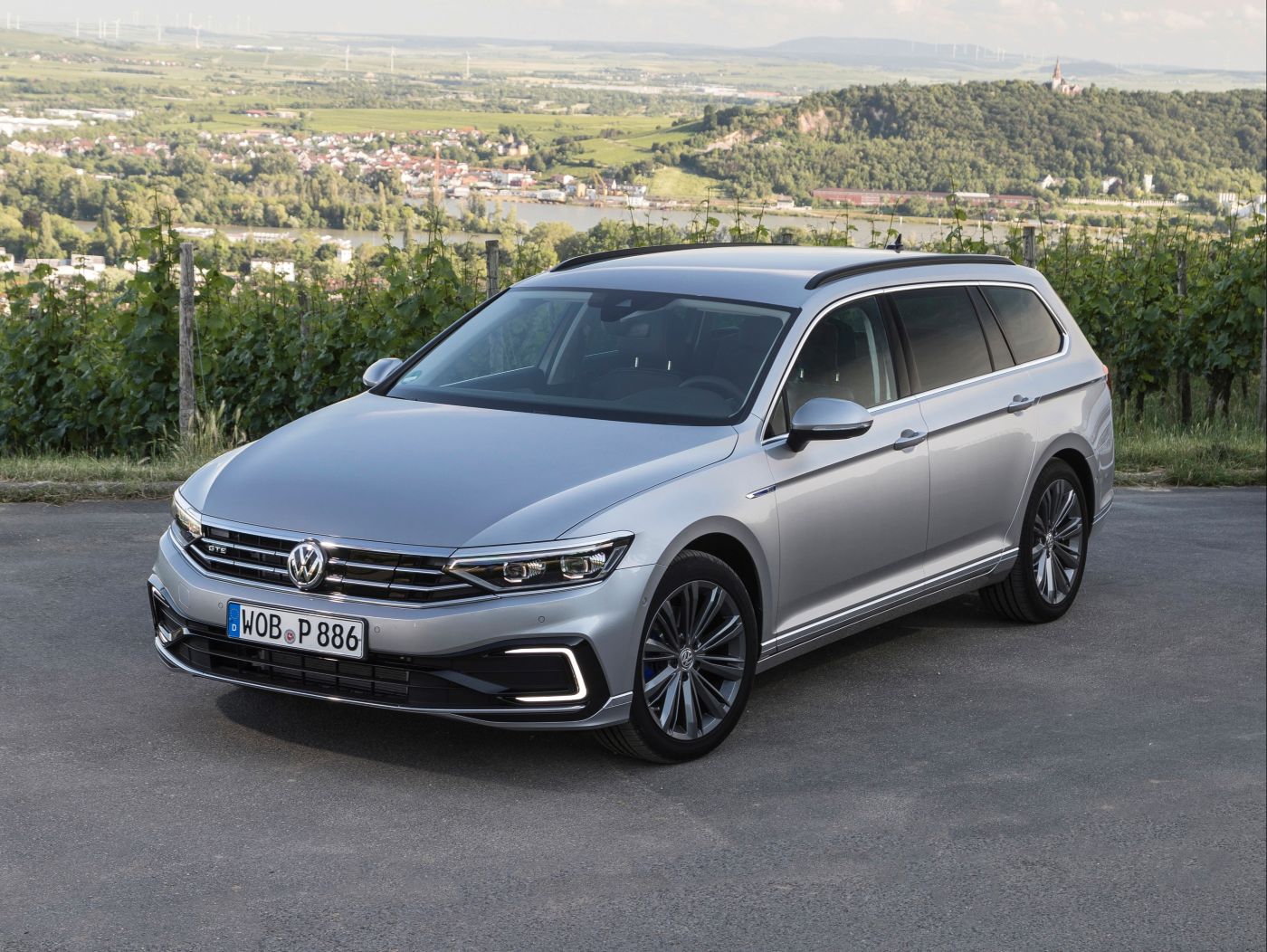
The interior demonstrates equal sophistication, with premium material selections, intuitive ergonomic design, and ambiance that suggests ownership of something special. Dashboard controls respond smoothly, switches actuate with precision, and construction quality impresses throughout.
Performance characteristics from Passat turbocharged engines deliver more engaging acceleration than Camry’s similarly-sized powertrants.
The transmission operation proves smoother, shifts occur faster, and responsiveness exceeds Camry’s leisurely characteristic. Dynamic performance doesn’t require sacrificing comfort, with seats that provide excellent long-distance support while maintaining composure through aggressive driving.
Technology systems in the Passat have matured into competitive offerings that rival Camry’s capabilities while maintaining superior user interface design.
The infotainment system responds quickly to inputs, navigation proves intuitive, and smartphone integration functions reliably. The available adaptive cruise control and driver assistance systems arrive comprehensively equipped on upscale variants.
Driver engagement represents Passat’s defining strength the vehicle communicates through the steering, throttle, and suspension in ways that transform daily driving into pleasurable experience.
For buyers valuing driving engagement, engineering sophistication, and premium feel over pure reliability reputation, the Volkswagen Passat outclasses the Toyota Camry.
9. Skoda Superb vs. Audi A6
The Skoda Superb presents a compelling value proposition that outclasses the Audi A6 through superior space utilization, practical design thinking, and exceptional value delivery.
While Audi emphasizes brand prestige and premium positioning, Superb delivers comprehensive sedan excellence at a fraction of the cost.
Space efficiency represents Superb’s most obvious advantage. The interior dimensions deliver noticeably more legroom for rear passengers, significantly more trunk capacity, and utility that the A6 struggles to match.
The cabin design philosophy prioritizes passenger comfort and luggage accommodation, with innovative storage solutions throughout. The seat quality and comfort levels rival A6 variants despite the substantial price difference.
Driving dynamics surprise owners familiar with budget-conscious brands. The chassis development delivers composed highway manners and competent corner handling that rivals the A6’s characteristics.
The steering feel proves responsive without false electronic feedback, and suspension tuning balances comfort with control in ways that justify the vehicle’s sophisticated reputation. Performance engines deliver adequate power with smooth transmission operation.
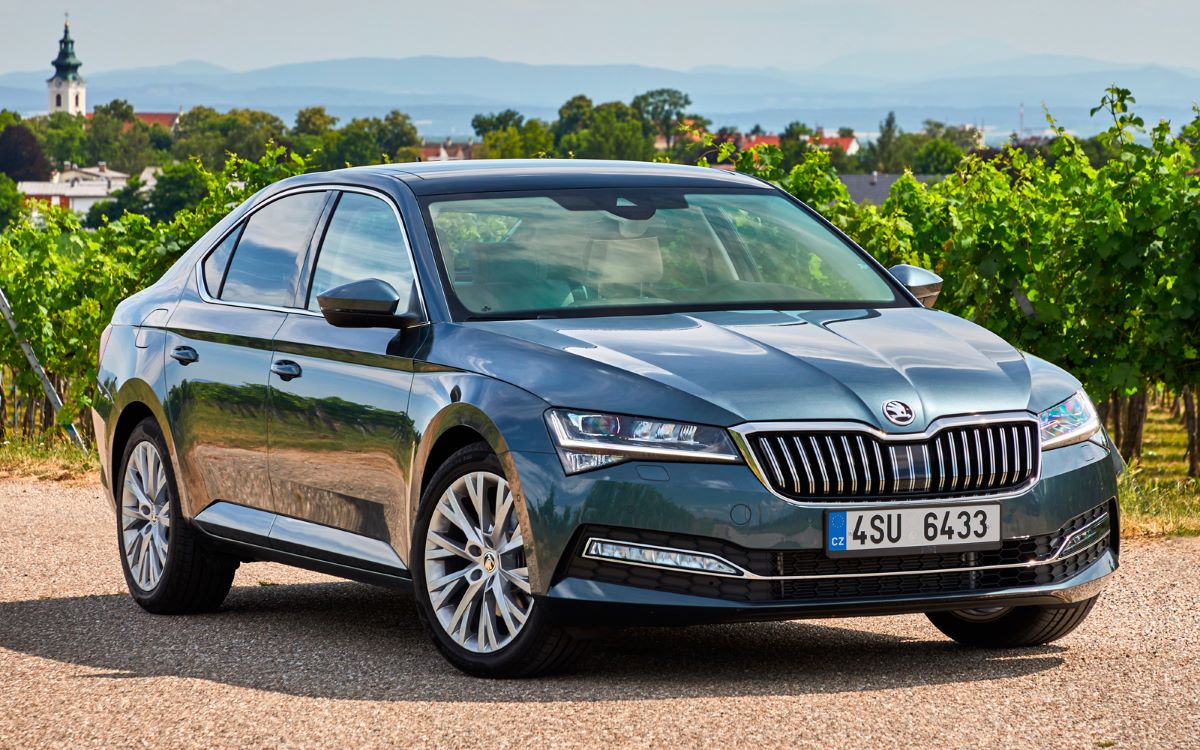
Interior design demonstrates Skoda’s commitment to thoughtful planning. Materials selected for dashboard, door panels, and trim pieces suggest quality exceeding the entry-level positioning.
The controls operate with precision, switches actuate smoothly, and construction quality impresses. The design language, while less flashy than Audi’s approach, projects understated sophistication.
Technology systems function reliably with intuitive user interface design that avoids unnecessary complexity. The infotainment system responds smoothly to inputs, navigation proves accurate and user-friendly, and smartphone integration operates reliably.
Safety features arrive comprehensively equipped, with driver assistance systems functioning effectively. The warranty coverage matches or exceeds Audi’s offerings while ownership costs prove substantially lower due to Skoda’s efficient manufacturing and parts availability.
The pricing advantage is substantial Superb buyers access significantly higher specifications than comparable A6 models. The manufacturing quality suggests investment in production excellence, with attention to detail throughout vehicle construction.
Resale value, while lower than Audi’s, depreciates more slowly relative to initial pricing due to strong used-market demand. For pragmatic buyers valuing space, value, and genuine quality over brand prestige, the Skoda Superb outclasses the Audi A6.
10. Subaru WRX vs. Nissan 370Z
The Subaru WRX has carved out distinct territory that challenges the Nissan 370Z’s sports car dominance through practical versatility combined with legitimate performance, offering a different proposition that appeals to real-world drivers seeking daily usability with thrilling capability.
While the 370Z emphasizes pure performance and sports car character, WRX delivers accessible performance in a functional package.
Performance pedigree proves impressive for the WRX’s practical positioning. The turbocharged horizontally-opposed engine delivers engaging acceleration with engaging personality that distinguishes it from conventional turbocharged competitors.
The symmetrical all-wheel-drive system provides superior traction in diverse conditions, enabling consistent performance regardless of weather.
The handling precision rivals dedicated sports cars while maintaining composure on real-world road surfaces. For drivers seeking performance without sacrificing practicality, WRX delivers a compelling proposition.
Practicality advantages prove decisive for most buyers. The five-door configuration, rear cargo area, and backseat accommodation provide legitimate family transportation capability that the 370Z cannot approach.
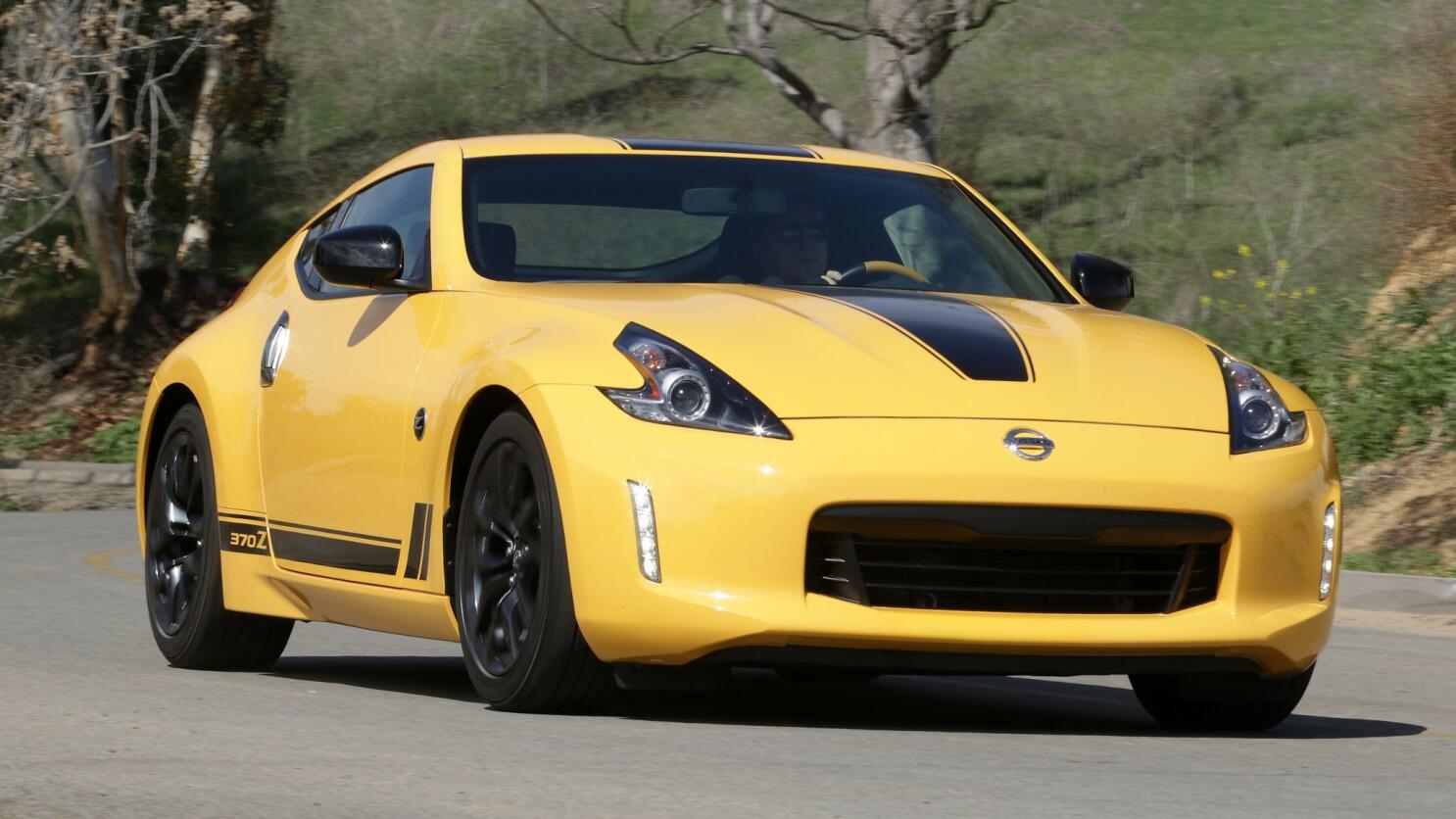
Daily usability transforms WRX from pure performance car into genuine lifestyle vehicle accommodating diverse needs. The rear seats fold flat to create surprising cargo versatility, making WRX genuinely useful for road trips and practical activities.
All-wheel-drive capability delivers performance advantages and safety benefits that rear-wheel-drive 370Z cannot match. Snow, rain, and adverse conditions become manageable rather than treacherous.
The all-wheel-drive system also enables traction control systems that transform handling characteristics in ways that rear-wheel-drive competitors cannot replicate.
Ownership costs prove substantially lower than 370Z variants, with insurance rates reflecting the practical positioning and all-wheel-drive safety benefits. Maintenance expenses run lower due to less complex mechanical systems.
The warranty coverage matches or exceeds the 370Z’s offerings. For buyers valuing accessible performance that accommodates real-life needs, the Subaru WRX outclasses the Nissan 370Z through superior practicality and versatility while delivering genuine thrills.
11. Chevrolet Silverado vs. Ford F-150
The Chevrolet Silverado has emerged as a credible challenge to Ford F-150’s pickup truck dominance through superior interior design, refined driving dynamics, and technology integration that modernizes the segment.
While F-150 maintains market leadership through tradition and brand loyalty, Silverado delivers a more contemporary truck experience.
Interior quality and design sophistication represent Silverado’s defining advantages. The cabin features modern materials, thoughtful ergonomic design, and ambiance that contradicts pickup truck expectations.
Dashboard controls group logically, switches operate with precision, and the environment communicates quality throughout the experience. Compared to F-150’s somewhat industrial approach, Silverado delivers genuine premium feel.
Driving dynamics surprise owners accustomed to truck-specific compromises. The suspension tuning balances smooth highway manners with capable off-road competence, delivering ride quality that rivals luxury vehicles while maintaining truck-like control.
The steering feel proves responsive and communicative rather than vague and overassisted. The dynamic presentation transforms daily driving into a more refined experience.
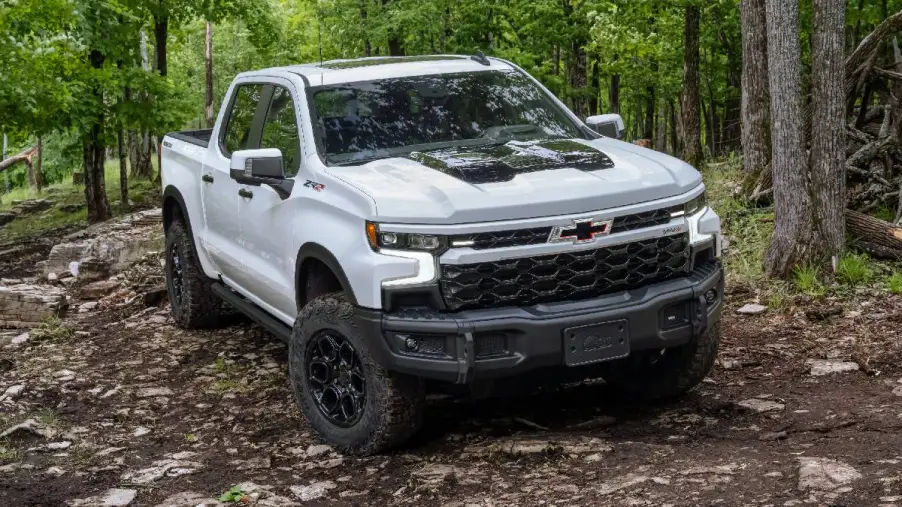
Technology integration in Silverado demonstrates commitment to modern standards. The infotainment system, featuring General Motors’ Ultium architecture, provides responsive operation with intuitive menu structures.
The available digital driver displays deliver information clearly, navigation proves accurate and user-friendly, and smartphone integration functions reliably. Features that appear optional on F-150 come standard on comparable Silverado models.
Towing and payload capacity specifications match or exceed F-150 capabilities, disproving myths that Silverado sacrifices utility for refinement.
The available diesel engine options deliver impressive efficiency and torque characteristics. The available magnetic suspension systems provide dynamic capability that adjusts to driving conditions in real-time.
Warranty coverage matches or exceeds F-150’s offerings while General Motors’ manufacturing quality has improved substantially. The pricing structure often provides better value than comparable F-150 models, with higher specification levels accessible at lower price points.
For truck buyers prioritizing refined driving experience and modern technology integration alongside traditional utility, the Chevrolet Silverado outclasses the Ford F-150.
12. Acura RDX vs. BMW X5
The Acura RDX has positioned itself as a compelling alternative to BMW X5 dominance through refined performance, sophisticated design language, and exceptional value delivery.
While X5 maintains prestige through heritage and brand reputation, RDX delivers comparable performance with superior practicality and significantly better pricing.
Design sophistication distinguishes the RDX through Acura’s distinctive design language. The exterior features aggressive proportions, premium lighting treatments, and presence suggesting higher price positioning.
The interior design language emphasizes driver engagement with thoughtful ergonomic design and premium material selections. The available leather upholstery, wood trim, and sophisticated color schemes create ambiance rivaling more expensive competitors.
Performance capabilities prove impressive, particularly the available turbocharged engine delivering responsive acceleration matching X5’s baseline engine while consuming less fuel.
The transmission operation proves smooth with responsive shifts. The all-wheel-drive system provides confident traction while maintaining agile handling characteristics. The suspension tuning prioritizes driver engagement without sacrificing passenger comfort.

Technology integration represents a significant RDX advantage. The dual-screen infotainment system provides responsive operation with intuitive control architecture.
The available Acura navigation system delivers accuracy and user-friendliness exceeding X5’s systems. Smartphone integration functions reliably with seamless operation. Driver assistance features arrive comprehensively equipped on higher trims.
Interior space accommodates passengers and cargo effectively, with flexible rear seat configurations and generous cargo capacity exceeding X5 variants at comparable price points.
The seating comfort proves excellent for extended journeys with supportive design elements. Storage compartments throughout the cabin provide practical organization options.
The pricing advantage is substantial RDX buyers access significantly higher specifications than comparable X5 models at equivalent price points.
The warranty coverage matches or exceeds BMW’s offerings. Manufacturing quality impresses consistently, with attention to detail throughout vehicle construction.
Resale value remains strong due to Acura’s established reputation. For luxury buyers valuing performance, technology, and practicality alongside brand prestige, the Acura RDX outclasses the BMW X5.
Also Read: 12 Trucks That Stay Reliable Across Multiple Owners
