

Many people go through vehicle ownership without ever thinking about the alternator until one day the battery light appears on the dashboard, the headlamps start to dim, and suddenly the engine dies on the road. That is when reality sets in that this small metal device near the engine controls all electrical power while the car is running.
It charges the battery, supports the ignition, runs the lights, and powers all accessories. When it stops working, everything shuts down. That is why drivers who travel long journeys or keep their vehicles for many years often search for cars that rarely suffer alternator damage.
Certain cars are known for engines that run for many years, but when it comes to alternators, some models stand out for their strong charging abilities and dependable electrical systems. These are vehicles that keep running even after high mileage without any major alternator failures. They are trusted by taxi operators, commercial drivers, military fleets, rural communities, and anyone who values long-term dependability.
There are also cars that bring serious frustration because they burn alternators frequently. Some have weak electrical wiring from the factory, some suffer from overheating issues that damage alternator bearings, and some carry too many modern electronics that place heavy demand on the charging system.
Anyone planning to buy a used car must be aware of these differences. A vehicle may look beautiful from the outside and have a smooth engine, but if its alternator fails every few months, that means unexpected expenses and plenty of inconvenience. We will carefully compare both sides to guide drivers who want lasting performance from their charging systems.
5 Cars With Bulletproof Alternators

1. Toyota Land Cruiser J200
Many vehicles try to balance durability with comfort, but the Toyota Land Cruiser J200 sits in a different category entirely. It is the kind of machine designed to work first before any attention is given to luxury features. This approach extends to its electrical system, especially the alternator, which is built to handle stress without constant complaints.
The Land Cruiser J200 uses a high-output alternator that performs well even when the vehicle is loaded with heavy accessories like auxiliary lights, winches, or communication radios. Many military and off-road rescue units use this model because it does not easily lose charging power.
Toyota engineers gave the J200 a robust belt drive system and a sealed alternator construction to keep out dirt and water. In regions that experience dust storms, muddy trails, or flooded roads, alternator life is usually affected by dirt entering the bearings.
This problem causes belt squealing, failure to charge, and eventually breakdown. The Land Cruiser J200 avoids that frequent problem because its alternator housing prevents outside particles from entering. Even when used on long, rough roads, the alternator continues to support the power supply without struggling.
Another reason this vehicle deserves its respect is the simple and organized wiring layout. Cars that have good alternators but poor wiring often face voltage drops that create unnecessary workload for the charging system. That is not the case here. Voltage regulation remains steady, which prevents the alternator from overheating.
High heat is a major enemy of alternators because it damages the rectifier, stator, and bearings. Many drivers who own the Land Cruiser J200 confirm that alternator replacement usually happens only after extreme mileage or many years of rugged use. Ordinary city drivers rarely even think about the alternator in this model because it just keeps working quietly.
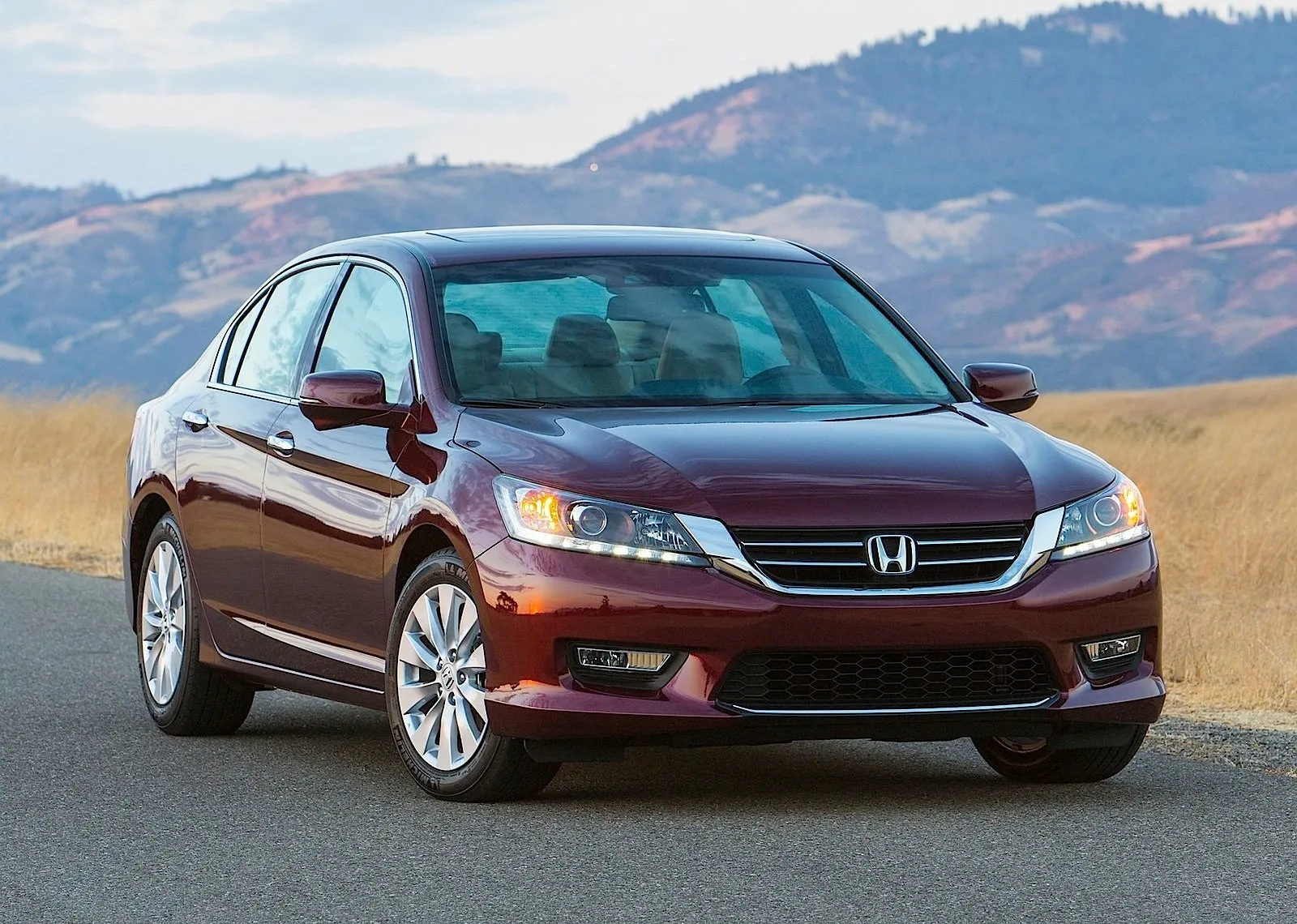
2. Honda Accord 2.4 i-VTEC 2012
Drivers who prefer a car that feels balanced often choose the Honda Accord 2.4 i-VTEC from the 2012 model year. It is not a rugged off-road beast like the Land Cruiser J200, yet it carries its own quiet strength when it comes to durability.
One major reason many owners keep this vehicle for long periods without electrical complaints is the alternator’s resilience. It is engineered with a smooth rotation pulley system and a reliable voltage regulator that works efficiently even during long city driving, where frequent idling usually puts strain on charging systems.
Something special about this Accord is the thoughtful approach Honda used in combining engine performance with electrical stability. The 2.4-liter i-VTEC engine is known for running cool when maintained properly. That temperature balance helps the alternator last longer because heat is one of the major enemies of its components.
Many modern cars face alternator problems because their engines operate at high temperatures due to turbochargers or compact engine bays that trap heat. This 2012 Accord avoids those issues with a wider layout around the engine and simple belt alignment that keeps airflow smooth.
Many mechanics who work on Honda vehicles usually speak about how easy it is to service this model. Accessibility is a hidden advantage for alternator preservation. When a belt tensioner goes weak or a pulley becomes misaligned, tension affects the alternator and slowly wears down the bearings.
If those parts are easy to reach, repairs happen early, and damage is prevented. That is exactly what gives this Honda an extra advantage. Parts are affordable, repairs are straightforward, and problems do not get the chance to grow into bigger failures.
Electrical system design also plays an important role. Some cars that come loaded with too many electronic features can stress alternators, especially once the battery begins to weaken. The Accord 2.4 i-VTEC carries a simple balance of comfort technology without overloading the charging system.
Power windows, audio, climate control, and lights function smoothly without demanding excessive current. Even when air conditioning is used for long trips, charging remains stable.
Also Read: 12 2025 Cars With the Best Sound Systems for the Price
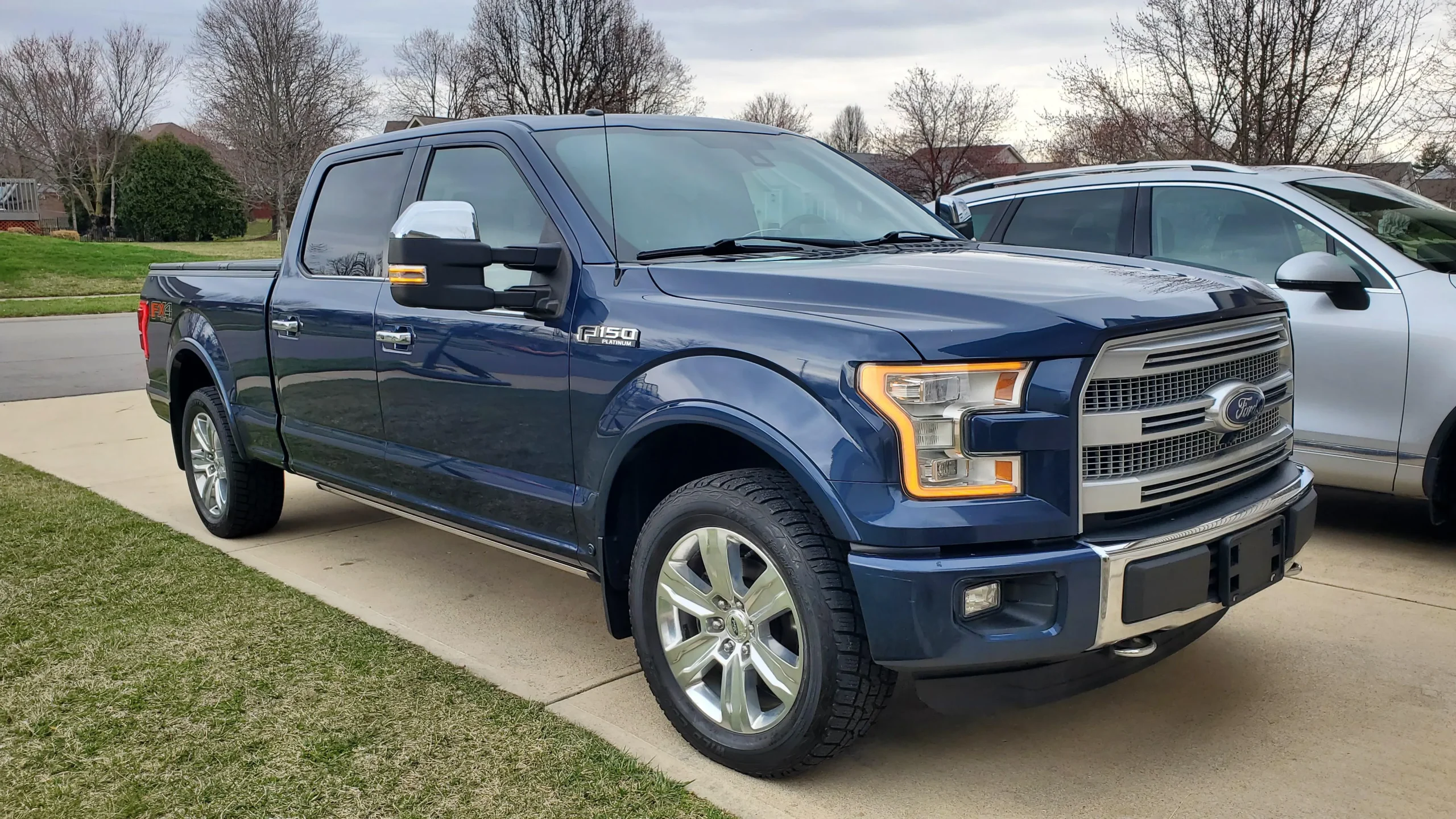
3. Ford F-150 5.0 V8 2015
Pick-up trucks often face demands that ordinary cars never experience, and this is where the 2015 Ford F-150 with the 5.0 V8 engine proves its strength. It was built for practical work life, and that includes supporting tools, towing trailers, and carrying electrical accessories without constant repair issues.
The alternator in this model is designed to deliver stable charging output even under strain. Many owners who run construction businesses, farm operations, or haul equipment daily rely on this truck because it does not show weakness in electrical performance.
Ford engineered the alternator of the F-150 5.0 V8 to handle continuous duty cycles. Ordinary alternators are made for standard driving patterns where electrical demand is average. Work trucks face a tougher reality. Powerful ignition coils, trailer lighting harness, power inverters, vehicle computers, and long idling time can stress the alternator.
To prevent overheating, Ford used advanced internal cooling channels that allow better air circulation around the alternator windings. This protects internal copper wiring from insulation damage, a common cause of alternator failure.
One quality that helps this truck stand apart is belt stability. Alternators often fail early because the serpentine belt slips or becomes misaligned, causing extra vibration. The F-150 uses a strong belt tensioner system that holds pulleys firmly in place even when the truck moves across rough ground or carries heavy loads. That simple advantage reduces alternator bearing wear and keeps the rotor spinning smoothly.
Another reason the alternator lasts longer in this model is the strong battery support system. Weak batteries force alternators to overwork by trying to supply power and recharge at the same time.
In this Ford, the battery management system helps reduce unnecessary strain during engine startup and supports voltage regulation when electrical demand rises. That teamwork between the battery and the alternator keeps both components in good condition.
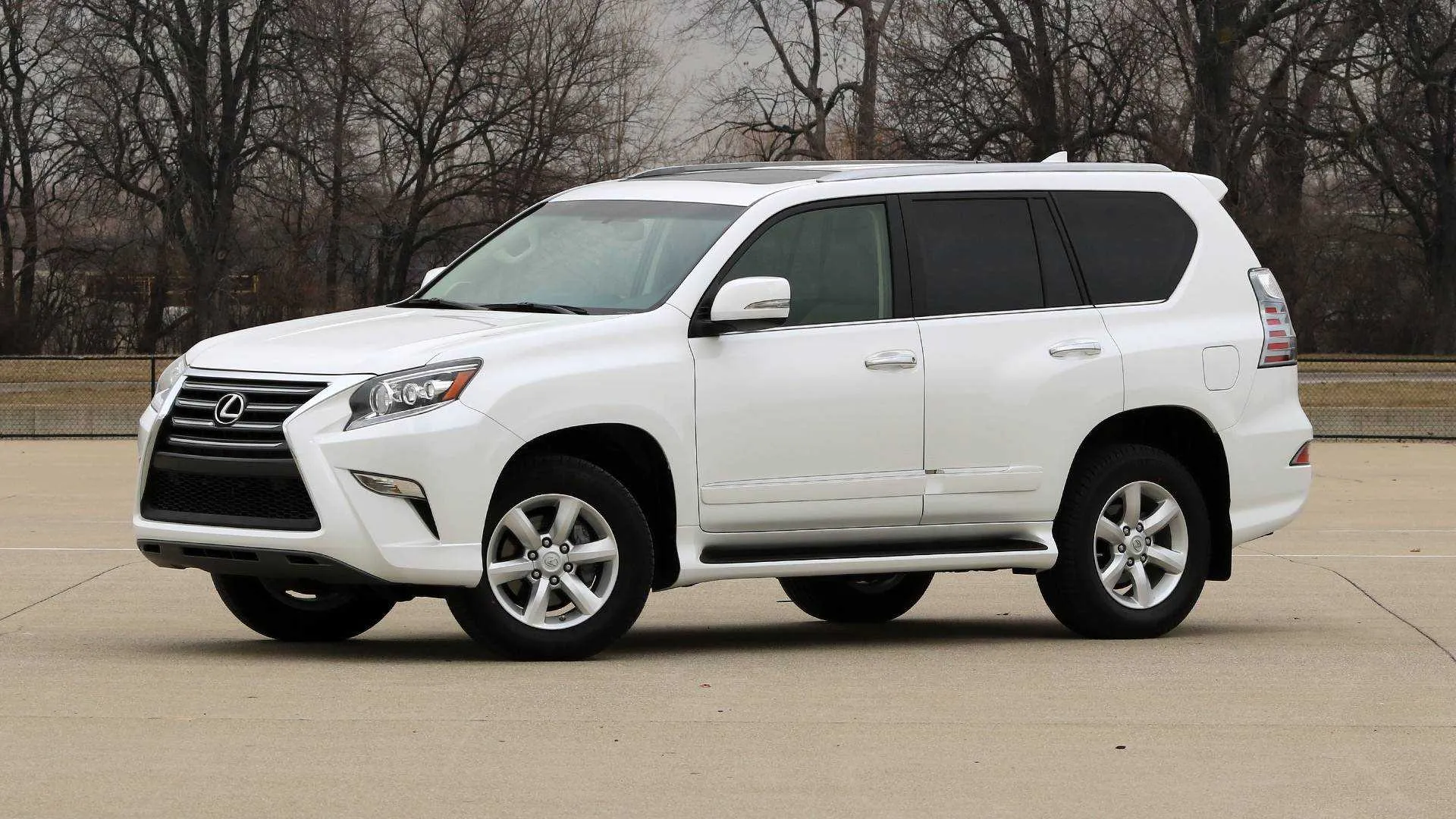
4. Lexus GX460 2018
Many people associate luxury vehicles with constant electronic problems, but the Lexus GX460 from 2018 maintains a different reputation. It combines premium comfort with mechanical reliability, especially in its charging system.
The alternator in this model is engineered with a high durability focus similar to Toyota off-road platforms because both brands share engineering roots. Even though the GX460 is marketed as a luxury SUV, it secretly performs like a rugged machine wearing a suit. That hidden strength is what makes its alternator dependable even after many years of mixed driving conditions.
Unlike some luxury SUVs that overload their alternators with many power-hungry electronics, this Lexus distributes electrical load smartly. Circuit protection is well organized, and voltage consistency remains stable whether the driver is using heated seats, climate control, the infotainment system, or extra lighting.
This is made possible by efficient ECU management that monitors voltage draw and prevents sudden surges. Alternators fail quickly in vehicles with unstable voltage because the rectifier and regulator become stressed as time goes on. Here, those weaknesses are avoided through intelligent electrical planning.
Service technicians frequently mention that alternator access on many luxury vehicles is difficult. When basic maintenance tasks are hard to reach, small issues remain hidden until they cause big problems.
The Lexus GX460 avoids that because its alternator location is moderately accessible. Even though this vehicle has a V8 engine, the engine bay space is not overcrowded. This makes belt replacement and tensioner inspection easier. A well-maintained belt system prevents alternator overload because tension remains balanced.
Durability is not achieved by accident. Lexus used high-quality bearings inside the alternator to reduce friction and prevent metal particles from entering the unit. Cooling vents are also placed at the right angles to allow airflow without inviting dust.
Drivers in rocky regions, sandy environments, or regions with unpredictable rainfall find comfort in that protection. When alternators stay clean internally, charging efficiency remains high for longer years.
Another advantage is that this SUV pairs well with high-capacity batteries. Vehicles with weak alternators often burn out faster when paired with strong batteries because of a charging imbalance.

5. Subaru Outback 3.6R 2017
Reliability sometimes hides in vehicles people do not expect, and the Subaru Outback 3.6R from 2017 is one of such vehicles. It carries a flat-six engine that offers smooth driving without placing unnecessary pressure on its charging system.
Alternator problems are rare in this model because Subaru focused on achieving electrical balance rather than pushing too many advanced power features into the car. That balance creates a long service life for the alternator and reduces the need for frequent replacements.
Owners who travel through rural roads or cold climates usually enjoy strong alternator performance with this model. Cold weather can stress charging systems because engines demand more current at startup. Weak alternators fail under such conditions.
Subaru solved that problem by pairing this Outback with a higher capacity alternator that works effectively with the electrical heaters, defroster, and heated mirrors that are common in cold weather driving. It delivers steady voltage without dropping output even when several accessories are running at the same time.
Another factor that extends alternator life in this Subaru is its intelligent engine idle speed control. Several cars force alternators to struggle at low idle because the engine rotates slowly, and the alternator cannot reach the proper charging speed.
Subaru manages this smoothly. Whenever electrical demand rises, the engine computer lifts idle speed slightly to support alternator rotation. That simple behavior prevents alternator strain and stops prolonged low-voltage situations that usually damage rectifiers.
People who use this model for daily family driving appreciate how stress-free it feels. Road trips become enjoyable because there is no fear of sudden battery drain or alternator shutdown. Mechanics also like working on it because of its simple serpentine belt layout.
Replacements and inspections are easy, which prevents future issues from building up unnoticed. Alternator noise, pulley wobble, and belt wear are identified early, which protects the unit before damage spreads.
5 Cars That Burn Through Alternators

1. BMW X5 xDrive35i 2014
Luxury design often comes with hidden responsibilities, and the 2014 BMW X5 xDrive35i is a clear example of that situation. Many people admire its road presence and strong turbocharged engine, yet long-term owners frequently complain about alternator burnout. The charging system in this vehicle carries a heavy load because of the large number of electronics installed.
Multiple control modules, complicated sensor systems, electronic steering assist, powered tailgate, digital climate control, and comfort accessories all pull power from the alternator. When a driver adds extra items like dash cameras or aftermarket entertainment screens, failure begins to show faster.
Service records from different workshops reveal a pattern in this model. Alternators begin to show signs of fatigue long before other major components. Symptoms include dim interior lights, warning messages, slow battery recharge, and unstable idling.
Some drivers even report sudden engine shutdown while driving. This happens because once the alternator stops charging, the battery gets drained. When the voltage drops too low, the engine management system cuts off power to protect itself. That leaves the vehicle stranded.
One reason for repeated alternator replacement in this BMW is the position of the alternator within the engine bay. It sits close to heat-generating parts, so temperature builds up around it. Heat damage affects the brushes and regulator inside the alternator.
Replacing the unit without solving heat exposure issues only leads to repeating failure. That is why skilled technicians usually recommend heat shield inspection and proper ventilation checks before installing a new alternator.
Another frustrating challenge is cost. Alternators for this vehicle are expensive, and genuine options are sometimes hard to find. Many inexperienced owners install cheap aftermarket units that cannot handle the factory electrical load.
Those weak replacements fail early and cause electrical instability. If wiring mistakes happen during installation, ripple voltage enters the system and damages other electronic components. That turns a simple alternator issue into a chain of expensive repairs.
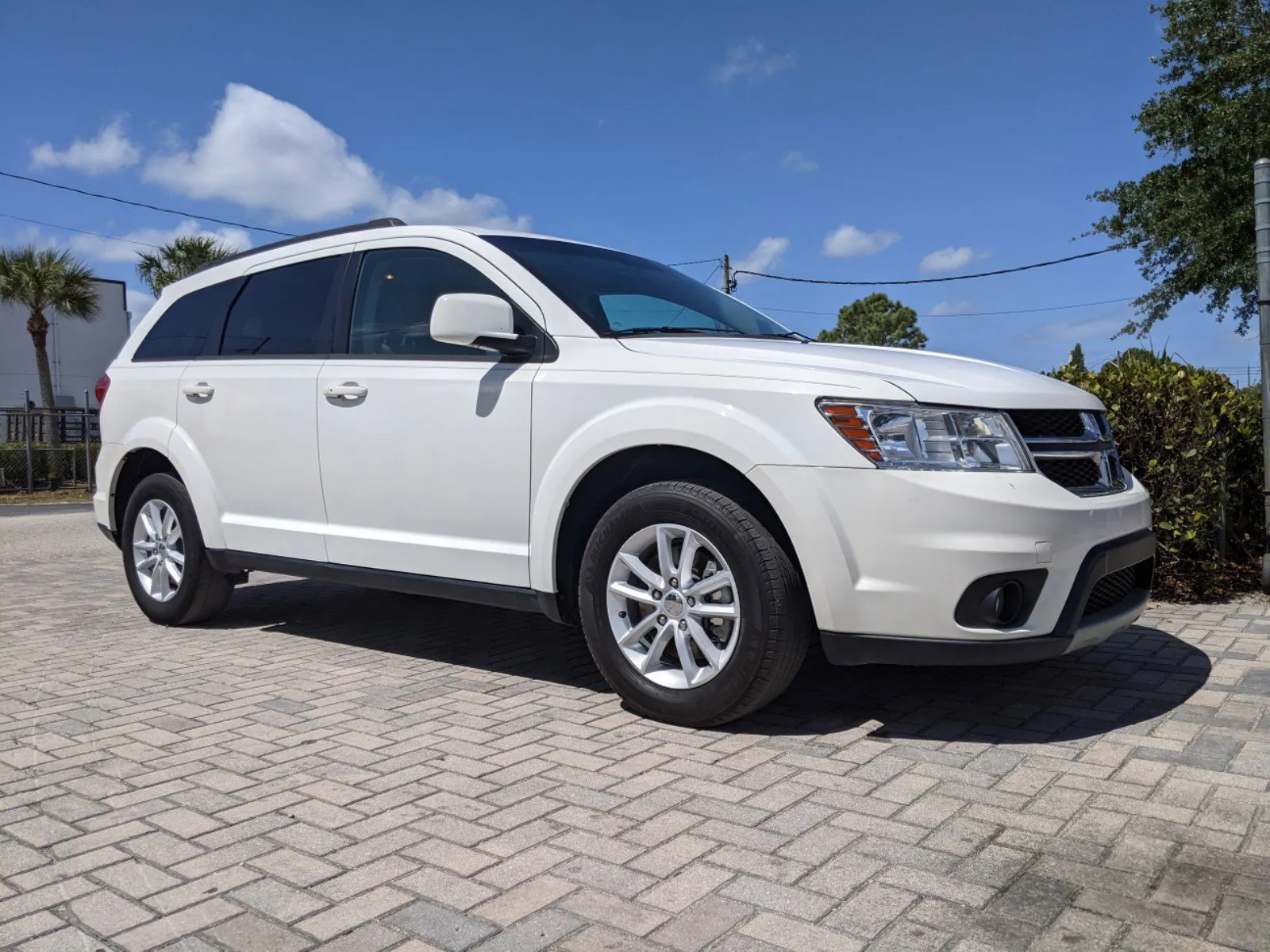
2. Dodge Journey 3.6 V6 2016
People who bought the 2016 Dodge Journey 3.6 V6 expecting a stress-free family vehicle sometimes discover a frustrating truth about it after a few years of use. This model is among the vehicles known for alternator burnout issues.
Many mechanics mention it regularly because they see it come into their workshops with the same charging complaints. Drivers report dashboard battery light warnings, sudden loss of electrical functions, power steering stiffness, and irregular idling. These signs usually point to an alternator failure that arrives earlier than expected.
One of the reasons behind this problem lies in the engine bay layout of the Dodge Journey. The alternator is installed in a tight position close to heat sources. Constant exposure to engine heat affects alternator life by weakening its internal components.
Bearings dry out, brushes wear quickly, and voltage regulators begin to produce unstable current. Once that happens, the alternator cannot keep up with demand, especially when the air conditioner and headlights are in use.
Another major difficulty that affects alternator life in this vehicle is the electrical load coming from various systems. Power seats, traction control, anti-lock brakes, infotainment, rear entertainment screens, and climate control combine to place pressure on the unit. When the battery begins to weaken, the alternator receives extra stress.
It tries to support the entire electrical system while still charging a failing battery. That situation speeds up alternator burnout. Many owners are unaware that changing a weak battery early can prevent alternator failure. By delaying it, they unknowingly damage their charging system.
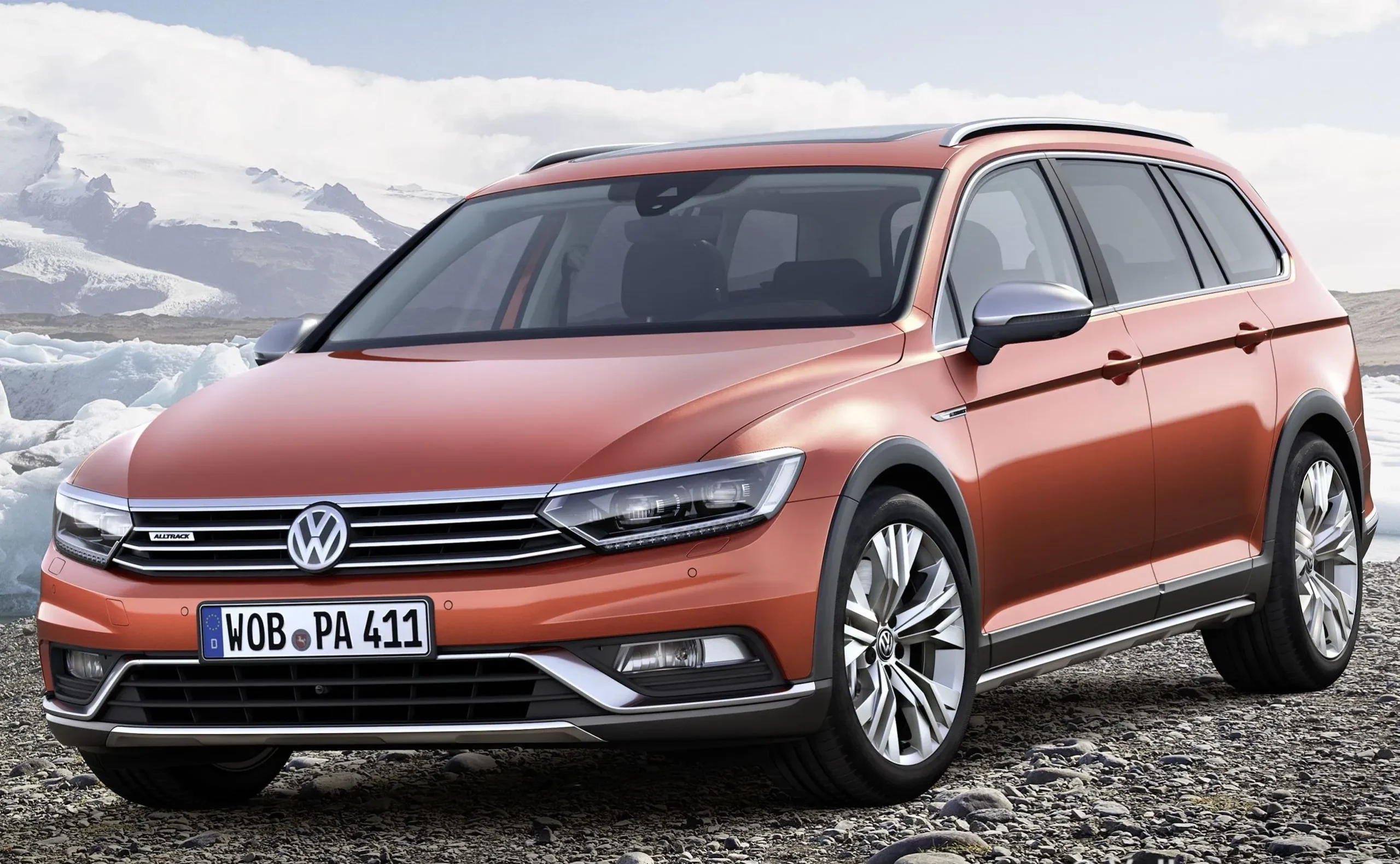
3. Volkswagen Passat 2.0 TSI 2015
Some drivers choose the 2015 Volkswagen Passat 2.0 TSI because it offers a smooth ride and good fuel economy. However, this comfort does not extend to its alternator performance. Many owners encounter repeated charging system problems.
What begins as a simple battery light warning often grows into a larger electrical issue that affects several parts of the car. Alternator failures are common in this model, and the cause is usually connected to voltage control and electrical load mismanagement.
Unlike some charging systems that fail slowly, this Passat can begin to show sudden voltage drops while driving. Drivers often complain that lights flicker, dashboard warnings appear randomly, and the battery dies unexpectedly. That kind of unstable output points directly to a weak voltage regulator inside the alternator.
When voltage regulation fails, the alternator does not supply consistent power. In some cases, it may overcharge the battery, which shortens battery life. In other cases, it may undercharge, which drains battery power even while the engine is running.
Heat and moisture also play a role in this vehicle’s alternator failures. The alternator sits in a position where road water and dirt can splash on it. With time, corrosion builds up around electrical connectors.
Any corrosion creates resistance, and high resistance forces the alternator to work harder to maintain a steady current. That extra effort builds up heat inside the alternator and damages its internal components. The problem continues to grow until the alternator completely stops charging.
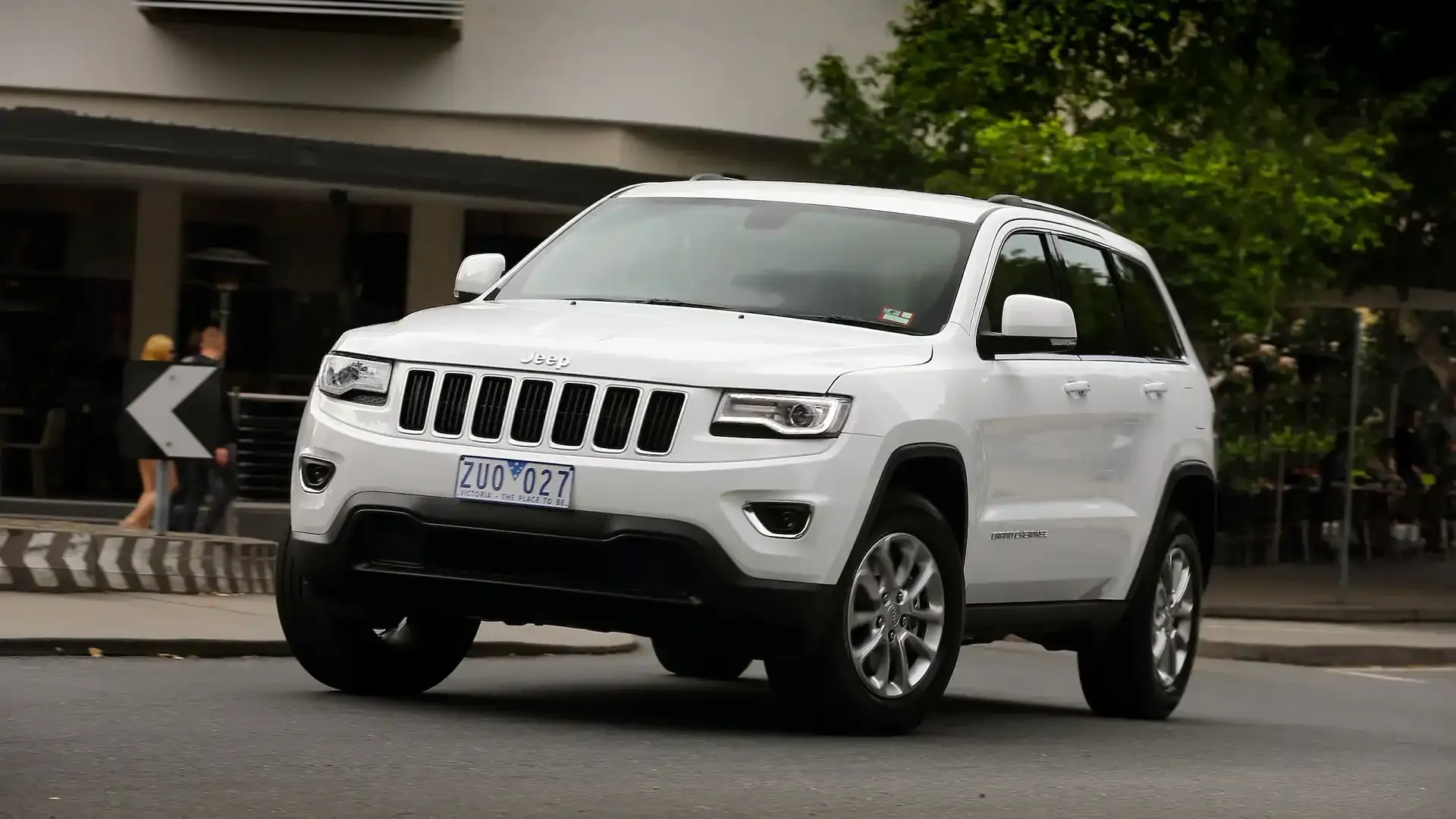
4. Jeep Grand Cherokee 3.6 Pentastar 2013
When people talk about vehicles that combine comfort with adventure spirit, the 2013 Jeep Grand Cherokee 3.6 Pentastar usually joins the conversation. It offers good power delivery and a strong chassis, but many owners have expressed worry about one frustrating weakness.
The alternator in this model has a reputation for premature failure. In fact, it became a common enough issue that service centers across different regions reported frequent alternator replacements for this exact model and engine.
High heat exposure inside the engine bay is one major reason. The alternator sits in a tight space near components that generate strong heat. Prolonged exposure affects the voltage regulator, diodes, and bearings inside the alternator. Once those parts begin to weaken, the charging output drops.
That causes the battery to depend entirely on its limited reserve, which soon gets drained. Drivers usually notice battery warning lights, a burning smell from the alternator area, and sometimes a whining noise before total failure.
Another factor that hurts alternator life in this Jeep is the power demand from its electronic systems. This model uses a large number of control modules along with power-hungry features such as heated seats, power liftgate, electric steering column, and digital instrument panels.
When the car is used for short trips repeatedly, the alternator does not get enough time to recharge the battery fully. Short trips accumulate strain because the alternator is constantly trying to catch up with battery charging while also powering all the electronics. That causes overheating.
Electronics in this model are sensitive to unstable voltage. When the alternator becomes weak, voltage fluctuation spreads across the vehicle system. That situation confuses control modules and triggers warning messages.
Some drivers think they need to replace expensive components like steering modules or transmission sensors, but the real cause is a weak alternator. Voltage drops can trick the system into showing errors that appear unrelated.
Also Read: 12 Cars That Deliver Adrenaline Without the Price Tag
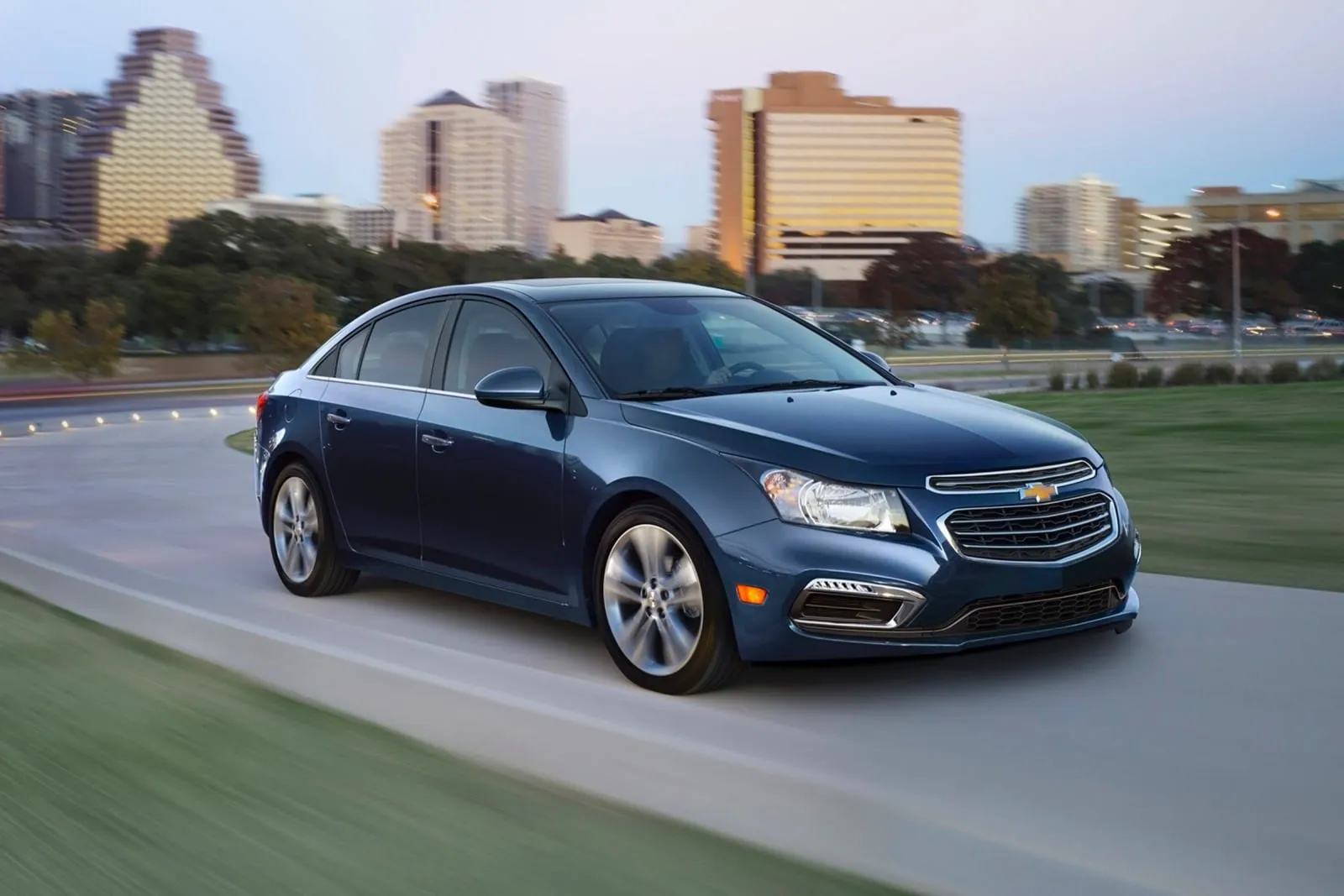
5. Chevrolet Cruze (2014-2017)
The Chevrolet Cruze is one of those cars that look simple and reliable from the outside. But once you spend enough time with it, you realize the alternator is its weak spot. The 2014-2017 models have been reported to suffer from poor alternator design. Many owners have experienced repeated failures even after replacing the part more than once.
The alternator seems to struggle with heat and poor grounding, which leads to voltage drops and reduced output. You might notice flickering dashboard lights, slow power windows, or a battery warning light that refuses to go off. For a compact car, these problems can be frustrating.
Mechanics say the alternator’s internal components are not as durable as they should be, and once one part wears out, the whole system goes down. Some people even try upgrading to stronger alternators from other models, but that requires adjustments. In short, the Cruze’s alternator is like a weak link in an otherwise decent car.
Cars may look similar from the outside, but what happens under the hood makes all the difference. A reliable alternator can save you from endless frustration and extra costs. The Toyota Land Cruiser Prado, Honda Accord, Toyota Hilux, Lexus RX350, and Mazda CX-5 all show how smart design and durable materials make life easier for drivers. These vehicles demonstrate that a robust alternator can withstand rough roads, extended drives, and heavy electrical loads.
Meanwhile, the BMW X5, Jeep Grand Cherokee, Ford Explorer, Volkswagen Passat, and Chevrolet Cruze remind us that looks can be deceiving. No matter how good a car seems, a weak alternator can ruin the experience.
When buying or maintaining a car, please pay attention to how well its electrical system is built. A good alternator might not look fancy, but it quietly determines how dependable your car will be. Whether you are driving through a busy city or heading out on a long trip, you’ll quickly realize that peace of mind comes from small things like an alternator that simply refuses to quit.
