
Electric cars are often judged by the numbers printed on their spec sheets. Among these, the EPA range stands out as the most closely watched figure.
It gives a government-tested estimate of how far a car can travel on a single charge, helping buyers understand what to expect in real-world driving. But, as many EV owners have discovered, some electric cars outperform those official figures by a surprising margin.
The EPA test cycle can’t fully capture the range of conditions drivers face daily. Weather, terrain, speed, and driving habits all affect how efficiently a vehicle uses its stored energy.
Yet a handful of models have managed to go above their EPA range consistently, often surprising testers and owners alike. These cars showcase how advanced engineering, aerodynamics, and power management can stretch every kilowatt-hour further than expected.
In recent years, manufacturers have found clever ways to reduce drag, fine-tune software, and balance power delivery to achieve better real-world range.
While some brands chase outright performance, others quietly refine their efficiency. The results can be dramatic, with certain EVs exceeding their EPA estimates by 10 to even 20 percent under normal driving conditions.
The following electric cars don’t just meet their promises they exceed them. They prove that paper figures don’t always tell the full story and that real-world results matter more.
Each of these models rewards thoughtful driving with extra miles, a reassuring trait for anyone who values both practicality and innovation.
Also Read: 10 SUVs That Keep Their Original Feel After a Decade
1. Tesla Model 3 Long Range
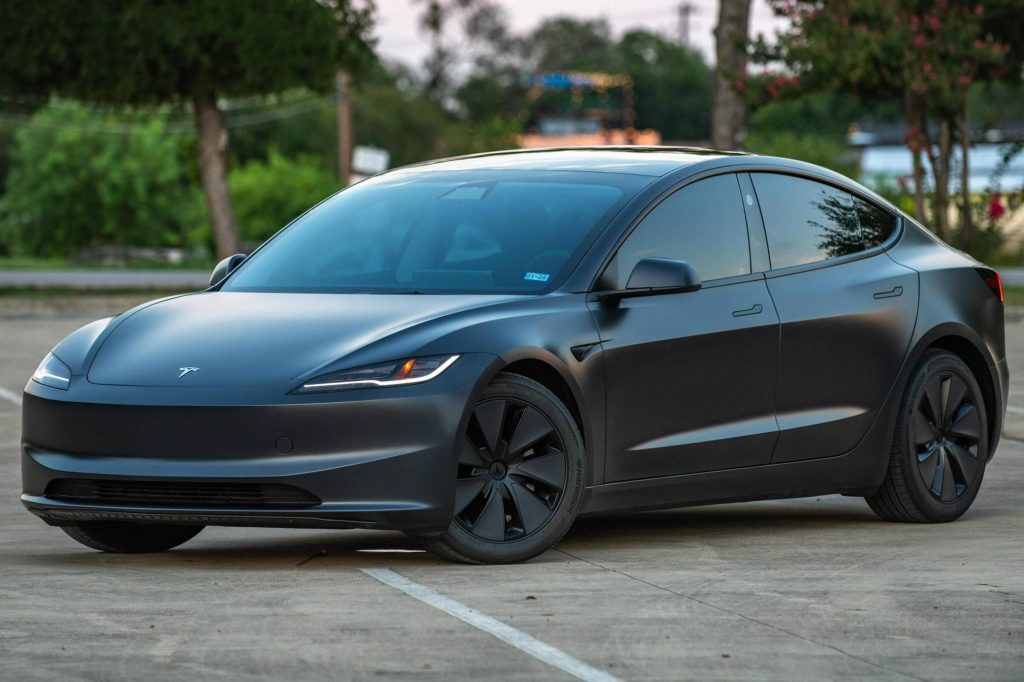
The Tesla Model 3 Long Range has earned its reputation as one of the most efficient electric cars ever made.
With an official EPA rating around 341 miles, many owners routinely report real-world figures above 360 miles, sometimes even higher under mild weather and moderate speeds. This consistent overperformance shows how well Tesla has refined its powertrain and aerodynamics.
Its lightweight structure, low drag coefficient, and advanced battery management system play key roles. The dual-motor setup doesn’t just deliver all-wheel traction it adjusts torque constantly to maintain efficiency. At highway speeds, the front motor even disengages partially, allowing the rear to handle propulsion more efficiently.
Tesla’s regenerative braking is also more seamless than most competitors. It captures a higher percentage of deceleration energy, helping add small gains over long drives. Combine that with minimal rolling resistance and advanced software control, and you get a sedan that often surprises even cautious drivers with its endurance.
Cabin comfort and the minimalist interface also help promote efficient habits. The real-time energy graph encourages smoother throttle inputs, subtly teaching owners to drive more economically. As a result, even spirited drivers find themselves achieving better-than-expected mileage without much effort.
On long journeys, the Model 3 Long Range pairs efficiency with convenience. Its Supercharger network ensures drivers can cover great distances without anxiety, but many find themselves stopping less frequently than planned. Tesla’s continuous software updates also help maintain efficiency over time, sometimes even improving range after purchase.
The Model 3 Long Range stands as proof that precision engineering and smart software can stretch real-world performance beyond any test cycle. It remains one of the few EVs that routinely outperforms its EPA estimate, making it both a practical and confidence-inspiring choice for long-distance travel.
2. Hyundai Ioniq 6
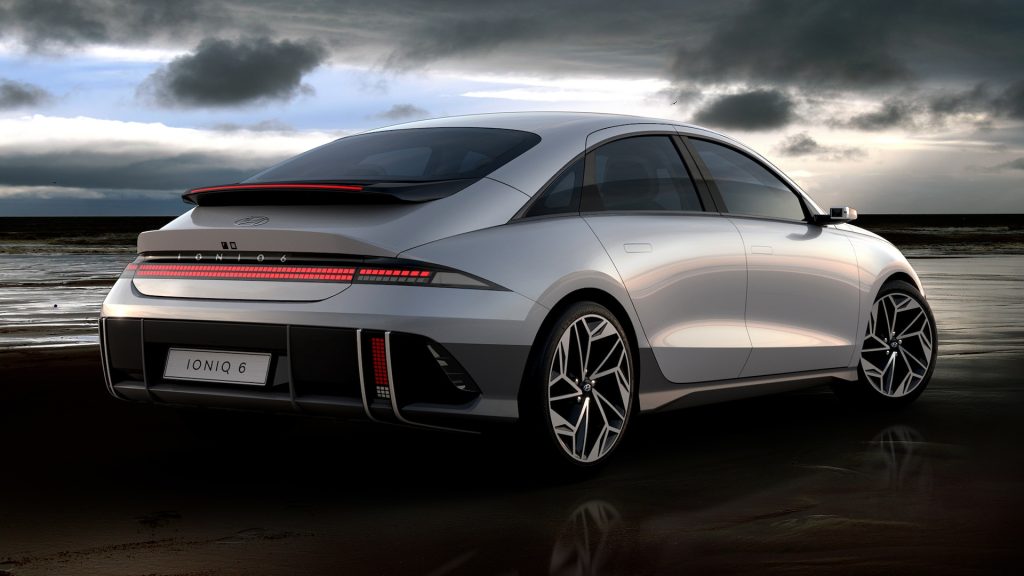
The Hyundai Ioniq 6 is one of the most surprising electric sedans on the market when it comes to range accuracy.
Officially rated at around 361 miles for the rear-wheel-drive version, it has frequently demonstrated the ability to exceed 390 miles under everyday driving conditions. Its aerodynamic shape and clever efficiency tuning make it stand out in the growing EV segment.
Hyundai engineers designed the Ioniq 6 with airflow as a top priority. The teardrop silhouette, flush door handles, and active air flaps all help minimize drag. The result is one of the lowest drag coefficients among production cars, allowing the vehicle to glide through air with minimal resistance.
Its powertrain is equally impressive. The 77.4 kWh battery and rear-mounted motor deliver a smooth, balanced driving experience. The software constantly analyzes throttle input, traffic conditions, and even road gradient to adjust power flow. This intelligent control keeps consumption low without sacrificing performance.
In real-world testing, many drivers have noticed that the Ioniq 6 can sustain highway speeds with ease while keeping energy usage below expectations. The cabin’s quietness and comfort add to the relaxed efficiency, creating a sense of calm during long drives.
Regenerative braking is another strength. The paddles behind the steering wheel allow for adjustable regeneration levels, giving drivers the ability to fine-tune energy recovery. In dense traffic, this feature helps return extra miles that might otherwise be lost to stop-and-go inefficiency.
Even in colder temperatures, where many EVs lose range, the Ioniq 6 performs admirably thanks to its efficient heat pump and battery conditioning system. It proves that Hyundai has mastered the art of turning data into real-world gains.
For buyers seeking a sleek, comfortable sedan that surpasses its official range, the Ioniq 6 delivers on every front. It’s an EV that redefines what to expect from everyday efficiency.
3. Lucid Air Grand Touring
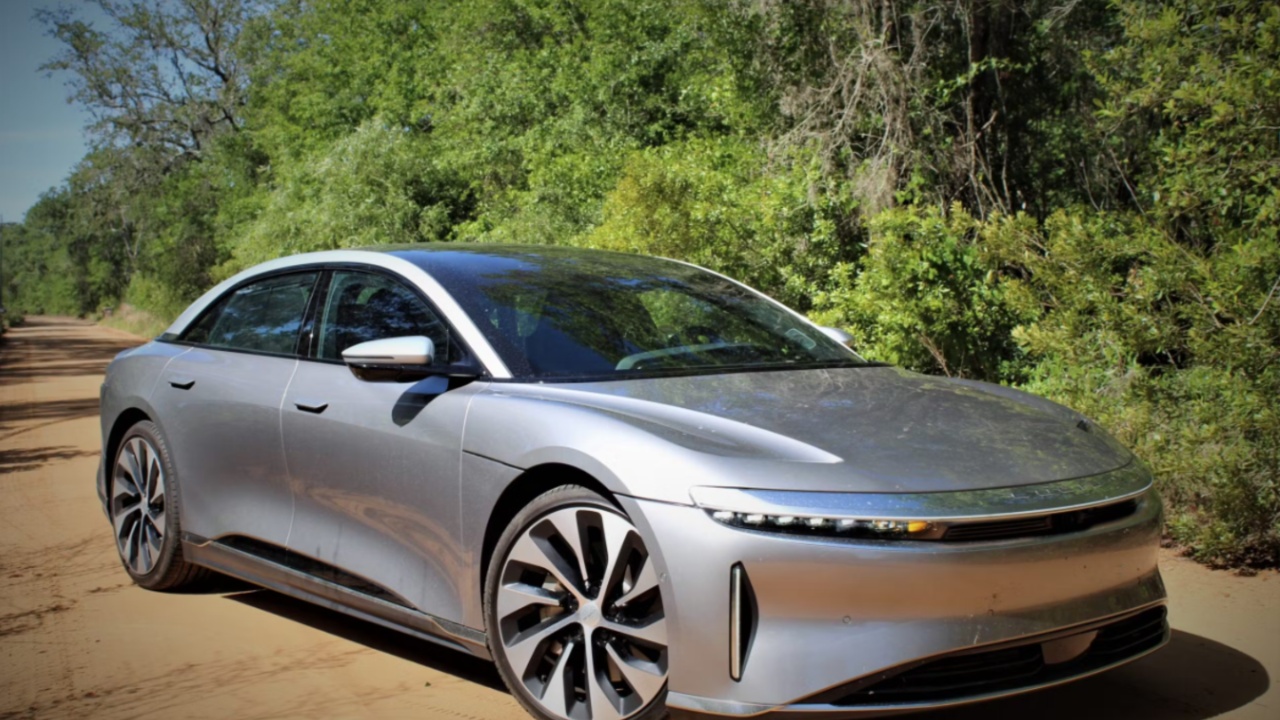
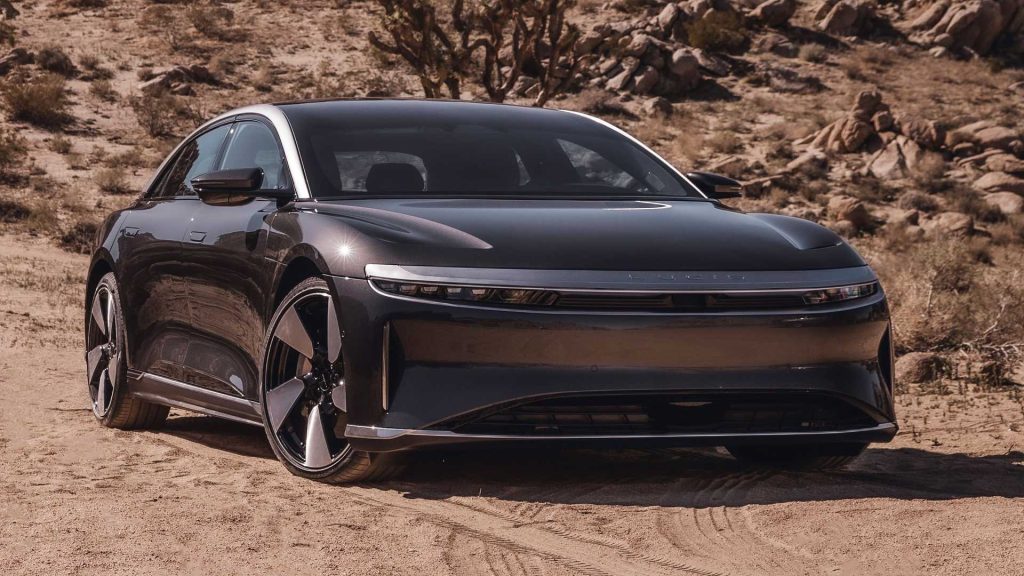
The Lucid Air Grand Touring stands as one of the most capable long-range electric sedans available today. With an EPA estimate of around 516 miles, it already leads the pack, but many real-world tests have shown it can travel even farther.
Drivers have managed to achieve over 540 miles on a single charge, thanks to the precision engineering and cutting-edge technology behind Lucid’s design.
Lucid’s secret lies in its in-house developed powertrain. The company builds its own motors, inverters, and even the compact gearboxes that power each wheel.
This allows the Air to achieve efficiency figures that were once considered impossible for a luxury car of its size and power. Every component is optimized to reduce energy loss, from the lightweight copper windings in the motors to the aerodynamic wheel covers.
The sedan’s streamlined exterior isn’t just for looks. Its shape minimizes drag while still maintaining a grand, elegant profile. Air passes smoothly across the car, allowing it to maintain speed with minimal effort. The result is effortless cruising that makes highway driving feel light and calm.
Inside, the Lucid Air’s cabin is designed for comfort and focus. Drivers are surrounded by premium materials and advanced digital displays that include a detailed energy monitor. Many owners find themselves naturally adopting smoother driving habits as they track efficiency metrics in real time.
Battery management plays a crucial role as well. Lucid’s 112 kWh pack uses advanced cooling and heating systems to maintain ideal temperatures, allowing the vehicle to perform at its best across different climates.
Combined with its lightweight structure, the Air Grand Touring demonstrates that luxury and long range can coexist without compromise.
Few EVs manage to outperform their already ambitious range estimates, but the Lucid Air Grand Touring does it consistently. It’s a statement of precision, innovation, and practicality, wrapped in an elegant electric shell that goes farther than anyone expects.
4. Chevrolet Bolt EUV
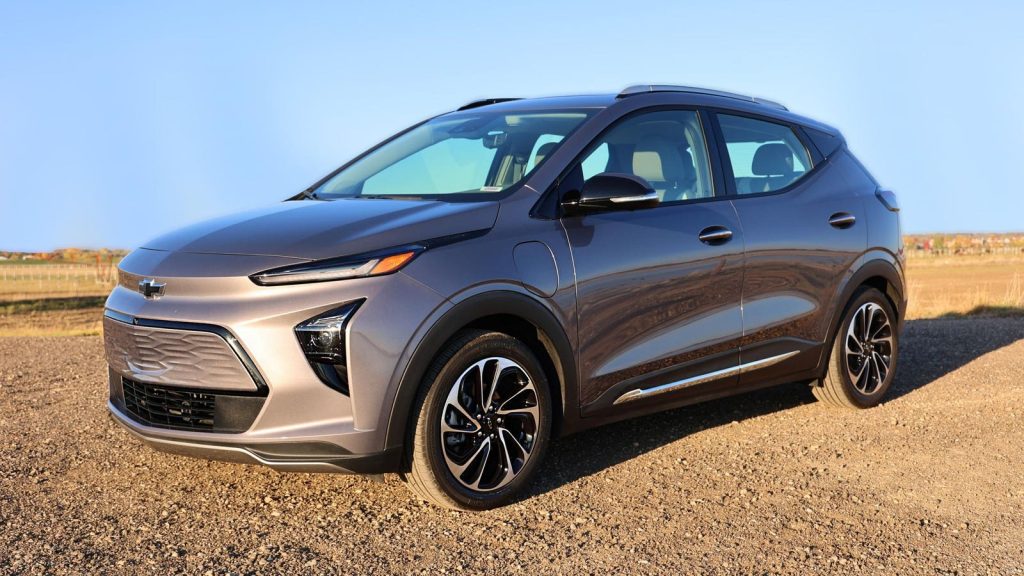
The Chevrolet Bolt EUV may not carry a luxury badge, but it consistently surprises drivers with its range performance. Officially rated for about 247 miles, many owners have achieved well over 270 miles per charge, especially in moderate climates.
This small crossover combines a simple design with smart energy management, resulting in better real-world mileage than its numbers suggest.
Its compact footprint and low rolling resistance tires are major contributors to its strong efficiency. The electric motor delivers smooth acceleration without excessive power drain, making it ideal for urban and suburban use.
The Bolt EUV feels light on its feet, and its regenerative braking system is finely tuned to recover energy effectively in stop-and-go traffic.
Chevrolet’s engineers also focused on aerodynamics without making the design feel too futuristic. The subtle front fascia, carefully shaped mirrors, and underbody panels reduce air resistance while keeping the car practical. Even small details, like the way air flows around the headlights and roofline, help it glide more efficiently at highway speeds.
One of the standout features is the one-pedal driving mode. It allows drivers to control both acceleration and deceleration with a single pedal, maximizing energy recovery in real time. When used consistently, this mode can extend range noticeably compared to traditional coasting.
The Bolt EUV’s thermal management system also deserves credit. The liquid-cooled battery pack maintains stable temperatures during long drives or in warm conditions, preventing range loss that plagues many affordable EVs.
The system’s efficiency makes this car a reliable choice for commuters who need consistent performance throughout the year.
While it doesn’t offer the luxury materials or high-end badge of pricier EVs, the Bolt EUV makes up for it with its honesty and practicality.
It’s a car that quietly exceeds expectations and rewards smart driving habits with extra miles. For budget-conscious EV buyers, it’s one of the most underrated choices that overdelivers in every sense.
5. BMW i4 eDrive40
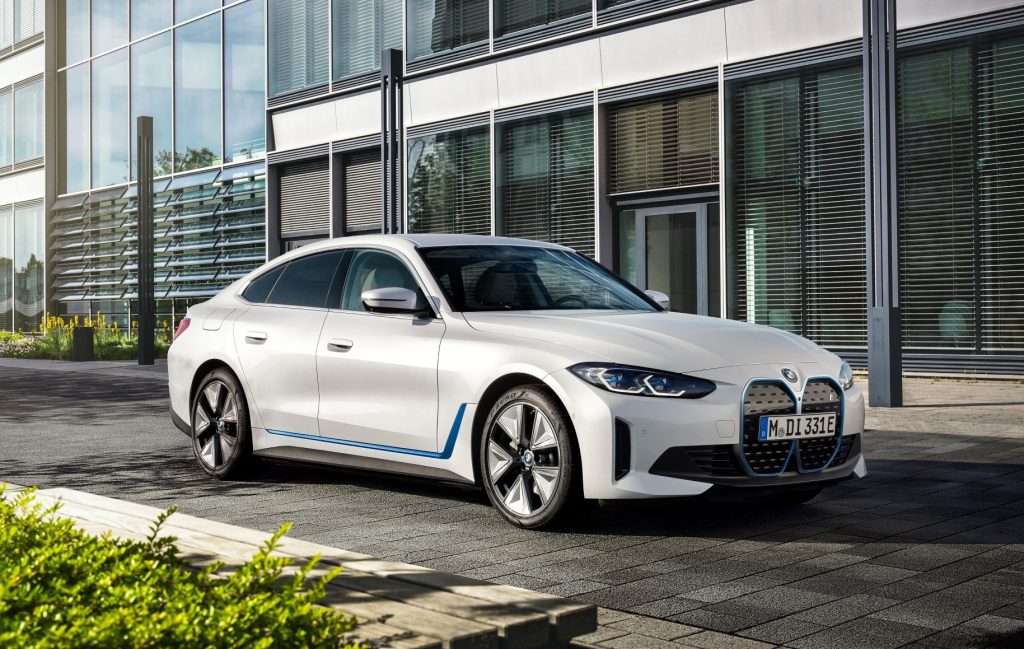
The BMW i4 eDrive40 blends traditional BMW performance with impressive real-world efficiency. Officially rated at around 301 miles per charge, this electric Gran Coupe has proven capable of covering over 330 miles in real driving tests. It’s a clear example of how fine-tuning and smart energy management can push beyond lab figures.
The i4’s sleek shape plays a big role in its extended range. BMW’s aerodynamic engineers managed to balance elegance with function.
The closed kidney grille, flush door handles, and narrow LED lights all reduce air drag without sacrificing the car’s familiar design language. The result is a clean, efficient profile that slices through air with minimal resistance.
Its single rear-mounted motor is tuned for smooth and consistent delivery. Unlike many rivals, it doesn’t waste power through sudden bursts of acceleration. Instead, it applies torque progressively, maintaining momentum while conserving energy. On long drives, this balance helps drivers sustain higher averages without depleting the battery quickly.
Regenerative braking in the i4 is highly adjustable. Drivers can choose between light, moderate, or strong regeneration, depending on traffic conditions. This customization gives the driver more control and allows for subtle improvements in energy recovery.
The car also uses navigation data to pre-adjust regeneration levels when approaching turns or downhill sections, adding another layer of efficiency.
Inside, BMW’s attention to comfort also aids its range. The cabin is insulated and calm, which encourages a more relaxed driving style that naturally extends distance. The infotainment system’s range prediction tool also factors in terrain and driving style to give realistic expectations rather than inflated estimates.
The i4 eDrive40 proves that traditional automakers can build EVs with character and efficiency in equal measure. It drives with the composure expected from BMW yet manages to outperform its official range effortlessly. It’s a car that shows you can enjoy a spirited drive while still finishing with more miles left than you’d think.
6. Ford Mustang Mach-E California Route 1
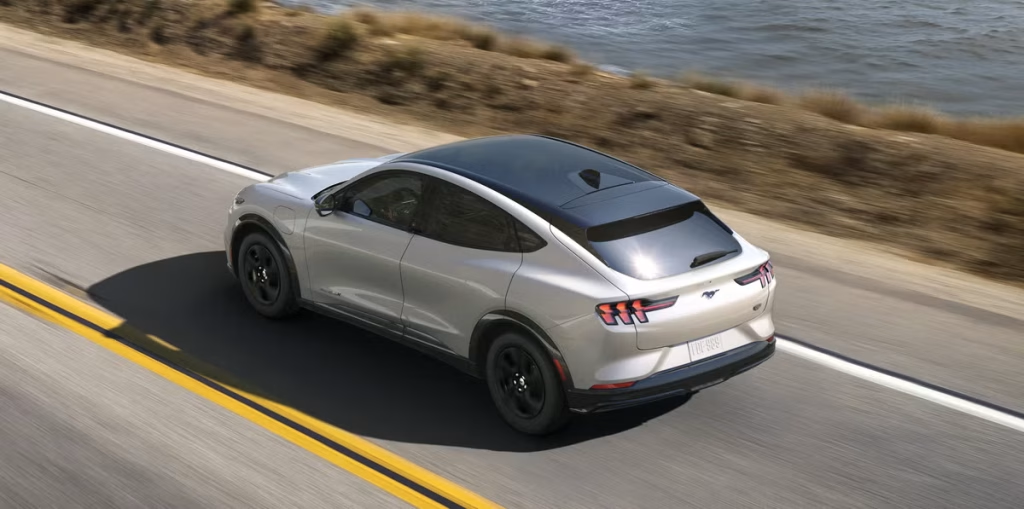
The Ford Mustang Mach-E California Route 1 edition is a standout among electric SUVs for its ability to surpass expectations. Officially rated at 312 miles, this variant often delivers well beyond 330 miles in mixed driving, earning praise from owners and testers for its balanced performance and efficiency.
Its extended-range battery pack and aerodynamic tuning are key contributors. Ford engineers designed this trim with long-distance driving in mind, giving it narrower tires and a more streamlined shape than other versions. The result is reduced rolling resistance and improved highway range, perfect for road trips or daily commutes alike.
The Mach-E’s intelligent energy management system constantly adapts power flow based on conditions. It subtly limits torque at higher speeds to prevent unnecessary energy drain, while regenerative braking captures energy effectively in urban traffic. The system’s predictive nature also helps the car learn your habits and plan energy use accordingly.
Inside, the Mach-E California Route 1 offers a quiet, composed ride that feels almost luxury-grade. The lack of engine noise highlights the refinement of the cabin materials and suspension tuning. This quietness contributes to calm, efficient driving behavior, which adds up to extra miles across longer routes.
Drivers have reported that, under moderate weather and steady speeds, the Mach-E can outperform even optimistic range predictions. Its battery cooling system ensures consistent output across temperature changes, preventing dips in efficiency that affect many EVs during seasonal shifts.
Ford’s decision to include features like one-pedal driving and a clear energy flow monitor helps owners stay aware of their consumption. These small touches make it easier to maintain efficient habits without conscious effort.
The Mustang Mach-E California Route 1 proves that Ford’s EV lineup is built for more than style and branding. It delivers real, measurable results that put it among the top electric SUVs for practical range and driving satisfaction.
7. Polestar 2 Long Range Single Motor
The Polestar 2 Long Range Single Motor version has quietly become one of the most efficient European EVs on the road.
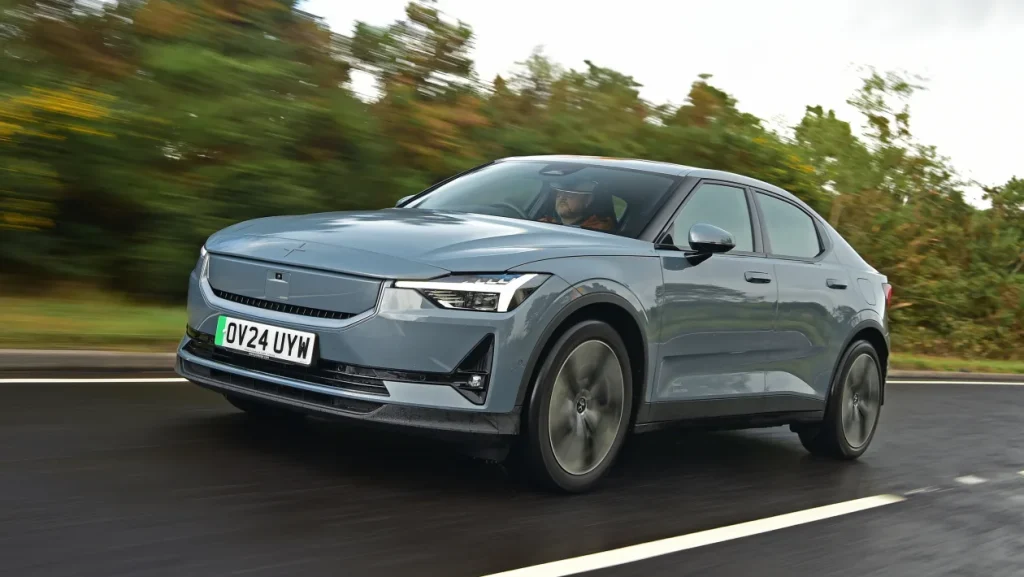
Rated by the EPA at 320 miles, it often achieves 340 miles or more in real-world driving. It combines Scandinavian minimalism with thoughtful engineering that rewards consistency and awareness behind the wheel.
Polestar’s engineers focused on reducing unnecessary weight and improving energy control through software refinement.
The single rear-mounted motor provides a smooth, predictable power curve, allowing the car to maintain momentum without sudden energy spikes. This gentle yet confident power delivery plays a big role in stretching its range beyond expectations.
Its aerodynamic design also contributes significantly. The sloping roofline, clean surfaces, and strategically placed air channels help reduce drag. Even the wheels are shaped to guide airflow efficiently. While the car maintains a solid, sporty appearance, every design element serves a purpose.
Inside, the Polestar 2’s Google-integrated interface provides accurate range and consumption data.
The system tracks your driving style and adjusts range estimates based on conditions, so the numbers you see match real-world outcomes more closely than many competitors. This transparency encourages smarter driving, leading to higher efficiency over time.
Battery conditioning is another highlight. The system automatically preheats or cools the battery depending on the temperature and upcoming route, ensuring the pack operates in its ideal range. This feature is especially valuable for those living in regions with variable weather, where battery performance can fluctuate.
The Polestar 2 may not have the longest rated range in its class, but it consistently outperforms its official figure.
Drivers appreciate that it doesn’t just rely on big numbers but on well-calibrated efficiency and predictable results. It’s a reminder that precision engineering and practical software can make every mile count.
8. Kia EV6 GT-Line RWD
The Kia EV6 GT-Line RWD version proves that efficiency and style can coexist effortlessly. With an EPA estimate around 310 miles, this sleek crossover routinely beats its official number, achieving closer to 330 miles under normal driving conditions. It’s one of the few electric vehicles that manages to blend striking looks with measurable performance benefits.
The EV6’s secret is its aerodynamic structure and optimized drivetrain. Its smooth curves, flush handles, and tapering tail reduce drag significantly. Underneath, a flat battery floor and active airflow management system keep resistance low while ensuring stability at higher speeds. The result is a car that maintains efficiency even during brisk driving.
The 77.4 kWh battery paired with the rear-mounted motor provides instant yet measured acceleration. Kia’s engineers fine-tuned the throttle response to avoid wasting power, ensuring that every burst of speed is balanced with minimal loss.
Regenerative braking is adjustable through paddles, allowing drivers to recover energy efficiently in traffic or while descending hills.
Inside, the cabin is both futuristic and functional. The large digital displays include detailed energy consumption metrics, and the ambient lighting subtly encourages calm driving. The quiet ride quality and supportive seats make long trips easier, naturally promoting steady, efficient behavior behind the wheel.
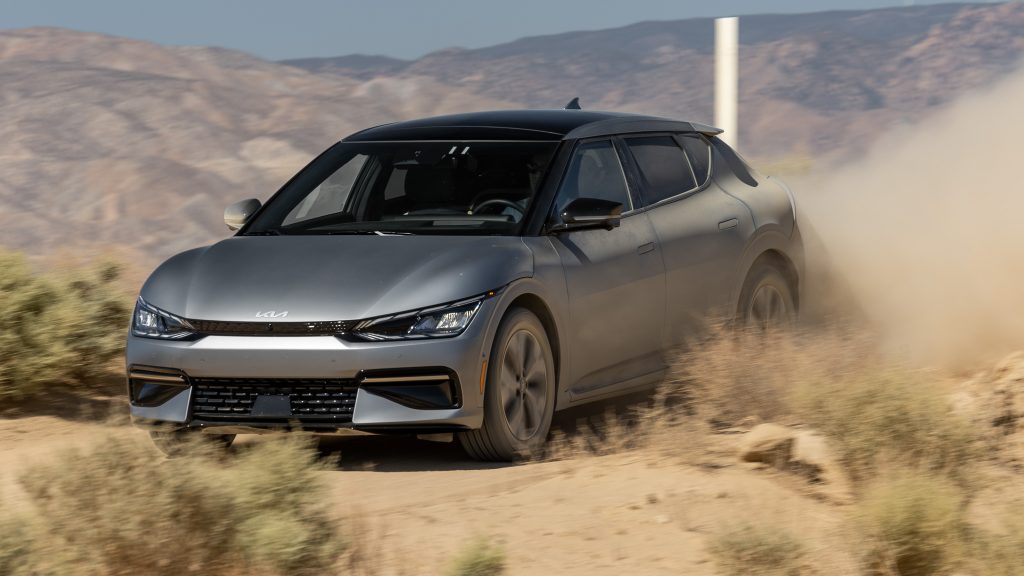
The EV6 also benefits from advanced thermal management. Its heat pump system reduces the effect of cold weather on range, a common concern for EV owners. This consistency across seasons gives drivers confidence that the car’s performance will remain steady no matter the conditions.
What makes the EV6 stand out is its everyday usability. It doesn’t require drivers to compromise comfort or speed to achieve its range. Whether on city streets or open highways, it delivers more than expected, proving that Kia’s attention to detail pays off in both form and function.
9. Nissan Ariya e-4ORCE
The Nissan Ariya e-4ORCE is an all-wheel-drive electric SUV that consistently delivers more than its official EPA range of approximately 304 miles.
Many drivers report achieving 320 miles or more on real-world routes, thanks to a combination of aerodynamic design, intelligent power distribution, and efficient battery management.
One of the keys to the Ariya’s efficiency is its dual-motor setup. The front and rear motors work in concert to provide smooth acceleration while minimizing energy waste.
Power is allocated based on driving conditions, ensuring that neither motor draws unnecessary energy. This results in both confident traction and extended range, even in challenging road conditions.
Aerodynamics play a major role in the Ariya’s performance. Its sloping roofline, flush door handles, and subtle rear diffuser reduce drag, allowing the SUV to move through the air with less resistance. The wheel design and careful underbody panels further enhance efficiency, especially at highway speeds.
Inside, the cabin is spacious and calm, helping drivers maintain steady and efficient driving habits. The infotainment system includes an energy monitor that provides real-time feedback on power consumption, regenerative braking, and predicted range. This transparency encourages smoother throttle inputs, which contribute to better mileage.
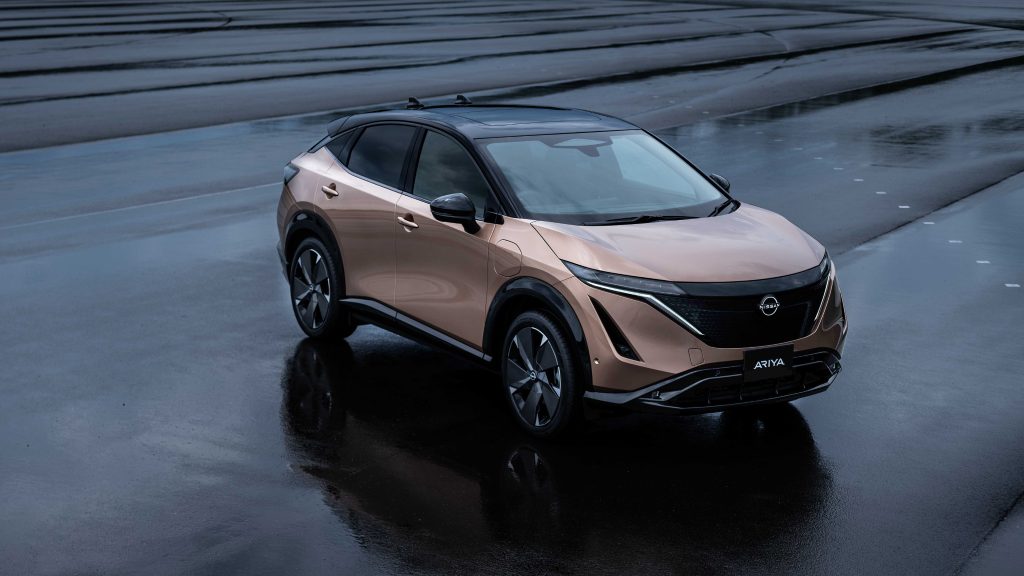
Nissan also engineered a sophisticated thermal management system for the battery pack. By keeping the cells at optimal temperature, the Ariya avoids the range loss that often affects EVs in hot or cold weather.
Combined with regenerative braking that recaptures energy during deceleration, this ensures consistent performance across a variety of conditions.
The Ariya e-4ORCE proves that an SUV can combine utility, performance, and efficiency. It’s not just a capable vehicle for families or commuters; it’s an EV that rewards thoughtful driving with extra miles.
Its ability to consistently outperform its EPA rating makes it a practical choice for drivers who value reliability and predictability in real-world driving.
10. Volkswagen ID.4 Pro
The Volkswagen ID.4 Pro has established itself as one of the most reliable electric crossovers in terms of real-world range. With an EPA rating around 260 miles, many drivers report exceeding 280 miles on mixed routes, thanks to a combination of thoughtful design, efficient powertrain, and intelligent energy management systems.
Aerodynamics are an important factor in the ID.4’s overperformance. The smooth, rounded body shape, carefully integrated roofline, and flush door handles help minimize air resistance. Even at highway speeds, the crossover maintains stability while consuming less energy than many competitors.
The rear-mounted electric motor provides balanced, consistent power delivery. Acceleration is smooth and predictable, avoiding unnecessary energy spikes.
This contributes to extended range by maintaining steady momentum and minimizing wasted energy. The ID.4’s regenerative braking system recovers energy efficiently, especially during city driving or downhill stretches.
Volkswagen also equipped the ID.4 with an advanced thermal management system for the battery pack. This keeps the cells operating at optimal temperatures, preventing energy losses in cold or hot conditions. Coupled with efficient cabin climate controls, the vehicle preserves range without sacrificing passenger comfort.
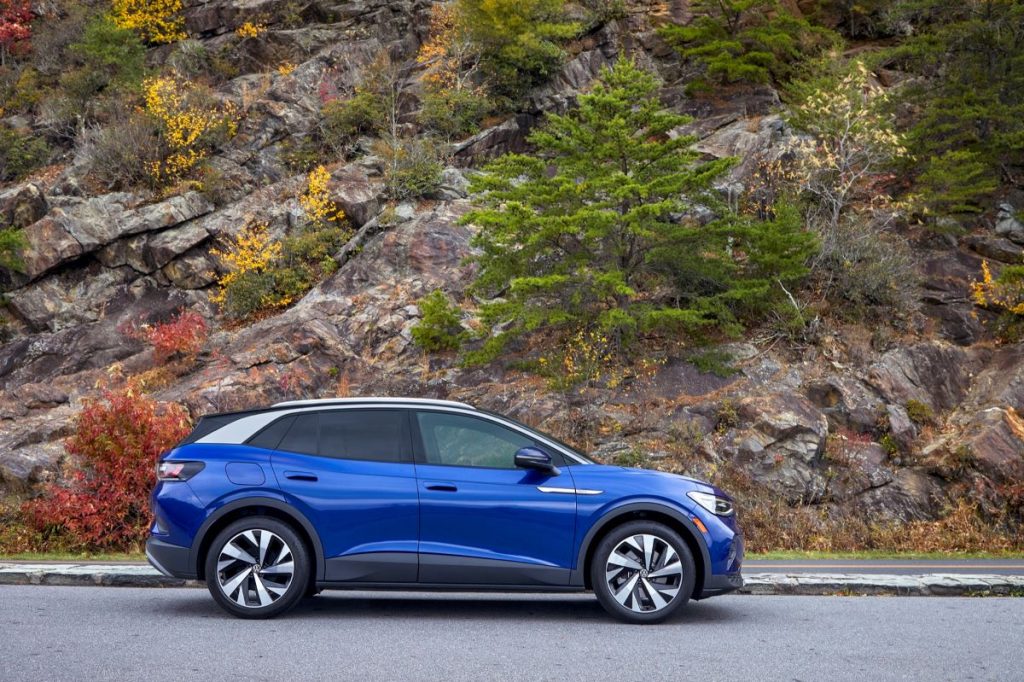
Inside, the cabin is quiet and focused. Drivers can monitor energy consumption through the central display, helping them adjust driving habits to maximize efficiency. One-pedal driving mode allows smooth deceleration while recapturing energy, further boosting real-world range.
The ID.4 Pro is practical and versatile, offering a comfortable ride for both daily commuting and long trips.
It consistently exceeds its EPA estimates without requiring owners to compromise on comfort, cargo space, or driving enjoyment. Its reliability and overperformance make it a top choice for those seeking an affordable yet efficient electric crossover.
Volkswagen’s careful attention to efficiency, aerodynamics, and energy management ensures that the ID.4 Pro delivers more than its stated mileage, providing confidence for longer journeys and making it a strong contender in the EV market.
Many modern electric vehicles exceed expectations when it comes to real-world range. While the EPA provides a standardized benchmark, it cannot capture every driving condition. These ten EVs consistently surpass their official ratings, demonstrating how engineering, design, and intelligent systems can stretch every kilowatt-hour.
Aerodynamic efficiency is a key factor. Vehicles like the Hyundai Ioniq 6, Kia EV6, and Nissan Ariya minimize drag through sleek body shapes, flush handles, and carefully designed airflow channels. Even subtle design choices, such as wheel shape and underbody panels, contribute to better efficiency at highway speeds.
Powertrain and battery management are equally important. Tesla Model 3 Long Range, Lucid Air Grand Touring, and BMW i4 eDrive40 use precise torque delivery, smooth acceleration, and adjustable regenerative braking to conserve energy. Thermal management systems maintain optimal battery temperatures, preventing range loss in extreme weather conditions.
Software and driver feedback also enhance real-world performance. Energy monitoring, navigation-aware power distribution, and one-pedal driving modes encourage smoother driving habits without sacrificing comfort or performance.
From affordable options like Chevrolet Bolt EUV to luxury sedans like Lucid Air, these vehicles prove that exceeding EPA estimates is achievable across segments.
They offer drivers confidence, practicality, and extended range, making electric vehicles more reliable for daily use and long-distance travel alike.
Also Read: 10 Cars That Offer Maximum Comfort for Minimum Cost
