
Automakers often release vehicles with impressive specifications, but few manage to truly stand out against competitors.
Some cars, however, are engineered with qualities that allow them to outperform rivals in specific areas. Whether it’s efficiency, comfort, performance, or technology, these vehicles prove their worth where others struggle to keep up.
In many segments, buyers face difficult choices because most vehicles feel similar on paper. Features, design, and price may align closely, but small differences in engineering or thoughtful design can create a noticeable advantage. These are the cars that reward drivers with capabilities that rival models often lack.
The following list highlights twelve vehicles that excel in areas where competitors fall short. Each car demonstrates a unique strength, whether it’s an exceptional driving experience, outstanding fuel economy, practical innovation, or durability under challenging conditions. These qualities make them stand out in crowded markets and deliver benefits that owners can rely on daily.
Beyond numbers and specifications, these vehicles are examples of precise engineering and careful attention to detail. Manufacturers focused on solving common shortcomings found in rival models, turning potential disadvantages into competitive advantages.
This list is not about the flashiest or most expensive vehicles. Instead, it emphasizes real-world performance and reliability, showing how some cars consistently achieve what others cannot. For drivers who value capability, comfort, and efficiency, these models represent choices that genuinely matter.
By examining what each car does best, it becomes clear why these twelve models excel where rivals fail. They combine thoughtful design, performance, and practicality, proving that attention to detail and innovation can make a vehicle truly superior in its category.
Also Read: 12 Hybrids That Don’t Compromise on Speed
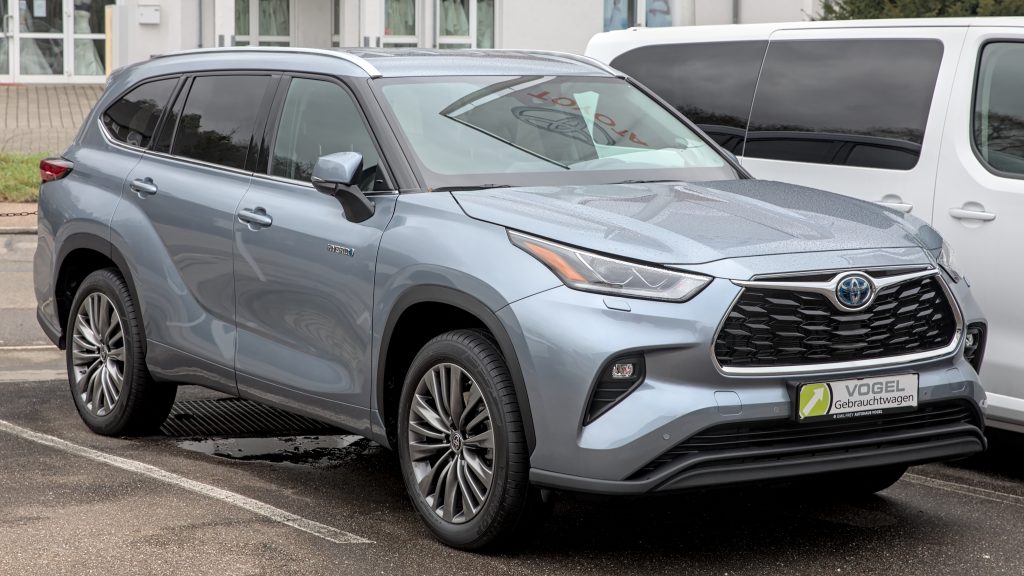
1. Toyota Highlander
The Toyota Highlander has long been known for reliability, but it excels where many rivals struggle: combining three-row space with consistent fuel efficiency. While some competitors compromise either passenger comfort or fuel economy, the Highlander maintains balance, offering both a practical interior and a responsive hybrid option.
Inside, the cabin is spacious yet refined. The second-row seats slide and recline easily, providing comfort for long journeys, while the third row remains accessible and usable for adults in short trips. Many SUVs in this segment sacrifice third-row usability for cargo space, but the Highlander manages both effectively.
The hybrid powertrain is another area where the Highlander outperforms rivals. It delivers smooth acceleration while maintaining impressive fuel economy.
Drivers experience fewer trips to the pump, particularly in city driving conditions, without feeling underpowered. This combination of power and efficiency is rare in mid-size three-row SUVs.
Safety and technology further set the Highlander apart. Standard Toyota Safety Sense includes adaptive cruise control, lane-keeping assist, and automatic emergency braking.
Many competitors offer similar features only in higher trims, but the Highlander provides them across the lineup, giving drivers both peace of mind and value.
Ride quality is tuned to prioritize comfort without sacrificing handling. Suspension absorbs bumps effectively, making highway drives relaxing, while cornering remains composed. Even with a full passenger load, the Highlander maintains stability and control, a trait many rivals struggle to achieve under similar conditions.
Practicality is also a strong suit. Cargo space behind the third row is usable for daily tasks, and folding seats expand capacity quickly. Storage compartments and cupholders are strategically placed, enhancing convenience for families or commuters.
Overall, the Highlander excels by offering versatility, efficiency, and comfort in a package that rivals often fail to match. It is a vehicle that meets real-world needs without compromise, standing out as a dependable and well-rounded option in its segment.
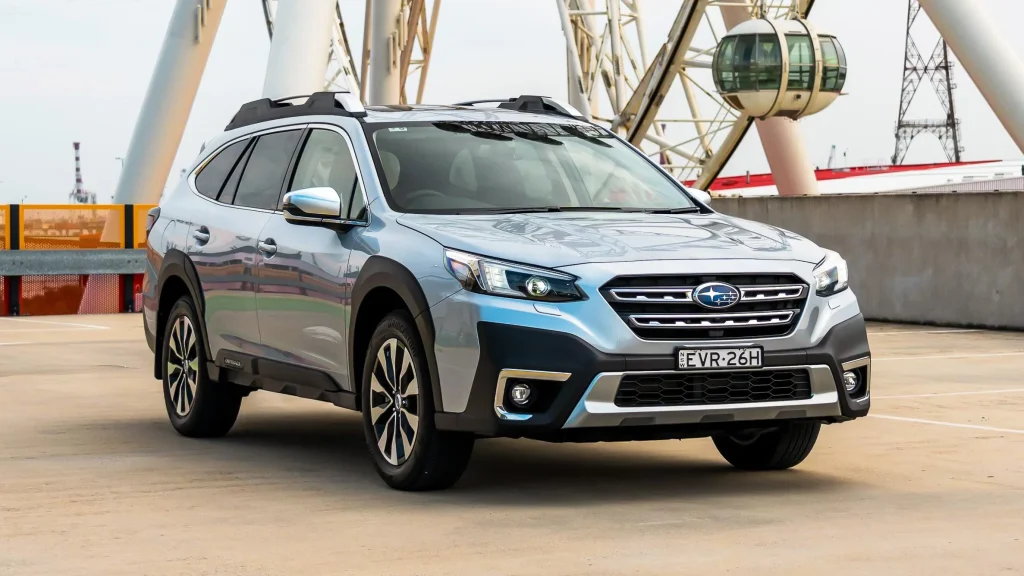
2. Subaru Outback
The Subaru Outback is designed for those who need capability where competitors fall short. Its standard all-wheel drive provides confidence in adverse weather and off-road conditions, a feature many rivals reserve for higher trims or optional packages.
Ground clearance is another advantage. With nearly 9 inches, the Outback handles rough roads, gravel, and light trails that would challenge many crossovers. Drivers benefit from a vehicle that is at home both in urban environments and outdoor adventures, without sacrificing ride comfort.
The powertrain balances efficiency and performance. While some all-wheel-drive SUVs consume excessive fuel, the Outback delivers respectable mileage with responsive acceleration. The continuously variable transmission works smoothly, helping maintain momentum on inclines and conserving energy on flat stretches.
Interior design prioritizes utility and comfort. Front seats are supportive for long drives, and rear passengers enjoy ample legroom. Materials are durable and easy to clean, which proves valuable for families and outdoor enthusiasts. Unlike many competitors, Subaru has not compromised interior quality for ruggedness.
Technology enhances usability. Features like EyeSight driver assist, adaptive cruise control, and lane-departure warning are standard, ensuring safety without extra cost. Infotainment options are straightforward and intuitive, making navigation and connectivity easy for all users.
Cargo capacity is generous and flexible. With rear seats folded, the Outback provides space comparable to larger SUVs. This flexibility allows the vehicle to handle both daily errands and weekend excursions effortlessly.
The Subaru Outback succeeds where many crossovers fail by combining all-wheel-drive capability, off-road readiness, and practical interior design into a single package. It is a reliable, versatile option for those who demand more from their vehicle without compromise.
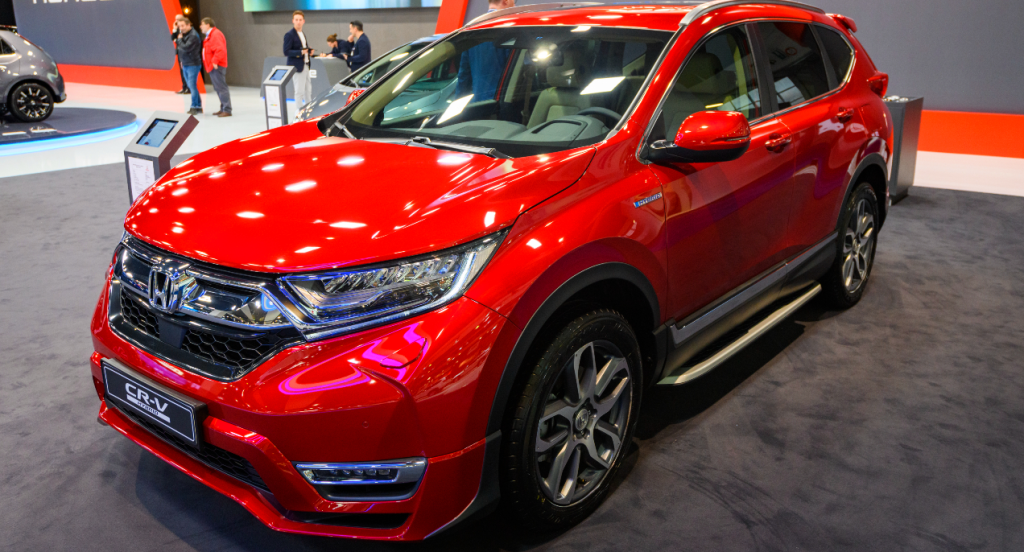
3. Honda CR-V
The Honda CR-V excels where many compact SUVs struggle: it balances interior space, fuel efficiency, and practical features without compromising driving comfort. While competitors often sacrifice rear-seat legroom or cargo space, the CR-V provides both in a well-thought-out layout.
Inside, the cabin feels roomy and comfortable. Passengers in both rows enjoy generous legroom and headroom, making long drives less tiring.
The seats are supportive, and materials are durable yet refined. Many rivals in this segment cut corners on interior quality, but Honda maintains a level of finish that enhances everyday usability.
The CR-V’s turbocharged engine delivers responsive acceleration while remaining efficient in city and highway conditions.
Unlike some competitors that prioritize power at the expense of fuel economy, the CR-V strikes a balance that suits daily commuting and longer trips. Its smooth CVT further contributes to consistent performance and efficiency.
Technology and safety features are strengths. Standard driver-assist tools, such as adaptive cruise control, collision mitigation, and lane-keeping assistance, come included across trims. Many rivals require higher-level packages for similar features, giving the CR-V an advantage in value and safety coverage.
Cargo versatility is another area where the CR-V excels. Its rear seats fold flat easily, creating a large, usable cargo space that handles grocery runs, sports gear, or weekend luggage efficiently. The low lift-over height and wide opening make loading and unloading convenient, a detail often overlooked by competing models.
Ride quality is comfortable and controlled. Suspension tuning absorbs bumps while maintaining composure in corners. Even fully loaded, the CR-V handles predictably, giving drivers confidence under various conditions.
The Honda CR-V proves that careful design and engineering can result in a well-rounded compact SUV that surpasses rivals in practicality, comfort, and efficiency. It demonstrates that a vehicle doesn’t need extreme features to be capable; attention to everyday usability makes it a top choice for families and commuters alike.
4. Mazda CX-5
The Mazda CX-5 stands out for delivering a driving experience that many compact SUVs fail to offer. While most rivals focus on interior space or tech features alone, the CX-5 combines sharp handling, responsive performance, and refined cabin quality, creating a vehicle that feels engaging and polished.
Mazda’s emphasis on driver experience is evident in the steering and suspension. The CX-5 responds precisely to inputs, offering confidence in corners while maintaining ride comfort. Unlike many competitors, it avoids the floaty or overly soft feel common in compact SUVs, making it enjoyable on twisty roads and highways alike.
Inside, the CX-5’s cabin is quiet, with soft-touch materials and carefully designed ergonomics. Seats provide support for long drives, and the layout keeps essential controls within easy reach. While cargo space is slightly smaller than some rivals, it remains practical for most daily tasks and occasional travel.
The engine lineup balances efficiency and performance. Turbocharged and naturally aspirated options provide smooth acceleration, with enough power for highway merging or overtaking without sacrificing fuel economy. The precise tuning of the drivetrain helps maintain consistent mileage, a feature many rivals struggle to achieve.
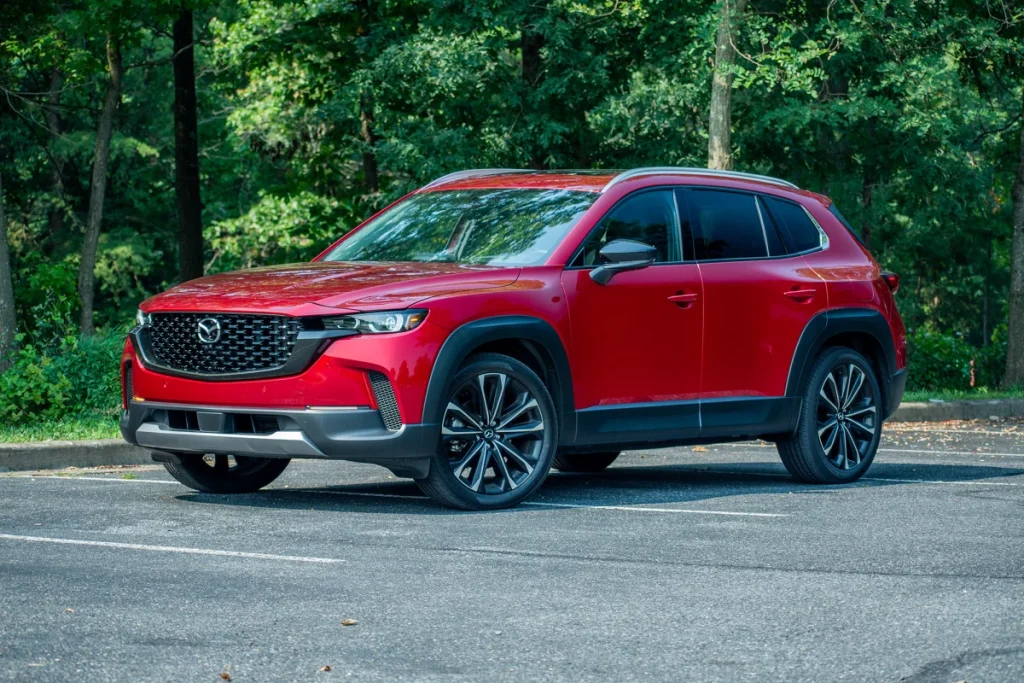
Technology and safety are competitive. Standard driver-assist features, including blind-spot monitoring, adaptive cruise control, and lane-keeping support, enhance convenience and safety without requiring expensive trim upgrades. Infotainment is intuitive, with minimal distraction during use.
Overall, the Mazda CX-5 excels where competitors often compromise. Its combination of engaging handling, comfortable interior, and refined design creates a vehicle that satisfies both practical and emotional needs. Drivers who value connection with the road and daily usability find the CX-5 hard to beat in its class.
5. Kia Telluride
The Kia Telluride excels where many mid-size SUVs fall short: offering premium feel, space, and capability at a reasonable price. While competitors often compromise on interior quality or third-row comfort, the Telluride delivers a well-rounded package for families and long-distance travelers.
Inside, the cabin is roomy and refined. The second and third rows accommodate adults comfortably, and the materials used throughout feel high-end. Unlike some rivals, the Telluride does not cut corners on soft-touch surfaces or seating comfort, providing a premium experience for every passenger.
The powertrain combines a smooth V6 engine with an efficient automatic transmission. It delivers confident acceleration for highway merging and towing, yet maintains respectable fuel efficiency for a vehicle of its size. Many SUVs in this class either sacrifice power or efficiency, but the Telluride balances both.
Technology and safety are standard strengths. Driver-assist systems such as forward-collision warning, adaptive cruise control, and blind-spot monitoring come included across most trims. Infotainment is straightforward and user-friendly, with responsive touchscreen and smartphone integration, reducing driver distraction.
Cargo capacity is versatile. Behind the third row, the Telluride provides usable storage for daily errands. Folding the rear seats expands capacity significantly, accommodating larger items without difficulty. Cupholders, bins, and compartments are strategically placed for convenience.
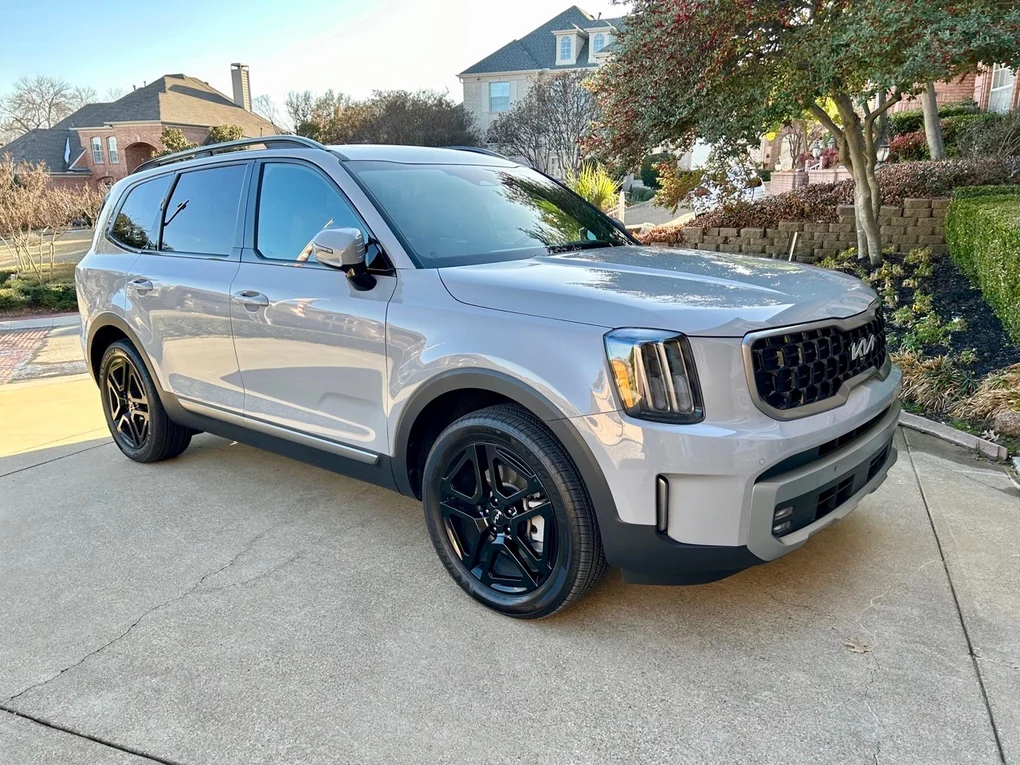
Ride quality is tuned for comfort without feeling soft. Suspension absorbs bumps effectively while maintaining composure in turns. Even with a full passenger load, the Telluride feels stable and controlled, a trait many mid-size SUVs struggle to achieve under similar conditions.
The Kia Telluride excels by providing a blend of luxury, practicality, and performance that many competitors fail to match. Its attention to detail and consistent capability make it a top choice for drivers seeking reliability, comfort, and value in a mid-size SUV.
6. Ford F-150
The Ford F-150 is a standout where trucks often face compromises. Many pickups prioritize payload or towing at the expense of comfort, fuel efficiency, or technology. The F-150 manages to combine these elements, offering capability and convenience in ways rivals cannot consistently match.
Cabin design emphasizes usability and comfort. Modern F-150s feature spacious interiors with ergonomic controls, supportive seats, and high-quality materials. Crew cab models provide generous rear-seat space, making them suitable for both work and family needs.
Powertrain options range from efficient turbocharged engines to hybrid systems, offering a balance between performance and fuel economy. Even fully loaded, the F-150 maintains confidence in acceleration and towing. Its engineering ensures that drivers do not sacrifice comfort or efficiency for raw capability.
Technology integration is impressive. Advanced infotainment, driver-assist features, and trailer-assist systems make work and travel easier. While some competitors offer similar tools as optional extras, Ford includes many across trims, enhancing both convenience and safety.
Towing and payload capacity remain competitive. The F-150 can handle heavy loads without sacrificing drivability, thanks to carefully tuned suspension and chassis. Drivers benefit from a truck that works hard while remaining stable and predictable on the road.
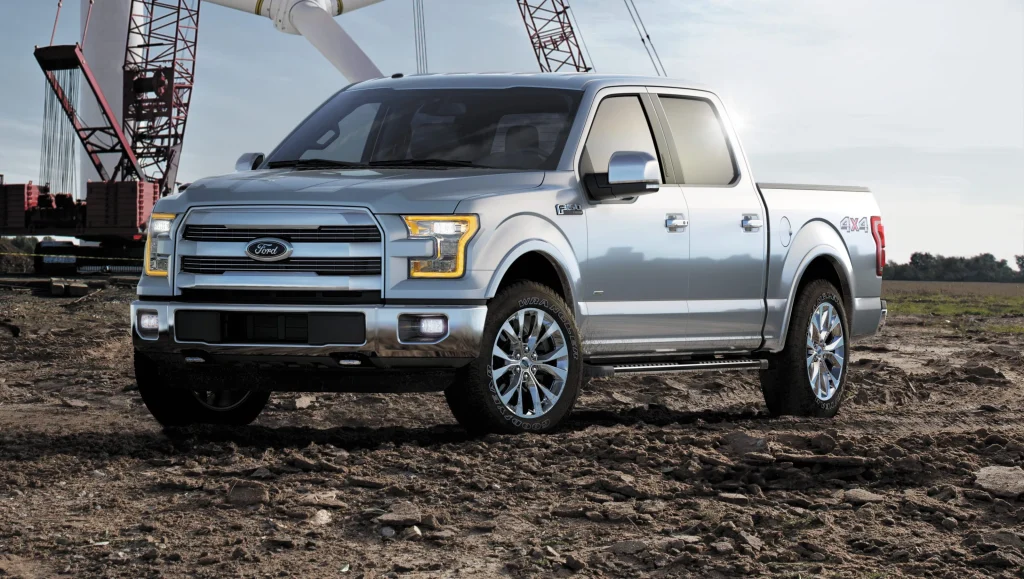
Interior and exterior storage solutions are practical. Numerous compartments, bins, and tie-downs support utility without clutter. Bed features such as optional tailgate step and easy-lift mechanisms improve usability further, providing a functional edge over rivals.
The Ford F-150 excels because it delivers versatility, comfort, and performance in a single package. It is capable on the job site and comfortable on daily drives, demonstrating why it remains a benchmark for full-size pickups.
7. Tesla Model Y
The Tesla Model Y excels where many compact electric SUVs fall short: offering long-range capability, high performance, and practical interior space in a single package. Many rivals promise efficiency or technology, but the Model Y delivers both consistently in real-world conditions.
Its dual-motor all-wheel-drive system provides responsive acceleration and traction control, making it suitable for varied driving conditions. Unlike many EVs that sacrifice comfort for speed, the Model Y balances performance and stability effectively.
Inside, the cabin feels spacious despite the compact footprint. The rear seats fold flat, expanding cargo space for luggage, groceries, or recreational gear. The minimalist design emphasizes usability, with intuitive controls and large touchscreen integration for navigation, media, and energy management.
Range is one of the vehicle’s standout features. Many drivers achieve mileage beyond official estimates thanks to regenerative braking, aerodynamic design, and efficient energy management. Even on long trips, the Model Y maintains consistent performance without frequent charging stops.
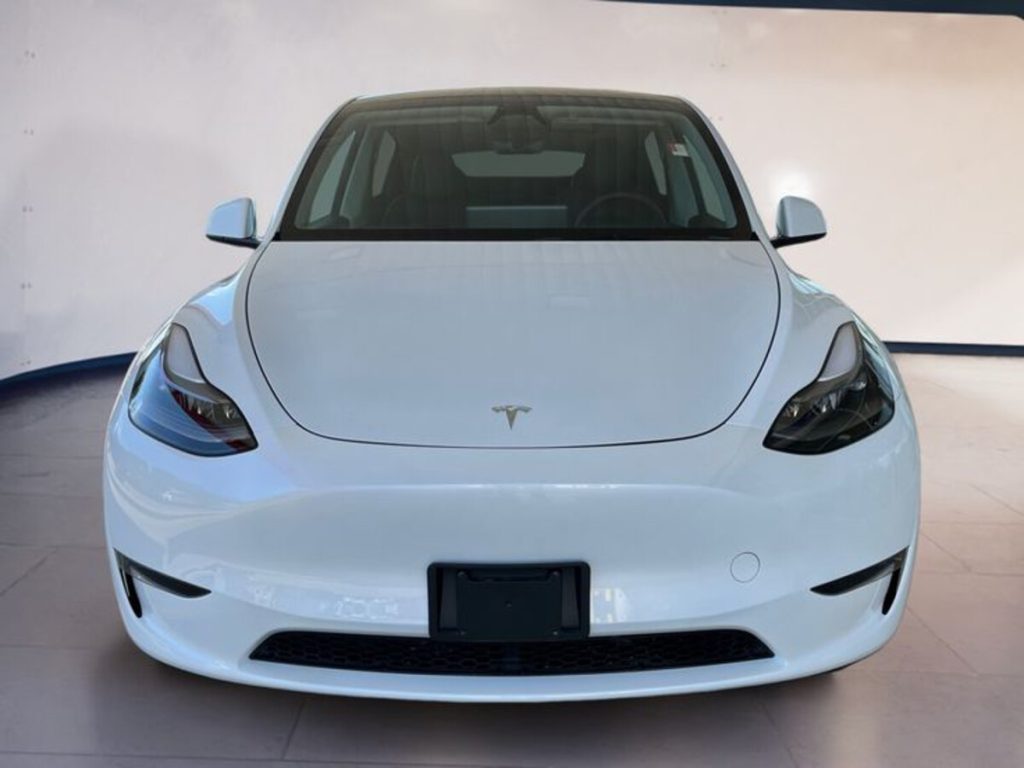
Driver-assist technology enhances convenience and safety. Features such as automatic lane-keeping, adaptive cruise control, and collision mitigation come standard, reducing fatigue on extended drives. Over-the-air software updates continue to refine performance, efficiency, and user experience over time.
Ride quality is comfortable yet controlled. Suspension absorbs bumps effectively while maintaining stability in corners. The low center of gravity from the battery pack further contributes to smooth handling and predictable dynamics, setting it apart from many compact SUVs that feel top-heavy or unsettled.
The Tesla Model Y excels by combining efficiency, performance, and usability in a way few competitors manage. Its blend of range, interior flexibility, and technological integration makes it a compelling choice for drivers seeking an electric SUV that truly delivers in multiple areas.
8. Jeep Wrangler 4xe
The Jeep Wrangler 4xe stands out where traditional off-road vehicles often fail: combining serious off-road capability with plug-in hybrid efficiency. While conventional 4x4s excel in rugged terrain but consume excessive fuel, the Wrangler 4xe offers both traction and improved efficiency.
Its hybrid powertrain delivers instant torque for off-road maneuvering while allowing short trips to be completed in electric-only mode. This combination reduces fuel consumption without compromising the Wrangler’s renowned capability on trails or rough surfaces.
Ground clearance and approach angles remain industry-leading, enabling navigation over rocks, mud, and uneven terrain. Unlike many competitors that struggle with clearance or articulation, the Wrangler 4xe maintains balance and stability even in challenging conditions.
Inside, the cabin is functional and durable. Materials are easy to clean, suitable for outdoor adventures. Despite its rugged design, modern technology like touchscreen infotainment, driver-assist systems, and digital displays improves usability and comfort for daily driving.
Energy recovery and regenerative braking enhance efficiency, allowing electric power to supplement off-road performance. Drivers can extend range while tackling trails, making the vehicle more versatile than non-hybrid counterparts.
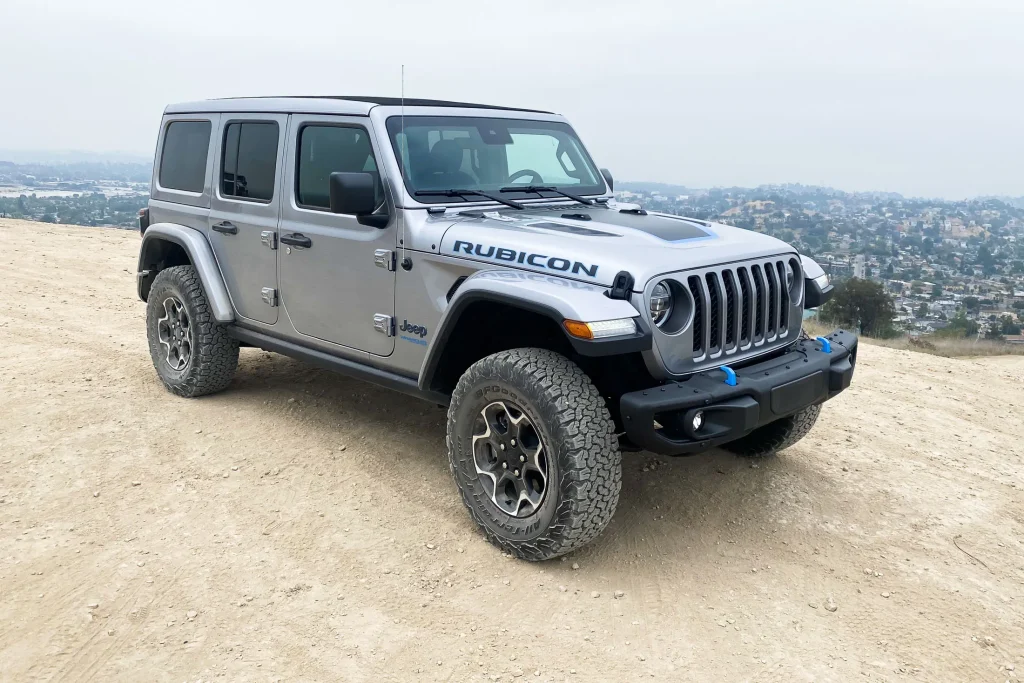
Ride quality on pavement is smoother than traditional Wranglers, thanks to suspension tuning and hybrid weight distribution. This allows for comfortable commuting without sacrificing the off-road capability that defines the Wrangler brand.
The Jeep Wrangler 4xe excels by combining off-road mastery with hybrid efficiency and modern convenience. It proves that ruggedness and practicality can coexist, offering a unique solution for drivers who want adventure without excessive compromise.
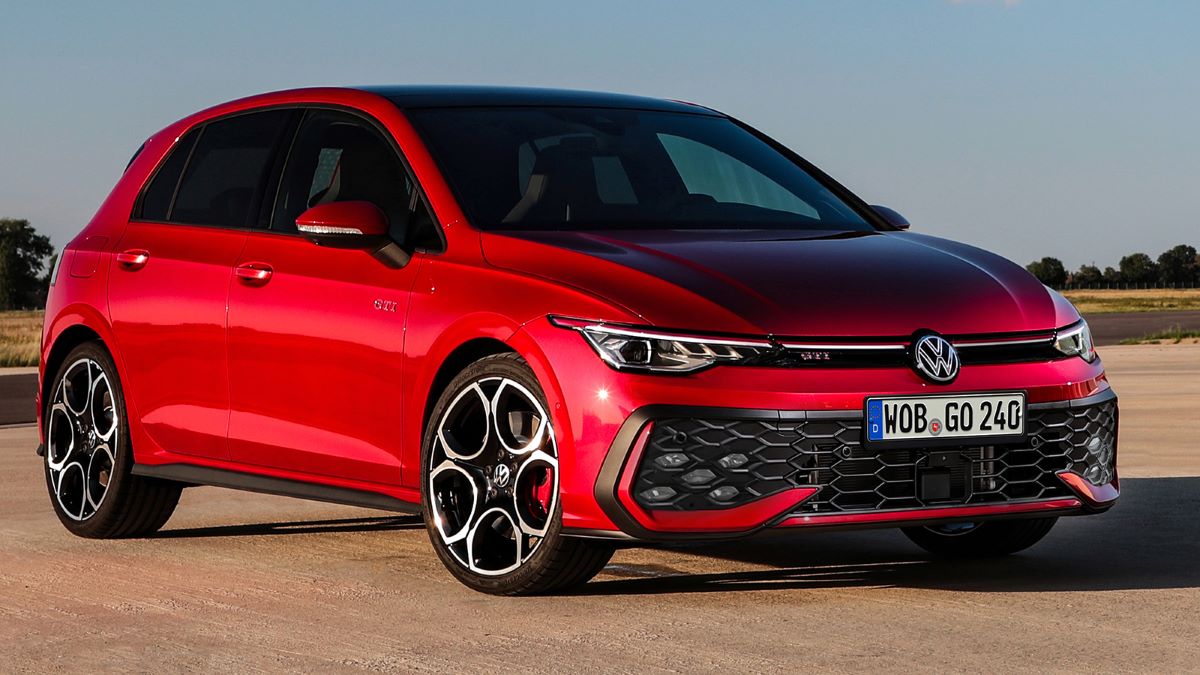
9. Volkswagen Golf GTI
The Volkswagen Golf GTI excels where many hot hatches struggle: delivering performance, practicality, and refinement in a single package. While competitors may emphasize speed at the expense of comfort or interior quality, the GTI maintains balance, appealing to enthusiasts and daily drivers alike.
Its turbocharged engine provides lively acceleration without feeling harsh or unpredictable. Power delivery is smooth, allowing for controlled, responsive driving both in city traffic and on winding roads. Many rivals offer stronger peak performance but lose drivability and comfort in regular use.
The Golf GTI’s suspension and chassis tuning strike a balance between sporty handling and ride comfort. It corners with precision yet absorbs road imperfections effectively. Unlike some competitors that sacrifice comfort for sharp handling, the GTI delivers both.
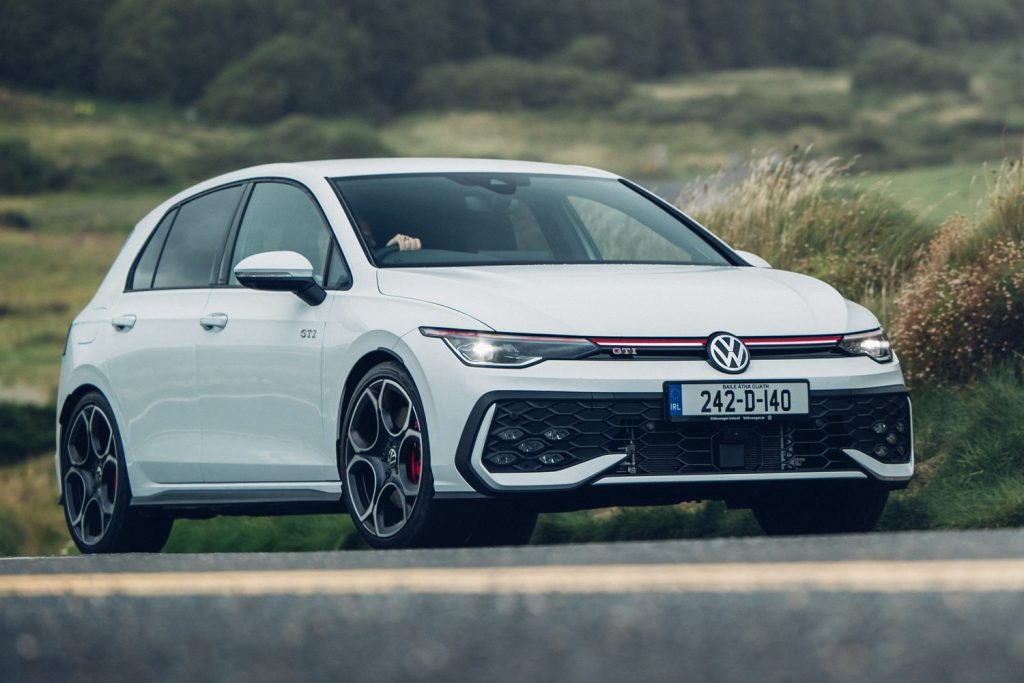
Inside, the cabin remains functional and refined. Supportive seats, quality materials, and intuitive layout make it enjoyable for longer trips. Cargo space is modest but practical, making it suitable for daily errands, weekend getaways, or commuting.
Technology and safety are competitive. Infotainment with touchscreen, smartphone integration, and driver-assist features come standard or are easily added through available trims. Many rivals require higher trims for similar technology, giving the GTI a practical edge.
Fuel efficiency is respectable for a sporty model. Turbocharging and modern engineering allow the GTI to deliver spirited performance while remaining economical compared to other hot hatches, a combination many competitors fail to achieve.
The Volkswagen Golf GTI excels by combining agility, practicality, and comfort. It provides a driving experience that feels engaging without compromising everyday usability, making it a benchmark for compact performance vehicles.
10. Hyundai Palisade
The Hyundai Palisade excels where many three-row SUVs fall short: offering space, luxury touches, and comfort at a mainstream price. While competitors may prioritize either technology or cabin space, the Palisade balances multiple strengths effectively.
The cabin is spacious and refined. Second and third rows comfortably seat adults, and materials feel high-end for the segment. Many rivals compromise on the third row or use lower-quality materials, but the Palisade delivers both luxury and practicality.
Its V6 engine provides smooth, capable acceleration while maintaining respectable fuel efficiency. Unlike some competitors that feel underpowered when fully loaded, the Palisade maintains composure and performance, even on steep inclines or highway merging.
Technology and convenience are standout features. Infotainment is responsive, driver-assist features are extensive, and climate controls are intuitive. Many vehicles in this class require higher trims to access similar tools, giving the Palisade an advantage in value and functionality.
Ride quality is comfortable and controlled. Suspension absorbs bumps effectively while maintaining composure around corners. Even with a full passenger load, handling remains predictable, a trait many rivals struggle to achieve.
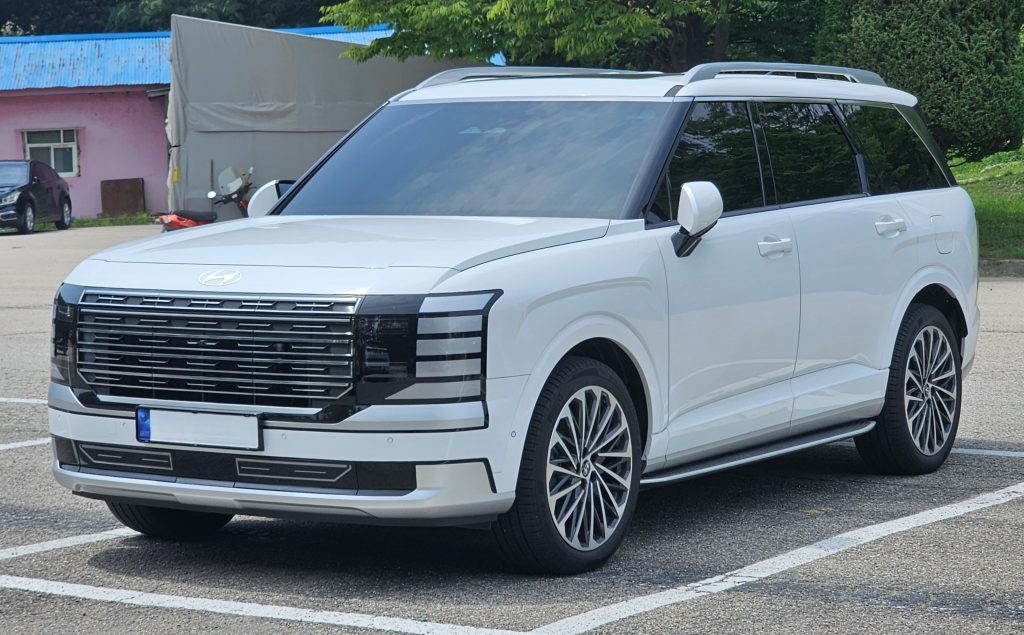
Cargo space is generous and versatile. Folding rear seats quickly expands capacity, while well-placed compartments and storage solutions enhance usability. This makes the Palisade a practical choice for families, travelers, or anyone needing both space and refinement.
The Hyundai Palisade excels by combining comfort, practicality, and features in a package that rivals often cannot match. It demonstrates that thoughtful design and engineering can provide an SUV experience that satisfies daily needs without compromise.
11. Chevrolet Corvette Stingray
The Chevrolet Corvette Stingray excels where many sports cars struggle: combining supercar-level performance with everyday usability. While many rivals demand compromises in comfort, practicality, or visibility, the Corvette balances thrilling driving dynamics with features suitable for daily use.
Its mid-engine layout provides exceptional handling and balance. Cornering feels precise and controlled, with minimal body roll.
Unlike many high-performance cars that feel intimidating on regular roads, the Corvette delivers predictable and confidence-inspiring dynamics, making spirited driving accessible to experienced and casual drivers alike.
Acceleration is another strength. The naturally aspirated V8 engine produces instant, linear power, allowing the Corvette to sprint from 0 to 60 mph in just over three seconds. Despite this performance, the engine maintains refinement at lower speeds, avoiding excessive noise or vibration, which many competitors struggle to achieve without sacrificing excitement.
Interior design prioritizes both functionality and driver engagement. Controls are intuitive, and the seating position provides excellent visibility. Storage space is limited compared to standard vehicles, but clever compartment placement allows for practical use during short trips or weekend excursions.
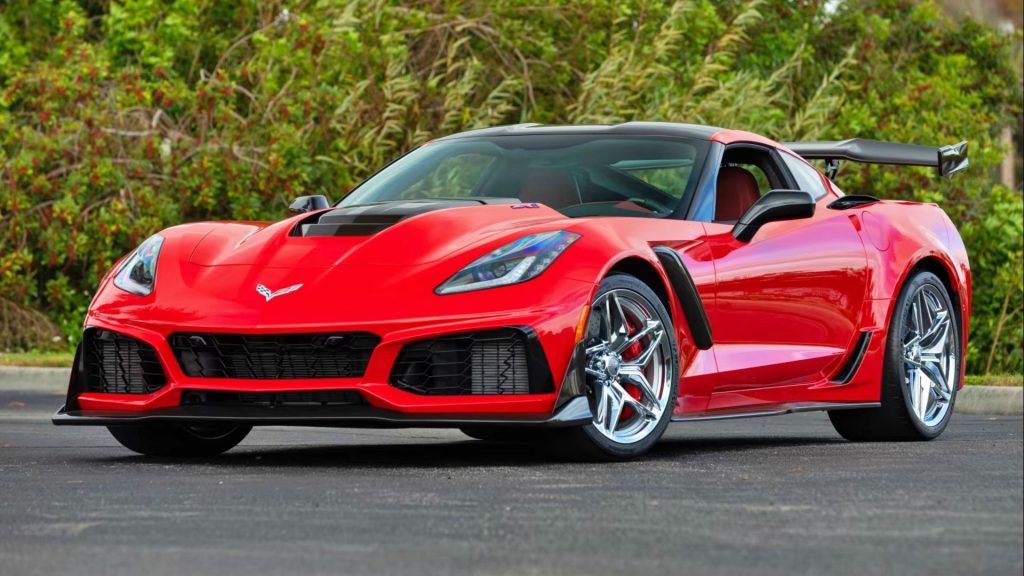
Technology is integrated thoughtfully. The infotainment system is responsive, and driver-assist features, such as blind-spot monitoring and rear cross-traffic alerts, enhance safety without diminishing the sports car experience. Many high-performance rivals either omit these features or make them optional at high cost.
Ride quality is tuned to balance comfort and sportiness. Suspension absorbs road imperfections effectively, making city driving less fatiguing while still maintaining track-ready composure. This dual capability allows the Corvette Stingray to perform admirably in a variety of driving scenarios.
The Chevrolet Corvette Stingray excels because it combines extreme performance, practical usability, and refined driving dynamics. It demonstrates that a sports car can thrill without forcing the driver to compromise on comfort or functionality.
12. Toyota Tacoma
The Toyota Tacoma excels where many midsize trucks fail: offering rugged off-road capability, reliability, and practical daily usability. While some trucks prioritize payload or towing at the expense of comfort, the Tacoma provides a balance that makes it versatile both on and off the road.
Its suspension and chassis are engineered for challenging terrain. With high ground clearance and strong approach and departure angles, the Tacoma handles rough trails, rocks, and uneven surfaces effectively.
Many rivals compromise off-road capability in favor of smooth highway driving, but the Tacoma maintains rugged performance without losing daily usability.
The four-cylinder and V6 engine options deliver reliable power. Acceleration is sufficient for towing or hauling cargo, while fuel efficiency remains competitive for the segment. The Tacoma’s drivetrain is tuned to provide confidence and predictability in varied conditions, something many competitors struggle to achieve.
Inside, the cabin is functional and durable. Seats are supportive, and materials withstand the wear of outdoor use. Technology is practical, with infotainment, safety features, and driver-assist tools integrated thoughtfully. Many rivals either skimp on interior durability or offer technology only in higher trims.
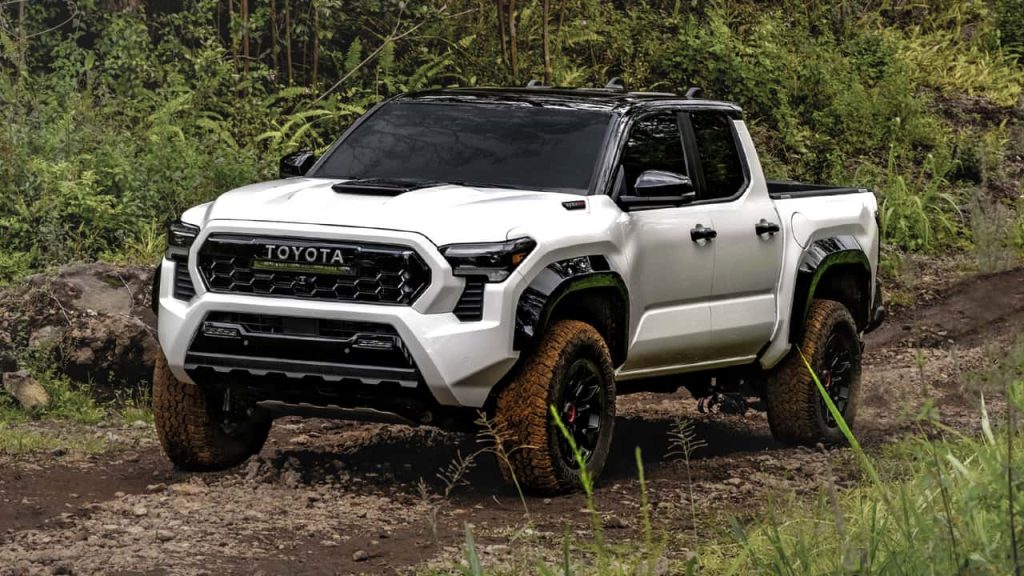
Cargo and storage solutions enhance versatility. The bed is designed for ease of loading and tie-downs, while the cabin provides usable compartments for personal items. This combination supports both work and recreational use without compromise.
Ride quality is balanced. Suspension absorbs bumps without making the cabin feel floaty, while handling remains controlled even with heavy loads. Drivers benefit from a truck that is equally competent on trails and paved roads.
The Toyota Tacoma excels by combining off-road mastery, reliability, and practical daily usability. Its careful engineering ensures it performs in situations where many midsize trucks cannot, making it a durable, versatile choice for adventurous and practical drivers alike.
Some vehicles rise above the competition by excelling in areas where rivals often struggle. The twelve cars highlighted in this list demonstrate practical advantages, refined design, and performance capabilities that make them stand out in their respective segments.
These models show that thoughtful engineering and attention to real-world usability create vehicles that consistently deliver for drivers.
Mid-size and full-size SUVs, such as the Toyota Highlander, Kia Telluride, and Hyundai Palisade, provide spacious cabins, flexible cargo space, and smooth rides. While competitors may compromise comfort or efficiency, these SUVs combine practicality with refined features.
Standard safety and driver-assist technologies enhance convenience and protection, making them dependable choices for families or long-distance travelers.
Compact SUVs like the Subaru Outback, Honda CR-V, and Mazda CX-5 excel in versatility and efficiency. They balance passenger comfort, cargo usability, and fuel economy, offering smooth handling and ride quality.
These vehicles outperform rivals by integrating thoughtful interior layouts and intuitive technology, ensuring usability in both daily commutes and weekend excursions.
The Ford F-150 and Jeep Wrangler 4xe illustrate that utility and specialized capability can coexist. The F-150 balances towing, payload, and comfort, while the Wrangler 4xe delivers off-road mastery with hybrid efficiency.
Both vehicles succeed where others compromise, providing drivers with confidence and reliability in challenging conditions.
The Model Y provides electric range, comfort, and technology integration, while the Corvette blends supercar performance with everyday functionality. Each demonstrates how engineering can produce enjoyment without sacrificing practicality.
The Toyota Tacoma proves that rugged trucks can remain versatile for daily use. Its off-road capability, reliability, and practical storage solutions make it superior to competitors that often focus on single-purpose strengths.
Across all twelve vehicles, a common theme emerges: they succeed by solving real-world problems and delivering balanced performance.
From off-road adventures to family trips, city commuting to spirited driving, these cars outperform rivals in multiple aspects, offering drivers measurable benefits that enhance usability, comfort, and confidence.
These twelve vehicles illustrate that excellence is not solely about specifications or brand prestige.
By combining capability, design, and practicality, they show what is possible when manufacturers focus on solving everyday challenges, creating vehicles that consistently exceed expectations in ways that many competitors cannot.
Also Read: 12 Cars That’ll Still Turn Heads 20 Years From Now
