
When buying a sport utility vehicle, many prioritize power, fuel efficiency, and design, but overlook the importance of long-term silence within the cabin. A quiet SUV provides a serene environment, making journeys enjoyable despite traffic conditions or distance.
Family travels become more pleasant when conversations flow smoothly without interruptions from engine noise. Engineers recognize this and invest in heavy insulation, precision manufacturing, and engine smoothness to achieve quietness. Some manufacturers compromise on these aspects, resulting in noisy vehicles that rattle, hum, or vibrate as time goes on.
Quietness in an SUV is not solely dependent on luxury; some mid-range models maintain refined performance despite road challenges. Excellent engineering, sound-deadening materials, precise engine mounts, and well-balanced transmissions contribute to a quiet ride.
When these elements fail, the vehicle becomes noisy. Practical drivers prioritize this quality when buying a new or used SUV. Studying long-term user reports helps identify quiet SUVs. Certain models retain their calm presence even after years of heavy driving, while others struggle to remain quiet, revealing their true nature as time goes on.
This write-up presents two groups of SUVs: those that maintain quietness and those that don’t, guiding readers who value a peaceful driving experience.
5 SUVs That Stay Quiet for Decades
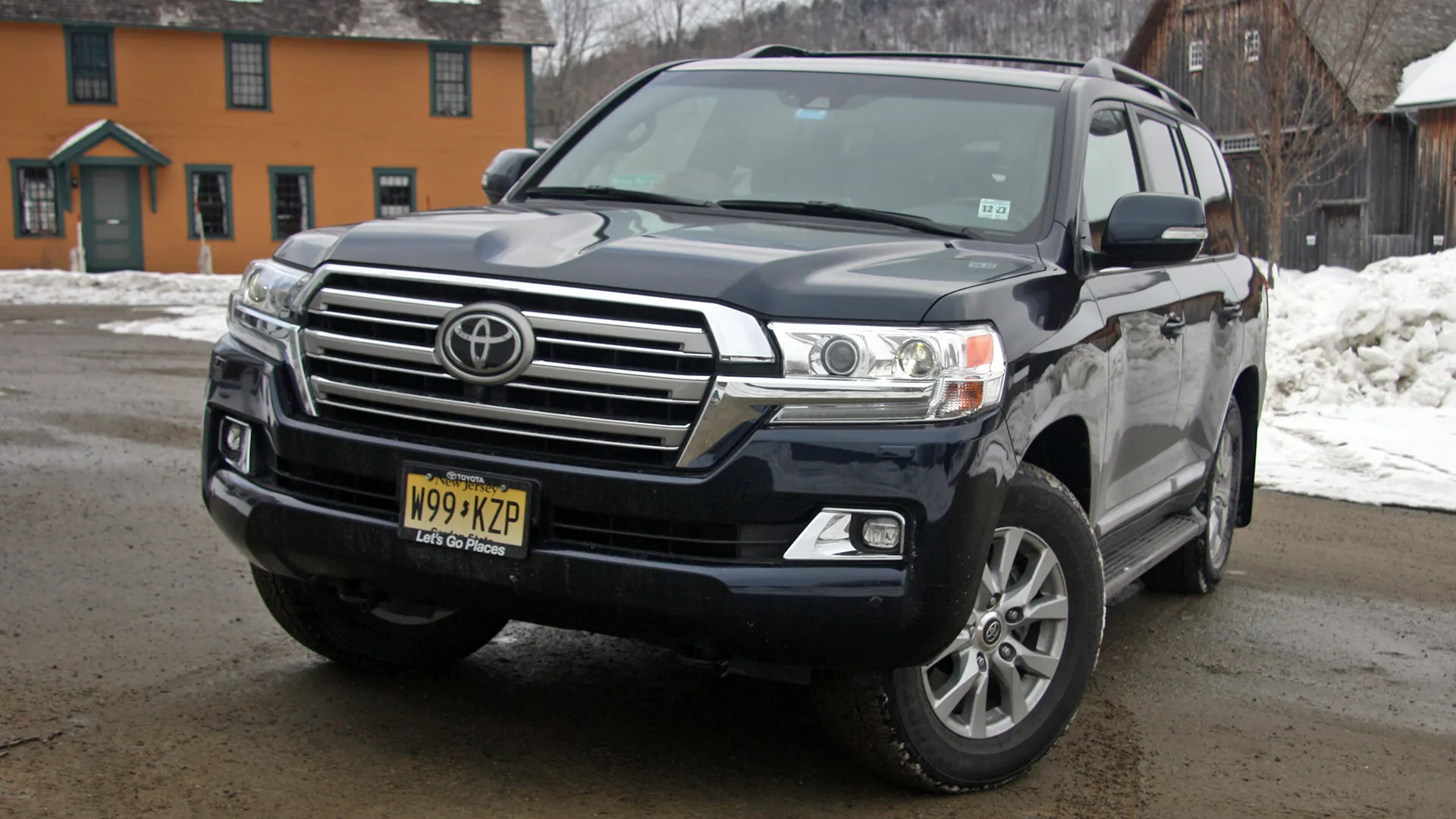
1. Toyota Land Cruiser J200 2019
Few vehicles command quiet respect like the Toyota Land Cruiser J200 2019. This is one SUV that does not shout about its ability; it simply delivers peace and strength without asking for attention. Under its solid bonnet rests a 5.7-litre V8 engine, yet the noise barely reaches the ears of passengers inside.
Toyota engineers built it like a soundproof chamber, with thick doors, sealed joints, and heavy insulation covering all corners. From the outside, it may look rough and ready for battle, but once you step in, it behaves like a calm luxury lounge on wheels.
Its strong ladder frame plays a big part in this piece. Instead of sending vibrations straight to passengers, it swallows them quietly. Even on gravel or bumpy patches, the cabin stays calm. The suspension is tuned with care, keeping the ride steady without that annoying tyre hum you hear from many large vehicles. Wind noise remains faint, too, thanks to tight mirror designs and strong rubber seals that stop air leaks.
Owners often say that after years of use, this SUV still hums softly like new. Fleet operators love it because it doesn’t grow noisy with age; parts stay firm, and the engine remains smooth even after countless miles.
Rain or sun, this vehicle holds its composure. It proves that real strength is not only in speed or size but also in silence. For anyone seeking lasting quietness inside a rugged shell, the J200 stands as a faithful companion that speaks softly yet carries great power.
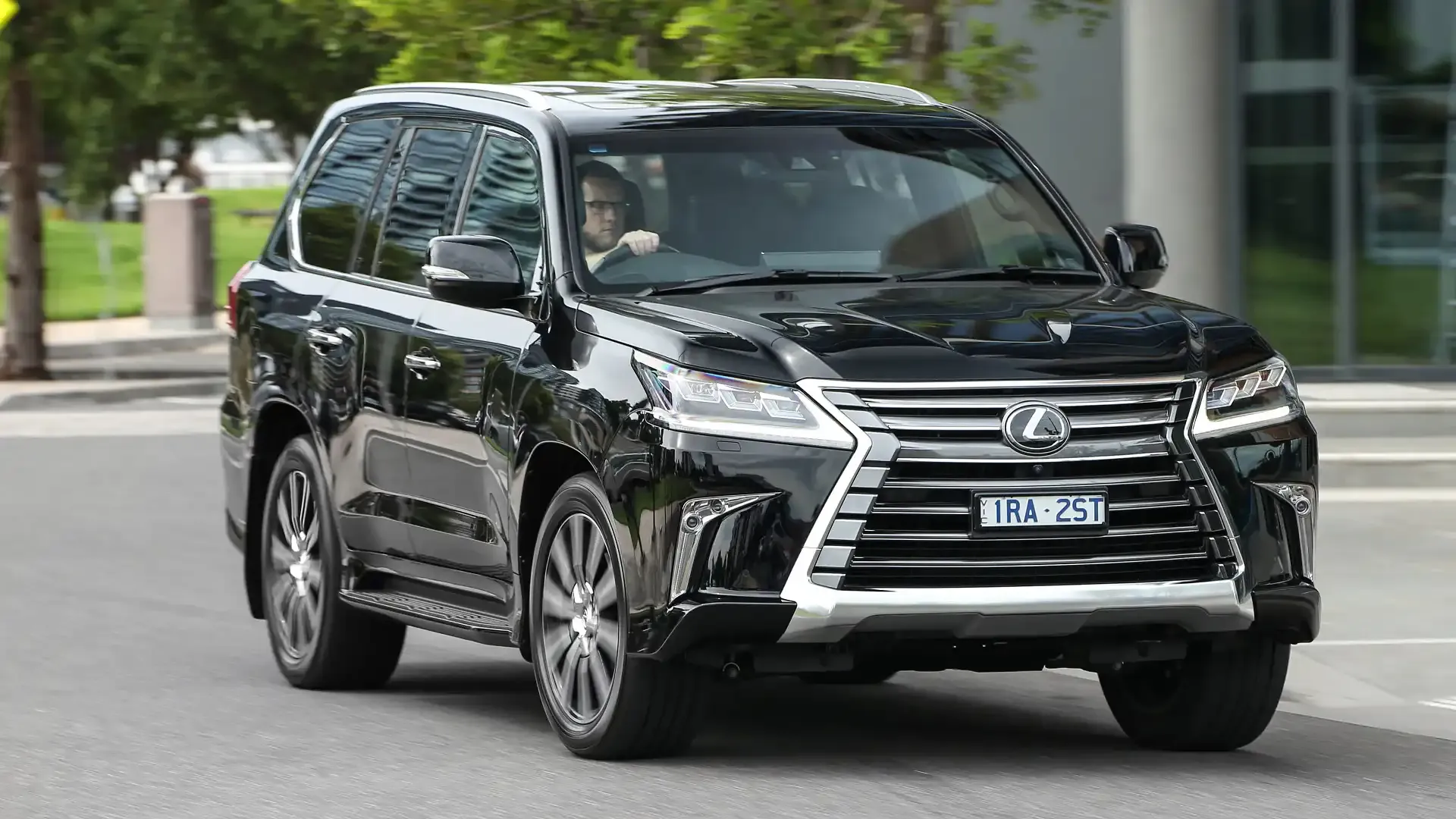
2. Lexus LX 570 2020
When you sit inside the Lexus LX 570 2020, the first thing that strikes you is the hush. There’s a smoothness that feels deliberate, as if every part of the SUV was built to protect your ears from the outside world.
The powerful 5.7-litre V8 engine doesn’t roar; it whispers. Lexus engineers packed layers of sound insulation into the floor, ceiling, and engine bay, while the windows use laminated glass to keep outside noise far away. You close the door, and the world fades out.
Ride comfort plays a big role in this silence. The LX 570 uses adaptive hydraulic suspension that absorbs rough ground with elegance. Instead of bumping passengers around, it floats gently. Even when cruising fast, the cabin feels composed. There’s no creak, no rattle, only smooth motion and steady calm. This stability doesn’t disappear with age either. Owners who have clocked high mileage often say the vehicle sounds almost the same as it did when new.
Attention to detail inside is impressive. Every trim piece fits tightly, the carpets are thick, and even the air-conditioning system hums softly. Sound from the premium audio system remains crisp because it doesn’t compete with engine or road noise.
That quiet luxury stays reliable for years, showing that Lexus builds with both comfort and endurance in mind. Whether it’s for city driving or long journeys, the LX 570 2020 remains one of those rare SUVs that keep their calm long after others start complaining.
Also Read: 10 SUVs That Keep Their Original Feel After a Decade
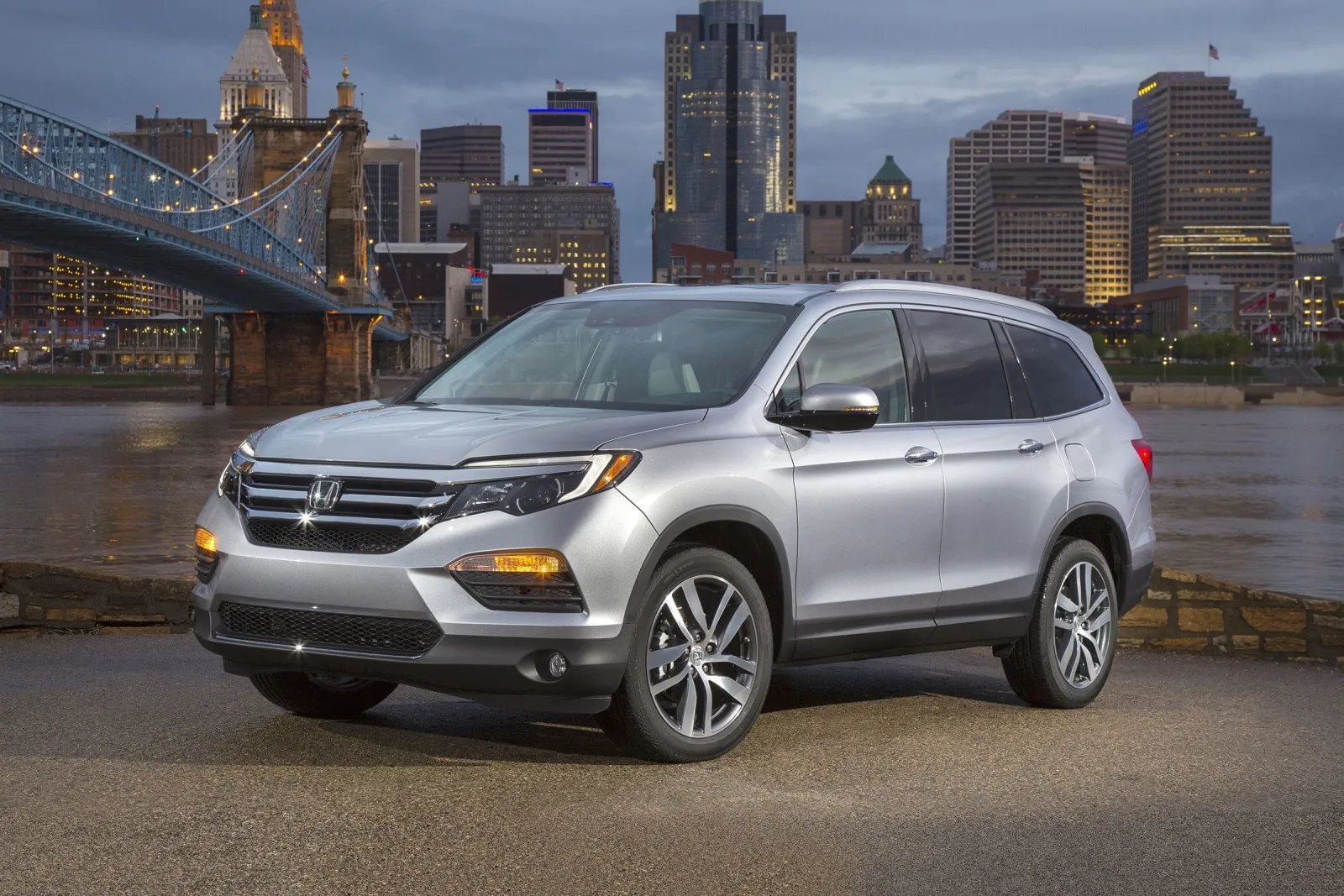
3. Honda Pilot Touring 2018
Many assume that only premium luxury vehicles maintain quiet cabins as time goes on, yet the 2018 Honda Pilot Touring offers proof to the contrary. Its 3.5 litre V6 engine operates smoothly without producing harsh hums, even when fully loaded with passengers.
Honda’s focus on structural reinforcement and cabin insulation ensures that vibrations and outside interference are reduced. What makes this model interesting is that it remains approachable in price, yet delivers silence akin to more expensive SUVs.
Passengers quickly notice the difference during short and long trips. Seats are positioned for optimal comfort, while thick insulation around the firewall prevents engine noise from entering the cabin. Road bumps are absorbed efficiently by a carefully calibrated independent suspension system.
Unlike many older mid-range vehicles that start squeaking after three years, the Honda Pilot Touring preserves a soft and stable ride, maintaining a sense of calm that families often appreciate. This reliability in quietness enhances the vehicle’s appeal to those who commute regularly or take frequent road trips.
Interior materials also play a part in sustaining peace. Soft touch panels, padded dashboards, and tightly-fitted door trim reduce vibration noises that normally grow louder with age. Audio quality benefits indirectly, allowing music or voice navigation to remain clear without interference.
Long-term user reports highlight that even after moderate mileage, rattles and squeaks are rare. This durability makes the 2018 Pilot Touring a model that exceeds expectations in the mid-size SUV segment for quiet operation.
Another factor in silence comes from the transmission system. The Pilot Touring 2018 uses a smooth automatic gearbox that changes almost imperceptibly. Drivers rarely feel harsh jerks or mechanical whining that might disturb cabin serenity.
Steering feedback is stable and free from vibration, complementing the quiet engine and suspension performance. As a result, daily city driving and weekend journeys feel composed and refined, reinforcing why this model continues to attract buyers seeking calm rides.
Long-term ownership highlights another strength. Even in areas where road conditions are less forgiving, the vehicle maintains a silent presence. Bushings, mounts, and suspension components show little sign of degradation over several years, contributing to reduced interior noise.
Mechanics familiar with this model often praise its consistency, as drivers rarely report persistent rattles or vibration issues that are common in other SUVs of similar age. This reliability solidifies the Pilot Touring’s place among SUVs that stay quiet for decades.
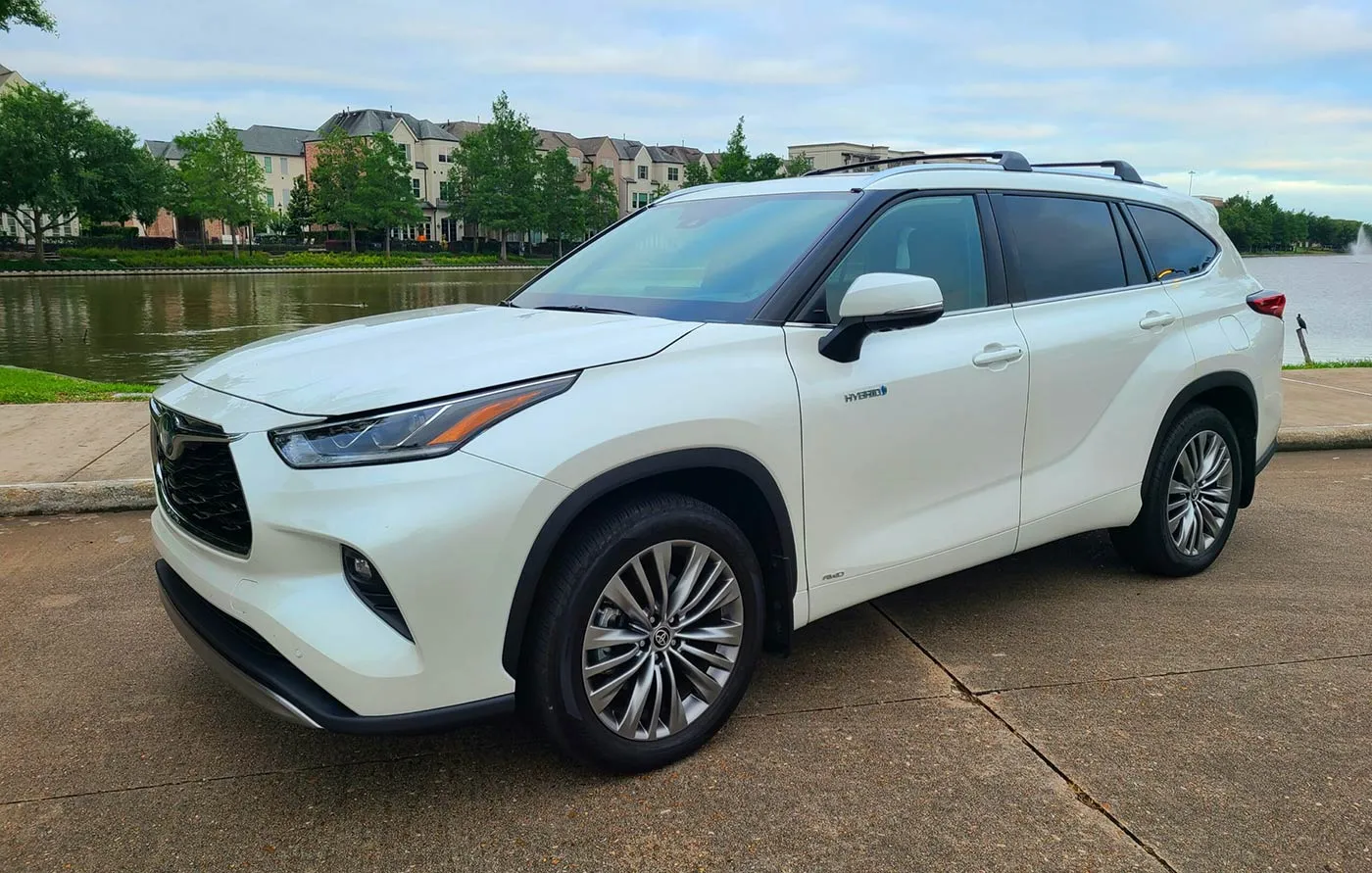
4. Toyota Highlander Limited 2021
Anyone who drives the 2021 Toyota Highlander Limited quickly appreciates how quiet the cabin remains, even under daily stress. This mid-size SUV comes with a 3.5-litre V6 engine that hums smoothly without producing disruptive noise. Engineers enhanced door seals, roof panels, and floor insulation to reduce intrusion from wind or rough surfaces.
Passengers immediately notice how interior chatter, music, and navigation commands remain undisturbed, even at high speeds. Quietness is especially important for families, where distraction-free journeys improve focus and enjoyment during longer drives.
Suspension tuning plays a major role in delivering this peaceful ride. Toyota combined a multi-link rear suspension with reinforced front struts, absorbing road imperfections with minimal vibration transfer. Unlike other SUVs in the segment, the Highlander Limited keeps wheel noise low on highways, while small bumps in city streets barely register inside.
Drivers praise its smooth automatic transmission, which works with the engine to prevent harsh jerks. Such careful integration of components creates a serene experience, often compared to vehicles costing twice as much.
Interior finishes complement quiet engineering. Soft-touch materials, double-layered carpeting, and well-fitted door panels reduce minor rattles and buzzing sounds that develop as time goes on in lesser SUVs. Airflow management also contributes to silence, with vents positioned to avoid whistling or buffeting that can occur in poorly designed cabins. Even passengers seated in the third row notice minimal noise intrusion, making this vehicle ideal for long-distance travel where comfort and calm are essential.
Owners confirm that the Highlander Limited maintains its quiet presence years into ownership. Long-term users report minimal squeaks and rattles even after high mileage, highlighting durable bushings and engine mounts that resist wear.
Daily urban commuting, weekend excursions, and highway travel all showcase the SUV’s ability to remain calm under different conditions. This reliability in sound management reinforces Toyota’s reputation for producing long-lasting vehicles that continue performing with composure as time goes on.
The combination of quiet powertrain, refined suspension, and well-insulated cabin makes the Highlander Limited 2021 a preferred choice among mid-range SUV buyers. Families, professionals, and occasional off-road drivers all benefit from a peaceful interior where driving does not become a tiring experience. By maintaining harmony between engine, transmission, and cabin design, this vehicle proves that long-term silence is achievable without premium pricing.
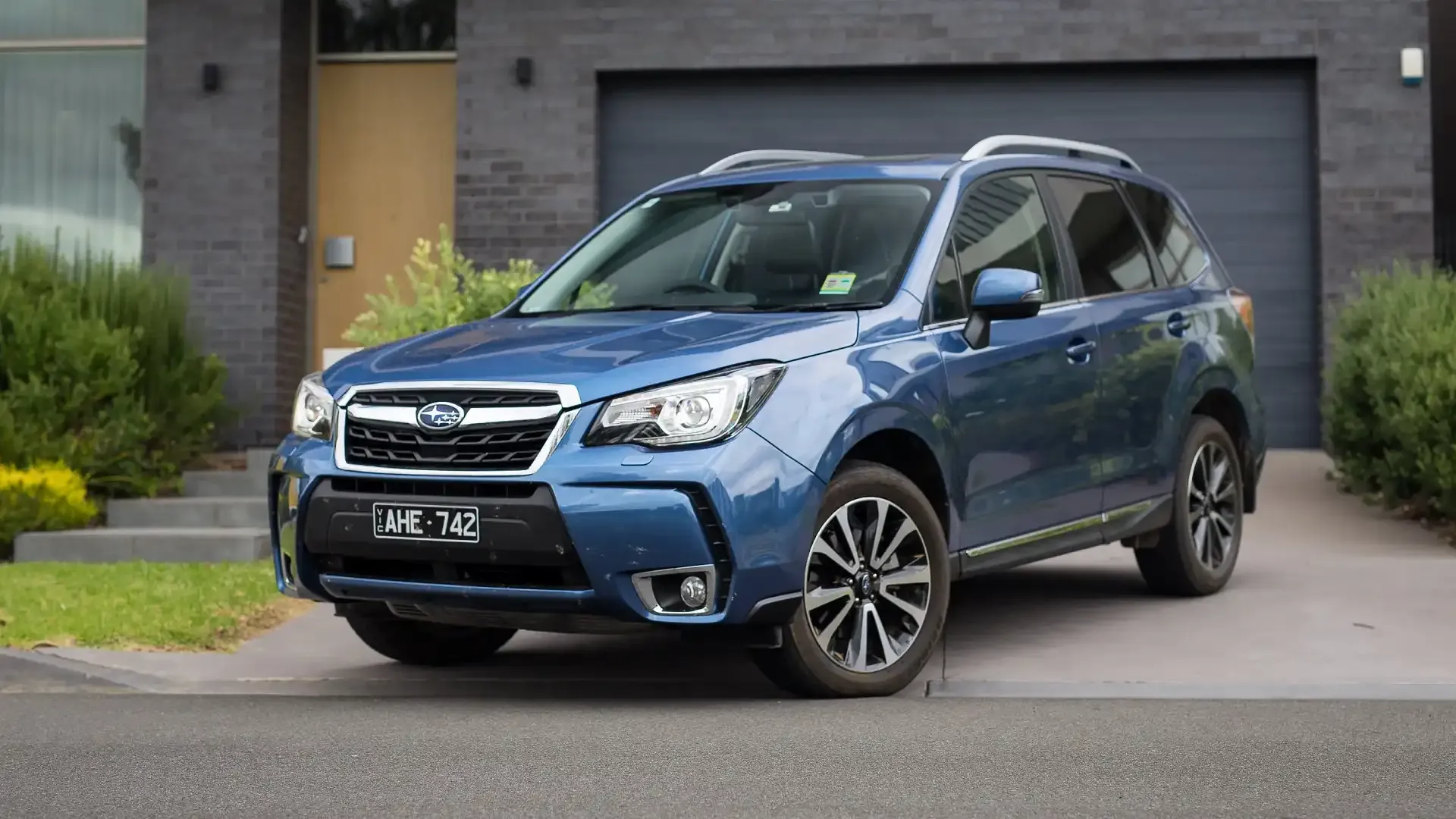
5. Subaru Forester Premium 2017
Many drivers underestimate how quiet the 2017 Subaru Forester Premium can be until they sit inside. This compact SUV features a 2.5-litre flat-four engine that operates with minimal vibration, paired with a continuously variable transmission (CVT) that moves almost imperceptibly.
Unlike some vehicles where a smaller size often means higher noise levels, the Forester Premium uses thoughtful insulation, door seals, and roof design to keep wind and road sounds low. Its quietness makes daily commuting and long road trips more comfortable than one would expect from a compact SUV.
Unique aspects of Subaru’s design help maintain cabin calm. Low centre of gravity reduces sway, which in turn minimizes structural noise transfer. Tires with noise-absorbing compounds and well-tuned suspension prevent harsh impact from bumps, while wheel arches are lined with protective material to stop scraping and vibration.
Many Forester owners mention that even after years of urban and rural driving, rattles remain rare. This demonstrates the brand’s attention to detail in preserving quiet operation as time goes on. Acoustic benefits extend to interior materials as well. Cushioned seating, padded dashboard, and soft door panels reduce vibration resonance, while double-layer floor mats prevent road sound intrusion.
The cabin remains serene enough that conversations are effortless, and music quality is preserved even at moderate speed. Engineers also paid attention to aerodynamic performance, reducing the common whistling sound that appears in many compact SUVs at highway speeds.
Long-term durability reinforces the Forester’s reputation. Engine mounts, bushings, and interior fasteners resist wear, meaning that the quiet experience continues even with high mileage. Many drivers who have owned this model for five years or more report that engine noise and vibration are still minimal, while other SUVs of similar age and class have begun producing rattles or loud mechanical hums.
In addition, the Forester Premium 2017 demonstrates quiet performance under load. Carrying a full family with luggage or pets rarely introduces disturbing noise. Its compact size, combined with careful structural engineering, allows it to perform efficiently while keeping noise and vibration under control. This balance of practicality, comfort, and quiet operation makes it one of the most recommended compact SUVs for drivers who value a peaceful cabin for daily use and long trips.
SUVs That Do Not Stay Quiet
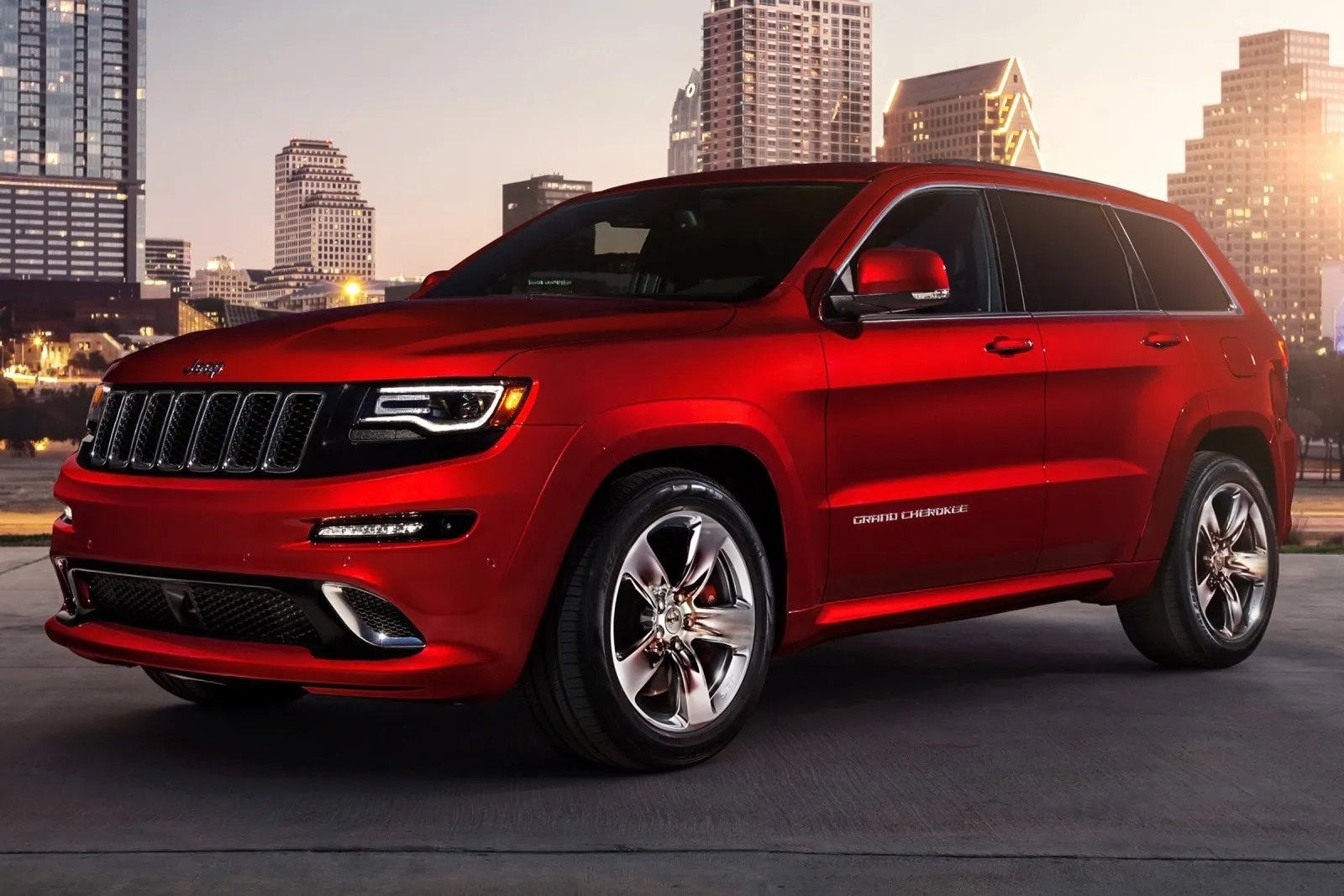
1. Jeep Grand Cherokee Laredo 2014
Many drivers who purchase the 2014 Jeep Grand Cherokee Laredo expect robust performance, yet a common complaint arises after a few years: cabin noise increases noticeably. Its 3.6-litre V6 engine is capable, but the insulation is thinner than in comparable SUVs.
Road vibrations, wind intrusion, and engine hum become more obvious as mileage rises. While initial ownership may feel smooth, aging suspension bushings and loose trim panels amplify rattles and squeaks as time goes on, reducing comfort for passengers on longer drives.
Interior design choices contribute to audible disturbances. Door panels and dashboard components tend to loosen slightly with age, allowing small noises to resonate inside the cabin. Wind noise from side mirrors grows during highway driving, while CV joints and suspension mounts may transmit vibrations to the cabin more aggressively than intended.
Even audio quality suffers, as music playback must compete with background mechanical hums. Drivers who frequently commute in city traffic notice these imperfections more quickly than those who only use highways.
Maintenance routines cannot fully address these issues. While regular checks prevent extreme problems, the original design allows some noise to develop naturally. Engine mounts and interior bushings deteriorate, producing hums and thumps that were absent when the vehicle was new.
Some owners try aftermarket solutions to reduce cabin sound, yet complete silence remains difficult to achieve without replacing multiple components. As time goes on, the Grand Cherokee Laredo 2014 develops a reputation for being noticeably louder than competitors of similar size and age.
Many enthusiasts highlight that driving conditions accelerate cabin noise. Rough roads, frequent cornering, and higher speeds exacerbate rattles and engine hum. Even carefully maintained models show small imperfections that add up. While the SUV remains capable in performance, its quiet operation does not last as promised, making it less suitable for those who value calm rides.
Long-term ownership proves that the 2014 Jeep Grand Cherokee Laredo prioritizes rugged capability over cabin serenity. Its design emphasises toughness and power, but quiet comfort takes a back seat. Drivers seeking a peaceful environment for extended trips may find themselves compensating for rattles, vibrations, and increased wind noise as years go by.
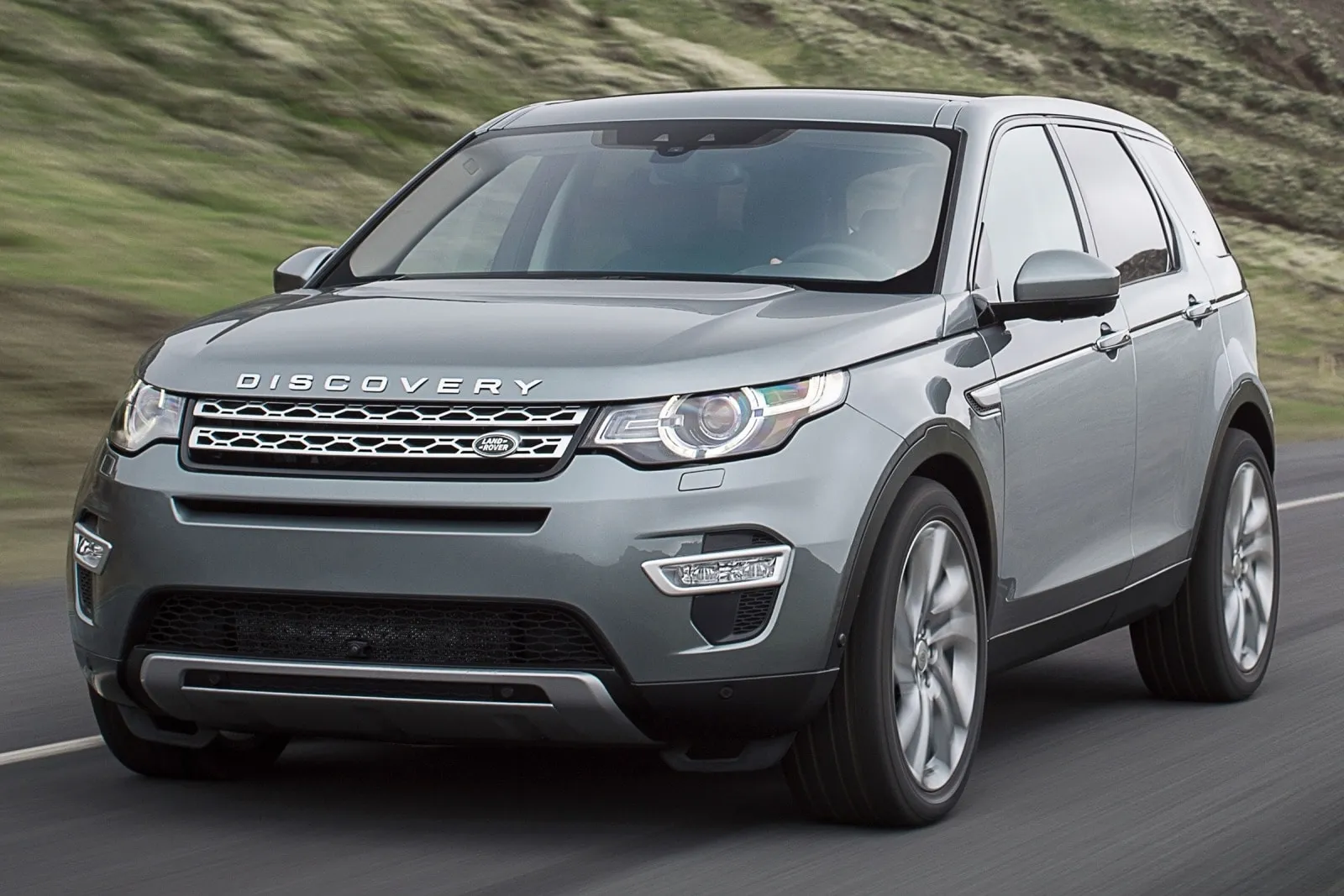
2. Land Rover Discovery Sport SE 2016
Many appreciate the 2016 Land Rover Discovery Sport SE for its styling and off-road ability, yet users often report cabin noise growing louder after a few years. Its 2.0-litre turbocharged engine produces a throaty sound that can become intrusive, especially during city driving.
While initial ownership delivers a refined impression, aging suspension bushings, weak door seals, and thin insulation panels allow wind and road noise to penetrate, reducing long-term comfort for passengers.
The SUV’s all-wheel-drive system, though excellent for handling, transmits vibration to the cabin as components age. Steering feedback, though precise, carries more vibration, and engine hum intensifies under load.
Many drivers notice squeaks along dashboard panels and doors after moderate mileage. Even minor rattles from glove compartments or cup holders can amplify as time goes on, creating a persistent disturbance.
Interior materials partially explain this behaviour. Lightweight door panels and trim pieces, designed for weight savings, often loosen with age. Roof padding thins as time goes on, letting rain and wind sounds penetrate more clearly. Drivers who frequently use the vehicle in rough city conditions or on gravel paths find that these noises accumulate, making the cabin feel less refined than when the SUV was new.
Maintenance helps, but cannot fully restore silence. Replacing bushings and tightening panels reduces vibration temporarily, yet original material limits remain. Many owners invest in aftermarket insulation or thicker mats to attempt a quieter ride, but some noise always remains. Users quickly realize that this model sacrifices long-term quiet in favour of style and off-road adaptability.
Drivers seeking a calm environment for daily commuting may find themselves frustrated. Although the Discovery Sport SE 2016 performs well and looks attractive, it struggles to maintain serenity inside the cabin, particularly after a few years of regular use.
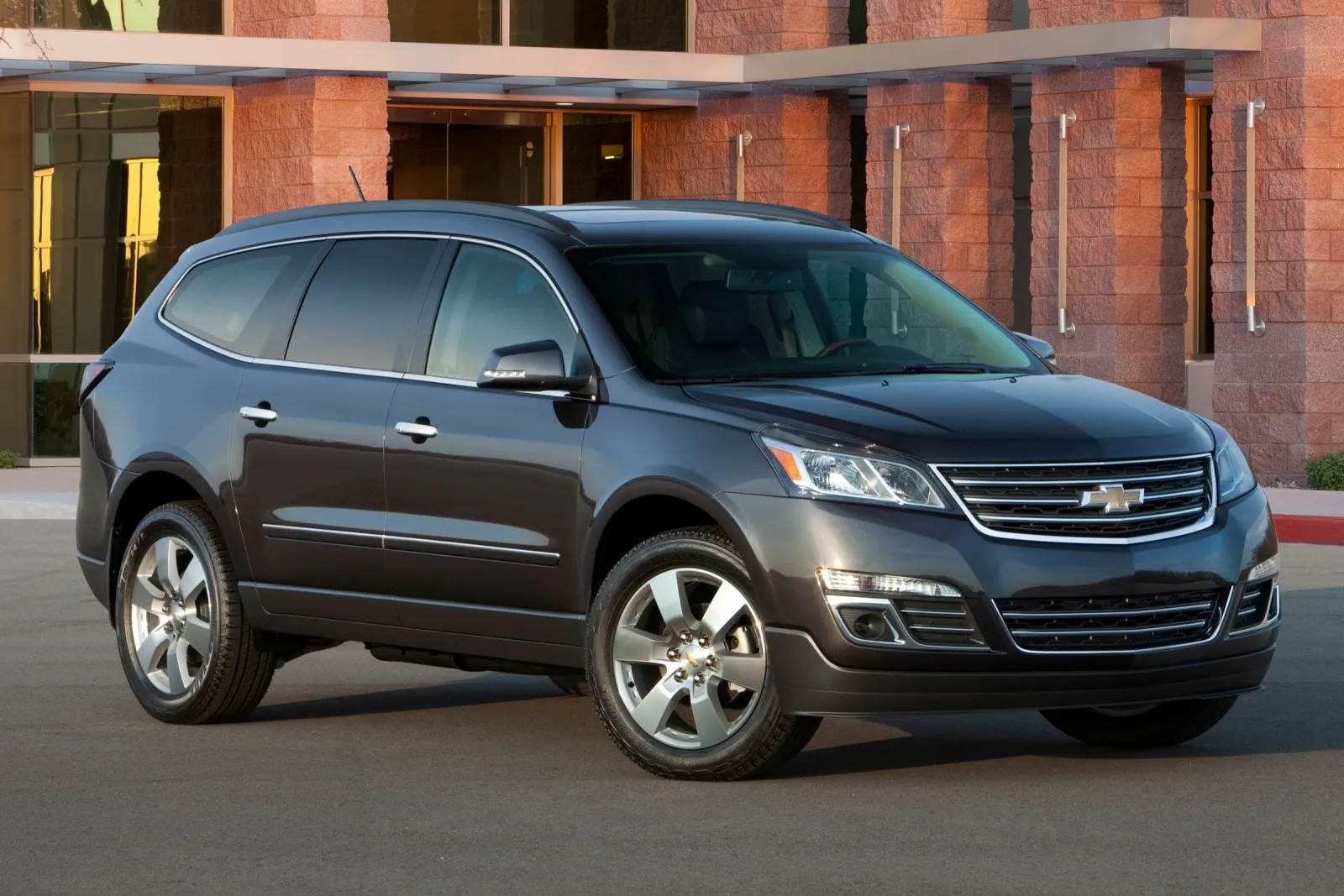
3. Chevrolet Traverse LT 2013
Owners of the 2013 Chevrolet Traverse LT often enjoy its spacious interior, yet a recurring issue appears with prolonged ownership: increasing cabin noise. Its 3.6 litre V6 engine, while smooth at first, transmits vibrations as engine mounts wear down. Road imperfections, wind interference, and tire noise become more noticeable, especially at highway speeds. Long trips can feel tiring due to these disturbances.
Interior assembly contributes to the problem. Door trims, dashboard components, and rear hatch panels tend to loosen as time goes on, producing rattles and squeaks. Wind noise around side mirrors and roof rails grows louder, competing with the audio system. Even passengers in the back row experience noticeable hums from the rear suspension and tires, making conversations less comfortable.
Long-term maintenance provides partial relief, yet full restoration of initial silence is difficult. Rubber mounts, bushings, and panel fasteners degrade naturally, allowing vibrations to amplify over the years. Drivers attempting modifications often find the noise returns, proving that the Traverse LT 2013 lacks long-term quiet durability.
Owners using this SUV for family trips or long-distance driving soon discover that noise levels rise steadily after several years. While performance and storage remain satisfactory, the vehicle fails to maintain calm, leaving passengers less comfortable than expected.
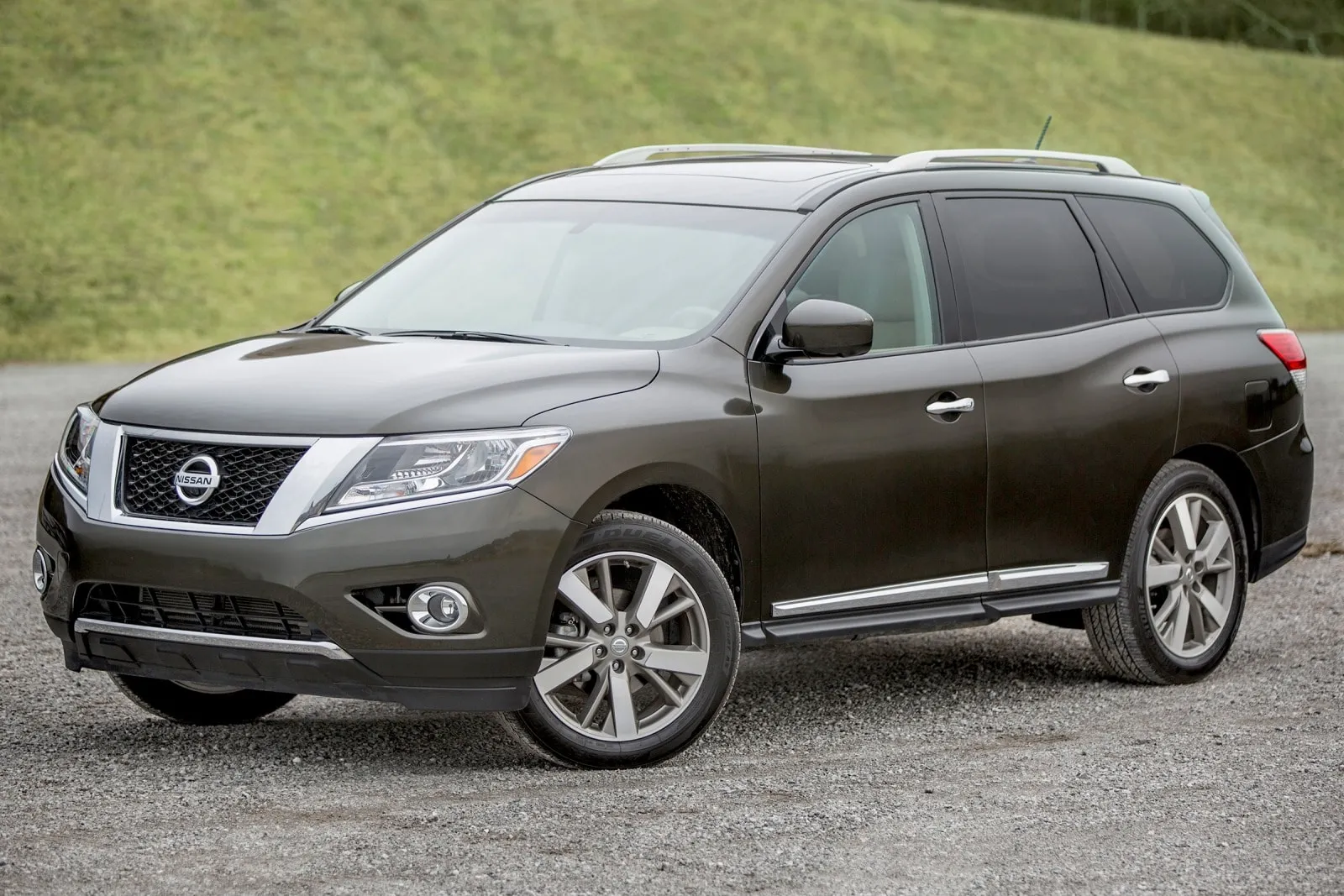
4. Nissan Pathfinder Platinum 2015
Many choose the 2015 Nissan Pathfinder Platinum for its V6 engine and towing capacity, but cabin quietness diminishes with age. Initial driving impresses with smoothness, yet road vibrations, wind noise, and engine hum become prominent after a few years.
Suspension components wear faster than in more insulated models, allowing noise to travel into the cabin. Drivers often comment that highway travel produces persistent wind whistling and minor rattles in trim panels. Interior insulation is thinner than in comparable models.
Door seals, carpeting, and roof padding allow vibrations and external sounds to reach passengers more easily. Audio systems compete with background hum, and conversations require slightly higher volume as mileage increases. CV joints and bushings may transmit more vibration than expected, reducing perceived comfort.
Long-term ownership reveals that maintenance can only do so much. Replacement of worn bushings or tightening panels alleviates minor issues, yet the entire quietness never reaches levels seen in vehicles engineered for silence. Drivers who value peaceful rides over power may regret the choice after a few years.
Even when the Pathfinder Platinum performs strongly in towing and off-road capability, interior serenity suffers. Drivers experience increased cabin noise on longer trips, making it less suitable for those who prioritise calm journeys with family or colleagues.
Also Read: 10 SUVs That Feel Sportier Than Sedans
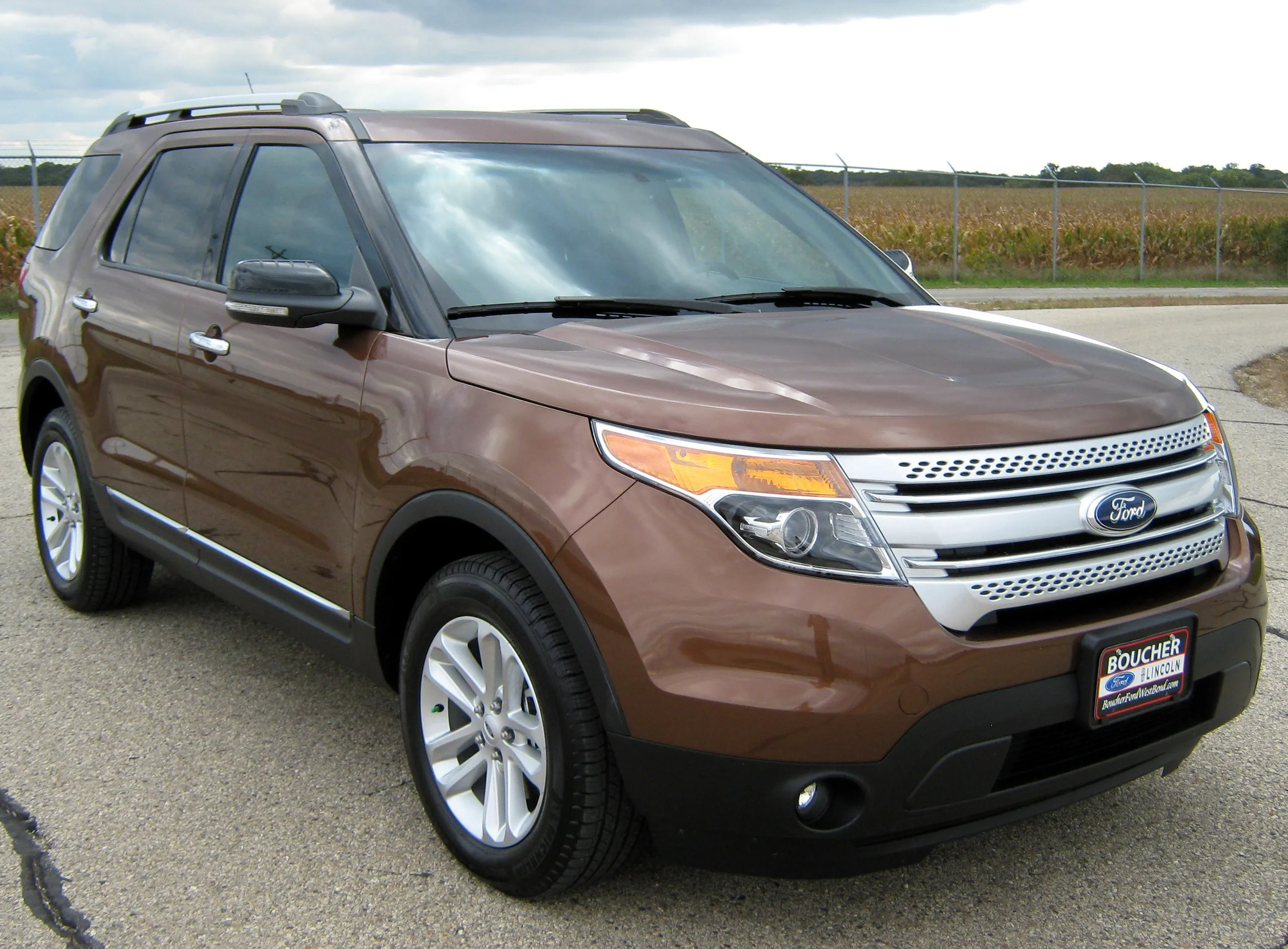
5. Ford Explorer XLT 2012
Owners of the 2012 Ford Explorer XLT find initial impressions promising, yet quiet operation fades quickly. Its 3.5 litre V6 engine produces noticeable vibration as engine mounts degrade as time goes on. Road imperfections and wind interference become more apparent, especially at highway speeds. Panels inside the cabin start to rattle, doors creak, and tire noise rises steadily.
Assembly and materials play a role in long-term disturbance. Lightweight trim, thin door seals, and minimal soundproofing allow noise to penetrate, producing cabin sounds that were absent when new. Suspension components transmit bumps more directly to the cabin, making long drives tiring. Audio systems and conversations compete with the increasing hum of the engine and road activity.
Maintenance mitigates some issues but cannot restore the original silence. Rubber mounts, bushings, and interior panels age, amplifying vibrations and rattles. Drivers frequently report persistent noise despite careful upkeep, showing that the Explorer XLT 2012 struggles to remain calm as time goes on.
Many long-term owners acknowledge that, while this SUV delivers performance and cargo capacity, it fails to preserve a peaceful environment for passengers. Noise accumulation remains a concern, demonstrating why this model is included among SUVs that do not stay quiet for decades.
