
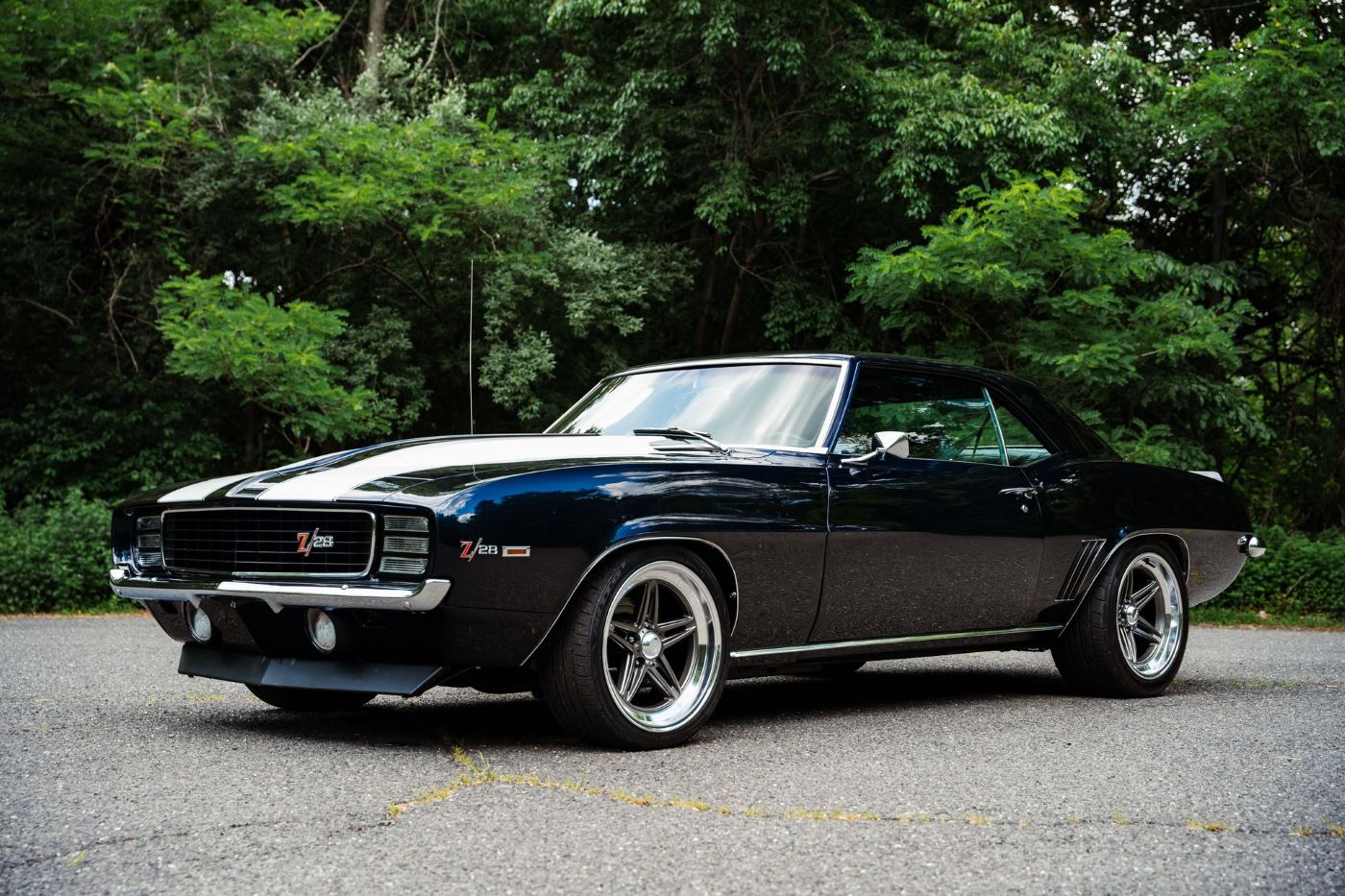
Classic cars carry a unique charm that modern vehicles rarely match. Their design, engineering, and character often make them timeless, and restoring one can be a rewarding experience. A restored car not only brings personal satisfaction but can also hold or even increase its value over time.
When choosing a car to restore, several factors matter. Availability of parts, the simplicity of mechanical systems, and the car’s historical significance can influence both the enjoyment and practicality of a restoration.
Some vehicles are known for reliability, while others are celebrated for style or performance, making them excellent candidates for a rebuild.
Restoring a car in 2025 is more accessible than ever. Knowledgeable communities, online forums, and specialty shops can help source rare parts, provide guidance, and ensure that even challenging projects are achievable.
With careful planning, restorers can bring a neglected classic back to life, creating a vehicle that is both functional and visually striking.
This list highlights ten cars that are worth restoring this year. Each model has qualities that make it appealing for enthusiasts, whether it’s a classic design, strong performance, or a reputation for durability.
These cars provide a blend of nostalgia, practicality, and investment potential, allowing restorers to enjoy the process while creating a vehicle that stands out on the road.
From sporty coupes to stylish sedans and iconic hatchbacks, these cars offer a chance to reclaim automotive history. With the right effort and attention, a restoration can transform a worn-out classic into a vehicle that is both enjoyable to drive and rewarding to own.
By focusing on cars that are achievable to restore and have lasting appeal, this list provides guidance for enthusiasts looking to take on a project that will deliver years of enjoyment and satisfaction.
Also Read: 10 Trucks That Deliver More Tech Than Teslas
1. Mazda MX-5 Miata (First Generation)
The first-generation Mazda MX-5 Miata is an iconic lightweight sports car that is highly rewarding to restore. Its simple mechanics, reliability, and timeless design make it an ideal project for enthusiasts looking to enjoy both the process and the result.
The Miata’s lightweight chassis and rear-wheel-drive layout provide an engaging driving experience. Even a restored early model delivers nimble handling and responsive steering, offering a driving feel that remains impressive decades after its introduction. For restorers, this combination of fun and simplicity makes it a practical and enjoyable project.
Interior restoration is straightforward. Seats and dashboards are durable, and replacement parts are widely available.
The cabin’s minimalist design allows restorers to focus on functionality and aesthetics without dealing with overly complex electronics or systems, making it suitable for first-time restorers or seasoned hobbyists alike.
Engine and drivetrain components are relatively easy to source and service. The Miata’s simple four-cylinder engine responds well to maintenance and tuning, and the car’s mechanical layout is well-documented, ensuring restorers have ample guidance.
Many owners report that a properly restored Miata retains strong reliability, making it not only fun to restore but also practical to drive.
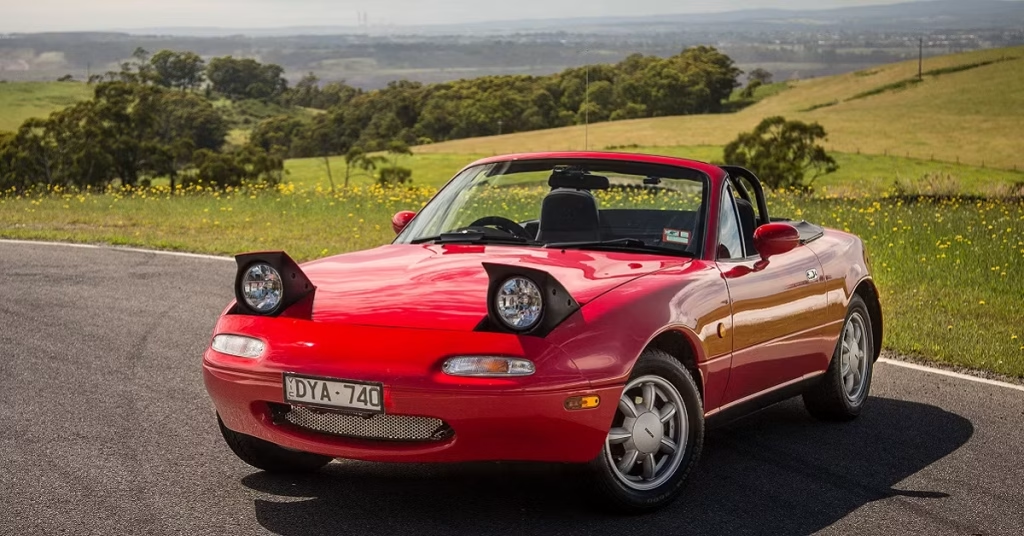
Exterior restoration is equally rewarding. The Miata’s clean, classic lines are instantly recognizable, and body panels are generally easy to work with. Paint and trim restoration can bring the car back to its original appeal or allow for tasteful customizations without excessive complexity.
Overall, the first-generation Mazda MX-5 Miata is a highly satisfying restoration project. Its combination of simplicity, driving enjoyment, and timeless design ensures that restorers are rewarded with a vehicle that is fun to own, visually appealing, and mechanically reliable for years to come.
2. Ford Mustang (1965-1966)
The 1965-1966 Ford Mustang is one of the most iconic American cars and a top choice for restoration. Its classic styling, widespread availability of parts, and enthusiastic community make it a practical and enjoyable project for both beginners and experienced restorers.
The Mustang’s simple engineering allows for straightforward mechanical work. Engines, transmissions, and suspension components are well-documented, and replacement parts are widely available.
This makes restoring drivability achievable without excessive complexity. The car’s rear-wheel-drive layout provides an authentic, engaging driving experience that only improves with careful restoration.
Interior restoration is manageable. Seats, dashboards, and trim components can be replaced or refurbished with relative ease, and many reproductions closely match the original style. This allows restorers to focus on creating a cabin that feels true to the Mustang’s classic character.
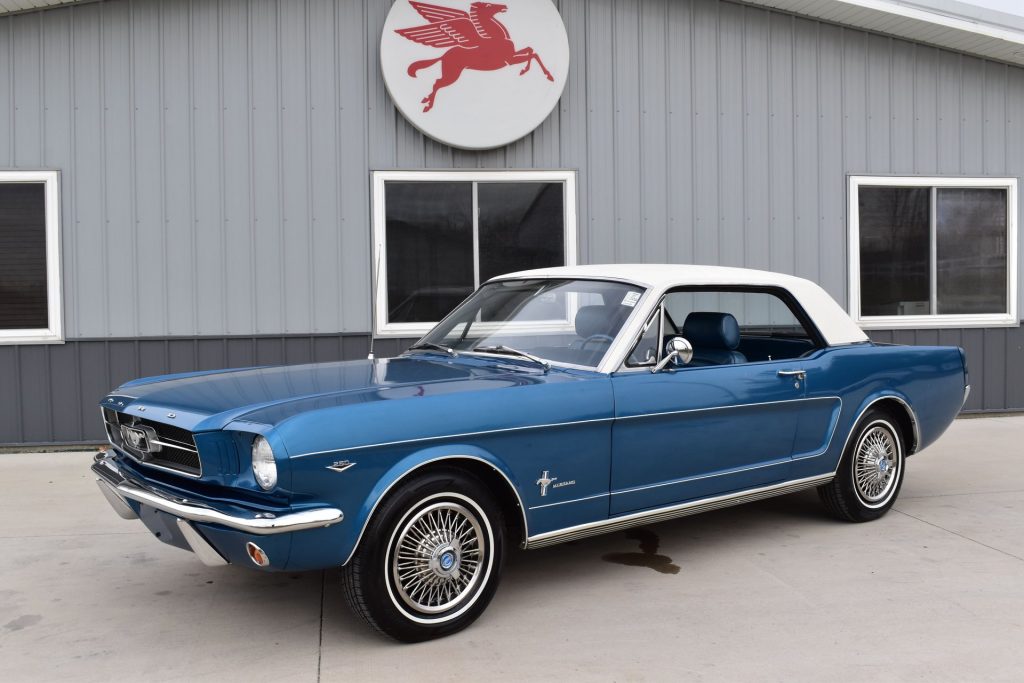
Exterior restoration is highly rewarding. The Mustang’s clean lines and iconic design elements, such as the grille, tail lights, and fastback roofline (if applicable), make the car instantly recognizable. Bodywork and paint restoration are supported by extensive aftermarket options, allowing restorers to achieve a professional finish.
Community support is a major advantage. Mustang clubs, online forums, and specialty shops provide guidance, parts, and advice, making the restoration process smoother. Restoring one of these Mustangs also offers investment potential, as well-maintained examples continue to appreciate in value.
Overall, the 1965-1966 Ford Mustang is a practical and satisfying restoration choice. Its combination of classic design, mechanical simplicity, and strong enthusiast support ensures that restorers can create a visually striking, reliable, and enjoyable vehicle that delivers both personal satisfaction and potential long-term value.
3. Chevrolet Camaro (1967-1969)
The Chevrolet Camaro from 1967 to 1969 is a classic American muscle car that offers a highly rewarding restoration project. Its bold styling, powerful engines, and cultural significance make it a sought-after vehicle for enthusiasts looking to revive a piece of automotive history.
The Camaro’s mechanical layout is straightforward. Engines and transmissions are well-documented, and parts are widely available, making it feasible to restore both drivability and performance.
Rear-wheel drive and responsive handling provide a genuine muscle car experience, and restoring these elements gives a satisfying result on the road.
Interior restoration is practical. Seats, dashboards, and trim pieces can be refurbished or replaced with aftermarket reproductions, allowing restorers to achieve a cabin that reflects the car’s original style. The simple design of the interior reduces the complexity often associated with modern electronics.
Exterior work is highly rewarding. The Camaro’s long hood, short deck proportions, and aggressive lines make it visually striking.
Replacement body panels, grilles, and trim are widely available, and repainting or restoring the original finishes can transform the car into a showpiece. Attention to detail during restoration ensures the car maintains its authentic appeal.
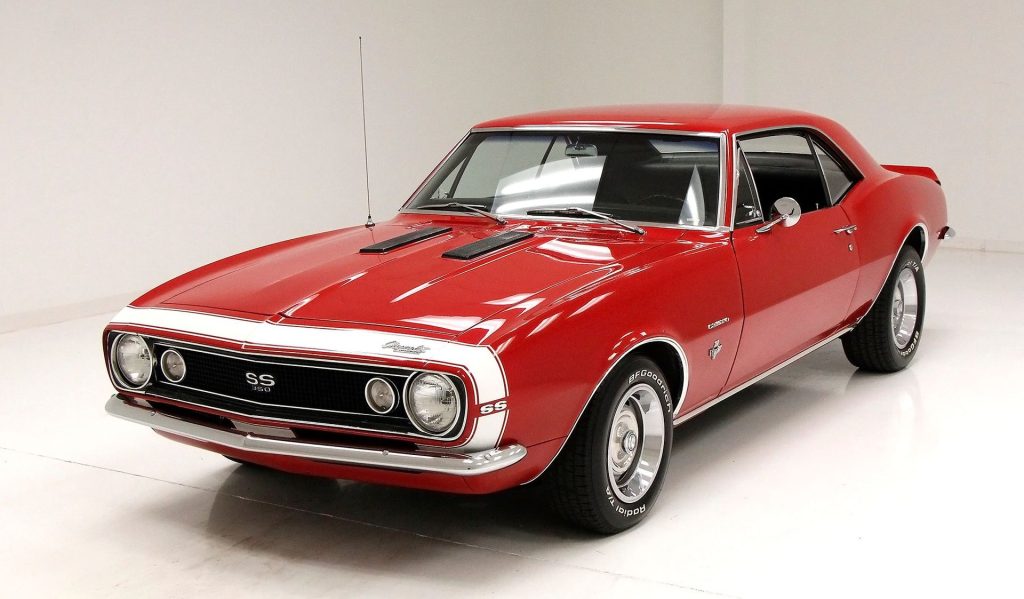
Community and enthusiast support are abundant. Camaro clubs, online forums, and specialty shops provide guidance, replacement parts, and resources that make restoration more manageable. Restoring a Camaro also offers potential investment value, as well-maintained examples are highly desirable in the collector market.
Overall, the 1967-1969 Chevrolet Camaro combines striking design, strong performance potential, and practical restoration options.
Its accessible parts and support network ensure restorers can create a visually appealing, mechanically sound, and enjoyable muscle car, making it an excellent choice for a 2025 restoration project.
4. Volkswagen Beetle (Classic)
The classic Volkswagen Beetle is one of the most popular cars to restore due to its simplicity, reliability, and iconic design. Its mechanical simplicity, plentiful parts, and global enthusiast community make it an ideal choice for both first-time and experienced restorers.
Mechanically, the Beetle is straightforward. Its air-cooled engine is simple to maintain and rebuild, and the drivetrain is easy to service. Replacement parts are readily available, and many workshops are familiar with these vehicles, reducing challenges during restoration.
The rear-engine layout gives it a unique driving feel, and a well-restored Beetle provides an engaging yet manageable experience.
The interior is minimal but functional. Seats, dashboards, and trim components are easy to refurbish or replace. Restorers can recreate the classic Beetle charm with period-correct parts or choose subtle upgrades while maintaining authenticity. The simplicity of the cabin makes restoration accessible and enjoyable.
Exterior restoration is particularly satisfying. The Beetle’s rounded shape and iconic fenders make it instantly recognizable. Body panels are widely available, and repainting can bring even a worn-out model back to its original glory. Chrome accents, bumpers, and trim pieces further enhance the visual appeal of a restored Beetle.
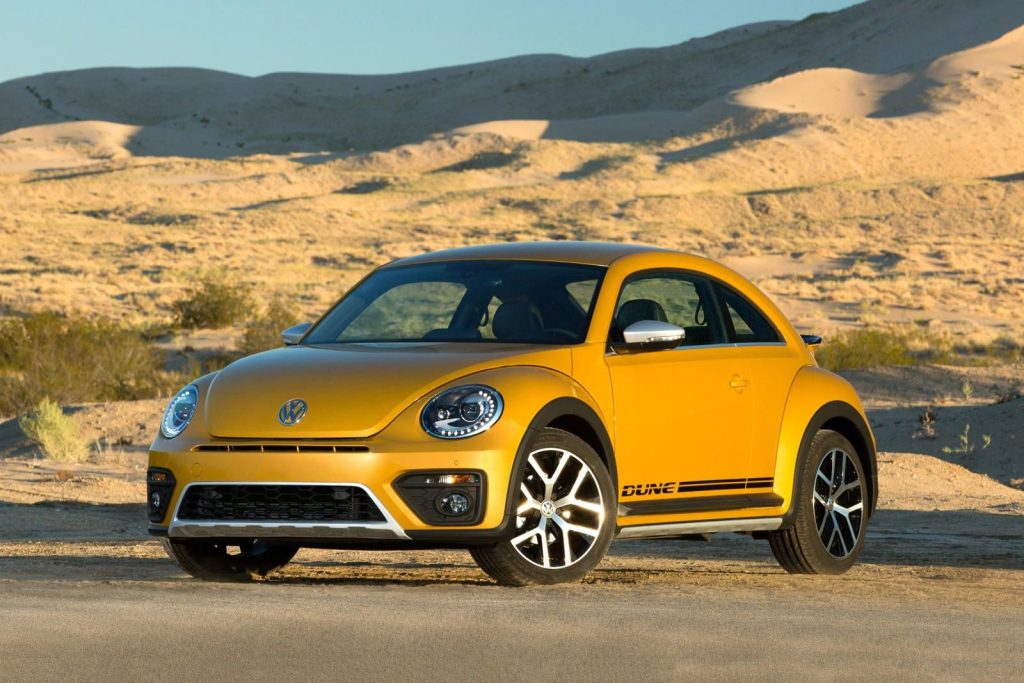
Community support is strong. Beetle clubs, online forums, and specialty suppliers provide advice, parts, and restoration tips. This network makes sourcing components and troubleshooting issues much easier. Restored Beetles can also hold their value well, making them rewarding both personally and financially.
Overall, the classic Volkswagen Beetle offers a simple yet satisfying restoration project. Its iconic design, mechanical accessibility, and enthusiast support ensure that restorers can create a reliable, attractive, and fun-to-drive vehicle that celebrates automotive history while delivering long-term enjoyment.
5. Datsun 240Z
The Datsun 240Z is a classic Japanese sports car that has become highly desirable for restoration. Its sleek design, balanced handling, and reliable mechanicals make it an ideal project for enthusiasts looking to revive a piece of automotive history.
Mechanically, the 240Z is straightforward. The inline-six engine is robust, and replacement parts are increasingly available through specialty suppliers.
Suspension and drivetrain components are simple to work on, making it practical to restore both performance and drivability. Restored examples retain the agile handling and responsive steering that made the 240Z a standout in its era.
Interior restoration is manageable. Seats, dashboards, and trim pieces can be refurbished or sourced from aftermarket suppliers. The interior design is simple and driver-focused, allowing restorers to maintain the car’s classic character without dealing with complex electronics or outdated systems.
Exterior restoration is highly rewarding. The 240Z’s long hood, flowing lines, and fastback design make it visually striking. Body panels are largely available, and repainting the original colors or performing tasteful restorations can transform the car into a showpiece. Chrome trim and badges add to its classic appeal.
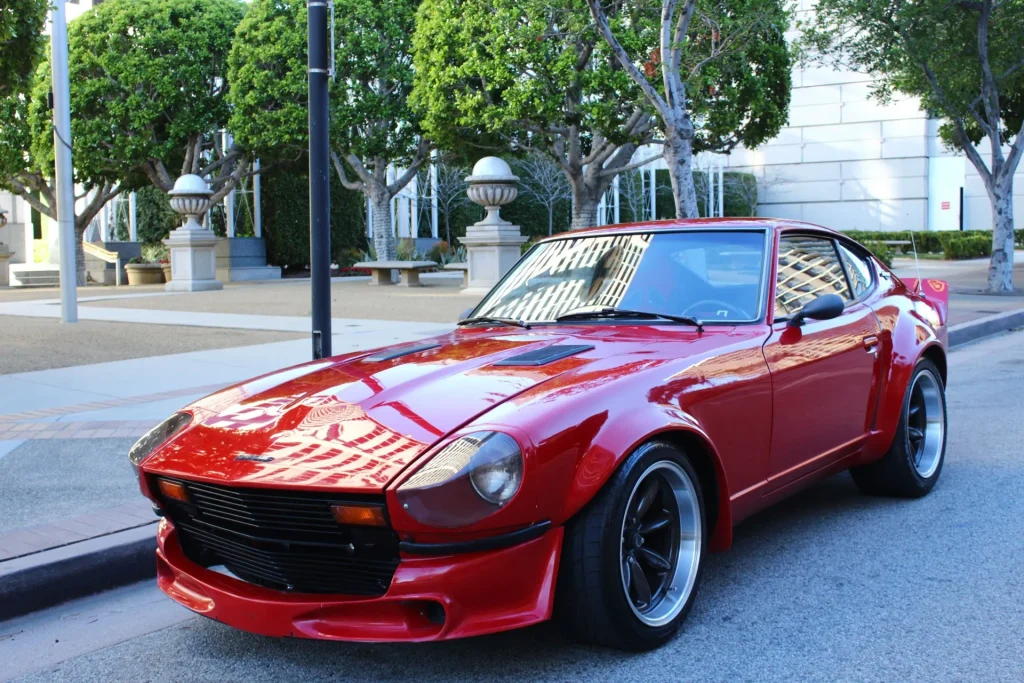
Community support is excellent. Enthusiast clubs and online forums provide advice, parts sourcing, and technical guidance, making restoration projects more achievable. Knowledgeable networks also help with sourcing hard-to-find components and ensuring accuracy in maintaining authenticity.
Restored 240Zs hold significant investment potential. Well-maintained cars have steadily increased in value, making the restoration process rewarding not only personally but also financially.
Driving a restored 240Z offers a blend of classic sports car charm, responsive handling, and vintage style that is difficult to replicate in modern vehicles.
Overall, the Datsun 240Z is an excellent candidate for restoration. Its combination of mechanical simplicity, striking design, and enthusiast support ensures that restorers can create a reliable, enjoyable, and visually appealing sports car that will remain relevant and admired for years to come.
6. Pontiac Firebird (1967-1969)
The Pontiac Firebird from 1967 to 1969 is an American muscle car that is highly rewarding to restore. Its aggressive styling, powerful engine options, and collectible status make it a top choice for enthusiasts seeking a project with lasting appeal.
Mechanically, the Firebird is accessible. V8 engines are robust and relatively easy to maintain, while transmissions and suspension components are well-documented and widely available.
This simplicity allows restorers to focus on performance and drivability without unnecessary complications. Rear-wheel drive provides the classic muscle car feel, making each restored example a joy to drive.
Interior restoration is practical. Seats, dashboards, and trim components can be refurbished or sourced from aftermarket suppliers. The cabin design is straightforward, enabling restorers to recreate an authentic 1960s driving experience while maintaining comfort and usability.
Exterior work is highly satisfying. The Firebird’s long hood, sleek lines, and distinctive front grille make it visually striking. Replacement panels, badges, and trim pieces are widely available, allowing restorers to achieve an authentic or customized look. Repainting in classic or period-correct colors can dramatically enhance its appearance.
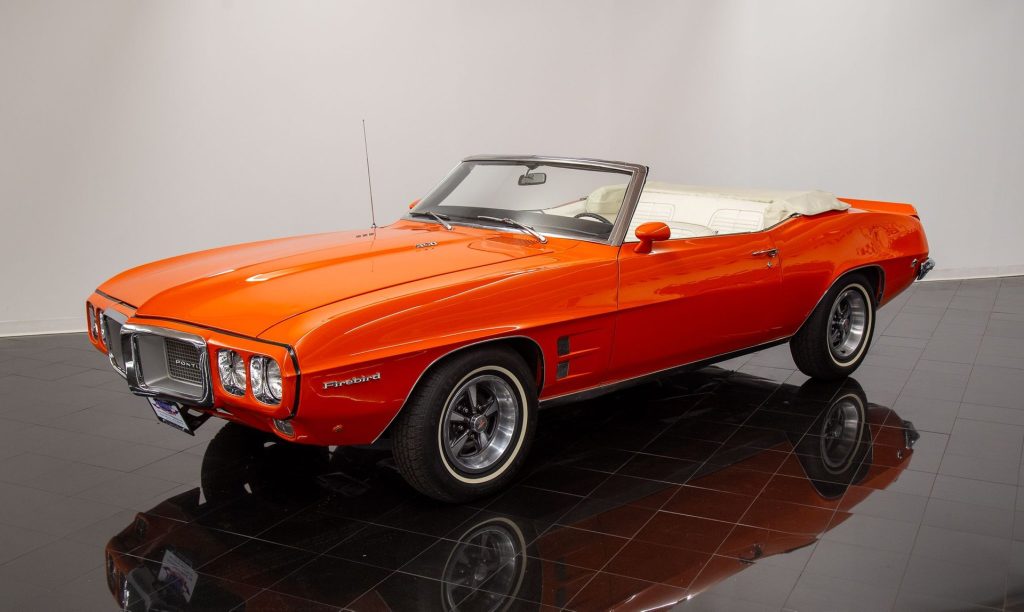
Community and enthusiast support are strong. Pontiac clubs, online forums, and specialty shops provide guidance, parts, and restoration tips, making the process smoother. Restored Firebirds also tend to hold value well, offering both personal enjoyment and investment potential.
Overall, the 1967-1969 Pontiac Firebird combines striking design, mechanical simplicity, and restoration practicality. Its iconic appearance, robust performance, and enthusiast support make it an excellent candidate for restoration, ensuring that completed projects are enjoyable to drive, visually appealing, and historically significant.
7. Chevrolet Corvette C3
The Chevrolet Corvette C3, produced from 1968 to 1982, is an iconic American sports car that is highly rewarding to restore. Its sleek, aggressive styling, powerful V8 engines, and unique fiberglass body panels make it a standout project for enthusiasts seeking both style and performance.
Mechanically, the Corvette C3 is manageable. V8 engines are robust and have a wealth of aftermarket support, making repairs and restorations feasible.
Suspension and drivetrain components are well-documented and relatively simple to service, which helps maintain the car’s legendary handling and performance characteristics. Rear-wheel drive ensures a classic sports car driving experience once restoration is complete.
Interior restoration is straightforward. Seats, dashboards, and trim pieces can be refurbished or sourced from aftermarket suppliers. The cabin design emphasizes driver engagement, allowing restorers to recreate an authentic sports car experience without dealing with overly complicated systems or electronics.
Exterior restoration is particularly satisfying. The Corvette C3’s long hood, swooping fenders, and distinctive rear styling are instantly recognizable.
Fiberglass panels, chrome accents, and trim pieces are readily available, allowing restorers to achieve a professional finish. Repainting or restoring the original color schemes can dramatically enhance the car’s presence on the road.
Community support is strong. Corvette clubs, online forums, and specialty shops offer guidance, parts, and restoration expertise, making even challenging projects more achievable.
Enthusiast networks also provide tips for maintaining originality, sourcing rare components, and improving performance while keeping the car historically accurate.
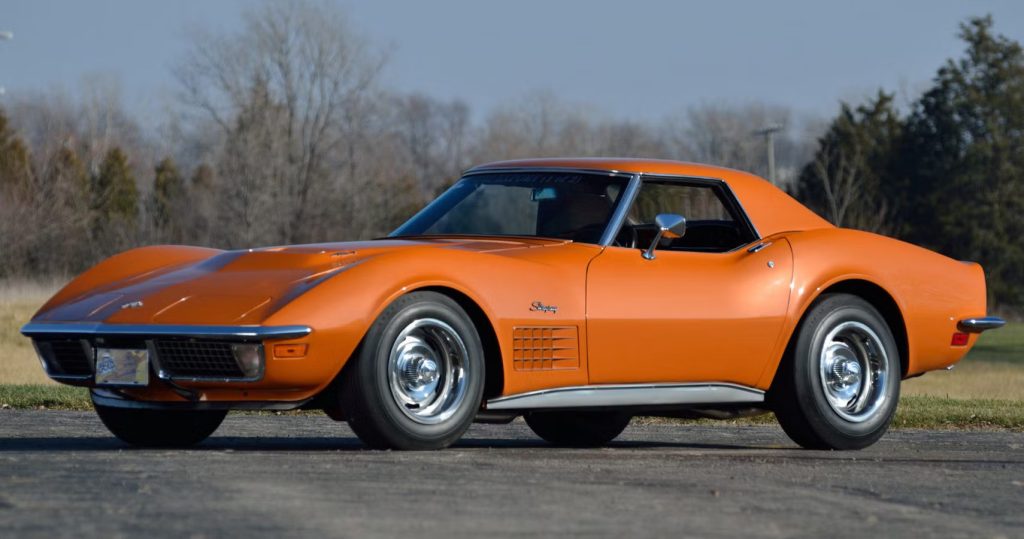
Restored Corvette C3 models hold value well, combining personal satisfaction with potential investment returns. Driving a restored Corvette offers a visceral experience, with powerful acceleration, sharp steering, and the unique feel of a vintage American sports car.
Overall, the Chevrolet Corvette C3 is an excellent candidate for restoration. Its combination of mechanical simplicity, iconic design, and enthusiast support ensures that restorers can create a visually stunning, reliable, and thrilling sports car that delivers both enjoyment and long-term appeal.
8. Mercedes-Benz W123
The Mercedes-Benz W123, produced between 1976 and 1985, is a legendary classic known for durability, engineering quality, and timeless styling. It is highly sought after for restoration due to its mechanical simplicity and ability to deliver a reliable and comfortable driving experience for decades.
Mechanically, the W123 is straightforward. Its inline-four and six-cylinder engines are durable and well-supported, making them easy to rebuild or restore. Suspension components and drivetrain parts are widely available, ensuring that the car can be returned to excellent driving condition without extensive difficulties.
Interior restoration is practical. Seats, dashboards, and trim components are durable, and replacement parts or high-quality reproductions are readily available. The cabin design is simple and ergonomic, allowing restorers to maintain authenticity while upgrading comfort if desired.
Exterior work is rewarding. The W123’s boxy, elegant design has aged gracefully, and body panels, chrome trim, and badges can be restored to near-original condition. Its classic look is instantly recognizable, making a restored example both stylish and historically significant.
Community and enthusiast support are extensive. Mercedes-Benz clubs, online forums, and specialty shops provide guidance, parts sourcing, and technical knowledge, making restoration projects accessible and more efficient. Restored W123 models also hold value well in the collector market.
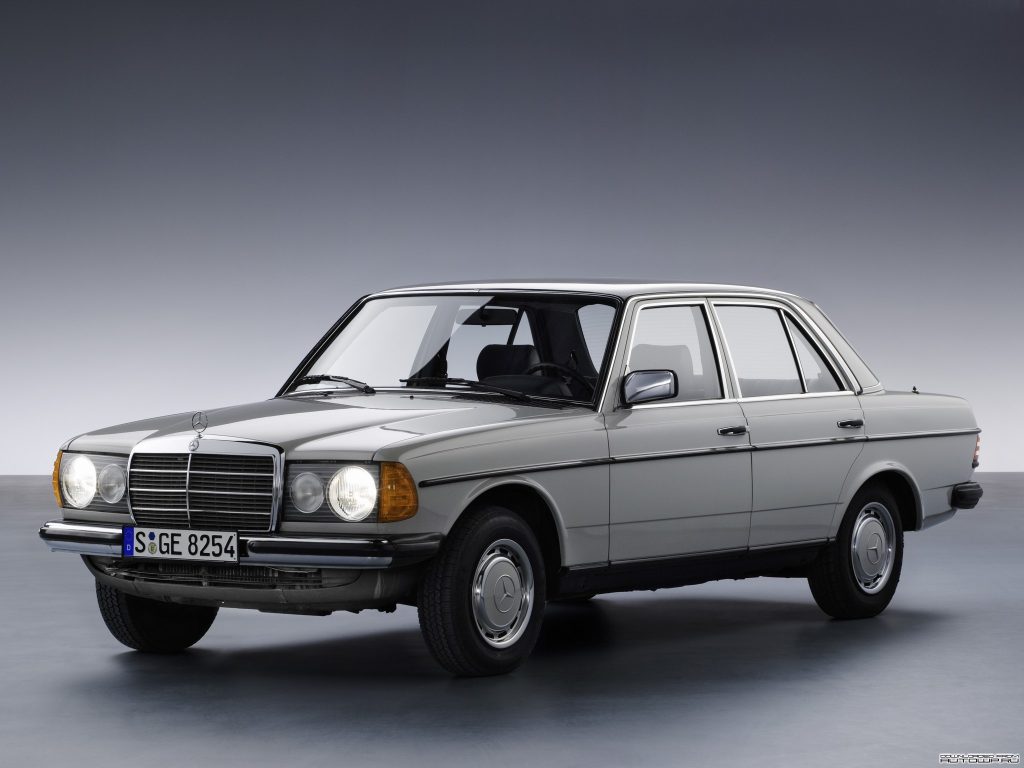
Overall, the Mercedes-Benz W123 is a practical and satisfying restoration project. Its combination of mechanical reliability, timeless design, and enthusiast support ensures that restorers can create a durable, visually appealing, and enjoyable vehicle that reflects one of the most respected cars in automotive history.
9. Porsche 944
The Porsche 944, produced from 1982 to 1991, is a classic sports car that offers a rewarding restoration project. Its balanced handling, front-engine rear-wheel-drive layout, and sleek styling make it appealing for enthusiasts seeking both performance and classic European design.
Mechanically, the 944 is relatively accessible. Its four-cylinder engine is robust and rebuildable, with a wide availability of parts through specialty suppliers.
Suspension components, brakes, and drivetrain systems are well-documented, making restoration of driving performance achievable. Restored examples provide the precise handling and responsive feel that Porsche is known for.
Interior restoration is manageable. Seats, dashboards, and trim panels can be refurbished or replaced with aftermarket reproductions. The cabin design is driver-focused and straightforward, allowing restorers to maintain the car’s sporty character while upgrading comfort where desired.
Exterior restoration is particularly satisfying. The 944’s wedge-shaped design, pop-up headlights, and clean lines are distinctive and timeless.
Body panels, bumpers, and trim components are available from aftermarket suppliers, making it possible to restore the car to show-quality condition. Repainting in original or period-correct colors can dramatically enhance its visual appeal.
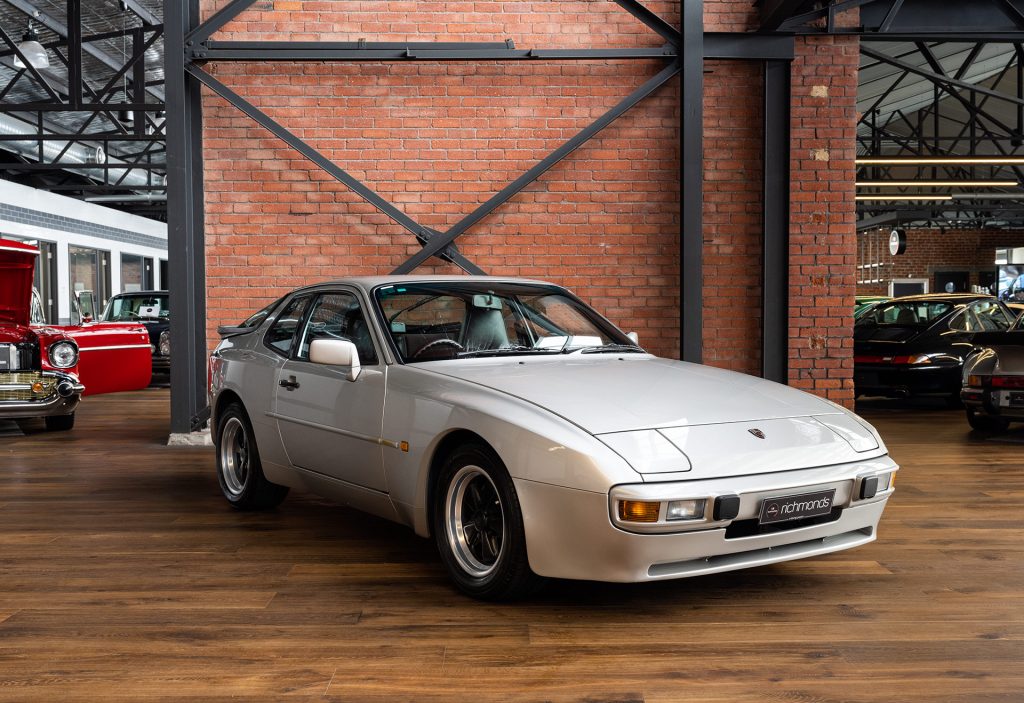
Community support is strong. Porsche clubs and online forums provide guidance, parts sourcing, and restoration advice, helping ensure that even complex tasks are achievable. Knowledgeable networks also assist with maintaining originality while improving performance or drivability.
Restored 944 models offer personal satisfaction and potential investment value. Driving a restored 944 delivers a balanced, engaging experience, combining responsive steering, predictable handling, and classic sports car charm.
Overall, the Porsche 944 is an excellent choice for restoration. Its combination of accessible mechanics, distinctive design, and enthusiast support ensures restorers can create a reliable, visually appealing, and enjoyable sports car that remains relevant and admired decades after its original production.
10. Toyota Land Cruiser FJ40
The Toyota Land Cruiser FJ40 is a legendary off-road vehicle that has become a favorite for restoration projects. Its rugged design, mechanical simplicity, and strong reliability make it ideal for enthusiasts seeking both challenge and reward.
Mechanically, the FJ40 is straightforward. Its durable inline-six engine and simple drivetrain components are well-supported, allowing restorers to rebuild or refurbish the vehicle with relative ease. Suspension, axles, and brakes are simple and reliable, making it practical to restore for both driving and off-road use.
Interior restoration is simple but effective. Seats, dashboards, and trim pieces can be refurbished or replaced, and the minimalistic interior design reduces complexity during restoration.
Maintaining authenticity is straightforward, while small upgrades can enhance comfort without altering the vehicle’s character.
Exterior work is highly satisfying. The FJ40’s boxy, iconic shape and rugged lines make it instantly recognizable. Replacement panels, bumpers, and trim pieces are widely available, and repainting the original colors or restoring a classic patina can create a striking visual presence.
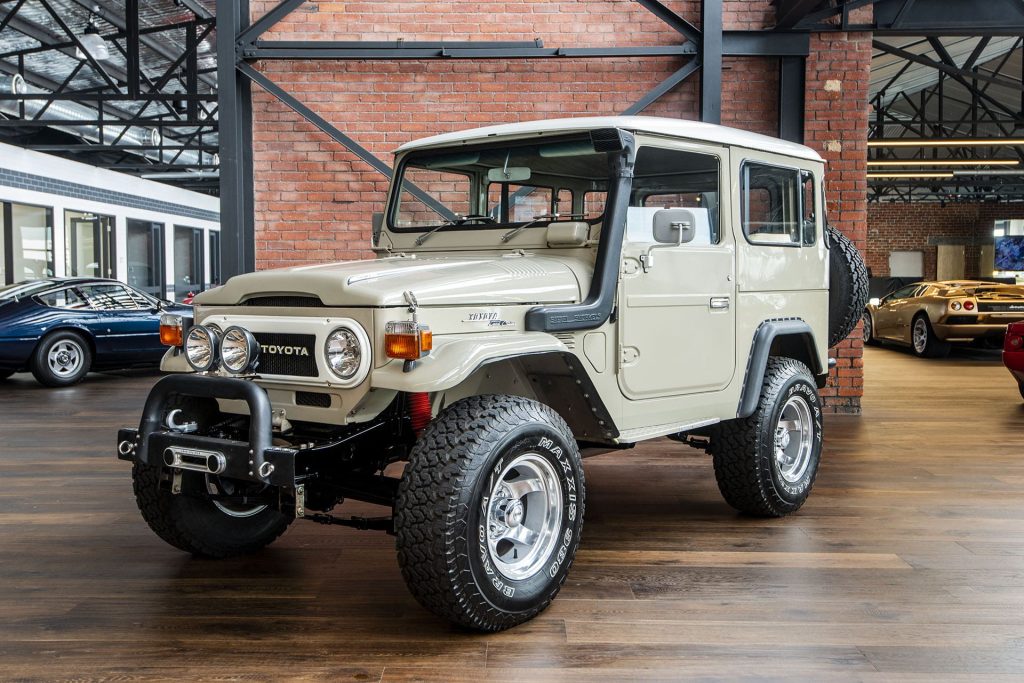
Community and enthusiast support are extensive. FJ40 clubs, forums, and specialty shops provide guidance, parts sourcing, and technical knowledge, making even complex restorations achievable. Restored FJ40s also hold value exceptionally well, reflecting both historical significance and demand in the collector market.
Overall, the Toyota Land Cruiser FJ40 is a practical and rewarding restoration project. Its combination of mechanical simplicity, iconic styling, and strong enthusiast support ensures restorers can create a reliable, visually appealing, and capable off-road vehicle that will be admired and enjoyed for years to come.
