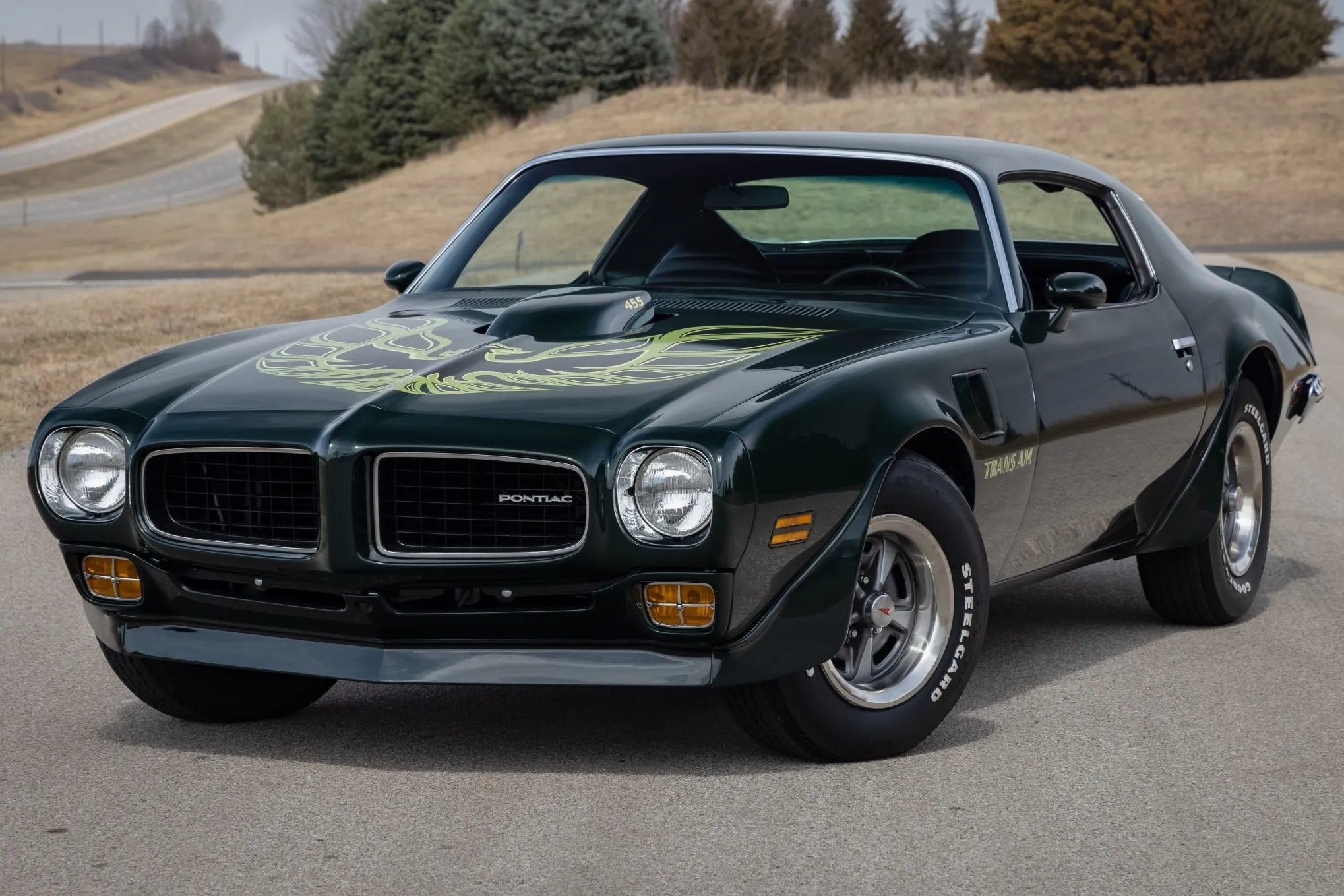
For many car enthusiasts, the allure of classic American muscle lies not just in raw power but in timeless style, unmistakable presence, and the thrill of a roaring V8 engine. Yet the idea that owning a muscle car requires a six-figure budget often keeps potential collectors at bay.
Fortunately, a remarkable number of vintage performance machines remain surprisingly attainable in 2025. From the bold curves of the 1973 Dodge Charger Rallye to the compact aggression of the 1969 AMC AMX, these cars deliver iconic looks and exhilarating driving experiences without breaking the bank.
Each model tells a story of its era, reflecting the engineering innovation, styling trends, and ambition that defined the muscle car golden age. In this guide, we explore ten classic muscle cars that combine affordability with authenticity, offering enthusiasts the chance to own a piece of automotive history and enjoy the thrill of American muscle on the road today.
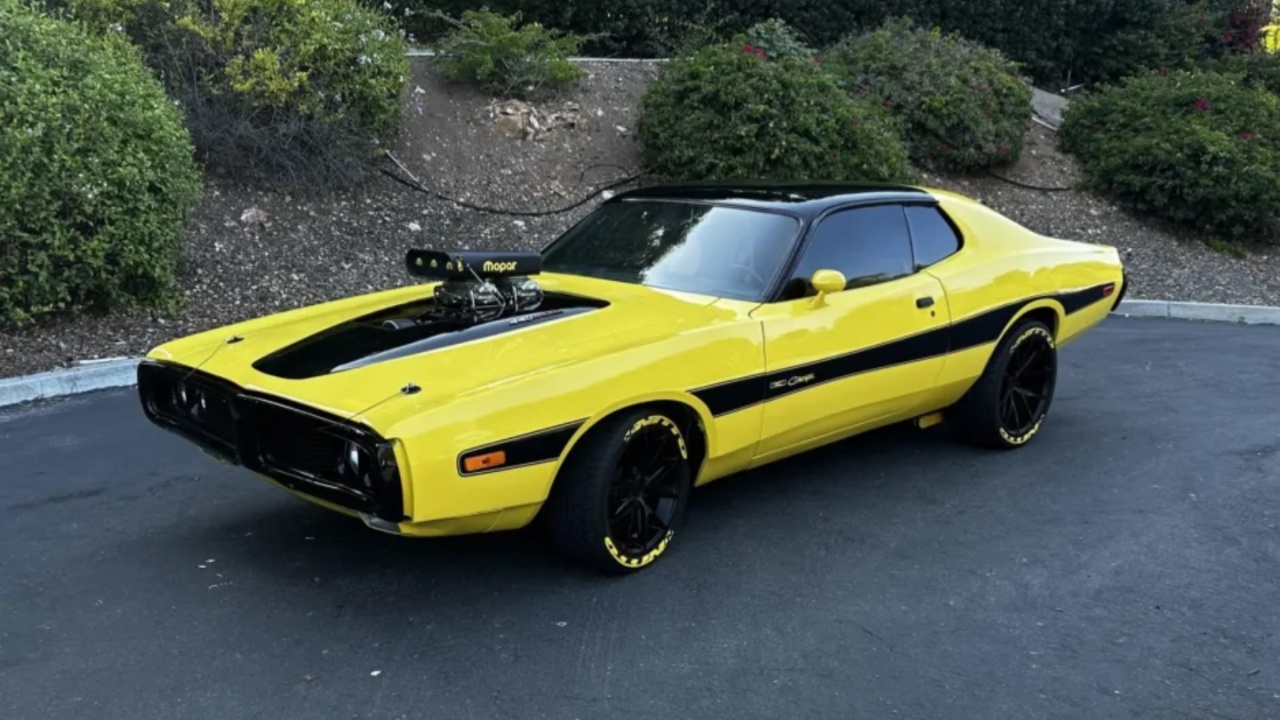
1. 1973 Dodge Charger Rallye – The Affordable Muscle Car Sweet Spot
The 1973 Dodge Charger Rallye stands as one of the most attainable ways to experience genuine American muscle without spending a fortune. Priced at around $15,400 in good condition, this model captures the spirit of the classic V8 era while offering remarkable value for collectors and enthusiasts in 2025.
Although the 1970s are often remembered as the decline of the muscle car era, the Charger Rallye of 1973 managed to preserve much of what made these cars special with bold styling, raw power, and an unmistakable attitude.
By 1973, the golden age of muscle cars had begun to fade due to rising insurance premiums and stricter emissions regulations, but Dodge’s third-generation Charger refused to surrender its performance roots entirely.
While it had evolved from the sharp, aggressive look of the late 1960s into a more mature and fuller-bodied design, the Charger still exuded power and confidence. This generation reflected the changing tastes of the early seventies, with a slightly larger profile and a more refined appearance, yet it remained distinctly American in character and performance.
Under the hood, the 1973 Dodge Charger Rallye offered several engine choices, but the standout option was the 340-cubic-inch 5.8-liter V8 that produced 240 horsepower and 290 pound-feet of torque.
This engine propelled the car from zero to sixty miles per hour in about 8.2 seconds, which was impressive for its time. It provided enough muscle to keep the Charger’s reputation alive even as other manufacturers began to prioritize fuel economy over performance. The Rallye trim added both visual flair and handling improvements.
The package included front and rear sway bars, a power bulge hood, hood pins, sporty body stripes, and unique badging. Together, these elements gave the car a more aggressive stance and a sportier driving character, ensuring that it still felt like a proper muscle car in an era of growing compromise.
What makes the 1973 Charger Rallye particularly attractive today is its affordability. According to data from Hagerty and Classic.com, a well-preserved Rallye with the 340 V8 typically sells for around $15,200 to $15,400, placing it far below the sky-high prices of late-1960s Chargers.
Even pristine, low-mileage examples that have crossed auction blocks remain within reach of average buyers. This makes the third-generation Charger one of the most affordable entry points into the world of classic American performance cars.
For roughly the same price as a used Mazda Miata, buyers can own a piece of true muscle car heritage with the rumbling soundtrack and commanding road presence that modern vehicles struggle to replicate.
The 1973 Dodge Charger Rallye represents the perfect balance between affordability, style, and authenticity. It may not have the instant recognition of its predecessors, but it embodies the essence of the muscle car spirit at a fraction of the cost.
With its 5.8-liter V8 engine producing 240 horsepower and 290 pound-feet of torque and an estimated zero to sixty time of 8.2 seconds, this car remains a thrilling reminder of a bygone era. In 2025, it continues to offer enthusiasts a genuine slice of Americana that is powerful, distinctive, and surprisingly attainable.
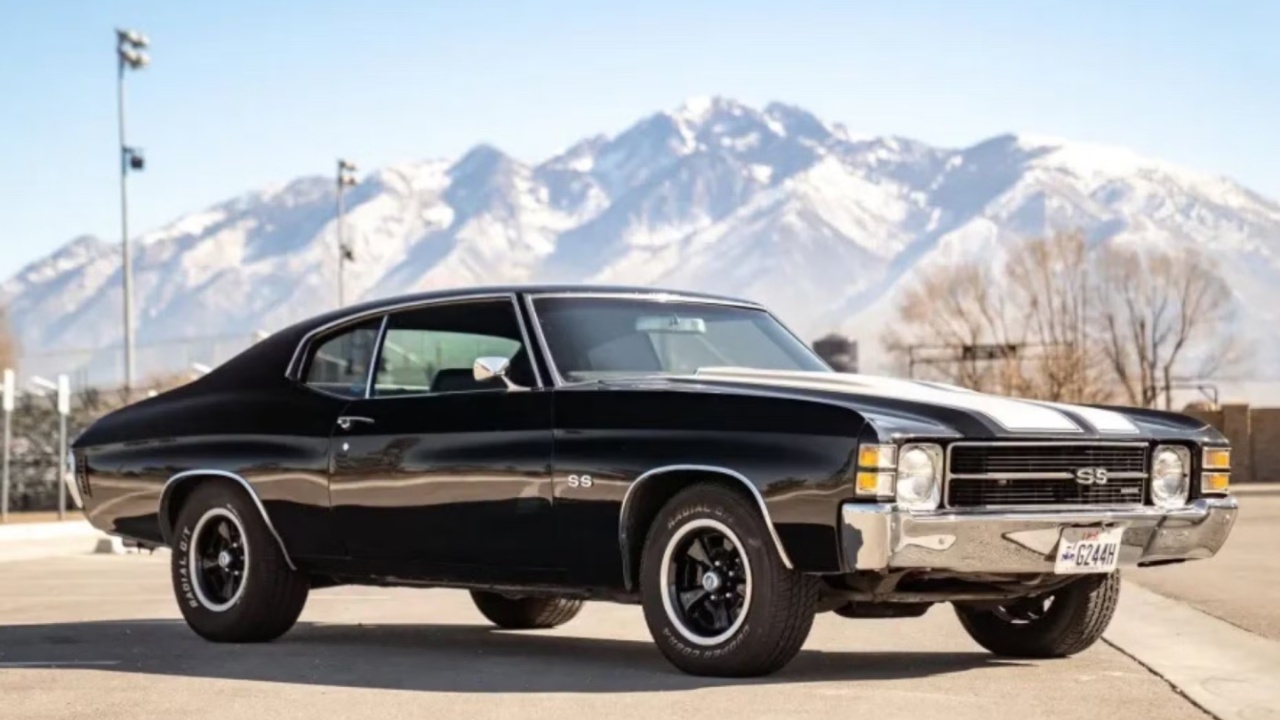
2. 1971 Chevrolet Chevelle SS – A Classic Powerhouse with Lasting Appeal
The 1971 Chevrolet Chevelle SS remains one of the most iconic and sought-after muscle cars from the golden era of American performance vehicles. With a market price of around $24,200 for a well-kept model, it offers a balance between classic power, collectible value, and nostalgic charm.
Equipped with a 5.7-liter V8 engine producing 270 horsepower and 360 pound-feet of torque, the Chevelle SS could accelerate from zero to sixty miles per hour in just 6.4 seconds, a remarkable feat for the early 1970s. Though it marked the beginning of the end for the first wave of true muscle cars, the 1971 Chevelle SS retained enough strength and style to solidify its place in automotive history.
Chevrolet introduced the Chevelle in 1964 to fill the mid-size segment of its lineup and compete directly with the Ford Fairlane. Versatile in form, the Chevelle was offered as a two-door, four-door, and station wagon, and even served as the base for the El Camino.
From the start, Chevrolet recognized the rising muscle car trend and developed a high-performance version known as the Super Sport, or SS. Early versions came equipped with upgraded suspensions and brakes, and by the late 1960s, the Chevelle SS had become a true powerhouse, boasting engines as large as 396 cubic inches despite General Motors’ temporary restriction on big-block motors for mid-size cars.
The second generation of the Chevelle, introduced in 1968, brought with it a completely new design that enthusiasts still consider the most visually striking. The car’s aggressive “Coke bottle” shape, long hood, and short deck gave it the perfect muscle car proportions.
The SS package, which returned as a performance option, became synonymous with raw power and style. When GM lifted its engine size restriction in 1970, the Chevelle SS could finally be fitted with the monstrous 454-cubic-inch V8, cementing its legend as one of the most powerful production cars of its time.
Though the 1971 model’s output was slightly reduced due to tightening emissions standards, it retained the same imposing design and thrilling driving experience.
What truly sets the 1971 Chevelle SS apart is its combination of reliability, simplicity, and durability. Owners often praise its rugged build quality and straightforward mechanics, making it one of the most dependable classics from the muscle car era.
Maintenance costs are surprisingly reasonable, with most issues related to routine wear and tear, such as power steering pumps, control arms, and wheel bearings. For enthusiasts who enjoy working on their own vehicles, the Chevelle’s simple, spacious engine bay makes it easy to maintain.
Despite its age, the 1971 Chevelle SS continues to be an excellent investment. According to Hagerty, top-condition examples can reach over $80,000, while even fair-condition models hold strong values around $30,000.
The car’s enduring desirability ensures that restoration projects are almost always worth the effort, as these vehicles rarely depreciate. For collectors and enthusiasts alike, the Chevelle SS offers the perfect blend of style, performance, and historical significance.
The 1971 Chevrolet Chevelle SS remains a timeless representation of American automotive muscle. It delivers the thrill of V8 performance, an unmistakable design, and a level of reliability that few cars of its era can match.
With its 270-horsepower 5.7-liter V8 engine, 360 pound-feet of torque, and impressive 6.4-second sprint to sixty miles per hour, it continues to captivate both seasoned collectors and new admirers, proving that true muscle never goes out of style.
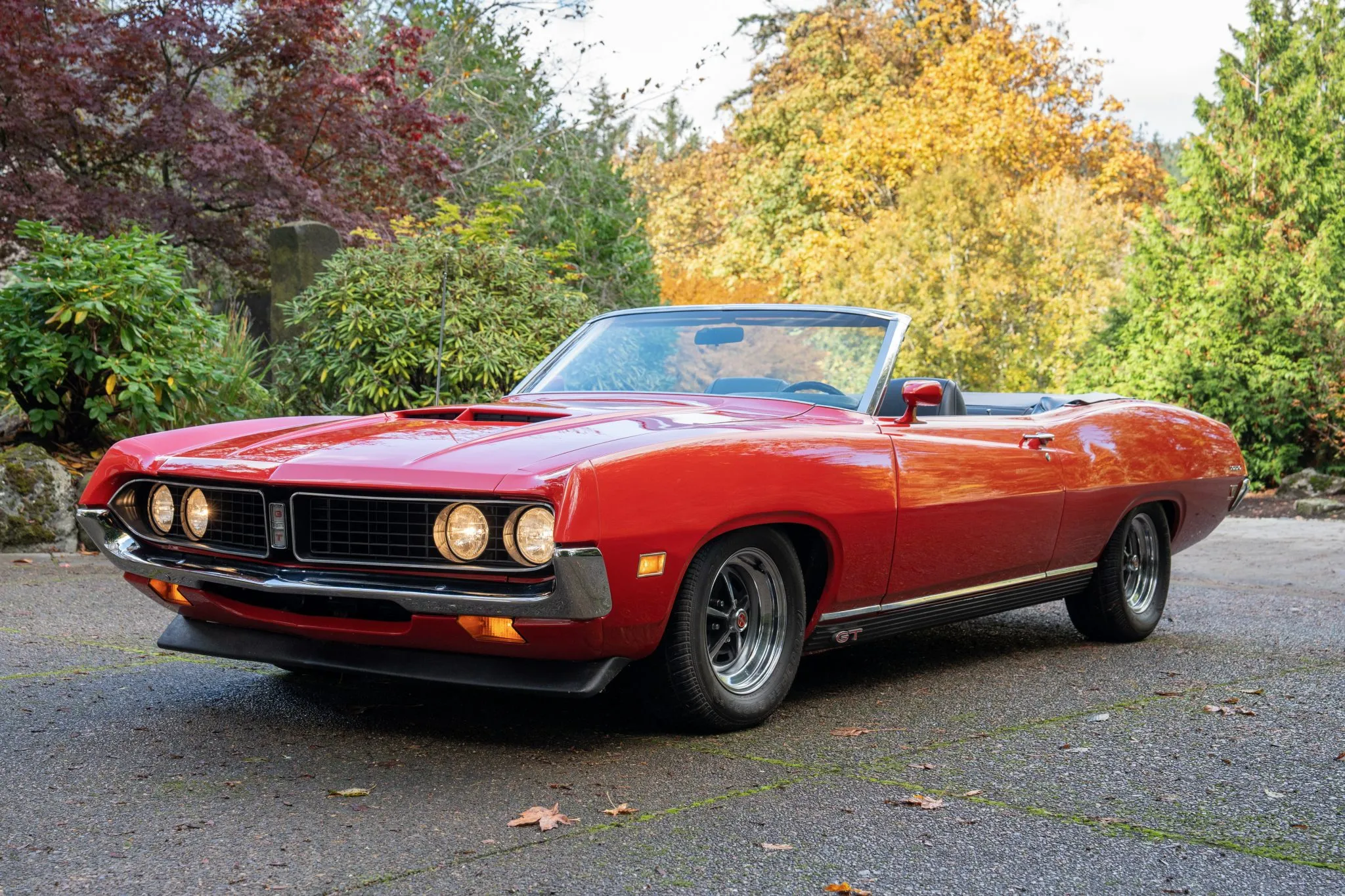
3. 1971 Ford Torino GT – The Underrated Powerhouse of the Muscle Car Era
The 1971 Ford Torino GT has long stood in the shadow of its more famous contemporaries, yet it remains one of the most capable and beautifully styled muscle cars of its generation. Priced around $25,100 in today’s market, the Torino GT offers a near-perfect blend of power, style, and attainability.
Beneath its sculpted fastback body lies a 5.8-liter V8 engine producing 285 horsepower and 370 pound-feet of torque, enough to push the car from zero to sixty miles per hour in 6.8 seconds. Those figures make it competitive with some of the best-known muscle cars of the early 1970s while maintaining a level of comfort and refinement that made it appealing to a wide audience.
In 1971, Ford dropped the Fairlane and Falcon nameplates entirely, allowing the Torino to take center stage as the brand’s premier mid-size performance line. Buyers could choose from fourteen configurations, ranging from practical four-door sedans and wagons to the sporty Torino GT, offered as a convertible or a sleek “SportsRoof” fastback.
The GT model received a divided grille with a center emblem, and hideaway headlights were available as an option, giving the car a refined yet aggressive appearance. Beneath its stylish exterior, the Torino GT carried forward the legacy of Ford’s aerodynamic “SportsRoof” design, a look first inspired by racing needs in the early 1960s that became synonymous with performance by the end of the decade.
The standard engine for the 1971 Torino GT was the 351-cubic-inch (5.8-liter) V8, which produced 285 horsepower, but Ford also offered several upgrades for buyers seeking more excitement.
The most coveted among them was the 429 Cobra Jet, a 370-horsepower monster that turned the Torino GT into a serious drag-strip contender. While that version commands a significant premium today, the 351-powered GT remains a highly rewarding alternative, delivering impressive performance and a savings of roughly $12,000 compared to the top-tier model.
With 31,641 units sold in 1971, the GT was a success in its day, and that healthy production helps keep prices relatively affordable for collectors in 2025.
The appeal of the Torino GT extends beyond performance numbers; it lies in the personal stories of those who have cherished these cars for decades. Dave Hartman of Plover, Wisconsin, is one such enthusiast. His lifelong passion for the Torino began when he saw one while working at a Buick dealership as a teenager.
Since then, he has owned three white 1971 Torino GTs, each with the signature factory laser stripes. His current car, a Wimbledon White example with a 429 Cobra Jet engine and column-mounted shifter, represents the culmination of his years-long search for the perfect version. “For me, this is the pinnacle, this is the top of the line,” Hartman says.
Hartman’s Torino is largely original, with only minor restoration work done to preserve its authentic character. The car features a C6 automatic transmission, power steering, tinted glass, and an AM radio. The interior remains in remarkable condition, and the car still wears its second paint job from the late 1980s.
While minor imperfections exist, Hartman prefers it that way, choosing to drive and enjoy the car rather than keep it locked away as a display piece. “You want a car to drive,” he explains. “You don’t want to set it on display.”
The 1971 Ford Torino GT embodies the evolution of the American muscle car as it transitioned from the raw aggression of the 1960s to the more refined, aerodynamic designs of the 1970s. Its fastback “SportsRoof” styling, strong V8 performance, and everyday drivability make it one of the most balanced and underappreciated classics of its era.
With its 285-horsepower 5.8-liter V8 and 6.8-second sprint to sixty, it remains a symbol of Ford’s engineering confidence and a reminder that true muscle can be both powerful and practical. In today’s market, the Torino GT stands as an excellent value for enthusiasts seeking a genuine vintage experience without the inflated price tag of more famous nameplates.
4. 1969 Plymouth Barracuda Formula S 383 – The Forgotten Gem of the Muscle Car Era
The 1969 Plymouth Barracuda Formula S 383 remains one of the most overlooked yet rewarding muscle cars of its time, combining true late-1960s performance and striking design with affordability. Valued at around $25,100 today, it represents one of the most accessible entry points into classic Mopar ownership.
Powered by a 6.3-liter 383 cubic inch V8 that produces 330 horsepower and 425 pound-feet of torque, the Formula S 383 could reach sixty miles per hour in just 5.6 seconds, delivering serious muscle car performance in a smaller, more agile package.
The Barracuda story began in 1964 as a fastback version of the compact Plymouth Valiant. It was designed to compete with Ford’s Mustang but never quite achieved the same sales success. However, its unique combination of compact dimensions, sporty styling, and available performance upgrades made it a favorite among enthusiasts.
Early Barracudas featured Chrysler’s reliable slant-six engines, but Plymouth quickly realized the growing demand for more powerful pony cars. This led to the introduction of the Formula S package, which added stronger V8 engines, upgraded suspension, larger tires, and improved handling.
By 1967, the second generation of the Barracuda arrived, giving the car a completely new look and identity. The design became more distinctive and refined, featuring smoother lines and a sportier stance that separated it from the Valiant.
The Formula S trim emphasized performance with improved suspension, unique badging, and an array of available V8 engines, including the now-famous 383 cubic inch big block. This engine transformed the compact Barracuda into a true street performer, capable of holding its own against larger and heavier muscle cars from Ford, Chevrolet, and Dodge.
The 1969 model year marked the peak of the second-generation Barracuda’s evolution. Plymouth introduced the Cuda name as a performance-oriented variant available with the 340, 383, or 440 cubic inch engines. The Formula S 383 occupied the ideal middle ground between raw power and everyday drivability.
With 330 horsepower and 425 pound-feet of torque, it offered impressive straight-line performance without the handling issues of the heavier 440-powered versions. Its lightweight A-body chassis made it surprisingly agile, and the car’s balanced proportions gave it an appealing mix of muscle and maneuverability.
Inside, the 1969 Barracuda Formula S 383 offered an elegant yet sporty cabin. Features such as bucket seats, wood-grain trim, and rear seat armrests with integrated ashtrays provided a sense of luxury that was rare in its class. The Formula S package added further refinement, with special medallions and subtle design touches that made the car stand out from the standard versions.
The rarity of the 1969 Barracuda Formula S 383 is part of its lasting appeal. As one of the final models of the second generation, it was soon overshadowed by the more famous third-generation Barracuda introduced in 1970.
That later version, built on Chrysler’s E-body platform, became a cultural icon and now commands extremely high prices among collectors. For enthusiasts seeking the same Mopar charm without the six-figure cost, the 1969 Formula S 383 is a much smarter investment.
Owning a 1969 Plymouth Barracuda Formula S 383 today offers the perfect mix of power, style, and historical significance. With its 6.3-liter V8 delivering 330 horsepower and 425 pound-feet of torque, it remains a quick and capable performer even by modern standards.
At around $25,100 in 2025, it stands as one of the best value-for-money classic muscle cars on the market. For those who appreciate classic design, authentic V8 performance, and the thrill of driving a true American legend, the Barracuda Formula S 383 is a timeless choice that continues to earn respect among collectors and enthusiasts alike.
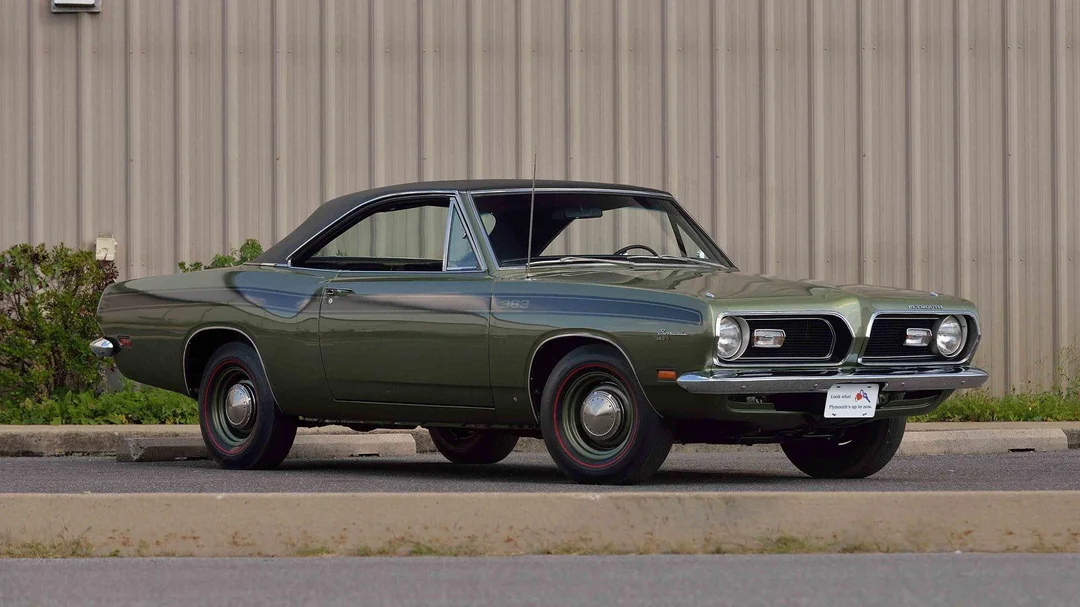
5. 1967 Chevrolet Impala SS – A Classic Blend of Muscle and Comfort
The 1967 Chevrolet Impala SS stands as a quintessential example of American muscle cars that also deliver comfort and everyday usability. Priced at around $25,800 today, it remains one of the more affordable entries into classic Chevy ownership while offering solid performance and iconic styling.
The model tested by Car Craft magazine’s Dick Scritchfield featured the 5.4-liter 327 V8 producing 275 horsepower and 355 pound-feet of torque, allowing the full-size Impala to reach sixty miles per hour in 7.8 seconds. This made it a balanced performer for a car of its size, providing both straight-line muscle and a stable, comfortable ride.
In 1967, Chevrolet sold 575,600 Impalas, of which 76,055 were Super Sports models. The SS trim added bucket seats, a vinyl interior, a blacked-out grille, and distinctive hubcaps, elevating the car’s style and exclusivity. Engine options varied, but for around $30,000 in today’s market, the 327 V8 represents the best value for a classic muscle car.
The car tested by Scritchfield was equipped with a 325-horsepower 396 big-block and a Turbo Hydra-Matic transmission, standard rearend gears of 2.73, front disc brakes, full instrumentation, and a floor-mounted shifter with a center console.
While on paper this combination might have seemed underwhelming for such a large car, the Chancellors Car Club of Van Nuys, California, praised the Impala SS for its exceptional handling, smooth ride, and stability even on rough roads and tight corners.
The interior of the 1967 Impala SS impressed reviewers with its thoughtful layout and full instrumentation package, which included a dash-mounted tachometer, oil pressure, battery, and temperature gauges.
These enhancements made monitoring the car’s performance intuitive and stylish. The Chancellors also highlighted practical considerations, such as the benefit of wide tires for improved handling and safety, reflecting the car’s thoughtful design for both performance and comfort.
Beyond aesthetics and comfort, the Impala SS demonstrated tunability and mechanical potential. When the tested car was dynoed at 4,000 rpm, it produced 156 horsepower at the wheels.
After adjustments to power timing, ignition components, fuel-air mixture, and thermostat, the dyno output increased by 67 horsepower, highlighting how the car could be easily enhanced with expert tuning. This accessibility to performance upgrades, combined with its already capable 327 V8, makes the 1967 Impala SS an attractive option for enthusiasts who want both classic looks and driving excitement.
The 1967 Chevrolet Impala SS remains a compelling choice for collectors and muscle car enthusiasts due to its combination of affordability, comfort, style, and tuning potential.
Its classic lines, roomy interior, and stable handling set it apart from other muscle cars of the era, while the 327 V8 engine delivers sufficient performance to satisfy both casual drivers and those seeking a car capable of more spirited driving. For anyone entering the classic car market, the Impala SS offers a balanced and rewarding experience that blends nostalgia, practicality, and pure American muscle.
Also read: 10 Cars That Have Cult Followings You Didn’t Know About
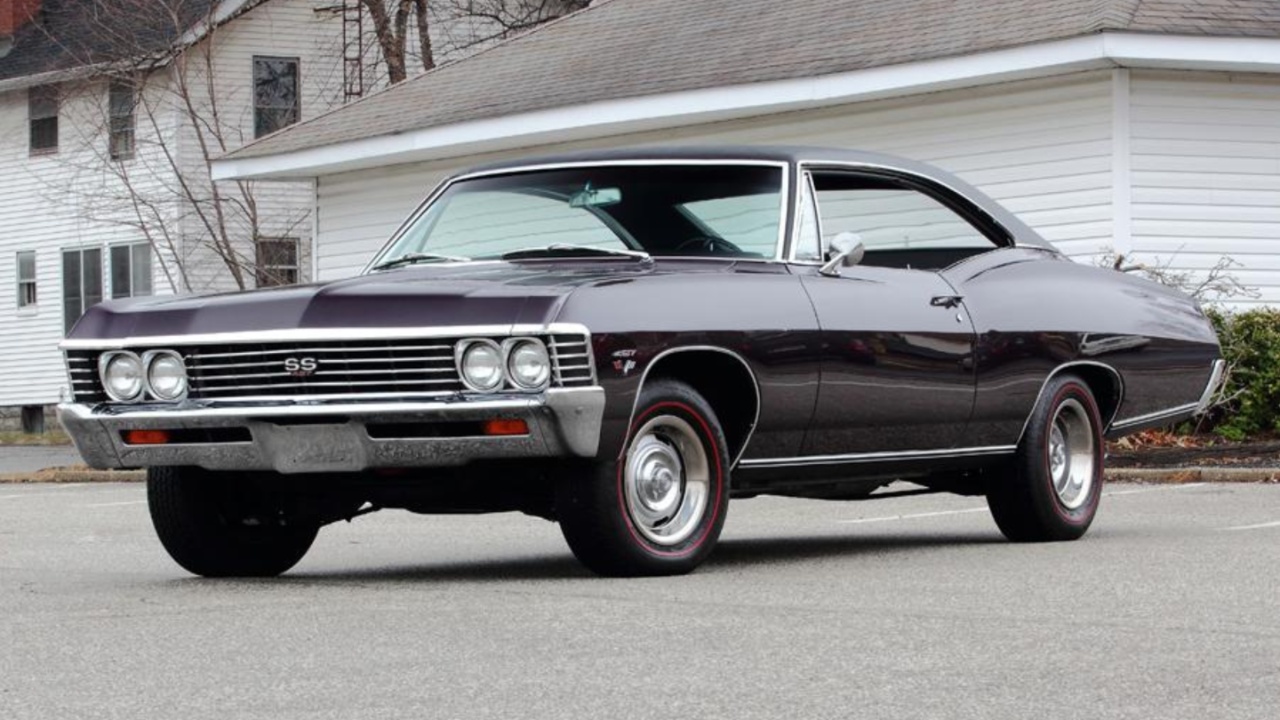
6. 1968 Chevrolet Camaro – Affordable Classic Muscle
The 1968 Chevrolet Camaro offers an accessible entry into the world of classic muscle cars, with prices starting around $26,400 for a well-maintained example. Powered by a 5.4-liter V8 producing 210 horsepower and 310 pound-feet of torque, it can accelerate from zero to sixty miles per hour in approximately 6.5 seconds.
While it may not match the higher-performance SS or Z/28 models of the era, it still delivers the iconic styling and driving experience that made the Camaro a legend. Early models with the 327 cubic-inch V8 offer even more power, reaching 275 horsepower, making them attractive for enthusiasts seeking performance without spending over fifty thousand dollars.
Reliability in a 1968 Camaro is heavily dependent on maintenance and care. Rust is the most significant concern, particularly in common trouble spots such as rocker panels, floor pans, wheel arches, and subframes.
Prospective buyers should closely inspect these areas for damage or poorly repaired patches, as rust can compromise both safety and long-term value. A car with a documented maintenance history will generally be more dependable, while modifications, if done correctly, can improve performance but may introduce reliability risks if executed poorly.
The engine and drivetrain are typically robust, with options such as the Muncie “Rock Crusher” transmission known for durability, but the condition depends on previous use and upkeep. High-compression engines, like those found in Z/28 models, may require high-octane or lead-substitute fuel to avoid knocking if converted to modern gasoline.
Before purchasing, a professional inspection is strongly recommended to identify hidden issues, especially rust or subframe weaknesses. Buyers should also maintain realistic expectations, recognizing that a classic Camaro will require more maintenance than a contemporary vehicle and budgeting for potential repairs.
With careful selection and upkeep, the 1968 Chevrolet Camaro offers a compelling blend of classic style, driving excitement, and affordability in the muscle car market.
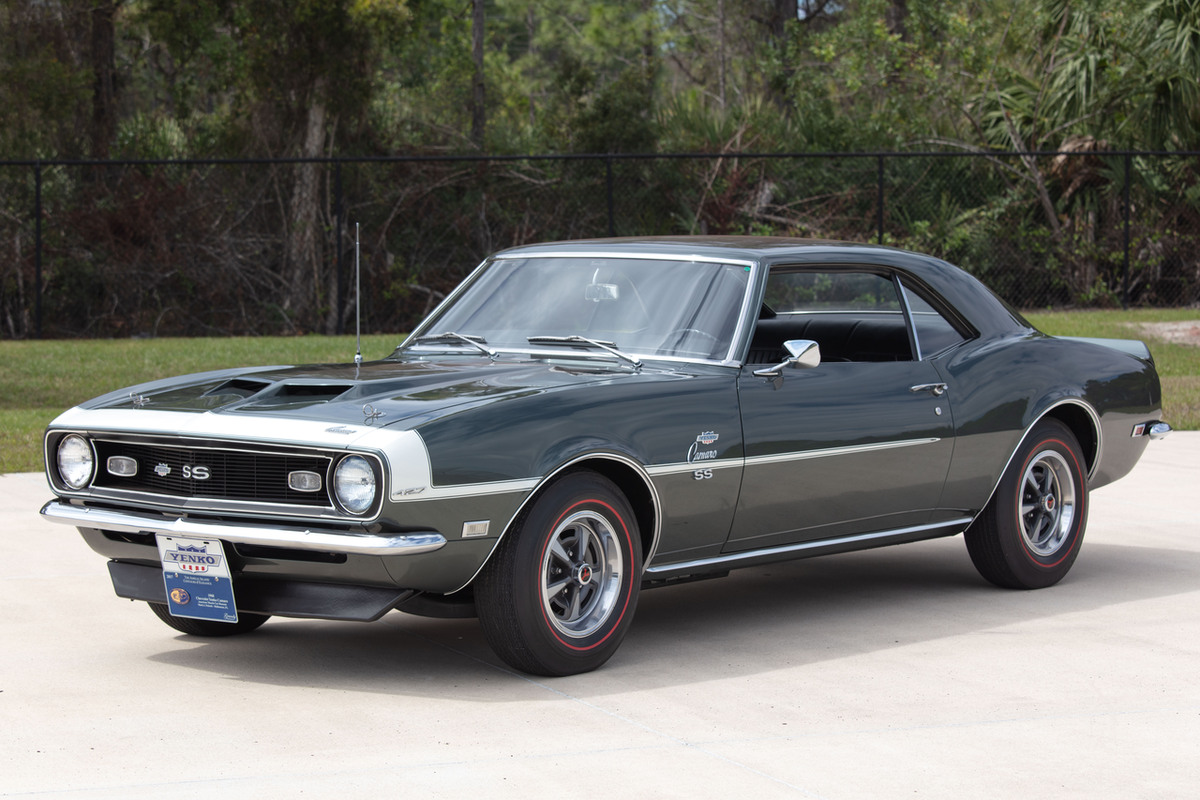
7. 1967 Pontiac GTO – Power, Style, and Heritage
The 1967 Pontiac GTO holds a special place in automotive history as one of the pioneering muscle cars that defined the 1960s era. With a price tag of around $26,900, it offers collectors and enthusiasts a chance to own a high-performance classic without venturing into the six-figure market.
The 1967 model introduced subtle refinements over its predecessors, adopting a slightly curvier body that enhanced its aggressive stance. The front grille featured polished chain-link inserts, and the tail lights were reshaped, giving the car a modernized look while keeping its signature muscular charm intact.
This careful evolution in design preserved the GTO’s iconic identity while presenting a more streamlined and appealing appearance.
Performance was at the heart of the 1967 GTO’s appeal. The standard engine was a 400-cubic-inch V8, a step up from the earlier 389-cid unit, producing 335 horsepower with a four-barrel carburetor.
For buyers seeking more power, the High Output option raised output to 360 horsepower through modifications including a higher-lift camshaft, free-flow exhaust manifolds, and an open-element air cleaner. Among the 81,722 GTOs produced in 1967, only 13,827 were equipped with the High Output engine, adding rarity and desirability.
A Ram Air package was also available, featuring stronger valve springs, a longer-duration cam, and functional hood scoops, though just 751 cars left the factory with this configuration. These options allowed drivers to experience true high-performance driving directly from the factory.
Transmission choices provided versatility for different driving preferences. Buyers could select three- or four-speed manual transmissions with Hurst shifters or the three-speed Turbo Hydra-matic automatic.
Ram Air-equipped GTOs required a 4.33:1 axle ratio and offered the unique Dual Gate floor shifter, allowing a mix of automatic convenience and fully manual control. Inside, the cabin combined function with style, featuring a woodgrain vinyl dash and an optional hood-mounted tachometer that enhanced the car’s sporty feel.
Collectors value the 1967 Pontiac GTO for its combination of performance, design, and heritage. The upgraded 400-cid engine, rare High Output and Ram Air options, and refined styling make this car a standout example of classic American muscle.
For enthusiasts seeking an authentic experience of 1960s muscle car culture, the 1967 GTO delivers excitement, elegance, and a connection to one of the most celebrated periods in automotive history.
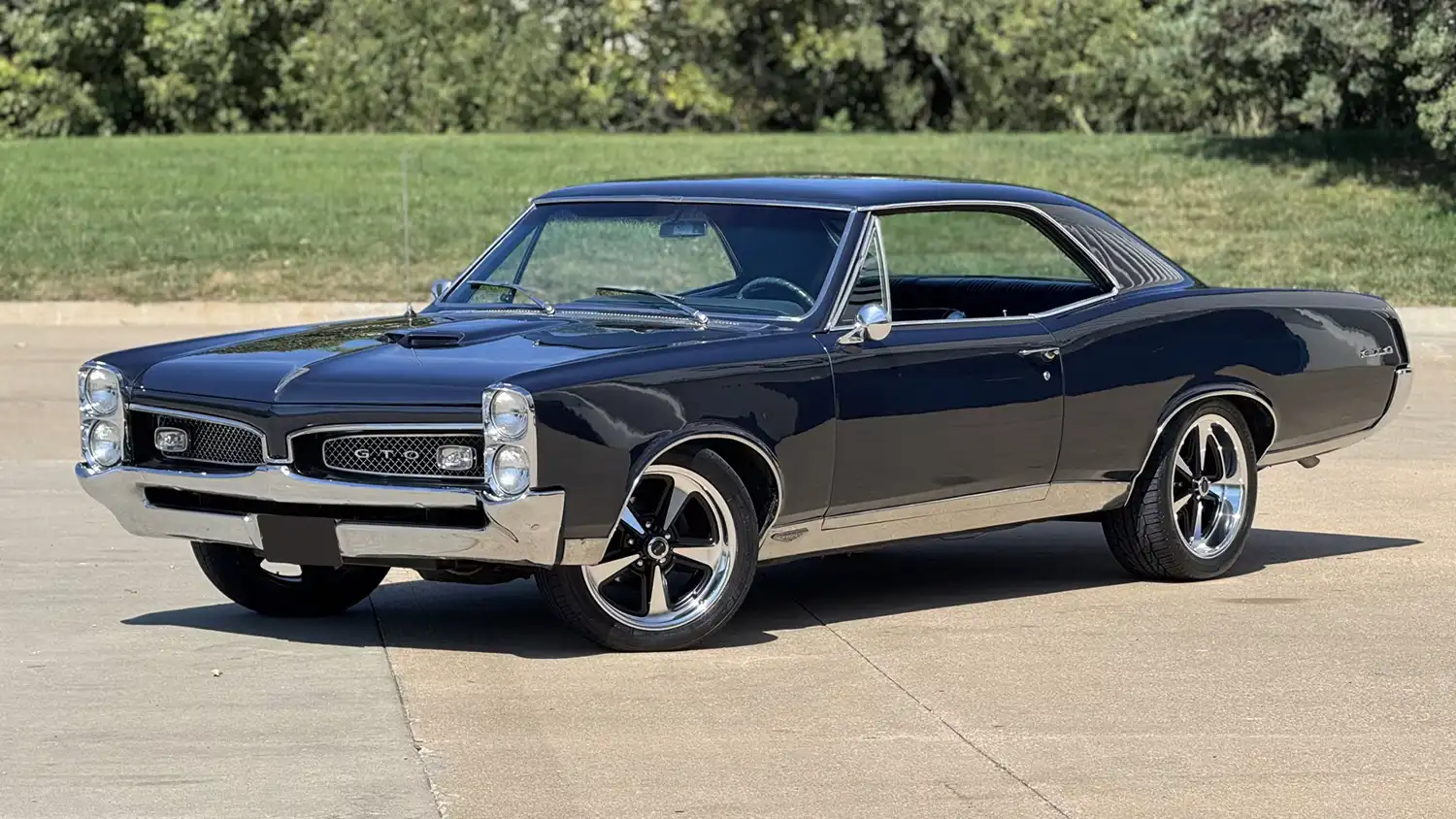
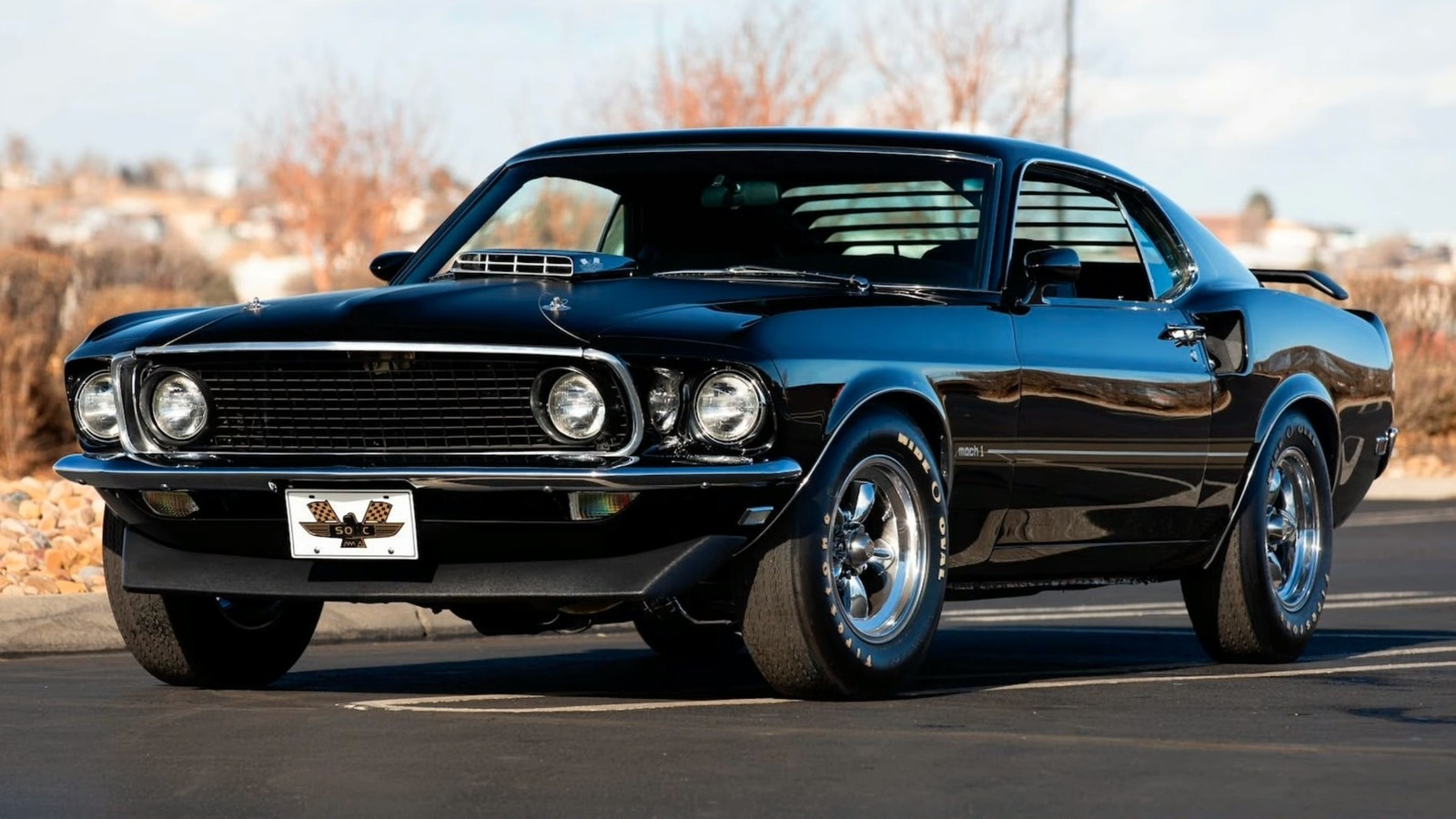
8. 1969 Ford Mustang GT – Rarity and Performance in One
The 1969 Ford Mustang GT represents a significant step up from earlier Mustang models, offering true muscle car performance for around $27,300. Early mid-60s Mustangs can be purchased for similar prices, but they rarely exceed 200 horsepower, making the ’69 GT a more compelling choice.
This model is powered by a 5.8-liter V8 producing 290 horsepower and 355 pound-feet of torque, propelling the car from 0 to 60 miles per hour in just over six seconds. Its 351-cubic-inch engine is paired with either a four-speed manual or automatic transmission, driving a 3.25 traction-lok 9-inch rear axle. Only 6,694 GTs were built in 1969, giving this car a rare status among enthusiasts and collectors.
A significant portion of the GT’s appeal lies in its styling and features. The Silver Jade exterior is eye-catching yet understated, while the black vinyl deluxe interior offers a combination of comfort and muscle car authenticity.
Features such as a Rim Blow steering wheel, power steering, power disc brakes, and optional rear deck spoiler and rear window slats enhance both functionality and aesthetics. Styled steel wheels give the car a firm, aggressive stance reminiscent of the Mach 1, further cementing its visual appeal.
Many 1969 GTs today are restored or maintained to bring them back to factory specifications. One example is John Gyorok’s GT, which he discovered for sale at a gas station and rebuilt over a decade.
The restoration included paint refinishing with Sikkens base clear coat, engine rebuilding to stock specs, and sourcing original components like the correct air cleaner. Despite extensive work, John maintained authenticity while enhancing reliability and performance, demonstrating the dedication required to preserve a classic GT.
The 1969 Mustang GT balances power, rarity, and visual appeal. Its limited production numbers, strong 351 engine, and combination of functional and cosmetic features make it a desirable choice for collectors seeking a classic Mustang with genuine muscle car credentials. It is a car that turns heads, delivers engaging performance, and retains a strong connection to the golden era of American muscle.
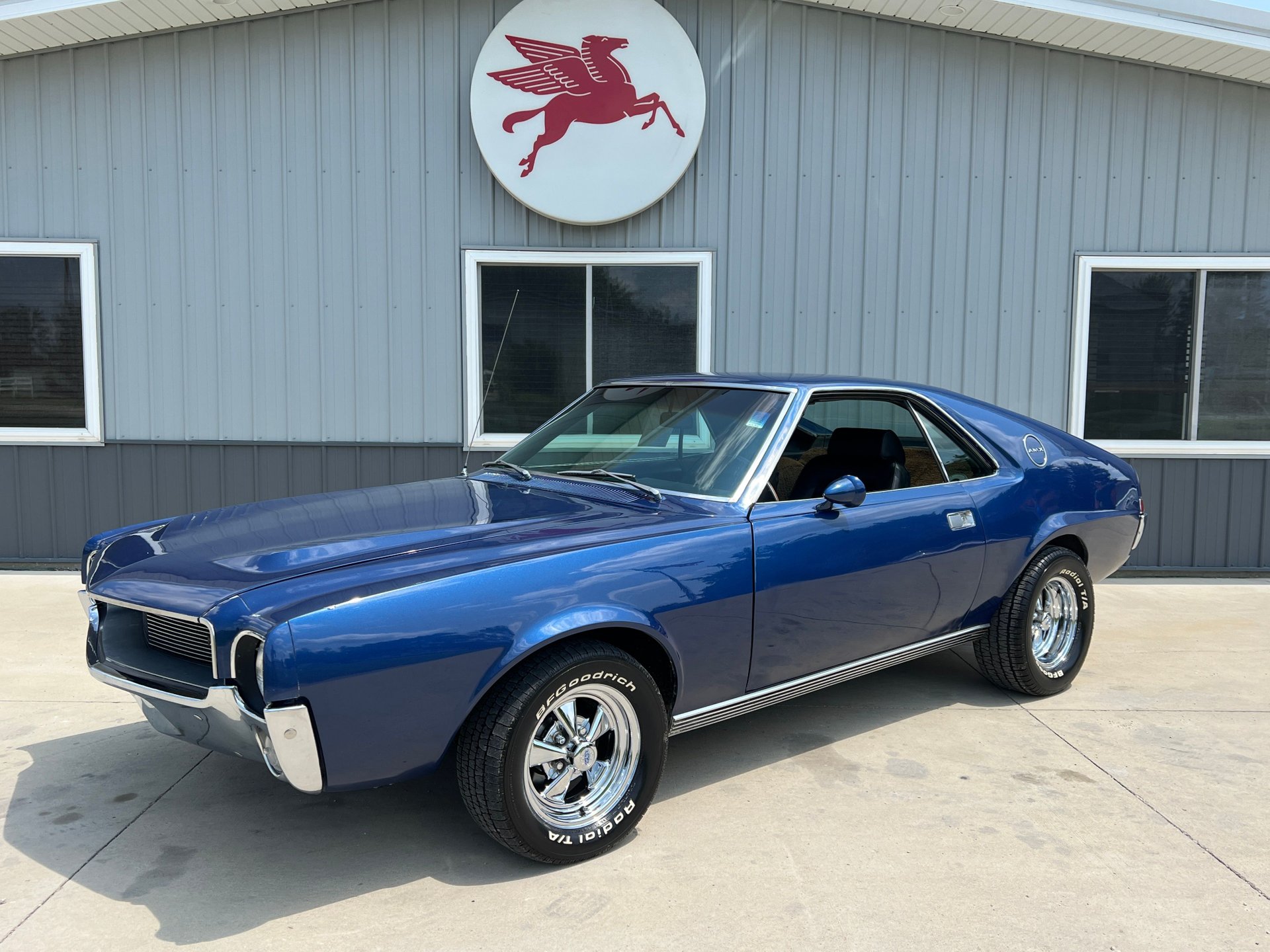
9. 1969 AMC AMX – Compact Power with Muscle Car Attitude
The 1969 AMC AMX stands apart in the muscle car world as a compact, two-seater performance vehicle that blends sports car practicality with classic muscle car aggression. Priced at around $28,200, the AMX is based on the AMC Javelin but features a wheelbase shortened by 12 inches, giving it a squat, athletic stance that still looks fresh in 2025.
Its 5.6-liter V8, also known as the 343 cubic-inch “mid-block,” produces 280 horsepower and 365 pound-feet of torque, allowing the car to accelerate from 0 to 60 miles per hour in just over six seconds. Transmission options included a four-speed manual or the three-speed “Shift Command” automatic, while the lightweight body enhances handling and responsiveness.
AMC built just over 8,000 two-seater AMXs in 1969, offering 290, 343, or 390 cubic-inch V8 engines, and a few special editions added further rarity. The California 500 Special is one of the most coveted variants, combining the Big Bad Green paint with a black stripe and deluxe interior.
Only 283 Big Bad Green cars were produced, making this edition exceptionally rare. The California 500 Special also featured a number of premium options, including power steering, air conditioning, front disc brakes, tilt-wheel, AM radio, and either automatic or manual transmission, creating a fully equipped package for enthusiasts.
The AMX’s reputation was enhanced even before it hit the streets. Two cars prepared by Craig Breedlove’s Spirit of America team set 106 world speed and endurance records at Goodyear’s Texas track, cementing its performance image. AMC debuted the AMX at the Daytona International Raceway in 1968 and promoted the California 500 Special as the pace car for the 1969 Riverside 500, further boosting its visibility and desirability.
One particularly notable example is the Big Bad Green California 500 Special previously owned by John Cena. This vehicle underwent a complete rotisserie restoration and retains its original build sheet, dealer invoice, and owner’s manual, making it a highly collectible piece of AMC history.
Its combination of rarity, sporty aesthetics, and muscle car performance makes the 1969 AMC AMX a standout choice for collectors seeking a unique, historically significant classic car that defies the conventions of typical muscle cars of the era.
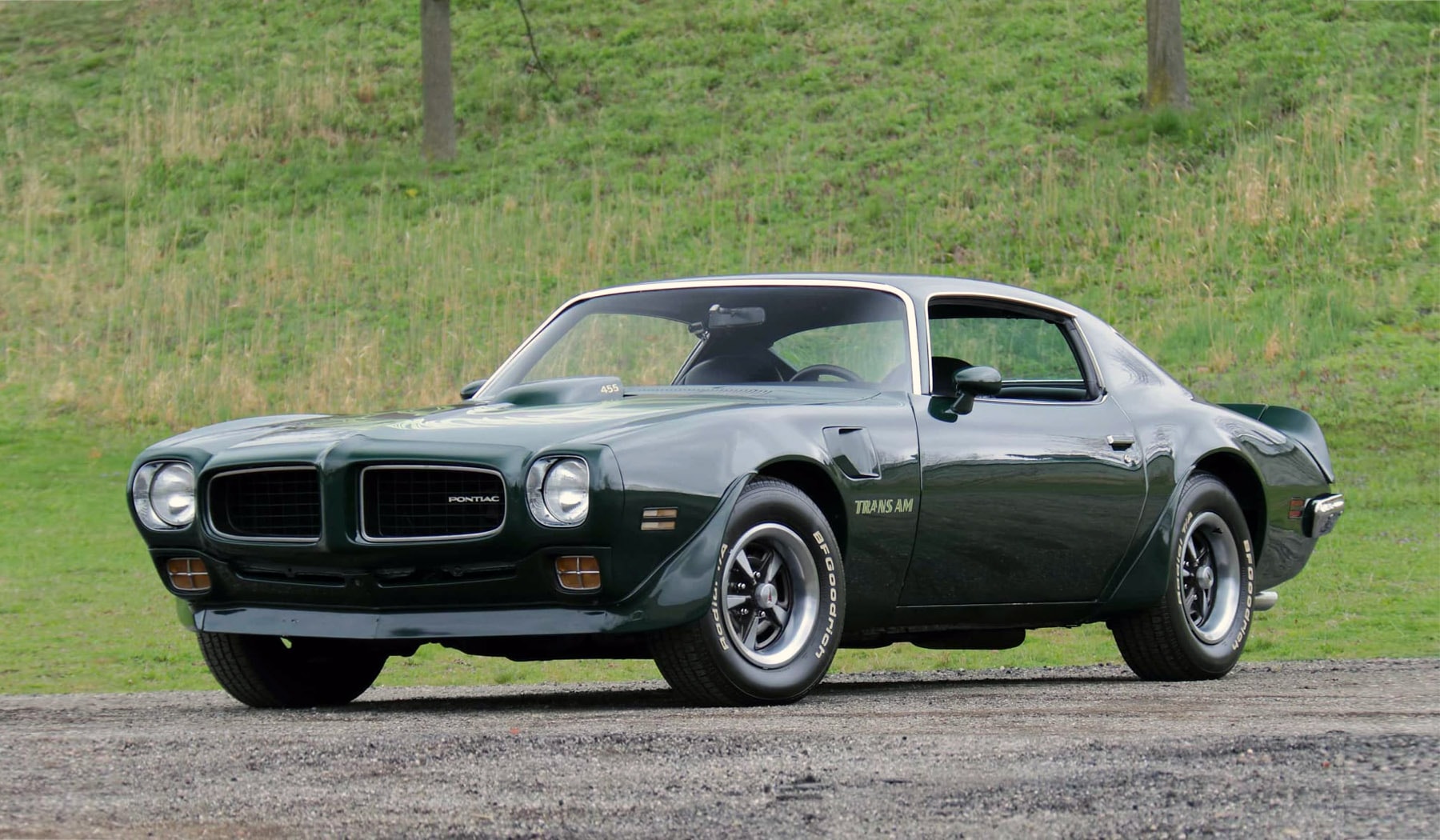
10. 1973 Pontiac Firebird Trans Am – Classic Muscle with Style and Caution
The 1973 Pontiac Firebird Trans Am is an iconic American muscle car, combining sleek, sporty styling with a powerful engine that defined the era. Under the hood, it features a 7.5-liter V8 producing 250 horsepower and 370 pound-feet of torque, capable of accelerating from 0 to 60 mph in 6.7 seconds.
While not a high-output performer by modern standards, its bold appearance, aggressive stance, and Trans Am-specific details make it a standout in any classic car collection. Despite the reduced horsepower due to 1970s emissions regulations and the oil crisis, the car remains highly desirable for enthusiasts seeking the quintessential early ’70s muscle car look.
The reliability of the 1973 Firebird Trans Am largely depends on the vehicle’s condition and care over the years. Rust is the most critical concern, with common problem areas including chassis rails, floorpans, spring mounts, and around the windshield. T-top models require extra attention, as leaking panels can accelerate corrosion.
The drivetrain, particularly the 455 cubic inch engine, is generally durable if properly maintained, and the transmission is considered robust. Electrical systems, however, can be temperamental due to age, so checking all gauges, lights, and wipers is essential. Interior components, especially original plastics and seatbelts, are prone to UV damage and brittleness over time, which may require replacement.
Potential buyers should focus on several key areas during inspection. Rust checks are crucial, particularly around high-risk areas like T-top seals and structural components. Verify that all electrical components function correctly, and inspect interior plastics for wear or damage.
Reviewing maintenance records, if available, can provide insight into how well the car has been preserved. A vehicle that has undergone regular maintenance or a ground-up restoration will be far more reliable and enjoyable to drive than a neglected example.
The 1973 Pontiac Firebird Trans Am offers a visually striking, classic muscle car experience with the durability and performance potential to match its iconic looks. Careful inspection and maintenance are essential to preserve its value and functionality, ensuring this vintage Trans Am remains a prized collector’s vehicle for years to come.
Affordable muscle cars prove that classic American performance is not just a dream reserved for the wealthy collector. From the powerful 1971 Chevrolet Chevelle SS to the stylish 1968 Chevrolet Camaro, each car on this list offers a unique combination of heritage, performance, and accessibility.
Owning one of these classics allows enthusiasts to experience the sights, sounds, and sensations that defined a pivotal era in automotive history while remaining financially practical. Beyond numbers and specifications, these vehicles embody the spirit of the muscle car, bold, aggressive, and unapologetically fun to drive.
Whether you are drawn to the Mopar muscle of the Plymouth Barracuda Formula S 383 or the rare charm of the AMC AMX, these cars provide a tangible connection to the golden age of American performance. In 2025, the dream of owning a classic muscle car is within reach, offering both a thrilling driving experience and a lasting investment in automotive heritage.
Also Read: 5 Cars That Rarely Cause Regret vs 5 That Constantly Do