Performance and affordability can coexist, and the latest generation of vehicles proves it. “10 Cars That Deliver Power Without Breaking the Bank” highlights models that combine impressive horsepower, refined design, and everyday practicality at prices that make sense.
These cars show that strong acceleration and premium comfort don’t have to come with an extravagant cost. From the elegant Volvo XC40 and the stylish Alfa Romeo Tonale Hybrid to the athletic Mazda CX-30 Turbo Premium Plus, each vehicle delivers a unique balance of power and value.
Drivers can enjoy responsive handling, advanced safety features, and modern technology without stepping into the ultra-luxury price range. Whether you prefer the confident feel of an all-wheel-drive SUV or the efficiency of a plug-in hybrid, these cars redefine what it means to drive something powerful, practical, and affordable.
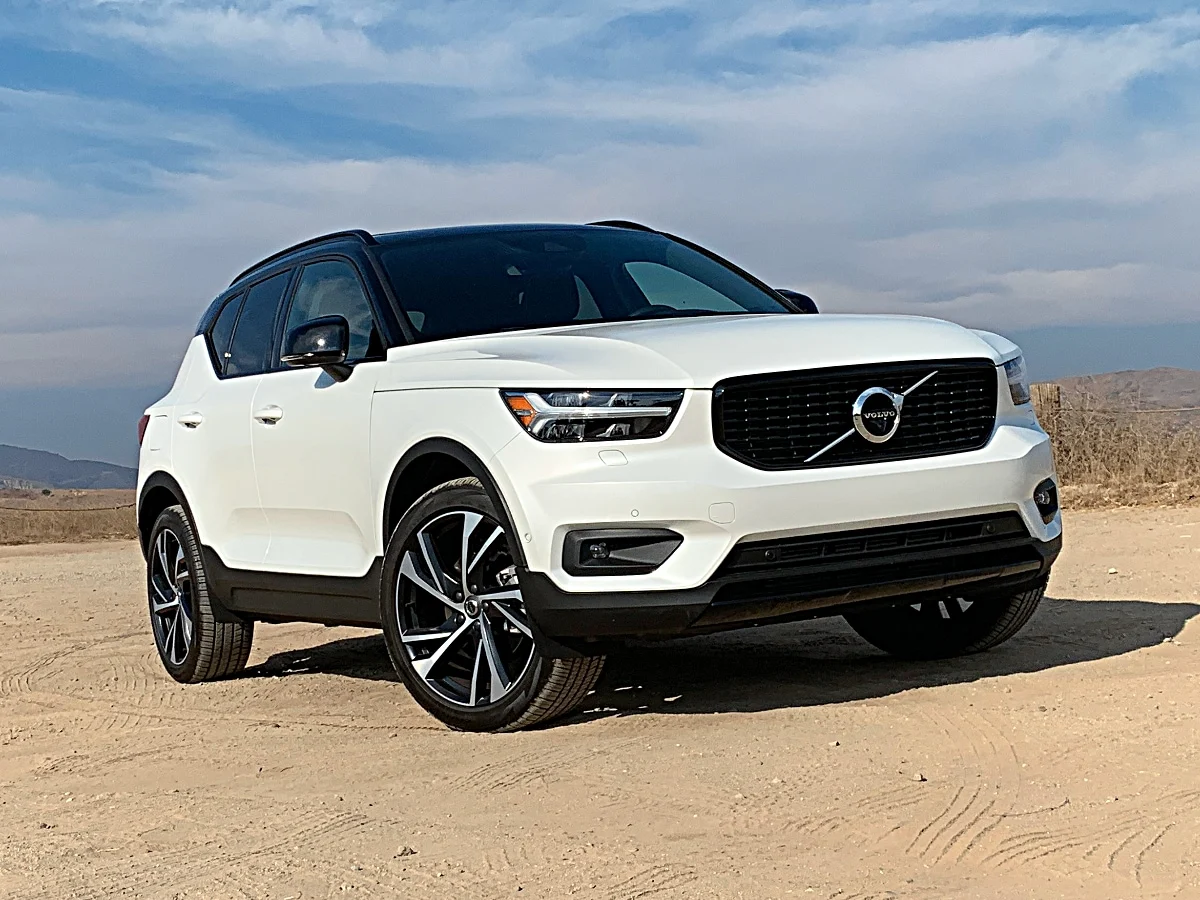
1. Volvo XC40: Compact Luxury SUV
The 2025 Volvo XC40 is a compact luxury SUV starting at $40,650. It comes with a single powertrain option that balances performance, efficiency, and practicality. With a top speed of 114 mph, the XC40 delivers capable driving dynamics while maintaining a strong focus on safety, comfort, and design. This SUV is suited for buyers who want a premium vehicle without multiple powertrain choices.
The XC40 is powered by a 2.0-liter turbocharged 4-cylinder mild hybrid engine paired with an 8-speed automatic transmission and standard all-wheel drive. The engine produces 247 horsepower and 258 lb-ft of torque, allowing a 0-60 mph time of 6.1 to 6.8 seconds depending on testing conditions.
The transmission can occasionally hold too high a gear under rapid acceleration, but it is mostly unobtrusive. Braking performance is strong, delivering reliable stopping power on both the track and street. Handling is solid, and standard all-wheel drive ensures stability and traction on various road surfaces. The XC40 can also tow up to 3,500 pounds, adding utility to its capabilities.
The XC40’s suspension is slightly firmer than what is typical for luxury SUVs, absorbing potholes well but not completely smoothing out road imperfections. Seats are supportive and comfortable in both the front and rear, though front seat adjustments are limited.
Dual-zone automatic climate control is standard, but temperature can only be adjusted in two-degree increments. Wind and road noise are mild, but the engine remains audible under acceleration, making the cabin less refined compared to some competitors. Drivers and passengers should find the seats and driving position satisfactory for extended trips.
The interior features a minimalist design with a Google-based infotainment system. Most controls, including audio and climate settings, are touchscreen-based with a few physical buttons and a volume knob.
The vertical touchscreen is responsive but could be more intuitive in its menu layout. Cabin space is sufficient for four adults, though the rear center seat is limited due to the floor hump. Visibility is strong thanks to upright windows and an available surround-view camera system.
Technology includes Google Maps navigation, Google Assistant voice commands, Android Auto, and Apple CarPlay. Standard driver assistance features, such as adaptive cruise control, function well and add convenience and safety.
Cargo capacity is 20.4 cubic feet behind the rear seats, smaller than some rivals but still functional. The rear seats fold in a 60/40 split, and some trims include hooks to prevent items from sliding. Front and rear storage areas, including lined door pockets and a removable center console bin, improve usability. Rear seating is slightly tight, but car seat installation is straightforward with accessible anchors.
EPA-estimated fuel economy is 26 mpg combined, with real-world testing showing 28.7 mpg. The XC40 comes well-equipped even in base trims, providing luxury features at a reasonable price.
Build quality is strong, although the interior does not feel as premium as some German competitors. Warranty coverage is average, but Volvo provides four years of unlimited-mile roadside assistance and three years or 36,000 miles of service visits, exceeding many rivals.
The XC40 has several strengths and some drawbacks. Its design is elegant yet energetic, the cabin is roomy, and it comes with a generous list of standard features. The vehicle handles well, offers solid safety and technology, and provides practical storage and towing capabilities.
On the downside, the cabin relies heavily on touchscreen controls, some of which are small and less intuitive; the fuel economy could be better, and occasional minor issues, such as door lock malfunctions, can occur.
The 2025 Volvo XC40 combines style, performance, safety, and technology for buyers looking for a compact luxury SUV with dependable functionality and straightforward options.
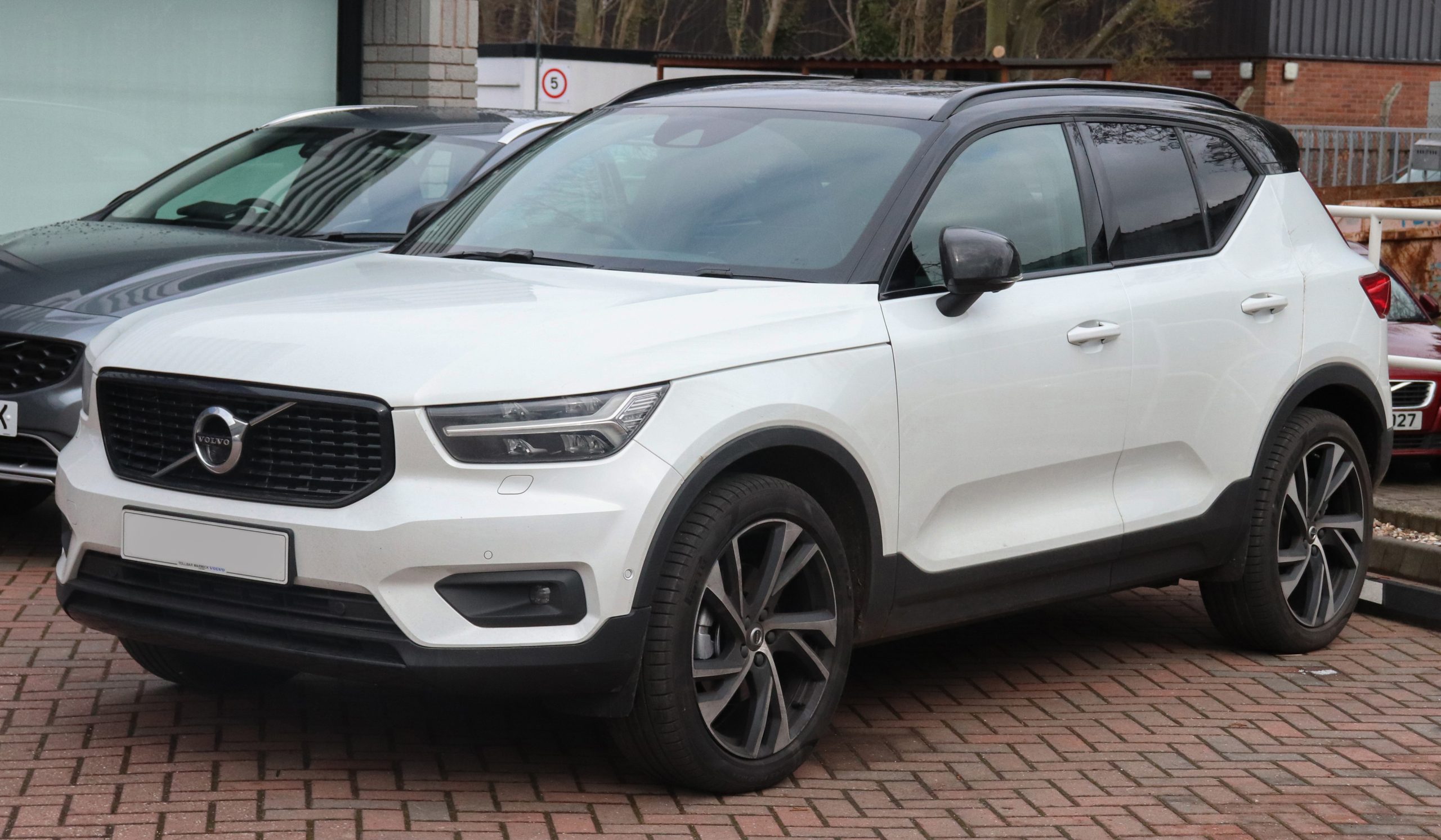
2. Alfa Romeo Tonale Hybrid: Small Luxury SUV with Distinct Style
The 2025 Alfa Romeo Tonale Hybrid is a compact plug-in hybrid SUV starting at $45,440, offering a top speed of 125 mph. With unique styling and a fun-to-drive character, the Tonale combines a small footprint with a surprisingly powerful powertrain. The 2025 model comes with a reduced MSRP, making it more competitive in the luxury small SUV segment.
The Tonale Hybrid features a 1.3-liter turbocharged 4-cylinder engine paired with a rear electric motor, a 6-speed automatic transmission, and standard all-wheel drive. The system produces 285 horsepower and 347 lb-ft of torque, allowing the Tonale to accelerate from 0 to 60 mph in just 5.5 to 5.8 seconds.
The plug-in hybrid powertrain delivers strong performance both in city traffic and on the highway, and the Tonale can operate in all-electric mode for up to 33 miles. Brakes are strong, and handling is surprisingly sporty for a small SUV, making the Tonale feel more like a hot hatch than a traditional plug-in hybrid.
The Tonale is reasonably comfortable for an extra-small SUV. Front seats offer good padding, with heated seats standard and optional ventilation. Rear seats are more spacious than expected, and rear air vents improve comfort for passengers.
Some drivers may find the ride slightly firm, and tire noise is noticeable on highways. The cabin is well-made with leather, suede, and metal finishes, providing a premium feel despite the compact dimensions.
The Tonale has a distinctive interior with a 10.25-inch touchscreen infotainment system. Wireless Apple CarPlay and Android Auto are supported, and there are ample USB ports. The driving position can feel high for taller drivers, and the footwell is tight.
Many controls are intuitive, but some buttons and menus on the touchscreen are small and require time to learn. Large metal shift paddles are a highlight, and an optional surround-view camera improves visibility. Standard driver aids work well, though lane-keeping assistance is limited and not very effective.
Cargo space measures 22.9 cubic feet behind the rear seats, smaller than the BMW X1 but comparable to the Audi Q3. Interior storage includes a bin in front of the shifter and deep cupholders, though door pockets are small. Car seat installation is straightforward with accessible anchors, though top tethers are hidden, and taller front-seat passengers may feel cramped when rear seats are occupied.
The Tonale averages 45.9 mpg when combining its 33-mile electric range with hybrid operation, and 33 mpg in hybrid-only mode, outperforming EPA estimates. Its 11.2-gallon fuel tank is small, requiring more frequent stops on long trips. Charging the battery is simple with a standard 240-volt outlet, though fast-charging is not available.
The Tonale is priced higher than some rivals, such as the BMW X1, Volvo XC40, and Mercedes GLB, but offers a strong plug-in hybrid powertrain and a well-crafted interior. Standard warranties include four years/50,000 miles for bumper-to-bumper and powertrain coverage, an eight-year/100,000-mile high-voltage battery warranty, and four years/unlimited-mile roadside assistance.
The Tonale Hybrid has strengths and weaknesses. It stands out with unique styling, sporty handling, a practical electric range, and a well-equipped interior. Drawbacks include firm ride quality, a gritty engine note, limited cargo and fuel tank size, and some tricky interior ergonomics. This SUV is best suited for drivers seeking a small, stylish, fun-to-drive plug-in hybrid with premium features.
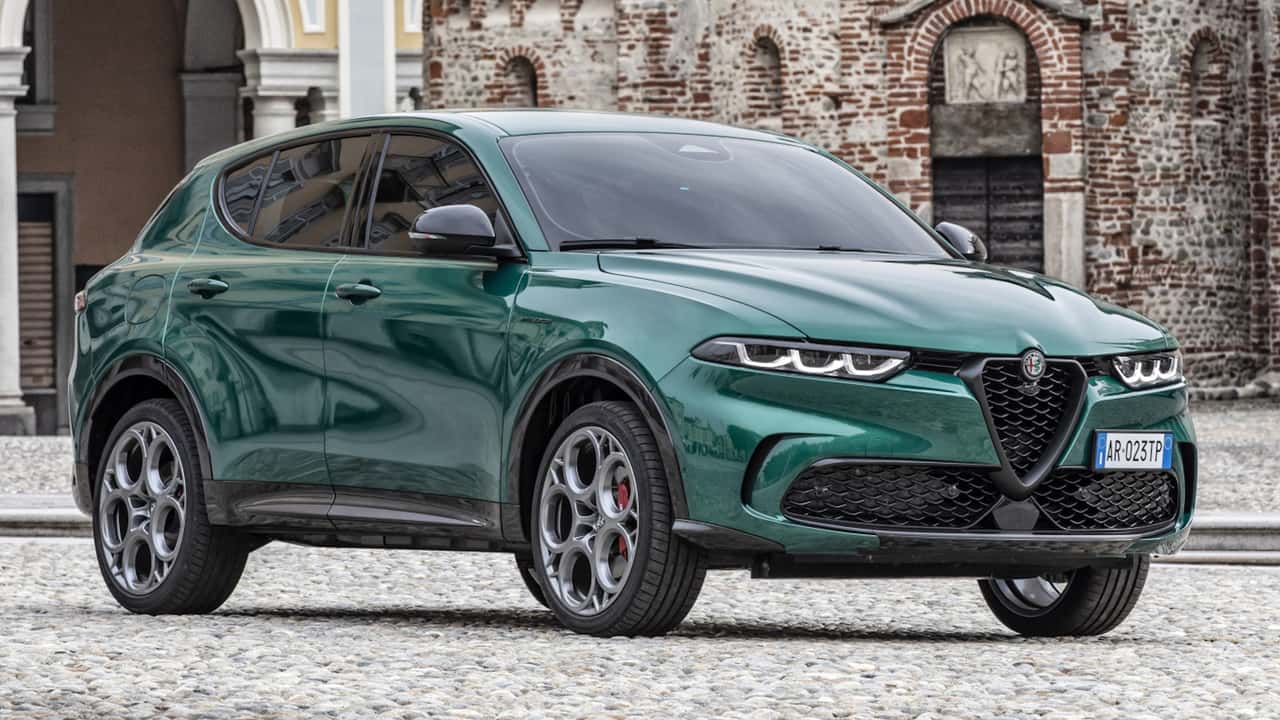
3. Mazda CX-30 Turbo Premium Plus: Compact SUV with Sporty Character
The 2025 Mazda CX-30 Turbo Premium Plus blends affordability, luxury, and sporty performance in a small SUV package. Starting at $32,940, it sits at the top of the CX-30 lineup while remaining more affordable than most premium-brand competitors.
With its athletic design, upscale interior, and turbocharged engine, the CX-30 offers an engaging driving experience for those seeking style and substance in a compact vehicle.
Under the hood, the CX-30 Turbo features a 2.5-liter turbocharged 4-cylinder engine paired with a 6-speed automatic transmission and standard all-wheel drive. The engine produces 227 horsepower and 310 lb-ft of torque, enabling a 0-60 mph sprint in about 5.8 seconds and a top speed of 128 mph. The powertrain delivers strong acceleration, thanks to Mazda’s SkyActiv technology, which provides maximum torque at lower rpm for brisk off-the-line performance.
Handling is one of the CX-30’s strongest points. The SUV corners with confidence and feels more agile than many of its competitors. The steering is well-weighted, and the suspension keeps body roll in check while maintaining stability through corners. Braking is strong, stopping from 70 mph in 174 feet. Although the ride is firm due to its sporty tuning, it remains composed and comfortable for daily driving.
Inside, the CX-30 Turbo Premium Plus offers a cabin that feels more like a luxury car than a compact SUV. High-quality materials, smooth leather upholstery, and soft-touch surfaces contribute to a premium atmosphere. The front seats are supportive and well-contoured for long drives, while heated seats and a heated steering wheel come standard.
Rear-seat space is limited, with tight legroom and headroom for taller passengers, making it less ideal for families or frequent rear-seat use. Despite its smaller size, the CX-30 still offers a pleasant ride, though road noise and firmness over rough pavement are noticeable.
The CX-30’s interior design emphasizes simplicity and craftsmanship. The dashboard features physical buttons and knobs for climate control, adding ease of use and a tactile feel. A 10.3-inch infotainment display is standard on the Turbo Premium Plus trim, operated via a rotary controller rather than a touchscreen. While the interface supports wireless Apple CarPlay and Android Auto, it can be unintuitive for new users.
The infotainment system requires a bit of a learning curve, but once mastered, it provides responsive operation and clear graphics. Mazda’s interior layout remains driver-focused, emphasizing engagement and clarity over excessive digital complexity.
Cargo capacity is modest for the class, with enough space to fit seven carry-on suitcases behind the rear seats. Storage bins, cupholders, and small compartments are available for everyday items. Rear-facing child seats can be difficult to install due to limited space, reinforcing the CX-30’s focus on drivers rather than large families.
Fuel economy is rated at 22 mpg city and 30 mpg highway, trailing some rivals but acceptable given the turbo engine’s power and standard all-wheel drive.
Pricing for the Turbo Premium Plus trim starts at $38,645, making it more expensive than base subcompact SUVs but still more affordable than premium rivals such as the Volvo XC40 or BMW X1. The CX-30’s strong build quality, standard AWD, and extensive feature list make it an excellent value for those seeking a sporty yet refined small SUV.
The CX-30 Turbo Premium Plus stands out for its confident handling, quick acceleration, upscale interior, and long list of standard features. It provides a driving experience rarely matched in this price range.
However, it does come with a few drawbacks: a firm ride, below-average cargo capacity, and a learning curve for its infotainment system. For drivers who prioritize dynamic performance and a premium feel in a small package, the CX-30 Turbo is among the most rewarding choices in its class.
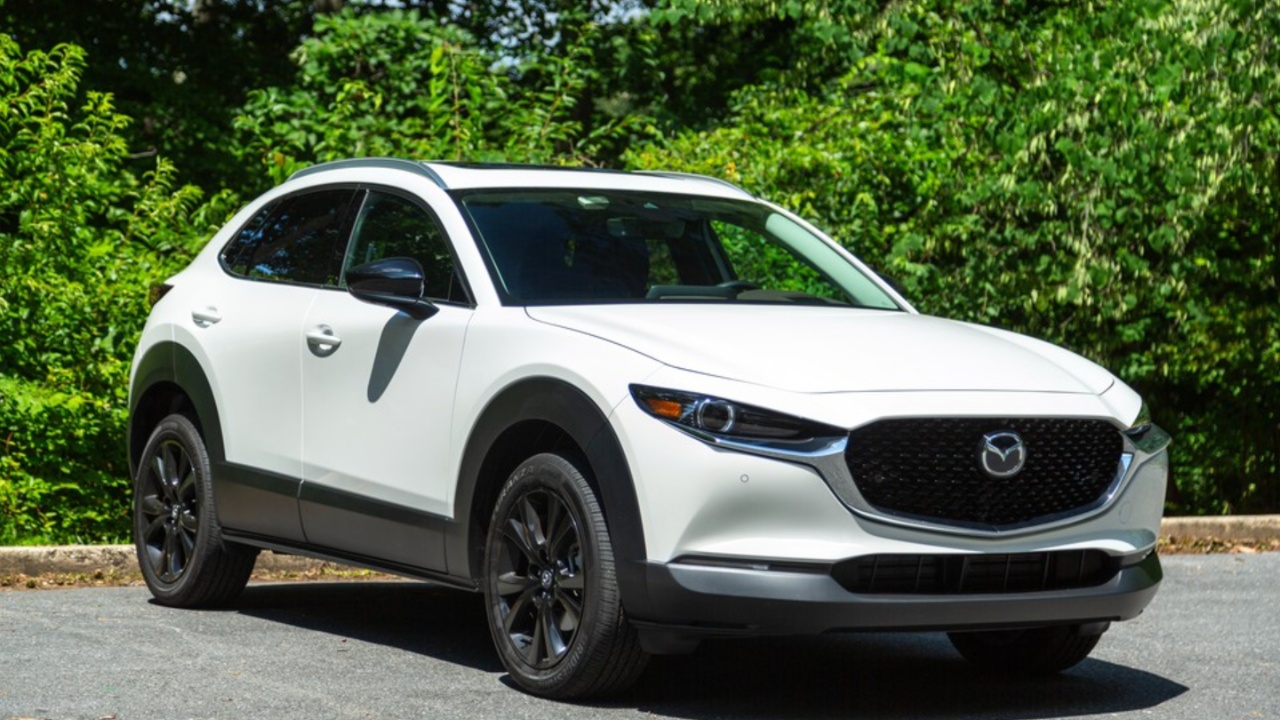
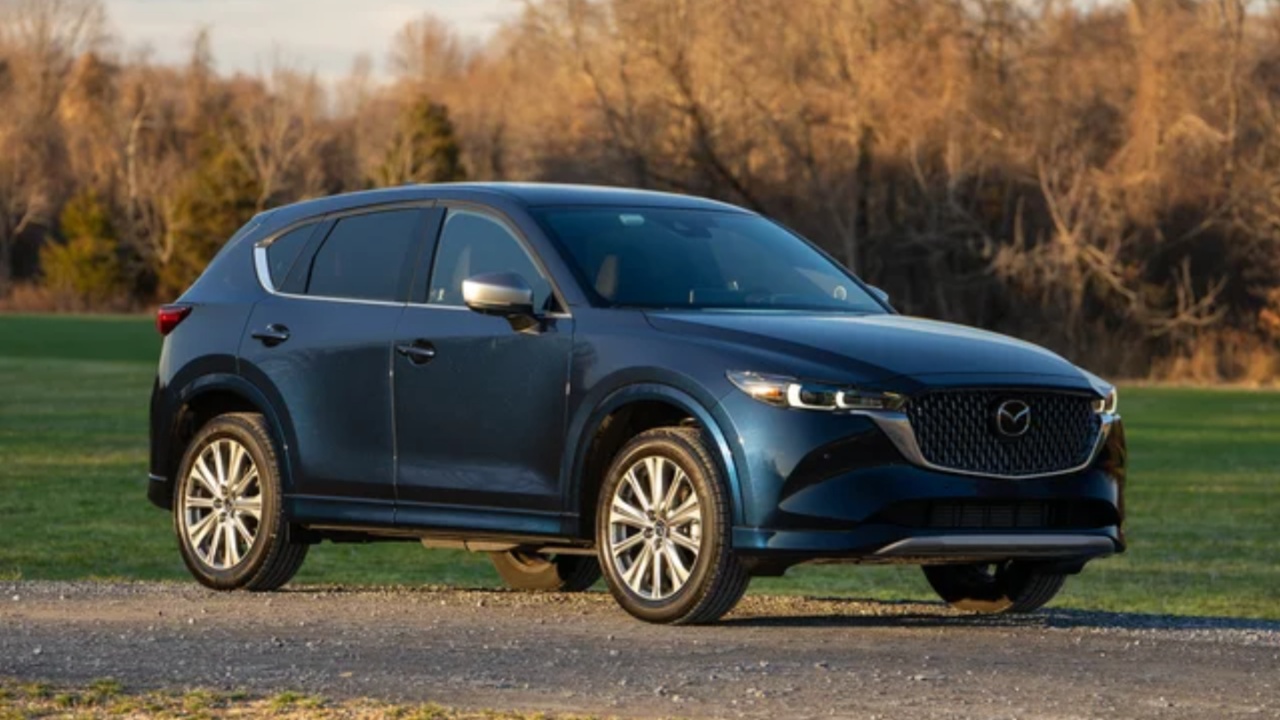
4. Mazda CX-5 Turbo Signature: Sporty Elegance Meets Everyday Utility
The 2025 Mazda CX-5 Turbo Signature blends refined craftsmanship with driving excitement, offering a distinctive balance of comfort, performance, and sophistication in the compact SUV segment. Starting at $37,000, it delivers strong power and upscale features while remaining accessible compared to luxury-branded competitors.
Powered by a 2.5-liter turbocharged four-cylinder engine that produces 227 horsepower and 310 lb-ft of torque, the CX-5 Turbo Signature accelerates from 0 to 60 mph in 6.2 seconds and reaches a top speed of 129 mph. Its 6-speed automatic transmission pairs smoothly with standard all-wheel drive, providing confident traction and poised handling in a variety of driving conditions.
The CX-5 distinguishes itself through its engaging driving dynamics. The steering feels precise and responsive, and the suspension tuning delivers a well-balanced mix of agility and control.
While the ride is firmer than some competitors, this firmness enhances stability and gives the CX-5 its signature sporty feel. It remains composed through corners and maintains excellent grip, making it one of the most enjoyable SUVs to drive in its class.
With a towing capacity of up to 2,000 pounds, it can handle small trailers or recreational equipment with ease. The suite of driver-assistance features, such as adaptive cruise control and lane keeping assist, works effectively, though the systems react more slowly than those found in newer rivals.
Inside, the CX-5 Turbo Signature feels upscale and thoughtfully designed. The front seats provide firm support and multiple adjustments, while materials throughout the cabin exhibit a near-luxury quality. Soft-touch panels, precise stitching, and elegant trim elements contribute to an inviting and refined environment. The physical buttons and knobs for most controls are intuitive and satisfying to use.
Rear passengers may find the space slightly tight, especially in width and legroom, and installing larger child seats can be a challenge. Despite its compact footprint, the cabin remains quiet at highway speeds, with minimal wind and road noise. The CX-5’s blend of craftsmanship and comfort sets it apart from typical mainstream crossovers.
A 10.25-inch infotainment display sits prominently on the dashboard and is operated through Mazda’s rotary controller. The system supports Apple CarPlay and Android Auto, though touchscreen functionality is limited to when the vehicle is stationary.
The interface is crisp and responsive, but it can be less convenient to navigate while driving. Wireless charging is available, though the pad’s placement allows phones to slide easily out of position.
The CX-5 provides 29.1 cubic feet of cargo space behind the rear seats, less than several key competitors, but still sufficient for daily use. The liftgate opening is higher than average, and the cargo floor is slightly elevated, which can make loading bulkier items more difficult. Cabin storage options, such as door pockets and center console bins, help increase practicality.
Fuel economy for the turbocharged model is rated at 22 mpg in the city and 27 mpg on the highway. Drivers seeking better efficiency can opt for the base non-turbo engine, but the turbo version offers stronger acceleration and a more engaging driving experience.
Mazda’s build quality, attention to detail, and driving refinement give the CX-5 a premium character that rivals often struggle to match. Its design and performance-focused nature make it an appealing choice for those who prioritize driver enjoyment without sacrificing comfort and sophistication.
The Mazda CX-5 Turbo Signature offers elegant styling, a refined and near-luxury interior, and an engaging driving experience that sets it apart from many compact SUVs. Its responsive steering, solid body control, and premium feel give it an edge for those who value driving pleasure.
However, the CX-5’s rear seating area is somewhat tight for adults, its cargo capacity trails class leaders, and it isn’t intended for heavy towing. Despite these limitations, the CX-5’s blend of quality, performance, and sophistication makes it one of the most compelling choices in its segment.
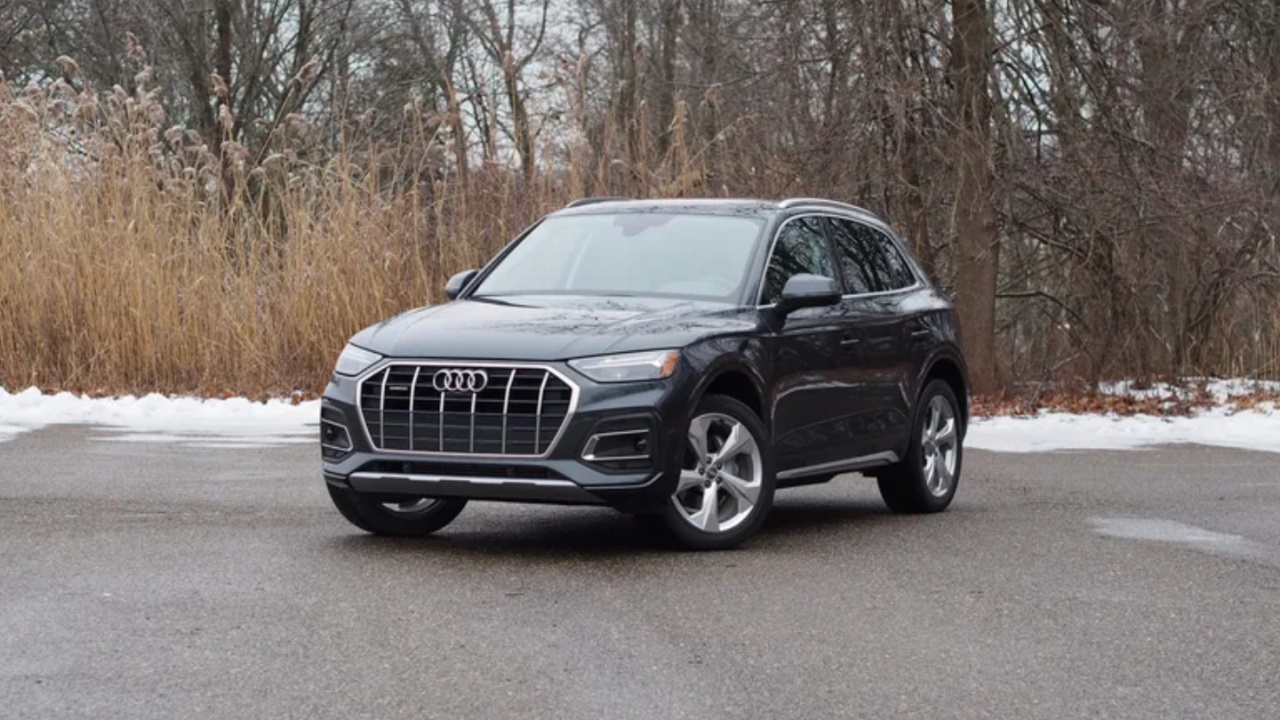
5. Audi Q5 45 TFSI: Refined Luxury with Balanced Performance
The 2025 Audi Q5 45 TFSI combines elegance, comfort, and capability to create one of the most well-rounded options in the compact luxury SUV segment. Starting at $48,800, it delivers refined performance, excellent build quality, and a premium cabin that reflects Audi’s focus on precision engineering. With a towing capacity of up to 4,400 pounds, the Q5 provides both luxury and utility for daily driving or weekend getaways.
Power comes from a 2.0-liter turbocharged four-cylinder mild-hybrid engine producing 261 horsepower and 273 lb-ft of torque, paired with a seven-speed automated manual transmission and standard all-wheel drive.
The result is a brisk 0 to 60 mph time of 5.7 seconds and a top speed of 130 mph. The mild-hybrid setup improves efficiency during low-speed driving, and the power delivery feels smooth and linear. The turbocharged engine provides confident acceleration, while the transmission’s quick shifts help maintain momentum.
The Q5 handles with poise and composure, maintaining a steady balance between comfort and control. Steering is light but accurate, making it easy to maneuver in tight spaces while still providing stability at highway speeds.
The suspension absorbs bumps well, and the available adaptive air suspension further refines the ride on uneven roads. The braking system feels responsive, though it can take a few miles to get used to its sensitivity.
Inside, the Q5’s cabin exudes calm sophistication. The front seats offer excellent support and adjustability, while the rear seats provide generous headroom and optional reclining capability.
Entry and exit are effortless thanks to wide door openings, and the cabin materials, including soft-touch surfaces and high-quality stitching, create a polished atmosphere. The interior remains hushed even at high speeds due to effective sound insulation.
Audi’s infotainment system is among the best in the segment, centered around a vivid 14.5-inch touchscreen that supports wireless Apple CarPlay and Android Auto. The menus are intuitive, and response times are quick.
Multiple USB-C ports in both rows and a wireless charging pad enhance convenience. Optional features such as a passenger-side display and premium sound system add to the sense of luxury, though some connected services shift to paid subscriptions after three years.
Cargo space measures 25.6 cubic feet behind the rear seats, expanding when they are folded flat. The optional air suspension can lower the rear for easier loading, while cabin storage compartments are modest but practical. Fuel economy is rated at 23 mpg city and 28 mpg highway, which is competitive for its performance level.
The Audi Q5 45 TFSI offers refined power, quiet comfort, and advanced technology in a balanced, versatile package. It excels in craftsmanship and composure, making it an appealing choice for drivers seeking understated luxury and everyday practicality.
Also read: 10 Cars That Offer Maximum Comfort for Minimum Cost
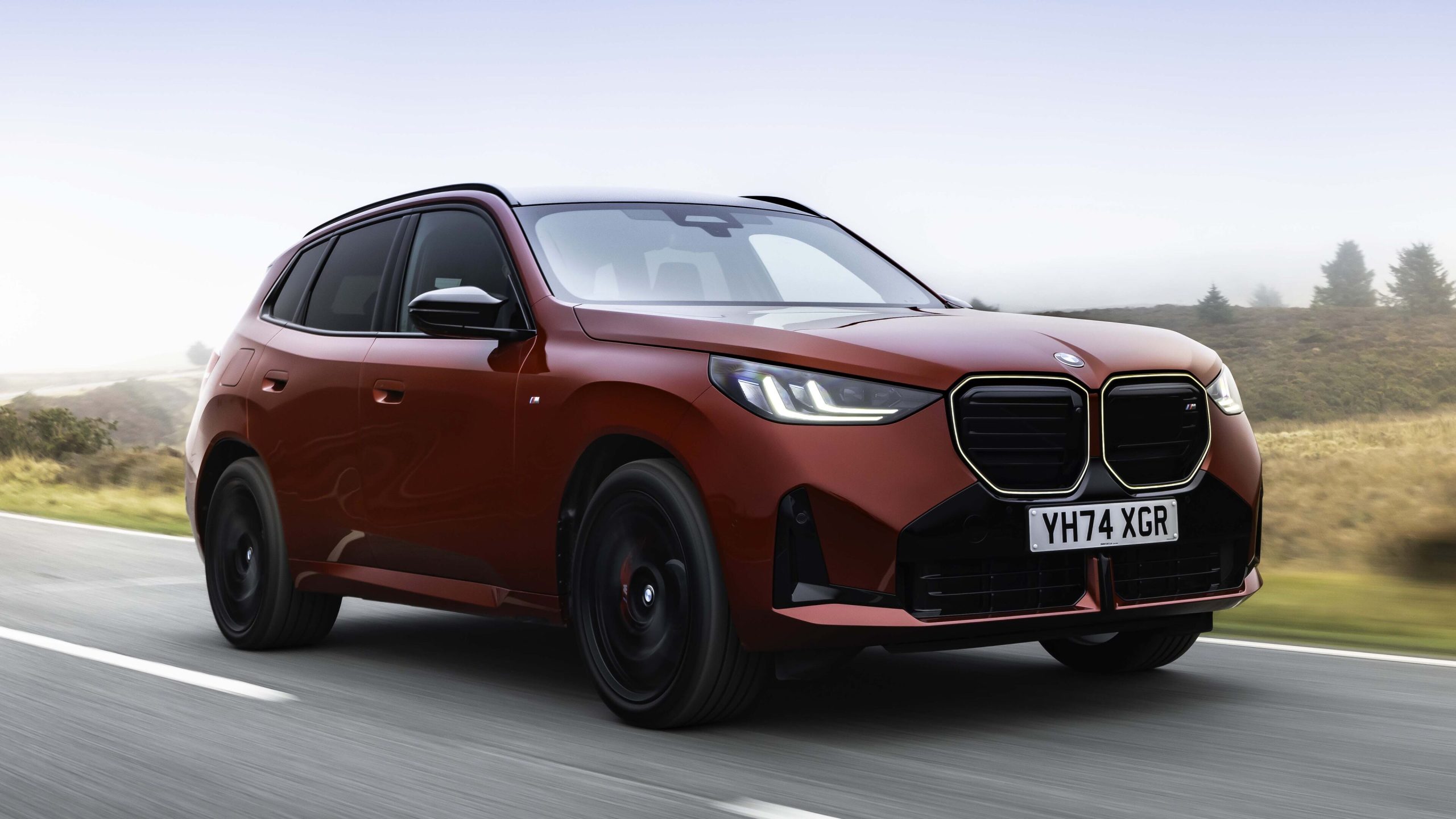
6. BMW X3: Athletic Luxury with Everyday Practicality
The 2025 BMW X3 continues to exemplify the balance between sportiness and refinement in the compact luxury SUV segment. Starting at $49,895, it delivers confident performance, high comfort levels, and advanced technology in a package that suits both spirited driving and daily use. The latest updates enhance its premium feel with refreshed styling and an upgraded interior while retaining the athletic stance that defines the X3.
Powering the X3 is a 2.0-liter turbocharged four-cylinder mild-hybrid engine producing 255 horsepower and 295 lb-ft of torque. Paired with an eight-speed automatic transmission and standard all-wheel drive, it accelerates from 0 to 60 mph in 5.9 seconds and reaches a top speed of 130 mph. The mild-hybrid system assists with efficiency and responsiveness, although its stop-start feature can feel abrupt in traffic.
The X3’s driving dynamics are a highlight. Steering precision, balanced suspension tuning, and strong braking provide a sense of control in all conditions. The chassis feels composed over most surfaces, managing bumps without losing its sporty character.
The turbocharged engine offers smooth, eager acceleration with minimal lag, and its predictable handling inspires confidence on winding roads. Visibility is excellent, and the available surround-view camera simplifies tight parking maneuvers.
Inside, the X3 showcases a blend of craftsmanship and functionality. The cabin features soft-touch materials, modern trim accents, and optional Merino leather upholstery that enhances its upscale ambiance.
The front seats are highly adjustable and include lumbar and thigh support, making them ideal for long trips. Rear passengers benefit from generous headroom and legroom, though the back seats do not recline as in some competitors.
Noise insulation is effective, creating a calm atmosphere even at highway speeds. Climate controls are housed within the central touchscreen, which may require extra attention during adjustment, but once set, the system delivers consistent comfort. Entry and exit are easy thanks to wide doors and a thoughtful seating layout.
A dual-screen digital interface anchors the dashboard, featuring a high-resolution infotainment display and a customizable gauge cluster. While the menu structure can seem complex at first, it becomes intuitive with use.
Standard wireless Apple CarPlay and Android Auto, multiple USB-C ports, and a wireless charging pad enhance everyday convenience. Additional tech features, including the digital key and BMW’s remote app functions, allow smartphone-based vehicle access.
The X3 offers generous cargo capacity, with 31.5 cubic feet behind the rear seats and up to 62.7 cubic feet when folded. Its 40/20/40 split-folding configuration makes it easy to carry larger items, and towing capacity ranges from 4,000 to 4,850 pounds, depending on the trim. Fuel economy stands at an estimated 27 mpg city and 33 mpg highway, impressive for an SUV of this performance level.
Some interior plastics could feel softer, and the synthesized engine sound may not appeal to purists, but the X3’s solid build quality and composed ride more than compensate. Combining sharp dynamics, advanced technology, and everyday versatility, the 2025 BMW X3 remains one of the most complete and satisfying compact luxury SUVs available.
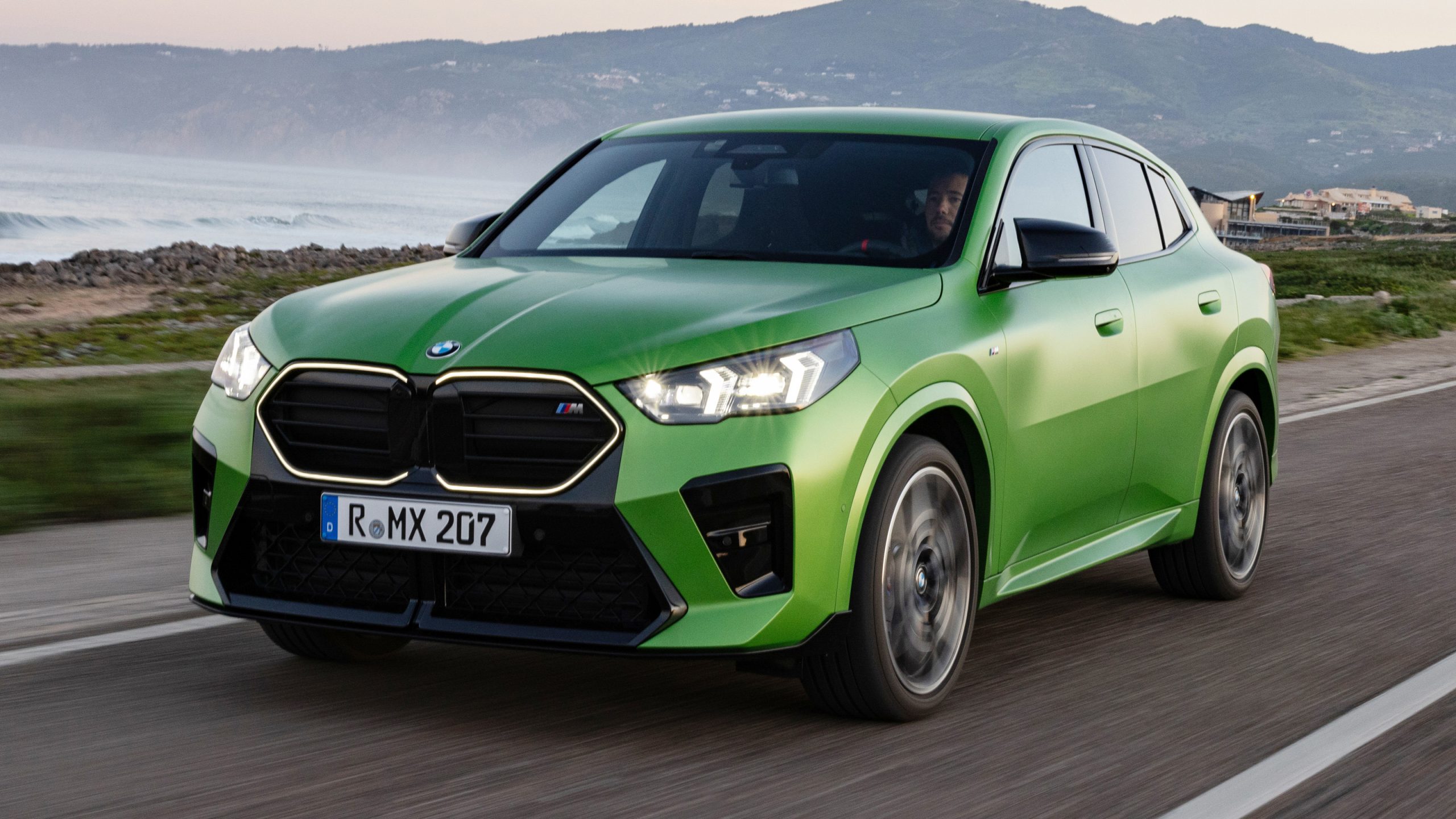
7. BMW X2: Sporty Style Meets Compact Luxury
Starting at $42,450, the BMW X2 blends coupe-inspired styling with the practicality of a compact SUV. Designed for drivers who appreciate agility, design, and refinement, the X2 offers an athletic driving experience in a sleek and versatile package. With its low stance, responsive steering, and tight suspension, this subcompact luxury SUV captures BMW’s performance-focused spirit in a city-friendly form.
The X2 is powered by a 2.0-liter turbocharged four-cylinder engine that produces 241 horsepower and 295 lb-ft of torque. Paired with a seven-speed automated manual transmission and standard all-wheel drive, it accelerates from 0 to 60 mph in 5.7 seconds and reaches a top speed of 131 mph. This setup strikes an effective balance between strong performance and solid fuel efficiency, achieving 24 mpg in the city and 33 mpg on the highway.
Driving the X2 reveals its athletic character. The M35i trim in particular provides an even more thrilling experience, sprinting from 0 to 60 mph in just 5.2 seconds. Handling is sharp and precise, with the SUV feeling stable and composed through corners.
The firm suspension enhances control and agility but can feel stiff over uneven roads, making the xDrive28i variant a better choice for comfort-oriented drivers. The turbocharged engine delivers ample midrange torque, though throttle response can feel momentarily delayed, and gear shifts may occasionally seem abrupt.
Visibility is somewhat compromised by the sloping roofline, yet available driver aids such as the surround-view camera help reduce blind spots. The X2’s compact dimensions and tight turning radius make it easy to maneuver in urban environments while retaining the poised feel of a performance vehicle.
Inside, the X2 presents a refined, driver-focused cabin. The front seats are supportive and bolstered to hold occupants securely during spirited drives. Cushioning is on the firm side, which can grow tiring on longer journeys. Rear headroom is limited by the roofline, and the small rear door openings make access a bit tricky, but the cabin quality remains top-tier with upscale materials and precise assembly.
BMW’s infotainment system is intuitive and well executed, featuring a responsive touchscreen with clear graphics and customizable menus.
Standard wireless Apple CarPlay and Android Auto provide seamless smartphone integration, while the wireless charging pad, multiple USB-C ports, and optional premium sound system add modern convenience. The vertical design of the charging pad is a clever touch, keeping devices neatly secured.
Cargo space is respectable for the segment, offering 25.3 cubic feet behind the rear seats and up to 51.7 cubic feet when folded. The sloped rear hatch slightly reduces height for taller items, and small door pockets limit interior storage, but functionality remains adequate for daily needs.
The BMW X2 succeeds in delivering an engaging, high-quality driving experience in a compact form. Its combination of responsive power, premium materials, and advanced technology makes it an appealing choice for those seeking excitement and luxury in equal measure. While rear space and ride comfort are minor trade-offs, the X2 stands out as one of the most stylish and performance-oriented SUVs in its class.
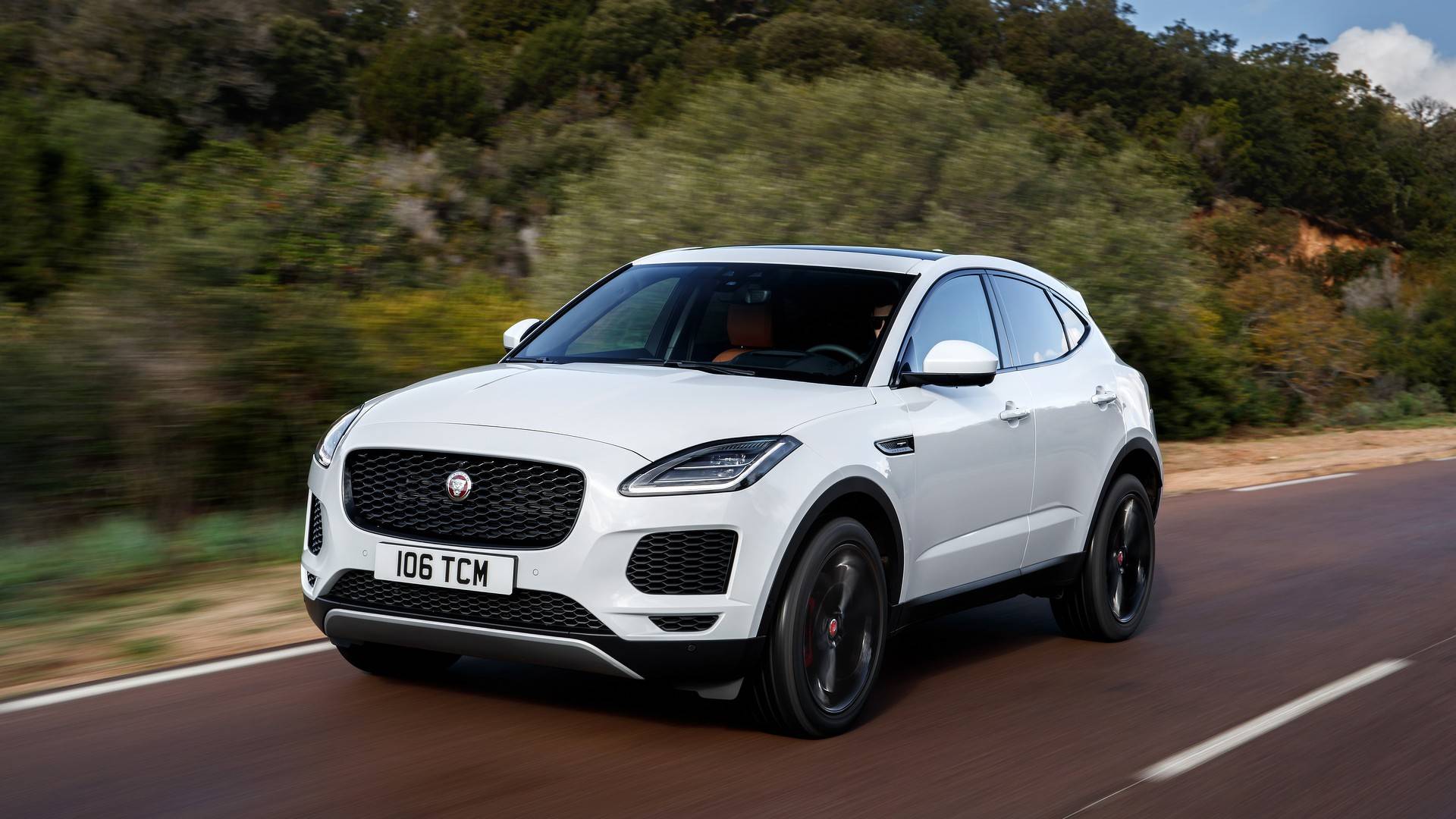
8. Jaguar E-Pace: British Sophistication with Confident Performance
Starting at $49,500, the Jaguar E-Pace brings signature British charm to the compact luxury SUV segment. It offers refined styling, solid build quality, and a confident road presence that blends performance with everyday practicality. Despite being the only 2024 model on this list, the E-Pace still impresses with its engaging dynamics, premium craftsmanship, and a strong personality that stands out in a crowded class.
Powered by a 2.0-liter turbocharged four-cylinder engine, the E-Pace produces 246 horsepower and 269 lb-ft of torque, paired with a 9-speed automatic transmission and all-wheel drive.
It accelerates from 0 to 60 mph in 7.2 seconds and reaches a top speed of 135 mph, while offering a towing capacity of up to 4,000 pounds. Fuel economy is rated at 20 mpg in the city and 26 mpg on the highway, making it reasonably efficient for its performance level.
Jaguar tuned the E-Pace for balanced driving dynamics, creating an SUV that feels both composed and enjoyable behind the wheel. The turbocharged engine delivers smooth and consistent power, though acceleration feels less immediate than some rivals.
The 9-speed transmission shifts quickly to conserve fuel, but it responds readily when extra power is needed. Steering precision is decent, although it lacks some feedback, particularly during gentle maneuvers.
The E-Pace’s chassis feels planted through corners, offering strong grip and stability on winding roads. Its compact dimensions make it easy to maneuver in tight spaces, while all-wheel drive ensures confident traction on wet or uneven surfaces.
The ride is firm yet controlled, though the suspension can feel unsettled on rougher urban pavement. Opting for the smaller 19-inch wheels helps improve comfort without sacrificing handling.
Inside, the E-Pace combines traditional Jaguar elegance with modern practicality. The front seats are firm yet supportive, providing comfort for both short commutes and long drives. Rear seats offer decent bolstering, though legroom and headroom are tighter compared to some competitors. Cabin materials are high-quality, with soft-touch finishes and finely detailed trim that create a sense of understated luxury.
Climate control performance is effective and quiet, maintaining a consistent cabin temperature. However, the heater warms up slowly in colder weather.
The interior layout is ergonomic and attractive, featuring multifunction knobs for climate settings that are both clever and easy to use. Some of the haptic-touch controls, such as those on the steering wheel, require more precision and could benefit from traditional buttons.
The centerpiece of the E-Pace’s interior is Jaguar’s 11.4-inch Pivi Pro infotainment system, which features a clean interface and sharp graphics. Wireless Apple CarPlay and Android Auto come standard, and multiple USB-A and USB-C ports ensure convenient device charging. The optional Meridian surround-sound system enhances audio quality with rich, balanced tones, making it a worthwhile upgrade.
While the infotainment system is visually impressive, the voice control feature can be inconsistent, often responding slowly or not at all. The suite of driver-assistance features works effectively, though the lane-keeping system and adaptive cruise control react more abruptly than ideal. These quirks aside, the E-Pace’s tech package feels modern and well-integrated into the driving experience.
Practicality remains a strong point for the E-Pace. It offers 22.4 cubic feet of cargo space behind the rear seats, exceeding several key rivals like the Mercedes GLA 250 and Volvo XC40.
Folding the seats expands storage capacity further, and thoughtful cabin design provides a variety of compartments, including a deep center console bin, sectioned door pockets, and well-placed cupholders. The Isofix anchors are clearly marked for easy child seat installation, though space can feel tight when accommodating larger rear-facing seats.
The E-Pace’s combination of craftsmanship and premium materials gives it an upscale feel that rivals German competitors. While pricing is slightly higher than comparable models, the E-Pace justifies its cost through style, comfort, and brand character. Jaguar supports the model with a five-year/60,000-mile warranty that includes free maintenance and roadside assistance, offering added peace of mind.
The Jaguar E-Pace impresses with its elegant design, strong grip through corners, and a quiet, refined cabin that feels more expensive than its price suggests. Its craftsmanship and distinctive personality make it a standout among compact luxury SUVs.
However, it trails quicker competitors in acceleration, and its rear seating and fuel economy could be more generous. The ride can feel stiff on uneven surfaces, but the SUV’s charm, style, and confident handling make it a compelling choice for drivers seeking a blend of luxury and individuality.
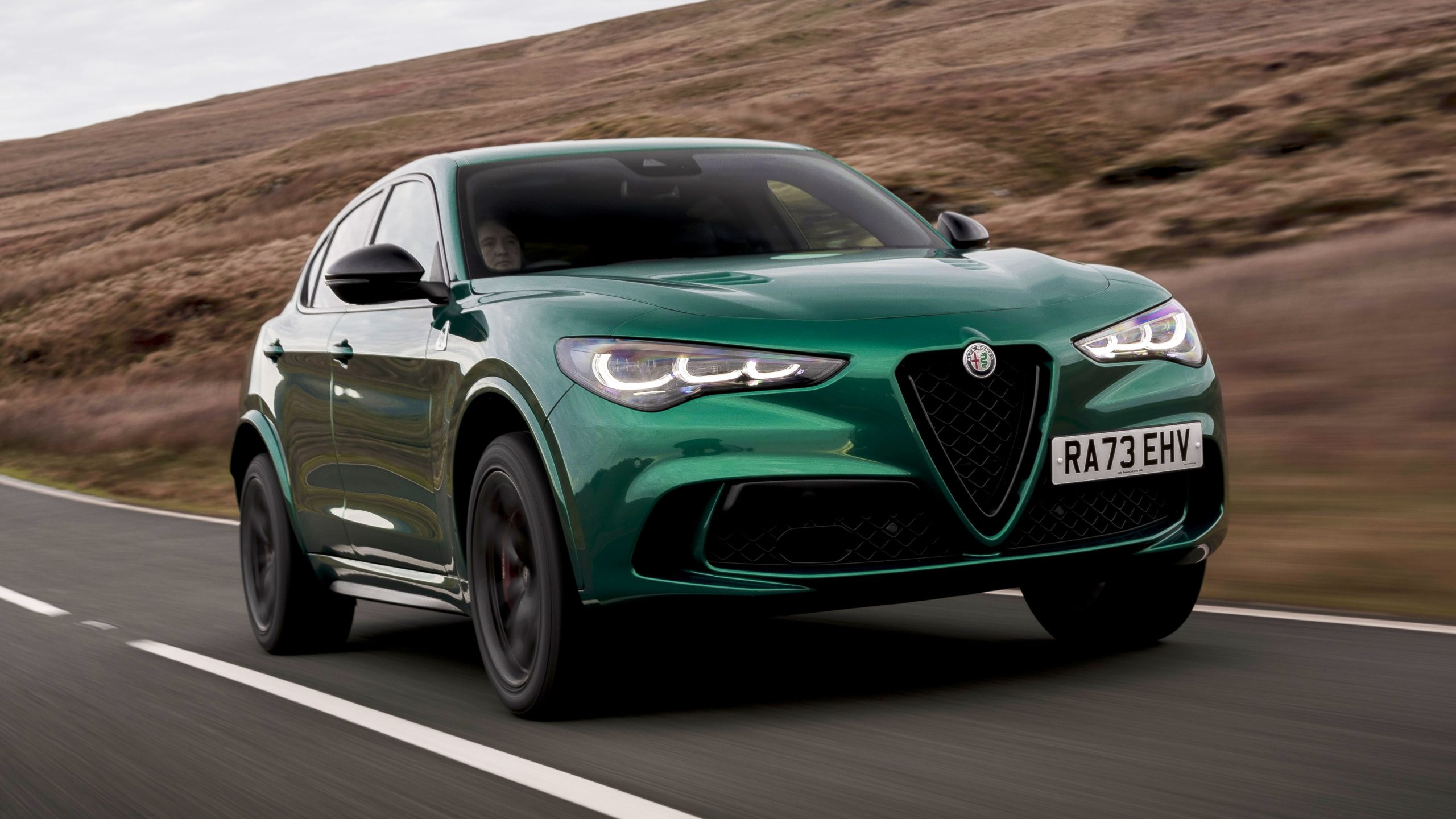
9. Alfa Romeo Stelvio: Italian Flair Meets Dynamic Performance
Starting at $48,995, the Alfa Romeo Stelvio captures the essence of Italian design and driving passion with sharp handling, striking looks, and a performance character that feels more like a sports car than an SUV. This compact luxury crossover blends excitement and everyday practicality, standing out in a crowded field of predictable rivals.
Powered by a 2.0-liter turbocharged four-cylinder engine delivering 280 horsepower and 306 lb-ft of torque, the Stelvio pairs with an eight-speed automatic transmission that shifts with precision and speed. It reaches 60 mph in just 5.3 seconds and tops out at 144 mph, making it one of the quickest in its segment. With fuel economy rated at 22 mpg city and 28 mpg highway, it balances efficiency with strong performance.
Behind the wheel, the Stelvio feels alive and engaging. The turbocharged engine responds eagerly to throttle inputs, while its steering delivers accuracy and feedback that encourage confident cornering. All-wheel drive enhances grip on twisty pavement, providing stability without dulling agility.
Braking performance is strong, though low-speed response can feel uneven. The suspension provides a satisfying mix of control and comfort, smoothing out bumps without muting the road’s texture. On long highway drives, it stays composed, though it can feel slightly firm on rougher surfaces.
Inside, the Stelvio’s cabin combines style and sportiness with thoughtful ergonomics. The sculpted front seats hold occupants securely through corners and provide long-distance comfort, although the leather upholstery feels a bit stiff and the seat cushions are short for taller drivers.
Rear space is serviceable for adults, but those over six feet may find legroom and headroom limited. Noise insulation is impressive, with minimal wind and tire intrusion even at higher speeds.
The interior design reflects classic Italian flair, featuring a driver-focused layout, clearly labeled controls, and premium materials in most areas. Some lower panels reveal hints of cost-cutting, but craftsmanship remains refined. Visibility is one of the few weak spots, as the thick roof pillars and narrow rear window restrict the view behind, though large mirrors help compensate.
Technology in the Stelvio is simple but effective. The infotainment system is easy to navigate, though startup times for Bluetooth and USB connections can be slow. Adaptive cruise control performs well, and the available premium sound system adds richness to the cabin. While it lacks cutting-edge tech, the Stelvio keeps the focus on driving enjoyment.
Cargo space and storage are limited compared with class leaders, though thoughtful touches like easy-access car seat anchors add convenience. Despite its compact size, it suits daily commuting and light travel well.
The Alfa Romeo Stelvio impresses with its seductive design, sharp dynamics, and engaging personality. It may not match competitors in interior space or technology, but for drivers seeking passion and precision in a luxury SUV, the Stelvio delivers an experience that stirs emotion every time you drive it.
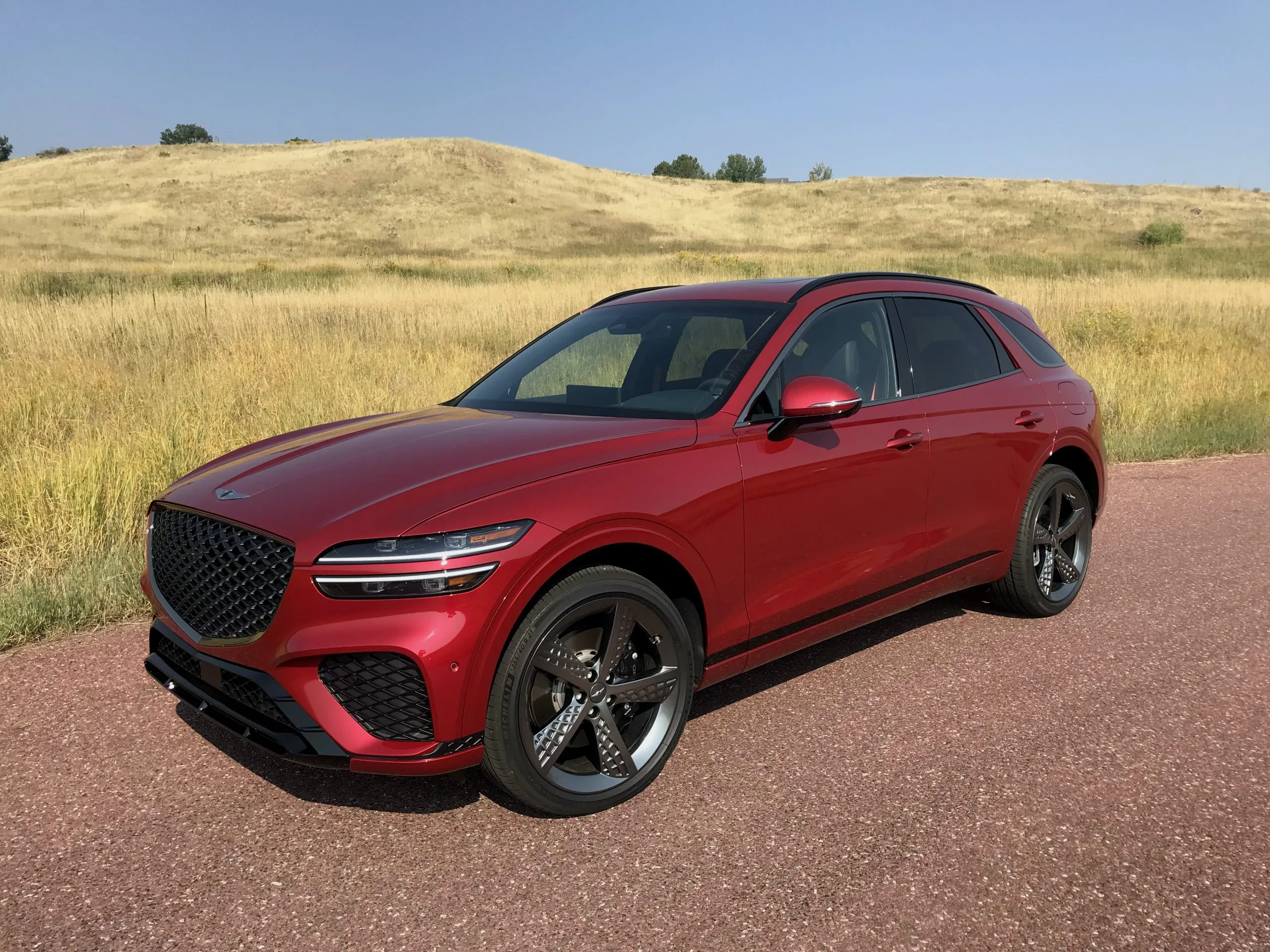
10. Genesis GV70: Redefining Affordable Luxury and Performance
Starting at $46,500, the Genesis GV70 blends luxury, technology, and performance into one of the most balanced compact SUVs in its segment. With a 2.5-liter turbocharged four-cylinder engine producing 300 horsepower and 311 lb-ft of torque, this all-wheel-drive SUV sprints from 0 to 60 mph in just 4.9 seconds and reaches a top speed of 150 mph.
Despite its power, it remains refined and practical, with a towing capacity of 3,500 pounds and fuel efficiency rated at 22 mpg city and 28 mpg highway.
On the road, the GV70 offers a composed and confident drive. The eight-speed automatic transmission shifts seamlessly, adapting well to both relaxed and spirited driving.
Steering is responsive, providing a sense of control and precision, while the suspension absorbs imperfections effectively, creating a smooth and quiet ride even over rough pavement.
Although not as sharp-handling as the Porsche Macan, the GV70 delivers a well-rounded balance of agility and comfort, ideal for both city commutes and highway cruising. Braking is reliable and consistent, though it lacks the tactile feedback that driving enthusiasts might prefer.
The GV70 stands out in comfort and cabin refinement. The front seats are supportive and highly adjustable, featuring heating, ventilation, and even massage functions. Rear passengers benefit from generous reclining seats and a spacious layout, though taller adults may find headroom slightly limited.
Cabin insulation is excellent, with dual-pane windows that minimize outside noise, while the climate system works quietly and efficiently. The four-cylinder engine can sound coarse under heavy acceleration, but in everyday driving, it remains smooth and unobtrusive.
Technology is one of the GV70’s strongest attributes. A 27-inch single-panel display stretches across the dashboard, offering crisp graphics and intuitive menus. While the screen’s distance from the driver requires reliance on the rotary control knob, this system is easy to learn.
Wireless charging, multiple USB ports, and an available household outlet enhance everyday usability. Voice controls handle navigation, audio, and climate settings with natural command recognition, though the system remains limited in scope.
Practicality is another highlight. With 28.9 cubic feet of cargo space, the GV70 provides more room than most rivals, and the power tailgate opens automatically when it detects the key nearby. Interior storage is sufficient, with clever touches like tandem cupholders and a well-sized center bin.
Value is where the GV70 truly shines. At a price point lower than comparable German SUVs, it offers features typically reserved for more expensive models, including fingerprint authentication, smart parking assist, and massaging seats. Genesis also leads in warranty coverage with a 10-year/100,000-mile powertrain warranty, five years of roadside assistance, and complimentary maintenance for three years.
The Genesis GV70’s combination of bold design, advanced technology, strong performance, and premium comfort makes it one of the most desirable luxury SUVs for drivers seeking sophistication without excessive cost.
The cars featured in “10 Cars That Deliver Power Without Breaking the Bank” demonstrate that performance does not have to be out of reach. Each model offers its own identity, blending capability, comfort, and efficiency in ways that suit different lifestyles.
The Mazda CX-5 Turbo, BMW X3, and Genesis GV70 stand out for their refined powertrains and upscale features, while the Alfa Romeo Stelvio and Jaguar E-Pace appeal to drivers who crave distinctive style and agility. Together, they show that modern engineering can deliver excitement without financial strain.
From daily commuting to weekend drives, these vehicles provide performance that satisfies both the enthusiast and the practical buyer. Affordable power is no longer an exception; it is becoming the standard for those who know how to choose wisely.
Also Read: 5 Cars That Outlast Their Bad Reputations vs 5 That Don’t