When people think about long-lasting cars, they often imagine high-end luxury models with precision engineering and premium materials.
However, the truth is that many affordable sedans have built reputations for reliability, durability, and low cost of ownership that rival and often surpass luxury nameplates.
While luxury vehicles can offer superior comfort and cutting-edge technology, they frequently come with higher maintenance costs and complex electronics that don’t always age well.
In contrast, these affordable sedans prove that you don’t need to break the bank to drive something that will stay dependable well past the 200,000-mile mark.
Here are eight budget-friendly models known for going the distance, outlasting their luxury counterparts in the real world.
1. Toyota Camry
The Toyota Camry has long been the gold standard for dependability in the midsize sedan segment.
Built with Toyota’s conservative engineering approach and proven powertrains, the Camry has consistently ranked near the top in long-term reliability studies by J.D. Power and Consumer Reports.
Many owners report surpassing 250,000 or even 300,000 miles with proper maintenance.
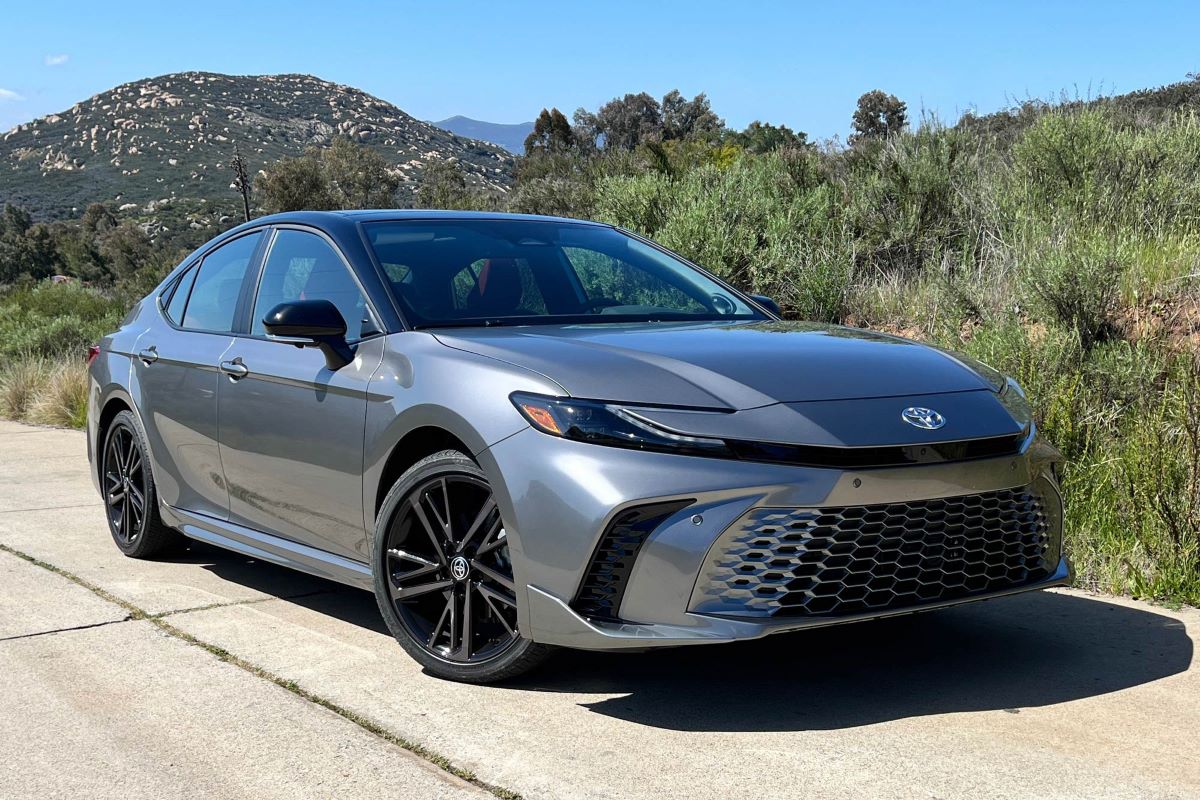
While luxury sedans like the BMW 3 Series or Audi A4 often require costly maintenance after 100,000 miles, the Camry keeps running strong with affordable parts and minimal issues.
Its 2.5-liter four-cylinder and optional 3.5-liter V6 engines are simple, durable, and have decades of refinement behind them.
Combined with solid resale value and a comfortable, quiet ride, the Camry is the definition of a car that just keeps going often long after its luxury rivals have left the road.
The 2019 Toyota Camry stands out as a strong contender in the family-sedan segment, proving that it has more to offer than just its renowned reliability and exceptional resale value.
With its highly fuel-efficient four-cylinder engine and an available hybrid option, the Camry appeals to those with an eco-conscious mindset. While it may not deliver the same spirited performance as sportier competitors like the Honda Accord or Mazda 6, the Camry impresses with its smooth ride quality and composed handling.
Moreover, Toyota continues its tradition of equipping the Camry with an extensive suite of standard driver-assistance features. Though it has a few minor flaws, there’s no denying that the 2019 Camry represents a genuine evolution for this nameplate.
After receiving a complete redesign and major improvements in 2018, the 2019 Camry sees no major overhauls this year. However, Toyota has introduced several welcome updates to enhance its appeal.
We truly enjoy the V-6–powered variants of the Camry, but considering the added expense, the efficient four-cylinder model remains the smarter pick.
Our recommendation would be the SE trim with the four-cylinder engine, which comes standard with forward-collision warning, lane-keeping assist, adaptive cruise control, automatic climate control, and a leather-wrapped steering wheel with paddle shifters.
To that, we’d add the optional package featuring a power sunroof, blind-spot monitoring, rear cross-traffic alert, and keyless entry for added convenience.
The 2019 Camry gains more power across all engines compared with its predecessors. The standard four-cylinder engine is paired with a smooth eight-speed automatic transmission, though acceleration remains modest.
A less powerful iteration of this engine is paired with a battery and two electric motors to form the Camry Hybrid’s powertrain, which offers efficiency rather than excitement. The real highlight, however, is the refined 301-horsepower V-6 available in the XLE and XSE trims.
At last, the Camry delivers driving enjoyment. It offers a well-controlled ride and unexpectedly responsive handling. The steering feels well-weighted, firm and confident through corners but light and easy during low-speed maneuvers.
The braking system is equally impressive, offering firm and predictable feedback. Even the hybrid’s brakes, which combine friction and regenerative systems to recharge the battery, feel natural most of the time.
However, at lower speeds, the hybrid’s brakes can be overly touchy, leading to slightly abrupt stops when parking.
2. Honda Accord
Few sedans have a legacy as strong as the Honda Accord. Known for its bulletproof engines and transmissions, the Accord offers a perfect balance of refinement, efficiency, and long-term reliability.
Honda’s commitment to quality means that major mechanical failures are rare, and many Accords easily reach 250,000 miles or more without significant repairs.
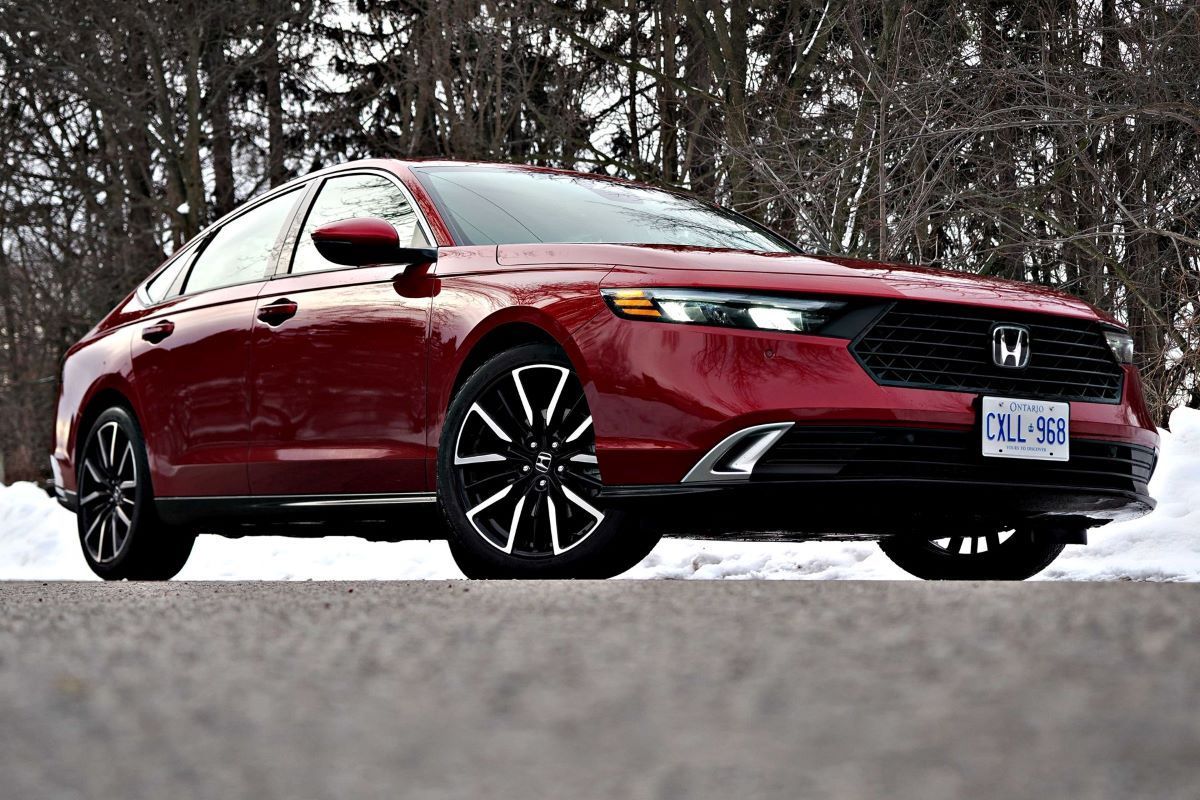
Compared to European luxury sedans which often suffer from electrical issues, complex turbo systems, or expensive suspension repairs the Accord’s simpler setup makes ownership far less stressful.
The naturally aspirated four-cylinder engine and proven CVT or automatic transmission are built for endurance, not just performance.
It also helps that the Accord maintains a premium feel without the high maintenance costs of luxury models like the Mercedes-Benz C-Class.
3. Toyota Corolla
The Toyota Corolla may not have the flash or prestige of luxury sedans, but it more than makes up for it with unbeatable reliability and ease of ownership.
The Corolla’s small-displacement engines are famously under-stressed, and its conservative design philosophy prioritizes longevity over cutting-edge features that can break down over time.
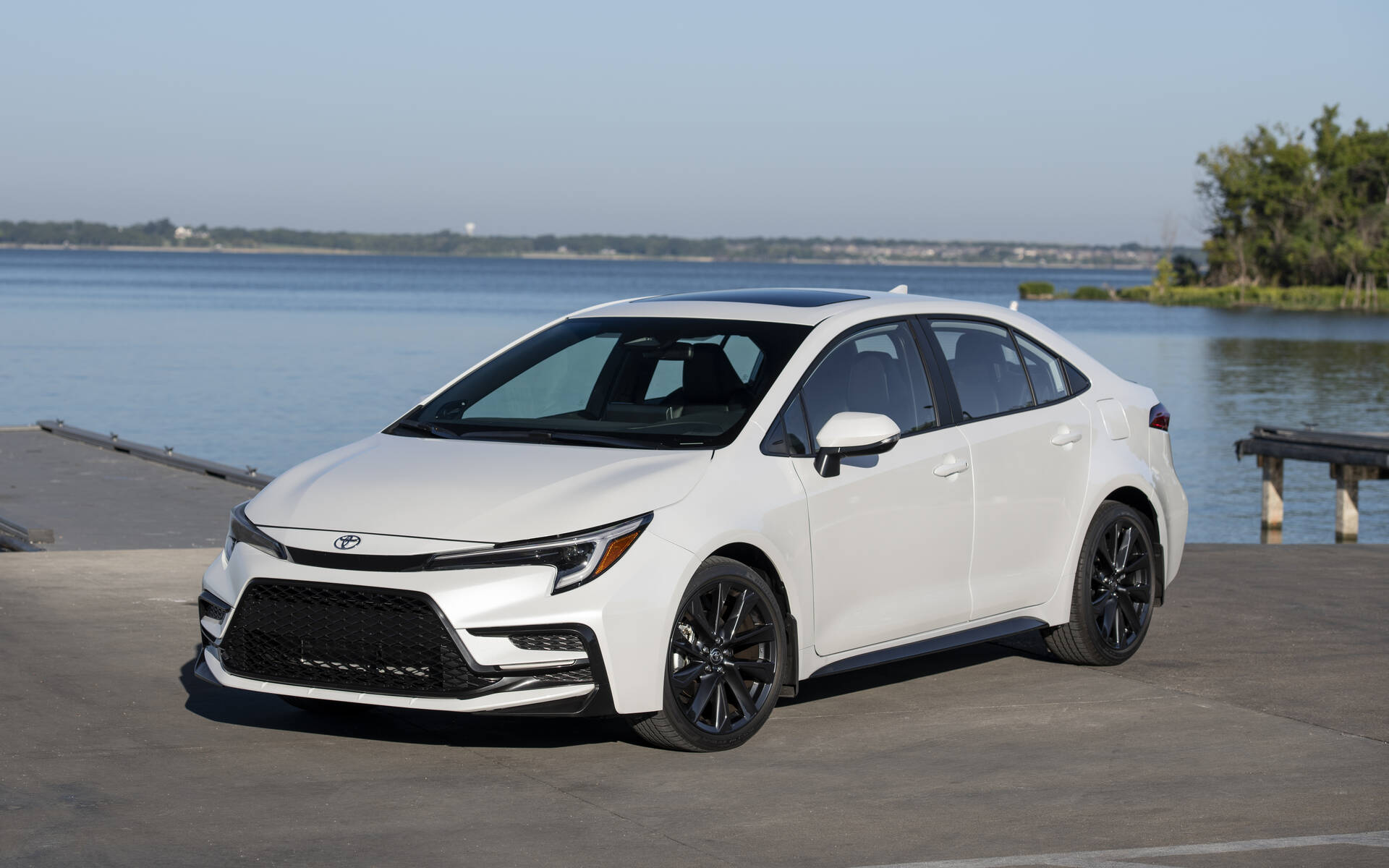
In terms of cost-to-own and reliability, the Corolla routinely outperforms luxury models like the Lexus IS or Infiniti Q50.
Owners often cite simple maintenance, excellent fuel economy, and low repair costs as reasons their Corollas stay on the road for decades.
Even taxi fleets and rideshare drivers rely on the Corolla for one reason it just doesn’t quit.
As the Toyota Corolla nears its 60th anniversary in 2026, it has already surpassed an impressive milestone, over 50 million units sold. The Corolla overtook the Volkswagen Beetle in the 1990s to become the world’s best-selling vehicle of all time, a title it continues to hold today.
Debuting for the 1987 model year during the final production cycle of the fifth-generation Corolla, the FX marked Toyota’s first front-wheel-drive hatchback variant of the Corolla.
In North America, it was manufactured at Toyota’s NUMMI facility in Fremont, California, alongside the fifth-generation Chevrolet Nova—a Corolla-based model that would later be rebranded as the Geo Prizm. However, their finely tuned suspension systems made them exceptionally agile through winding roads.
Unfortunately, the FX didn’t achieve the same sales success as other Corolla variants, leading Toyota to phase out the hatchback in favor of wagons, sedans, and a sleek new coupe when the sixth-generation Corolla debuted in 1988.
Only 1,600 units will be offered in the United States, available in Ice Cap, Inferno, and Blue Crush Metallic. As of this writing, these exclusive models are expected to hit showroom floors this fall.
The Corolla remains Toyota’s most affordable model for 2025, starting at $22,325 for the base LE trim (plus a $1,135 destination fee). At the other end of the lineup, the sport-oriented XSE begins at $28,040 (plus destination).
For those seeking fuel efficiency, the Corolla Hybrid lineup ranges from $23,825 for the Hybrid LE to $28,190 for the Hybrid XLE, excluding destination charges. The special-edition FX trim fits neatly between the SE (on which it’s based) and the XSE, with a starting price of $26,650 plus destination.
4. Hyundai Elantra
Hyundai’s reputation for reliability has improved dramatically over the past two decades, and the Elantra is a prime example of the brand’s evolution.
Modern Elantras, particularly those from the 2017 model year onward, offer a surprising mix of durability, efficiency, and technology.
Backed by one of the best warranties in the industry (10 years or 100,000 miles for the powertrain), the Elantra provides peace of mind that few luxury brands can match.
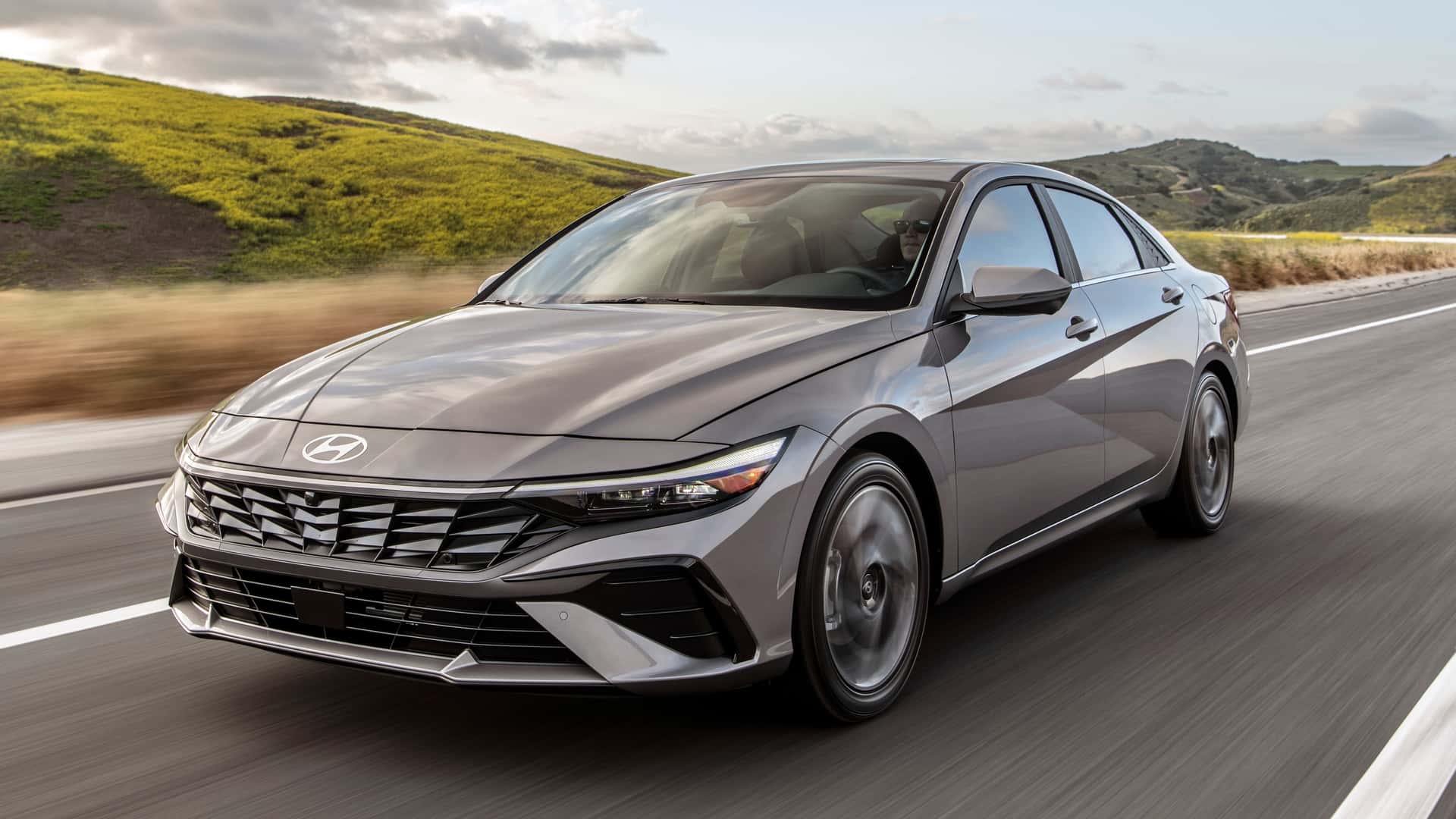
Luxury sedans may boast fancier interiors or advanced infotainment systems, but those same systems can become a headache as they age.
The Elantra keeps things simpler, with easily serviceable components and affordable replacement parts. For drivers looking for long-term value without luxury-level maintenance costs, it’s one of the smartest buys in the compact segment.
5. Nissan Altima
The Nissan Altima often flies under the radar, but it has proven itself as a reliable, comfortable daily driver for countless American families.
Models with the 2.5-liter four-cylinder engine and continuously variable transmission (CVT) have shown strong longevity when properly maintained.
Unlike many luxury sedans that can suffer from complicated drivetrain issues or delicate electronics, the Altima keeps things relatively simple.
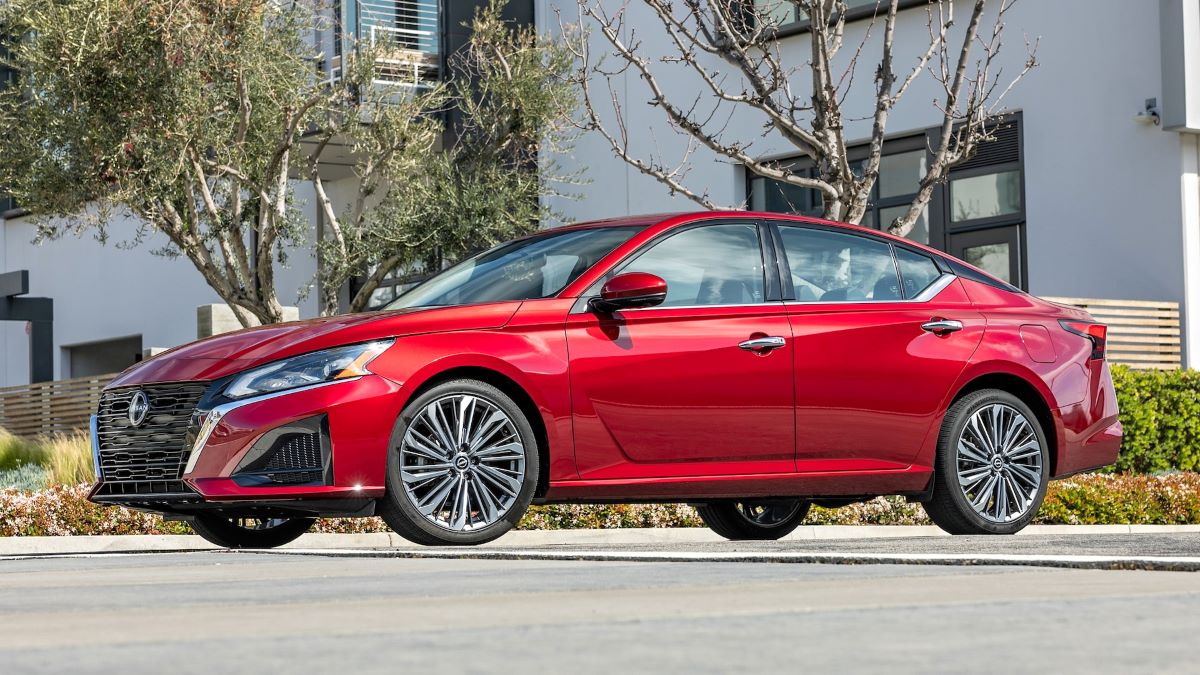
It’s also inexpensive to repair, with abundant parts availability across the country. Newer Altimas even include advanced safety tech and all-wheel-drive options, making them practical for drivers in colder climates.
While a luxury car might spend more time in the shop, an Altima is likely to stay on the road doing its job day after day.
The 2022 Nissan Altima stands as a capable and well-rounded midsize sedan that bridges the gap between the segment’s less impressive and more desirable options. While it doesn’t reach the refined excellence of the Honda Accord, it’s far from being as uninspired as the Volkswagen Passat.
Instead, the Altima distinguishes itself with appealing design, a comfortable interior, and a surprising degree of agility. Its available all-wheel-drive system is a popular choice, even if its extra traction isn’t essential for most drivers.
However, that feature is only compatible with the Altima’s standard, somewhat lackluster four-cylinder engine, meaning those interested in the stronger VC-Turbo powertrain will have to forgo all-wheel drive.
Although Nissan doesn’t offer a hybrid or plug-in-hybrid variant like some rivals, every Altima delivers impressive fuel efficiency. Altogether, these qualities make it a solid, well-balanced sedan that most buyers will find satisfying.
Although the turbo’s benefits can be hard to quantify, the $1,400 AWD system may appeal to drivers in snow-prone areas. Still, our recommendation would be the SR trim without those options.
Its sport-tuned suspension and 19-inch wheels add excitement to the drive, while desirable features like an eight-way power driver’s seat, Apple CarPlay, Android Auto, an upgraded digital gauge cluster, and a leather-wrapped steering wheel enhance everyday comfort.
The Altima’s standard 2.5-liter four-cylinder engine produces 188 horsepower and pairs with a continuously variable automatic transmission (CVT). The optional turbocharged 2.0-liter four-cylinder generates up to 248 horsepower with premium fuel and also uses the CVT.
Despite Nissan’s emphasis on the engine’s variable-compression technology, only the 2.5-liter version can be equipped with all-wheel drive. The base powertrain delivers adequate, though unremarkable, acceleration.
When pushed, the engine becomes noticeably louder, but no more so than the four-cylinder Toyota Camry we tested. The VC-Turbo engine, however, noticeably boosts performance, making the Altima considerably quicker.
Even with its advanced powertrain and optional AWD, the Altima still doesn’t deliver the same driving enjoyment as the Accord.
The SR trim’s sport-tuned suspension and 19-inch wheels make it livelier through corners, though these upgrades slightly compromise ride comfort compared to standard trims.
Steering is precise for a family sedan and appropriately light at low speeds. The brake pedal provided linear, predictable response, ensuring confidence under both city and highway driving conditions.
6. Mazda6
Mazda’s approach to vehicle engineering blends driving enjoyment with long-term dependability, and the now-discontinued Mazda6 remains one of the most underrated sedans in the used market.
With its robust Skyactiv-G engines and precise build quality, the Mazda6 often lasts far beyond 200,000 miles when maintained.
Luxury sedans might have more sophisticated suspension systems or turbocharged powertrains, but those can quickly turn into expensive liabilities.
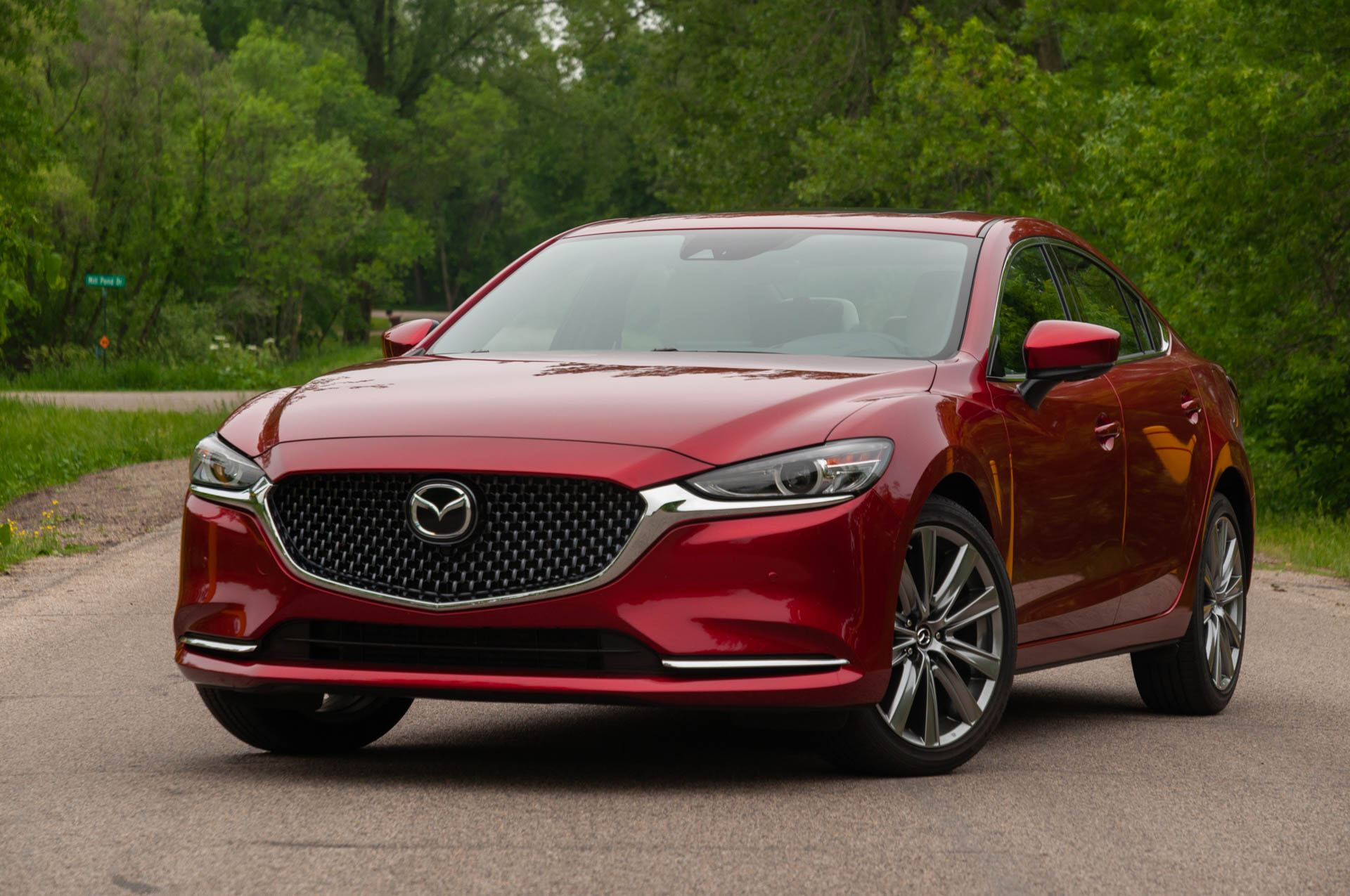
The Mazda6 strikes a sweet spot it feels sporty and premium inside, yet its reliability and running costs align more closely with Toyota and Honda.
It’s the kind of car that enthusiasts and practical buyers can both appreciate, especially when compared to aging European rivals that cost a fortune to keep on the road.
The 2021 Mazda 6 receives a few updates, including new features and the introduction of the Carbon Edition package. This special edition is based on the Grand Touring Reserve trim and features a Polymetal Gray exterior color, black accents, and dark 19-inch wheels.
The interior continues the theme with black trim and red leather seats accented by gray stitching. All Mazda 6 models now come standard with Apple CarPlay and Android Auto, while trims above the Touring add wireless CarPlay functionality.
The turbocharged engine has also been retuned to deliver an additional 10 lb-ft of torque, totaling 320 lb-ft when using 93-octane fuel. Additionally, the Signature trim gains new safety features such as rear automated emergency braking and a driver-attention monitor.
However, Mazda has confirmed that the 6 will be discontinued for the 2022 model year, though rumors suggest a possible return in the future with a rear-wheel-drive layout and an inline-six engine.
The 2021 Mazda 6 lineup starts at $25,470 and tops out at $36,895, depending on the trim level and options. The Grand Touring trim is particularly appealing, as it offers the 250-hp turbocharged engine at a more accessible price point, providing a sporty driving experience unmatched by the base four-cylinder.
This trim also includes upgrades such as a leather-wrapped steering wheel with paddle shifters, a Bose premium audio system, an auto-dimming rearview mirror, and wireless Apple CarPlay.
With minimal customization options, buyers only need to choose a paint color, and the 6 looks especially stunning in Mazda’s Soul Red Crystal Metallic.
Unlike many mid-size sedans, the Mazda 6 does not offer a hybrid version but comes with two 2.5-liter four-cylinder engines. The base engine produces 187 horsepower, while the turbocharged version generates up to 250 horsepower and 320 lb-ft of torque with premium fuel.
Both are paired with a smooth six-speed automatic transmission that shifts responsively and efficiently. The Mazda 6 stands out for its engaging driving dynamics, offering a refined balance of comfort and sportiness that’s rare in its class.
While the top Signature trim exhibited slightly longer braking distances in testing due to quieter tires, the overall driving experience remains excellent, with a quiet cabin and responsive handling that make it the most enjoyable sedan in its segment.
In terms of fuel efficiency, the base 2.5-liter engine achieves EPA ratings of 26 mpg in the city and 35 mpg on the highway. Although updated figures for the turbocharged version are not available, the 2020 model was rated at 23 mpg city and 31 mpg highway.
In real-world testing, both the turbocharged and base engines outperformed their EPA highway estimates, achieving 36 mpg and 37 mpg respectively.
The layout is sophisticated and comfortable, though a few controls can be slightly unintuitive. Mazda’s infotainment system is controlled by a rotary knob on the center console, similar to setups found in premium European cars.
The 8.0-inch display doubles as a touchscreen when the vehicle is stationary, and while the interface could be more intuitive, it offers satisfying usability. All trims include Apple CarPlay and Android Auto, with wireless CarPlay available starting from the Grand Touring trim.
Mazda’s warranty coverage is competitive but not class-leading. The 6 comes with a three-year/36,000-mile limited warranty and a five-year/60,000-mile powertrain warranty, but it lacks complimentary scheduled maintenance, which some rivals like the Toyota Camry and Chevrolet Malibu provide.
Despite this, the 2021 Mazda 6 remains one of the most refined, engaging, and stylish options in the midsize sedan segment, offering an impressive blend of performance, comfort, and design that continues to set it apart.
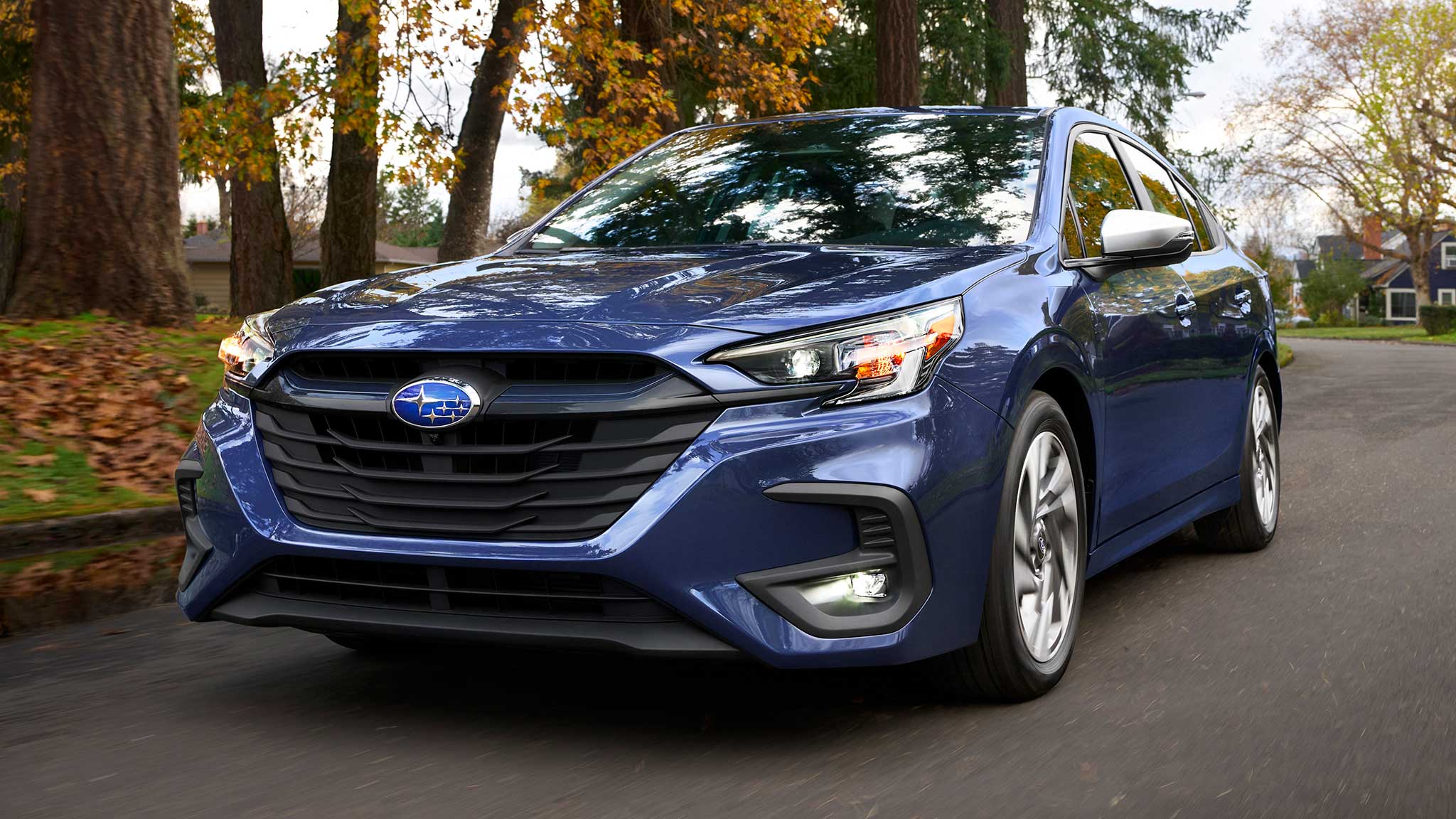
7. Subaru Legacy
For drivers in the northern United States who deal with harsh winters, the Subaru Legacy stands out as one of the most durable all-wheel-drive sedans available. Its symmetrical AWD system, reliable boxer engine, and rugged build make it an ideal choice for longevity in tough conditions.
Luxury sedans with AWD such as those from Audi or BMW often require expensive maintenance on their complex drivetrains.
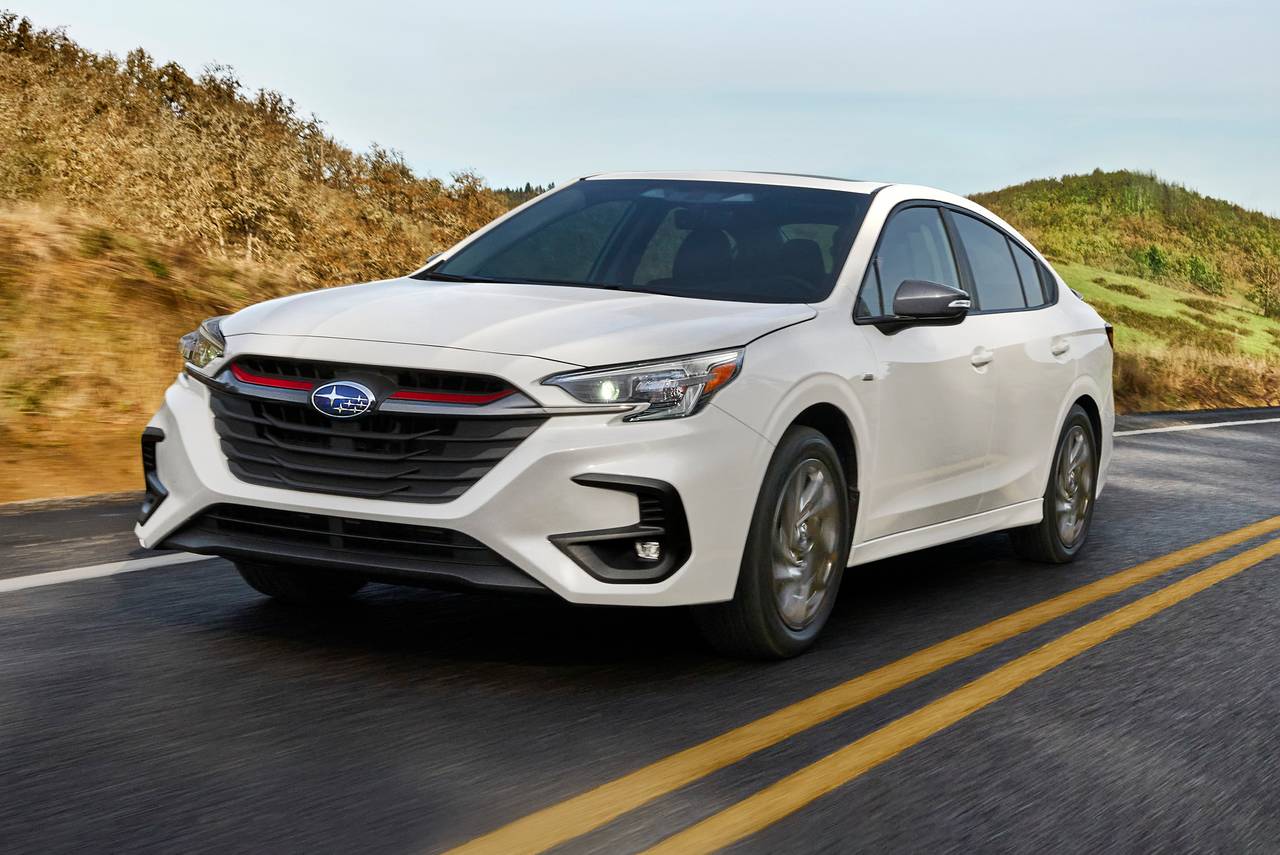
In contrast, Subaru’s tried-and-true layout has been refined for decades, offering dependable traction without draining your wallet.
The Legacy may not have the glitz of a luxury car, but it will start every morning, handle snow with confidence, and likely outlive its pricier peers.
8. Kia K5
The Kia K5, which replaced the Optima, represents the modern face of affordable longevity. With sleek styling, a strong chassis, and efficient engines, the K5 delivers reliability that rivals established names like Toyota and Honda.
Kia’s long warranty coverage adds another layer of confidence for buyers planning to keep their vehicles well into the future.
Luxury sedans often lose their shine as repair costs pile up over time, but the K5 keeps running with minimal issues. Its turbocharged engines have proven sturdy, and its interior materials hold up impressively well, showing how far Kia’s build quality has come.
For buyers who want modern looks, long-lasting performance, and low maintenance costs, the K5 offers everything a luxury sedan promises without the premium price tag or upkeep burden.
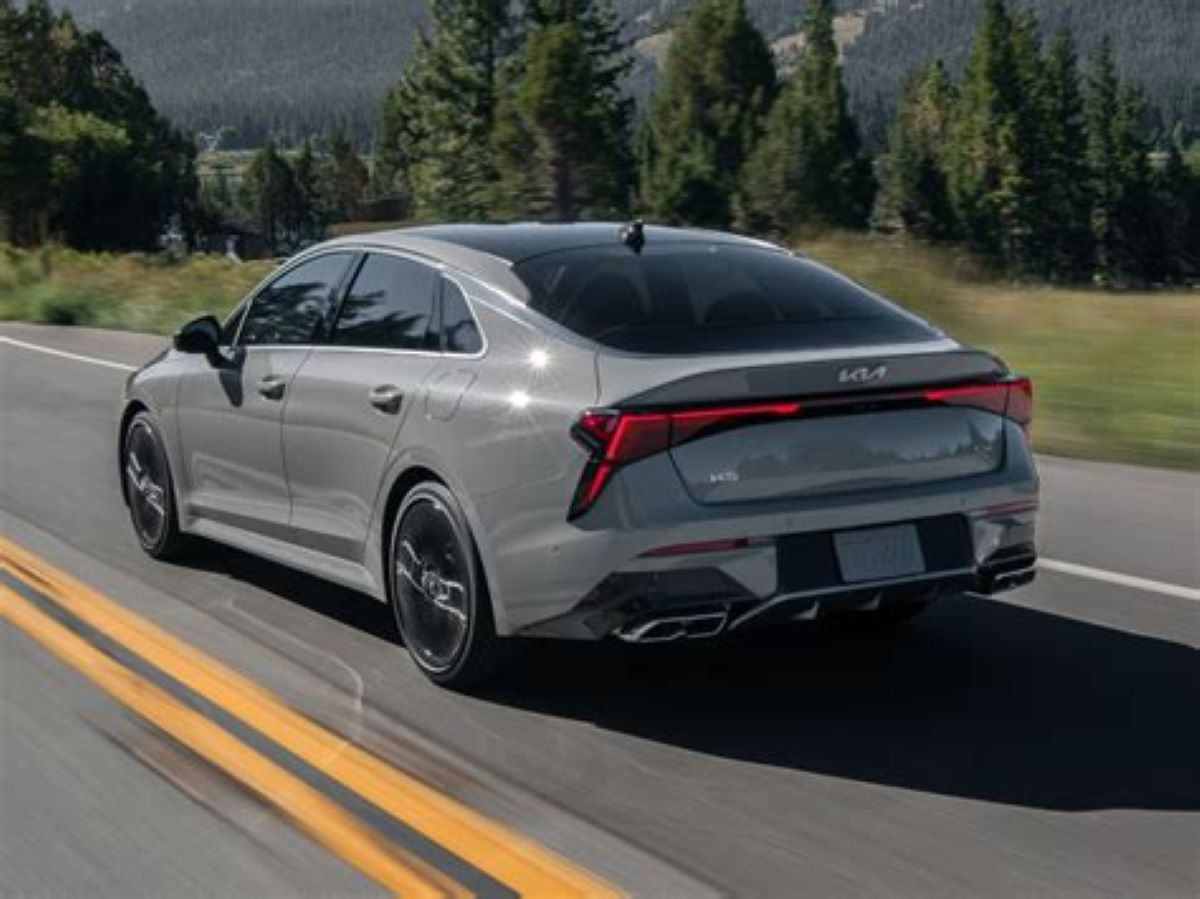
While luxury sedans may seem appealing with their plush interiors and prestige badges, long-term ownership often tells a different story. Repair bills, maintenance schedules, and complex technology can quickly erode the glamour.
When Kia revealed the K5 for the 2021 model year, it didn’t just introduce a successor to the Optima, it launched a sedan impressive enough to earn the title of our top-rated midsize car.
Four years later, the 2025 Kia K5 continues to build on that success with a round of thoughtful updates. The latest model features refreshed styling at both the front and rear, a redesigned interior, and a new standard engine.
For this model year, Kia has replaced the previous turbocharged base engine with a new naturally aspirated four-cylinder. While it produces slightly more horsepower, it delivers less torque.
Despite the change, EPA-estimated fuel economy figures remain nearly identical. In everyday driving, this means performance feels much the same, but where you will notice a real difference is inside the cabin of the 2025 K5.
Although the exterior changes are modest, so subtle they might escape notice at first glance, the interior improvements are far more striking. A sleek new touchscreen now integrates seamlessly into the instrument panel, giving the dashboard a more cohesive and contemporary look.
The climate controls have also been redesigned with a more modern aesthetic, and even the cupholders have received a fresh layout. Beyond design, Kia has enhanced the K5’s technology offerings by making wireless Apple CarPlay and Android Auto standard across all trims.
Additionally, several features that were once part of optional packages are now included as standard equipment. While none of these updates reinvent the K5, together they give the sedan a noticeably more refined and up-to-date feel, one that reinforces its reputation as a standout in the midsize segment.
For American drivers who prioritize durability and cost-effectiveness, these eight sedans show that lasting quality doesn’t have to come with a luxury badge.
In fact, many of these models are still running strong after their luxury counterparts have long since retired a reminder that sometimes, the smartest investments are also the most modest.