
The automotive market has witnessed tremendous technological advancement over the past decade, yet certain used SUVs continue to hold their ground against brand-new models entering the market.
This phenomenon is not merely about nostalgia or brand loyalty; it reflects the exceptional engineering, durability, and feature-richness that these vehicles offer.
When considering a vehicle purchase, potential buyers often face a critical decision: invest in a new model with the latest technology, or opt for a used SUV that has already proven its reliability and performance capabilities.
The value proposition of used SUVs has become increasingly compelling in recent years. A well-maintained used SUV can offer comparable performance, similar safety features, and often superior reliability compared to new competitors at a significantly lower price point.
Furthermore, many of these used models have been extensively tested by thousands of owners, providing a wealth of real-world performance data that simply doesn’t exist yet for brand-new vehicles rolling off assembly lines.
One of the primary advantages of choosing used SUVs is the depreciation factor. New vehicles lose substantial value the moment they leave the dealership, sometimes depreciating 20-30% within the first year alone.
Used SUVs have already absorbed this initial depreciation hit, meaning buyers can enjoy more stable long-term value retention. This economic advantage allows consumers to allocate more resources toward maintenance, repairs, or fuel costs rather than losing money to depreciation.
The SUV segment has matured significantly, meaning that five to ten-year-old models often incorporate mature, proven technologies and designs.
Manufacturers have had years to address design flaws, improve engine reliability, and refine transmission performance. This maturity translates into vehicles that are less prone to early-life failures or design oversights that sometimes plague the first generation of new models.
Additionally, the used market offers an incredible variety and choice. Buyers can find premium features, higher trim levels, and advanced option packages on used vehicles that might be unaffordable in new models. A used luxury SUV with all the bells and whistles might cost significantly less than a basic new competitor.
Safety technology has also improved dramatically in older models. Many five-year-old SUVs already feature advanced driver assistance systems, multiple airbags, stability control, and structural reinforcement that rivals today’s standards.
Combined with lower insurance costs for used vehicles, the total cost of ownership becomes remarkably attractive. This guide explores ten exceptional used SUVs that continue to impress consumers and industry experts alike.
These vehicles have demonstrated remarkable staying power in the market, maintaining performance standards, reliability records, and desirability that allow them to genuinely compete with new models available today.
Whether you’re prioritizing performance, luxury, off-road capability, or family-friendly features, these used SUVs represent smart investments that won’t leave you feeling like you settled for a second-best option.
1. Toyota 4Runner
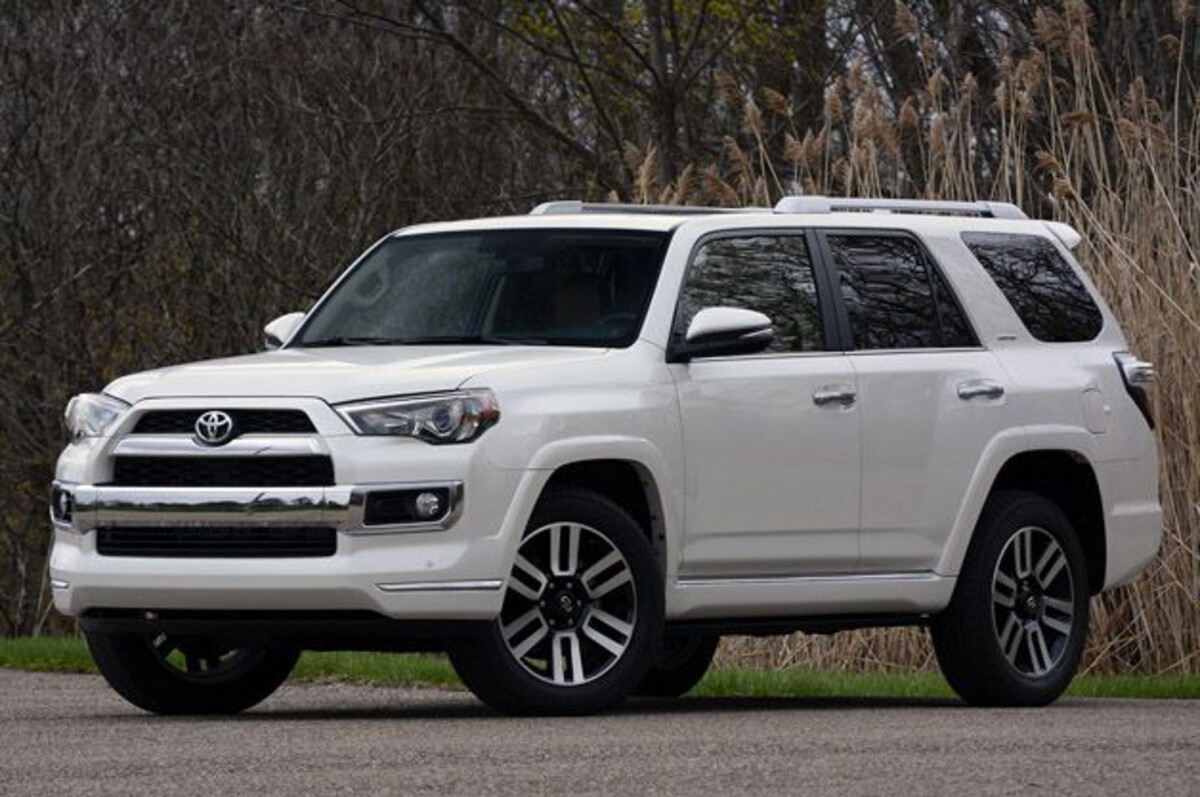
The Toyota 4Runner represents one of the most stalwart vehicles in the SUV segment, and used models continue to demonstrate why Toyota’s reputation for reliability remains unmatched.
The 4Runner’s longevity is legendary; it’s not uncommon to encounter 4Runners with 200,000+ miles still running strong, which speaks volumes about its engineering and durability.
Used 4Runners, particularly those from 2010 onwards, offer an exceptional blend of off-road capability, family-friendly features, and that reassuring Toyota reliability that depreciates at a slower rate than many competitors.
The fourth-generation 4Runner, produced from 2010 to 2024, features a 4.0-liter V6 engine that, while not the most fuel-efficient option, delivers impressive reliability and consistent performance.
This engine has earned respect throughout the automotive community for its robustness, with many owners reporting minimal issues even at high mileage intervals.
The paired five-speed automatic transmission, though older by today’s standards, is inherently sturdy and shows fewer transmission problems compared to some newer, more complex systems.
What makes used 4Runners particularly competitive with new models is their resale value retention and aftermarket support. The vehicle has cultivated a devoted community of enthusiasts and practical owners who have collectively generated extensive knowledge about maintenance, repairs, and modifications.
This means replacement parts are readily available, repair costs remain reasonable, and owners have access to proven solutions for virtually any issue that might arise.
The interior of used 4Runners, while perhaps less refined than luxury competitors, emphasizes durability and functionality. The materials tend to age well, and the straightforward design means fewer complicated electronic systems prone to failure.
Comfortable seating for up to seven passengers makes it genuinely competitive with family-oriented new models, and the spacious cargo area accommodates luggage, sports equipment, and recreational gear with impressive capacity.
Off-road capability is where the 4Runner truly shines compared to many new models attempting to appeal to adventure seekers. The available all-wheel-drive system with locking differentials, combined with body-on-frame construction, provides legitimate off-road credentials that surpass most contemporary crossovers.
This structural approach, while perhaps less fuel-efficient than unibody construction, translates to a vehicle that actually performs in challenging terrain rather than merely appearing expedition-ready.
Safety features on used 4Runners from 2015 onwards include stability control, multiple airbags, and increasingly sophisticated driver assistance systems.
Toyota’s PreCollision System, available on many recent models, provides modern safety capabilities comparable to new competitors. The vehicle’s size and sturdy construction provide inherent crash protection, and insurance ratings reflect reasonable costs relative to the vehicle’s value.
2. Honda CR-V
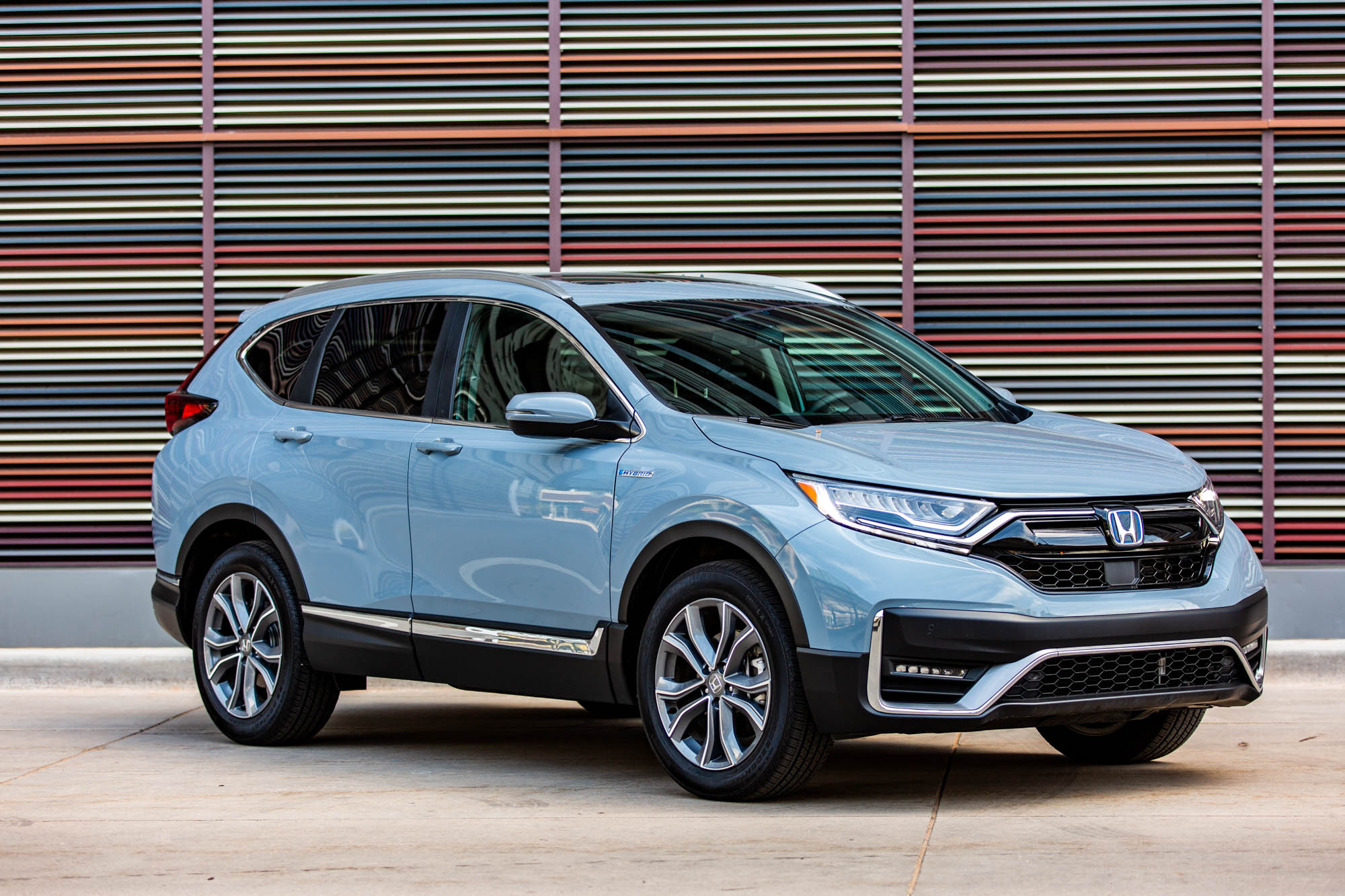
The Honda CR-V represents a masterclass in practical SUV design, and used examples from recent generations continue to outperform and outvalue many brand-new crossovers.
The CR-V’s approach to vehicle design emphasizes reliability, efficiency, and user-friendly features that have accumulated loyal enthusiasts for more than two decades.
Used CR-Vs, particularly fourth and fifth-generation models from 2012 onwards, deliver Honda’s renowned dependability while offering excellent value propositions that new competitors struggle to match.
The fifth-generation CR-V, introduced in 2017, represented a significant step forward with a more spacious interior, refined driving dynamics, and increasingly sophisticated technology integration.
These used models, now four to eight years old, retain remarkable functionality while commanding significantly lower prices than comparably equipped new crossovers.
The interior design prioritizes practical storage solutions and comfortable seating for five, with cargo flexibility that accommodates various lifestyle needs without excessive bulk.
Honda’s reputation for powertrain longevity is well-established, and CR-V models continue this tradition admirably. The naturally aspirated four-cylinder engines deliver modest but consistent horsepower, favoring reliability over raw performance. This philosophy translates into remarkably low repair rates and extended service intervals that keep maintenance costs minimal.
Many CR-V owners report confidence in their vehicles reaching 200,000 miles with minimal issues beyond routine maintenance. The transmission technology in used CR-Vs represents another strength.
The continuously variable transmission found in many recent models, while previously concerning to some consumers, has proven exceptionally durable in Honda applications.
Unlike some competitors who experienced CVT reliability issues, Honda refined its system throughout the CR-V generation, resulting in used models that rarely require transmission service despite exceeding 100,000 miles.
Fuel efficiency represents a compelling advantage for used CR-Vs competing against new models. Environmental regulations and turbocharging trends have pushed new vehicle efficiency, but CR-Vs achieved impressive fuel economy through lighter weight and efficient engine designs rather than unnecessary complexity.
Real-world fuel economy figures often meet or exceed EPA estimates, providing long-term economic advantages that justify the used purchase.
Honda’s interior design philosophy emphasizes intuitive controls and functionality over trendy but sometimes frustrating touchscreen-only interfaces.
Many used CR-Vs feature thoughtfully placed buttons and knobs that function immediately without going through the menu systems, a practical advantage for quick adjustments while driving. The aftermarket support remains exceptional, with countless accessories and replacement parts readily available.
Safety technology on recent CR-Vs includes Honda Sensing, a comprehensive suite of driver assistance features encompassing automatic emergency braking, lane departure warning, and adaptive cruise control.
These technologies now appear on most new models, yet the CR-V’s implementation received consistent praise from industry reviewers. The vehicle’s stability and predictable handling characteristics contribute to safety performance beyond electronic systems.
3. Jeep Wrangler
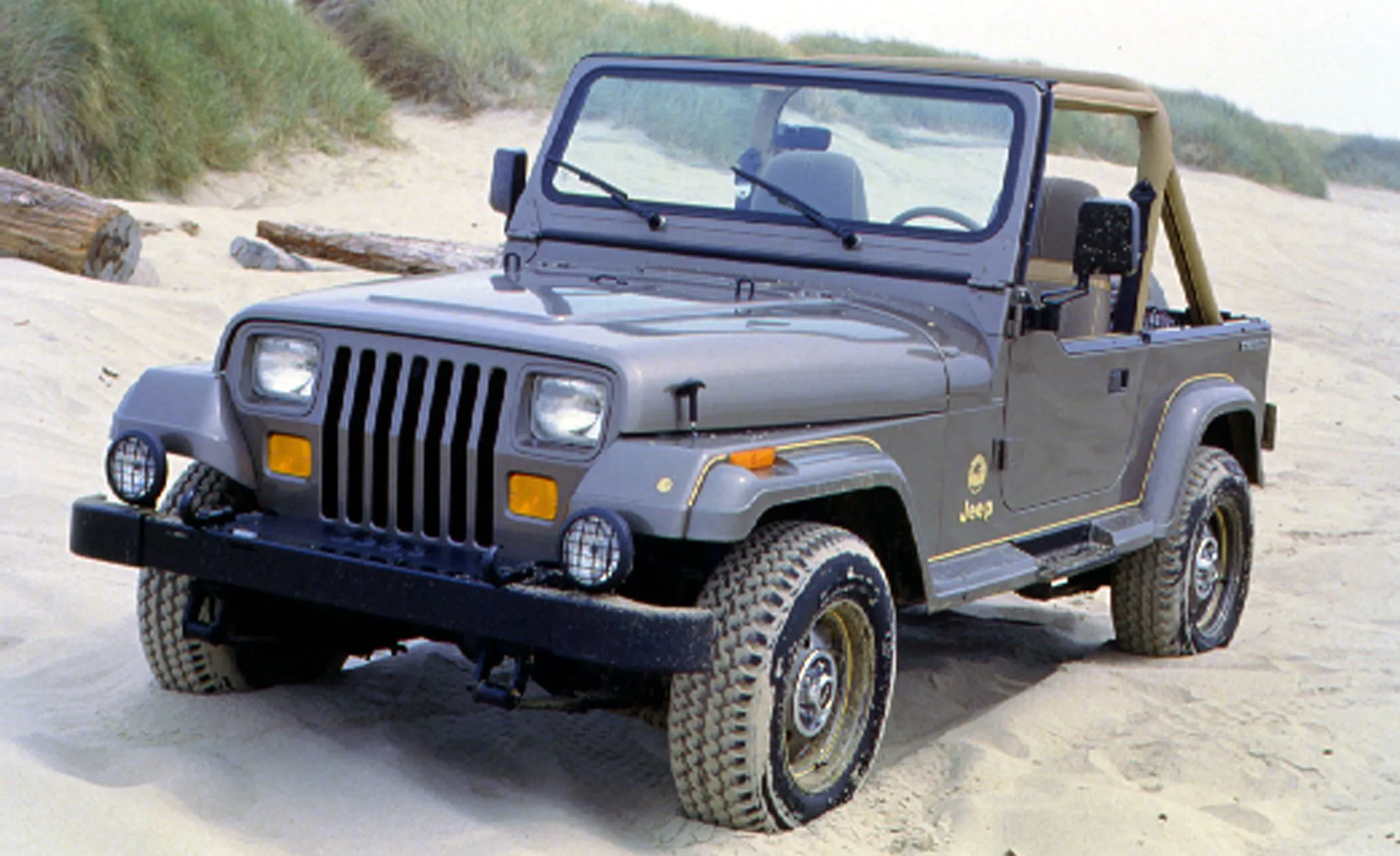
The Jeep Wrangler occupies a unique position in the SUV market as a vehicle that maintains iconic status while continually evolving to meet modern expectations.
Used Wranglers, particularly those from 2007 onwards, offer genuine off-road capability combined with increasingly sophisticated on-road manners that allow them to compete meaningfully with new model competitors.
The Wrangler’s legendary status in adventure communities ensures strong aftermarket support, parts availability, and resale value retention that defy typical vehicle depreciation curves.
The fourth-generation Wrangler, introduced in 2007 and continuing through 2018, represents a significant evolution from earlier models while maintaining the essential character that defines the nameplate.
These used vehicles feature solid front and rear axles, proven transfer case systems, and body-on-frame construction that genuinely translates to off-road performance rather than merely marketing imagery.
The removable doors and fold-down windshield, distinctive Wrangler features, continue to provide lifestyle appeal and connection to outdoor adventures.
Jeep’s powertrain options across used Wrangler generations offer choices suited to different priorities. The 3.6-liter V6 provides adequate power and proven reliability, while diesel options in certain model years offer enhanced torque and fuel efficiency for highway driving.
The available automatic and manual transmissions have demonstrated solid durability records, with the simpler manual transmissions proving particularly long-lived in certain configurations.
What distinguishes used Wranglers from many competitors is their legitimate capability in environments where most new crossovers struggle.
Four-wheel-drive systems with locking differentials, respectable ground clearance, and sturdy construction provide functionality that remains unmatched in the consumer SUV segment.
Drivers consistently report that Wranglers outperform significantly newer vehicles in challenging terrain, validating the engineering decisions that defined the platform.
The Wrangler community represents an invaluable resource for used vehicle buyers. The enthusiast culture has generated extensive knowledge about model variations, common issues, and improvement strategies.
This means used Wrangler buyers benefit from decades of collective experience, making informed purchasing decisions easier and ongoing ownership more manageable. Parts availability remains exceptional due to the strong aftermarket presence.
Interior design in used Wranglers prioritizes function over luxury, featuring durable materials designed to withstand mud, moisture, and rough handling.
The straightforward approach to interior design means fewer electronic systems prone to failure, and repairs typically remain less expensive than complexity-heavy competitors.
Recent models incorporated more refined interiors and improved sound insulation, making them more comfortable for extended highway driving.
Modern safety features increasingly appear on used Wranglers, with newer models offering electronic stability control, multiple airbags, and backup cameras.
The structural design of Wranglers, while boxy, provides solid crash protection and visibility that many rounded modern competitors lack. Insurance costs typically remain reasonable relative to vehicle value.
4. Mazda CX-5
The Mazda CX-5 exemplifies the philosophy that engaging driving dynamics need not be sacrificed for practical family transportation.
Used CX-5 models, especially from the second and third generations spanning 2013 to present, deliver compelling combinations of responsive handling, premium interior design, and refined driving experiences that allow them to outperform several new competitors.
Mazda’s consistent emphasis on driver engagement and product quality translates into used vehicles that appeal to drivers seeking substance over trendy marketing.
The third-generation CX-5, introduced in 2017, represented a significant refinement of an already excellent platform. These used models feature more sophisticated engine options, including the well-regarded 2.5-liter naturally aspirated engine and the turbocharged variant that provides enhanced performance.
The transmission technology, Mazda’s six-speed automatic, proves robust and responsive, avoiding the complexity and occasional reliability concerns associated with some competing systems.
Mazda’s reputation for steering and handling precision carries through the CX-5, resulting in a crossover that actually provides driving enjoyment rather than merely safe, predictable transportation.
The suspension tuning balances comfort with responsiveness, making used CX-5s competitive with premium-brand competitors that charge considerably more. Many reviewers noted that driving a CX-5 felt significantly more refined than comparably priced competitors, a quality that persists in used examples.
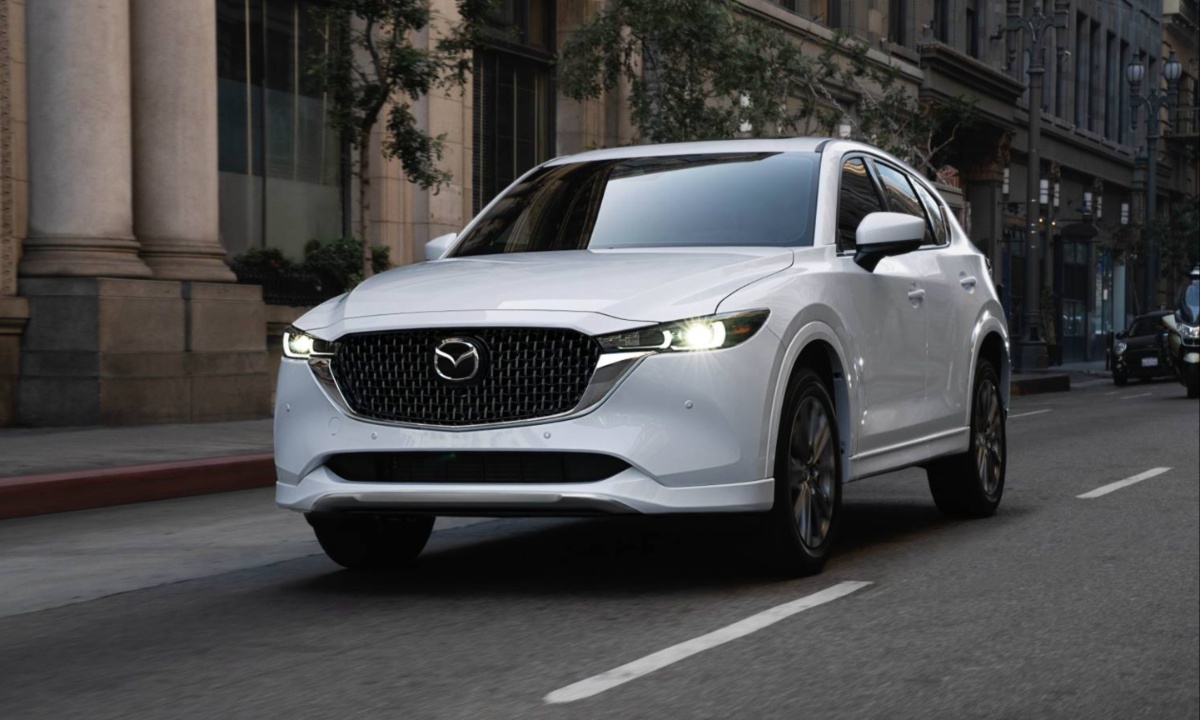
Interior quality represents another CX-5 strength that translates well to used examples. Mazda prioritizes material quality and design coherence, resulting in cabins that age well and feel notably premium.
The dashboard layout incorporates physical buttons for frequently accessed functions, complemented by the Mazda Connect infotainment system that users consistently praise for intuitiveness. Storage solutions throughout the cabin demonstrate thoughtful design that prioritizes practical utility.
Fuel efficiency in used CX-5 models remains competitive with new alternatives. The brand’s emphasis on creating efficient engines without relying entirely on turbocharging results in solid real-world fuel economy figures.
Many owners report exceeding EPA estimates through careful driving, providing long-term economic advantages that accumulate over vehicle ownership.
Mazda’s reliability record with the CX-5 has been consistently strong, with minimal reported issues regarding powertrain, transmission, or electrical systems.
The brand’s engineering philosophy emphasizes simplicity and proven technology rather than cutting-edge complexity, resulting in vehicles with substantially fewer warranty claims. This translates into lower repair costs and greater reliability confidence for used vehicle buyers.
Safety features on recent used CX-5 models include Mazda’s i-Activsense suite of driver assistance technologies, offering capabilities comparable to new competitors.
Automatic emergency braking, lane departure warning, and adaptive headlights enhance safety without feeling intrusive. The vehicle’s compact yet efficient dimensions provide good visibility that contributes to accident avoidance.
Also Read: 10 Sports Cars That Will Be Future Legends
5. Subaru Outback
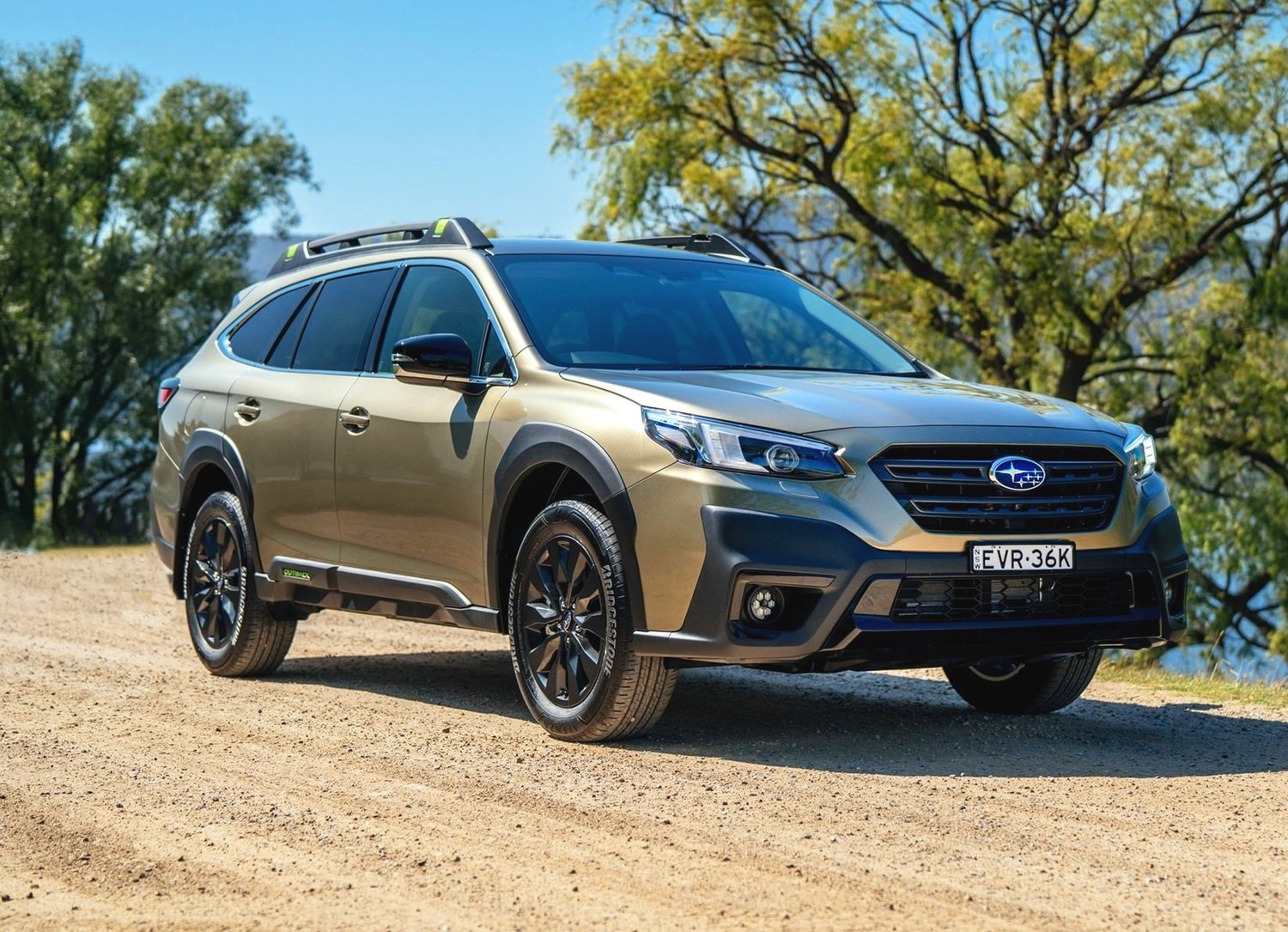
The Subaru Outback occupies a distinctive niche as a vehicle that blurs the lines between sedan practicality and SUV capability. Used Outback models, particularly from the fourth and fifth generations spanning 2010 to present, deliver exceptional value by combining car-like driving dynamics with legitimate all-wheel-drive capability and cargo versatility.
Subaru’s steadfast commitment to all-wheel-drive standard equipment means virtually all used Outbacks offer traction advantages that new front-wheel-drive competitors lack.
The fifth-generation Outback, introduced in 2015, represented a substantial evolution with increased dimensions, improved interior quality, and more sophisticated technology integration.
These used models offer surprising spaciousness and comfort while maintaining the car-based architecture that Subaru refined over the decades.
The height positioning sits lower than traditional SUVs, allowing easier cargo loading while still providing sufficient ground clearance for light off-road exploration.
Subaru’s horizontally opposed engine design, found across its lineup,, including the Outback, provides inherent advantages in handling balance and vehicle dynamics.
The naturally aspirated four-cylinder engines prioritize reliability and consistent performance over raw horsepower, resulting in powertrains with exceptional longevity.
Used Outback models with 150,000+ miles on the original engine and transmission are commonplace, attesting to engineering durability.
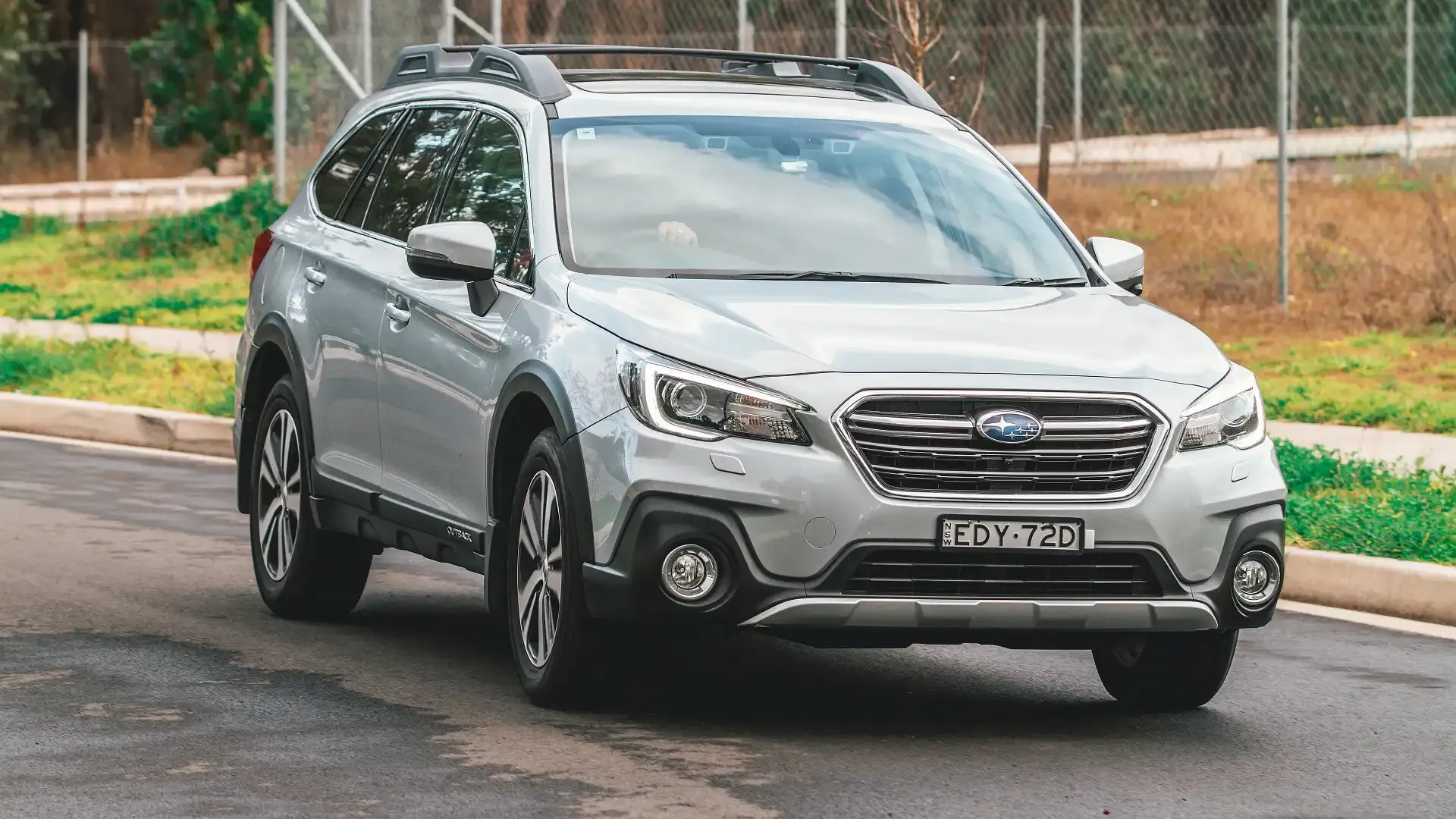
The all-wheel-drive system standard on all Outback models represents a compelling advantage over many new competitors that charge substantial premiums for all-wheel-drive capabilities.
Subaru’s symmetrical all-wheel-drive system provides responsive handling characteristics on pavement while delivering genuine traction advantages in adverse conditions. This system consistently earns praise from reviewers and owners alike.
Interior design in used Outbacks emphasizes comfortable seating and user-friendly technology integration. The straightforward control layout avoids excessive menu navigation, with important functions accessible through physical buttons and controls.
Material quality has improved significantly in recent generations, with better sound insulation and more premium surfaces contributing to refined environments.
Fuel efficiency in used Outbacks remains respectable, particularly when considering all-wheel-drive capability. The vehicle’s weight and aerodynamics are carefully optimized, delivering real-world fuel economy that often approaches EPA estimates. For vehicles designed to provide all-weather capability, the efficiency trade-offs remain minimal.
Subaru’s reputation for reliability, particularly regarding transmission durability and electrical system robustness, translates into used Outbacks with strong durability records.
The brand’s owner’s enthusiasm creates valuable community support, with extensive resources addressing common questions and maintenance strategies. Aftermarket parts remain readily available and reasonably priced.
Safety technology on recent Outbacks includes EyeSight Driver Assist, Subaru’s advanced safety suite offering automatic emergency braking, pre-collision throttle management, and adaptive cruise control.
These features receive consistent praise and have demonstrated real-world effectiveness in accident prevention. The vehicle’s structural design and visibility characteristics contribute to strong safety ratings.
6. Ford Explorer
The Ford Explorer represents American SUV engineering at its most mature and capable, with used models, particularly from the current generation introduced in 2011 onwards, offering three-row seating versatility and towing capacity that genuinely compete with new model offerings.
The fifth-generation Explorer marked a significant departure toward more sophisticated architecture while maintaining the practical interior configurations that defined the nameplate.
Used Explorers provide family hauling capability with impressive efficiency improvements that allow them to rival new competitors. The current generation Explorer, introduced in 2011 and substantially refreshed in 2020, offers increasingly sophisticated powertrains and technology platforms.
Used models from this era feature the 3.0-liter EcoBoost engine that delivers strong performance with reasonable fuel efficiency, a balance difficult to achieve in three-row SUVs.
The available twin-turbocharged variant provides even stronger performance for enthusiasts prioritizing driving dynamics over economy. Transmission technology in used Explorers has evolved significantly through Ford’s refining of their transmission platforms.
The six-speed and ten-speed automatics found in recent used examples demonstrate solid reliability after thousands of miles of real-world validation. Ford’s experience with these platforms eliminates early-generation uncertainty, providing used buyers greater confidence in durability.
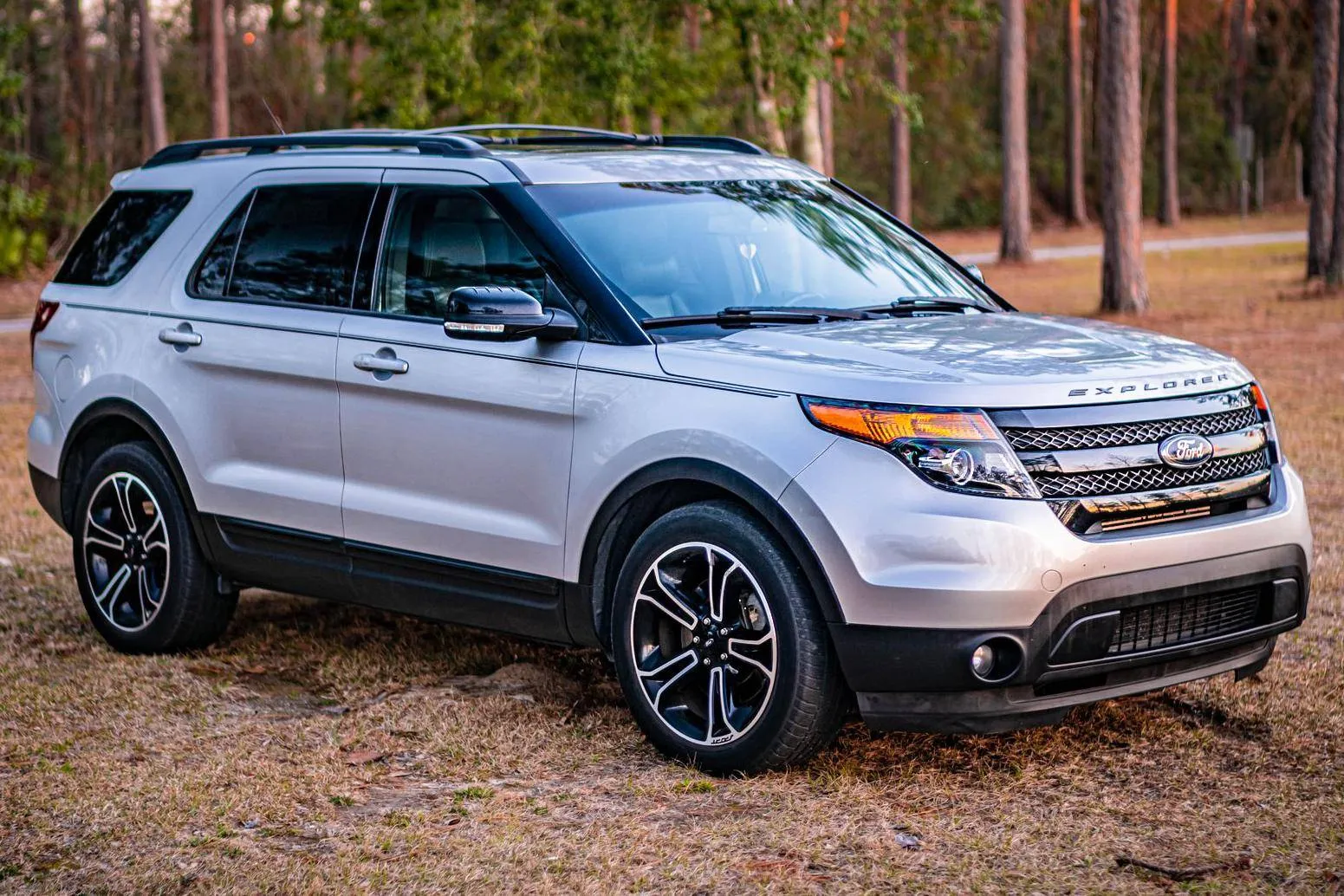
Three-row seating remains one of Explorer’s defining characteristics, and used models continue to offer this flexibility that many new competitors charge substantial premiums to provide.
The second and third rows provide genuine, usable seating for children and occasional adult passengers, with cargo configurations enabling everything from family road trips to athletic equipment hauling. The flexibility of this arrangement outperforms many newer competitors with cramped third-row designs.
Towing capacity represents another Explorer advantage, with used models capable of handling substantial loads that only specialized vehicles matched just years ago.
This capability appeals to families seeking vehicles equally comfortable towing recreation trailers, boats, or jet skis while maintaining everyday family transportation practicality. The hardware required for this capability, while adding complexity, has proven durable through years of testing.
Interior design evolution in Explorers shows a clear progression toward more refined environments. Recently used models feature improved materials, better sound insulation, and more intuitive technology interfaces.
Seating comfort has improved substantially, and controls remain largely physical and accessible rather than hidden within complicated touchscreen menus. Storage solutions address real-world family needs with numerous cubbies and organizational features.
Ford’s SYNC infotainment system, despite early reputation concerns, has matured substantially in recent generations. Used Explorers benefit from refinements addressing early criticisms, offering smartphone integration and voice control that function reliably.
The straightforward menu structure avoids overwhelming complexity while providing essential functionality. Safety features on recently used Explorers include the Co-Pilot360 suite, encompassing multiple driver assistance technologies.
Pre-collision warning, automatic emergency braking, blind-spot monitoring, and lane-keeping assist enhance safety capabilities comparable to new competitors. The vehicle’s size and structural design provide inherent crashworthiness advantages.
7. Hyundai Santa Fe
The Hyundai Santa Fe demonstrates how competitive warranty periods and improved reliability records allow used vehicles to provide compelling value propositions rivaling new models.
Used Santa Fes, particularly from the third and fourth generations spanning 2013 to present, offer attractive styling, spacious three-row seating, and increasingly sophisticated technology at price points substantially below comparable new vehicles.
Hyundai’s quality improvements over the past decade mean used examples deserve serious consideration from value-conscious shoppers.
The fourth-generation Santa Fe, introduced in 2019, represents a significant evolution with bolder exterior design, expanded interior dimensions, and enhanced powertrain options.
These used models feature improved engine technology, more responsive transmissions, and interior quality approaching more expensive competitors.
The three-year-old and newer Santa Fes particularly represent excellent values, offering modern design and technology without new-vehicle price premiums.
Hyundai’s powertrain strategy in Santa Fe prioritizes efficiency and reliability, featuring turbocharged four-cylinder engines paired with eight-speed automatics.
These combinations provide responsive performance with respectable fuel economy, a balance rarely achieved in three-row crossovers. The engines have demonstrated solid durability through extensive real-world validation.
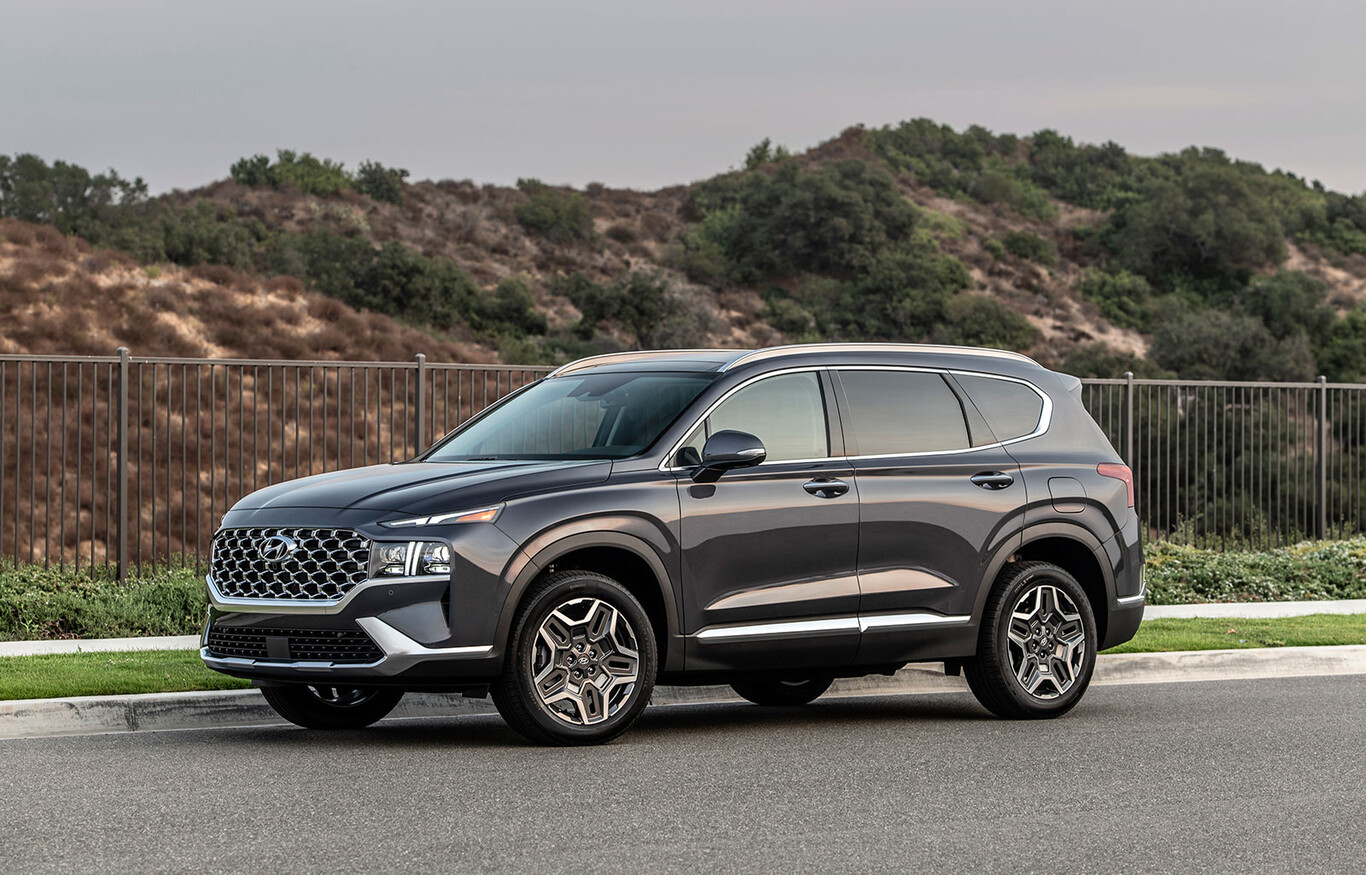
Three-row seating configurations in used Santa Fes provide legitimate family hauling versatility, with second and third rows offering surprising spaciousness.
While not matching full-size SUVs, the space efficiently accommodates growing families or occasional passenger requirements. The flexibility of reconfigurable seating addresses various lifestyle needs without requiring massive external dimensions.
Interior design quality in recently used Santa Fes reflects Hyundai’s quality improvements, featuring more premium material choices and better assembly quality than earlier models.
The dashboard layout incorporates physical controls for frequently accessed functions, complemented by touchscreen integration. Sound insulation quality has improved substantially, contributing to quieter cabins comparable to more expensive competitors.
Warranty considerations enhance the used Santa Fe value propositions. Hyundai’s comprehensive warranty coverage transfers to second owners on many used models, providing valuable protection without extended warranty purchases.
This factor alone provides confidence advantages over vehicles with limited warranty remaining. Fuel efficiency in used Santa Fes remains competitive, with real-world figures often meeting or exceeding EPA estimates.
The turbocharged engines prioritize practical performance over excessive power, resulting in reasonable fuel consumption for vehicles accommodating seven passengers and substantial cargo.
Technology features on recently used Santa Fes include increasingly sophisticated infotainment systems and driver assistance capabilities.
Automatic emergency braking, lane departure warning, and blind-spot monitoring appear on reasonably equipped used examples. Smartphone integration functions intuitively, avoiding the complexity frustrates consumers on some competing platforms.
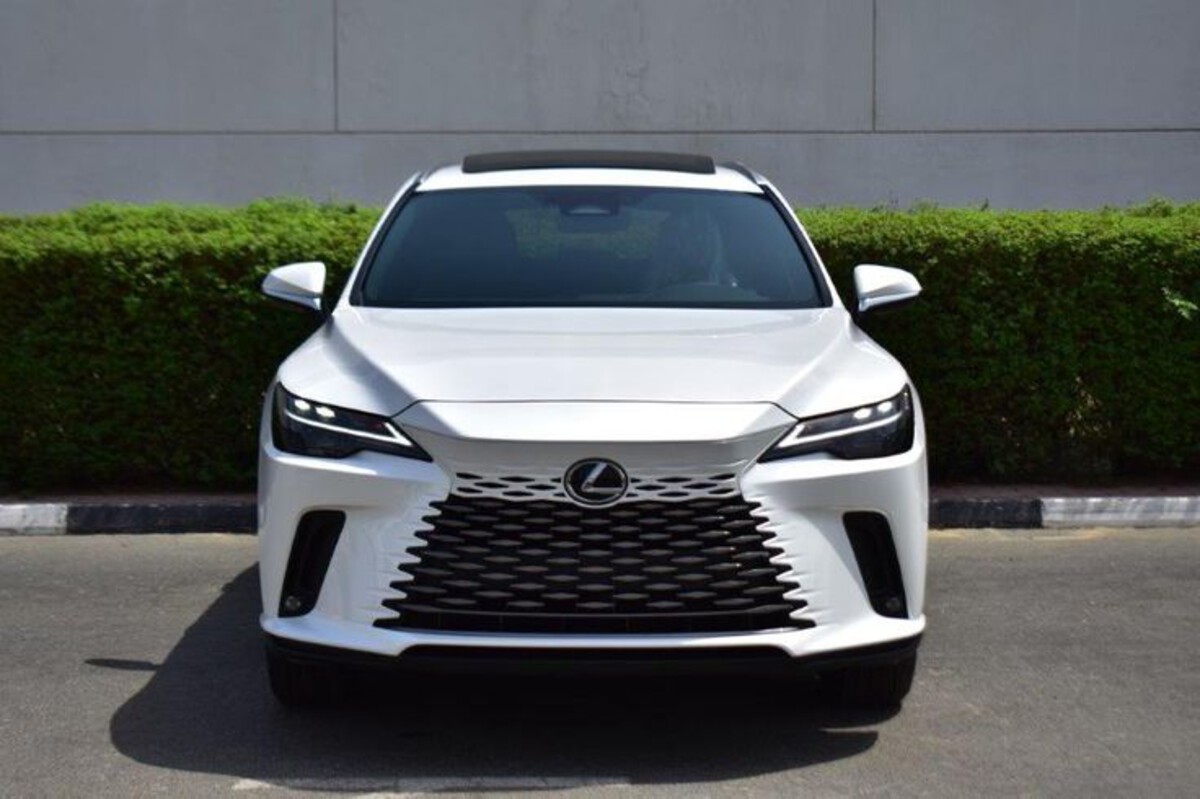
8. Lexus RX
The Lexus RX epitomizes luxury SUV design and engineering, with used models continuing to deliver premium experiences at fractions of new model costs.
Used RX vehicles, particularly from the third and fourth generations spanning 2009 to present, offer luxury cabin refinement, advanced technology, and legendary Toyota-based reliability that justify premium pricing while remaining substantially more affordable than new luxury competitors.
Lexus ownership appeals to discerning used vehicle buyers seeking quality and prestige without excessive price tags. The fourth-generation RX, introduced in 2016, represents a significant evolution with more sophisticated exterior styling, refined interior design, and increasingly advanced technology platforms.
These used models offer substantial luxury credentials comparable to new competitors at competitive used market prices. The maturity of this generation means proven reliability and documented ownership experiences available for prospective buyers.
Powertrain options in used RX models vary considerably, with conventional V6 engines providing strong performance alongside hybrid variants offering remarkable fuel efficiency.
The V6 engines benefit from Toyota-Lexus refinement, delivering smooth power delivery with minimal vibration or noise. The hybrid systems, while adding complexity, have demonstrated exceptional durability in Lexus applications, with many vehicles exceeding 150,000 miles on hybrid components.
Transmission technology in older RX models utilizes proven automatic platforms, while newer examples employ more sophisticated systems with responsive characteristics.
The engineering emphasis on smooth power delivery means acceleration feels effortless rather than aggressive, contributing to refined driving experiences appropriate for luxury positioning.
Interior design represents RX’s defining characteristic, with used models featuring premium materials, careful craftsmanship, and attention to detail distinguish luxury vehicles from mass-market competitors.
Leather seating surfaces age well, wood trim accents maintain beauty over time, and dashboard design prioritizes accessibility and function. The infotainment systems, while perhaps less flashy than competitors, prioritize reliability and intuitive operation.
Technology integration in used RX models reflects Lexus’s philosophy of simplicity married with sophistication. The Mark Levinson audio systems provide superior sound quality compared to mainstream competitors, while navigation systems offer reliable performance despite newer vehicles featuring fancier interfaces.
Climate control systems maintain precise temperature management quietly and efficiently. Comfort features in used RX models emphasize long-distance driving capability, with supportive seating, multiple power adjustments, and comprehensive cushioning.
Suspension tuning balances comfort with controlled handling, eliminating both jarring harshness and excessive body motion. The three-row seating, while not matching massive vehicles, provides workable capacity for occasional additional passengers.
Safety systems on recently used RX models include Lexus Safety System+ technology suite, offering comprehensive driver assistance capabilities.
Automatic emergency braking, adaptive cruise control, and lane-keeping assist function with sophistication comparable to new competitors. The vehicle’s structural design and advanced airbag systems contribute to excellent safety ratings.
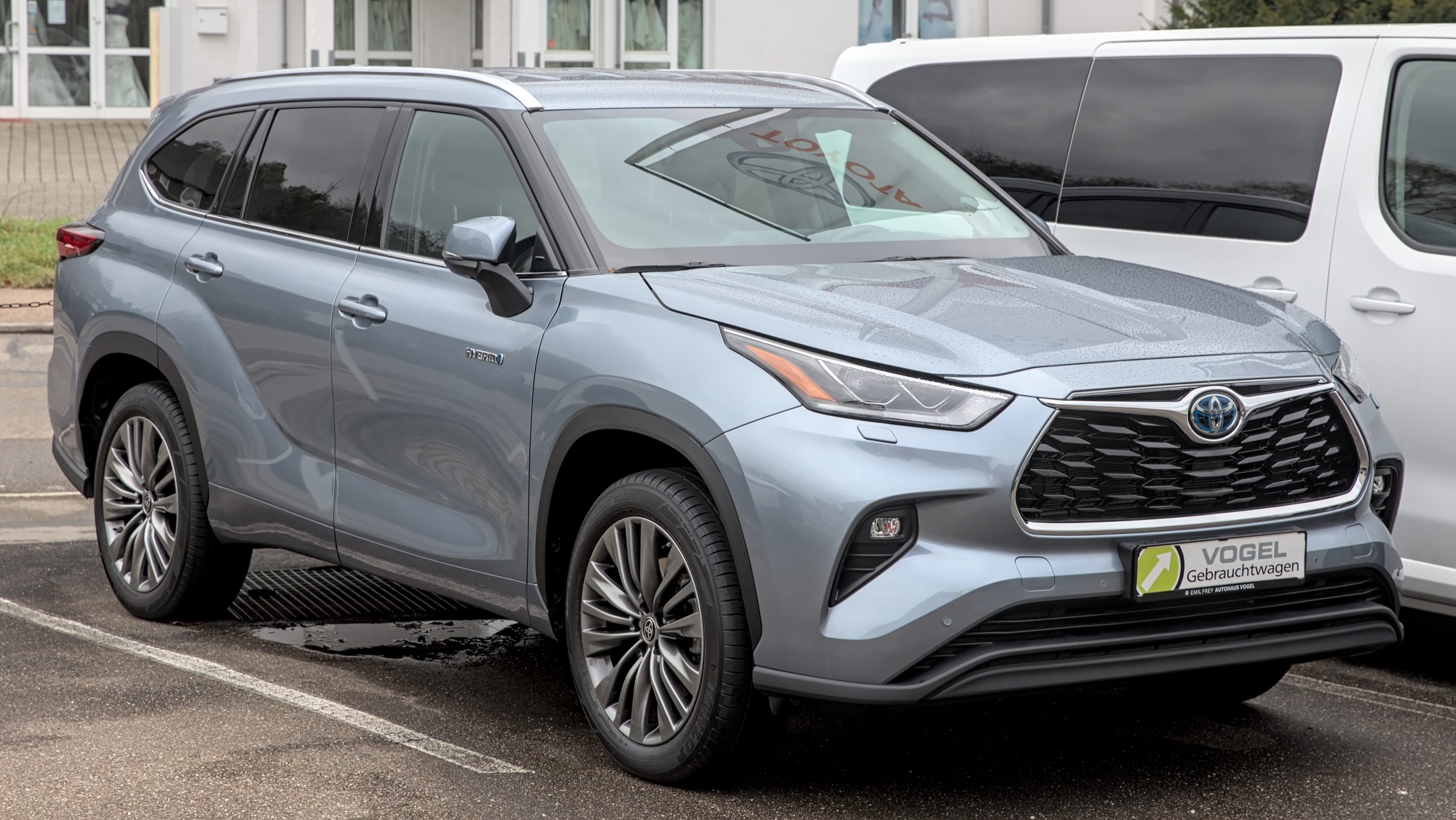
9. Toyota Highlander
The Toyota Highlander represents the refined midpoint between family practicality and premium delivery, with used models offering three-row seating versatility and reliability credentials that new competitors struggle to match.
Used Highlanders, particularly from the second and third generations spanning 2008 to present, combine Toyota’s legendary reliability with spacious interiors accommodating eight passengers and substantial cargo.
The Highlander appeals to families prioritizing dependability and versatility above trendy design or aggressive styling. The third-generation Highlander, introduced in 2014, represents an evolutionary refinement of an already excellent platform with improved efficiency, enhanced interior quality, and more sophisticated technology.
These used models offer exceptional value propositions, with well-maintained examples delivering reliable transportation without financial stress or uncertainty. Toyota’s engineering consistency means eight-year-old Highlanders perform comparably to five-year-old competitors from other manufacturers.
Powertrain options in used Highlanders include naturally aspirated V6 engines and hybrid variants, each delivering reliable performance with proven durability records.
The conventional V6 provides adequate power for daily driving and highway cruising, while hybrid versions offer remarkable fuel efficiency for vehicles accommodating eight passengers. Toyota’s hybrid technology benefits from thousands of vehicles, with failure rates declining as the platform matures.
Three-row seating in Highlanders provides genuine transportation versatility, with third-row space suitable for children and occasional adults.
The flexibility of reconfigurable seating enables various configurations that optimize cargo or passenger capacity. This adaptability addresses growing family needs without requiring ownership of multiple vehicles.
Transmission technology in used Highlanders utilizes proven automatic platforms offering smooth power delivery and excellent durability.
The engineering emphasis on reliability over maximum performance means fewer transmission-related issues compared to competitors pursuing aggressive shift characteristics. Many used Highlanders exceed 200,000 miles on original transmission components.
Interior design in Highlanders prioritizes function and durability, featuring materials designed to withstand family use. The straightforward dashboard layout and accessible controls avoid excessive complexity, ensuring intuitive operation across diverse user experience levels.
Comfortable seating with supportive cushioning accommodates extended driving sessions without fatigue. Fuel efficiency represents a compelling advantage, particularly in hybrid versions that achieve remarkable consumption rates for vehicles accommodating eight passengers.
Conventional models deliver solid efficiency through engine technology and aerodynamic design, providing reasonable operational costs over vehicle ownership periods.
Technology features on recently used Highlanders include increasingly sophisticated infotainment systems and driver assistance capabilities.
Touchscreen interfaces function intuitively, smartphone integration enables wireless operation, and driver assistance systems enhance safety without overwhelming complexity. The systems prioritize reliability over cutting-edge features.
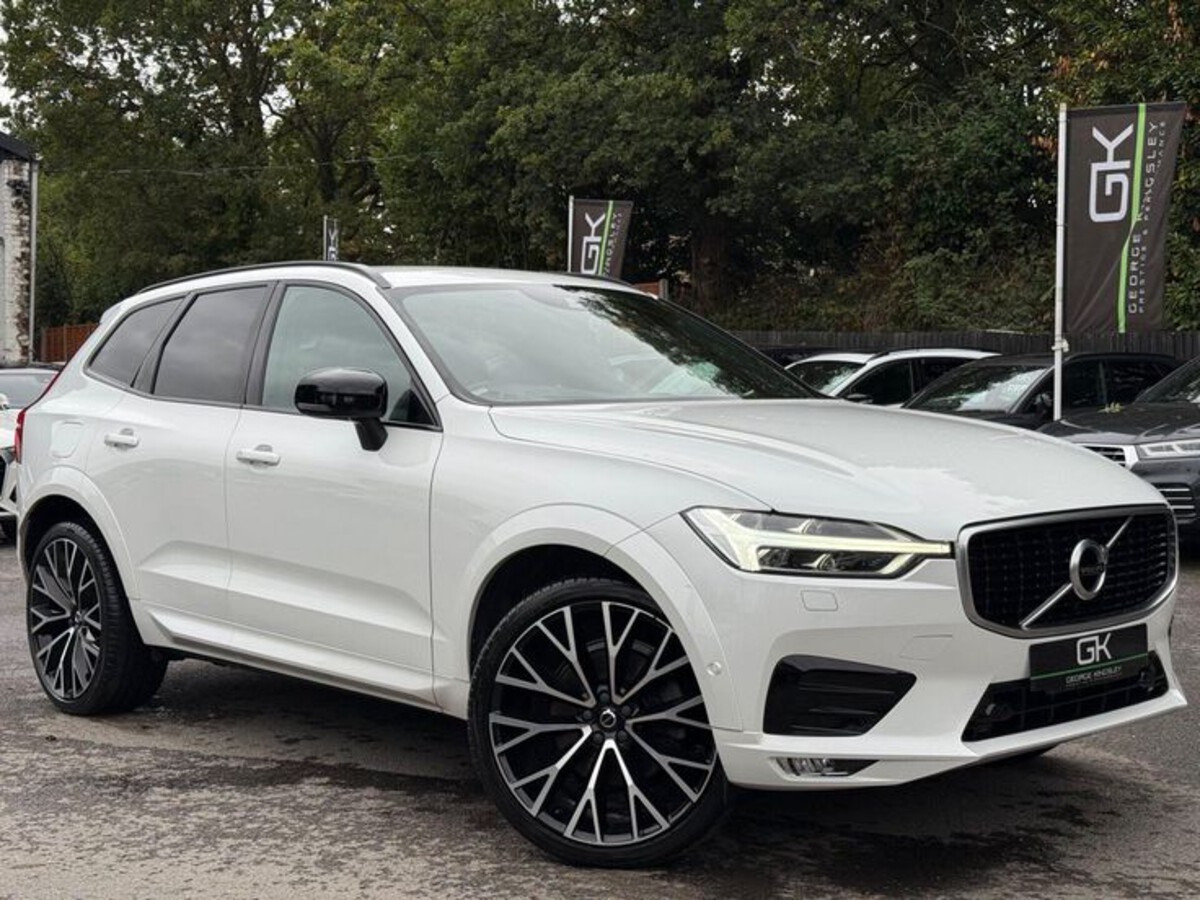
10. Volvo XC60
The Volvo XC60 represents Swedish luxury and design philosophy, with used models delivering premium European engineering and distinctive styling at fractions of new model costs.
Used XC60 vehicles, particularly from the second generation introduced in 2018 onwards, offer sophisticated cabin environments, innovative technology, and Volvo’s comprehensive safety focus. The XC60 appeals to discerning used buyers seeking quality alternatives to mainstream luxury brands.
The second-generation XC60, introduced in 2018, represents a substantial evolution featuring Volvo’s new SPA platform architecture, refined design language, and advanced technology integration.
These used models deliver contemporary design and functionality without premium new-vehicle pricing. The platform architecture prioritizes safety and refinement, core Volvo values reflected throughout the design.
Powertrain options in recently used XC60 models include T5 and T6 turbocharged engines, providing responsive performance with practical efficiency.
The T8 plug-in hybrid variant, available in certain market years, offers remarkable efficiency advantages for daily drivers while maintaining performance capability. Volvo’s engineering focuses on smooth power delivery rather than aggressive acceleration.
Transmission technology in used XC60 models employs Aisin eight-speed automatics offering refined shifts and excellent durability. The transmission tuning emphasizes smoothness and efficiency, contributing to premium driving experiences.
The complexity of modern transmissions appears mitigated through meticulous engineering. Interior design represents Volvo’s primary competitive advantage, featuring Scandinavian minimalism combined with premium material selections.
The cabin design prioritizes visual serenity and tactile quality, with carefully considered material pairings and thoughtful color selections. Technology integration emphasizes simplicity, with controls accessible and intuitive.
Volvo’s safety philosophy translates into genuine confidence and practical effectiveness. Comfort and convenience features in used XC60 models include premium audio systems, ventilated seating, and comprehensive climate control.
The suspension tuning balances comfort with controlled handling, eliminating both harshness and excessive motion. The driving environment emphasizes relaxation and efficiency.
