
In an era where automotive technology evolves at breakneck speed, and manufacturers push the boundaries of innovation with each model year, a counterintuitive truth has emerged: some used cars are actually more reliable than their brand-new counterparts.
This phenomenon challenges conventional wisdom and offers savvy buyers an opportunity to make smarter purchasing decisions while saving substantial amounts of money.
The reliability paradox in the automotive world stems from several key factors. First, modern vehicles have become increasingly complex, loaded with sophisticated electronics, turbocharged engines, and intricate transmission systems that, while impressive on paper, haven’t always stood the test of time.
Many newer models are essentially beta tests on wheels, with owners discovering bugs and manufacturing defects that weren’t apparent during initial quality testing.
Certain used vehicles have established track records spanning years or even decades, with their quirks identified, solutions developed, and common issues well-documented by thousands of real-world owners.
Additionally, the automotive industry’s rush to meet stringent emissions standards and fuel economy requirements has led some manufacturers to adopt unproven technologies prematurely.
Dual-clutch transmissions that shudder, small turbocharged engines that suffer from carbon buildup, and complex infotainment systems that freeze or glitch have plagued many recent model years.
Meanwhile, older designs with naturally aspirated engines, traditional automatic transmissions, and simpler mechanical systems continue to rack up miles with minimal intervention.
The concept of “depreciation sweet spot” also plays a crucial role in this discussion. The vehicles featured in this article have already weathered their steepest depreciation curves, meaning buyers can acquire them at a fraction of their original price while still enjoying the bulk of their useful lifespan.
These cars have proven their mettle through years of service, accumulated millions of collective miles across numerous owners, and demonstrated that their engineering fundamentals are sound.
Furthermore, the used car market offers access to models from an era when some manufacturers prioritized longevity over planned obsolescence.
Vehicles built during certain golden periods of automotive manufacturing feature over-engineered components, robust materials, and time-tested designs that were built to last rather than merely to survive a warranty period.
This comprehensive guide examines ten specific used vehicles that have earned legendary status for their reliability, backed by data from consumer reports, mechanic testimonials, and owner surveys.
These aren’t just old cars that happen to still run they’re vehicles that, when properly maintained, will likely outlast many vehicles rolling off assembly lines today.
Whether you’re a budget-conscious buyer, a practical parent seeking dependable family transportation, or simply someone who values substance over the latest gadgets, these proven performers offer compelling alternatives to new car ownership.
Let’s explore why these used vehicles deserve your serious consideration and how they continue to outperform expectations year after year.
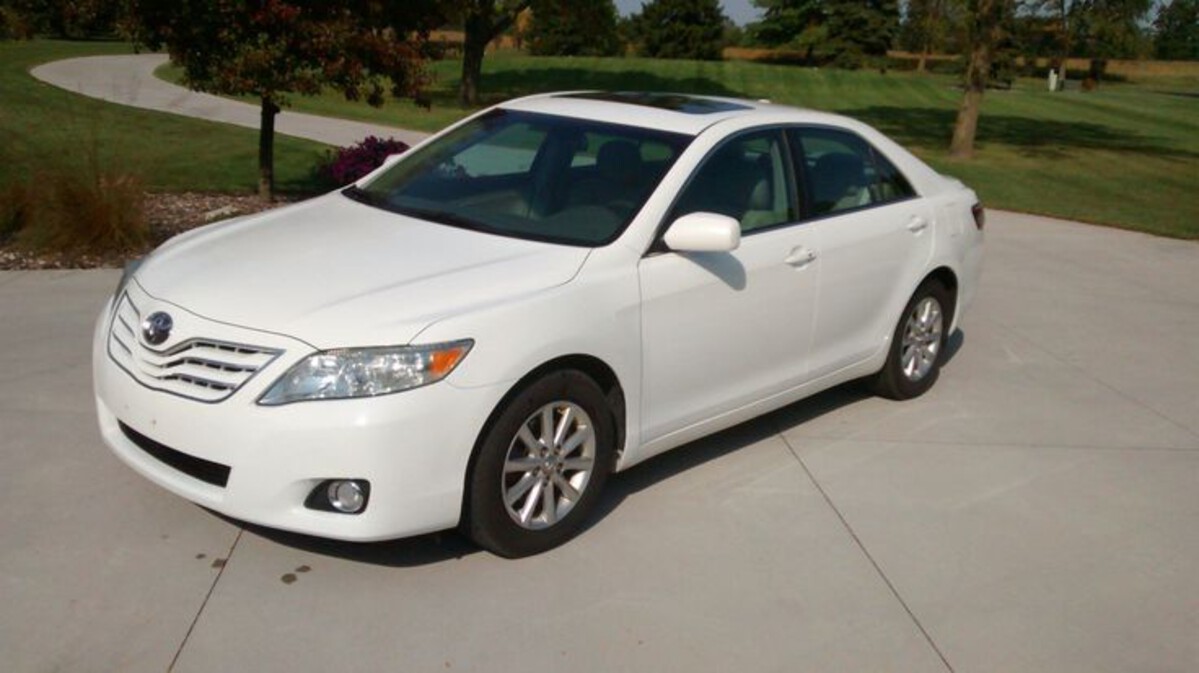
1. Toyota Camry (2007-2011)
The Toyota Camry from the 2007 to 2011 generation represents one of the most bulletproof sedans ever to grace American roads, and it stands as a testament to Toyota’s engineering philosophy of reliability above all else.
This sixth-generation Camry has earned its reputation not through flashy features or cutting-edge technology, but through an almost stubborn refusal to break down, even under neglectful ownership and harsh driving conditions.
Under the hood, these Camrys came with two engine options that have both proven themselves over time. The 2.4-liter four-cylinder engine produces a modest 158 to 169 horsepower depending on the year, while the 3.5-liter V6 delivers a more spirited 268 horsepower.
What makes these power plants exceptional isn’t their performance figures but their legendary durability. The four-cylinder engine, in particular, has been known to exceed 300,000 miles with nothing more than regular oil changes and basic maintenance.
The V6, shared with the Lexus ES350, brings a touch of luxury-brand refinement and has similarly impressive longevity credentials. The transmission pairing is equally robust.
The five-speed automatic transmission connected to the four-cylinder and the six-speed automatic paired with the V6 are both conventional torque-converter designs that avoid the pitfalls of more modern CVT and dual-clutch systems.
These transmissions shift smoothly, require minimal maintenance beyond regular fluid changes, and rarely experience catastrophic failures even at high mileage.
What truly sets this generation apart from newer models is its simplicity. The 2007-2011 Camry predates the era of overcomplicated infotainment systems, intrusive driver assistance features, and overly sensitive electronic nannies.
While it includes essential safety features like stability control and multiple airbags, it avoids the complex electronic systems that plague newer vehicles with expensive repair bills and frustrating malfunctions.
The climate controls are straightforward, the gauges are analog and easy to read, and the user interface follows an intuitive design that doesn’t require a degree in computer science to operate.
The interior space is generous, offering legitimate room for five adults and a trunk that can swallow family vacation luggage without complaint. The build quality, while not luxurious, is solid and functional.
The materials have proven resistant to wear, with many examples showing minimal degradation even after a decade of use. The seats provide adequate comfort for long journeys, and the driving position accommodates a wide range of body types.
From a maintenance perspective, the Camry is a dream come true for owners and mechanics alike. Parts are abundantly available, competitively priced, and often interchangeable across model years.
Independent mechanics are intimately familiar with these vehicles, meaning you’re not locked into expensive dealership service. Common wear items like brake pads, batteries, and tires are straightforward to replace, and the engine bay layout provides reasonable access for DIY enthusiasts.
The few issues these Camrys experience are well-documented and relatively minor. Some owners report excessive oil consumption on four-cylinder models, particularly those built in 2007-2009, though Toyota extended warranty coverage for affected vehicles.
The dashboard can develop cracks in harsh climates, and some interior trim pieces may rattle over time. However, these concerns pale in comparison to the catastrophic transmission failures, engine timing chain problems, and electrical gremlins that plague many modern vehicles.
When compared to today’s turbocharged, CVT-equipped sedans laden with finicky technology, the 2007-2011 Camry’s straightforward approach to transportation proves its superiority in the reliability department, making it an exceptionally smart used car purchase.
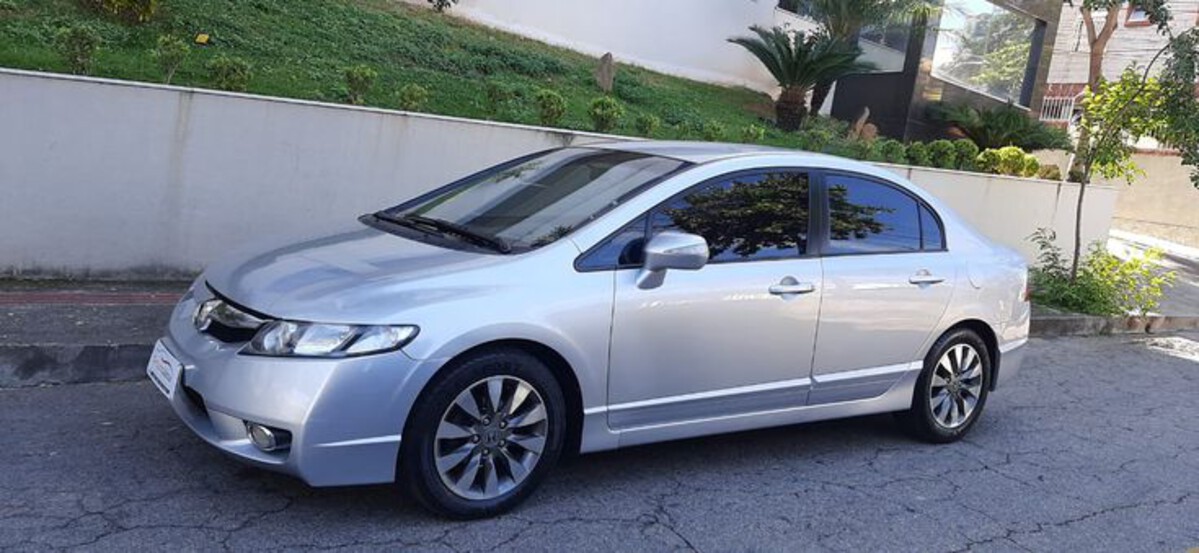
2. Honda Civic (2006-2011)
The eighth and ninth-generation Honda Civic models spanning 2006 to 2011 represent peak Honda engineering before the manufacturer’s brief stumble with the problematic tenth generation.
These Civics embody everything that made Honda famous: efficient engines, precise handling, excellent build quality, and the kind of reliability that turns cars into 300,000-mile legends passed down through family generations.
The engine lineup during these years showcased Honda’s naturally aspirated excellence. The 1.8-liter four-cylinder engine, producing between 140 and 197 horsepower depending on trim and year, features Honda’s i-VTEC technology that delivers a perfect balance of fuel efficiency and spirited performance.
Unlike modern turbocharged engines that require premium fuel, suffer from turbo lag, and face expensive turbocharger replacements, the Civic’s naturally aspirated engine runs happily on regular gasoline and maintains its performance characteristics virtually unchanged over hundreds of thousands of miles.
The engine’s simple timing chain design eliminates the need for timing belt replacements, and the robust construction means major engine failures are extraordinarily rare.
The transmission options include a buttery-smooth five-speed automatic and a precise five-speed manual that’s considered one of the best shifters in the affordable car segment.
Both transmissions have proven exceptionally durable, with the automatic avoiding the shuddering, slipping, and premature failure that plague modern CVTs and dual-clutch units.
Honda’s conventional automatic transmission technology is mature, reliable, and backed by decades of refinement. Interior quality in these Civics punches well above their economy car price point. The materials, while not luxurious, are durable and age gracefully.
Dashboard layouts are intuitive, with clearly marked controls that fall readily to hand. Visibility is excellent thanks to relatively thin pillars and a lower beltline compared to today’s bunker-like designs.
The rear seats offer surprising legroom, making the Civic a genuine four-adult vehicle rather than a nominally equipped two-plus-two configuration.
Minor issues to watch for include clear coat peeling on certain colors, AC condenser damage from road debris due to its vulnerable position, and occasional brake pad wear sensors that may trigger prematurely.
However, these are minor inconveniences rather than reliability deal-breakers, especially when compared to the turbocharger replacements, CVT failures, and infotainment system malfunctions common in modern vehicles, making the 2006-2011 Civic an outstandingly reliable used car choice.
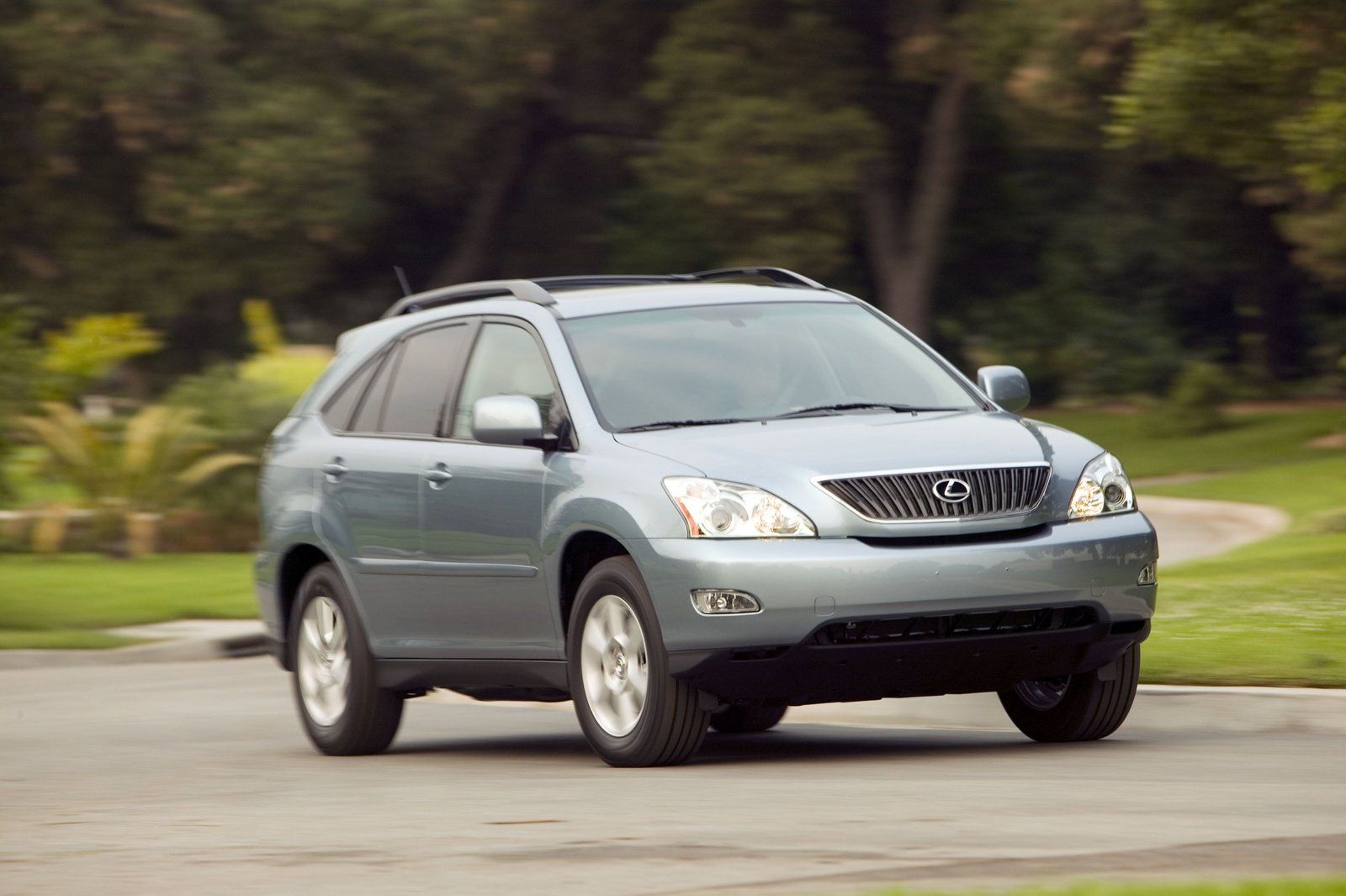
3. Lexus RX 350 (2007-2009)
The second-generation Lexus RX 350, produced from 2007 to 2009, represents the apex of luxury SUV reliability, combining Toyota’s legendary engineering with Lexus’s attention to detail and premium materials.
This vehicle offers used car buyers an opportunity to experience genuine luxury with the dependability of a mainstream Toyota, a combination that newer luxury vehicles with their complex electronics and questionable long-term durability simply cannot match.
At the heart of the RX 350 lies Toyota’s robust 3.5-liter V6 engine, producing 270 horsepower, the same basic powerplant found in various Toyota and Lexus products throughout this era.
This engine’s track record is phenomenal, regularly achieving well over 200,000 miles without major issues when maintained properly.
The smooth, refined power delivery makes highway merging effortless while maintaining impressive fuel economy for a vehicle of this size and luxury level.
Unlike modern turbocharged engines in luxury SUVs that require premium fuel and expensive maintenance, the RX 350’s naturally aspirated V6 runs contentedly on regular gasoline and features straightforward servicing requirements.
The five-speed automatic transmission paired with this engine is equally commendable. It shifts smoothly and imperceptibly under normal driving conditions, contributing to the RX’s serene character, while also responding decisively when more aggressive acceleration is needed.
This conventional automatic transmission design has proven far more reliable than the eight, nine, and ten-speed transmissions found in newer luxury vehicles, which often exhibit harsh shifting, shuddering, and premature failure.
The interior environment is where the RX 350 truly justifies its luxury badge. Lexus used high-quality leather, genuine wood trim, and soft-touch materials throughout the cabin, creating an ambiance that remains premium even by today’s standards.
The build quality is exceptional, with tight panel gaps, solid-feeling controls, and an sense of precision that many modern luxury vehicles fail to achieve.
The seats are supremely comfortable, offering excellent support for long journeys and power adjustments that find the perfect position for virtually any driver.
Minor concerns include potential brake actuator issues related to the regenerative braking system, though this isn’t widespread, and the dashboard can develop cracks in extreme climates.
These issues are manageable, especially considering the RX 350’s reliability record makes it dramatically more dependable than modern luxury SUVs laden with problematic technology.
4. Mazda3 (2010-2013)
The second-generation Mazda3 built between 2010 and 2013 represents a compelling combination of reliability, driving enjoyment, and practical functionality that many modern compact cars sacrifice in pursuit of efficiency ratings and technological features.
This generation of Mazda3 emerged during a period when Mazda’s engineering philosophy emphasized “Zoom-Zoom” driving dynamics while maintaining the robust build quality inherited from their former partnership with Ford, resulting in a vehicle that’s both fun to drive and exceptionally dependable.
Under the hood, buyers had two excellent engine choices. The 2.0-liter four-cylinder produces 148 horsepower and delivers excellent fuel economy, making it ideal for daily commuting and budget-conscious buyers.
The more spirited 2.5-liter four-cylinder cranks out 167 horsepower and provides noticeably stronger acceleration without significant fuel economy penalties. Both engines are naturally aspirated, eliminating the complexity and potential issues associated with turbocharging.
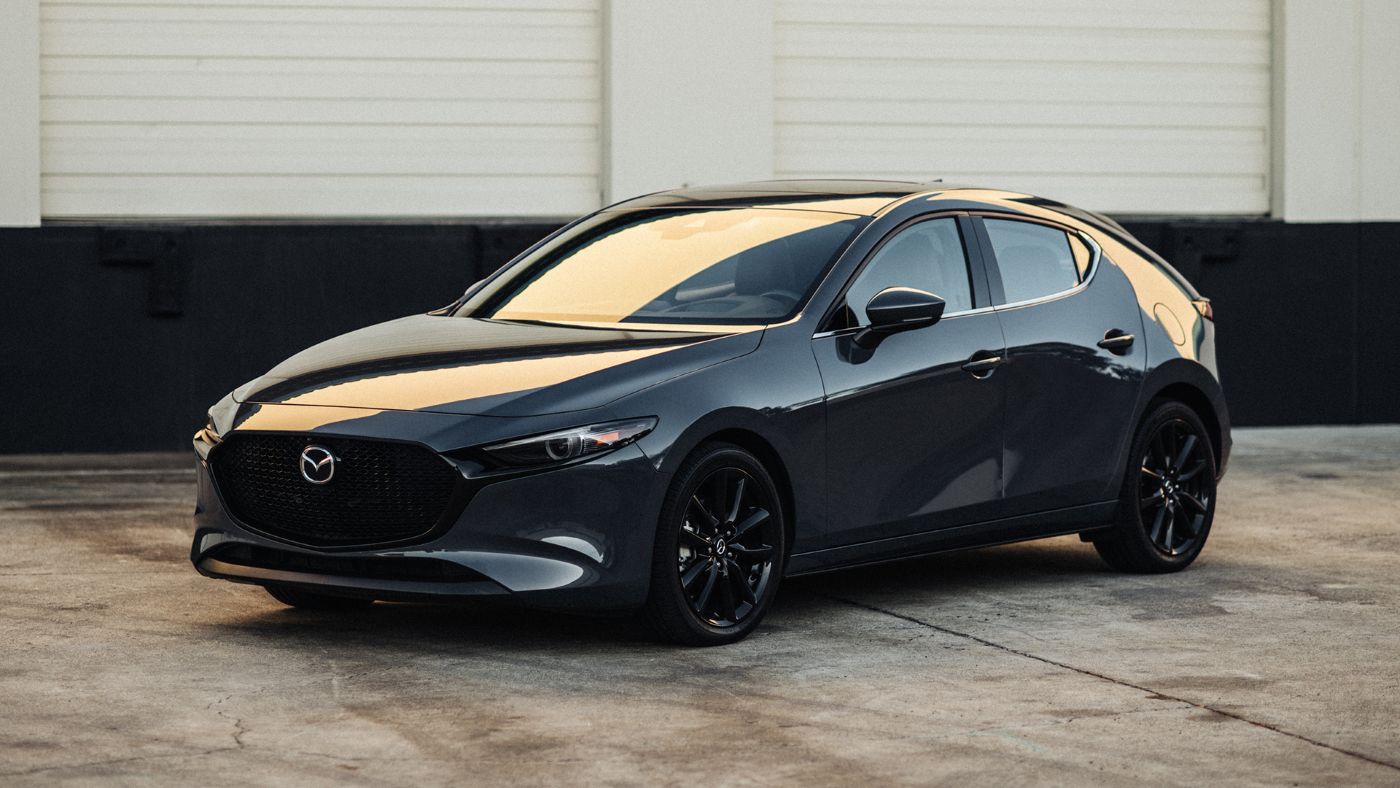
These Mazda powerplants have proven remarkably durable, often exceeding 200,000 miles with basic maintenance consisting of regular oil changes, spark plugs, and air filters. The transmission options include a five-speed manual and a five-speed automatic, both of which have excellent reliability records.
The manual transmission features crisp, mechanical-feeling shifts with a well-defined clutch engagement point that makes it a joy to operate, even in stop-and-go traffic.
The automatic transmission, while only having five speeds compared to the six, seven, and eight-speed units in modern cars, shifts smoothly and decisively without the hunting, hesitation, or harsh shifting that afflicts many newer automatics and CVTs.
Minor issues to monitor include potential rust development in harsh winter climates, particularly around the rear wheel arches, and some examples may experience premature wear on suspension bushings.
However, these concerns are manageable and pale in comparison to the turbocharger replacements, transmission rebuilds, and electronic control module failures that plague modern compact cars.
Also Read: 10 Cars That Are Secretly the Best in Their Class
5. Honda CR-V (2007-2011)
The third-generation Honda CR-V spanning model years 2007 through 2011 represents Honda’s compact crossover at its most reliable and practical, delivering genuine utility without the complexity and problematic features that mar many modern SUVs.
This generation struck an ideal balance between car-like handling, SUV versatility, and the kind of Honda reliability that creates owners who refuse to drive anything else.
The powerplant is Honda’s excellent 2.4-liter four-cylinder engine producing 166 to 190 horsepower depending on the year, featuring Honda’s i-VTEC variable valve timing technology.
This naturally aspirated engine delivers smooth, linear power delivery from idle to redline, providing adequate acceleration for highway merging and passing while achieving impressive fuel economy for a vehicle of this size.
The engine’s durability is legendary, regularly surpassing 250,000 miles with nothing more than regular oil changes and basic maintenance.
Unlike modern turbocharged engines that require synthetic oil, premium fuel, and expensive turbocharger replacements, the CR-V’s engine runs happily on regular gasoline and conventional oil while maintaining its performance characteristics virtually unchanged over hundreds of thousands of miles.
The five-speed automatic transmission paired with this engine has proven exceptionally reliable. It shifts smoothly and responsively without the hunting, hesitation, or harsh engagement that characterizes many modern CVTs and advanced automatic transmissions.
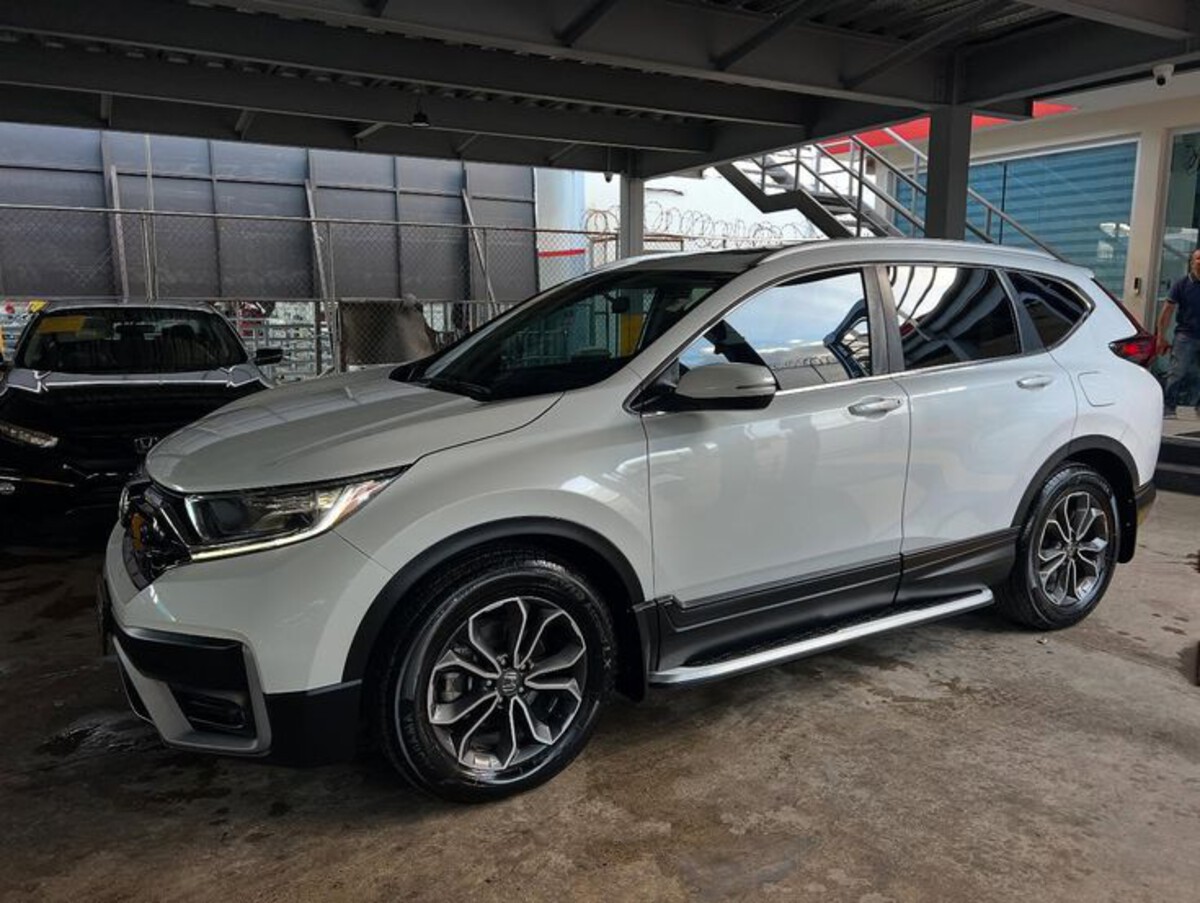
This conventional torque-converter automatic represents mature, proven technology that Honda refined over decades, resulting in a transmission that simply works without drama or expensive repairs.
Real-time all-wheel drive is available, providing confident traction in slippery conditions while seamlessly disengaging for improved fuel economy during normal driving.
Interior practicality is where the CR-V excels. The cargo area is genuinely useful with a low load floor, wide opening, and flat floor when the rear seats are folded.
The rear seats offer excellent legroom and headroom for adult passengers, while the front seats provide commanding visibility and comfortable support.
Interior storage solutions are thoughtful and abundant, including Honda’s clever hidden storage compartment beneath the cargo floor.
Build quality is typical Honda excellence, with durable materials that resist wear and tear, tight panel gaps, and controls that maintain their precise feel over years of use.
Maintenance costs are reasonable with excellent parts availability and competitive pricing. The CR-V’s popularity ensures every mechanic has experience working on them, providing owners multiple service options beyond expensive dealerships.
Routine maintenance is straightforward, with easy access to common wear items like air filters, batteries, and spark plugs. Minor concerns include potential tailgate strut failures causing the rear hatch to close unexpectedly, and some early models experienced door lock actuator failures.
However, these issues are minor and inexpensive to address compared to the transmission failures, turbocharger replacements, and complex all-wheel-drive system repairs that plague modern crossovers.
6. Toyota Tacoma (2005-2015)
The second-generation Toyota Tacoma produced from 2005 through 2015 has achieved legendary status among pickup truck enthusiasts, not for cutting-edge technology or luxurious amenities, but for an almost mythical ability to keep running regardless of how they’re treated.
This generation of Tacoma represents old-school truck engineering at its finest: simple, robust, and built to withstand decades of hard use that would destroy lesser vehicles.
Toyota offered multiple engine options, but two stand out for their exceptional durability. The 2.7-liter four-cylinder engine produces a modest 159 to 180 horsepower, depending on the year, providing adequate power for light-duty truck work while delivering impressive fuel economy.
The 4.0-liter V6 generates 236 to 270 horsepower, offering stronger acceleration and towing capability for more demanding tasks. Both engines are naturally aspirated, featuring proven designs that have powered millions of Toyota vehicles.
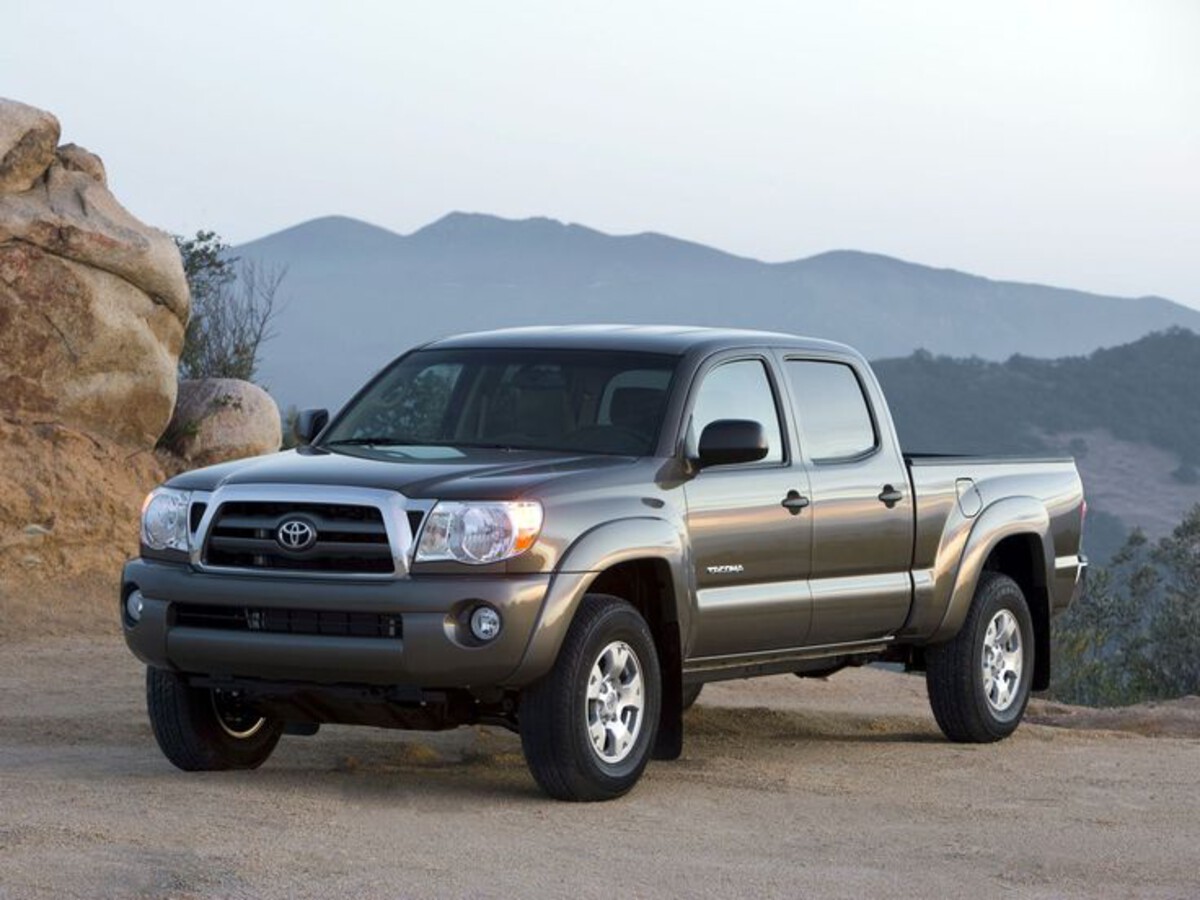
These powerplants regularly exceed 300,000 miles with basic maintenance, and examples with 400,000 or even 500,000 miles aren’t uncommon in online owner forums.
The timing chain design eliminates belt replacement needs, and the robust construction means catastrophic engine failure is extraordinarily rare.
Transmission options include multiple manual gearboxes and several automatic transmissions throughout the generation. The manual transmissions are virtually bulletproof with heavy-duty clutches that tolerate abuse, while the four, five, and six-speed automatics have proven reliable across hundreds of thousands of miles.
These conventional transmissions lack the sophistication of modern eight and ten-speed automatics but compensate with durability and simplicity that translate to lower ownership costs.
Minor issues include potential leaf spring failures on heavily loaded trucks and some transmission shifter bushings that wear prematurely. The leaf spring rear suspension isn’t as comfortable as the coil-spring setups in some modern trucks, but it’s more durable and better suited for heavy loads.
7. Subaru Outback (2010-2014)
The fourth-generation Subaru Outback produced between 2010 and 2014 represents a compelling option for buyers seeking all-weather capability and wagon versatility without the problematic complexity that plagues many modern crossovers and SUVs.
This generation marked Subaru’s evolution from quirky alternative to mainstream acceptance, delivering refinement and comfort while maintaining the brand’s core strengths of symmetrical all-wheel drive and boxer engine character.
The engine lineup included two horizontally-opposed boxer engines that define Subaru’s character. The 2.5-liter four-cylinder produces 170 horsepower and provides adequate power for daily driving while delivering reasonable fuel economy.
The 3.6-liter six-cylinder generates 256 horsepower, offering stronger acceleration and more refined highway cruising. Both engines feature Subaru’s naturally aspirated design, avoiding the turbocharger complexity that creates maintenance concerns and potential failures in modern vehicles.
The boxer engine’s low center of gravity contributes to the Outback’s balanced handling characteristics and helps minimize body roll during cornering.
The transmission options include a six-speed manual on base four-cylinder models and a continuously variable transmission (CVT) on most variants.

While CVTs often prove problematic in many manufacturers’ vehicles, Subaru’s implementation in this generation has generally performed better than expected, though it’s not without issues.
The CVT provides smooth, seamless acceleration without the shift shock of conventional automatics, contributing to the Outback’s refined character.
However, long-term reliability of the CVT lags behind conventional automatics, making manual-transmission examples particularly desirable for reliability-focused buyers.
Subaru’s symmetrical all-wheel-drive system is a highlight, providing confident traction in rain, snow, and light off-road conditions. Unlike many crossovers with reactive all-wheel-drive systems that primarily drive the front wheels and only engage the rear when slippage is detected, Subaru’s system constantly distributes power to all four wheels, providing proactive traction management.
This continuous all-wheel drive gives the Outback exceptional winter weather capability and confident handling in adverse conditions, making it ideal for regions with harsh winters or buyers who venture off pavement regularly.
Maintenance costs are moderate, with parts availability generally good and pricing competitive. Subaru dealerships provide competent service, though their labor rates can be higher than average.
Independent mechanics with Subaru experience are increasingly common as the brand’s popularity has grown. Routine maintenance like oil changes, brake jobs, and tire replacements are straightforward, though the boxer engine’s horizontal configuration can make spark plug changes more involved than in conventional inline or V engines.
The Outback’s advantages over modern crossovers include simpler electronics, proven mechanical systems, and genuine all-weather capability without complex drive mode selectors and fragile electronics.
While newer Outbacks offer more technology and safety features, the 2010-2014 generation provides a sweet spot of capability, reliability, and value.
8. Ford Crown Victoria/Mercury Grand Marquis (2003-2011)
The Ford Crown Victoria and its mechanical twin, the Mercury Grand Marquis, represent the final flowering of traditional American body-on-frame sedan engineering before the segment’s extinction.
These vehicles, particularly models from 2003 to 2011, offer used car buyers exceptional reliability through sheer mechanical simplicity and proven designs that powered police cars, taxis, and government fleets accumulating millions of miles.
At the heart of these sedans lies Ford’s legendary 4.6-liter Modular V8 engine, producing between 224 and 239 horsepower depending on the year.
This engine represents decades of refinement, with a single overhead cam design that’s both powerful and straightforward to maintain.
The engine’s durability is proven by its extensive use in police interceptors that endure constant idling, hard acceleration, and minimal maintenance intervals, yet regularly achieve 250,000 miles or more.
The cast-iron block and robust internal components tolerate neglect that would destroy more modern engines with aluminum blocks and complex variable valve timing systems.
The four-speed automatic transmission paired with this V8 is equally bulletproof. While lacking the sophistication and efficiency of modern six, eight, and ten-speed automatics, this transmission compensates with proven reliability and simple construction.
Fluid changes at reasonable intervals are often the only maintenance needed to keep this transmission operating smoothly for hundreds of thousands of miles. The transmission’s straightforward design means repairs, when eventually necessary, are affordable and can be performed by virtually any mechanic.
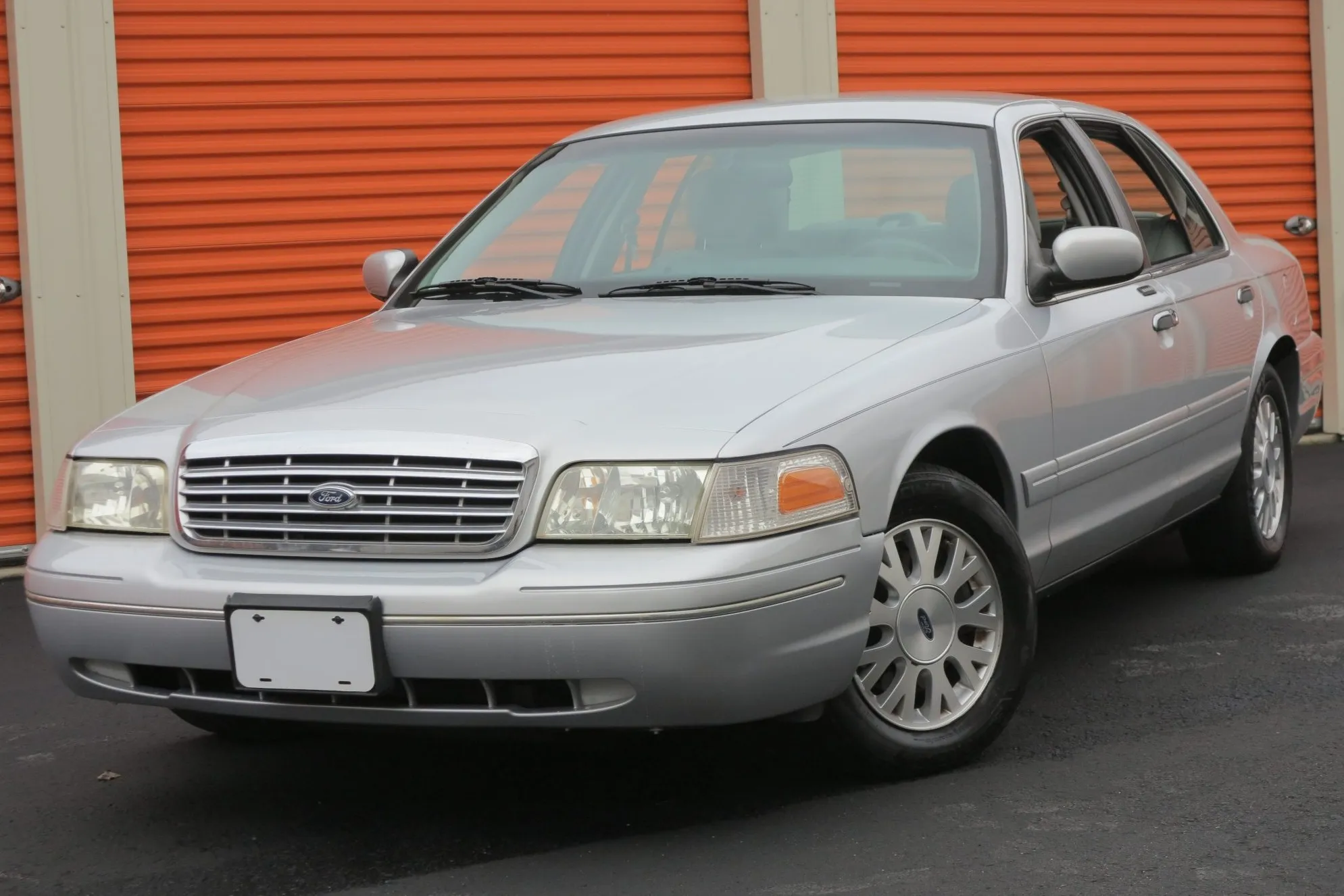
The body-on-frame construction, now essentially extinct in passenger cars, provides exceptional durability and repairability. The separate frame and body mean that collision damage often affects only bolt-on panels rather than structural components, making these cars easier and cheaper to repair than modern unibody vehicles.
The frame can take substantial abuse without compromising the vehicle’s integrity, explaining why these platforms served so effectively in demanding police and taxi service.
Interior space is genuinely impressive, with seating for six adults in comfort thanks to the available bench front seat. The trunk is cavernous, easily swallowing luggage for extended road trips.
The seats themselves, while not particularly supportive or modern in design, are comfortable for long-distance cruising, a priority for a vehicle designed for highway patrol and cross-country travel.
Interior materials are durable rather than luxurious, with hard plastics and basic cloth that wear well over time and tolerate the abuse of commercial service.
The driving experience is distinctly old-school. The steering is slow and overboosted by modern standards, requiring multiple turns lock-to-lock, but it provides decent highway stability.
The suspension delivers a traditional American soft, floating ride that soaks up highway mile after highway mile with minimal driver fatigue.
The V8’s torque provides effortless highway cruising and confident passing ability, even if acceleration isn’t particularly quick by modern standards.
Fuel economy is mediocre, typically in the mid-teens in city driving and low twenties on the highway, reflecting the powertrain’s focus on durability over efficiency.
Minor concerns include potential intake manifold coolant leaks on earlier examples, though this is well-documented and relatively inexpensive to repair. The body-on-frame construction, while durable, does make these vehicles heavier and less fuel-efficient than modern unibody designs.
9. Toyota Sienna (2004-2010)
The second-generation Toyota Sienna, produced from 2004 to 2010, represents minivan engineering at its most reliable and practical, delivering the space and versatility families actually need without the problematic sliding door motors, transmission failures, and electrical gremlins that plague many modern minivans.
This generation of Sienna established Toyota’s reputation in the minivan segment as the dependable alternative to Chrysler’s more feature-rich but less reliable offerings.
Under the hood sits Toyota’s proven 3.3-liter or 3.5-liter V6 engine, depending on the year, producing between 230 and 266 horsepower.
These naturally aspirated engines deliver smooth, refined power that makes highway merging and passing effortless even with a full load of passengers and cargo.
The engine’s durability is exceptional, regularly exceeding 250,000 miles with nothing more than regular oil changes, spark plugs, and basic maintenance.
Unlike modern turbocharged engines that require synthetic oil and premium fuel while suffering from carbon buildup and turbocharger failures, the Sienna’s straightforward V6 runs contentedly on regular gasoline and conventional oil while maintaining its performance characteristics virtually unchanged over hundreds of thousands of miles.
The five-speed automatic transmission paired with these engines has proven remarkably reliable in minivan service, a particularly demanding application involving frequent stops, heavy loads, and constant use.
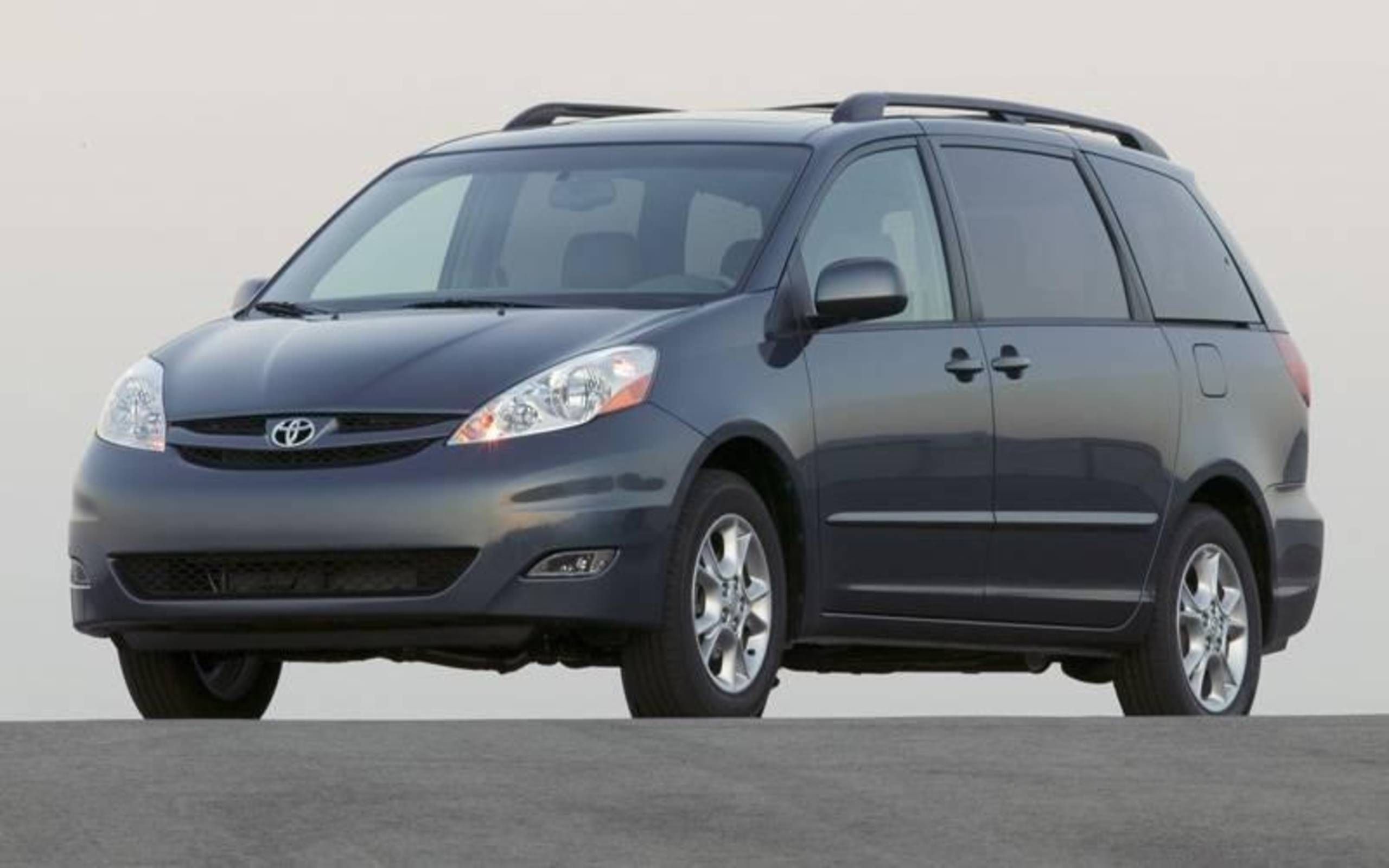
This conventional torque-converter automatic shifts smoothly and decisively, without the shuddering, slipping, or premature failure that afflicts the modern eight and nine-speed automatics found in contemporary minivans.
The transmission’s straightforward design and proven technology mean that even when repairs are eventually needed at very high mileage, the costs are reasonable and the work can be performed by virtually any competent transmission shop.
Interior space and versatility define the Sienna’s appeal. The three rows of seating accommodate up to eight passengers, with the second-row captain’s chairs in seven-passenger configurations providing exceptional comfort and easy third-row access.
The seats are well-padded and supportive, making long road trips comfortable for all occupants. Cargo space is generous even with all seats in place, and removing or folding the third row creates a cavernous area suitable for large items like furniture, bicycles, or camping gear.
The thoughtful storage solutions throughout the cabin include numerous cupholders, door pockets, and overhead storage bins. Minor concerns to monitor include potential clearcoat peeling on certain paint colors and some examples experiencing water leaks around the moonroof seals if not maintained properly.
The older-style tire pressure monitoring system uses valve-stem sensors that can corrode and fail over time, though replacement is relatively inexpensive. Some owners report slightly higher oil consumption as the engines age, though this rarely reaches problematic levels.
10. Acura TL (2009-2014)
The fourth-generation Acura TL produced from 2009 to 2014 represents Honda’s luxury division at its most reliable, combining sophisticated engineering with the legendary Honda durability that creates owners who accumulate hundreds of thousands of miles without major issues.
This generation of TL offers used car buyers genuine luxury credentials, engaging driving dynamics, and dependability that puts many German luxury sedans to shame.
Under the hood sits Honda’s excellent 3.5-liter or 3.7-liter V6 engine, depending on the year and trim level, producing between 280 and 305 horsepower.
These naturally aspirated engines deliver smooth, linear power delivery from idle to redline, providing spirited acceleration that makes the TL genuinely quick by any standard.
The high-revving character typical of Honda engines makes the TL more engaging to drive than German luxury sedans with their turbocharged engines that deliver power in a more muted, artificial manner.
The engine’s durability is exceptional, easily achieving well over 200,000 miles with proper maintenance consisting of regular oil changes using synthetic oil and timely replacement of wear items like spark plugs and drive belts.
The transmission options include a smooth six-speed automatic and, on some models, a six-speed manual transmission that’s becoming increasingly rare in the luxury sedan segment.

The automatic transmission shifts decisively and smoothly, with well-programmed logic that selects appropriate gears without the hunting and hesitation that characterizes many modern eight and nine-speed automatics.
The available manual transmission features precise, mechanical-feeling shifts with reasonable clutch effort, making it genuinely enjoyable to operate even in traffic.
Both transmissions have proven reliable over hundreds of thousands of miles, a stark contrast to the dual-clutch and problematic automatic transmissions plaguing modern luxury sedans.
The Super Handling All-Wheel Drive (SH-AWD) system available on TL models is a sophisticated torque-vectoring setup that actively distributes power between the rear wheels to enhance handling and traction.
This system provides exceptional all-weather capability and contributes to the TL’s engaging driving dynamics, particularly in spirited cornering, where the system subtly rotates the car into turns.
Unlike many all-wheel-drive systems that simply add weight and complexity, the SH-AWD system genuinely enhances the driving experience while maintaining reasonable reliability when maintained properly with regular rear differential fluid changes.
Minor concerns include potential automatic transmission judder on some examples if transmission fluid isn’t changed regularly, and the navigation system uses DVD-based maps that are expensive to update and outdated by modern smartphone standards.
Some owners report the firm suspension creates a somewhat harsh ride on particularly rough roads, though this is subjective and part of the TL’s sporting character.
The complex dashboard design, while distinctive, isn’t universally appreciated and can appear dated compared to modern minimalist interiors.
Also Read: 10 EVs That Feel Like Real Drivers’ Cars
