
When it comes to purchasing a vehicle, durability and reliability stand as two of the most critical factors that influence buyer decisions.
In an automotive market saturated with countless options, discerning consumers increasingly look beyond flashy features and aggressive marketing campaigns to focus on what truly matters: long-term dependability.
One of the most revealing indicators of a vehicle’s quality is its warranty claim frequency. Cars with fewer warranty claims demonstrate superior engineering, quality control, and manufacturing excellence, translating into lower ownership costs and greater peace of mind for drivers.
Warranty claims serve as a transparent window into a vehicle’s real-world performance. When manufacturers receive fewer warranty claims, it signals that their vehicles are built to withstand the rigors of daily driving without succumbing to premature failures or defects.
This comprehensive guide examines ten vehicles that have demonstrated exceptional durability through their remarkably low warranty claim rates.
These cars represent diverse segments from compact sedans to midsize SUVs proving that reliability isn’t confined to a single vehicle type or price point.
Each vehicle on this list has earned its place through verifiable data, owner testimonials, and industry recognition. Whether you’re a first-time buyer seeking a dependable daily driver or an experienced motorist looking to make a smart investment, these vehicles represent some of the most trustworthy options available in today’s market.
They exemplify what happens when manufacturers prioritize quality over quantity, resulting in vehicles that deliver year after year without fail.
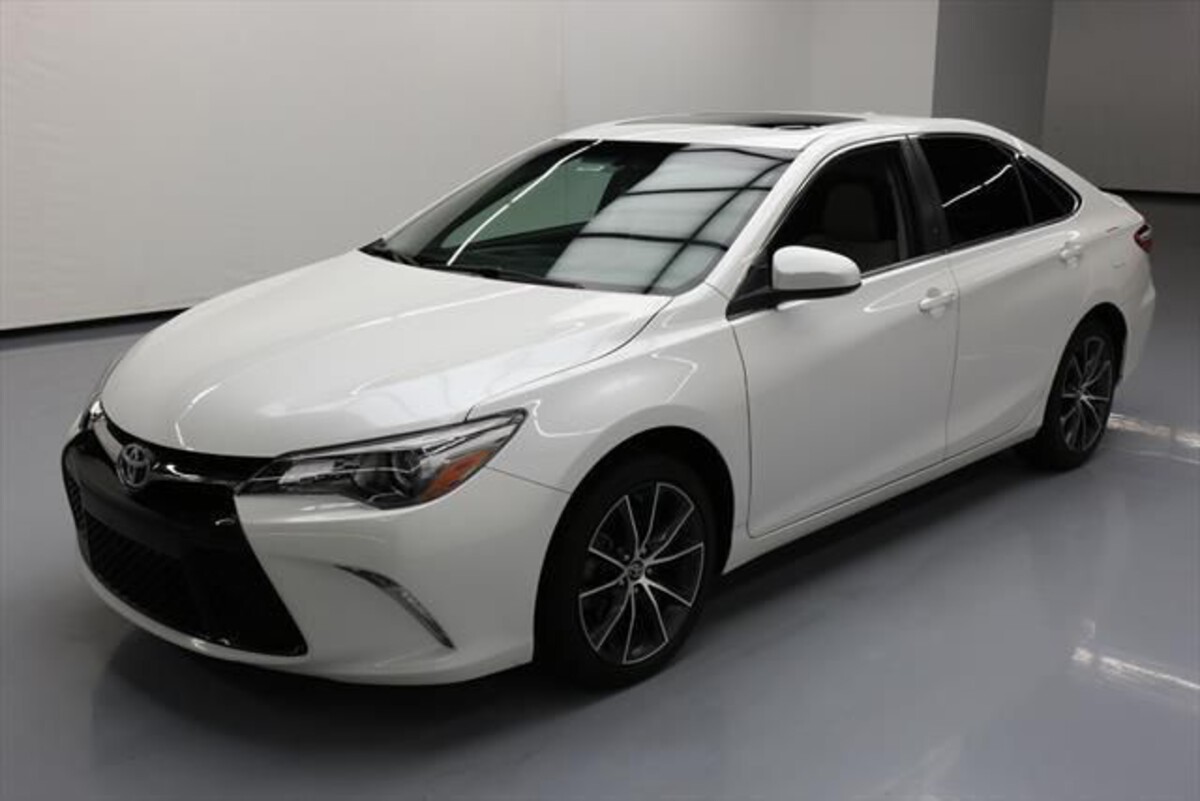
1. Toyota Camry
The Toyota Camry has long been the gold standard for midsize sedans, consistently ranking among vehicles with the lowest warranty claim rates in the automotive industry.
This reputation for bulletproof reliability isn’t accidental it’s the result of Toyota’s legendary commitment to quality control and continuous improvement through their renowned Toyota Production System.
The Camry’s minimal warranty claims reflect decades of engineering refinement and a conservative approach to introducing new technologies until they’re thoroughly proven.
What sets the Camry apart is its exceptionally reliable powertrain. The base four-cylinder engine and available V6 have demonstrated remarkable longevity, with many owners reporting trouble-free operation well beyond 200,000 miles.
The transmission, whether the smooth-shifting automatic or the newer eight-speed unit, exhibits exceptional durability with minimal reported issues.
Engine warranty claims for the Camry remain significantly below industry averages, with problems like premature wear, oil consumption issues, or timing chain failures being remarkably rare compared to competitors.
The Camry’s electrical systems also contribute to its low warranty claim rate. In an era where vehicles are increasingly complex with numerous electronic modules and sensors, the Camry maintains remarkable electrical reliability.
Owners rarely report issues with the infotainment system, climate control, power accessories, or the myriad computers that manage modern vehicle functions.
This reliability extends to safety systems like adaptive cruise control and lane-keeping assist, which function consistently without the false alarms or malfunctions that plague some competitors.
Interior quality and durability further minimize warranty claims. While the Camry’s cabin materials may not exude luxury, they’re engineered to withstand years of use without premature wear.
Seats maintain their support, dashboard components don’t rattle or crack, and controls continue functioning smoothly long after purchase. This practical durability means fewer warranty claims for interior trim pieces, squeaks and rattles, or failed switches issues that frequently affect other vehicles.
The Camry’s suspension and steering components demonstrate excellent longevity. Owners report minimal issues with struts, control arms, ball joints, and steering racks lasting well beyond typical replacement intervals.
This durability translates directly into lower warranty claim frequencies and reduced long-term ownership costs. The brake systems similarly prove robust, with rotors and calipers lasting longer than many competitors before requiring service.
The hybrid Camry variant maintains this exceptional reliability record, which is particularly noteworthy given the added complexity of its dual-powertrain system.
The hybrid battery and electric motor systems have proven remarkably durable, with warranty claims remaining minimal. Toyota’s extensive experience with hybrid technology, dating back to the original Prius, has resulted in systems that are thoroughly proven and exceptionally reliable.
This makes the Camry Hybrid an excellent choice for buyers seeking both fuel efficiency and legendary Toyota dependability, without concerns about complex hybrid systems requiring frequent repairs under warranty.
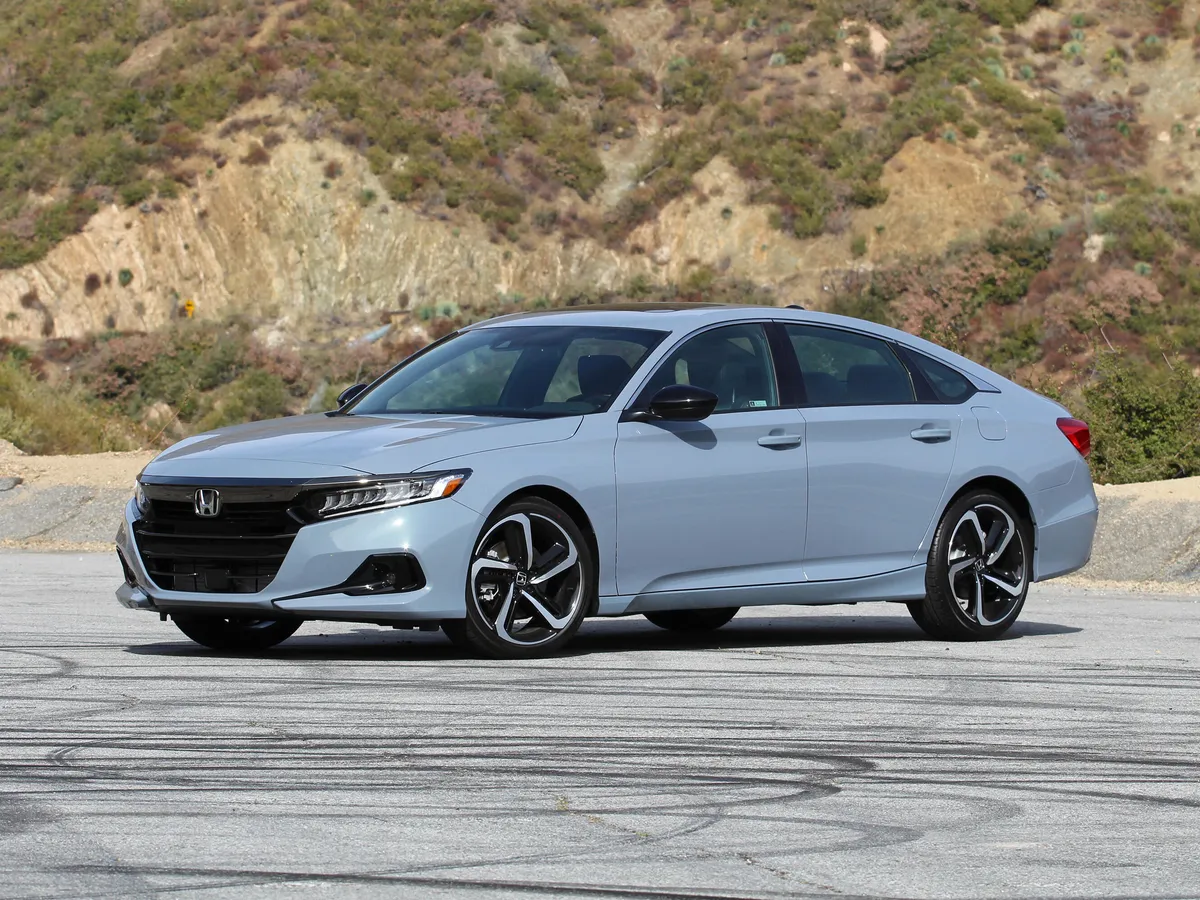
2. Honda Accord
The Honda Accord stands alongside the Toyota Camry as one of the most reliable midsize sedans ever produced, with warranty claim rates that consistently rank among the industry’s lowest.
Honda’s engineering philosophy emphasizes durability and real-world usability, resulting in vehicles that deliver dependable performance year after year.
The Accord’s exceptional reliability stems from Honda’s meticulous attention to detail, rigorous testing procedures, and commitment to continuous refinement of proven technologies rather than rushing unproven innovations to market.
Honda’s engines are legendary for their reliability, and the Accord exemplifies this reputation. Whether equipped with the turbocharged four-cylinder or the naturally aspirated engine found in hybrid models, Accord powertrains generate remarkably few warranty claims.
These engines are engineered with conservative tolerances and proven technologies that ensure longevity. Owners frequently report Accords surpassing 200,000 miles with only routine maintenance, experiencing none of the engine failures, excessive oil consumption, or premature component wear that plague less reliable vehicles.
The transmission options including Honda’s CVT and traditional automatic have been refined over multiple generations, resulting in smooth, reliable operation with minimal warranty claims.
The Accord’s build quality contributes significantly to its low warranty claim rate. Honda’s manufacturing facilities maintain stringent quality control standards, with multiple inspection points throughout the assembly process.
This attention to detail during production means fewer defects leave the factory, translating into fewer early warranty claims for manufacturing-related issues.
Panel gaps remain consistent, paint quality proves durable, and components are properly torqued and assembled, preventing the loose trim pieces and squeaks that generate warranty claims in other vehicles.
Electrical reliability in the Accord exceeds industry standards by a considerable margin. The vehicle’s numerous electronic systems from the sophisticated infotainment display to the advanced driver assistance features function reliably without the glitches, failures, or software issues common in other brands.
The Accord’s electrical architecture is designed with redundancy and fault tolerance, meaning minor issues don’t cascade into major system failures.
Climate control systems maintain precise temperature regulation without premature compressor failures, and power accessories like windows, seats, and mirrors continue operating smoothly throughout the warranty period.
Honda’s hybrid technology in the Accord proves equally reliable as the conventional powertrain. The two-motor hybrid system delivers exceptional fuel economy while maintaining Honda’s reputation for durability.
Battery systems perform consistently throughout the warranty period, electric motors operate without issues, and the complex power management systems function transparently.
This reliability is particularly impressive given the added complexity of hybrid drivetrains, demonstrating Honda’s engineering expertise and commitment to thorough testing before introducing new technologies.
The Accord Hybrid owners enjoy both efficiency and peace of mind, knowing their sophisticated powertrain is backed by Honda’s proven track record for minimal warranty claims.
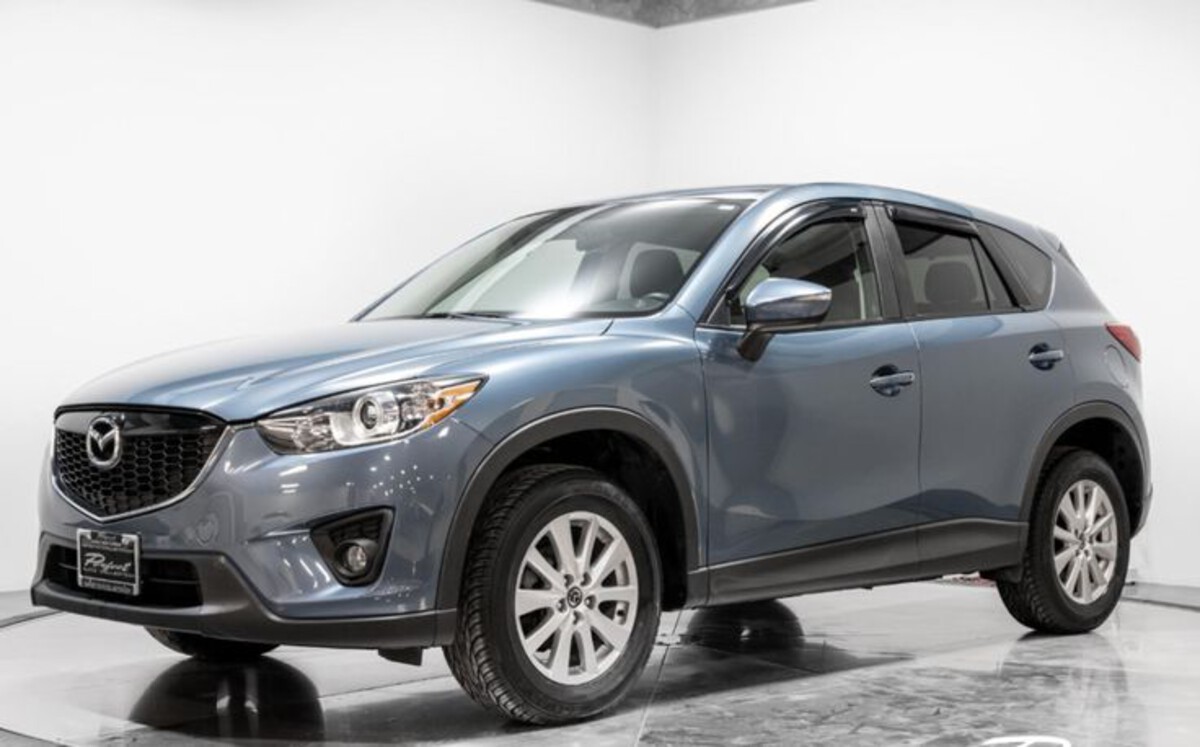
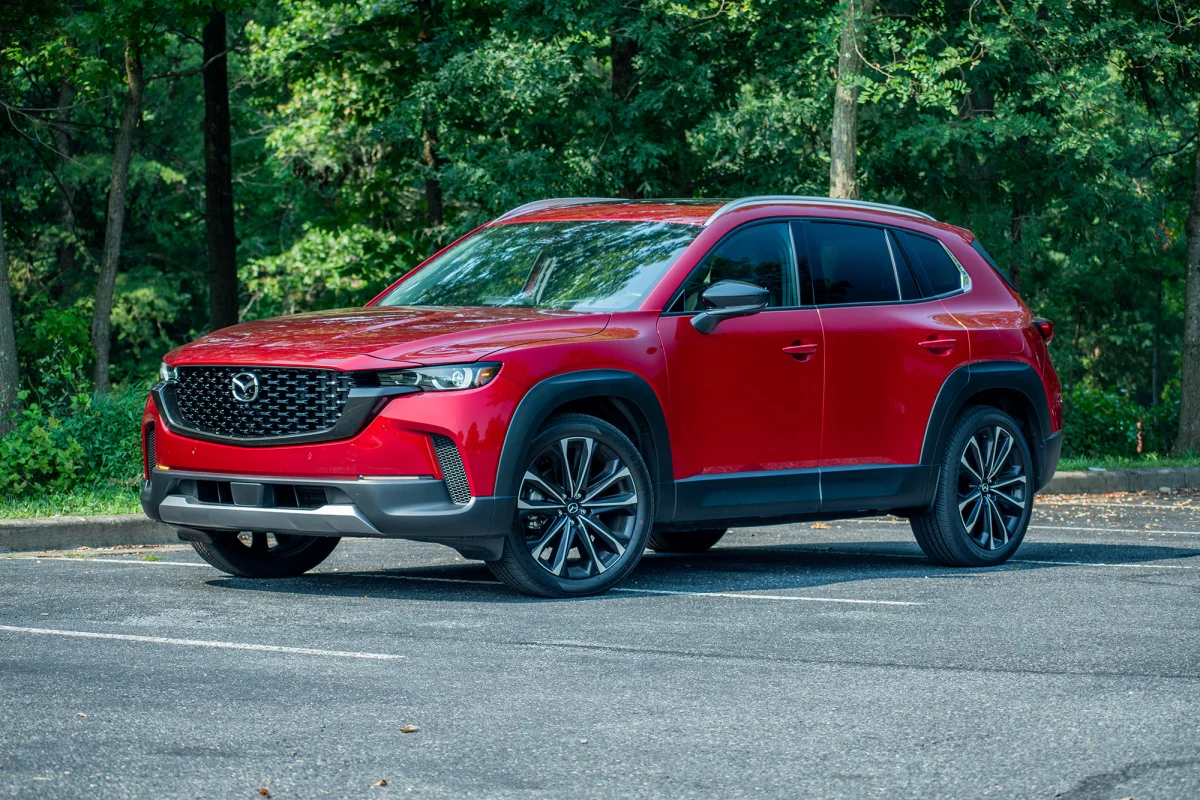
3. Mazda CX-5
The Mazda CX-5 has emerged as one of the most reliable compact SUVs available, consistently demonstrating warranty claim rates well below industry averages.
Mazda’s commitment to engineering excellence and driving dynamics doesn’t come at the expense of reliability in fact, the CX-5 proves that engaging handling and dependability can coexist beautifully.
This crossover’s exceptional durability reflects Mazda’s philosophy of refining proven technologies rather than chasing every new trend, resulting in a vehicle that delivers year after year without requiring warranty repairs.
Mazda’s Skyactiv engine technology powers the CX-5 with remarkable reliability. These naturally aspirated four-cylinder engines eschew the complexity of turbocharging in favor of high compression ratios and efficient design.
This approach yields excellent fuel economy while minimizing the components that typically generate warranty claims. The engines feature simplified designs with fewer potential failure points, resulting in powertrains that rarely require warranty repairs.
Owners report these engines running smoothly well into six-figure mileage without the oil consumption issues, timing chain problems, or premature failures that affect more complex engines.
The transmissions whether the smooth six-speed automatic or the engaging manual option prove equally reliable, with warranty claims for transmission issues remaining exceptionally rare.
The CX-5’s chassis and suspension components demonstrate impressive longevity. Mazda engineers these components with durability in mind, using high-quality materials and robust designs that resist the wear and tear of daily driving.
Control arms, ball joints, and wheel bearings maintain their integrity far longer than many competitors, reducing warranty claims for suspension noise and handling degradation.
The electric power steering system operates flawlessly without the premature failures or assist loss that sometimes affects other vehicles.
This mechanical reliability extends to the brake systems, which feature properly sized components that handle heat effectively and resist premature wear.
All-wheel-drive variants of the CX-5 maintain this excellent reliability record, which is significant given that AWD systems typically introduce additional complexity and potential failure points.
Mazda’s i-Activ AWD system proves durable and trouble-free, seamlessly distributing power between axles without the coupling failures, actuator problems, or differential issues that sometimes affect competing AWD systems.
This means CX-5 owners can enjoy enhanced traction and capability without concerns about increased warranty claims. The system’s predictive nature, using various sensors to anticipate traction needs, operates reliably without the sensor failures or erratic behavior that would generate warranty repairs in less refined systems.
4. Lexus ES
The Lexus ES represents the pinnacle of reliability in the luxury sedan segment, consistently recording warranty claim rates that are among the lowest in the entire automotive industry.
As Toyota’s luxury division, Lexus inherits the parent company’s legendary commitment to quality while adding layers of refinement and premium materials.
The ES exemplifies this approach, delivering a serene ownership experience virtually free from the warranty claims and unexpected repairs that frequently plague luxury vehicles from European competitors.
This reliability makes the ES particularly appealing to buyers who want luxury without the typical maintenance headaches and costs. Lexus engineering prioritizes long-term durability over chasing performance specifications, and nowhere is this more evident than in the ES’s powertrain.
The available engines ranging from the smooth V6 to the sophisticated hybrid system have been refined over decades, with every potential weak point addressed through continuous improvement.
These powertrains generate remarkably few warranty claims because they utilize proven technologies with conservative tuning that prioritizes longevity.
The naturally aspirated engines avoid turbocharger complexity, while the hybrid system benefits from Toyota’s twenty-plus years of hybrid development.
Transmissions shift smoothly throughout ownership without the jerky behavior, premature failures, or software glitches that generate warranty claims in other luxury sedans.
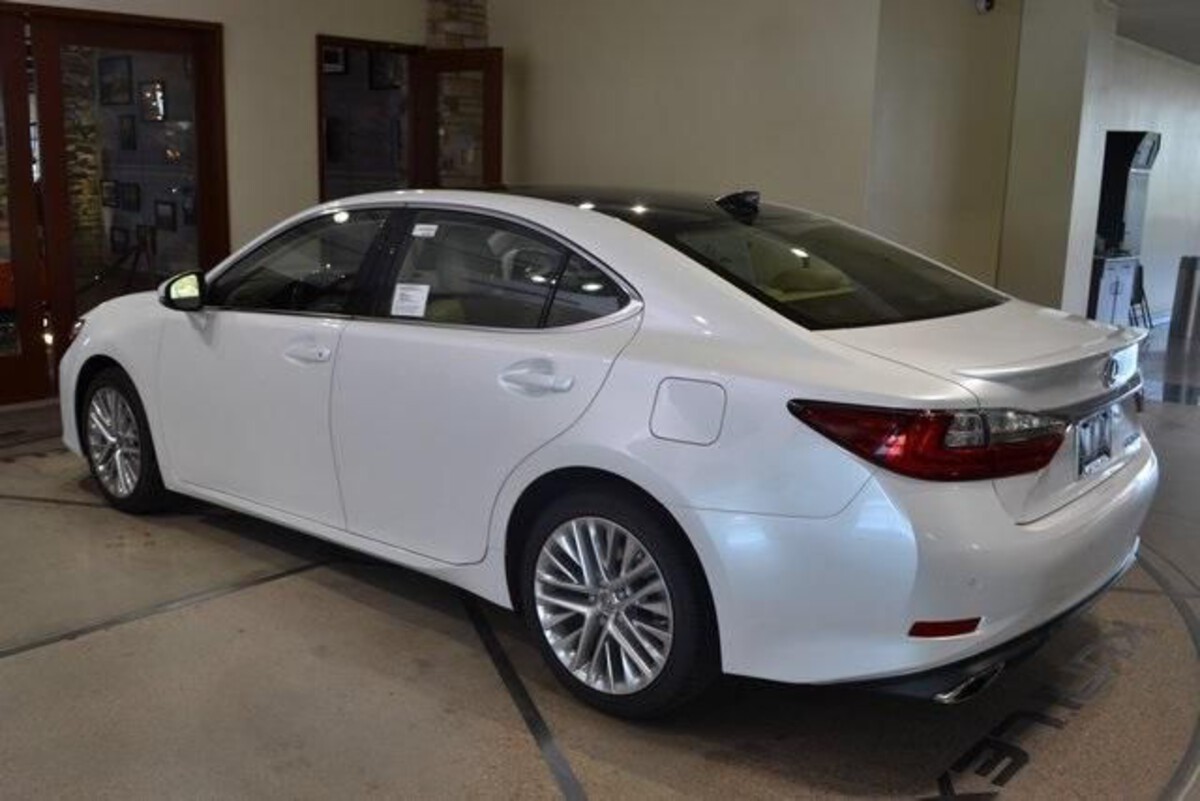
The ES’s build quality exceeds expectations even for the luxury segment. Lexus manufacturing facilities operate with precision that rivals Swiss watchmakers, with multiple quality checkpoints throughout assembly.
This obsessive attention to detail prevents manufacturing defects from reaching customers, virtually eliminating early warranty claims related to production issues.
Panel gaps measure consistently within tight tolerances, paint application is flawless, and every component is properly torqued and secured.
The result is a vehicle that feels solid and well-constructed from day one and maintains that integrity throughout ownership. The ES hybrid variant deserves special mention for maintaining exceptional reliability despite added powertrain complexity.
The hybrid system combines a gasoline engine with electric motors and a sophisticated power-split device, yet generates virtually no warranty claims.
Battery packs maintain their capacity and performance throughout the warranty period, electric motors operate silently and efficiently, and the complex power management systems function transparently.
This reliability stems from Lexus’s conservative approach to hybrid technology, using thoroughly proven Toyota hybrid systems with additional refinement for luxury applications.
ES hybrid owners enjoy impressive fuel economy and serene operation without any reliability penalty a combination unmatched in the luxury sedan segment.
Also Read: 12 Cars That Outclass Their Segment Leaders
5. Toyota RAV4
The Toyota RAV4 has become America’s best-selling non-pickup vehicle partly through its reputation for exceptional reliability and minimal warranty claims.
This compact SUV embodies Toyota’s reliability philosophy while offering the versatility and capability that modern buyers demand. The RAV4’s low warranty claim rate stems from Toyota’s methodical approach to engineering thoroughly testing components and systems before production, using proven technologies, and maintaining rigorous quality control throughout manufacturing.
This results in a vehicle that simply works, day after day, without the repairs and breakdowns that inconvenience owners and generate warranty claims.
Toyota’s powertrain options in the RAV4 have been refined over multiple generations, resulting in engines and transmissions that rarely require warranty repairs.
The base four-cylinder engine delivers adequate power with impressive reliability, utilizing proven technologies rather than chasing maximum performance.
The eight-speed automatic transmission shifts smoothly and proves durable, avoiding the jerky behavior, premature failures, and software calibration issues that generate warranty claims in other crossovers.
These powertrains benefit from Toyota’s extensive real-world testing vehicles are subjected to extreme conditions during development, ensuring components can withstand anything customers might encounter during normal use. This thoroughness prevents premature failures that would generate warranty claims.
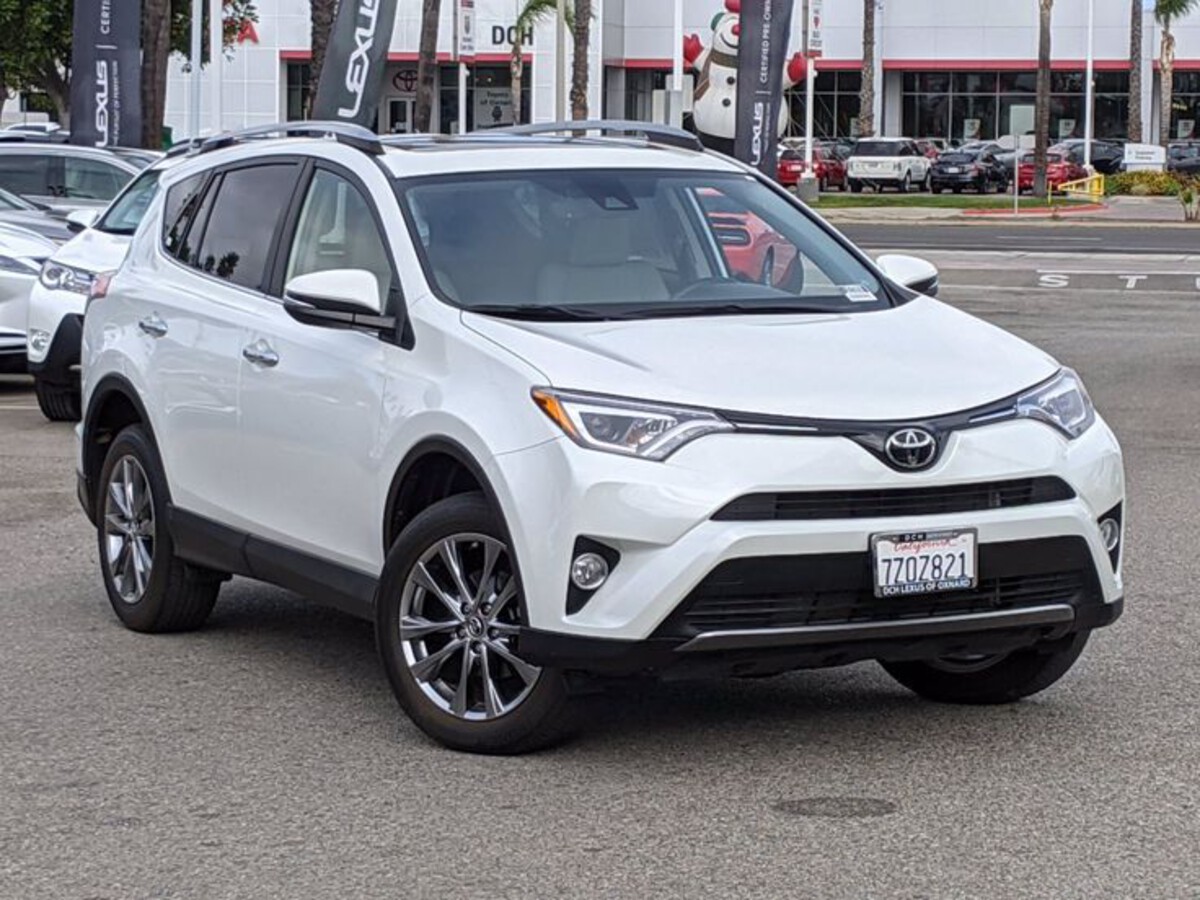
The RAV4’s all-wheel-drive system demonstrates remarkable reliability despite the added complexity AWD introduces. Toyota’s system seamlessly distributes power between axles without the coupling failures, actuator malfunctions, or differential problems that sometimes affect competitors.
This reliability extends to the more sophisticated AWD systems in higher trims, which feature torque vectoring and enhanced off-road capability.
These advanced systems operate transparently without sensor failures or calibration issues, providing enhanced traction when needed without concerns about warranty repairs.
This makes the RAV4 particularly appealing for buyers who need AWD capability but don’t want the reliability concerns that sometimes accompany complex drivetrain systems.
The RAV4 hybrid and plug-in hybrid variants maintain Toyota’s reliability reputation while delivering impressive efficiency. The hybrid system featuring electric motors, a sophisticated power-split transmission, and a battery pack has been refined over decades, resulting in a powertrain that’s actually more reliable than many conventional engines.
Hybrid components generate minimal warranty claims, with battery packs maintaining performance throughout the warranty period and electric motors operating flawlessly.
The plug-in hybrid adds further complexity with its larger battery and charging system, yet maintains the same excellent reliability. This demonstrates Toyota’s thorough approach to electrification no system reaches production until it’s been proven durable through extensive testing.
RAV4 hybrid buyers enjoy exceptional fuel economy without any reliability compromise, making these variants particularly appealing for those seeking both efficiency and Toyota’s legendary dependability.
6. Honda CR-V
The Honda CR-V has long been a benchmark for reliability in the compact SUV segment, consistently demonstrating warranty claim rates that rank among the industry’s lowest. This popular crossover combines practical design with Honda’s engineering excellence, resulting in a vehicle that delivers dependable service year after year. The CR-V’s minimal warranty claims reflect Honda’s commitment to building vehicles that prioritize real-world durability over flashy features or maximum performance specifications. This reliability, combined with the CR-V’s versatility and efficiency, explains why it remains one of America’s best-selling vehicles despite intense competition.
Honda’s powertrain engineering excellence shines in the CR-V. The turbocharged four-cylinder engine delivers strong performance with remarkable reliability, avoiding the premature failures and excessive oil consumption that sometimes plague turbocharged engines from other manufacturers.
Honda achieves this through conservative tuning, quality components, and thorough testing that ensures durability under various operating conditions.
The CVT transmission, often a weak point in other vehicles, proves reliable in the CR-V thanks to Honda’s refined design and robust construction.
This transmission operates smoothly without the shuddering, slipping, or premature failures that generate warranty claims in competing crossovers. The result is a powertrain that simply works without requiring warranty repairs for years of operation.
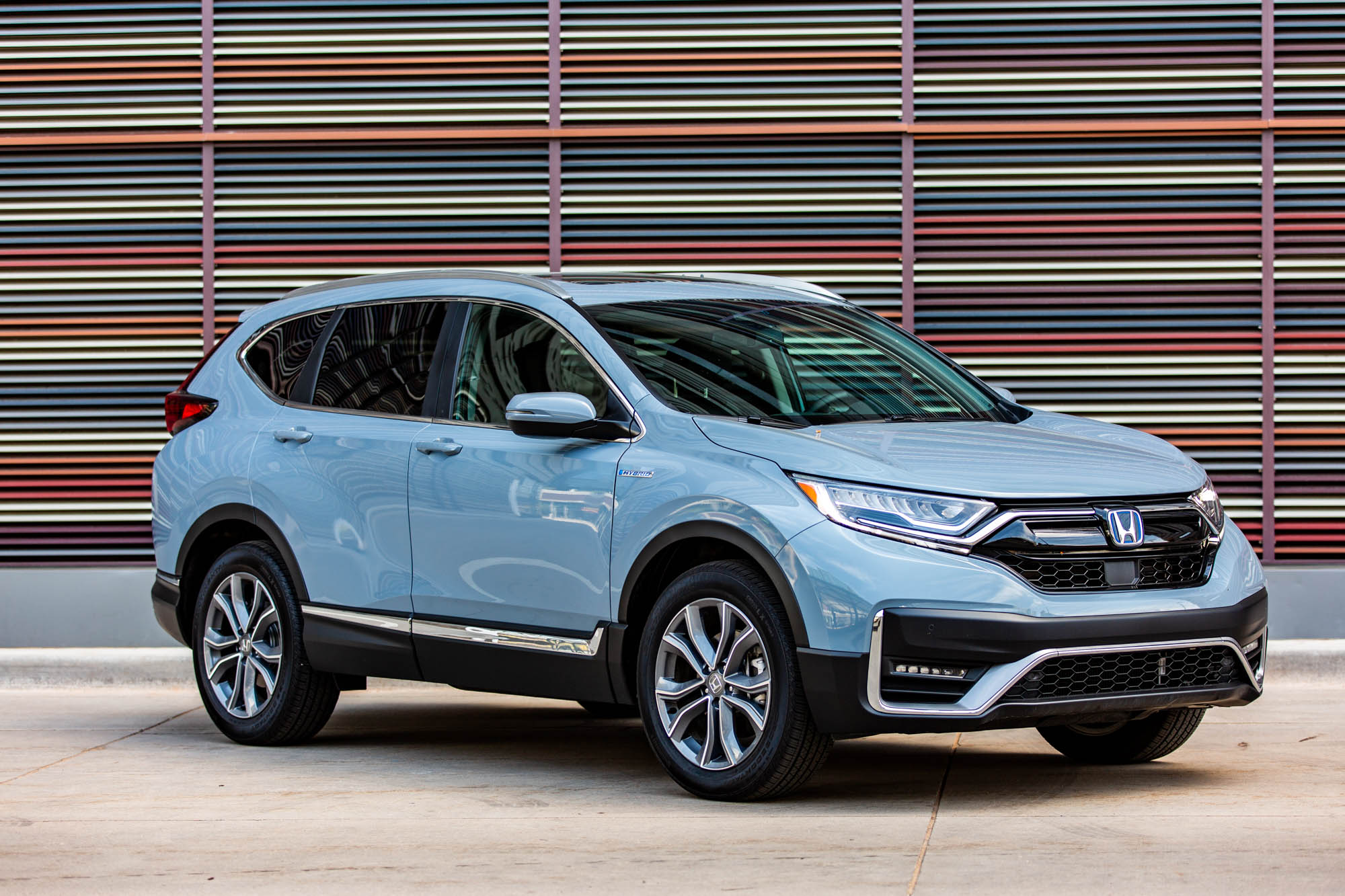
The CR-V’s all-wheel-drive system maintains Honda’s reliability standards while providing enhanced capability. The Real Time AWD system seamlessly engages when additional traction is needed, without the noise, vibration, or premature failures that affect some competitors.
The system’s simplicity using a hydraulically activated rear differential provides durability advantages over more complex electronic systems.
This means CR-V AWD owners enjoy enhanced traction without increased warranty claim risks. The system operates transparently, requiring no driver input while providing confident handling in adverse conditions, and it accomplishes this without the sensor failures or actuator problems that generate repairs in more complicated systems.
The CR-V hybrid variant exemplifies Honda’s ability to add electrification without compromising reliability. The two-motor hybrid system delivers impressive fuel economy while maintaining the exceptional dependability that defines the Honda brand.
The hybrid battery and electric motors operate flawlessly throughout the warranty period, power management systems function transparently, and the sophisticated drivetrain requires no more maintenance than conventional models.
This reliability is particularly noteworthy given the added complexity hybrid systems introduce batteries, electric motors, power electronics, and the sophisticated controls that manage everything.
Honda’s extensive hybrid experience, combined with thorough testing, ensures these components prove as reliable as conventional powertrains.
CR-V hybrid owners enjoy significantly better fuel economy without increased warranty claim risks, making this variant an excellent choice for buyers seeking both efficiency and legendary Honda reliability.
7. Mazda3
The Mazda3 stands out in the compact car segment not only for its engaging driving dynamics and upscale interior but also for its exceptional reliability and minimal warranty claims.
Mazda’s “driving matters” philosophy doesn’t compromise durability instead, the company proves that enthusiast-oriented vehicles can deliver both engagement and dependability.
The Mazda3’s low warranty claim rate reflects the company’s engineering approach: refining proven technologies, maintaining high manufacturing standards, and thoroughly testing vehicles before production.
This results in a compact car that’s genuinely fun to drive while providing the worry-free ownership experience typically associated with more conservative competitors.
Mazda’s Skyactiv engine technology powers the Mazda3 with impressive reliability. These naturally aspirated four-cylinder engines feature high compression ratios and efficient designs that deliver strong performance without turbocharger complexity.
This engineering approach minimizes components that typically fail and generate warranty claims no turbochargers to fail, no complex intercooler systems to leak, and no wastegate actuators to malfunction.
The engines feature simplified designs with direct injection, providing efficiency without the carbon buildup issues affecting some competitors.
Owners report these engines running smoothly well past 100,000 miles without the consumption issues, timing chain problems, or premature failures that plague less reliable compact cars.
The transmission options whether the smooth six-speed automatic or the engaging manual prove equally dependable with minimal reported warranty issues.
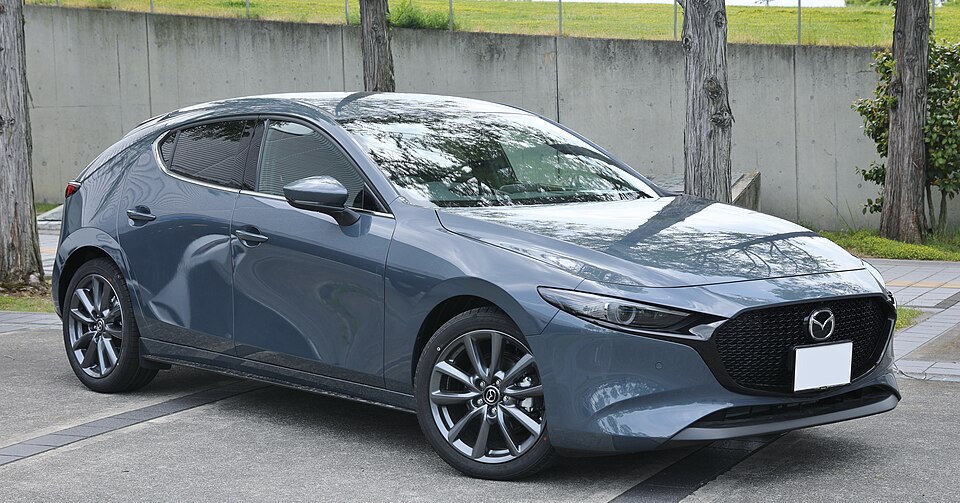
Build quality in the Mazda3 exceeds expectations for the compact segment. Walking around a Mazda3, the tight panel gaps, consistent paint application, and solid construction quality become immediately apparent.
This isn’t accidental Mazda manufacturing facilities maintain quality standards that rival luxury brands, with careful attention to every detail during assembly.
Doors close with a satisfying thunk, body panels align precisely, and the solidity suggests a more expensive vehicle. This build quality prevents manufacturing defects that generate early warranty claims in hastily assembled competitors.
Components are properly installed and torqued, preventing loose trim pieces, squeaks, and rattles that frequently plague other compact cars.
The Mazda3’s all-wheel-drive variant, when available, maintains the excellent reliability record while providing enhanced capability. Mazda’s i-Activ AWD system proves durable and trouble-free, seamlessly distributing power between axles as conditions demand.
The system utilizes a sophisticated array of sensors to predict traction needs before wheel slip occurs, yet these sensors and actuators prove reliable without premature failures.
The rear differential and coupling mechanisms operate without the leaks, failures, or unusual noises that sometimes affect AWD systems.
This means Mazda3 AWD buyers enjoy enhanced traction and confidence in adverse conditions without increased warranty claim concerns.
The system’s predictive nature provides tangible benefits in rain and snow while maintaining the mechanical reliability that defines the Mazda3 across all configurations.
8. Subaru Outback
The Subaru Outback has cultivated a devoted following through its unique combination of wagon practicality, SUV capability, and exceptional reliability.
This crossover’s minimal warranty claims reflect Subaru’s engineering focus on durability and real-world usability rather than chasing performance specifications or luxury features.
The Outback’s reputation for dependability, combined with standard all-wheel drive and impressive versatility, makes it particularly popular with outdoor enthusiasts and families who need vehicles that simply work regardless of conditions.
Subaru’s commitment to quality and continuous improvement has resulted in an Outback that delivers year after year without the repairs and breakdowns that generate warranty claims.
Subaru’s horizontally opposed engine design, while unusual in the automotive world, has proven remarkably reliable in the Outback. These “boxer” engines sit lower in the chassis, contributing to better handling while providing excellent durability.
The engines feature a simple, proven design without the turbochargers that add complexity in some competitors the naturally aspirated four-cylinder delivers adequate power with minimal warranty claims.
When properly maintained, these engines regularly exceed 200,000 miles without major issues, avoiding the head gasket problems that affected earlier Subaru generations.
The CVT transmission, developed specifically for Subaru’s drivetrain configuration, has been refined over multiple generations and now proves reliable with minimal warranty claims.
This transmission operates smoothly under various conditions, from stop-and-go traffic to highway cruising, without the shuddering, slipping, or premature failures that affect some competitors’ CVTs.
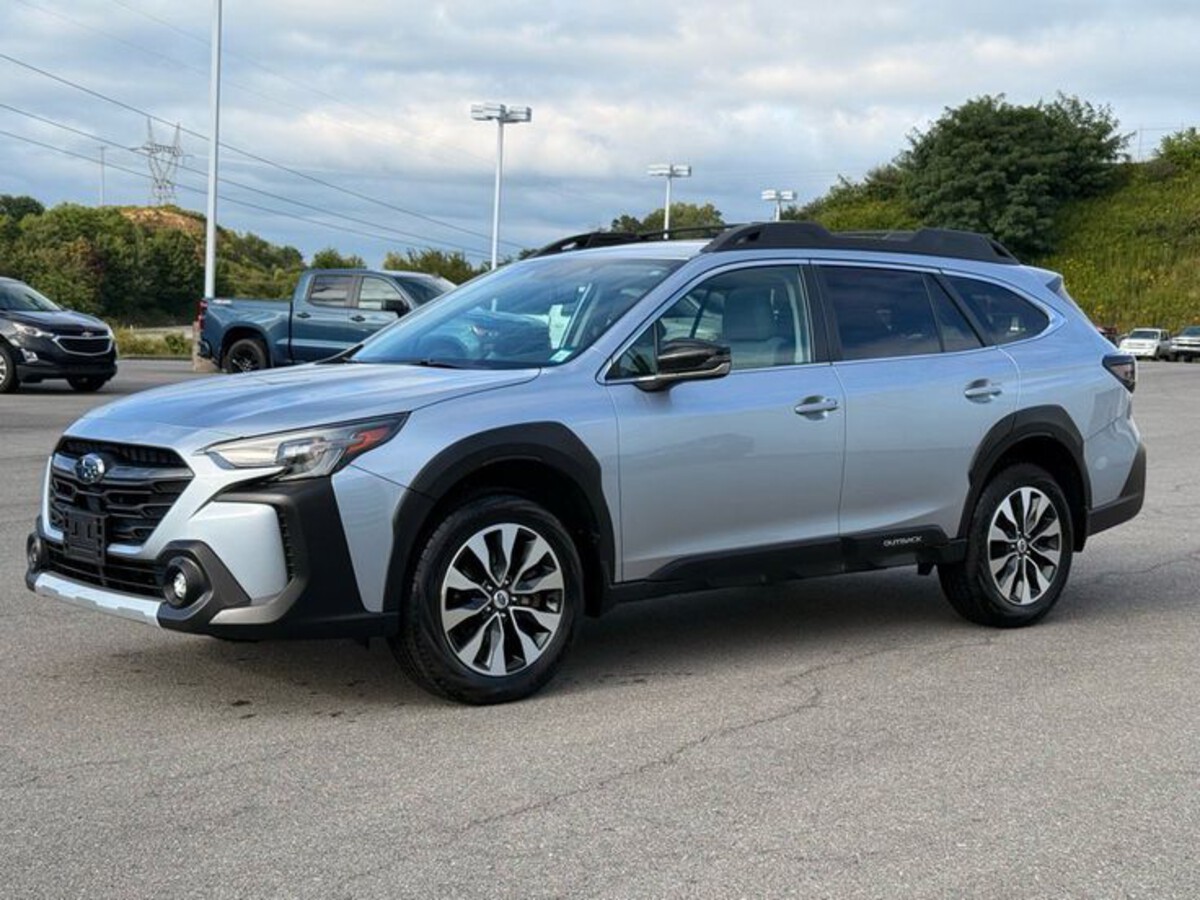
Subaru’s symmetrical all-wheel-drive system represents a core Outback advantage and maintains excellent reliability despite its constant operation.
Unlike many competitors, where AWD is part-time, Subaru’s system continuously distributes power to all four wheels, providing superior traction in adverse conditions.
Despite this added complexity and constant operation, the system generates minimal warranty claims. Subaru has decades of experience refining its AWD technology, resulting in robust components that withstand continuous use.
The center differential, viscous coupling, and associated components prove durable, avoiding the failures and leaks that sometimes affect AWD systems.
This means Outback owners enjoy enhanced capability and safety without increased warranty repair concerns a significant advantage for those living in areas with challenging weather conditions.
The Outback’s boxer engine design contributes to its reliability through inherent balance and lower vibration compared to inline or V-configured engines.
This reduced vibration means less stress on engine mounts, accessories, and surrounding components factors that contribute to longevity and reduced warranty claims.
The engine’s lower center of gravity also improves handling while providing better crash protection for occupants. Subaru’s engineering team has refined this unique configuration over decades, addressing potential weak points and ensuring optimal durability.
The result is a distinctive engine design that delivers reliability advantages while providing the low center of gravity and all-wheel-drive compatibility that define the Outback’s character and contribute to its minimal warranty claims.
9. Kia Telluride
The Kia Telluride represents a remarkable achievement for the Korean automaker, delivering exceptional reliability and minimal warranty claims in the competitive three-row SUV segment.
Since its introduction, the Telluride has garnered numerous awards while building a reputation for dependability that challenges established competitors.
This midsize SUV’s low warranty claim rate demonstrates how significantly Kia has improved quality and reliability over the past decade, transforming from a budget brand to a mainstream competitor that delivers genuine quality.
The Telluride’s combination of style, features, and reliability backed by Kia’s industry-leading 10-year/100,000-mile powertrain warranty provides exceptional value and peace of mind.
Kia’s powertrain engineering in the Telluride emphasizes proven reliability over cutting-edge technology. The 3.8-liter V6 engine delivers smooth, adequate power using naturally aspirated technology that avoids turbocharger complexity and the associated warranty claims that can result.
This engine features a conventional design that’s been refined over years of production, with engineering focused on durability rather than maximum performance.
The eight-speed automatic transmission shifts smoothly and proves reliable, avoiding the harsh shifts, premature failures, or software calibration issues that plague some competitors.
This powertrain combination has demonstrated impressive reliability across thousands of Tellurides, with warranty claims for engine or transmission issues remaining remarkably low.
Owners report smooth operation well past the break-in period, with no unusual noises, consumption issues, or performance degradation that would generate warranty repairs.
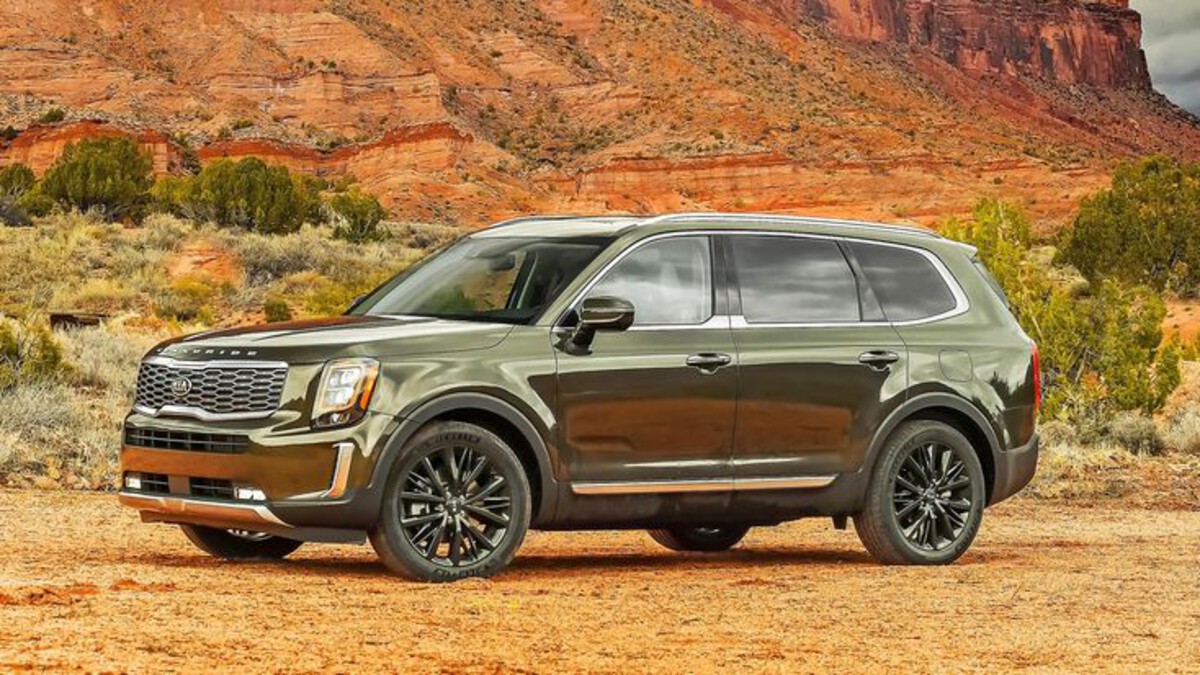
The Telluride’s all-wheel-drive system provides enhanced capability while maintaining Kia’s improved reliability standards. The AWD system seamlessly distributes power between front and rear axles as conditions demand, providing confident handling in rain, snow, and light off-road situations.
Despite the added complexity AWD introduces, the system generates minimal warranty claims a testament to Kia’s improved engineering and quality control.
The transfer case, rear differential, and associated components prove durable under various operating conditions, avoiding the leaks, failures, or unusual noises that sometimes affect AWD systems.
The system operates transparently without driver input, yet proves reliable enough that owners don’t worry about potential AWD-related repairs during the warranty period.
Kia’s industry-leading warranty coverage 10 years or 100,000 miles for the powertrain and 5 years or 60,000 miles for basic coverage demonstrates the company’s confidence in Telluride reliability.
This extensive warranty protects owners from unexpected repair costs while providing peace of mind, yet Kia’s willingness to offer such coverage stems from the knowledge that warranty claims will remain low. The Telluride validates this confidence, consistently generating fewer warranty repairs than the coverage would suggest necessary.
This combination of comprehensive protection and actual reliability creates exceptional value, allowing Telluride owners to enjoy their vehicles without concerns about repair costs during the critical early ownership years when many vehicles experience issues requiring warranty attention.
10. Toyota Highlander
The Toyota Highlander rounds out this list as one of the most reliable three-row SUVs available, consistently demonstrating warranty claim rates well below industry averages.
This midsize SUV combines Toyota’s legendary reliability with the space and versatility that modern families demand, creating a vehicle that serves as a dependable family hauler year after year.
The Highlander’s minimal warranty claims stem from Toyota’s conservative engineering approach, rigorous quality control, and decades of refinement in building durable vehicles.
For families seeking a three-row SUV that simply works without unexpected repairs or breakdowns, the Highlander represents one of the safest choices in the automotive market.
Toyota’s powertrain options in the Highlander have been thoroughly proven over multiple generations and across various Toyota products. The V6 engine delivers smooth, adequate power using naturally aspirated technology that avoids the complexity and potential failures associated with turbocharging.
This engine features proven internal components and conservative tuning that prioritize longevity over maximum performance specifications.
The eight-speed automatic transmission shifts smoothly and proves exceptionally durable, avoiding the harsh shifts, slipping, or premature failures that generate warranty claims in competing three-row SUVs.
These powertrains benefit from Toyota’s extensive testing regimen vehicles endure extreme conditions during development, ensuring components can handle anything customers encounter during normal family use. This thoroughness translates directly into minimal warranty claims for engine or transmission issues.
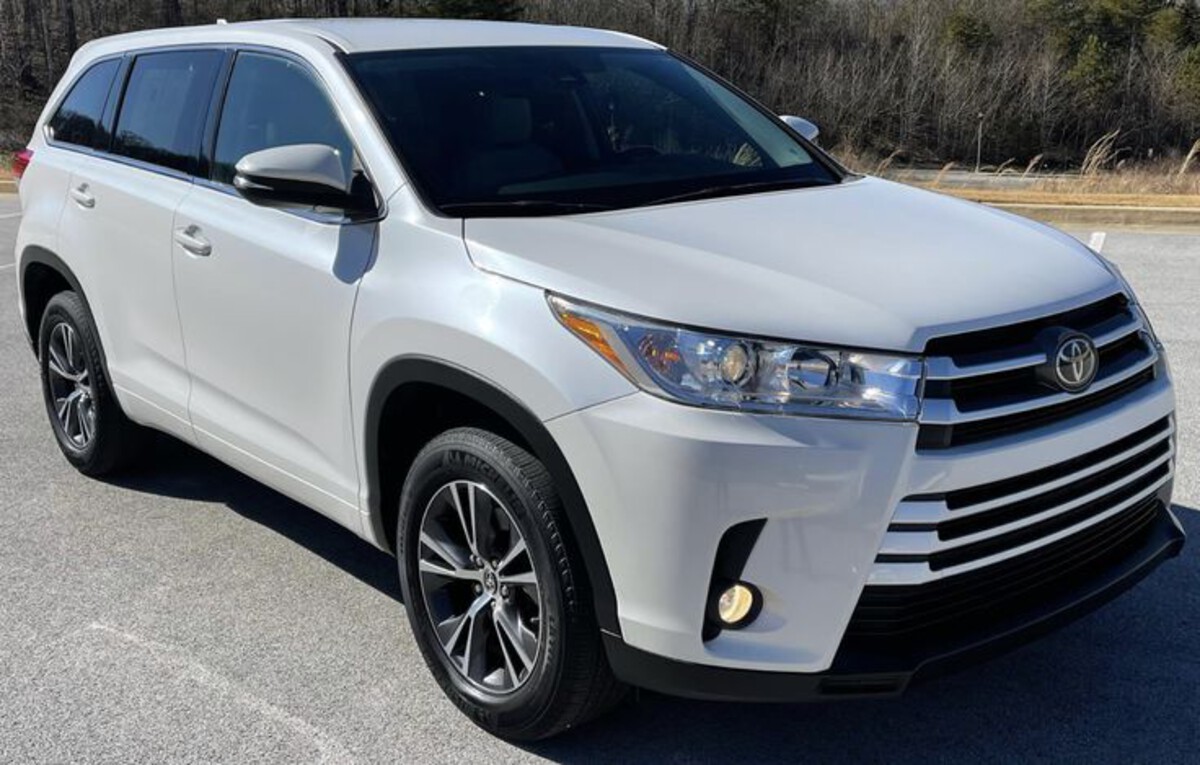
The Highlander’s all-wheel-drive system maintains Toyota’s reliability reputation while providing enhanced capability for families in challenging climates. The AWD system seamlessly distributes power between axles as traction demands, operating transparently without driver input.
Despite continuous operation and the added complexity AWD introduces, the system generates remarkably few warranty claims. Toyota’s decades of AWD experience have resulted in robust components the transfer case, rear differential, and actuators prove durable under various operating conditions.
The system avoids the leaks, failures, or unusual noises that sometimes affect competitors’ AWD systems, meaning Highlander owners enjoy enhanced traction without concerns about expensive AWD repairs during the warranty period.
Toyota’s reputation for reliability, exemplified by the Highlander, provides tangible benefits beyond minimal warranty claims. The vehicle commands strong resale values because buyers know they’re purchasing proven dependability.
Total ownership costs remain low despite the initial purchase price because unexpected repairs rarely occur. Perhaps most importantly, Highlander owners enjoy peace of mind confidence that their vehicle will start every morning, transport their family safely, and perform its duties without drama.
This psychological benefit, while difficult to quantify, represents genuine value for families who depend on their vehicles daily. The Highlander’s combination of space, versatility, and Toyota’s legendary reliability makes it an outstanding choice for families seeking a three-row SUV that will serve faithfully for years with minimal warranty claims or unexpected repairs disrupting their busy lives.
Also Read: 9 Newest Cars With Easy-to-Find Replacement Parts
