When it comes to SUVs, the spotlight often shines on big names like the Toyota RAV4, Ford Explorer, and Honda CR-V. Yet, beneath these well-known favorites lies a group of underrated models that outperform their popular rivals in comfort, performance, and practicality.
“8 Underrated SUVs That Are Better Than Popular Models” highlights vehicles that deliver exceptional value and driving enjoyment without relying on hype or inflated prices. From the balanced and capable 2024 Honda Passport to the refined Audi Q3 and the surprisingly luxurious Mazda CX-50, these SUVs prove that the smartest choice is not always the most obvious one.
Whether you care about off-road ability, interior quality, or family-friendly space, this list uncovers hidden gems that deserve attention before you decide on your next SUV purchase.
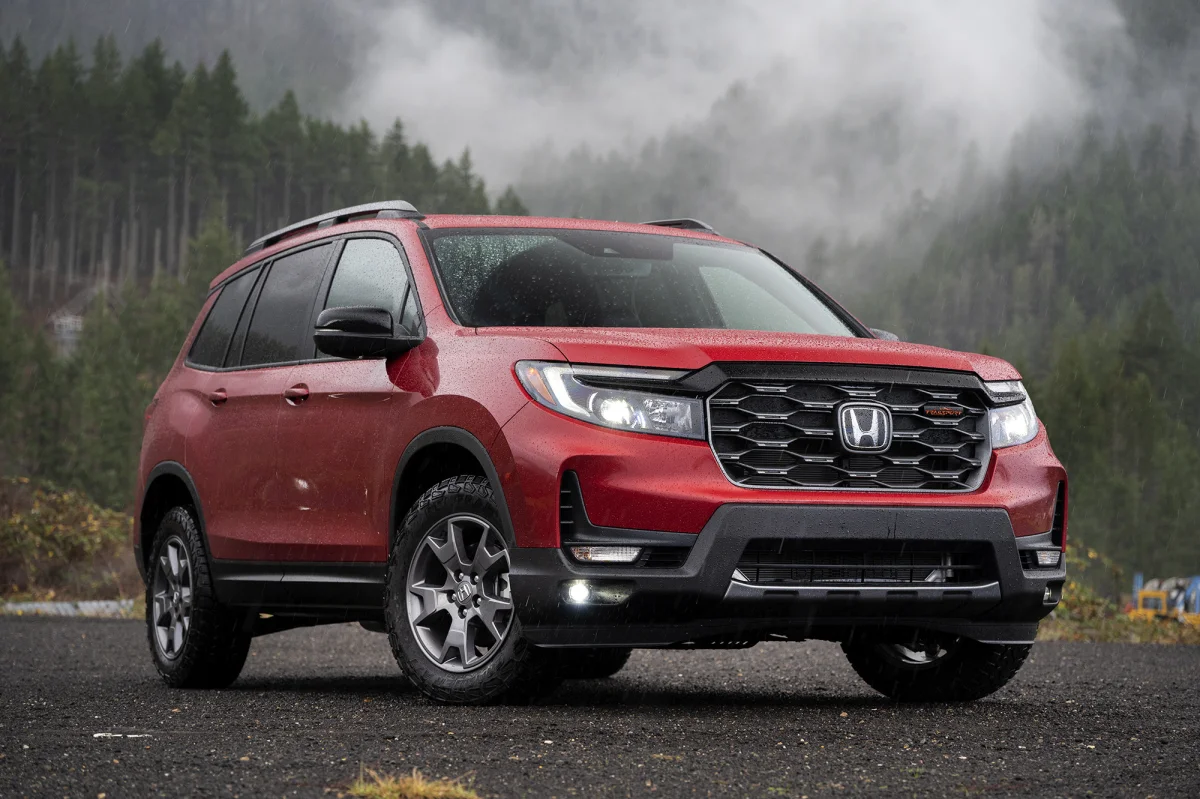
1. 2024 Honda Passport: A Balanced Blend of Power, Comfort, and Practicality
The 2024 Honda Passport continues to reflect Honda’s reputation for reliability and everyday versatility. Priced from $42,400, this midsize two-row SUV receives subtle yet meaningful updates that enhance its rugged character, interior comfort, and appeal. With an 8/10 rating, the Passport remains a strong choice for families and adventurers who prefer a two-row setup with plenty of capability.
At its core, the 2024 Passport is powered by Honda’s tried-and-true 3.5-liter V6 engine, producing 280 horsepower and 262 lb-ft of torque. It’s paired with a nine-speed automatic transmission and standard all-wheel drive (AWD), providing quick and confident performance. The SUV sprints from 0–60 mph in about 6.9 seconds, placing it among the more energetic options in its segment.
Beyond its on-road agility, the Passport offers genuine capability. It can tow up to 5,000 pounds and carry a payload of 1,332 pounds, making it well-suited for towing small boats or campers. With a top speed of 110 mph, it remains stable and composed during highway cruising.
Fuel efficiency is moderate, with an EPA-estimated 21 mpg combined, matching most midsize SUVs. Real-world testing yields about 22 mpg, proving the Passport to be respectably efficient for a vehicle with this level of power.
The Passport delivers a confident and refined driving experience. Its weighted steering and smooth transmission make it easy to maneuver, while the suspension system absorbs bumps effectively and maintains poise during turns. Braking is steady and predictable in daily use, though the pedal can feel slightly soft during emergency stops.
Inside, the Passport offers impressive space and comfort. The wide front seats provide lasting support during long drives, while reclining rear seats ensure passenger relaxation. The ride quality is slightly firmer than that of the larger Honda Pilot, yet the cabin remains well-damped and composed on uneven roads.
Noise insulation is excellent, reducing wind and tire sounds to a minimum. The heated and ventilated seats, combined with an efficient tri-zone climate control system, add to the SUV’s comfort-oriented personality.
Honda designed the Passport’s cabin to be both functional and welcoming. Headroom and legroom are generous throughout, and three adults can fit comfortably in the back. The slightly elevated seating position enhances outward visibility, while large door openings make entry and exit easy for passengers.
The touchscreen infotainment system is responsive and straightforward to use, supported by physical knobs and buttons for commonly used functions. Standard features include Apple CarPlay and Android Auto, while a 540-watt premium sound system delivers excellent audio clarity. The navigation interface responds quickly to touch gestures, providing an intuitive experience.
Every 2024 Passport is equipped with Honda Sensing, which includes advanced safety and driver-assistance systems such as adaptive cruise control, lane-keeping assist, and collision mitigation braking.
The Passport’s cargo area is one of its most impressive attributes. The space easily accommodates luggage, outdoor gear, or large household items, though the load height sits slightly higher than some competitors. Ample interior storage through large door pockets, a roomy center console, and various cubbies further enhances practicality.
In terms of value, the Passport offers premium materials, solid craftsmanship, and dependable performance. The interior features soft-touch surfaces, tasteful black trim, and tight panel fitment that reflect Honda’s attention to quality. Warranty coverage includes a three-year/36,000-mile basic plan and a five-year/60,000-mile powertrain warranty, consistent with class standards.
The 2024 Honda Passport stands out as a capable and comfortable midsize SUV that doesn’t chase unnecessary trends. Its strong V6 engine, roomy cabin, high towing capacity, and advanced technology make it a well-balanced vehicle for drivers seeking power, practicality, and refinement in a stylish two-row package.
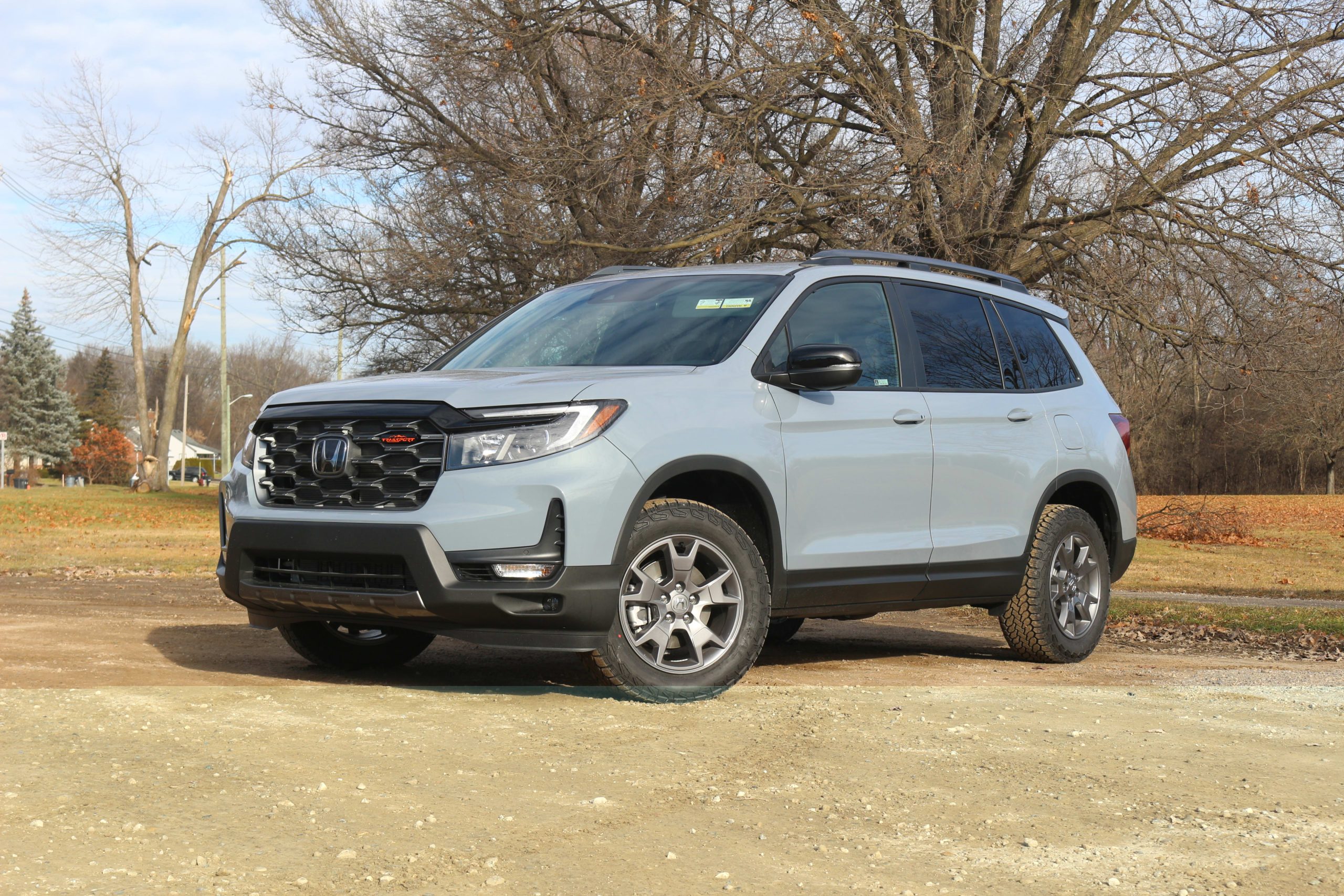
2. 2024 BMW X1: A Compact Luxury SUV with Power, Precision, and Premium Appeal
The 2024 BMW X1 represents the perfect entry point into BMW’s luxury SUV lineup, blending refined design, strong performance, and advanced technology. Priced from $40,950, the X1 offers a premium experience in a compact form, earning an 8.2/10 rating for its agility, comfort, and sophistication.
While larger models such as the X3 and X5 often receive more attention, the X1 delivers a driving experience that is both engaging and luxurious.
The 2024 BMW X1 is powered by a 2.0-liter turbocharged inline-four engine that produces 241 horsepower and 291 lb-ft of torque. It uses a 7-speed dual-clutch transmission with all-wheel drive (AWD) for confident acceleration and control. The X1 can reach 60 mph in just 5.1 seconds and achieves a top speed of 149 mph, which is impressive for its class.
On the road, the X1 delivers precise handling and excellent grip, particularly with the M Sport package that includes adaptive suspension and 19-inch wheels. In Sport mode, the steering becomes sharper, giving drivers a stronger sense of connection to the road.
The dual-clutch transmission shifts quickly at speed but can hesitate during city driving, and the stop-start system sometimes causes rough takeoffs. Despite these minor drawbacks, the X1 remains one of the most dynamic small luxury SUVs available.
With a towing capacity of 7,200 pounds, the X1 is more capable than many of its competitors, offering both performance and practicality in a compact size.
Comfort depends on the chosen trim and options. The M Sport seats are firm and supportive, ideal for spirited driving but not as soft as those found in comfort-oriented trims. The adaptive suspension enhances cornering stability but can feel a bit stiff over rough pavement. Drivers seeking a smoother experience may prefer the standard suspension setup.
The cabin remains quiet at highway speeds, with very little road or wind noise. All climate controls are integrated into the touchscreen, giving the interior a sleek and uncluttered look.
However, this design choice can make simple adjustments more distracting while driving. The X1 does not offer ventilated front seats, which some rivals, such as the Mercedes-Benz GLB, include. Even so, the X1’s materials and build quality give it a clear luxury feel.
The 2024 X1 features a minimalist and high-tech interior design highlighted by a curved dual-display system that uses BMW’s latest iDrive 8 infotainment software. The system is quick, clear, and easy to navigate once you are familiar with it.
While BMW has eliminated the traditional rotary controller, the touchscreen interface works well and supports wireless Apple CarPlay and Android Auto. The optional Harman Kardon sound system provides clear and balanced audio quality.
The X1’s boxy proportions give it generous legroom and headroom in both rows. Getting in and out of the vehicle is easy thanks to its slightly raised seating position. Visibility is excellent from the driver’s seat, although shorter drivers may have trouble viewing the head-up display without adjusting their seat height.
Safety features include blind-spot monitoring, lane departure warning, and forward collision alert. Adaptive cruise control is available but not standard, which is disappointing for a luxury SUV at this price point.
The BMW X1 offers 26 cubic feet of cargo space, which is competitive for the compact luxury SUV category. The split-folding rear seats allow flexible storage configurations, and there is enough room for large suitcases or child seats. Cupholders and storage compartments throughout the cabin provide plenty of small-item space.
The X1 has an EPA-estimated fuel economy of 28 mpg combined, which is in line with segment averages. During real-world testing, it achieved 27.1 mpg, a solid figure given its strong performance and AWD system.
Although the 2024 BMW X1 can become expensive with optional features, it justifies its price with excellent materials, robust build quality, and three years of complimentary maintenance. The interior feels solid, with very few hard plastics and precise assembly throughout.
The X1 combines power, style, and technology in a compact luxury package that is both practical and enjoyable to drive. With its smooth turbocharged engine, upscale interior, and well-tuned chassis, the 2024 BMW X1 proves that a small SUV can deliver a truly premium driving experience without sacrificing versatility.
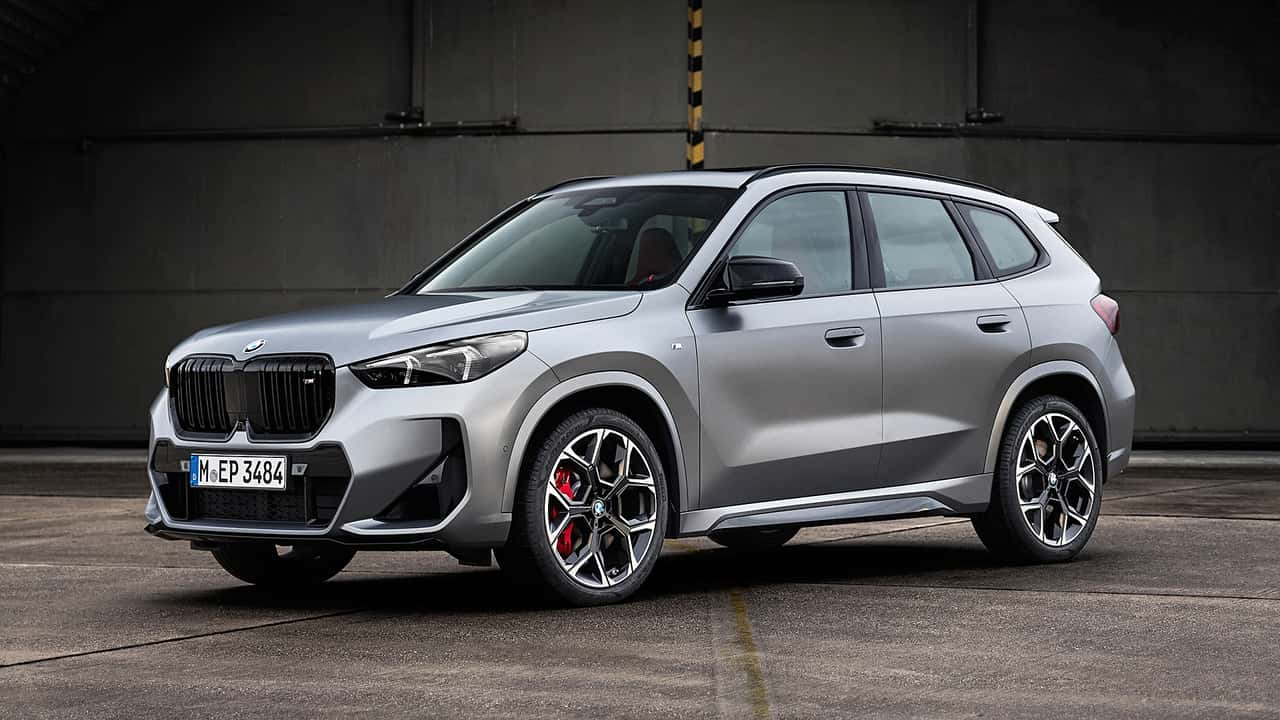
3. 2024 Audi Q3: A Refined Entry into the Luxury SUV Segment
The 2024 Audi Q3 represents the gateway to Audi’s SUV lineup, offering the refinement, comfort, and craftsmanship that define the brand. With a starting price of $37,400, the Q3 is Audi’s least expensive SUV, yet it manages to deliver a premium experience that feels unmistakably Audi.
Combining a stylish design, a tech-forward interior, and solid performance, the Q3 is a compact luxury SUV that stands out for its value and quality.
The 2024 Q3 is powered by a turbocharged 2.0-liter inline-four engine that produces 228 horsepower and 258 lb-ft of torque, paired with an eight-speed automatic transmission and standard Quattro all-wheel drive.
This combination allows the Q3 to accelerate from 0 to 60 mph in 7.4 seconds, reaching a top speed of 130 mph. While it is not the quickest in its class, the Q3 offers smooth power delivery and composed handling suitable for both city and highway driving.
The eight-speed automatic provides refined shifts, though it can be a little slow to react when starting from a stop. The steering is light yet precise, and the Q3 maintains good balance when cornering. Drivers will find it agile enough for urban use and stable at higher speeds. The 1,500-pound towing capacity and 1,213-pound payload rating highlight its practicality, even if it is not built for heavy hauling.
The Q3’s emphasis is on comfort rather than sporty dynamics. For those seeking sharper handling and a more engaging drive, the BMW X1 might be more satisfying.
The 2024 Q3’s ride is tuned for comfort, with a firm but compliant suspension that smooths out most road imperfections. Small bumps are felt through the cabin, but never to an uncomfortable degree. The cabin insulation is excellent, keeping wind and road noise to a minimum even at higher speeds.
The front seats offer generous adjustments for finding the ideal driving position and come with heating as standard. They provide solid support for long drives, although the seat heaters take longer to warm up than in some rivals. The rear seats can comfortably accommodate two adults, and visibility in all directions is aided by large windows and a short hood design.
Inside, the 2024 Audi Q3 maintains the brand’s focus on modern design and precision craftsmanship. High-quality materials line the cabin, with tasteful metallic accents and clean surfaces. The optional 10.1-inch touchscreen is responsive and easy to use, providing tactile feedback with a click when selections are made. The controls and buttons are clearly labeled and logically arranged, enhancing ease of use.
Technology is one of Q3’s strongest suits. The MMI infotainment system supports wireless Apple CarPlay and Android Auto, and the navigation system offers crisp three-dimensional map views. The available digital cockpit provides customizable driver information, further enhancing the premium feel.
Safety and driver-assist features include adaptive cruise control, lane departure warning, and blind-spot monitoring. These systems work effectively, although the adaptive cruise control can sometimes react too slowly when traffic suddenly slows.
Despite its compact size, the Q3 makes good use of interior space. The cargo area provides a flat load floor and removable security shade, while the split-folding rear seats allow for flexible storage configurations.
There are a few thoughtful touches, such as a wireless charging pad and storage grips between the cupholders for smartphones. Rear door openings are wide, making it easy to install child seats, with accessible anchor points for secure attachment.
The EPA rates the Q3 at 22 mpg combined, which places it on the lower side among small luxury SUVs. However, during testing, the Q3 achieved 26.8 mpg on a mixed route, exceeding expectations. Drivers who primarily travel on highways are likely to meet or slightly surpass the official estimate, though city mileage may be lower.
The 2024 Audi Q3 is a strong contender in the compact luxury SUV category, offering premium materials, refined design, and solid technology at an accessible price. Fit and finish are excellent, with no noticeable panel gaps or cheap plastics.
The S line trim introduces elegant wood and matte inlays, adding to the upscale atmosphere. Audi’s warranty coverage is typical for the segment, and its build quality is among the best in its class.
The Q3 may not be the sportiest or roomiest option available, but it delivers a genuine Audi experience in a smaller, more affordable package. With its quiet cabin, sophisticated technology, and comfortable ride, the 2024 Audi Q3 is a compact luxury SUV that proves refinement does not require a high price tag.
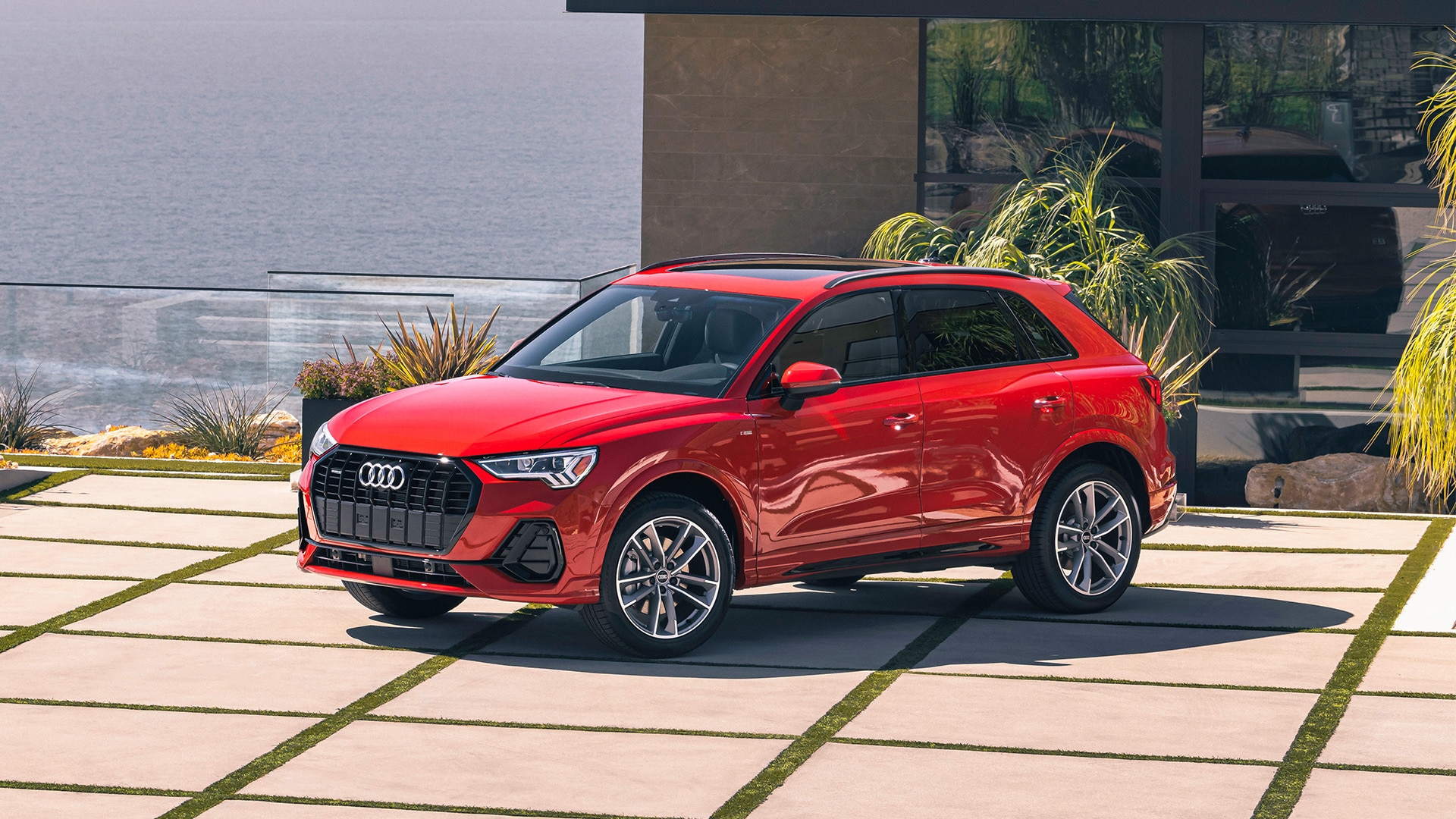
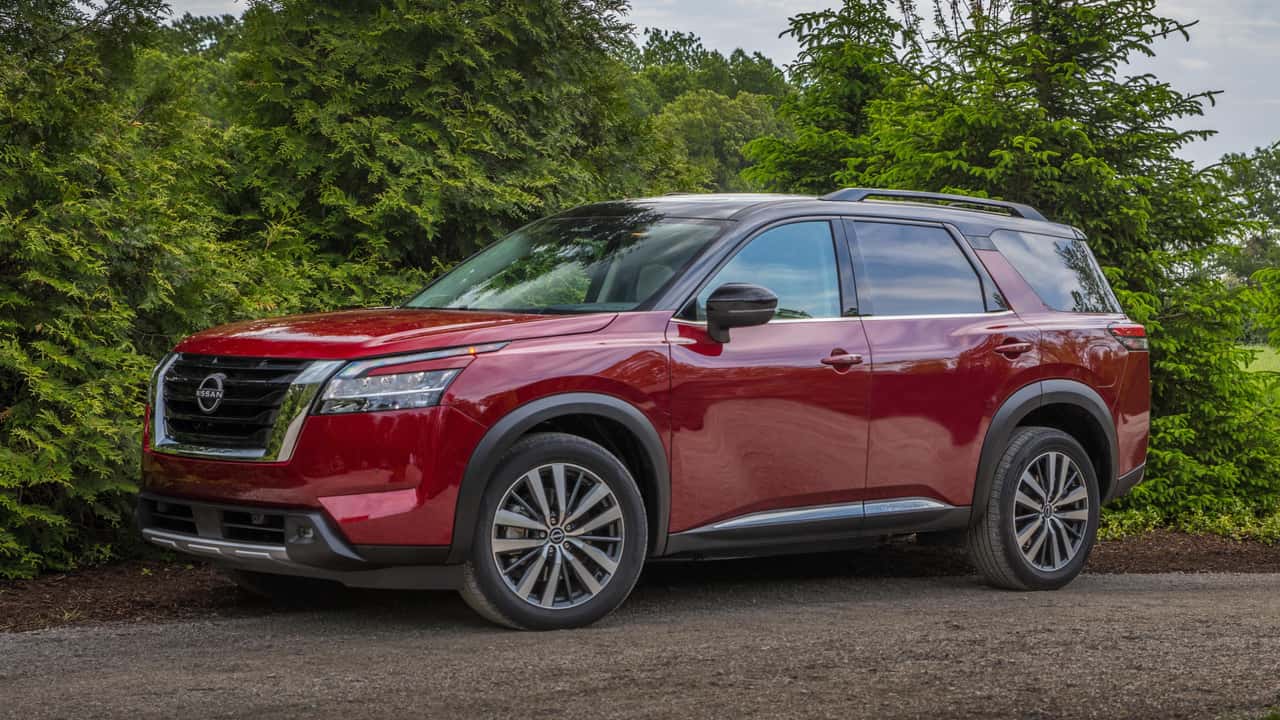
4. 2024 Nissan Pathfinder: A Capable and Comfortable Family SUV
The 2024 Nissan Pathfinder continues its long-standing role in the three-row SUV segment, competing with strong rivals like the Kia Telluride, Hyundai Palisade, and Honda Pilot.
Priced from $36,650, the Pathfinder blends power, utility, and comfort, making it a practical choice for families who prioritize space and reliability over flashiness. While it may not dominate its class, the Pathfinder offers a strong mix of capability, refinement, and everyday usability.
The Pathfinder is powered by a 3.5-liter V6 engine that delivers 284 horsepower and 259 lb-ft of torque, paired with a nine-speed automatic transmission and available all-wheel drive. Acceleration is steady, with a 0-60 mph time of 6.6 seconds, placing it right in line with competitors.
The transmission shifts smoothly in most situations, though it can hesitate to downshift when climbing hills. Braking performance is average for the segment, offering predictable and confident stops.
On the road, the Pathfinder feels composed and stable. Its steering is heavier than some rivals but provides direct feedback, which helps make this large SUV easy to maneuver and park. Body roll is minimal, and the all-wheel-drive system effectively distributes power for confident traction in changing road conditions.
The 6,000-pound towing capacity (with the towing package) is among the best in its class, making it a strong choice for families who plan to tow boats, trailers, or campers.
The 2024 Pathfinder emphasizes passenger comfort, though it stops short of being the most plush in its class. The suspension delivers a well-damped ride that smooths out most bumps without feeling floaty. While the front seats are supportive, they are a bit firm for long drives. Noise insulation is impressive, with minimal wind and road noise entering the cabin.
The climate control system performs well, offering strong cooling and intuitive controls. Heated seats are available, but ventilated seats are not offered on all trims. Passengers will appreciate the quiet and relaxed cabin environment, ideal for long family trips.
Inside, the Pathfinder offers a spacious and versatile cabin that can seat up to eight passengers or seven with optional captain’s chairs in the second row. The third row provides sufficient space for adults on shorter trips, though access can be tight. Visibility is excellent, helped by large mirrors and upright windows, and the driving position is high and commanding.
The dashboard layout is simple and functional, featuring an 8-inch or available 9-inch touchscreen for the infotainment system. It supports Android Auto and Apple CarPlay (wireless on higher trims), though connection issues with Apple devices have been reported.
The ProPilot Assist suite includes adaptive cruise control and lane-centering, but its behavior can occasionally feel inconsistent. Navigation is accurate, and the digital displays are clear, though the interface feels dated compared to newer rivals.
Cargo capacity is adequate but not class-leading. The Pathfinder offers 16.6 cubic feet behind the third row, expanding to 45 cubic feet with the third row folded and 80.5 cubic feet with both rows down. The space is wide and usable, easily accommodating luggage, groceries, or sports gear. Storage throughout the cabin is generous, with multiple bins, cupholders, and a convenient wireless charging pad.
In terms of towing, the Pathfinder stands out. Base models can handle 3,500 pounds, while properly equipped versions double that capability to 6,000 pounds, exceeding most competitors.
The Pathfinder achieves 21–23 mpg combined, depending on the drivetrain, with real-world testing showing around 22 mpg. These numbers are competitive for the class, though slightly below expectations in mixed driving conditions.
In terms of value, the 2024 Pathfinder represents a solid package. Interior materials and build quality have improved significantly over the previous generation, with soft-touch surfaces and a modern layout. While it does not feel as premium as the Kia Telluride or Hyundai Palisade, it justifies its price with practicality and performance.
Nissan’s warranty coverage includes a three-year/36,000-mile basic and five-year/60,000-mile powertrain warranty, which is average for the segment but less generous than what some Korean competitors offer.
The 2024 Nissan Pathfinder is a well-rounded midsize SUV that delivers dependable performance, a roomy cabin, and a comfortable ride. Its strong towing capacity, user-friendly design, and improved interior quality make it an appealing choice for families seeking versatility.
Although it lacks the polish and cargo room of segment leaders, the Pathfinder offers solid value and capability for drivers who prioritize practicality over prestige.
Also Read: 10 Cars With Interiors That Still Impress After 5 Years
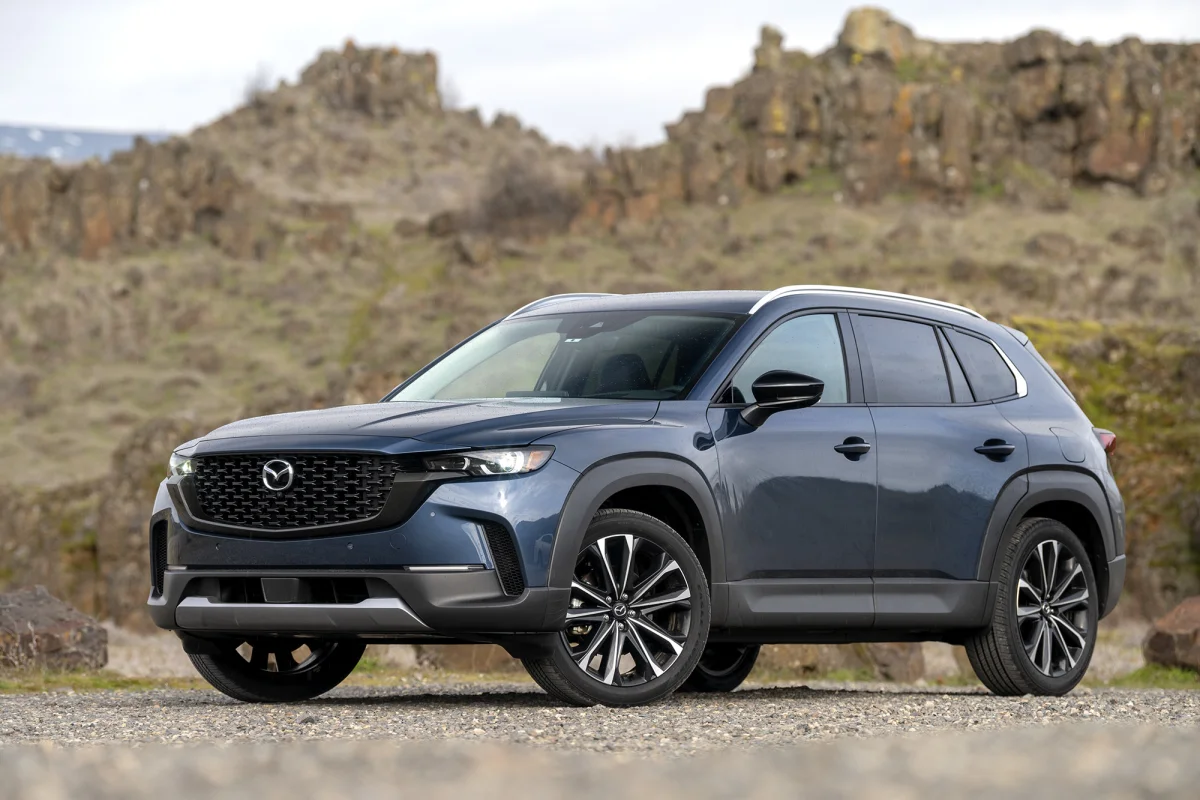
5. 2024 Mazda CX-50: A Stylish and Engaging Compact SUV
The 2024 Mazda CX-50 brings a strong mix of performance, luxury, and practicality to the compact SUV market. Starting at $30,300, it delivers the premium driving experience that Mazda has become known for, with sharp handling, quality materials, and standard all-wheel drive. Although it lacks a hybrid powertrain, which many rivals now offer, the CX-50 stands out for its sporty character and upscale design.
Under the hood, the CX-50 uses a 2.5-liter turbocharged inline-four engine that produces 256 horsepower and 320 pound-feet of torque. It comes paired with a six-speed automatic transmission and standard all-wheel drive.
This setup allows the CX-50 to accelerate from zero to sixty miles per hour in 6.4 seconds, which places it among the stronger performers in its class. The top speed is 142 miles per hour, and the SUV can tow up to 3,500 pounds when properly equipped.
Mazda is well known for its focus on driving enjoyment, and the CX-50 continues that tradition. Steering is quick and responsive, giving the driver excellent control.
The SUV feels stable around corners with limited body roll, and the suspension provides a balanced ride that blends firmness with comfort. The transmission shifts smoothly and makes good use of the engine’s power, keeping the vehicle composed in both city and highway conditions.
Inside, the CX-50 provides a refined and comfortable experience. The front seats offer good support and come with available heating and ventilation functions, while the rear seats are less padded but still comfortable for most passengers. The ride is firm compared to softer rivals, but the suspension does a good job of absorbing small bumps and keeping the cabin stable.
Road noise is minimal, even at highway speeds, and the cabin remains quiet except for a subtle engine note during hard acceleration. The climate control system uses physical buttons and knobs that are simple and responsive, which many drivers prefer over touchscreen controls. Rear passengers also benefit from air vents that maintain good airflow throughout the cabin.
Mazda designed the CX-50’s interior to feel more luxurious than its price suggests. The cabin features soft-touch materials, solid construction, and a driver-focused layout. The driving position is excellent, offering plenty of seat and steering wheel adjustment for drivers of all sizes. Visibility is good thanks to the upright seating position and large windows.
The infotainment system features either an 8.8-inch or an available 10.25-inch screen. Wireless Apple CarPlay and Android Auto are standard, but Mazda limits touchscreen use to these systems.
For all other functions, drivers must use a rotary dial on the center console, which is intuitive once you get used to it. Available tech upgrades include a Bose premium audio system and a wireless charging pad, though the charger can be inconsistent with some devices.
Mazda includes an array of standard driver assistance features such as adaptive cruise control, blind-spot monitoring, lane-keeping assist, and a rear cross-traffic alert. The available surround-view camera system improves safety when parking or maneuvering in tight spaces.
The CX-50 offers 31.4 cubic feet of cargo space behind the second row and 56.3 cubic feet with the seats folded, which is slightly less than most competitors. Small-item storage is excellent, with deep door pockets and a large center console. The turbocharged engine allows for a towing capacity of up to 3,500 pounds, giving it strong utility for a compact SUV.
Fuel economy is reasonable but not outstanding. The base engine achieves an EPA estimate of 27 miles per gallon combined, while the turbo model averages 25 miles per gallon combined. Real-world testing shows the CX-50 meets or slightly exceeds these ratings, delivering efficiency that matches its performance.
Although it is more expensive than many rivals, the CX-50 justifies its price through exceptional build quality, refined styling, and standard all-wheel drive. Mazda’s warranty coverage includes a three-year or 36,000-mile basic warranty and a five-year or 60,000-mile powertrain warranty, which is standard for the class.
The 2024 Mazda CX-50 succeeds in blending sporty handling with upscale comfort. It provides strong turbocharged power, a refined interior, and confident driving manners that make it one of the most engaging small SUVs on the road.
While its cargo space and fuel economy fall slightly short of top competitors, its combination of performance, quality, and everyday usability makes it a standout choice for drivers seeking a compact SUV with personality and polish.
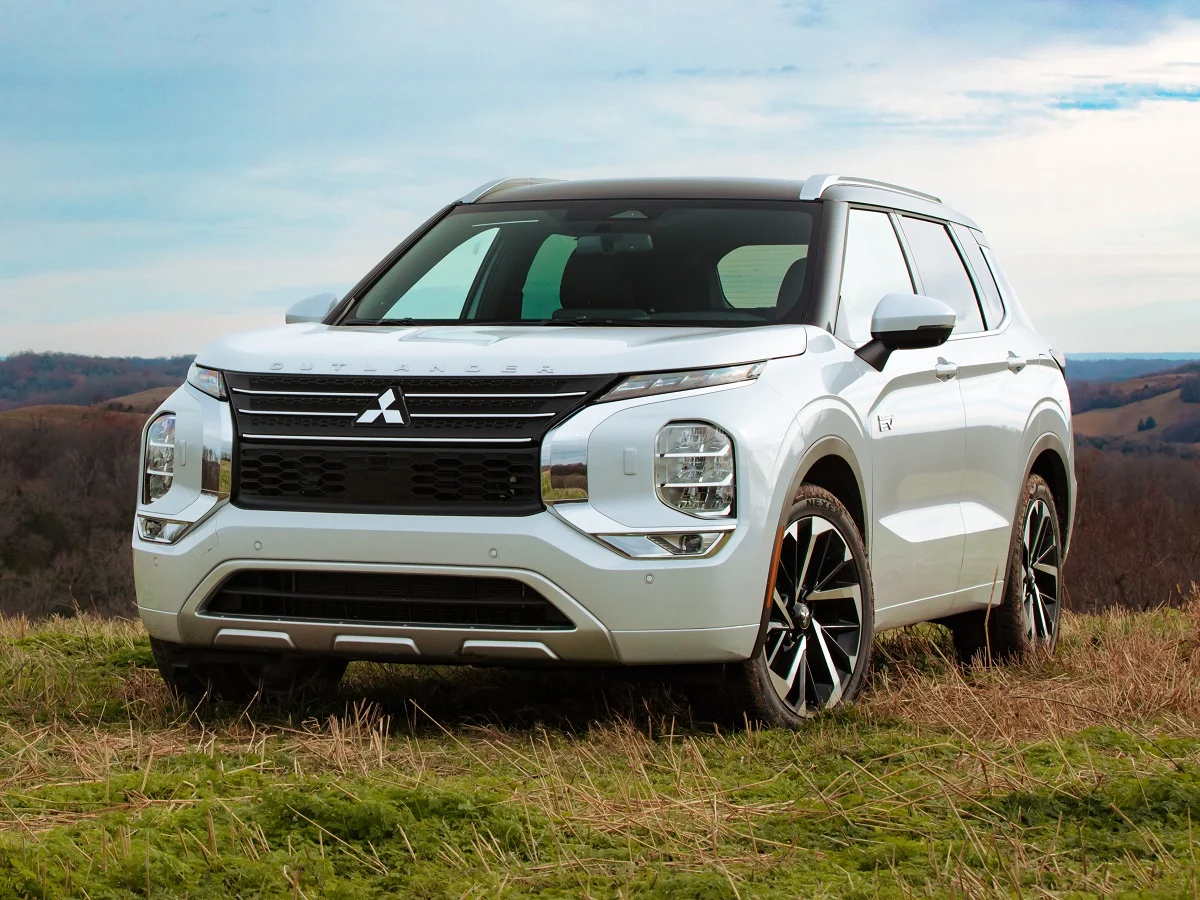
6. 2024 Mitsubishi Outlander: Comfort and Value in a Practical Package
The 2024 Mitsubishi Outlander continues to stand out as one of the few compact SUVs that offer three rows of seating, giving it a family-friendly advantage over many rivals. Priced from $28,395, the Outlander combines practicality, comfort, and an upscale interior, even if it lags behind competitors in outright performance.
Powering the Outlander is a 2.5-liter inline-four engine that produces 181 horsepower and 181 pound-feet of torque. It pairs with a continuously variable transmission (CVT) and comes standard with all-wheel drive. This setup results in a 0–60 mph time of 8.2 seconds and a top speed of 120 mph. While adequate for everyday commuting, the engine can feel underpowered when accelerating onto highways or passing at higher speeds.
The CVT is smooth but uninspiring, emphasizing fuel economy over excitement. Handling is composed, and the steering feels stable and well-weighted, giving the Outlander a confident character. It is not sporty like a Mazda CX-50, but it manages corners predictably and maintains passenger comfort even on uneven roads. For light towing, it can handle up to 2,000 pounds, making it capable enough for small trailers or weekend gear.
Ride comfort is one of the Outlander’s strongest qualities. The suspension absorbs bumps effectively, and the cabin remains composed over rough pavement. The front seats are well-padded and supportive, while the second row offers generous legroom. The third row, however, is cramped and suitable only for small children.
Noise isolation is good, with minimal wind and road noise during cruising. The engine can sound strained under heavy throttle, but it quiets down once at speed. Heated front seats are available and become pleasantly warm on high settings. Rear passengers benefit from their own climate controls, a feature not always found in this price range.
Inside, the Outlander delivers a premium feel for its class. The quilted leather upholstery, soft-touch materials, and clean dashboard design create an upscale environment. The driver’s seat offers excellent adjustment options, though the front passenger seat lacks height adjustability. The cabin layout makes entry and exit easy, though rear access can be tight due to the raised bench seat.
The infotainment system includes a 9-inch touchscreen with Apple CarPlay and Android Auto integration, and most trims feature wireless connectivity for Apple devices. The interface is straightforward, with bright graphics and quick response times. A 12.3-inch digital gauge cluster gives the cockpit a modern look.
The available Bose audio system produces clear, full sound, adding to the sense of refinement. Some issues persist with wireless connectivity and voice commands, but the system is otherwise reliable.
Advanced driver assistance features are standard and include adaptive cruise control, blind-spot monitoring, and lane-keeping assist. However, the adaptive cruise system reacts slowly in traffic, requiring driver attention in stop-and-go situations.
The Outlander’s cargo capacity behind the third row is limited, but folding the third row expands space to 33.5 cubic feet. With both rear rows folded, the load floor becomes flat and spacious, accommodating bulky items easily. Storage compartments are plentiful throughout the cabin, with a large center bin and additional small trays for personal items.
Fuel economy is competitive for an all-wheel-drive, three-row SUV. The Outlander achieves 26 mpg combined (24 city, 30 highway), and real-world testing confirms those figures are accurate. While rivals with smaller bodies are more efficient, few offer the same passenger capacity at this price point.
Where the Outlander shines is in value. The cabin design, long list of standard features, and impressive 10-year/100,000-mile powertrain warranty make it an attractive choice for families on a budget. It also includes a five-year/60,000-mile basic warranty and five years of unlimited roadside assistance, exceeding most competitors’ coverage.
The 2024 Mitsubishi Outlander is a strong contender for buyers who prioritize comfort, practicality, and features over raw performance. Its upscale cabin, family-friendly seating, and generous warranty coverage set it apart from many rivals.
While its engine is not the most energetic and the third row is tight, the Outlander remains one of the best values in the compact SUV segment for those seeking space and reliability without a high price tag.
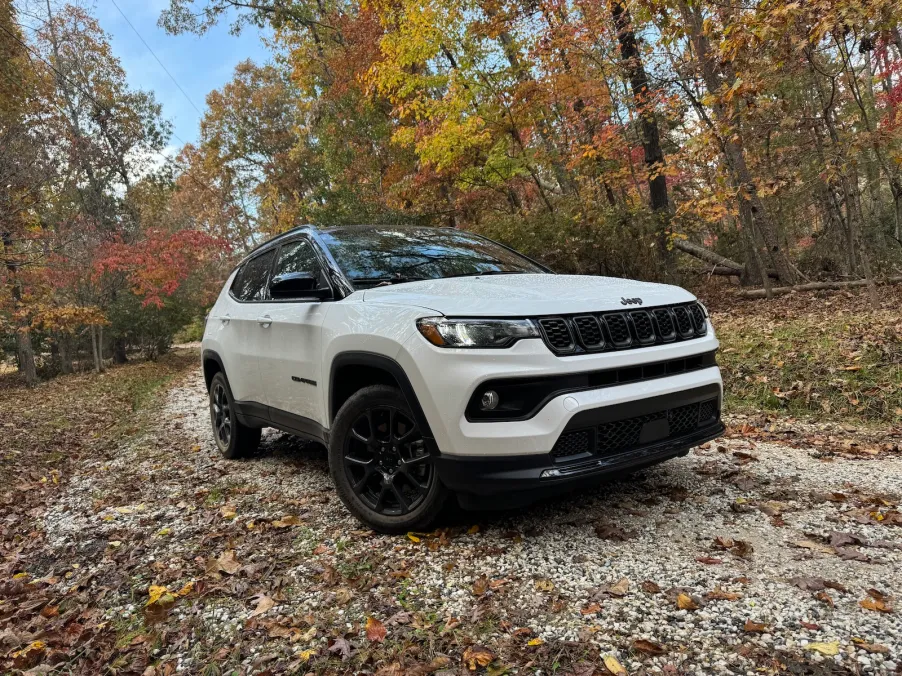
7. 2024 Jeep Compass: A Capable Compact SUV with Room for Refinement
The 2024 Jeep Compass, starting at $25,900, remains one of Jeep’s most accessible models, blending compact size with off-road ability and modern features. Although it sits below larger models like the Cherokee and Grand Cherokee, the Compass offers a distinct mix of power, versatility, and technology. It is ideal for drivers who want an SUV that’s comfortable for city use yet capable on rugged terrain.
Under the hood, the 2024 Compass features a turbocharged 2.0-liter inline-four engine that generates 200 horsepower and 221 lb-ft of torque.
It pairs with an eight-speed automatic transmission and comes standard with all-wheel drive, setting it apart from many small SUVs that only offer front-wheel drive. This configuration helps the Compass accelerate from 0 to 60 mph in 7.5 seconds, while maintaining a top speed of 118 mph.
While the turbo engine delivers solid performance numbers, real-world driving exposes some shortcomings. The transmission is quick to upshift and slow to downshift, causing lag when extra power is needed. Body roll is noticeable when cornering, and the brakes feel grabby at lower speeds, reducing smoothness in stop-and-go traffic.
Despite these issues, the Compass shines in off-road capability. The Trailhawk trim in particular adds enhanced traction systems, higher ground clearance, and off-road drive modes, making it one of the most capable off-roaders in its class outside of the Subaru Crosstrek.
The Compass can also tow up to 2,000 pounds, which is sufficient for small trailers or outdoor equipment, and has a payload capacity of 1,035 pounds.
Comfort in the Compass is adequate but inconsistent. The suspension is tuned to absorb larger bumps well, offering a smoother experience over rough roads. However, the ride feels firm and transmits smaller road imperfections into the cabin. The front seats are cushioned but lack proper support for long drives, and the head restraints lean too far forward, which may be uncomfortable for taller drivers.
Wind, road, and engine noise are constant companions, especially on the highway. The climate control system regulates temperature effectively, but it becomes loud on higher fan settings. While not plush, the Compass maintains a decent balance between comfort and off-road readiness.
Inside, the Compass is more spacious than most subcompact SUVs, offering good front legroom and reasonable rear passenger space, though rear headroom is limited. The design and layout of controls, however, leave room for improvement. The infotainment and driver-assist controls are scattered in confusing places, and some essential settings are only accessible via the touchscreen.
The 10.1-inch Uconnect touchscreen is bright and modern, though occasionally laggy and unresponsive. Wireless Apple CarPlay and Android Auto work well, and the customizable home screen helps simplify navigation. However, the system can feel slow, and the voice controls have limited functionality.
Driver-assist features such as lane-keeping assist, adaptive cruise control, and blind-spot monitoring are included, but they can be intrusive or overly sensitive, with warning sounds that are louder than necessary.
The Compass provides 27.2 cubic feet of cargo space behind the second row, making it competitive among subcompact SUVs but smaller than most compact ones. The cabin has fewer small-item storage options, with a compact center console and narrow door pockets. Child-seat installation is also more difficult than in rivals due to poorly positioned anchors.
Fuel economy is acceptable but unremarkable. The Compass achieves an EPA-estimated 27 mpg combined, though real-world tests show about 25 mpg, depending on driving conditions.
From a value perspective, the Compass sits in a challenging position. It costs nearly as much as larger, more refined models like the Mazda CX-50, Honda CR-V, or Subaru Forester, yet it offers less cargo room and interior polish. However, the Compass distinguishes itself with standard all-wheel drive, rugged looks, and authentic off-road capability.
Interior quality varies, with soft-touch materials in some areas and hard plastics in others. Build quality feels solid enough, though some trim pieces flex under pressure. Warranty coverage is average for the class, including a three-year/36,000-mile basic warranty and five-year/60,000-mile powertrain warranty, along with five years of roadside assistance.
The 2024 Jeep Compass delivers genuine off-road ability, strong turbocharged performance, and a comfortable ride for daily commuting.
Its interior design, transmission behavior, and fuel economy prevent it from being a class leader, but it remains a good choice for those who prioritize all-weather confidence and adventurous versatility. For buyers who value capability over refinement, the Compass is one of the most well-rounded small SUVs available.
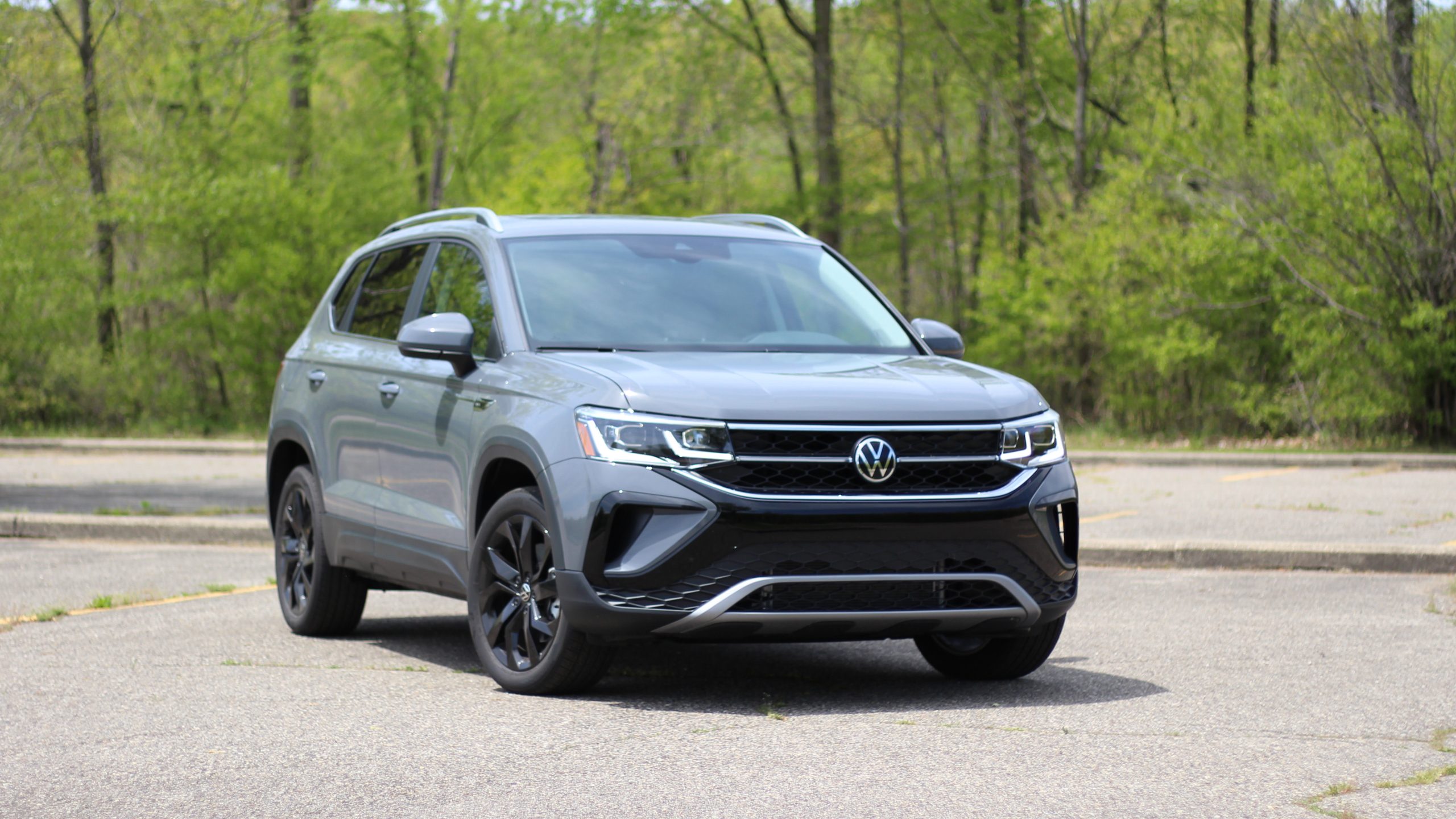
8. 2024 Volkswagen Taos: A Compact SUV with Practical Appeal
The 2024 Volkswagen Taos, starting at $23,995, is a compact SUV that blends German engineering with daily practicality. It sits below the Tiguan in Volkswagen’s lineup and caters to drivers seeking efficiency, comfort, and space in a smaller vehicle. The Taos is not designed for serious off-roading, but it excels in city driving and family use, offering a refined experience and solid value for its price.
The 2024 Taos is powered by a turbocharged 1.5-liter inline-four engine that produces 158 horsepower and 184 lb-ft of torque. It comes with either a seven-speed dual-clutch automatic transmission and all-wheel drive or an eight-speed automatic with front-wheel drive.
The all-wheel-drive version accelerates from 0 to 60 mph in about 7.5 seconds, while the front-wheel-drive version takes around 8.8 seconds. The Taos can reach a top speed of 125 mph and tow up to 5,000 pounds, which is impressive for its size.
The Taos delivers a balanced driving experience. Its steering is precise and responsive, giving drivers confidence on highways and winding roads. The suspension feels firm, which makes small bumps more noticeable, but it helps maintain stability and reduces body roll. For daily commuting and longer highway drives, the Taos feels composed and easy to control.
Volkswagen equips the Taos with several standard driver assistance features, including adaptive cruise control, blind-spot monitoring, automatic high beams, and emergency braking. However, it lacks some advanced options such as a surround-view camera and enhanced driver attention monitoring that competitors offer.
Inside, the Taos offers a spacious and well-organized cabin. The front seats are supportive for long trips, though some drivers may want a wider range of adjustments. The climate control system is easy to use and effective, and available ventilated front seats provide excellent comfort in warm conditions. Cabin noise increases at higher speeds, but this is common for compact SUVs.
The rear seating area provides generous legroom and is suitable for adults or children. Car seat installation is straightforward, with clearly marked anchor points and wide rear doors for easy access. The cabin design focuses on functionality, with clean lines and a simple, user-friendly layout. While some materials feel plain, the build quality is solid where it matters most.
The Taos includes modern technology features across all trims. Apple CarPlay and Android Auto come standard, and upper trims add wireless connectivity, a wireless charging pad, and several USB-C ports. The 10.25-inch digital gauge cluster available on SEL models enhances the interior with crisp graphics and easy customization.
The infotainment system is straightforward to operate, although the backup camera resolution could be improved. The MyVW app lets drivers connect to their vehicle remotely, providing access to information such as vehicle status and location.
The Taos is one of the most spacious vehicles in its class. With 27.9 cubic feet of cargo space behind the rear seats, it offers excellent capacity for a compact SUV. The rear seats fold flat and include a center pass-through, allowing flexible cargo arrangements. Storage options inside the cabin are also generous, with large door pockets, stable cupholders, and a useful compartment under the center armrest.
Fuel efficiency is a strong point for the Taos. The front-wheel-drive model achieves 31 mpg combined, while the all-wheel-drive version delivers 28 mpg combined. These numbers are competitive, and most drivers will find them achievable under typical conditions.
The Taos offers good value for its features and performance. Base models are attractively priced, while higher trims provide luxury touches without reaching premium price levels. Some interior plastics feel basic, but Volkswagen prioritized high-quality materials in areas that receive frequent use. Warranty coverage includes four years or 50,000 miles for both bumper-to-bumper and powertrain protection, along with two years or 20,000 miles of complimentary maintenance.
The 2024 Volkswagen Taos delivers practicality, comfort, and thoughtful design in a compact form. It stands out with spacious cargo capacity, strong technology features, and efficient performance. The Taos may not be the sportiest option in its class, but it offers an appealing combination of usability and refinement that suits modern drivers who value reliability, comfort, and style in a small SUV.
As this list shows, popularity does not always mean superiority. The SUVs featured in “8 Underrated SUVs That Are Better Than Popular Models” redefine expectations by blending performance, comfort, and technology in ways that often surpass more recognized competitors.
The 2024 Honda Passport impresses with its rugged power and practicality, while the BMW X1 and Audi Q3 bring refined luxury at a reasonable price. Family-oriented models like the Nissan Pathfinder and Mitsubishi Outlander deliver space and dependability, and compact standouts such as the Mazda CX-50, Jeep Compass, and Volkswagen Taos combine efficiency with personality.
Each of these vehicles offers a unique advantage, whether it is driving dynamics, value, or everyday comfort. For drivers seeking something different, these underrated SUVs demonstrate that true quality often exists beyond the most familiar names.
Also Read: 5 Cars With Bulletproof Alternators vs 5 That Burn Through Them