
Car buyers in 2025 face higher prices, new technology, and a crowded market filled with choices, which makes finding real value more challenging than ever. “15 Cars That Are Hidden Bargains in 2025” highlights vehicles that combine affordability, comfort, and quality without demanding a high price.
These models prove that drivers can still enjoy a dependable, well-equipped car at a reasonable cost. The 2025 Nissan Versa is a prime example, offering a refined interior, smooth performance, and strong fuel efficiency for under $19,000.
It delivers the essentials that matter most, including safety, practicality, and everyday comfort. From compact sedans to versatile hatchbacks, these vehicles stand out by offering honest engineering and impressive features at prices that make sense. They show that great cars do not have to be expensive and that true automotive value is still within reach for buyers who know where to look.
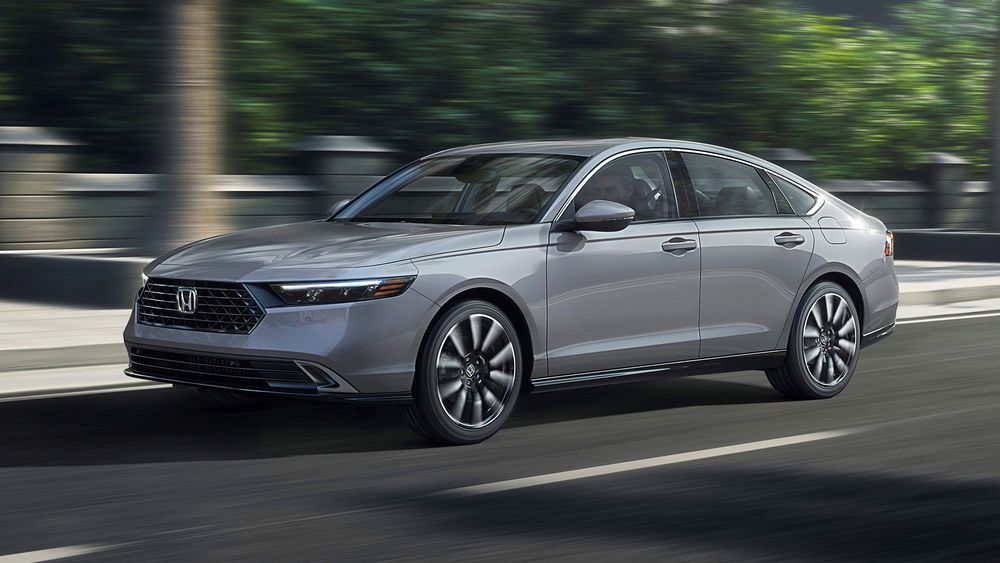
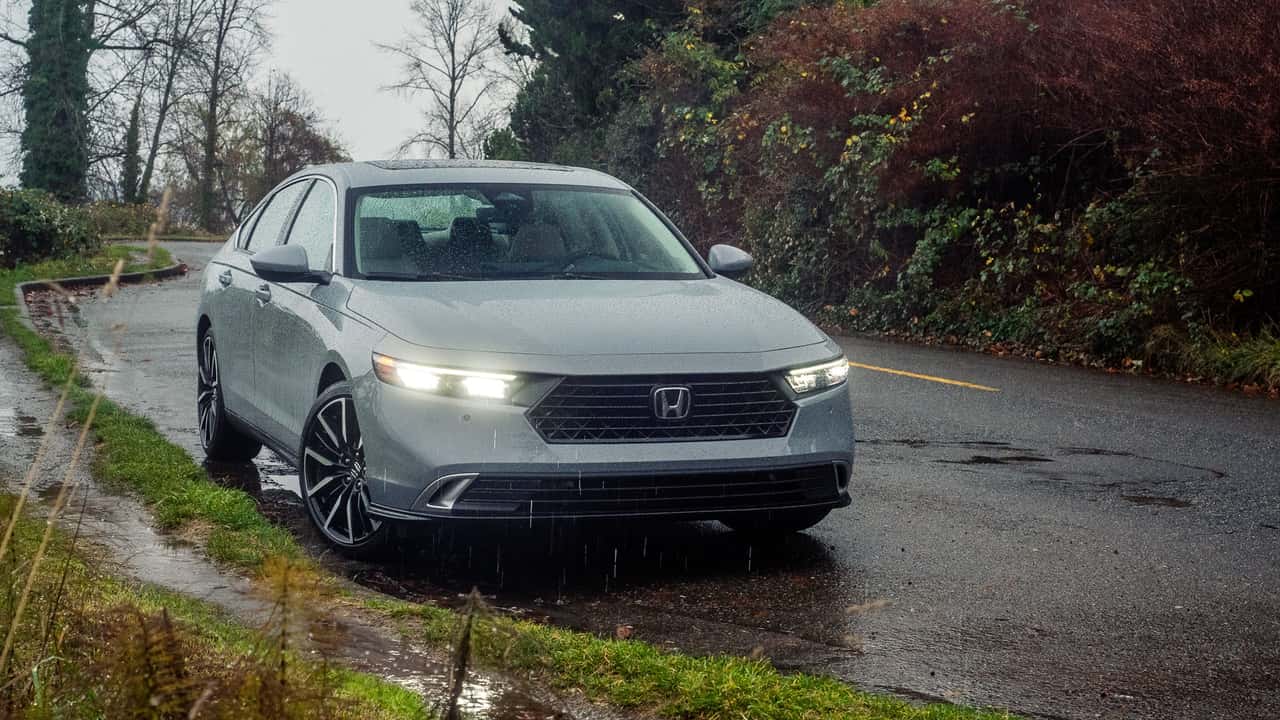
1. 2025 Honda Accord: Refined, Efficient, and Dependable
The 2025 Honda Accord continues to set the standard for midsize sedans with its blend of efficiency, comfort, and safety. Available in six trims, the Accord starts at $31,755 for the SE model, featuring a 1.5-liter turbocharged engine and front-wheel drive, achieving 29 mpg in the city and 37 mpg on the highway.
For greater efficiency, hybrid models use a 2.0-liter engine paired with an electric motor to reach up to 48 mpg combined. Spacious, quiet, and thoughtfully designed, the Accord maintains its reputation for practicality and long-term reliability.
The Accord offers two capable powertrains that balance power and economy. The base 1.5-liter turbo engine delivers solid performance for everyday driving, while the hybrid variant adds more responsiveness and excellent fuel economy. In testing, the Accord Sport-L Hybrid reached 60 mph in seven seconds, making it quicker than most rivals.
Handling is composed and predictable, with precise steering and a smooth, controlled ride. Even with 19-inch wheels, the Accord absorbs bumps gracefully, and visibility is superb thanks to thin pillars and a large rear window.
Inside, the Accord provides a spacious and refined cabin. Large door openings make entry easy, and both rows offer generous legroom, although rear headroom is somewhat limited by the sloping roofline.
The driver’s seat offers solid adjustability, and cabin materials feel sturdy and well-fitted. The design emphasizes simplicity, with clearly labeled controls and effective climate management. Cabin noise is well controlled, creating a calm environment for long drives.
Most trims feature a 12.3-inch touchscreen with wireless Apple CarPlay and Android Auto. Google integration is exclusive to the Touring trim, which may disappoint buyers of lower trims. The Accord’s 16.7-cubic-foot trunk is among the largest in its class, complemented by abundant in-cabin storage and wide cupholders.
Fuel economy ranges from 32 mpg combined for the standard model to 48 mpg for the hybrid. Honda Sensing driver-assist features are standard, enhancing safety with adaptive cruise control, lane-keeping assist, and collision mitigation. With solid build quality, strong resale value, and typical Honda reliability, the 2025 Accord remains a benchmark for comfort, efficiency, and peace of mind.
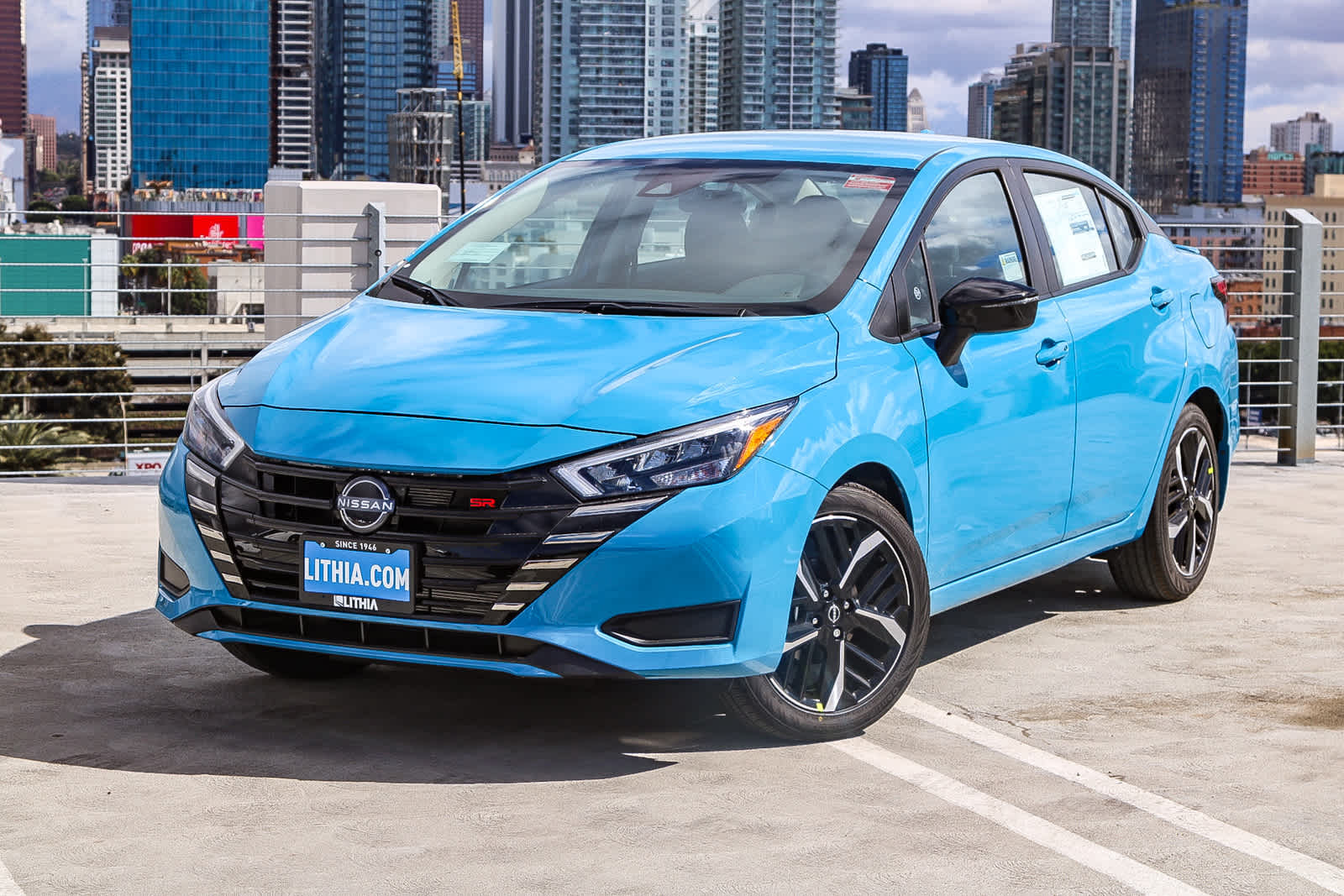
2. 2025 Nissan Versa: Affordable Quality in a Compact Package
The 2025 Nissan Versa continues to set the benchmark for affordable compact cars, proving that low-cost does not have to mean low-quality. Starting around $18,400, the Versa delivers solid value with a refined interior, sharp design, and impressive fuel efficiency of up to 35 mpg combined.
Available in three trims (S, SV, and SR), the Versa remains one of the last truly budget-friendly sedans in the United States. Although it offers slow acceleration and limited rear-seat space, it provides comfort, technology, and practicality rarely found at this price point.
Powered by a 1.6-liter four-cylinder engine, the Versa delivers adequate performance for city driving but struggles with highway acceleration, reaching 0 to 60 mph in 10.4 seconds. Its continuously variable transmission (CVT) prioritizes fuel economy over power, while a five-speed manual is available only on the base trim.
Steering feels slightly heavy and numb, but the car’s handling remains composed and predictable. The brakes perform well, providing strong control in both routine and emergency situations.
Inside, the Versa impresses with a stylish cabin and comfortable front seats. Although rear space is tight for taller passengers, the cabin’s ergonomics and visibility are excellent. Ride quality is smooth on most surfaces, though wind and road noise are noticeable at higher speeds. The climate controls use straightforward buttons and knobs, and the air vents are well placed for easy adjustment.
The SR trim includes an 8-inch touchscreen, six-speaker audio system, and wireless charging, with Apple CarPlay and Android Auto standard on most models. Safety technology is strong for this class, offering forward collision warning, lane departure alert, and automatic emergency braking. However, the rearview camera resolution is low, and the backup mitigation system can be overly sensitive.
With 15 cubic feet of trunk space, the Versa provides more cargo capacity than most rivals. Small-item storage is limited, but installing child seats is simple. The Versa achieves 35 mpg combined, and real-world testing shows it can reach over 41 mpg.
While warranty coverage trails brands like Kia and Hyundai, the Versa’s build quality, comfort, and economy make it one of the best-value sedans under $20,000, offering budget-conscious buyers practicality without compromise.
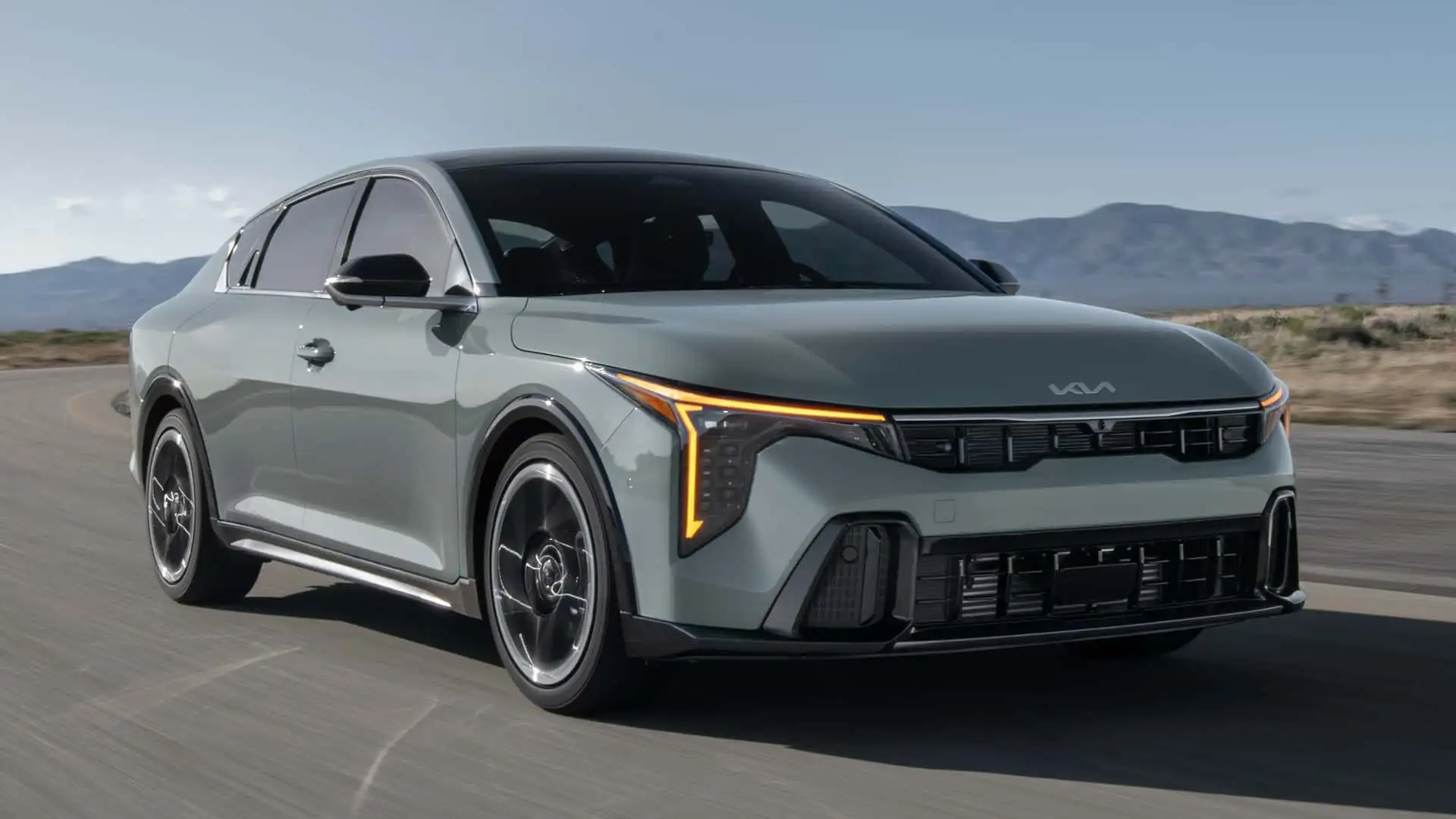
3. 2025 Kia K4: A Stylish and Refined Successor to the Forte
The 2025 Kia K4 replaces the Forte with a more upscale design, refined interior, and advanced technology, marking a major step forward in Kia’s compact sedan lineup. Priced from $24,185, the K4 combines modern styling, strong value, and balanced performance.
It features a 2.0-liter four-cylinder engine producing 147 horsepower in most trims, while the GT-Line Turbo boosts output to 190 horsepower. With fuel economy ranging from 29 to 34 mpg combined, the K4 remains efficient while offering a premium driving experience.
Although it lacks a manual transmission and uses a traditional trunk instead of a hatchback, the K4’s sophistication and technology make it one of the most appealing compact sedans on the market.
The K4 offers two engine options: a 147-hp 2.0-liter base engine and a 190-hp turbocharged version in the GT-Line Turbo. The turbocharged model accelerates from 0 to 60 mph in 7.3 seconds, providing brisk performance for its class.
The base engine performs well in city driving but can struggle with highway merging and passing. Handling is composed and predictable, while braking feels confident and smooth. Although the K4 does not aim to be sporty, it remains pleasant and steady during daily driving.
The front seats are supportive and well-cushioned, while the rear seats offer ample legroom and a comfortable recline for longer trips. The ride feels firm on rough roads, and engine noise becomes noticeable during hard acceleration. Even with these minor drawbacks, the K4’s interior feels refined, with premium materials and attention to detail that enhance the driving experience.
Inside, the K4 impresses with a nearly 30-inch curved display that integrates a 12.3-inch touchscreen and a digital instrument cluster. Wireless Apple CarPlay and Android Auto are standard, and four USB-C ports are available. The infotainment system is easy to use, with an AI-powered voice assistant that recognizes natural speech. Controls are intuitive and within comfortable reach for both front passengers.
The sedan version provides 14.6 cubic feet of trunk space, and a hatchback model is expected later in 2025. Interior storage is practical, with wide openings and flexible folding rear seats. With its combination of design, technology, and Kia’s 10-year/100,000-mile powertrain warranty, the 2025 K4 offers exceptional value in the compact sedan segment, competing strongly with the Honda Civic, Nissan Sentra, and Toyota Corolla.
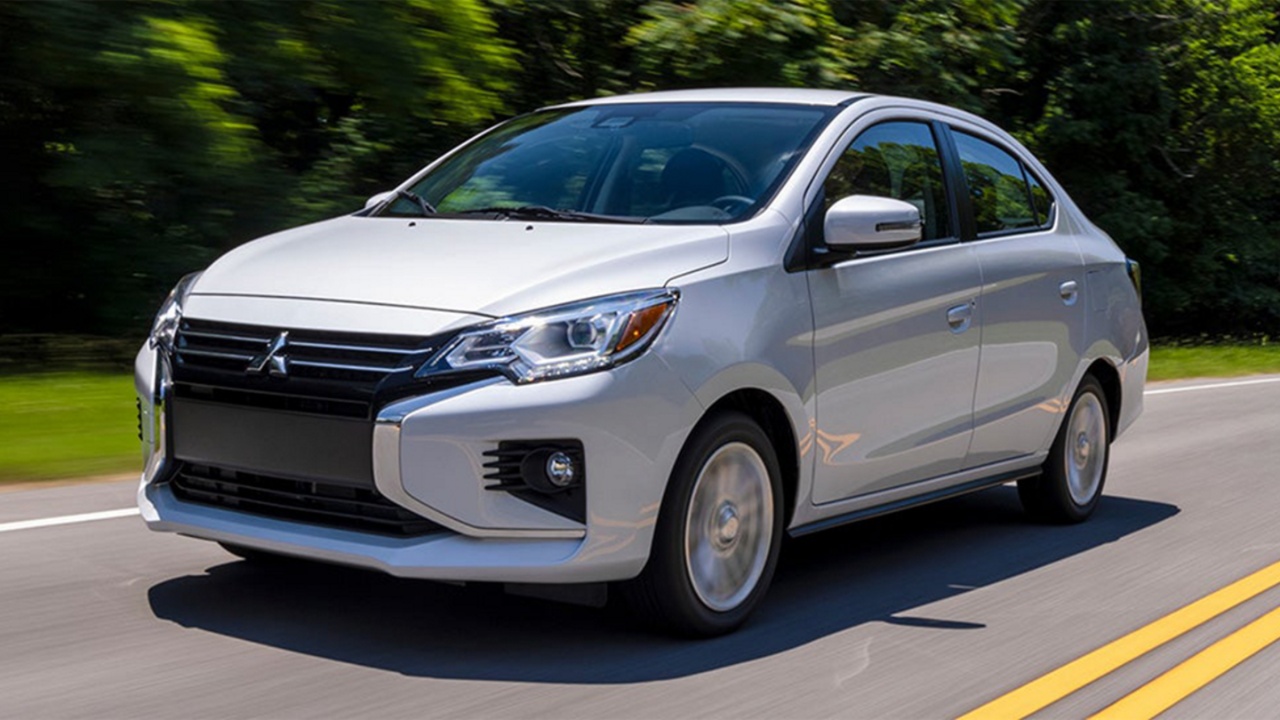
4. 2024 Mitsubishi Mirage: Budget-Friendly and Fuel-Efficient
The 2024 Mitsubishi Mirage stands out as one of the most affordable new cars in America, with all models priced below $20,000. Available as a hatchback or sedan (Mirage G4), it offers seating for five, a simple design, and an impressive 37 to 39 mpg combined.
Starting at $18,940, the Mirage appeals to cost-conscious buyers seeking practicality, efficiency, and reliability. Though underpowered and built with basic materials, it delivers exceptional fuel economy, low ownership costs, and a class-leading 10-year/100,000-mile powertrain warranty with two years of free maintenance.
Power comes from a modest 1.2-liter three-cylinder engine producing 78 horsepower, paired with a continuously variable transmission (CVT) and front-wheel drive. The Mirage prioritizes efficiency over performance, taking about 11 seconds to reach 60 mph.
The engine sounds strained under acceleration, and the CVT tends to hold high revs, making the drive feel sluggish. While acceleration is slow, the Mirage performs adequately in city driving and benefits from a light, easy-to-handle design.
Where the Mirage truly shines is fuel efficiency. The EPA estimates 36 mpg city and 43 mpg highway, placing it among the top gas-only cars for economy. For commuters and budget-minded drivers, these figures make the Mirage one of the most economical vehicles to operate in its class.
The cabin is simple and functional, reflecting the Mirage’s budget-friendly nature. Hard plastics dominate the interior, but controls are clearly labeled and easy to reach. The front seats offer decent legroom, while the rear space is limited and best for short trips. The hatchback provides 17 cubic feet of cargo space, expanding to 47 cubic feet with the rear seats folded, making it surprisingly versatile for its size.
All trims include a 7-inch touchscreen, Apple CarPlay, Android Auto, Bluetooth, and a four-speaker audio system. Standard safety features include automatic emergency braking, while higher trims add lane-departure warning and automatic high-beam headlights.
The Mirage’s standout value lies in its warranty and maintenance coverage, which surpasses most competitors. With unbeatable fuel economy, low running costs, and essential safety features, the 2024 Mitsubishi Mirage remains one of the most affordable and efficient ways to own a new car.
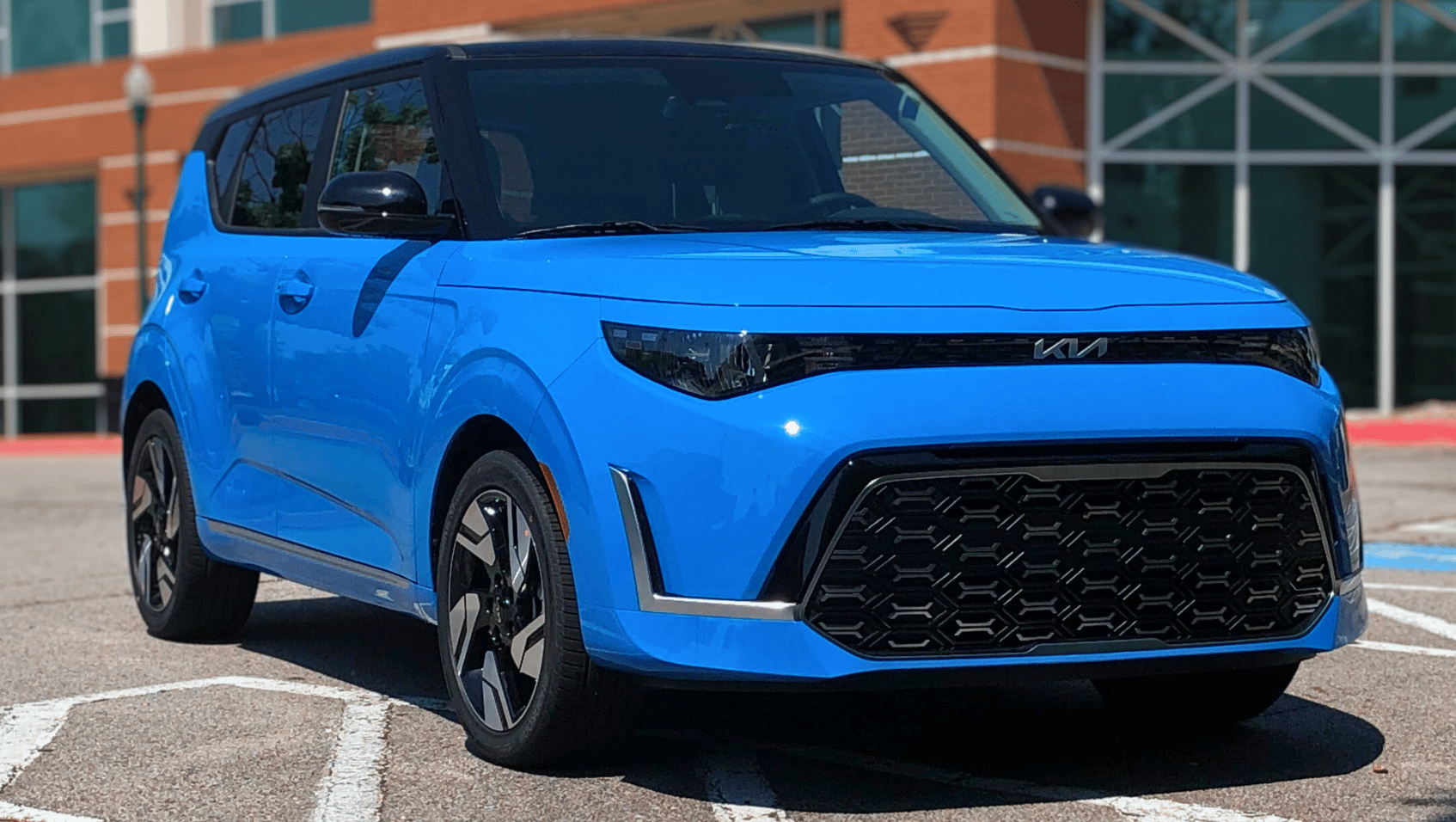
5. 2025 Kia Soul: Practical, Stylish, and Surprisingly Spacious
The 2025 Kia Soul continues to be a standout in the subcompact SUV class, offering a roomy interior, distinctive styling, and excellent value for money. Starting at $21,935, the Soul features a 2.0-liter four-cylinder engine that produces 147 horsepower and delivers 30 to 31 mpg combined.
It seats five and comes in four trim levels, with front-wheel drive as standard. While its performance is modest and cabin noise can rise at higher speeds, the Soul remains one of the most practical and feature-packed choices for buyers seeking affordable transportation without sacrificing comfort or personality.
The Soul’s 2.0-liter engine provides enough power for city driving, with a 0 to 60 mph time of 8.5 seconds, making it competitive within its segment. Its continuously variable transmission simulates gear shifts to avoid excessive engine noise.
The steering feels natural, and handling is composed, offering a balance between responsiveness and comfort. Light steering and a firm but smooth suspension make the Soul easy to maneuver in tight spaces. However, the model lacks an all-wheel-drive option, limiting its versatility in challenging weather conditions.
The Soul’s boxy design contributes to its generous cabin space, providing ample headroom and legroom for four adults. The tall roofline and wide door openings make entry and exit simple.
The front seats are supportive, and visibility is excellent thanks to large windows. While road and wind noise are noticeable on highways, the cabin remains comfortable for long drives. Installing child seats can be a bit challenging due to recessed anchor points, but interior ergonomics are well thought out and user-friendly.
A 10.25-inch touchscreen dominates the dashboard in most trims, offering Apple CarPlay, Android Auto, and available wireless charging. The optional Harman Kardon sound system provides rich audio quality. Navigation is available but feels slightly dated in design. The Soul also offers driver-assist features like forward collision warning and lane-keeping assist, adding value to its already generous equipment list.
With 24.2 cubic feet of cargo space behind the rear seats, the Soul provides excellent storage capacity for its class. Folding the rear seats increases versatility, though a floor hump limits the flatness of the load area.
The Soul’s materials feel durable rather than premium, but thoughtful touches such as synthetic leather armrests and textured trim enhance the cabin. Combined with Kia’s strong warranty and affordable pricing, the 2025 Soul remains a smart and stylish choice for practical urban living.
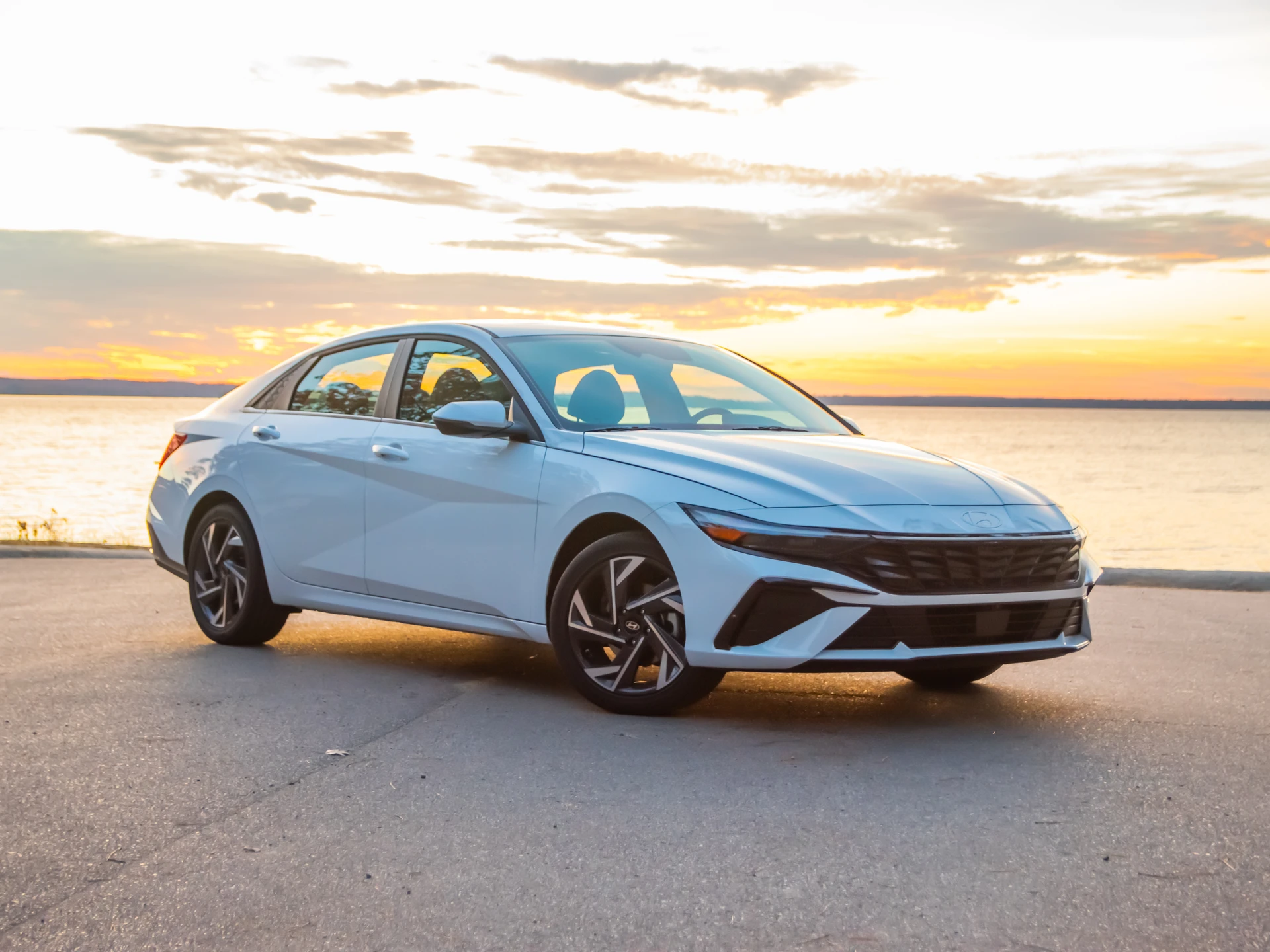
6. 2025 Hyundai Elantra: Stylish, Efficient, and Value-Packed
The 2025 Hyundai Elantra continues to redefine what a compact sedan can offer, combining sleek styling, strong fuel economy, and impressive technology at an affordable price. Starting at $24,495, the Elantra seats five and comes in nine trims, offering gas, hybrid, and sporty performance variants.
Powered by a 2.0-liter four-cylinder engine, it achieves an estimated 30 mpg city and 39 mpg highway, with hybrid models reaching up to 54 mpg combined. A spacious cabin, intuitive tech, and Hyundai’s exceptional 10-year/100,000-mile powertrain warranty make it one of the best values in its class.
The base engine’s 147 horsepower provides adequate but unremarkable performance, with a 0 to 60 mph time of 9.4 seconds. A continuously variable transmission delivers smooth power delivery and prioritizes efficiency over speed. While not designed for spirited driving, the Elantra handles predictably and absorbs bumps with ease.
For those seeking more excitement, the N Line trim adds a sport-tuned suspension and quicker response. Steering feels light and consistent, making city driving relaxed and manageable.
Inside, the Elantra emphasizes comfort and spaciousness. Both rows offer generous legroom, with the rear among the most accommodating in the compact sedan segment. The cabin design blends digital displays with physical controls, creating a modern yet practical layout.
The seats provide good comfort for daily commutes, although longer trips may reveal limited lower-cushion support. Wind and road noise can intrude at highway speeds, but the ride remains composed. Climate controls are simple and efficient, with available dual-zone temperature settings and heated seats.
The Elantra features dual 10.25-inch displays for the instrument cluster and infotainment system. The smaller 8-inch screen supports wireless Apple CarPlay and Android Auto, while the larger display requires a corded connection.
Voice commands, navigation, and Hyundai’s connected services work seamlessly. Advanced driver-assistance features such as adaptive cruise control, lane centering, and forward collision avoidance perform with precision and reliability.
The Elantra offers 14.2 cubic feet of trunk space with remote seatback releases for added convenience. Cabin storage is adequate, and rear-seat anchors are easy to access for child seats. Fuel economy is excellent across all trims, and the hybrid variant stands out for its class-leading efficiency.
Hyundai’s warranty coverage and three years of complimentary maintenance add to the sedan’s exceptional long-term value. With its refined design, impressive efficiency, and unmatched warranty, the 2025 Elantra is a smart and well-rounded choice for compact sedan buyers.
Also Read: 15 Cars That Remind Americans Why We Love to Drive
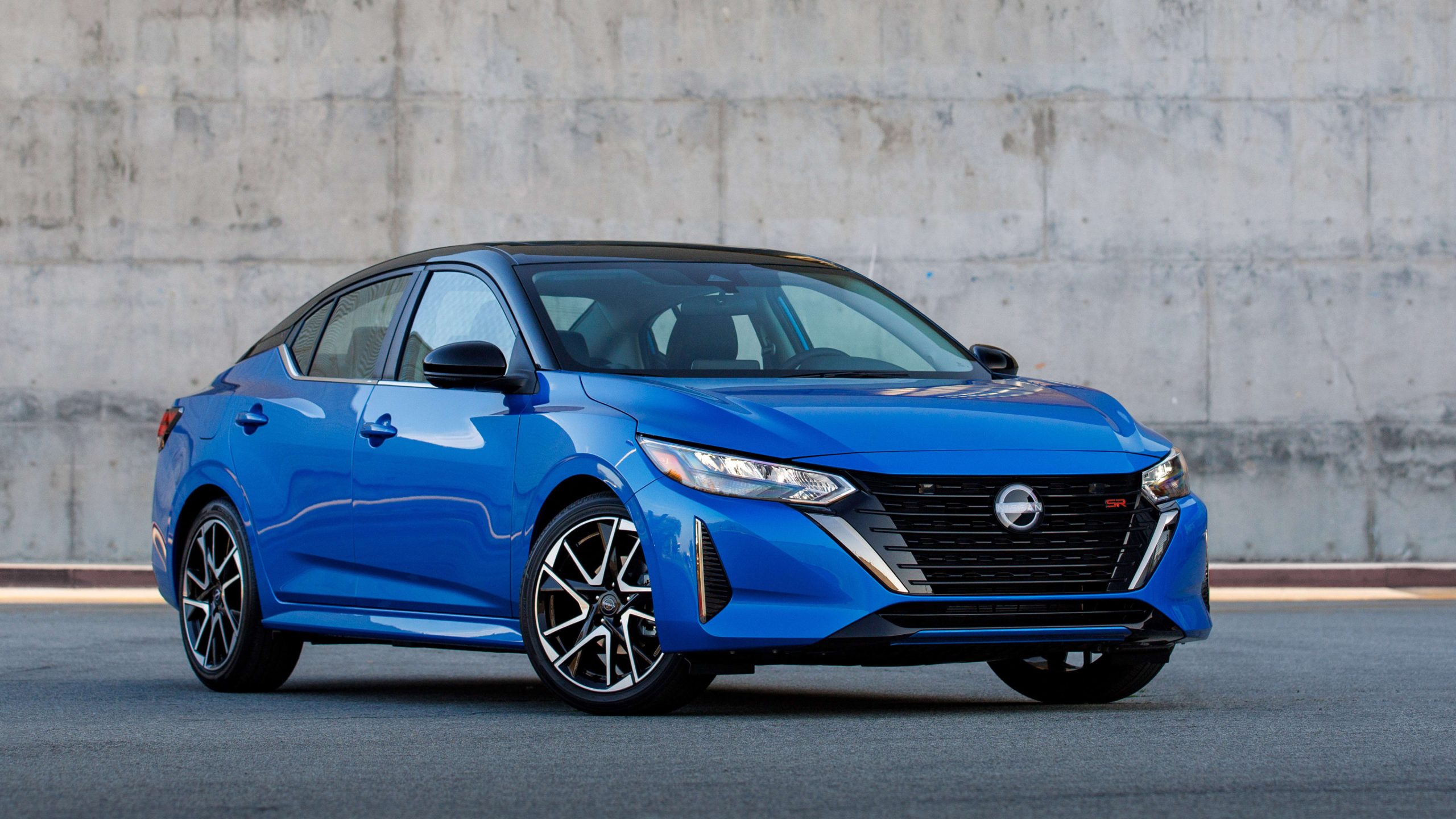
7. 2025 Nissan Sentra: Affordable, Comfortable, and Safety-Focused
The 2025 Nissan Sentra remains one of the most budget-friendly compact sedans on the market, combining sleek styling, an inviting interior, and a full suite of standard safety technology.
Starting at $23,485, the Sentra seats five and is available in three trims, all powered by a 2.0-liter four-cylinder engine delivering 149 horsepower and front-wheel drive. With fuel economy ratings of 30 mpg city and 40 mpg highway, it offers efficiency that’s solid but not class-leading.
Competing against strong rivals like the Honda Civic, Hyundai Elantra, and Toyota Corolla, the Sentra appeals most to buyers prioritizing comfort, safety, and value over performance.
The Sentra’s engine delivers adequate acceleration, reaching 0 to 60 mph in 8.8 seconds, which is slower than many competitors but acceptable for daily driving. Its continuously variable transmission (CVT) operates smoothly and quietly, though it lacks the responsiveness and engine braking found in traditional automatics.
Steering and handling are tuned for comfort rather than agility, providing predictable and relaxed driving dynamics. The Sentra’s soft suspension absorbs bumps well, making it particularly pleasant for city commutes and longer drives.
Comfort is the Sentra’s standout feature. Both front and rear seats are well-cushioned, with the rear bench offering exceptional comfort for two adults. The cabin remains composed even over rough roads, though some road noise is noticeable at higher speeds.
Interior quality exceeds expectations for the price point, with simple, logically arranged controls and good visibility. The 8-inch touchscreen is clear and easy to use, though response times and graphics feel slightly dated.
Every Sentra comes with a generous list of driver-assistance features, including automatic emergency braking, lane-departure warning, and blind-spot monitoring. Higher trims add features such as adaptive cruise control and a 360-degree parking camera. Apple CarPlay and Android Auto are standard, although there’s no built-in navigation system.
The Sentra offers 14.3 cubic feet of trunk space, which is above average for a compact sedan, though the rear seats don’t fold completely flat. Cabin storage is practical but not as versatile as some competitors. Despite its modest performance, the Sentra’s attractive price, upscale interior materials, and comprehensive safety suite make it an appealing choice for budget-conscious drivers seeking reliability and comfort.
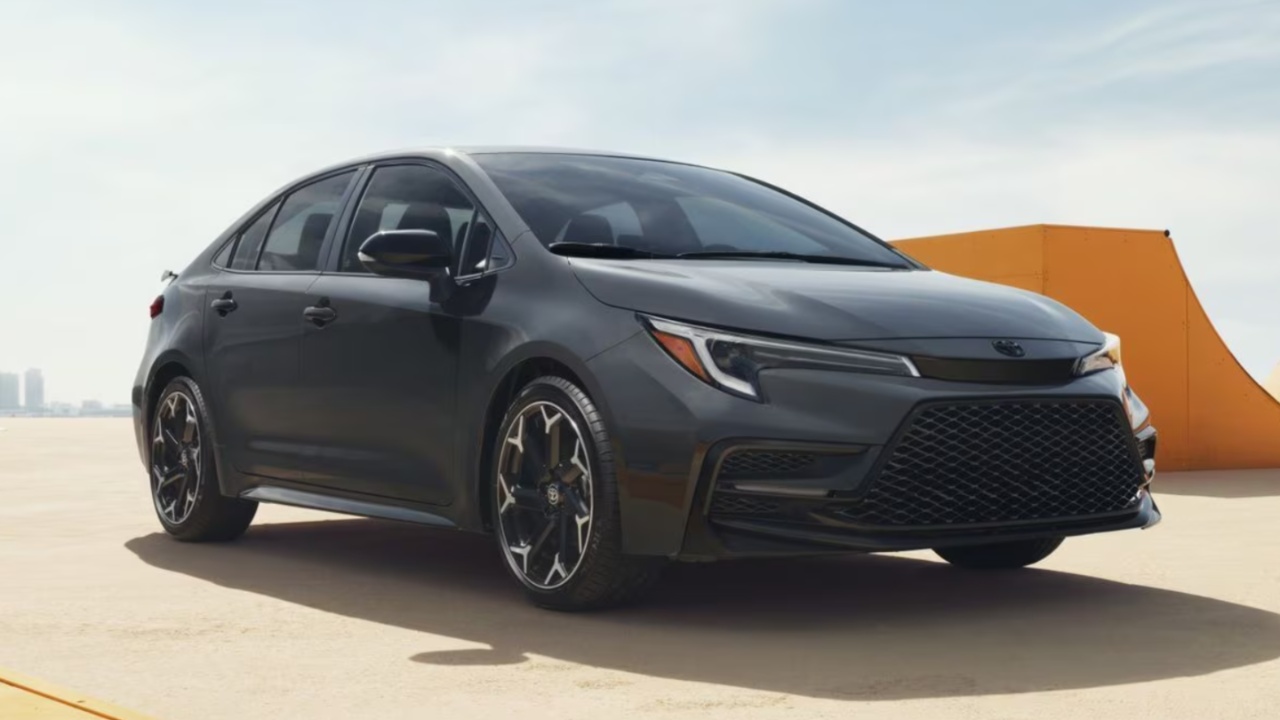
8. 2026 Toyota Corolla: Efficient, Reliable, and Comfortably Refined
The 2026 Toyota Corolla continues its legacy as a dependable and efficient compact sedan designed for everyday practicality. Available in six trims, including hybrid and gas-powered models, the Corolla starts at $23,920 and features a 2.0-liter four-cylinder engine paired with front-wheel drive.
With fuel economy ranging from 34 to 50 mpg combined, depending on configuration, it offers a smooth, quiet ride and low ownership costs. While some rivals boast bolder styling or quicker acceleration, the Corolla remains a top choice for those seeking long-term value and peace of mind.
The Corolla prioritizes comfort and efficiency over speed. Acceleration is modest, with the 0 to 60 mph sprint taking about 8.8 seconds. The continuously variable transmission (CVT) operates smoothly and efficiently, though power delivery feels reserved during highway merging or passing.
Handling is predictable, and while cornering lacks sportiness, the light steering and compact size make the Corolla easy to maneuver in city traffic. Braking performance is steady and confidence-inspiring, contributing to the car’s composed and secure driving feel.
Ride quality is one of the Corolla’s best attributes. It remains stable on rough pavement and absorbs imperfections effectively. Both front seats offer generous adjustability and comfort for long drives, though the available synthetic leather can feel warm in hot weather.
Rear seating is tighter, especially in headroom, which may limit comfort for taller passengers. The cabin is quiet at low speeds, though noticeable road and wind noise enter at highway pace.
Toyota equips the Corolla with an intuitive infotainment setup featuring either an 8-inch or optional 10.5-inch touchscreen. Apple CarPlay, Android Auto, and multiple USB-C ports are standard, with wireless charging available.
Some screen inputs feel slow, and premium features like remote start require a paid subscription. Safety remains a highlight, with Toyota’s driver-assistance suite offering lane keeping assist, adaptive cruise control, and blind-spot monitoring that work smoothly and effectively.
The Corolla’s 13-cubic-foot trunk is slightly smaller than class leaders, but still adequate for daily needs. Cabin storage is moderate, with enough space for essentials.
Toyota’s build quality, reputation for reliability, and two years of complimentary maintenance reinforce its excellent long-term value. For shoppers seeking a quiet, fuel-efficient, and low-stress compact sedan, the 2026 Corolla remains one of the smartest options on the market.
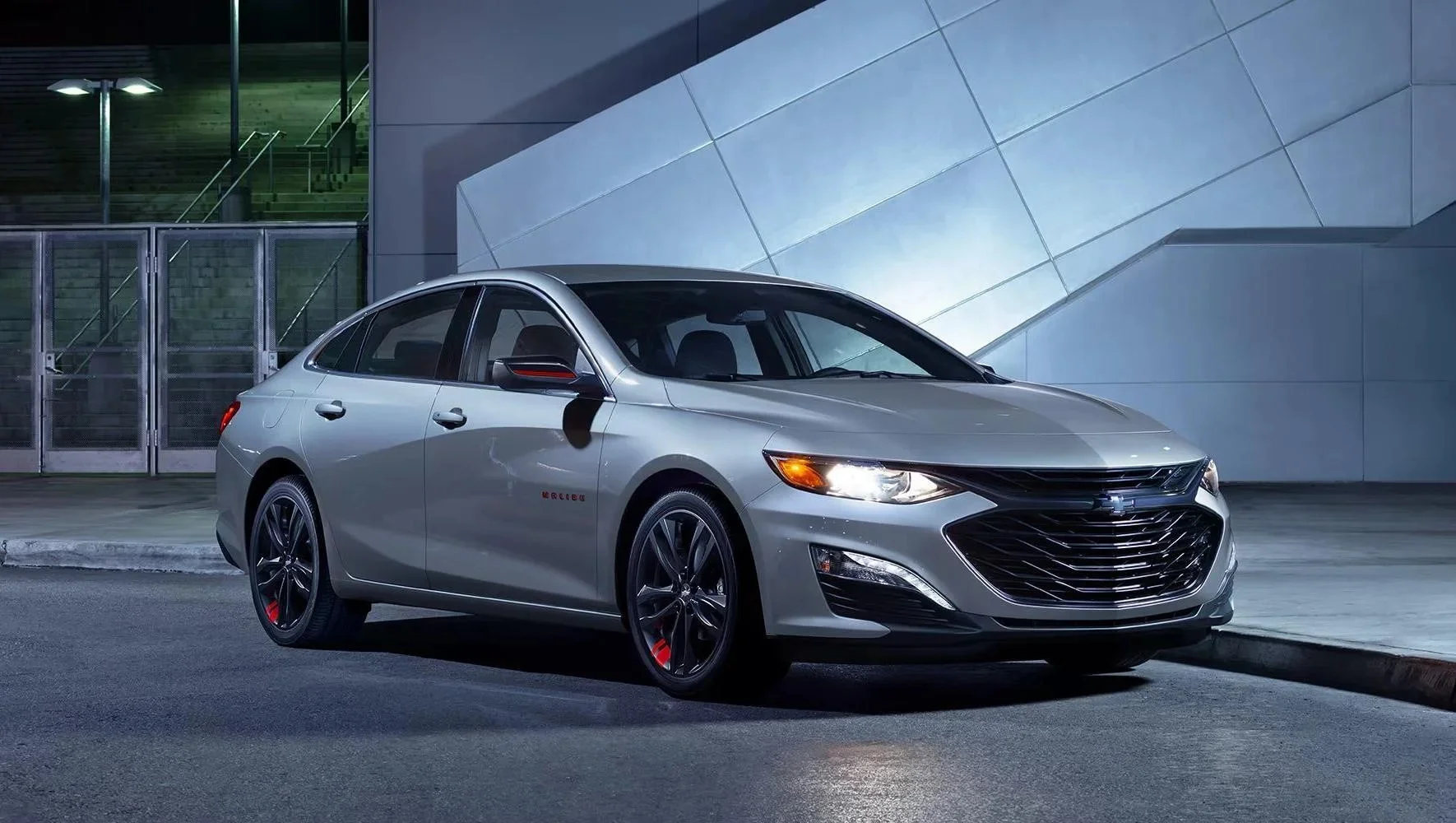
9. 2025 Chevrolet Malibu: Comfortable, Capable, and Value-Oriented
The 2025 Chevrolet Malibu continues its long-running tradition as a comfortable, practical midsize sedan that delivers excellent value. Starting at $27,995, the Malibu seats five and is available in four trims, all powered by a 1.5-liter turbocharged four-cylinder engine producing 163 horsepower.
With front-wheel drive and a continuously variable transmission (CVT), it achieves an estimated 28 mpg city and 36 mpg highway, for a combined 31 mpg. While not as advanced or efficient as newer hybrid competitors, the Malibu offers a refined driving experience, roomy interior, and user-friendly technology at a lower price than many rivals such as the Honda Accord, Toyota Camry, and Hyundai Sonata.
The Malibu’s powertrain focuses on smoothness and efficiency rather than speed. It reaches 60 mph in about 7.8 seconds, which is slower than sportier rivals but perfectly adequate for daily driving. Ride comfort is one of its key strengths, with well-tuned suspension damping that balances composure and softness.
The chassis feels stable, and steering is predictable, making the Malibu easy to handle on highways and in city traffic. While it lacks the punch of competitors with turbocharged or hybrid setups, its quiet ride and relaxed performance suit family-oriented buyers.
Inside, the Malibu offers a straightforward and ergonomic layout. The 8-inch touchscreen is positioned high on the dash, keeping controls easy to reach and visibility good. The cabin isn’t flashy but feels solidly built, with comfortable front seats and generous rear legroom.
The large trunk provides ample space for luggage, and interior storage is practical, though not class-leading. Rear visibility is somewhat restricted by thick roof pillars, but comfort and usability remain strong points.
Every Malibu includes Apple CarPlay, Android Auto, and a mobile Wi-Fi hotspot. The infotainment system is intuitive, though it lacks the sophistication of newer competitors. Advanced driver-assistance features such as automatic emergency braking, lane-keeping assist, and adaptive cruise control are available but not standard.
As Chevrolet’s final traditional sedan before the brand transitions toward electric vehicles, the 2025 Malibu closes its chapter on a high note. With a competitive warranty, reliable performance, and an affordable starting price, it remains a smart, comfortable, and well-equipped choice for families seeking classic sedan practicality.
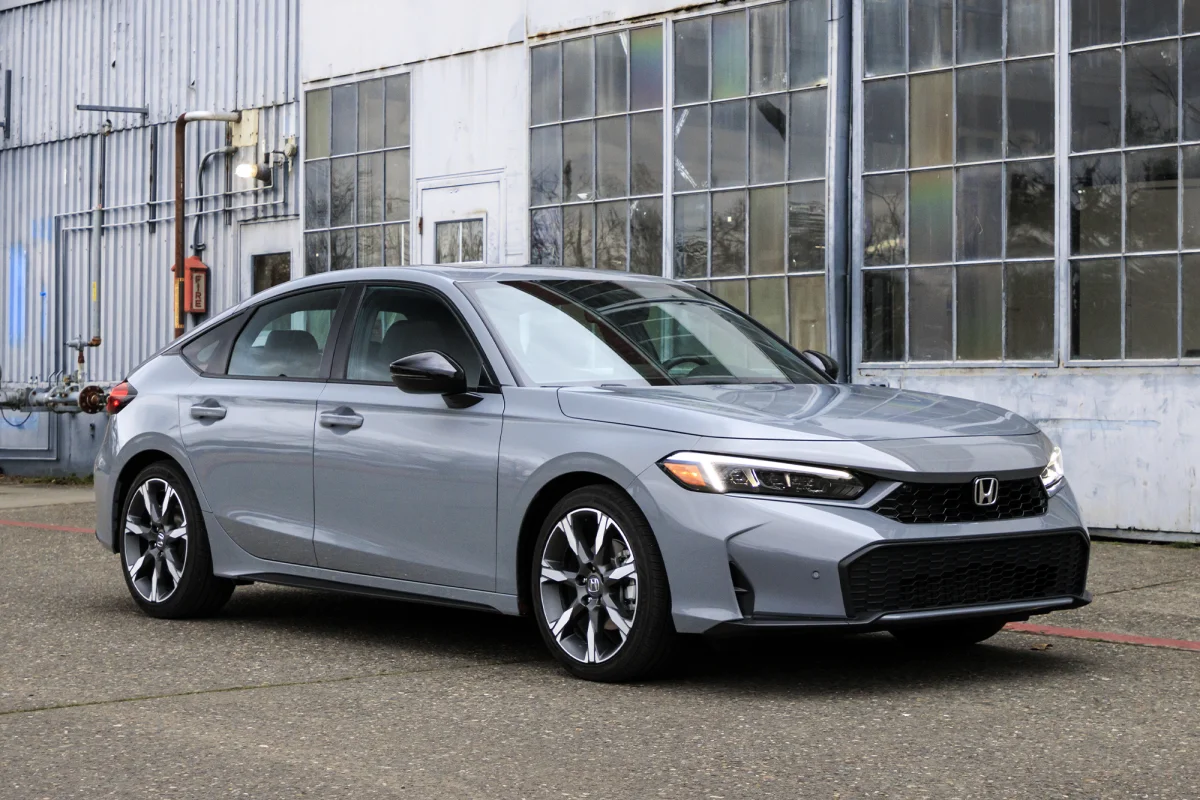
10. 2026 Honda Civic: Efficient, Engaging, and Everyday Practical
The 2026 Honda Civic continues its legacy as one of the most balanced compact cars available, offering agility, fuel efficiency, and long-term dependability. With pricing starting at $27,790 for the Sport Sedan CVT, the Civic seats five and comes in five trim levels.
Powertrain options include a 2.0-liter four-cylinder engine or an impressive hybrid system that blends performance and economy. The hybrid model achieves up to 49 mpg combined, while the gas version delivers around 31 mpg. Rather than introducing radical changes, Honda refines what already works, ensuring the Civic remains one of the best small sedans for everyday use.
The Civic stands out for its refined balance of comfort and responsiveness. The hybrid model reaches 60 mph in 6.6 seconds, making it one of the quickest cars in its class. It feels nimble on city streets yet composed on highways, with precise steering and well-controlled suspension.
The continuously variable transmission operates smoothly, contributing to a confident and relaxed drive. Outward visibility is strong thanks to slim roof pillars and thoughtfully placed mirrors, though the sloping rear roof slightly limits rear sightlines. Standard driver aids, including adaptive cruise control and lane-keeping assist, function effectively and consistently.
Inside, the Civic offers a clean and modern cabin layout with intuitive controls and quality materials. Front passengers enjoy generous space and supportive seats, though the base trim could use additional lumbar support.
Rear legroom is excellent for the class, but taller passengers may find headroom limited. Road noise is noticeable at highway speeds but well managed for a compact sedan. Climate controls are simple and effective, though the lack of rear air vents stands out as a minor oversight.
Tech features are user-friendly and thoughtfully integrated. The available 9-inch touchscreen includes Google Built-In functionality and wireless Apple CarPlay and Android Auto, though lower trims feature a smaller 7-inch unit. The Sport Touring trim adds a Bose sound system and premium connectivity options.
Cargo space is generous at 14.8 cubic feet, and the hybrid sedan’s design avoids sacrificing trunk room. The Civic Hatchback Hybrid offers even greater versatility, with 24.5 cubic feet of cargo capacity and fold-flat seats.
The Civic hybrid commands a slightly higher price than some rivals but delivers stronger acceleration, high fuel efficiency, and a refined cabin. Honda’s reliability reputation, combined with standard warranty coverage of three years/36,000 miles and five years/60,000 miles for the powertrain, enhances its long-term appeal.
With its responsive driving feel, well-executed hybrid system, and practical design, the 2026 Honda Civic remains a standout choice among compact sedans.
11. 2026 Subaru Impreza: All-Weather Confidence with Everyday Practicality
The 2026 Subaru Impreza continues its reputation as a practical, affordable hatchback built for drivers who value comfort and confidence in all weather conditions. Available in two trims Sport and RS, every Impreza includes standard all-wheel drive, a major advantage over most compact competitors.
The Sport features a 2.0-liter engine, while the RS upgrades to a 2.5-liter four-cylinder that adds useful power without greatly reducing efficiency. Pricing starts at $30,690 for the RS, and fuel economy ranges from 29 to 30 mpg combined. Subaru keeps the Impreza simple and dependable, refining what buyers already appreciate about this compact hatch.
Performance is adequate but not thrilling. The RS’s 2.5-liter engine delivers better acceleration than the base version, but even so, 0–60 mph takes about 8.4 seconds, slightly slower than the Honda Civic and Mazda3. The continuously variable transmission (CVT) can feel sluggish when accelerating hard, yet the car remains composed on the road.
Light steering and compact dimensions make city driving and parking effortless. Handling is stable, and the suspension absorbs bumps smoothly, giving the Impreza one of the most comfortable rides in its class.
Inside, the Impreza focuses on space and usability. The hatchback design provides excellent headroom and legroom for both rows, and visibility is strong thanks to the car’s low hood and tall windows. Entry and exit are easy due to wide-opening doors.
The seats are soft and supportive, and heated front seats are available on higher trims. Road noise is minimal during regular driving, though the engine becomes louder under heavy throttle. Climate controls are straightforward and include standard dual-zone automatic temperature control, though there are no rear air vents.
Every Impreza now includes a large 11.6-inch touchscreen with wireless Apple CarPlay and Android Auto, along with USB-A, USB-C, and wireless charging. Subaru’s EyeSight driver-assist suite comes standard, featuring adaptive cruise control and lane centering. Cargo capacity is a strong point, offering 20.4 cubic feet behind the rear seats and 56 cubic feet with them folded, plus extra underfloor storage.
The Impreza remains one of the best-value compact hatchbacks, combining standard AWD, solid safety tech, and functional design at a competitive price. Fuel economy trails top rivals slightly, but its all-weather traction and practicality make it ideal for drivers in regions with challenging conditions. The 2026 Impreza may not be the sportiest choice, yet it stands out as one of the most dependable and versatile in its class.
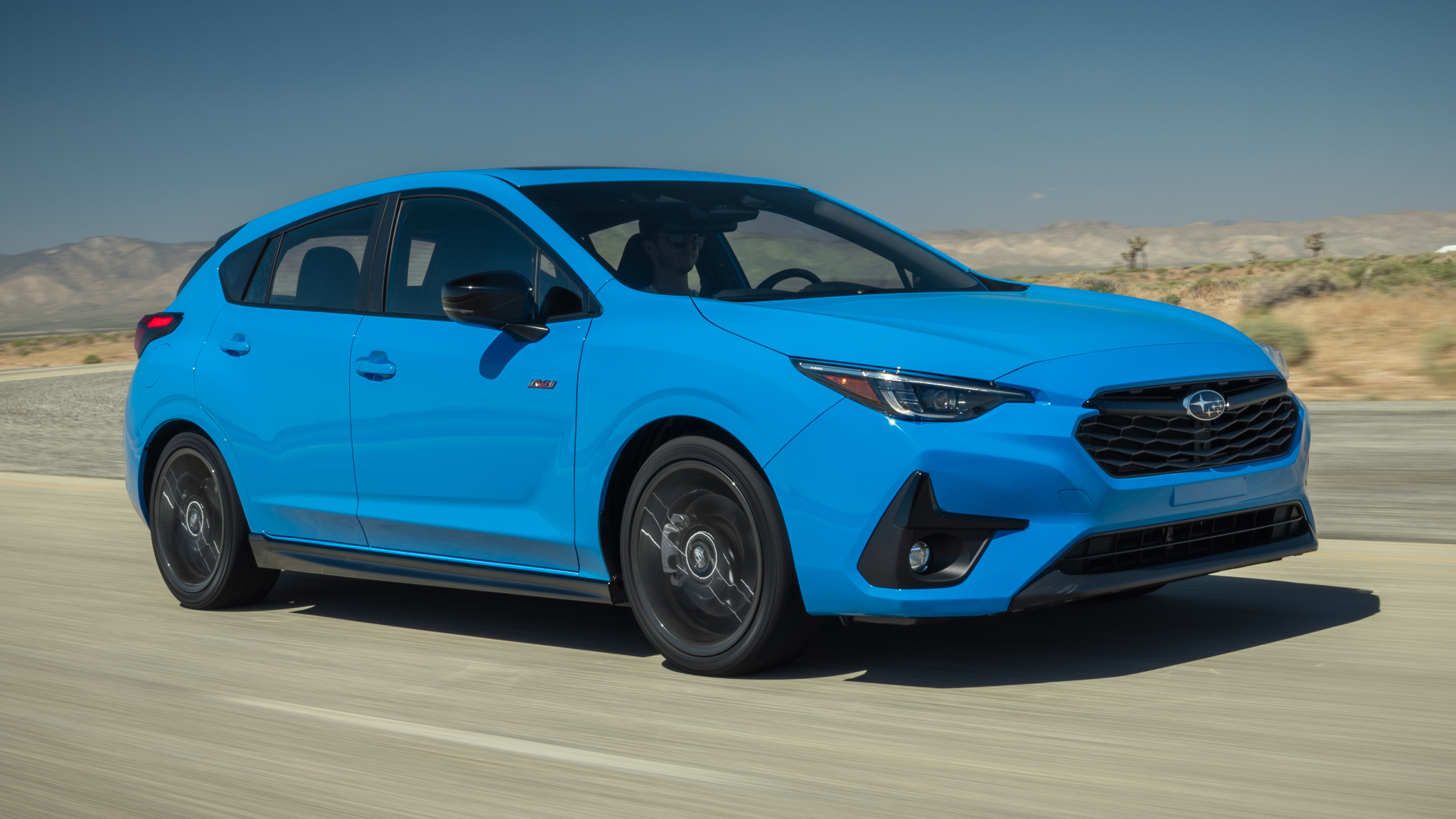
12. 2026 Subaru Impreza: All-Weather Confidence with Everyday Practicality
The 2026 Subaru Impreza continues its reputation as a practical and affordable hatchback built for drivers who value comfort and confidence in all weather conditions. Available in two trims, Sport and RS, every Impreza includes standard all-wheel drive, a major advantage over most compact competitors.
The Sport model features a 2.0-liter engine, while the RS upgrades to a 2.5-liter four-cylinder that adds useful power without greatly reducing efficiency. Pricing starts at $30,690 for the RS, and fuel economy ranges from 29 to 30 mpg combined. Subaru keeps the Impreza simple and dependable, refining what buyers already appreciate about this compact hatchback
Performance is adequate but not thrilling. The RS’s 2.5-liter engine delivers better acceleration than the base version, but even so, it reaches 60 mph in about 8.4 seconds, slightly slower than the Honda Civic and Mazda3.
The continuously variable transmission (CVT) can feel sluggish when accelerating hard, yet the car remains composed on the road. Light steering and compact dimensions make city driving and parking effortless. Handling is stable, and the suspension absorbs bumps smoothly, giving the Impreza one of the most comfortable rides in its class.
Inside, the Impreza focuses on space and usability. The hatchback design provides excellent headroom and legroom for both rows, and visibility is strong thanks to the car’s low hood and tall windows. Entry and exit are easy due to wide-opening doors. The seats are soft and supportive, and heated front seats are available on higher trims.
Road noise is minimal during regular driving, though the engine becomes louder under heavy throttle. Climate controls are straightforward and include standard dual-zone automatic temperature control, though there are no rear air vents.
Every Impreza now includes a large 11.6-inch touchscreen with wireless Apple CarPlay and Android Auto, along with USB-A, USB-C, and wireless charging. Subaru’s EyeSight driver-assist suite comes standard, featuring adaptive cruise control and lane centering. Cargo capacity is a strong point, offering 20.4 cubic feet behind the rear seats and 56 cubic feet with them folded, plus extra underfloor storage.
The Impreza remains one of the best-value compact hatchbacks, combining standard all-wheel drive, solid safety technology, and functional design at a competitive price.
Fuel economy trails top rivals slightly, but its all-weather traction and practicality make it ideal for drivers in regions with challenging conditions. The 2026 Impreza may not be the sportiest choice, yet it stands out as one of the most dependable and versatile cars in its class.
13. 2026 Toyota Camry: Efficiency, Comfort, and Reliability Refined
The 2026 Toyota Camry strengthens its position as one of the most trusted midsize sedans by combining Toyota’s hallmark reliability with sharper styling, upgraded technology, and impressive efficiency. Available in five trims, every model delivers a quiet, composed ride and excellent fuel economy.
The most popular Hybrid SE FWD starts at $32,495 and returns an estimated 48 mpg in the city and 47 mpg on the highway. While the cabin design is more restrained than some competitors, the Camry remains a benchmark for comfort, practicality, and long-term value.
The latest Camry offers smooth, predictable performance suited to both daily commuting and long highway drives. Powered by a 2.5-liter hybrid engine, it reaches 60 mph in about 7.8 seconds, making it slightly quicker than the Honda Accord and Hyundai Sonata hybrids.
The sport-tuned suspension of the XSE trim provides precise handling and responsive steering while maintaining a comfortable ride over rough pavement. The driving position is upright, allowing a clear view of the road, and Toyota’s advanced safety system enhances confidence with features such as lane tracking and adaptive cruise control. An optional Traffic Jam Assist even enables hands-free driving at low speeds.
Inside, the Camry emphasizes refinement and comfort. The front seats are supportive and designed for long trips, while the wide rear bench offers generous space for passengers. Entry and exit are effortless thanks to large door openings and upright seating. Interior noise is minimal, creating a calm driving environment. The layout is clean and functional, with clearly marked controls and a reliable climate system.
Most trims include a 12.3-inch touchscreen with wireless Apple CarPlay and Android Auto, paired with an optional JBL audio system that delivers crisp sound quality. Storage is well planned, with numerous compartments for small items and a 15.1-cubic-foot trunk capable of handling everyday needs.
Every 2026 Camry now uses hybrid power, delivering between 44 and 51 mpg combined, depending on trim. Toyota’s two years of complimentary maintenance and roadside assistance add peace of mind. The Camry’s blend of performance, comfort, and legendary reliability continues to make it one of the smartest midsize sedan choices for buyers seeking long-term satisfaction.
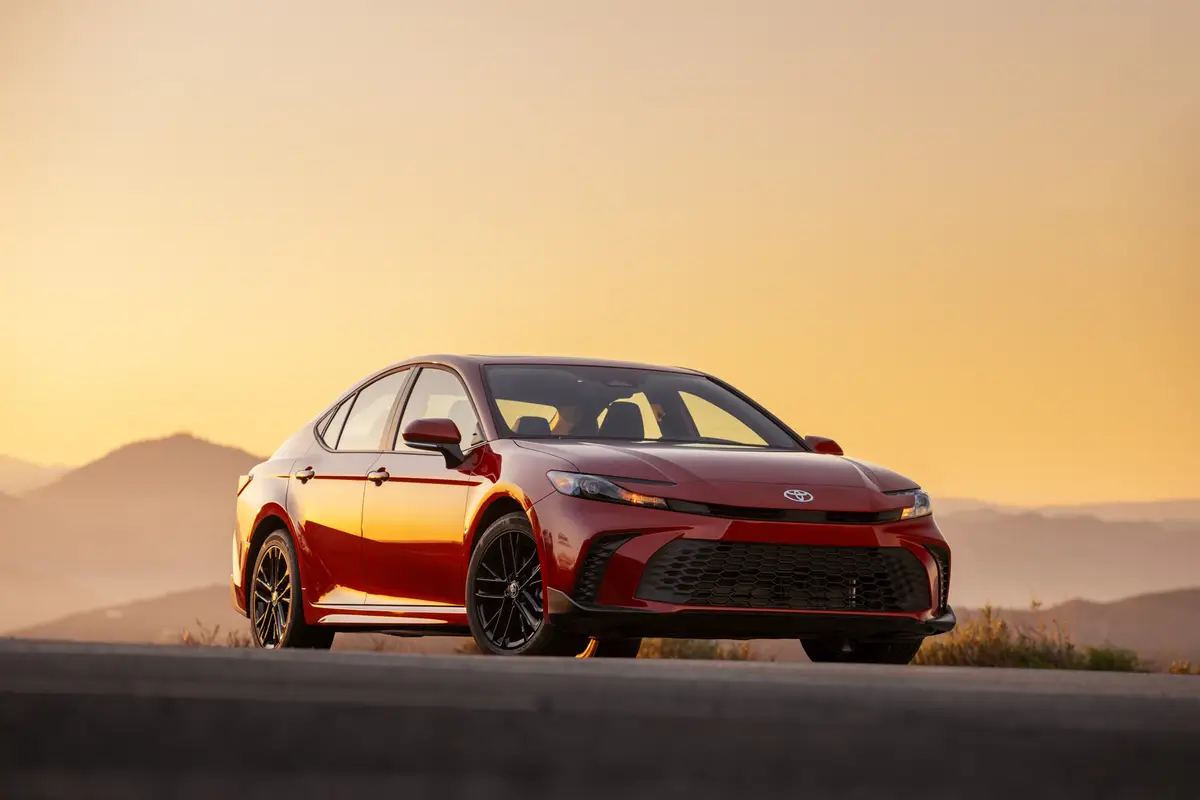
2026 Toyota Prius: Efficiency Meets Modern Design
The 2026 Toyota Prius redefines hybrid efficiency with sleek styling, advanced safety features, and exceptional fuel economy. Available in four trims, the Prius remains a top choice for drivers who prioritize sustainability without sacrificing comfort or technology.
The most popular LE FWD trim starts at $29,745 and features a 2.0-liter hybrid engine delivering an impressive 57 mpg in the city and 56 mpg on the highway. Its combination of practicality, reliability, and futuristic design reinforces Toyota’s leadership in hybrid innovation.
The Prius provides a smooth and refined drive, with acceleration from 0 to 60 mph in 7.7 seconds quicker than the Kia Niro but not as fast as the Honda Civic Hybrid. The hybrid system transitions seamlessly between electric and gasoline power, ensuring quiet, efficient operation.
Handling feels secure, with stable cornering and well-controlled body movement. Ride quality is comfortable, easily absorbing bumps and uneven pavement. Visibility is somewhat limited due to the sloped roofline and thick rear pillars, but Toyota’s safety suite, including lane keeping assist and adaptive cruise control, helps offset this.
The cabin delivers solid comfort with supportive front seats and good legroom in both rows, though rear headroom is tight for taller passengers. The interior layout is simple and functional, though the digital driver display can be partially blocked by the steering wheel. Noise levels are modest, and most trims offer heated front seats, while the top Limited trim adds ventilation. Single-zone climate control is standard across the lineup.
Toyota’s latest multimedia system, displayed on an available 12.3-inch touchscreen, features wireless Apple CarPlay, Android Auto, and Google-powered navigation.
A wireless charging pad and multiple USB-C ports enhance convenience, though the charger tends to heat up during extended use. The Prius’ hatchback design provides 20.3 cubic feet of cargo space more than a typical sedan but less than some hybrid SUVs.
The Prius excels in fuel economy, offering between 49 and 57 mpg combined, depending on trim and drivetrain. Toyota’s warranty coverage includes hybrid component protection for up to 10 years or 150,000 miles, along with two years of free maintenance.
With modern styling, advanced tech, and unmatched efficiency, the 2026 Toyota Prius remains a smart, forward-thinking hybrid for everyday driving.
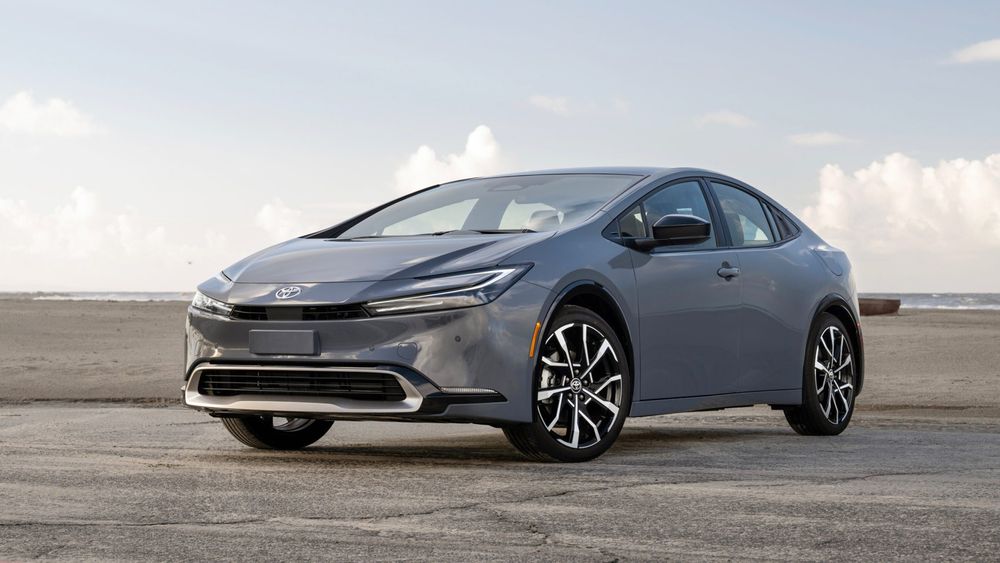
15. 2026 MINI Hardtop: Iconic Style Meets Modern Performance
The 2026 MINI Hardtop continues its legacy as one of the most characterful and engaging small cars on the market. Blending distinctive design with updated technology and refined performance, the MINI remains a standout for drivers who value personality and precision.
Available in six trims, including the lively Cooper S 2-Door starting at $36,375, the MINI combines a turbocharged 2.0-liter engine and front-wheel drive to deliver 28 mpg in the city and 39 mpg on the highway. Despite its compact size and firm ride, the Hardtop balances premium features and driving excitement in a way few competitors match.
The MINI Hardtop’s turbocharged lineup offers lively performance across the board. The base Cooper produces 161 horsepower, while the Cooper S boosts output to 201 horsepower, paired with a responsive seven-speed dual-clutch automatic transmission. Acceleration is brisk, with the Cooper S reaching 60 mph in just 5.8 seconds.
Handling remains a highlight, offering precise steering, tight cornering, and an eager chassis that makes city streets and winding roads equally enjoyable. The exhaust note adds personality, and the ride, while firm, communicates a connected, sporty feel.
Inside, MINI draws inspiration from its 1959 roots with a minimalist yet upscale cabin design. The use of textile materials, ambient LED lighting, and toggle switches gives the interior a playful yet premium aesthetic. While space is tight in the rear and cargo area, the front seats offer solid comfort and supportive bolstering. Visibility is excellent, and thoughtful ergonomics make the cabin feel intuitive and inviting despite its size.
The centerpiece of the cabin is a circular digital infotainment screen that appears to float atop the dash. It features navigation, smartphone integration, SiriusXM, and Mini’s latest software suite. A head-up display, built-in apps, and available premium audio system enhance usability and entertainment.
Standard safety features include forward-collision warning, lane-keeping assist, and automated emergency braking, with adaptive cruise control available. Fuel economy averages between 30 and 32 mpg combined, balancing spirited performance with efficiency. MINI backs the Hardtop with a strong 4-year/50,000-mile warranty and three years of complimentary maintenance.
The 2026 MINI Hardtop remains true to its roots as a compact, premium, and energetic car that turns every drive into an event.
True value in today’s automotive world is not always found in luxury models or electric vehicles with the latest technology. The cars featured in “15 Cars That Are Hidden Bargains in 2025” prove that quality, reliability, and affordability can still go hand in hand.
The 2025 Nissan Versa represents this idea perfectly, providing comfort, efficiency, and solid construction at an entry-level price. Other examples such as the Hyundai Elantra, Kia K4, and Subaru Impreza show that budget-friendly cars can also deliver impressive performance and modern features.
These models remind drivers that smart shopping is about long-term satisfaction, not just price tags. For buyers seeking dependable transportation with real substance, these 15 vehicles offer a refreshing mix of practicality and refinement. Even in a market focused on high-end options, they demonstrate that affordable excellence remains a defining part of the driving experience in 2025.
Also Read: 10 Cars With Timeless, Clean Design That Have Become Icons
