
Steering feel is a fundamental aspect of driving that greatly influences the connection between a driver and their car.
Vehicles with precise, communicative steering provide feedback about road conditions, tire grip, and chassis dynamics, allowing drivers to feel fully in control. This enhances driving enjoyment, confidence, and safety.
Cars with real steering feel give drivers a sense of engagement, whether maneuvering tight corners, cruising on highways, or navigating city streets. Enthusiasts often consider steering feel one of the most critical factors when selecting a vehicle, as it directly affects the overall driving experience.
However, not all vehicles deliver meaningful steering feedback. Many modern cars prioritize comfort, isolation, or electronic assistance over road feel, resulting in steering that feels numb or disconnected.
Drivers often notice vague responses, inconsistent feedback, or excessive artificial resistance. While these cars can still be functional and safe, they fail to provide the tactile communication that enthusiasts and precision drivers seek.
Long-term, this can make the driving experience less satisfying and reduce the driver’s confidence in dynamic situations.
This article examines two groups of cars: those that offer real, engaging steering feel and those that fall short. The focus will be on vehicles available in both American and global markets, chosen based on real-world driver impressions, handling dynamics, and design characteristics that influence steering feedback.
Understanding the differences helps drivers make informed decisions, highlighting the importance of responsive, precise steering in enhancing control and enjoyment.
The first section will present five cars praised for delivering excellent steering feedback, emphasizing why they consistently impress drivers.
The second section will cover five cars criticized for numb or disconnected steering, illustrating the trade-offs and compromises that can occur in modern vehicle design.
Also Read: 5 Cars That Blend Old-School Charm & Tech vs 5 That Don’t
5 Cars That Offer Real Steering Feel
Cars with precise and communicative steering are often the ones drivers remember long after the ride. Real steering feel allows the driver to sense the road, understand grip levels, and react confidently to corners, bumps, and surface changes.
These vehicles prioritize driver engagement, blending mechanical and electronic systems to maintain a direct connection between the steering wheel and the tires. This kind of feedback can transform everyday driving into an enjoyable, controlled, and confidence-inspiring experience.
Precision, weight, and responsiveness are the three key factors that define excellent steering. Precision ensures that the driver’s input directly affects the car’s direction without lag or play.
Weight refers to the amount of resistance in the steering wheel, which should be balanced not too light to feel disconnected and not too heavy to feel exhausting. Responsiveness describes how accurately the car reacts to the steering input, including how well it communicates the car’s grip on the road.
Cars that achieve the right balance of these characteristics consistently impress drivers across different driving conditions.
This section highlights five cars that deliver exceptional steering feel, chosen based on driver feedback, handling reviews, and engineering excellence. These models range from sporty coupes to refined sedans, demonstrating that engaging steering is not limited to a single vehicle type.
Each car listed offers a sense of control and engagement that enhances safety, confidence, and driving enjoyment. By understanding why these cars excel in steering feel, prospective buyers can appreciate the nuances that set them apart from vehicles with more disconnected or artificial steering.
1. Mazda MX-5 Miata
The Mazda MX-5 Miata is widely regarded as one of the best cars for real steering feel, offering a direct, responsive, and connected driving experience.
The lightweight chassis, rear-wheel-drive layout, and precise steering rack allow drivers to feel every nuance of the road, making cornering and daily driving highly engaging.
The Miata’s steering is mechanical yet perfectly balanced, offering a natural weight that communicates grip levels without overwhelming the driver.
This responsiveness is especially noticeable during tight turns, where small steering inputs result in precise directional changes. The feedback from the front tires allows drivers to adjust throttle and steering inputs confidently, creating a feeling of complete control.
Beyond steering, the MX-5’s overall dynamics contribute to the experience. Its compact size, low center of gravity, and well-tuned suspension enhance road feedback while keeping the ride enjoyable and manageable.
The combination of mechanical precision and minimal electronic interference ensures that the connection between driver and car remains unbroken.

Owners often praise the Miata for its predictable handling, excellent chassis balance, and the way the car communicates limits. Unlike heavier sports cars that can feel detached, the MX-5 provides a raw, unfiltered sense of engagement that makes driving both rewarding and safe.
Its steering feel is a benchmark for compact sports cars, demonstrating that careful engineering and thoughtful design can create one of the most satisfying driving experiences on the road.
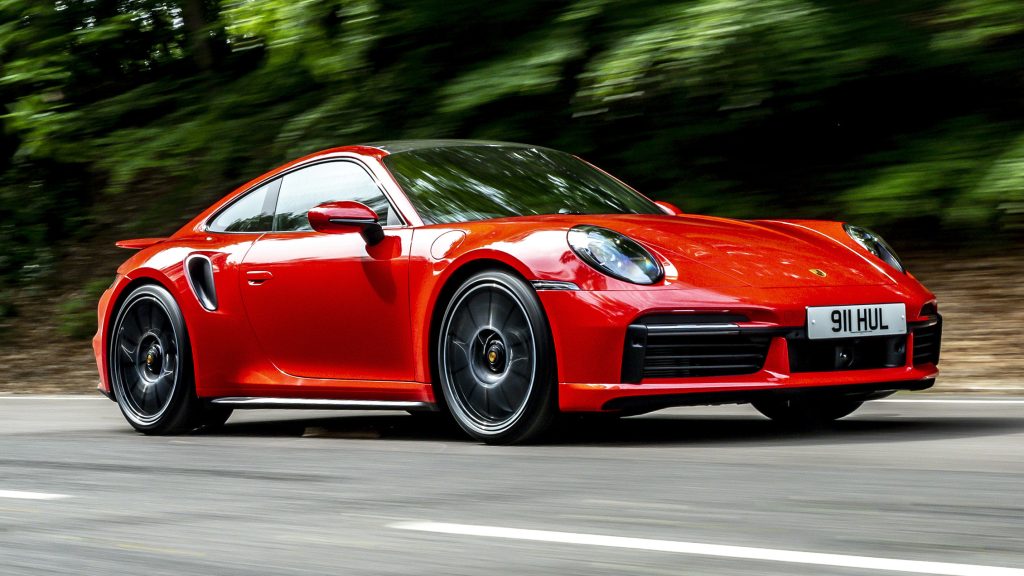
2. Porsche 911
The Porsche 911 has long been celebrated for delivering exceptional steering feedback, making it one of the most engaging sports cars available.
Its rear-engine layout, precise steering rack, and finely tuned suspension provide drivers with a sense of direct connection to the road, whether cruising on highways or pushing through twisty backroads.
One of the standout features of the 911 is its precise and communicative steering. The wheel offers the right amount of resistance, neither too light nor overly heavy, which allows drivers to judge grip and road conditions accurately.
Each input translates immediately into vehicle response, giving a confident feel even at high speeds. This precision is particularly noticeable in corners, where the 911’s chassis balance allows for controlled, predictable handling.
The 911’s performance is complemented by engineering that emphasizes driver engagement. Its adaptive suspension systems and advanced differential management work in harmony with the mechanical steering, maintaining stability while transmitting road information effectively.
Owners consistently report feeling connected to the car, describing it as intuitive and responsive under varying conditions.
Additionally, the 911 balances comfort and precision. Even at everyday speeds, steering feel remains communicative, allowing drivers to enjoy the car in daily use without compromising its sporty character.
This combination of engineering, chassis dynamics, and steering refinement ensures that the Porsche 911 remains a benchmark for vehicles that prioritize real driving feedback and driver satisfaction.
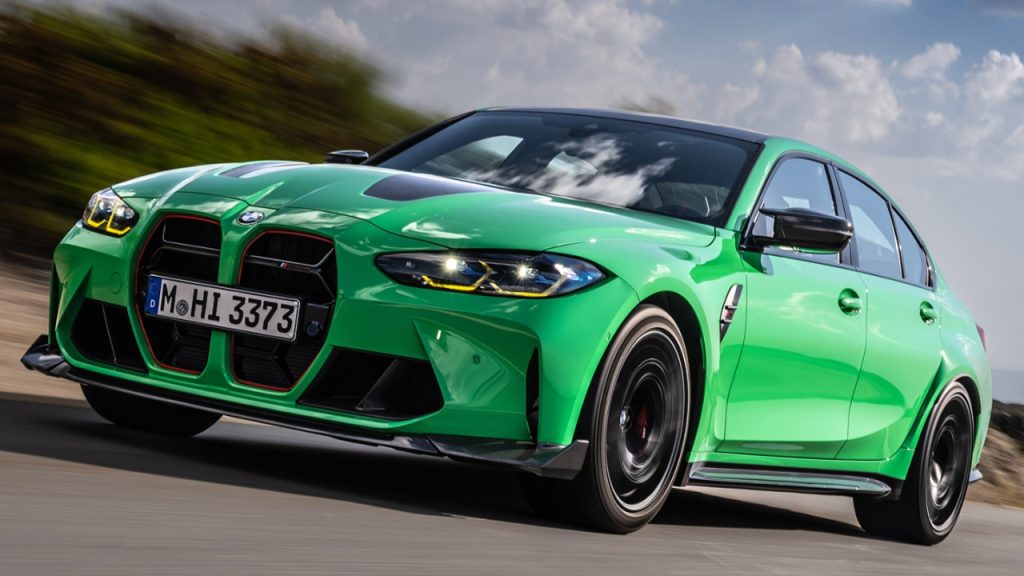
3. BMW M3
The BMW M3 is another example of a car that delivers outstanding steering feel, blending precision, feedback, and responsiveness in a performance sedan. Its rear-wheel-drive chassis and finely tuned steering system allow drivers to sense the road surface and grip levels with clarity, enhancing both performance and driving confidence.
The M3’s steering provides a natural weight, offering resistance that communicates changes in traction without feeling artificial.
This ensures that the driver can make subtle adjustments during high-speed maneuvers or spirited cornering. The steering ratio is well-calibrated, providing direct input to the front wheels and enhancing precision, particularly in tight corners or chicanes.
Suspension tuning further complements steering feel. The M3’s balance of stiffness and compliance ensures that road imperfections are felt just enough to provide information without causing discomfort.
Advanced chassis dynamics, such as active differentials and optional adaptive dampers, enhance stability while preserving tactile feedback from the front tires.
Owners praise the M3 for the way it allows them to sense limits, remain in control, and enjoy the full dynamics of the car. Unlike vehicles with heavily assisted or artificial steering, the M3 maintains a tangible connection between the driver and the road.
Its combination of performance, handling, and communicative steering makes it one of the most rewarding cars for enthusiasts seeking real engagement behind the wheel.
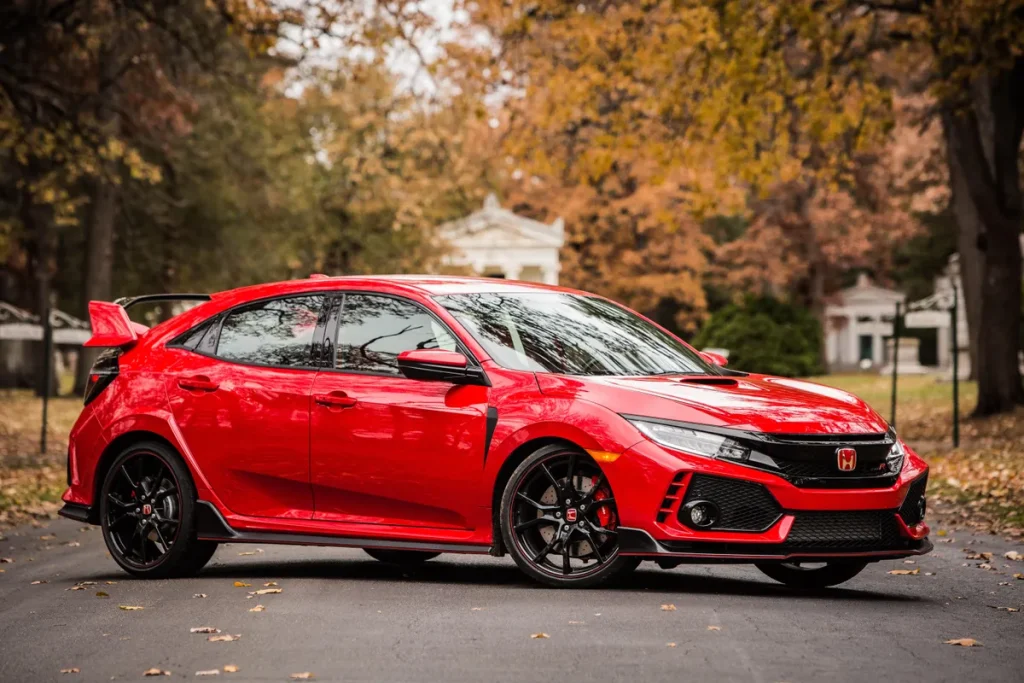
4. Honda Civic Type R
The Honda Civic Type R is renowned for delivering one of the most engaging and precise steering experiences among hot hatches. Its front-wheel-drive layout, coupled with a performance-tuned steering system, provides direct feedback that allows drivers to sense grip and road conditions accurately.
The steering of the Type R strikes a perfect balance between weight and responsiveness. It communicates the behavior of the front tires clearly, giving drivers confidence when cornering at high speeds.
Unlike many modern cars with overly assisted steering, the Civic Type R ensures that input from the driver translates immediately into vehicle response, allowing for precise and controlled maneuvers.
Suspension design further enhances steering feel. The car’s adaptive suspension and rigid chassis contribute to stability while ensuring that subtle changes in road surface are conveyed through the wheel. This allows the driver to adjust throttle and steering with confidence, making the Type R exceptionally predictable even during spirited driving.
Inside, the car’s ergonomics support performance driving. The steering wheel is positioned perfectly for quick inputs, and the pedals respond with minimal delay.
Owners frequently highlight the sense of control and connection they experience, describing the Civic Type R as engaging and fun, yet practical enough for daily driving.
Overall, the Honda Civic Type R demonstrates that a front-wheel-drive car can offer exceptional steering feedback. Its mechanical precision, balanced weight, and responsive handling make it one of the most enjoyable cars to drive for enthusiasts seeking real steering feel without sacrificing practicality.
5. Alfa Romeo Giulia Quadrifoglio
The Alfa Romeo Giulia Quadrifoglio is celebrated for its steering precision and driver engagement, delivering a connected and communicative experience that few sedans can match.
Its rear-wheel-drive layout, combined with a well-tuned steering system, ensures that road information is relayed directly to the driver, enhancing both confidence and enjoyment.
The steering system offers a natural weight, providing feedback about tire grip, road texture, and chassis behavior.
Cornering is precise, with the Giulia responding instantly to driver inputs, allowing for accurate placement through curves. Owners often note the car’s ability to communicate subtle changes in traction, giving them a sense of control even at the limit.
Chassis dynamics complement the steering. The Giulia Quadrifoglio’s suspension is stiff yet compliant enough to provide road feel, and the balance between the front and rear axles ensures predictable behavior during spirited driving. Electronic aids, such as stability control, work unobtrusively to maintain safety while preserving steering feedback.
Inside, the car prioritizes the driver. Steering wheel placement, pedal response, and seating position all contribute to engagement, allowing the driver to feel fully connected to the vehicle.
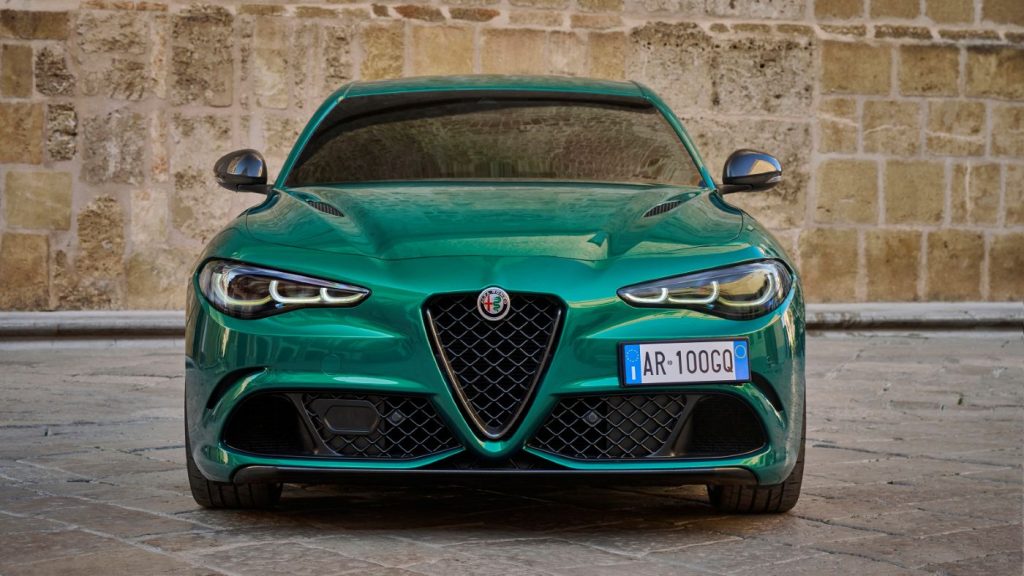
Many enthusiasts praise the Giulia Quadrifoglio for combining performance, luxury, and steering precision, offering an exhilarating experience on both highways and winding roads.
Its communicative steering, precise handling, and balance between performance and comfort make the Alfa Romeo Giulia Quadrifoglio a standout example of a car that delivers real, rewarding steering feel, earning high praise from drivers who value tactile connection and control.
5 Cars That Don’t Offer Real Steering Feel
While many cars excel in steering precision and feedback, numerous models fail to provide meaningful connection between driver and road.
Vehicles with numb or overly assisted steering often prioritize comfort, safety, or electronic convenience at the expense of tactile feedback. Drivers may feel disconnected, struggling to sense road grip or respond confidently to changes in surface or cornering conditions.
The absence of real steering feel can diminish driving enjoyment and confidence. Numb steering often comes from overly assisted power steering systems, loose steering racks, or soft suspension setups that insulate the driver from the road.
While such systems may improve comfort and reduce effort in city driving, they sacrifice the communication that allows for precise control. This can be especially noticeable during spirited driving or emergency maneuvers, where the driver receives little information about vehicle behavior.
This section highlights five cars commonly criticized for lacking real steering feel. These vehicles, while often reliable, safe, and comfortable, fail to deliver the engagement or precision expected by enthusiasts. Factors such as light, disconnected steering, inconsistent feedback, or excessive electronic intervention contribute to a sense of detachment.
By understanding which cars fall short in this area, prospective buyers can make informed choices about the driving experience they desire.
Not every car needs sharp steering for daily commuting, but for those who value control, predictability, and connection, avoiding vehicles with numb steering ensures a more satisfying and confident experience on the road.
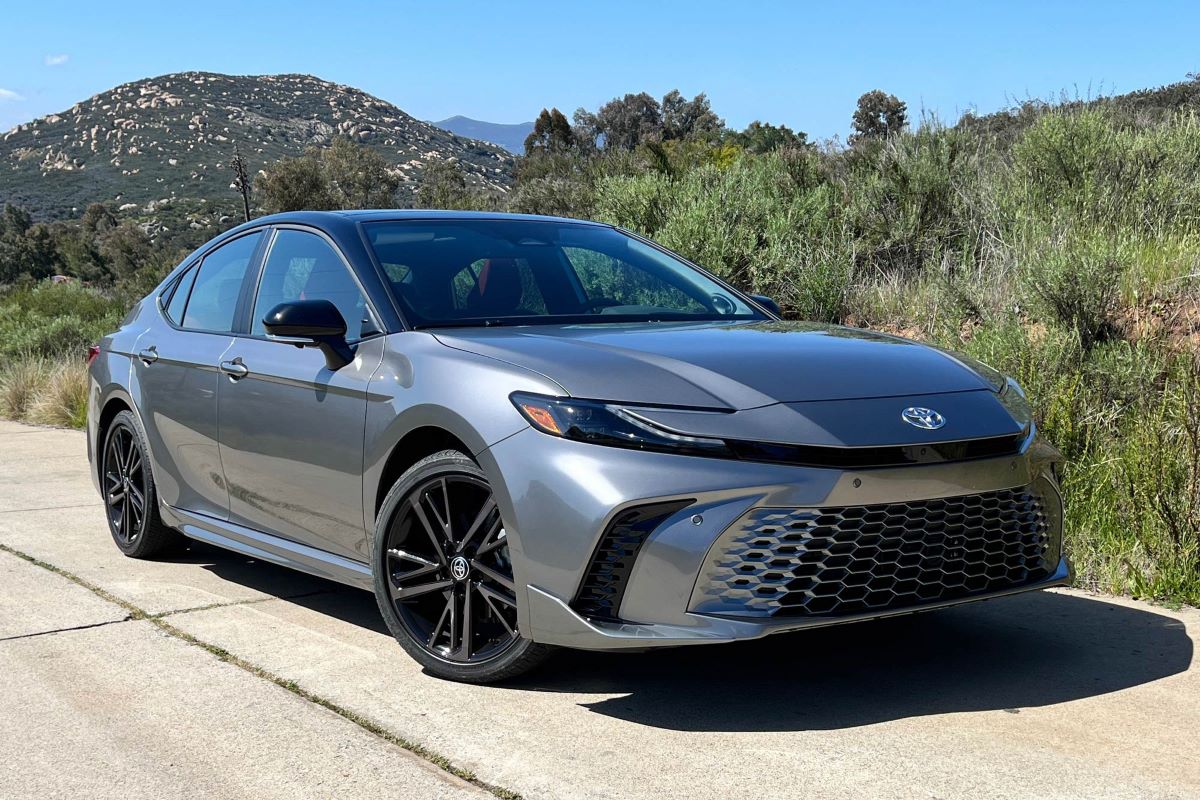
1. Toyota Camry
The Toyota Camry, though praised for reliability and comfort, is frequently criticized for its lack of steering feedback. Its electrically assisted power steering system prioritizes ease and isolation over engagement, resulting in a numb and disconnected feel.
While the Camry is smooth over bumps and easy to maneuver in traffic, the steering provides minimal information about road grip.
Cornering at higher speeds or on winding roads feels detached, making it difficult for the driver to judge limits. Inputs from the wheel translate slowly, which reduces confidence during dynamic maneuvers.
The suspension further isolates the driver, absorbing road imperfections but limiting tactile feedback. This combination of soft suspension and light, assisted steering creates a comfortable daily ride but at the expense of engagement. Enthusiasts often describe the Camry’s steering as bland and uninspiring.
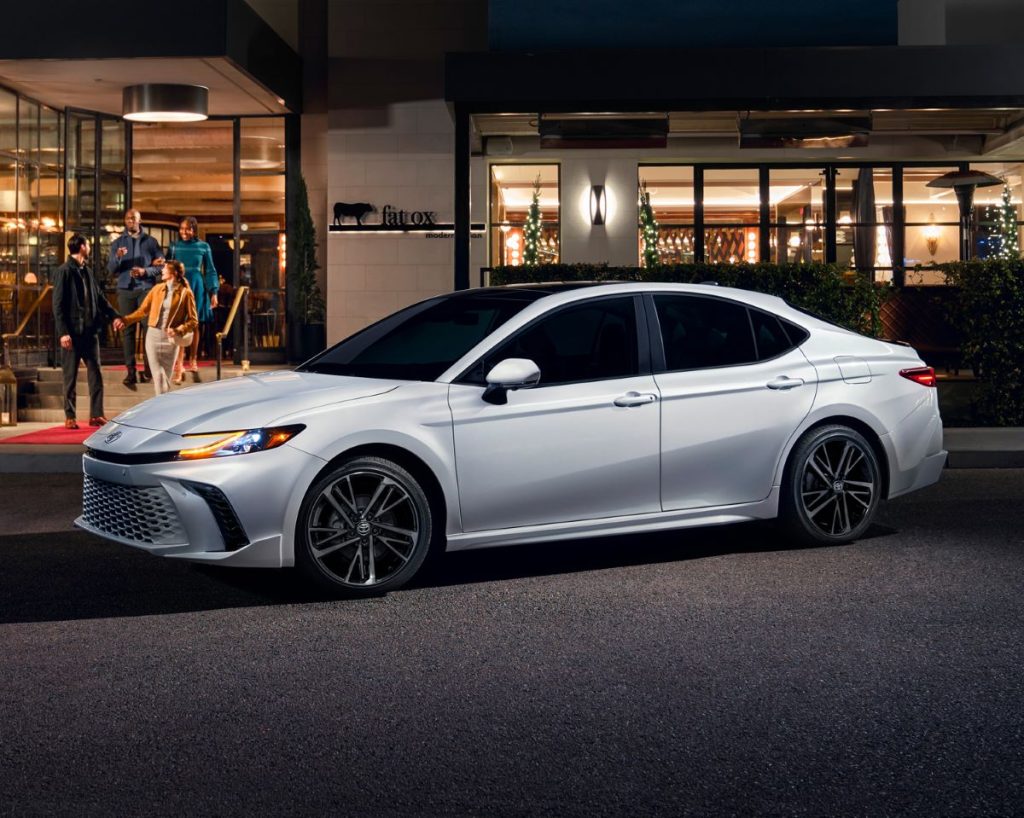
Inside, the cabin contributes little to enhancing driver connection. While ergonomically friendly and quiet, the focus is on comfort rather than feedback.
Owners who enjoy driving spiritedly or taking corners assertively report disappointment, noting that the steering does not communicate the car’s behavior effectively.
Overall, the Camry demonstrates that a car can be reliable and practical yet fail to deliver engaging steering. It is ideal for commuters seeking comfort, but drivers seeking tactile road connection are likely to find the steering uninspiring and overly artificial.
2. Nissan Altima
The Nissan Altima is another mid-size sedan frequently criticized for lacking steering feel. While it performs well in city and highway driving, the steering system is often described as light, disconnected, and overly assisted, reducing driver engagement.
Steering inputs do not translate clearly to the road, making it difficult to sense grip levels or chassis behavior.
Cornering feels imprecise, and the car’s front-end feedback is minimal, which can leave drivers uncertain when pushing the vehicle through turns. Electronic intervention often compensates for driver input, further dulling the sense of connection.
Suspension tuning prioritizes ride comfort, isolating passengers from bumps but also limiting road feedback. While this makes the Altima smooth over imperfect surfaces, it compounds the steering’s numbness, creating a lack of communication between the driver and tires.
Owners report that although the Altima is practical, fuel-efficient, and comfortable, it fails to excite from behind the wheel.

The combination of soft suspension, electronic steering assistance, and minimal feedback results in a driving experience that feels distant and disengaged compared to vehicles with real steering feel.
For drivers seeking precision and tactile connection, the Nissan Altima illustrates how modern sedans can prioritize comfort and convenience at the expense of steering engagement, leaving enthusiasts and performance-oriented drivers dissatisfied.
3. Honda Accord
The Honda Accord, known for its reliability and comfort, is often criticized for lacking real steering feel. Its electric power-assisted steering system emphasizes ease and precision in city driving but delivers minimal feedback about the road.
Owners frequently note that the Accord’s steering feels light and disconnected. During cornering, the car provides little information about tire grip or chassis behavior, reducing confidence in high-speed or spirited driving. Inputs from the steering wheel translate to vehicle response with a slight delay, further diminishing engagement.
Suspension tuning prioritizes comfort, smoothing out road imperfections but insulating the driver from tactile cues. While this makes daily commutes comfortable, it also contributes to a sense of detachment between driver and road.
The combination of soft suspension and electronic steering reduces the car’s ability to communicate subtle changes in handling dynamics.
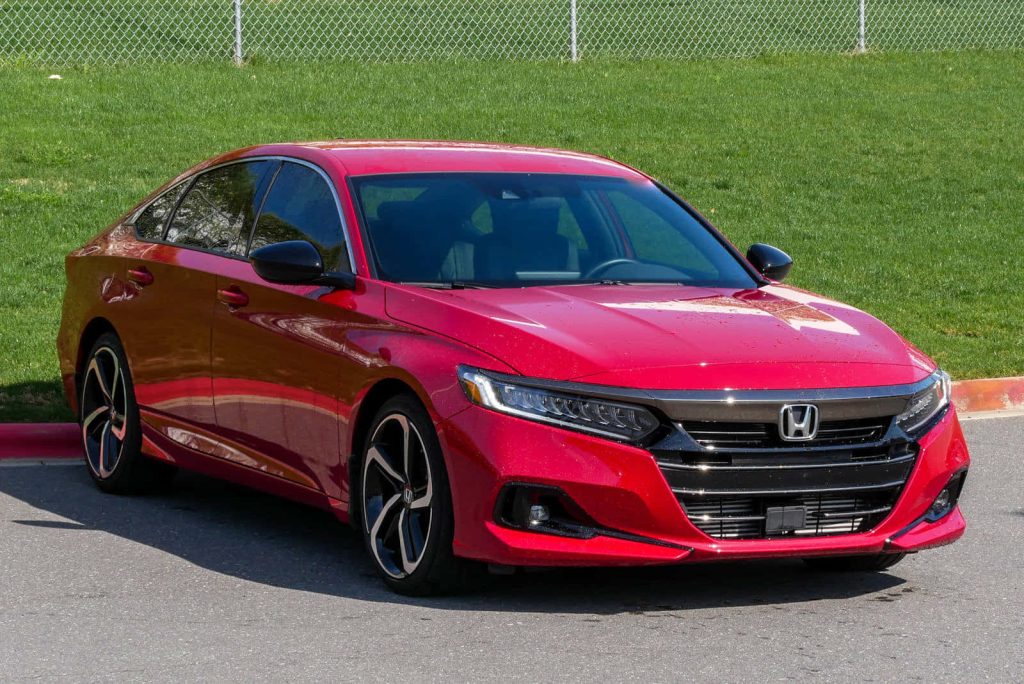
Inside, the cabin supports a comfortable and quiet ride, but the driving experience lacks involvement. Even though the Accord is practical, spacious, and fuel-efficient, the steering system does not satisfy enthusiasts or drivers seeking a connected feel.
Owners often express that the car is dependable but uninspiring, particularly when attempting to drive more aggressively or navigate winding roads.
Ultimately, the Honda Accord exemplifies how a well-rounded and reliable sedan can still fall short in terms of steering engagement. While it excels in comfort, safety, and technology, drivers who prioritize road feel and precision steering are likely to find it underwhelming.
4. Hyundai Sonata
The Hyundai Sonata is praised for styling, comfort, and technology but is commonly criticized for numb and artificial steering. Its electronically assisted power steering system provides minimal tactile feedback, prioritizing smoothness and ease over driver engagement.
Drivers often report that steering feels disconnected from the road, offering little information about grip or surface conditions.
Cornering at moderate to high speeds lacks precision, and the vehicle’s response can feel delayed or vague. Electronic assistance further reduces road communication, making the car feel isolated from the driving experience.
Suspension tuning emphasizes comfort over engagement, absorbing bumps efficiently but limiting the feedback transmitted through the steering wheel. While this creates a smooth ride for daily commuting, it diminishes the sense of control and predictability during spirited driving or emergency maneuvers.
Inside, the Sonata provides a well-appointed, comfortable cabin with user-friendly controls, but the driving experience lacks connection. Many owners report satisfaction with fuel efficiency, safety, and interior amenities but express disappointment with the steering’s artificial feel.

The combination of light, assisted steering and soft suspension creates a vehicle that is practical yet uninspiring for enthusiasts seeking dynamic feedback.
The Hyundai Sonata demonstrates that modern sedans can deliver comfort and convenience while sacrificing tactile engagement.
For drivers seeking precise steering and connected handling, the Sonata’s numb steering makes it less satisfying and leaves owners wishing for a more responsive experience.
5. Ford Fusion
The Ford Fusion, while recognized for comfort, practicality, and technology, is often criticized for steering that feels disconnected and artificial. Its electric power-assisted steering prioritizes ease of use and smoothness, but it sacrifices tactile feedback and road communication.
Owners frequently report that the Fusion’s steering lacks precision, especially during spirited driving or cornering. Inputs from the wheel feel light and disconnected, making it difficult to judge grip or subtle changes in road surface. The car responds slowly to quick adjustments, reducing driver confidence in dynamic situations.
Suspension tuning further contributes to the lack of steering feel. While the ride is comfortable over potholes and uneven roads, the soft suspension isolates the driver from the feedback that would normally travel through the steering wheel. This combination creates a practical and smooth ride but diminishes the driving experience for enthusiasts.
Inside, the Fusion’s cabin is spacious, quiet, and ergonomically designed, offering a pleasant environment for commuting or long drives. Infotainment and comfort features are well-integrated, but they cannot compensate for the sense of disconnection from the road.
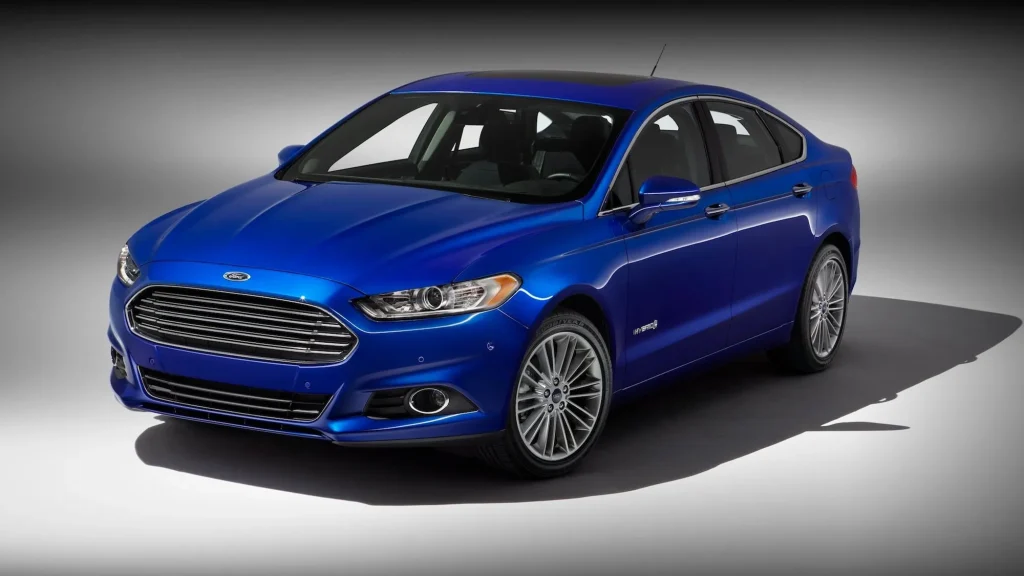
Owners who value driver engagement often find the Fusion uninspiring, noting that it is reliable and convenient but lacks the tactile response that makes driving enjoyable.
The Ford Fusion exemplifies how modern sedans can favor comfort and convenience over steering engagement.
While ideal for daily commuting or relaxed driving, its numb steering and limited road feedback make it a poor choice for drivers seeking precision, connection, and real steering feel. This lack of tactile communication consistently leaves enthusiasts and performance-minded drivers dissatisfied.
Steering feel is a defining characteristic of a car’s driving experience, influencing control, confidence, and enjoyment.
Vehicles with precise, responsive steering allow drivers to sense road conditions, tire grip, and chassis dynamics, creating a strong connection between human input and vehicle behavior.
Conversely, cars with numb or overly assisted steering often leave drivers feeling detached, reducing engagement and predictability, particularly during spirited or dynamic driving.
The cars that offer real steering feel excel in three key areas: precision, weight, and responsiveness. Precision ensures that driver inputs directly translate to vehicle movement without lag or looseness.
Proper steering weight gives the driver a sense of the car’s resistance and road grip, avoiding the extremes of light, disconnected steering or overly heavy, tiring inputs. Responsiveness allows the vehicle to react accurately to subtle steering inputs, giving drivers confidence in corners, curves, and changing road surfaces.
These cars offer a tactile connection that enhances both performance driving and everyday control, with chassis, suspension, and steering systems carefully engineered to maintain driver engagement. Owners consistently praise their feedback, predictability, and the sense of being “in tune” with the car.
On the other hand, vehicles such as the Toyota Camry, Nissan Altima, Honda Accord, Hyundai Sonata, and Ford Fusion prioritize comfort, smoothness, and electronic assistance over tactile feedback.
While these cars are reliable, safe, and practical, their electric or overly assisted steering systems provide minimal information about tire grip or chassis behavior.
Soft suspensions and electronic interventions further reduce the communication between driver and road, creating a disconnected and numb driving experience.
These cars excel in daily commuting or long-distance comfort but fail to satisfy drivers seeking engagement and dynamic responsiveness. This comparison illustrates that steering feel is a crucial factor for those who value driving involvement.
Cars with precise, communicative steering provide confidence, enjoyment, and predictability, while vehicles with numb or artificial steering compromise engagement and make spirited driving less satisfying.
Prospective buyers should consider steering feel alongside performance, comfort, and safety to choose a vehicle that aligns with their driving priorities.
Understanding these differences ensures a more rewarding experience behind the wheel, whether prioritizing connection or convenience.
Also Read: 5 BMWs That Are Surprisingly Durable vs 5 That Aren’t
