
Automakers often face a choice between simplicity and complexity in design, engineering, and user experience. Some vehicles prove that simplicity never fails, offering reliable performance, intuitive controls, and practical design that appeal to a wide audience.
These cars demonstrate that a thoughtful, straightforward approach can be more enjoyable and enduring than a feature-laden, over-engineered alternative. Drivers value clarity, ease of use, and predictability, all of which are hallmarks of vehicles built around simple, effective principles.
Conversely, some cars overcomplicate matters. They may feature excessive technology, convoluted controls, or intricate styling that confuses drivers and distracts from the driving experience.
These vehicles often aim to impress with advanced systems or cutting-edge features but can overwhelm users with unnecessary complexity. Complicated electronics, overly sensitive controls, and cramped layouts can diminish reliability and driver satisfaction.
Simplicity in a car often translates to fewer maintenance issues, straightforward operation, and enduring appeal. Vehicles that focus on core driving dynamics, ergonomics, and practical features tend to resonate with owners and retain value over time.
On the other hand, overly complicated vehicles can alienate buyers, suffer from maintenance challenges, and fail to deliver the enjoyable, effortless experience that drivers seek.
This article examines ten vehicles that exemplify these contrasting approaches. The first five cars prove that simplicity can be highly effective, combining functional design, reliable performance, and user-friendly controls.
The second group demonstrates how over-engineered systems or excessive complexity can detract from the experience, making the cars harder to use and less appealing.
Each vehicle will be analyzed for design, usability, and performance, highlighting what makes simplicity successful and complexity potentially problematic.
By reviewing these cars, readers can understand why simplicity often wins and which design choices can create unnecessary complications for drivers.
Also Read: 5 Cars With Instant Torque You’ll Never Forget vs 5 That Fall Short
5 Cars That Prove Simplicity Never Fails
Some cars achieve success not by packing in the latest technology or flashy features, but by focusing on simplicity, reliability, and driver-focused design.
These vehicles demonstrate that a straightforward approach can create a more enjoyable, predictable, and lasting ownership experience. Simplicity allows drivers to concentrate on essential elements handling, ergonomics, and mechanical performance without being distracted or confused by unnecessary systems.
A key advantage of simple cars is their ease of use. Controls are intuitive, dashboards are uncluttered, and features are functional rather than decorative.
Drivers can operate the car confidently from day one, without needing to master complicated infotainment systems or advanced electronics. This practical design philosophy also makes the cars more reliable, as fewer complex components reduce the likelihood of mechanical or electronic failures over time.
Simplicity also often contributes to better performance and a more connected driving experience. Vehicles that prioritize fundamental engineering, balanced chassis dynamics, and responsive controls can feel more engaging and predictable on the road.
Maintenance and repair are generally easier and more affordable because straightforward mechanical systems are easier to understand and service, which increases overall satisfaction for owners.
The following five cars exemplify these principles. Each has earned recognition for emphasizing practical design, durability, and intuitive driving experience. They appeal to drivers who value clarity, reliability, and functionality over flashy features or complex technology.
By analyzing these cars, it becomes evident why simplicity can never truly fail: it creates vehicles that are accessible, dependable, and enduring.
These models highlight the idea that thoughtful restraint in design and engineering can deliver greater satisfaction than overly complicated alternatives, ensuring a strong connection between the driver and the car.
1. Mazda MX-5 Miata
The Mazda MX-5 Miata is a prime example of how simplicity can create a rewarding driving experience. Its lightweight design, rear-wheel-drive layout, and modestly powered engine combine to deliver precise handling and engaging dynamics without relying on complex systems.
The Miata focuses on essential elements: balance, steering feedback, and driver connection, which allows enthusiasts to enjoy every turn of the wheel.
Inside, the cabin is uncluttered and functional. Controls are straightforward, the dashboard is clean, and the manual gearbox (available on many trims) is smooth and intuitive.
Drivers can operate all essential functions without navigating through layers of menus or confusing technology. The simplicity of the interior allows attention to remain on the driving experience, reinforcing why the Miata remains a favorite among purists.
Maintenance and reliability further illustrate the benefits of simplicity. The Miata uses proven mechanical components, resulting in lower repair costs and fewer unexpected issues. Fuel efficiency is strong, and parts are widely available, making ownership practical as well as enjoyable.

The Miata’s design philosophy demonstrates that a car does not need excessive power, electronic aids, or complex gadgets to be fun. Its focus on lightness, balance, and driving purity proves that simplicity enhances engagement, longevity, and satisfaction.
This approach resonates with both new drivers and experienced enthusiasts, highlighting that less can be more when it comes to automotive enjoyment.
2. Toyota Corolla
The Toyota Corolla has long been celebrated for its simplicity, reliability, and practicality. It emphasizes ease of use, offering intuitive controls, a straightforward dashboard, and an efficient powertrain that performs well in daily driving scenarios.
Buyers appreciate the clarity and predictability of the vehicle, which requires little learning curve to operate confidently.
Performance is modest but consistent. The Corolla’s engines provide sufficient power for commuting and highway driving while maintaining excellent fuel efficiency. The suspension and handling are tuned for comfort and predictability rather than sporty excitement, reflecting a design that prioritizes practical usability.
Reliability is a cornerstone of the Corolla’s appeal. Its mechanical simplicity, proven components, and widespread availability of parts contribute to low maintenance costs and long-term durability.
Owners can expect years of trouble-free operation, which is a direct result of avoiding unnecessary complexity in design and engineering.
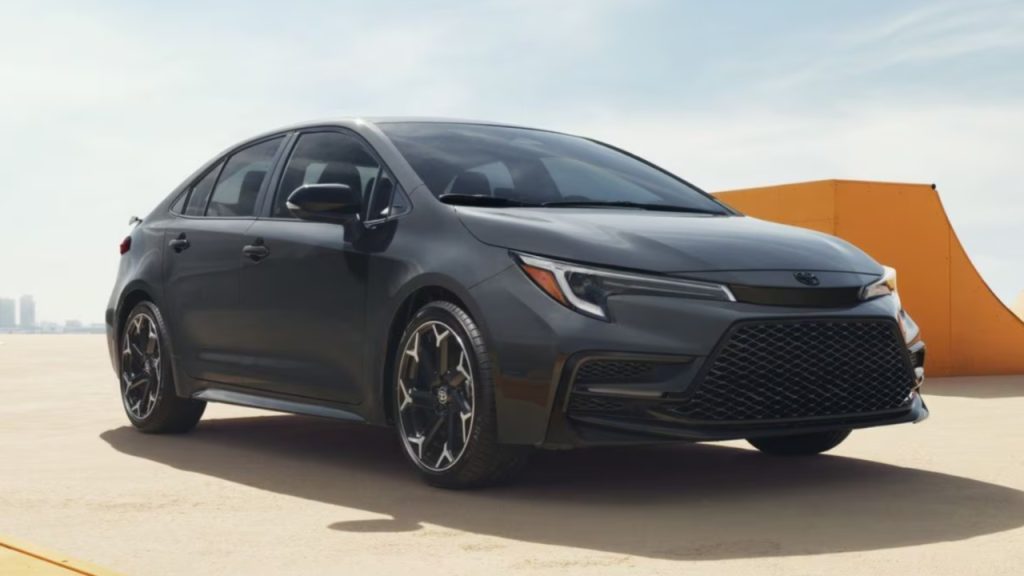
Interior ergonomics further demonstrate the success of simplicity. Seats are comfortable, controls are logically arranged, and technology though available, is straightforward to use. Drivers are not overwhelmed by excessive menus, touchscreens, or electronic systems, ensuring a smooth and intuitive ownership experience.
The Toyota Corolla shows that prioritizing simplicity and reliability creates a vehicle that appeals to a wide audience, retains value, and provides a dependable, low-stress driving experience. Its enduring popularity underscores that a well-executed simple design never truly fails.
3. Honda Civic
The Honda Civic is a standout example of how simplicity can deliver long-term reliability and practicality. Its design emphasizes functionality over unnecessary complexity, providing a user-friendly experience for drivers of all skill levels.
Controls are logically arranged, the dashboard is clear, and infotainment systems are straightforward, allowing drivers to focus on the essentials of operating the vehicle.
Performance is balanced and dependable. The Civic’s engines provide adequate power for commuting and highway driving while maintaining excellent fuel efficiency.
Handling is predictable, making the car easy to maneuver in city traffic or on long trips. Its suspension is tuned for comfort and stability rather than sporty excess, reinforcing the idea that simplicity does not compromise usability.
Maintenance and reliability are key strengths. The Civic uses proven components, minimizing mechanical issues and keeping repair costs low.
Parts are widely available, and routine servicing is uncomplicated, which enhances ownership satisfaction. The simplicity of its engineering ensures that it remains a dependable vehicle over many years, contributing to strong resale value.
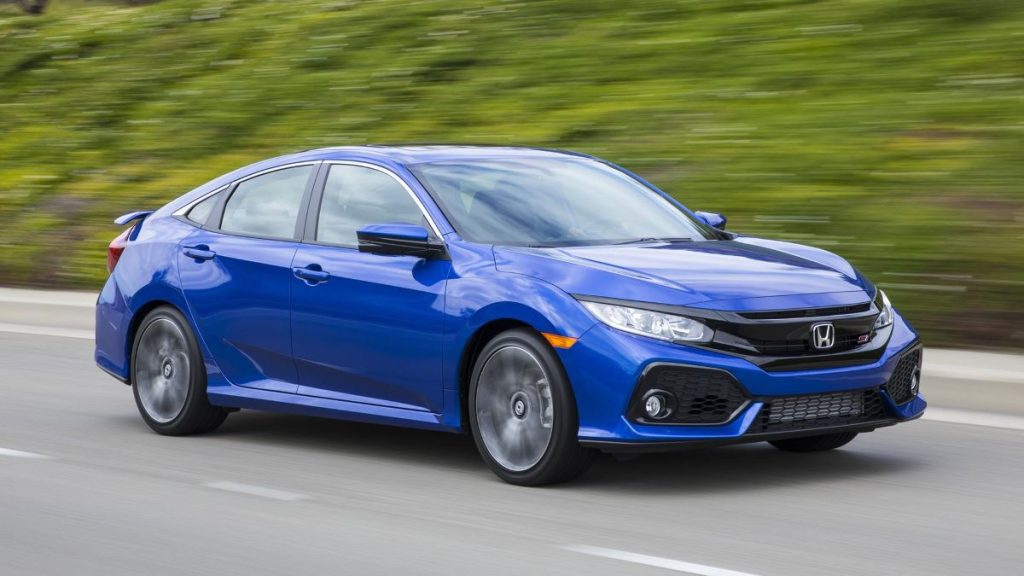
The interior is designed to be intuitive. Seats are comfortable, controls are easy to reach, and technology is accessible without being overwhelming. This approach ensures that the driver can operate the car confidently without distractions, highlighting the advantages of a straightforward design philosophy.
The Honda Civic demonstrates that simplicity, reliability, and thoughtful engineering can create a vehicle that meets the needs of a broad audience.
Its enduring popularity and consistent sales illustrate that focusing on core functionality and user experience often delivers more value than adding complex systems or unnecessary features.
4. Volkswagen Golf
The Volkswagen Golf is a practical and reliable compact car that showcases the benefits of simplicity in design. Its clean, functional interior prioritizes usability, with an intuitive layout that minimizes distractions for the driver. Controls are clearly marked, the dashboard is straightforward, and essential features are easy to access.
The Golf’s performance is dependable without being overcomplicated. Its engines offer sufficient power for daily driving while maintaining fuel efficiency.
Handling is precise and predictable, and the suspension is tuned to provide comfort and stability. This ensures that the car is approachable for new drivers while remaining enjoyable for those who value responsive handling.
Simplicity extends to maintenance and ownership. The Golf’s mechanical systems are reliable, parts are accessible, and repairs are generally straightforward. The straightforward design reduces the risk of electronic failures, keeping long-term ownership costs manageable.
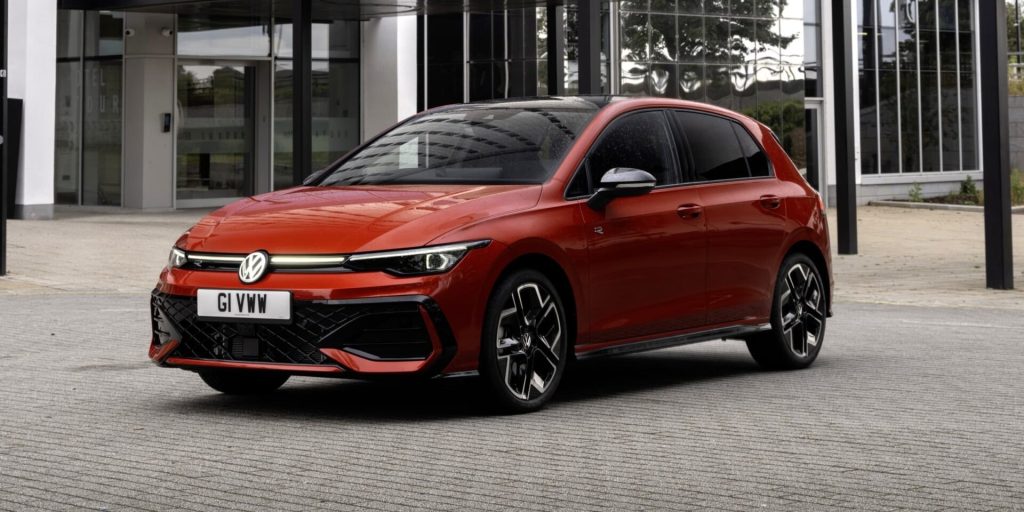
Ergonomics further enhance the driving experience. Comfortable seating, ample visibility, and practical storage solutions make the Golf a versatile choice for commuting, errands, or longer trips. The combination of reliability, ease of use, and practicality contributes to the Golf’s enduring appeal across multiple generations.
By focusing on essential functionality rather than unnecessary complexity, the Volkswagen Golf proves that simplicity creates vehicles that are enjoyable, dependable, and user-friendly. Its approach highlights why thoughtful restraint in design often leads to long-term success.
5. Toyota Camry
The Toyota Camry demonstrates that simplicity and practicality can deliver long-term satisfaction and broad appeal. Its design emphasizes intuitive operation, predictable performance, and reliability.
Controls are easy to understand, the dashboard layout is clean, and essential features are immediately accessible, allowing drivers to focus on driving rather than learning complicated systems.
Performance is balanced for everyday use. The Camry’s engines provide adequate power for commuting and highway driving while offering excellent fuel efficiency. The suspension is tuned for comfort and stability, and handling is predictable, ensuring a smooth and confident driving experience.
Reliability and durability are central to the Camry’s design. Proven mechanical components, a straightforward drivetrain, and minimal reliance on overly complex electronics reduce maintenance issues and long-term repair costs. This reliability enhances ownership confidence and contributes to strong resale value.
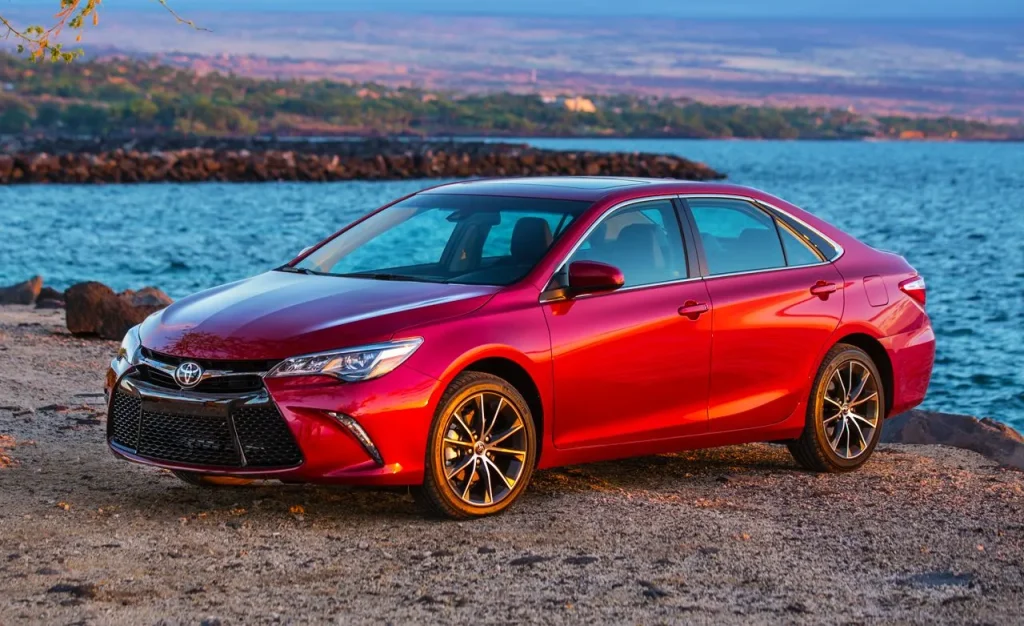
Interior ergonomics support practical usability. Comfortable seats, logical control placement, and clear displays make the car approachable for new drivers while providing a pleasant experience for long-term owners.
Optional technology and safety features are easy to use and do not overwhelm the driver, reinforcing the value of simplicity.
The Toyota Camry proves that focusing on core functionality, reliability, and practical design results in a vehicle that resonates with a wide audience. Its enduring popularity demonstrates that simplicity, when executed thoughtfully, can create a car that delivers satisfaction, dependable performance, and lasting value.
5 Cars That Overcomplicate
While simplicity often leads to reliability, clarity, and an enjoyable driving experience, some vehicles take the opposite approach. These cars overcomplicate design, technology, or operation, creating challenges for drivers and reducing overall satisfaction.
Excessive features, overly complex controls, and intricate systems can distract the driver, increase maintenance concerns, and make ownership less straightforward.
Overcomplication can appear in several ways. Infotainment systems with multiple layers of menus, overly sensitive touchscreens, and excessive electronic aids can overwhelm drivers, making basic tasks like adjusting climate settings or navigation needlessly complicated.
Mechanical complexity, such as multi-mode transmissions, advanced hybrid systems, or intricate suspension setups, can increase the risk of repairs and raise long-term ownership costs. Even interior layouts that prioritize style over ergonomics may confuse users or reduce practical usability.
Cars that overcomplicate often aim to impress with technology or performance features but fail to balance them with clarity and user-friendliness.
Buyers may encounter steep learning curves, and reliability can suffer if systems are prone to glitches or require specialized maintenance. Over-engineered vehicles can alienate drivers who value practicality and straightforward operation, making these cars less appealing to a broad audience.
This article examines five vehicles that exemplify the pitfalls of overcomplication. Each model will be analyzed for design, technology, and user experience, highlighting where complexity detracts from functionality and ownership satisfaction.
By reviewing these cars, readers can understand the drawbacks of over-engineered systems and appreciate why some innovations may hinder rather than enhance the driving experience.
These examples demonstrate that while advanced features and intricate design may seem impressive, too much complexity can reduce usability, reliability, and overall enjoyment.
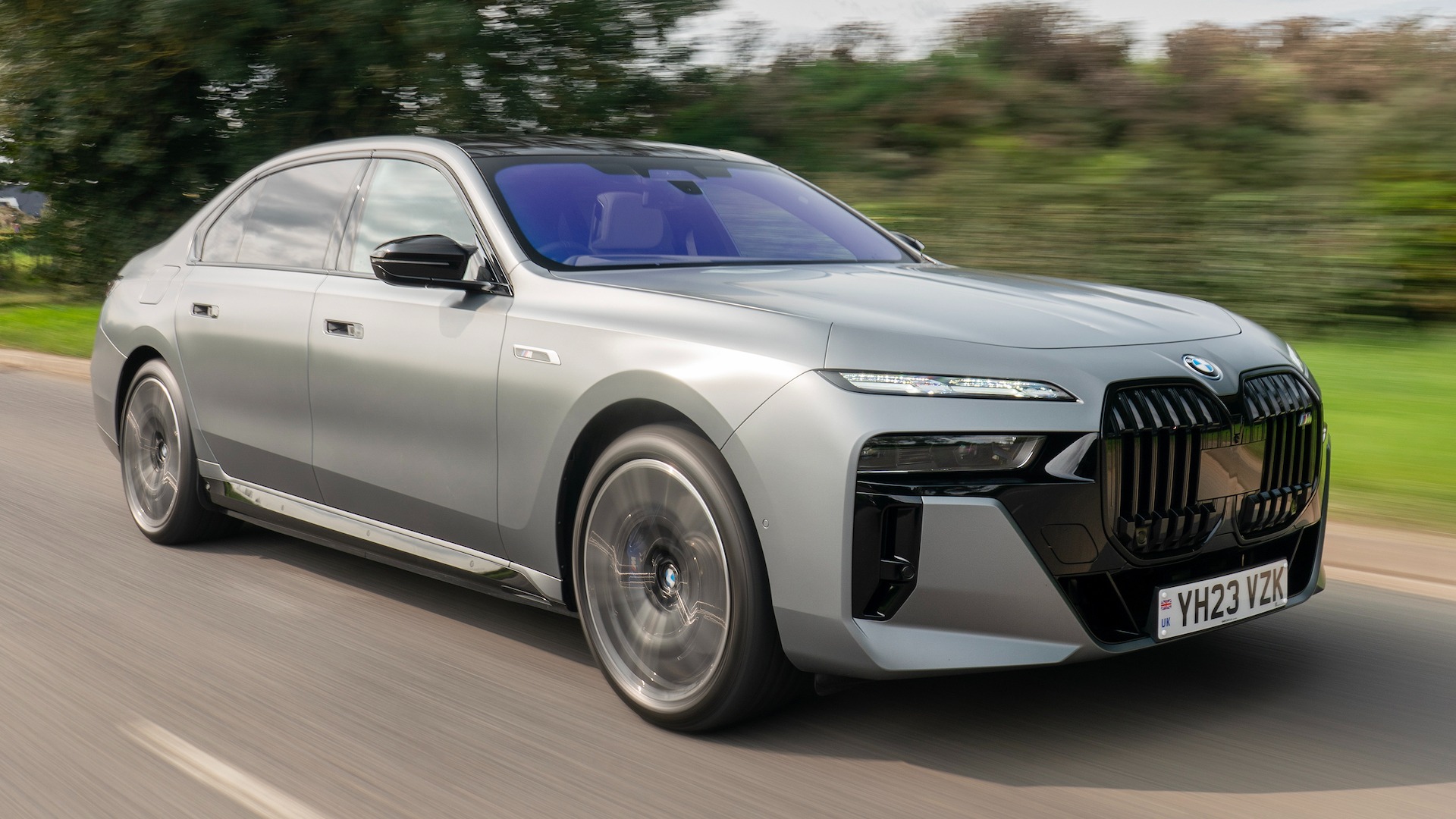
1. BMW 7 Series
The BMW 7 Series is a luxury sedan that showcases advanced technology and engineering, but its sheer complexity can overwhelm drivers. The cabin is filled with multiple digital displays, touch-sensitive controls, gesture-based systems, and countless electronic options.
While these features are impressive on paper, they can distract drivers and make simple tasks like adjusting temperature, media, or navigation more complicated than necessary.
Performance options also contribute to complexity. The 7 Series offers multiple engine choices, advanced air suspension, adaptive driving modes, and a host of electronically controlled systems.
While these enhance comfort and handling for those familiar with the vehicle, they require drivers to understand numerous modes and settings to operate the car effectively. For a new or average driver, mastering all these options can be confusing.
Maintenance and reliability concerns are another drawback. With so many electronic systems, repairs can be costly and time-consuming.
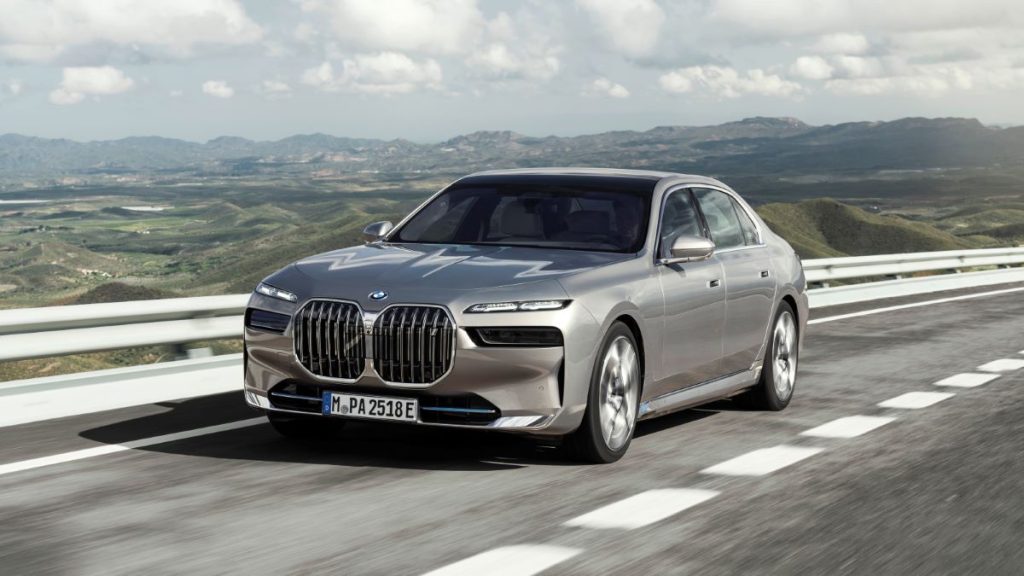
Sensors, software updates, and electronic controls add layers of potential issues that are rarely present in simpler vehicles. Even routine servicing may require specialized attention, further emphasizing the challenges of owning a complex luxury car.
While the BMW 7 Series delivers exceptional performance, comfort, and technology, its overcomplicated interior, numerous driving modes, and reliance on intricate electronics demonstrate how excess complexity can make ownership less approachable.
Drivers who value straightforward operation may find this sedan intimidating, highlighting the pitfalls of over-engineering in modern luxury vehicles.
2. Tesla Model S
The Tesla Model S offers groundbreaking electric performance and technology, but its overcomplication can hinder usability for some drivers.
The vehicle relies heavily on a central touchscreen for nearly all functions, including climate control, navigation, media, and driving settings. This minimal reliance on physical buttons can make everyday tasks cumbersome and distract drivers from focusing on the road.
Autopilot and advanced driver-assistance features add additional layers of complexity. While these systems provide convenience, they require a thorough understanding of limitations, software updates, and operating procedures.
Drivers unfamiliar with the technology may feel unsure about when and how to use the features safely, leading to a steeper learning curve than conventional vehicles.
Performance settings, regenerative braking controls, and battery management options further contribute to the Model S’s intricate operation. While these elements enhance efficiency and driving dynamics for experienced users, they can confuse drivers who prefer straightforward, predictable vehicle operation.
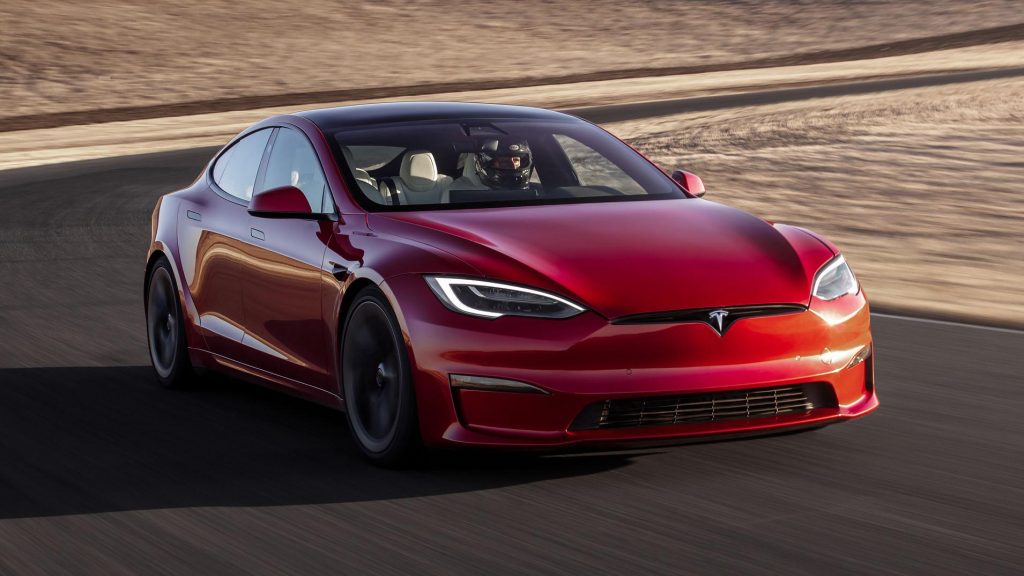
Maintenance and troubleshooting also reflect the complexity of the car. Software updates, specialized service centers, and reliance on advanced electronics can complicate repairs and increase costs compared with traditional vehicles.
The Tesla Model S demonstrates how overcomplication can challenge drivers despite innovative technology and exceptional performance.
While it offers advanced features, its heavy reliance on digital controls and sophisticated systems can make daily use less intuitive, highlighting the risks of over-engineering in modern vehicles.
3. Mercedes-Benz S-Class
The Mercedes-Benz S-Class is widely regarded for its luxury and advanced technology, but its sophistication often translates into overcomplication.
The cabin is filled with multiple screens, touch-sensitive controls, and a range of electronic adjustments for seats, climate, and driving modes. While these features provide customization and comfort, they can overwhelm drivers who prefer intuitive, straightforward operation.
Driving the S-Class requires understanding various systems, including adaptive suspension modes, steering adjustments, and driver-assistance technologies.
While these systems improve performance and safety when properly used, they demand attention and learning, which can distract from the primary driving experience. Even simple tasks like adjusting settings or toggling features can become time-consuming due to layered menus and controls.
Maintenance and long-term reliability can also be affected by complexity. The extensive electronics, sensors, and software systems are prone to failures or require specialized servicing, increasing ownership costs and potential downtime.
Parts replacement and troubleshooting may be more complicated than in simpler vehicles, reflecting the consequences of over-engineering.
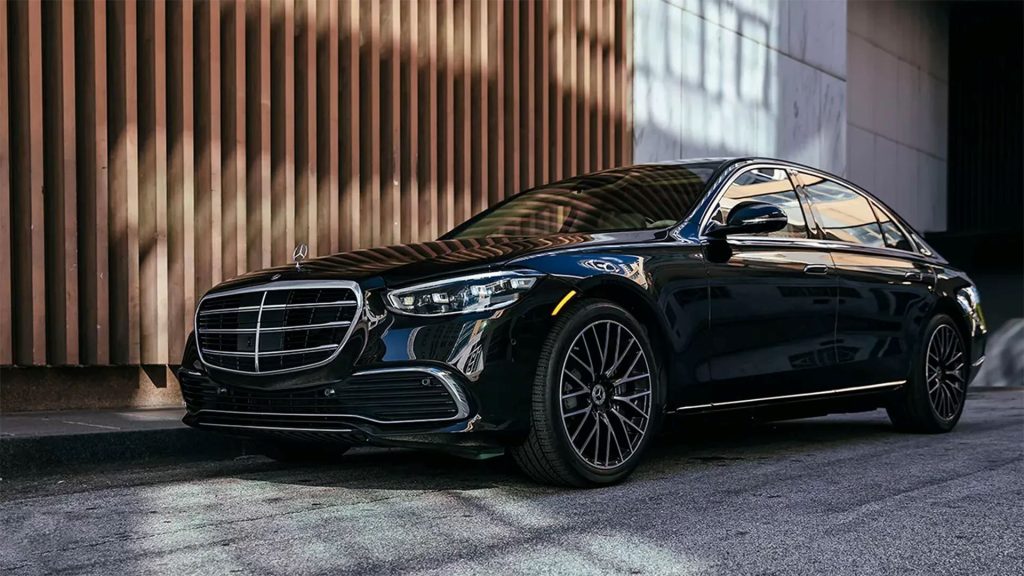
Despite these challenges, the S-Class remains a benchmark for luxury and innovation. However, its intricate systems and reliance on electronic features demonstrate that too much complexity can reduce accessibility and usability.
Drivers who value simplicity may find the vehicle intimidating, highlighting the trade-offs of advanced engineering in high-end cars.
4. Audi A8
The Audi A8 is a luxury sedan that emphasizes technological innovation, but its intricate design can make it less user-friendly. The vehicle includes multiple digital displays, touch-sensitive surfaces, and complex infotainment systems.
While these components offer advanced functionality, navigating them can be confusing, particularly for drivers who prefer straightforward controls.
Driving modes, adaptive suspension, and electronic steering adjustments add to the vehicle’s complexity. While these features optimize comfort and handling, they require drivers to understand how to use them properly, which can be overwhelming. Even minor adjustments often involve navigating layered menus, reducing immediacy and intuitive operation.
Ownership costs reflect the consequences of complexity. The Audi A8 relies heavily on electronics and sensors, making repairs and maintenance more specialized and expensive. Software updates and system calibration further increase the level of attention needed to maintain peak performance.
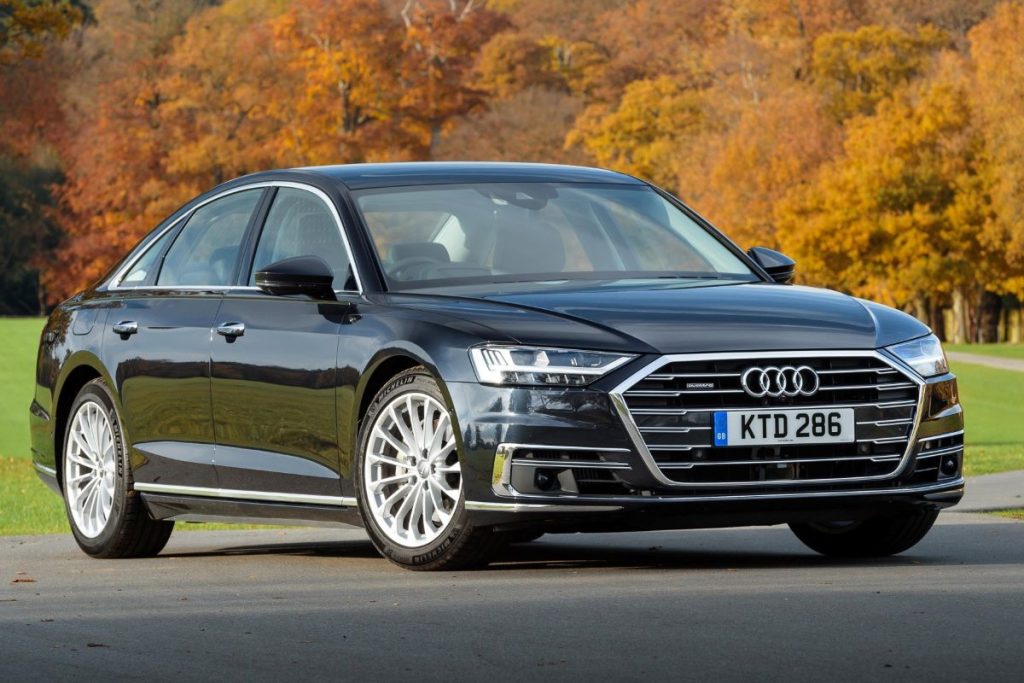
Although the A8 delivers impressive performance, luxury, and safety, its overcomplicated interior and intricate systems illustrate how excessive technology can detract from usability.
The vehicle appeals to enthusiasts who enjoy advanced features, but casual drivers may find it unnecessarily complex for daily use.
5. Cadillac Escalade
The Cadillac Escalade is a large luxury SUV with abundant technology and electronic systems, but it often overcomplicates the driving experience.
Its interior is filled with multiple touchscreens, digital displays, and advanced infotainment controls, requiring drivers to navigate several layers to access even basic functions like climate settings or media adjustments.
Performance features, such as adjustable suspension, advanced safety systems, and multiple drive modes, enhance comfort and capability but increase the learning curve. Drivers must understand and manage numerous electronic systems, which can be overwhelming in everyday driving scenarios.
Maintenance and reliability are affected by this complexity. With numerous sensors, software-controlled systems, and specialized electronic components, repairs can be expensive and time-consuming.
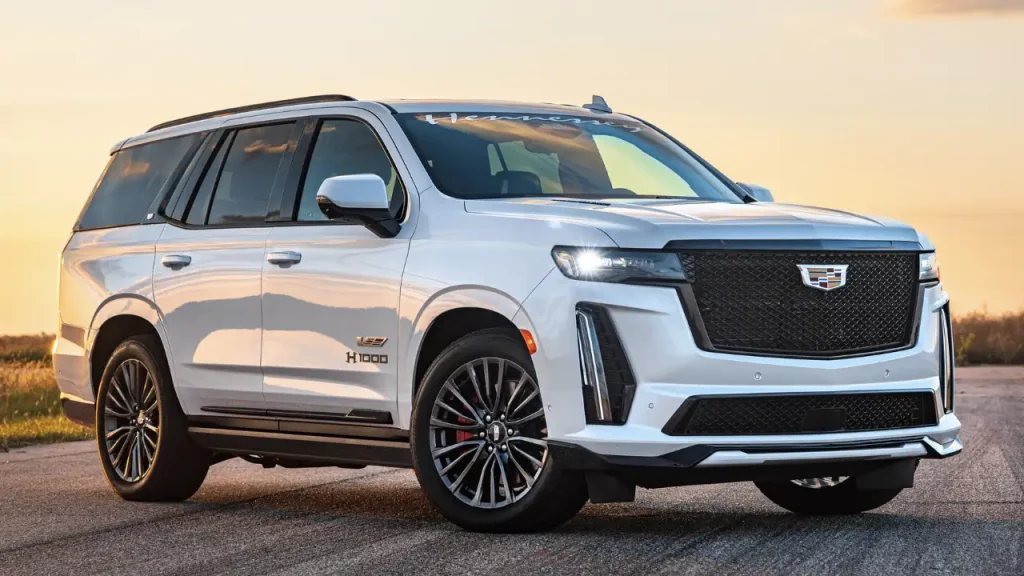
Owners may require access to specialized service centers to maintain optimal operation, which contrasts with simpler SUVs that are easier to manage.
Despite its luxury, comfort, and capability, the Escalade’s over-engineered systems demonstrate the pitfalls of excessive technology.
While it impresses with features and innovation, its complexity can hinder usability and reduce straightforward enjoyment, highlighting why less complicated vehicles often provide a more satisfying and practical ownership experience.
The contrast between cars that embrace simplicity and those that overcomplicate reveals important insights about design, usability, and ownership satisfaction. Vehicles that prioritize simplicity focus on intuitive operation, reliability, and a clear driving experience.
By minimizing unnecessary complexity, these cars allow drivers to concentrate on essential aspects such as handling, ergonomics, and practical performance.
In contrast, vehicles that overcomplicate often overwhelm drivers with excessive features, intricate controls, and sophisticated technology, which can diminish usability and create potential maintenance challenges.
Cars like the Mazda MX-5 Miata, Toyota Corolla, Honda Civic, Volkswagen Golf, and Toyota Camry demonstrate how simplicity can succeed.
The Miata, for instance, delivers an engaging driving experience without relying on elaborate electronics, emphasizing balance, steering feedback, and mechanical purity.
Similarly, the Corolla and Civic provide reliable performance, straightforward controls, and practical design, making them accessible to a wide audience.
The Golf and Camry follow the same principles, offering intuitive interiors, dependable engines, and user-friendly features that minimize frustration.
These vehicles prove that simplicity supports long-term reliability, lower maintenance costs, and enjoyable ownership. Their uncluttered design ensures drivers can focus on the road while benefiting from practical comfort and performance.
On the other hand, cars like the BMW 7 Series, Tesla Model S, Mercedes-Benz S-Class, Audi A8, and Cadillac Escalade exemplify the pitfalls of overcomplication.
These vehicles incorporate advanced technology, multiple digital displays, and extensive electronic systems, often creating steep learning curves for drivers.
The 7 Series and S-Class use complex driving modes and touch-sensitive controls that, while innovative, can distract from the driving experience.
Tesla’s reliance on a central touchscreen and sophisticated Autopilot features may overwhelm new users, and the Audi A8’s layered infotainment system adds extra steps to routine tasks.
The Cadillac Escalade combines multiple touchscreens and electronically controlled systems, complicating basic vehicle operation. Over-engineering in these vehicles increases the likelihood of maintenance issues, higher repair costs, and reduced accessibility for average drivers.
The comparison highlights several lessons. Simplicity enhances reliability, ease of use, and driver satisfaction. Cars that focus on essential functions, intuitive controls, and practical engineering often retain value and deliver consistent performance.
Overcomplicated vehicles may offer impressive features, but excessive technology can distract drivers, complicate maintenance, and limit appeal.
For designers and buyers alike, the key takeaway is that thoughtful restraint often produces better overall experiences than attempting to impress with complexity.
Ultimately, the examples demonstrate that less can be more. Cars that embrace simplicity succeed by providing dependable, user-friendly, and enjoyable experiences, while those that overcomplicate risk frustrating drivers and reducing long-term satisfaction.
Focusing on core functionality, clarity, and reliability proves that simplicity is not just effective it often outperforms complexity in real-world ownership.
Also Read: 5 JDM Legends That Live Forever vs 5 Forgotten Models
