
Crossover vehicles have become a dominant segment in the automotive industry, attracting buyers who want the versatility of an SUV combined with the drivability of a sedan.
While many crossovers successfully balance utility, efficiency, and comfort, not every model achieves this harmony.
Some are thoughtfully engineered, offering practicality and long-term value, while others feel like compromises that satisfy neither drivers nor passengers. Understanding which crossovers work and which do not is essential for anyone considering a new vehicle in this crowded market.
Consumers today prioritize space for passengers, cargo flexibility, fuel efficiency, and reliable handling. Crossovers that succeed are often those that understand their target audience and deliver a coherent package.
These vehicles provide a seamless blend of daily usability and occasional adventure readiness, making them a practical choice for families, commuters, and weekend travelers alike.
On the other hand, crossovers that miss the mark often overpromise and underdeliver, resulting in awkward dimensions, compromised comfort, or confusing design choices. Such vehicles may struggle to justify their price or differentiate themselves from competitors, leaving buyers frustrated.
This article examines ten crossover models, dividing them into two groups: those that truly make sense and those that fail to deliver.
The goal is to highlight what works, why certain vehicles have earned their reputations, and how design, performance, and functionality influence their appeal.
By comparing these examples, readers can gain insight into the factors that create a balanced crossover experience versus those that lead to disappointment.
Each model is analyzed individually to explain its strengths or weaknesses, providing a clear picture of the decisions that matter when selecting a crossover.
Also Read: 5 Cars With Smart Features vs 5 With Pointless Gimmicks
5 Crossovers That Actually Make Sense
Not all crossovers are created equal. While the segment is crowded with options promising versatility and efficiency, only a few manage to deliver on these promises without compromise.
Crossovers that actually make sense succeed by combining practicality, reliability, and a thoughtful design that aligns with the expectations of real-world drivers.
They avoid unnecessary gimmicks, focus on usability, and provide a balanced experience whether you are commuting, running errands, or taking a road trip.
These vehicles typically excel in several core areas. Interior space is a key factor, as a crossover must comfortably carry passengers while offering flexible cargo solutions. Fuel efficiency and performance also matter, ensuring that the vehicle is economical to operate while remaining enjoyable to drive.
Additionally, long-term reliability is crucial; a crossover that demands constant repairs or suffers from poor build quality quickly loses its appeal. Finally, intelligent technology and safety features enhance usability without overwhelming the driver with complexity.
The following five crossovers represent models that achieve this balance successfully. Each one has earned its place by thoughtfully addressing the practical needs of buyers while avoiding the pitfalls that many others encounter.
They demonstrate that it is possible to have a crossover that is spacious, efficient, safe, and reliable, all without sacrificing comfort or drivability.
By highlighting these vehicles individually, we can see how each manages to combine functionality and performance into a coherent package, making them smart choices for buyers who want a dependable, versatile, and enjoyable vehicle.
These crossovers prove that sensible design and careful engineering still matter in a segment that sometimes prioritizes style or novelty over substance.
1. Toyota RAV4
The Toyota RAV4 is often regarded as a benchmark for practicality and reliability in the crossover segment. Its combination of efficient powertrains, well-designed interior, and spacious cargo area makes it an appealing choice for families and daily commuters alike.
The RAV4 balances ride comfort with competent handling, ensuring that it remains agile in city traffic while still feeling stable on highways. Toyota’s reputation for long-term durability further enhances its value proposition, making it a vehicle that owners can rely on for years without significant issues.
One of the RAV4’s strongest points is its versatility. The interior layout is thoughtfully configured to accommodate both passengers and cargo, with rear seats that fold flat to provide substantial storage space.
Advanced safety features, such as adaptive cruise control, lane-keeping assist, and automatic emergency braking, come standard on most trims, making it an excellent choice for safety-conscious buyers.
Additionally, the availability of a hybrid variant adds fuel efficiency without sacrificing performance, appealing to those who want an environmentally friendly option.
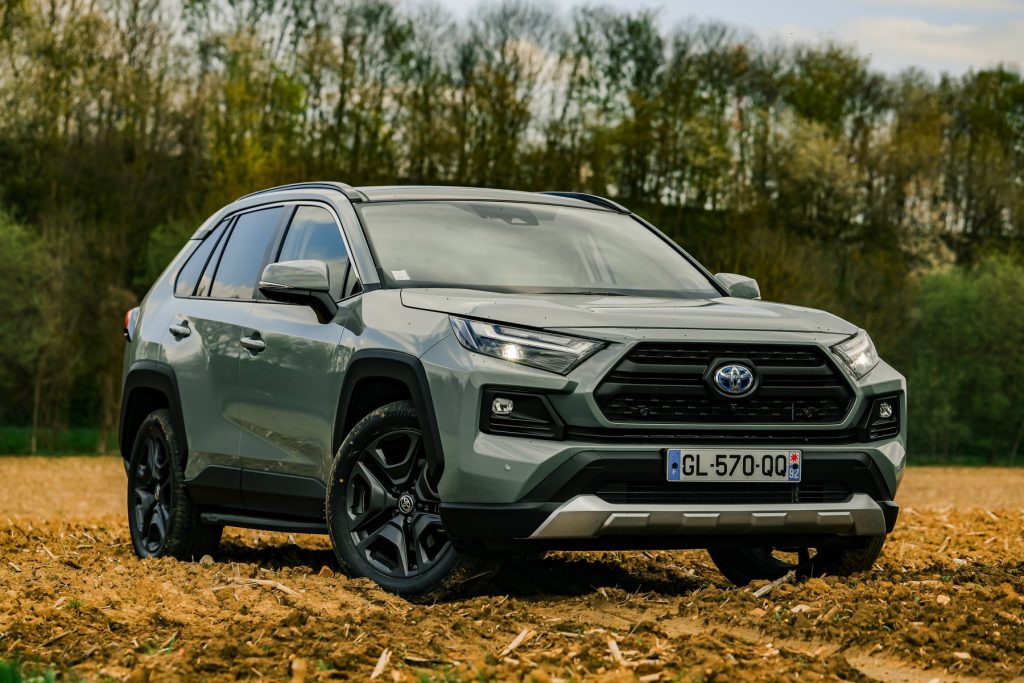
The RAV4 also succeeds because it avoids excessive complexity. It doesn’t attempt to be all things at once but rather focuses on delivering a cohesive experience that meets the core needs of crossover buyers.
Its well-balanced ride, dependable mechanics, and clear design logic exemplify what a sensible crossover should provide.
By maintaining a focus on practicality without overcomplicating features or aesthetics, the RAV4 stands out as a model that genuinely makes sense for a broad audience.
2. Honda CR-V
The Honda CR-V has consistently demonstrated why thoughtful engineering matters in the crossover segment. Known for its roomy interior, comfortable seating, and intuitive controls, the CR-V offers a user-friendly driving experience that appeals to a wide range of buyers.
Its fuel efficiency, particularly in the turbocharged and hybrid models, ensures that daily commutes are economical, while the smooth suspension keeps longer drives pleasant. Reliability is another key factor, as Honda vehicles are often noted for low maintenance costs and long-term durability.
The CR-V also delivers smart utility. Rear seats fold flat easily, creating a versatile cargo area that can accommodate groceries, sports gear, or larger items without hassle. Storage compartments throughout the cabin further enhance convenience, ensuring that passengers have easy access to essentials during trips.
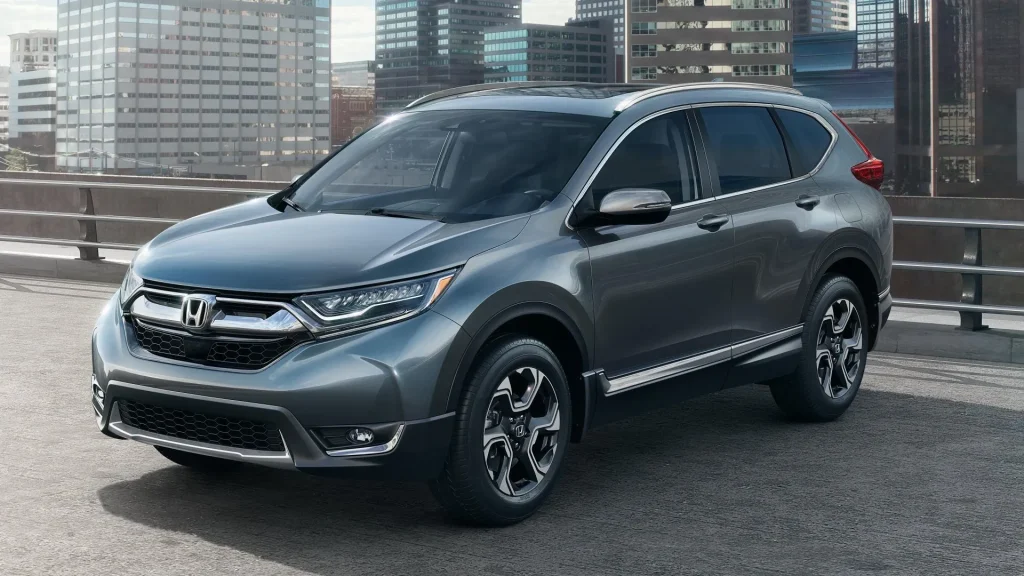
Advanced driver assistance systems, including collision mitigation braking and lane-keeping assist, come standard on most trims, demonstrating Honda’s commitment to safety without adding unnecessary complexity.
Beyond practical features, the CR-V offers a well-proportioned and approachable design. It avoids aggressive styling trends that might alienate traditional buyers while maintaining a modern, clean aesthetic.
Its combination of comfort, efficiency, and reliability makes it a sensible choice for families, commuters, and anyone seeking a no-nonsense crossover that excels at fulfilling its intended purpose.
The CR-V proves that thoughtful execution and attention to core needs can result in a vehicle that simply works, without relying on gimmicks or over-the-top features.
3. Mazda CX-5
The Mazda CX-5 stands out in the crossover market for its combination of driving enjoyment and practicality.
Unlike many crossovers that prioritize space at the expense of handling, the CX-5 delivers responsive steering, composed handling, and a refined suspension that makes daily commuting and long drives equally comfortable.
Its turbocharged engine option adds a satisfying punch without dramatically impacting fuel efficiency, giving drivers a balanced mix of performance and economy.
Interior design is another area where the CX-5 shines. Premium materials, ergonomic controls, and a well-laid-out cabin create a sense of quality rarely found in this segment.
Rear seating provides adequate legroom for adults, and the cargo area, while not the largest in its class, is cleverly configured for versatility.
Infotainment and safety systems are intuitive and well-integrated, including features like adaptive cruise control, blind-spot monitoring, and automatic emergency braking, which enhance convenience and security without overwhelming the driver.
What makes the CX-5 particularly sensible is its consistency. Every aspect of the vehicle is designed with purpose, from the smooth ride to the thoughtful interior storage.

It avoids excessive gimmicks or over-the-top styling, instead focusing on delivering an experience that appeals to a wide range of buyers.
Families, professionals, and empty-nesters alike can find value in the CX-5 because it is reliable, enjoyable to drive, and practical enough to handle day-to-day tasks.
Its reputation for durability further strengthens its appeal, ensuring owners receive a crossover that continues to make sense for years.
4. Subaru Forester
The Subaru Forester has long been recognized as a sensible choice for buyers seeking a capable, practical, and safe crossover. Its standard all-wheel-drive system provides confidence in all weather conditions, making it particularly appealing in regions with rain, snow, or rough terrain.
While not designed for extreme off-roading, the Forester can handle light trails and gravel roads with ease, giving it a versatility that few competitors match.
Inside, the Forester emphasizes space and utility. Rear passengers enjoy generous legroom and headroom, while the cargo area is among the largest in the segment, accommodating everything from luggage to sports equipment.
The interior is functional, with logically arranged controls and ample storage compartments for personal items.
Subaru also equips the Forester with the EyeSight suite of safety technologies, which includes adaptive cruise control, lane departure warning, and pre-collision braking, helping drivers stay safe in everyday traffic.
What makes the Forester a smart crossover is its clear purpose: it delivers reliability, practicality, and peace of mind without unnecessary complexity.
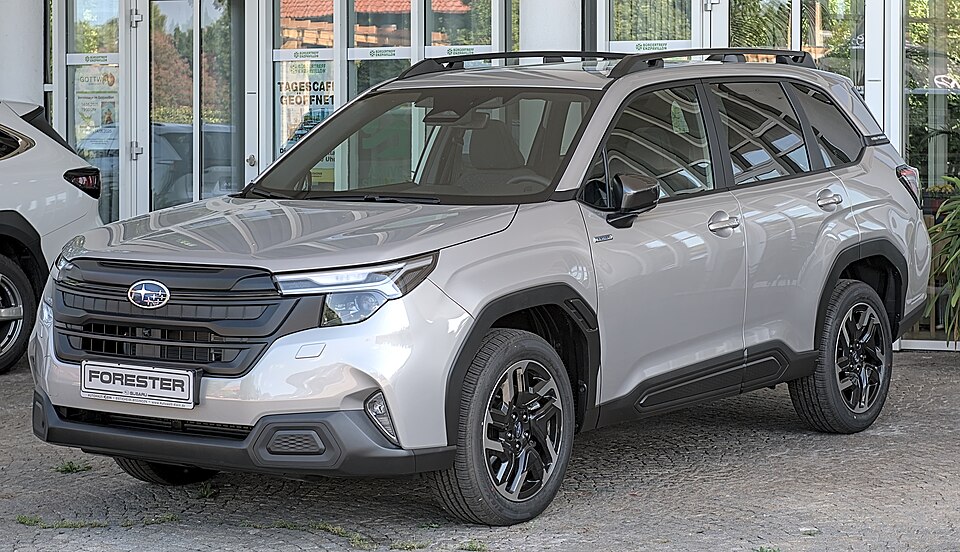
Its efficient fuel economy, solid construction, and thoughtful features cater directly to families, outdoor enthusiasts, and commuters who value functionality over flash.
The Forester’s reputation for durability, coupled with its balanced performance and utility, positions it as a crossover that makes sense for anyone seeking a dependable, versatile, and safe vehicle. It proves that a crossover doesn’t need to be flashy to succeed it only needs to do what it promises exceptionally well.
5. Hyundai Tucson
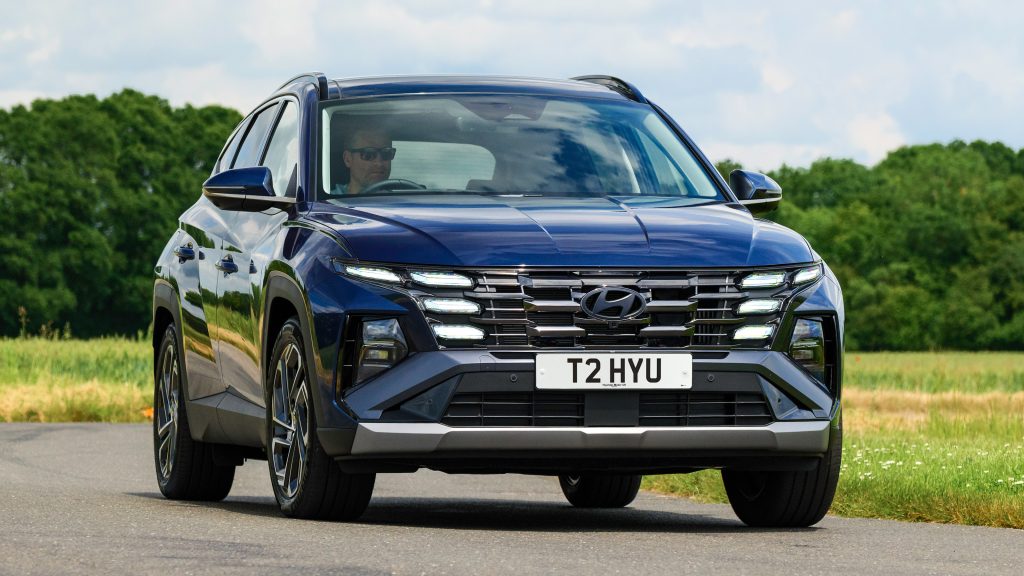
The Hyundai Tucson has emerged as a strong contender in the crossover segment due to its thoughtful balance of style, functionality, and reliability.
Unlike many vehicles that sacrifice comfort for aesthetics, the Tucson offers a comfortable and quiet cabin with well-padded seats and a user-friendly layout.
Its smooth ride quality, composed handling, and efficient powertrain options make it suitable for daily commuting as well as longer journeys, creating a well-rounded experience for drivers and passengers alike.
Practicality is central to the Tucson’s appeal. Rear seats fold flat to expand cargo capacity, making it easy to transport larger items such as bicycles or camping gear.
The cabin includes multiple storage solutions, including door bins, cupholders, and a spacious center console, ensuring everyday essentials are always within reach.
Infotainment and connectivity features, including a touchscreen interface, smartphone integration, and available navigation, are designed for simplicity and accessibility rather than gimmicks, which adds to the overall ease of use.
Safety also plays a key role in why the Tucson makes sense as a crossover choice. Hyundai equips the Tucson with a suite of driver-assistance features, such as forward collision-avoidance assist, lane-keeping assist, and driver attention warning, contributing to confidence on every drive.
Fuel-efficient engine options, including hybrid variants, provide economical operation without compromising performance, appealing to environmentally conscious buyers and those seeking lower running costs.
The Tucson succeeds because it focuses on meeting the core needs of buyers. It delivers versatility, comfort, efficiency, and safety without overcomplicating the driving experience.
Families, commuters, and individuals who prioritize practicality will find value in a crossover that performs consistently, offers a thoughtful design, and comes with a reputation for reliability.
The Hyundai Tucson demonstrates that when a vehicle emphasizes purpose and quality, it can offer a crossover experience that genuinely makes sense for a wide audience.
5 Crossovers That Don’t
While some crossovers succeed by blending practicality, comfort, and reliability, others fall short, leaving buyers questioning the logic behind their design.
These vehicles often make compromises that undermine their core purpose, creating a mismatch between style, performance, and usability. In many cases, the result is a crossover that is awkward to drive, uncomfortable for passengers, or inefficient in day-to-day operation.
Understanding why certain models fail is as important as knowing which ones work, especially for buyers navigating a crowded segment with numerous options.
Crossovers that don’t make sense often share common traits. They may prioritize flashy design over functional space, resulting in cramped cabins or awkward cargo layouts. Some have underpowered engines that struggle with heavier loads, while others compromise handling or ride quality to achieve a trendy exterior.
Overly complex infotainment systems or inconsistent safety features can further diminish the overall experience. These missteps highlight the challenge of creating a crossover that balances aesthetics, practicality, and performance effectively.
The following five crossovers have been chosen because they illustrate where design and execution miss the mark. Each vehicle faces distinct shortcomings, whether in efficiency, comfort, usability, or reliability.
By analyzing these models, buyers can see how misaligned priorities, excessive compromises, or poor engineering decisions can result in a vehicle that fails to deliver on expectations. These examples serve as cautionary tales, emphasizing that not every crossover that looks appealing or offers trendy features is worth the investment.
By highlighting the specific areas where these vehicles fall short, this article aims to provide insight into what to avoid when choosing a crossover. Each model will be examined individually, explaining why it struggles to make sense in the current market.
This approach allows for a clearer understanding of the pitfalls that can turn a promising concept into a disappointing ownership experience.
1. Nissan Murano
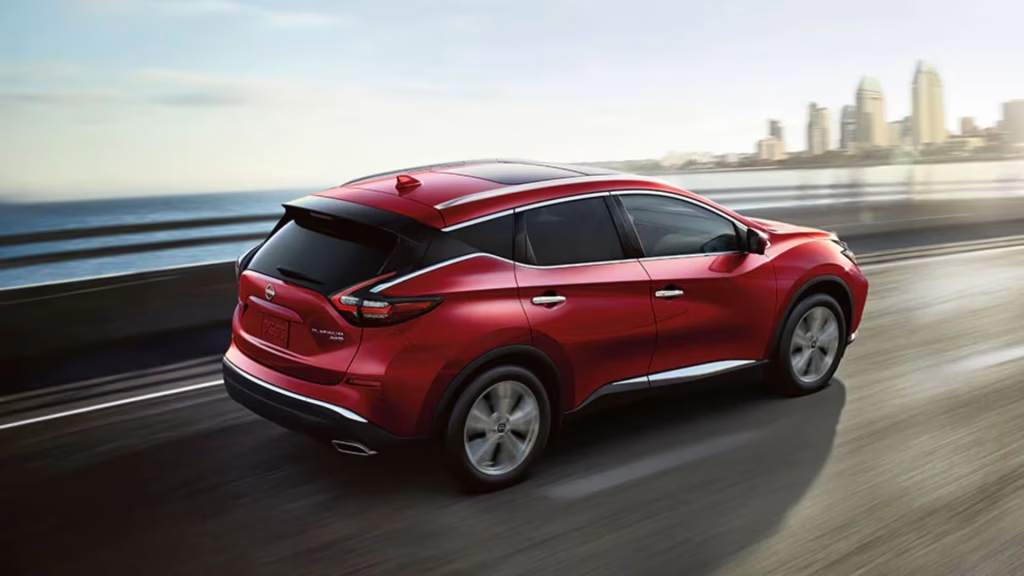
The Nissan Murano is often criticized for its lack of balance between style and practicality. While it boasts a sleek, coupe-like exterior that draws attention, the design comes at a cost to usability.
Rear headroom is limited due to the sloping roofline, making it uncomfortable for taller passengers on longer journeys. Cargo space is also reduced compared with competitors, which undermines one of the primary reasons buyers choose a crossover: versatility.
Performance is another area where the Murano struggles. Its V6 engine provides adequate power for most city driving, but it feels heavy and unresponsive when fully loaded or during highway acceleration.
The continuously variable transmission (CVT), while designed for fuel efficiency, sometimes results in a disconnected driving experience, leaving the driver feeling less in control.
Fuel economy, though competitive for the class, does not offset the compromises in space and handling, making it less practical for families or frequent travelers.
Inside, the Murano offers a stylish but polarizing cabin. While materials feel premium, the layout can be unintuitive, with certain controls positioned awkwardly and infotainment options that require a learning curve.
Technology features are present, but they do not always function seamlessly, which can frustrate users accustomed to more straightforward interfaces.
Overall, the Nissan Murano exemplifies a crossover that prioritizes appearance over practical function. It fails to address the core needs of the typical crossover buyer, such as passenger comfort, cargo versatility, and confident performance.
While it may appeal to those who value design above all else, it leaves others questioning its logic as a daily-use vehicle.
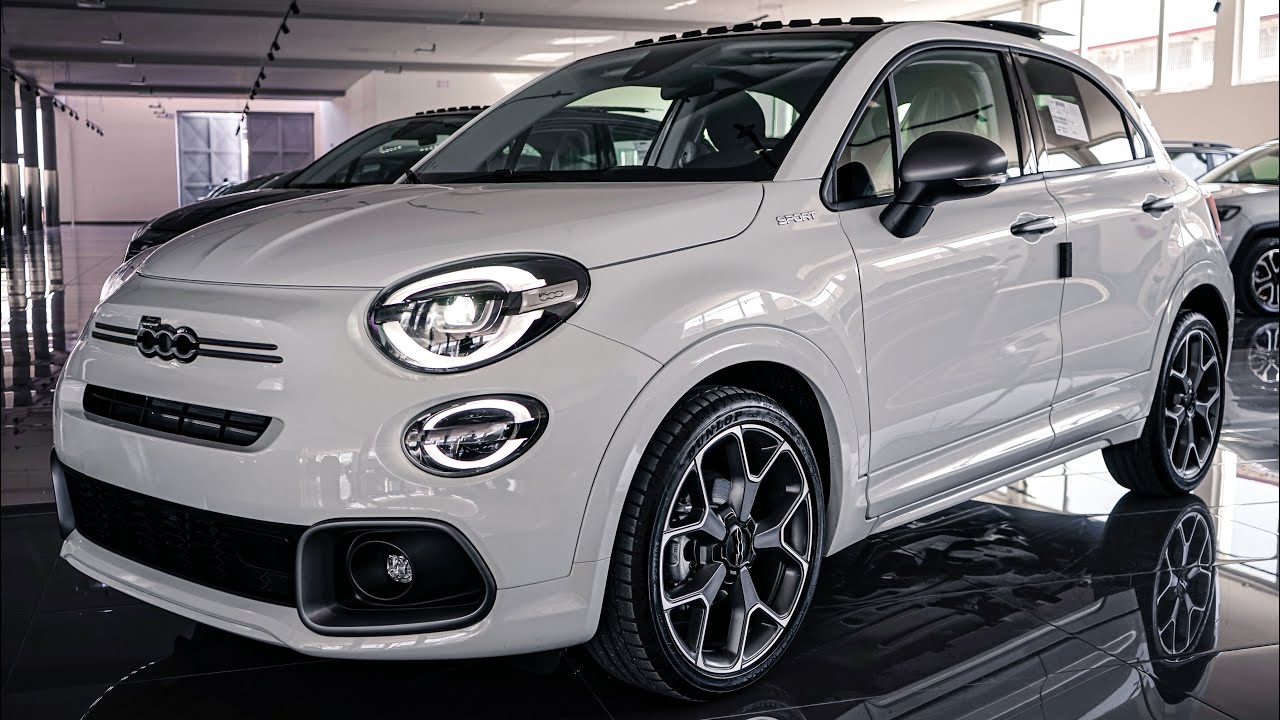
2. Fiat 500X
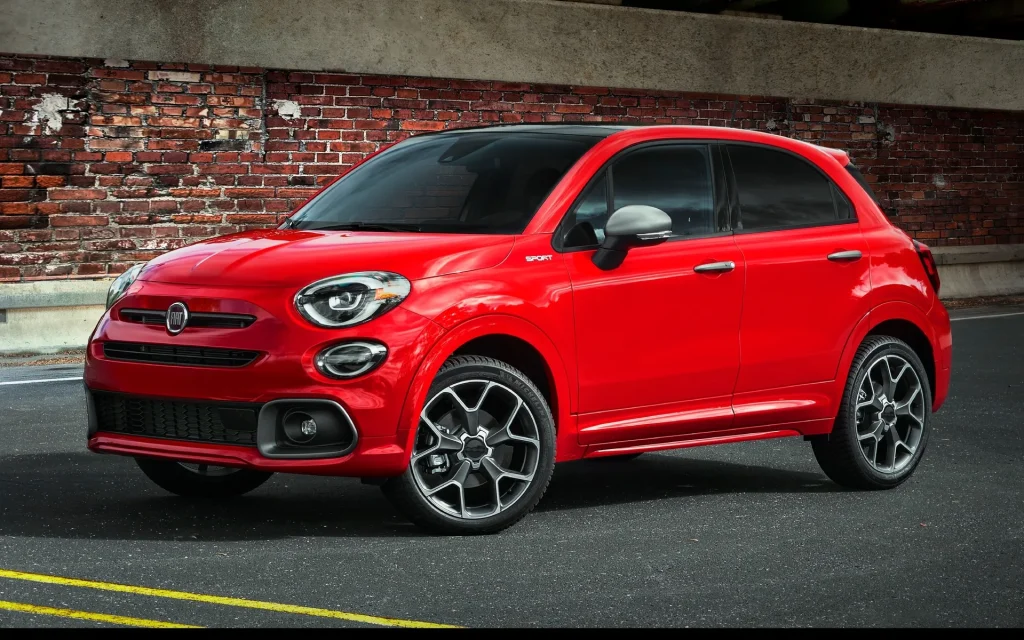
The Fiat 500X attempts to capitalize on the charm of the compact 500 hatchback, but in crossover form, it reveals several shortcomings. Space is one of the most noticeable issues.
Rear passengers face cramped legroom, and the cargo area is limited, which reduces its utility for shopping trips, luggage, or weekend adventures. This lack of space undermines the crossover’s claim to versatility, a core expectation in this segment.
Performance is inconsistent. The base engine is underpowered, resulting in sluggish acceleration, especially when the vehicle is fully loaded. Handling is mediocre, with a soft suspension that produces body roll in corners and a lack of confidence at higher speeds.
While the 500X is small and maneuverable in city traffic, it struggles on highways and longer drives, which limits its practicality for a broader audience.
The interior design is quirky and stylish, but functionality is compromised. Controls can feel cramped, visibility is limited in certain directions, and storage solutions are minimal.
Infotainment systems are basic, lacking the smooth responsiveness and connectivity that modern buyers expect. Safety features are available but not always standard, making it less appealing for families.
In essence, the Fiat 500X prioritizes aesthetics and brand personality over real-world functionality. Its appeal may lie in urban settings or for those seeking a unique design, but as a practical, versatile crossover, it fails to meet expectations.
The compromises in space, performance, and usability make it a difficult choice for buyers looking for a sensible daily vehicle.
3. Chevrolet Trax
The Chevrolet Trax is marketed as a compact, urban-friendly crossover, but its execution leaves much to be desired. While its small size makes it easy to maneuver and park in tight city spaces, the trade-offs in interior space and comfort are significant.
Rear seating is cramped, particularly for adult passengers, and cargo capacity is limited, reducing its versatility for trips or hauling larger items. For a vehicle that calls itself a crossover, this lack of functional space is a major drawback.
Performance is another area of concern. The Trax comes with a small turbocharged engine that struggles under heavy loads, resulting in sluggish acceleration on highways or during overtaking.
The suspension is firm but unsophisticated, producing a bumpy ride over rough roads. Steering feels light but disconnected, which can undermine driver confidence, especially at higher speeds or on winding roads.
Inside, the Trax attempts to balance technology with affordability, but the result is inconsistent. Infotainment is limited in functionality, and controls can feel dated compared with rivals.

While safety features exist, many are reserved for higher trims, meaning that buyers on a budget may not get the full package. Cabin materials, though functional, feel cheap in certain areas, reducing the sense of quality.
Overall, the Chevrolet Trax highlights the pitfalls of prioritizing size and price over usability. Its cramped interior, underwhelming performance, and inconsistent technology make it a crossover that struggles to justify its existence.
It may appeal to those seeking a small urban vehicle, but as a practical, all-around crossover, it fails to meet the expectations of most buyers.
4. Jeep Compass
The Jeep Compass suffers from a mismatch between brand promise and execution. While Jeep is known for off-road capability, the Compass only offers limited proficiency in that area, leaving it unable to handle serious trails.
On regular roads, the Compass exhibits a stiff ride and uninspired handling, which detracts from everyday comfort. Steering lacks precision, and body control in corners is subpar compared with competitors, creating a less engaging and stable driving experience.
Interior space and practicality are also lacking. Rear seating is tight, and cargo space is smaller than many crossovers in the same class. The cabin design includes cheap plastics in some areas and a confusing layout for infotainment controls.
While higher trims offer modern technology and safety features, these upgrades significantly increase cost, making the Compass an expensive choice relative to its utility.
Under the hood, the Compass struggles with performance. Its base engine feels underpowered, particularly when carrying passengers and cargo.

Fuel economy is decent but does not compensate for sluggish acceleration and less-than-refined transmission options. Maintenance costs and long-term reliability are also a concern, as Jeep models often demand more attention than mainstream competitors.
The Jeep Compass demonstrates how a vehicle can fail to deliver on its core promise. While it leverages the Jeep name for style and recognition, it does not provide the off-road capability, comfort, or practicality that most buyers expect from a sensible crossover. The result is a model that confuses consumers and fails to satisfy everyday driving needs.
5. Ford EcoSport
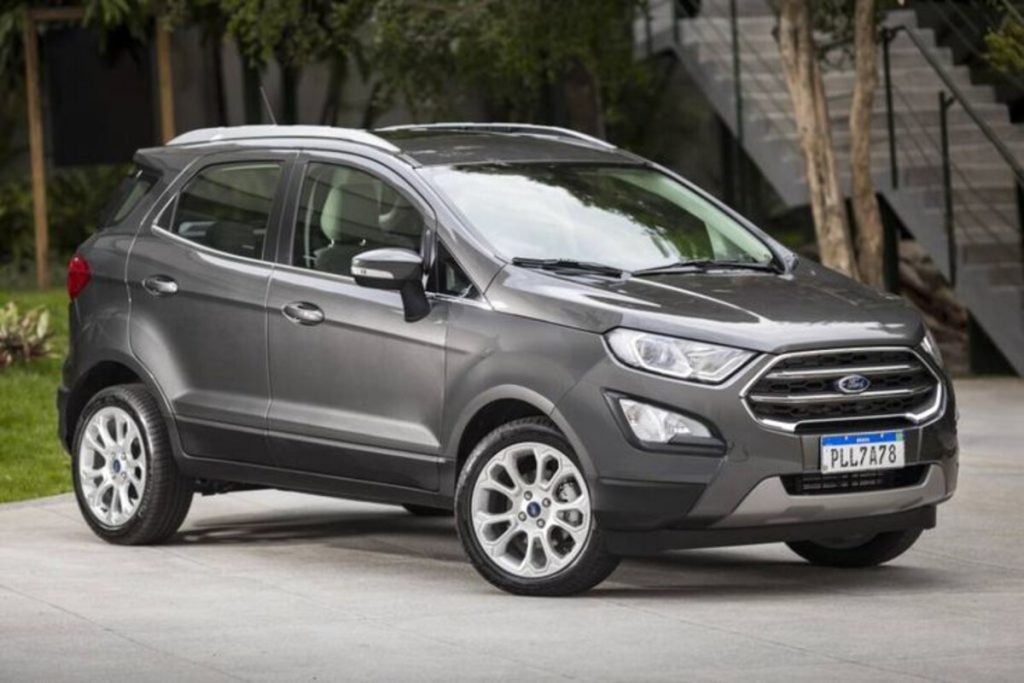
The Ford EcoSport aims to be a small, city-focused crossover, but it struggles to deliver meaningful advantages over more practical competitors. Its compact dimensions make urban maneuvering easy, yet the interior sacrifices usability for size.
Rear seats are cramped, making it uncomfortable for passengers, and cargo space is limited, reducing versatility. For buyers seeking a balance of utility and style, these compromises are hard to overlook.
Performance is another weak point. The EcoSport’s small turbocharged engine lacks responsiveness, especially when the vehicle is fully loaded.
Acceleration feels sluggish, and the suspension does little to absorb road imperfections, resulting in a bouncy and less confident ride. Handling is adequate for city streets but unsatisfying on highways, limiting its appeal for long drives.
Inside, the cabin design attempts to be modern, but ergonomics and storage are lacking. Infotainment screens are small, sometimes unresponsive, and certain controls are placed awkwardly.
Safety features are available but not standard across all trims, leaving lower-priced models less protected than competitors. Build quality is inconsistent, with some hard plastics that reduce the sense of refinement.
The Ford EcoSport highlights the challenges of prioritizing compactness over functionality. Its limited space, weak performance, and uneven interior experience make it difficult to recommend as a practical crossover.
While it may appeal to buyers focused solely on city driving, as a versatile, everyday vehicle, it falls short of expectations, making it a model that doesn’t make much sense in today’s market.
Crossovers vary widely in how effectively they balance style, practicality, and performance. Models that make sense, like the Toyota RAV4, Honda CR-V, Mazda CX-5, Subaru Forester, and Hyundai Tucson, succeed by focusing on usability, reliability, and versatility.
These vehicles provide comfortable interiors, flexible cargo space, efficient powertrains, and thoughtful technology, all while maintaining a smooth and confident driving experience.
Buyers can rely on them for daily commutes, family trips, or weekend adventures without feeling that compromises have been made. Their consistent execution of core features demonstrates that a crossover can deliver both practicality and driving enjoyment.
On the other hand, crossovers that don’t make sense such as the Nissan Murano, Fiat 500X, Chevrolet Trax, Jeep Compass, and Ford EcoSport show what happens when priorities are misaligned.
Common issues include cramped interiors, limited cargo space, underpowered engines, inconsistent technology, or uncomfortable handling. These vehicles may look appealing or carry brand recognition, but they fail to provide the functional benefits that buyers expect from a crossover.
Understanding the difference between thoughtful design and compromise-driven models is crucial for anyone shopping in this segment.
Sensible crossovers meet the practical needs of real-world drivers, while those that don’t often leave owners frustrated with usability, comfort, and performance. Choosing wisely ensures a vehicle that serves daily needs efficiently and reliably.
