
Manual transmissions have become increasingly rare as automatic gearboxes dominate the automotive market. Yet, driving a stick-shift car offers an experience that goes beyond mere transportation.
It demands coordination, focus, and an understanding of how a vehicle responds to engine power. For many drivers, learning to operate a manual provides a deeper connection with the car and can enhance driving enjoyment, particularly for those who appreciate precision, control, and performance.
Not every manual vehicle, however, is equally worthwhile for learning purposes. Some models offer intuitive controls, responsive engines, and forgiving clutches, making them ideal for beginners or those who want to refine their skills.
These cars provide a combination of practicality and engagement, allowing drivers to become confident in shifting without unnecessary frustration.
They often balance reliability, ease of maintenance, and predictable behavior, making the learning process smooth and rewarding.
On the other hand, certain manual cars are challenging or inconvenient for beginners. Some have overly stiff clutches, imprecise gearboxes, or high power outputs that can be intimidating to new stick-shift drivers.
Others may require constant attention due to poor ergonomics, heavy clutch pedals, or finicky drivetrains, which can make learning more stressful than enjoyable. While these vehicles may offer excitement for experienced enthusiasts, they are not ideal for developing foundational skills.
This article examines ten manual cars, splitting them into two categories: those worth learning stick for and those that aren’t. Each model is analyzed for drivability, clutch feel, gearbox smoothness, and overall suitability for learners or casual drivers.
By comparing these examples, readers can understand which vehicles provide a practical and enjoyable introduction to manual driving, and which are best left to seasoned enthusiasts.
Also Read: 5 Cars With Instant Torque You’ll Never Forget vs 5 That Fall Short
5 Manual Cars Worth Learning Stick For
Learning to drive a manual car is more than a skill; it is a foundation for understanding vehicle dynamics and control. Some cars make this process intuitive and enjoyable, offering predictable clutch engagement, smooth gearboxes, and ergonomically designed controls.
These models allow learners to focus on the technique rather than struggle with a heavy pedal or imprecise shifter, which can create frustration and slow down the learning curve. Choosing the right manual car can transform the experience from stressful to rewarding.
Vehicles that are ideal for learning stick share certain characteristics. They typically feature lightweight clutches that reduce fatigue, gearboxes with clear and precise engagement, and engines that respond predictably at low speeds.
These traits help learners develop timing, coordination, and confidence without fear of stalling or causing undue wear on the drivetrain. Additionally, practical considerations such as visibility, comfortable seating, and manageable power outputs enhance safety and comfort during early experiences.
Another important factor is reliability. A beginner-friendly manual car should withstand the occasional stalling, rough starts, or gear-grinding mistakes without costly repairs.
Affordable maintenance, durable components, and widely available parts make the learning process less stressful and encourage continued practice.
The following five cars have been selected because they excel in these areas. Each provides a combination of forgiving mechanics, clear feedback, and real-world usability, making them excellent choices for learners or anyone wishing to improve their stick-shift skills.
By examining these models individually, it becomes clear why some manual cars are genuinely worth learning on, providing an engaging yet practical driving experience that fosters confidence and control behind the wheel.
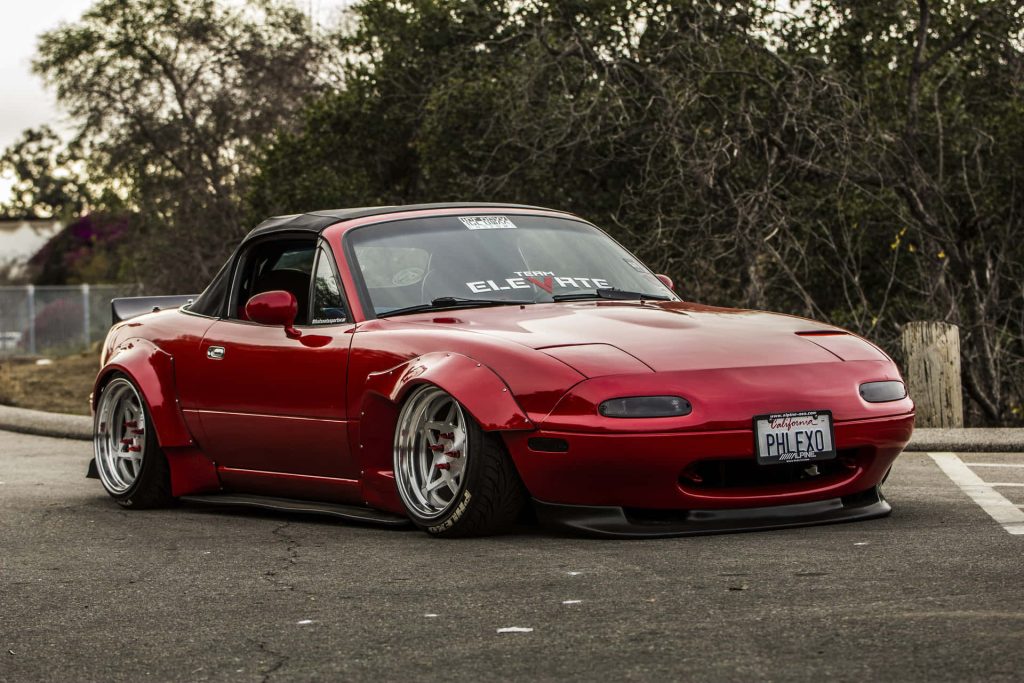
1. Mazda MX-5 Miata
The Mazda MX-5 Miata is widely regarded as one of the most beginner-friendly manual cars. Its lightweight design and well-balanced chassis make it extremely forgiving, allowing new drivers to focus on mastering clutch control and gear changes without feeling overwhelmed.
The Miata’s clutch pedal is light and predictable, while the gearbox provides precise, short throws that make shifting smooth and intuitive. This combination reduces the likelihood of stalling and encourages learners to experiment with rev-matching and timing.
Beyond its approachable mechanics, the Miata is an engaging car to drive. Its rear-wheel-drive layout and responsive engine allow drivers to experience the fundamentals of vehicle dynamics, such as weight transfer and throttle modulation, in a controlled manner.
The modest power output is sufficient to enjoy spirited driving without becoming intimidating, which is ideal for someone developing their stick-shift skills.
The interior and ergonomics further support the learning experience. Controls are logically placed, the driver’s seat provides excellent visibility, and the compact dimensions make it easy to maneuver in tight spaces.
These factors contribute to building confidence, especially for beginners practicing city driving or parking with a manual transmission.
Reliability and affordability are additional advantages. The MX-5’s proven track record and durable components ensure that learners can make mistakes without worrying about expensive repairs.
Regular maintenance is straightforward, and parts are widely available, making it a practical choice for anyone starting with a manual car.
In short, the Mazda MX-5 Miata combines forgiving mechanics, clear feedback, and an enjoyable driving experience, making it an ideal platform for mastering manual transmission. It demonstrates that learning stick does not have to be stressful, providing a car that rewards practice while instilling confidence behind the wheel.
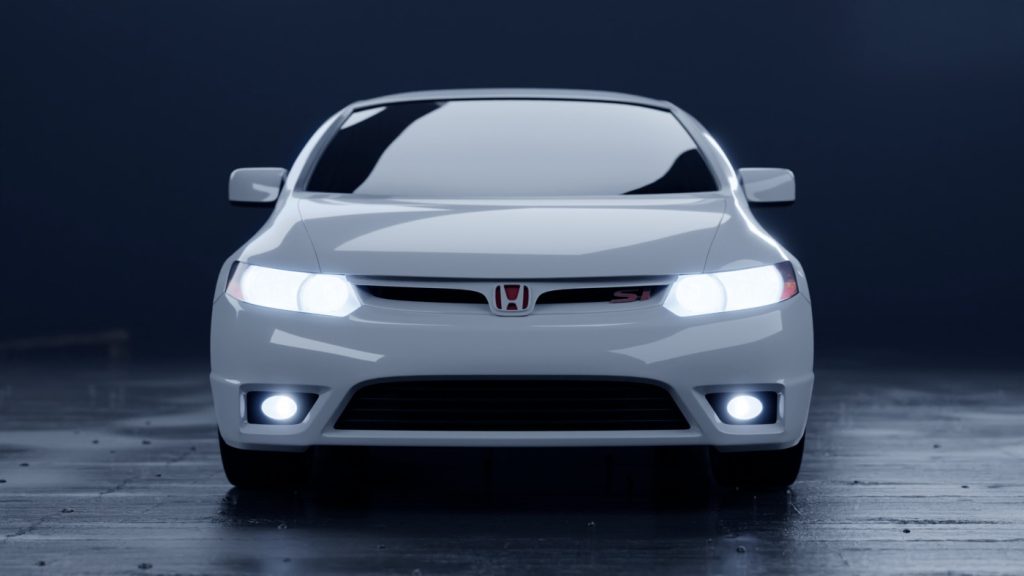
2. Honda Civic Si
The Honda Civic Si is an excellent choice for beginners learning manual driving due to its precise clutch and smooth gearbox. The Si’s pedal feel is light yet responsive, allowing learners to develop timing and coordination without unnecessary strain.
Gear engagement is crisp, and the shifter’s short throws make it easy to execute accurate shifts, reducing the risk of grinding or missed gears.
Performance is approachable but engaging. The turbocharged engine delivers predictable power, encouraging drivers to explore throttle control and rev-matching.
Its front-wheel-drive layout provides stability and feedback, helping new drivers understand how a car reacts under acceleration and cornering. The balance between manageable power and responsive handling makes it ideal for building confidence in stick-shift operation.
Interior ergonomics also support learning. Visibility is excellent, and the cabin controls are logically placed, which reduces distractions for beginners.
Safety features, including stability control and traction management, add a layer of protection for less experienced drivers, allowing them to focus on mastering the manual gearbox without worrying about unintended slides or loss of control.
The Civic Si is also reliable and affordable, with low maintenance costs and durable components that withstand the occasional learner error. This combination of usability, performance, and resilience makes it one of the best vehicles to gain stick-shift experience.
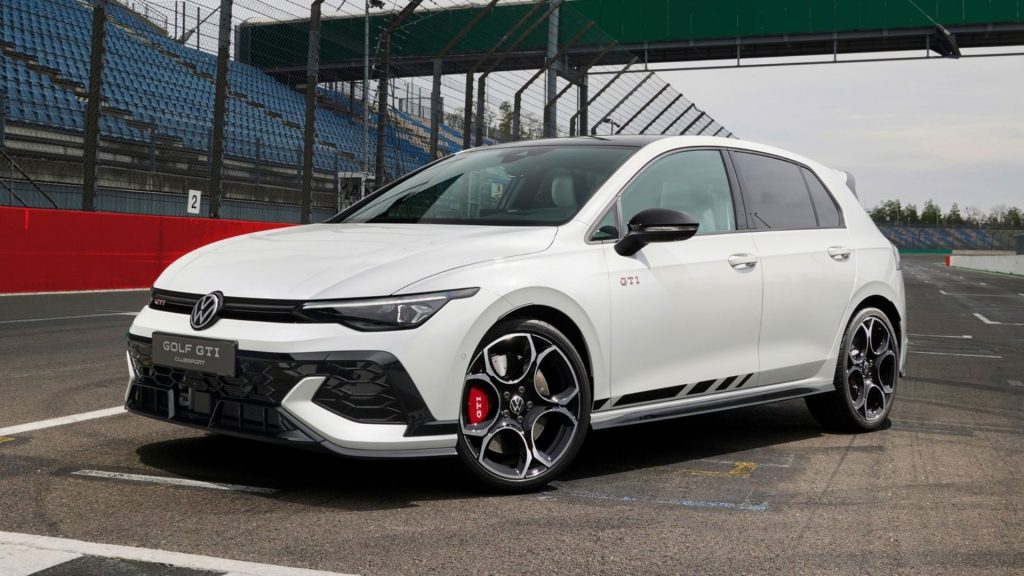
3. Volkswagen Golf GTI
The Volkswagen Golf GTI is another standout for manual learning, known for its smooth and precise six-speed transmission. The clutch is easy to modulate, offering just enough resistance to teach proper pedal control without tiring the driver. Gear shifts are accurate and satisfying, giving learners immediate feedback, which accelerates skill development.
Its turbocharged engine delivers moderate power that rewards careful throttle application. Learners can practice coordinating clutch, brake, and accelerator inputs at low speeds and still enjoy spirited driving once comfortable.
The Golf GTI’s front-wheel-drive layout offers predictable handling, making it easier to understand traction, cornering, and weight transfer in real-world conditions.
Inside, the cabin supports practical learning. Controls are intuitive, visibility is good, and seating ergonomics provide a comfortable, commanding position behind the wheel. Infotainment is straightforward, preventing distraction while focusing on driving fundamentals.
Durability and maintenance are also key advantages. The GTI can handle the small mistakes of a new manual driver without serious consequences, and parts are widely available for repairs or upgrades.
The combination of responsive mechanics, manageable power, and everyday practicality ensures the Golf GTI remains one of the top manual cars for those looking to learn stick effectively.
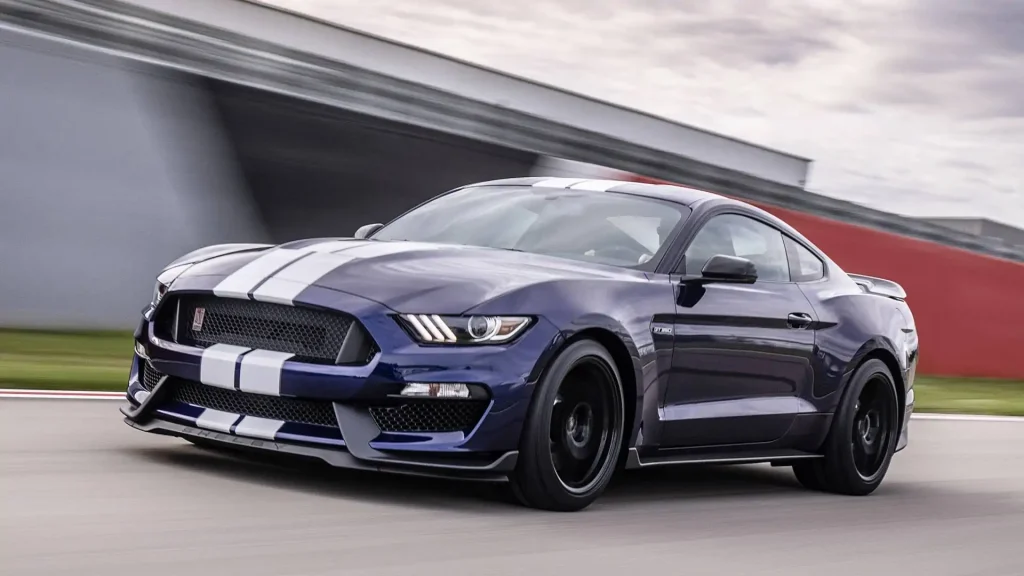
4. Ford Mustang (EcoBoost)
The Ford Mustang with the EcoBoost engine offers an accessible entry into rear-wheel-drive manual driving. Its six-speed manual transmission is well-spaced and easy to operate, with a clutch that is forgiving yet provides enough feedback to teach proper pedal control. Gear shifts are smooth, helping learners avoid frustration and build confidence quickly.
The Mustang’s rear-wheel-drive layout introduces beginners to dynamics such as weight transfer and traction management. Its moderate power output in the EcoBoost variant ensures that the car remains manageable while still delivering enjoyable acceleration.
This balance allows learners to experience sporty driving principles without being overwhelmed, making it a practical platform to understand how a manual transmission interacts with engine power and chassis behavior.
Ergonomics and interior design further support learning. The driver-focused cockpit ensures that all controls are within easy reach, while visibility and seating position make it simple to navigate tight streets or parking spaces.
These aspects reduce distractions and allow learners to concentrate on mastering shifting, clutch control, and rev-matching techniques.
Reliability and support are additional advantages. The EcoBoost Mustang is designed to handle daily driving and occasional spirited use, meaning mistakes like stalling or abrupt launches are unlikely to cause major issues.
Parts are readily available, and routine maintenance is straightforward, making it a practical choice for beginners who want a combination of learning and performance.
In essence, the Ford Mustang EcoBoost demonstrates that rear-wheel-drive manual cars can be both fun and approachable. Its well-engineered transmission, forgiving clutch, and manageable power make it an excellent choice for anyone looking to develop or refine stick-shift skills.
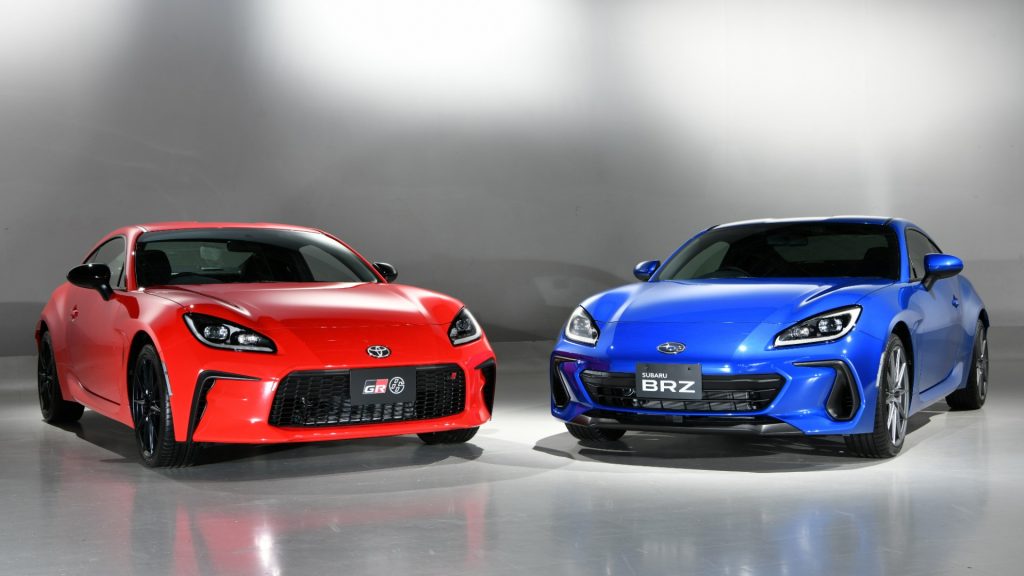
5. Subaru BRZ / Toyota GR86
The Subaru BRZ and its twin, the Toyota GR86, are ideal for learning manual driving due to their lightweight, rear-wheel-drive design and highly responsive six-speed gearbox.
Both cars feature a clutch that is easy to modulate, allowing beginners to practice smooth starts and shifts without excessive effort. Gear engagement is precise, giving immediate feedback and helping new drivers understand proper timing and coordination.
The naturally aspirated engine delivers predictable, linear power, which is perfect for learners. Drivers can focus on controlling the car’s momentum through corners and straightaways, developing confidence in clutch use, throttle control, and rev-matching.
The low center of gravity and balanced chassis improve handling and stability, which helps teach the fundamentals of vehicle dynamics safely.
Interior ergonomics are straightforward, with all essential controls easily accessible. Seating provides good visibility and a commanding feel for the driver, which reduces stress while learning stick. Additionally, the lightweight cabin design keeps the car responsive yet forgiving, making errors less punishing.
Reliability and maintainability are also key factors. Both the BRZ and GR86 are built to endure spirited driving and occasional learner mistakes, making them durable platforms for practice. Affordable maintenance and widely available parts enhance their practicality for beginners.
Together, these cars provide a compelling combination of approachable mechanics, responsive handling, and driver engagement. They are perfect examples of manual vehicles that teach proper technique while remaining fun to drive, ensuring a rewarding learning experience for anyone new to stick-shift driving.
5 Manual Cars That Aren’t Worth Learning Stick For
Not every car with a manual transmission is suitable for learning stick. Some models are challenging due to heavy clutches, imprecise gearboxes, or overly sensitive throttle responses.
These vehicles can make the process frustrating, leading to stalled engines, jerky starts, or difficulty in maintaining smooth shifts. For beginners, driving such cars may slow the learning curve and reduce confidence behind the wheel.
Cars that aren’t ideal for manual learning often prioritize performance, styling, or brand appeal over practicality. They may have high-powered engines that are difficult to control at low speeds or clutches that require significant effort to operate.
Gearboxes might feel vague, long-throw, or stiff, making precise shifting a challenge for inexperienced drivers. Ergonomics can also play a role; poorly placed pedals, heavy steering, or cramped cabins further complicate the learning experience.
Additionally, some manual vehicles are expensive to maintain, meaning that mistakes made during practice could result in costly repairs. New drivers may inadvertently over-rev the engine, grind gears, or cause wear on the clutch, which can be stressful if the car is not forgiving.
The following five vehicles have been selected because they exemplify these challenges. Each car presents unique difficulties for beginners, whether due to clutch feel, gearbox design, engine responsiveness, or ergonomics.
While some of these cars may be rewarding for experienced drivers, they are not well-suited for learning the fundamentals of stick-shift operation.
By reviewing these models, learners can identify which vehicles to avoid when starting out with a manual transmission.
Understanding these pitfalls helps ensure that the initial experience of learning stick is safe, manageable, and confidence-building, rather than frustrating or intimidating.
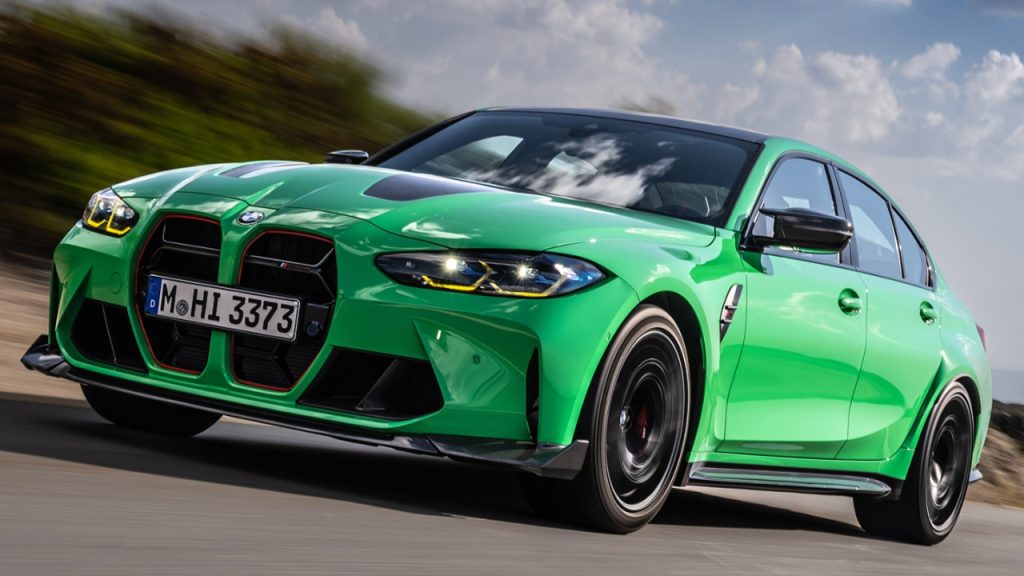
1. BMW M3 (High-Performance Variants)
The BMW M3, particularly in its high-performance trims, is not ideal for beginners learning manual driving.
While it is an incredible sports car for experienced drivers, its manual version comes with a clutch that is heavy and highly responsive, requiring precise control to avoid abrupt launches or stalling. For someone still mastering timing and coordination, this can be intimidating and frustrating.
Gear engagement, although precise, is designed for high-speed performance rather than smooth, beginner-friendly operation. The short throws are aggressive, and the gearbox can feel unforgiving if shifts are mistimed.
Combined with the car’s powerful engine, even minor mistakes can result in jerky acceleration or sudden wheelspin, making the learning process stressful.
Additionally, the M3’s rear-wheel-drive layout amplifies the challenge. Beginners must manage weight transfer and throttle control carefully, as overzealous inputs can lead to oversteer or loss of traction. While these dynamics are exciting for skilled drivers, they can overwhelm someone still learning clutch modulation and smooth shifting.
Ergonomics and cost also factor in. The pedals require strength for long city drives, and repairs to the drivetrain, clutch, or transmission are expensive if mistakes occur during practice.
For a learner, the combination of a high-power engine, demanding clutch, and sensitive gearbox makes the M3 a less suitable choice, despite its legendary status among sports cars.
In essence, while the BMW M3 provides an exhilarating driving experience for seasoned enthusiasts, it is unnecessarily challenging for beginners and can turn learning stick into a stressful experience rather than an educational one.
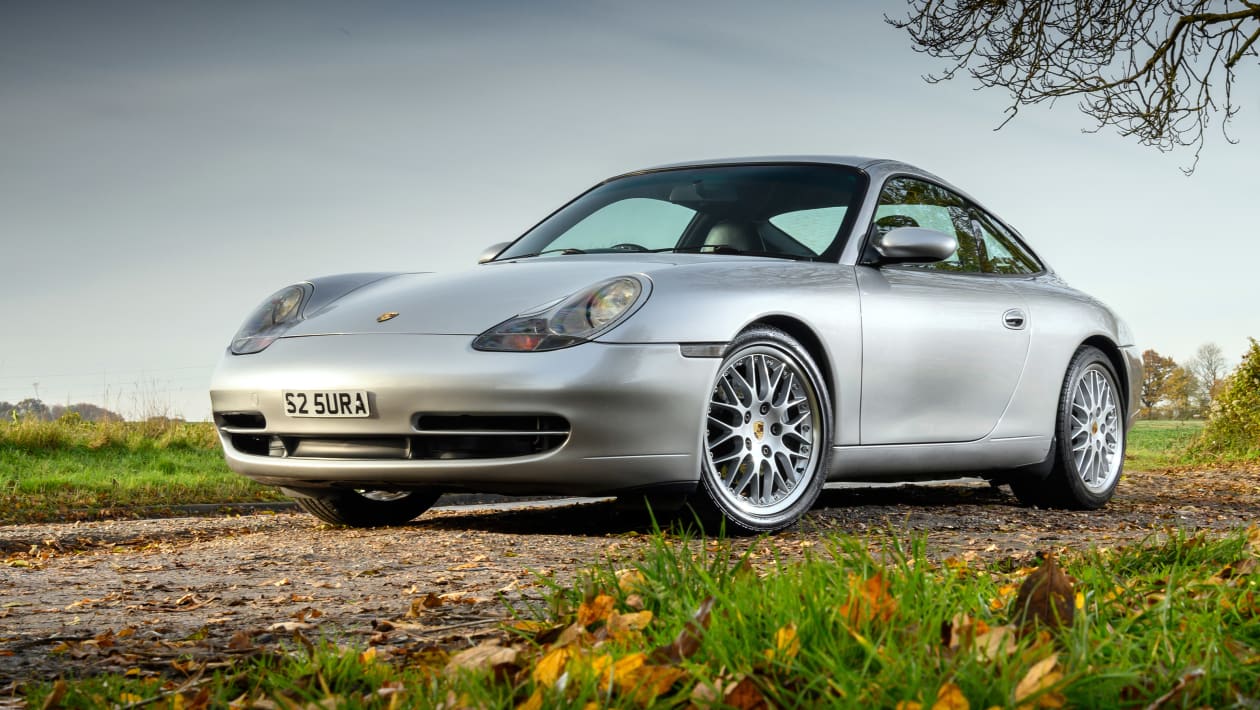
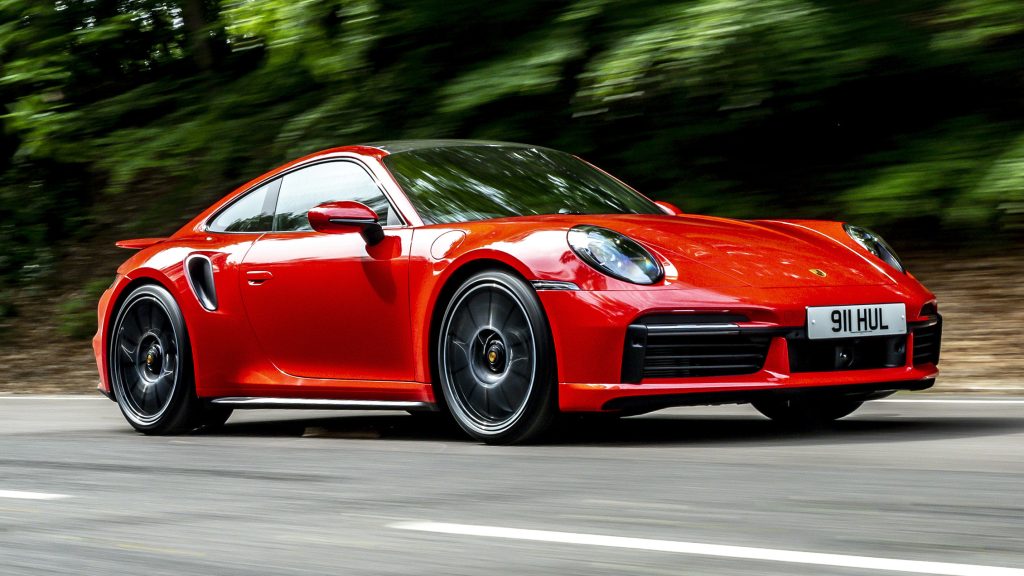
2. Porsche 911 (Manual Variants)
The Porsche 911, particularly in manual trim, is another car that is difficult for beginners to learn stick on. Its clutch pedal is stiff and requires precise engagement, which can be intimidating for new drivers. The gearbox, though designed for high performance, has a very short and sensitive throw that demands accuracy, leaving little room for error.
The 911’s rear-engine layout adds a unique challenge. Weight distribution causes the car to behave differently than standard front-engine vehicles, and beginners may struggle with throttle modulation during starts or turns.
Rear-wheel-drive traction, combined with a sensitive engine response, makes mistakes more noticeable, leading to jerky launches or sudden oversteer.
Visibility and cabin ergonomics also make learning harder. The low seating position and sloping roofline limit forward and rearward views, making it difficult to judge distances while practicing clutch control or city driving maneuvers. These factors increase stress for someone still developing confidence with a manual gearbox.
Maintenance and repair costs are additional deterrents. Clutch wear, gearbox issues, or minor errors can be costly, adding financial pressure to the learning process. While the 911 is rewarding for skilled drivers who can handle its precision demands, it is far from beginner-friendly.
In short, the Porsche 911’s high-performance focus, demanding clutch, and rear-engine dynamics make it unsuitable for learners. Its manual transmission is best experienced after foundational stick-shift skills are already mastered.
3. Ferrari 488 GTB (Manual-Like Experience via F1 Transmission)
Although Ferrari no longer offers traditional manuals, older models like the 488 GTB equipped with manual-style F1 transmissions illustrate why high-performance cars can be poor choices for learning stick.
These gearboxes are extremely sensitive and require precise timing, making them unforgiving for beginners. Even small errors in clutch or throttle coordination can lead to abrupt jerks, stalled engines, or sudden loss of traction.
The engine delivers immense power at high revs, which is thrilling for experienced drivers but intimidating for learners. The responsiveness leaves little room for error, and an overzealous accelerator input can result in sudden wheelspin or unexpected acceleration.
This combination of high power and delicate gearbox mechanics makes mastering the transmission stressful rather than educational.
Ergonomics further complicate learning. Low seating positions, cramped pedals, and the cockpit layout prioritize racing performance over comfort and visibility. Beginners may struggle to judge distances for smooth stops, starts, and gear changes, which increases the likelihood of mistakes.
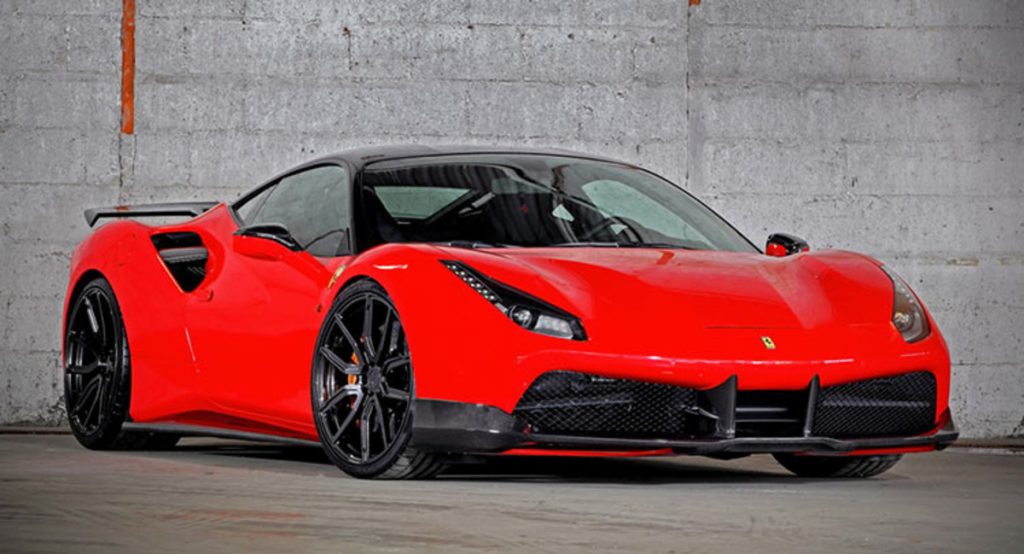
Finally, the cost of maintenance and repairs is astronomical. Even minor missteps while learning can lead to expensive clutch, transmission, or drivetrain damage, making these vehicles highly impractical for novices.
While Ferraris are rewarding for seasoned drivers who understand manual or semi-manual transmissions, they are far from suitable for anyone just starting with stick-shift driving.
In essence, the Ferrari 488 GTB demonstrates that extreme performance and delicate mechanics, though exciting, create unnecessary hurdles for learning stick and can make the experience overwhelming and stressful.
4. Lamborghini Huracán (Manual-Like Experience via Dual-Clutch)
The Lamborghini Huracán, equipped with a dual-clutch or automated manual transmission, illustrates another type of challenging manual experience. While enthusiasts may appreciate the responsiveness and precision of the gearbox, beginners face a steep learning curve.
The clutch and shift mechanisms are highly sensitive, demanding exact timing and smooth coordination to avoid harsh engagement or unintended acceleration.
Power delivery is extreme. The Huracán’s engine produces immense torque and instantaneous throttle response, which amplifies any mistakes in clutch control or gear selection.
This can make low-speed driving, parking, and city maneuvers particularly stressful for learners. Oversteer or sudden forward surges are common if inputs are not carefully modulated, leaving little room for error.
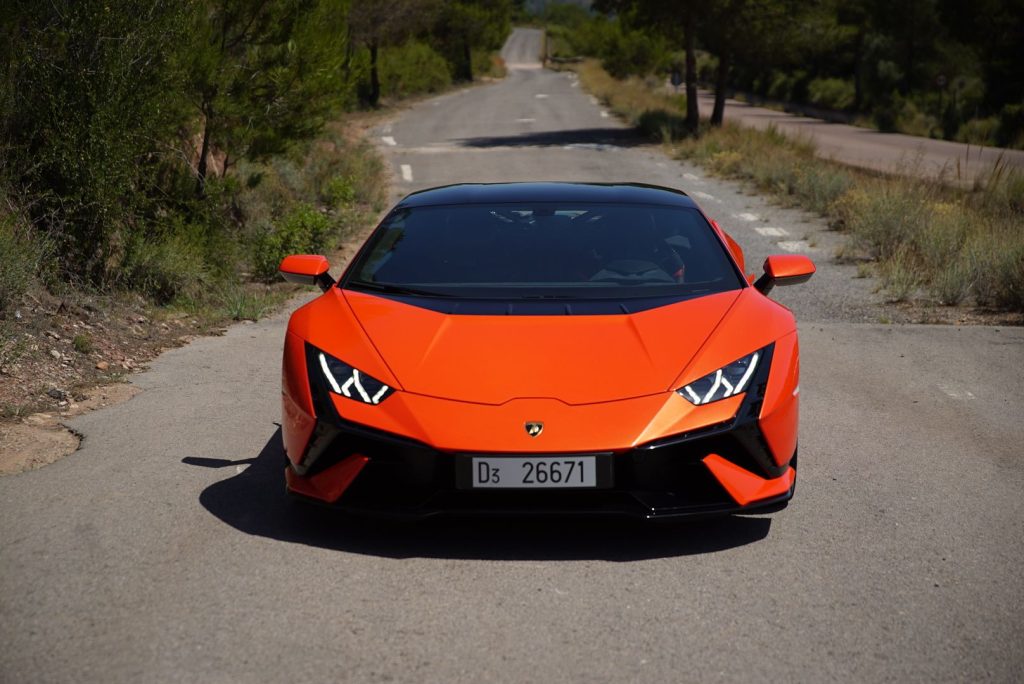
Cabin ergonomics are designed for performance, not beginner comfort. Low seating, heavy pedals, and limited visibility make practicing starts and stops more difficult, further complicating the learning process. Safety systems cannot fully compensate for errors made by inexperienced drivers.
Maintenance considerations add to the challenge. High-performance clutches, transmissions, and drivetrains are expensive to service, meaning that mistakes during learning could result in significant costs.
While the Huracán is thrilling for skilled drivers, it is overwhelmingly complex and impractical for anyone new to manual or semi-manual transmissions.
5. Dodge Challenger SRT Hellcat
The Dodge Challenger SRT Hellcat is a powerful, heavy, rear-wheel-drive muscle car that is difficult for beginners learning manual driving.
Its massive engine output makes throttle control extremely sensitive, and even a small miscalculation can result in wheelspin or sudden acceleration. The clutch is firm and requires precise timing, which can be tiring and intimidating for learners.
The gearbox is designed for performance, with long throws and high resistance that demand accuracy. For a new driver, this can make smooth starts, stops, and shifts a constant challenge.
The car’s weight and size amplify these difficulties, as it requires careful coordination to manage momentum during city driving or low-speed maneuvers.
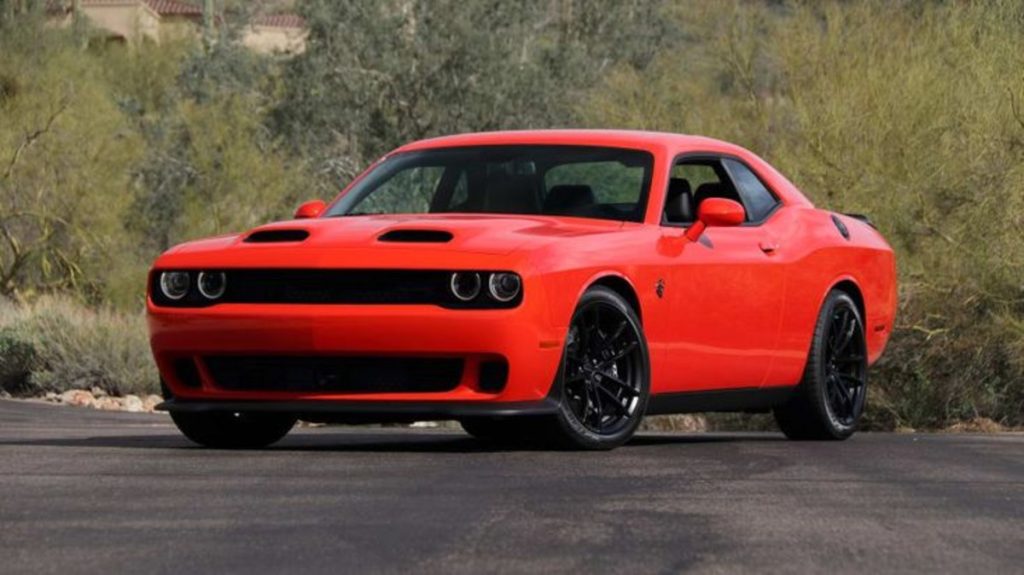
Visibility and ergonomics are also less than ideal for beginners. The long hood, wide body, and seating position reduce the driver’s ability to judge stopping distances and tight corners, making it harder to practice stick-shift fundamentals safely.
Finally, maintenance costs are high, and mistakes like clutch abuse or rough gear engagement can be expensive to fix.
While the Hellcat provides an exhilarating driving experience for experienced enthusiasts, it is far from beginner-friendly. Its high power, heavy clutch, and challenging gearbox make it one of the least practical cars for learning stick.
Manual driving remains a unique skill that provides greater control, engagement, and understanding of a vehicle. Choosing the right car to learn stick is crucial, as the driving experience can either build confidence or lead to frustration.
Cars that are worth learning on share certain characteristics: forgiving clutches, smooth gearboxes, manageable power, and predictable handling.
Vehicles such as the Mazda MX-5 Miata, Honda Civic Si, Volkswagen Golf GTI, Ford Mustang EcoBoost, and Subaru BRZ/Toyota GR86 exemplify these qualities. They allow learners to focus on developing technique without feeling overwhelmed by clutch effort, engine power, or challenging ergonomics.
The Miata and BRZ/GR86, for example, offer lightweight chassis and responsive but gentle engines, making it easier for beginners to understand throttle modulation and weight transfer.
The Civic Si and Golf GTI combine practicality with intuitive controls, ensuring that learning is comfortable and consistent. Even the Mustang EcoBoost, with its rear-wheel-drive layout, balances performance and approachability, giving learners the opportunity to experience RWD dynamics safely.
These vehicles prioritize usability, durability, and feedback, allowing new drivers to make mistakes without severe consequences, which is essential for building foundational skills.
In contrast, cars that aren’t suitable for learning stick often have high-performance characteristics, heavy or sensitive clutches, imprecise gearboxes, or ergonomics that make smooth operation difficult.
Models such as the BMW M3, Porsche 911, Ferrari 488 GTB, Lamborghini Huracán, and Dodge Challenger SRT Hellcat illustrate these challenges. Their powerful engines, responsive throttles, and performance-focused gearboxes leave little room for error.
Coupled with heavy clutch pedals, stiff transmissions, or rear-engine/rear-wheel-drive layouts, these cars are unforgiving for beginners. Mistakes can be costly, both mechanically and financially, while the complexity can slow skill development or even discourage learning.
The comparison highlights a clear principle for anyone considering a manual car: choose vehicles that provide predictable, manageable feedback and prioritize learning comfort over raw performance.
Beginner-friendly manuals enable drivers to master clutch control, gear engagement, and vehicle coordination in a safe, stress-free manner.
Cars designed primarily for speed or high performance, while exciting, are better suited for experienced drivers who already have a solid foundation in manual driving.
Ultimately, selecting the right car can turn learning stick into an enjoyable, confidence-building experience. Sensible, forgiving manuals cultivate skill, while high-powered, challenging vehicles risk frustration and hinder development.
By understanding the characteristics that make a manual car approachable, learners can make informed choices that support their growth as capable, confident drivers.
