
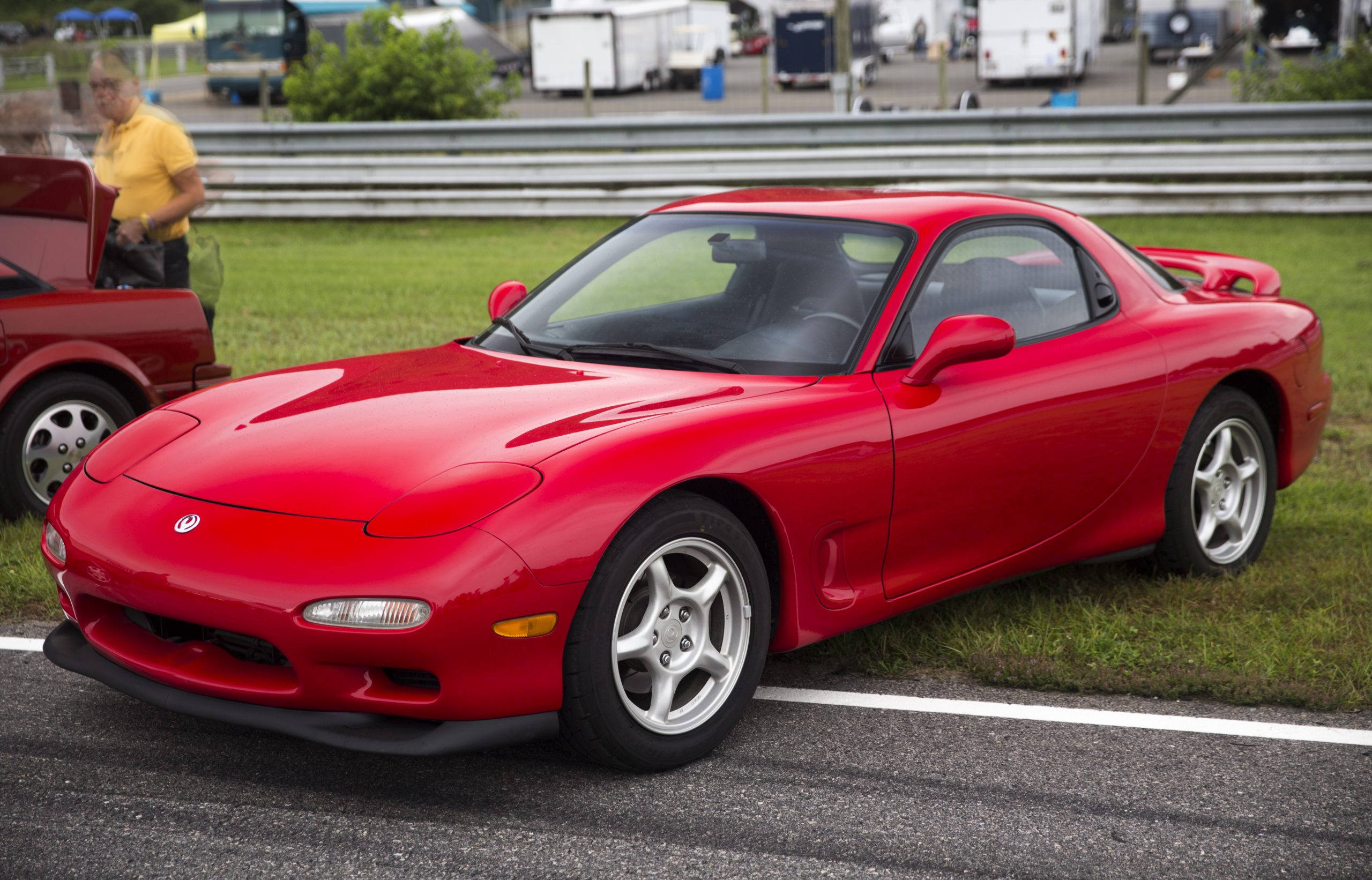
Japanese Domestic Market (JDM) vehicles have produced some of the most iconic and enduring cars in automotive history.
These cars often combine engineering excellence, performance, and a sense of cultural significance that ensures they remain highly sought after decades after their release.
While some JDM models have achieved legendary status, others have faded into obscurity despite offering unique features or innovative design.
Understanding which cars have stood the test of time and which have been forgotten helps highlight the balance between engineering, desirability, and historical significance.
JDM legends are vehicles that remain relevant and respected long after their production ended. They are celebrated for reliability, performance, and timeless design, making them sought-after by collectors and enthusiasts alike.
These cars often offer a combination of precision engineering, driving excitement, and adaptability that allows them to retain value and admiration through generations.
Models such as the Nissan Skyline GT-R, Toyota Supra, and Mazda RX-7 have become icons because they combine performance, innovation, and a reputation for durability that ensures they continue to impress even decades later.
On the other hand, some JDM vehicles, despite potential or innovation, fail to achieve lasting recognition. Forgotten models may have been overlooked due to limited production, niche appeal, or competition from more successful vehicles.
They often represent interesting experiments in design or engineering but did not capture the attention of the broader automotive community. These cars serve as reminders that even well-built vehicles can fade if they fail to resonate with enthusiasts or the market.
This article examines both sides of the JDM story. The first section highlights five vehicles that have earned legendary status and continue to be revered by fans and collectors.
The second section focuses on five overlooked models that, despite their qualities, have largely been forgotten. By comparing these categories, readers can appreciate the factors that contribute to a car’s lasting appeal and the challenges that can lead to a vehicle’s obscurity.
Also Read: 5 Cars That Make Parking Easy vs 5 That Don’t
5 JDM Legends That Live Forever
Japanese Domestic Market (JDM) vehicles have produced some of the most enduring and iconic cars in automotive history. Among these, a select group has earned legendary status, remaining highly admired by enthusiasts and collectors decades after their production ended.
These vehicles are celebrated not only for their performance and reliability but also for their influence on automotive culture and their ability to deliver an exhilarating driving experience.
JDM legends are often recognized for engineering excellence and innovative design. Vehicles like the Nissan Skyline GT-R, Toyota Supra, and Mazda RX-7 showcase advanced technology for their time, precise handling, and engines that are both powerful and durable.
These qualities allow them to remain relevant, sought-after, and capable of competing even with modern cars in certain respects. Their lasting appeal stems from a balance of performance, design, and adaptability, making them true icons in both street and track environments.
These cars also stand out for their enthusiast communities and continued presence in motorsports or tuning culture. Owners and fans often maintain, modify, and showcase these vehicles, keeping their legacy alive and introducing new generations to their significance.
This cultural impact, combined with the cars’ engineering strengths, ensures that they remain highly desirable and respected.
This section highlights five JDM vehicles that have earned legendary status. Each selection is based on performance, reliability, and cultural impact, demonstrating why these models continue to captivate enthusiasts and collectors worldwide.
By examining these cars, readers can understand what makes a vehicle timeless and why certain JDM models have earned a permanent place in automotive history.
These legends are more than just cars; they represent a standard of engineering, design, and driving enjoyment that continues to inspire admiration.
1. Nissan Skyline GT-R R34
The Nissan Skyline GT-R R34 is one of the most iconic JDM vehicles, celebrated for its advanced engineering, performance, and cultural impact. Released in the late 1990s, the R34 combined a high-revving RB26DETT engine with all-wheel-drive technology and cutting-edge electronics, creating a car that was both thrilling to drive and highly capable on the track.
One reason the R34 has achieved legendary status is its balance of power and precision. The twin-turbo inline-six engine delivers strong acceleration, while the ATTESA E-TS all-wheel-drive system ensures exceptional grip and stability.
Coupled with the Super-HICAS rear-wheel steering system, the car exhibits remarkable cornering ability, making it a favorite among enthusiasts and racers alike.
The R34’s digital dashboard is another standout feature. It provided real-time performance data, including boost pressure, lap times, and G-forces, which was revolutionary at the time.
This integration of technology into a high-performance car demonstrated Nissan’s forward-thinking approach and added to the vehicle’s appeal for enthusiasts who valued both engineering and information.
Culturally, the R34 gained global recognition through appearances in movies, video games, and motorsport events, cementing its status as a symbol of JDM excellence. Its desirability has continued decades after production ended, with collectors and tuners seeking well-maintained examples.
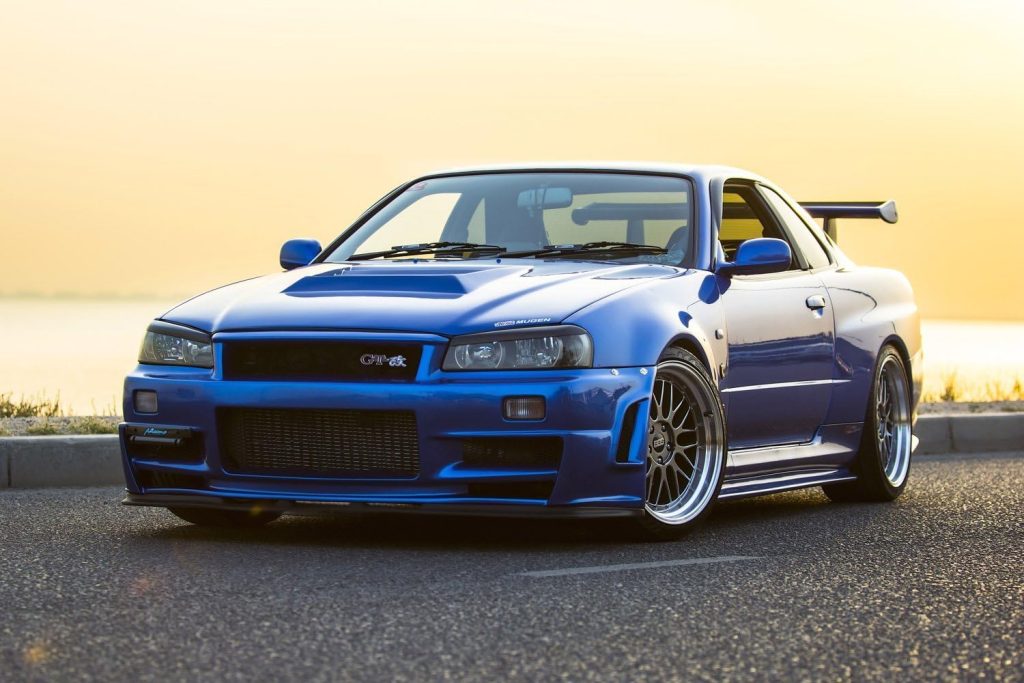
The Nissan Skyline GT-R R34 is included because it exemplifies how engineering, performance, and cultural significance combine to create a timeless vehicle.
It represents a standard of JDM excellence that remains highly respected, influencing modern sports cars and continuing to inspire admiration from enthusiasts worldwide. Its enduring appeal makes it a true legend that lives forever in automotive history.
2. Toyota Supra Mk4
The Toyota Supra Mk4 (A80), produced in the 1990s, is widely regarded as one of the most iconic Japanese sports cars ever built.
Renowned for its powerful 2JZ-GTE twin-turbo inline-six engine, the Supra combines raw performance, reliability, and tuning potential, establishing itself as a true JDM legend.
One of the key reasons for its legendary status is the engine’s durability and adaptability. The 2JZ-GTE is capable of handling extreme power upgrades without significant modifications, making the Supra a favorite among tuners and performance enthusiasts.
Its strong engine, combined with rear-wheel drive and precise suspension tuning, allows for an exhilarating driving experience on both street and track.
The Mk4 Supra also features an aerodynamic design that balances style with functionality.
Its long hood, smooth lines, and integrated spoiler enhance both aesthetics and performance, while the interior layout focuses on driver engagement with supportive seats and well-placed controls. These elements contribute to the car’s enduring desirability among collectors.
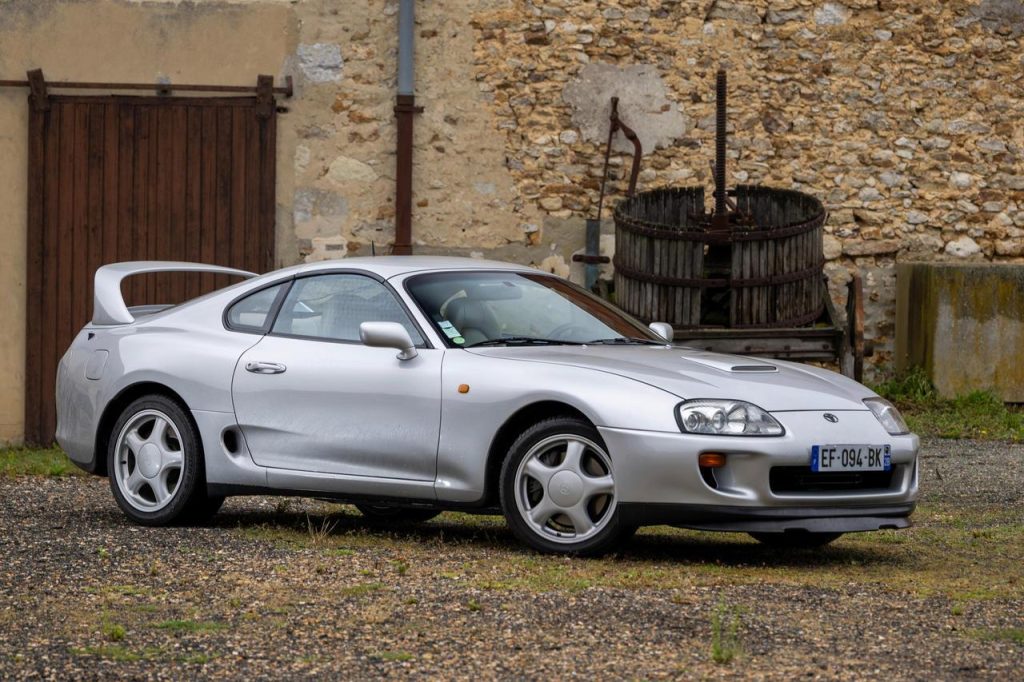
Culturally, the Supra Mk4 gained international fame through motorsports and popular media, particularly movies and video games that highlighted its performance potential.
Its reputation for speed, tunability, and style has allowed it to maintain a strong presence in automotive culture, keeping it relevant and highly sought after decades after production ended.
The Toyota Supra Mk4 is included because it exemplifies the combination of engineering excellence, driving enjoyment, and cultural significance that defines a true JDM legend.
Its performance, reliability, and iconic design have ensured its lasting appeal, making it a symbol of Japanese sports car excellence that continues to inspire enthusiasts worldwide.
3. Mazda RX-7 FD
The Mazda RX-7 FD is a rotary-engine sports car produced in the 1990s that has earned legendary status among JDM enthusiasts.
Known for its lightweight chassis, balanced handling, and distinctive twin-rotor engine, the RX-7 FD delivers a driving experience that remains exhilarating even decades after its release.
One of the key features that contribute to its legend is the 13B-REW twin-rotor rotary engine. While rotary engines are less common than conventional piston engines, the RX-7 FD’s engine provides a high-revving, responsive character that sets it apart from other sports cars.
Its compact design also helps maintain a low center of gravity, enhancing handling and agility.
The RX-7 FD’s chassis and suspension were tuned for precision driving. The lightweight body, coupled with rear-wheel drive and a near 50/50 weight distribution, allows for exceptional cornering performance.
Drivers appreciate the car’s responsiveness, allowing for a highly connected and engaging experience behind the wheel.
The vehicle’s aerodynamic design further reinforces its performance credentials. Smooth curves, pop-up headlights, and a flowing body shape reduce drag while maintaining a striking appearance.
The RX-7 FD’s styling remains distinctive, contributing to its enduring appeal among collectors and enthusiasts.
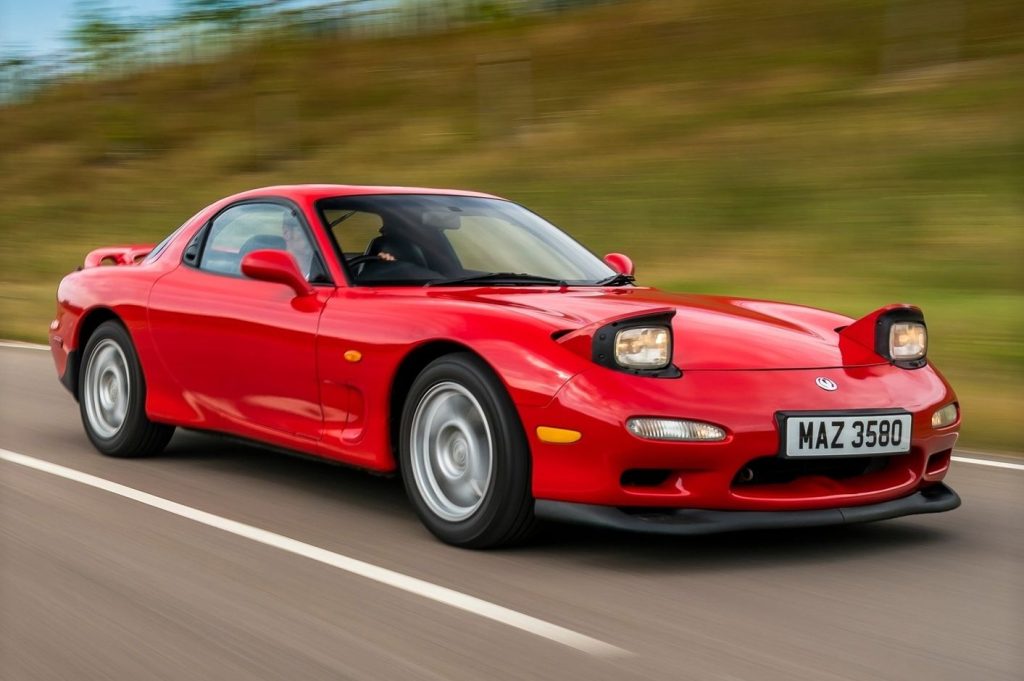
Culturally, the RX-7 FD gained popularity in motorsports and media, appearing in various racing competitions and films. Its unique engine and exceptional handling capabilities make it a favorite for tuners and track enthusiasts.
The Mazda RX-7 FD is included because it embodies the combination of innovation, performance, and timeless design that defines a JDM legend.
Its distinctive rotary engine, agile chassis, and iconic styling ensure that it continues to be celebrated, maintained, and admired, proving that certain vehicles can achieve lasting status through engineering excellence and driving enjoyment.
4. Honda NSX
The Honda NSX, launched in the early 1990s, is a mid-engine sports car that became a benchmark for performance, precision, and reliability in the JDM scene.
Unlike many high-performance cars of its era, the NSX combined race-inspired engineering with everyday usability, creating a sports car that could be driven comfortably on the street while delivering thrilling performance on the track.
A major factor in the NSX’s legendary status is its lightweight aluminum monocoque chassis. This advanced construction reduced weight while increasing rigidity, resulting in exceptional handling and responsive dynamics.
Combined with a high-revving naturally aspirated V6 engine, the NSX delivers smooth power and precise control, allowing drivers to extract maximum performance with confidence.
The NSX also introduced innovative features for its time, including a mid-engine layout, advanced aerodynamics, and a focus on driver ergonomics.
These elements made the car highly balanced and accessible, contrasting with many contemporaries that prioritized raw power at the expense of usability. Its design emphasized predictability, precision, and longevity, which has contributed to the NSX’s enduring reputation.
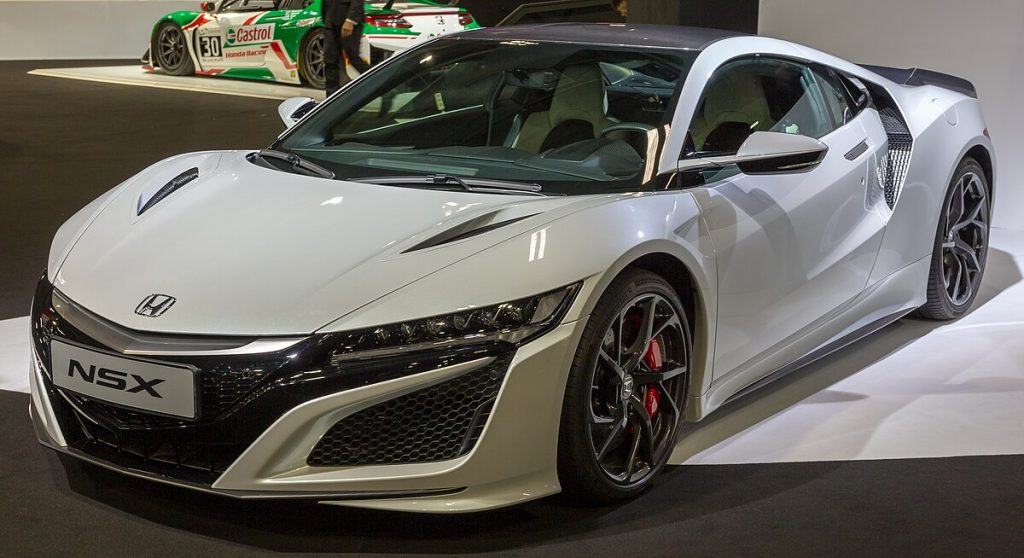
Culturally, the NSX gained recognition as a Japanese alternative to European supercars, demonstrating that Japanese engineering could produce a vehicle capable of competing on the world stage.
Its combination of reliability, performance, and design has made it a highly respected model among collectors and enthusiasts.
The Honda NSX is included because it represents a perfect balance of innovation, performance, and practicality. Its engineering excellence, everyday usability, and cultural impact have ensured its status as a JDM legend that continues to be admired and celebrated.
The NSX’s influence persists today, inspiring modern sports cars while maintaining its iconic presence in automotive history.
5. Mitsubishi Lancer Evolution VI
The Mitsubishi Lancer Evolution VI is a high-performance sedan that has earned legendary status within the JDM community.
Known for its rally-inspired engineering, turbocharged power, and precise all-wheel-drive system, the Evo VI exemplifies the blend of practicality and performance that defines a true Japanese automotive icon.
One of the standout features of the Evo VI is its 2.0-liter turbocharged inline-four engine, which delivers remarkable power while maintaining reliability.
The engine’s responsiveness, combined with a lightweight chassis and advanced all-wheel-drive system, allows for exceptional acceleration and handling.
Drivers experience precise control in corners, stability at high speeds, and confidence on both tarmac and challenging surfaces.
The vehicle’s suspension and drivetrain were engineered with rallying in mind. Active differentials and finely tuned suspension components help maintain traction and balance, making the Evo VI a capable performer in various driving conditions.
This focus on engineering excellence ensures that the car is both thrilling to drive and dependable, contributing to its lasting appeal.
Styling and functionality are also key aspects of its legend. Aggressive bodywork, aerodynamic features, and a purposeful interior layout highlight the car’s performance-oriented nature without compromising usability.
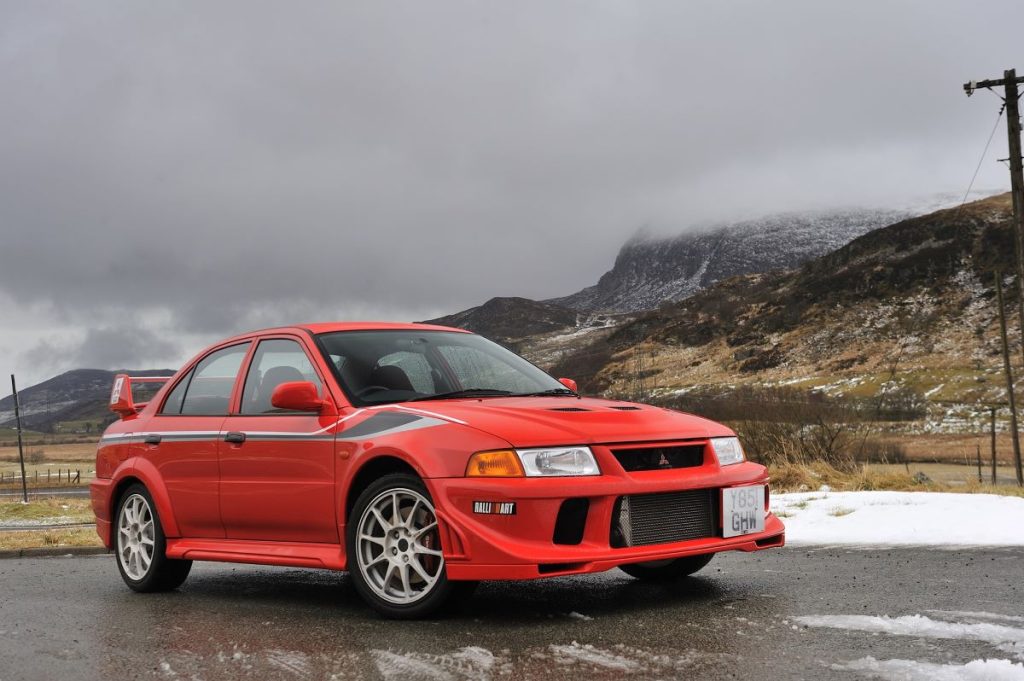
The Evo VI provides a practical four-door layout while delivering sports-car-level excitement, a combination that appeals to enthusiasts seeking both versatility and performance.
The Mitsubishi Lancer Evolution VI is included because it demonstrates how engineering, precision, and adaptability can create a vehicle with lasting impact.
Its rally heritage, turbocharged performance, and driver-focused dynamics have made it a favorite among collectors, tuners, and performance enthusiasts alike.
The Evo VI continues to represent the pinnacle of JDM performance sedans, securing its place as a legend that lives forever in automotive history.
5 Forgotten Models
While some Japanese vehicles achieve legendary status, others, despite their innovation or unique design, fade into obscurity.
Forgotten models often showcase interesting engineering, distinct styling, or creative features, yet they fail to gain lasting recognition due to limited production, niche appeal, or competition from more successful contemporaries.
Examining these overlooked vehicles helps highlight how market reception, timing, and visibility can influence a car’s legacy.
Many forgotten JDM models were ambitious projects that introduced advanced technology or attempted to explore new market segments.
While these cars sometimes demonstrated exceptional build quality or offered enjoyable driving experiences, they lacked the attention or popularity needed to endure in the public consciousness.
Some were underappreciated during their time due to higher costs, unconventional styling, or limited export availability, which prevented broader adoption and long-term recognition.
These vehicles often represent hidden gems for collectors and enthusiasts willing to look beyond the most famous names.
Forgotten models can provide unique driving experiences, distinctive design cues, and opportunities for customization or restoration that more popular cars may lack.
They serve as reminders that even well-engineered cars may struggle to maintain visibility if they fail to resonate with a wide audience.
This section highlights five JDM vehicles that, despite having noteworthy qualities, have largely been forgotten. Each selection demonstrates the factors that can contribute to a car’s decline in recognition while showcasing aspects that remain impressive or appealing.
By exploring these overlooked models, readers can gain an appreciation for the diversity of Japanese automotive history and understand how innovation, style, and market perception intersect to shape which cars become legends and which fade from memory.
1. Honda Prelude V
The Honda Prelude V, produced in the early 1990s, was a sleek sports coupe that offered innovative technology and engaging driving dynamics, yet it remains largely forgotten today.
Despite its advanced features and refined handling, the Prelude V struggled to gain widespread attention compared to more popular models like the Civic or NSX.
One notable aspect of the Prelude V is its 4WS (four-wheel steering) system. This technology allowed the rear wheels to turn slightly, improving maneuverability at low speeds and stability at high speeds.
While groundbreaking for its time, the feature was underappreciated in the market, and few drivers fully recognized its benefits.
Combined with a responsive inline-four engine, the Prelude V delivered a fun and controlled driving experience, making it a capable sports coupe that appealed to enthusiasts.
The vehicle also offered a stylish design with clean lines, pop-up headlights, and a driver-focused interior. Its layout emphasized ergonomics and visibility, ensuring that controls were within easy reach while maintaining a sporty feel.
Features like a digital dashboard and advanced suspension further enhanced the vehicle’s technological appeal.
Despite these strengths, the Prelude V failed to achieve lasting recognition due to stiff competition, limited marketing, and a focus on niche buyers.
Enthusiasts who did experience the car praised its handling and unique features, but it never achieved the legendary status of other JDM sports cars.
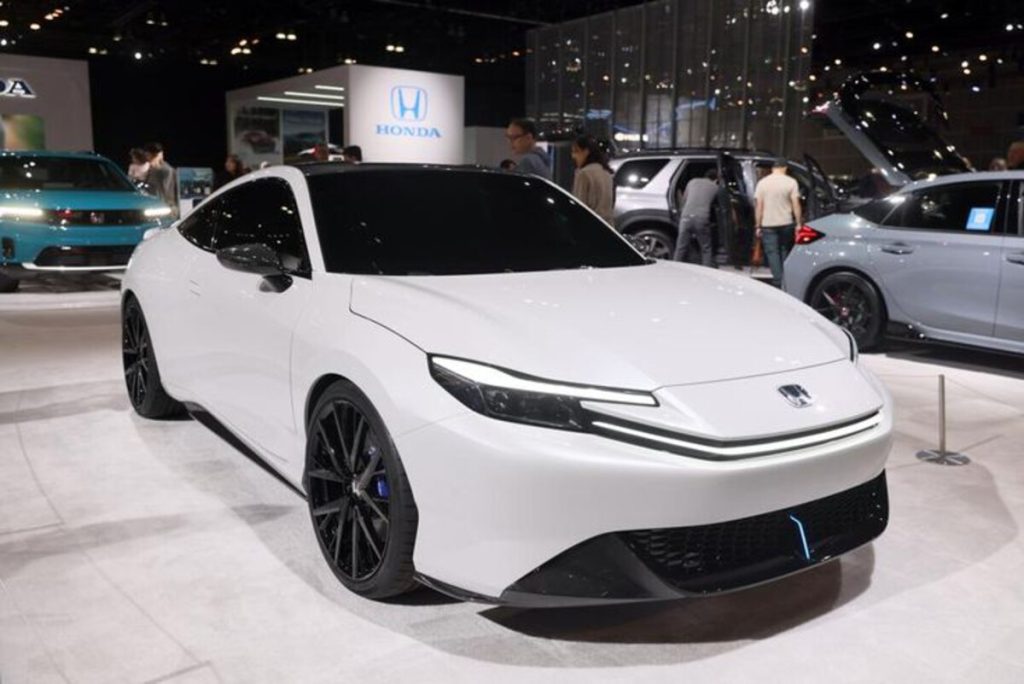
The Honda Prelude V is included because it highlights how innovation and performance alone are not always enough to secure lasting recognition.
Its 4WS technology, balanced handling, and refined design make it an interesting and capable vehicle, demonstrating that some overlooked models deserve attention despite fading from mainstream memory.
2. Nissan NX1600
The Nissan NX1600, introduced in the early 1990s, was a compact, sporty coupe that combined lightweight design with spirited performance. Despite its potential as an enjoyable driver’s car, it remains largely forgotten today, overshadowed by more prominent models such as the 240SX and Sentra variants.
One of the NX1600’s key strengths was its agile handling. The vehicle’s small size, low curb weight, and well-tuned suspension allowed it to corner with precision and respond to driver inputs quickly.
Its front-engine, front-wheel-drive layout provided predictable handling characteristics, making it accessible for enthusiasts seeking a sporty yet manageable vehicle.
The car was also equipped with a responsive 1.6-liter engine that offered sufficient power for its lightweight frame.
While not the most powerful, the engine provided an engaging driving experience, particularly in urban and twisty road conditions. Its simplicity and reliability made it an attractive option for drivers who valued performance without complexity.
Design-wise, the NX1600 featured a compact, aerodynamic profile with sporty touches such as a sloped rear hatch and integrated spoiler. Its interior was functional and driver-focused, prioritizing ergonomics and comfort.
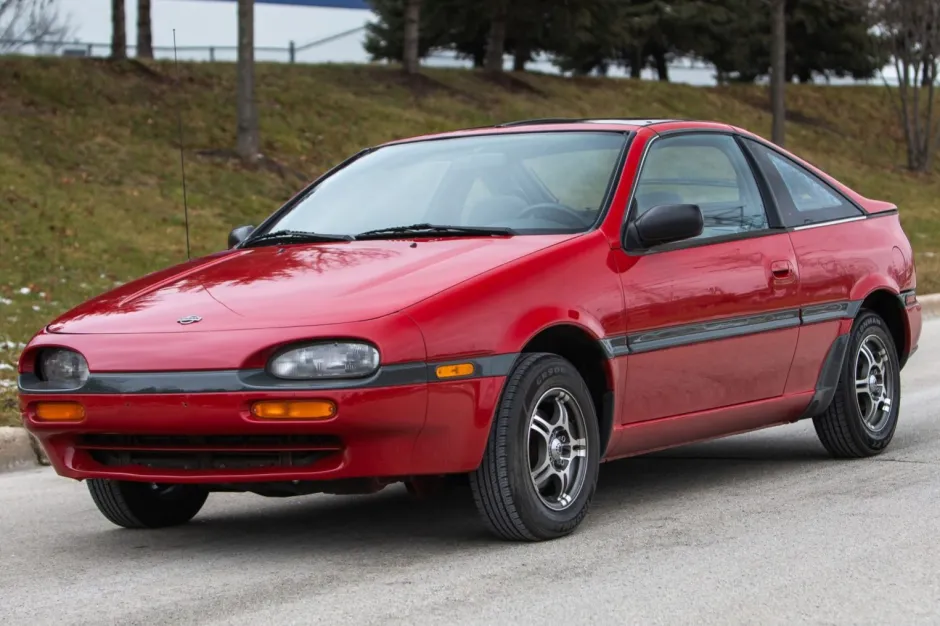
Despite these appealing traits, the NX1600 received limited attention in the marketplace due to its modest size, niche positioning, and competition from larger or more powerful sports coupes.
The Nissan NX1600 is included because it illustrates how capable vehicles can fade into obscurity despite offering enjoyable driving dynamics.
Its lightweight chassis, responsive engine, and practical sportiness demonstrate that overlooked models can still provide meaningful experiences.
By examining the NX1600, enthusiasts can appreciate hidden JDM gems that never achieved widespread recognition but remain rewarding to discover and drive.
3. Toyota Sera
The Toyota Sera, produced in the early 1990s, is a compact coupe best known for its distinctive butterfly doors and futuristic design. While visually striking and innovative, it failed to achieve widespread recognition and remains largely forgotten today.
Despite this, the Sera showcased Toyota’s willingness to experiment with unique styling and engineering concepts.
One of the Sera’s most memorable features is its glass canopy and large windows, which provide an open and airy feeling inside the cabin. This design not only offers a futuristic aesthetic but also improves visibility for the driver.
Coupled with its smooth aerodynamic body, the Sera was engineered to balance visual appeal with functional considerations, such as fuel efficiency and stability.
Under the hood, the Sera featured a modest 1.5-liter inline-four engine paired with a smooth automatic or manual transmission.
While not a high-performance vehicle, it offered adequate power for daily driving and delivered a responsive, nimble feel due to the car’s light weight.
The suspension was tuned for comfort and handling, creating a pleasant driving experience for city roads and highways alike.
Despite these features, the Toyota Sera struggled in the market due to its unconventional styling and limited seating capacity.
It was considered more of a niche vehicle and never gained the attention that would elevate it to iconic status. Its unique design, while visually appealing, may have limited its broader appeal among buyers seeking more practical options.
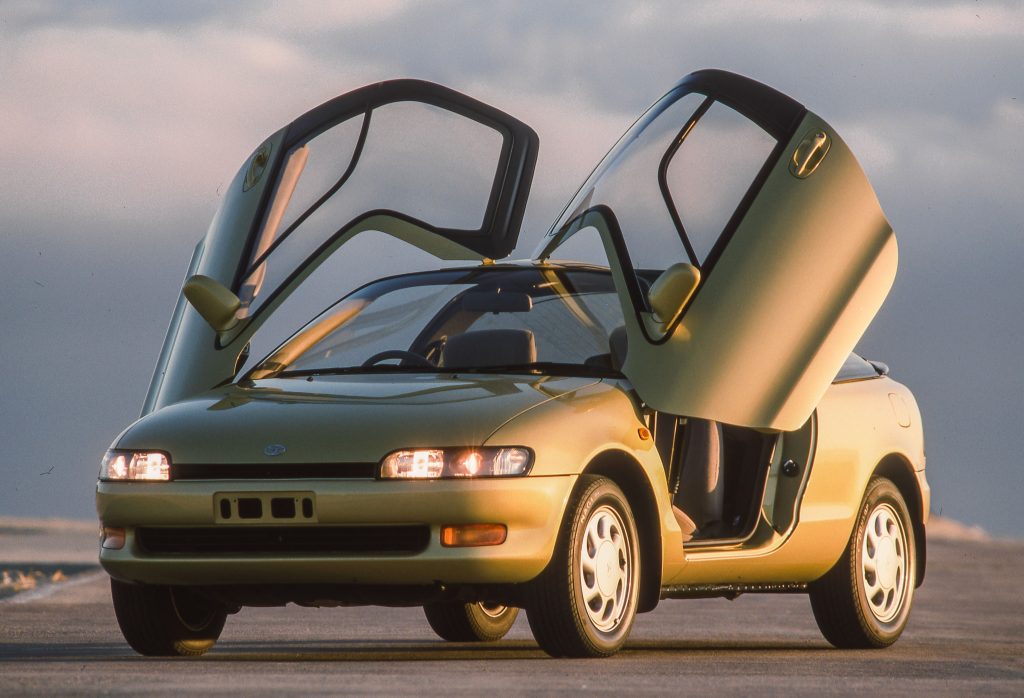
The Toyota Sera is included because it highlights how innovative design and engineering can be overlooked. While it offered distinctive styling and enjoyable driving dynamics, the Sera’s lack of mainstream appeal caused it to fade from public memory.
It serves as a reminder that creativity and innovation alone do not guarantee a vehicle’s lasting recognition.
4. Suzuki Cappuccino
The Suzuki Cappuccino is a small, lightweight roadster introduced in the early 1990s that embodies Japan’s kei car regulations.
Despite its fun-to-drive nature and innovative design, it remains a forgotten gem in the JDM world, overshadowed by larger and more powerful sports cars.
One of the Cappuccino’s defining features is its extremely low weight, which, combined with a turbocharged 660cc engine, delivers an exceptionally agile and responsive driving experience.
The car’s rear-wheel-drive layout and balanced chassis allow for precise handling, making it an engaging vehicle to drive on tight, twisty roads. Despite its small engine, the light weight ensures lively performance that belies its modest power output.
The Cappuccino’s design emphasizes compactness without sacrificing style. It features a removable hardtop, convertible functionality, and a minimalist interior focused on the driver.
The car’s compact dimensions make it ideal for urban environments, providing ease of parking and maneuverability that larger sports cars cannot match.
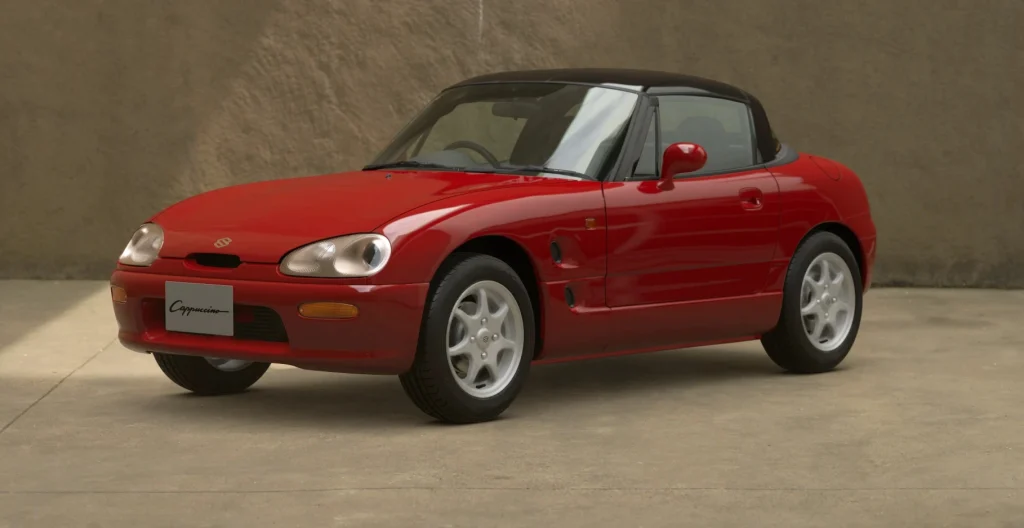
However, the Cappuccino was limited by its small engine, low top speed, and niche appeal, which contributed to its lack of widespread recognition outside Japan.
Production numbers were relatively low, and the vehicle’s kei car classification made it less attractive in international markets where larger, more powerful cars dominated.
The Suzuki Cappuccino is included because it represents a hidden JDM treasure that offers enjoyable driving dynamics and clever engineering despite its obscurity.
Its lightweight design, turbocharged responsiveness, and convertible appeal make it a rewarding and unique vehicle.
While largely forgotten, the Cappuccino showcases how innovative engineering can create a compelling driving experience even without mainstream success.
5. Mitsubishi FTO
The Mitsubishi FTO, produced in the mid-1990s, is a compact sports coupe that offered sharp styling and enjoyable performance but failed to gain lasting recognition.
Despite its capable handling and distinctive design, the FTO has largely been overshadowed by more prominent Japanese sports cars of the era, such as the Honda Prelude or Nissan Silvia.
One of the FTO’s key strengths is its lightweight chassis combined with a responsive engine lineup. The vehicle featured a range of engines, including the 2.0-liter V6 in higher trims, delivering smooth power and an engaging driving experience.
Its front-engine, front-wheel-drive layout provided predictability and stability, while the suspension was tuned to balance sporty handling with comfort, making the car versatile for both daily driving and spirited performance.
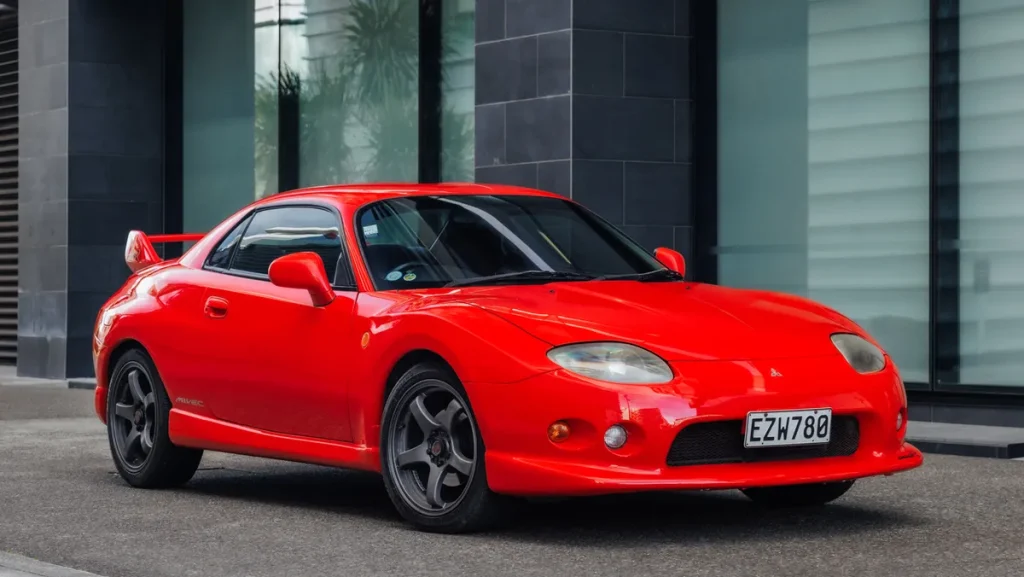
The FTO also featured a unique design that distinguished it from its competitors. Its sleek, aerodynamic shape, pop-up headlights, and flowing roofline created a sporty yet stylish profile.
Inside, the cabin emphasized driver orientation, with a well-laid-out dashboard, supportive seats, and clear instrumentation, ensuring a focused driving experience.
Despite these attributes, the Mitsubishi FTO struggled to gain attention in a competitive market. Its styling was polarizing, and its front-wheel-drive configuration was sometimes criticized by enthusiasts who preferred rear-wheel-drive sports cars.
Limited marketing and production numbers also contributed to its fading presence, causing it to be largely forgotten despite its merits.
The Mitsubishi FTO is included because it exemplifies how capable and enjoyable cars can disappear from mainstream memory.
Its combination of responsive engines, engaging handling, and distinctive styling makes it a hidden gem for enthusiasts willing to look beyond the most famous JDM names.
The FTO demonstrates that even overlooked models can offer rewarding driving experiences and deserve recognition for their contribution to Japan’s automotive history.
Also Read: 5 Trucks That Run Like New After 10 Years vs 5 That Don’t
