
A car’s exterior may turn heads, but it’s the interior that defines daily satisfaction. From the materials under your fingertips to the quality of the trim, a well-built cabin can hold its charm for years or, in some cases, lose it far too soon.
Across the automotive industry, longevity inside the cabin varies dramatically. Some cars seem to resist time itself, maintaining a clean, refined, and resilient interior even after years of sun exposure and heavy use.
Others, however, quickly betray their age, as fading fabrics, peeling plastics, and worn finishes begin to erode the sense of newness that once drew owners in.
Understanding why some interiors stay fresh while others deteriorate quickly reveals a lot about design philosophy, craftsmanship, and brand priorities.
Automakers that invest in higher-grade materials, superior UV protection, and precise assembly tend to build cabins that last. Those that cut corners often leave drivers dealing with creaky panels, cracked leather, and faded dashboards within just a few years.
This comparison looks at both sides of the story the vehicles that reward their owners with enduring comfort and visual appeal, and those that fail to hold up over time. The first section highlights five cars whose interiors age gracefully, proving that quality engineering can withstand daily wear.
The second examines five models that lose their luster too soon, reminding buyers that not all interiors are created equal. Together, they present a revealing picture of how automotive interiors perform long after the showroom shine fades.
Also Read: 5 JDM Legends That Live Forever vs 5 Forgotten Models
5 Cars With Interiors That Stay Fresh
When choosing a vehicle, most buyers focus on performance, fuel efficiency, and styling. Yet, the interior often determines long-term satisfaction.
A cabin that remains clean, comfortable, and visually appealing over time reflects careful engineering and thoughtful material choices.
Cars with interiors that stay fresh combine durable upholstery, well-protected plastics, quality stitching, and layouts that resist wear, fading, and daily abuse. These are vehicles designed not just for the first year of ownership but for years of consistent enjoyment.
One major factor in lasting interiors is material selection. Premium leather, soft-touch plastics, and UV-resistant trims withstand sunlight and friction far better than basic fabrics or untreated surfaces.
Smart design choices, such as panels that are easy to clean and surfaces that avoid trapping dust or stains, also contribute.
Additionally, brands that prioritize assembly precision reduce rattles, squeaks, and premature sagging, keeping the cabin feeling solid and refined even after thousands of miles.
This section highlights five specific car models known for interiors that resist the test of time. Each of these vehicles demonstrates a combination of quality materials, intelligent engineering, and durability-focused design.
From luxurious sedans to practical SUVs, these cars maintain an inviting, fresh environment that keeps drivers and passengers comfortable and satisfied, whether the vehicle is one year old or ten.
By examining these examples, it becomes clear how automotive interiors can succeed in maintaining both functionality and style over extended periods, making them wise choices for buyers who value longevity and lasting comfort.
1. Lexus LS
The Lexus LS has long been synonymous with luxury and durability, and its interior is a prime example of why it remains highly regarded.
From the moment you step inside, the cabin feels meticulously crafted, with high-quality leather seats, soft-touch materials, and precise panel alignment.
Lexus prioritizes long-lasting finishes, using UV-resistant coatings and premium stitching to prevent fading and cracking, even under extended exposure to sunlight.
Another factor contributing to the LS’s enduring interior is the thoughtful choice of materials for high-contact areas. Door panels, armrests, and center consoles feature soft, yet durable surfaces designed to resist scuffs and wear from daily use.
Additionally, Lexus employs advanced manufacturing techniques that reduce rattles and panel loosening, ensuring the cabin feels solid over time.
The layout is driver-focused yet spacious, minimizing areas where dirt or spills can accumulate, which further contributes to a fresh look years after purchase.
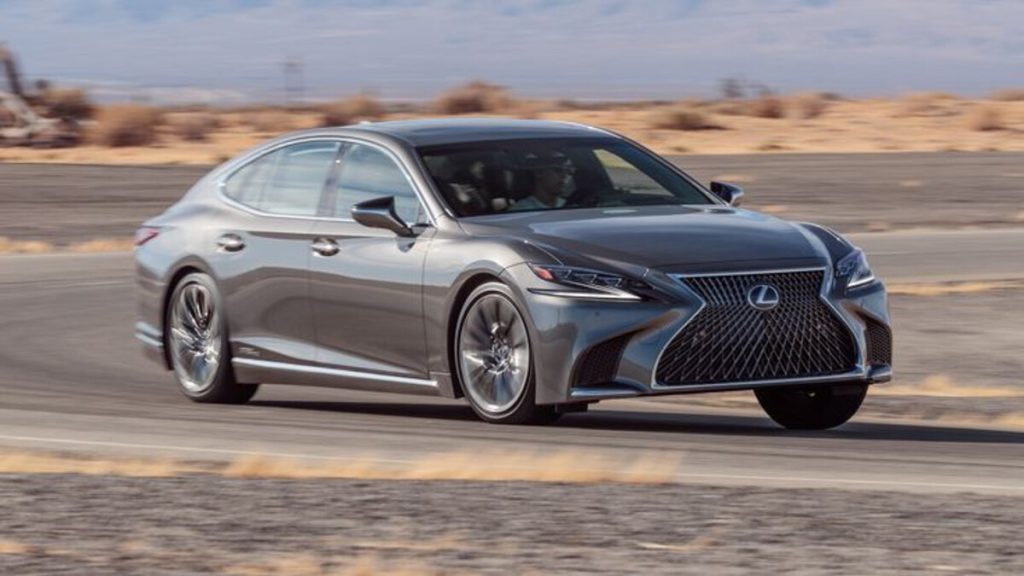
Owners consistently report that the LS maintains a like-new appearance for much longer than many competitors, making it a smart choice for anyone seeking both luxury and longevity.
Regular maintenance, such as conditioning the leather and keeping surfaces clean, ensures that this level of quality is preserved even through heavy use. Overall, the Lexus LS stands out as a model that prioritizes a lasting interior experience without compromising comfort or style.
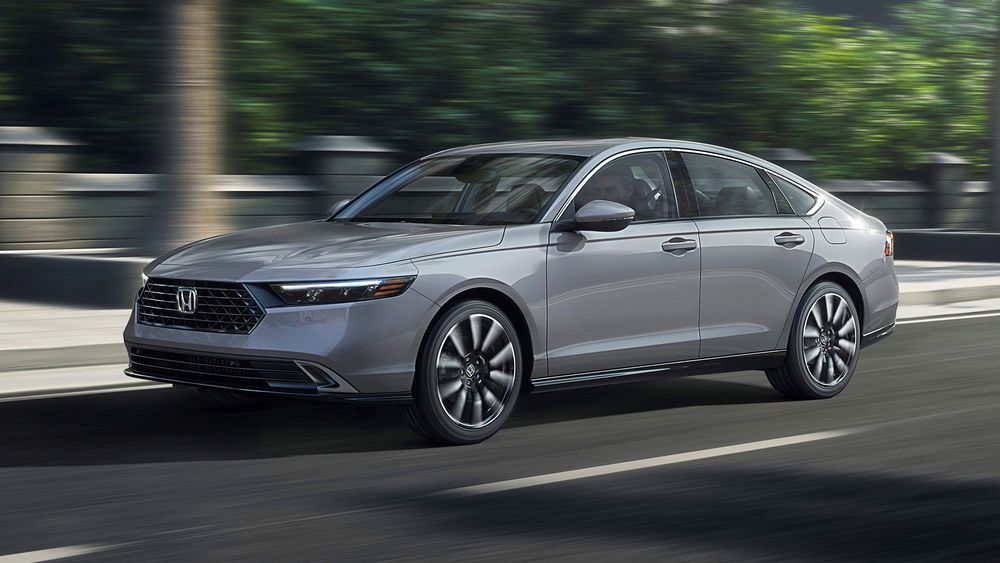
2. Honda Accord
While the Lexus LS leans toward luxury, the Honda Accord proves that mainstream sedans can also offer interiors that age gracefully. The Accord’s cabin combines high-quality materials with a straightforward, durable design.
Soft-touch plastics, leatherette or optional leather upholstery, and tightly fitted panels help resist fading, cracking, or sagging, even after years of use.
Honda also focuses on ergonomics and easy-to-clean surfaces, which enhances the perception of freshness.
The controls, buttons, and trim pieces are engineered to resist scratches and discoloration, and the dashboard features UV-resistant materials to prevent sun damage in hot climates. Moreover, the Accord’s seats retain their shape well, thanks to high-density foam and reinforced stitching.
Another reason the Accord’s interior remains appealing is its minimalist design. Fewer decorative elements mean fewer areas where dirt, wear, or staining can accumulate, making maintenance simpler for owners.
Drivers often find that even high-mileage Accords retain a pleasant, comfortable, and visually neat cabin environment.
This combination of thoughtful material choice, smart design, and durability-focused engineering makes the Honda Accord a standout in the category of interiors that stay fresh over time.
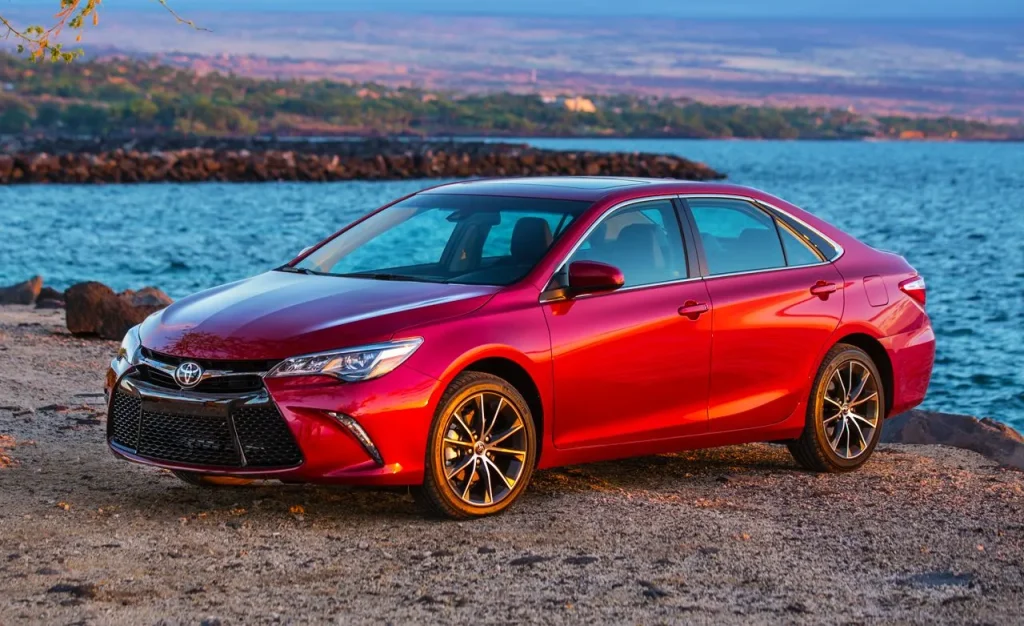
3. Toyota Camry
The Toyota Camry has earned a reputation for reliability, and its interior longevity is a significant part of that. Designed with practicality and comfort in mind, the Camry’s cabin uses high-quality materials that resist wear and tear.
Soft-touch plastics, durable upholstery, and scratch-resistant panels help maintain a fresh, clean appearance even after years of daily driving.
One standout feature is Toyota’s attention to sun protection. UV-resistant coatings on the dashboard and door trims reduce fading, while the choice of fabrics or leatherette upholstery prevents cracking and discoloration under prolonged exposure to sunlight.
High-contact areas such as armrests and center consoles are reinforced to endure regular use, minimizing sagging or indentations that can make interiors feel worn prematurely.
The Camry also excels in design simplicity, which contributes to interior longevity. The layout is intuitive and avoids overly complicated decorative elements that often degrade faster.
Seats retain their comfort and structure due to high-density foam and quality stitching, while storage compartments and cupholders are easy to clean, preventing stains from building up.
Owners frequently note that Camry interiors look newer than expected, even after extensive mileage.
This combination of thoughtful material selection, practical design, and durability-focused engineering ensures that the Camry remains comfortable and visually appealing for years, making it an excellent choice for drivers seeking an interior that stands the test of time.
4. Mercedes-Benz E-Class
The Mercedes-Benz E-Class blends luxury with longevity, making its interior a benchmark for enduring quality. Premium leather seats, wood trim, and soft-touch plastics are designed not just for aesthetics but for resilience.
Mercedes employs advanced treatments on leather and synthetic surfaces to resist fading, scratches, and wear from daily use, ensuring the cabin maintains its upscale appearance over time.
Attention to detail is a hallmark of the E-Class. Every seam, panel, and switch is crafted to minimize rattles or loosening, which preserves a feeling of solidity and refinement.
High-contact areas, including door handles, armrests, and center consoles, are reinforced and finished with materials that resist scuffs or stains. Even the dashboard, exposed to sunlight, is treated with UV-resistant coatings to prevent discoloration and cracking.
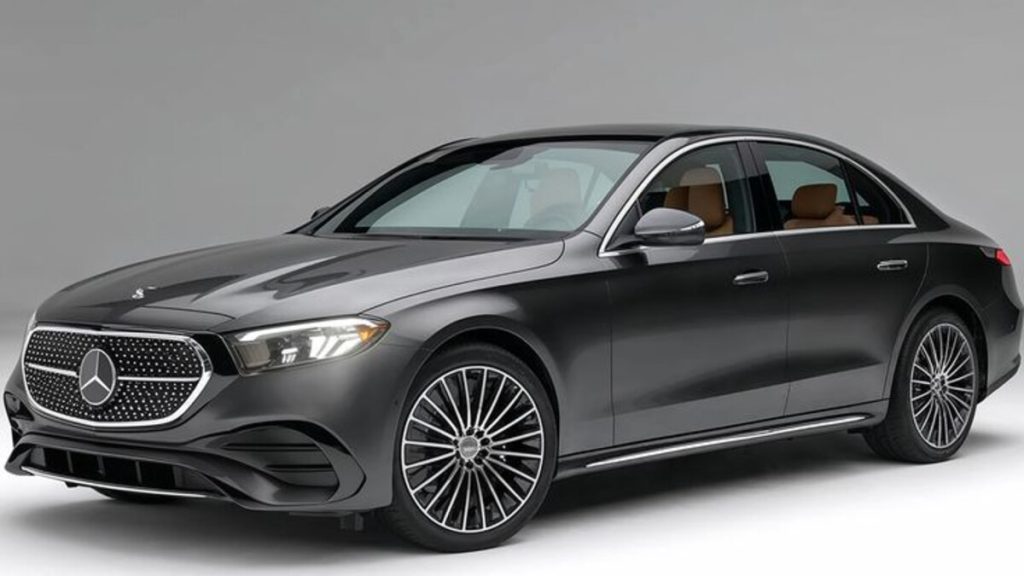
Mercedes also emphasizes ergonomics and intuitive layout, which reduces unnecessary strain on components. Buttons and touchscreens are designed for frequent use without showing premature wear, while interior color schemes are chosen to hide minor blemishes, maintaining a sense of cleanliness.
For owners, the E-Class interior continues to impress long after purchase. Whether it’s the suppleness of the leather, the gleam of the wood accents, or the overall quiet, solid feel, the cabin demonstrates why Mercedes interiors are considered long-lasting.
This combination of luxury, engineering, and durable materials ensures the E-Class remains inviting and fresh even after years on the road.
5. Volvo XC90
The Volvo XC90 offers a premium SUV experience while emphasizing interior durability and timeless design.
Scandinavian-inspired, the cabin combines minimalist elegance with high-quality materials that resist aging, making it one of the most enduring interiors in its segment.
Soft leather seats, sustainably sourced wood trim, and tactile plastics are treated to withstand daily wear, sunlight exposure, and frequent use without losing their charm.
Volvo pays particular attention to materials that maintain both appearance and comfort. Seats are reinforced with durable stitching, and high-contact areas such as door panels and the center console are built to resist scuffs and abrasion.
Even the flooring and cargo areas feature resilient surfaces that are easy to clean, reducing the risk of long-term stains or fading. This focus on durability ensures the cabin stays inviting, whether carrying passengers or family gear.
Another reason the XC90’s interior stays fresh is its ergonomic and functional design. Controls are logically placed, and surfaces avoid unnecessary decorative flourishes that often wear prematurely.
The dashboard and trim are equipped with UV-resistant coatings, helping maintain their color and finish even under prolonged sun exposure.
Owners often report that the XC90 retains its new-car feel for years, with minimal creasing, fading, or deterioration.
This combination of premium materials, clever engineering, and practical design ensures the SUV remains comfortable and visually appealing long after purchase.
For buyers seeking an interior that balances elegance, functionality, and long-term durability, the Volvo XC90 stands out as an exceptional choice.
5 Cars With Interiors That Fade Fast
While some vehicles maintain their interior appeal for years, others show signs of aging far too quickly. Cars with interiors that fade fast often reveal their weaknesses through cracked dashboards, peeling plastics, sun-damaged fabrics, or worn seating surfaces.
These issues can emerge within just a few years, reducing comfort, aesthetic appeal, and overall satisfaction for owners.
Several factors contribute to rapid interior degradation. Low-quality plastics and fabrics, insufficient UV protection, and cost-cutting in high-contact areas can lead to fading, discoloration, and premature wear.
Additionally, poor assembly or design flaws can cause rattles, loose panels, or sagging surfaces, making the cabin feel neglected despite regular maintenance. Even meticulous cleaning may not prevent the visual and tactile decline in these vehicles.
This section highlights five specific car models notorious for interiors that fail to hold up over time. By examining these examples, it becomes clear that even well-regarded brands can sometimes compromise durability for affordability, styling, or other priorities.
Each vehicle on this list demonstrates issues with material quality, sun resistance, or long-term wear, providing valuable insights for buyers who prioritize interior longevity.
Understanding which interiors fade quickly helps prospective owners make informed decisions, ensuring they avoid cars that may look tired far sooner than expected.
These examples also serve as reminders that attention to interior materials and construction is just as important as performance, fuel efficiency, or exterior design when assessing a vehicle’s overall value.
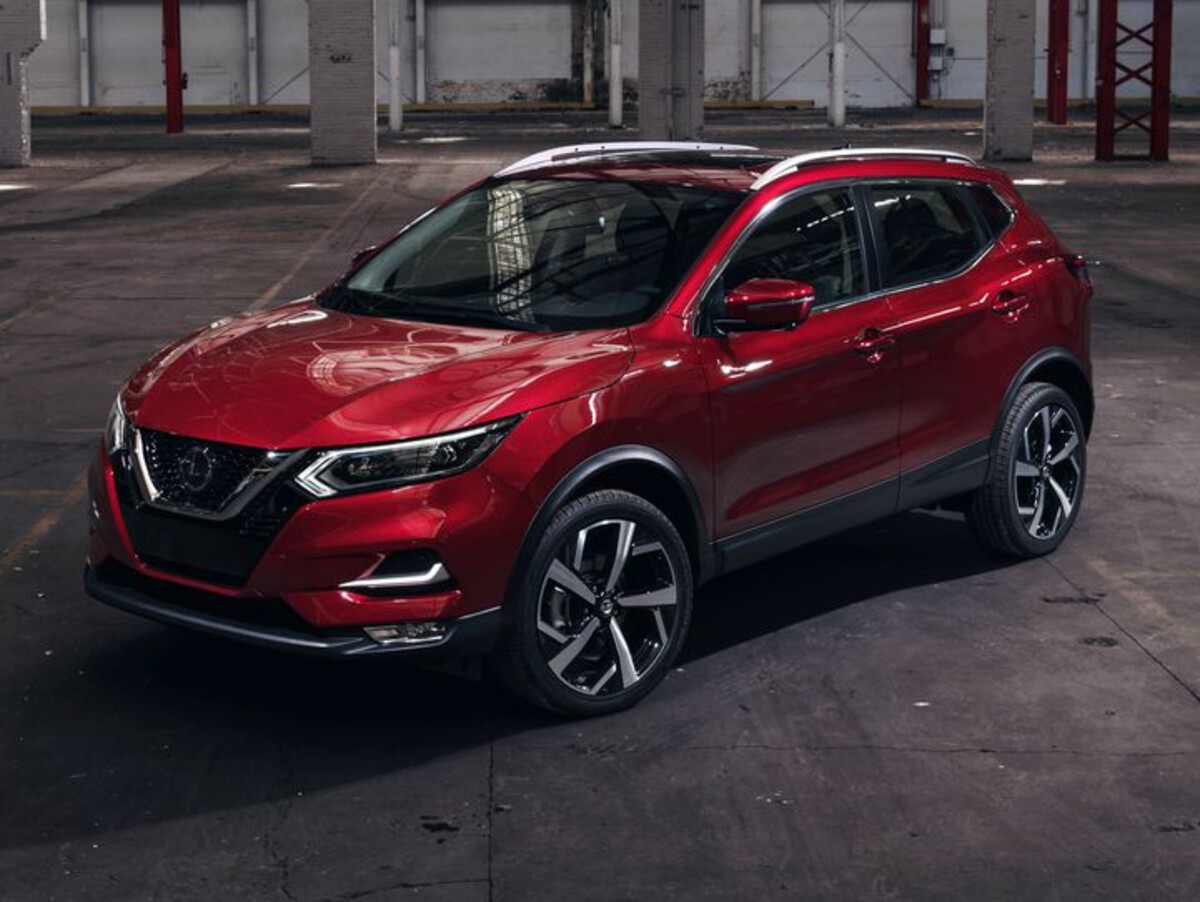
1. Chevrolet Cruze
The Chevrolet Cruze, while praised for its affordability and efficient performance, often falls short when it comes to interior durability.
Owners frequently report issues such as peeling dashboard surfaces, fading plastics, and worn seat fabrics, particularly in models exposed to prolonged sunlight.
The materials used in high-contact areas, including armrests and door panels, tend to show scuffs and scratches much sooner than expected, giving the cabin a prematurely aged appearance.
One of the main contributors to the Cruze’s fading interior is the limited UV protection on dashboard materials and plastic trims. In sunny climates, the dashboard may crack or discolor within a few years, while door panels can lose their original tone.
Leatherette or fabric seats also display early signs of wear, including stretched seams and sagging, especially for drivers who spend long hours in the vehicle.
Another factor is the assembly and panel fitment. Minor rattles, loose trim pieces, and uneven surfaces can develop over time, compounding the sense of interior deterioration.
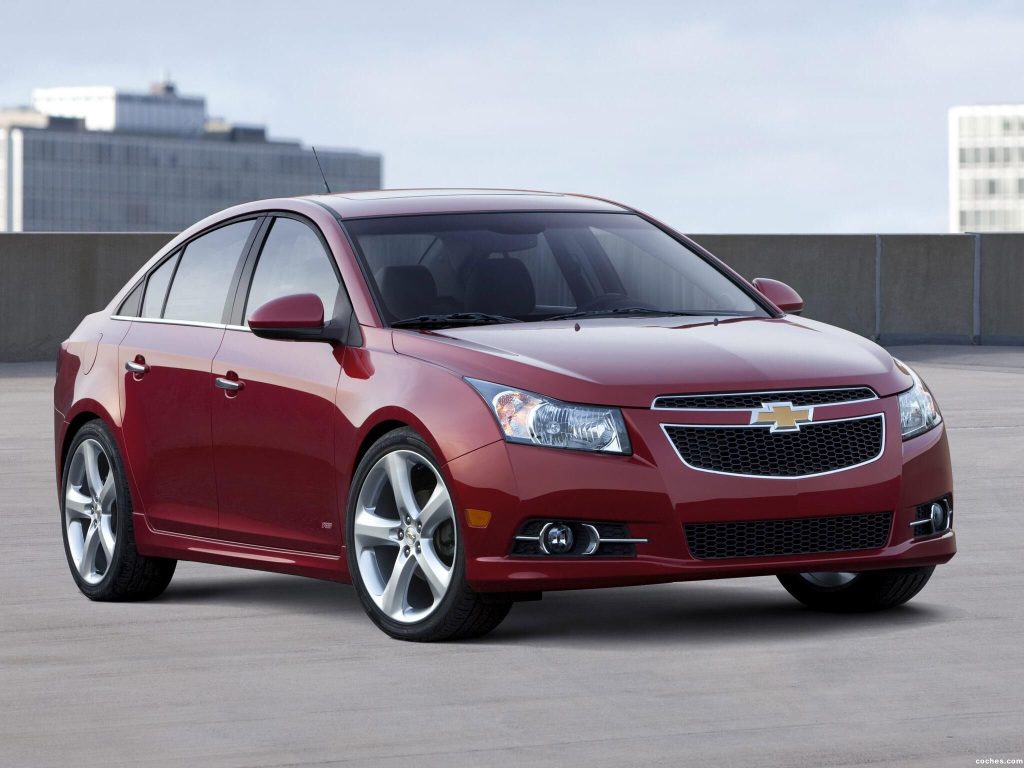
While regular cleaning and conditioning can help, the Cruze’s materials often respond poorly to repeated exposure to cleaning chemicals or sunlight.
Ultimately, the Chevrolet Cruze serves as a reminder that cost-effective sedans can compromise long-term interior quality.
While it performs well mechanically and offers good value, buyers looking for a cabin that maintains its fresh look over years may find the Cruze falls short, highlighting the importance of material quality and design in interior longevity.
2. Ford Escape
The Ford Escape, a popular compact SUV, is another vehicle known for interiors that degrade faster than expected. Early models, in particular, are prone to fading plastics, peeling trim, and worn seating surfaces, especially in areas exposed to direct sunlight or heavy use.
Dashboard panels may lose color, while door armrests and center consoles show scuffs and scratches after just a few years of ownership.
Material choice is a key issue. The Escape uses cost-effective plastics and synthetic fabrics that lack sufficient UV protection.
This can lead to fading, cracking, or discoloration even with moderate sun exposure. Seats, particularly cloth versions, may stretch or compress over time, and leatherette options can develop creases and peeling, reducing the overall perception of quality.
In addition, design flaws contribute to the cabin’s aging. Some controls, buttons, and trim pieces are prone to looseness or rattling, which not only affects comfort but accelerates wear in surrounding surfaces. High-traffic areas such as cupholders, door pockets, and seat edges show noticeable signs of use relatively quickly.
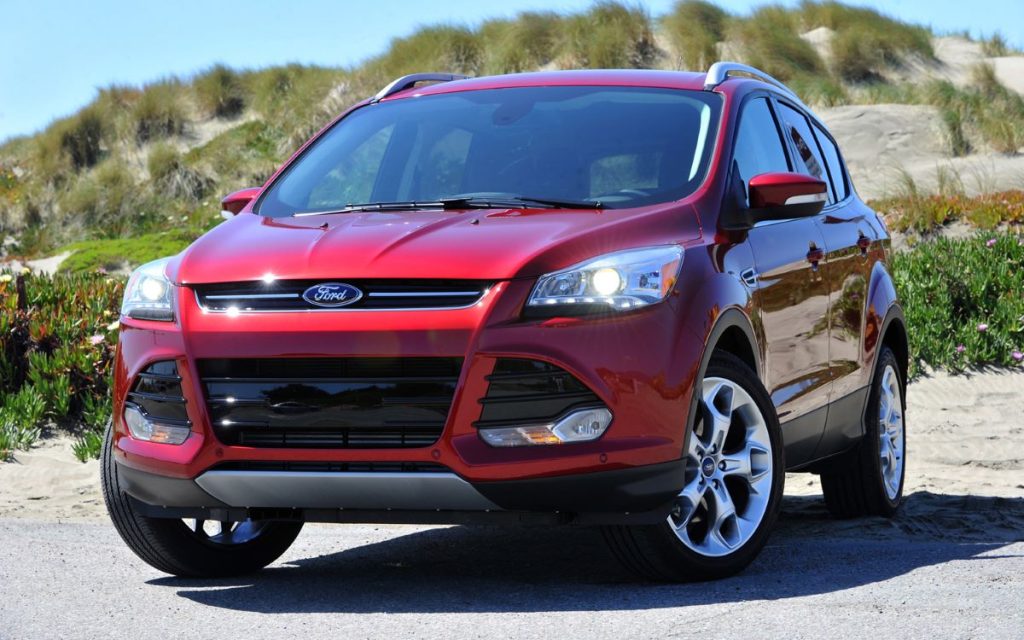
While the Escape offers practicality and versatility, its interior durability leaves something to be desired.
Drivers who prioritize a cabin that maintains a refined, fresh appearance over time may be disappointed, making it a cautionary example of how even mainstream SUVs can struggle with material longevity.
3. Nissan Rogue
The Nissan Rogue, while popular for its practicality and fuel efficiency, is often criticized for interiors that show wear prematurely. Drivers report fading plastics, peeling trim, and fabric seats that lose shape and color after only a few years.
High-contact areas like door panels, center consoles, and armrests are particularly vulnerable, leading to a cabin that can feel worn long before the vehicle reaches high mileage.
Material choice plays a significant role in the Rogue’s interior aging. The dashboard and other key surfaces are made from plastics that lack robust UV protection, making them susceptible to sun damage in bright climates.
Cloth seats tend to compress and stain easily, while leatherette options can develop creases or surface cracks. Even routine cleaning may accelerate deterioration if harsh products are used.
Design and assembly factors also contribute. Some trim pieces may loosen over time, and buttons or switches can develop wear spots, creating a sense of neglect. The minimalist styling of the Rogue doesn’t help hide these imperfections, as scratches, fading, and minor blemishes are easily visible.
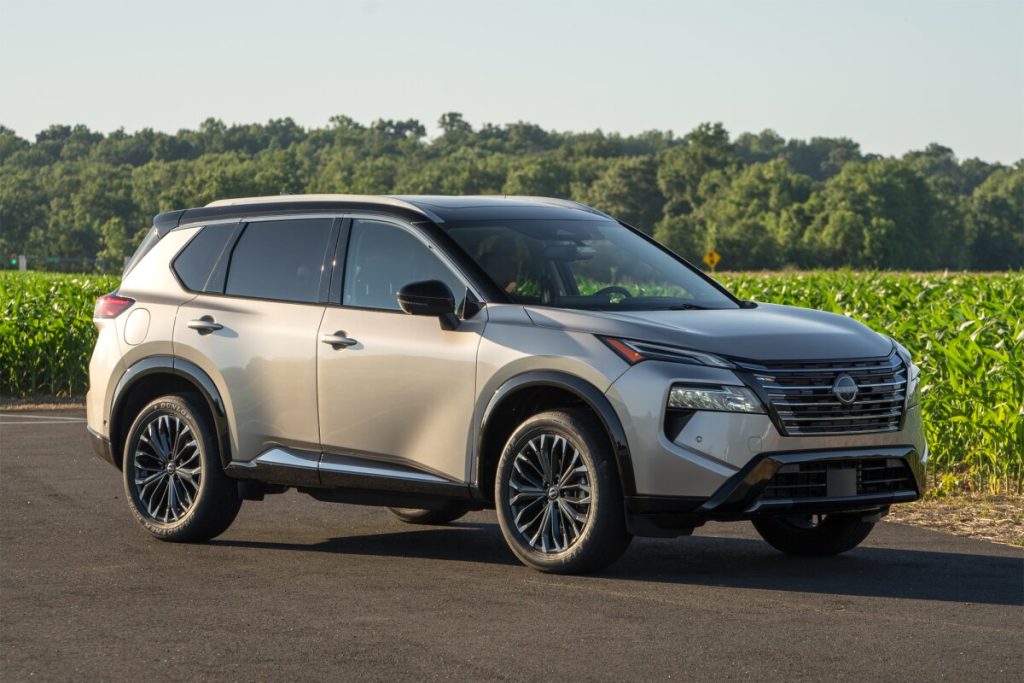
For owners who value a long-lasting, visually appealing interior, the Rogue can be disappointing. While it excels in practicality, cargo space, and daily usability, its cabin materials and construction fall short in terms of durability.
Prospective buyers should be aware that the Rogue’s interior may require extra care to maintain a fresh appearance over time.
4. Jeep Cherokee
The Jeep Cherokee is built for off-road capability and rugged performance, but its interior durability often leaves much to be desired. Dashboards, door panels, and center consoles are prone to fading and scratching, especially under consistent sun exposure.
Seat materials, whether cloth or leatherette, can wear and sag quickly, reducing both comfort and visual appeal.
One contributing factor is the emphasis on cost-effective materials over long-term resilience. Plastics in high-traffic areas are soft but scratch easily, while trim coatings may peel or discolor over time.
Cloth seats, while initially comfortable, can stretch, stain, or show pilling after frequent use, while leatherette versions may develop creases or cracking if not properly maintained.
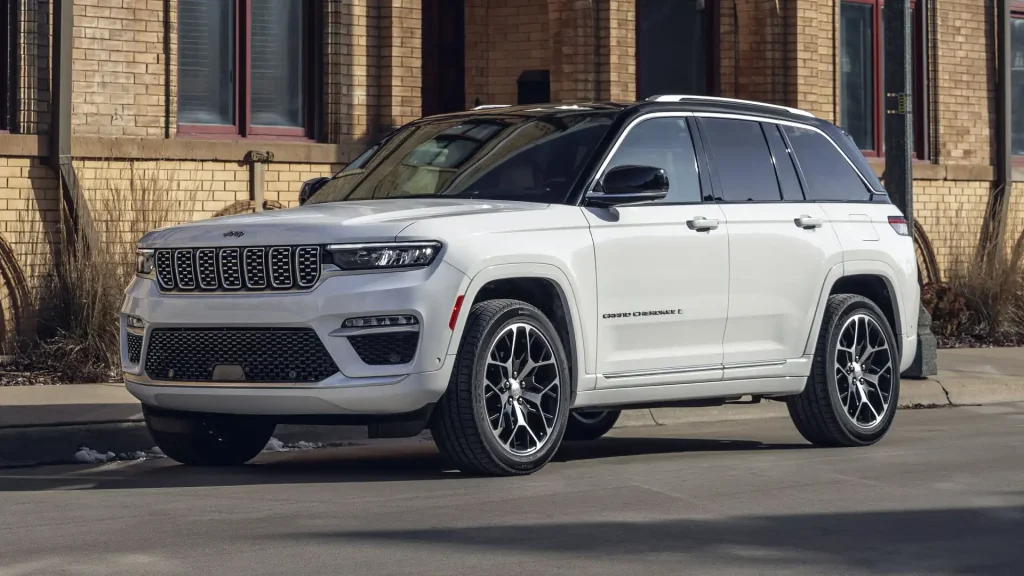
Assembly quality also plays a role in accelerated aging. Some panels and switches may loosen or rattle, creating additional wear points and an overall perception of a less solid cabin. Combined with sun exposure and regular use, these factors cause the Cherokee’s interior to age noticeably faster than rivals.
While the Cherokee delivers versatility, off-road readiness, and a rugged driving experience, its cabin is less refined in terms of long-term appearance.
Owners seeking an interior that remains pristine for many years may find it challenging to maintain the same level of freshness found in better-built vehicles.
5. Volkswagen Jetta
The Volkswagen Jetta, a popular compact sedan, has faced criticism for interiors that do not always hold up well over time.
Dashboards, door panels, and center consoles in many models are made from lower-grade plastics prone to fading, scratches, and discoloration, particularly when exposed to sunlight over long periods.
Cloth seats may compress, stain, or show uneven wear, while leatherette options can develop cracks or creases, diminishing the sense of quality inside the cabin.
Material selection is a primary factor in the Jetta’s interior decline. Plastics on the dashboard and door trims often lack sufficient UV protection, resulting in sun-induced fading or a brittle texture after several years.
The center console and other high-contact areas are prone to scuffs and scratches, and the leatherette-wrapped steering wheel may show noticeable signs of wear faster than expected.
Design choices also contribute to the cabin’s aging. Some buttons, knobs, and switches loosen over time, while small gaps between panels can trap dust and debris, accelerating wear and making surfaces look older than they are. Even careful cleaning may fail to prevent early degradation of the interior materials.
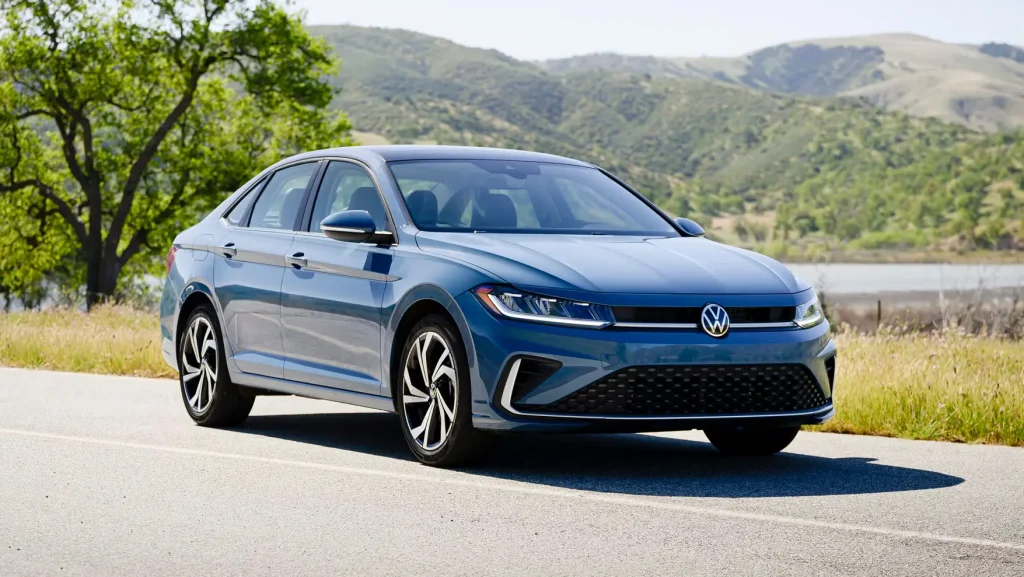
While the Jetta remains appealing for its performance, handling, and affordability, its interior longevity is less impressive. Owners who prioritize a cabin that retains a fresh, premium look may find it falls short compared to competitors in the same segment.
The Volkswagen Jetta serves as a cautionary example that even well-engineered vehicles can struggle with material durability, highlighting the importance of both design and material choice when assessing long-term interior quality.
The quality and longevity of a car’s interior are critical factors that often influence long-term satisfaction, yet they are frequently overlooked during the buying process. While exterior styling and mechanical performance attract initial attention, it is the cabin that drivers interact with daily.
A well-designed, durable interior ensures comfort, aesthetic appeal, and value retention, while a cabin that deteriorates quickly can make even a mechanically reliable vehicle feel substandard. This article compared two contrasting groups of vehicles: those whose interiors remain fresh over time and those whose interiors fade or wear prematurely.
Among the cars with interiors that maintain their appeal, the Lexus LS stands out as a benchmark for luxury, featuring high-quality leather, soft-touch materials, and UV-resistant surfaces that endure years of use without fading or cracking.
Similarly, the Honda Accord proves that even mainstream sedans can offer long-lasting cabins through careful material selection and ergonomic design.
The Toyota Camry combines practicality with resilient fabrics and well-protected plastics, maintaining a neat, comfortable interior even under heavy use.
In the luxury segment, the Mercedes-Benz E-Class demonstrates how premium finishes, solid assembly, and reinforced surfaces preserve refinement over time.
Finally, the Volvo XC90 balances elegance and functionality, with durable leather, wood accents, and minimalistic design that resist wear and sun damage.
Common factors contributing to these interiors’ longevity include the use of high-grade materials, UV protection, thoughtful assembly, and a design approach that minimizes areas prone to damage or dirt accumulation.
Conversely, some vehicles struggle to retain their interior quality. The Chevrolet Cruze, for instance, exhibits peeling dashboards, fading plastics, and worn upholstery, particularly under sun exposure.
The Ford Escape faces similar challenges, with susceptible high-contact areas and trim that loses color quickly. Nissan Rogue owners report fading plastics, compressed cloth seats, and loose trim pieces that accelerate the worn appearance.
The Jeep Cherokee, while rugged, demonstrates interior aging through scratched panels, sagging seats, and fading materials. Lastly, the Volkswagen Jetta highlights how cost-effective plastics and insufficient UV protection can lead to a prematurely aged cabin.
In these cases, the combination of lower-quality materials, inadequate sun resistance, and design flaws contribute to rapid wear and fading, which can undermine owner satisfaction despite strong mechanical performance.
The contrast between these two groups underscores the importance of paying attention to interior materials and construction when purchasing a car.
A cabin that remains fresh not only enhances the driving experience but also protects resale value, while one that deteriorates quickly can diminish overall satisfaction and make routine use less enjoyable.
Ultimately, buyers who prioritize a lasting interior should consider both material quality and engineering durability alongside performance and styling.
This comparison provides practical insights, helping prospective owners make informed choices and avoid vehicles that may compromise interior longevity.
Also Read: 5 Cars With Instant Torque You’ll Never Forget vs 5 That Fall Short
