
Not every car needs a flashy badge, roaring exhaust, or aggressive styling to earn respect. In fact, some of the most remarkable vehicles ever built are those that quietly excel in areas often overlooked, such as reliability, practicality, and timeless engineering.
“10 Cars That Prove ‘Boring’ Can Be Brilliant” celebrates the unsung heroes of the automotive world, cars that might not turn heads at a stoplight but consistently deliver satisfaction on the road and longevity in the garage.
From the dependable Honda Accord to the efficient Volkswagen Jetta TDI, these vehicles represent the art of doing everything right without needing to shout about it.
Each model reflects the power of steady improvement, balanced design, and long-term value. They show that subtle refinement and thoughtful engineering can create cars that are not just dependable, but genuinely enjoyable to live with day after day.
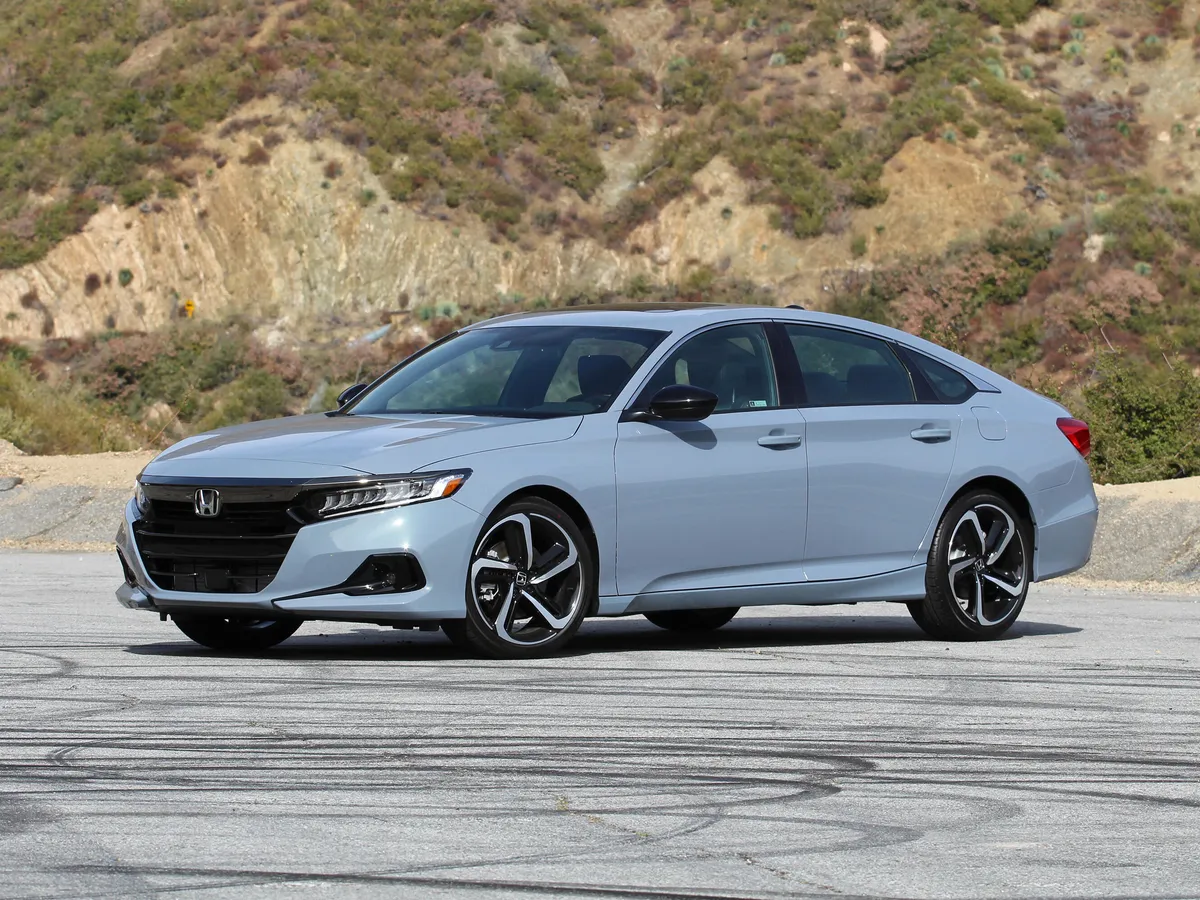
1. Honda Accord: A Blend of Efficiency, Comfort, and Lasting Quality
The Honda Accord has long been a benchmark in the midsize sedan category, admired for its precise engineering and long-term dependability.
From its early innovations, such as double wishbone suspension and aluminum subframes, to the use of high-strength steel that reduced weight while preserving rigidity, the Accord reflects decades of steady refinement. Each generation builds upon the last, proving how continuous improvement leads to lasting excellence.
The Accord offers a confident and well-balanced driving feel. The Sport-L hybrid model pairs strong performance with fuel efficiency, accelerating from 0 to 60 mph in about seven seconds, quicker than most competing midsize hybrids. Its continuously variable transmission is tuned to behave like a conventional automatic, providing smooth and natural power delivery.
Although the latest Accord has grown in size and lost some of the agility of its predecessors, it still handles corners with assurance. The 19-inch wheels on the Sport-L trim deliver a comfortable ride, while the smaller wheels on the EX-L version provide even better cushioning. Visibility remains excellent thanks to slim windshield pillars and a large rear window that inspires driver confidence.
Honda’s driver-assistance suite, known as Honda Sensing, is intuitive and effective, though the lane-keeping assist can occasionally intervene too aggressively. Adaptive cruise control is simple to activate using the steering wheel controls, making highway driving more relaxed.
Inside, the Accord emphasizes practicality, space, and ease of use. Large door openings simplify entry and exit, though taller rear passengers may need to duck slightly under the sloping roofline. Both rows provide generous legroom, and the driver’s seat has sufficient adjustability to suit different body types, even if it could use more padding.
The cabin design favors functionality, featuring large, clearly labeled buttons and knobs on the center stack. The climate control system quickly heats and cools the interior, while excellent insulation minimizes road and engine noise. The rear bench is wide enough for multiple child seats, and the LATCH anchors are easily accessible beneath marked flaps.
The available 12.3-inch touchscreen stands out for its sharp graphics and wireless Apple CarPlay and Android Auto integration. Google Assistant and related connected services are restricted to the top Touring trim, a limitation that could frustrate buyers of less expensive versions.
Cargo capacity is generous, with 16.7 cubic feet of trunk space that easily accommodates large items like golf bags. The spacious center console and cupholders provide ample room for personal belongings.
When it comes to value, the Accord impresses with its solid build quality. There are no rattles, loose panels, or cheap materials to be found, and the car feels ready to withstand years of daily use.
However, certain competitors, such as the Hyundai Sonata, include more standard features at lower prices. Honda’s warranty provides three years or 36,000 miles of basic coverage and five years or 60,000 miles of powertrain protection.
Fuel efficiency is a standout strength. The base Accord achieves an EPA-estimated 32 miles per gallon combined, while hybrid versions reach up to 48 mpg. The Sport-L hybrid returns an estimated 44 mpg combined, with real-world testing averaging around 41.5 mpg.
The Honda Accord remains a refined, dependable, and efficient sedan. It may no longer be the boldest innovator in its class, but its balance of comfort, quality, and practicality makes it an excellent long-term companion for everyday driving.
2. Volkswagen Jetta TDI: The Diesel That Redefined Efficiency (Before It Ended)
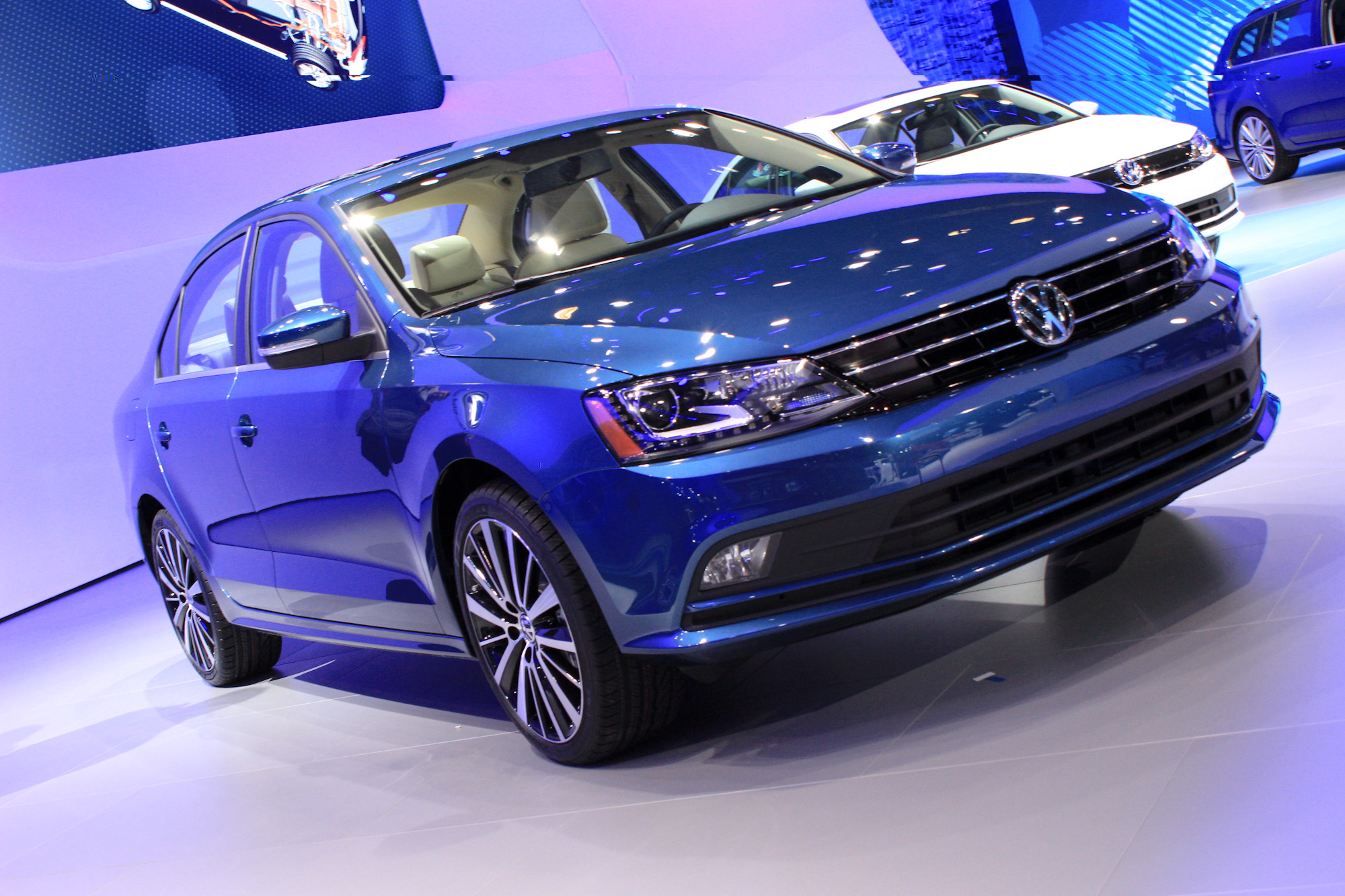
Before the diesel emissions scandal brought it down, Volkswagen’s TDI (Turbocharged Direct Injection) technology represented the peak of diesel innovation for everyday drivers. The 2013 Jetta TDI stood out as a car that delivered outstanding fuel efficiency, impressive torque, and solid German engineering without forcing drivers to compromise on comfort or practicality.
Under the hood, the 2013 Volkswagen Jetta TDI housed a 2.0-liter turbocharged diesel engine producing 140 horsepower and 236 lb-ft of torque between 1,750 and 2,500 rpm. This abundant low-end torque gave the car strong acceleration, especially on highways and during overtaking. Despite the modest horsepower rating, the Jetta TDI felt lively and confident in real-world driving conditions.
Volkswagen’s engineering excellence was evident in the details. The engine used direct fuel injection at 23,000 PSI, a forged steel bottom end, and a variable-geometry turbocharger that minimized lag while maximizing responsiveness. These design choices contributed to both performance and longevity, with many TDI engines lasting well beyond 300,000 miles.
Fuel efficiency was another strength. The car achieved EPA estimates of 30 miles per gallon in the city and 42 on the highway, while testing showed an impressive 41.3 mpg on long drives.
Drivers could choose between a six-speed manual transmission or Volkswagen’s Direct Shift Gearbox (DSG). The manual provided an engaging experience, though it was easy to stall, making the DSG the better choice for most buyers.
On winding roads, the Jetta TDI felt balanced and responsive, aided by precise steering and strong braking. However, its solid rear axle caused a slightly unsettled ride on rough pavement, leaving room for improvement in suspension refinement.
The 2013 Jetta featured a clean, timeless exterior design with subtle chrome touches. Inside, Volkswagen focused on practical elegance. The cabin used hard plastics, but consistent textures and tasteful finishes helped create a cohesive, upscale look. The seats were upholstered in durable leatherette, and a leather-wrapped steering wheel came standard.
Front occupants benefited from heated, adjustable seats and excellent visibility through slim pillars and large mirrors. Rear passengers enjoyed ample legroom, although the seat cushions were somewhat flat and lacked thigh support. The trunk offered a generous 15.5 cubic feet of cargo space, making the Jetta one of the most versatile compact sedans on the market.
Volkswagen offered the Jetta TDI in several trims: base, Premium, and Premium with Navigation. Standard features included Bluetooth, air conditioning, cruise control, power accessories, and a six-speaker audio system. Higher trims added a sunroof, Fender premium audio, navigation, and larger alloy wheels. Prices ranged from $23,785 to $29,355, including destination fees.
The Jetta TDI appealed to drivers seeking a refined and efficient alternative to hybrids or basic economy cars. It competed effectively with models like the Acura ILX, Lexus CT200h, and Ford Fusion Hybrid, offering similar comfort and technology at a lower price point.
Safety equipment included six airbags, stability and traction control, and Volkswagen’s Intelligent Crash Response System, which unlocked the doors and cut the fuel supply after an impact. The Jetta earned four stars in NHTSA crash testing and was recognized as a “Top Safety Pick” by the Insurance Institute for Highway Safety.
The 2013 Volkswagen Jetta TDI remains a standout example of diesel engineering done right. It combined torque-rich performance, remarkable fuel economy, and a roomy, comfortable interior in a single, well-built package.
With a few suspension and comfort upgrades, it could have achieved near perfection. Despite the controversy that ended its run, the Jetta TDI continues to represent the golden age of diesel efficiency and honest mechanical excellence.
3. Chevrolet Astro Van: Ugly but Unstoppable Utility
The Chevrolet Astro Van is not a beauty queen, but it excels as a functional and versatile vehicle. Built on a truck-based body-on-frame platform, the Astro combines rugged durability with remarkable utility. Its 4.3-liter V6 engine, essentially a small-block V8 with two cylinders removed, delivers truck-like performance and reliability.
With a towing capacity of 5,500 pounds and seating for eight passengers, the Astro bridges the gap between a work vehicle and a family hauler in a way few modern crossovers can match.
Driving the Astro is a study in contrasts. The engine produces 190 horsepower through a four-speed automatic transmission, providing sufficient power for hauling passengers or cargo, though acceleration is leisurely. Torque is plentiful, but the gearbox responds with noticeable delay, and the vehicle exhibits significant body roll in corners.
Steering is vague and braking requires careful anticipation, making precise handling difficult. At speeds above 60 miles per hour, the van experiences a speed wobble, reinforcing that this vehicle is designed for utility rather than sporty driving.
Despite these shortcomings, the engine remains reliable, producing a distinctive sound reminiscent of an industrial floor polisher. The large fuel tank helps offset the engine’s thirst, and low fuel costs in the United States make long trips manageable. The van’s modest top speed and relaxed handling encourage a slower, scenic driving pace, making road trips more enjoyable.
The interior of the Astro is utilitarian, with hard plastics and quirky design features. Some elements, such as a glovebox with excessive play and drooping sun visors, highlight the van’s eccentric build quality.
However, the cabin is exceptionally spacious, with a high driving position offering excellent visibility and a sense of command over the road. Storage is abundant, including numerous cubbies, large cupholders, and open compartments. Barn-door rear access makes loading cargo or strollers effortless.
The seats are surprisingly comfortable, and the van accommodates a family comfortably on long trips. Rear passengers benefit from generous space, making the Astro practical for road trips and camping excursions.
The Astro’s exterior styling is unconventional and often described as unattractive, but its functionality is unmatched. The van’s robust construction, towing capability, and interior versatility make it a workhorse for both recreational and practical purposes.
Despite flaws such as poor handling, wobbly high-speed stability, and basic interior materials, the Astro delivers a rewarding experience for those who prioritize capability over aesthetics.
The Chevrolet Astro Van is not a car to love for its looks or refinement. It is a uniquely capable, functional, and entertaining vehicle for road trips and utility tasks. Its quirks, from the engine sound to the unconventional interior, become part of its charm.
For anyone seeking a practical and rugged van experience in the United States, renting an Astro is highly recommended. It may be flawed by conventional standards, but it is unforgettable and exceptionally suited to its intended purpose.

4. Ford Taurus SHO: Sleeper Performance in a Full-Size Sedan
The Ford Taurus SHO is a rare example of high performance disguised as a conventional family sedan. First introduced in 1989, the SHO combined a Yamaha-designed 3.0-liter V6 with an available manual transmission and a sport-tuned suspension, creating a mid-size sedan that could surprise enthusiasts and rival sports cars despite its unassuming exterior.
The 2013 Taurus SHO continues this tradition, offering a powerful engine, advanced technology, and spacious accommodations while maintaining the large, comfortable presence expected of a full-size sedan.
The 2013 Taurus SHO is powered by a twin-turbocharged 3.5-liter EcoBoost V6 producing 365 horsepower and 350 pound-feet of torque. A six-speed automatic transmission with steering wheel-mounted paddle shifters is the only gearbox available, and all-wheel drive comes standard.
The sedan accelerates from zero to sixty miles per hour in under six seconds, demonstrating that its large size does not hinder its performance capabilities. Fuel economy is reasonable for a full-size performance sedan, with ratings of 17 miles per gallon in the city and 25 on the highway.
The SHO handles its weight of nearly 4,400 pounds with confidence. Its all-wheel drive system provides excellent grip in corners, body roll is controlled, and the suspension absorbs rough pavement without compromising composure. Braking is responsive, addressing concerns raised in earlier models.
On highways, the ride is quiet and smooth, making long drives comfortable and stress-free. The automated parking system, however, did not perform reliably during testing.
The Taurus SHO’s exterior is muscular and assertive, featuring a large trapezoidal front grille, LED accent lights, and a prominent hood with an inset SHO badge. A rear spoiler enhances its sporty aesthetic, while 20-inch wheels with SHO branding emphasize the performance-oriented nature of the vehicle. The sedan is massive but maintains a cohesive design that communicates strength and athleticism.
Inside, the Taurus SHO offers a driver-focused cockpit with tall dashboards and a prominent center console, creating a snug, engaged driving position while leaving the rear seats spacious and comfortable. Leather upholstery, heated seats, and ambient lighting add a premium touch, and the cabin provides ample storage and convenience features.
Technology plays a major role in the SHO experience. The MyFord Touch interface includes dual LCD screens, a large central touchscreen, Bluetooth connectivity, and voice-activated controls.
While innovative, the system has usability issues, particularly with steering wheel controls and some navigation and media functions. Despite this, the interface allows customization and central access to entertainment, climate, and vehicle settings.
The Taurus SHO is equipped with forward and side airbags, side curtain airbags, electronic stability and traction control, a blind spot warning system, cross-traffic detection, and a backup camera. These features enhance occupant protection and situational awareness, making the sedan safe for both daily driving and long trips.
The 2013 Ford Taurus SHO successfully blends full-size comfort with sports-car performance. Its EcoBoost engine delivers powerful acceleration without excessive fuel consumption, and the all-wheel drive system ensures confidence in handling.
While MyFord Touch requires patience to master, the interior remains comfortable and spacious. The Taurus SHO is a sleeper vehicle that offers thrilling performance, advanced technology, and practicality in a single, substantial package.

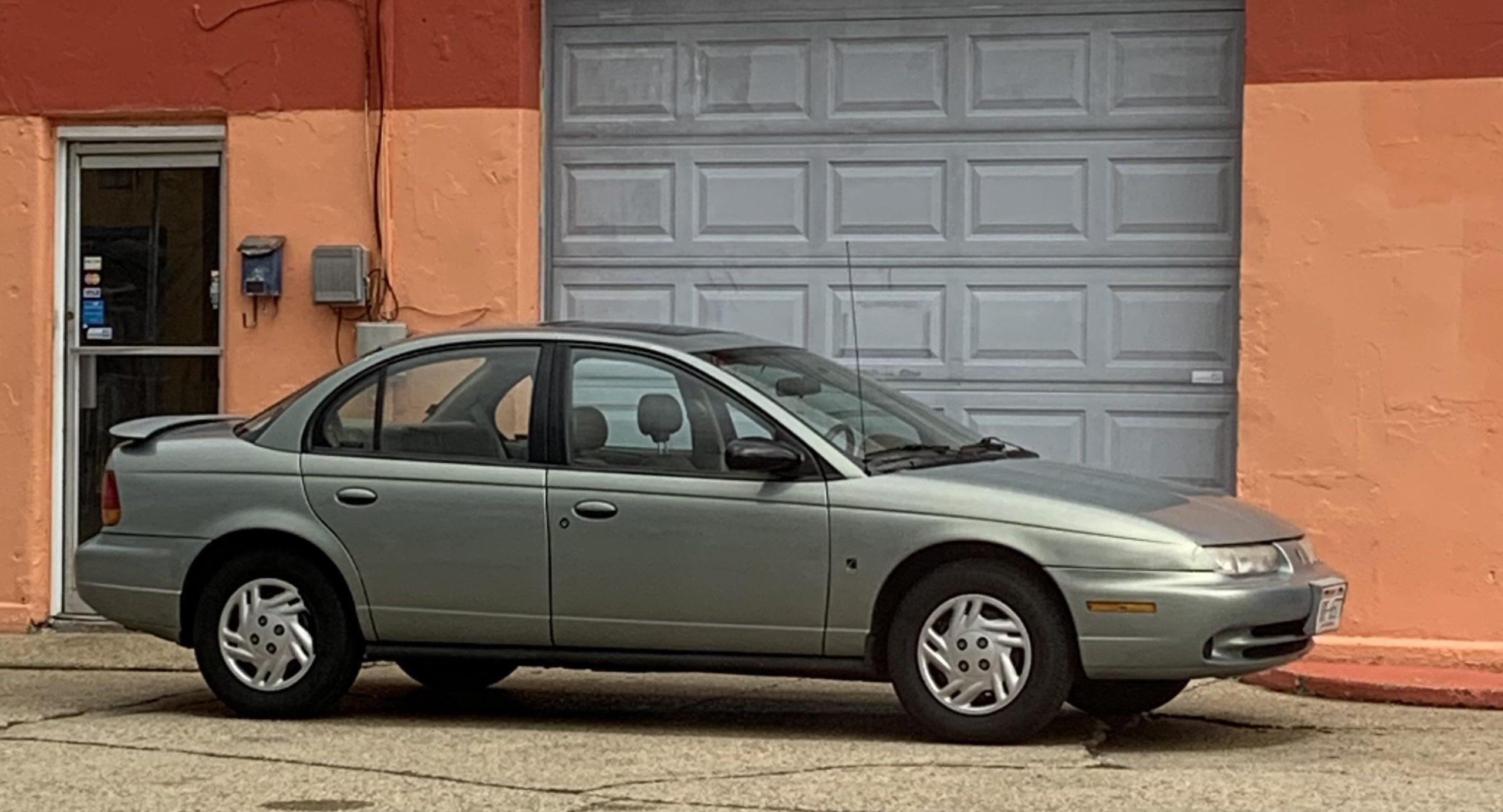
5. Saturn S-Series: Innovation in a Compact Package
The Saturn S-Series was General Motors’ bold attempt to reinvent the compact car segment with customer-focused design and innovative engineering. Introduced in 1990, the S-Series emphasized practicality, durability, and simplicity.
Built in Spring Hill, Tennessee, these vehicles featured dent-resistant polymer body panels that resisted shopping cart damage and eliminated rust concerns.
Saturn also introduced a no-haggle pricing system, creating a stress-free buying experience that focused on customer satisfaction rather than aggressive sales tactics. While the S-Series never fully reshaped the compact car market, it showcased forward-thinking ideas rarely seen in economy-class vehicles.
The S-Series stood out for its polymer exterior panels, which provided resistance to dents and corrosion. Throughout its production, minor updates kept the styling fresh for the SC coupe, SL sedan, and SW wagon, while retaining a functional and practical design.
Inside, the one-piece instrument panel minimized seams and inconsistencies, creating a cleaner look. The cabin was functional but not luxurious. Seats felt flimsy for long drives, low positioning reduced comfort, and switchgear and trim often lacked refinement. Despite these shortcomings, the interior layout was straightforward and user-friendly, with adequate space for passengers and cargo.
The S-Series offered two engine options: a 1.9-liter four-cylinder producing 100 horsepower or a twin-cam version delivering 124 horsepower. Buyers could choose between a five-speed manual or a four-speed automatic transmission.
The twin-cam engine paired with the manual gearbox provided a more spirited driving experience. All models were equipped with rear drum brakes and did not offer four-wheel disc brakes, reinforcing the focus on practicality and affordability rather than high-performance handling.
Sedans came as SL, SL1, or SL2, wagons as SW1 or SW2, and coupes as SC1 or SC2. Higher trims offered more features, but base and midrange models lacked some essential equipment, pushing buyers toward premium versions to obtain desired options. Safety innovations included optional head-curtain airbags, a first for economy-class cars at the time, which provided additional protection in side-impact collisions.
The S-Series distinguished itself with a strong customer-focused approach. Saturn dealerships emphasized service and satisfaction rather than aggressive sales, supported by a money-back guarantee and a reputation for reliability.
The low-maintenance polymer panels and robust mechanical components made ownership inexpensive and practical. Although competitors such as the Nissan Sentra and Ford Focus offered more refined interiors and updated designs, the Saturn S-Series provided a unique alternative focused on simplicity and durability.
The Saturn S-Series was not about luxury or high performance but about thoughtful engineering and a customer-first philosophy. Its innovative body panels, reliable engines, and stress-free buying experience made it a standout in the compact car segment.
For drivers seeking dependable, low-maintenance transportation with practical features and a distinctive approach to ownership, the S-Series remains a notable example of American automotive innovation.
Also read: 10 Cars From the Early 2010s With Rising Resale Value
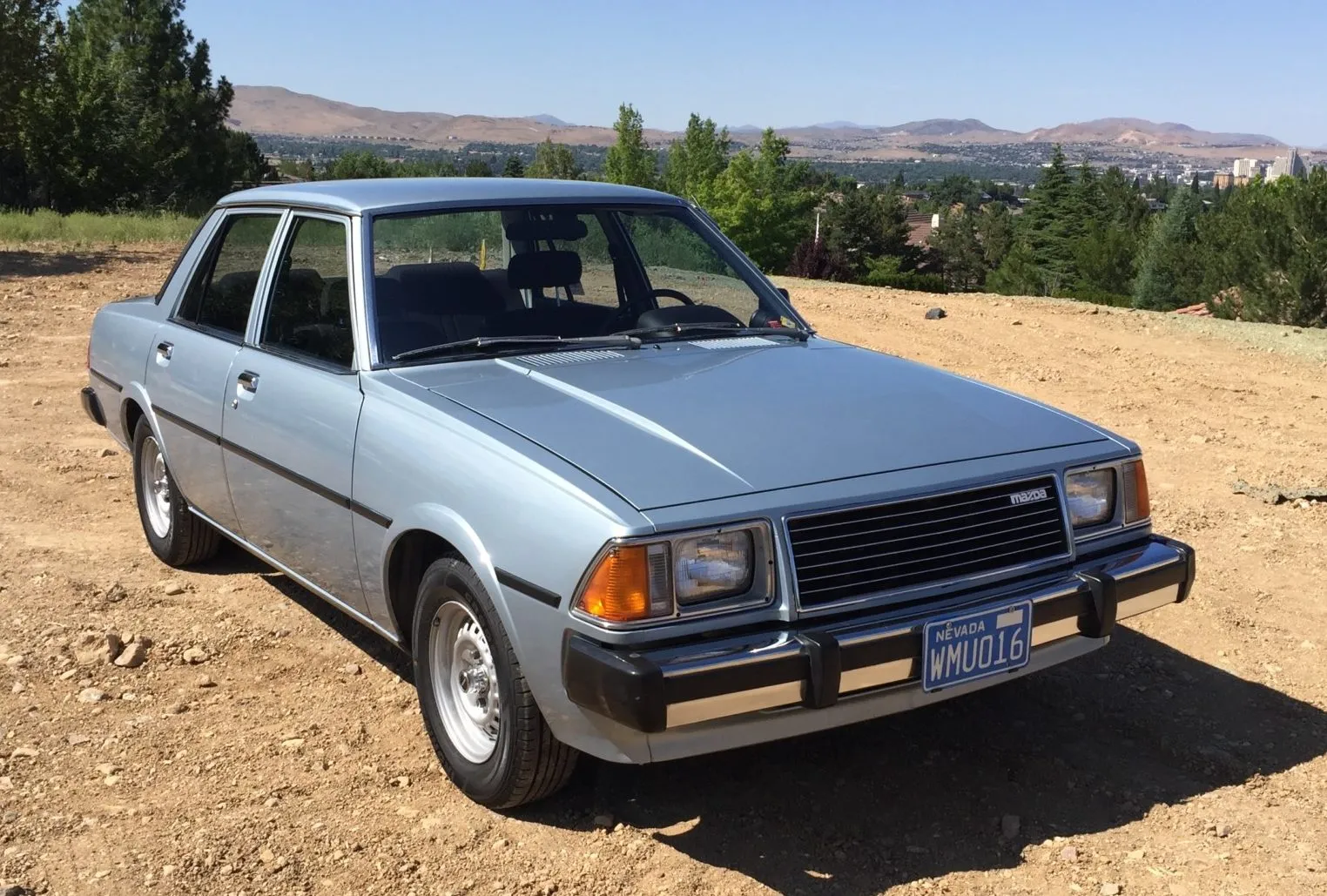
6. Mazda 626: The Fun-Focused Family Sedan
The Mazda 626 challenged the stereotype of economy cars as dull and uninspiring. Engineers at Mazda infused the 626 with advanced handling features, including four-wheel steering that allowed the rear wheels to angle five degrees for sharper maneuverability. This technology, rare for a family sedan at the time, would later appear in high-end sports cars, highlighting Mazda’s innovative approach.
Coupled with a multi-link rear suspension, the 626 turned ordinary errands into engaging driving experiences. The 2.5-liter V6 with variable intake timing produced 164 horsepower in 1993, demonstrating that affordability and excitement could coexist in a single vehicle.
By 2000, the Mazda 626 remained somewhat underappreciated compared with its peers, the Honda Accord and Toyota Camry, despite significant updates. Mazda offered four trim levels: LX, LX-V6, ES, and ES-V6.
Exterior revisions included a new five-point grille with a prominent Mazda emblem, redesigned headlights and taillights, and updated front-end styling. Wheel sizes were increased with LX and ES models now equipped with 15-inch wheels, and the ES-V6 featuring 16-inch wheels. While these changes enhanced its appearance, the 626 remained understated in comparison to its competitors.
Mazda focused on driving dynamics with a stiffer body structure and reinforced suspension towers. Front MacPherson struts and the Twin-Trapezoidal Link rear suspension were retained but paired with thicker front and rear anti-roll bars to improve handling.
Steering, braking, and road feel were refined, with steering tuned to resemble the nimble Mazda Miata. Engine options included a 2.0-liter four-cylinder producing 130 horsepower and 130 lb-ft of torque and a 2.5-liter V6 generating 170 horsepower and 163 lb-ft of torque.
Both engines offered a choice between a five-speed manual or a four-speed automatic transmission. While these powertrains were competent, they lagged slightly behind the performance of rival midsize sedans.
The 2000 updates brought modest but meaningful interior improvements. Optional side airbags increased safety, while a redesigned center console, new seat patterns, chrome-plated door handles, and illuminated buttons enhanced comfort and aesthetics.
Rear-seat comfort was improved with a new armrest and heater ducts, and updated gauge graphics provided a modern touch. Mazda built the 626 domestically in Flat Rock, Michigan, giving it the distinction of being the first Japanese-branded sedan recognized as a domestic vehicle by U.S. authorities.
The Mazda 626 offered a unique alternative to the typical midsize sedan, blending nimble handling, innovative technology, and thoughtful interior updates. Its standout ES V6 model with a five-speed manual transmission provided a compelling mix of performance and practicality.
While the 626 may not have eclipsed the sales of the Accord or Camry, its engaging driving dynamics and distinctive design make it an appealing choice for buyers seeking something different in the family sedan segment.
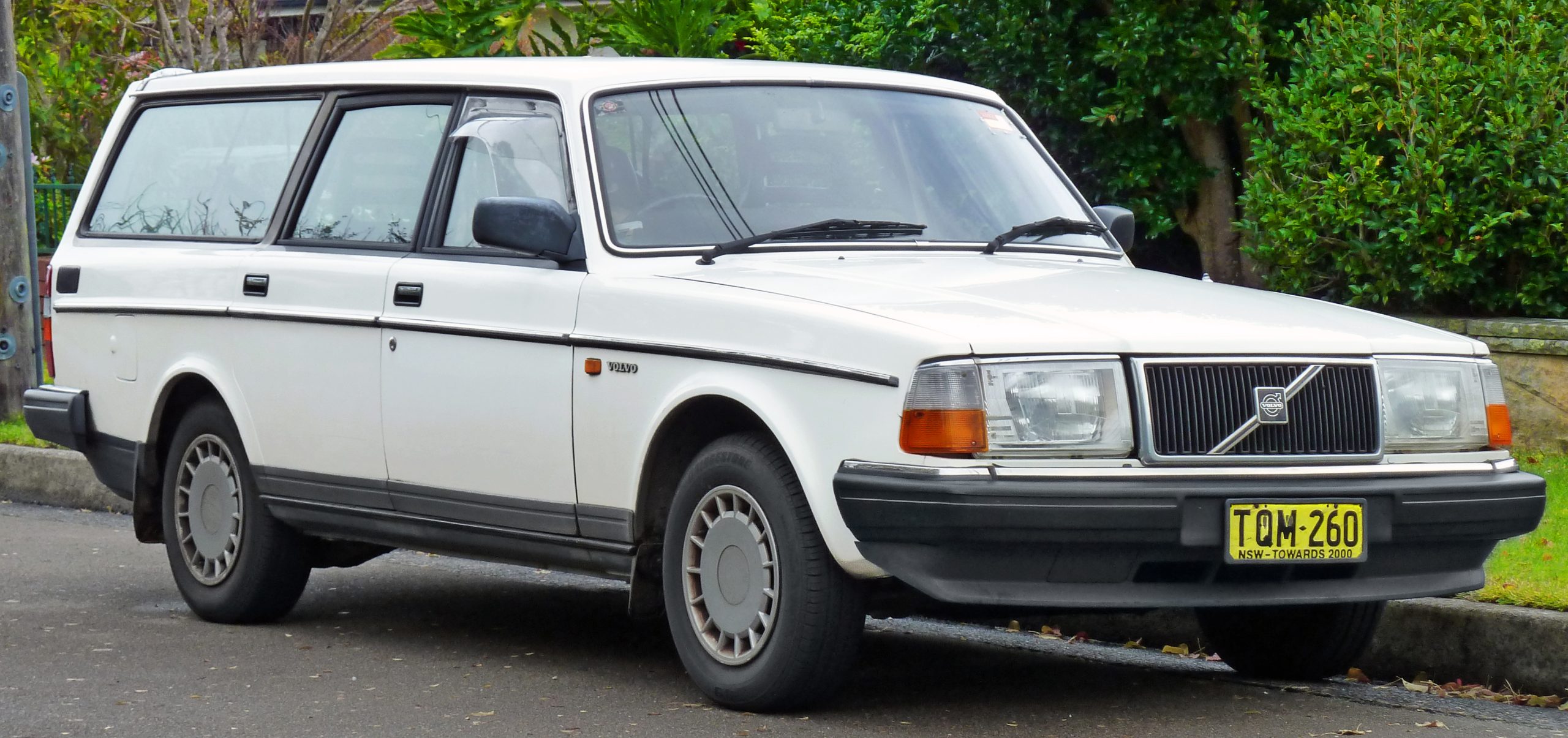
7. Volvo 240: Icon of Safety and Durability
The Volvo 240 remains an enduring symbol of Swedish automotive pragmatism, prioritizing occupant protection above all else. The door closes with the authority of a bank vault, signaling the car’s focus on safety first. High-strength Swedish steel, advanced crumple zones, and orthopedic-inspired seating made it decades ahead of many competitors.
The heating system handled harsh Scandinavian winters with ease, and the B23 four-cylinder engine with forged internals and a gear-driven cam provided longevity and reliability, often surpassing half a million miles with routine maintenance.
The 240 series evolved from the success of the 140 saloons and 145 estates, offering rack-and-pinion steering, MacPherson struts, and a belt-driven non-interference overhead camshaft.
The engine lineup included a 123-horsepower B23 four-cylinder with Bosch K-Jetronic injection and the optional PRV V6, though the latter was sluggish when paired with an automatic transmission. Sportier variants, such as the 244/240 GLT and 2.8 V6, added performance-focused transmissions.
Estates featured heated rear windows, wash/wipe systems, and optional rear-facing seats for seven passengers, although split-folding rear benches were never offered. Volvo was also a pioneer with 999,999-mile odometers and adjustable lumbar support in the seats.
From the beginning, the Volvo 240 emphasized corrosion resistance, with galvanization applied to critical areas, including doors, bonnet, and boot lid from 1988 onward. While the cars were more rust-resistant than many rivals, they were also heavily used, making corrosion the primary concern when purchasing older examples. The long production run meant parts were often interchanged, so verification of originality is essential.
The 240 interior prioritized comfort and functionality. Seats offered excellent support for long drives, and heated driver seats were standard even on early UK models. Interiors were well-equipped for the era, but buyers should check for wear, damp carpets, missing trim, or damaged buttons. Electrically operated features, including heaters and air conditioning, could fail if fuseboxes became damp.
Engines were rugged, with slant-fours capable of exceeding 200,000 miles with basic maintenance. Common issues included rattles and potential head-gasket failures. V6 models required careful inspection for overheating and oil consumption.
Gearboxes were robust, though early automatics could smell burnt and need rebuilding. Steering racks, suspension joints, and shock absorbers often need attention after years of use. Brakes were strong, reflecting the safety-first design, but performance should be verified on test drives.
The Volvo 240 earned a reputation for reliability, safety, and longevity. Its combination of strong engineering, practical design, and durable components makes it a highly respected classic, particularly among collectors seeking a safe, well-built, and functional vintage vehicle.
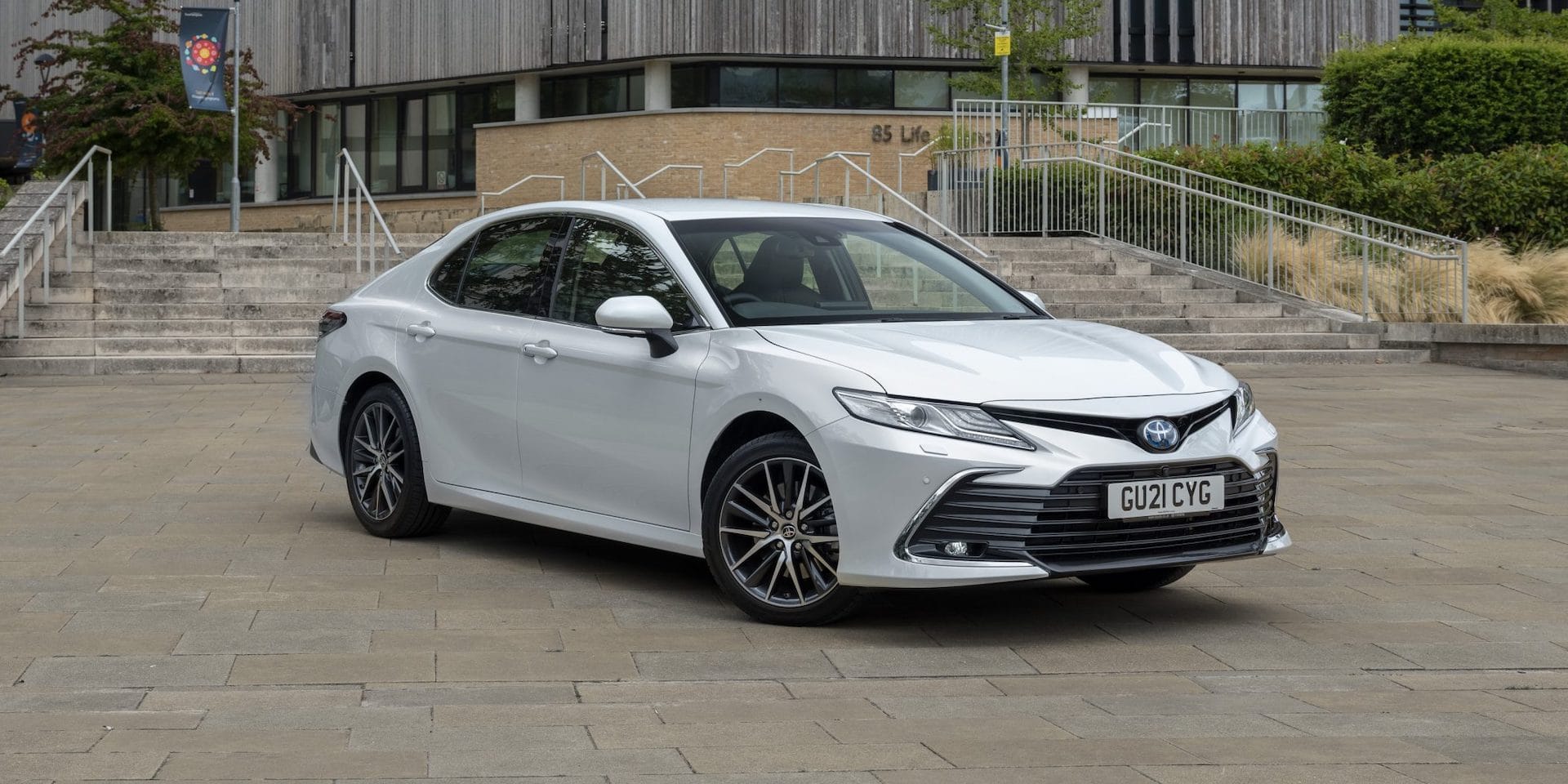
8. Toyota Camry: The Benchmark of Practical Perfection
The Toyota Camry became a cultural benchmark not through glamour but through consistency and reliability. While other automakers struggled with quality control, Toyota mastered precision. Tight panel gaps, refined assembly, and exceptional longevity made the Camry the car that always worked.
It redefined consumer expectations by proving that practicality and innovation could coexist. Later V6 models reached 60 mph in just over seven seconds while maintaining durability that often outlasted a mortgage. The Camry’s reliability and design discipline forced competitors to rethink what a family sedan should be.
The Camry XSE with front-wheel drive delivers a balanced and composed ride. Acceleration is smooth and confident, reaching 60 mph in 7.8 seconds, slightly quicker than key rivals like the Honda Accord and Hyundai Sonata hybrids.
The sport-tuned suspension and precise steering provide an engaging driving feel, transforming the Camry from a conservative family car into a confident performer. It remains stable through corners yet comfortably absorbs bumps and uneven surfaces. The upright driving position improves visibility and adds to the sense of control.
Toyota’s latest driver-assistance features enhance safety and convenience. The system can detect lane movement and adjust speed automatically, while Traffic Jam Assist allows limited hands-free operation at low speeds. These technologies strengthen the Camry’s reputation for being dependable and modern without overcomplicating the driving experience.
The Camry’s cabin combines comfort, space, and practicality. Front seats are firm but supportive during long drives, and the rear offers generous legroom and headroom. Wide door openings and an upright seating layout make entry and exit easy. The climate control system works efficiently, and the cabin stays quiet at highway speeds with minimal road noise. Only the engine becomes noticeable during hard acceleration.
Interior materials and design have improved significantly. The 12.3-inch touchscreen is easy to use and integrates well with Apple CarPlay and Android Auto. Wireless charging functions reliably, and the optional nine-speaker JBL sound system delivers clear and balanced audio.
Although the Camry’s 15.1-cubic-foot trunk is slightly smaller on paper than some competitors, it is highly practical and well-shaped. Clever interior storage areas make it ideal for everyday use. Every new Camry is now offered as a hybrid, achieving 44 to 51 mpg in combined driving. In testing, the Camry XSE returned 45.9 mpg, confirming its real-world efficiency.
Toyota’s focus on precision, durability, and refinement has turned the Camry into a lasting symbol of quality. It may not chase excitement, but its dependability and thoughtful engineering define what a family sedan should be. The Camry did not just compete with its rivals; it set the standard for them to follow.
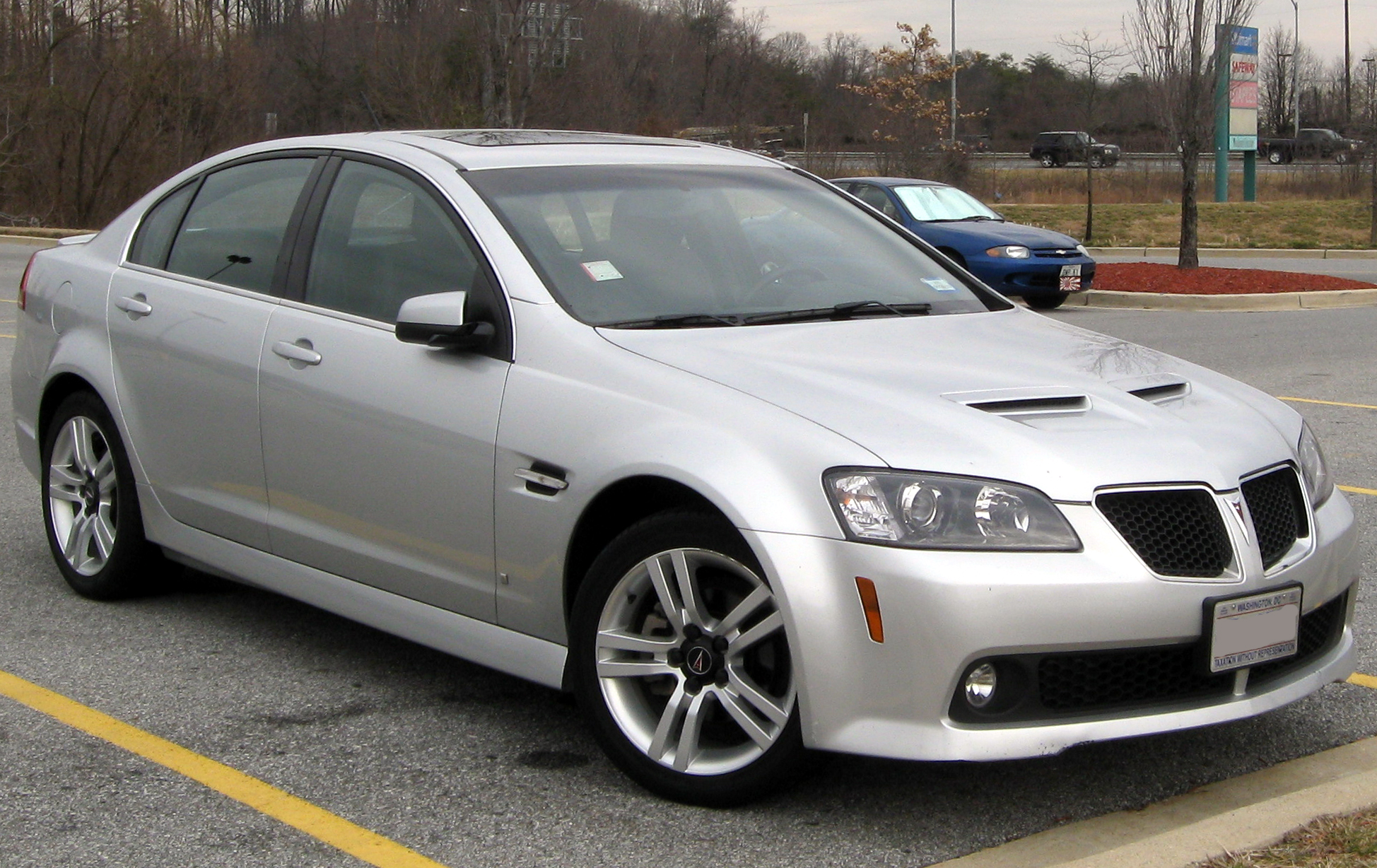
9. Pontiac G8: The Return of Real Performance
The Pontiac G8 marked a major turning point for General Motors, proving that the company could once again build a true driver’s car. After years of uninspired models and fading identity, Pontiac revived its legacy of “driving excitement” by borrowing brilliance from its Australian cousin, the Holden Commodore.
The result was a muscular, rear-wheel-drive sedan that offered sports car performance in a family-friendly package.
Powered by a 6.0-liter V8 producing 361 horsepower, the G8 GT could sprint from 0 to 60 mph in just over five seconds while offering room for five adults and generous cargo space.
The GXP version took performance even further, borrowing the Corvette’s 6.2-liter LS3 engine to unleash 415 horsepower. For the first time in decades, Pontiac delivered a car that could challenge German sedans on handling and refinement while keeping the spirit of American muscle intact.
Built on GM’s global Zeta platform, the G8 combined Australian engineering with American attitude. Its independent rear suspension and MacPherson strut front layout gave it exceptional balance and composure.
This architecture, which also underpinned the future Chevrolet Camaro, allowed the G8 to corner with precision rarely seen in domestic sedans. The ride was firm but comfortable, providing both agility and long-distance comfort.
Stylistically, the G8 avoided Pontiac’s usual excess. Clean lines, wide haunches, and an assertive stance projected confidence without unnecessary flash. The interior was equally refined, trading the brand’s past clutter for a simple, driver-focused layout. Supportive seats, solid ergonomics, and tasteful red lighting reflected clear progress in design and build quality.
Whether powered by the 3.6-liter V6 or the mighty 6.0-liter V8, the G8 delivered an engaging and rewarding driving experience. The GT model, with its six-speed automatic transmission, combined raw power with surprising sophistication. Cylinder deactivation improved fuel efficiency, keeping the V8’s economy close to that of the V6.
On the road, the G8’s balance and control were outstanding. Reviewers often compared its handling to European sport sedans, citing its ability to tackle curves with confidence while maintaining comfort on long drives. The steering was direct, and body roll was minimal, giving drivers a sense of precision rarely associated with American four-doors.
Inside, the G8 impressed with quality materials and generous space. Both front and rear passengers enjoyed ample legroom and comfort, while the 17.5-cubic-foot trunk made it practical for family use. Although the rear seats did not fold down, a ski pass-through provided flexibility. The absence of a navigation system and a few dated digital displays were minor drawbacks in an otherwise well-executed interior.
The Pontiac G8 was more than a performance sedan; it was a statement that American engineering could once again compete globally. Blending muscle car heritage with refined dynamics, it became an instant classic. Today, it stands as one of the most memorable vehicles in Pontiac’s history, a symbol of what could have been if the brand had continued.
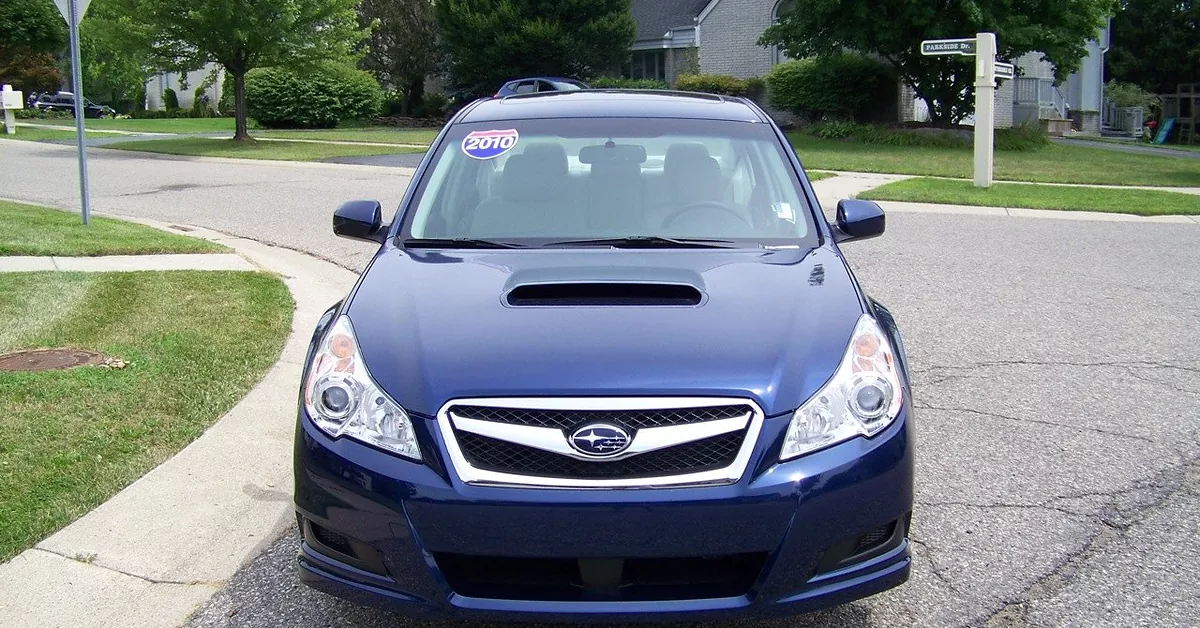
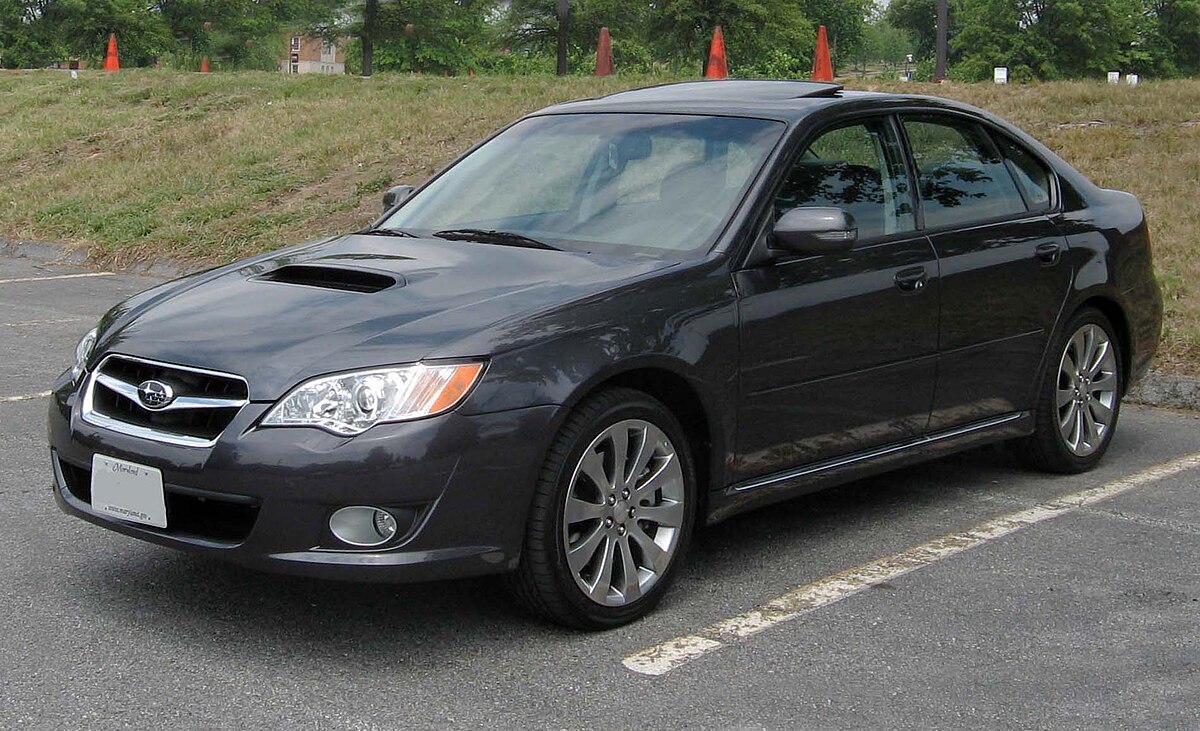
10. Subaru Legacy GT: The Sleeper That Never Sleeps
The Subaru Legacy GT proved that practicality and performance could exist in perfect balance. Beneath its conservative exterior sits a 2.5-liter turbocharged flat-four engine generating 243 horsepower, paired with Subaru’s symmetrical all-wheel-drive system.
The result is a family sedan capable of sprinting from zero to sixty in 5.7 seconds, leaving many pricier performance cars behind. With sharp handling, a comfortable ride, and discreet styling, the Legacy GT became one of the best examples of subtle speed.
The turbocharged engine delivers strong acceleration and immediate throttle response. Power is distributed evenly through the all-wheel-drive system, allowing the car to maintain exceptional grip even in challenging conditions. The combination of MacPherson strut front suspension and multi-link rear suspension creates a dynamic yet comfortable setup, perfect for both winding roads and daily commutes.
Steering feels precise and well-balanced, and the Legacy responds predictably to driver input. It corners with confidence, maintaining stability even during quick maneuvers. The suspension absorbs imperfections without compromising control, striking a rare harmony between sportiness and comfort.
Some wind and road noise enter the cabin at highway speeds, and the start-stop system can engage abruptly, but these are minor trade-offs for such capable handling. Subaru’s EyeSight safety suite adds another layer of security, though the forward collision warning can be overly sensitive.
Inside, the Legacy emphasizes space, support, and a clean design philosophy. The cabin accommodates tall passengers comfortably, with excellent legroom and headroom in both rows. Rear seats are shaped for long-distance comfort rather than being simple flat benches, while the front seats feature firm bolsters that hold the driver in place during cornering. Wide door openings make getting in and out effortless.
Interior materials feel refined, with a mix of soft-touch surfaces and durable finishes. The dual-zone climate control system performs effectively, though too many controls are integrated into the touchscreen instead of using traditional buttons. Seat heaters warm quickly, and the adjustable driving position makes it easy to find the right setup for long trips.
The Legacy offers generous technology features, including Apple CarPlay, Android Auto, and multiple USB ports. The infotainment interface looks modern but can lag during operation. Storage is well-planned, with a deep center console, spacious door pockets, and a shelf for small items.
The 15.1-cubic-foot trunk is deep and functional, with rear seats that fold down for additional cargo space, though the center seat belt can get in the way when loading larger objects.
While slightly more expensive than some competitors, the Legacy’s standard all-wheel drive, robust construction, and reliability justify the price. Fuel economy averages around 30 mpg combined, which is impressive for its drivetrain.
Its design may appear modest, but the Legacy GT’s blend of speed, control, and practicality makes it a standout among midsize sedans. It remains proof that true performance does not need flash or noise to be unforgettable.
True automotive greatness is not always about horsepower, luxury, or aggressive styling. Sometimes, it is about building a car that simply works, year after year, without demanding attention.
The vehicles featured in “10 Cars That Prove ‘Boring’ Can Be Brilliant” remind us that quiet excellence can be just as impressive as high-performance excitement. From the reliable Toyota Camry to the innovative Saturn S-Series and the powerful yet practical Pontiac G8, these cars embody lasting quality and thoughtful design.
They prove that excitement can be found in confidence, comfort, and dependability rather than flash and noise. Each one stands as a reminder that the most rewarding cars are often those that make life easier, not more complicated.
True brilliance is not about being loud or bold, but about enduring value, trustworthiness, and the satisfaction of a car that never needs to prove itself.
Also Read: 15 Cars That Remind Americans Why We Love to Drive
