
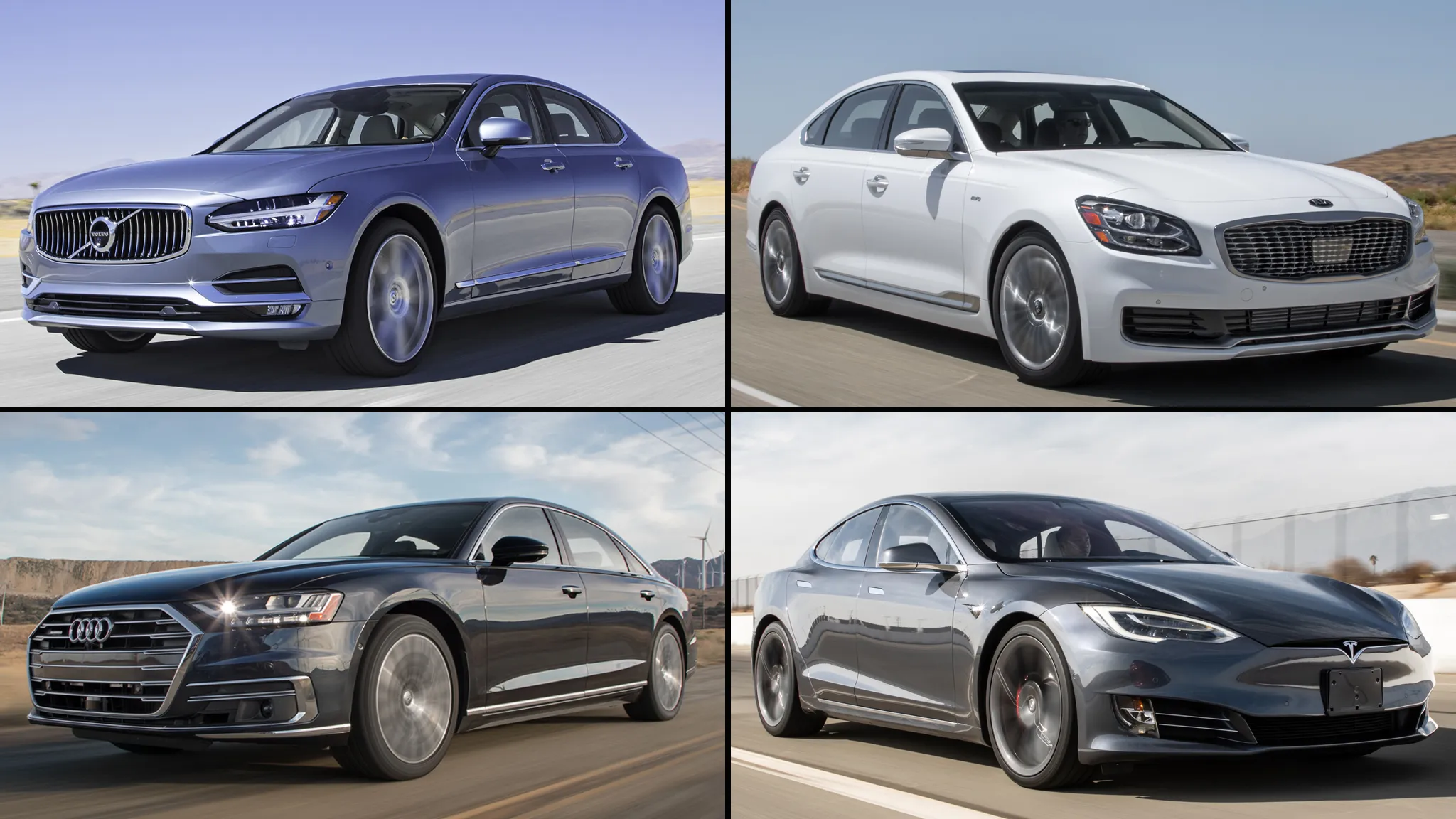
Shopping for a car that will serve you well into the future. You’re not alone in this quest. Many drivers want vehicles that can deliver comfort and reliability long after the payment book has been closed.
But here’s something interesting: not all sedans age the same way. Some models transform into money pits after their teenage years, while others keep running smoothly like they just left the showroom yesterday.
Buying a sedan is one thing, but living with it for 15 years or more is another conversation entirely. You need a vehicle that won’t punish your back during your daily commute or drain your bank account every time something needs fixing.
The truth is, some manufacturers build their sedans with longevity in mind, using materials and engineering that stand the test of time. Well, they look fantastic in the showroom, but start showing their true colours once the warranty expires.
This guide will help you separate the champions from the pretenders. We’ve carefully selected ten sedans, split into two categories: five that maintain their comfort and reliability well past their 15th birthday, and five that become uncomfortable nightmares after a decade and a half.
Whether you’re buying new or hunting for a solid used option, this information will save you plenty of headaches down the road. Let’s go through which sedans deserve your hard-earned money and which ones you should avoid, no matter how attractive the price tag might seem.
Sedans That Stay Comfortable Past 15 Years
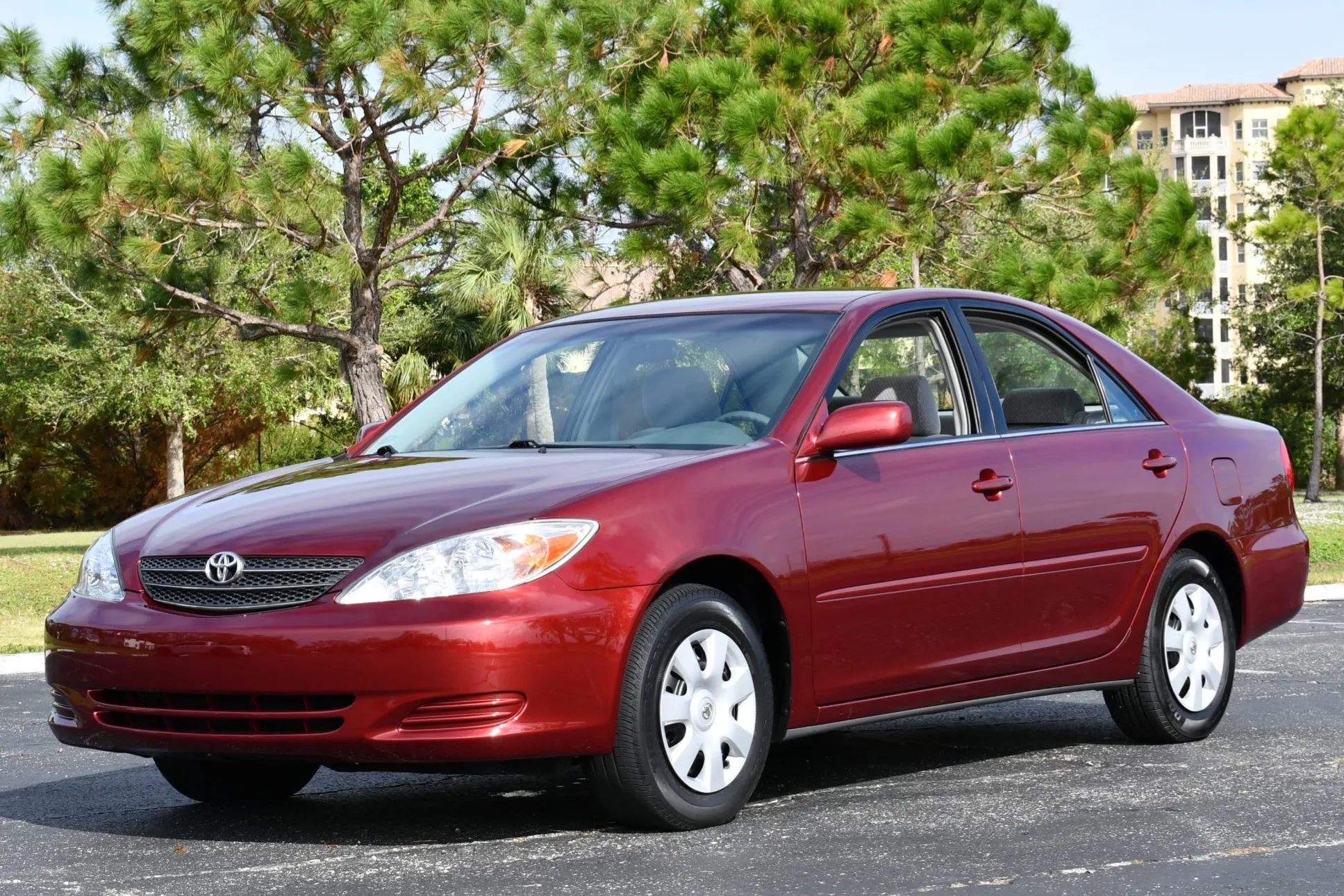
1. Toyota Camry (2004-2009 Models)
The fifth-generation Toyota Camry earns its reputation as a resilient workhorse, a testament to the brand’s commitment to reliability.
Mechanics universally praise its durability: many owners log over 300,000 kilometres with minimal issues, and the cabin remains inviting even after years of use. Toyota’s “less exciting but smarter” approach prioritizes longevity over flair, and it works.
Comfort is a hallmark. The seats retain their support long after competitors’ models have sagged; lumbar support on a 15-year-old Camry rivals newer cars. Suspension parts outlast expectations, absorbing potholes with ease.
The air conditioning functions flawlessly, free from the leaks that plague other brands. Maintenance is hassle-free: parts are ubiquitous and affordable, sparing owners delays and import costs.
The 2.4-litre engine is near-indestructible; routine oil changes and timely chain replacements ensure it outlasts its owner.
The V6, though thirstier, matches this reliability. Unlike flashier rivals, the Camry ages gracefully: dashboards don’t crack, handles don’t break, and power windows glide smoothly. Electronic glitches are rare.
Sure, the design lacks flair, but that’s the compromise for engineering that prioritizes function. This sedan isn’t for style enthusiasts; it’s for those who need a car that simply works, year after year. Toyota’s formula may be unexciting, but it delivers. The Camry proves reliability isn’t flashy; it’s practical.
With minimal downtime and low long-term costs, the fifth-generation Camry remains a top choice for pragmatic buyers. It’s a reminder that sometimes, “boring” is brilliant.
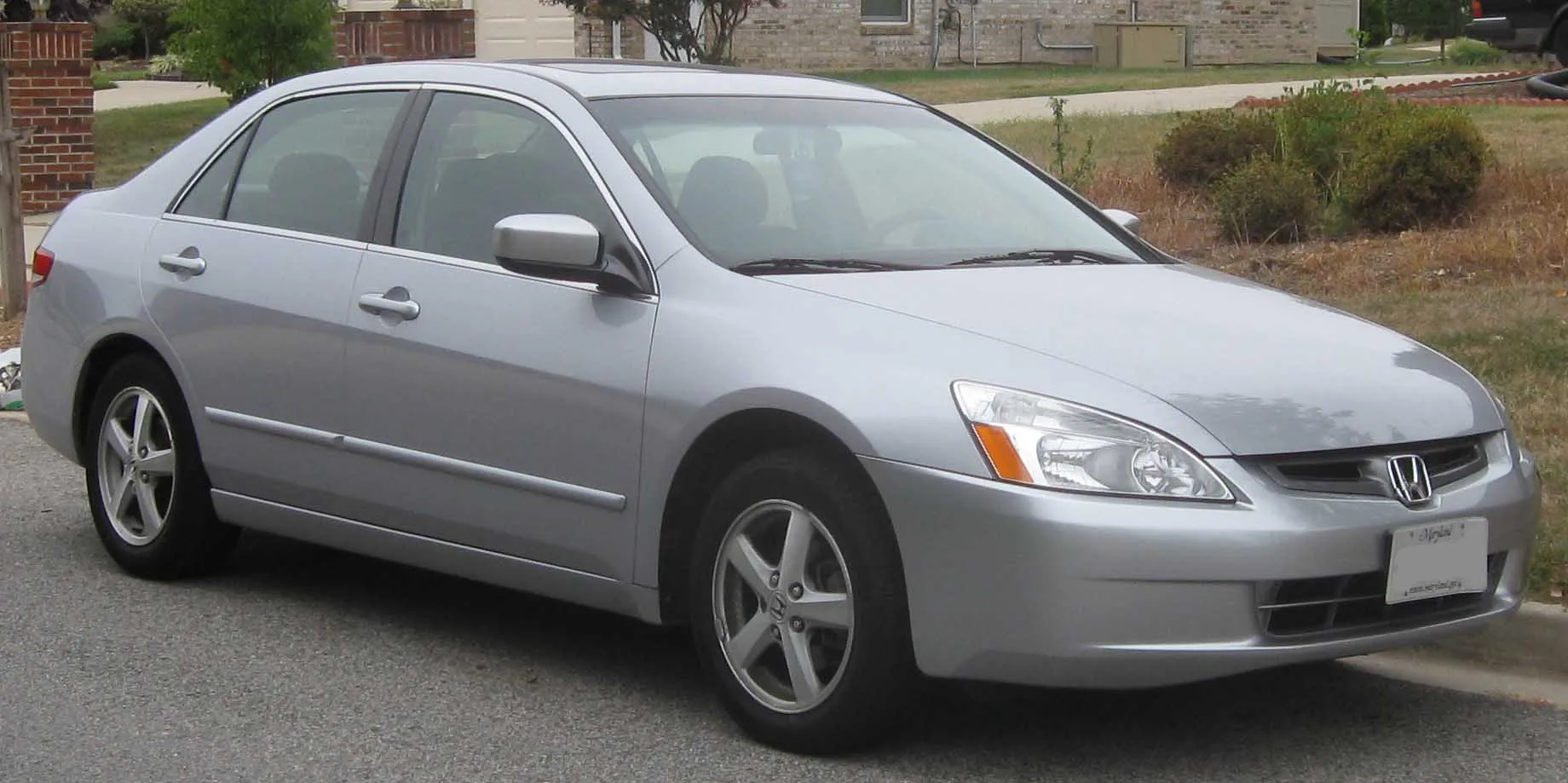
2. Honda Accord (2003-2007 Models)
Honda built these seventh-generation Accords with a different philosophy than most manufacturers. They wanted drivers to enjoy their vehicles for decades, not just until the financing was paid off
. That mission succeeded beautifully. These sedans handle age better than politicians handle criticism. Owners frequently cross the 400,000-kilometre mark without rebuilding engines or transmissions.
Comfort stays impressive because Honda engineers understood ergonomics. The driving position feels natural even after 15 years of daily use. Seat cushions maintain their shape better than cheaper competitors.
Climate control systems work reliably, keeping cabins pleasant during scorching summers and cold winters. Road noise remains controlled thanks to sound insulation that doesn’t deteriorate quickly.
Automatic transmissions deserve special mention here. Honda had some issues with earlier models, but the 2003-2007 Accords received improved units that last. Manual gearboxes are virtually indestructible if you don’t abuse them.
The 2.4-litre K-series engine is legendary among enthusiasts for good reason. It delivers smooth power while sipping fuel modestly. Valve adjustments are the main regular maintenance requirement, and that’s not complicated or expensive.
Suspension components hold up remarkably well. Struts and shock absorbers last longer than average, keeping the ride quality decent even after many years.
Rust protection is solid for most markets, though cars from coastal areas need more attention.
Electrical systems remain stable, which cannot be said for many sedans from this era. Dashboard electronics rarely malfunction.
The radio might look ancient by today’s standards, but it keeps playing. This Accord proves that smart engineering beats fancy features when you’re planning for the long term.
Also Read: 5 Sedans That Handle Like Sports Cars vs 5 That Drive Like Boats
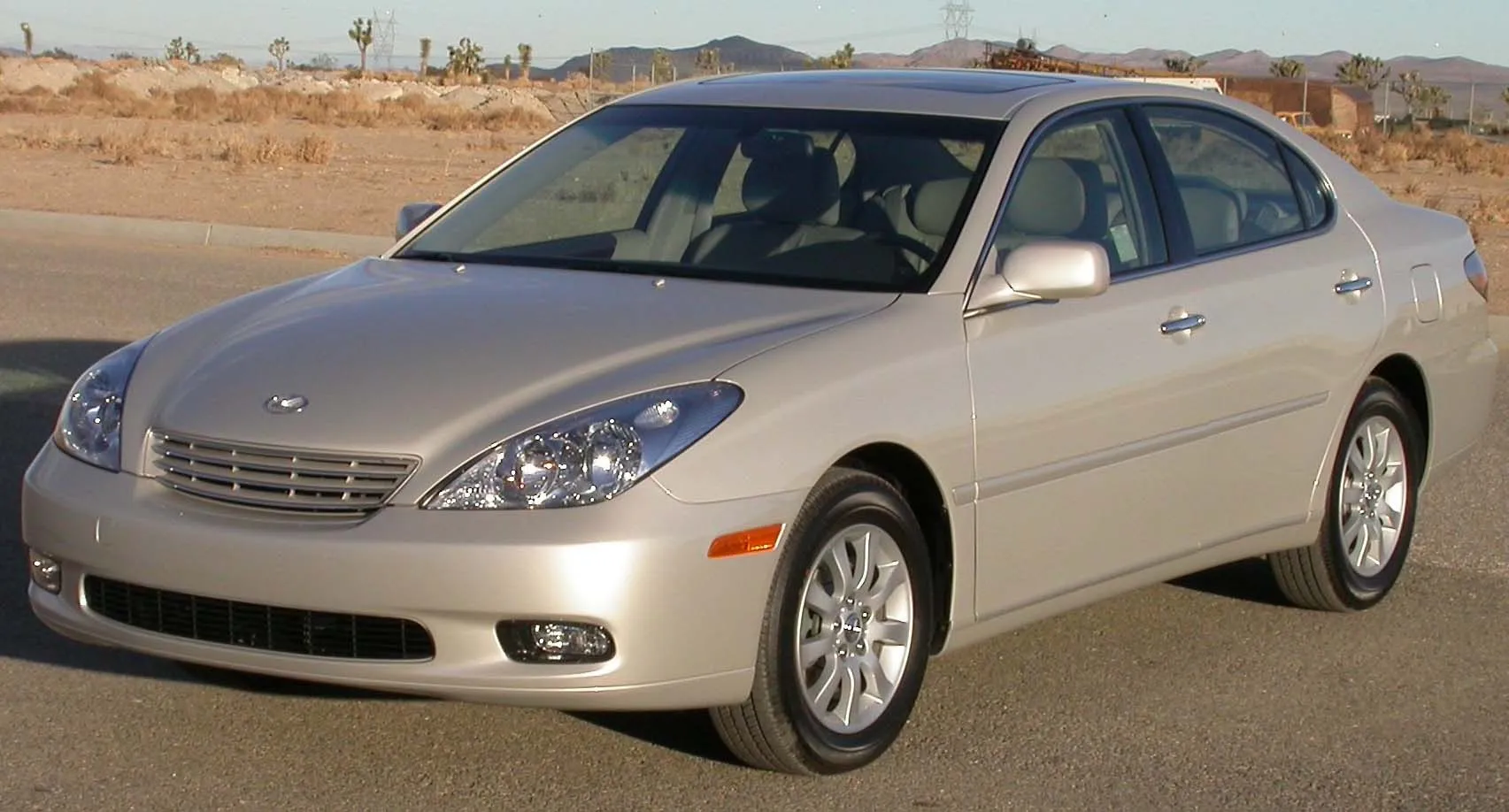
3. Lexus ES 330 (2004-2006 Models)
The ES 330 delivers exactly that. Lexus built this sedan on the Camry platform but added premium touches that don’t fall apart after a few years.
Many examples are still providing executive-level comfort well past their 15th birthday. The difference between this and cheaper sedans becomes obvious once you sit inside a well-maintained example from 2005.
Interior quality is where this Lexus truly shines. Leather seats age gracefully when properly cared for. The stitching doesn’t unravel. Wood trim doesn’t peel off like cheap stickers.
Everything feels substantial and well-assembled. Sound insulation is excellent, creating a quiet cabin that makes long drives less tiring. The Mark Levinson audio system in higher trims still sounds fantastic, putting many newer base systems to shame.
Under the bonnet sits Toyota’s dependable 3.3-litre V6 engine. This motor produces smooth, refined power without drama or excessive fuel consumption. Regular maintenance keeps it running strong for hundreds of thousands of kilometres.
The five-speed automatic transmission moves smoothly and proves durable when serviced properly. Air suspension isn’t available on this model, which actually helps long-term reliability. Standard coil springs and shock absorbers are easier and cheaper to maintain.
Climate control, power seats, and other luxury features continue working long after similar equipment fails in German competitors. Electronics are relatively simple by modern standards, which means fewer things go wrong.
Yes, you’ll need to maintain this vehicle properly. Oil changes, fluid flushes, and regular inspections aren’t optional. But treat this Lexus right, and it will reward you with comfort and reliability that justify the slightly higher purchase price compared to regular sedans.
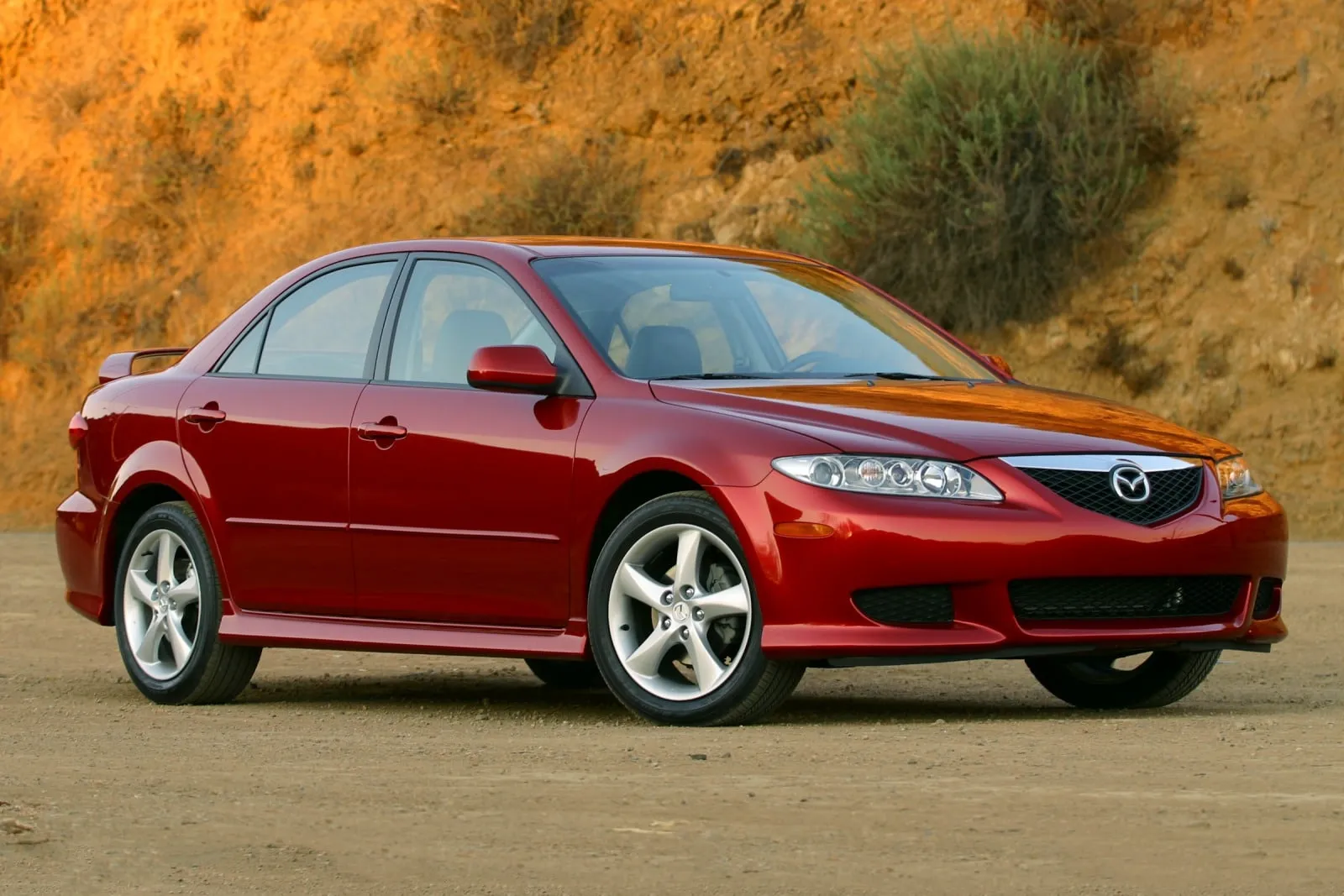
4. Mazda 6 (2003-2008 Models)
Mazda doesn’t always get credit for building durable sedans, but the first-generation Mazda 6 deserves recognition. These cars offer a sporty driving experience that doesn’t disappear after 15 years.
Many examples still handle corners with enthusiasm while maintaining daily comfort. The Japanese manufacturer focused on driver engagement without sacrificing long-term reliability.
Seats provide good support during spirited driving and long commutes alike. The interior layout makes sense, with controls falling easily to hand. Materials quality is respectable, especially in higher trim levels.
Cloth seats often last better than leather in these models, resisting wear impressively. Dashboard plastics hold up reasonably well, though some soft-touch surfaces might get sticky in hot climates.
The 2.3-litre four-cylinder engine is the sweet spot for reliability. It produces adequate power while remaining frugal at the fuel pump.
Some earlier models had rust issues depending on where they were sold, so inspection is critical when buying used.
Undercarriage protection varies by market. Mechanical components generally last well with proper care. The suspension strikes a nice balance between comfort and handling, and parts remain affordable when replacements become necessary.
Manual transmissions are bulletproof if you can find one. Automatic gearboxes are decent but require regular fluid changes to achieve maximum lifespan. This isn’t the most refined sedan on this list, but it offers something different.
You get a car that still feels engaging to drive after all those years. The steering provides feedback. The chassis responds predictably. For drivers who want more than just transportation, the first-generation Mazda 6 delivers comfort and fun that endure well past 15 years.
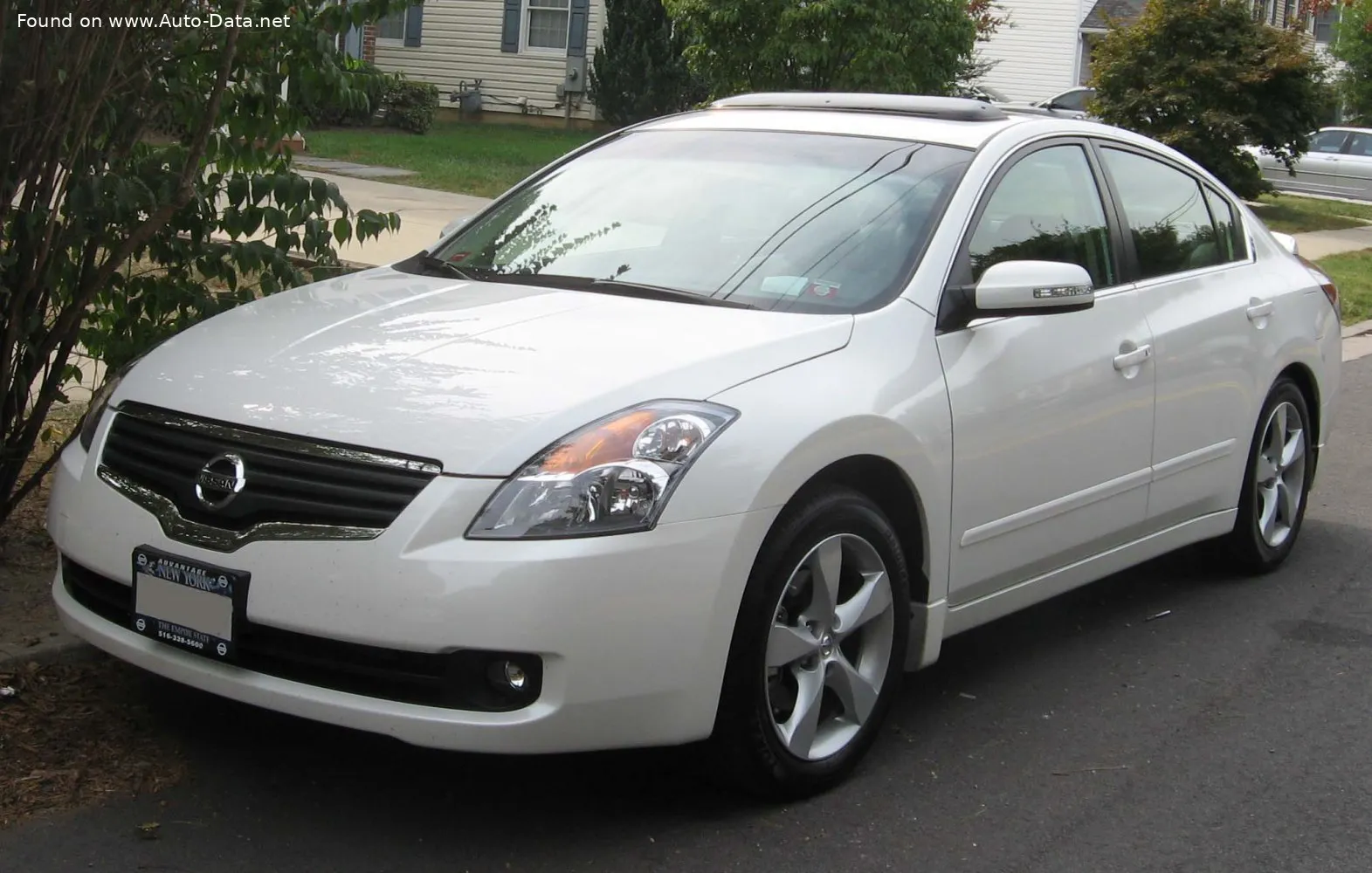
5. Nissan Altima (2007-2012 Models)
Fourth-generation Altimas surprise many people with their durability. These sedans don’t have the same reputation as Camrys or Accords, but many examples prove they can go the distance.
Comfort remains solid because Nissan used quality materials in critical areas. Owners often report satisfaction with how well their Altimas age compared to expectations.
Spacious interiors accommodate tall passengers comfortably. Rear seat legroom is generous, making this sedan practical for families. The seats themselves hold up well, maintaining shape and support through the years.
Noise insulation is good for the class, keeping the highway drone manageable. Climate control systems work reliably, though blower motors eventually need replacement like any vehicle.
Engine choices matter here. The 2.5-litre four-cylinder is the reliable choice, delivering adequate performance with good fuel economy. The 3.5-litre V6 provides strong acceleration but requires more careful maintenance.
CVT transmissions in these models have mixed reputations. Early ones had problems, but later versions improved. Regular transmission fluid changes are essential for longevity. Skip this maintenance, and you’ll face expensive repairs.
Suspension components last reasonably well. Struts and control arms eventually wear out, but replacement costs stay moderate.
Electrical systems are mostly reliable, though some owners report minor issues with power accessories as the cars age. Rust resistance is acceptable for most climates.
The Altima won’t win beauty contests for aging, but it remains comfortable and functional for drivers who maintain it properly. This sedan proves that Nissan can build vehicles that last when it focuses on practical engineering instead of cutting costs.
Sedans That Don’t Stay Comfortable Past 15 Years
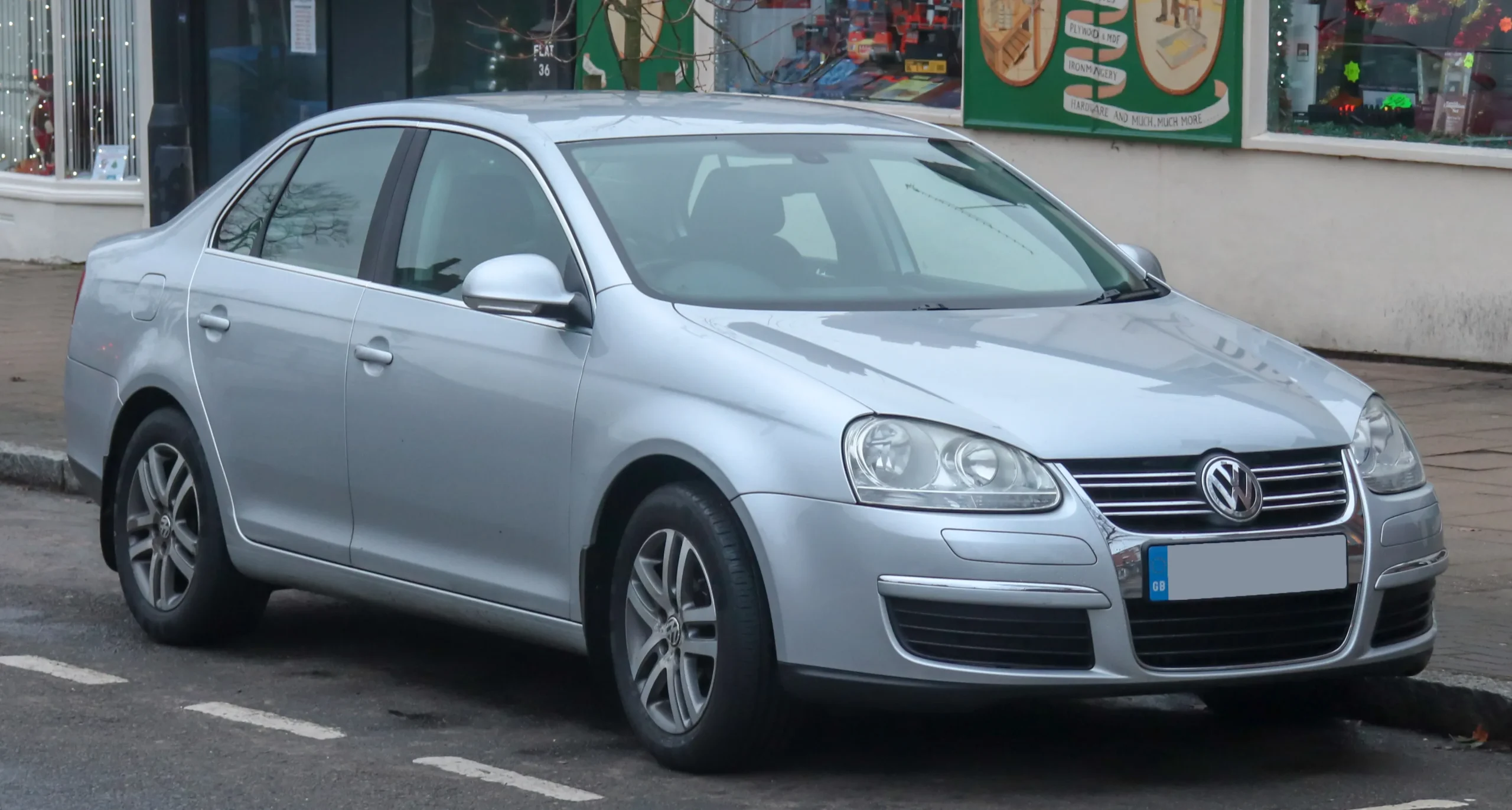
1. Volkswagen Jetta (2005-2010 Models)
The allure of German engineering often fades when faced with the realities of owning a fifth-generation Volkswagen Jetta for 15 years.
This sedan, impressive in its prime, gradually morphs into a financial burden. Compared to Japanese rivals, the Jetta ages poorly, with maintenance costs soaring to crisis-level heights.
The interior, once a showcase of luxury, quickly declines. Soft-touch plastics turn tacky, dashboards crack in temperate climates, door panels rattle, and seats lose their support, making long drives a chore.
Climate controls fail frequently, demanding pricey fixes for parts meant to last. The cabin grows noisier as insulation deteriorates and trim pieces loosen, creating an unpleasant environment.
Engines pose their own trials: the 2.5-litre five-cylinder is durable but noisy, while turbo models offer performance at the cost of steep upkeep. Ignition coils fail often, and water pumps leak early.
The DSG transmission is a liability, needing costly servicing that often ends in breakdowns. Manual gearboxes fare better but demand pricier clutch replacements than Japanese brands. Fuel efficiency drops with age, adding to the strain.
Electrical issues escalate: window regulators jam, locks glitch, and warning lights flood the dashboard for costly repairs. Suspension parts wear out fast, and are priced higher than Asian alternatives.
Rust creeps into vulnerable areas, and brake systems demand frequent, expensive attention. After a decade and a half, repair bills rival the car’s value. Resale prospects plummet, leaving owners trapped.
The Jetta’s story underscores a harsh truth: a premium badge doesn’t ensure longevity. For reliability, other brands may offer smarter choices.
Prospective buyers should weigh short-term appeal against long-term costs. This German sedan’s flaws remind us: true engineering excellence lies not in design, but in enduring performance.
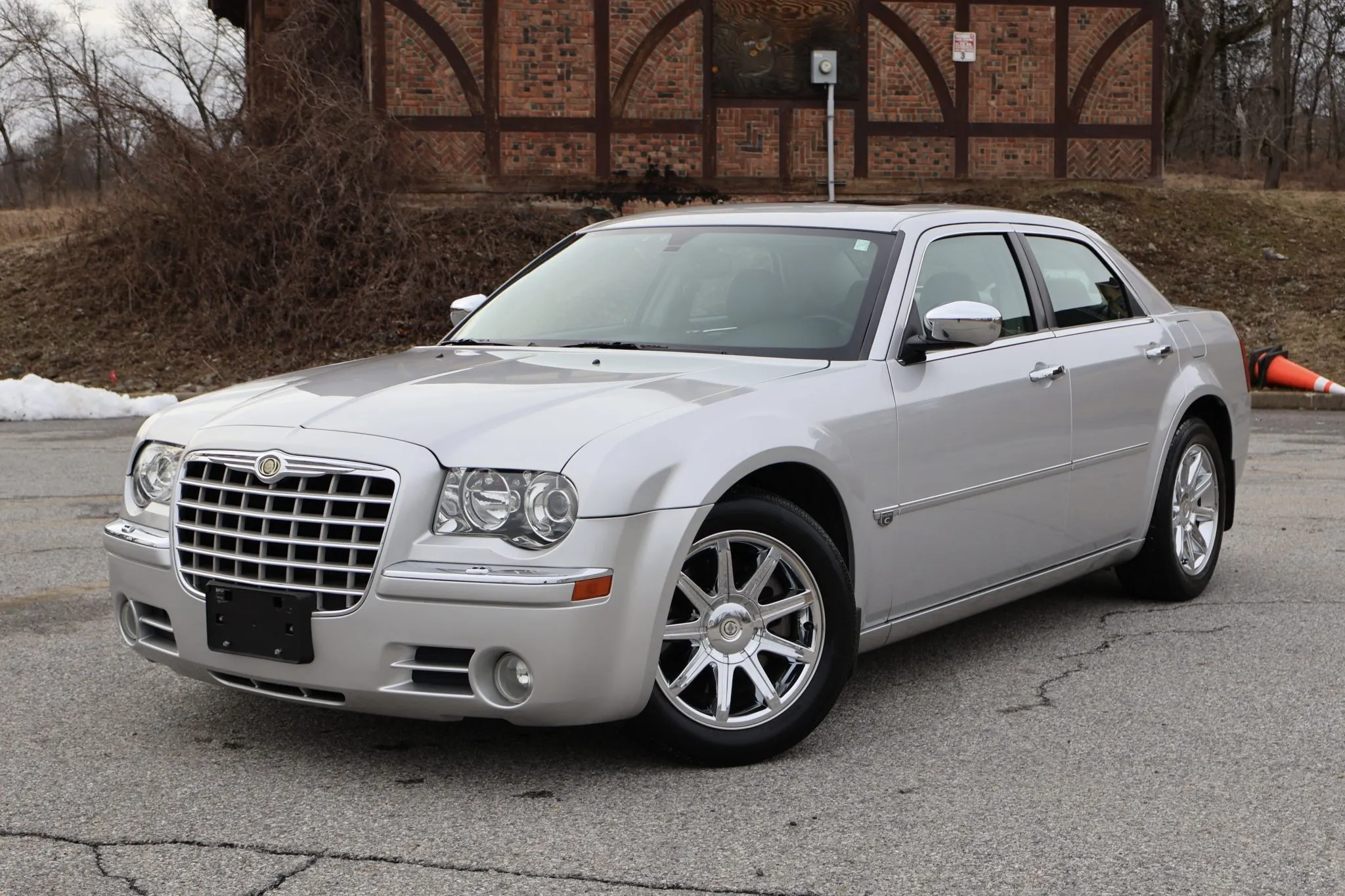
2. Chrysler 300 (2005-2010 Models)
The first-generation Chrysler 300 stole the show with its bold styling when it launched. That aggressive design, inspired by Bentley, helped change units. But looking good and lasting long are two different things.
After 15 years, most of these cars turn into uncomfortable money traps nobody wants to own. The initial allure fades fast as reality bites.
Interior materials break down quickly than cheap furniture left in the rain. Leather seats crack and rip easily. Dashboard plastics warp and fade under sunlight. The flashy electronics that impressed in 2006 now feel outdated and glitchy.
Climate control modules fail, leaving you sweating in summer or shivering in winter. Repairs cost a small fortune because parts aren’t as common as those for Japanese sedans.
Engine troubles crop up with high mileage. The 2.7-litre V6 is notorious for sludge buildup and early failure.
Even the bigger V8s develop costly issues like lifter problems and transmission breakdowns. The automatic gearboxes are fragile; they slip, shudder, and die, needing rebuilds that drain your wallet.
Fuel consumption is awful, even when everything works. Suspension parts wear out fast, especially at the back.
The ride gets rough as bushings and shocks give up. Electrical gremlins plague these Chryslers: sensors act up, computers throw random errors, and wiring harnesses age poorly.
Body panels rust in spots where better cars stay solid. Fifteen years in, the Chrysler 300 feels like a chore. It might turn heads from afar, but living with it daily is punishment. This sedan was built to wow buyers, not serve them for decades.
Better choices exist: cars that age gracefully, with interiors that last, engines that purr, and systems that work. The first-gen 300 isn’t one of them. Save your money. Pass it by.
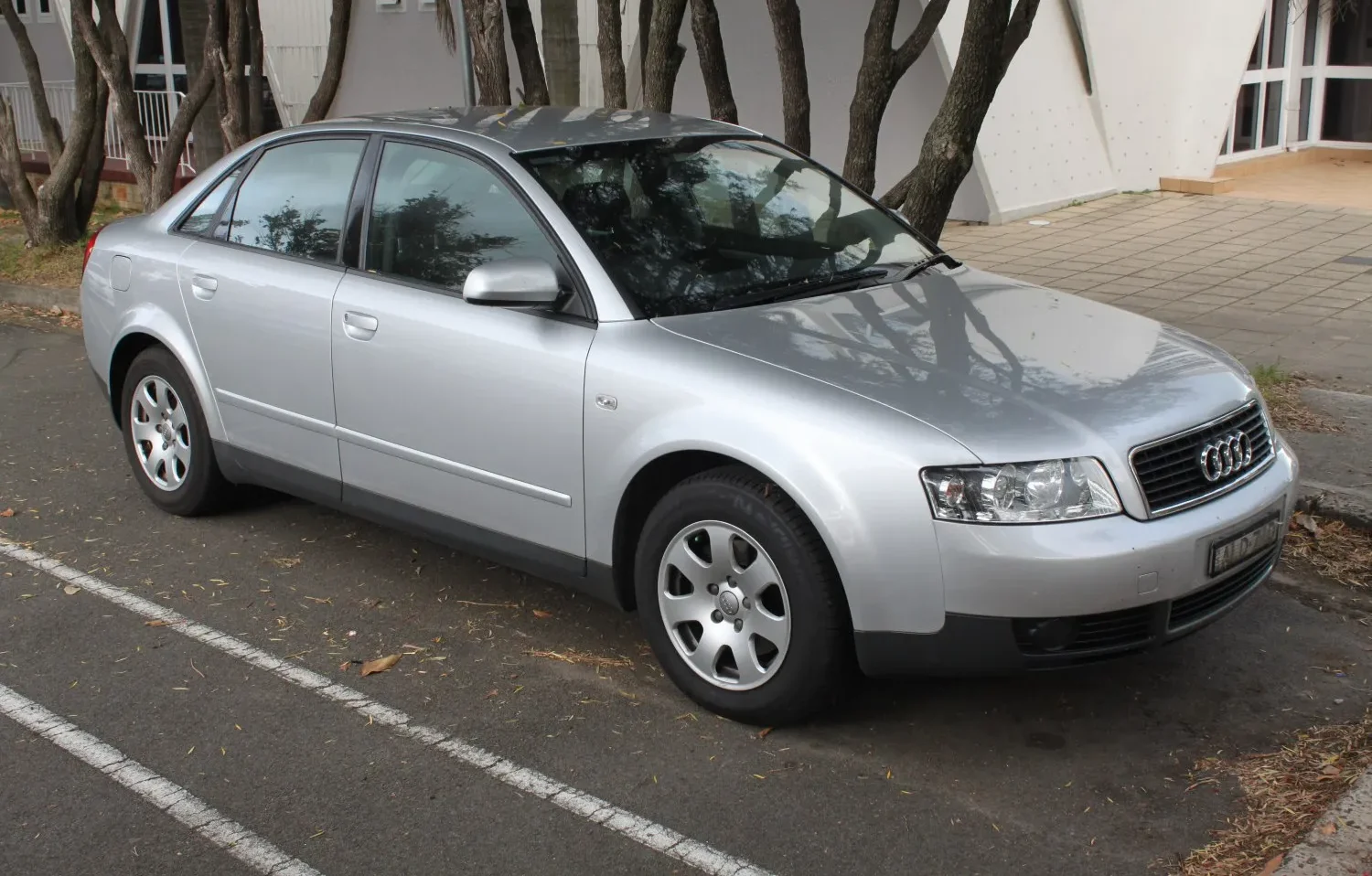
3. Audi A4 (2002-2008 Models)
Premium German sedans promise excellence, but the B6 and B7 generation A4 models deliver expensive disappointment after 15 years. These cars feel wonderful when new, with tight build quality and refined driving dynamics.
That premium experience evaporates quickly as years pass and problems multiply. What seemed like a smart purchase becomes a financial burden that never stops demanding money.
Comfort disappears as multiple systems fail simultaneously. Seats that once provided excellent support wear out and lose their shape. Interior trim pieces break easily, and replacements cost absurd amounts.
The dashboard electronics that seemed cutting-edge become obsolete and prone to failure. Climate control systems develop expensive faults. The sunroof, if equipped, leaks and causes water damage that leads to mould and electrical problems.
Engines are complicated and expensive to maintain. The 1.8-litre turbo four-cylinder needs regular timing belt changes or the engine destroys itself. Oil consumption becomes excessive as these motors age.
The 3.0-litre V6 is more reliable but still requires expensive maintenance. Turbos fail. Ignition coils die repeatedly. Water pumps leak, sometimes causing catastrophic engine damage. Parts costs are double or triple what you’d pay for Japanese equivalents.
Suspension systems wear out prematurely and cost a fortune to fix. Control arms, bushings, and shock absorbers all need regular replacement. The Quattro all-wheel-drive system adds another layer of expensive maintenance.
Electronics fail constantly as these A4s age. Window motors, seat adjusters, and central locking systems all malfunction.
Diagnostic costs alone will make you cry. After 15 years, this Audi becomes an uncomfortable, unreliable burden that destroys your peace of mind and bank balance. The prestige isn’t worth the pain.
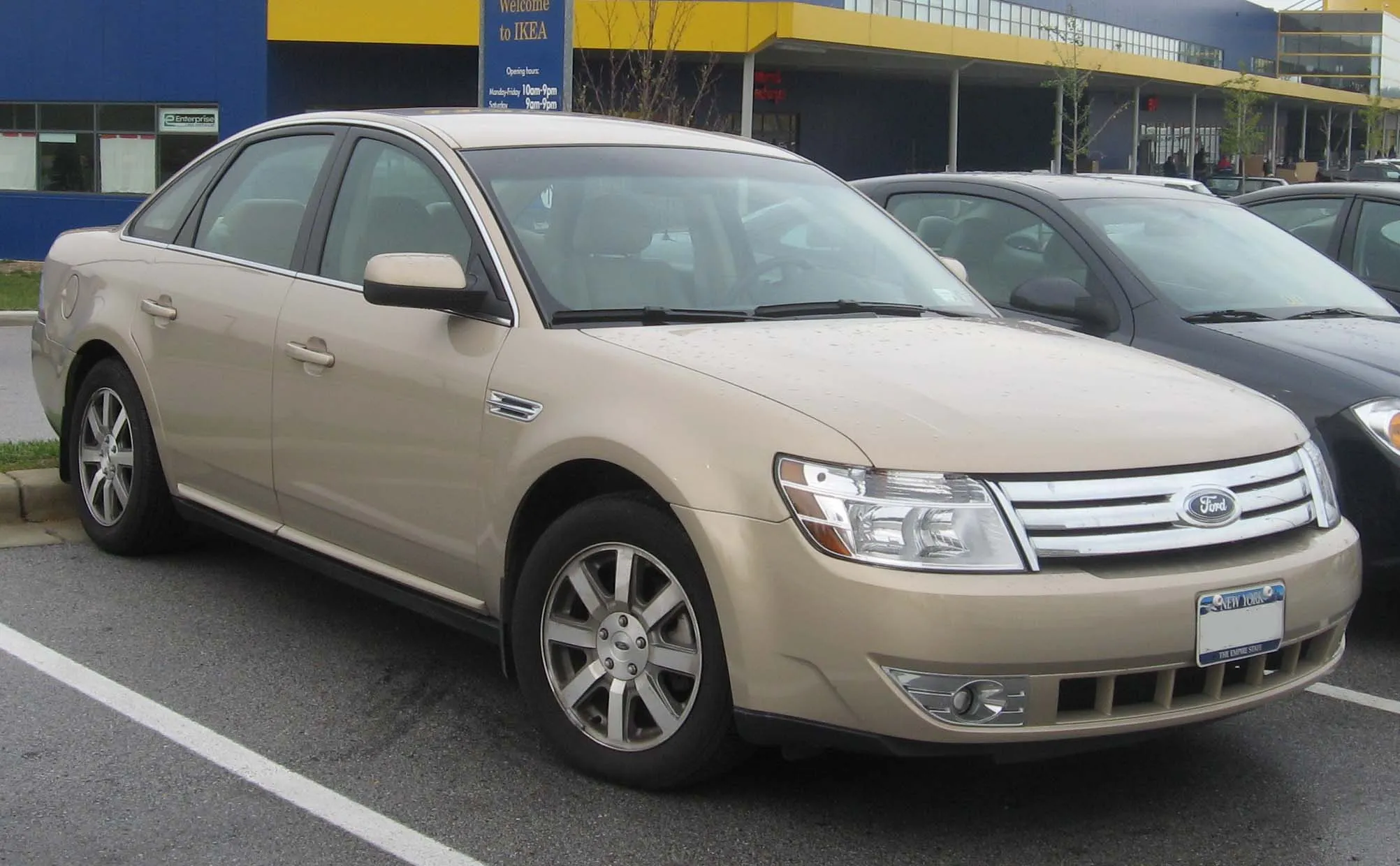
4. Ford Taurus (2008-2009 Models)
American carmakers faced tough times back then, and the fifth-generation Taurus is a prime example of what went wrong. These sedans were already outdated when they hit the roads, built on an old platform with subpar materials.
Fifteen years later, they’ve turned into uncomfortable liabilities that nobody wants to own or fix. The little charm they had initially is long gone, exposing every cost-cutting trick Ford played.
The interior is a mess. Cheap plastics crack, fade, and break easily. Seats offer little support and sag quickly, making long drives a misery. The dashboard looks old-fashioned and fragile.
Climate controls act up often, leaving you sweating or shivering. Road noise floods the cabin because Ford skimped on insulation. Rattles and squeaks set in early, turning every ride into a noisy ordeal.
The engines are underwhelming and trouble-prone. The base V6 is weak and guzzles fuel. The stronger option sips petrol like water and develops pricey issues.
The transmissions are a major headache; they slip, jerk, and die young. Fixing them costs a fortune, and used spares are scarce. Electrical systems are chaotic: sensors fail, computers glitch, and simple repairs turn into headaches due to poor design.
Suspension parts wear out fast, leaving the car bouncy and clumsy even with new bits. The body rusts in spots where better cars stay solid.
Safety features that seemed decent back then are now ancient. Brakes wear thin quickly, and tires lose grip on rough roads.
This Taurus is uncomfortable, unreliable, and barely worth the trouble. It’s a symbol of what went wrong with American sedans of that era.
Steer clear of these models unless you love breakdowns and disappointment. There are better choices out there, cars that age gracefully, with interiors that last, engines that purr, and systems that work. The fifth-generation Taurus isn’t one of them. Save your money, and pass it by.
Also Read: 5 Affordable Sedans That Outlast Luxury Cars vs 5 That Don’t
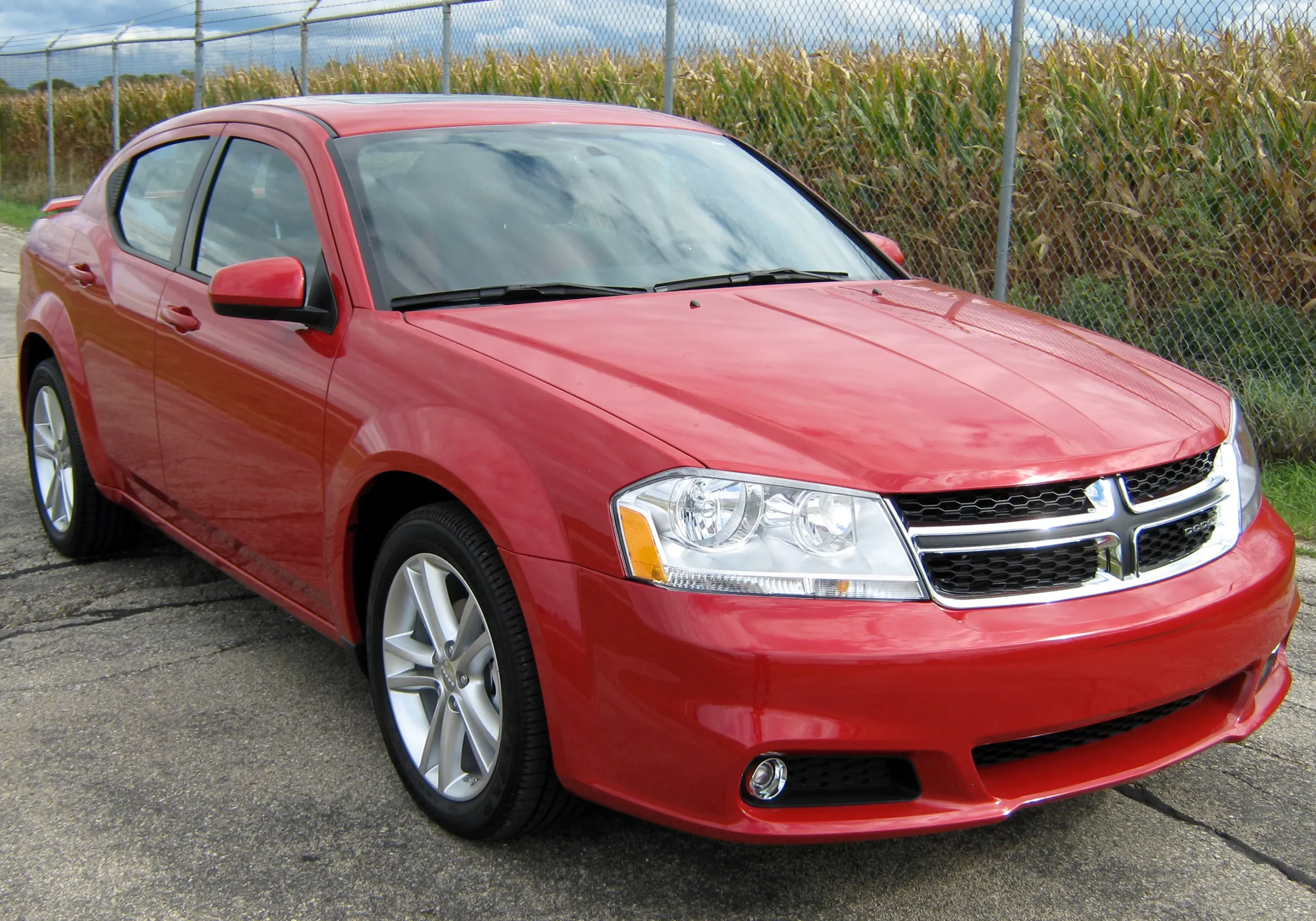
5. Dodge Avenger (2008-2014 Models)
Chrysler’s mid-size sedan attempt failed spectacularly. The Avenger looked acceptable in showrooms but was built to terrible standards.
These sedans become uncomfortable, unreliable messes long before reaching 15 years. Many examples are already scrapped because they’re not worth fixing. This car proves that low purchase prices mean nothing when long-term quality is absent.
Interiors fall apart with alarming speed. Hard plastics crack everywhere. Seats lose support quickly, becoming flat and painful during any drive longer than 20 minutes. Fabrics wear through easily, exposing foam underneath.
The dashboard develops rattles and creaks that drive you crazy. Climate control systems fail regularly, and repairs cost more than the car’s value. Everything feels cheap because it is cheap.
Engine performance is adequate when new, but deteriorates rapidly. The base four-cylinder is gutless and inefficient. The V6 offers more power but develops expensive problems. Oil leaks appear everywhere.
Timing components fail prematurely. Transmissions are particularly awful. They hesitate, jerk, and eventually die. Repair costs exceed what most owners want to spend on such a disappointing vehicle.
Electrical problems plague these Avengers constantly. Sensors malfunction. Computers fail. Simple tasks like starting the car become adventures.
Suspension systems fall apart quickly, making the ride harsh and uncomfortable. Steering components wear out fast. Brakes need frequent attention.
After 15 years, finding an Avenger still running comfortably is nearly impossible. Most have been recycled into something more useful.
This sedan represents poor engineering and cost-cutting gone wrong. It’s a cautionary tale about why some vehicles should never be purchased, regardless of how cheap they seem.
Choosing a sedan that remains comfortable past 15 years requires research and wisdom. The winners on this list share common traits: quality materials, proven engineering, and reasonable maintenance costs.
Japanese manufacturers dominate this category because they prioritise long-term satisfaction over short-term profits. Their boring but effective approach pays dividends when you’re still driving comfortably years later, while others are stuck with expensive problems.
The losers teach equally valuable lessons. Fancy features and attractive styling mean nothing when fundamental quality is lacking. German brands disappoint with expensive repairs.
American sedans from this era show what happens when manufacturers stop caring about customers after the initial sale. These vehicles might seem appealing initially, but they transform into nightmares that punish owners financially and physically.
Your sedan choice today determines your comfort and expenses for years ahead. Choose wisely, maintain properly, and you’ll enjoy reliable transportation that serves you faithfully.
Pick poorly, and you’ll regret every kilometre. The information here should guide you toward smart decisions that protect your wallet and your back.
