
In today’s automotive landscape, SUVs dominate American roads and for good reason. They combine space, power, and family-friendly convenience with the kind of styling that appeals to drivers of all ages.
Yet, not all SUVs hit that sweet spot between practicality and desirability. Some manage to turn everyday driving into an experience worth savoring, blending good looks, performance, and clever design.
Others, however, feel like they exist simply to fill a market niche practical on paper but uninspiring or underwhelming in real life.
Below are five SUVs that perfectly demonstrate that practicality doesn’t have to mean boring, followed by five that struggle to find their footing, showing that usefulness alone isn’t enough to make a great SUV.
SUVs That Prove Practical Can Be Cool
SUVs have come a long way from being purely utilitarian vehicles built for hauling gear and tackling rough terrain. Today, they combine practicality with striking design, advanced technology, and impressive performance, proving that being functional doesn’t mean being boring.
Whether you’re after something rugged, luxurious, or sporty, there’s an SUV out there that delivers everyday usability without sacrificing style or excitement. Here are the SUVs that prove practical can, indeed, be cool.
1. Kia Telluride
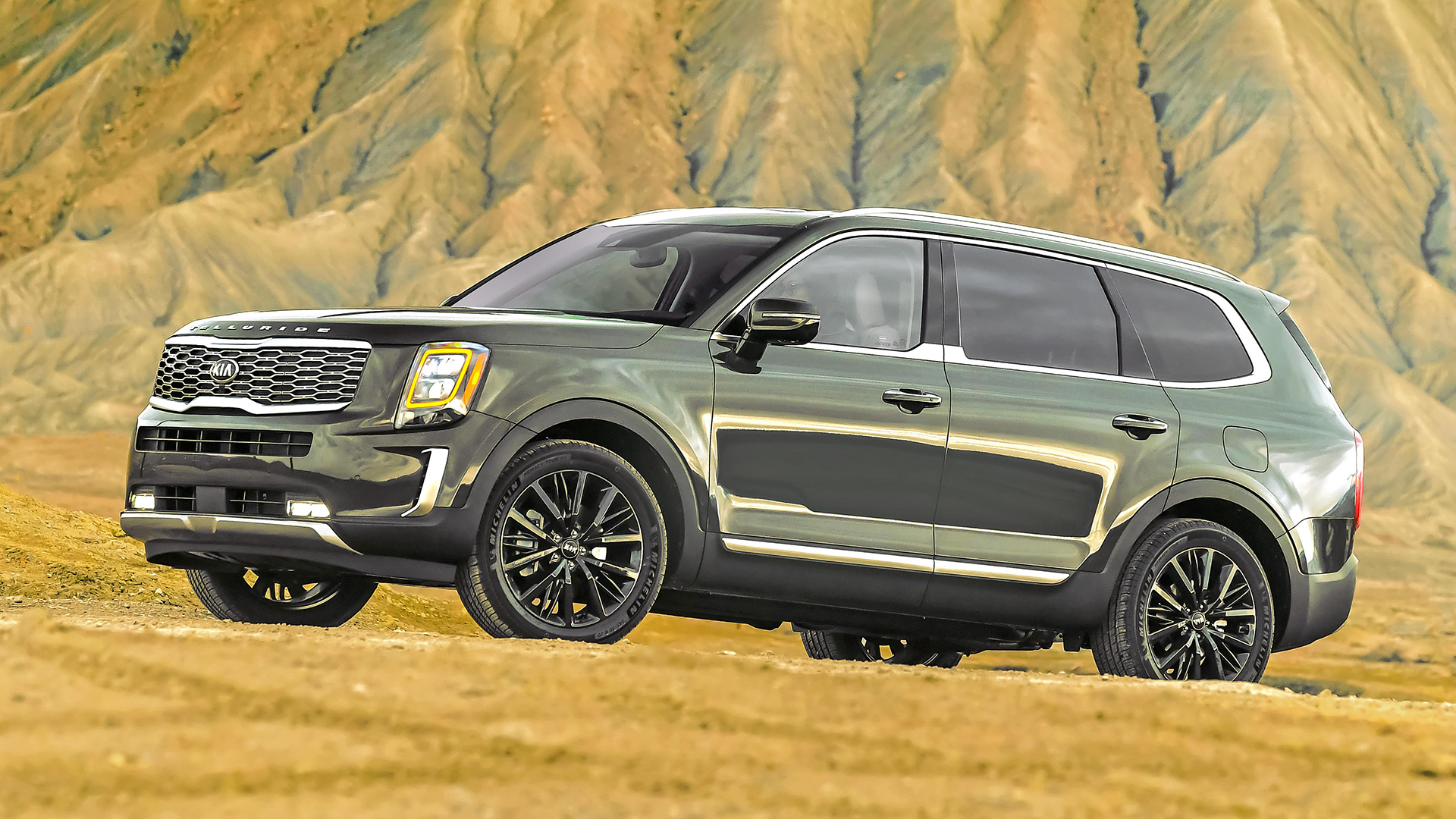
Few SUVs have captured the American market quite like the Kia Telluride. It’s not just practical it’s one of the best-designed family haulers in its class.
With its luxurious interior, bold exterior styling, and thoughtful features like a quiet cabin and third-row comfort, the Telluride makes everyday driving feel upscale.
The 291-hp V6 delivers smooth, reliable power, while the abundance of tech including multiple USB ports, adaptive cruise control, and a responsive infotainment system ensures it’s as functional as it is fashionable.
It’s the rare family SUV that looks as good parked at the grocery store as it does pulling up to a luxury hotel. Much like its Hyundai counterpart, the U.S.-built Telluride is expected to arrive with an available hybrid powertrain for the first time.
Having been spotted testing across the U.S. for months, the mid-size SUV is slated to reach dealerships as a 2027 model, with deliveries beginning in 2026.
The redesigned Telluride adopts a boxier, more rugged look than its predecessor, featuring squarer front and rear ends along with updated lighting elements.
Kia will reportedly offer the new Telluride with at least two different front grille designs and an off-road-oriented trim level.
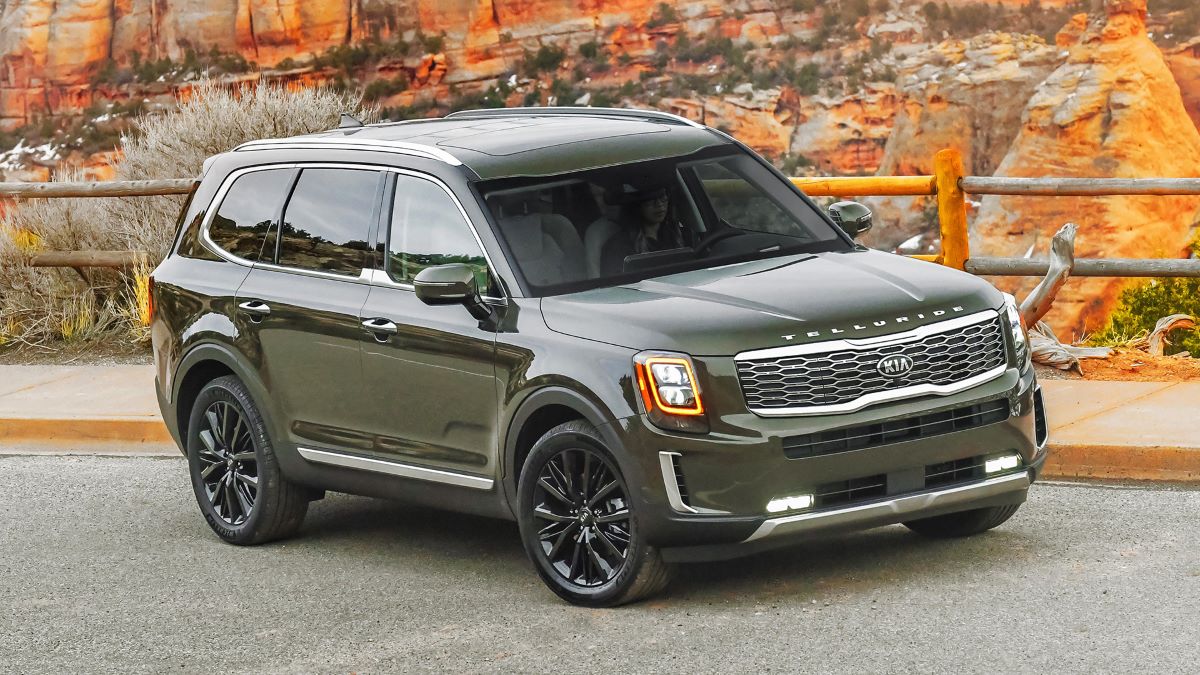
Sleeker details such as pop-out door handles, upscale side mirrors, and an extended wheelbase add a more premium feel. For reference, the 2026 Hyundai Palisade’s wheelbase has grown by 2.7 inches, improving cabin space and ease of entry.
While the new Palisade will be produced in South Korea, it features a 3.5-liter direct-injection V6 producing 287 horsepower and 260 lb-ft of torque, paired with an eight-speed automatic and optional all-wheel drive.
This setup is expected to carry over to the 2027 Telluride, enabling up to 5,000 pounds of towing capacity.
In addition, Kia’s flagship SUV is anticipated to gain the Palisade’s optional 2.5-liter turbo hybrid engine, delivering a combined 329 horsepower and 339 lb-ft of torque through a six-speed automatic transmission. Front-wheel drive will come standard, with all-wheel drive available as an upgrade.
With fuel economy reaching up to 34 mpg on certain trims, the Telluride Hybrid will offer a blend of power, efficiency, and practicality.
Given the close mechanical ties between the two models, the new Telluride is set to deliver the same balance of luxury, performance, and tech, further cementing its place among the most desirable family SUVs on the market.
Also Read: Top 9 Durable Sports Cars That Outlast Their Rivals
2. Ford Bronco
The Ford Bronco redefines what it means to be both practical and adventurous. It’s an SUV that handles the daily grind but begs for weekends off-road.
The Bronco’s removable doors and roof panels bring open-air excitement, while the rugged frame and G.O.A.T. (Go Over Any Terrain) modes make it as capable as it is charismatic.
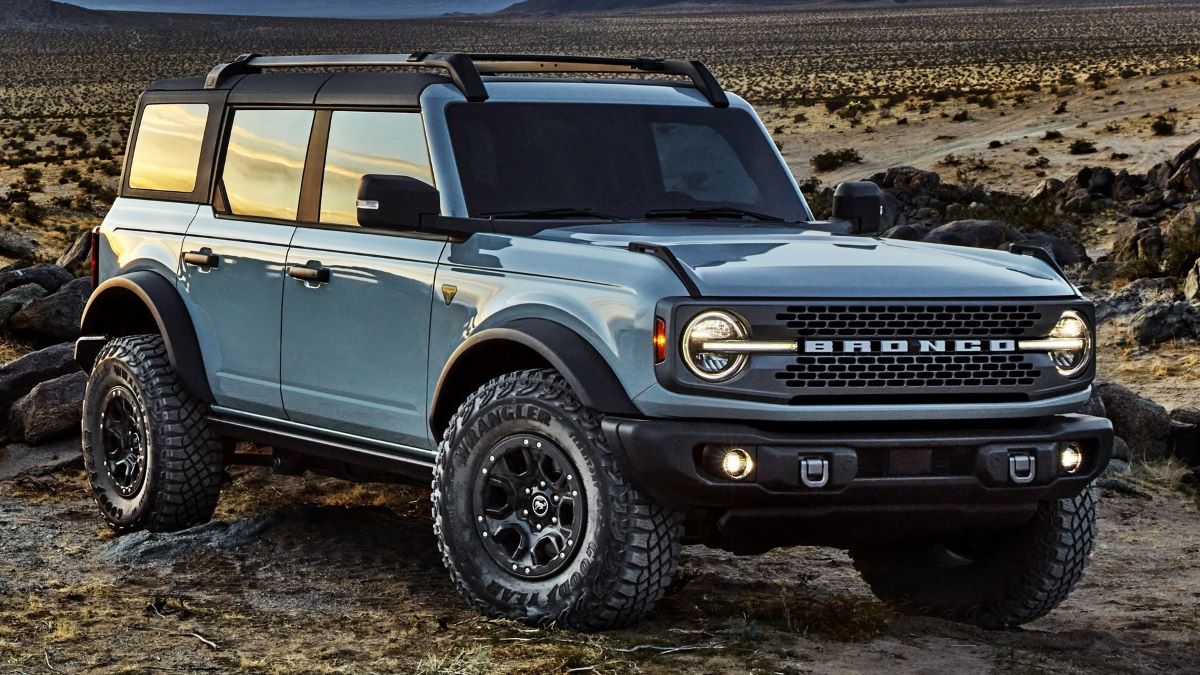
Ford managed to balance its off-road DNA with modern amenities like a well-designed digital cockpit and comfortable seats. Whether you’re heading to work or the wilderness, the Bronco proves that practicality can come with a serious dose of cool.
3. Toyota RAV4 Prime
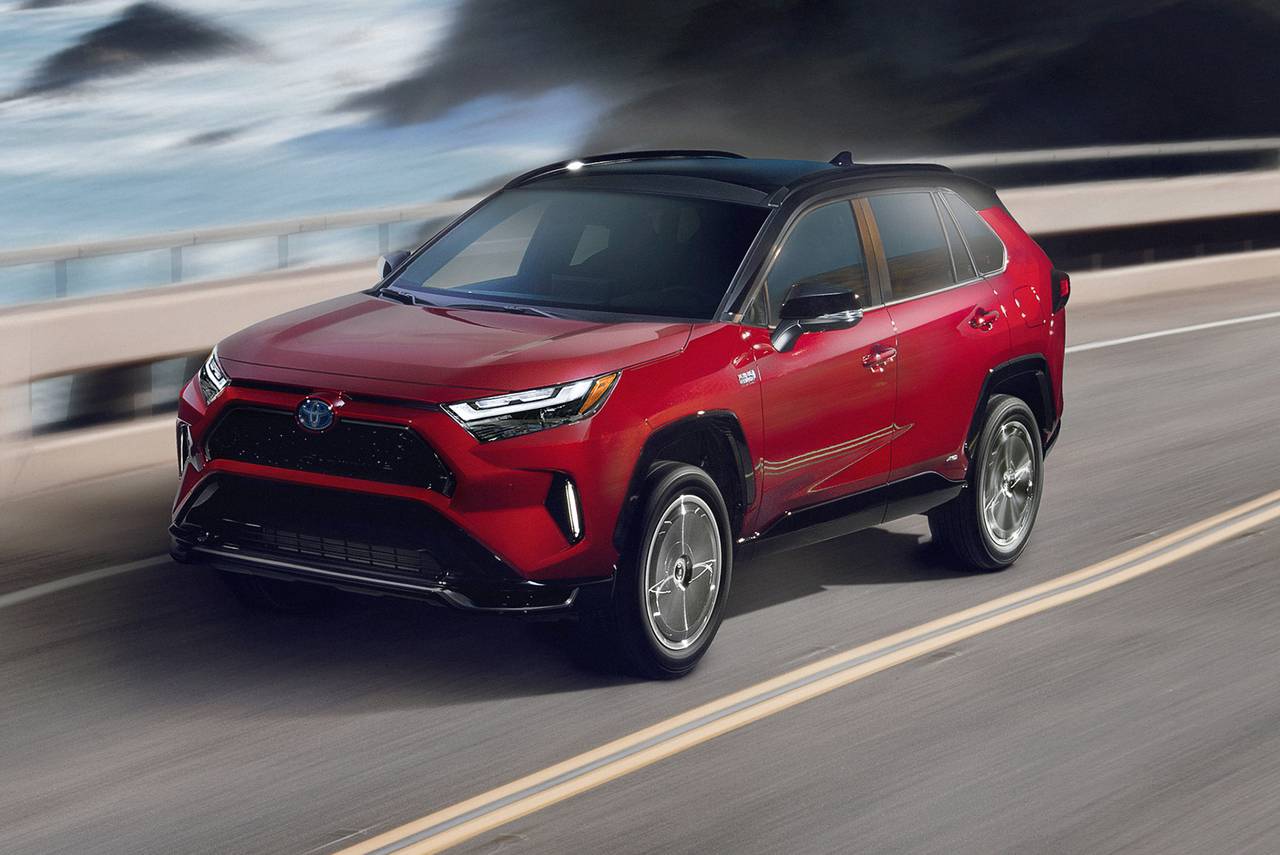
Toyota’s RAV4 has long been a go-to for sensible buyers, but the RAV4 Prime hybrid plug-in version takes it to another level. With 302 combined horsepower, it accelerates from 0–60 mph in under six seconds faster than some luxury SUVs.
Yet, it still delivers over 40 miles of all-electric range and exceptional fuel efficiency. The RAV4 Prime manages to combine speed, sustainability, and everyday practicality like few others in its segment.
It’s the SUV for the driver who wants to save on gas while enjoying a surprisingly sporty experience.
Based on one of the most popular vehicles in America, and around the world, the 2024 Toyota RAV4 Prime takes everything people love about the standard RAV4 and turns it up a notch.
With a powerful 302-horsepower plug-in hybrid powertrain and improved fuel efficiency, the RAV4 Prime blends practicality, performance, and eco-friendliness in one refined package.
It remains the same dependable and family-friendly crossover that drivers have trusted for years, but now with added speed and electrified sophistication.
Going up against heavyweights like the Hyundai Tucson PHEV and Ford Escape PHEV, as well as new challengers like Mazda’s upcoming CX-70 PHEV, the RAV4 Prime faces stiff competition in the plug-in hybrid segment.
However, despite its higher price tag and somewhat uninspired driving dynamics, Toyota’s proven track record for reliability and practicality keeps the RAV4 Prime at the top of many buyers’ lists.
With no major updates for 2024 following last year’s redesign, the RAV4 Prime continues to deliver what it does best, comfort, efficiency, and everyday usability, wrapped in a smart, stylish, and capable package that perfectly represents Toyota’s formula for success.
4. Mazda CX-5
Mazda continues to prove that good design and driving pleasure don’t have to come with a luxury badge. The CX-5 feels like a premium product, thanks to its elegant styling, refined materials, and driver-focused performance.
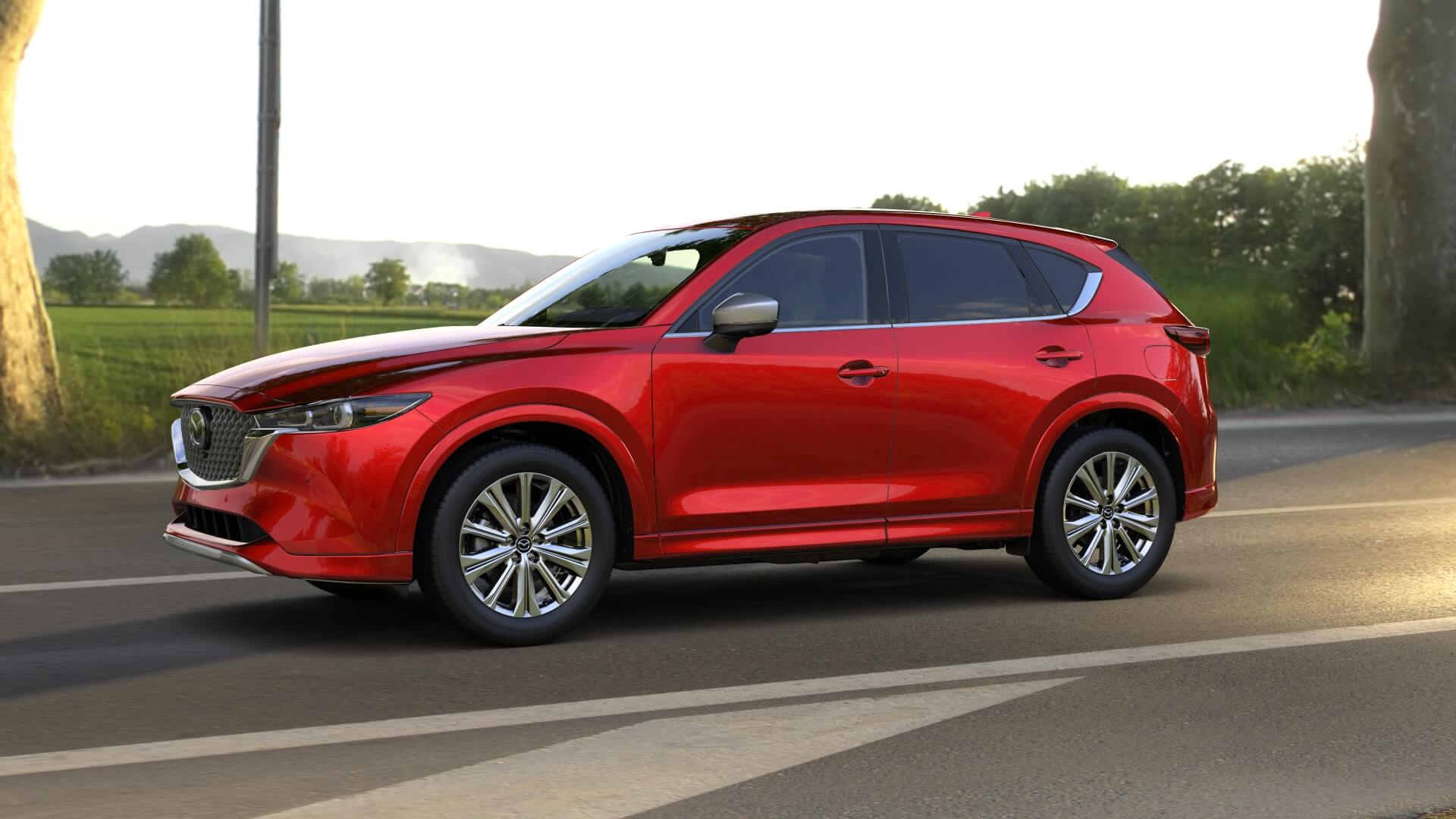
The steering and suspension tuning make it genuinely enjoyable to drive a rarity in compact crossovers.
Meanwhile, the cabin is quiet, the seats supportive, and the tech intuitive. For those who care about both aesthetics and substance, the CX-5 shows that practicality can absolutely be beautiful.
5. Jeep Grand Cherokee
The Jeep Grand Cherokee strikes the perfect balance between ruggedness and refinement. Known for its off-road prowess, it’s equally impressive on city streets.
The new generation brings an upscale cabin with high-quality finishes and advanced tech, while still offering four-wheel-drive systems and trail-rated durability.
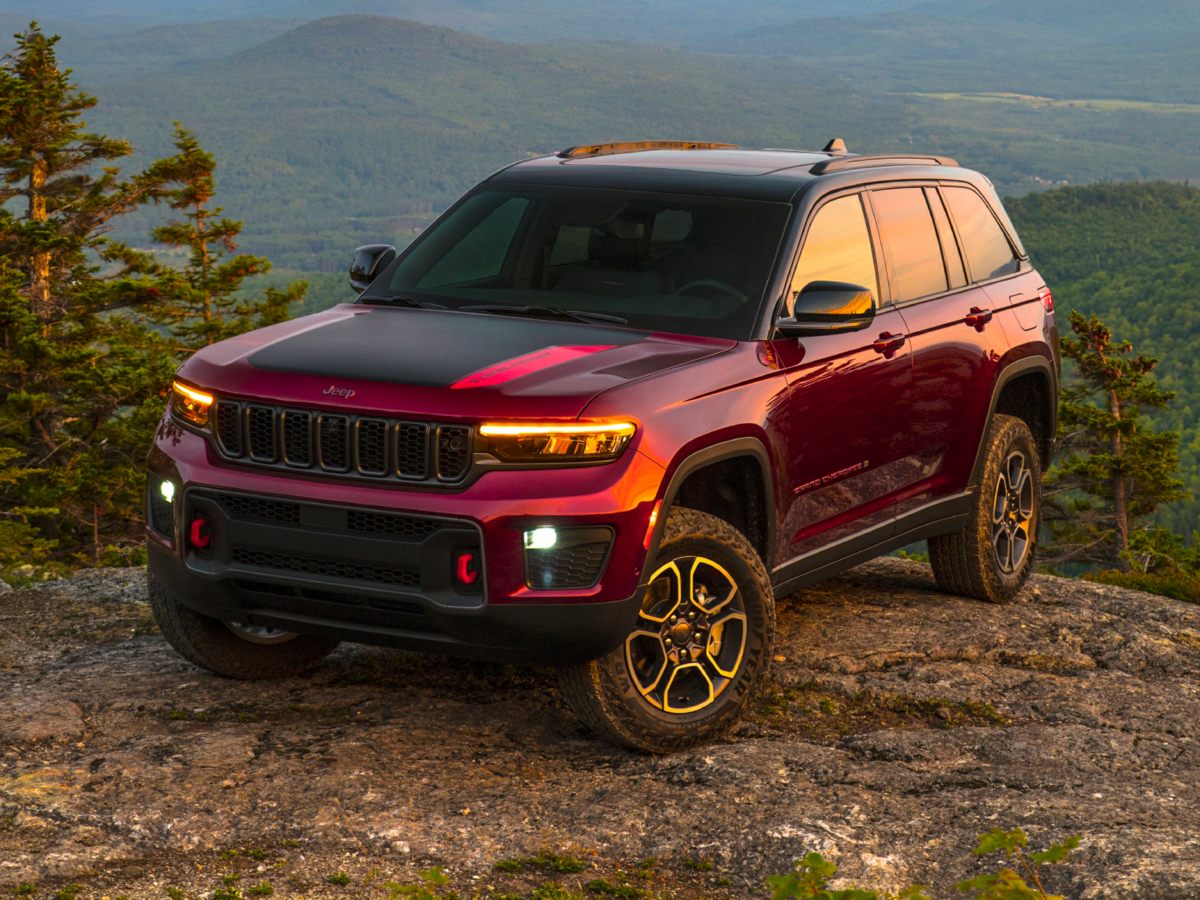
Whether you opt for the plug-in hybrid 4xe or the V8-powered Trailhawk, the Grand Cherokee feels modern and capable. It’s proof that family SUVs can still have an adventurous edge without sacrificing comfort or credibility.
The Jeep Grand Cherokee was one of the key vehicles that helped shape the modern SUV landscape in the 1990s, and it remains a significant contender in today’s highly competitive market.
The current generation debuted for the 2022 model year and, although a refresh is on the horizon, it looks like that update won’t arrive until 2026.
Jeep continues to offer the Grand Cherokee in several configurations: a standard wheelbase version with seating for five, the extended three-row Grand Cherokee L, and the 4xe plug-in hybrid variant. Other midsize SUVs with comparable off-road capabilities include the Subaru Outback and Toyota 4Runner.
While many anticipated a 2025 update, Jeep has decided to hold off a little longer. For now, changes to the Grand Cherokee lineup are focused solely on pricing adjustments.
The entire range sees reduced MSRPs, with lower trims dropping by $1,000 and the top-end models receiving cuts of up to $4,000.
The Jeep Grand Cherokee continues to impress with its strong off-road performance, refined on-road comfort, and premium cabin design. Since its major redesign in 2022, however, the midsize SUV has started to show its age.
The long-serving V-6 engine could benefit from both more power and improved efficiency. Additionally, the braking system has been noted for lacking the sharpness and smoothness found in competitors, and its suite of standard driver assistance features trails behind segment leaders.
Looking ahead, the 2026 Jeep Grand Cherokee is expected to receive a substantial update, likely including redesigned front and rear fascias, refreshed lighting elements, and upgraded cabin materials.
Inside, Jeep may introduce a larger standard infotainment display and expand the list of available advanced safety technologies.
There’s also speculation that the brand will add one or both variants of its Hurricane Twin Turbo engines, which have earned praise in other Jeep and Stellantis models for their smoothness and robust power delivery.
Introducing these engines could breathe new life into the Grand Cherokee, keeping it competitive as Jeep continues to transition toward a more electrified future. Until that time arrives, the Grand Cherokee remains a central figure in the midsize SUV segment.
For 2025, Jeep continues to equip the Grand Cherokee with a single powertrain option: a 3.6-liter naturally aspirated V-6 that generates 293 horsepower and 260 lb-ft of torque. This engine is paired with an eight-speed automatic transmission across the lineup.
Also Read: 5 Jeep Grand Cherokee Years That Run Forever vs 5 That Don’t
SUVs That Barely Work
SUVs have come a long way from being purely utilitarian vehicles built for hauling gear and tackling rough terrain. Today, they combine practicality with striking design, advanced technology, and impressive performance, proving that being functional doesn’t mean being boring.
Whether you’re after something rugged, luxurious, or sporty, there’s an SUV out there that delivers everyday usability without sacrificing style or excitement. Here are the SUVs that prove practical can, indeed, be cool.
1. Mitsubishi Outlander Sport
The Mitsubishi Outlander Sport feels like it’s stuck in the early 2010s both in design and performance. While it offers decent space and all-wheel-drive capability, everything else feels dated.
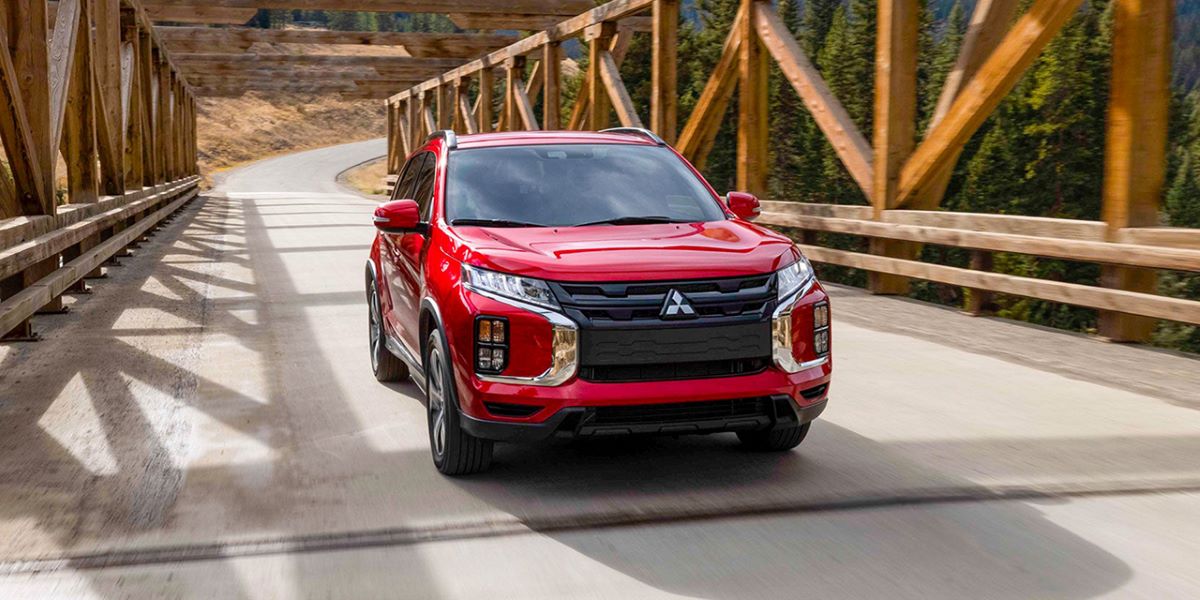
The interior materials are cheap, the engine underpowered, and the ride quality unrefined. Even its infotainment system feels behind the curve compared to competitors.
It’s practical enough to get the job done, but it lacks the polish, innovation, and charm that modern SUV buyers expect.
2. Chevrolet Trax (Previous Generation)
Chevy’s latest Trax has made big improvements, but the older generation still haunts the small SUV market. It was cramped, slow, and uninspiring, with an engine that struggled to keep up with highway traffic.
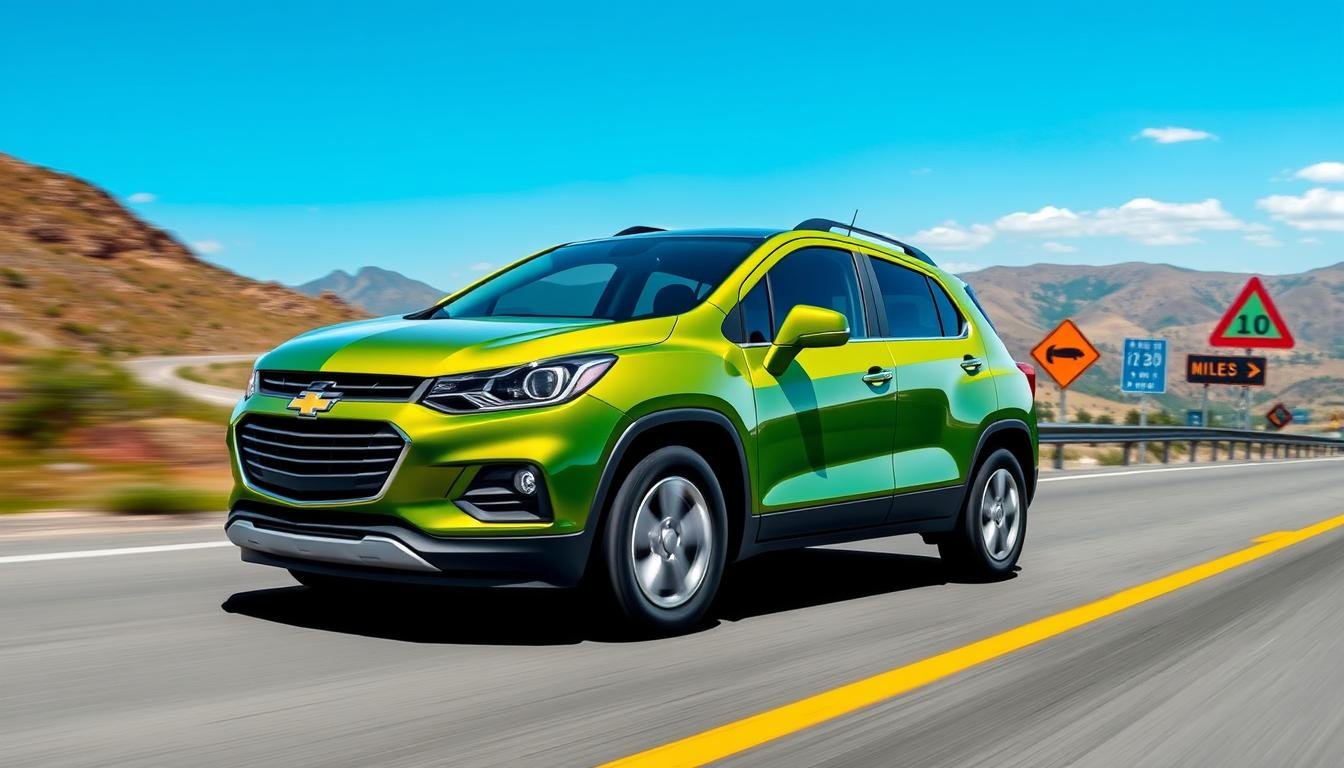
Its build quality and interior layout were far from competitive, making it one of those SUVs that looked good on a spec sheet but fell flat in reality. It checked the “affordable” and “compact” boxes, but barely delivered on comfort or excitement.
3. Jeep Compass
Despite wearing the iconic Jeep badge, the Compass never quite lived up to expectations. It looks rugged, but that’s mostly where the appeal ends.
Its base powertrain lacks punch, the handling is mediocre, and the interior space doesn’t feel efficiently used.
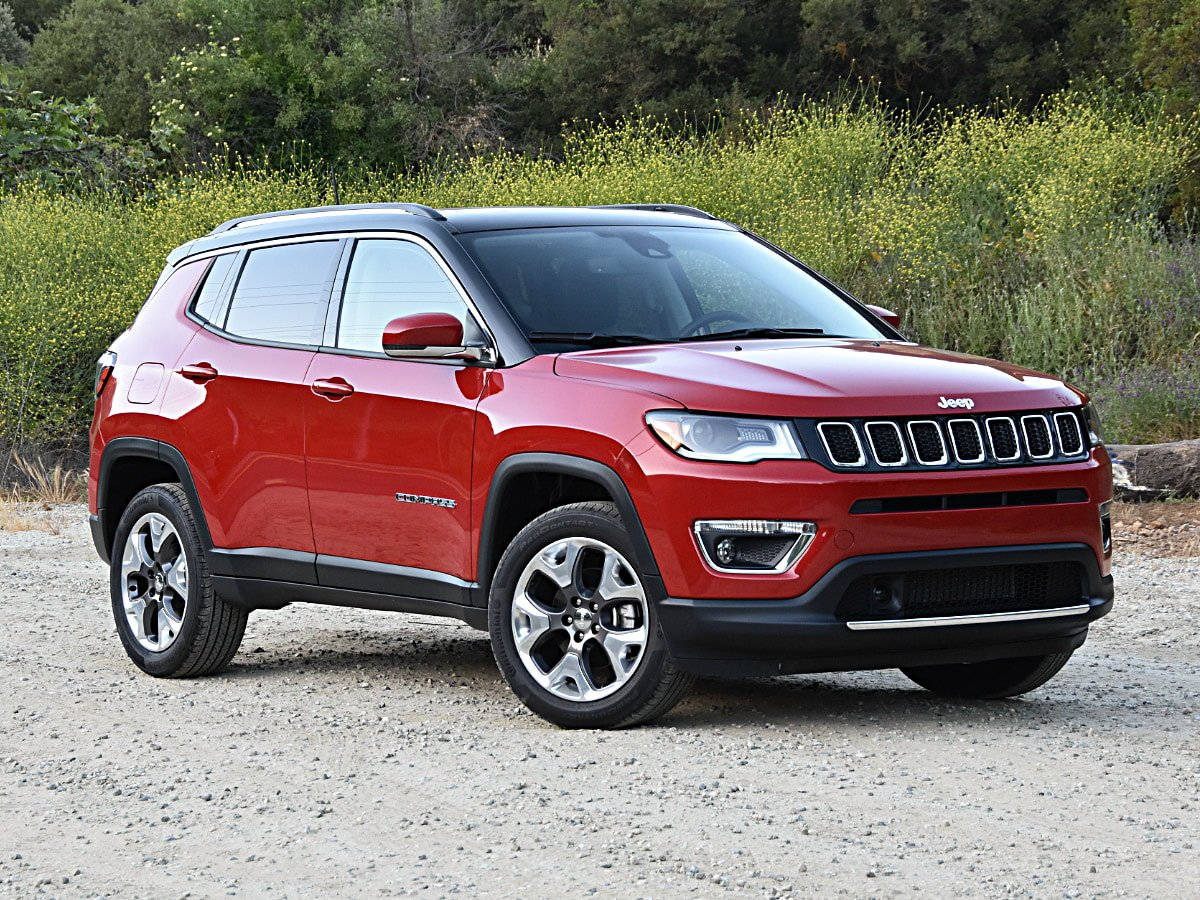
While recent refreshes have tried to improve quality and features, it still feels like a compromise between the more capable Cherokee and the smaller Renegade without excelling at anything in particular. It’s practical in concept but not in execution.
The 2022 Jeep Compass is a compact crossover that carries the brand’s rugged heritage while offering genuine off-road potential when properly equipped. Positioned between the smaller Renegade and the larger Cherokee, the Compass competes with popular alternatives such as the Mazda CX-5 and Toyota RAV4.
While previous models were criticized for their uninspired interiors, the latest version features a refreshed cabin with a more contemporary design and updated technology.
However, the underwhelming four-cylinder gasoline engine remains a drawback. This engine is paired with either a six-speed automatic transmission and front-wheel drive or a nine-speed automatic transmission and all-wheel drive.
True to Jeep’s adventurous reputation, the Trailhawk trim stands out as the most capable off-road variant. Although the Cherokee still offers greater overall capability, the 2022 Compass is arguably more stylish and affordable.
For the 2022 model year, Jeep has given the Compass a series of meaningful updates to boost its appeal.
We recommend maximizing value by choosing the base Sport trim. Adding all-wheel drive costs an extra $1,500 and replaces the standard six-speed automatic with a nine-speed unit.
Every 2022 Compass is powered by a 2.4-liter four-cylinder engine that produces modest performance and is paired with either a six-speed automatic (FWD) or a nine-speed automatic (AWD). Unfortunately, the engine feels sluggish, and the nine-speed transmission can be hesitant with gear changes.
Despite its upright stance, the Compass handles with more agility than expected. The steering is well-weighted and responsive, and while there’s some body roll in tighter turns, the SUV maintains a planted and composed feel on the road.
During off-road testing, the Compass handled moderate obstacles with confidence, and its AWD system performed smoothly without any noticeable issues.
4. Nissan Rogue Sport
The Nissan Rogue Sport aimed to be a smaller, more urban-friendly version of the Rogue, but it missed the mark in several areas.
The 141-hp engine is sluggish, and the continuously variable transmission (CVT) makes acceleration feel even less engaging.
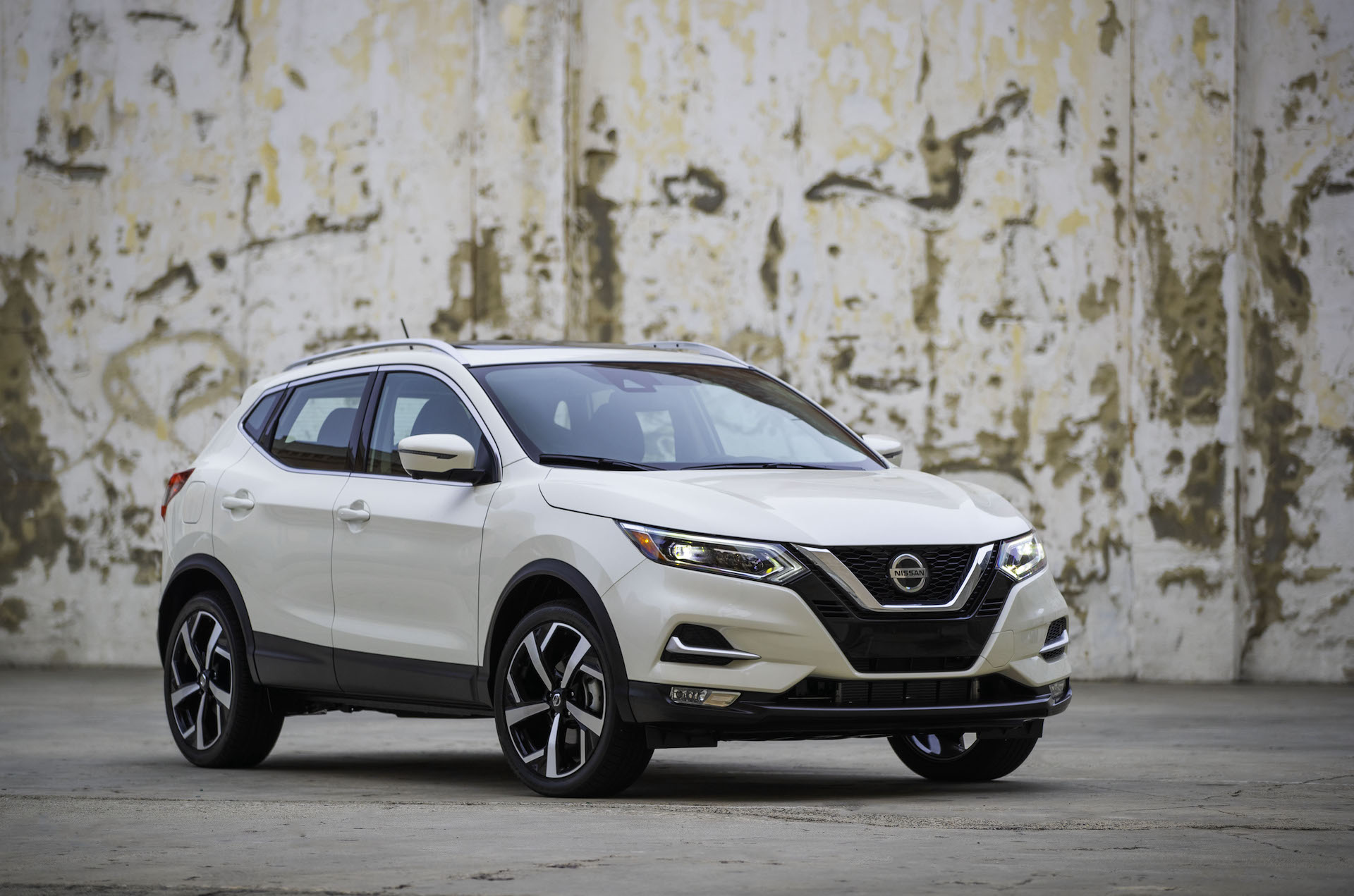
The interior, while functional, lacks the upscale touches that have become standard in this segment. For drivers who prioritize excitement, the Rogue Sport delivers little more than the basics and even those feel watered down.
It’s uncommon for an automaker to sell two vehicles competing in the same segment, which makes the Nissan Rogue Sport a rather unique entry in the lineup.
While it still fits into the subcompact crossover category, it’s slightly larger than the Nissan Kicks and borrows several design and structural elements from the bigger Rogue, with which it shares its platform.
Unfortunately, its powertrain isn’t one of those shared strengths, the Rogue Sport runs on a modest four-cylinder engine producing 141 horsepower and 147 lb-ft of torque.
Rivals in this class include the capable Honda HR-V and bold Korean contenders like the Hyundai Kona. In fact, the Kona’s available turbocharged engine leaves the Rogue Sport lagging behind in performance.
The 2022 Nissan Rogue Sport carries a higher starting price than most competitors in its class. The base S trim begins at $24,460, while many rivals aim to stay closer to the $20,000 range.
Moving up to the SV trim costs $26,030, and the range-topping SL sits at $29,090. All three trims can be equipped with all-wheel drive for an additional $1,500. These prices exclude tax, registration, licensing fees, and Nissan’s $1,225 destination charge.
The “Sport” in the Rogue Sport’s name might lead some to expect a more dynamic drive, but this crossover isn’t designed for thrill-seekers.
Its engine isn’t weak per se, but once you push harder on the gas pedal, it quickly runs out of power. Around town, however, most drivers will find the performance adequate, as there’s rarely a need to use the engine’s full potential.
Light and responsive, it allows for easy maneuvering through crowded streets or tight parking lots.
There’s limited feedback through the wheel, but excellent outward visibility from the elevated seating position helps make up for it, giving drivers a clear sense of where the vehicle’s edges are.
Driven conservatively, the Rogue Sport maintains good road manners, with body lean kept mostly in check. However, push it beyond its comfort zone and noticeable understeer sets in.
The suspension does a solid job of soaking up bumps and rough patches, though the larger 19-inch wheels on higher trims compromise ride comfort somewhat. Unfortunately, smaller wheel options aren’t available on those models.
There’s a lot to appreciate about the Nissan Rogue Sport, though it’s not without its compromises. Being slightly larger than the Kicks, it offers more interior room for both passengers and cargo.
Subcompact crossovers are typically valued for affordability, and while the Rogue Sport delivers plenty of features for its cost, it’s still pricier than models such as the Kia Soul, which costs roughly $5,000 less.
Additionally, its fuel economy isn’t particularly impressive for the segment, and its handling dynamics can feel inconsistent.
Overall, the 2022 Nissan Rogue Sport performs adequately and offers strong safety and comfort features, but budget-conscious shoppers may find better value among its more affordable rivals.
Although slightly costlier than some of the class leaders, the Nissan Rogue Sport remains a reasonably priced crossover for American buyers.
For those who want the most well-equipped version, the SL trim is the way to go, offering exclusive features like a surround-view camera system, the advanced ProPilot Assist suite, and an available power moonroof for added flair.
If stretching to the top trim isn’t feasible, the base S model still provides peace of mind thanks to standard Safety Shield 360 technology and a well-equipped infotainment setup that includes all the essentials for everyday driving.
5. Volkswagen Taos
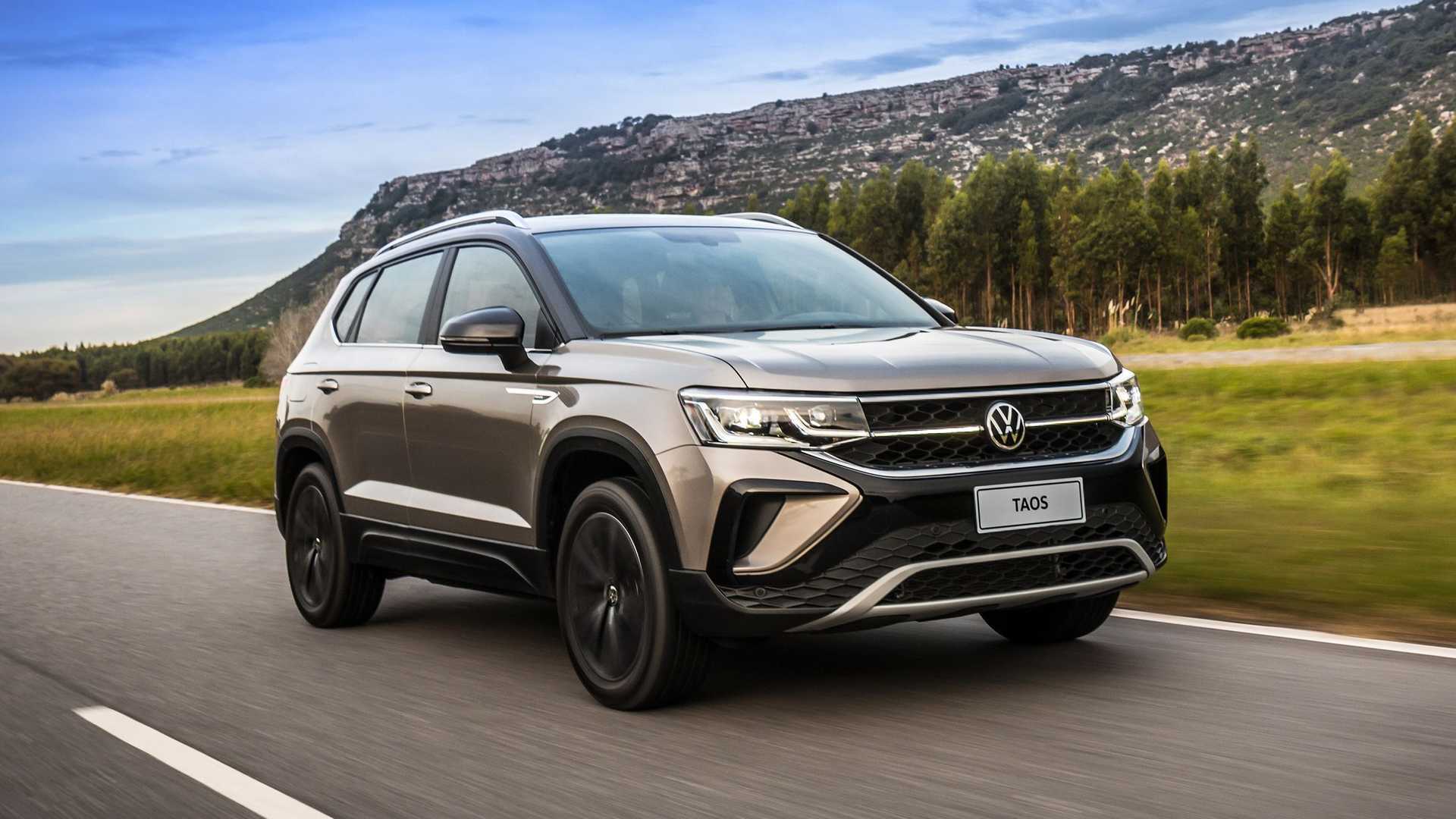
The Volkswagen Taos promised European refinement in a compact package but ended up feeling half-baked. While it’s efficient and decently roomy, the driving experience is disappointingly bland, and the interior doesn’t live up to VW’s usual standards.
The dual-clutch transmission can be jerky at low speeds, and its build quality feels inconsistent.
It’s the kind of SUV that works fine for short commutes but lacks the substance or soul that buyers expect from the brand. In short, it’s practical just not memorable.
The Volkswagen Taos held the title of our top-rated extra-small SUV last year, and the 2025 updates make it an even more compelling option in this competitive segment.
That’s not something you can say about many others in this pint-sized category. Beyond its smart packaging, the Taos also impresses with a powerful yet efficient engine, a refined and comfortable driving experience, high-quality interior materials, and a rich list of standard features.
For 2025, the Volkswagen Taos gets a refresh that brings a range of updates, both aesthetic and mechanical. The most obvious change is its exterior design, a full-width LED light bar now stretches across the front, giving the SUV a more modern and distinctive look, especially noticeable at night.
However, the most significant improvements are found under the hood. The turbocharged four-cylinder engine now delivers 174 horsepower, a 16-hp boost over the previous model, providing noticeably stronger acceleration.
Even more welcome is the replacement of the clunky dual-clutch transmission with a smoother, more traditional automatic gearbox, which greatly enhances drivability.
Inside, the 2025 Taos benefits from a larger standard touchscreen, upgraded materials throughout the cabin, and subtle styling updates.
In a market overflowing with SUVs, the gap between “good enough” and “great” has never been clearer.
Models like the Kia Telluride and Ford Bronco prove that practicality doesn’t have to mean dull, offering smart design and engaging experiences for everyday life.
On the other hand, SUVs like the Mitsubishi Outlander Sport and Nissan Rogue Sport remind us that checking boxes isn’t enough execution and personality matter just as much.
As consumers continue to seek vehicles that can do it all haul kids, conquer trails, and still look good doing it these comparisons make one thing clear: the best SUVs aren’t just practical. They make you want to get behind the wheel every single day.
