
In today’s fast-paced world, where stress and noise pollution have become unwelcome companions in our daily lives, the sanctuary of a quiet automobile cabin has never been more valuable.
The modern sedan has evolved far beyond mere transportation, transforming into a personal refuge where drivers and passengers can escape the cacophony of urban environments, highway drone, and the general tumult of contemporary existence.
The pursuit of automotive tranquility has become a defining characteristic of luxury and premium sedans, with manufacturers investing heavily in sound-dampening technologies, acoustic engineering, and innovative materials to create rolling sanctuaries of silence.
The quest for a peaceful driving experience encompasses multiple dimensions of automotive engineering. It begins with the fundamental architecture of the vehicle how the body structure is designed to deflect wind noise, how doors seal against their frames, and how the underbody manages airflow to minimize turbulence.
Advanced acoustic glass, often laminated with special sound-absorbing layers, plays a crucial role in blocking external noise from penetrating the cabin.
Meanwhile, the strategic placement of sound-deadening materials throughout the vehicle’s structure in the firewall, floor panels, wheel wells, and roof creates multiple barriers against unwanted sound intrusion.
For discerning buyers who value serenity during their commute, long-distance travels, or simply running daily errands, choosing a sedan with exceptional noise insulation can dramatically improve quality of life.
The difference between a loud, intrusive cabin and a whisper-quiet interior is not merely a matter of comfort it reduces fatigue on long journeys, enables easier conversation among passengers, allows for better appreciation of premium audio systems, and creates an environment conducive to relaxation or concentration.
The following twelve sedans represent the pinnacle of automotive acoustic engineering, offering drivers and passengers a peaceful, library-quiet experience that transforms every journey into a respite from the noise of the outside world.
1. Mercedes-Benz S-Class
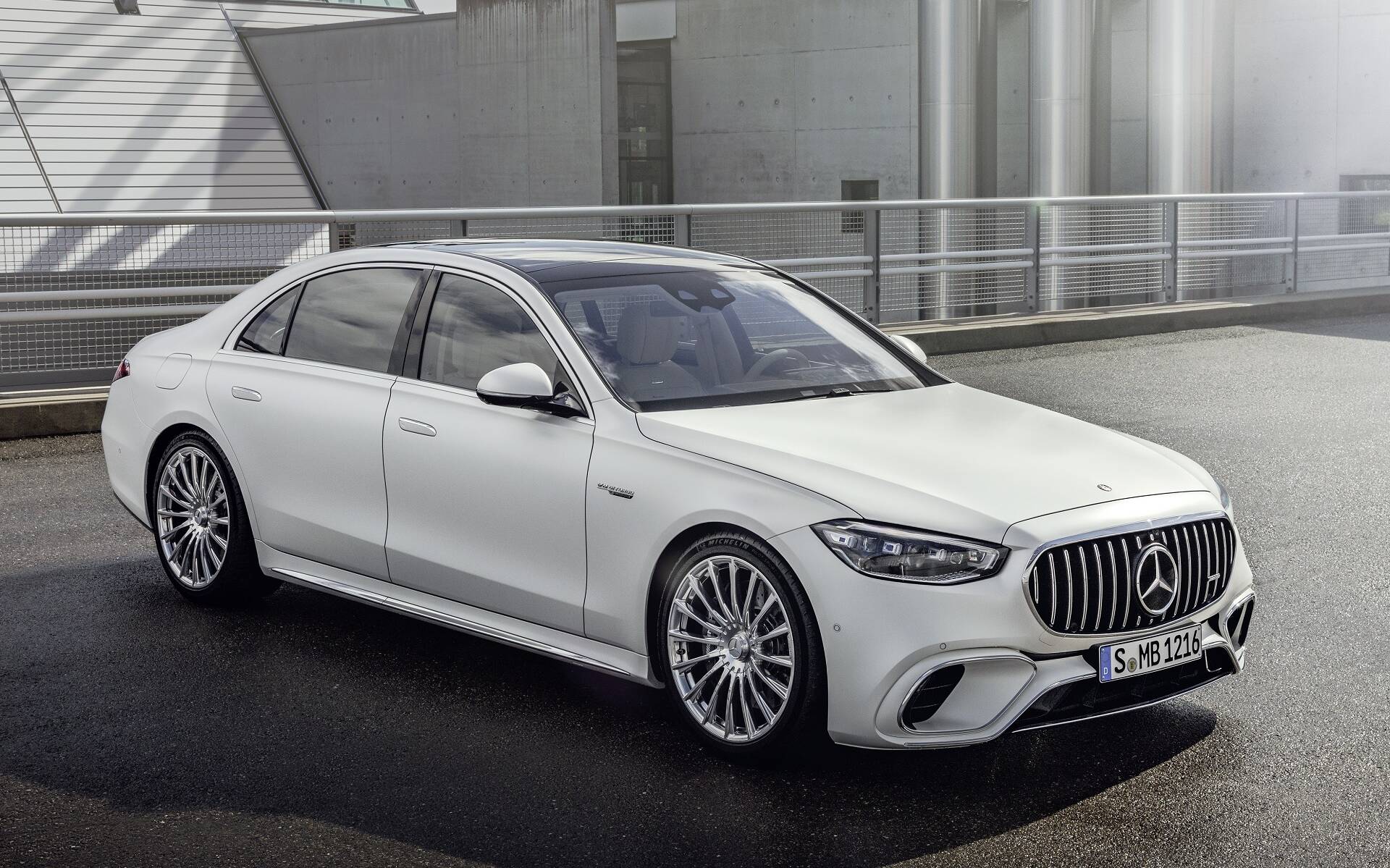
The Mercedes-Benz S-Class has long been regarded as the benchmark for automotive luxury and refinement, and its cabin quietness stands as one of its most impressive achievements.
This flagship sedan employs a comprehensive approach to noise suppression that begins at the molecular level and extends throughout every aspect of the vehicle’s construction.
Mercedes engineers have spent countless hours in anechoic chambers and on test roads, measuring and analyzing every potential source of noise intrusion to create what many automotive journalists describe as the quietest production sedan available today.
The S-Class utilizes acoustic laminated glass on all windows, not just the windshield, providing a substantial barrier against external noise. The glass features multiple layers with a sound-absorbing membrane sandwiched between them, effectively blocking high-frequency sounds like wind noise and traffic din.
Beyond the glass, the body structure itself incorporates extensive sound-deadening materials strategically placed throughout the firewall, floor pan, and wheel arches.
These materials include heavy foam barriers, butyl-based damping mats, and specialized acoustic panels that absorb vibrations before they can transmit into the passenger cabin.
The engine bay features its own suite of noise-suppression technologies. The available V8 and inline-six engines are mounted on sophisticated bushings that isolate vibrations, while the engine cover itself incorporates acoustic insulation.
The result is an engine that operates with barely perceptible noise levels even under acceleration. The optional AIRMATIC air suspension system further enhances cabin serenity by adapting damping rates in real-time, smoothing out road irregularities that might otherwise create noise or harshness within the cabin.
The attention to detail extends to smaller components as well. Door seals feature multiple contact points and specialized profiles designed to create airtight closures.
The frameless door design, while aesthetically elegant, incorporates upper seals that automatically deploy to ensure proper sealing when doors are closed. Wind noise at highway speeds is virtually nonexistent, with aerodynamic refinement that includes active aerodynamic elements like air curtains and optimized mirror designs.
Inside, soft-touch materials and plush carpeting absorb any remaining acoustic energy, while the seats themselves are designed to dampen vibrations.
The Mercedes-Benz S-Class doesn’t just isolate occupants from noise it creates an environment so serene that conversations can be held in normal speaking voices at any speed, and even the most subtle details of recorded music can be appreciated without interference from external sounds.
2. BMW 7 Series
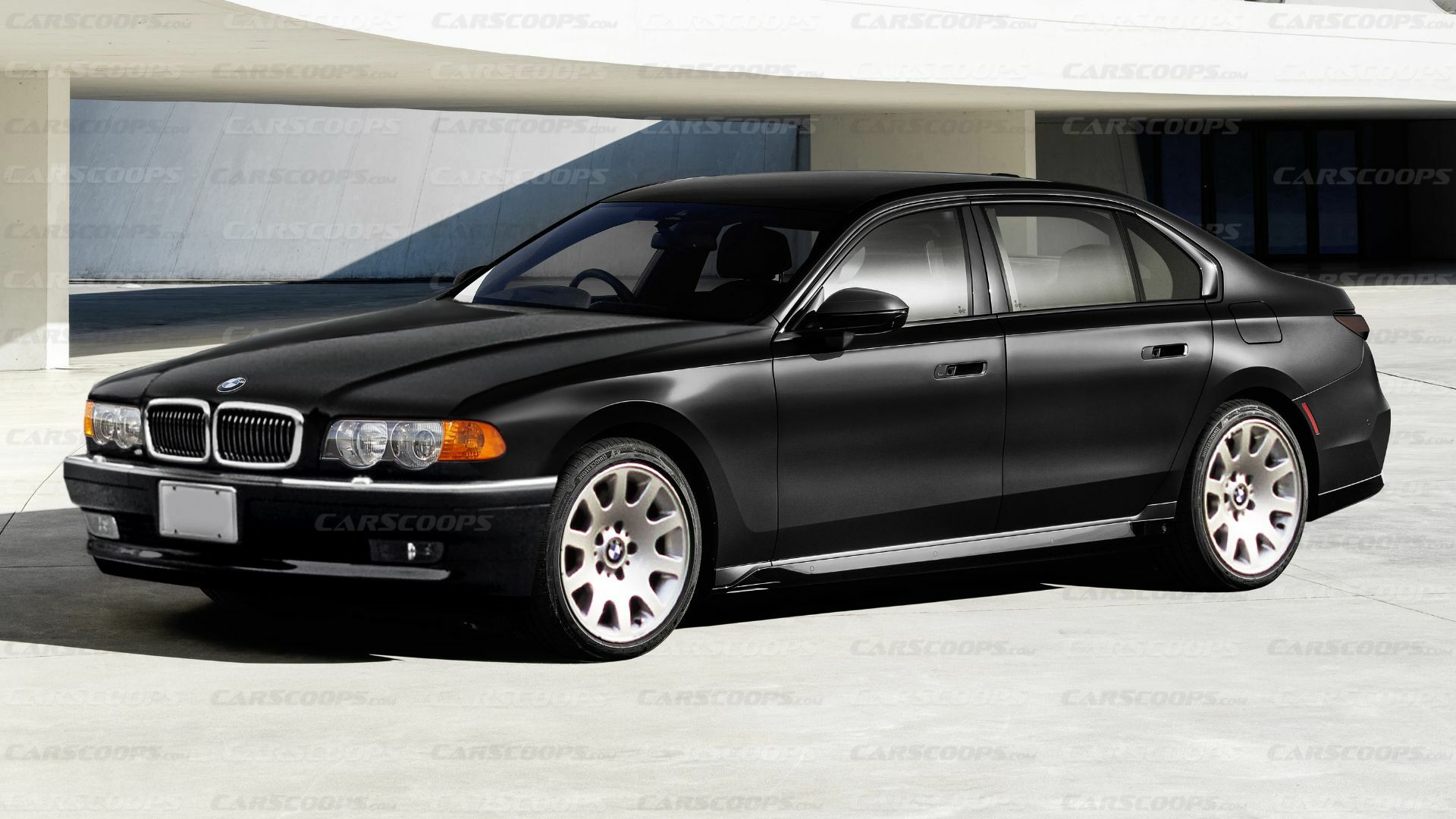
The BMW 7 Series represents the German automaker’s commitment to combining dynamic driving characteristics with exceptional comfort and refinement.
While BMW has traditionally been known for creating “the ultimate driving machine” with an emphasis on sporty handling, the 7 Series demonstrates that performance need not come at the expense of cabin tranquility.
This flagship sedan incorporates advanced acoustic engineering that rivals the quietest vehicles in the luxury segment while maintaining the precise handling and powerful performance that BMW enthusiasts expect.
BMW’s approach to noise suppression in the 7 Series begins with structural rigidity. The vehicle’s carbon-core construction, which incorporates carbon fiber reinforced plastic in the roof and other structural elements, provides exceptional stiffness while reducing weight.
This rigidity serves dual purposes: it enhances handling precision while minimizing structural vibrations that can generate noise. The body shell features extensive use of acoustic materials in strategic locations, with particular attention paid to the floor pan, wheel wells, and engine compartment.
These materials include multi-layer acoustic fleece, foam barriers, and specialized damping compounds applied to large metal panels to prevent resonance.
The 7 Series utilizes acoustic glass throughout, with laminated side windows joining the laminated windshield to create a comprehensive sound barrier.
The window design includes optimized seal geometry and multiple sealing layers that maintain effectiveness across a wide range of temperatures and weather conditions.
Door thickness in the 7 Series is substantial, with the doors themselves featuring internal acoustic materials and carefully engineered internal structures that break up sound waves before they can penetrate the passenger compartment. When closing the doors, the solid, vault-like sound provides immediate confirmation of the cabin’s isolation from the outside world.
BMW has also implemented active noise cancellation in the 7 Series, though with characteristic subtlety. The system works through the standard or available Bowers & Wilkins Diamond surround sound system, using strategically placed microphones to detect and counter unwanted frequencies.
The result is a cabin environment that feels remarkably isolated from the mechanical systems propelling the vehicle, creating a floating sensation where the outside world seems distant and muted.
Whether cruising on smooth highways or going through the urban environments, the BMW 7 Series provides a sanctuary of calm that allows occupants to arrive at their destinations refreshed rather than fatigued by noise exposure.
3. Audi A8
The Audi A8 flagship sedan exemplifies the brand’s philosophy of “Vorsprung durch Technik,” advancement through technology, with particular emphasis on creating a supremely quiet cabin environment.
Audi’s engineers have leveraged the company’s extensive experience with lightweight construction, aerodynamics, and electronic systems to craft a sedan that cocoons occupants in near-silence.
The A8’s approach to acoustic refinement reflects Audi’s methodical, technology-focused engineering culture, resulting in a vehicle where every system contributes to the goal of cabin tranquility.
The A8’s aluminum-intensive space frame construction provides the foundation for its exceptional quietness. The Audi Space Frame (ASF) technology utilizes aluminum for much of the body structure, reducing weight while maintaining rigidity.
This lightweight yet stiff structure minimizes vibrations and allows for more effective placement of sound-deadening materials. Audi has strategically positioned acoustic materials throughout the chassis, with particular attention to potential noise transmission paths.
The firewall features multiple layers of insulation, while the floor pan incorporates acoustic mats that prevent road noise from entering the cabin. Wheel arches receive special attention with molded acoustic liners that dampen tire noise at its source.

Aerodynamic excellence plays a significant role in the A8’s quietness. The sedan’s sleek profile has been refined through extensive wind tunnel testing, resulting in a drag coefficient that represents one of the best in the full-size luxury sedan segment.
Active aerodynamic elements, including air curtains that direct airflow around the front wheels and an active rear spoiler, minimize turbulence that could generate wind noise.
The exterior mirrors are carefully shaped to direct air away from the side windows, and even the door handles are flush-mounted and power-operated to maintain aerodynamic continuity.
Inside the cabin, Audi’s characteristic attention to detail extends to sound insulation. Double-glazed acoustic glass is standard on all windows, and the door seals feature dual-stage compression profiles for optimal sealing.
The interior materials, including available Valcona leather, genuine wood veneers, and soft-touch surfaces absorb residual acoustic energy while providing visual and tactile luxury.
The available Bang & Olufsen 3D Advanced sound system includes active noise cancellation that monitors and neutralizes unwanted frequencies, ensuring that the only sounds occupants hear are those they choose to enjoy.
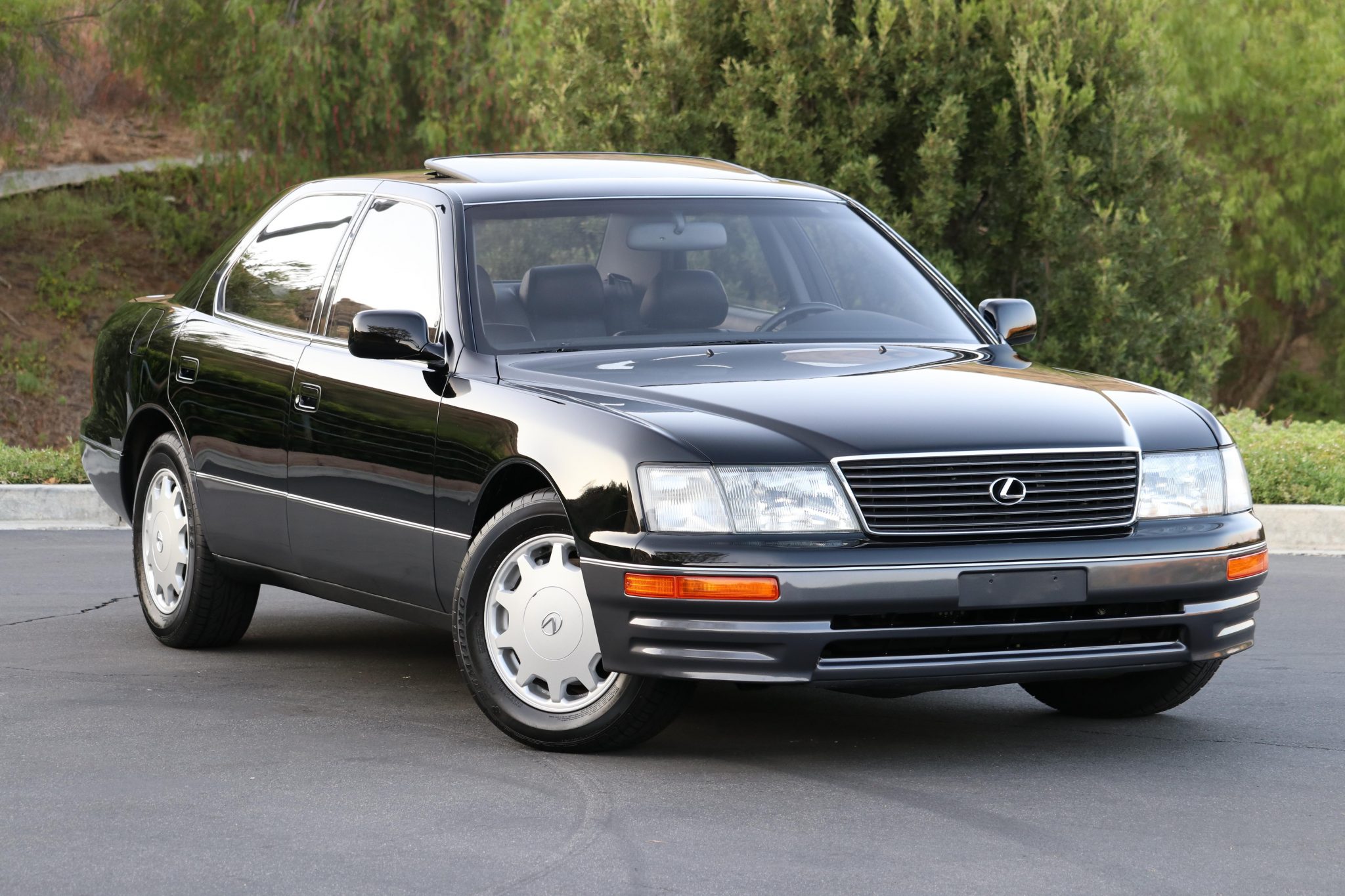
4. Lexus LS
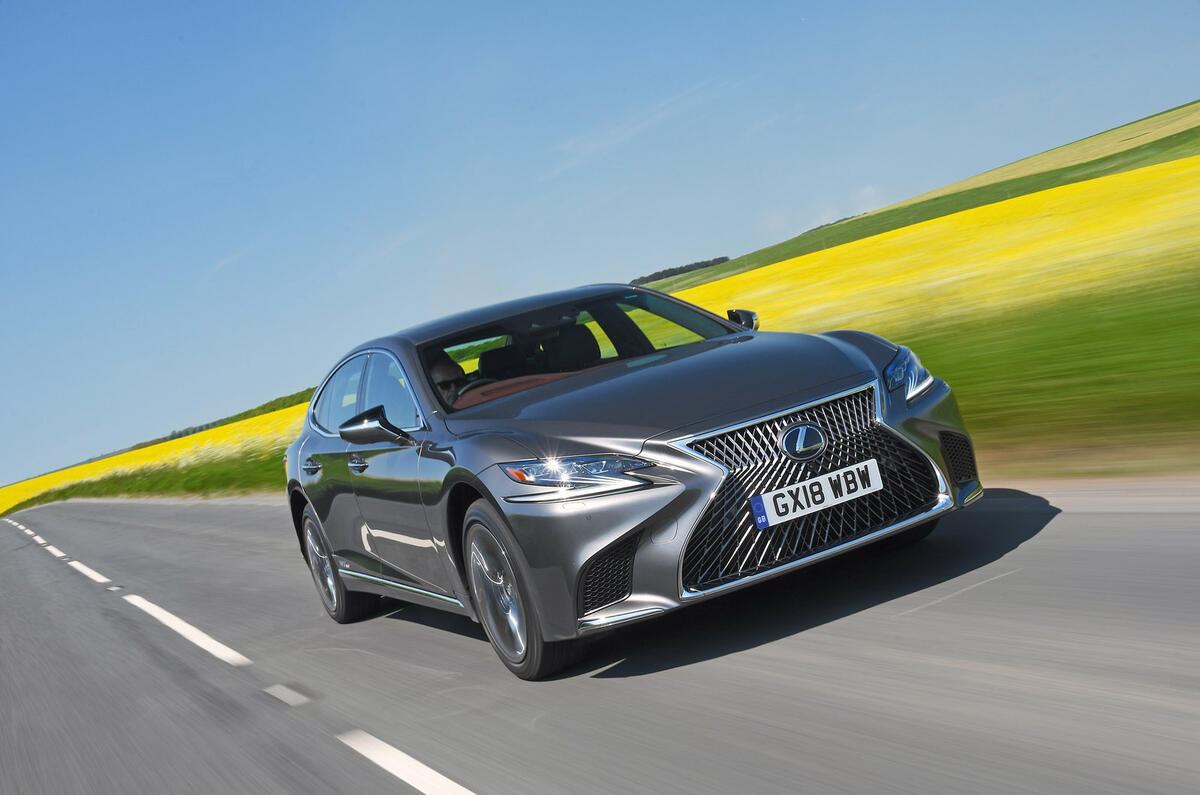
The Lexus LS has built its reputation on delivering unparalleled refinement and serenity, characteristics that have defined the model since its groundbreaking introduction in 1989.
The current generation LS continues this legacy with even greater commitment to acoustic excellence, employing cutting-edge materials, meticulous craftsmanship, and innovative engineering solutions to create one of the quietest production sedans available.
Lexus’s “Omotenashi” philosophy, the Japanese concept of wholehearted hospitality, manifests in every aspect of the LS’s cabin environment, where quietness is considered a fundamental element of luxury.
Lexus engineers approach noise suppression with almost obsessive attention to detail. The LS features what Lexus terms “body adhesive sealing” technology, where structural adhesives are applied to body joints with exceptional precision to eliminate gaps that could allow noise intrusion.
This approach creates a more rigid structure while sealing potential acoustic leaks, resulting in a body shell that functions as a unified acoustic barrier.
The use of laser screw welding in key structural areas further enhances rigidity, reducing vibrations that could manifest as noise within the cabin.
The LS employs acoustic glass throughout the vehicle, with laminated windows that incorporate specially designed interlayer materials for maximum sound absorption.
Beyond the glass itself, the window sealing system features multiple layers of specialized seals that maintain consistent contact pressure around the entire window perimeter.
Lexus engineers have even optimized the door cavity design, filling it with acoustic materials that prevent sound from resonating within the hollow door structure.
The headliner incorporates sound-absorbing materials, and even the seats are designed with acoustic properties in mind. The available Mark Levinson audio system includes active noise cancellation that operates through the premium speakers, monitoring cabin noise in real-time and generating inverse sound waves to cancel unwanted frequencies.
The system is so effective that occupants can carry on whispered conversations even at highway speeds, and the noise level is comparable to that of a luxury hotel suite rather than a moving vehicle.
Also Read: 10 SUVs With Serious Quality at Entry-Level Prices
5. Genesis G90
The Genesis G90 represents the Korean luxury brand’s flagship offering, and it demonstrates how Genesis has rapidly evolved to compete with established luxury marques in every meaningful dimension, including cabin quietness.
Genesis has approached the challenge of creating a supremely quiet sedan with fresh perspectives and willingness to invest heavily in acoustic technologies, resulting in a vehicle that many reviewers consider among the quietest sedans at any price point.
The G90’s acoustic excellence reflects Genesis’s commitment to exceeding customer expectations rather than merely meeting them.
Genesis engineers conducted extensive research into noise, vibration, and harshness (NVH) characteristics, testing competitive vehicles and identifying best practices from across the luxury segment.
The G90 benefits from this comprehensive benchmarking, incorporating lessons learned from German, Japanese, and American luxury sedans while adding unique innovations.
The body structure utilizes high-strength steel in key areas to maximize rigidity while allowing for strategic placement of sound-deadening materials.
The cowl area, firewall, and floor pan all receive multiple layers of acoustic treatment, with special attention paid to sealing potential noise transmission paths from the engine bay and underbody.
The G90 features triple-sealed doors that create an exceptional barrier against wind and road noise. These doors incorporate three separate sealing surfaces that compress sequentially when closing, creating progressively tighter seals that prevent air and sound from penetrating.
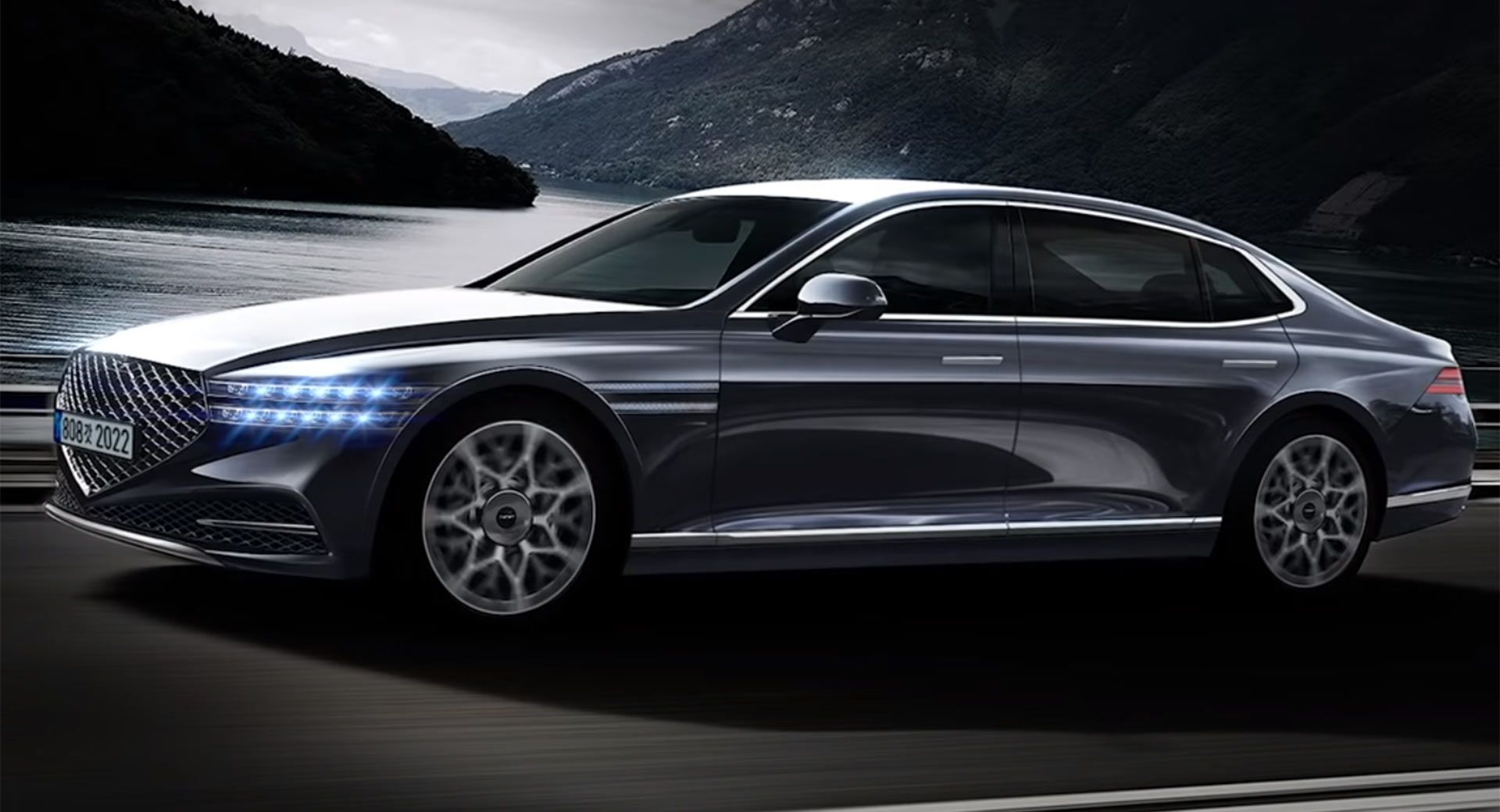
The door thickness itself is substantial, with internal reinforcements and acoustic materials filling the cavity spaces. When closing a G90 door, the solid, bank-vault sound provides immediate tactile feedback about the cabin’s isolation quality.
All windows utilize laminated acoustic glass with special sound-absorbing interlayers, and the side windows incorporate optimized thickness variations that prevent specific frequencies from resonating through the glass itself.
Inside the cabin, Genesis has created an environment of exceptional quiet through thoughtful material selection and interior design. Quilted leather surfaces, genuine wood trim, and plush carpeting all contribute to sound absorption.
The headliner incorporates acoustic materials, and even the sun visors are designed to minimize rattles and resonances. The available Lexicon audio system includes twenty-three speakers and active noise cancellation technology, monitoring cabin sound through multiple microphones and counteracting unwanted frequencies in real-time.
The result is a cabin environment where conversations flow naturally without raising voices, where music can be appreciated at low volume with perfect clarity, and where the stresses of the outside world seem distant and removed.
6. Volvo S90
The Volvo S90 brings Swedish sensibilities to the luxury sedan segment, emphasizing understated elegance, exceptional safety, and comprehensive well-being that includes a remarkably quiet cabin environment.
Volvo’s approach to acoustic refinement reflects the brand’s Scandinavian heritage, with clean design principles and focus on creating serene, uncluttered spaces where occupants can relax and recharge.
The S90’s quietness is not achieved through ostentatious over-engineering but rather through thoughtful, efficient solutions that address noise at its sources while creating a cabin environment that feels calm and restorative.
Volvo’s engineering philosophy emphasizes holistic vehicle development, where acoustic refinement is considered from the earliest design stages rather than being addressed through after-the-fact additions.
The S90’s structure utilizes Volvo’s Scalable Product Architecture (SPA), a modular platform designed with rigidity and refinement as core priorities.
The body structure incorporates strategic reinforcements and carefully engineered load paths that minimize vibrations while providing exceptional crash safety two objectives that Volvo manages to achieve simultaneously through sophisticated structural analysis and optimization.
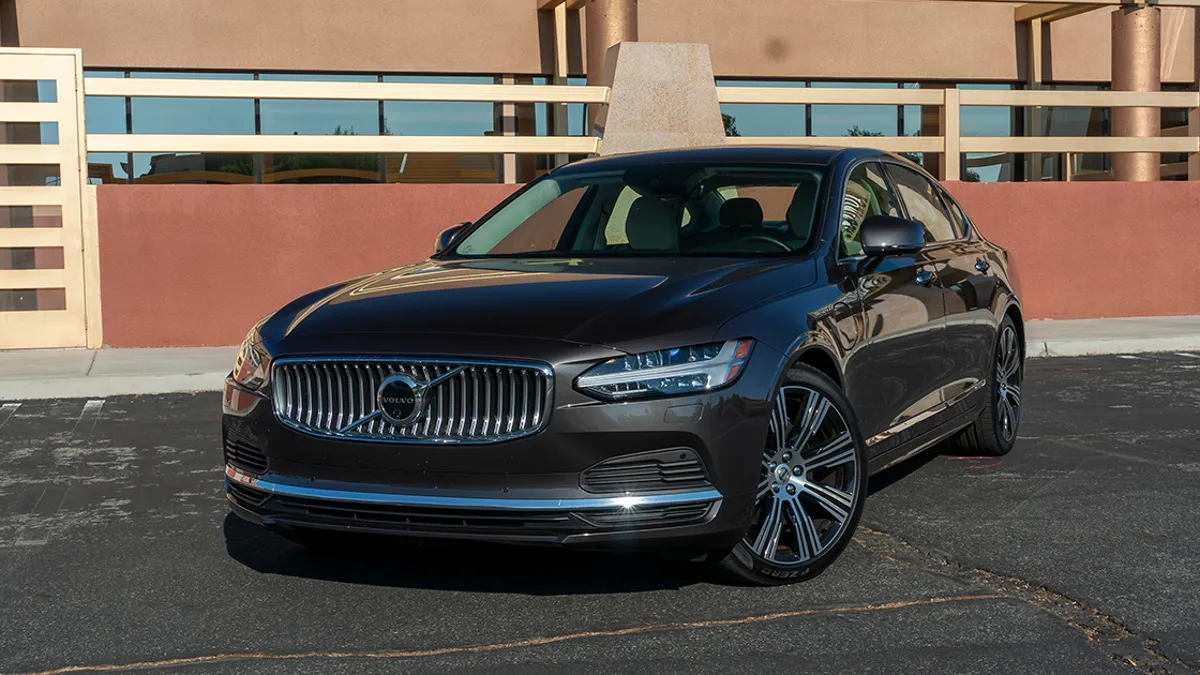
Volvo’s approach to suspension tuning balances comfort with handling precision, and the S90’s suspension contributes significantly to cabin quietness by effectively isolating road irregularities.
The available air suspension system provides adaptive damping that adjusts to road conditions and driving dynamics, maintaining composure while preventing harsh impacts that could generate noise.
Volvo has also worked closely with tire manufacturers to optimize tire selection for acoustic properties, ensuring that even the standard tires provide commendable noise suppression.
Inside the cabin, Volvo’s minimalist Scandinavian design philosophy creates an environment that feels inherently calm and quiet. High-quality materials, including Nappa leather, genuine wood inlays, and metal accents are used judiciously, with soft-touch surfaces dominating the interior world.
The seats, available with multiple adjustment options and massage functionality, are designed with comfort and support for long-distance travel.
The available Bowers & Wilkins premium sound system delivers exceptional audio quality while incorporating active noise cancellation that monitors and suppresses unwanted frequencies.
The result is a cabin environment that embodies Scandinavian values of simplicity, quality, and well-being, where occupants arrive at their destinations feeling refreshed rather than fatigued.
7. Lincoln Continental
The Lincoln Continental represents American luxury at its finest, combining spacious comfort with sophisticated technology and exceptional acoustic refinement.
Lincoln has worked diligently to establish itself as a genuine luxury alternative to European and Japanese marques, and the Continental’s supremely quiet cabin stands as evidence of the brand’s success in achieving this goal.
The Continental offers a distinctive interpretation of luxury that emphasizes relaxed elegance over sporty dynamics, making cabin quietness a natural priority that aligns perfectly with the vehicle’s character.
Lincoln’s approach to noise suppression in the Continental begins with comprehensive acoustic engineering throughout the vehicle structure.
The body features extensive use of sound-deadening materials strategically placed in areas identified through careful acoustic analysis.
The firewall incorporates multiple layers of insulation to block engine and road noise, while the floor pan features heavy acoustic mats that prevent tire and suspension noise from entering the cabin.
Wheel wells receive specially molded acoustic liners that absorb tire noise at its source, and even the trunk area is acoustically treated to prevent external noise from intruding through the rear of the vehicle.
The Continental features acoustic laminated glass on the windshield and front side windows as standard equipment, with the option to add acoustic glass to the rear windows as well.
The glass design incorporates special interlayer materials optimized for sound absorption across a wide frequency range, effectively blocking both high-frequency wind noise and lower-frequency traffic sounds.
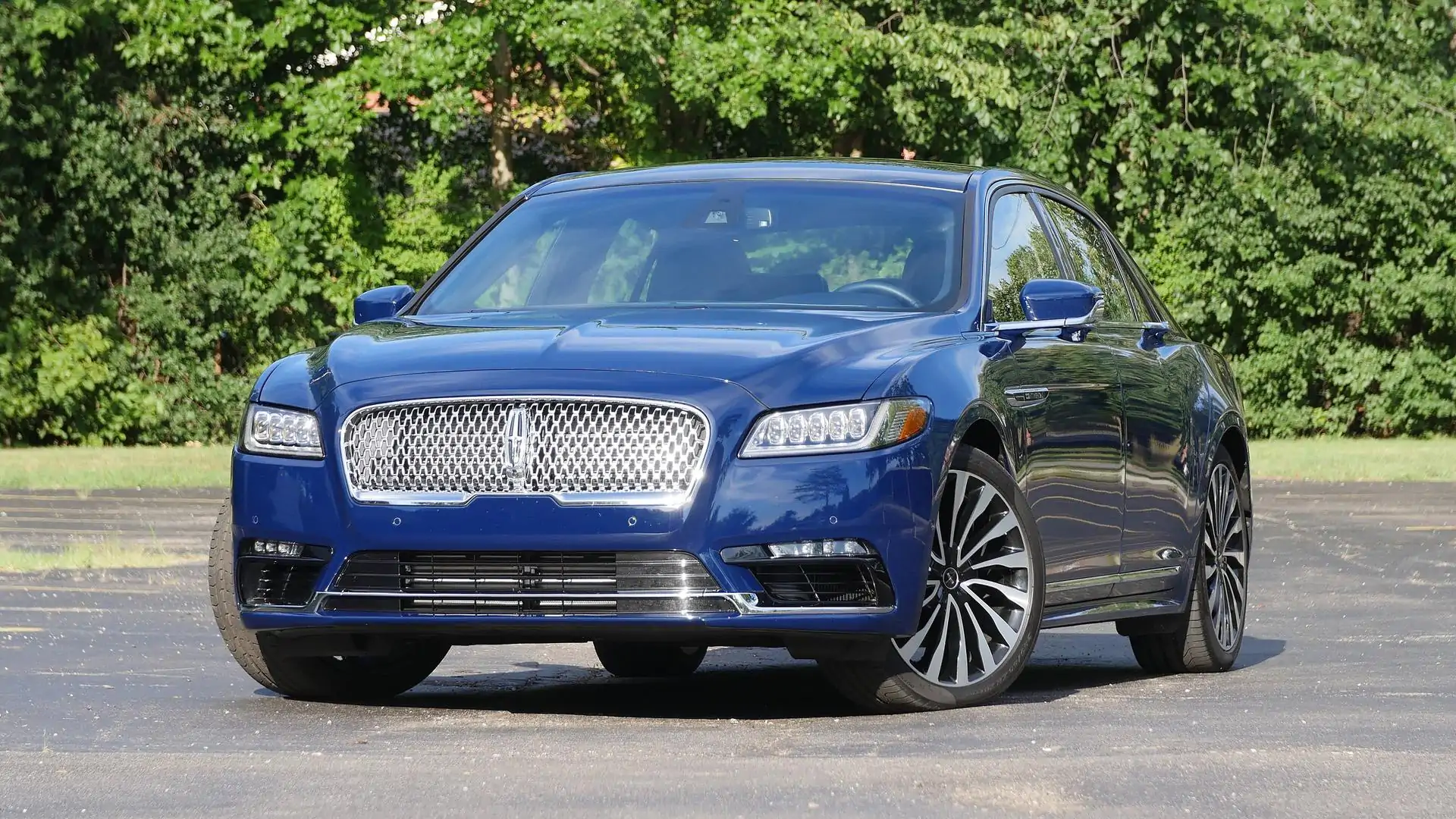
Window seals are designed with multiple contact points and optimized profiles that maintain consistent sealing pressure, ensuring that wind noise remains minimal even at highway speeds. The doors themselves are substantially constructed with internal acoustic treatments that prevent resonance and sound transmission.
The Continental’s suspension system, whether in standard or adaptive configuration, is tuned for comfort and isolation. The suspension geometry and damping characteristics are optimized to absorb road irregularities before they can disturb occupants, creating a ride quality that Lincoln describes as “gliding” rather than merely smooth.
The available adaptive suspension monitors road conditions and adjusts damping rates continuously, maintaining body control while maximizing comfort and acoustic isolation. Lincoln has also specified specially designed low-noise tires that complement the suspension’s acoustic goals.
Inside, the Continental’s cabin reflects Lincoln’s commitment to quiet luxury through thoughtful material selection and design. Bridge of Weir leather, real wood veneers, and plush carpeting create an environment that absorbs sound while providing visual and tactile richness.
The seats are generously proportioned and designed for long-distance comfort, with available Perfect Position seats offering thirty-way adjustability.
The available Revel Ultima audio system includes nineteen speakers and sophisticated signal processing that includes active noise cancellation capabilities.
This system monitors cabin sound through strategically placed microphones and generates inverse sound waves that neutralize unwanted frequencies, creating a zone of tranquility where only desired sounds exist.
The Continental’s cabin creates a distinctly American luxury experience where spaciousness, comfort, and quietness combine to create an environment ideal for relaxed, effortless travel.
8. Cadillac CT6
The Cadillac CT6 represents the American luxury brand’s commitment to combining bold design, advanced technology, and exceptional refinement in a package that competes confidently with the world’s finest luxury sedans.
Despite Cadillac’s traditional emphasis on performance and dynamic capabilities, the CT6 demonstrates that American engineering can deliver European-grade acoustic refinement when that becomes a priority.
The CT6’s quiet cabin reflects Cadillac’s evolution toward a more comprehensive definition of luxury that includes serenity and isolation from the outside world’s chaos.
Cadillac engineers employed extensive computational analysis and real-world testing to identify and eliminate noise sources in the CT6.
The vehicle’s lightweight mixed-material construction, which includes aluminum in the body structure, provides the foundation for acoustic refinement.
Aluminum’s inherent stiffness reduces vibrations, while strategic placement of steel reinforcements adds mass in areas where it benefits acoustic properties.
This mixed-material approach allows Cadillac to optimize both weight distribution and acoustic performance simultaneously, achieving multiple objectives through a single structural strategy.
The CT6 features extensive use of acoustic materials throughout its structure, with particular attention to noise transmission paths from the engine bay, wheel wells, and underbody.
The firewall incorporates multiple layers of insulation, including acoustic foam and mass-loaded vinyl barriers that block sound transmission.
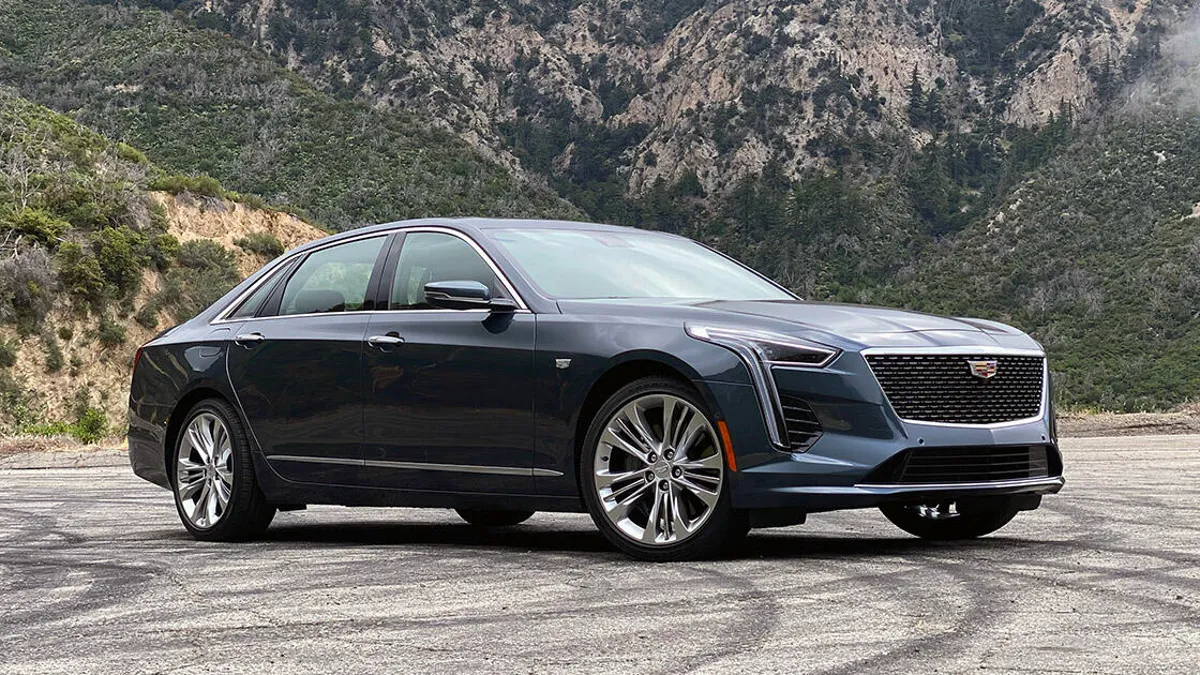
The floor pan features heavy acoustic mats applied in areas identified as critical for noise suppression, while wheel arches receive special attention with molded acoustic liners designed to absorb tire noise before it can radiate into the cabin.
The CT6 also incorporates acoustic treatment in the roof, creating a comprehensive acoustic barrier that surrounds occupants. The CT6 offers refined powertrain options, including turbocharged four-cylinder and V6 engines, with some markets receiving a twin-turbo V8 and a plug-in hybrid variant.
All powertrains emphasize smoothness and quiet operation through sophisticated engine mounting, careful calibration, and advanced engineering.
The eight-speed or ten-speed automatic transmissions shift with imperceptible smoothness, contributing to the sense of mechanical refinement.
The available plug-in hybrid system deserves special mention for its ability to operate purely on electric power, creating an exceptionally quiet driving experience in EV mode that showcases just how effectively Cadillac has addressed non-powertrain noise sources.
Cadillac’s Magnetic Ride Control suspension, available on the CT6, represents one of the most sophisticated suspension systems in production.
Using magnetorheological fluid-filled dampers that can adjust damping characteristics in milliseconds, the system maintains exceptional body control while isolating occupants from road irregularities.
This technology allows the CT6 to offer both dynamic handling capabilities and exceptional ride comfort, with the suspension actively preventing harsh impacts that could generate cabin noise.
Inside, the CT6’s cabin showcases Cadillac’s design evolution with high-quality materials and attention to detail. Leather surfaces, genuine wood or carbon fiber trim, and soft-touch materials dominate the interior world.
The available Bose Panaray audio system includes thirty-four speakers and sophisticated signal processing, including active noise cancellation that monitors and suppresses unwanted frequencies throughout the cabin.
9. Jaguar XJ
The Jaguar XJ brings British luxury sensibilities to the full-size sedan segment, combining distinctive design, athletic performance, and surprising acoustic refinement in a package that stands apart from German and Japanese competitors.
Jaguar’s approach to the XJ emphasizes individuality and design flair while not compromising on the fundamental luxury sedan requirement of a quiet, serene cabin environment.
The XJ’s all-aluminum construction provides unique advantages for acoustic engineering, while Jaguar’s attention to detail ensures that mechanical refinement matches visual elegance.
The XJ’s aluminum-intensive monocoque construction, which Jaguar pioneered in the luxury sedan segment, provides the foundation for exceptional acoustic refinement.
Aluminum’s high stiffness-to-weight ratio creates a structure that resists vibrations effectively while allowing engineers to achieve optimal weight distribution.
The body structure incorporates strategic reinforcements in areas identified as critical for acoustic performance, with particular attention to the firewall, floor pan, and bulkheads.
Jaguar has applied extensive sound-deadening materials throughout the aluminum structure, using advanced acoustic foams, mass-loaded barriers, and specialized damping compounds to create multiple barriers against noise intrusion.
The XJ features acoustic laminated glass on all side windows as standard equipment, providing comprehensive sound insulation from external noise sources.
The glass design incorporates specially formulated interlayer materials optimized for sound absorption, effectively blocking wind noise, traffic sounds, and other environmental disturbances.

Jaguar has also paid careful attention to window sealing, with door seals designed to maintain consistent compression and effectiveness across a wide range of temperatures and weather conditions.
The doors themselves are beautifully crafted with internal acoustic treatments and substantial construction that prevents sound transmission while providing the satisfying solid sound when closing that signals quality construction.
Soft-grain leather, real wood veneers, and metal accents are combined with contemporary design elements to create an interior that feels both classic and current.
The seats are supportive yet comfortable, designed for long-distance travel with available heating, cooling, and massage functions.
The available Meridian surround sound system delivers exceptional audio quality through carefully positioned speakers, while active noise cancellation technology monitors cabin sound and generates inverse sound waves to neutralize unwanted frequencies.
The result is a cabin environment where British luxury tradition meets modern acoustic engineering, creating a space where occupants can enjoy the XJ’s distinctive character while remaining isolated from unwanted noise.
10. Porsche Panamera
The Porsche Panamera occupies a unique position in the luxury sedan segment, combining genuine sports car performance with surprising long-distance comfort and acoustic refinement.
While Porsche’s heritage centers on creating focused, engaging driving machines, the Panamera demonstrates the brand’s ability to expand its repertoire to include luxury sedan attributes like exceptional cabin quietness.
The Panamera’s acoustic refinement impresses precisely because it coexists with dynamic capabilities that many luxury sedans cannot match, proving that performance and serenity need not be mutually exclusive.
Porsche’s engineering approach to the Panamera emphasizes structural rigidity as a foundation for both dynamic handling and acoustic refinement.
The body structure utilizes a mix of high-strength steel and aluminum in a carefully optimized design that maximizes stiffness while minimizing weight.
This rigid structure resists vibrations effectively, preventing resonances that could manifest as cabin noise. Porsche has applied extensive acoustic treatments throughout the structure, with particular attention to the transmission tunnel, floor pan, and firewall.
These areas receive multiple layers of sound-deadening materials including acoustic foams, mass-loaded vinyl, and specialized damping compounds designed to absorb vibrations and block sound transmission.

The Panamera features acoustic laminated glass as standard equipment on the windshield and front side windows, with the option to add acoustic glass to the rear windows for even greater sound insulation.
The glass incorporates special interlayer materials optimized for sound absorption across a wide frequency range, effectively blocking wind noise and external sounds.
Porsche has also engineered the window sealing system with typical attention to detail, ensuring consistent sealing pressure around the entire window perimeter even at the high speeds for which the Panamera is designed.
The doors are substantially constructed with internal reinforcements and acoustic materials that prevent resonance and sound transmission.
Inside the cabin, Porsche has created an environment that balances the brand’s sporting heritage with contemporary luxury expectations.
High-quality leather, genuine aluminum or wood trim, and soft-touch materials dominate the interior world, with meticulous attention to fit and finish throughout.
The seats are exceptionally supportive, designed to provide comfort during both spirited driving and long-distance cruising, with extensive adjustment options and available massage functionality.
The available Burmester 3D High-End Surround Sound System delivers extraordinary audio quality through twenty-one speakers strategically positioned throughout the cabin, while active noise cancellation technology monitors and suppresses unwanted frequencies.
The result is a cabin environment where the Panamera’s impressive performance capabilities remain available on demand, yet occupants can enjoy library-quiet serenity when desired, making it an ideal choice for drivers who refuse to compromise between dynamic excellence and luxurious comfort.
11. Maserati Quattroporte
The Maserati Quattroporte brings Italian passion and style to the luxury sedan segment, combining exotic design, Ferrari-derived performance, and a surprisingly refined cabin environment.
While Maserati traditionally emphasizes emotional appeal and sporting character over German-style precision engineering, the Quattroporte demonstrates that Italian manufacturers can deliver exceptional acoustic refinement when it becomes a priority.
The Quattroporte’s quiet cabin allows occupants to appreciate the car’s distinctive character without suffering from intrusive noise, creating a balanced experience that satisfies both the enthusiast’s desire for engagement and the luxury buyer’s expectation of comfort.
Maserati’s approach to acoustic refinement in the Quattroporte begins with a body structure designed to balance rigidity with weight optimization.
The steel body structure incorporates strategic reinforcements in areas identified as critical for both structural integrity and acoustic performance, with particular attention to the firewall, floor pan, and bulkheads that separate the passenger compartment from potential noise sources.
Maserati has applied extensive sound-deadening materials throughout the structure, using advanced acoustic foams, mass-loaded barriers, and specialized damping compounds in strategic locations identified through comprehensive acoustic testing and analysis.
The Quattroporte features acoustic laminated glass on key windows, providing substantial sound insulation from external noise sources. The glass design incorporates interlayer materials specifically chosen for their sound-absorption properties, effectively blocking high-frequency wind noise and mid-frequency traffic sounds.
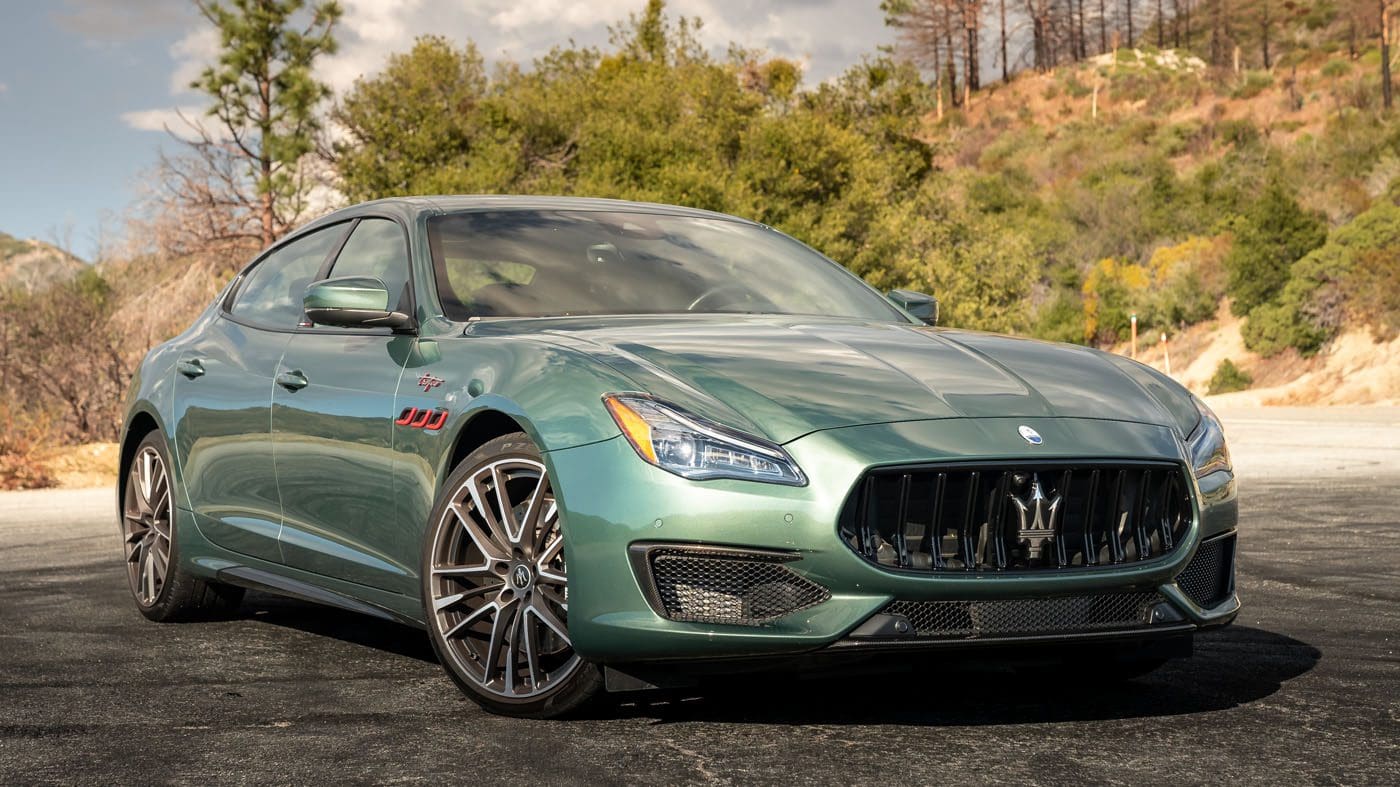
Maserati has also engineered substantial doors with internal acoustic treatments and carefully designed sealing systems that maintain effectiveness across varying temperatures and weather conditions.
The doors close with a satisfying solid sound that provides immediate tactile feedback about the cabin’s isolation quality, reflecting Maserati’s attention to both acoustic performance and the sensory details that contribute to perceived luxury.
Inside the cabin, Maserati has created an environment that reflects Italian design sensibilities with luxurious materials and attention to craftsmanship. Hand-stitched leather surfaces, genuine wood or carbon fiber trim, and metal accents combine to create an interior that feels both sporting and luxurious.
The seats are beautifully sculpted, providing support during spirited driving while offering comfort for long-distance travel, with available heating, ventilation, and massage functions.
The available Bowers & Wilkins surround sound system delivers exceptional audio quality through strategically positioned speakers, allowing occupants to enjoy music with clarity even at low volume levels.
While the Quattroporte may not achieve the absolute silence of some German or Japanese competitors, it offers a carefully balanced acoustic environment where mechanical refinement coexists with Italian character, creating a distinctive experience that appeals to buyers seeking both luxury and passion in their sedan choice.
12. Tesla Model S
The Tesla Model S represents a revolutionary approach to the luxury sedan, combining electric propulsion with advanced technology and exceptional acoustic refinement.
As an electric vehicle, the Model S enjoys inherent acoustic advantages over combustion-powered competitors, with the absence of engine noise, transmission noise, and exhaust sound creating a fundamentally different acoustic environment.
However, Tesla’s achievement extends beyond simply eliminating powertrain noise the company has addressed wind noise, tire noise, and other sound sources with sophisticated engineering that makes the Model S one of the quietest vehicles available regardless of propulsion type.
The Model S’s structure provides an excellent foundation for acoustic refinement, with the large battery pack mounted low in the floor pan creating a massive, rigid structure that resists vibrations effectively.
This skateboard architecture, with the battery forming a structural element, provides inherent stiffness that minimizes resonances while contributing to the vehicle’s exceptionally low center of gravity.
Tesla has applied acoustic treatments throughout the structure, with particular attention to the wheel arches, underbody panels, and bulkheads. These treatments include acoustic foams, specialized damping materials, and careful sealing of potential noise transmission paths.
The Model S features acoustic laminated glass on the windshield and front side windows, providing substantial sound insulation from external noise sources. The glass design incorporates interlayer materials optimized for sound absorption, effectively blocking wind noise and environmental sounds.

Tesla has continuously refined the window sealing system through multiple updates, improving the door seals and window mechanisms to maintain consistent sealing effectiveness.
The doors themselves are substantially built with internal acoustic treatments, and Tesla has paid careful attention to minimizing panel gaps and ensuring consistent build quality that prevents wind noise intrusion.
The result is a cabin environment that feels fundamentally different from combustion-powered sedans, with a quality of silence that must be experienced to be fully appreciated.
The absence of engine vibration, the smoothness of electric power delivery, and the comprehensive attention to wind and tire noise create a serene environment where conversations can be held in whispers, where music can be enjoyed at barely audible volume, and where the sensation of motion becomes almost abstract.
The Model S demonstrates that electric propulsion, combined with thoughtful acoustic engineering, can deliver a level of refinement that redefines expectations for what a quiet automobile cabin should be, setting new standards that will influence the entire automotive industry as electrification becomes increasingly prevalent.
Also Read: 10 Cars That Feel Like Extensions of Your Personality
