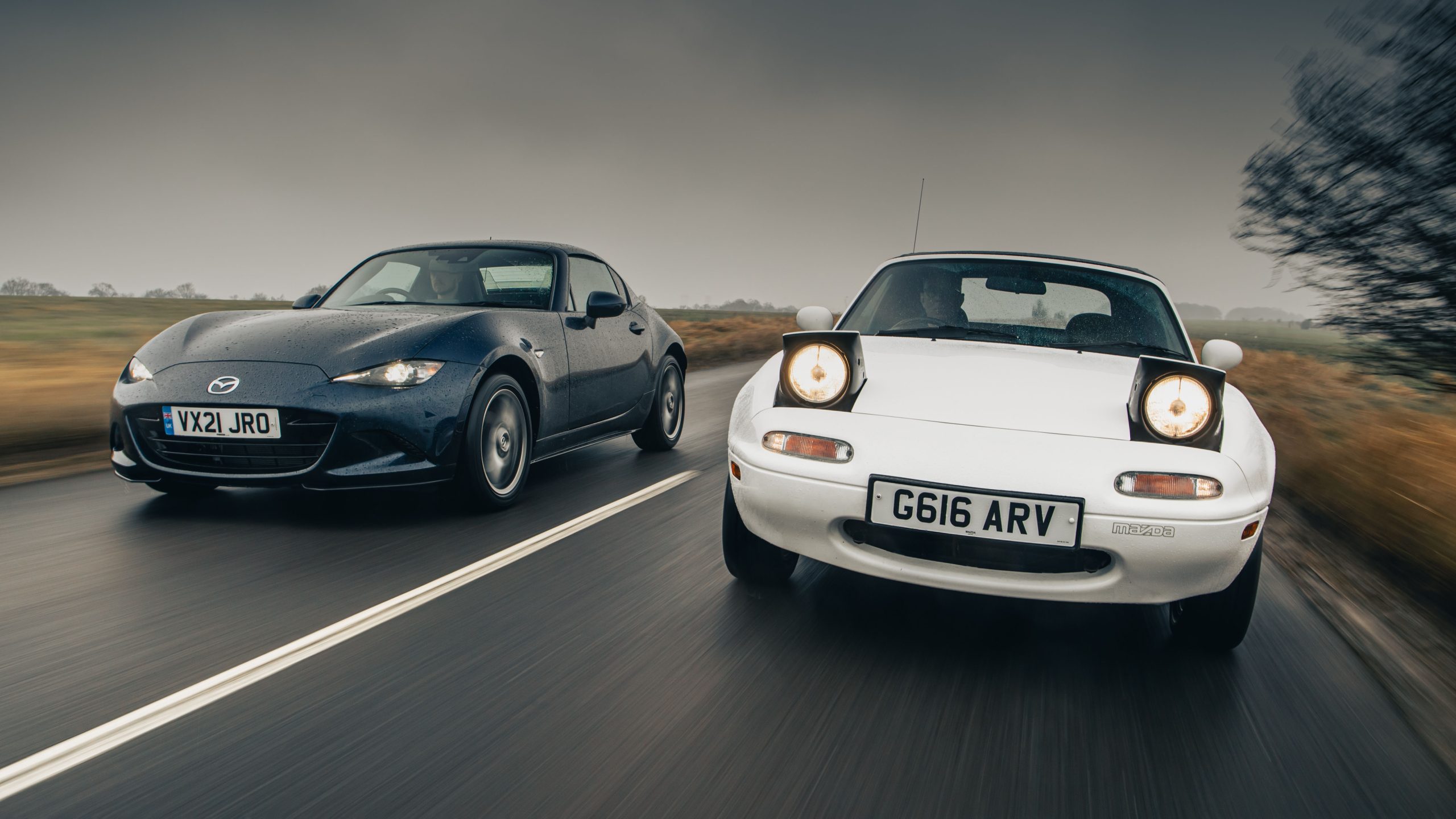
Every true gearhead knows that some cars are more than just vehicles. They are experiences, milestones in automotive history that demand to be driven at least once. From the roar of classic American muscle to the precision of modern engineering, the thrill of the open road comes alive through machines that define eras, cultures, and driving philosophies.
In this list, we explore “10 Cars Every True Gearhead Should Drive Once,” starting with the legendary 1965 Ford Mustang, the birth of the American pony car, and traveling through icons such as the 1970 Chevrolet Chevelle SS, the Mazda MX-5 Miata, and the Tesla Model 3.
Each car represents a unique chapter in automotive storytelling, offering a chance to feel history beneath your hands, mastery through mechanical design, and unfiltered joy behind the wheel. These ten cars are essential for anyone who lives to drive.
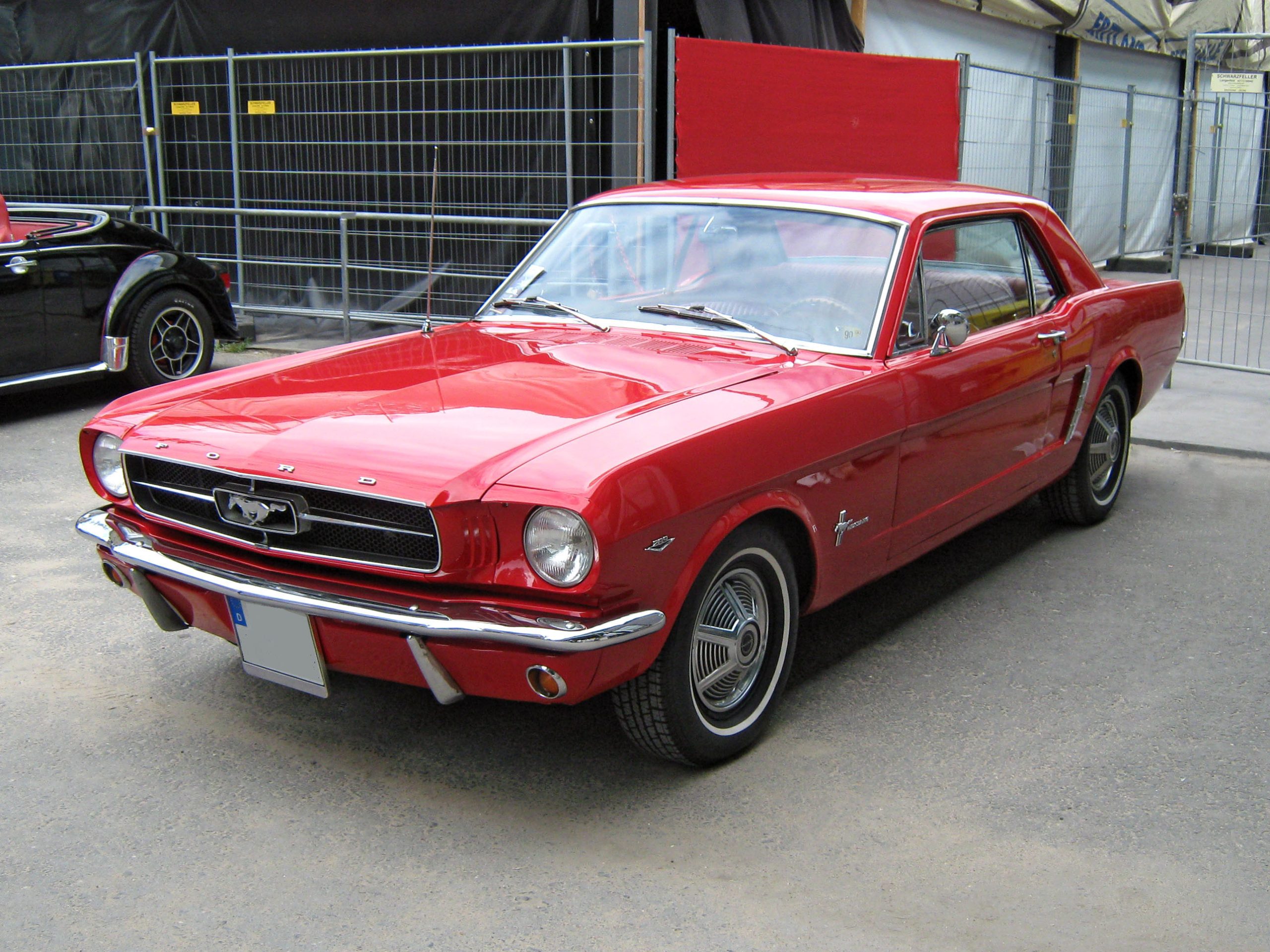
1. 1965 Ford Mustang: Birth of an American Icon
The 1965 Ford Mustang stands as one of the most influential vehicles in American automotive history, marking the birth of the “pony car” era.
With its combination of style, performance, and affordability, the Mustang captured the imagination of a generation and set a standard for sporty, accessible vehicles that remains relevant today. Both at its launch and in hindsight, the Mustang represented a perfect balance of flair and practicality, offering a car that was as enjoyable to drive as it was to own.
Introduced in 1964 as a 1965 model, the Ford Mustang was the result of meticulous planning and innovative marketing, a clear contrast to Ford’s earlier missteps with the Edsel. The Mustang’s launch campaign was ambitious, perfectly matching its bold design and unique concept.
Ford entered a thriving market with a car that blended personal luxury and youthful excitement, designed for drivers who wanted individuality without giving up everyday usefulness. By mid-1964, production had reached nearly 7,000 cars per week, proving that Ford had struck a powerful chord with consumers.
The Mustang’s design took cues from the Ford Falcon but introduced a fresh chassis, body style, and concept. It was not a pure sports car but a sporty two-door coupe or convertible that offered sharp styling and accessible performance. Measuring 182 inches long and 68 inches wide, it shared the compact footprint of the Chevrolet Corvair yet reached a wider audience through its extensive list of customizable options.
One of the Mustang’s defining strengths was its adaptability. Buyers could personalize their cars with a wide range of engines, transmissions, suspensions, and interior options. The base model featured a 170 cubic-inch six-cylinder engine that offered reliable yet modest performance.
More powerful versions came with V8 engines delivering up to 271 horsepower. Depending on how it was equipped, the Mustang could be either a comfortable daily driver or a high-performance machine. Consumer Reports (CU) advised casual buyers to avoid the competition-oriented Shelby GT350, describing it as better suited for racing enthusiasts.
The Mustang’s pricing flexibility further boosted its appeal. Costs ranged from $2,345 for the base model to over $3,000 for higher trims, making it accessible to a broad audience.
The 1965 model year also marked a technical milestone for Ford, as the company replaced its older 2-speed automatic transmission with a new 3-speed torque converter unit. This upgrade reflected Ford’s effort to improve both performance and fuel efficiency across its product line.
Early tests by Consumer Reports painted the Mustang as a fun and engaging car to drive. The six-cylinder engine delivered lively, if not powerful, acceleration. The steering was precise, the body felt solid over rough roads, and the cabin was remarkably quiet due to thoughtful insulation. While its low seating and small trunk limited comfort and cargo space, drivers appreciated its visibility and refined build quality.
Inside, the Mustang balanced simplicity with sportiness. Some cost-saving measures were evident, such as a single-speed wiper, a non-locking glove box, and an optional windshield washer system.
Yet the bucket seats, floor-mounted shifter, and clean dashboard gave the interior a distinctly athletic feel. Even with a few missing features, the car’s charm and character made it an exciting choice for those who valued style and individuality.
The excitement surrounding the 1965 Mustang remains strong even decades later. It was far more than a new car; it became a cultural symbol of freedom and self-expression. Consumer Reports noted that while the Mustang might not have been the most practical car in its price range, it offered unmatched style and personality.
Over time, the Mustang has evolved through many generations while remaining true to its roots as an affordable, rear-wheel-drive performance vehicle. From the original 1965 model to the modern versions, the Mustang continues to embody power, style, and the enduring spirit of American driving.
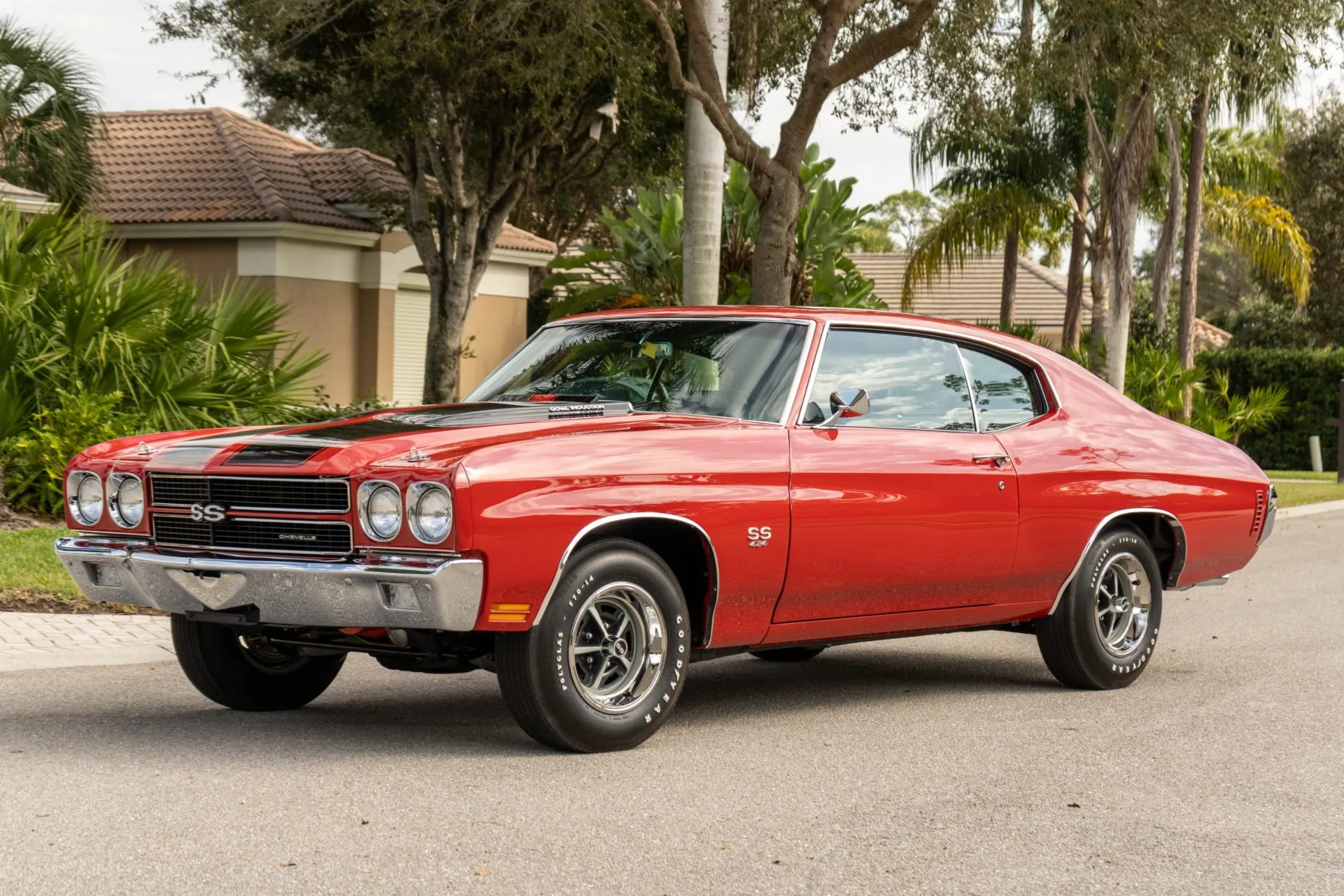
2. 1970 Chevrolet Chevelle SS: The King of Classic Muscle
The 1970 Chevrolet Chevelle SS remains one of the most iconic and desirable muscle cars ever produced. Known for its aggressive styling, raw power, and enduring appeal, it represented the peak of the American muscle car era.
With its available 454 cubic-inch LS6 V8 engine producing 450 horsepower, the Chevelle SS combined brute strength with classic design, creating a car that still commands respect more than fifty years later.
The Chevelle was first introduced in 1964 as Chevrolet’s answer to the Ford Fairlane and the growing mid-size segment. It quickly became one of the most versatile platforms in Chevrolet’s lineup, offered in a variety of body styles, including coupes, sedans, wagons, and even the El Camino pickup. The Super Sport (SS) version debuted the same year, bringing enhanced suspension, better brakes, and the promise of high performance.
The second generation, launched in 1968, introduced a sleeker and more aggressive look that is now considered one of the best designs of the era. Initially, GM imposed a limit on engine size for mid-size cars, capping them at 400 cubic inches.
When that restriction was lifted in 1970, Chevrolet seized the opportunity to install the legendary 454 cubic-inch V8 engine in the Chevelle SS, giving birth to one of the most powerful and collectible muscle cars ever made.
The 1970 Chevelle SS featured a striking new design with a “Coke bottle” body shape that accentuated its muscular curves. Buyers could choose from multiple powertrains, including the 250 cubic-inch six-cylinder, but the top-tier SS 454 LS6 engine stole the spotlight with its 450 horsepower and 500 lb-ft of torque.
Transmission options included a fully synchronized 3- or 4-speed manual, Powerglide, or Turbo Hydra-Matic automatic, all paired with rear-wheel drive.
This combination made the Chevelle SS one of the fastest production cars of its time, capable of sprinting from 0 to 60 mph in under 6 seconds. The car’s precise handling and powerful acceleration made it a dream for enthusiasts, though its fuel economy was predictably poor. The SS 454 was also extremely rare and expensive, which has made it a prized collector’s item today.
Surprisingly, the second-generation Chevelle SS is known for its dependability. Owner reviews consistently praise its durability, earning it a 9.5 out of 10 reliability rating on CarSurvey.org. The few repairs that arise typically involve normal wear and tear, such as replacing seals, bearings, or the power steering pump.
Maintenance costs are modest by modern standards, especially since many owners handle mechanical work themselves. The simplicity of its engine design and the availability of parts make restoration and upkeep manageable for hobbyists.
Between 1968 and 1972, Chevrolet sold over two million Chevelles, with only four minor recalls reported, none of which involved serious defects. Such a record is nearly unmatched among classic American cars of that period.
For those seeking to purchase a 1970 Chevelle SS today, authenticity is key. Buyers must verify whether the car is a genuine SS model, as many replicas exist. Rust inspection is also essential, especially around the floor pans and frame.
The 454ci engine came in two versions, the LS5 and the rarer LS6, with the latter commanding much higher prices due to its performance and scarcity. Matching numbers and original documentation greatly increase a car’s value.
The 1970 Chevelle SS stands as a symbol of the golden age of American performance. It combines classic beauty with unrestrained power and a driving experience that modern cars rarely match.
Though it is expensive and fuel-hungry, its timeless design and investment potential make it worth every cent for collectors and enthusiasts alike. The Chevelle SS 454 is more than a car; it is a testament to a time when power, personality, and passion defined the American road.
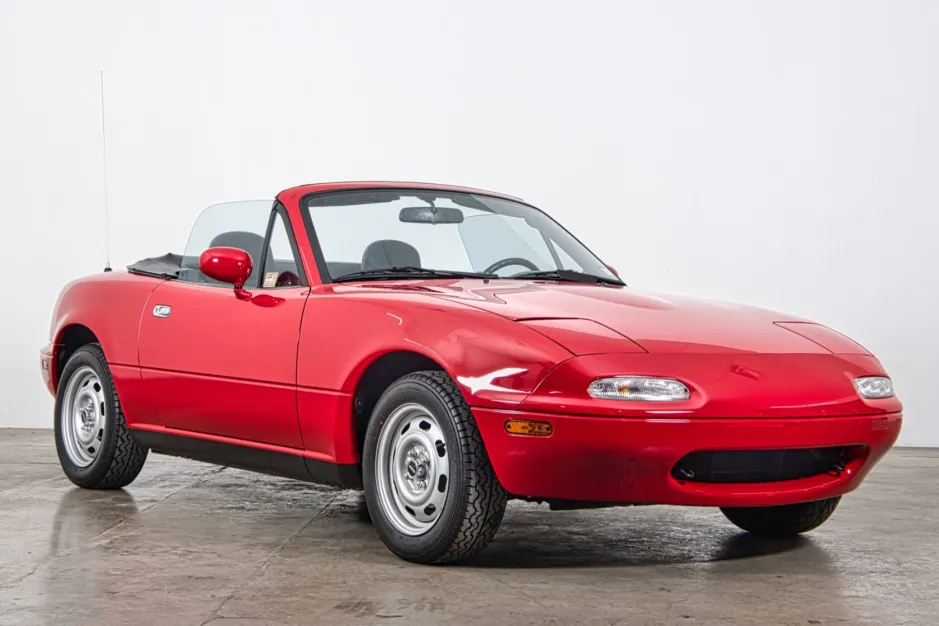
3. 1990 Mazda MX-5 Miata: Reviving the Pure Roadster Spirit
When the 1990 Mazda MX-5 Miata debuted, it redefined what a small sports car could be. At a time when performance cars were becoming heavy and overengineered, the Miata brought back simplicity, lightness, and pure driving enjoyment.
Weighing just over 2,200 pounds, it was designed to deliver balance and responsiveness rather than brute power. Its philosophy was rooted in one guiding idea: the connection between driver and machine.
The Miata was often compared to the 1960s Lotus Elan, a car that inspired its shape and spirit. While Mazda claimed it did not intend to create a retro car, the resemblance was unmistakable. The Miata captured everything enthusiasts loved about classic British roadsters, such as open-air fun, precise steering, and mechanical purity, but added the reliability and refinement that only a Japanese manufacturer could provide.
The car’s origins trace back to Bob Hall, a former automotive journalist and product planner at Mazda’s California office. Hall passionately advocated for a simple, lightweight sports car that echoed the charm of the MGs, Triumphs, and Lotuses of the past.
After years of hesitation, Mazda’s leadership agreed to his vision, leading to the development of the MX-5. Project manager Toshihiko Hirai guided the engineering effort with a focus on what he called “oneness between man and horse,” which described the harmony between driver and vehicle.
To capture this feeling, Hirai’s team created a detailed “fish scale chart” that outlined key elements of the driving experience: handling, performance, touch, visual design, sound, and brake feel. Every part of the car was tuned to be responsive, direct, and communicative.
The MX-5’s structure featured an aluminum powertrain frame linking its 1.6-liter, 116-horsepower engine to the transmission and differential, creating a rigid and connected feel.
Its double-wishbone suspension at all four corners, rare for its price range, gave it exceptional balance and precision. Engineers even tuned the exhaust note by studying recordings of their favorite cars, including the BMW M1, to ensure it sounded lively and emotional.
Every component was designed to enhance driver engagement. The steering ratio of 18:1 offered sharp feedback, and the near-perfect 52/48 front-to-rear weight distribution made the car agile through corners.
Mazda’s engineers minimized unnecessary weight with aluminum and resin parts, achieving a curb weight of just over a ton. Even the pedal travel, steering effort, and shift throw were adjusted by feel rather than statistics.
Inside, the Miata was refreshingly simple. The cockpit had only the essentials: firm bucket seats, a few gauges, and a manual soft top that could be folded with one hand. There were no digital gimmicks or luxury distractions, only the core elements of driving pleasure.
The result was a car that encouraged exploration and spontaneity. Whether cruising through town or carving along back roads, the Miata invited drivers to rediscover the emotional side of motoring. It was not about speed or technology but about the connection between car, driver, and road.
Mazda’s initial production goal was 3,000 cars a month, priced around $11,000 to $13,000. Demand quickly exceeded expectations. The 1990 Mazda MX-5 Miata proved that simplicity, balance, and joy could be more powerful than horsepower alone. It reignited the world’s love affair with the roadster and became an enduring symbol of pure driving pleasure.
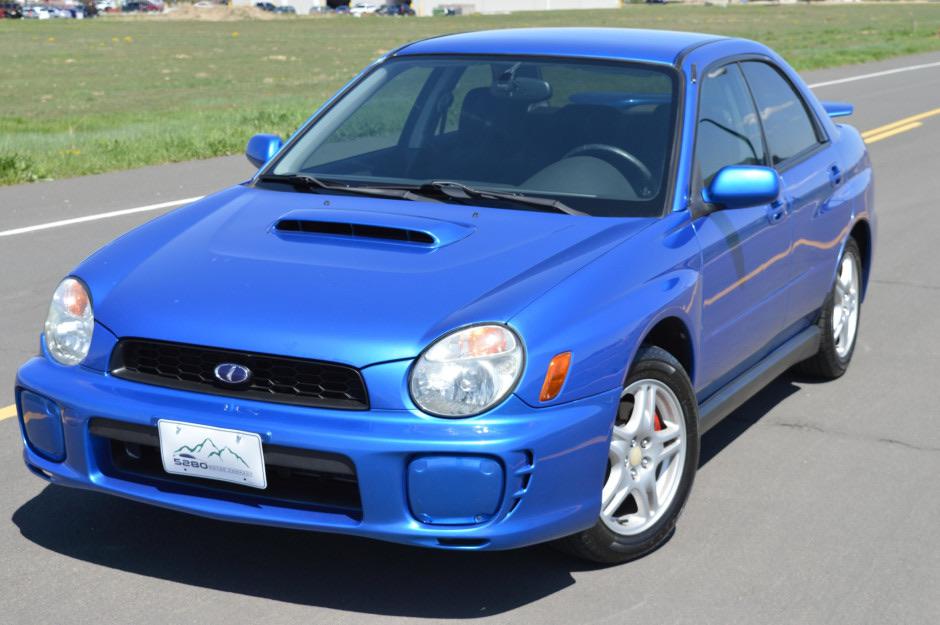
4. 2003 Subaru Impreza WRX STI: A Pure Rally-Bred Performer
The 2003 Subaru Impreza WRX STI stands as one of the most iconic performance cars of its time, capturing Subaru’s rally spirit in a package built for the road. Developed from the brand’s World Rally Championship success, the STI delivered an authentic driving experience that was both raw and deeply rewarding.
At its core, the STI featured a turbocharged 2.0-liter flat-four engine paired with a six-speed manual transmission. This combination produced strong torque and immediate throttle response, giving the car a lively and engaging character.
The focus of the 2003 STI was not on luxury or convenience but on pure driving enjoyment. Its interior was simple and functional, with few technological features. Even the climate control system, operated by a basic knob, reflected the car’s dedication to straightforward performance.
The STI’s greatest strength was its advanced all-wheel-drive system, which offered remarkable traction in all weather conditions. With precise steering and a balanced suspension setup, the car remained composed through corners and inspired confidence on both wet and dry roads.
The factory-installed Brembo brakes provided superior stopping power, while the intercooler water spray system helped maintain performance during spirited driving or city traffic. Although the 2003 version did not include the later models’ driver-controlled center differential, it still distributed power effectively between the front and rear wheels.
Owners often praise the 2003 STI for its durability and dependability. Many report minimal issues even after years of ownership, and those with mechanical skills find it relatively inexpensive to maintain. Its mechanical simplicity makes it easier to service and less prone to the complications that often accompany newer cars.
What sets the 2003 Subaru Impreza WRX STI apart is its ability to connect the driver directly to the driving experience. It offers raw power, precise handling, and an unmistakable rally-inspired feel that continues to attract enthusiasts. For anyone seeking a performance car that delivers excitement, control, and value, the 2003 STI remains one of the best choices in its class.
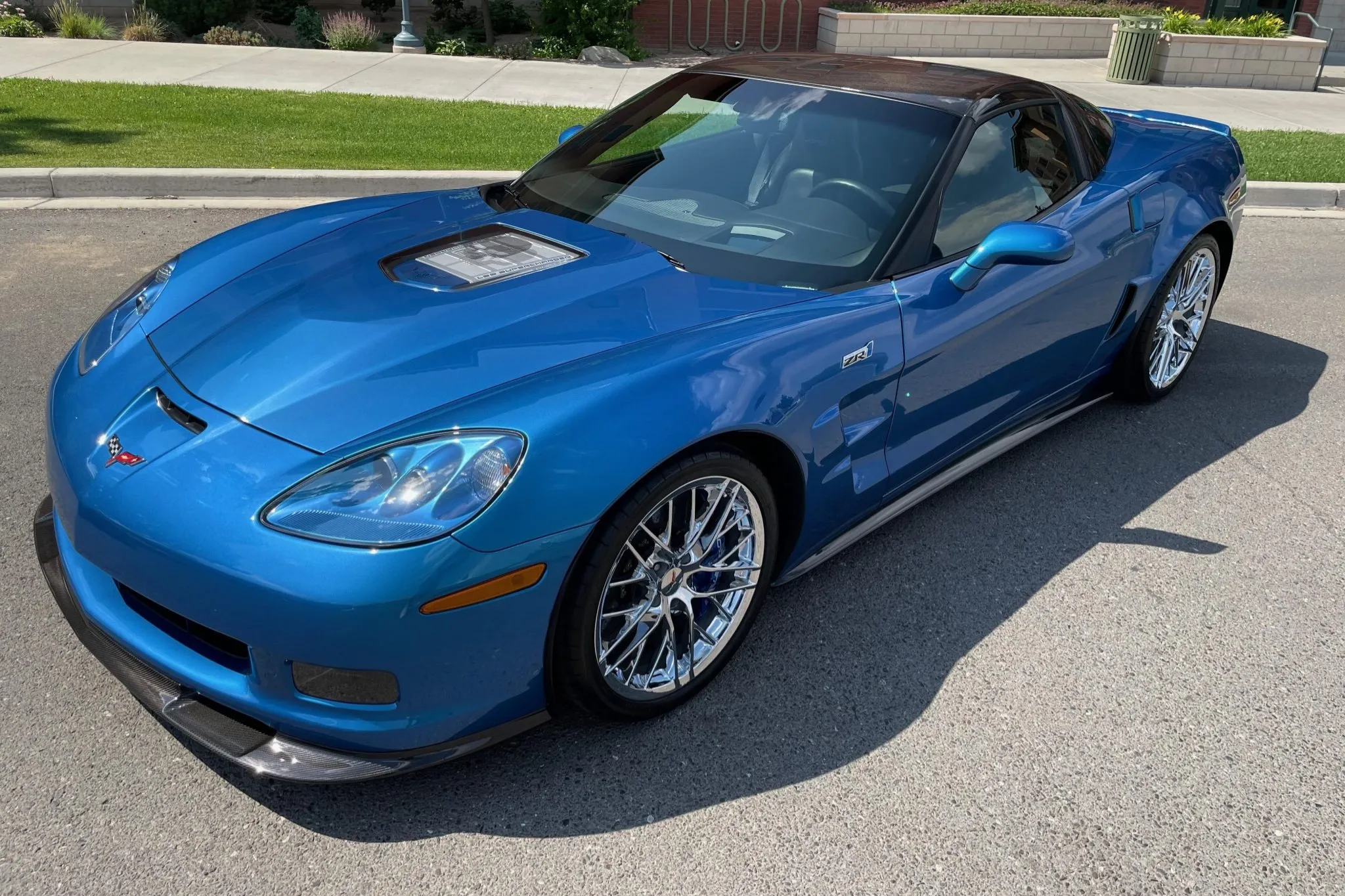
5. 2010 Chevrolet Corvette ZR1: America’s Supercar with Unmatched Power
The 2010 Chevrolet Corvette ZR1 represents the height of American engineering and performance. It is not just a faster version of the standard Corvette but a world-class supercar capable of competing with the finest machines from Europe.
With its supercharged 6.2-liter LS9 V8 producing 638 horsepower and 603 pound-feet of torque, the ZR1 rockets from 0 to 60 mph in just 3.4 seconds and reaches a top speed of 205 mph. These numbers alone place it among elite company, but the real magic of the ZR1 lies in the experience it delivers behind the wheel.
Driving the ZR1 feels like an event every time you start the engine. The deep rumble of the V8 fills the cabin, reminding you that this car means business. Acceleration is immediate and ferocious, and the car’s torque delivery is so immense that finesse is required to keep it under control.
With traction and stability systems disabled, a heavy foot can quickly overwhelm even the Michelin Pilot Sport 2 tires. The ZR1 demands respect and rewards skill, offering breathtaking speed that feels almost otherworldly.
While it is ferociously fast, the car’s balance and grip are remarkable. The steering is communicative, and the chassis feels planted, allowing precise cornering on track.
The carbon-ceramic Brembo brakes provide incredible stopping power, essential when managing such immense performance. Every aspect of the ZR1’s design, from the carbon-fiber hood to the aerodynamic bodywork, was engineered for both speed and control.
During a test session at Spring Mountain Motorsports Ranch, the ZR1 revealed its full potential in the hands of Ron Fellows, a three-time Le Mans champion. His precision and control demonstrated how manageable the car could be when driven by someone with racing skill and mental discipline.
What felt like a wild beast to most drivers became perfectly composed in the hands of a professional, showing that the ZR1’s limits are higher than most can reach.
Despite its astonishing performance, the ZR1 remains surprisingly civilized in everyday driving. The clutch is manageable, the throttle response is smooth, and visibility is far better than most exotic cars. This dual nature docile on the street but brutal on the track makes it unique among supercars.
Priced around $106,000 when new, the ZR1 offered performance comparable to cars costing three times as much. With a Nürburgring lap time of 7 minutes and 26.4 seconds, it outran exotics like the Ferrari F430 Scuderia and Lamborghini Murciélago LP640.
The Corvette ZR1 is proof that American engineering can stand shoulder to shoulder with the best from Italy and Germany. It may lack a European badge, but it delivers pure, unfiltered performance and an unforgettable driving experience.
Also read: 10 Cars That Feel Like Extensions of Your Personality
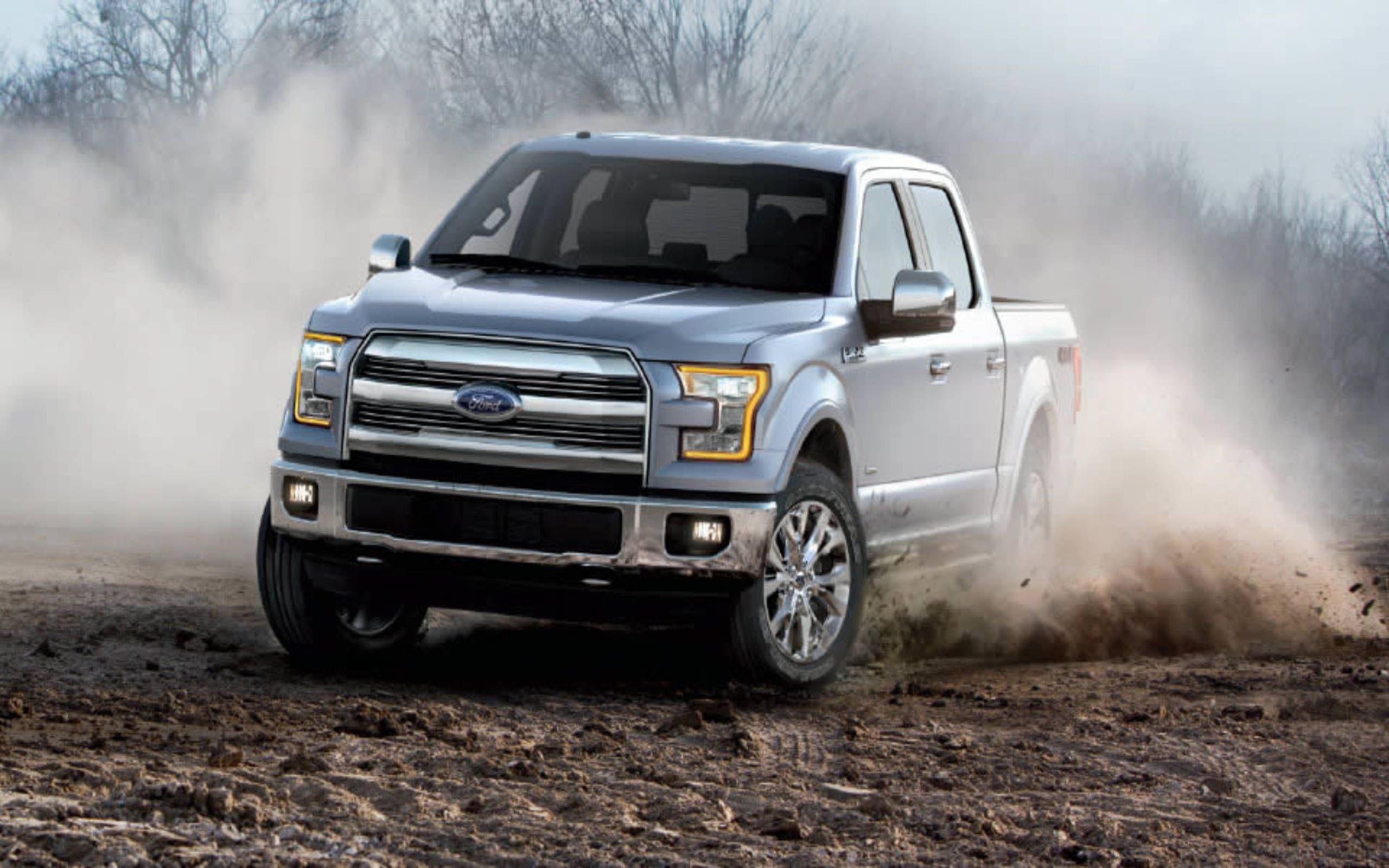
6. 2015 Ford F-150: Innovation, Strength, and Efficiency Redefined
The 2015 Ford F-150 marked a major turning point in the evolution of pickup trucks. As part of the 13th generation of America’s best-selling vehicle line, Ford completely reimagined the F-150 to improve performance, capability, and efficiency.
While its exterior design remained familiar to appeal to traditional truck buyers, the real transformation occurred beneath the surface. The new model introduced an aluminum-intensive body structure, a bold move that reshaped the full-size pickup segment.
Ford’s decision to use military-grade aluminum alloys for the hood, doors, and bed reduced the F-150’s weight by up to 700 pounds. This change improved handling, braking, and fuel economy without sacrificing durability. To ensure toughness, the aluminum body was combined with a fully boxed, high-strength steel frame that provided a solid foundation.
The weight reduction allowed the truck to carry more payload, tow heavier loads, and achieve better efficiency. Depending on configuration, the 2015 F-150 could tow up to 12,200 pounds when equipped with the 3.5-liter EcoBoost V6, setting a new benchmark for capability in its class.
The 2015 F-150 offered four engines to meet a variety of needs. The base 3.5-liter V6 delivered 283 horsepower, while the new 2.7-liter turbocharged EcoBoost V6 produced 325 horsepower and 375 pound-feet of torque, offering a strong balance between power and economy.
For heavier workloads, Ford provided a 5.0-liter V8 generating 385 horsepower and 387 pound-feet of torque, and the top-performing 3.5-liter EcoBoost V6 with 365 horsepower and 420 pound-feet of torque. All engines were paired with a six-speed automatic transmission featuring Sport and Tow/Haul modes.
The gains from the aluminum body were immediately noticeable. The 2.7-liter EcoBoost achieved an EPA-estimated 22 mpg combined in two-wheel-drive models, nearly matching the diesel-powered Ram 1500 EcoDiesel. In testing, the F-150 impressed with quick acceleration, reaching 60 mph in just over six seconds with the smaller EcoBoost engine.
Ford equipped the 2015 F-150 with advanced technology that made driving and towing easier. Available camera systems included a 360-degree top-down view and a trailer hitch assist that helped drivers align the hitch with precision.
Safety features such as lane-keeping assist, blind-spot monitoring, forward collision warning, and optional inflatable rear seatbelts elevated the F-150’s safety profile. Strong braking performance and solid stability control added confidence behind the wheel.
Inside, the F-150 offered a blend of practicality and refinement. The cabin design emphasized comfort, quality, and usability. Higher trims featured premium materials, heated and ventilated seats, and an easy-to-use infotainment system.
The available 8-inch productivity display allowed drivers to customize performance and vehicle information. Even base models retained functionality and durability, with ample storage and intuitive control placement.
The 2015 Ford F-150 set a new standard for full-size pickups by proving that innovation and toughness can coexist. Through lighter construction, stronger performance, and modern technology, it redefined what a capable, efficient, and comfortable truck could be.
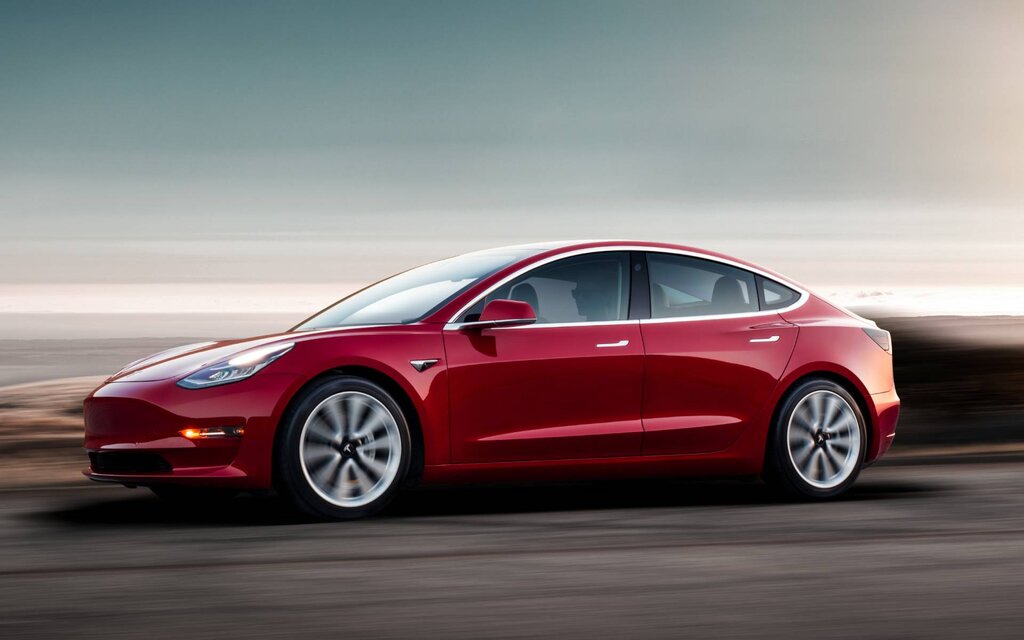
7. 2020 Tesla Model 3: The Future of Driving Today
The 2020 Tesla Model 3 redefined what an electric car could be by combining exhilarating performance, advanced technology, and everyday usability. As Tesla’s most affordable model, it brought the company’s cutting-edge engineering and futuristic design to a broader audience. Sleek, minimalist, and efficient, the Model 3 demonstrated that electric vehicles could be both practical and thrilling to drive.
The Model 3’s performance is one of its most striking qualities. Powered by an electric motor that delivers instant torque, the car accelerates smoothly and almost silently.
The Long Range rear-wheel-drive version can sprint from zero to 60 mph in 5.1 seconds, while the Performance model achieves the same in just 3.5 seconds, rivaling many high-end sports cars.
The low-mounted battery gives the Model 3 a balanced feel and exceptional handling. Its low center of gravity enhances stability, and the steering is precise with three selectable effort levels. The ride is firm but composed, making it responsive without feeling harsh. While there is no engine noise, tire and road sounds are more noticeable due to the car’s quiet electric nature.
Tesla offered three configurations for the 2020 Model 3: Standard Range Plus, Long Range, and Performance. The Standard Range Plus version delivered an estimated 250 miles per charge, while the Long Range and Performance models extended that to around 322 miles.
The top variant could travel up to 358 miles on newer updates. Charging options were extensive, including Tesla’s vast Supercharger network, home-charging setups, and compatibility with public DC fast chargers.
Efficiency remained a strong point, with EPA ratings ranging between 113 and 141 MPGe depending on the version. Although real-world results were slightly lower in highway tests, the Model 3 still ranked among the most efficient EVs available.
Inside, the Model 3 adopted a minimalist approach that set it apart from all other sedans. Nearly all functions were managed through a single 15-inch central touchscreen, which controlled navigation, climate settings, and entertainment. The cabin felt spacious thanks to the flat floor and panoramic glass roof.
Front seats were supportive and comfortable, though the rear offered limited legroom for taller passengers. Cargo space was generous, with fold-flat rear seats expanding storage to fit up to 15 carry-on suitcases. The car also provided multiple storage compartments throughout the cabin.
Entertainment and connectivity features were extensive. While Android Auto and Apple CarPlay were not available, the infotainment system included streaming options, navigation, Bluetooth, Netflix, YouTube, and even built-in games for downtime while charging.
The 2020 Tesla Model 3 earned top safety ratings, receiving five stars from the NHTSA and a Top Safety Pick+ from the IIHS. Standard safety systems included automated emergency braking, lane-departure warning, and adaptive cruise control. Tesla’s Autopilot suite added semi-autonomous driving features, such as automatic lane changes and highway navigation assistance.
With strong warranty coverage and an innovative approach to both performance and sustainability, the 2020 Tesla Model 3 represented a major step forward in automotive design and technology, setting the benchmark for the future of electric mobility.
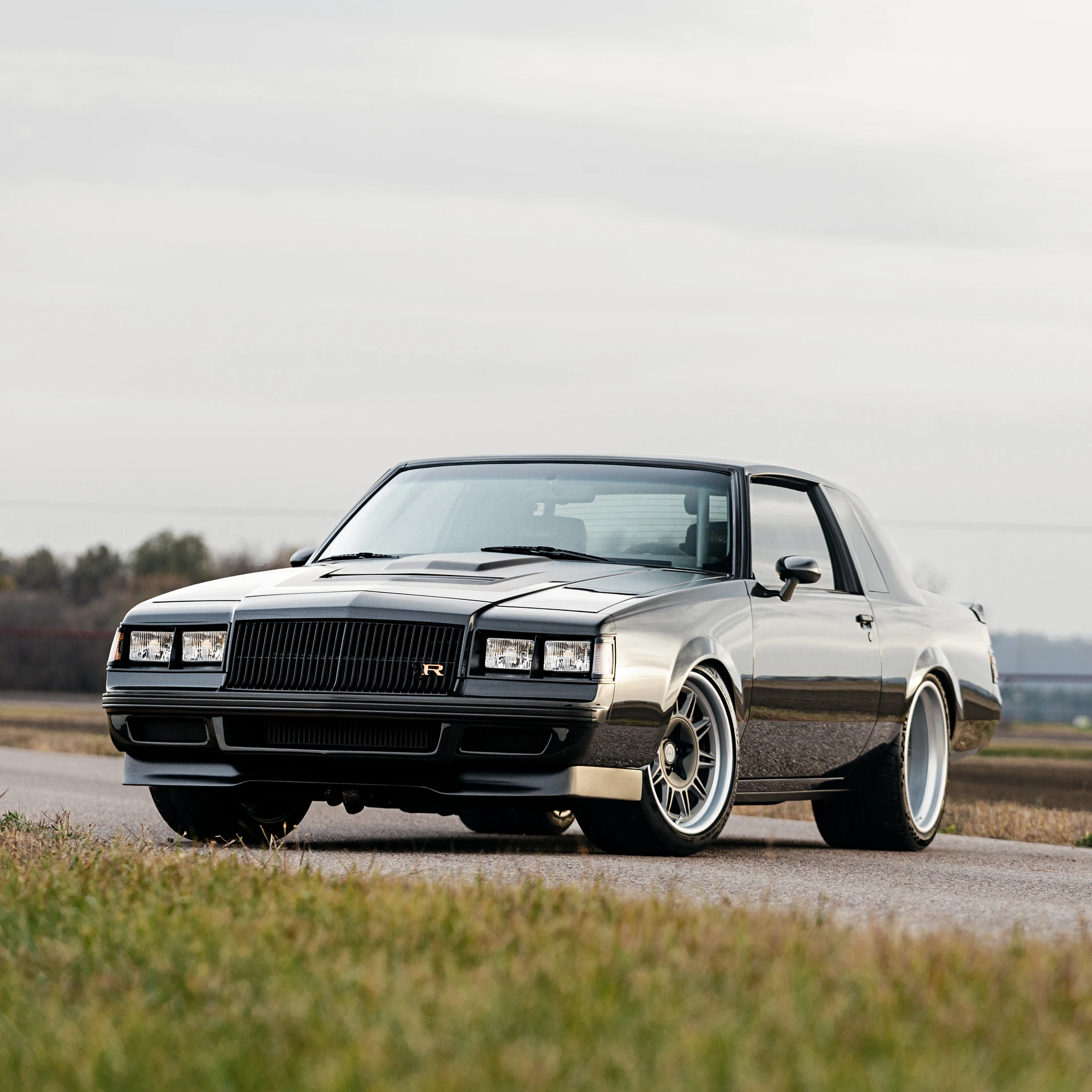
8. 1987 Buick Grand National: The Sleeper Icon of the 1980s
The 1987 Buick Grand National is widely regarded as one of the most iconic American muscle cars of the 1980s. Combining performance, style, and a subtle sense of stealth, it earned a reputation as a “sleeper” car, surprising enthusiasts and competitors alike with its turbocharged V6 engine instead of the traditional V8.
The 231-cubic-inch turbocharged V6 produced 245 horsepower and 355 pound-feet of torque, allowing the car to accelerate from 0 to 60 mph in just over six seconds and cover the quarter mile in 14.7 seconds at 95 mph.
With a four-speed Turbo-Hydramatic automatic transmission and rear-wheel-drive layout, the Grand National delivered smooth power and a classic muscle car driving feel, making it engaging for spirited drives or cruising.
The origins of the Grand National trace back to the late 1970s, when fuel economy and emissions regulations led manufacturers to rethink big-block V8 engines. Buick revived its 1960s V6, adding turbocharging to maintain excitement in the Regal Sport Coupe, which debuted in 1978.
Early turbocharged versions offered modest performance, but by the early 1980s, Buick refined the powertrain with electronic fuel injection, suspension upgrades, and improved drivability.
The Grand National officially launched in 1982 as mostly an appearance package, but by 1984, it had evolved into a true performance car with a turbocharged V6 and enhanced suspension. Incremental improvements over subsequent years culminated in the 1987 model, which included an intercooler and increased horsepower, cementing its place as a high-performance vehicle.
One of the defining features of the Grand National was its blacked-out aesthetic. The signature all-black exterior, gray Lear seats, and simple yet functional interior with tachometers and boost gauges created a stealthy, purposeful look.
The engine’s throaty growl from dual exhausts complemented the car’s muscular presence without needing flashy ornamentation. While handling was not as precise as modern sports cars, the Grand National’s stable chassis, weighted leather steering wheel, and rear-wheel-drive dynamics provided competent handling for its time, ensuring a satisfying and connected driving experience.
The Grand National’s mechanical simplicity also contributes to its lasting appeal. Its straightforward design makes maintenance and aftermarket upgrades relatively easy. Collectors prize low-mileage original examples, with well-preserved cars commanding high values today, often exceeding $26,000.
Special editions like the Buick Regal GNX took performance even further. Built as a limited-run “skunkworks” model in 1987, the GNX featured a 3.8-liter V6 producing 276 horsepower and 360 pound-feet of torque, an upgraded turbocharger, suspension modifications, and 16-inch alloy wheels. With just 547 units produced, it became an instant collector’s item and remains a rare piece of automotive history.
The 1987 Buick Grand National proved that a turbocharged V6 could compete with traditional V8 muscle cars. Its combination of performance, understated style, and collectibility ensures it continues to hold a unique place in American automotive history.
From its aggressive blacked-out looks to its surprising power, the Grand National remains a defining example of 1980s muscle and a car every enthusiast should understand.
Specifications: Turbocharged 231.4-cu-in V6, 245 hp, 355 lb-ft, 0-60 mph: 6.1 sec, RWD, 4-speed automatic, $16,617 new.
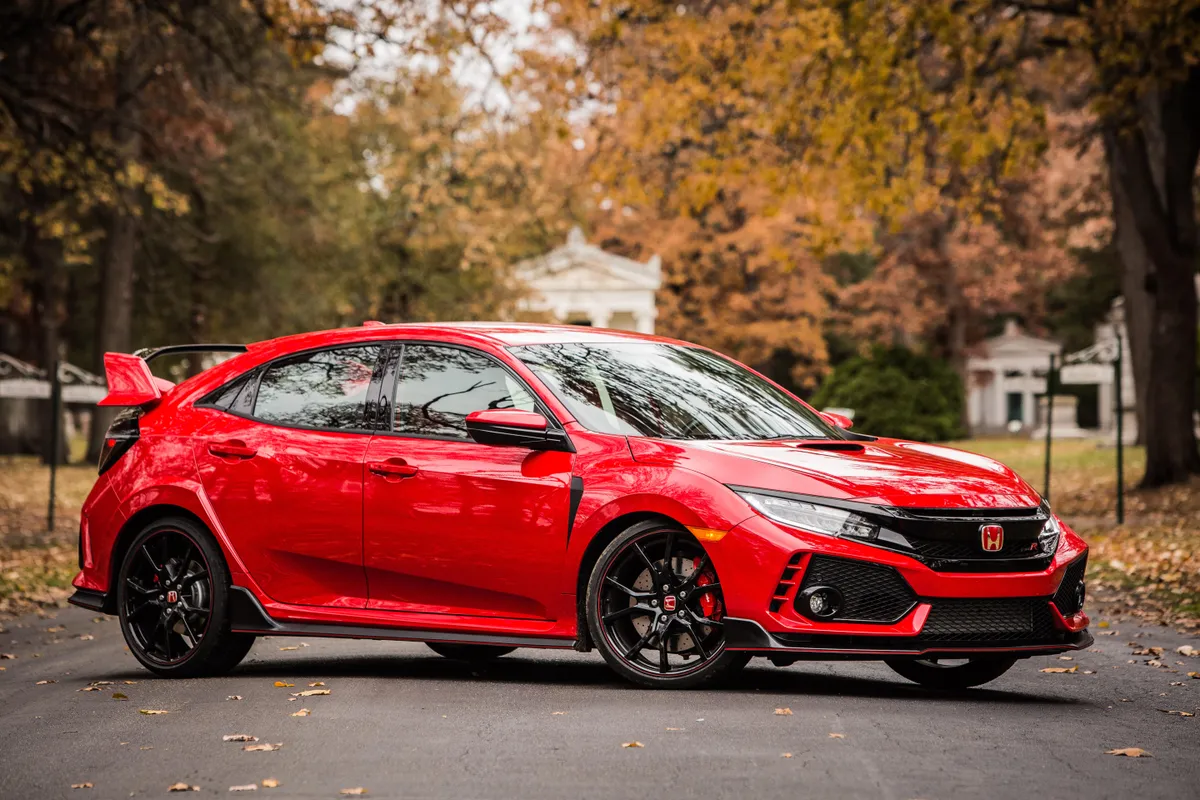
9. 2018 Honda Civic Type R: The Pinnacle of Modern Hot Hatches
The 2018 Honda Civic Type R has earned widespread acclaim for its high-revving turbocharged engine, razor-sharp handling, and comprehensive performance capabilities.
Producing 306 horsepower and capable of sprinting from 0 to 60 mph in just 5.0 seconds, it is considered one of the best front-wheel-drive production cars ever made. Known affectionately by enthusiasts as the CTR, the Civic Type R combines the thrill of a track-ready vehicle with the practicality and comfort of a daily driver, making it a truly versatile hot hatch.
The FK8-generation Type R excels in performance. Its turbocharged 2.0-liter engine delivers exceptional acceleration and responsiveness, while the chassis, suspension, and steering are finely tuned for precision on both racetracks and winding mountain roads.
MotorTrend’s long-term evaluation demonstrated that the Civic Type R dominates FWD benchmarks, including the figure-eight course and even the challenging Nordschleife “Green Hell” circuit. Tire upgrades, such as switching from Continental SportContact 6 to Michelin Pilot Sport 4S, further enhanced confidence, grip, and comfort without sacrificing performance.
Despite its aggressive stance and 20-inch wheels, the Civic Type R is surprisingly comfortable. Three-way adjustable dampers absorb most road imperfections, and the cabin remains quiet at highway speeds. The cloth and Alcantara front seats are highly supportive, offering comfort for spirited driving or long commutes.
Rear passengers enjoy adequate space for a four-passenger configuration, and climate control works effectively in all conditions. The hatch also provides a practical cargo area, making it useful for road trips or carrying bulky items.
Fuel efficiency is respectable for a performance car. Over 20,000 miles and 377 days, the Civic Type R averaged 24 mpg, closely matching EPA estimates. Fuel costs totaled $3,322, demonstrating that the car can be driven extensively without excessive expense. Routine maintenance proved straightforward, with service costs remaining reasonable, though the low-profile tires were vulnerable to damage from sharp road hazards.
The Civic Type R also holds exceptional resale value. Long-term studies indicate it retains around 87 percent of its original price after three years, significantly outperforming comparable models like the Subaru WRX STI and BMW M2. Its desirability and limited production contribute to its strong market performance.
Minor gripes exist, such as the stock wheel/tire vulnerability and occasional brake squeal at low speeds, but these are easily addressed. The car’s aggressive styling took some adjustment, yet it has grown on many owners due to its bold presence and distinctive aerodynamic features.
The 2018 Honda Civic Type R is a remarkable achievement in modern automotive engineering. It seamlessly combines high-performance capabilities, everyday usability, and driver engagement. Whether commuting, tackling mountain roads, or enjoying spirited drives on the track, the Type R excels in every scenario.
For enthusiasts seeking a front-drive hot hatch that delivers thrill, practicality, and enduring value, the 2018 Civic Type R remains a benchmark and a must-drive example of what a modern performance hatchback can be.
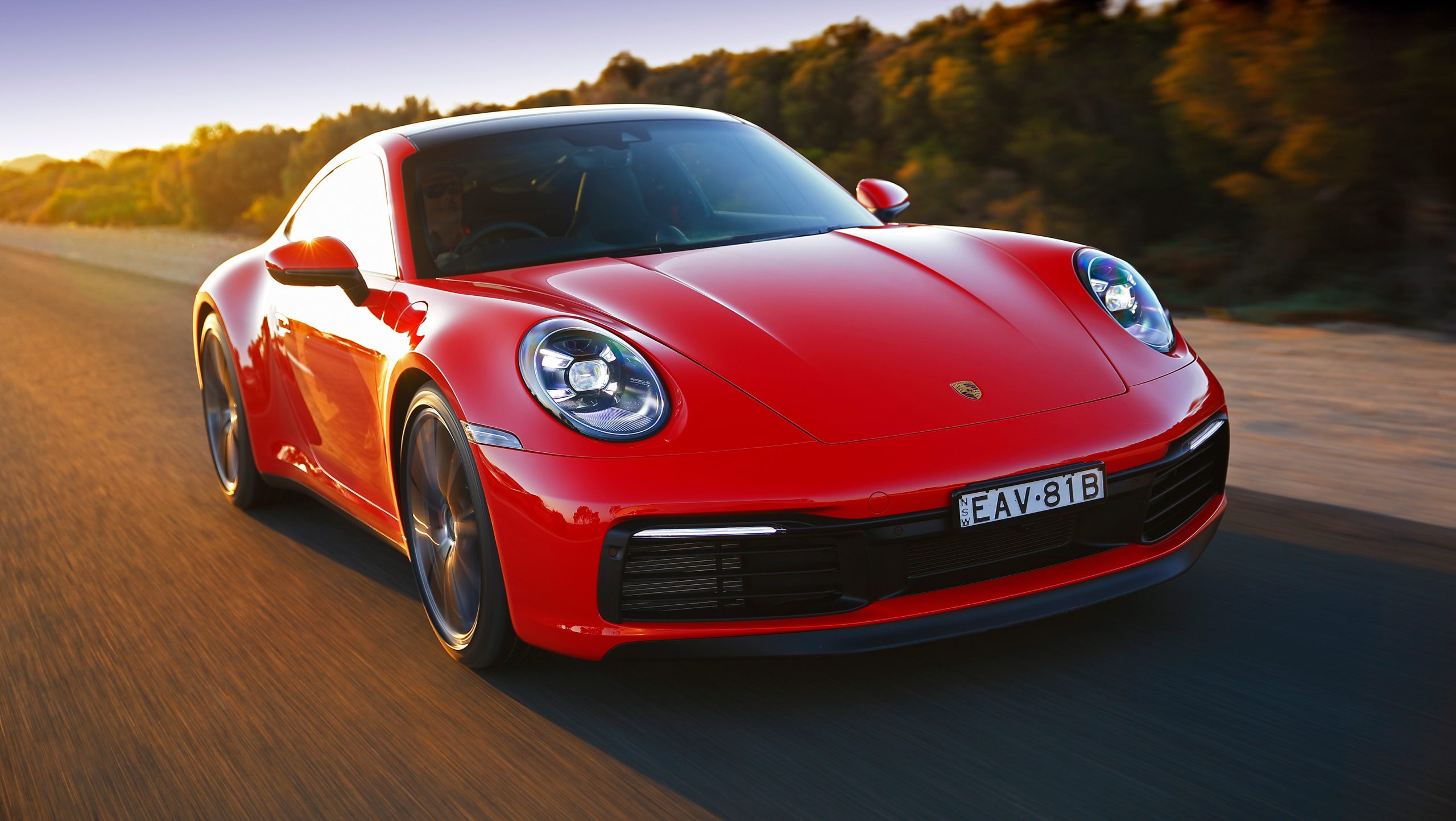
10. 2019 Porsche 911 Carrera S: A Masterclass in Sports Car Engineering
The 2019 Porsche 911 Carrera S represents the pinnacle of the 911 lineage, blending heritage, precision engineering, and modern performance. As part of the eighth-generation 911 (992), this model offers a 3.0-liter twin-turbo flat-six engine producing 443 horsepower and 530 Nm of torque.
Its rear-wheel-drive configuration and finely tuned eight-speed dual-clutch transmission allow it to accelerate from 0 to 100 km/h in just 3.7 seconds, or 3.5 seconds with the optional Sport Chrono package. The Carrera S demonstrates that a high-performance sports car can be both exhilarating and manageable for daily driving.
The Carrera S excels in dynamic performance. Rear-biased weight distribution at 63:37 ensures responsive steering, quick direction changes, and precise braking. Porsche equips the car with 350 mm brakes front and rear, adaptive dampers, torque vectoring, and an electronically controlled rear differential, giving drivers confidence on challenging roads.
Optional rear-wheel steering further enhances cornering agility. These features, combined with the Sport Chrono package and the Sport Exhaust system, allow the Carrera S to produce exceptional lap times, including a 7-minute 25-second run at the Nordschleife.
The car’s wide 21-inch rear and 20-inch front wheels maximize grip, while the rear-engine layout provides a unique driving sensation distinct from conventional sports cars.
Visually, the 992 Carrera S is unmistakable. It features wide-body styling, flush pop-out door handles, redesigned LED headlights and taillights, and dual centrally mounted exhausts. The aerodynamic refinements, including new wing mirrors and a drag coefficient of 0.29, enhance performance without compromising aesthetics.
The interior balances functionality with luxury, featuring a clean dashboard dominated by an 11-inch touchscreen, 18-way adjustable sports seats, and simplified controls for driving modes, chassis settings, and adaptive systems. Cabin noise is reduced by 5 dB compared to previous generations, improving comfort during long drives.
Despite its track capabilities, the Carrera S is remarkably versatile. It performs well in everyday driving, offering adaptive cruise control, multiple drive modes, and responsive throttle management. Luggage space is practical for its class, with 135 liters in the front compartment and foldable rear seatbacks for extra storage.
Optional features like voice control, Sport Chrono, and upgraded suspension allow customization of the driving experience, whether on winding mountain roads or open highways.
Fuel efficiency for a car of this caliber is notable. Porsche estimates 8.9 liters per 100 km on average, aided by adaptive systems that optimize performance and fuel consumption. Priced just under $250,000 before options, the Carrera S delivers performance close to much more expensive supercars, making it a benchmark in its segment.
The 2019 Porsche 911 Carrera S is a remarkable synthesis of speed, precision, and everyday usability. Its combination of responsive handling, advanced technology, and timeless design makes it both a thrilling sports car and a practical choice for enthusiasts.
For those seeking a vehicle that embodies decades of engineering evolution, the Carrera S is a must-drive icon that rewards skill, passion, and appreciation for automotive excellence.
Driving these ten cars is more than a bucket-list exercise. It is a journey through the evolution of performance, design, and innovation. From the Mustang’s timeless American flair to the 911 Carrera S’s precise engineering, each vehicle offers a distinctive encounter with automotive excellence.
Experiencing them connects enthusiasts to decades of ingenuity, passion, and culture, reminding us why we love cars. Whether it is the raw power of the Chevelle SS, the playful agility of the Miata, or the futuristic thrill of the Tesla Model 3, these ten cars embody the spirit of driving at its purest.
For true gearheads, getting behind the wheel of each is not just a dream; it is a rite of passage and a tangible connection to the legends of the automotive world.
Also Read: 5 Cars With Smart Features vs 5 With Pointless Gimmicks