In today’s car market, speed isn’t just reserved for six-figure luxury machines.
While brands like BMW, Mercedes-Benz, and Porsche have long been benchmarks for performance, several mainstream automakers now build cars capable of outrunning or at least keeping up with their luxury counterparts.
On the flip side, some luxury models look fast on paper or carry premium badges but underdeliver where it matters most: raw, real-world performance.
Let’s take a deep dive into five surprising cars that can outspeed luxury brands, followed by five that can’t quite back up their premium image.
Cars That Outspeed Luxury Brands
When most people think of blistering speed, names like Ferrari, Lamborghini, or Porsche immediately come to mind. But what if we told you that some lesser-known or more affordable models can actually outrun these luxury titans?
Today’s automotive world is full of surprises, with performance-focused engineering pushing boundaries far beyond traditional brand prestige. From muscle cars that dominate drag strips to electric machines redefining acceleration, these cars prove that raw speed isn’t exclusive to high-end badges.
1. Chevrolet Corvette Stingray
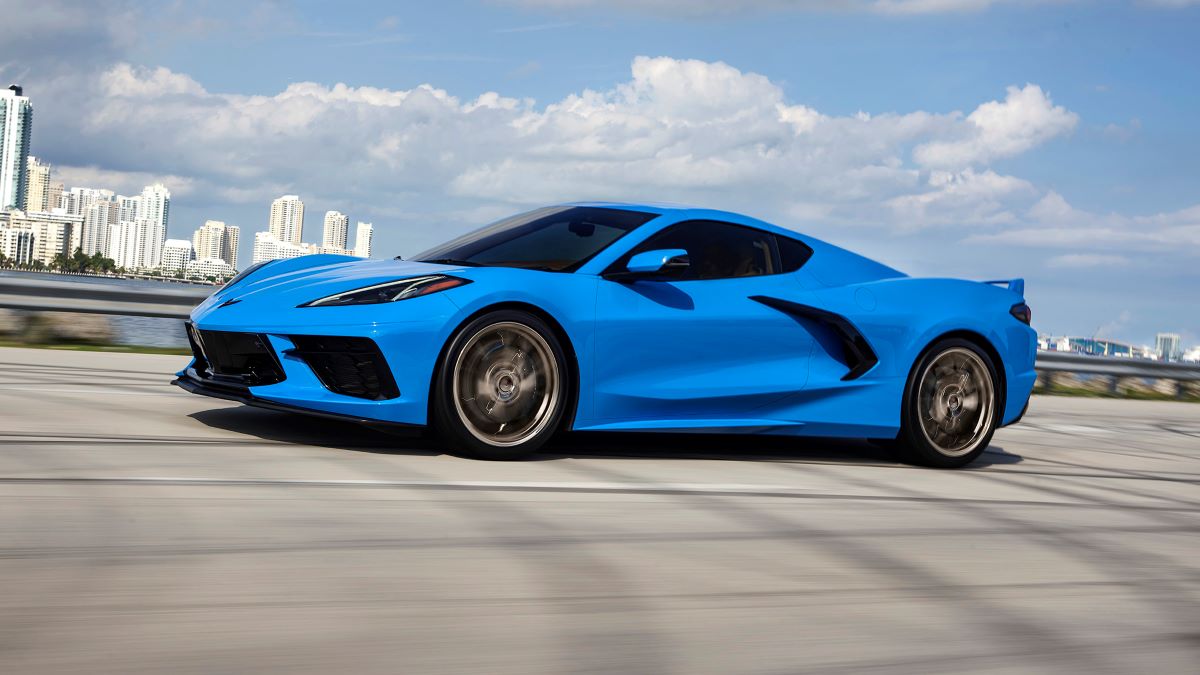
The Corvette Stingray has long been America’s answer to European performance cars, and the latest C8 generation takes things to another level.
With its mid-engine layout and a 6.2-liter V8 producing 490 horsepower (495 with the performance exhaust), the Corvette hits 60 mph in just 2.8 seconds a number that puts it in supercar territory.
For context, that’s quicker than a base Porsche 911 Carrera or an Audi R8 V10 RWD, both of which cost significantly more.
The C8’s balance, agility, and sheer speed prove that you don’t need an Italian or German badge to experience blistering performance.
The 2025 Chevrolet Corvette Stingray starts at a base MSRP of $68,300 and delivers the kind of performance expected from an American icon.
Powering the Stingray is a 6.2-liter V-8 ICE engine paired with an 8-speed auto-shift manual transmission.
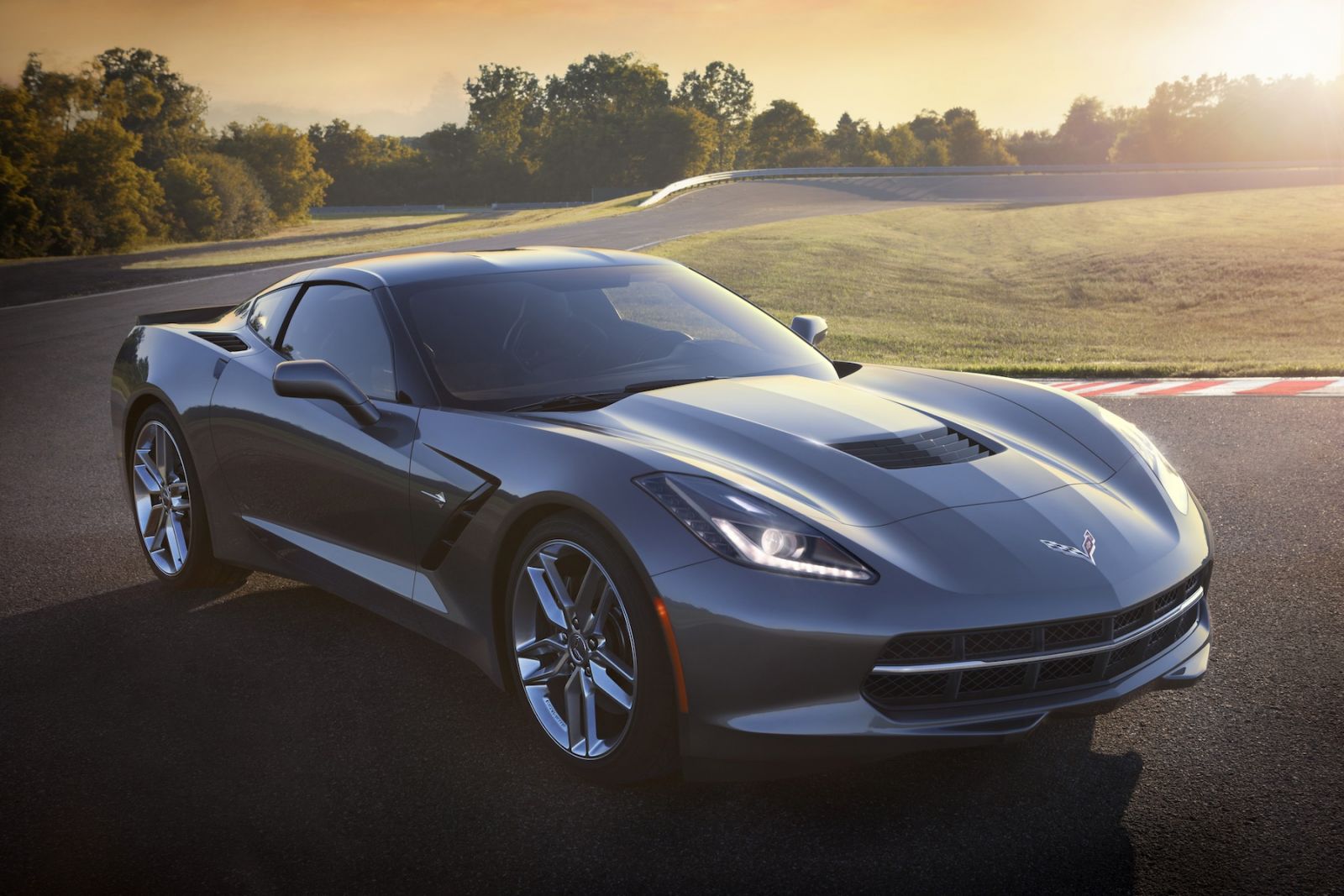
This setup generates an impressive 490 horsepower at 6,450 rpm and 465 lb-ft of torque at 5,150 rpm, all sent to the rear wheels for a classic, performance-focused driving experience.
Fuel efficiency is respectable for a sports car of its caliber, rated at 16 mpg in the city, 24 mpg on the highway, and a combined 19 mpg.
The Corvette uses a lead-acid battery and features an 18.5-gallon fuel tank, providing a good balance between performance and range.
In terms of dimensions, the 2025 Stingray rides on a 107.2-inch wheelbase, stretches 182.3 inches in length, and stands 48.6 inches tall.
It measures 76.1 inches wide at the front and has a minimum ground clearance of 5.3 inches, giving it a low, athletic stance. The trunk offers 9.1 cubic feet of cargo space, which is decent for a two-seat sports coupe.
Inside, the cabin accommodates two passengers, with front-seat dimensions that ensure comfort during spirited drives.
2. Ford Mustang Dark Horse
The 2025 Mustang Dark Horse takes the muscle car concept into precision territory. Its 5.0-liter Coyote V8 pushes out 500 horsepower, and while that’s impressive, what really shocks enthusiasts is how the Dark Horse performs on the track.
It outpaces the BMW M4 in several performance metrics, especially in straight-line speed and quarter-mile runs.
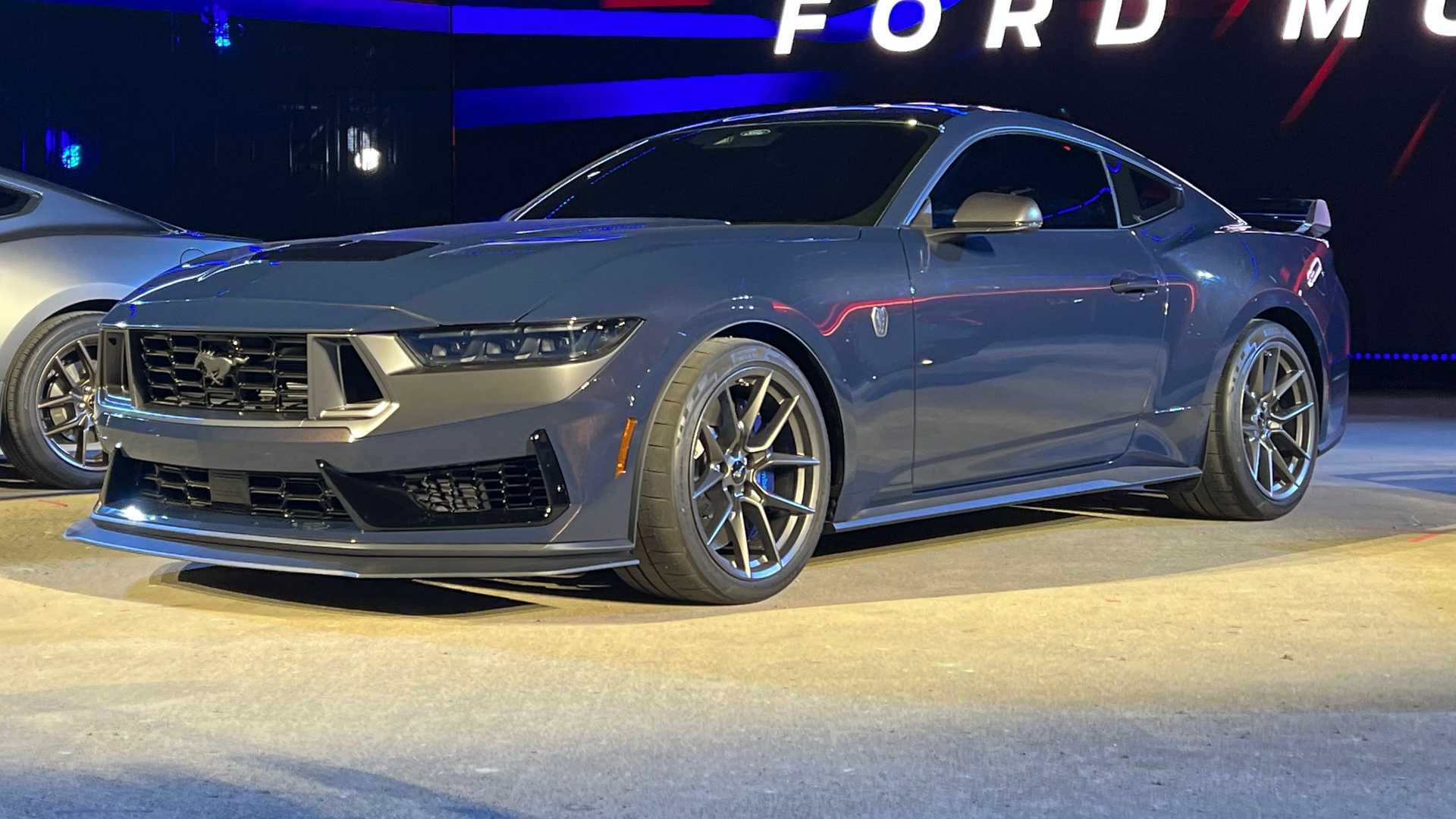
With a 0–60 mph time of around 3.7 seconds and a top speed north of 168 mph, it’s a proper track weapon without the luxury tax. Ford’s performance engineering has closed the gap between American muscle and European finesse.
Also Read: 5 Cars With Dependable Start-Stop Systems and 5 That Annoy Owners
3. Tesla Model 3 Performance
Tesla’s reputation for instant torque is well earned, and the Model 3 Performance version continues to be a disruptor.
This electric sedan can go from 0 to 60 mph in a mind-bending 3.1 seconds, faster than most Mercedes-AMG, BMW M, and Audi S models.
The combination of dual motors, all-wheel drive, and minimal lag creates acceleration that even high-end supercars struggle to match.
What’s more impressive is that it does this while offering space for five passengers and zero tailpipe emissions a different kind of luxury that traditional brands still can’t fully match.
The Model 3 Performance stands out among performance EVs for its relatively low weight, tipping the scales at 4,080 pounds (1,851 kg). This lightness, combined with its potent power output, creates a driving sensation that’s hard to replicate, especially at its price point.
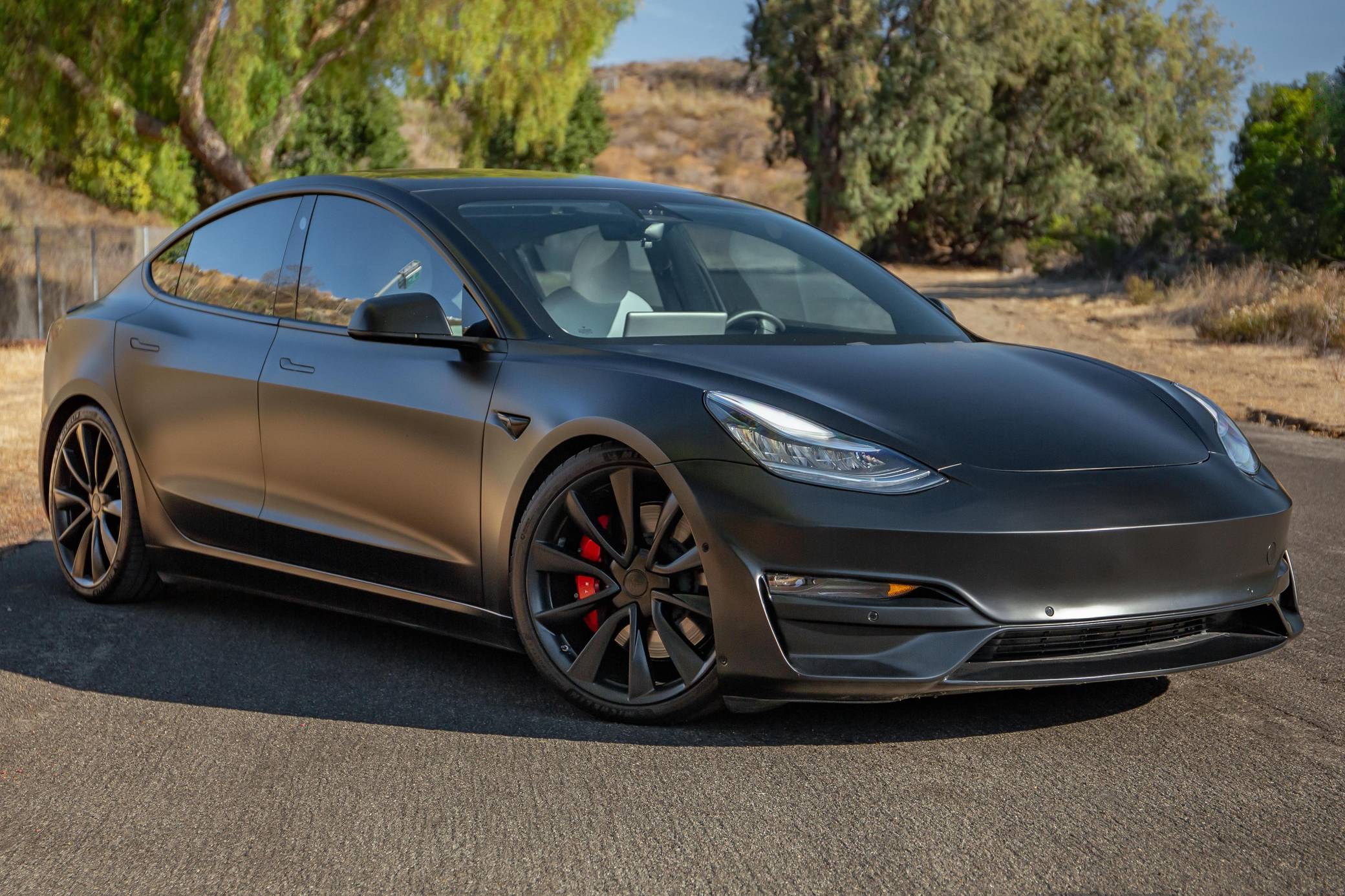
Before getting behind the wheel of the Model 3 Performance, I spent a few days with a BMW M4 Competition featuring xDrive, and the Tesla felt every bit as quick, whether launching from a standstill or accelerating from a rolling start.
Through corners, it displayed remarkable composure, grip, and balance, along with a touch of playfulness that made it genuinely engaging to drive.
Tesla doesn’t bother with artificial engine noises, and if you mentioned simulated gear shifts to one of its engineers, they’d likely laugh at the idea.
After a week of driving, I grew to appreciate the car’s serene and understated character.
While the silence initially felt like something was missing, there’s an undeniable charm to rocketing forward in near-total quiet, it’s a unique thrill that few other cars can match.
4. Dodge Challenger SRT Hellcat Redeye
When Dodge dropped a supercharged 6.2-liter HEMI V8 into the Challenger, it created an instant legend. The Hellcat Redeye variant, producing 797 horsepower, is an unapologetic powerhouse.
Despite its hefty weight, the Redeye can sprint to 60 mph in about 3.4 seconds and hit a top speed of 203 mph faster than a Ferrari Portofino.
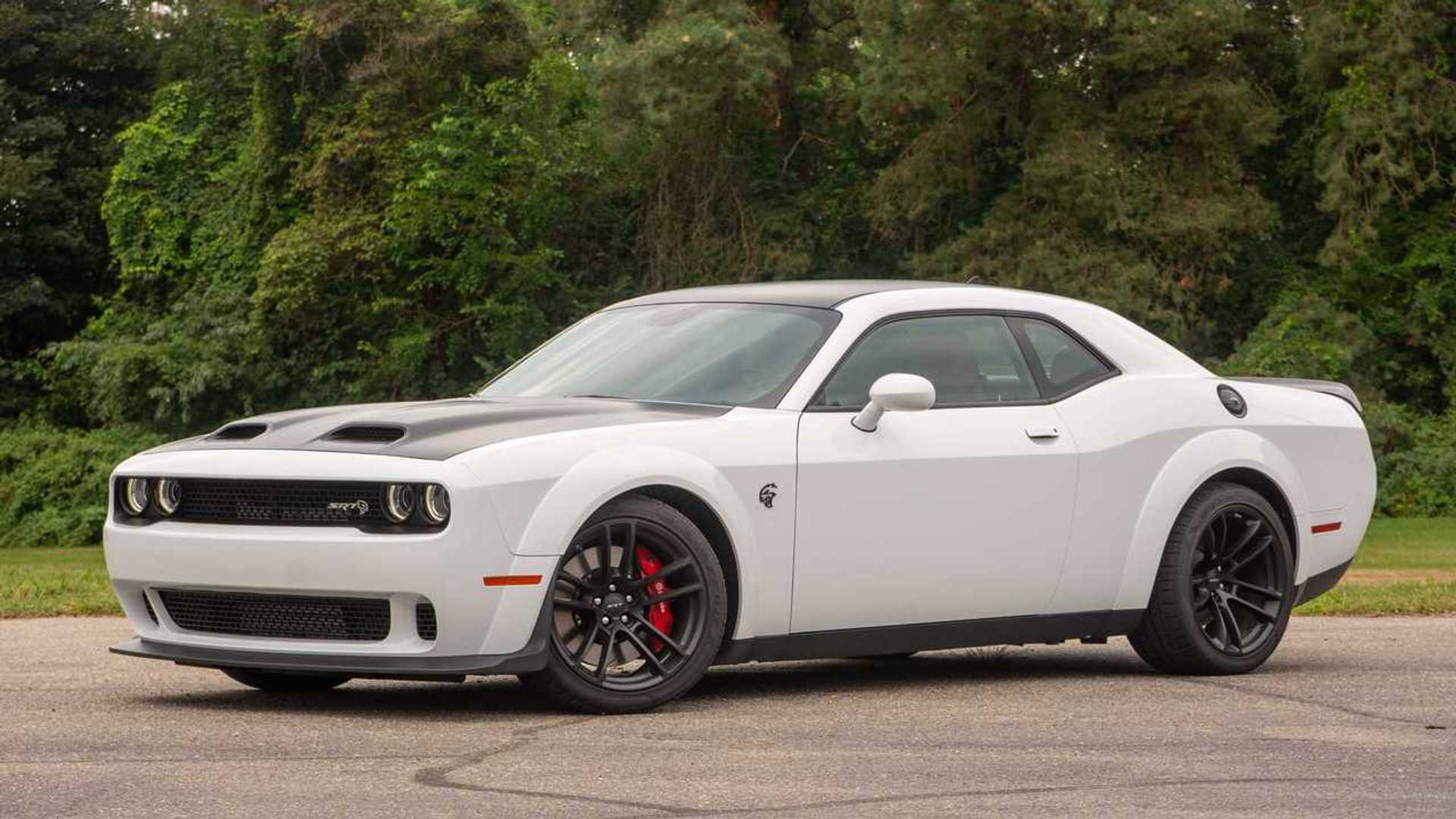
While luxury brands lean on finesse and technology, the Hellcat is pure brute force, representing a distinctly American take on speed. It’s not refined, but it’s brutally fast and exhilarating in a way few luxury cars can replicate.
5. Toyota GR Supra
The Toyota GR Supra, co-developed with BMW, surprises drivers with its capability and agility. The 3.0-liter turbocharged inline-six engine, sourced from BMW but tuned by Toyota, produces 382 horsepower and rockets the Supra from 0 to 60 mph in just 3.7 seconds.
That’s quicker than a BMW Z4 M40i and even some Mercedes-Benz AMG variants that share its price bracket.
The Supra delivers sharp handling, a low center of gravity, and everyday usability, making it one of the best examples of affordable performance done right. It may not wear a luxury badge, but it certainly drives like it should.
The 2022 Toyota GR Supra continues to impress, even years after the model returned to Toyota’s lineup. While the GR Supra was developed alongside the BMW Z4 convertible and shares its powertrains, the Supra coupe has a personality all its own.
Buyers can choose between two turbocharged engines: a standard 255-hp 2.0-liter four-cylinder or an optional 382-hp 3.0-liter inline-six, both paired with a responsive eight-speed automatic transmission that powers the rear wheels.
The cabin is snug yet surprisingly upscale, thanks in part to BMW-derived components, and the Supra is loaded with infotainment features and advanced safety technology.
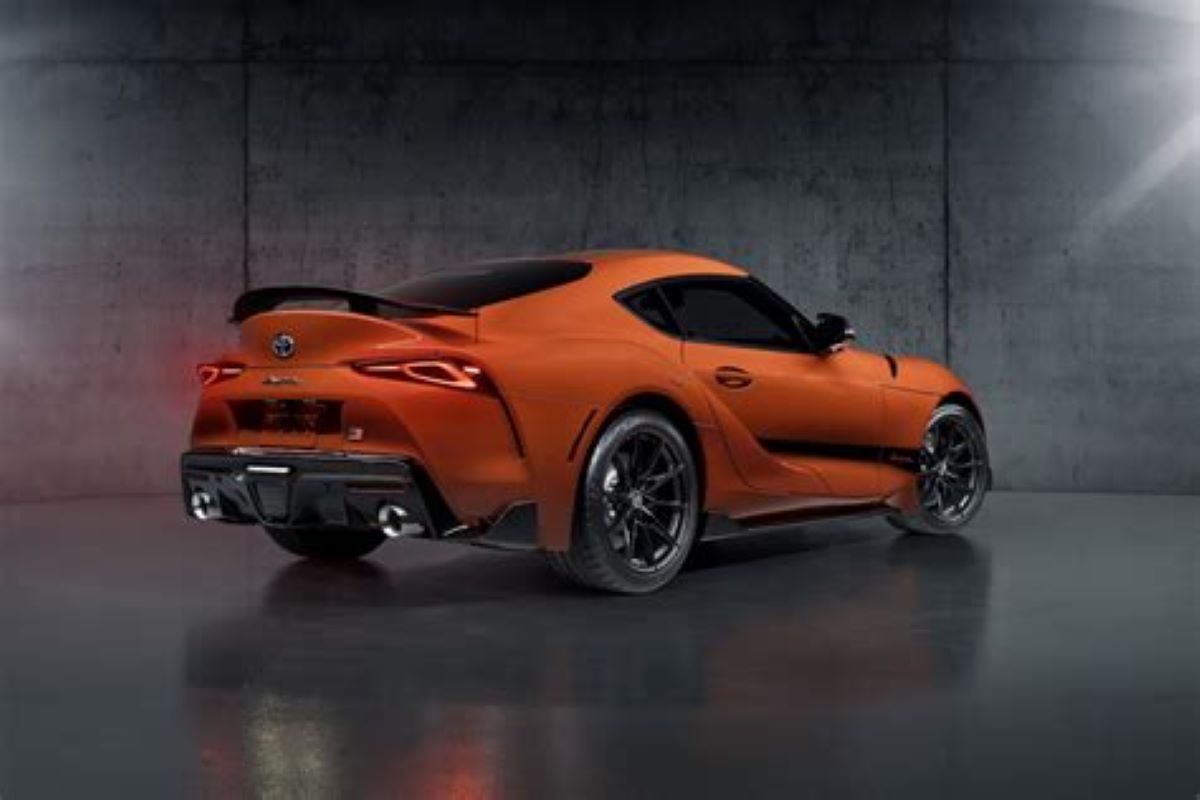
Pricing for the 2022 GR Supra ranges from $44,635 for the 2.0 model up to $64,375 for the A91-CF Edition. While the four-cylinder 2.0 offers respectable performance, the six-cylinder 3.0 provides quicker acceleration that most drivers will find worth the extra investment.
Instead, buyers can use the savings toward track time and extra tires, taking full advantage of the one-year National Auto Sport Association membership and complimentary high-performance driving day that comes with every Supra.
All GR Supra models feature rear-wheel drive and an eight-speed automatic transmission. On the track, the 3.0 model is seriously quick, achieving 0-60 mph in just 3.7 seconds and 0-100 mph in 9.5 seconds, placing it in league with the Chevy Camaro, Porsche Cayman GTS, and BMW M2 Competition.
It even outpaces the previous fourth-generation GR Supra, which had a sequentially turbocharged 320-hp inline-six. While a manual transmission isn’t currently available, rumors suggest it may arrive later in the production cycle.
Despite its athletic capabilities, the Supra’s suspension is forgiving enough for daily driving, and its steering is accurate, well-weighted, and direct, contributing to a highly engaging driving experience.
Even the four-cylinder model impresses with a 0-60 mph time of 4.7 seconds, faster than its German counterpart, the BMW Z4, which clocks in at 5.0 seconds.
Also Read: Top 10 Retro Motorcycles Combining Timeless Design with Modern Performance for Every Rider’s Taste
Cars That Can’t Keep Up
Not every car on the road is built for speed, and some struggle to keep pace even with the average flow of traffic.
While modern vehicles are faster and more efficient than ever, a few models lag behind, whether due to underpowered engines, outdated designs, or a focus on economy over performance.
In this piece, we’ll take a closer look at the cars that simply can’t keep up, revealing which ones fall short when it comes to acceleration and overall driving excitement
1. Maserati Ghibli GT
The Maserati Ghibli looks the part sleek, Italian, and exotic but under the hood, it’s not quite the performance machine its badge suggests.
The base Ghibli GT’s twin-turbo V6 delivers 345 horsepower, which is fine for a midsize luxury sedan, but its 0–60 time of 5.5 seconds leaves it behind even a standard Tesla Model 3 or a V6 Camry TRD.
While higher trims improve things, the Ghibli remains more about style and sound than outright speed. It’s a luxury cruiser, not a sports sedan, and its price-to-performance ratio just doesn’t add up.
The 2018 Maserati Ghibli arrives with refreshed front and rear bumpers and a redesigned grille, giving it a sharper, more aggressive presence on the road.
The S-level engine receives a notable power boost, now producing 424 horsepower and 428 pound-feet of torque, up from last year’s 410 hp and 406 lb-ft.
Last year’s Premium package has been made standard across all trims, and electric power-assisted steering comes standard on every model.
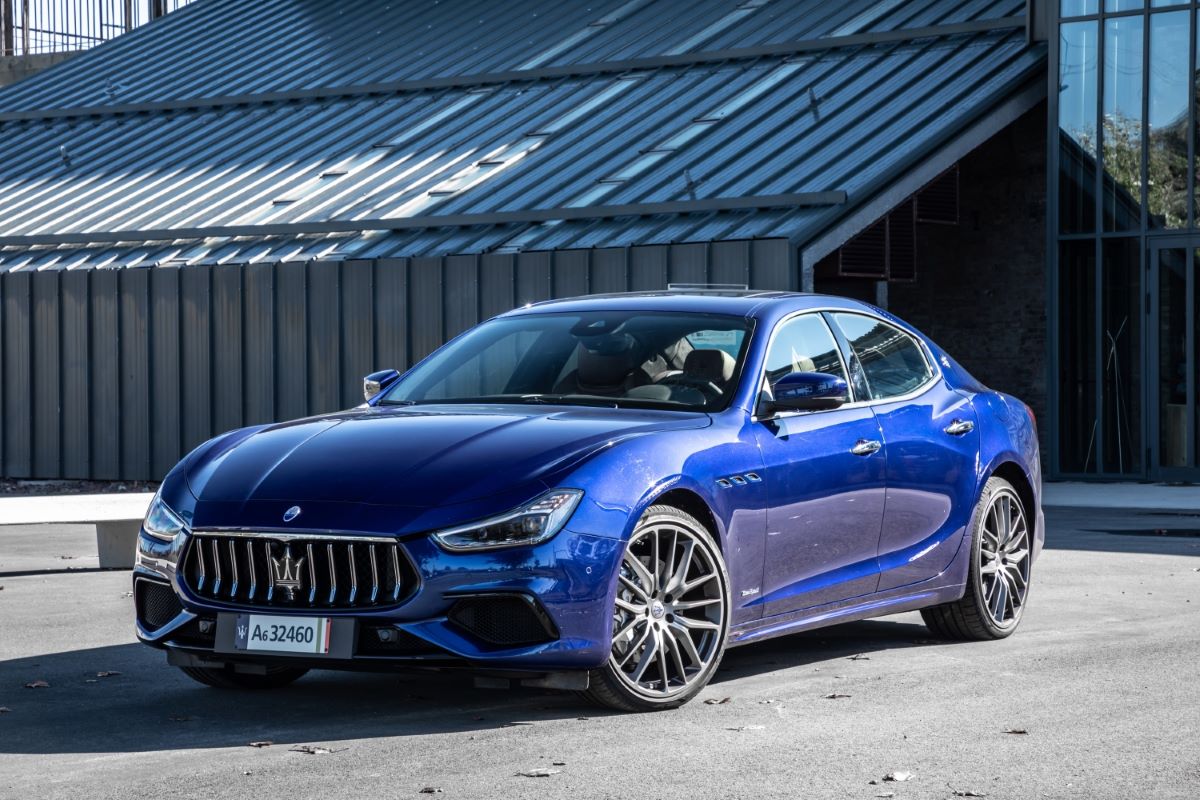
Maserati has also updated the Ghibli’s trim nomenclature, so variants are no longer defined solely by their powertrain, and several new driver-assistance features are now available.
Midsize luxury sedans typically offer a calm, composed driving experience, surrounding passengers with comfort and a sense of understated confidence.
They tend to project a refined presence over smaller siblings, though personality is often limited, leaving styling as the primary differentiator.
The 2018 Maserati Ghibli breaks this mold. With its athletic handling, throaty engine note, and striking design, it stands apart from the more conventional players in this segment.
The Maserati badge also signals a higher price point compared to similarly equipped competitors.
While the Ghibli is more expensive than a six-cylinder BMW 5 Series, it remains attainable and justifies its cost through a generous list of standard features that other brands often reserve for optional packages.
Leather upholstery, a navigation system, and blind-spot monitoring come standard, helping to narrow the price gap while adding to the Ghibli’s blend of sportiness, luxury, and distinctive Italian flair.
2. Lexus LC 500
The Lexus LC 500 is one of the most beautiful cars on the road, with a naturally aspirated 5.0-liter V8 that sounds like a concert hall on wheels. However, when it comes to speed, beauty and sound can’t make up for physics.
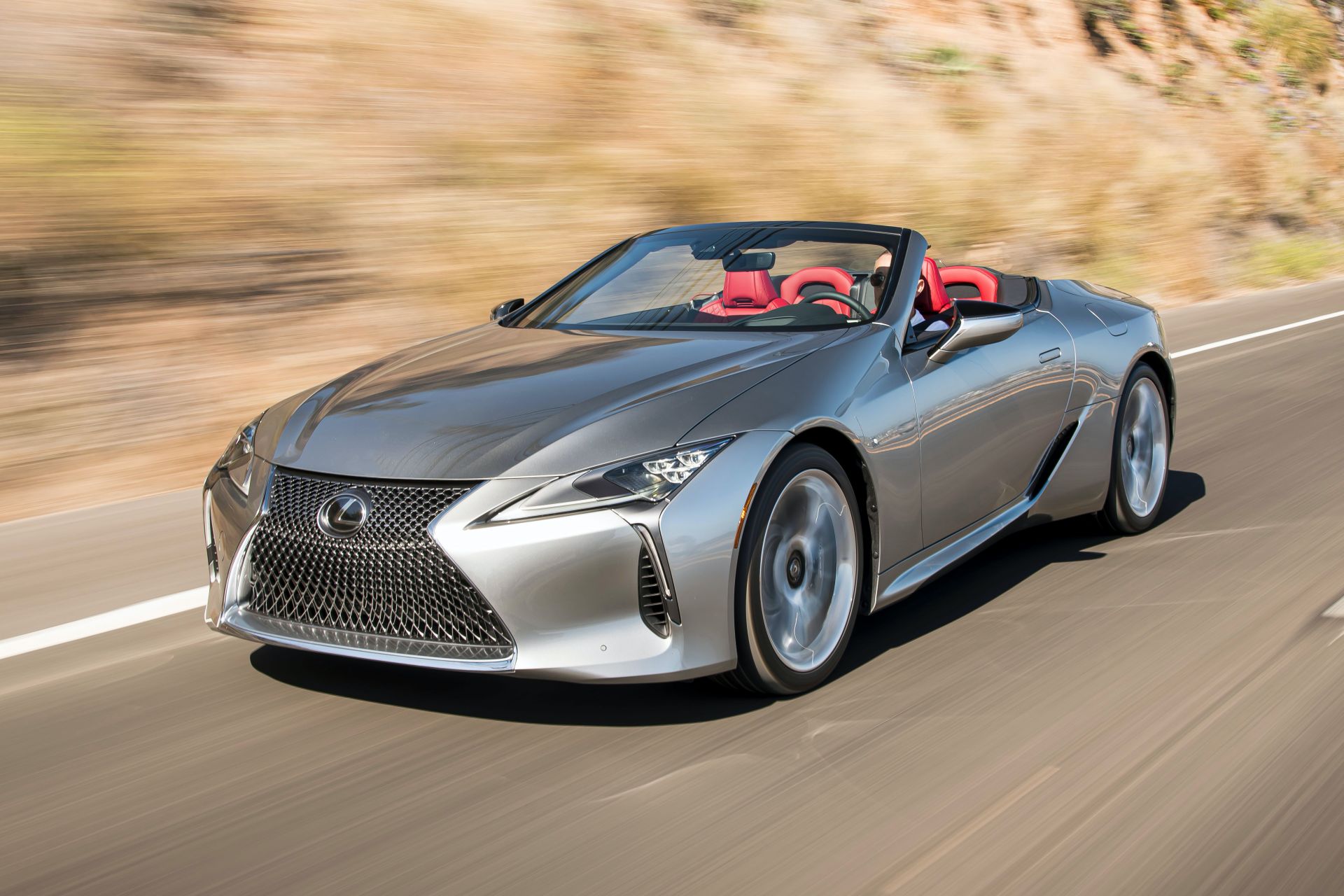
Despite its 471 horsepower, the LC 500’s 0–60 mph time of 4.4 seconds feels sluggish compared to similarly priced Corvettes or Porsches.
Lexus engineered it for grand touring comfort rather than razor-sharp acceleration, but that doesn’t stop enthusiasts from feeling let down by its modest pace relative to its $100,000 price tag.
3. Jaguar F-Type P450
The Jaguar F-Type P450 has all the ingredients of a thrilling sports car sleek looks, a snarling V8, and impeccable British craftsmanship. Yet, despite 444 horsepower, it can’t quite match its rivals on the stopwatch.
The 4.4-second 0–60 time is respectable but pales next to more affordable options like the Mustang Dark Horse or the Supra.
The F-Type’s charm lies in its feel and sound, not in its speed, but in a segment where performance matters, it feels a step behind its German and American rivals.
The Jaguar F-Type occupies a unique space for drivers who crave excitement and want their car to make a statement. Available as either a coupe or a convertible, the F-Type offers a choice between a turbocharged inline-four and a range of supercharged V-6 engines.
It delivers plenty of speed and keeps drivers engaged on winding roads, though it doesn’t quite match the outright dynamism of some competitors.
For maximum performance, the F-Type R and SVR models, with 550 and 575 horsepower from their supercharged V-8s, are the ones that truly shine.
Beyond performance, the F-Type boasts one of the most distinctive and striking exterior designs in recent memory, paired with a throaty exhaust note that guarantees attention.
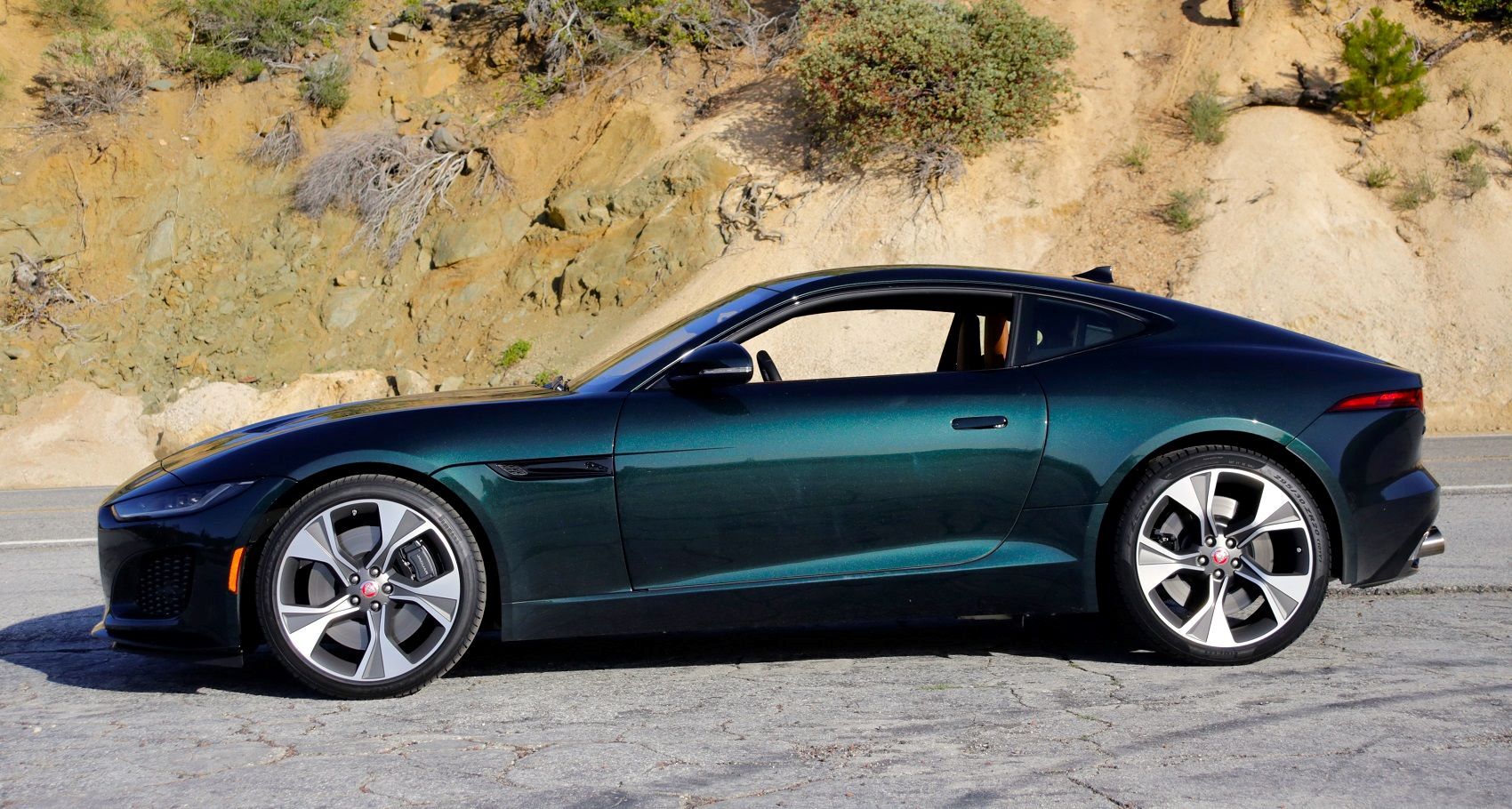
For 2018, Jaguar introduced a 296-hp turbocharged inline-four as the base engine, along with subtle updates including full LED headlights, a refreshed front end, and a new R-Dynamic trim featuring 20-inch wheels and gloss-black exterior accents.
Pricing for the 2018 F-Type ranges from $60,895 for the base model, $82,195 for the R-Dynamic, and $90,495 for the 400 Sport.
The entry-level coupe pairs the 296-hp four-cylinder with rear-wheel drive and an eight-speed automatic transmission.
The V-6 lineup offers 340, 380, or 400 hp, with the lower two available with a six-speed manual or eight-speed automatic, while the top-spec 400 hp V-6 comes only with the automatic. All-wheel drive is an option on the V-6 models.
On the road, the F-Type is athletic and engaging, delivering a firm yet mostly comfortable ride that masks harsh impacts.
Its steering, while precise, feels slightly light for a sports car, and although the F-Type performs admirably, it falls just short of competitors like the Chevrolet Corvette or Porsche Cayman.
Still, with its combination of performance, design, and character, the F-Type remains a compelling choice for those seeking both style and driving excitement.
4. Infiniti Q60 Red Sport 400
Infiniti once positioned the Q60 Red Sport as a luxury coupe that could battle the BMW 4 Series and Audi S5, but time has not been kind to it.
With 400 horsepower from its twin-turbo V6, it sounds competitive on paper but a dated platform, heavy weight, and lack of performance tuning keep it from shining.
The Q60’s 0–60 mph in 4.5 seconds is fine, yet cars costing half as much can outrun it. Worse, Infiniti’s aging tech and handling don’t justify the “sport” moniker anymore. It’s a luxury coupe that looks fast but drives soft.
The 2020 Infiniti Q60 Red Sport 400 represents the high-performance version of Infiniti’s Q60 coupe, delivering a more muscular engine and sport-tuned suspension compared with the standard model.
Powered by a 3.0-liter twin-turbo V-6 producing 400 horsepower and 350 lb-ft of torque, the Q60 Red Sport 400 pairs this engine with a seven-speed automatic transmission.
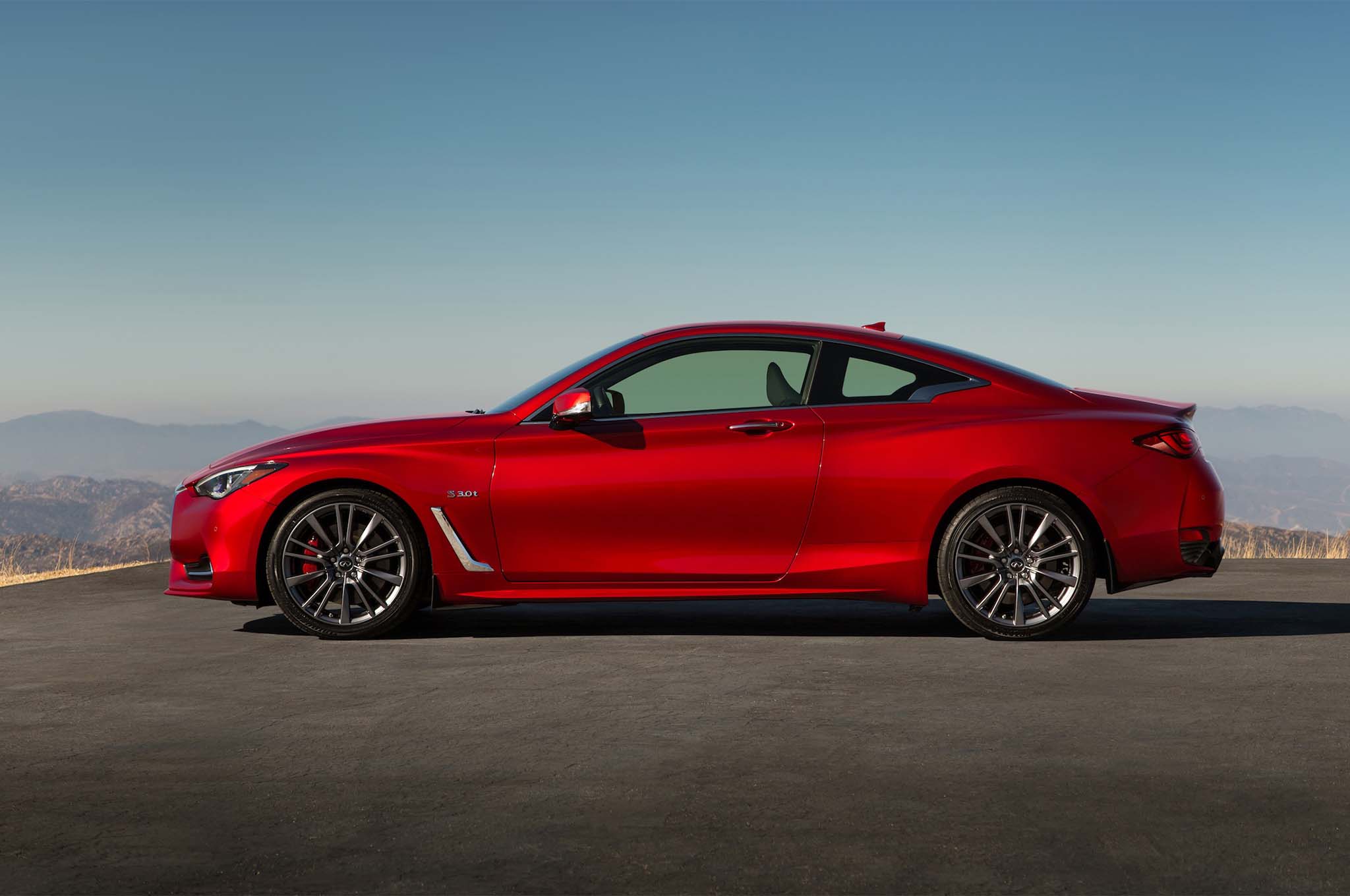
Rear-wheel drive comes standard, though all-wheel drive is available for those who need extra traction in rain or snow.
On the track, it accelerates from 0 to 60 mph in just 4.5 seconds, outpacing competitors like the Lexus RC350, while providing athletic handling and a composed driving experience.
Pricing for the 2020 Q60 ranges from $42,375 for the 3.0t PURE trim to $58,175 for the Red Sport 400. The base coupe features rear-wheel drive, while the mid-level 3.0t LUXE offers all-wheel drive.
While the Q60 Red Sport 400 excels in performance and offers a comfortable, serene interior, it does have some drawbacks. Its cabin design feels less modern and luxurious than some rivals, and trunk space is limited.
The engine can sound gruff at higher revs, and the transmission lacks the refinement found in competitors such as BMW.
Nonetheless, with its blend of power, handling, and available luxury features, the Q60 Red Sport 400 remains a compelling choice for anyone seeking a performance-focused coupe.
5. Acura NSX (First Generation Hybrid Revival)
When Acura revived the NSX as a hybrid supercar, expectations were sky-high. The idea of combining electric torque with a twin-turbo V6 should have yielded something that could rival a McLaren or Porsche 911 Turbo.
Instead, the result was mixed. Despite 573 horsepower, the NSX’s weight and hybrid complexity limited its raw acceleration to around 3.1 seconds quick, yes, but not groundbreaking for its $160,000 price tag.
Worse, its driving dynamics lacked the edge that enthusiasts expect in this segment. It’s a case where technology outpaced emotion, and speed alone couldn’t justify the cost.
The 1991 Honda NSX stands as one of the most iconic sports cars ever produced by Honda, crafted with input from legendary Formula 1 driver Ayrton Senna and a dedicated team of motorsport engineers.
Its name, NSX, stands for New Sportscar eXperimental, and it marked Honda’s first all-aluminum body with a mid-engine layout.
While the car was ready for market, the design and engineering teams awaited the ultimate approval. Pushed to its absolute limits, the NSX earned Senna’s verdict: it felt nimble, though “a little fragile.”
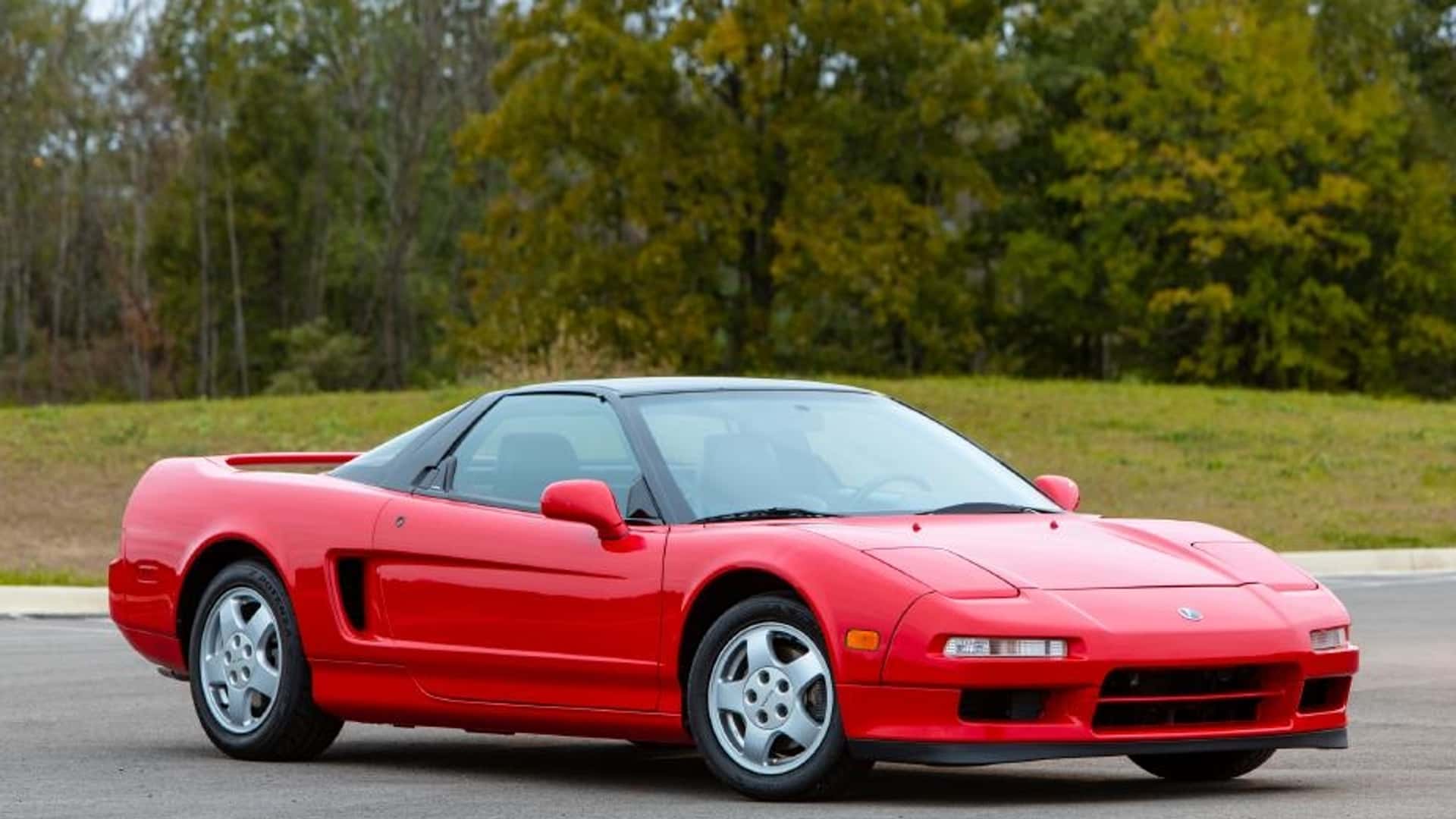
The NSX made its public debut at the 1989 Chicago Auto Show, although it wasn’t yet fully production-ready. Its initial styling was developed at Pininfarina’s design center in Italy, with the greenhouse taking inspiration from the F16 jet fighter.
The use of aluminum shaved 200 kg (440 lbs) off the body weight, and the car featured aluminum independent suspension at both the front and rear. Pop-up headlights were standard on the early, non-facelifted versions.
Early studies considered a 2.0-liter V6 engine, but Honda ultimately opted for a 3.0-liter VTEC unit, which remained in use until 1997 when it was replaced by a 3.2-liter engine.
The standard transmission was a 5-speed manual, and in 1994, a 4-speed automatic with sequential manual shifting became available.
In the U.S., the NSX was sold under the Acura badge, while globally it carried the Honda NSX name.
It earned the distinction of being the first Japanese “everyday supercar,” praised for its combination of high performance, reliability, and ease of driving.
In the modern auto landscape, speed no longer correlates directly with the size of your wallet or the badge on your grille.
Cars like the Corvette, Mustang Dark Horse, and Model 3 Performance prove that everyday brands can deliver world-class performance without the luxury markup.
Meanwhile, some traditional luxury models once synonymous with speed now prioritize comfort, style, or heritage over outright acceleration.
The shift reflects changing priorities among drivers. Many now value accessible performance and real-world usability over brand prestige.
Whether you crave a V8 rumble, electric torque, or track-ready handling, today’s performance bargains make it easier than ever to experience true speed without paying supercar prices.