Finding a car that blends affordability with genuine driving excitement isn’t easy, yet some models manage to capture that balance perfectly. These vehicles deliver the kind of precision, agility, and engagement once reserved for high-end sports cars, all while remaining practical and budget-friendly.
From the nimble Mazda MX-5 Miata and its timeless connection to the road to the sharp, turbocharged energy of the Hyundai Elantra N, each car in this lineup proves that performance doesn’t have to come at a premium.
Whether it’s the balance of the Honda Civic Si, the playful nature of the Toyota GR86, or the composed refinement of the Volkswagen Golf GTI, these cars make every drive feel special.
They invite drivers to rediscover the simple pleasure of handling, control, and connection qualities that remind us that true driving enjoyment can still be accessible without breaking the bank.
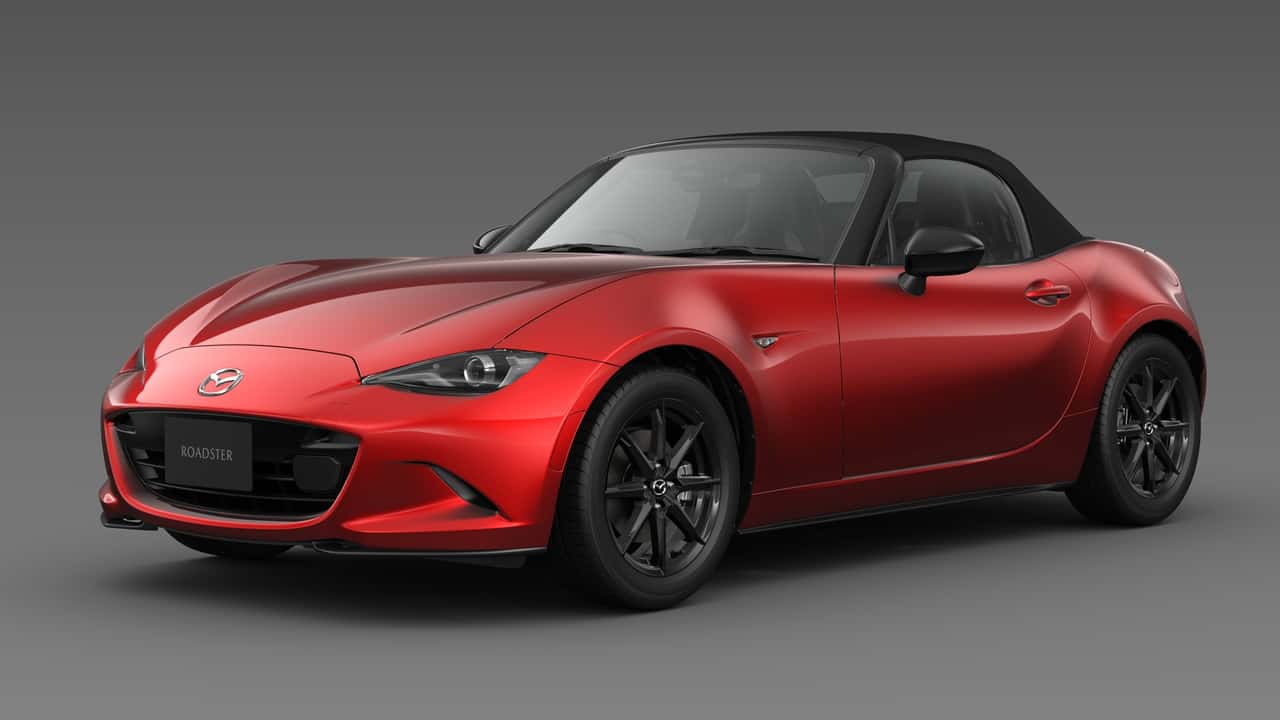
1. Mazda MX-5 Miata: The Quintessential Driver’s Car
The Mazda MX-5 Miata continues to reign as one of the most beloved sports cars ever built. Celebrated for its lightweight agility, engaging manual transmission, and timeless design, the Miata offers pure driving pleasure in its most authentic form.
This rear-wheel-drive convertible combines sharp steering and playful handling with modern technology and impressive value, making it a favorite among enthusiasts and casual drivers alike.
The MX-5 Miata embodies the essence of a lightweight, nimble sports car. Powered by a lively four-cylinder engine, it accelerates from 0 to 60 mph in 6.4 seconds, slightly slower than rivals like the Subaru BRZ (6.1 seconds). However, what the Miata lacks in outright speed, it makes up for with exceptional balance and precision.
Its communicative steering and predictable handling deliver a genuine connection between driver and road. Braking is strong, with a measured stop from 60 mph in just 113 feet. While body roll is noticeable during spirited driving, it contributes to the car’s approachable and forgiving character.
Though compact, the Miata is surprisingly livable for daily use. Its supportive seats and effective heaters enhance comfort, even on long drives. However, the cabin’s wind and road noise can be intrusive, particularly at highway speeds.
The suspension transmits larger bumps, but minor imperfections are well absorbed. Despite its limited size, the Miata’s cockpit delivers a snug yet engaging driving position that prioritizes control over luxury.
Inside, the Miata’s driver-focused cabin makes efficient use of limited space. Controls are well-placed, though the infotainment control knob and cupholder locations can be awkward. Tall occupants may find legroom and headroom tight, especially on the passenger side.
The manually operated soft top is quick and easy to retract, emphasizing the car’s simplicity. Standard tech includes Apple CarPlay, Android Auto, and two USB ports, while an available nine-speaker Bose audio system enhances sound quality.
Storage space is minimal, with a 4.6-cubic-foot trunk and small interior bins sufficient only for light luggage or essentials. Despite this, the Miata impresses with an EPA-estimated 29 mpg combined, reflecting excellent efficiency for a performance car.
Build quality is solid, featuring premium materials and a refined feel. With a three-year/36,000-mile warranty and enduring reliability, the Miata remains a superb value offering unmatched driving joy in an affordable, beautifully engineered package.
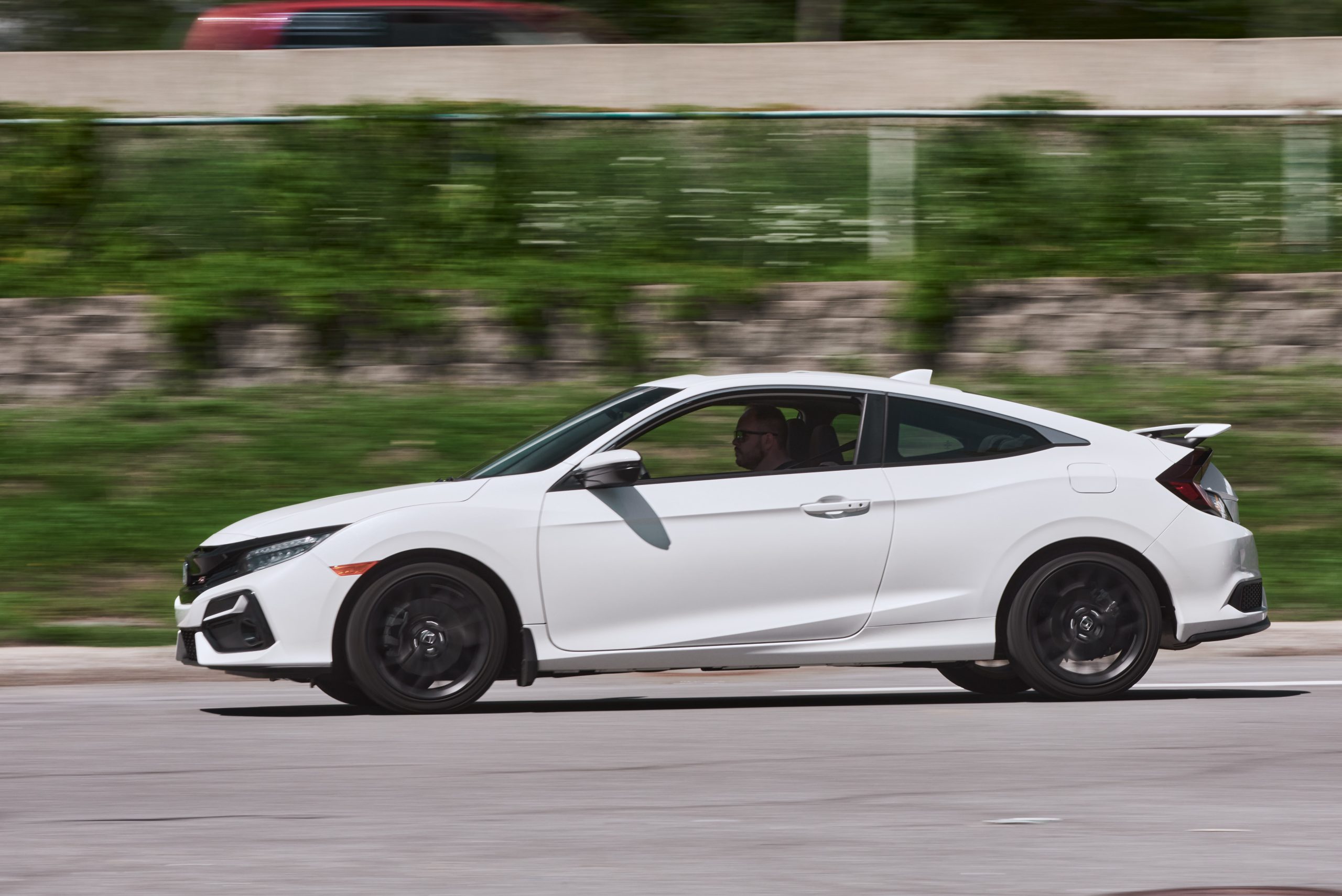
2. Honda Civic Si: The Perfect Blend of Practicality and Performance
The Honda Civic Si proves that everyday usability and spirited driving can exist in perfect harmony. With a turbocharged engine, precise manual transmission, and a sport-tuned chassis, the Si brings excitement to both commuting and weekend drives. Honda’s strong reputation for reliability, refinement, and efficiency makes this model one of the most appealing and affordable performance sedans on the market.
The Civic Si offers a balanced and engaging driving experience. Its 200-horsepower turbocharged engine delivers steady performance, though it is not as quick as competitors like the Volkswagen GTI. In testing, the Si reached 60 mph in 7.2 seconds, making it lively but not exceptionally fast.
The car’s true strength lies in its six-speed manual transmission and light clutch, which provide smooth and enjoyable gear changes. The steering is responsive and accurate, becoming firmer at higher speeds for added control. Drivers will appreciate its stability and agility through corners, making it equally fun on winding roads or city streets.
Despite its sporty setup, the Civic Si maintains a good level of comfort for daily driving. The suspension is firmer than that of the standard Civic but still absorbs bumps with ease. The sport seats are well-cushioned and supportive, with breathable fabric that keeps occupants comfortable during longer trips.
Some drivers may miss lumbar adjustment, but seating comfort remains high. The cabin is well built, and the climate control system is simple to use with excellent airflow. Road noise is noticeable on rough surfaces, yet wind noise is relatively subdued. Heated seats are now standard, adding a welcome touch of convenience.
Inside, the Civic Si features a clean and functional design that emphasizes practicality. Controls are well placed and easy to use, and both front and rear passengers enjoy generous space. Visibility is excellent thanks to slim roof pillars and well-positioned mirrors.
The nine-inch touchscreen infotainment system is clear and responsive, supporting Apple CarPlay and Android Auto. Using a cable provides a more stable connection than wireless pairing. The Si also includes adaptive cruise control and lane-keeping assistance, providing extra safety while retaining full driver engagement.
The Civic Si offers a 14.4-cubic-foot trunk, larger than many other sedans in its class. Rear seats can fold down for extra cargo space, and the cabin includes useful storage areas such as large cupholders and a non-slip charging pad.
The Si’s fuel economy is impressive, with an EPA estimate of 31 mpg combined and up to 34.6 mpg in real-world driving. With solid construction, reliable performance, and an attractive price, the Honda Civic Si remains one of the best choices for drivers who want excitement without sacrificing practicality.
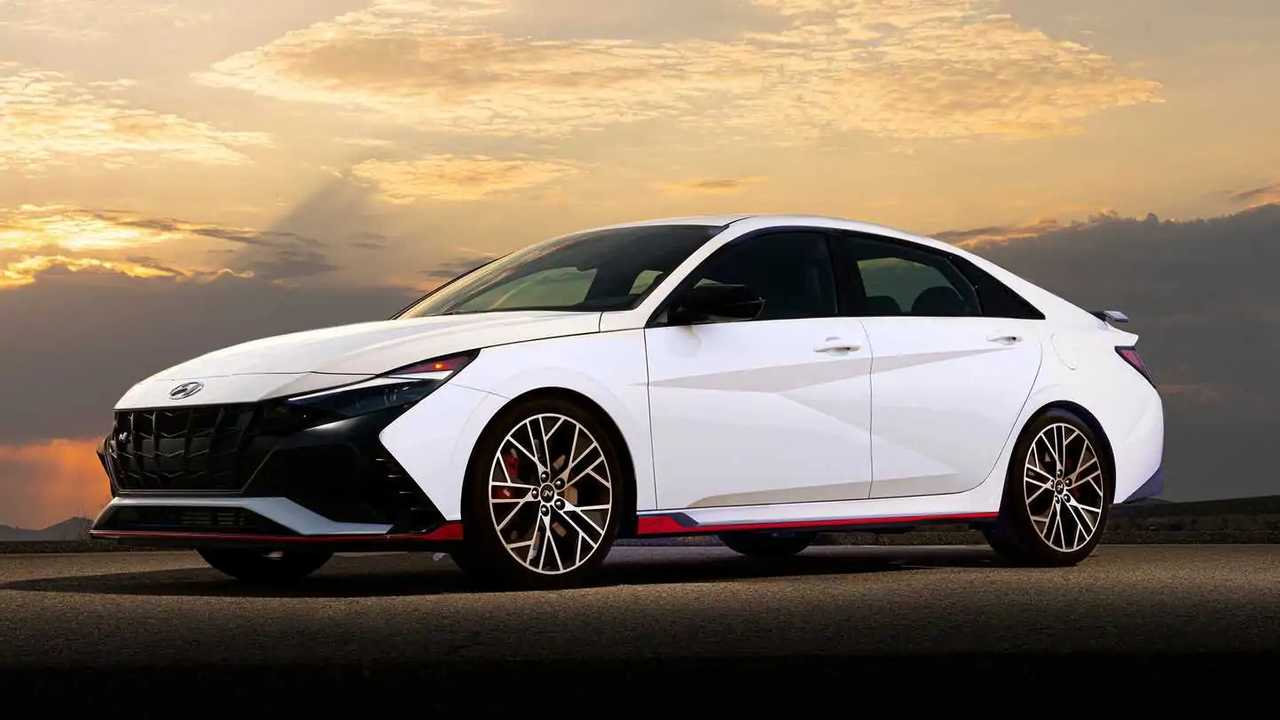
3. Hyundai Elantra N: Everyday Practicality Meets True Performance
The Hyundai Elantra N injects sports car excitement into the compact sedan segment. With its turbocharged power, sharp handling, and aggressive styling, it combines genuine performance with daily comfort. Designed for drivers who want thrilling dynamics without giving up practicality, the Elantra N stands out as a bold and capable all-rounder.
The Elantra N is among the best-handling front-wheel-drive cars on sale today. Its steering is precise and communicative, allowing the driver to feel confident through every corner. The 2.0-liter turbocharged engine delivers strong acceleration with minimal torque steer. Power delivery is immediate and smooth, especially in the midrange.
The manual version reaches 0 to 60 mph in 6.4 seconds, while the dual-clutch automatic cuts that time to 5.5 seconds. The six-speed shifter is accurate and easy to use, though not the quickest in feel. Combined with its balanced chassis and short gearing, the Elantra N offers a fun and responsive driving experience on both highways and twisty roads.
The Elantra N’s sport-tuned suspension creates a firmer ride compared with the standard model. It can feel stiff over bumps, but it smooths out nicely at higher speeds, making long drives surprisingly pleasant. The front seats provide excellent support with firm bolstering that keeps occupants secure during spirited driving.
Wind and road noise are noticeable, though never overwhelming. The climate control system is efficient and easy to operate, maintaining a comfortable cabin temperature with minimal effort.
Inside, the Elantra N balances sporty design with practicality. The cabin offers ample passenger space, and both front and rear seats are easy to access. Taller passengers may find rear headroom limited, but legroom is generous.
The driving position is well thought out, with good seat and steering wheel adjustment. Pedal spacing makes heel-toe shifting simple. The dashboard layout is straightforward, with physical buttons that enhance usability, though some labeling could be clearer. Visibility is good despite the car’s sleek roofline.
Hyundai equips the Elantra N with an intuitive infotainment system that includes Apple CarPlay, Android Auto, and built-in navigation. Voice commands are effective for controlling navigation or climate settings. Standard safety features perform reliably, though the absence of adaptive cruise control is a drawback.
The trunk provides 14.2 cubic feet of space, which is average for a compact sedan. A fixed chassis brace limits rear seat pass-through but adds rigidity for better handling. Cabin storage is modest, with small bins and pockets.
The Elantra N’s fuel economy is rated at 24 mpg combined (manual) and 23 mpg (automatic), but real-world results can reach over 33 mpg with moderate driving. Offering outstanding performance, reliability, and an industry-leading 10-year/100,000-mile powertrain warranty, the Hyundai Elantra N delivers exceptional value for enthusiasts seeking both excitement and practicality.
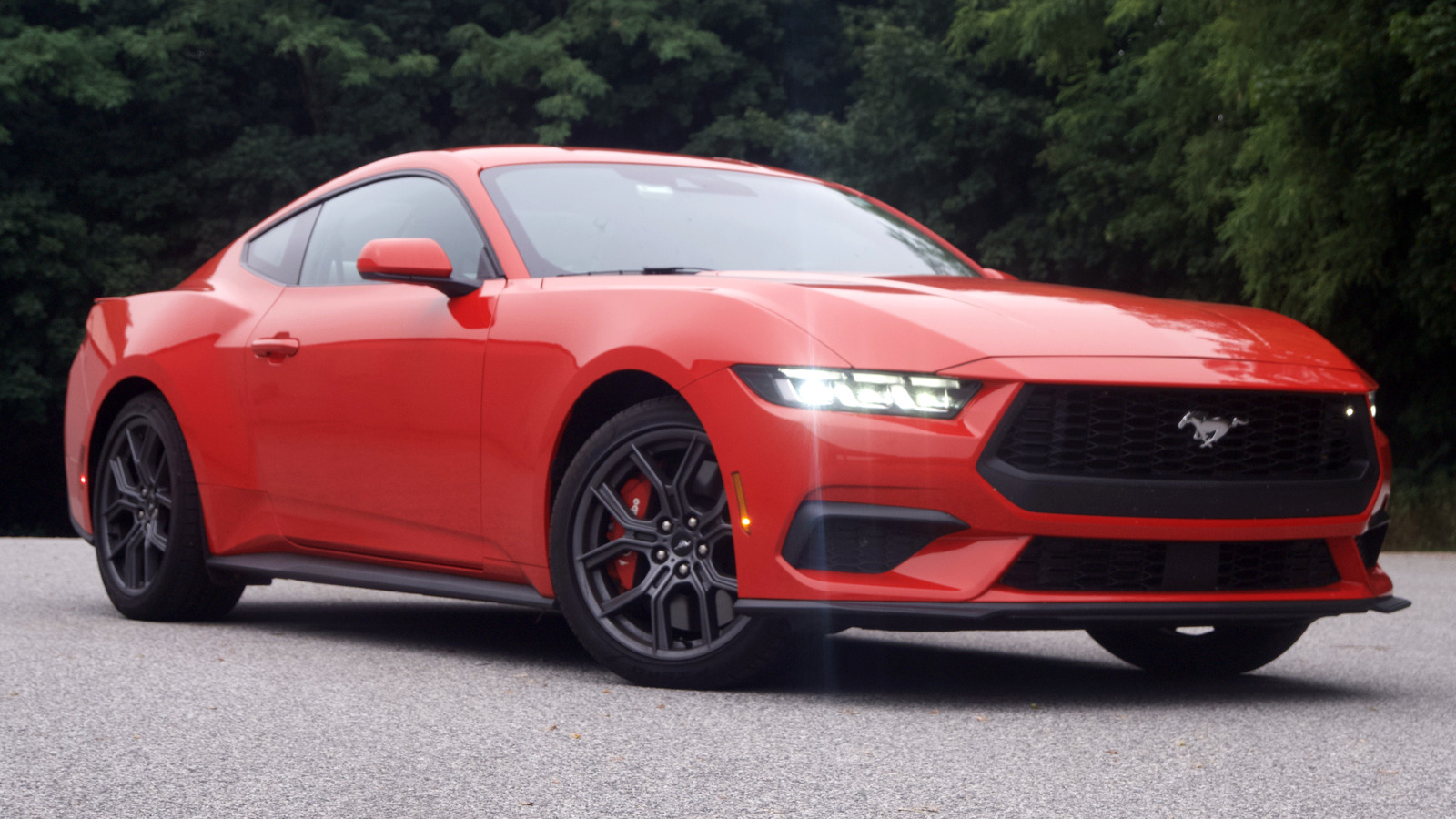
4. Ford Mustang EcoBoost: Classic Muscle with a Modern Twist
The Ford Mustang EcoBoost combines traditional American muscle car character with modern efficiency and technology. Powered by a turbocharged four-cylinder engine, it offers strong performance, balanced handling, and impressive everyday comfort. With its bold styling, refined chassis, and accessible pricing, the EcoBoost makes the legendary Mustang experience attainable for a broader range of drivers.
The Mustang EcoBoost delivers a lively driving experience with plenty of power and precision. Its turbocharged four-cylinder engine produces quick acceleration, reaching 60 mph in 5.6 seconds when equipped with the Performance Package.
While the GT’s V8 models are faster, the EcoBoost provides ample power for both city driving and spirited backroad runs. Braking performance is excellent, with a stop from 60 mph in roughly 100 feet, and the car remains stable under hard braking. Handling is sharp, with the chassis offering 0.97 g of cornering grip on the skidpad.
The steering is well-weighted and accurate, making the Mustang easy to control. Whether paired with the slick six-speed manual or the smooth 10-speed automatic, the EcoBoost is both engaging and approachable.
The Mustang balances comfort and sportiness better than ever. The standard suspension handles rough roads well, while the optional MagneRide adaptive dampers offer more precision for performance driving without sacrificing ride quality. The front seats provide good comfort, and Recaro sport seats add extra support for those who want a racetrack-ready feel.
Interior noise is moderate, with some tire and road sound, but the cabin remains well-insulated even in the convertible model. The climate control system is functional but relies heavily on touchscreen menus rather than physical buttons, which can be inconvenient while driving.
Inside, the Mustang combines a driver-focused layout with modern digital design. The cockpit features a fully digital instrument cluster and a 13.2-inch Sync 4 touchscreen that is clear and responsive. Navigation is fast and easy to use, and smartphone integration is standard.
The optional B&O 12-speaker sound system offers strong volume but lacks depth at higher levels. Standard driver aids include automatic emergency braking and blind-spot monitoring, though the lane-keeping system can feel imprecise. Visibility is decent, though the rear seats and narrow mirrors limit rearward views.
The Mustang is practical enough for daily use, with 13.5 cubic feet of trunk space in the coupe and 11.4 cubic feet in the convertible. The trunk easily fits luggage or golf bags, and the interior provides space for essentials like phones and drinks. The EcoBoost achieves 26 mpg combined, matching its EPA rating and outperforming most rivals with larger engines.
The Mustang’s value lies in its combination of style, performance, and personalization options. Although interior materials can feel basic, the car’s strong build, confident dynamics, and iconic design make the Ford Mustang EcoBoost a smart and exciting entry into the muscle car world.
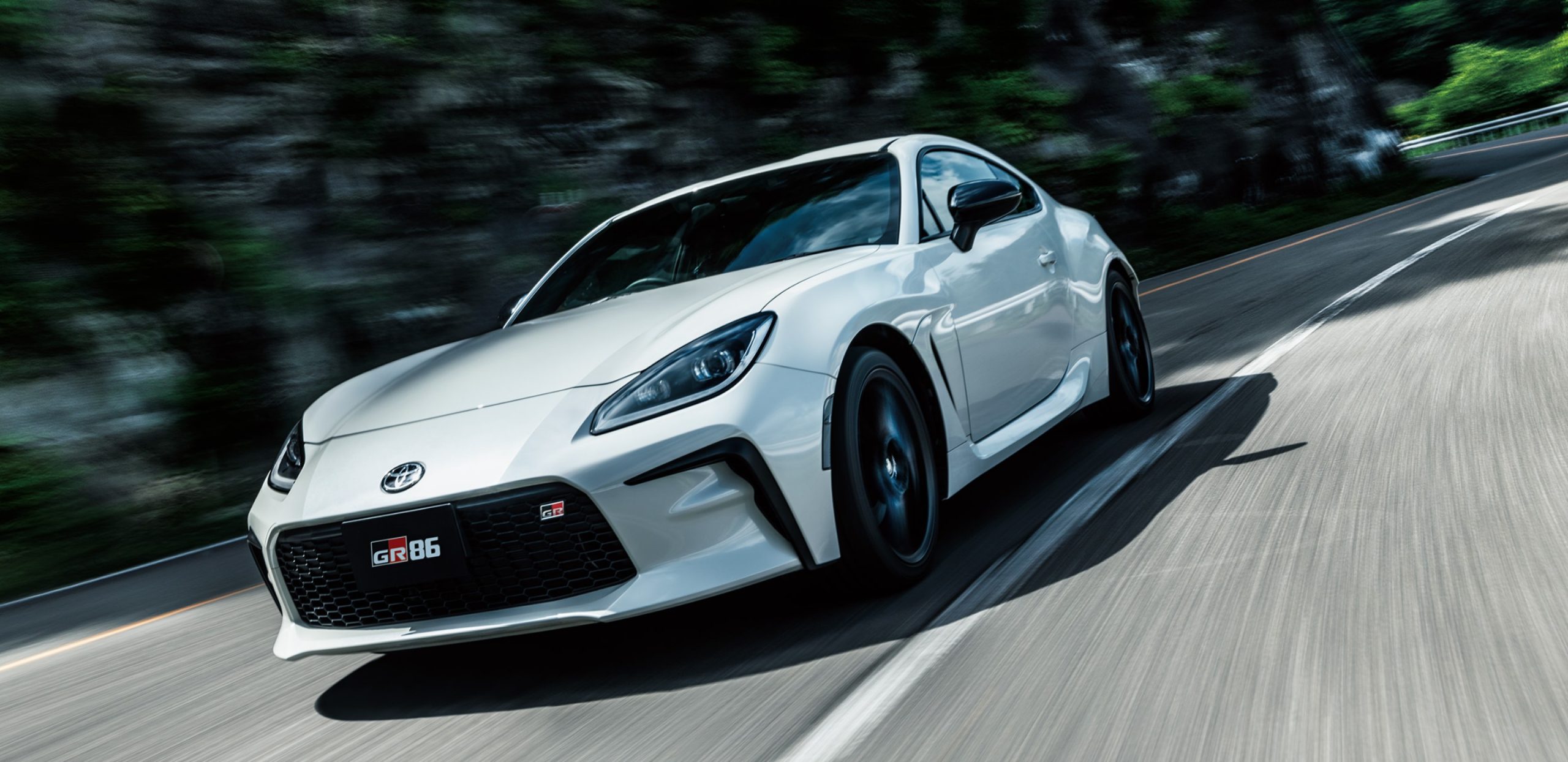
5. Toyota GR86: A Modern Classic for Driving Purists
The Toyota GR86 revives the spirit of classic sports coupes with its lightweight build, rear-wheel drive, and driver-focused design. It caters to enthusiasts who value precision, balance, and connection rather than sheer power. With its accessible price, refined dynamics, and playful handling, the GR86 stands as one of the most rewarding and affordable sports cars available today.
The GR86 is built for pure driving enjoyment. Its 2.4-liter flat-four engine produces smooth and responsive power, allowing the car to accelerate from 0 to 60 mph in six seconds with the manual transmission and 6.9 seconds with the automatic.
The six-speed manual gearbox feels precise, while the pedals are positioned well for heel-and-toe downshifting. Steering feedback is excellent, and the chassis balance gives the driver confidence in every corner.
When fitted with performance tires, the GR86 delivers impressive grip and agility. Braking performance is strong, stopping from 60 mph in just 104 feet. The suspension is firm and well-tuned for control, though it can feel slightly harsh on uneven roads.
While comfort is not its main focus, the GR86 offers enough refinement for daily driving. The sport seats provide firm support without feeling restrictive, keeping the driver secure during spirited driving.
Dual-zone climate control ensures both passengers stay comfortable even in a compact cabin. However, the ride can feel jittery on rough surfaces, and road and tire noise are constant companions. Enthusiasts who value responsiveness over quietness will still find the experience engaging.
The interior of the GR86 is designed with simplicity and purpose. The low dashboard and compact steering wheel improve forward visibility and make it easier for taller drivers to find a comfortable position. Rear seats exist mostly for storage, as legroom is minimal. The touchscreen infotainment system is easy to use and includes Apple CarPlay and Android Auto compatibility.
Two USB ports provide convenient charging options. The audio system struggles to keep up with the cabin noise, but the focus here is clearly on driving performance. Standard safety features include adaptive cruise control, lane departure warning, and traction and stability systems that can be relaxed or turned off for a more dynamic experience.
Despite its size, the GR86 offers decent practicality. The trunk holds 6.3 cubic feet of cargo and can fit an extra set of wheels when the rear seats are folded. Interior storage is limited but functional, with well-placed cupholders and space behind the seats for bags or jackets.
The GR86 returns 24 miles per gallon combined with the automatic and 22 with the manual, both close to real-world results. Considering its excellent handling, solid construction, and generous standard features, the Toyota GR86 provides remarkable value and pure driving excitement for those who appreciate true sports car dynamics.
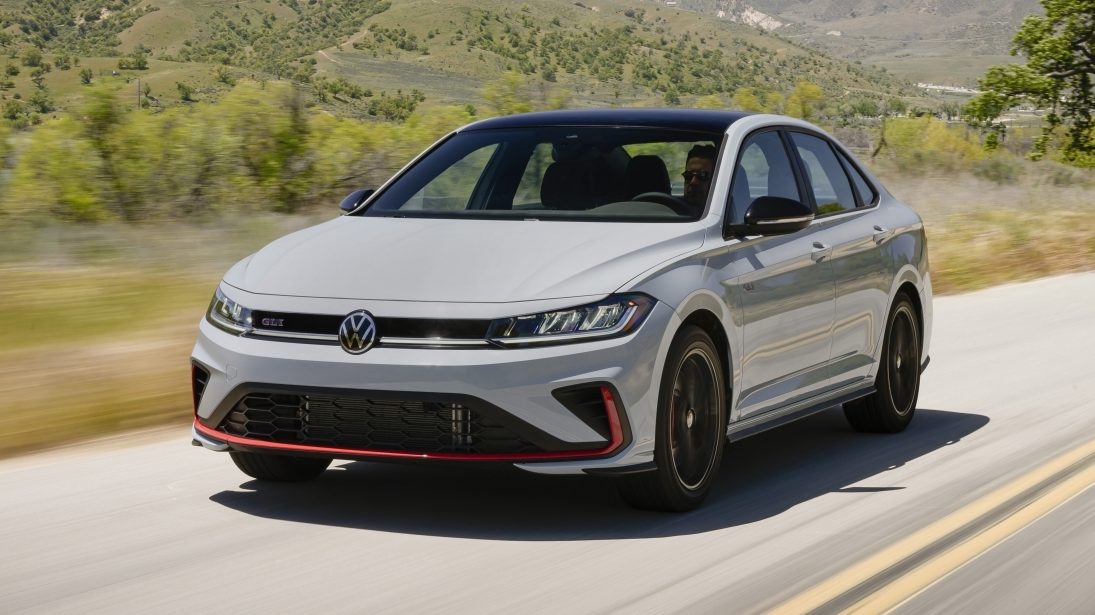
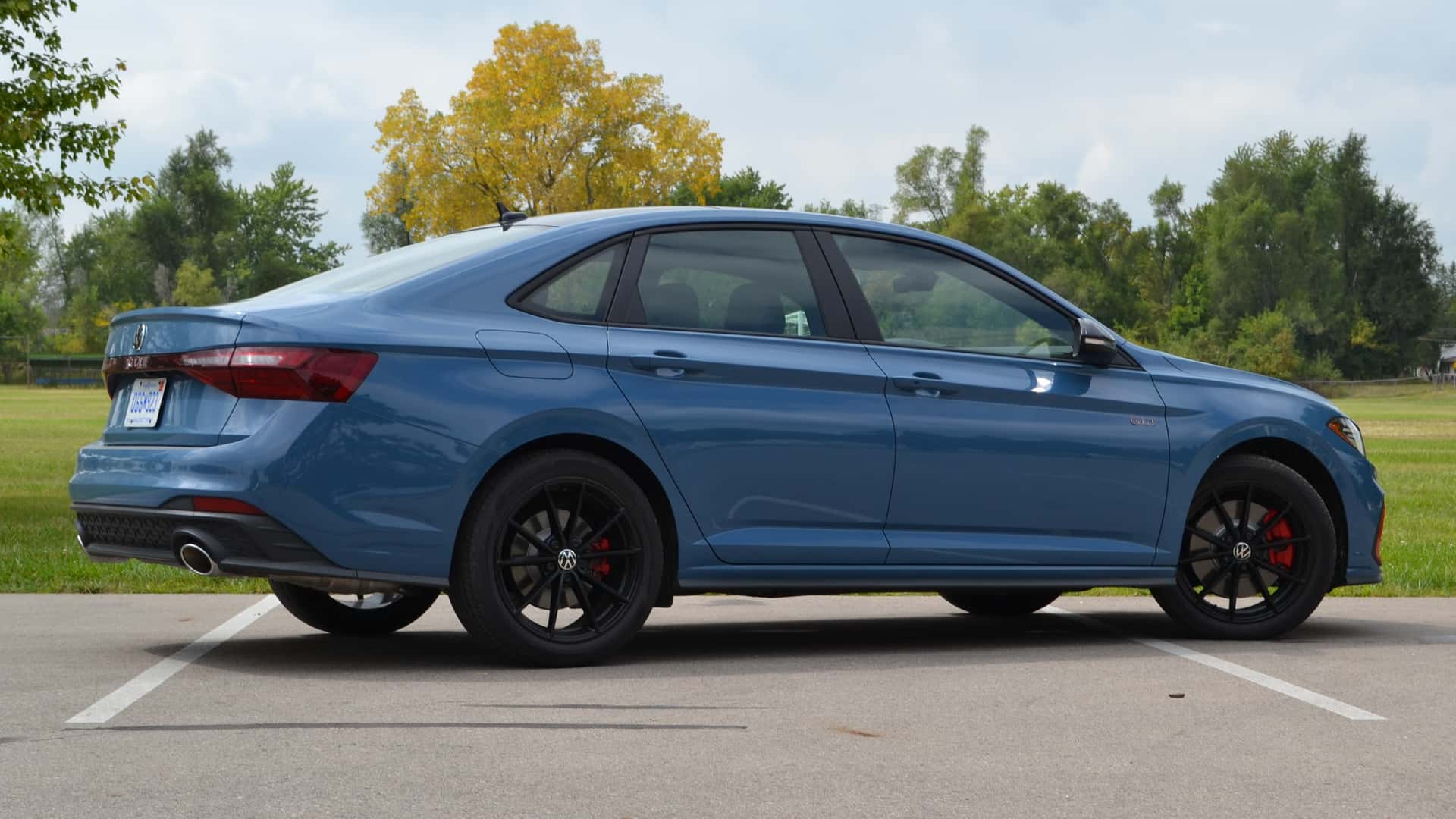
6. Volkswagen Jetta GLI: Everyday Practicality with a Sporty Edge
The Volkswagen Jetta GLI delivers the driving spirit of a European sport sedan at an attainable price. Sharing performance DNA with the renowned Golf GTI, it blends turbocharged power, composed handling, and everyday usability in a sleek, understated sedan package. It’s designed for drivers who want fun without sacrificing comfort or practicality.
The Jetta GLI offers balanced performance, though it trails slightly behind sportier rivals like the Hyundai Elantra N and Subaru WRX. Powered by a turbocharged 2.0-liter engine, the GLI produces brisk acceleration, reaching 60 mph in 7.1 seconds with the dual-clutch automatic transmission.
While the transmission shifts quickly, it can be slow to downshift when passing, prompting more frequent use of the steering-mounted paddles. Braking performance is adequate but less impressive than competitors due to the all-season tires, which also limit grip during spirited driving.
However, the adaptive dampers effectively control body roll and provide a well-balanced ride. The steering is precise and properly weighted, though it lacks the feedback that driving enthusiasts often crave.
Comfort is one of the GLI’s strongest attributes. Its adaptive suspension allows drivers to switch between comfort and sport settings, delivering a composed ride even on rough roads. The front sport seats are supportive and comfortable, providing lateral grip without feeling restrictive.
Road and wind noise are minimal, giving the GLI a more refined cabin atmosphere than many compact sport sedans. The exhaust note adds a subtle growl without being intrusive. Climate controls are intuitive and use traditional knobs and buttons for easy operation. Heated and ventilated front seats are standard, though the lack of rear air vents is a small drawback.
Inside, the Jetta GLI offers a spacious and well-designed cabin. Both front and rear passengers enjoy generous legroom and headroom, especially compared to most compact sedans. The driving position feels sporty yet comfortable, with good visibility and large mirrors that reduce blind spots.
Technology features include an 8-inch touchscreen with wireless Apple CarPlay and Android Auto, a wireless charging pad, and three USB-C ports. The standard Beats audio system provides excellent sound quality and strong bass response, elevating the in-car experience.
With 14.1 cubic feet of trunk space, the Jetta GLI is practical for daily use and road trips. The trunk is wide and deep, with split-folding rear seats to expand capacity when needed. Fuel economy is another highlight, returning 29 miles per gallon combined for both manual and automatic models, with real-world results exceeding 33 mpg.
Starting at a competitive price, the GLI delivers excellent value with its robust equipment list, solid build quality, and engaging performance. Volkswagen’s four-year/50,000-mile warranty and two years of free maintenance further enhance its appeal.
Also Read: 10 Cars From the Past That Were Way Ahead of Their Time
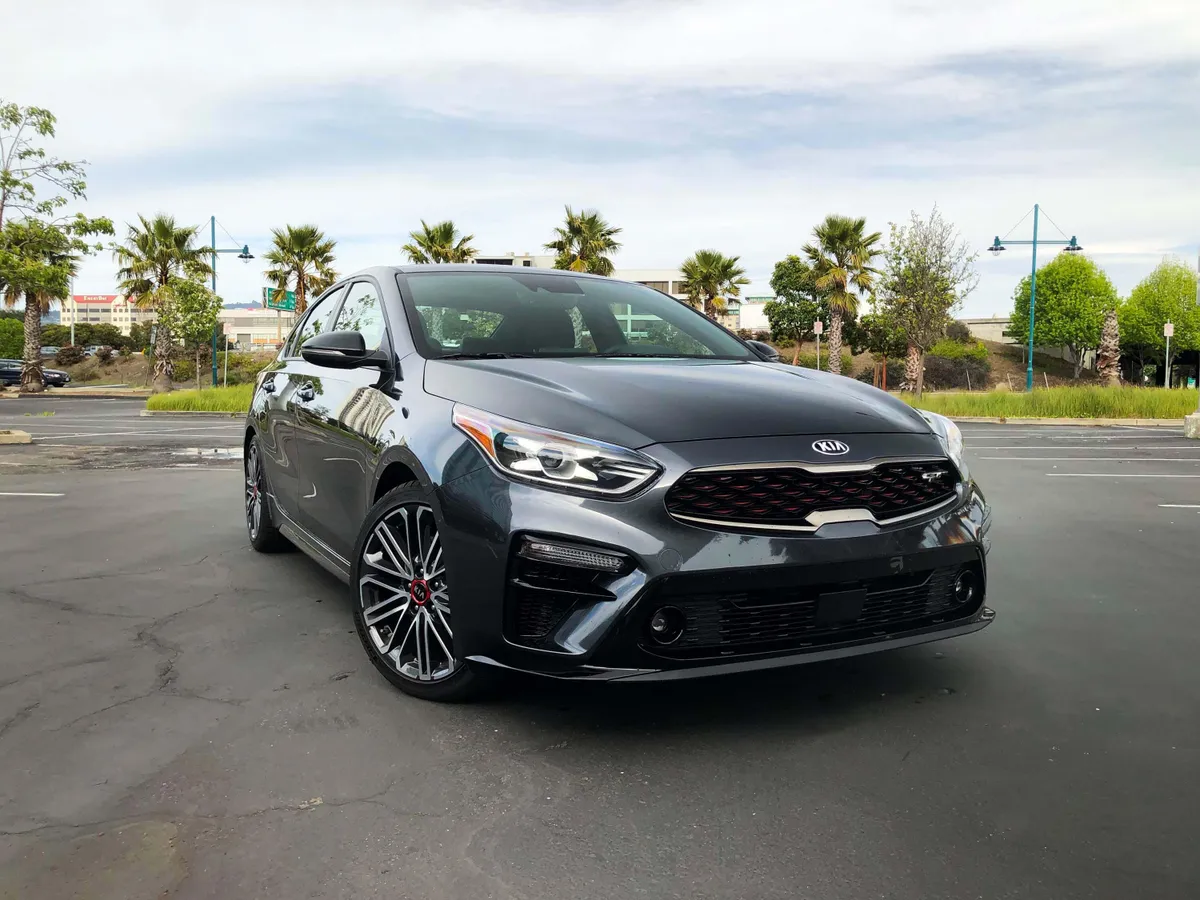
7. Kia Forte GT: Affordable Performance with Everyday Practicality
The Kia Forte GT blends sporty styling, strong performance, and impressive value into a compact sedan that appeals to budget-conscious driving enthusiasts. Competing with the Honda Civic Si and Volkswagen Jetta GLI, the Forte GT delivers engaging performance and modern technology while maintaining a lower price point. It’s a well-rounded option for those seeking excitement without financial strain.
Powered by a lively turbocharged 1.6-liter engine, the Forte GT delivers satisfying acceleration and responsive performance. It produces quick low-end power, allowing the automatic model to reach 60 mph in 6.6 seconds, slightly quicker than the Civic Si. The dual-clutch transmission shifts smartly, though the engine’s sound under hard acceleration can be unrefined.
Handling is confident, with composed cornering that feels sporty but not overly aggressive. While it doesn’t match the Civic Si’s sharp precision, most drivers will find it engaging and balanced. Braking distances vary depending on tire choice, as the standard all-season tires limit grip. With summer tires, the Forte GT achieves far better stopping power, highlighting the chassis’s potential.
The Forte GT strikes a solid balance between sportiness and comfort. Ride quality is firm but never harsh, and the cabin remains relatively quiet even on the highway. The seats provide good cushioning and moderate bolstering for spirited driving, though they could offer more lateral support.
Long trips are made pleasant thanks to effective climate control and a well-insulated cabin that keeps noise to a minimum. The Forte GT delivers a refined experience for a sporty compact sedan.
Inside, the Forte GT features a clean, user-friendly layout with intuitive controls. The 10.25-inch touchscreen is sharp, responsive, and easy to navigate. Standard onboard navigation, Apple CarPlay, and Android Auto integration make connectivity seamless.
The optional GT2 package adds premium features like a Harman Kardon audio system, wireless charging pad, and adaptive cruise control. The cabin feels modern and well-built, though some hard plastics remind you of its price point. Visibility is excellent, and both front and rear passengers have sufficient space for comfort.
Practicality is one of the Forte GT’s key strengths. Its 15.3-cubic-foot trunk is among the largest in its class, with a wide opening and folding rear seats that enhance versatility. Interior storage is generous, with multiple trays and a roomy center console.
Fuel economy is another advantage, rated at 30 mpg combined, with real-world results matching the EPA estimate. Where the Forte GT truly stands out is in value.
It offers strong performance, extensive technology, and a class-leading warranty of five years/60,000 miles and 10 years/100,000 miles on the powertrain. Despite a few interior compromises, the Kia Forte GT remains one of the most compelling and affordable sport sedans available today.
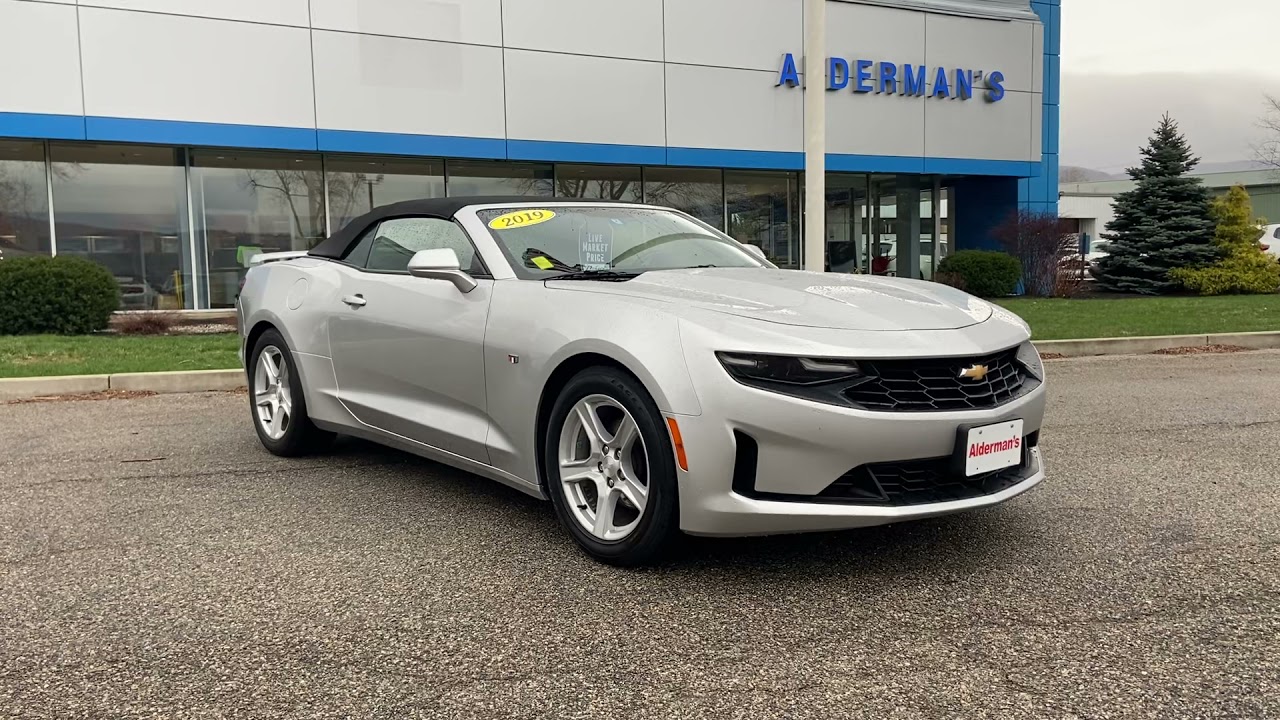
8. Chevrolet Camaro 1LT: Classic Muscle Meets Modern Precision
The Chevrolet Camaro 1LT delivers the essence of American muscle with contemporary handling and technology. With its aggressive styling, rear-wheel-drive dynamics, and multiple engine options, it brings performance excitement to a wide range of drivers. The Camaro 1LT manages to capture the thrill of classic sports coupes while offering refinement and value for modern enthusiasts.
The Camaro’s driving dynamics are its defining strength. Even in 1LT trim, it provides precise steering and responsive handling. The base turbocharged four-cylinder and available V6 engines are both lively, while the V8 remains the ultimate choice for muscle car purists.
The manual transmission enhances the experience with well-defined gear shifts and automatic rev-matching for smooth downshifts. Lighter engine variants offer sharper cornering balance, while the V8 adds grip and brute force. The brakes perform impressively, providing confident stopping power during spirited driving. Altogether, the Camaro feels agile, planted, and far more refined than its predecessors.
For a performance coupe, the Camaro rides with surprising composure. The standard suspension delivers a compliant feel, and the optional Magnetic Ride Control system available on V8 models further refines the ride across varying surfaces.
The front seats are well-contoured for support during cornering, though some may find the lower cushion narrow. The cabin remains quiet at cruising speeds, but the V8’s deep rumble stands out when pushed hard.
The rear seats, however, are tight and best reserved for small passengers or short trips. Unusually placed climate vents ahead of the shifter work well but can direct airflow awkwardly toward the driver’s hands.
Inside, the Camaro’s design emphasizes the driver’s experience, though visibility remains a notable drawback. The low roofline and thick pillars limit outward views, making parking and maneuvering more difficult. Controls are distinctive yet intuitive once learned, and the cabin materials feel solidly assembled.
The infotainment system is responsive and user-friendly, featuring modern graphics and connectivity options like Apple CarPlay and Android Auto. The optional larger touchscreen and navigation upgrade improve usability, though essential safety features such as blind-spot monitoring and rear cross-traffic alert are available only on higher trims.
Practicality is not the Camaro’s strong suit. The trunk offers just 9.1 cubic feet of space with a narrow opening, making it challenging to load large items. Interior storage is also limited, though cupholders and the small rear seat provide some utility.
Fuel economy varies with engine choice, ranging from 25 mpg combined for the four-cylinder to 20 mpg for the V8. Despite its flaws, the Camaro 1LT offers excellent performance for its price, with strong build quality and driving engagement that few rivals match. For enthusiasts seeking authentic muscle car character paired with modern refinement, the Chevrolet Camaro 1LT remains a standout choice.
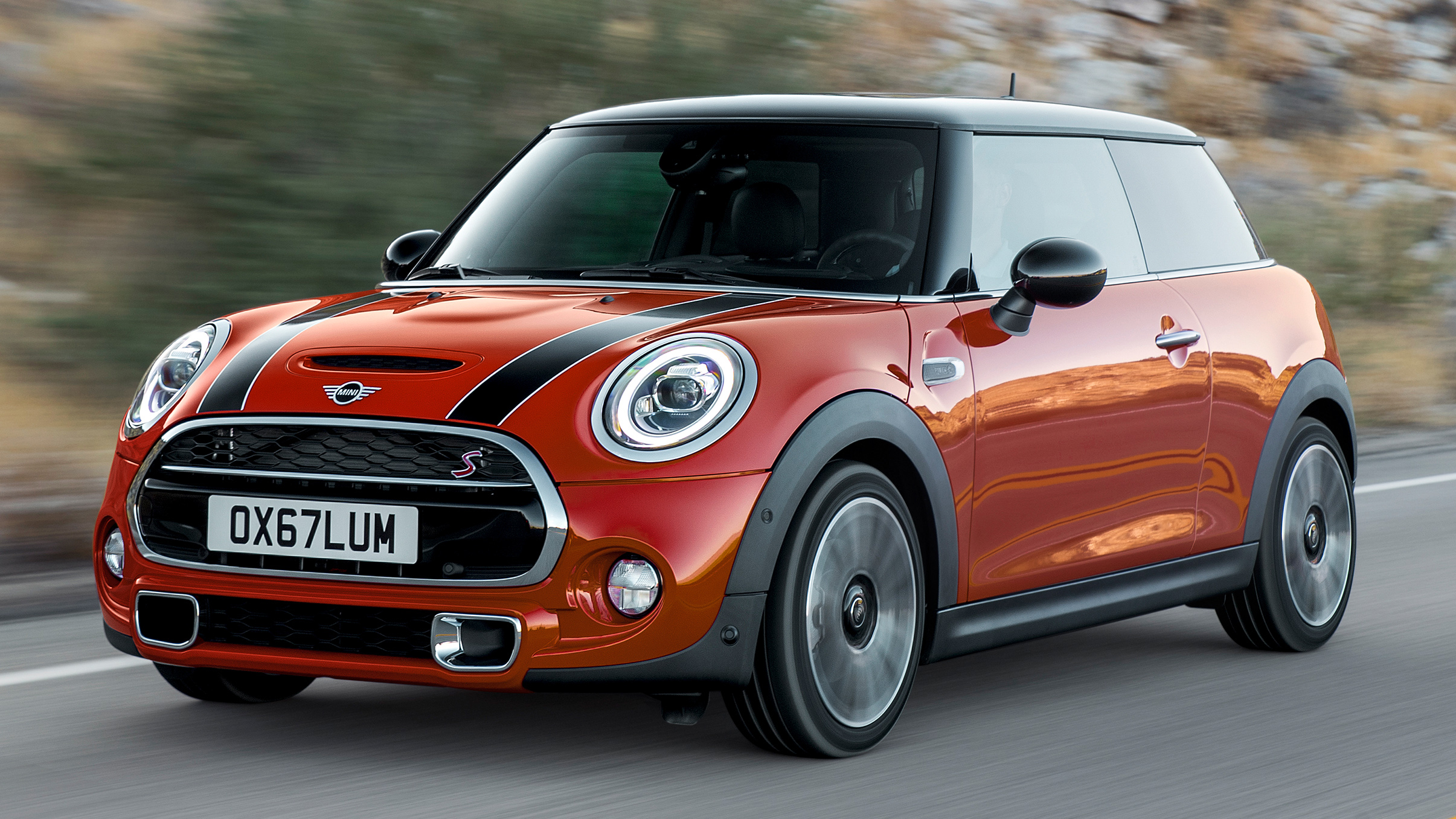
9. Mini Cooper S 2-Door Hardtop: Retro Style with Modern Driving Fun
The Mini Cooper S 2-Door Hardtop blends vintage charm with modern performance in a small, sporty package. Its turbocharged engine, sharp steering, and playful handling make it a lively choice for drivers who love the feeling of connection to the road. While it is not the most powerful or practical option in its segment, the Cooper S stands out for its personality, premium touches, and unmistakable sense of fun.
The Mini Cooper S is designed for drivers who appreciate responsiveness over raw power. Its turbocharged four-cylinder engine and quick-shifting automatic transmission deliver a 0 to 60 mph time of 6.4 seconds, which places it between the Volkswagen Golf GTI and the Honda Civic Si.
The steering is quick and precise, giving the car a “go-kart” feel that makes every corner enjoyable. Handling is agile and confidence-inspiring, allowing the driver to make the most of the Mini’s compact size. Braking performance, however, is weaker than rivals, requiring 120 feet to stop from 60 mph.
The brake pedal lacks firmness and feedback, making this one of the Mini’s few performance drawbacks. Despite this, the Cooper S remains an entertaining and approachable car to drive.
The ride quality is firm, as expected from a small, sporty car. The suspension transmits most road imperfections into the cabin, and both wind and road noise are noticeable at higher speeds. However, the front seats are comfortable and supportive, offering good bolstering for spirited driving.
There is plenty of headroom even for taller drivers, and the seating position feels low and engaging. The Mini’s compact footprint makes city driving easy, though long highway trips might highlight its firmer nature.
Inside, the Mini features a cabin that combines playful design with solid build quality. Controls are logically placed, and the driving position gives a sense of being at the center of the car. Visibility is better than expected thanks to thin roof pillars and large windows.
The infotainment system, based on BMW’s older interface, includes a rotary control knob and a touchscreen housed in the Mini’s signature circular frame. While attractive, the screen’s wide layout limits usability. It offers Apple CarPlay but not Android Auto. Driver assistance features are limited but functional.
The Mini’s compact size limits practicality. Cargo space measures 8.7 cubic feet behind the rear seats, which can be expanded by folding them down, though the uneven floor and narrow opening make loading difficult. Interior storage is minimal, with small cupholders and door pockets. The Mini makes up for this with efficiency and quality.
It achieves an EPA-estimated 31 mpg combined and features an upscale interior with sturdy materials. Mini’s three-year or 36,000-mile free maintenance plan adds to its appeal. While not ideal for families or long road trips, the Mini Cooper S 2-Door Hardtop delivers a distinctive driving experience that combines character, agility, and style.
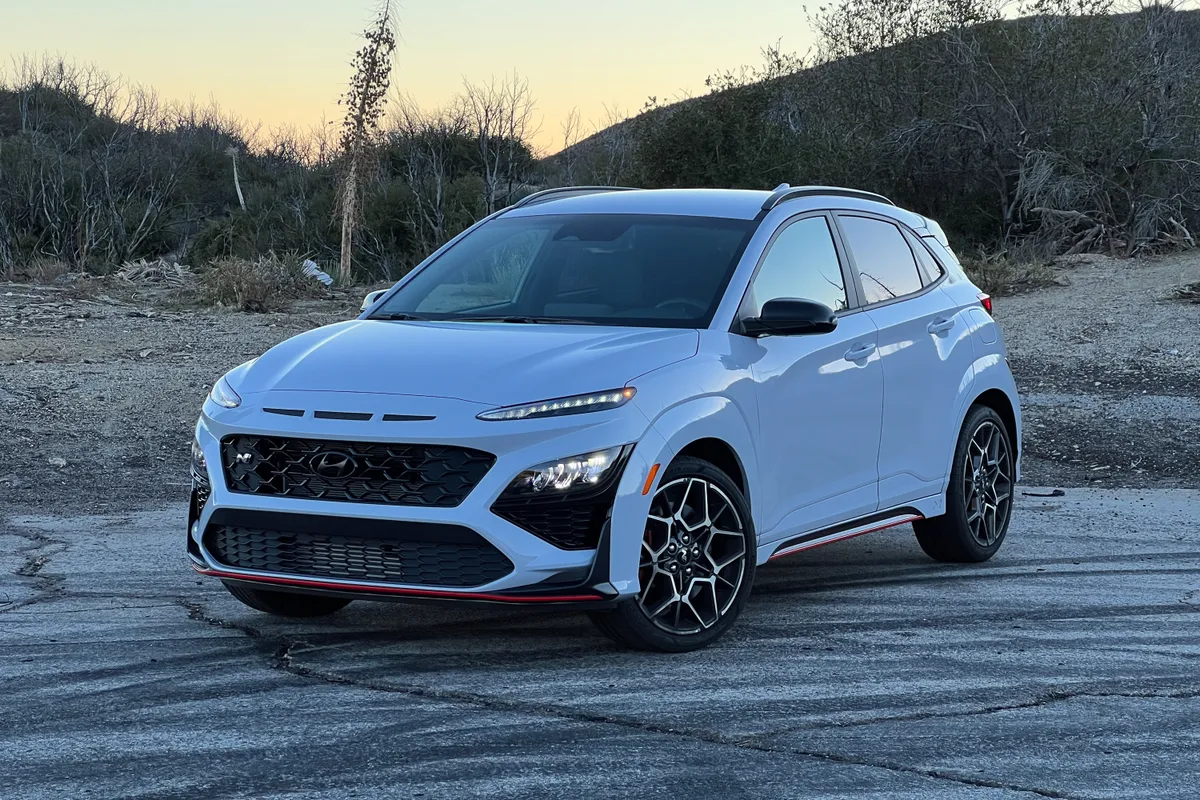
10. Hyundai Kona N: Sporty Performance Meets Everyday Practicality
The Hyundai Kona N redefines the compact SUV experience by combining practicality with genuine driving excitement. With its turbocharged engine, sport-tuned suspension, and bold styling, the Kona N proves that performance and comfort can coexist in a compact and versatile package. It appeals to drivers who want the functionality of an SUV while still enjoying the thrill of an engaging drive.
The Hyundai Kona N delivers lively and confident performance. Its turbocharged four-cylinder engine produces 190 horsepower and 195 pound-feet of torque, allowing it to accelerate from zero to 60 miles per hour in just 7.8 seconds. The transmission shifts quickly and smoothly, creating a refined yet responsive driving feel.
While straight-line performance is impressive, handling leans toward comfort. The suspension setup is soft, leading to noticeable body roll in corners. However, this makes the Kona N comfortable and predictable during daily commuting.
Braking performance is solid, and the steering feels accurate and well-weighted. Standard safety features such as blind-spot monitoring and lane-keeping assist enhance confidence behind the wheel. Optional features like adaptive cruise control and remote smart parking add further convenience.
Inside, the Kona N combines sportiness with comfort and refinement. The cabin remains quiet even at highway speeds, and the seats provide good support during longer drives. While front-seat leg support could be improved, the seating comfort is excellent for a compact SUV.
The rear seats offer generous headroom and legroom, making them suitable for adults. Premium options such as ventilated front seats and a heated steering wheel contribute to a more upscale experience. The materials feel durable and well-assembled, giving the cabin a high-quality impression.
Technology is one of the Kona N’s strongest areas. It includes a 12.3-inch touchscreen with simple, intuitive menus and sharp graphics. Wireless Apple CarPlay and Android Auto are standard. The available twin-display setup creates a modern, driver-focused environment.
There are multiple USB ports for both rows and an optional wireless charging pad. Storage is practical, offering 25.5 cubic feet of cargo space with the rear seats up and 63.7 cubic feet with them folded. A clever cargo cover can be stored within the vehicle when not in use, and the open center console provides flexible space for personal items.
Equipped with the 1.6-liter turbo engine and all-wheel drive, the Kona N achieves an estimated 26 miles per gallon in combined driving, which matches real-world results from testing. Although some rivals offer better fuel efficiency, few can match the Kona N’s blend of power and refinement.
Hyundai’s strong warranty coverage, offering five years or 60,000 miles of basic protection and ten years or 100,000 miles for the powertrain, adds long-term confidence for buyers.
The Hyundai Kona N stands out as a well-balanced choice that combines excitement, practicality, and technology in one compact SUV. It brings driving enjoyment to everyday life without sacrificing comfort or usability.
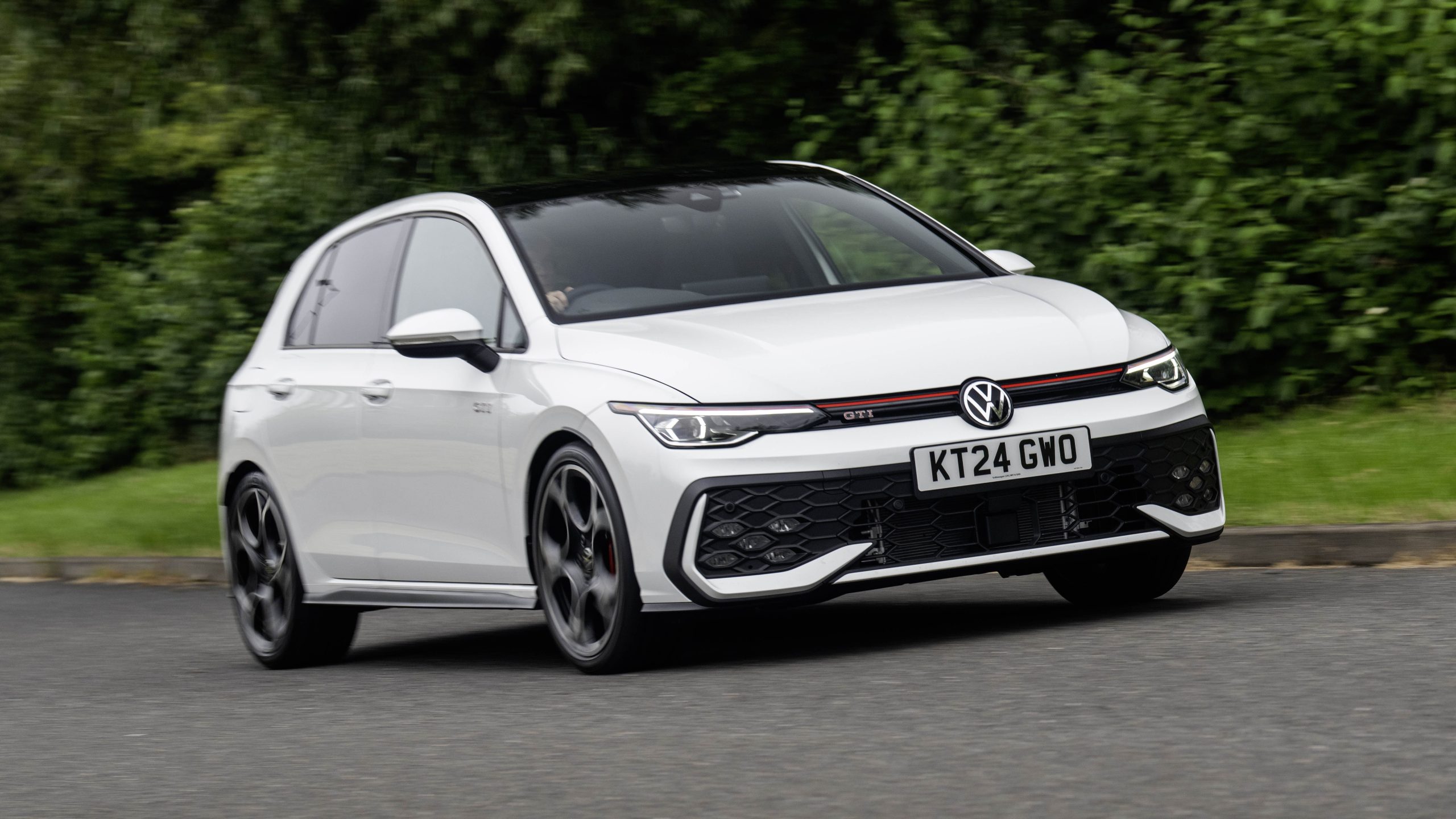
11. Volkswagen Golf GTI: The Original Hot Hatch Refined for the Modern Era
The Volkswagen Golf GTI remains the benchmark for compact performance cars, blending practicality with genuine driving excitement. It continues to uphold its reputation as the quintessential “hot hatch,” offering a balance of speed, precision, and daily usability that few rivals can match. Whether commuting, carrying passengers, or carving through winding roads, the GTI delivers a complete driving experience.
The Golf GTI is powered by a turbocharged engine paired with a dual-clutch automatic transmission that shifts quickly and smoothly. In testing, it accelerated from zero to 60 miles per hour in 5.9 seconds, placing it among the quickest cars in its class.
Despite no longer offering a manual gearbox, the automatic setup ensures rapid responses and efficiency. Handling is a standout feature, with excellent grip and stability through corners. While some understeer appears at the limit, the GTI remains composed and responsive, offering an engaging feel for both spirited and everyday driving.
Comfort has always been a key strength for the GTI, and this version continues that tradition. The adaptive suspension offers distinct settings for comfort and sport, allowing drivers to tailor the ride to their preference. Even in its firmest mode, the suspension maintains composure without feeling harsh.
The seats are supportive and well-bolstered, and visibility is excellent in all directions. However, the touch-sensitive climate controls can be frustrating to use while driving, as they require extra attention compared to traditional buttons.
The interior is thoughtfully designed, with high-quality materials and a modern aesthetic. The 2025 model benefits from illuminated temperature and volume sliders and the welcome return of physical steering wheel buttons. Space in the front is generous, while the rear accommodates adults reasonably well, though taller passengers may find legroom tight.
The new 12.9-inch touchscreen offers crisp graphics and quick responses, making it a significant improvement over earlier versions. Voice commands are intuitive, and smartphone connectivity through wireless Apple CarPlay and Android Auto is standard. Advanced driver aids like adaptive cruise control, blind-spot monitoring, and lane-keeping assistance perform smoothly and accurately.
Storage practicality remains a GTI hallmark. With 19.9 cubic feet of cargo space behind the rear seats and 34.5 cubic feet with them folded, it offers real hatchback versatility. Numerous small storage areas in the cabin add convenience, though the cupholders are awkwardly positioned.
The GTI achieves an EPA-estimated 27 miles per gallon combined, and real-world testing has shown results slightly better than that figure. While priced higher than some competitors, the GTI justifies its cost through superior build quality, refined design, and a strong feature set. Volkswagen’s warranty coverage includes four years or 50,000 miles, plus three years of roadside assistance and two years of scheduled maintenance.
The Volkswagen Golf GTI continues to deliver a near-perfect mix of performance, practicality, and polish. It remains one of the most engaging and well-rounded compact cars available today.
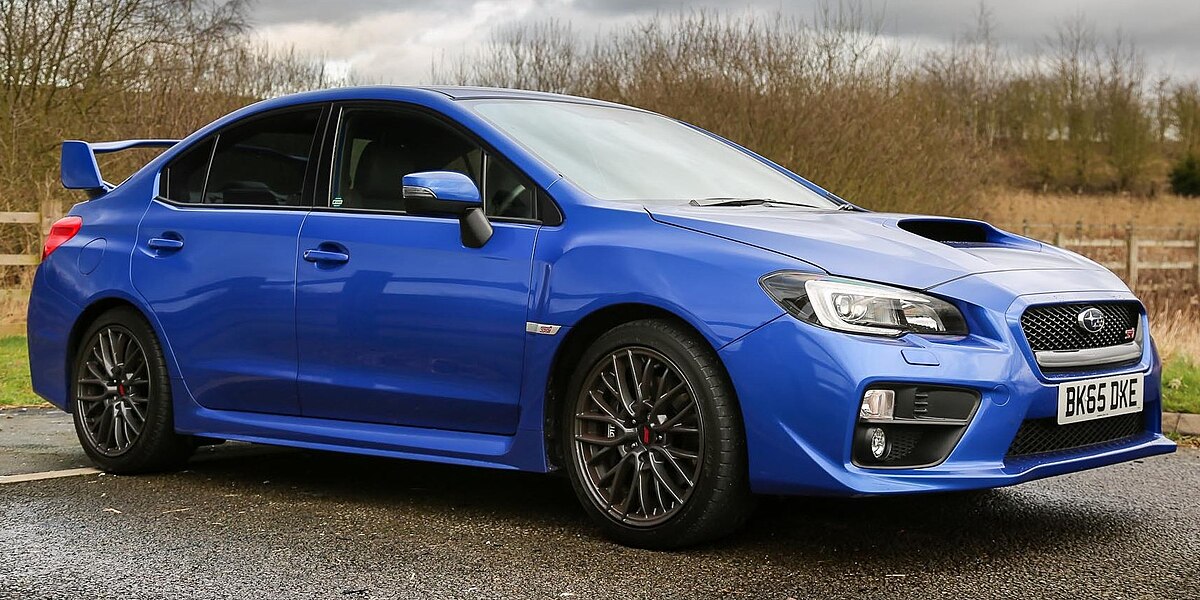
12. Subaru WRX: Turbocharged Power with All-Weather Confidence
The Subaru WRX remains one of the few compact sport sedans that blend performance, practicality, and all-weather capability. Its rally-inspired engineering, standard all-wheel drive, and aggressive styling make it a standout choice for drivers who want excitement without sacrificing year-round usability.
The WRX delivers punchy acceleration and sharp handling, even if it’s not the fastest in its class. The manual version accelerates from zero to 60 miles per hour in 6.0 seconds, which is competitive though not class-leading.
Its turbocharged engine offers strong midrange power, especially when cornering on twisty roads, where the WRX feels most alive. Turbo lag below 3,000 rpm is noticeable, but once the boost kicks in, the car surges forward with enthusiasm. The all-wheel-drive system ensures excellent grip, making the WRX fun and confidence-inspiring in both dry and slippery conditions.
Braking performance is respectable, with a 60-to-zero mph stopping distance of 110 feet, though the pedal feel is softer than ideal. The manual transmission offers a rewarding connection for enthusiasts, while the suspension setup strikes a balance between precision and everyday comfort.
Inside, the WRX offers supportive, well-bolstered seats that keep drivers comfortable during long journeys or spirited drives. Ride quality is firm but compliant, and cabin fatigue is minimal even after hours behind the wheel. The downside is cabin noise, with noticeable wind and engine sounds at highway speeds.
The interior design is functional and driver-focused, featuring a large central touchscreen for most climate and infotainment functions. While it takes some getting used to, it becomes intuitive over time.
The front cabin provides generous space and an excellent driving position, while the back seat is more cramped, especially for taller passengers. Wide-opening doors make entry easy, though the high trunk line limits rear visibility somewhat.
The 11.6-inch infotainment display offers sharp graphics, responsive touch controls, and easy-to-read navigation. Smartphone connectivity is seamless through Apple CarPlay and Android Auto.
The available Harman Kardon audio system delivers rich sound quality. Some driver aids such as adaptive cruise control and collision mitigation are absent in manual models, but the blind-spot monitoring and lane-keeping assist systems work effectively.
Storage space is limited, with just 12.5 cubic feet of trunk capacity, though folding rear seats help with longer items. Small-item storage is adequate, and installing child seats is manageable thanks to wide doors and accessible anchors.
Fuel efficiency is a weak point, with the manual version rated at 22 miles per gallon combined, one of the lowest in its class. Real-world results align closely with that estimate. While competitors like the Golf GTI and Elantra N are more efficient, few offer the same mix of traction and balance.
Build quality is excellent, featuring soft-touch materials and solid assembly. Pricing is on the higher side, but the WRX delivers strong performance and year-round versatility. Warranty coverage includes three years or 36,000 miles of basic protection and five years or 60,000 miles for the powertrain.
The Subaru WRX stands out as a durable, engaging, and practical performance sedan, offering all-weather confidence and a truly unique driving character.
Affordable performance cars continue to prove that excitement and practicality can exist in harmony. The models highlighted here offer more than just strong engines or stylish designs; they embody the spirit of precision and passion that defines great driving.
Each one delivers a unique interpretation of what it means to handle like a sports legend, from the confident grip of the Subaru WRX to the engaging responsiveness of the Kia Forte GT. They reward drivers who value balance, feedback, and connection just as much as speed.
These cars turn every commute or weekend drive into an experience worth savoring, showing that real performance is about how a car makes you feel behind the wheel. For enthusiasts seeking thrills without the price tag of a supercar, this collection serves as a reminder that passion for driving remains well within reach.