
In a time when vehicles are increasingly defined by software updates, touchscreens, and automated assists, the art of driving can feel like it’s slipping away.
Many modern cars have become more about convenience and efficiency than engagement transforming what was once a thrilling experience into a quiet, insulated commute.
Yet, there are still cars that remind drivers why they fell in love with the open road in the first place machines that feel alive, connecting human and machine through raw mechanical feedback.
On the other end of the spectrum, some cars have gone so far into digital detachment that they feel more like high-tech appliances than driving companions.
Here’s a look at five cars that bring back the joy of driving and five that feel robotic, especially from the perspective of the American road enthusiast.
Cars That Bring Back Driving Joy
There was a time when driving wasn’t just about getting from point A to point B, it was about the connection between man and machine, the thrill of the open road, and the satisfaction of mastering a perfectly tuned car.
In an age dominated by SUVs, crossovers, and autonomous tech, that feeling can seem like a relic of the past.
Yet, a select few cars still manage to capture that old-school magic. These are the machines that remind us why we fell in love with driving in the first place, the cars that bring back driving joy.
1. Mazda MX-5 Miata
The Mazda MX-5 Miata has long been the poster child for pure driving pleasure. Its charm isn’t about brute horsepower or flashy technology it’s about balance, weight distribution, and simplicity.
The Miata’s naturally aspirated 2.0-liter engine produces modest power, but the magic lies in its lightweight construction and manual transmission that rewards precision and timing. It’s a car that doesn’t isolate the driver it communicates.
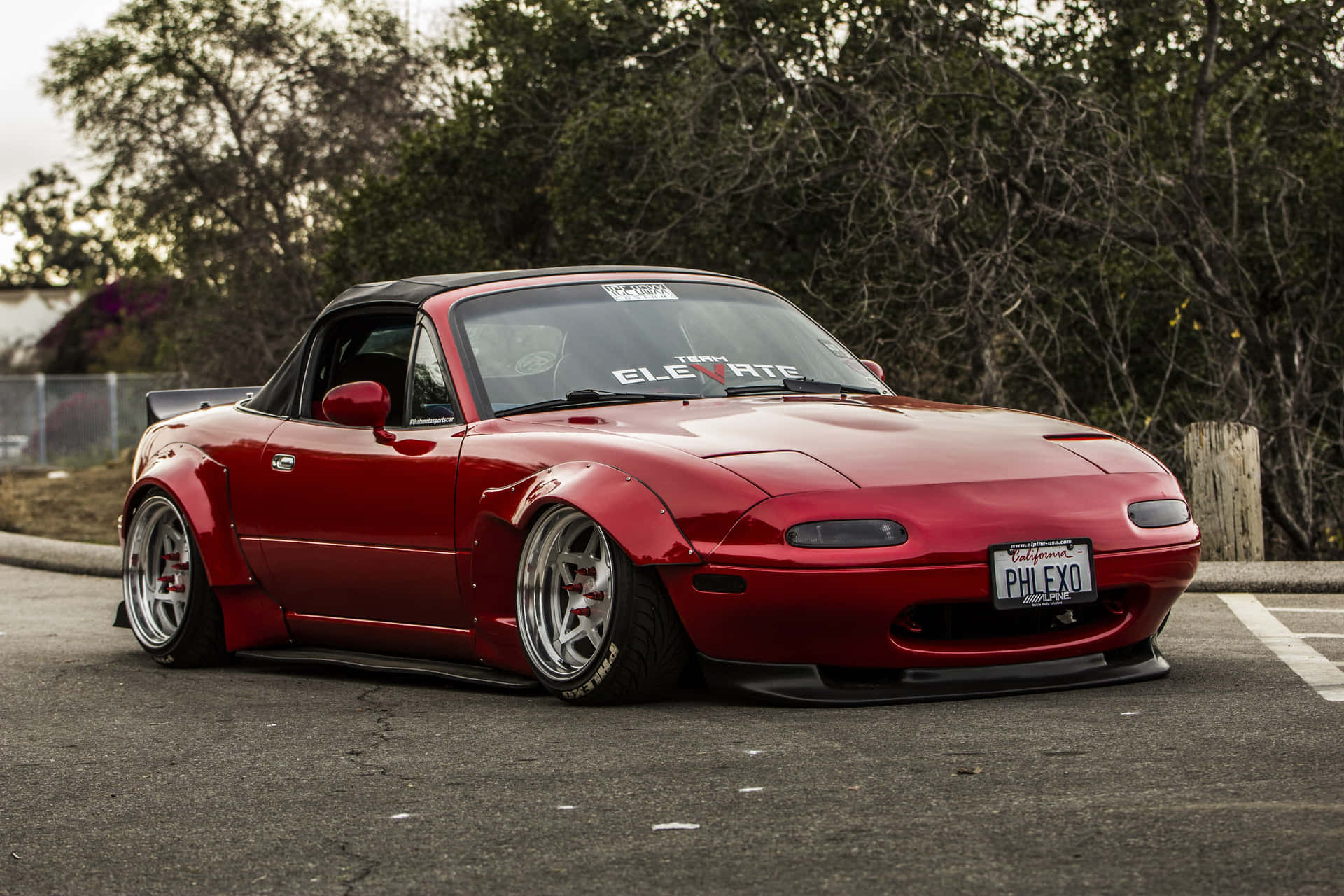
Every steering input, every throttle blip, and every gear change feels purposeful. On winding American backroads, few cars offer this level of connection between man and machine at any price point.
Also Rea: 12 Top Sedans With the Best Dashboard Layouts
2. Porsche 718 Cayman
In an era where even luxury sports cars have embraced digital filters, the Porsche 718 Cayman keeps things beautifully analog. Its mid-engine layout and razor-sharp steering provide a sense of confidence that few cars can match.
Even with a turbocharged flat-four, the Cayman feels tactile and balanced, responding immediately to driver input.
Porsche’s dedication to driver feel means the steering is hydraulic-like in its feedback, while the chassis remains tight and communicative.
Whether on a canyon road or a racetrack, the Cayman doesn’t just perform it engages, reminding drivers that precision can be exhilarating.
The entire Porsche 718 Cayman lineup offers two distinct engine configurations, each tailored to deliver a unique driving experience.
The base 718 Cayman and the Style Edition models feature a 2.0-liter turbocharged flat-four engine that produces an impressive 300 horsepower and 280 pound-feet of torque.
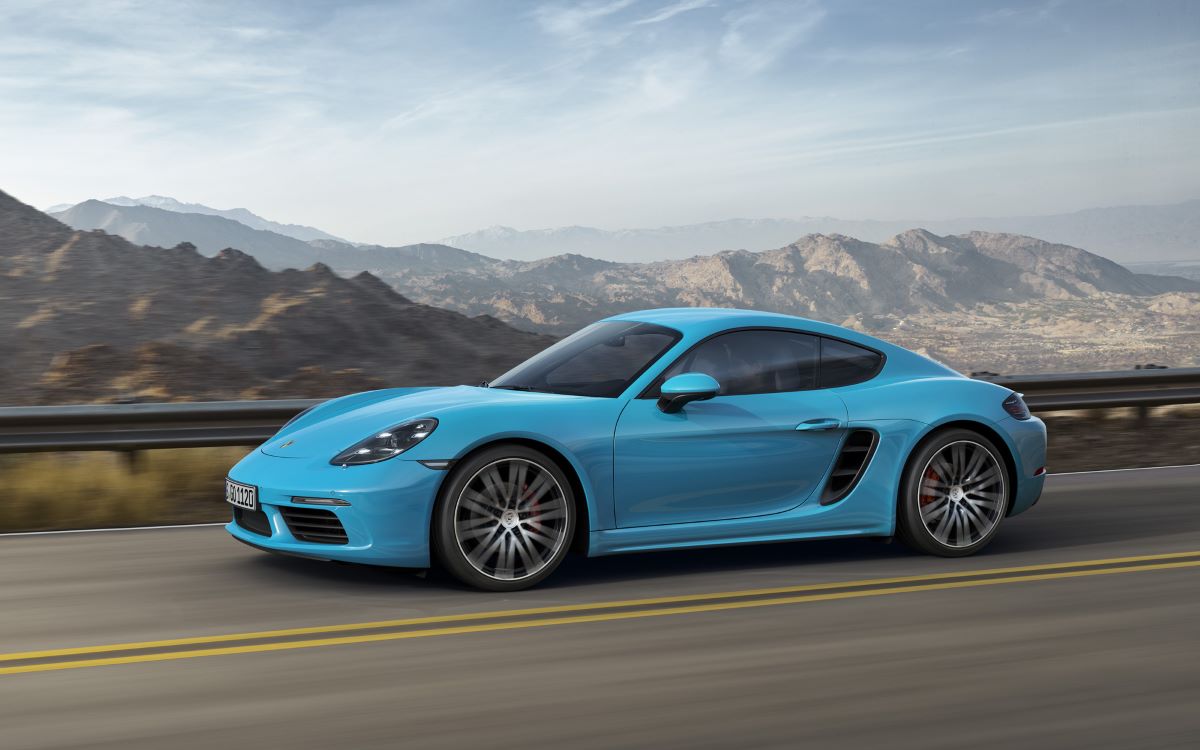
Stepping up to the 718 Cayman S brings a larger 2.5-liter turbocharged flat-four, increasing output to 350 horsepower and 309 pound-feet of torque.
Moving higher up the range, the 718 Cayman GTS 4.0 is powered by a motorsport-inspired 4.0-liter naturally aspirated flat-six engine, the same powerplant found in the 911 GT3 lineup, though tuned slightly differently.
In GTS form, it generates 394 horsepower, with torque varying depending on the transmission: 317 pound-feet with the seven-speed PDK dual-clutch or 309 pound-feet with the six-speed manual gearbox.
At the top of the range sits the 718 Cayman GT4 RS, a track-focused beast boasting 493 horsepower and 331 pound-feet of torque.
Every 718 Cayman model sends power exclusively to the rear wheels. Most variants come standard with the PDK automatic transmission, while the base Cayman, Cayman S, and Cayman GTS 4.0 allow purists to opt for a six-speed manual at no extra cost.
3. Ford Mustang GT
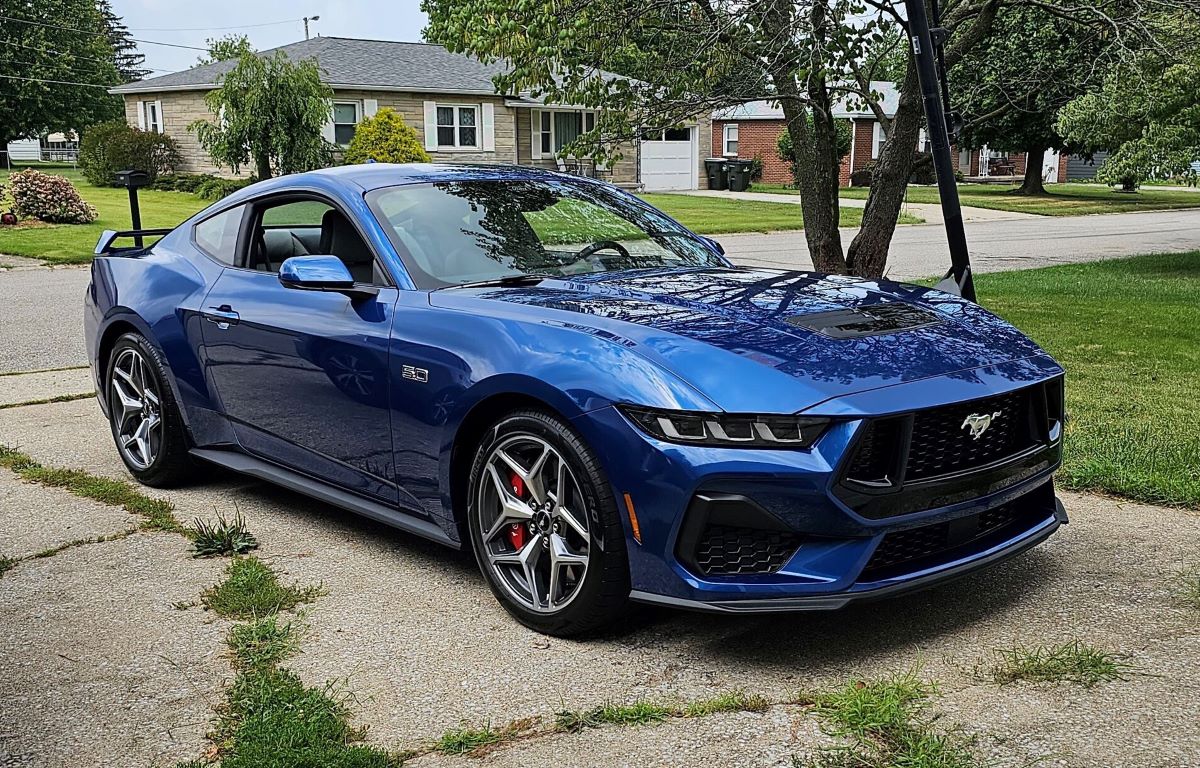
The Ford Mustang GT remains one of the few American muscle cars that can balance raw power with driver involvement.
While many modern cars rely on computers to manage every aspect of performance, the Mustang still gives control back to the person behind the wheel.
Its 5.0-liter Coyote V8 offers a symphony of sound and torque that makes every shift meaningful. The available six-speed manual enhances that old-school thrill, while its steering and chassis tuning keep the car from feeling unwieldy.
Despite tech upgrades, the Mustang GT stays true to the spirit of the American highway freedom, power, and fun.
While Ford proudly claims that the 2024 Mustang is an all-new model, a statement that carries significant legal weight, the company also admits that the S650 generation is more of an evolution than a revolution.
In other words, since the S550 wasn’t exactly flawed, Ford didn’t feel the need to overhaul it entirely.
Compared to the S550, the 2024 model’s rear end looks somewhat unfinished. This is a car that should look commanding from behind, it’s supposed to embody the thrill of leaving others staring at your taillights.
Instead, the Mustang’s rear design feels like it’s collapsing inward, especially with that pronounced valley running through the taillights and rear decklid.
To be fair, the rear wing on this particular press car may be exaggerating things a bit, so I’ll reserve final judgment until I see a few without wings on the road. Still, I’d love to see the inevitable mid-cycle refresh get rid of that crease altogether.
For many, the Mustang dream has always been tied to its V8 engine, and the 2024 model doesn’t disappoint.
The familiar 5.0-liter Coyote V8 returns for its fourth generation, now tuned to produce 480 horsepower and 418 lb-ft of torque. Opt for the Active Valve exhaust system, as fitted to this particular tester, and output climbs slightly to 486 horsepower.
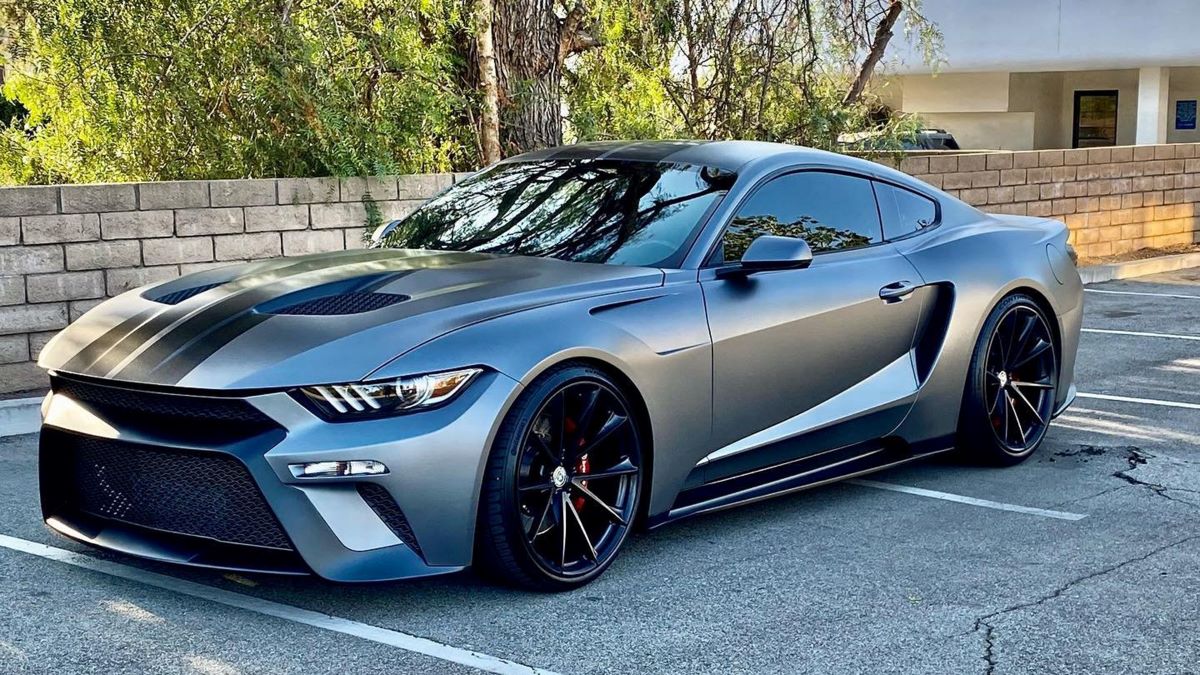
Buyers can choose between a six-speed manual transmission or a 10-speed automatic. Those lucky enough to get behind the wheel of the more potent Dark Horse variant will enjoy a Tremec six-speed manual.
The test car shown here came equipped with the automatic, but what it lacked in a third pedal, it made up for with the GT Performance Package.
In a single word, this car is rowdy. From its bold paint color to its thunderous personality, there’s nothing subtle about it.
This isn’t just driving, it’s theater. Every sense is heightened until the outside world fades away, leaving only you, the Mustang, and the road ahead. That the Mustang also functions as a proper sports car is just icing on the cake.
It feels agile, responds eagerly to every input, and attacks corners with enthusiasm. This is a car built to be driven hard, and the more you push it, the more it rewards you.
Of course, this level of performance comes with compromises. Even with its adjustable suspension, the ride remains firm.
And unsurprisingly, fuel efficiency suffers; the Coyote V8 drinks enthusiastically, and even at relaxed speeds, the rear Pirellis struggle to keep all that power in check, making them feel like annual consumables.
My usual gripes about “tech for tech’s sake” apply here too. The steering is accurate but lacks feedback, and the extra “weight” in sportier modes feels artificial.
The Drift Brake sounds like an exciting gimmick, but outside of a track, it’s just a flashy way to engage an electronic parking brake, without offering much tactile response.
4. Toyota GR86 / Subaru BRZ
Co-developed by Toyota and Subaru, the GR86 and BRZ are proof that affordable sports cars can still be a thing of beauty. These rear-wheel-drive coupes aren’t about straight-line speed but about balance and feedback.
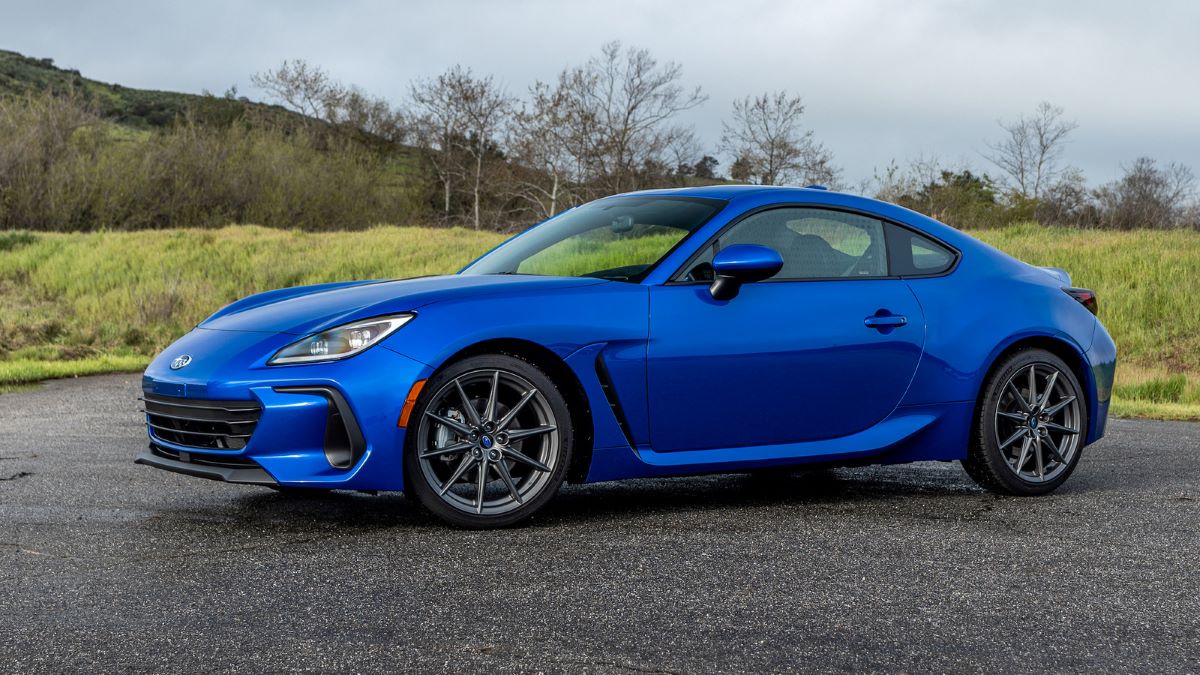
The lightweight chassis, low center of gravity, and high-revving 2.4-liter flat-four make them engaging at any speed. Their manual gearboxes and playful dynamics reward driver skill rather than computer intervention.
They bring back the essence of 1990s Japanese sports cars agile, accessible, and designed for real driving enthusiasts who love to carve corners on mountain roads.
5. Honda Civic Type R
Hot hatches have always been about delivering excitement without sacrificing practicality, and the Honda Civic Type R stands tall as the benchmark.
Every version, especially the latest generation, offers razor-sharp handling, a manual gearbox, and turbocharged power that feels both refined and explosive.
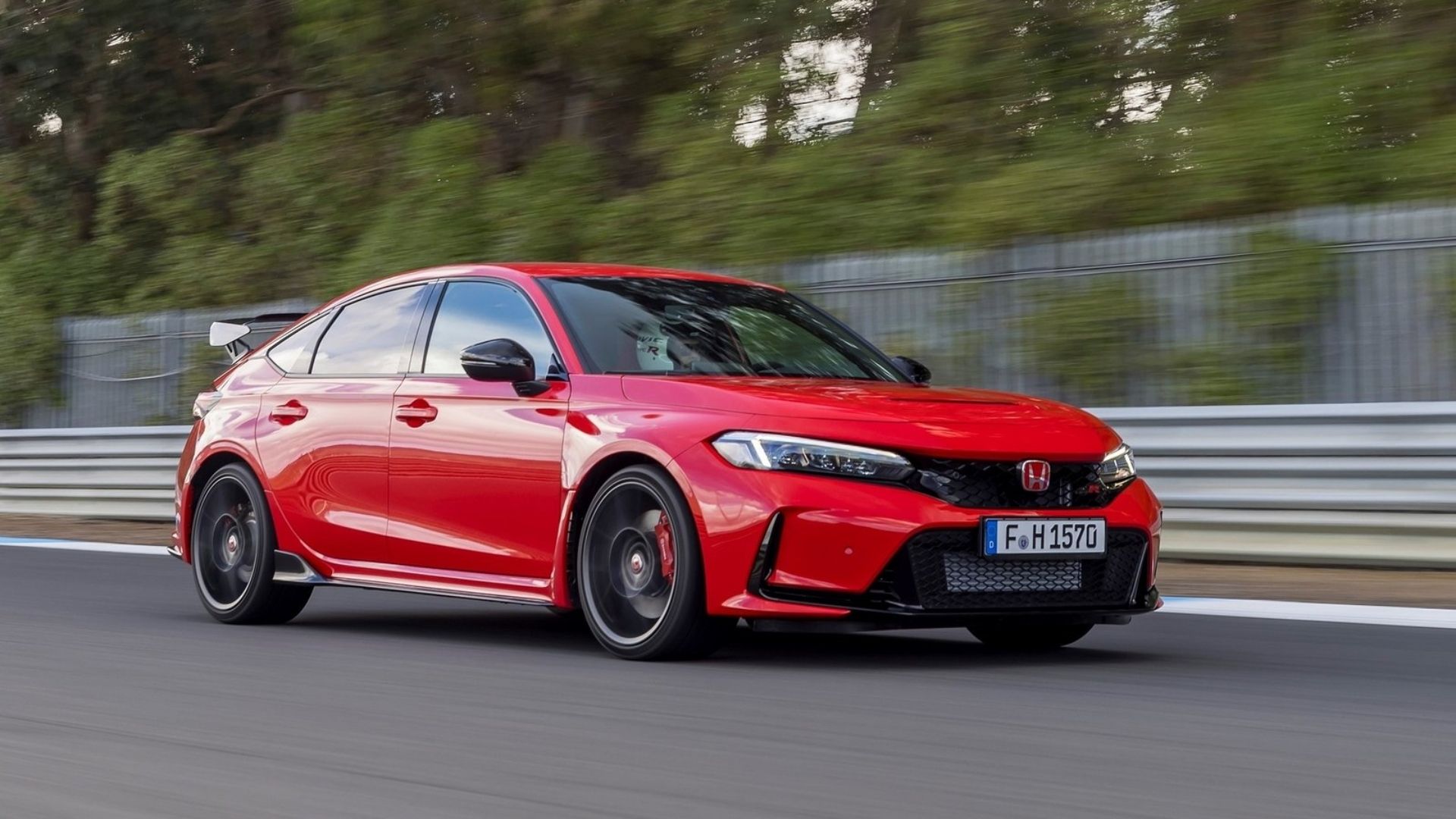
Honda’s engineers didn’t build the Type R to drive itself they built it to make the driver feel like part of the machine.
Its steering feedback, suspension tuning, and precise shifter deliver genuine thrills, even on a weekday commute. It’s proof that front-wheel drive, when engineered right, can still bring pure joy to driving.
Cars That Feel Robotic
Modern cars are smarter, faster, and safer than ever before, but in the pursuit of perfection, many have lost a vital ingredient: emotion. Advanced driver aids, electric powertrains, and digital interfaces have made driving more efficient, yet less involving.
The steering feels filtered, the throttle response measured, and the experience often sterile. These are the cars that feel robotic, machines that may impress with their technology, but leave drivers yearning for the soul and spontaneity that once defined the joy of driving.
1. Tesla Model 3
There’s no denying that Tesla revolutionized the electric vehicle market, but it did so at the cost of engagement. The Model 3 may be fast instant torque and all but it lacks the sensory experience that makes driving memorable.
The minimalist interior, absence of traditional gauges, and heavy reliance on software make it feel more like piloting a gadget than a car.
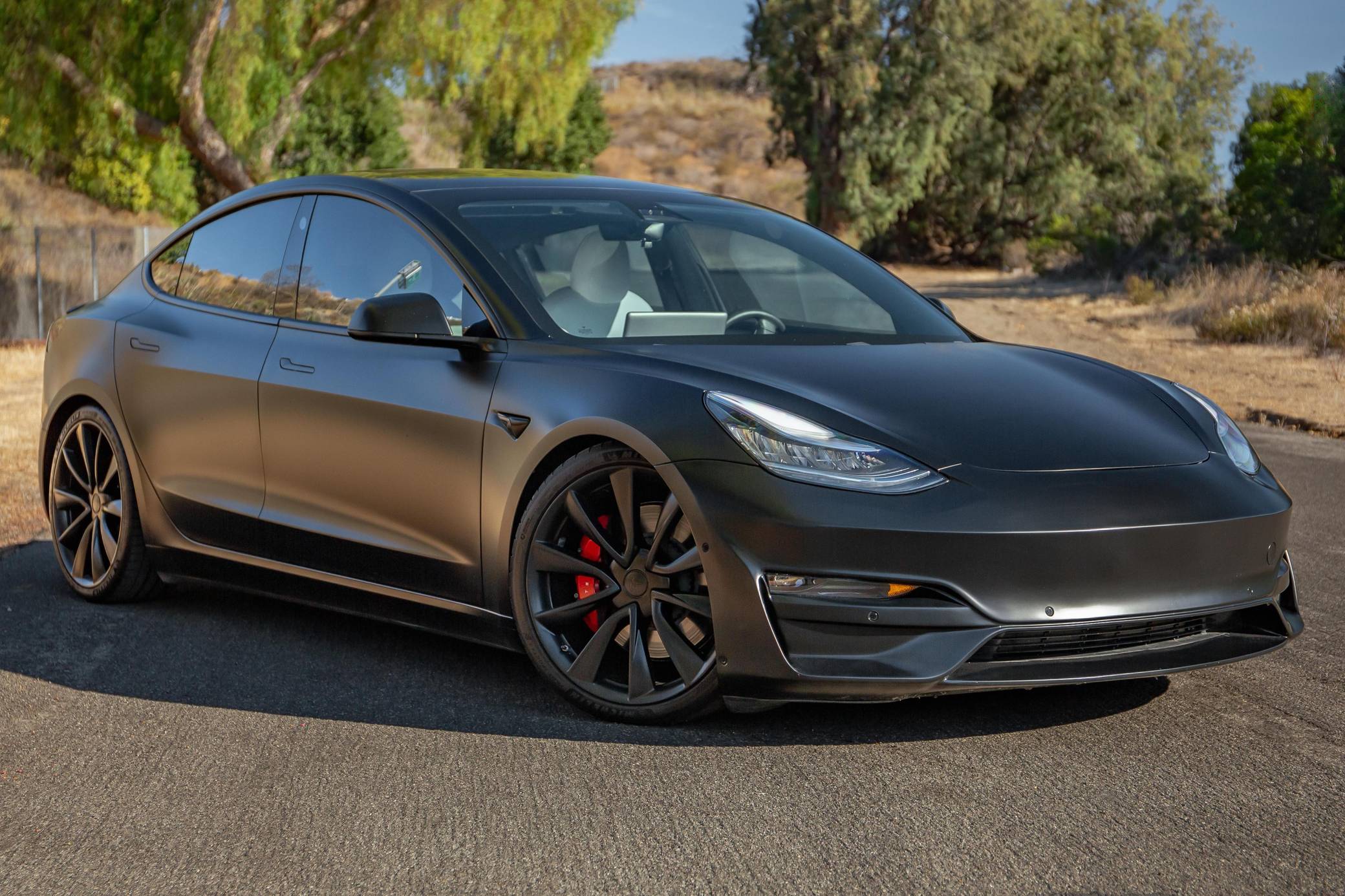
Its steering feels synthetic, and the one-pedal driving system, while convenient, removes layers of control that enthusiasts crave. The Model 3 is efficient and smart, but in terms of emotional connection, it’s cold and calculated.
2. Mercedes-Benz EQE
Luxury EVs like the Mercedes-Benz EQE excel in comfort and technology but at the expense of driver engagement. The EQE cocoons occupants in silence, with steering and acceleration that feel filtered through layers of algorithms.
Even in its sportiest mode, it prioritizes isolation over interaction. Everything about it is designed to smooth out imperfections the opposite of what driving enthusiasts want.
For those seeking a serene, autonomous commute, it’s perfect. But for anyone looking to feel the road, the EQE feels like it’s doing the driving for you.
Mercedes-Benz has been actively broadening its portfolio to include electric vehicles, and one of its latest additions is the 2023 EQE.
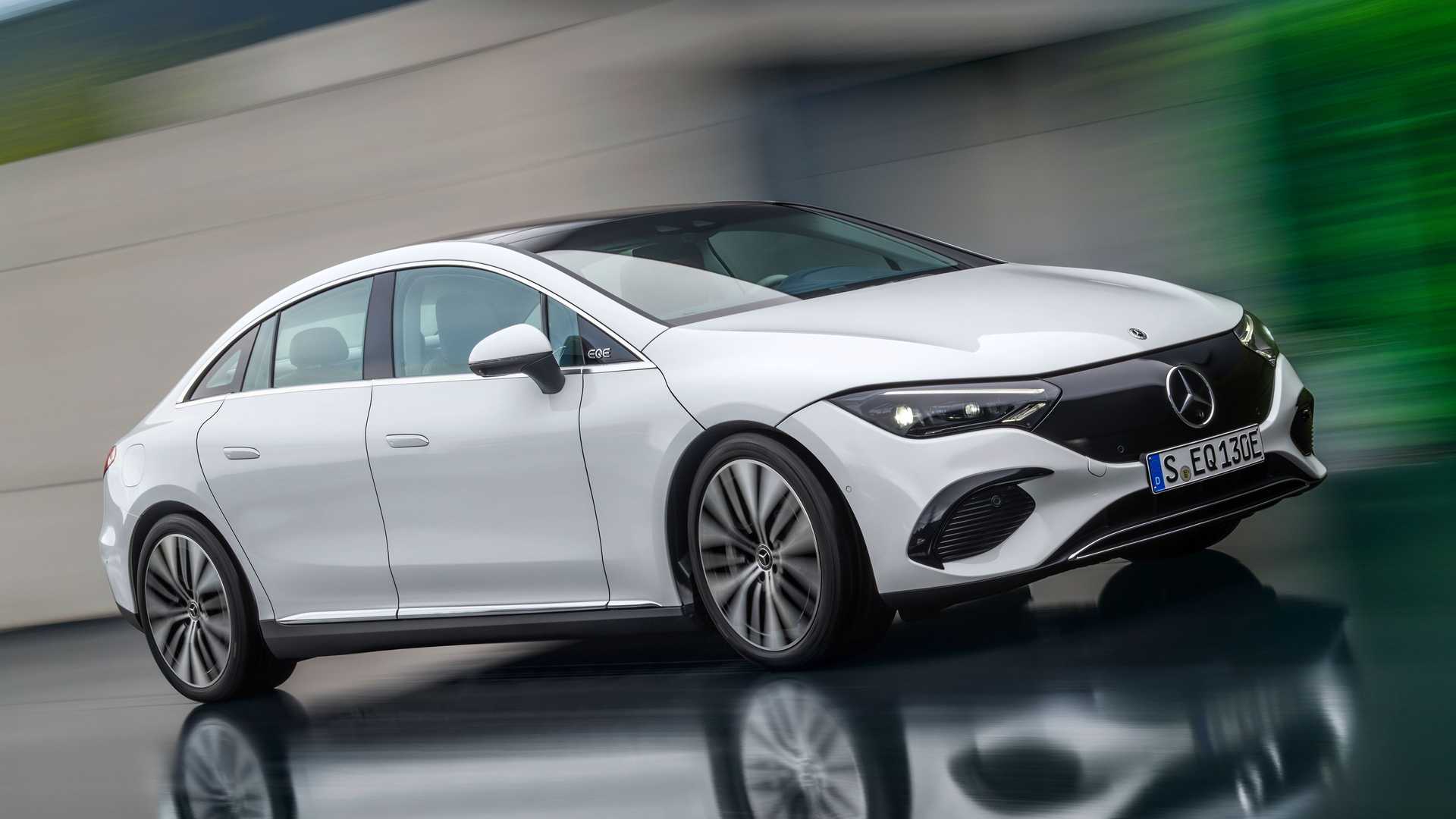
This brand-new electric model is built on a shortened version of the EQ platform that first appeared with the EQS. As the second “E” in its name implies, Mercedes positions the EQE as an all-electric counterpart to the midsize E-Class sedan, and its dimensions reflect that.
Every EQE model is powered by a 90.6-kilowatt-hour battery pack. When fully charged, it can provide the base EQE 350 with an estimated range of roughly 400 miles.
While the EQE 350’s single rear-mounted motor produces 288 horsepower and 391 lb-ft of torque, adequate but not overly impressive for a luxury EV, the EQE 350 4Matic version adds a second motor on the front axle.
Horsepower stays the same, but torque increases significantly to 564 lb-ft. The EQE 500 4Matic raises output to 402 hp and 633 lb-ft through its dual-motor setup.
For those seeking ultimate performance, the AMG EQE delivers 617 hp from its twin motors, with a temporary boost feature that ups the figures to 677 hp and 738 lb-ft. According to Mercedes, the AMG variant sprints from 0 to 60 mph in a brisk 3.2 seconds.
We believe the EQE represents a smart choice for buyers seeking a luxurious electric sedan that offers sophistication and performance at a lower price point than flagship models like the EQS, BMW i7, and Porsche Taycan.
3. BMW iX
BMW built its reputation on “The Ultimate Driving Machine,” but the iX seems far removed from that legacy. As an electric SUV packed with screens, sensors, and semi-autonomous features, it’s more about efficiency than enthusiasm.
The steering is light and detached, and the regenerative braking system can feel inconsistent. While the iX is technically impressive, it misses the tactile steering feedback and throttle response that made older BMWs special.
It’s comfortable and futuristic but robotic in spirit, more algorithm than adrenaline.
BMW is rolling out a new entry-level version of the iX for the 2026 model year. The dual-motor xDrive45 variant generates 402 horsepower, which, according to the automaker, enables it to accelerate from 0 to 60 mph in 4.9 seconds.
Above it sits the iX xDrive60, which takes the place of the now-discontinued xDrive50. This model’s dual-motor setup delivers 536 horsepower, an increase of 20 hp over its predecessor.
BMW estimates that the iX xDrive60 can reach 60 mph in 4.4 seconds, though considering our previous 4.0-second run in the iX xDrive50, that claim seems on the cautious side.
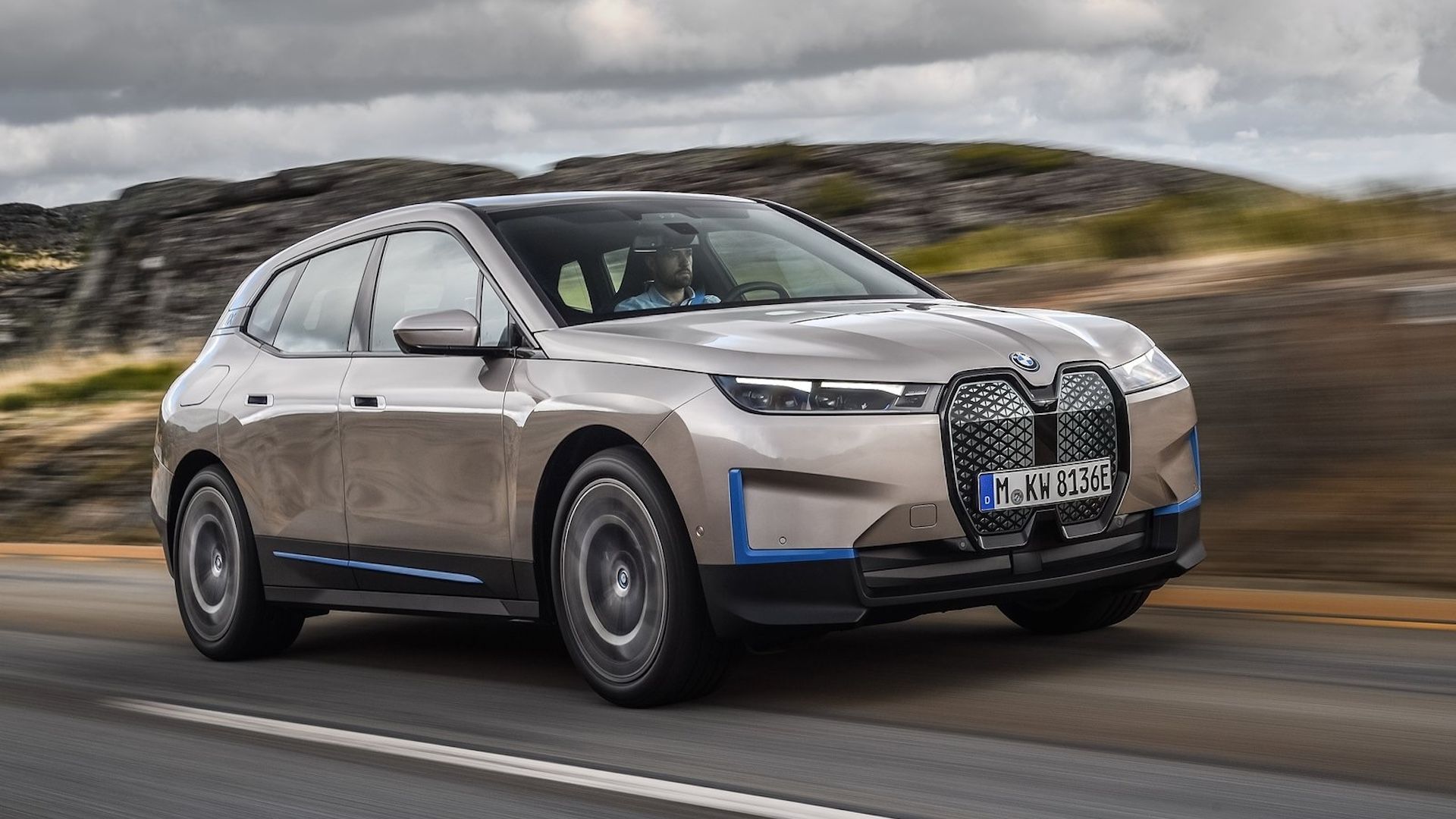
At the top of the lineup, the iX M70 represents BMW’s most powerful iteration of the electric SUV. In its standard My Mode Sport drive setting, it produces 650 horsepower, marking a 40-hp bump over the outgoing M60 xDrive.
When launch control is engaged, torque peaks at an impressive 811 lb-ft. BMW quotes a 3.6-second 0-60 mph time for the iX M70 xDrive, yet given that the M60 managed a 3.2-second sprint, we suspect that figure may also be conservative.
The automaker caps top speeds at 124 mph for both the xDrive45 and xDrive60 models, while the M70 xDrive reaches a higher limit of 155 mph.
Additionally, BMW has fine-tuned the suspension, damping, and chassis control across all iX variants to better accommodate the increased power and revised weight distribution.
4. Toyota Prius
The Toyota Prius deserves credit for pioneering hybrid efficiency, but it’s also one of the most disengaging cars to drive. Its CVT transmission, numb steering, and emphasis on economy remove almost all sense of connection.
The latest models are more stylish and even a bit quicker, but they still feel more like transportation devices than cars built for drivers.
It’s efficient, reliable, and practical but it’s also the opposite of joyful. The Prius represents progress in sustainability but regression in driver enjoyment.
When it debuted 25 years ago, the Toyota Prius ignited a revolution in hybrid technology, pioneering the gas-electric powertrain that would eventually make its way into a wide range of vehicles.
For 2026, the Toyota Prius continues largely unchanged. However, the Nightshade Edition trim now extends to the Plug-In Hybrid model. Other than that, few notable updates have been made since its 2023 redesign.
With its bold profile and striking lighting design, the latest Toyota Prius looks nothing like the plain, utilitarian versions that came before it. This stylish hybrid not only turns heads but also delivers a surprisingly engaging driving experience.
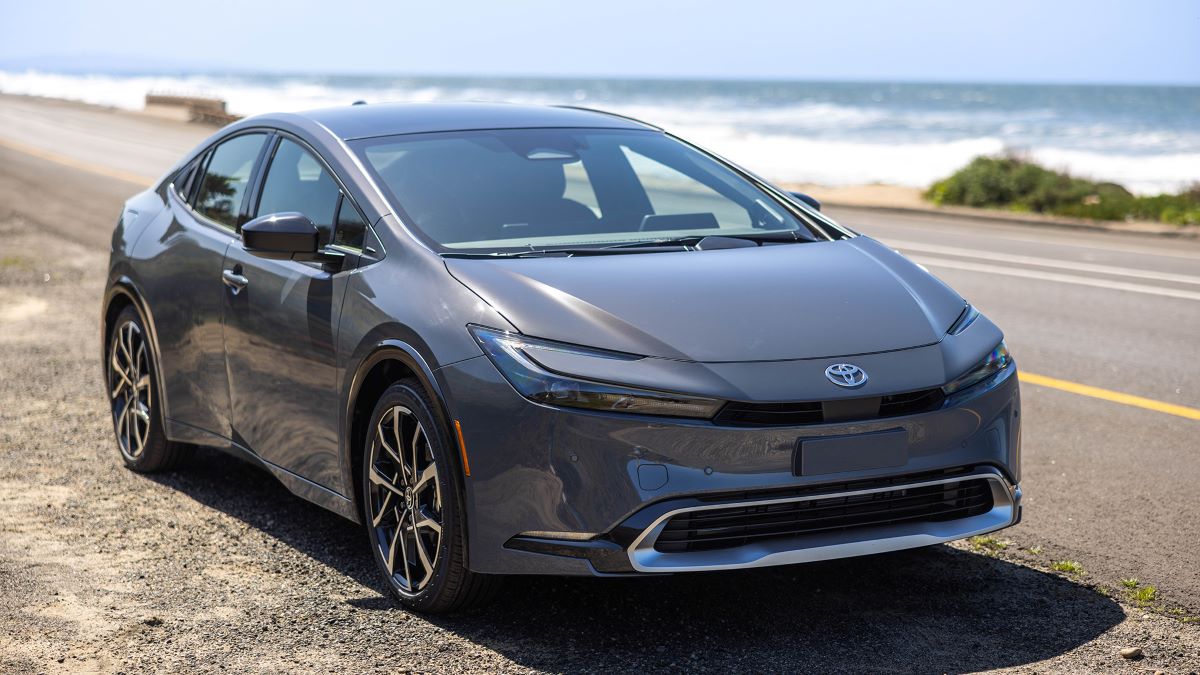
Enhanced power, a well-balanced chassis, precise steering, and a responsive motor make the Prius fun to drive while still maintaining its hallmark fuel efficiency.
True to its heritage, it continues to impress with its excellent mileage, though some road and engine noise still make their way into the cabin.
Inside, the Prius boasts a thoroughly modern feel, perhaps even bordering on futuristic. Features such as ambient lighting, a 12.3-inch touchscreen, and supportive front seats lend the interior a premium touch.
Thankfully, Toyota has retained a fair number of physical controls, though some drivers might find it tricky to position themselves for an unobstructed view of the digital instrument cluster.
Practicality remains one of the Prius’ strong suits, with useful storage solutions throughout the cabin. However, the new rear design slightly compromises cargo capacity, and the sloping roofline trims rear-seat headroom and limits rearward visibility.
5. Audi Q8 e-tron
The Audi Q8 e-tron is luxurious, quiet, and well-built, but it’s so refined that it borders on sterile. Its dual-motor setup delivers plenty of power, yet the experience feels filtered the car decides how to distribute torque long before the driver can react.
Steering feedback is minimal, and the ride is tuned for smoothness, not engagement. It’s the kind of SUV that excels on long interstate drives where comfort matters most, but when it comes to driving joy, it feels programmed rather than personal.
Driving used to be about the bond between the person and the machine the feedback, the rhythm, the sound of the engine echoing through the cabin.
Today, that connection is at risk of being lost amid software dominance and automation. Cars like the Mazda Miata, Porsche Cayman, and Honda Civic Type R remind us that joy can’t be coded into an algorithm it has to be engineered through feel, balance, and soul.
Audi gained an early advantage in the electric vehicle market when it introduced the e-tron SUV in 2019, preceding competitors like the BMW iX and Mercedes-Benz EQE SUV by several years.
Last year, the e-tron received its most extensive update yet, bringing improved range, sharper handling, subtle design tweaks, and a new name.
Now called the Q8 e-tron, the SUV aligns with Audi’s revised naming strategy, where even numbers are reserved for EVs and odd numbers remain for gas-powered vehicles.
A sleeker Sportback variant now joins the standard e-tron SUV, both adopting the Q8’s more familiar character. The 2025 Q8 e-tron looks and behaves more like a traditional gas-powered SUV, offering comparable performance and dynamics that will likely feel more natural to drivers transitioning to electric vehicles.
Both the standard Q8 e-tron and its Sportback variant receive modest technology and design updates this year. The Park Assist Plus system now incorporates Remote Park Assist, allowing for hands-free parking functionality.
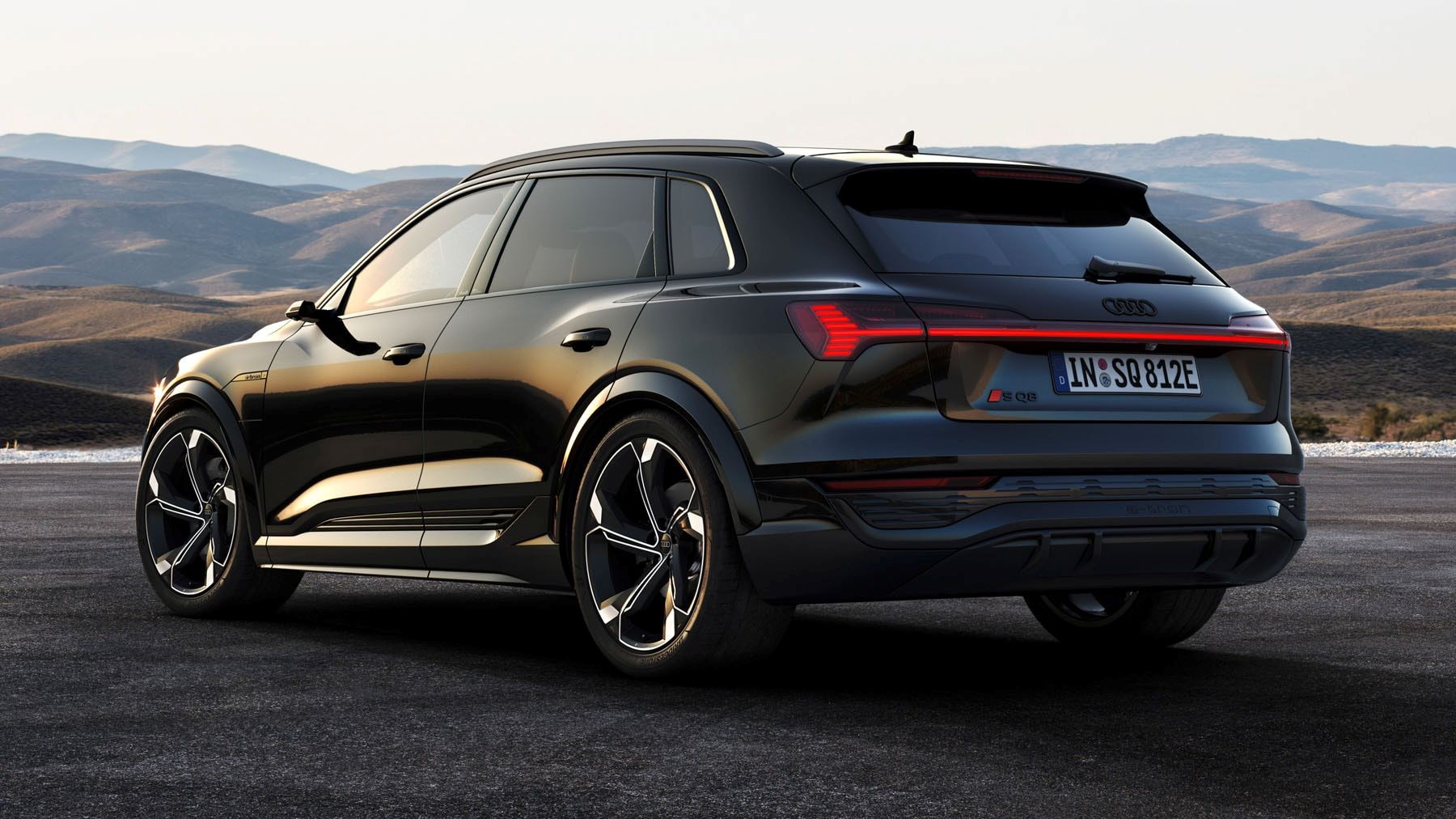
Audi’s infotainment system gains access to the brand’s app store, expanding connectivity options, while the Homelink garage-door controls have been relocated to the rearview mirror.
A new Magnesium package introduces a distinctive 21-inch wheel design, and the Black Optic package now features Anthracite gray Audi rings. Audi has also confirmed that 2025 will mark the final production year of the Q8 e-tron, following the closure of its Brussels, Belgium, assembly plant in February 2025.
While the choice between body styles is a matter of personal preference, we recommend opting for the entry-level Premium trim. It delivers an impressive list of standard features at a competitive price for a luxury EV.
This version includes 20-inch wheels, adaptive cruise control, air suspension, heated and power-adjustable front seats, LED headlamps, a panoramic sunroof, four-zone automatic climate control, a heated steering wheel, and leather upholstery.
Underneath the Q8 e-tron’s bold, sculpted exterior are two electric motors, one at the front and one at the rear, providing electronic all-wheel drive, though the rear motor handles most of the workload.
Together, they generate 355 horsepower and 414 lb-ft of torque during normal driving. Switching into Sport mode temporarily boosts output to 402 horsepower and 490 lb-ft of torque.
During our test drives, the Q8 e-tron proved quick and composed, with brisk acceleration that’s typical of EVs and a smooth, quiet ride that reinforced its luxury credentials.
The braking system seamlessly blended traditional friction brakes with regenerative braking, though we found the latter too mild to allow for true one-pedal driving.
Still, the Q8 e-tron retains the utility expected from an SUV, offering the capability to tow up to 4,000 pounds.
Meanwhile, vehicles like the Tesla Model 3 and Mercedes EQE demonstrate how far we’ve come in technology, but also how easily we can lose the human touch.
For those who still crave that spark of mechanical passion, the right car can make every mile feel alive again.
