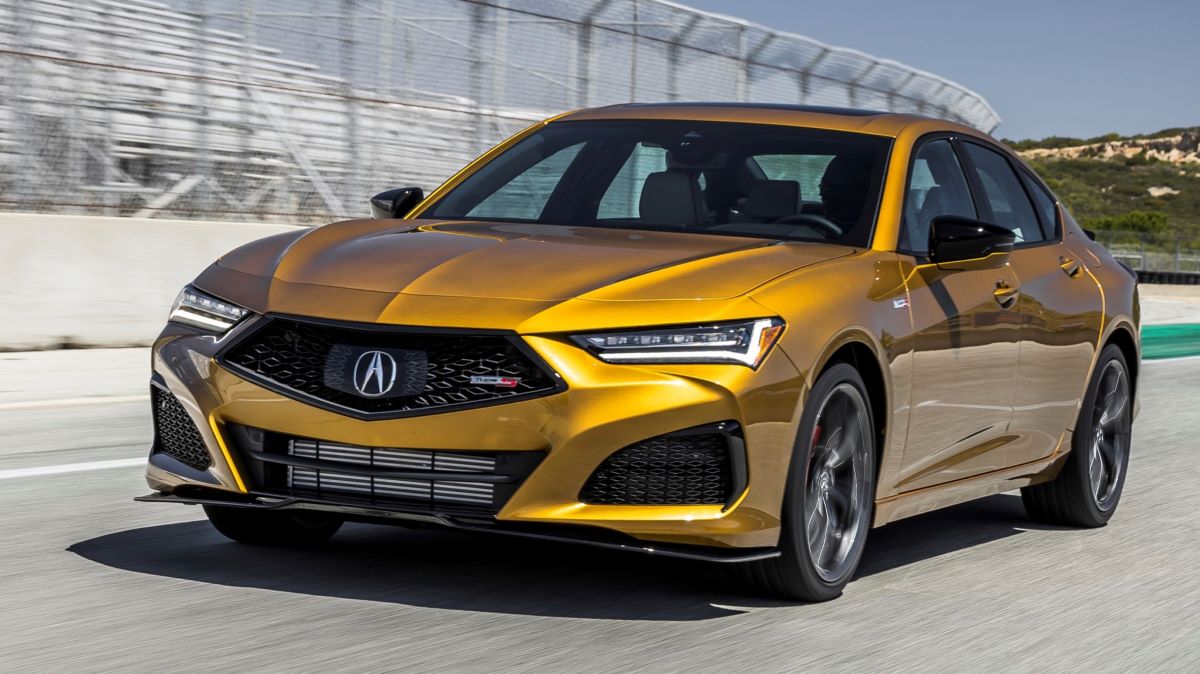
For many American drivers, the sports sedan represents the perfect middle ground between practicality and excitement.
You get four doors, a comfortable cabin, and enough trunk space for grocery runs but also a chassis that loves a good backroad and an engine that can make a commute feel like an event.
Yet not all sedans that look sporty actually drive that way. Some promise thrills on paper but deliver a dull, disconnected experience behind the wheel.
Here’s a closer look at five sports sedans that truly make every drive special, and five that fall flat once you’re behind the wheel.
Sports Sedans That Deliver Daily Thrills
If you crave excitement behind the wheel but still need a car that can handle everyday duties, sports sedans strike the perfect balance.
Blending performance, comfort, and practicality, these four-door machines deliver the kind of driving thrills usually reserved for coupes, without sacrificing space or refinement.
From agile handling to powerful engines and sleek styling, today’s best sports sedans prove that you can enjoy your daily commute and still look forward to every corner ahead.
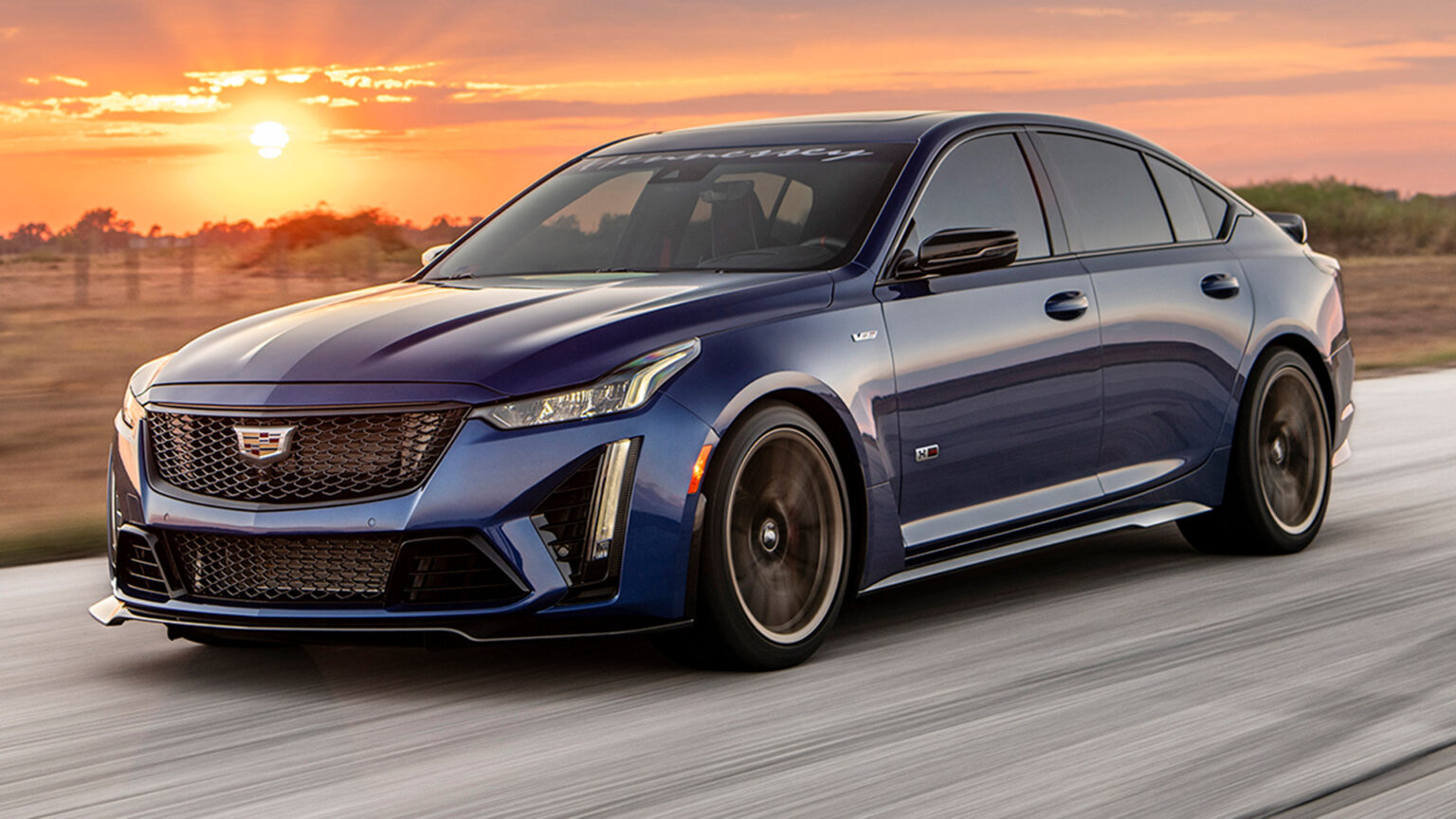
1. Cadillac CT5-V Blackwing
The CT5-V Blackwing is America’s unapologetic answer to the European performance sedan. Beneath its hood lies a supercharged 6.2-liter V8 pushing 668 horsepower to the rear wheels a dying breed in an era of downsizing and electrification.
A manual transmission option seals its place among legends. It’s brutally fast yet surprisingly composed, capable of daily driving without punishing its occupants.
The interior quality has caught up to its European competitors, and its raw, analog feel sets it apart in a market dominated by computers.
For drivers craving both muscle and finesse, the Blackwing delivers thrills every day you dare to press the start button.
For two decades, Cadillac has been locked in a fierce rivalry with BMW’s M division for sport sedan supremacy.
Yet the American automaker seems to be competing against a version of its German rival that no longer exists, fighting, in essence, a ghost.
Two decades ago, Cadillac made its bold move by dropping a Corvette V-8 into the CTS sedan, launching the V performance line.
Much like the Corvette that supplied its engine, the first CTS-V offered strong performance figures but lacked refinement. General Motors’ cars of that era were often criticized for mediocre interiors and harsh ride quality, though these shortcomings improved with time.
As a result, the best V model has always been the latest one. Over the years, Cadillac’s high-performance sedans have honed the formula, adding power while remaining among the lightest in their class and typically offering rear-wheel drive along with a manual transmission option.
The CT5-V Blackwing, the CTS-V’s modern successor, produces 268 more horsepower than the 2004 version yet weighs only about 200 pounds more. Its power-to-weight ratio has improved by more than 50 percent, showing Cadillac’s steady evolution.
BMW, by contrast, has not maintained the same level of discipline, especially with its M5 lineup. Fans can debate endlessly which generation is best, but few would likely point to a model built in the past dozen years.
The newer M5s are quicker but have sacrificed driver engagement and feedback. BMW has abandoned the manual gearbox, added all-wheel drive, and now adopted hybrid power.
These updates aren’t inherently negative, but they stray from what once defined “the Ultimate Driving Machine.” Moreover, while the new M5 produces 717 horsepower, a bigger increase than the Blackwing, it has also gained about 1,400 pounds over the years.
The M5 seems trapped in a cycle of adding technology to offset weight, then more hardware to support that tech, which adds yet more mass.
It remains a very fast and desirable car, but it’s difficult to imagine the latest M5 becoming a future legend that enthusiasts will pay a premium for years from now.
As for Cadillac, the 2025 CT5-V Blackwing receives thoughtful updates highlighted by the new Precision package.That continuity is no drawback, the CT5-V Blackwing already stands as the finest supersedan on sale today.
It’s a powerhouse, fitted with the C7 Corvette Z06’s supercharged 6.2-liter LT4 V8 producing 668 horsepower, sent exclusively to the rear wheels through a Tremec six-speed manual transmission.
The Blackwing feels composed and predictable, with no bad habits and performance that scales with driver skill. Its improved interior and balanced nature make it a standout, and the Precision package refines it even further.
The name “Precision package” may sound awkward, but it’s intentional. It isn’t a “track pack” or, borrowing from BMW, a “competition package.”
While it does enhance the Blackwing’s track performance, it does so without diminishing its street comfort, a balance that wasn’t always achieved by some of Cadillac’s corporate cousins.
Between 2015 and 2019, several brutally fast Camaros demonstrated how easily track-ready aggression could turn into unruly behavior on public roads. The Blackwing, by contrast, achieves precision without compromise.
2. Acura TLX Type S
Acura’s TLX Type S brings back a spirit the brand had lost for a while the kind that made the old TL Type S and Integra Type R so beloved.
Its 3.0-liter turbocharged V6 produces 355 horsepower, paired with Super Handling All-Wheel Drive that delivers precision cornering and traction in any condition.
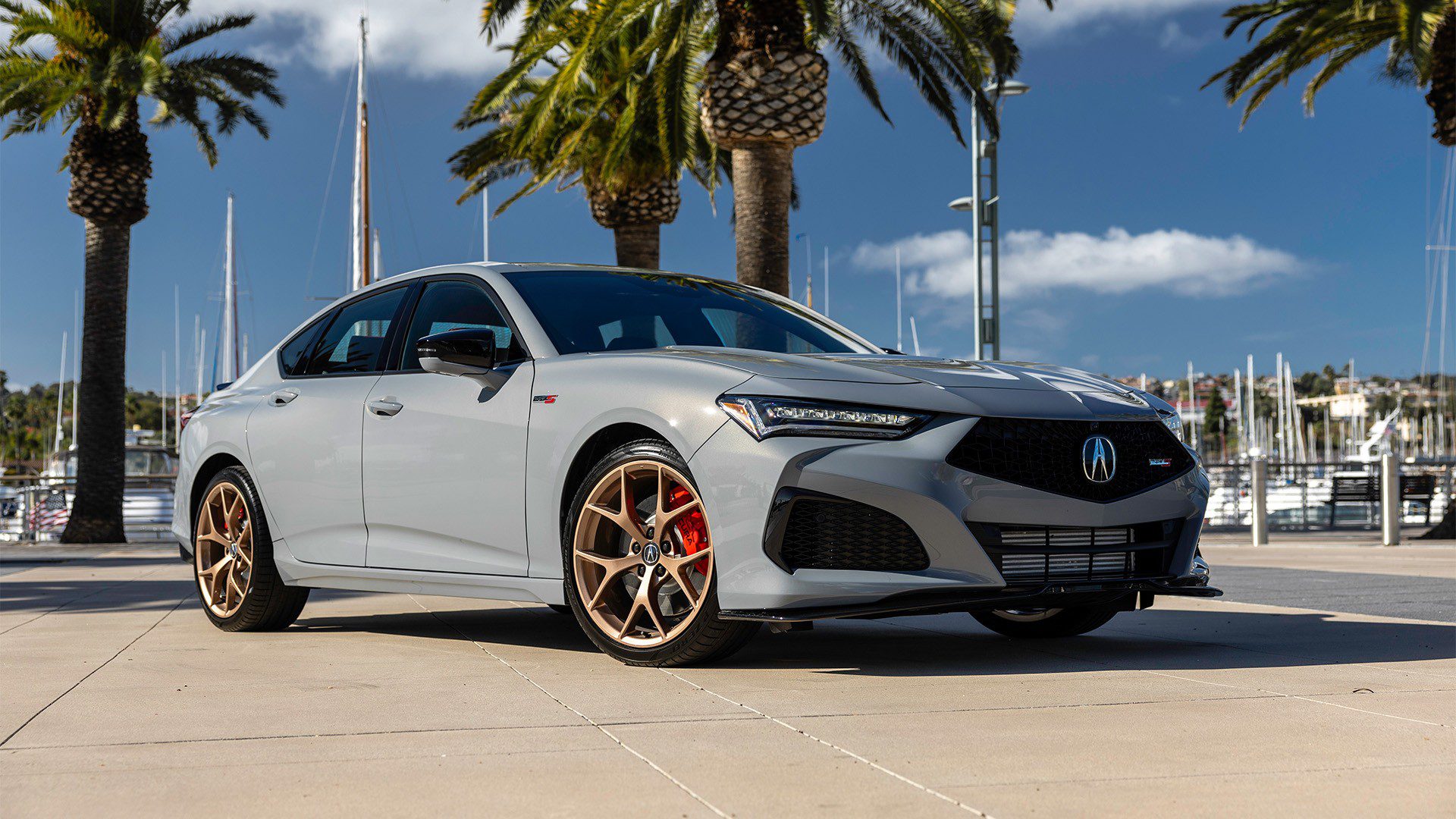
It’s refined yet ready to play, and its understated design hides serious capability.
For drivers who want a luxury sedan with genuine athleticism and Japanese reliability, the TLX Type S is a daily delight that proves Acura can still make cars enthusiasts love.
Also Read: 12 Top Sedans With the Best Dashboard Layouts
3. Genesis G70 3.3T
Genesis has been quietly building some of the most engaging sedans on the road, and the G70 3.3T is the clearest example. Packing a twin-turbocharged V6 with 365 horsepower, the G70 combines effortless straight-line speed with sharp reflexes.
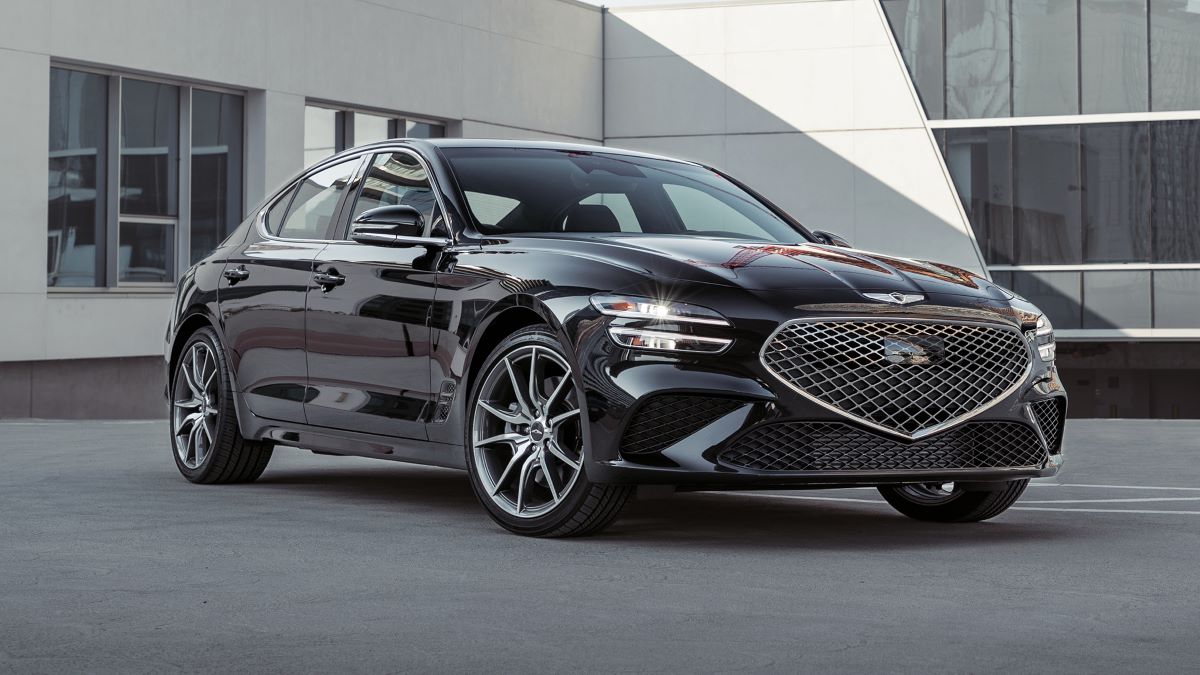
It feels solid, well-balanced, and tuned by people who understand how to make a car feel right. Inside, it offers top-tier materials and features that rival German luxury brands at a much more reasonable price.
For those who appreciate understated performance, the G70 is one of the best-kept secrets in the sports sedan segment. The 2024 Genesis G70 3.3T AWD is my companion for a weekend trip from Toronto to Montreal.
Freshly added to the local press fleet, it still needs to accumulate some miles, making this drive, planned to attend the Gran Turismo esports event, a perfect opportunity to test its highway manners.
For 2024, the G70 receives a subtle facelift, and its biggest strength continues to be its dual nature. While it’s no longer the newest sedan in the segment, there’s a certain old-school charm that ensures it remains a top pick for sport sedan enthusiasts.
The changes to the 2024 Genesis G70 are not dramatic enough to convert skeptics who weren’t already intrigued by this Korean compact sport sedan.
They’re minor yet meaningful, reinforcing the G70’s position as a fun and relatively affordable option in the luxury performance space, even at the top trim level.
The most notable mechanical update doesn’t affect this specific model. The 2.0-liter turbo engine has been retired in favor of the 2.5-liter unit now used across most of the Genesis lineup.
This gives base versions one of the most powerful entry-level engines in the class. The V6 models, including this 3.3T AWD, continue to use the tried-and-true 3.3-liter twin-turbocharged V6, producing 368 horsepower and 376 lb-ft of torque.
Both engines are paired exclusively with an eight-speed automatic transmission. American buyers can choose between rear- and all-wheel drive, while Canadian models come solely with AWD.
Inside, the G70 benefits from a few key updates, such as a redesigned, dedicated climate control panel. This Canadian-spec model also includes a fully digital instrument cluster.
If you appreciated the G70’s twin-line facelift introduced a few years ago, you’ll be happy to know that Genesis hasn’t tampered with its formula.
The new 2.5T brings impressive performance, offering plenty of speed for daily use along with a lighter, more responsive front end, particularly in rear-wheel-drive configuration. For most drivers, it’s all the G70 they’ll ever need.
The 3.3T, however, is about indulgence rather than necessity. It delivers effortless thrust, with 376 lb-ft of torque ready at the flex of a big toe, making highway passes almost trivial.
Power remains abundant throughout the rev range, and the smaller V6 feels slightly more eager to spin than the newer 3.5-liter found in other Genesis models.
The transmission, though competent, reveals some weakness under spirited driving. The eight-speed automatic performs smoothly during normal conditions, but in Sport or Sport+ modes it tends to hesitate on both upshifts and downshifts.
Using the wheel-mounted paddle shifters helps, yet there’s no longer an option to fully lock the car into manual mode, as it reverts to automatic after a short while.
Fuel efficiency has never been a Genesis strong suit, and the G70 3.3T AWD continues that trend. Its 23 mpg highway rating (10.2 L/100 km) merely matches the BMW M340i xDrive’s city figure.
Overall, the EPA estimates a combined 19 mpg, while Canada’s NRCAN rates it slightly better at 11.9 L/100 km. It’s undeniably thirsty, but then again, performance often comes at a cost.
4. BMW M340i
BMW has long set the benchmark for sports sedans, and the M340i proves that the brand still knows how to blend speed with sophistication.
Powered by a turbocharged 3.0-liter inline-six pushing out 382 horsepower, it rockets to 60 mph in just over four seconds all while maintaining the composure of a luxury car.
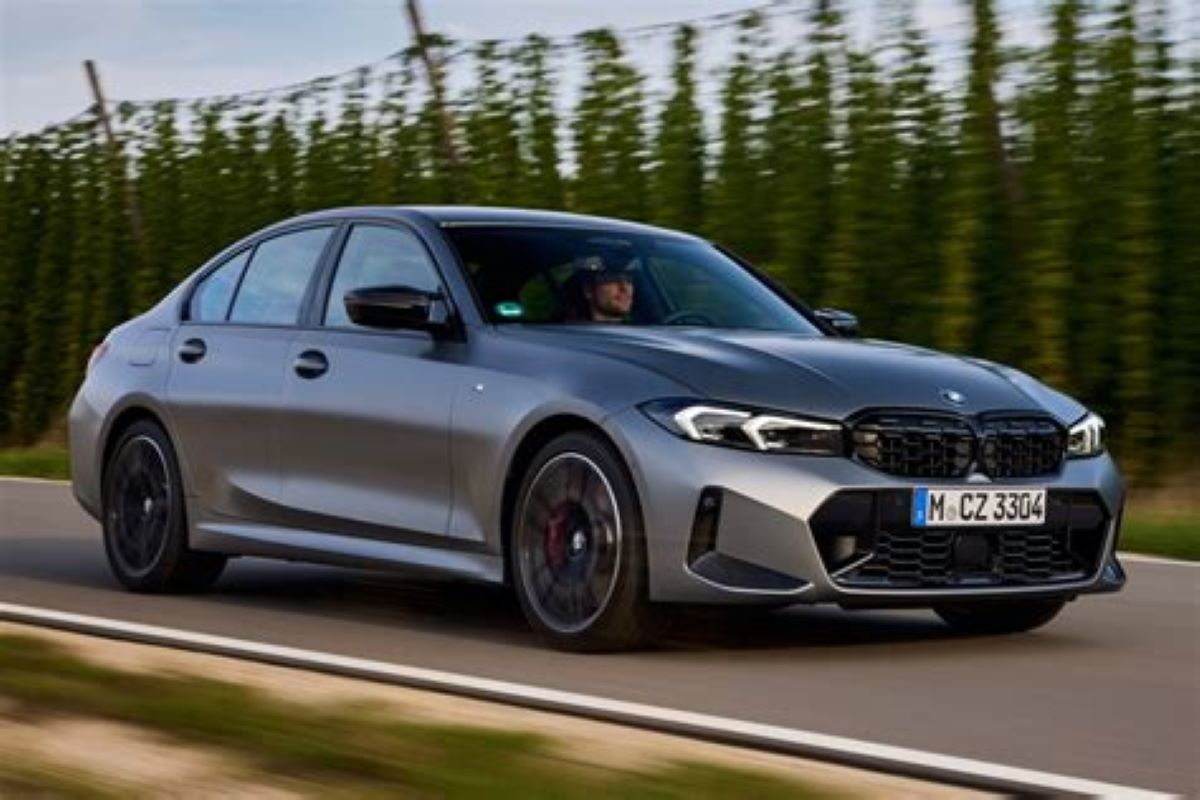
The steering is sharp, the suspension strikes the perfect balance between comfort and performance, and the rear-biased xDrive system provides grip without sacrificing playfulness. For enthusiasts who crave excitement but still need a daily commuter, the M340i hits the sweet spot.
Also Read: 5 Cars That Feel Made for the U.S. vs 5 That Don’t Belong Here
5. Alfa Romeo Giulia Quadrifoglio
If passion could be bottled and sold, the Giulia Quadrifoglio would be its four-wheeled embodiment. With a Ferrari-derived 2.9-liter twin-turbo V6 producing 505 horsepower, this Italian masterpiece sings as it sprints to 60 mph in just 3.8 seconds.
But the thrill goes beyond the numbers it’s in the way the steering feels alive in your hands and the chassis dances through corners.
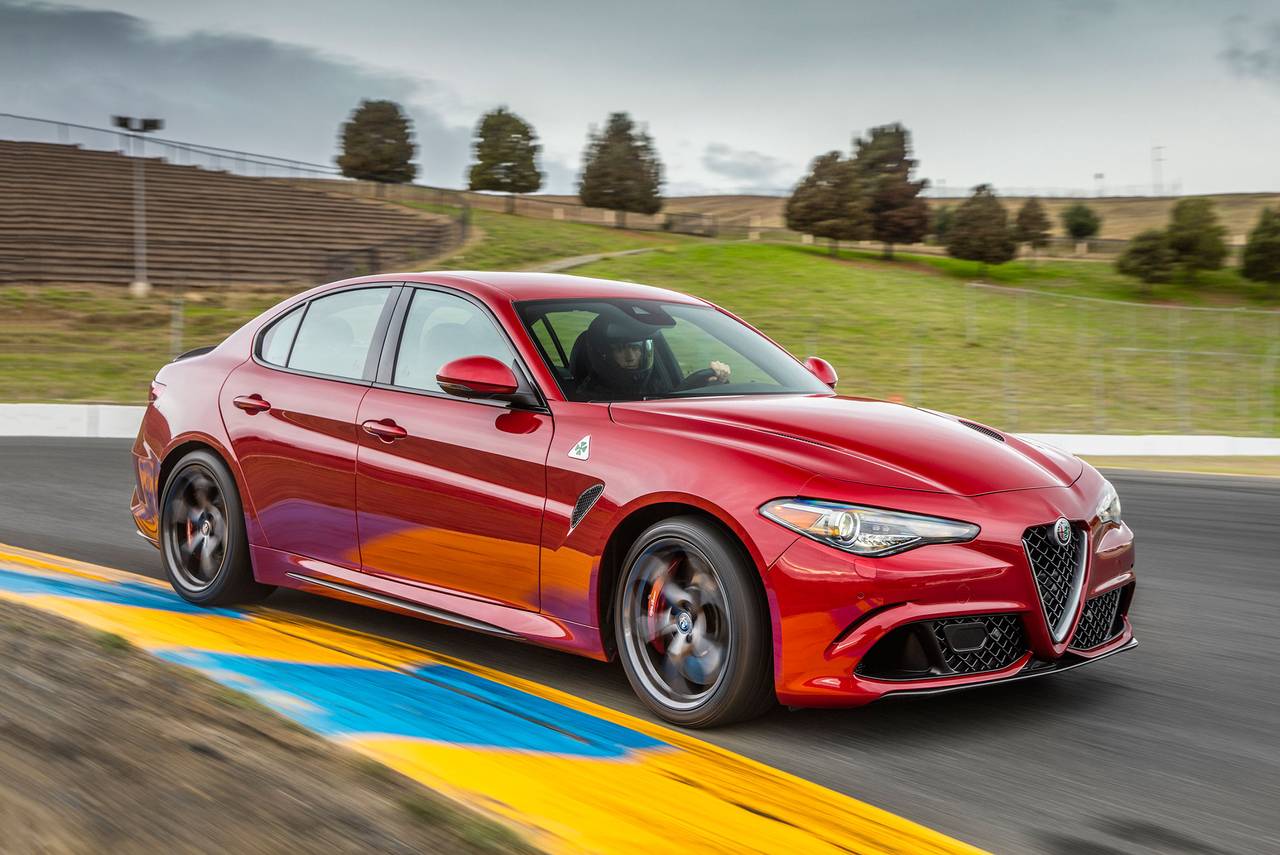
The Giulia demands attention and rewards skillful driving, offering an experience that feels exotic yet usable.
While it might not boast the bulletproof reliability of its German rivals, the sheer emotion it delivers each day makes it a standout for true enthusiasts.
Sports Sedans That Don’t Deliver
Not every car that wears a sporty badge lives up to its promise. Some sedans may look the part with aggressive styling or performance-inspired trim, but fall short when it comes to delivering real driving excitement.
Whether it’s lackluster handling, underwhelming power, or a disconnect between ride comfort and performance, these models remind us that appearances can be deceiving. Here’s a look at sports sedans that simply don’t deliver the thrills their looks suggest.
1. Infiniti Q50 Red Sport 400
On paper, the Infiniti Q50 Red Sport 400 looks like a serious contender: 400 horsepower from a twin-turbo V6 and sleek styling that promises performance. But behind the wheel, it feels detached.
The steering-by-wire system lacks real feedback, and the chassis tuning doesn’t match the engine’s enthusiasm. While it’s fast in a straight line, the car feels heavy and vague when pushed through corners.
It’s a missed opportunity one that leaves you wishing Infiniti had invested more in dynamics and less in digital gimmicks.
The Q50 stands as Infiniti’s last remaining sedan. With the discontinuation of the Q60, essentially a two-door version of the Q50, after the 2022 model year, the rest of Infiniti’s lineup now consists entirely of SUVs.
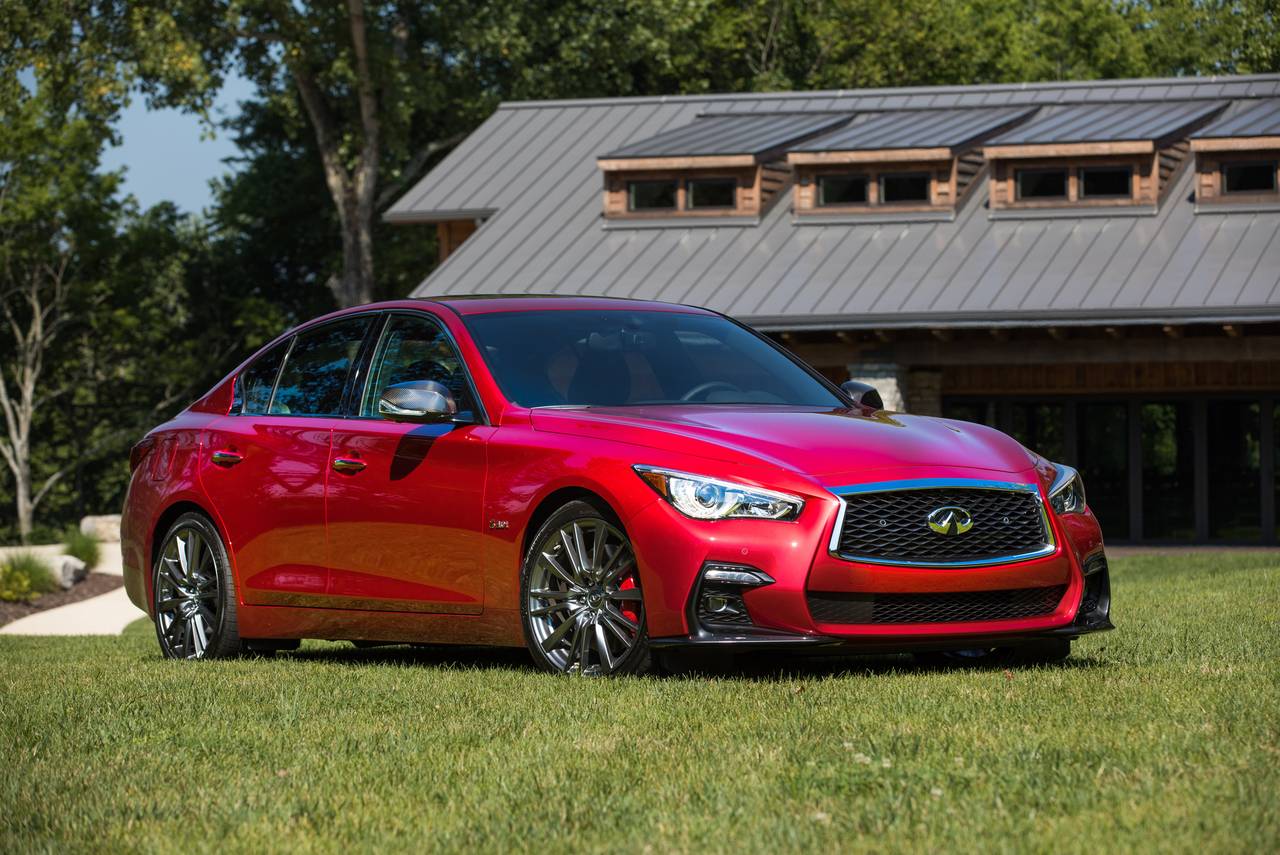
While rival brands have refreshed or redesigned their sport sedans once or even twice over the past decade, the current Q50 remains largely unchanged since its debut ten years ago.
Its exterior styling has aged gracefully, but much of the rest of the car, particularly the interior, clearly shows its age.
For 2024, nothing changes. This year’s model is a complete carryover from 2023, suggesting Infiniti has largely shifted its attention elsewhere, at least until the Q50 receives a long-overdue redesign or is retired altogether.
Given the company’s current trajectory, it wouldn’t be surprising to see the model discontinued by 2025.
Despite its aging platform, the Q50’s standout feature continues to be its strong turbocharged V6 engine.
The base version delivers an impressive 300 horsepower, more than most entry-level luxury sedans in its class, while the Red Sport 400 model ups the ante to 400 horsepower.
Though the rest of the car may feel dated and uninspired, the rush of power when pressing the accelerator still reminds drivers why this sedan once had genuine performance appeal.
2. Lexus IS 500 F Sport Performance
The Lexus IS 500 F Sport Performance brings a naturally aspirated 5.0-liter V8 a rarity in today’s world and that alone earns it points.
The exhaust note is glorious, and straight-line speed is respectable. However, the driving experience doesn’t quite live up to the “F” badge.
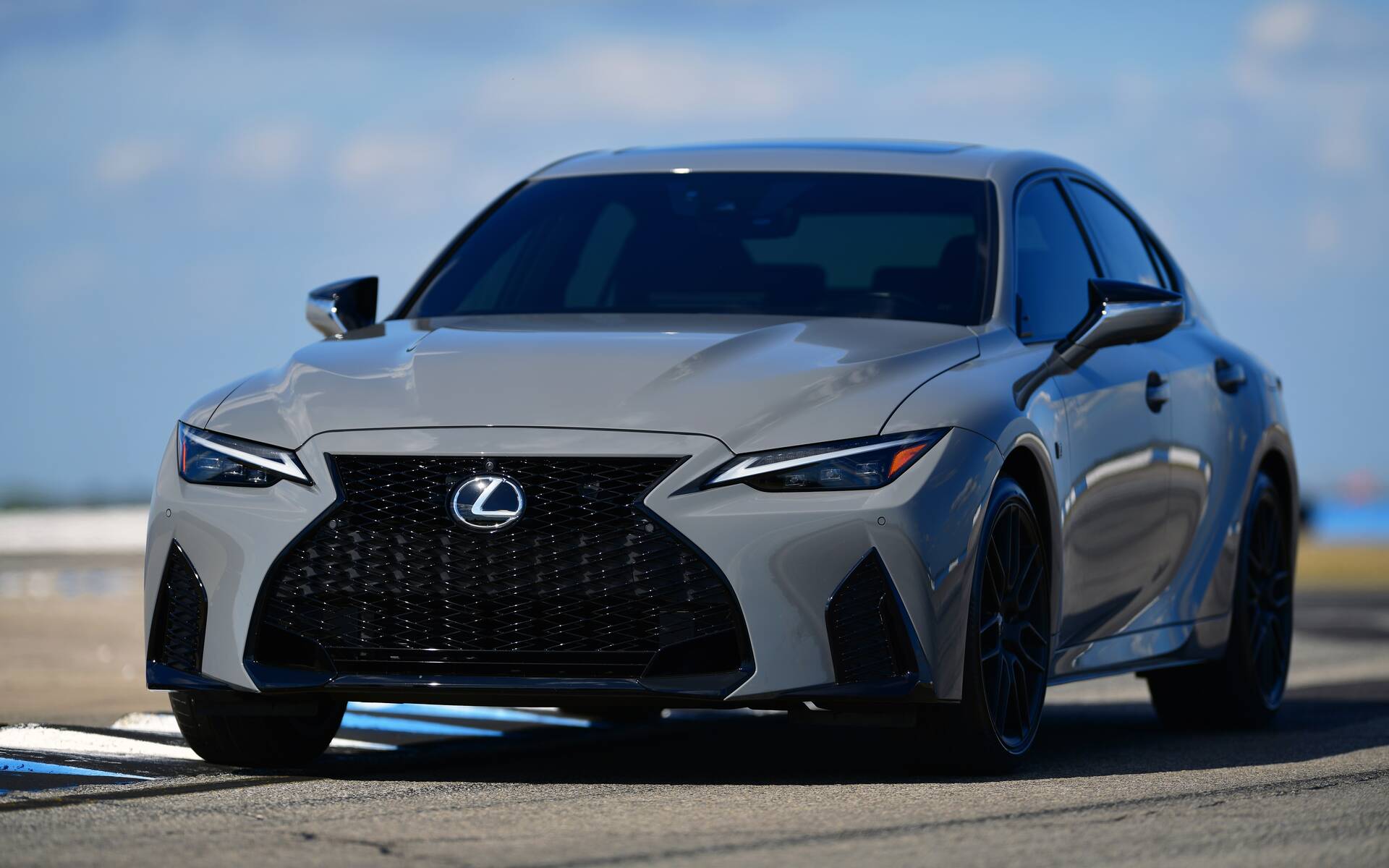
The chassis feels dated, the steering lacks the precision of modern rivals, and the transmission hesitates under hard driving.
It’s more of a grand tourer than a true sports sedan, which makes it a bit of a disappointment for enthusiasts expecting razor-sharp performance.
3. Audi S4
The Audi S4 has long been the sensible choice among sports sedans refined, quick, and capable. But it’s also become too sensible.
The current S4’s turbocharged V6 and Quattro all-wheel drive system make it fast, yet the steering is numb, and the car feels overly insulated from the road.
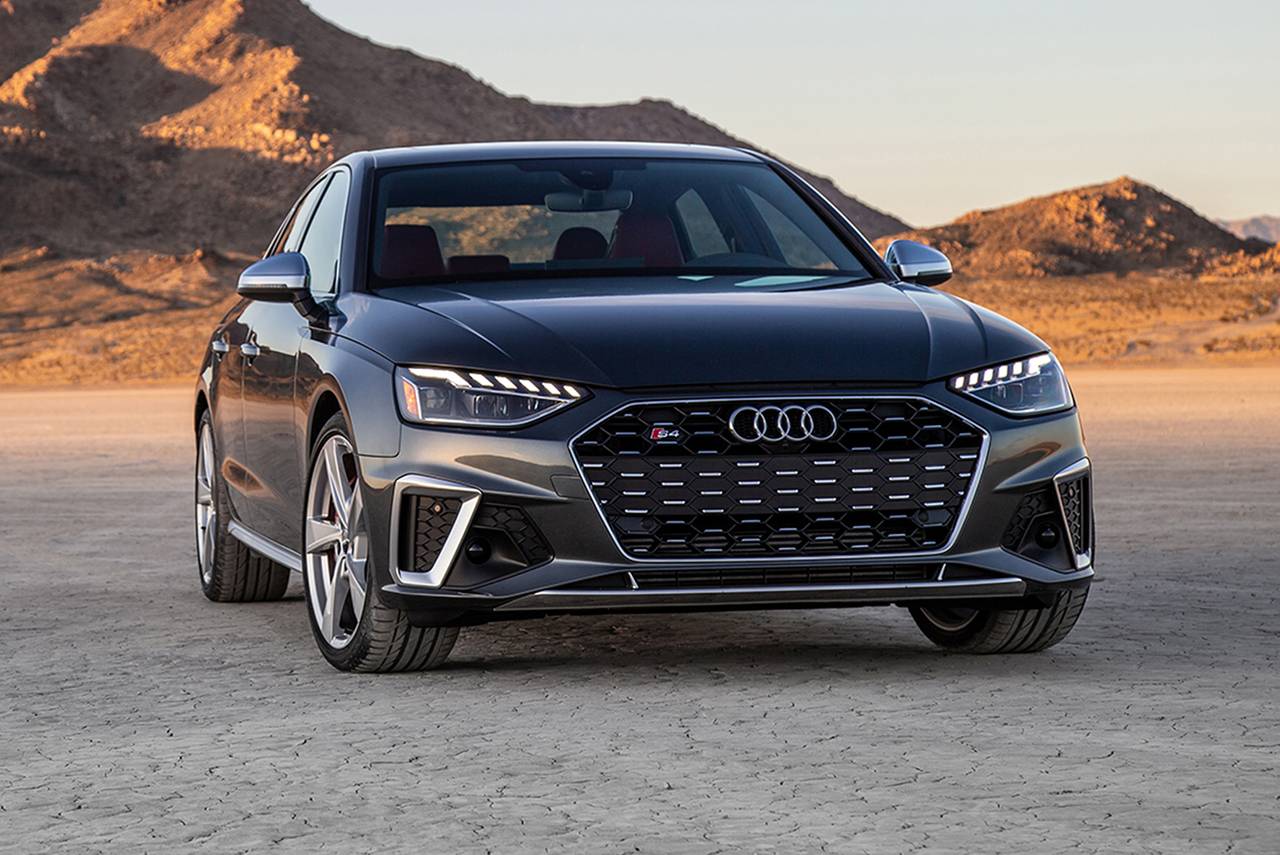
It’s an excellent commuter, but it doesn’t spark emotion or connection. Drivers who crave excitement will find themselves yearning for the older, more analog Audis that had a rawer feel.
For 2020, the Audi S4 receives a subtle yet effective refresh, featuring a sharper, more angular grille and several small design and technology updates.
The infotainment system is all-new, though it’s not quite as intuitive as before. Still, with quicker response times and a sharper display, it balances out to an even trade.
Our test car launched from 0 to 60 mph in just 4.3 seconds using launch control. Even more impressive, it covered the quarter-mile at 107 mph.
The turbocharged V6 delivers abundant power across the rev range and produces a satisfying exhaust note. Among its peers, this is one of the quickest sedans in the class.
Handling is equally commendable. With precise steering and standard all-wheel drive, the S4 provides excellent stability and control.
The braking system provides strong stopping power and smooth operation in everyday driving. However, during hard braking, the ABS can be quite noisy, with pronounced vibrations and buzzing, the S4’s only real blemish in an otherwise stellar performance record.
The S4 delivers a remarkable level of comfort that minimizes driver fatigue regardless of road conditions. The front seats are exceptionally supportive, though we recommend opting for seat ventilation, as the standard ones can become warm during summer drives.
The optional adaptive suspension is well worth having, softening rough pavement in Comfort mode and keeping body roll neatly in check in Dynamic mode.
The cabin remains hushed at all speeds, with minimal intrusion from road or wind noise. In fact, the S4 is so refined and quiet that you can easily forget you’re driving a high-performance sedan.
The S4’s cabin continues to be a model of logical design and ergonomic excellence. All controls are clearly labeled and operate with precise, satisfying feedback.
The 10.1-inch touchscreen running Audi’s latest infotainment software is crisp and easy to use, though its placement looks a bit tacked-on compared to newer competitors.
Getting in and out is effortless, although taller rear passengers may need to duck slightly. The driver enjoys one of the best seating positions in the class, with excellent visibility, ample adjustment, and perfectly shaped seats that make long drives a pleasure.
Technology has long been a hallmark of modern Audis, and the S4 upholds that tradition. The updated touchscreen interface and available Virtual Cockpit digital gauge cluster offer sharp graphics and a futuristic feel.
The S4’s trunk is on the smaller side, but its low load height and unobstructed layout make it practical. The rear seats fold nearly flat for carrying longer items, though you’ll need to release them from the cabin since there are no trunk-mounted levers.
Interior storage is adequate, with enough space for small essentials like a phone, sunglasses, or drinks. For families, the S4 offers well-hidden child seat anchors and door openings that make it easy to install both front- and rear-facing safety seats.
The EPA estimates the S4 at 23 mpg combined, which places it squarely between the BMW M340i xDrive (25 mpg) and the Mercedes-AMG C 43 (22 mpg).
The S4 exhibits the high-quality craftsmanship expected from Audi. Exterior paint and trim are flawless, and interior materials fit together with surgical precision. However, pricing can climb quickly.
Our Prestige-trim test car topped $65,000, and even though the base S4 starts around $50,000, it lacks access to key features like the S Sport package. Overall, competitors tend to offer slightly better value for money.
4. Mercedes-AMG C43
Mercedes-AMG has built some of the best performance sedans ever, but the latest C43 feels like it’s chasing numbers instead of experiences.
Its mild-hybrid four-cylinder engine produces plenty of power, but the artificial sound and overly complex electronics dilute the fun. It’s clinically fast yet soulless more of a technological showcase than a driver’s car.
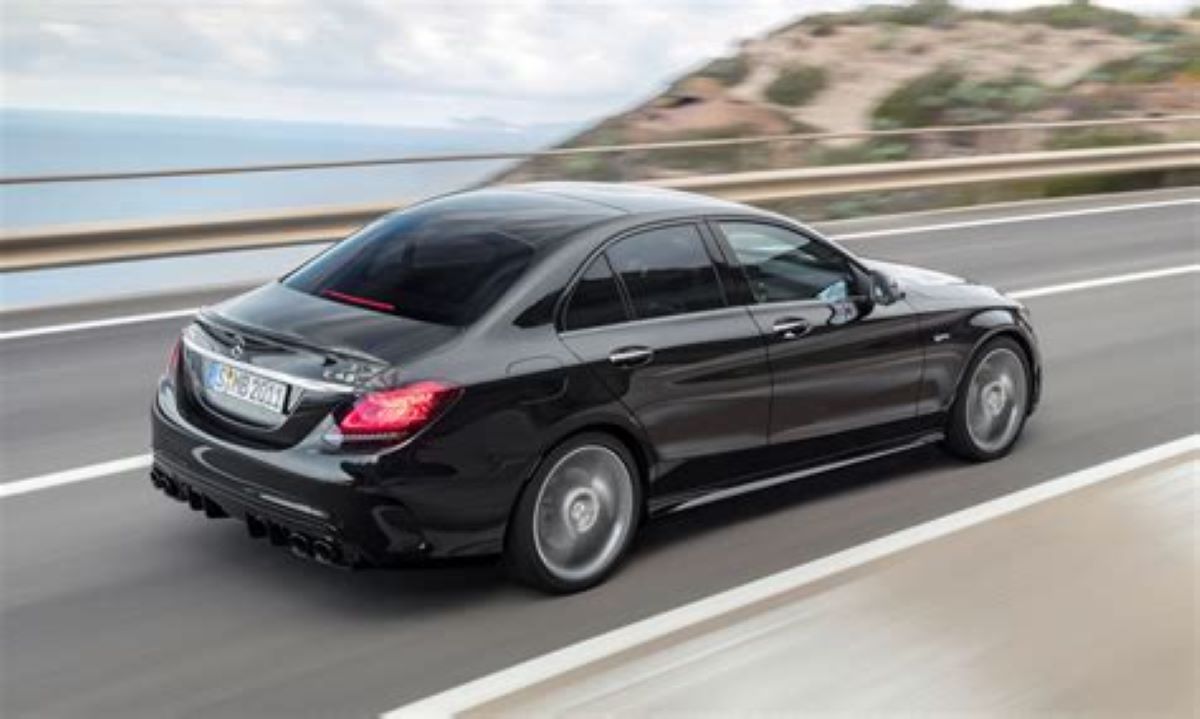
For those who value engagement over pure speed, the C43 feels like a step backward from the thunderous V6-powered models that came before it.
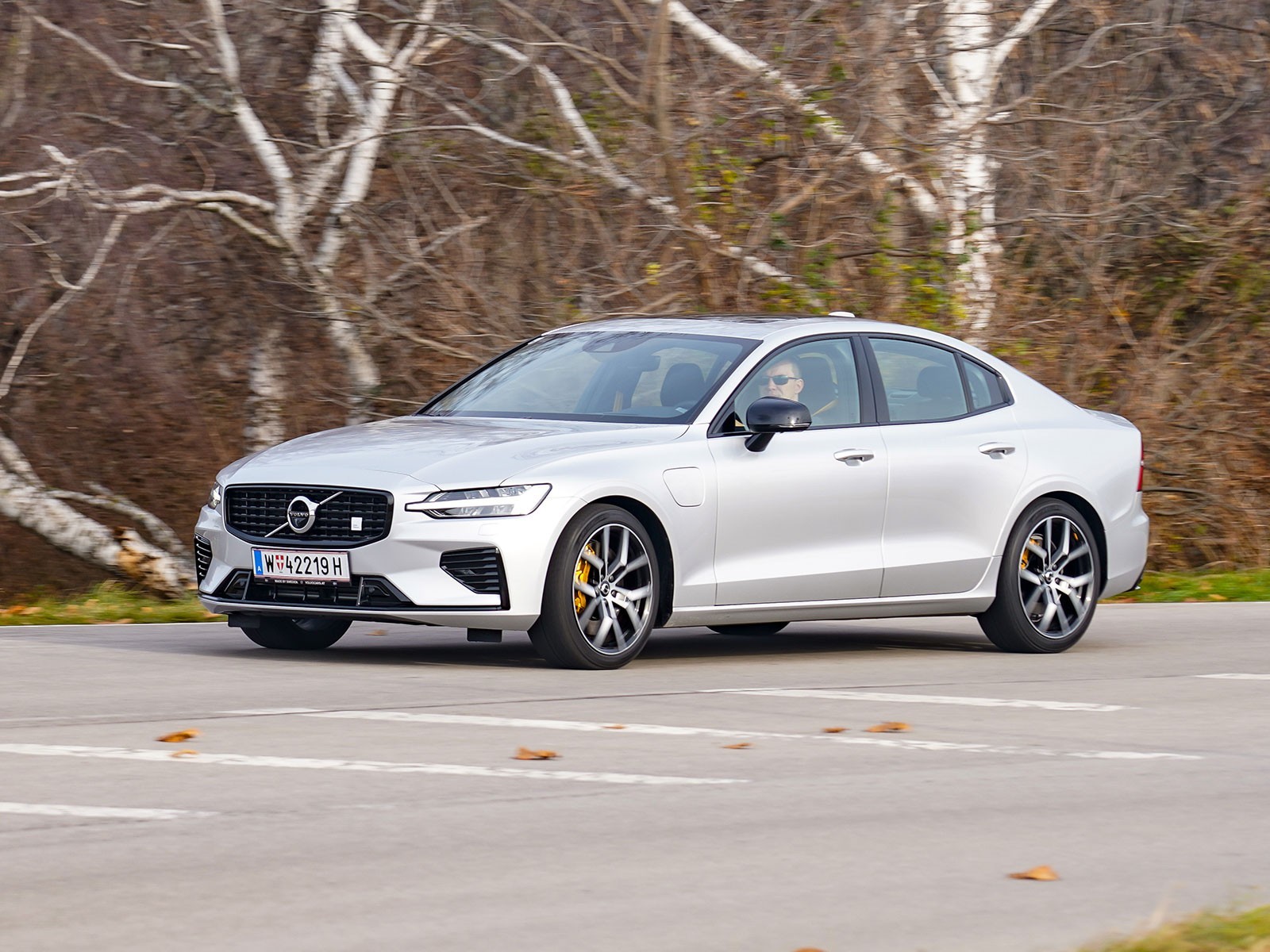
5. Volvo S60 Recharge Polestar Engineered
Volvo’s S60 Recharge Polestar Engineered offers impressive hybrid power and Scandinavian charm, but calling it a sports sedan is a stretch.
While its plug-in hybrid system delivers plenty of horsepower, the weight of the batteries and the muted driving feel keep it from feeling alive.
The steering is light, the brakes are grabby, and the experience is more about efficiency than engagement. It’s an excellent luxury hybrid, but those seeking daily thrills will find themselves disconnected from the action.
Sports sedans occupy a special place in the automotive world they’re for drivers who refuse to compromise between fun and function.
The best ones turn even mundane errands into experiences, reminding you why you fell in love with driving in the first place.
The BMW M340i, Giulia Quadrifoglio, CT5-V Blackwing, TLX Type S, and Genesis G70 3.3T all deliver that magic in their own ways, offering engagement, sound, and soul.
Meanwhile, the Q50 Red Sport 400, IS 500, S4, C43, and S60 Recharge prove that power alone doesn’t make a car thrilling.
In a world increasingly dominated by automation and electrification, genuine driving joy is becoming rare which makes the truly great sports sedans on this list even more special.