
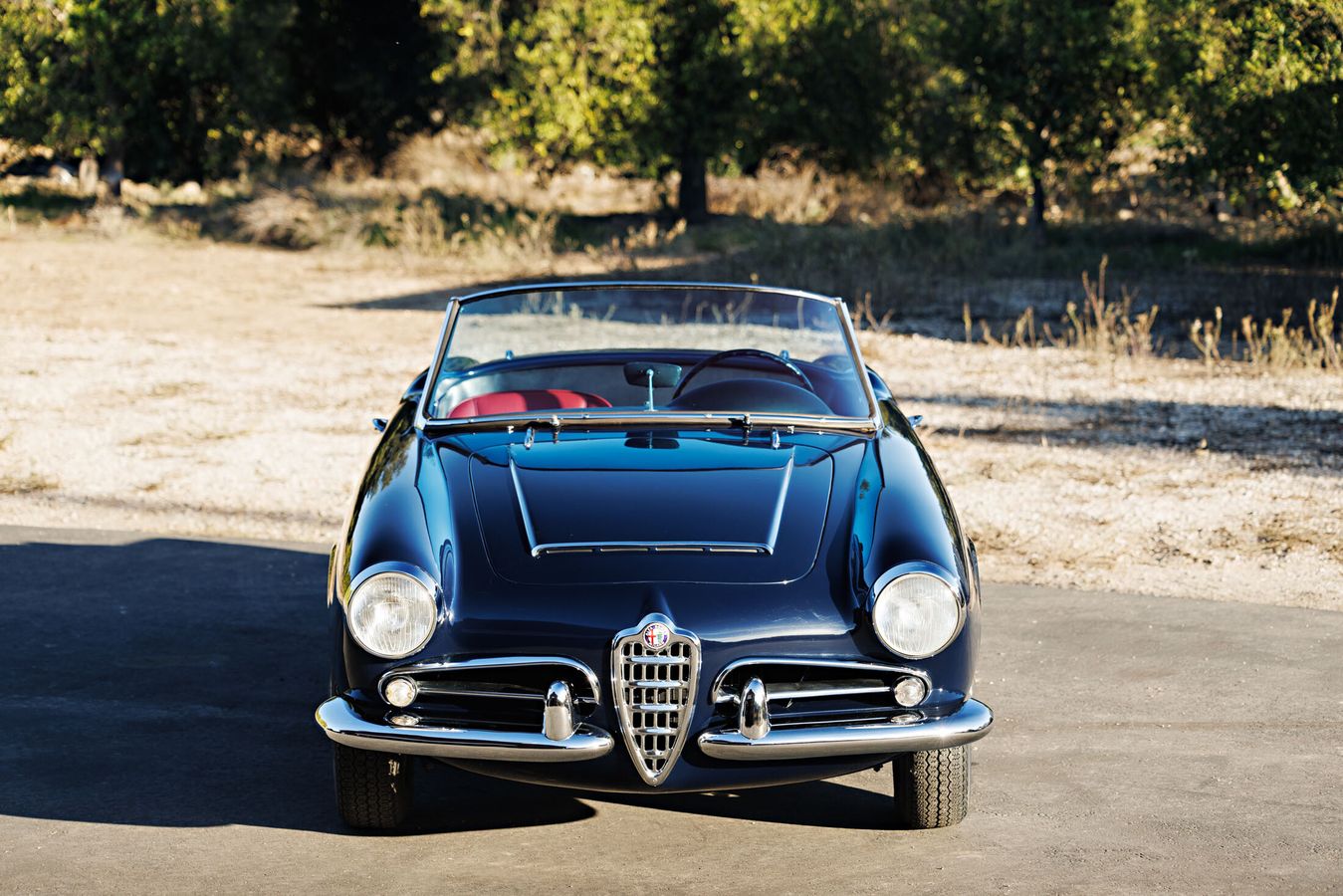
Classic cars have a timeless appeal, not just because of their design or rarity, but also for the way they interact with the driver. Driving a classic car is an experience that combines mechanical honesty with historical charm.
Yet, not all classic vehicles provide the same level of engagement. While some remain astonishingly agile and responsive even decades after their production, others reveal limitations that modern engineering has since corrected.
Handling is a defining factor when evaluating a classic car. Cars that retain sharp steering, well-balanced chassis, and predictable suspension continue to thrill drivers today.
These vehicles were ahead of their time, designed with care and attention that allow them to remain enjoyable on twisty roads, tracks, or even everyday drives. They reward precision, skill, and attentiveness, offering sensations that are rare in modern, electronically-assisted vehicles.
Conversely, many classic cars struggle in this regard. Some are prone to understeer, body roll, or vague steering due to outdated suspension geometry or chassis design.
Others may have impressive speed or aesthetic appeal but feel cumbersome in corners or unstable under hard braking. These limitations don’t diminish their historical significance, but they do influence the overall driving experience, reminding enthusiasts that beauty and performance do not always coincide.
This article examines both sides of the spectrum: five classic cars that still handle amazingly and provide driver engagement, and five that do not meet modern expectations for dynamics.
Highlighting these cars shows how design philosophy and engineering excellence can stand the test of time or reveal flaws that have become more apparent with decades of technological progress. It provides enthusiasts with a balanced perspective on the enduring qualities and limitations of classic automobiles.
Also Read: 5 Hybrids That Age Gracefully vs 5 That Don’t
5 Classic Cars That Still Handle Amazingly
Some classic cars have aged gracefully, retaining a level of agility and responsiveness that makes them as rewarding to drive today as they were decades ago.
These vehicles were designed with a focus on balance, driver feedback, and mechanical precision, qualities that remain apparent despite their age.
Handling is not just about speed; it’s about the connection between driver and machine, the predictability of the chassis, and the satisfaction of maneuvering a car through corners with skill and confidence.
Cars that still handle well often combine lightweight construction, well-tuned suspension, and thoughtful weight distribution. They respond to inputs predictably, communicate through the steering and brakes, and encourage engagement without artificial assistance.
For drivers, this creates an experience that feels direct and exciting, allowing even a modern enthusiast to appreciate engineering from a different era. These are cars that teach the art of driving, rewarding precision, attention, and finesse rather than relying solely on horsepower.
Even as technology has advanced, these classics remain relevant because of the principles they were built upon. Unlike some modern cars that prioritize comfort or electronics, these vehicles maintain honesty and simplicity.
They allow drivers to sense the road, the tires, and the limits of grip, offering a tactile and immersive experience that has become increasingly rare.
The following five classic cars exemplify these qualities. Each has been selected not only for its historical significance but also for its ability to remain engaging behind the wheel.
They prove that excellent handling can endure over decades, creating an experience that modern drivers can still enjoy without compromise.
These are timeless examples of driving craftsmanship that continue to thrill, demonstrating that engineering excellence transcends age.
1. Porsche 911 (1965–1973, 901/911 Classic)
The original Porsche 911 is a masterclass in balance and driver engagement. Its rear-engine layout, though unconventional, is complemented by precise chassis tuning and lightweight construction.
The early 911 models, ranging from the 911S to the 911E, deliver a level of handling that remains exceptional even by modern standards.
While rear-engine cars are often associated with oversteer, Porsche’s thoughtful suspension geometry and progressive weight distribution allow the 911 to rotate predictably, rewarding drivers who respect its limits.
The steering is direct and communicative, offering feedback through a thin, minimalist wheel that connects driver and road. Every input whether throttle modulation, steering correction, or brake application, is transmitted clearly, making the driver feel in complete control.
Suspension components are simple but effective, allowing the car to remain nimble while absorbing minor road imperfections. The balance between agility and stability is remarkable for a vehicle of its era.
The 911’s handling is further enhanced by its lightweight design. The low curb weight allows quick changes of direction and tight cornering without excessive body roll. The manual gearbox also contributes to engagement, offering a mechanical link that modern dual-clutch transmissions often lack.
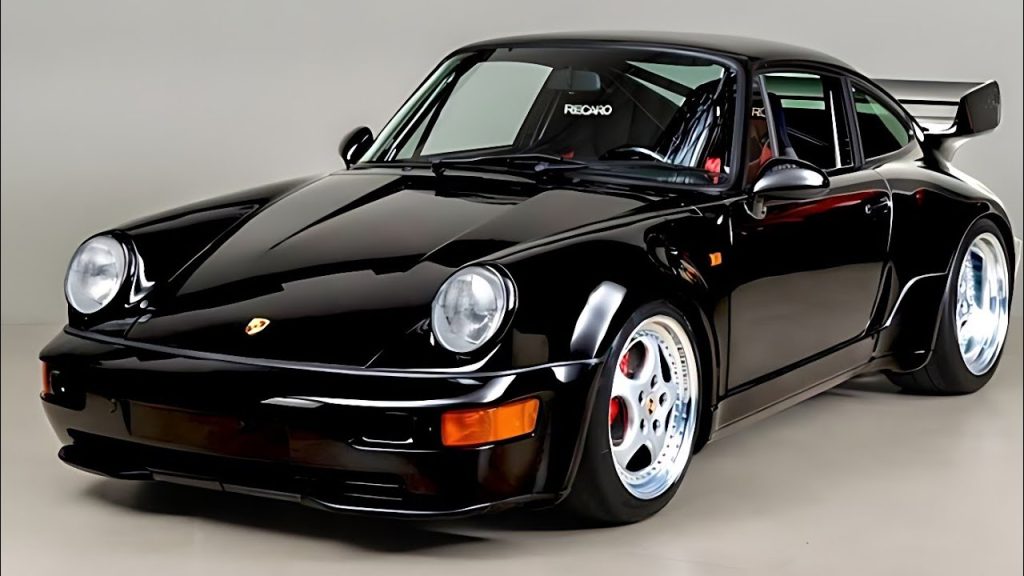
I chose the Porsche 911 because it embodies timeless driving principles. It shows that even cars built more than 50 years ago can remain dynamically relevant.
Owning one is not just about nostalgia; it’s about experiencing mechanical precision, responsiveness, and purity in a way that few modern sports cars can match. The classic 911 continues to set the standard for driver-focused engineering.
2. Jaguar E-Type (1961–1974)
The Jaguar E-Type is often celebrated for its aesthetic appeal, but its handling credentials are equally impressive. Lightweight monocoque construction, independent rear suspension, and well-damped front suspension gave it extraordinary agility for the 1960s.
Despite its long wheelbase and graceful bodywork, the E-Type feels lively and responsive on winding roads, offering drivers a balance between stability and engagement.
The steering is precise for its era, with feedback that communicates subtle changes in grip and load. Cornering is predictable, and the car’s low center of gravity allows it to maintain composure even when pushed beyond casual limits.
The inline-six engine, whether the 3.8-liter or 4.2-liter variant, produces ample torque that is easy to modulate, making acceleration enjoyable without surprising the driver.
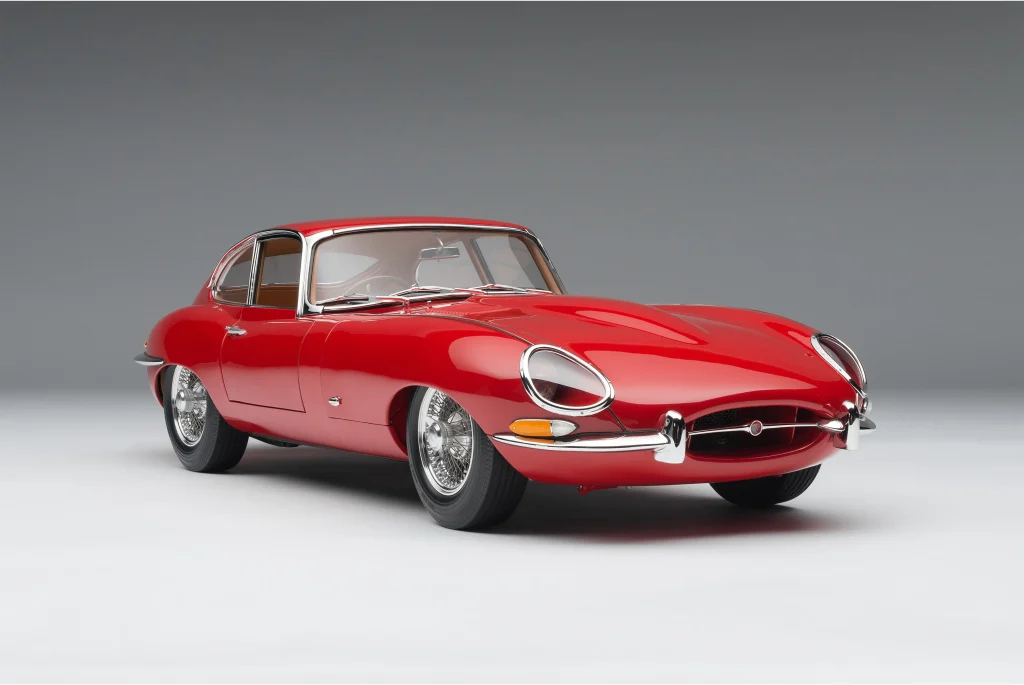
Braking is aided by disc brakes, a relatively new technology at the time, which provides confidence without harshness.
The chassis responds intuitively to weight transfer, allowing skilled drivers to explore the limits of adhesion safely. The E-Type’s mechanical simplicity enhances reliability while keeping driving direct and rewarding.
I selected the Jaguar E-Type because it demonstrates that classic cars can combine elegance with genuinely engaging handling.
Beyond its beauty, it remains a car that communicates with the driver and encourages precise inputs, showing that decades-old designs can still deliver thrilling, connected driving experiences.
3. Alfa Romeo Spider (1966–1993, Series 1–4)
The Alfa Romeo Spider is a lightweight, front-engine, rear-wheel-drive roadster that remains remarkably agile despite its classic design. Its simplicity is part of its charm: a small, well-balanced chassis, independent rear suspension, and precise steering make the Spider feel nimble and responsive on winding roads.
The car’s low weight allows it to change direction quickly, while the balanced suspension keeps body roll manageable, giving the driver confidence in corners.
Under the hood, the inline-four engines, especially in the later 1.6 to 2.0-liter variants, produce just enough power to be engaging without overwhelming the chassis. This allows drivers to focus on precision rather than managing excess torque.
The gearbox is mechanical and intuitive, with close ratios that enhance control and responsiveness. Combined with lightweight construction, the car feels connected and lively, rewarding careful throttle and steering inputs.
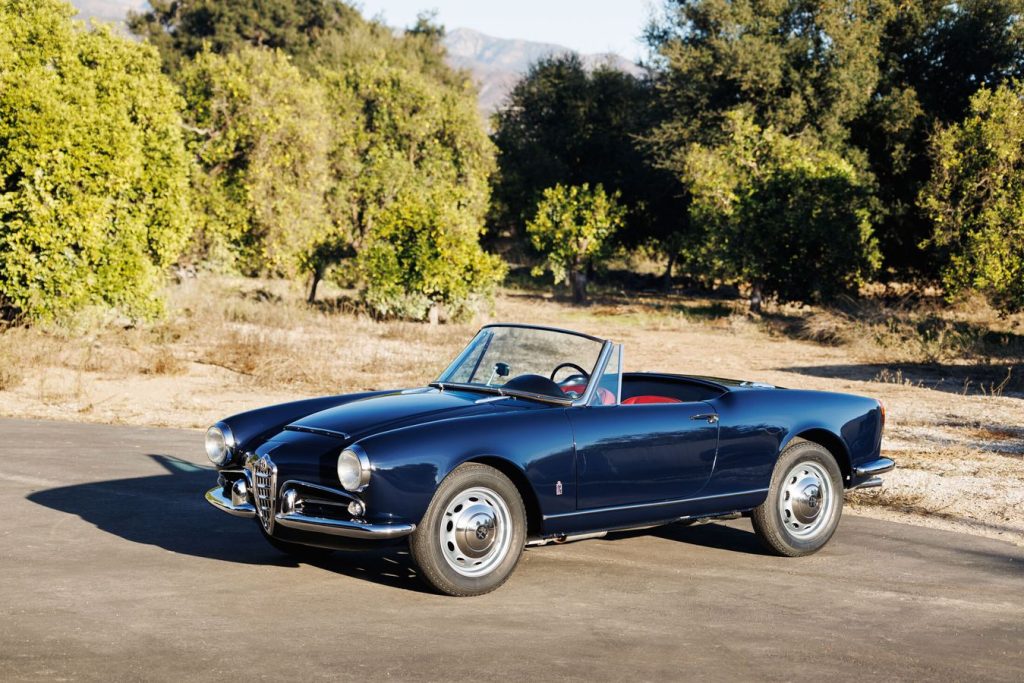
The steering system provides excellent feedback, translating road imperfections and tire grip to the driver’s hands. Even by today’s standards, the Spider’s balance and responsiveness are impressive for its age. It encourages an active driving style, demanding attention without being unforgiving.
I chose the Alfa Romeo Spider because it exemplifies how a simple, lightweight sports car can offer genuine driver engagement. Unlike heavier grand touring classics, it allows for spirited driving with minimal technological interference.
It shows that classic engineering can create an intimate relationship between car and driver, maintaining excitement decades after production. The Spider remains a benchmark for enjoyable handling, proving that age does not diminish driving satisfaction.
4. Datsun 240Z (1969–1973)
The Datsun 240Z is one of the most celebrated Japanese sports cars, admired for both style and driving dynamics. Its combination of a lightweight body, long wheelbase, and independent suspension provides excellent balance and cornering stability.
Despite being over 50 years old, the 240Z delivers crisp steering feedback and predictable handling, which makes it a joy to drive on winding roads.
The 2.4-liter inline-six engine is naturally aspirated and smooth, offering linear power delivery that complements the chassis. Paired with a five-speed manual gearbox, it allows precise modulation of speed through corners.
The car’s weight distribution and low center of gravity enable tight turns without excessive understeer or body roll. Braking performance, while basic compared to modern standards, remains adequate and consistent when the system is properly maintained.
The 240Z’s suspension design, featuring independent front and rear setups, was ahead of its time and contributes significantly to its enduring handling reputation.
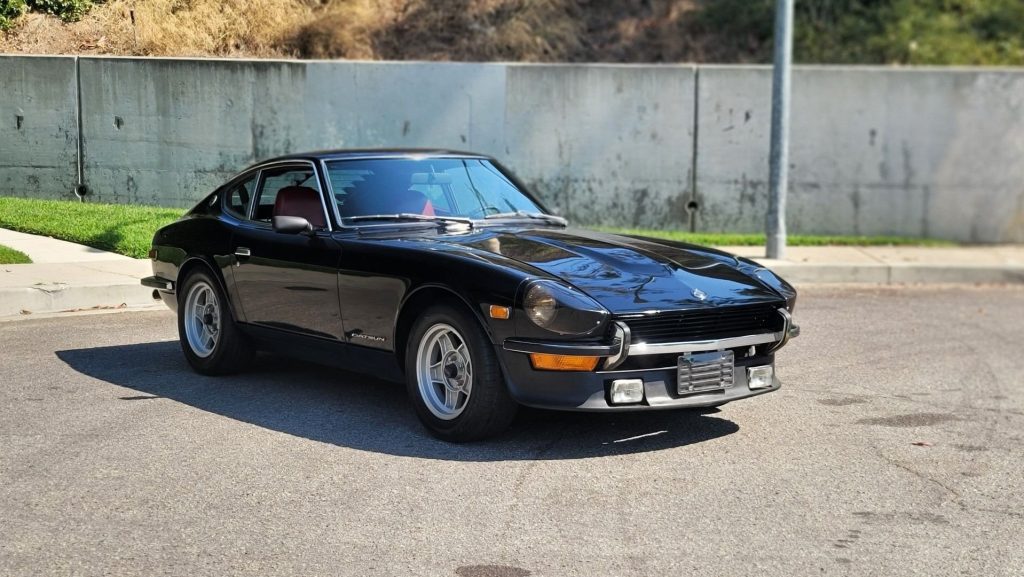
The car feels communicative, with every movement clearly transmitted to the driver through the steering wheel and pedals. Its lightweight frame ensures that even minor throttle or steering inputs produce noticeable responses, keeping the driver engaged and connected.
I selected the Datsun 240Z because it demonstrates that Japanese sports cars from the late 1960s could rival European contemporaries in driving dynamics.
It’s a classic that remains nimble, balanced, and rewarding to drive, proving that thoughtful engineering and lightweight design can endure. The 240Z continues to inspire enthusiasts as a symbol of classic handling excellence.
5. BMW 2002 (1968–1976)
The BMW 2002 is a classic compact sedan that became legendary for its engaging driving characteristics. Its simple, rear-wheel-drive layout, light chassis, and near-perfect weight distribution create a car that feels planted yet lively in corners.
The steering is direct, providing excellent feedback, and the brakes are responsive, encouraging spirited driving while maintaining control.
Powered by a range of 1.6 to 2.0-liter four-cylinder engines, the 2002 delivers sufficient performance without overwhelming the chassis. The car’s manual gearbox is precise and satisfying, allowing drivers to modulate power and maintain momentum through tight turns.
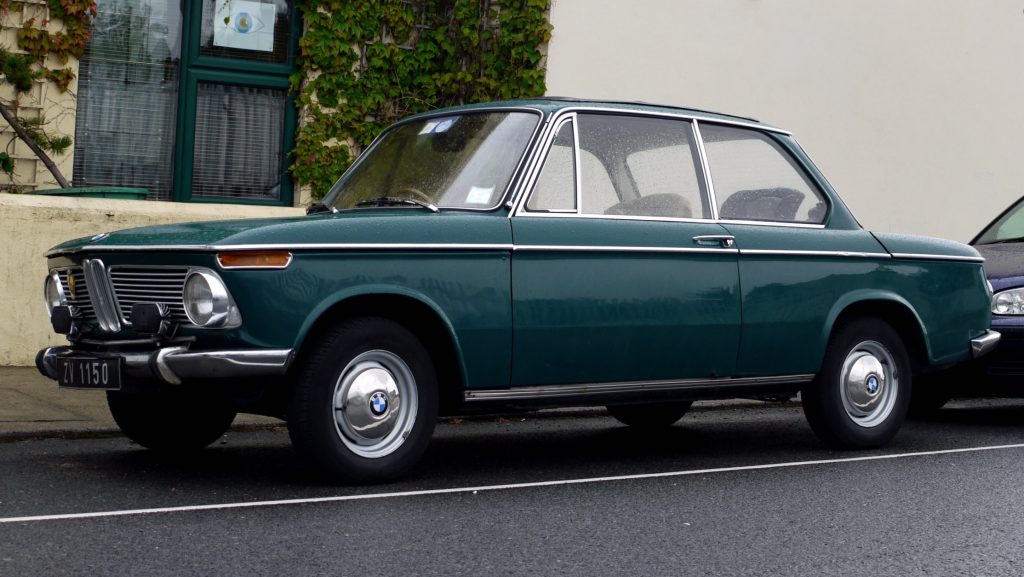
Suspension components, although basic by modern standards, were tuned to provide a balance of comfort and agility, enabling the 2002 to tackle twisty roads with confidence.
The 2002’s compact size and low weight enhance maneuverability, making it feel nimble even in tight corners. Its suspension allows predictable body movement, and the combination of chassis, steering, and brakes offers an engaging, connected experience. Enthusiasts praise it for its “go-kart-like” feel, a rare trait among classic sedans.
I chose the BMW 2002 because it exemplifies how a simple, well-engineered car can deliver timeless handling. It remains fun to drive today, offering a level of engagement that modern sedans often lack.
The 2002 proves that classic engineering, even in a compact package, can provide a driving experience that is both precise and exhilarating, maintaining relevance decades after production.
5 Classic Cars That Don’t Handle Well
Not every classic car has aged gracefully in terms of handling. While some remain engaging and responsive, others reveal limitations that make driving them a more challenging or even frustrating experience.
These cars may still offer charm, style, or historical significance, but their dynamics do not meet modern expectations or the standards set by their peers. Understanding why certain classics handle poorly helps enthusiasts appreciate the difference between aesthetics and performance.
Several factors contribute to poor handling in classic vehicles. Older suspension designs, excessive body roll, underpowered steering, or weight imbalances can create unpredictability in corners.
Some cars prioritize straight-line speed or comfort over cornering precision, resulting in vague steering or reduced responsiveness. In certain cases, chassis flex or outdated braking systems further undermine control, particularly in spirited driving scenarios.
Even cars that were considered impressive when new may feel cumbersome or imprecise when compared to contemporaries or modern sports cars.
Despite these shortcomings, cars that don’t handle well still hold value for collectors and enthusiasts. Their significance may lie in their styling, engine performance, or cultural impact rather than the way they negotiate curves.
Driving these vehicles requires caution, awareness, and an understanding of their limitations, which can be part of the learning experience for classic car enthusiasts.
This section highlights five classic cars that, while iconic or desirable, struggle with handling. Each model is examined to show why it feels less agile, why its dynamics are compromised, and how drivers must adapt.
By contrasting these cars with the classics that still handle exceptionally, readers can gain a clearer perspective on what makes a vehicle genuinely enjoyable to drive versus one that relies on appearance or reputation rather than driving engagement.
1. Chevrolet Corvette C3 (1968–1982)
The Chevrolet Corvette C3, with its long hood and striking curves, remains one of the most iconic American sports cars of its era. However, despite its styling appeal, its handling leaves much to be desired by modern standards.
The C3’s chassis was large and heavy, and although the suspension improved over its production run, it often struggled to provide consistent feedback in corners.
Drivers would feel significant body roll, especially during high-speed turns, making the car feel less stable than its European contemporaries.
The steering system on the C3 is another limiting factor. It relies on power assistance that can feel vague, particularly at lower speeds or during spirited driving.
Precision is lacking compared to smaller, lighter sports cars, meaning drivers must anticipate movement rather than reacting confidently. The combination of soft suspension and relatively wide track contributes to understeer, which reduces cornering agility.
Braking performance, particularly in early models with drum brakes at the rear, is inconsistent. The car requires careful modulation of the brakes to avoid instability. Tires of the era also contributed to reduced grip and unpredictable handling.
While these elements were acceptable when the car was first released, they stand out today as compromises that affect driver engagement.
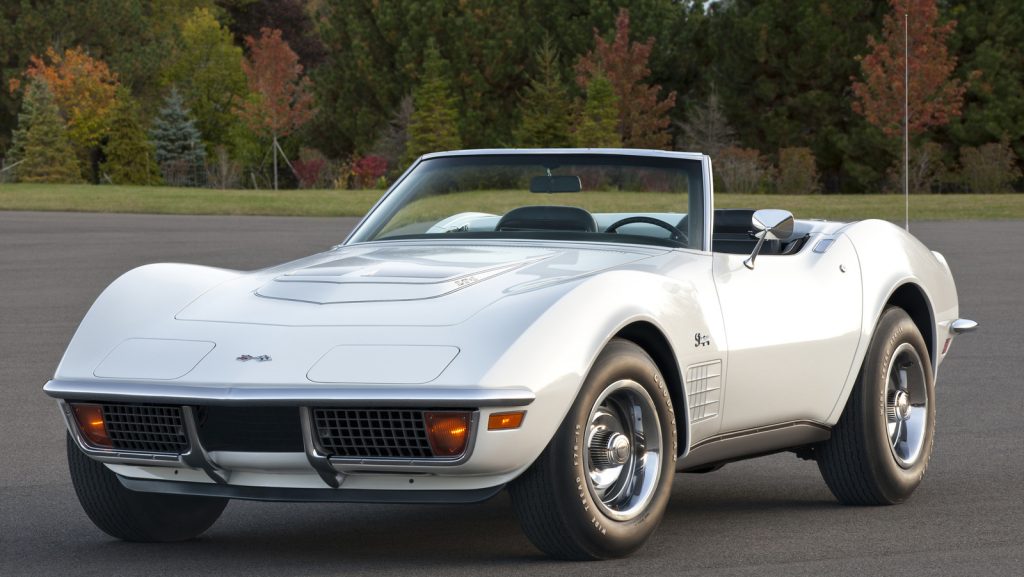
I chose the Corvette C3 because it highlights the gap between styling and driving dynamics. Enthusiasts love it for its iconic design and straight-line performance, but its handling limitations prevent it from delivering the same rewarding driving experience as lighter, more balanced classics.
The C3 serves as a reminder that a car can look impressive without necessarily feeling precise or connected on the road.
2. Ford Mustang (First Generation, 1964–1973)
The first-generation Ford Mustang is one of the most recognized classic cars worldwide, symbolizing American muscle and style. However, its handling characteristics often disappoint when pushed beyond casual driving.
The Mustang’s suspension design prioritized comfort and affordability over precise cornering. Many models featured a live rear axle, which, combined with a soft rear leaf spring setup, produced noticeable body roll and unpredictable behavior in turns.
Steering is another challenge. The original steering systems were often recirculating ball designs with limited feedback, making it difficult to feel what the tires were doing.
The lack of responsiveness requires significant driver compensation, particularly on winding roads. The car’s weight distribution, biased toward the front, exacerbates understeer, which can make aggressive driving less satisfying.
Braking performance was also limited in early Mustangs. Drum brakes were standard on the rear, with only front disc brakes available on select models, reducing stopping power and pedal feel. Modern tires or upgrades improve handling somewhat, but the core chassis geometry remains a limiting factor.
I chose the first-generation Mustang because it illustrates how a car can be iconic yet dynamically compromised.
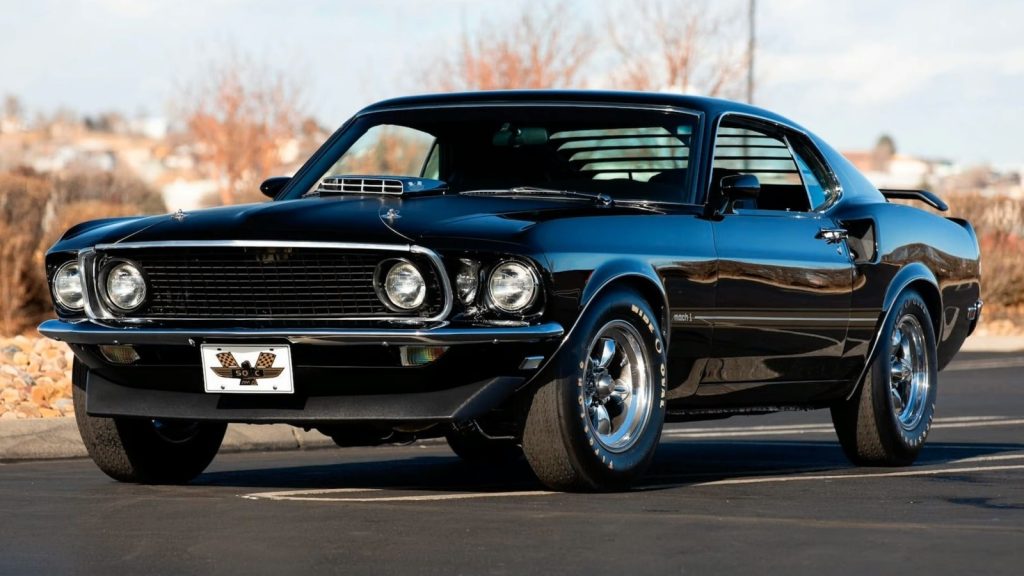
While the Mustang excels in straight-line performance and design appeal, its handling highlights the trade-offs manufacturers made between cost, comfort, and agility during the era.
For enthusiasts seeking responsive cornering, it requires respect and adaptation rather than the natural predictability seen in more balanced classics.
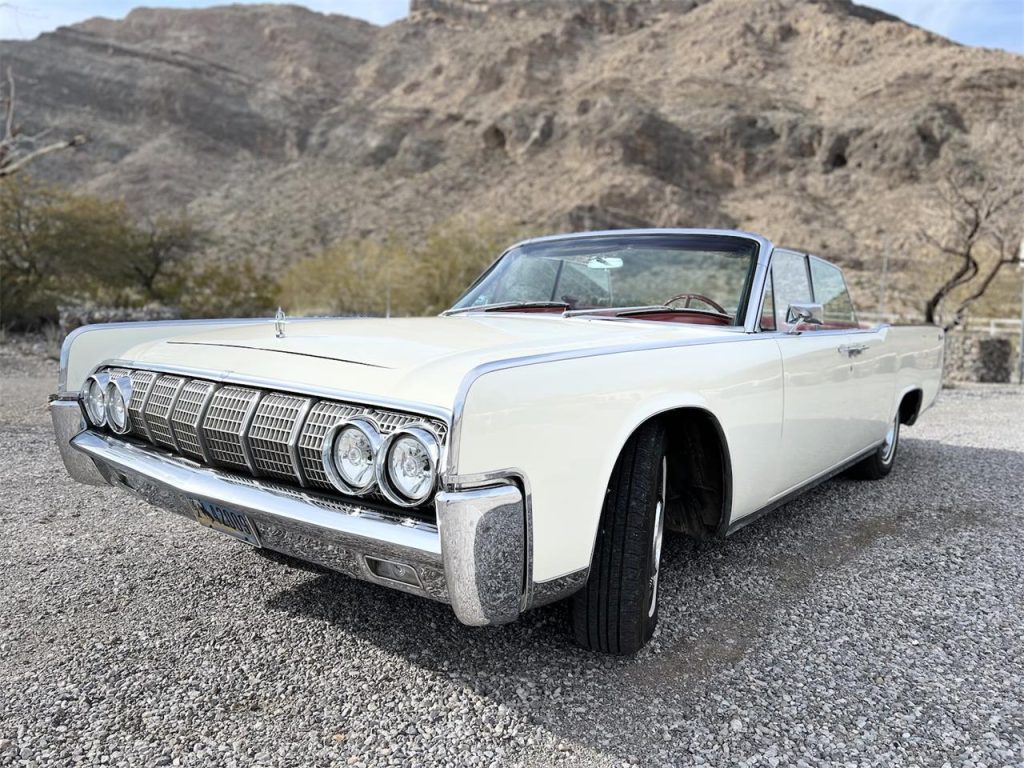
3. Lincoln Continental (1961–1969)
The Lincoln Continental of the 1960s is a classic American luxury sedan, admired for its distinctive styling and smooth ride. However, when it comes to handling, it falls far short of engaging.
With a massive curb weight often exceeding 4,500 pounds and a long wheelbase, the Continental feels cumbersome in corners. Its suspension, designed for comfort rather than agility, allows significant body roll and delayed response to steering inputs.
The steering system contributes to the challenge. Using a recirculating ball setup with power assistance, it lacks precision and feedback.
Drivers often feel disconnected from the road, with little sense of how the tires are gripping. At higher speeds or during quick maneuvers, this imprecision can create a disconcerting sense of unpredictability, requiring constant attention to maintain control.
Braking is adequate for relaxed driving but can feel insufficient under spirited use. Drum brakes, standard on many models, limit stopping power and fade quickly under repeated heavy braking.
Coupled with the car’s mass, this reduces confidence in aggressive driving scenarios. Tires of the era were narrow by today’s standards, further limiting grip and responsiveness.
I chose the Lincoln Continental because it exemplifies the difference between luxury and driving engagement. While it is a visually striking and comfortable vehicle, its handling demonstrates that sheer size and weight can compromise dynamics.
For enthusiasts seeking a connected driving experience, the Continental serves as a reminder that not all classics deliver excitement through corners, no matter how iconic their appearance.
4. Cadillac Eldorado (1971–1978)
The Cadillac Eldorado of the early 1970s is synonymous with American luxury and V8 power. However, its handling characteristics make it difficult to enjoy on winding roads.
Built on a long, heavy chassis, often over 4,800 pounds, the Eldorado relies on soft suspension tuned for comfort. This results in pronounced body roll, slow directional changes, and a vague sense of control during spirited driving.
A hydraulic system assists steering, but feedback is minimal. Drivers receive little communication from the front tires, and high-speed maneuvers require careful modulation to avoid understeer or overcompensation.
The car’s front-heavy weight distribution, combined with its length, exacerbates the feeling of inertia, making it slow to respond to sudden inputs.

Braking performance is limited by large drum systems on early models, with front discs only gradually introduced. Combined with the vehicle’s weight, stopping distances are long, and pedal feel lacks precision. Even with modern upgrades, the Eldorado’s dynamics remain more suited to cruising than cornering.
I chose the Cadillac Eldorado because it highlights the trade-offs of prioritizing luxury over handling. While the car offers comfort, style, and powerful acceleration, it lacks the engagement and responsiveness that make driving rewarding.
The Eldorado remains iconic in design but serves as an example of how size and suspension choices can compromise driver enjoyment.
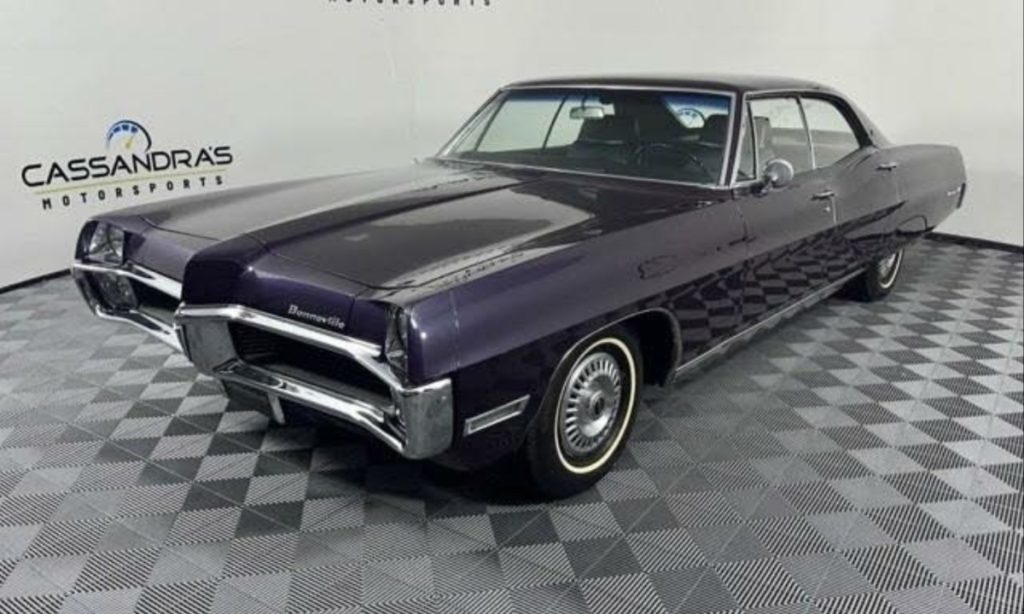
5. Pontiac Bonneville (1965–1970)
The Pontiac Bonneville is a classic full-size American car known for its straight-line speed and spacious interior. However, its handling is notably poor compared to other classics.
Its long, heavy frame and soft suspension make it prone to body roll and delayed response in corners. Steering is often vague, providing little feedback or connection with the road.
The rear suspension design, typically a live axle with leaf springs, limits traction during aggressive driving and exaggerates understeer. The front suspension is tuned for comfort, further reducing precision and making rapid direction changes challenging.
Braking systems, often drum-heavy, are insufficient for the car’s mass, requiring careful modulation to avoid instability.
Despite its V8 power, the Bonneville feels cumbersome, requiring deliberate inputs rather than rewarding quick maneuvers. It excels in relaxed cruising but does not inspire confidence on twisty roads. Drivers seeking agile cornering or spirited engagement will find it lacking.
I chose the Pontiac Bonneville because it illustrates how classic American cars often prioritized comfort and straight-line performance over handling.
While it is a stylish and historically significant vehicle, its dynamics demonstrate the compromises of size, weight, and suspension design, serving as a contrast to classics that remain agile and responsive even decades after production.
Classic cars hold a unique appeal, offering a glimpse into automotive history, design innovation, and engineering approaches of past decades. Yet, not all classics provide an equally rewarding driving experience, particularly when it comes to handling.
Some vehicles remain exceptionally agile, precise, and engaging behind the wheel, while others reveal limitations that make them cumbersome or unpredictable. Understanding this distinction is key for enthusiasts seeking both enjoyment and appreciation of automotive heritage.
Cars like the Porsche 911 (1965–1973), Jaguar E-Type, Alfa Romeo Spider, Datsun 240Z, and BMW 2002 exemplify classic handling excellence.
Their lightweight construction, balanced chassis, and precise steering create a connection between driver and machine that endures decades after production.
These cars reward careful inputs, communicate road conditions effectively, and offer cornering stability that feels surprisingly modern. Engines and gearboxes are well-matched to the chassis, enhancing engagement without overwhelming the driver.
These vehicles demonstrate that thoughtful design and engineering can withstand the test of time, providing driving experiences that remain relevant today.
Conversely, classics such as the Chevrolet Corvette C3, the first-generation Ford Mustang, the Lincoln Continental, the Cadillac Eldorado, and the Pontiac Bonneville illustrate how size, suspension design, and weight distribution can compromise dynamics.
While these cars retain charm, power, and historical significance, their handling is often vague, heavy, or unpredictable.
Steering lacks feedback, body roll is pronounced, and braking may feel inconsistent, making spirited driving less satisfying. These models remind enthusiasts that style and performance do not always coincide with driver engagement.
The comparison between these two groups underscores the importance of design philosophy in automotive history. Some classics endure as driving machines that excite and reward skill, while others excel in aesthetics or comfort but fail to deliver dynamic satisfaction.
Appreciating both perspectives allows enthusiasts to select vehicles that align with their priorities, whether that be thrilling engagement or iconic presence, ensuring the joys of classic motoring are experienced to the fullest.
Also Read: 5 Trucks That Will Be Collectibles Soon vs 5 That Won’t
