
Electric vehicles have transformed transportation with cleaner energy, instant torque, and innovative technology. Yet, one challenge remains significant: maintaining range during cold winter months.
Low temperatures affect battery chemistry, reduce regenerative braking efficiency, and increase energy consumption due to cabin heating. For EV owners in colder climates, this can mean the difference between reaching a destination comfortably and running unexpectedly low on charge.
Winter performance is not uniform across electric cars. Some models employ advanced thermal management systems, efficient heat pumps, and battery insulation that preserve range even in sub-zero conditions.
These vehicles allow drivers to enjoy long trips without drastic reductions in mileage, ensuring confidence and reliability throughout winter. They demonstrate that thoughtful engineering can mitigate the natural limitations of lithium-ion technology in cold weather.
Conversely, some EVs struggle significantly in winter. Inefficient heating systems, poorly insulated batteries, and high energy draw for climate control can lead to range drops of 30% or more.
Owners may experience frequent charging stops, reduced driving enjoyment, and even range anxiety that undermines the promise of electric mobility. These shortcomings highlight how not all EVs are created equal when winter conditions test their capabilities.
This article focuses on both sides of winter EV performance. Five models are selected for their ability to maintain range in cold conditions, offering peace of mind and practicality for everyday driving.
Five other models are highlighted for their struggles, illustrating how certain design choices or limitations can severely reduce usability during winter. By examining these extremes, readers can understand which EVs provide dependable winter performance and which require caution or additional planning.
Also Read: 5 Trucks That Will Be Collectibles Soon vs 5 That Won’t
5 EVs With Great Range in Winter
One of the biggest concerns for electric vehicle owners in cold climates is range performance during winter months. Low temperatures naturally reduce battery efficiency, increase energy consumption for cabin heating, and limit regenerative braking effectiveness.
However, some EVs are engineered to overcome these challenges, allowing drivers to maintain substantial mileage even when temperatures drop well below freezing. These vehicles combine advanced battery technology, efficient thermal management, and intelligent energy use to deliver reliable winter range.
Vehicles that perform well in winter typically employ several strategies. Active thermal management keeps the battery within an optimal operating temperature, preventing excessive energy loss.
Heat pumps are often used for cabin heating instead of traditional resistive heaters, which consume more energy. Aerodynamic efficiency, regenerative braking optimization, and battery insulation also contribute to minimizing range reduction.
When these systems work in concert, drivers can trust their EVs to remain practical and predictable even in the coldest conditions.
Selecting an EV with strong winter range is not just about long trips; it is about confidence, convenience, and safety. Reduced range can force unexpected charging stops, disrupt travel plans, and increase stress.
Cars that maintain range offer a seamless experience, allowing drivers to plan routes without compromise. Additionally, these vehicles demonstrate the importance of thoughtful design in addressing real-world challenges rather than focusing solely on maximum range under ideal conditions.
The following five EVs are notable for their ability to retain performance in cold weather. Each is chosen for a combination of battery design, thermal management, and real-world testing, demonstrating that not all electric cars experience the same winter range reduction.
Highlighting these models provides practical guidance for drivers in colder regions and illustrates how engineering can make an EV both fast and reliable even in the harshest conditions.
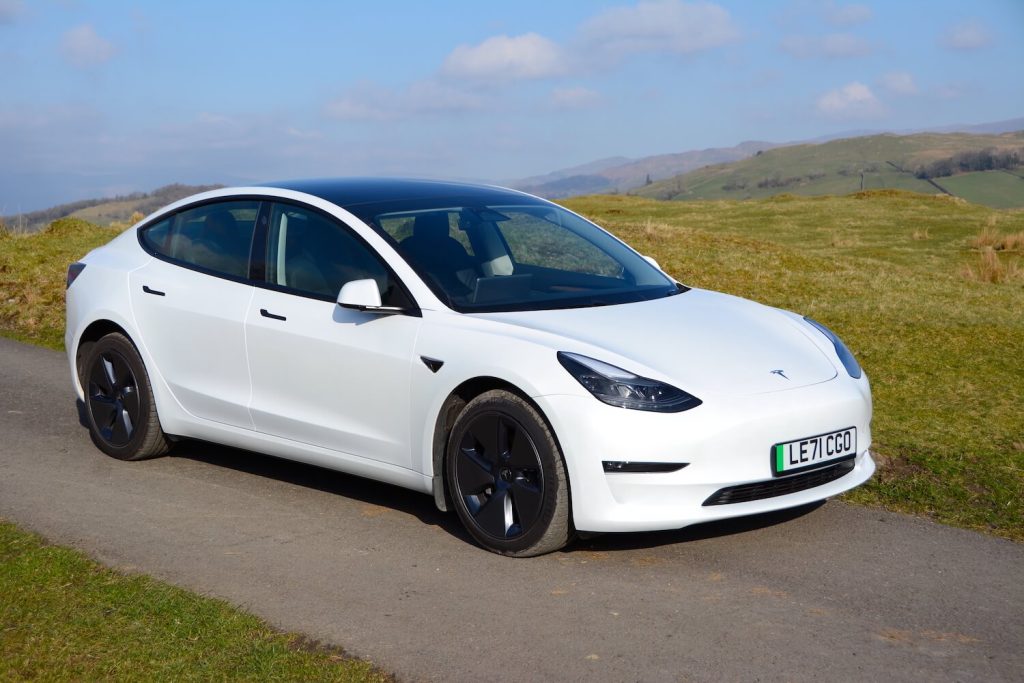
1. Tesla Model S Long Range
The Tesla Model S Long Range is widely recognized for its ability to maintain impressive mileage even in sub-zero conditions. Its advanced battery management system actively regulates battery temperature, keeping it within an optimal range to reduce energy loss.
This thermal management ensures that the car’s long-range capabilities remain practical during winter, even when outside temperatures drop significantly.
One of the key features that supports winter range is the Model S’s heat pump system. Unlike conventional resistive heaters, the heat pump draws energy efficiently from the environment and the battery, minimizing additional drain.
This means cabin warmth does not dramatically reduce available driving range, allowing drivers to travel longer distances without frequent charging stops. Additionally, Tesla’s regenerative braking system adapts intelligently in cold conditions, recovering energy whenever possible while maintaining safety and predictability.
The Model S also benefits from its aerodynamic body and low rolling resistance tires, which further reduce energy consumption during winter driving. Its large battery pack provides ample reserve, mitigating the effect of cold-weather energy losses.
Real-world tests have shown that even in temperatures below -10°C, the Model S Long Range can retain around 80% of its rated range, outperforming many competitors.
I selected the Tesla Model S Long Range because it demonstrates how intelligent engineering and software optimization can preserve EV usability in challenging conditions.
For drivers in cold climates, this vehicle offers peace of mind, long-distance capability, and consistent performance. It proves that with the right combination of battery management, heating efficiency, and regenerative braking, an electric vehicle can remain practical and reliable throughout winter.
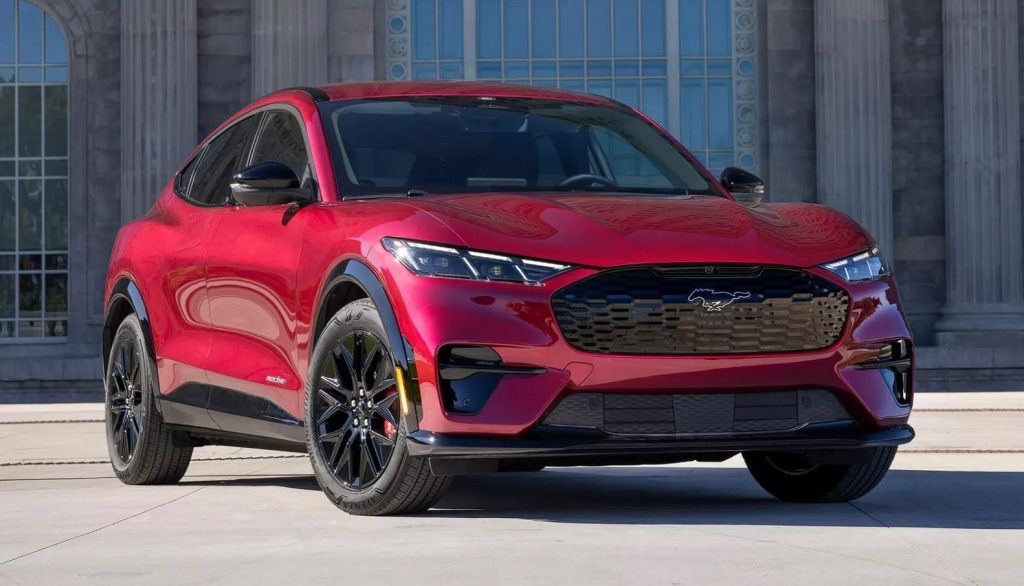
2. Ford Mustang Mach-E (Extended Range)
The Ford Mustang Mach-E with the extended range battery excels in winter performance thanks to its efficient thermal management and battery design.
Its active cooling and heating systems regulate cell temperatures, preventing excessive energy loss and ensuring predictable performance even in cold conditions. This allows drivers to rely on a substantial portion of the vehicle’s advertised range during winter months.
A key feature of the Mach-E is its use of a heat pump for cabin heating. Unlike traditional resistive heaters, the heat pump consumes less energy, which significantly reduces the impact of heating on driving range.
Combined with an aerodynamic body and optimized rolling resistance, the Mach-E maintains efficiency during long winter drives. Regenerative braking adapts in cold weather, offering consistent energy recovery without compromising safety.
Real-world testing indicates that the Mach-E can retain a large portion of its range in sub-zero temperatures, outperforming many other EVs in similar conditions.
Its battery management system actively monitors cell temperature and balances energy use between propulsion and auxiliary systems, ensuring reliability and predictability.
The car also offers user-adjustable pre-conditioning, which allows the battery and cabin to be warmed while still plugged in, further preserving driving range.
I selected the Ford Mustang Mach-E Extended Range because it combines practicality, advanced thermal management, and efficiency, making it a dependable choice for winter driving.
Its ability to maintain range in cold climates demonstrates that EVs can be both capable and convenient year-round, providing confidence and consistency to drivers in regions with harsh winters.
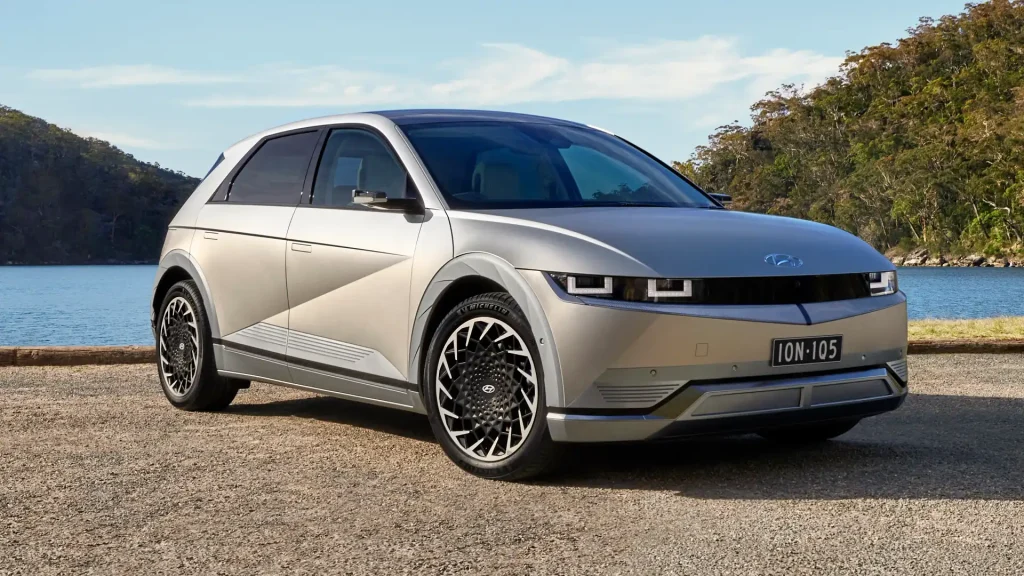
3. Hyundai Ioniq 5
The Hyundai Ioniq 5 is a standout in winter EV performance thanks to its combination of efficient thermal management, battery technology, and lightweight architecture.
Its 77.4 kWh battery uses active liquid cooling and heating systems to maintain optimal cell temperatures, ensuring minimal energy loss even in cold weather. This allows drivers to retain a substantial portion of the vehicle’s advertised range despite sub-zero conditions.
A significant advantage of the Ioniq 5 is its heat pump system for cabin heating. By extracting ambient heat efficiently, it reduces energy consumption compared to conventional resistive heaters.
This system ensures that occupants remain comfortable without drastically reducing available driving range. Additionally, the car’s regenerative braking system adapts in winter, recovering energy effectively while maintaining smooth and predictable performance.
The Ioniq 5’s aerodynamic design and optimized tire selection further enhance efficiency, reducing drag and rolling resistance in cold conditions.
Pre-conditioning features allow the cabin and battery to be warmed while the vehicle is plugged in, which preserves range and ensures the battery operates efficiently from the start of a trip.
Real-world testing shows that the Ioniq 5 can retain up to 80% of its rated range in temperatures well below freezing, making it a practical option for drivers in harsh climates. Its combination of engineering, design, and technology ensures confidence for long-distance travel in winter.
I selected the Hyundai Ioniq 5 because it demonstrates that modern EVs can remain highly practical and reliable even in cold climates.
By combining intelligent thermal management, efficient heating, and energy recovery, the Ioniq 5 ensures that winter driving is convenient and predictable, providing both comfort and range preservation for everyday use.
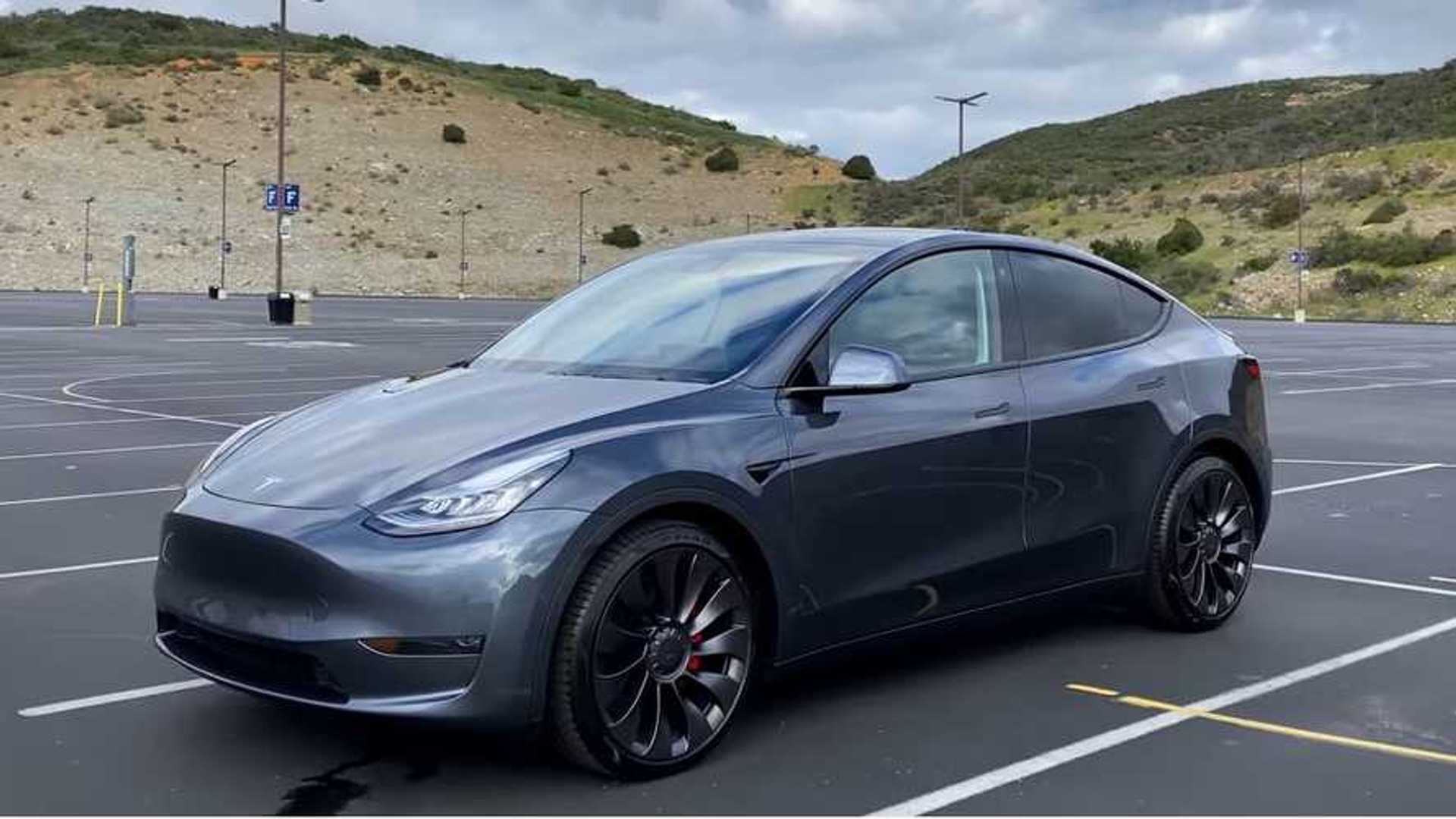
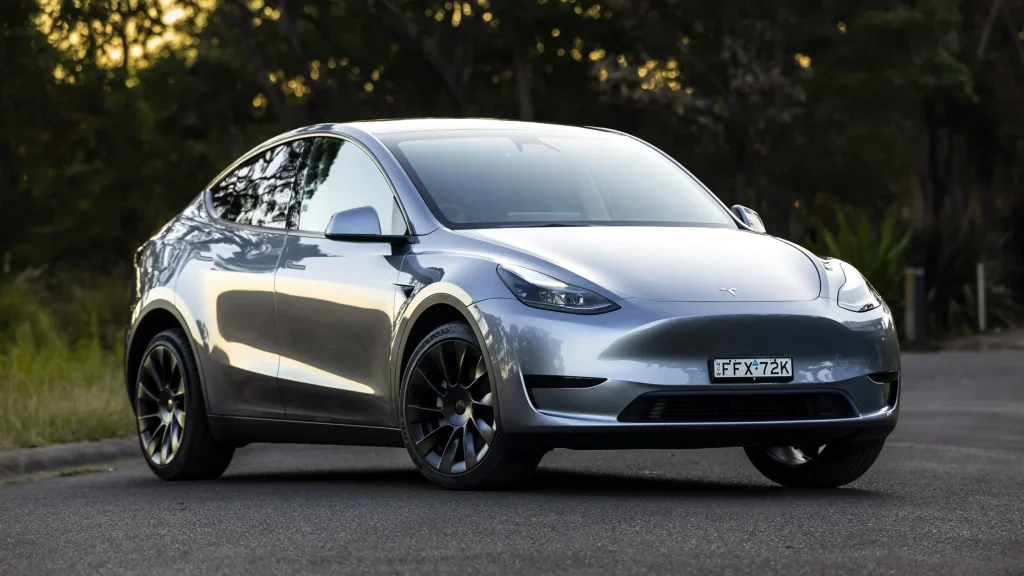
4. Tesla Model Y Long Range
The Tesla Model Y Long Range delivers impressive winter performance, much like its sedan counterpart. Its battery pack benefits from advanced thermal management, keeping cells at an optimal temperature regardless of external conditions. This ensures that range reduction in cold weather is minimized, maintaining usability and driver confidence.
A heat pump for cabin heating contributes significantly to energy efficiency. Unlike traditional resistive heaters, the heat pump consumes less energy, allowing drivers to maintain warmth without drastically affecting range.
The Model Y’s regenerative braking system also adjusts in winter, recovering energy efficiently while remaining safe and predictable. Its aerodynamic design and low rolling resistance tires further reduce energy consumption.
Pre-conditioning capabilities allow the battery and cabin to be heated while the vehicle is plugged in. This ensures that energy is drawn from the grid rather than the battery, preserving driving range for the journey ahead.
Real-world tests show that the Model Y can maintain around 75–80% of its rated range in sub-zero temperatures, making it one of the most reliable EVs for winter travel.
I chose the Tesla Model Y Long Range because it proves that an electric SUV can be both practical and efficient during harsh winters.
Advanced battery thermal management, energy-efficient heating, and regenerative braking allow it to retain range and provide predictable performance, making it a dependable choice for drivers in cold climates.
5. Audi e-tron GT
The Audi e-tron GT is a performance-oriented EV that also performs exceptionally well in winter conditions. Its large battery pack uses liquid thermal management to maintain optimal temperature, reducing energy loss in cold climates.
This ensures that drivers can rely on the e-tron GT for longer trips without excessive range reduction, even in sub-zero temperatures.
Cabin heating is handled efficiently using a heat pump system, minimizing energy consumption while keeping passengers warm.
Combined with intelligent regenerative braking and energy recovery systems, the e-tron GT retains efficiency without compromising performance. Aerodynamics and tire selection are optimized to reduce rolling resistance, further contributing to range retention during winter.
Pre-conditioning allows both the battery and cabin to be warmed while the vehicle is plugged in, ensuring maximum range from the start.
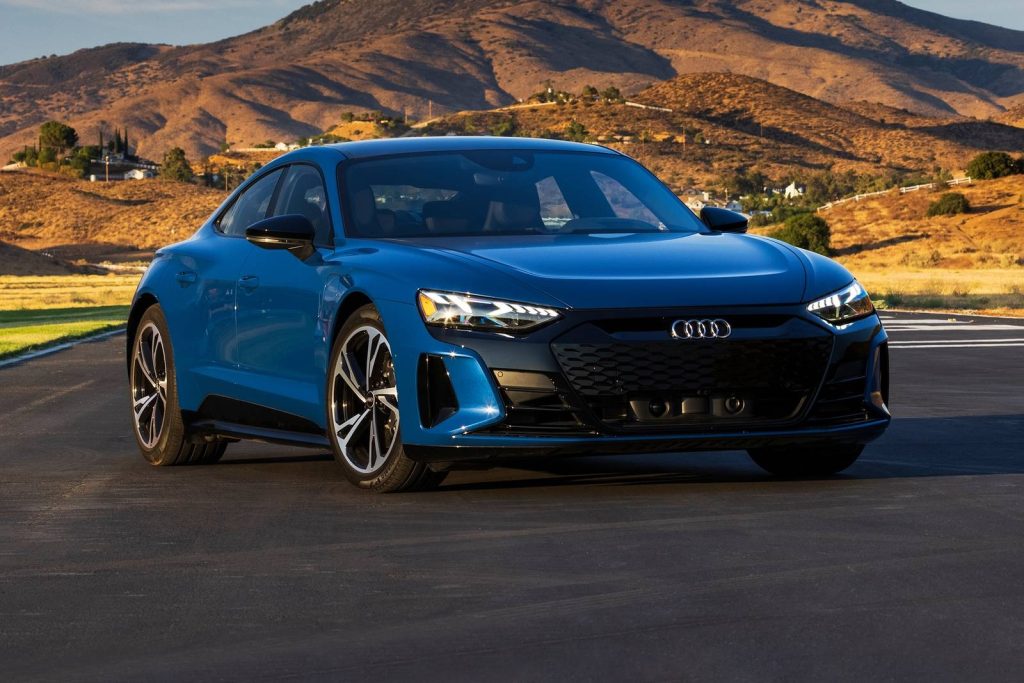
Real-world tests indicate that the e-tron GT maintains approximately 75% of its rated range even in temperatures below -10°C, demonstrating its capability and reliability.
I selected the Audi e-tron GT because it balances high performance with winter practicality. Drivers gain the confidence of predictable handling, strong range retention, and comfortable cabin conditions in cold weather.
The e-tron GT shows that even performance EVs can be engineered to maintain usability and efficiency throughout harsh winters, making it a practical choice for enthusiasts and daily drivers alike.
5 EVs That Fail Miserably in Winter
While electric vehicles offer many advantages, not all perform equally well in cold weather. Winter conditions pose significant challenges for EVs, including battery efficiency reduction, higher energy consumption for cabin heating, and decreased regenerative braking effectiveness.
Some models struggle more than others, leaving drivers with reduced range, frequent charging stops, and potential range anxiety during the colder months.
The vehicles that fail in winter typically lack efficient thermal management or cabin heating systems. Conventional resistive heaters consume significant battery energy, which can reduce the available driving range drastically.
Some EVs also have poorly insulated battery packs or inadequate pre-conditioning features, meaning energy is wasted warming the battery and cabin during winter. Inefficient aerodynamics or rolling resistance further compounds energy loss in cold weather.
Range reduction can be dramatic in these EVs, sometimes exceeding 30–40% in sub-zero temperatures.
This impacts not only long trips but also daily commuting, forcing drivers to plan charging stops more carefully. Such limitations undermine convenience, reduce confidence, and in some cases make the vehicle impractical for regions with harsh winters.
This section highlights five EVs known to perform poorly in cold weather. Each model is chosen based on real-world testing, battery design, and user reports to illustrate how certain vehicles struggle when temperatures drop.
These cars demonstrate that not all EVs deliver reliable winter performance and emphasize the importance of considering thermal management and energy efficiency when purchasing an electric vehicle for cold climates.
By examining these underperformers, readers can identify which EVs may require caution, additional planning, or modifications to remain usable in winter, contrasting sharply with models engineered to retain range and efficiency.
1. Nissan Leaf (First Generation, 2010–2017)
The first-generation Nissan Leaf is one of the most popular early electric vehicles, but it struggles significantly in cold weather.
Its 24–30 kWh battery is particularly sensitive to low temperatures, and without advanced thermal management, energy efficiency drops sharply during winter months.
Real-world tests show range reductions of 30% or more in sub-zero conditions, making long trips challenging and daily commutes less predictable.
One of the key issues is the Leaf’s cabin heating system. The car uses a conventional resistive heater that draws significant energy from the battery, further reducing range when occupants require warmth.
Unlike some modern EVs, the Leaf lacks a heat pump or pre-conditioning system in many early models, meaning energy must be drawn from the battery to both heat the cabin and maintain battery function.
Regenerative braking is also limited in cold temperatures. Without proper battery warming, the system becomes less effective, reducing energy recovery and placing additional strain on the battery. Coupled with the vehicle’s modest battery capacity, drivers often experience range anxiety during winter driving.
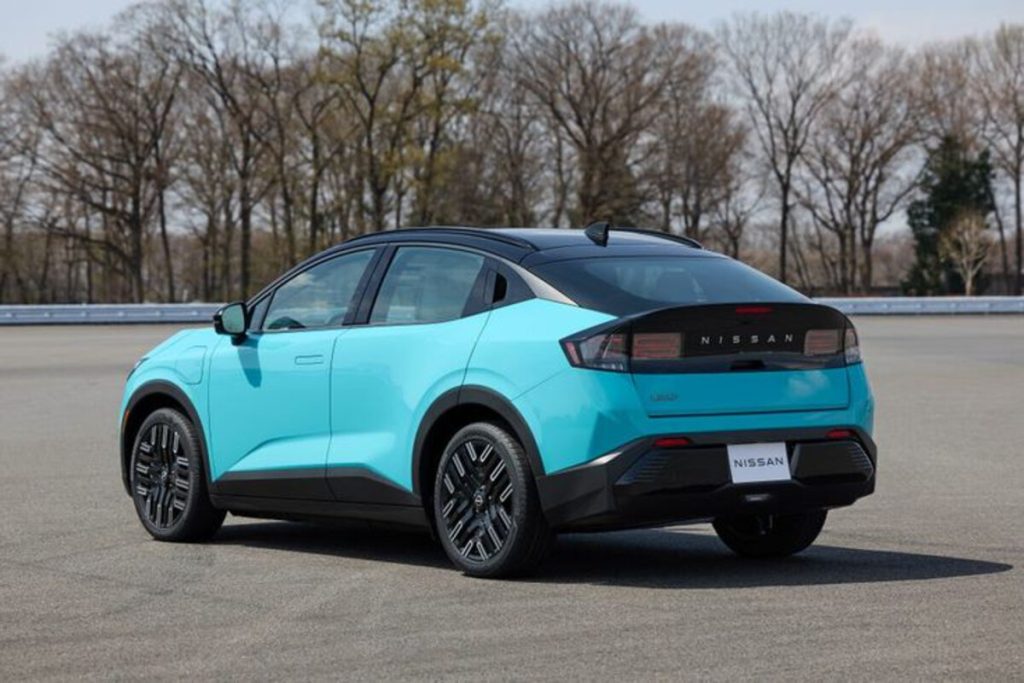
I selected the Nissan Leaf (first generation) because it illustrates the challenges early EVs faced in cold climates. While it was a milestone in mass-market electrification, its performance in winter conditions highlights the importance of battery thermal management and energy-efficient heating.
Drivers must carefully plan trips, minimize energy consumption, and accept significant reductions in driving range.
For cold-weather reliability, the first-generation Leaf underperforms compared to more modern EVs designed with advanced thermal systems, demonstrating that winter usability is as crucial as advertised range.
2. BMW i3 (2013–2022)
The BMW i3 is an innovative compact EV, but its winter performance is a known limitation. Its small 22–42 kWh battery combined with resistive cabin heating results in noticeable range loss during cold weather.
Drivers in sub-zero temperatures frequently report drops of 30% or more in real-world range, making longer trips difficult without careful planning.
The i3 lacks a heat pump in most early models, meaning cabin heating draws heavily from the battery. This energy consumption reduces the distance the car can travel, particularly in regions where prolonged heating is necessary.
While the i3 has a compact and lightweight design, its small battery means there is little reserve to offset the energy required for winter driving.
Regenerative braking is also affected in cold conditions. When the battery is too cold, the system limits energy recovery to protect cells, reducing efficiency.
Combined with high energy consumption for heating and limited battery capacity, the i3 can feel impractical for winter commutes or longer trips without careful management.
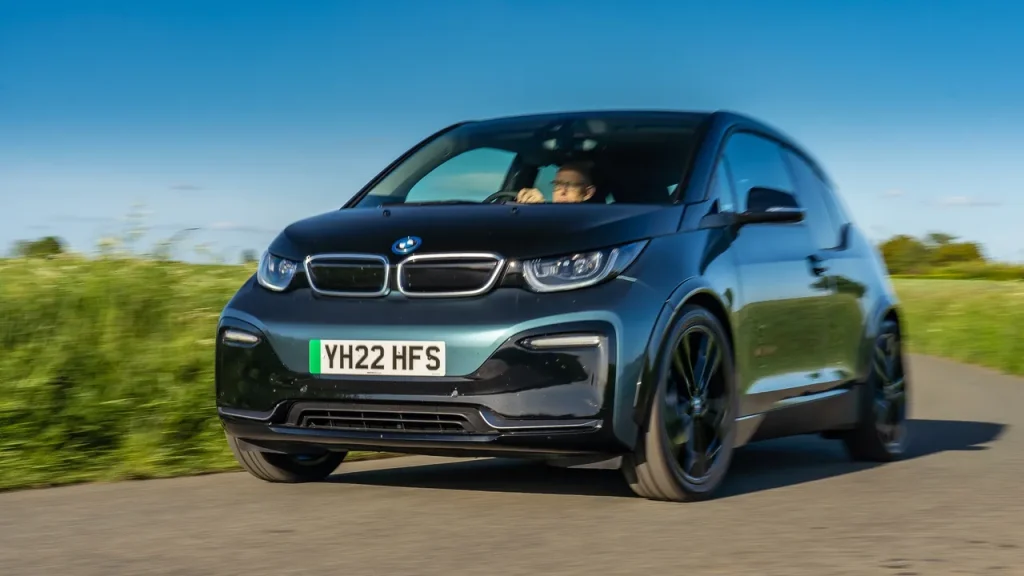
I selected the BMW i3 because it demonstrates that even technologically advanced EVs can struggle in cold climates. While efficient and nimble in moderate temperatures, winter conditions expose limitations in battery thermal management and heating systems.
The i3 highlights the importance of designing EVs with practical solutions for cold weather, showing that range ratings alone do not guarantee real-world usability in challenging climates.
3. Volkswagen e-Golf (2014–2020)
The Volkswagen e-Golf is a well-regarded compact electric vehicle for moderate climates, but its winter performance is limited. Its 24–35.8 kWh battery lacks active thermal management, making it susceptible to significant efficiency losses in sub-zero conditions.
Real-world testing shows that drivers can experience a 30–40% reduction in range during cold weather, making longer trips challenging and daily commutes less predictable.
One of the key issues is cabin heating. The e-Golf relies on conventional resistive heaters in most models, which draw heavily from the battery. This reduces driving range significantly when the interior requires warmth.
Unlike EVs equipped with heat pumps or advanced pre-conditioning systems, the e-Golf offers limited ways to mitigate these losses. Drivers often must plan for additional charging stops, especially in regions with prolonged winter conditions.
Regenerative braking is also affected in cold temperatures. When the battery is below optimal operating temperature, energy recovery is restricted, reducing overall efficiency. Combined with the vehicle’s relatively small battery pack, the car struggles to maintain advertised range in winter conditions.
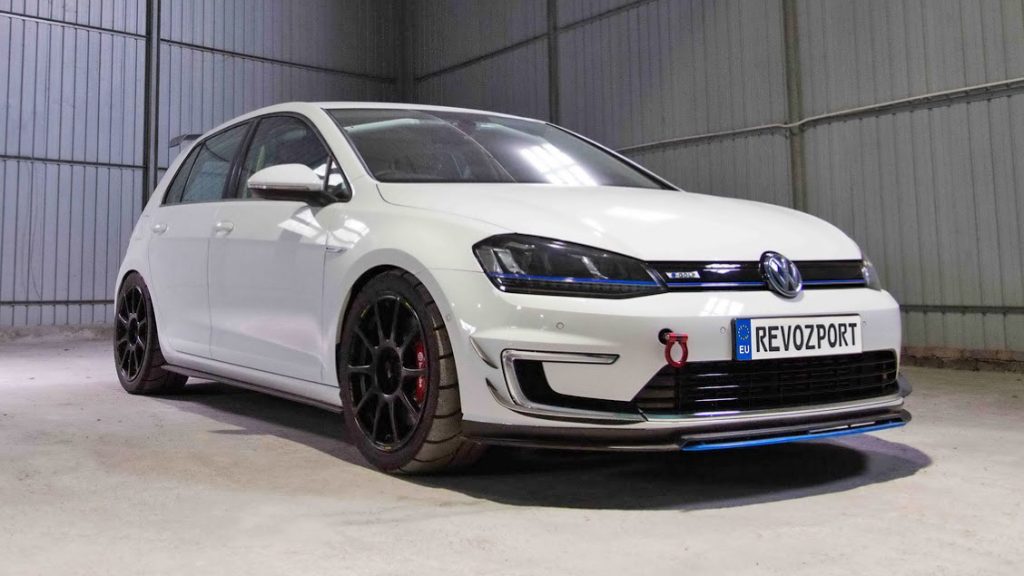
I selected the Volkswagen e-Golf because it highlights the challenges of early and mid-generation EVs in cold climates. While it is efficient and practical in moderate weather, winter exposes the lack of thermal management and energy-efficient heating systems.
Drivers need to carefully plan routes and accept reduced range, demonstrating that not all EVs are equally reliable when temperatures drop. For cold-weather usability, the e-Golf underperforms compared to models specifically designed with winter efficiency in mind.
4. Hyundai Kona Electric (39 kWh Version, 2018–2020)
The Hyundai Kona Electric with the smaller 39 kWh battery is a capable EV, but it struggles in winter. Its battery experiences significant energy losses at low temperatures, and the lack of a heat pump in early versions exacerbates range reduction. Drivers frequently report losses of 25–35% in sub-zero conditions, affecting commuting distance and trip planning.
Cabin heating relies on resistive elements that draw directly from the battery. During extended periods of cold driving, this reduces the available energy for propulsion, often leaving little margin for longer trips. While the Kona Electric is otherwise efficient, winter conditions reveal the limits of its thermal management system.
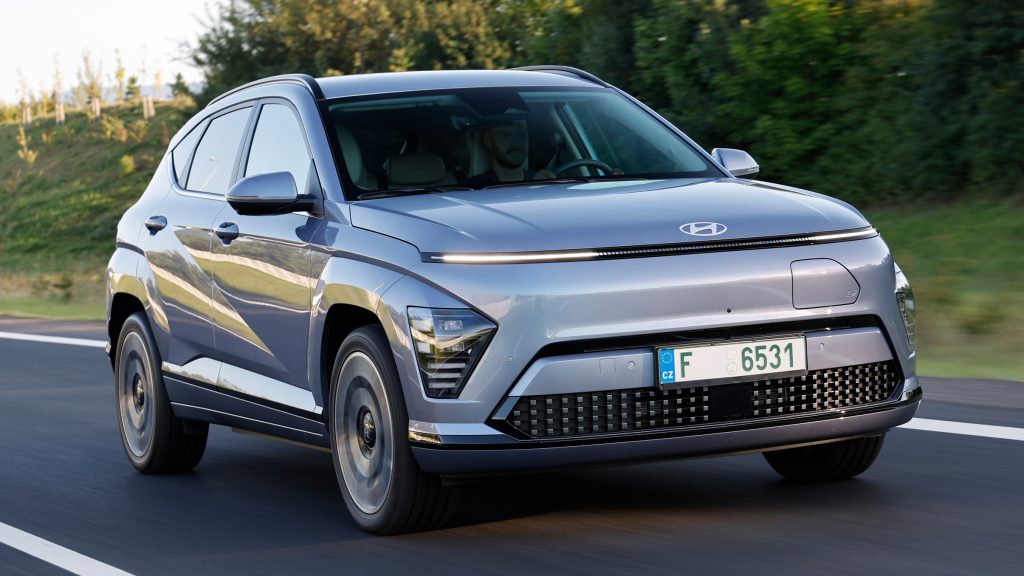
Regenerative braking is also affected when the battery is too cold, reducing energy recovery and increasing dependency on the main battery.
Combined with the smaller pack, drivers must be cautious, plan charging stops carefully, and adjust driving habits to preserve range.
I selected the 39 kWh Hyundai Kona Electric because it demonstrates that battery capacity and thermal management are critical for winter usability.
While capable in moderate conditions, this model struggles when temperatures drop, showing that not all EVs deliver reliable performance in winter. It is a reminder that advertised range alone does not reflect real-world usability in cold climates.
5. Kia Soul EV (27–30 kWh, 2015–2019)
The Kia Soul EV is a compact and practical electric vehicle, but it is known for poor winter range performance.
Its relatively small battery and lack of advanced thermal management cause dramatic energy losses in sub-zero temperatures. Real-world tests indicate reductions of 30–40% in winter, making daily driving and longer trips less convenient.
Heating relies on conventional resistive elements, which draw heavily from the battery. Combined with increased energy demand for defrosting and climate control, the available driving range drops sharply in cold weather. Drivers often experience range anxiety, requiring frequent charging or careful trip planning.
Regenerative braking is limited when the battery is cold, further reducing efficiency and energy recovery.
The small battery leaves little room for energy-intensive heating, which compounds the issue. While the Soul EV is reliable in temperate climates, winter conditions reveal that it struggles to maintain usability.
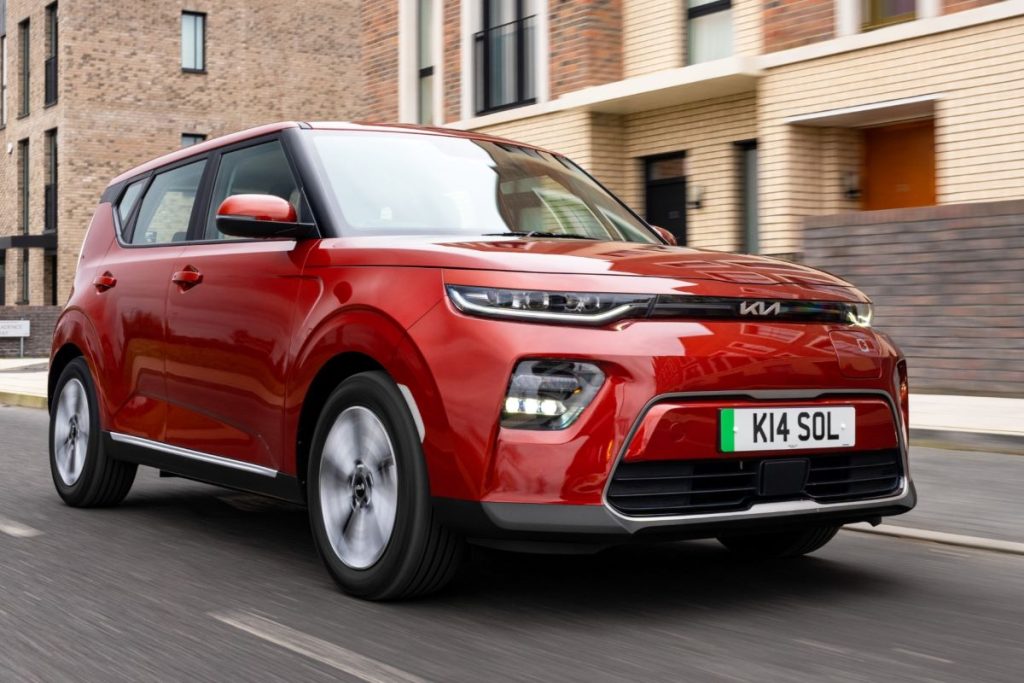
I selected the Kia Soul EV because it illustrates the consequences of insufficient thermal management and small battery capacity in cold climates. While it offers practicality and city-friendly performance, winter driving exposes its limitations.
It serves as a clear example that not all EVs can be relied upon in harsh conditions, emphasizing the importance of design considerations for cold-weather performance.
Winter conditions present one of the greatest challenges for electric vehicles, testing battery efficiency, energy management, and heating systems.
Cold temperatures reduce battery performance, increase energy consumption for cabin heating, and limit regenerative braking efficiency. Not all EVs respond equally, and understanding which models maintain range versus those that falter is crucial for drivers in colder climates.
EVs that excel in winter, such as the Tesla Model S Long Range, Ford Mustang Mach-E Extended Range, Hyundai Ioniq 5, Tesla Model Y Long Range, and Audi e-tron GT, demonstrate that intelligent engineering can mitigate cold-weather challenges.
These vehicles employ active thermal management to maintain optimal battery temperature, reducing energy loss and preserving range. Heat pump systems efficiently heat the cabin without drawing excessive energy from the battery, while regenerative braking remains effective even in low temperatures.
Aerodynamic designs, low rolling resistance tires, and pre-conditioning features further enhance winter usability. As a result, drivers can maintain predictable range and comfort, ensuring reliability for daily commutes and long-distance travel.
In contrast, some EVs struggle significantly in winter. The Nissan Leaf (first generation), BMW i3, Volkswagen e-Golf, Hyundai Kona Electric (39 kWh), and Kia Soul EV experience sharp reductions in driving range due to limited battery thermal management and resistive cabin heating systems.
In these vehicles, regenerative braking is restricted, energy consumption rises, and winter driving can become inconvenient or stressful. Frequent charging stops and careful planning are often required to maintain usability, highlighting the importance of design considerations for cold-weather performance.
The comparison between these two groups underscores the critical role of thermal management, energy-efficient heating, and battery capacity in determining winter EV performance.
While some models provide dependable, confident driving experiences regardless of temperature, others reveal the limitations of early designs or less optimized systems. Understanding these differences enables drivers to choose EVs that remain practical, efficient, and reliable in harsh winter conditions.
Also Read: 5 Sedans That Stay Solid for Decades vs 5 That Age Poorly
