
Buying a car involves more than selecting a model based on looks or performance. Value is a crucial factor, as some cars offer far more features, quality, and driving enjoyment than their price suggests, while others command a premium that feels unwarranted.
Understanding which vehicles deliver true value and which do not can save buyers both money and frustration.
Cars that feel underpriced typically provide exceptional engineering, comfort, performance, or technology at a price point that is lower than expected.
These vehicles surprise owners with the breadth of equipment, refinement, and reliability offered, often exceeding expectations for their segment.
Owning an underpriced car can feel rewarding because drivers receive more than they pay for, whether through spirited performance, advanced features, or long-term durability.
On the other hand, some cars feel overpriced because their cost does not align with the benefits they deliver. These vehicles may have underwhelming performance, limited technology, or subpar build quality compared to similarly priced competitors.
Buyers may feel that the price premium is justified more by brand badge or styling than by tangible improvements in driving experience, features, or reliability. Overpriced cars can lead to buyer’s remorse and a sense of paying for prestige rather than substance.
This article examines both extremes of automotive pricing. Five cars are highlighted for delivering exceptional value at their price point, proving that quality and affordability can coexist.
Five other cars are explored for their tendency to command prices that exceed what they offer, showing how cost can sometimes outpace tangible benefits.
Understanding these contrasts helps buyers make informed decisions and recognize which vehicles provide genuine value versus those that may disappoint relative to their price.
Also Read: 5 SUVs With Growing Demand vs 5 Falling Out of Favor
5 Cars That Feel Underpriced
Some cars surprise buyers by delivering far more than their sticker price suggests. These vehicles combine features, performance, comfort, and reliability at a cost that feels exceptionally reasonable, making them excellent choices for those seeking value.
While every buyer evaluates value differently, certain cars consistently impress enthusiasts and everyday drivers alike for providing high levels of quality and enjoyment without commanding a premium.
Cars that feel underpriced often excel in multiple areas. Performance-oriented models may offer robust acceleration, agile handling, and refined powertrains at a lower cost than expected.
Luxury or near-luxury cars might include high-quality materials, advanced infotainment, and driver-assistance systems usually found on more expensive competitors. Reliability and long-term durability further enhance the sense of value, as owners enjoy peace of mind alongside driving pleasure.
Another factor is the breadth of standard equipment. Vehicles that pack a generous array of features, such as safety technology, comfort options, and connectivity, create a perception of underpricing because buyers receive more than expected for the money spent.
These cars often outperform competitors in both subjective enjoyment and objective measurements of capability, creating a combination of affordability and quality that feels rare in today’s automotive market.
Highlighting cars that feel underpriced helps buyers identify models that deliver both practical and emotional satisfaction. These vehicles prove that quality, performance, and technology are not exclusively reserved for high-priced segments.
In this section, five cars are selected for their ability to impress in terms of standard features, driving experience, and long-term value, demonstrating how the right combination of design, engineering, and pricing can create a vehicle that feels like a smart investment and a genuinely rewarding ownership experience.
1. Kia Stinger
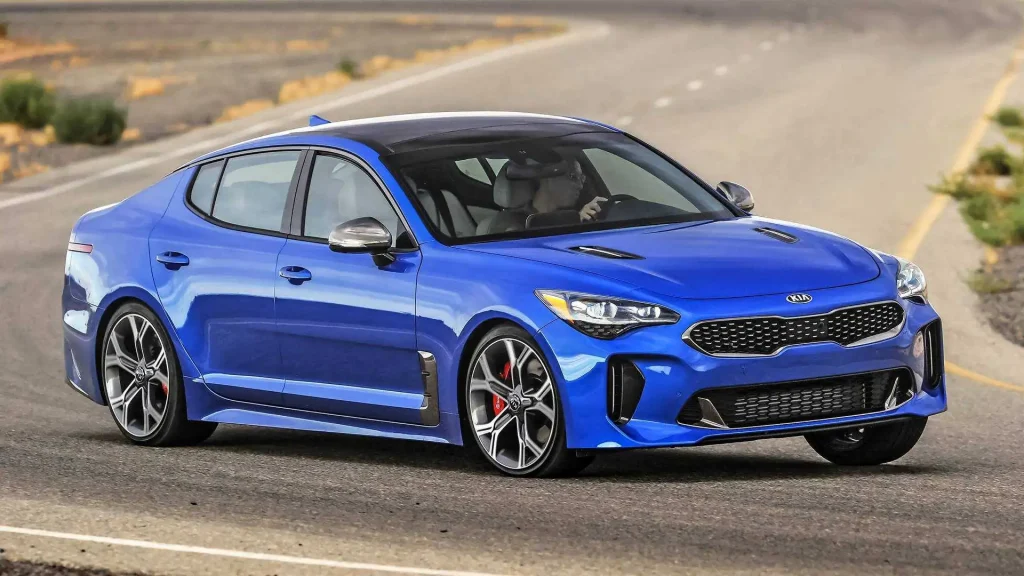
The Kia Stinger is a rare example of a performance sedan that delivers features, handling, and design often associated with higher-priced luxury vehicles, yet it comes at a very competitive price point.
Its combination of aggressive styling, strong engine options, and rear-wheel-drive dynamics makes it a thrilling option for buyers who want performance without the traditional luxury premium.
One of the Stinger’s key strengths is its engine lineup. The base models offer a turbocharged four-cylinder that delivers brisk acceleration, while the higher trims feature a 3.3-liter twin-turbo V6 producing impressive horsepower and torque.
Handling is balanced and composed, thanks to a sophisticated suspension setup, limited-slip differential, and available all-wheel drive, providing confidence in both spirited driving and daily commuting.
Inside, the Stinger surprises buyers with high-quality materials and a thoughtfully designed cabin. Soft-touch surfaces, supportive seats, and an intuitive infotainment system rival those in more expensive German sedans.
Standard safety and driver-assistance features, including adaptive cruise control, lane-keeping assist, and blind-spot monitoring, enhance value and usability.
Reliability and ownership costs also contribute to its underpriced perception. Kia’s long warranty coverage, including a 10-year powertrain warranty, provides peace of mind, making the Stinger an appealing option for those who want performance, comfort, and practicality at a fraction of what comparable European models cost.
I selected the Kia Stinger because it demonstrates that buyers no longer need to pay exorbitant amounts for performance and refinement. It combines dynamic driving, premium-feeling interiors, and extensive features at a competitive price, creating an ownership experience that feels exceptional relative to its cost.
2. Mazda CX-5
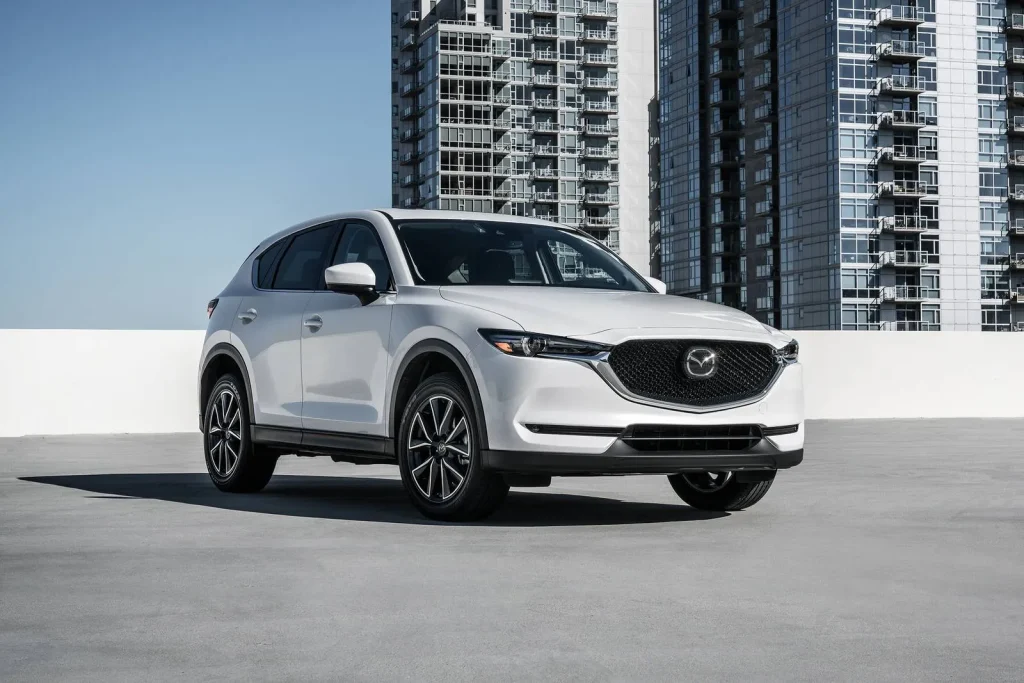
The Mazda CX-5 is a compact SUV that consistently punches above its weight in terms of quality, driving dynamics, and feature content relative to its price.
It offers the premium feel of more expensive crossovers while remaining affordable, making it an excellent choice for budget-conscious buyers who refuse to compromise on driving enjoyment.
The CX-5 is praised for its responsive handling and composed ride, uncommon in the compact SUV segment. Its SkyActiv engine and chassis deliver a balance of efficiency and performance, ensuring that daily driving is both smooth and engaging.
Steering feel and body control are exceptional for the class, giving drivers a sense of connection often missing in similarly priced competitors.
Interior quality is another factor contributing to the CX-5’s underpriced reputation. Soft-touch materials, a modern design, and user-friendly infotainment systems make the cabin feel premium.
Available features like leather seating, heated seats, and advanced safety technologies come at a lower price than competing luxury alternatives.
Reliability and low ownership costs further enhance its value proposition. Mazda’s reputation for durability, combined with efficient fuel economy and manageable maintenance, makes the CX-5 a practical yet enjoyable choice.
I selected the Mazda CX-5 because it proves that compact SUVs can offer refinement, performance, and advanced features without a steep price.
Its combination of driving enjoyment, quality interior, and affordability creates a package that feels well above its cost, making it a clear example of an underpriced vehicle in today’s market.
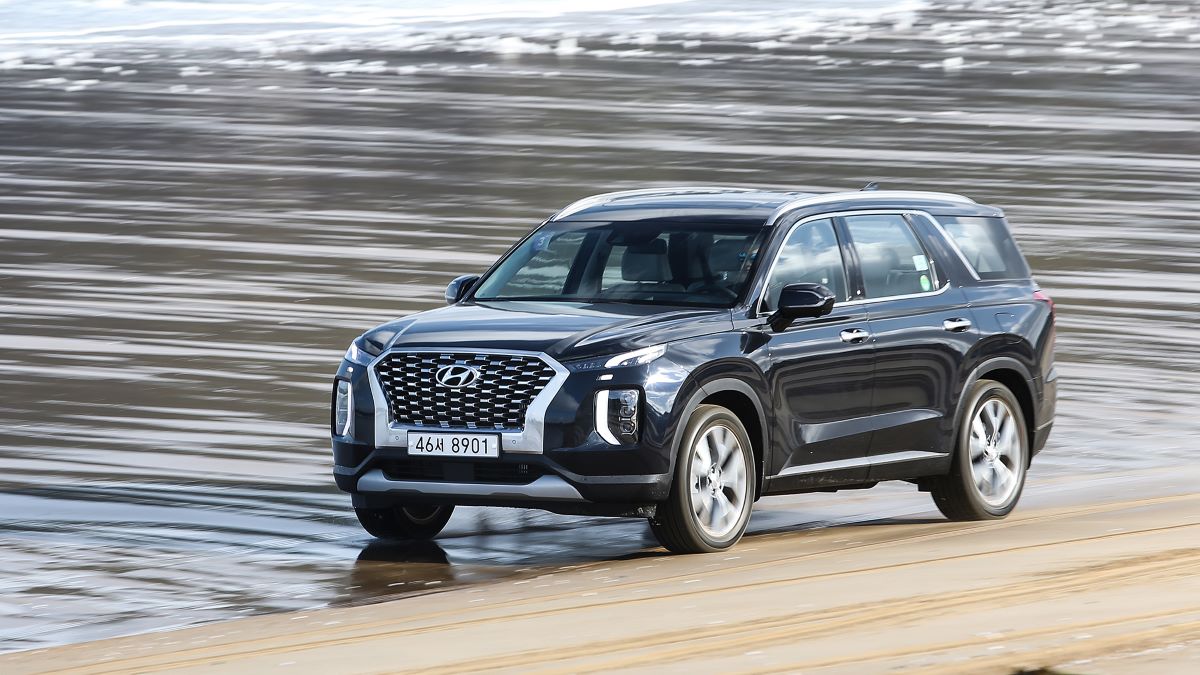
3. Hyundai Palisade
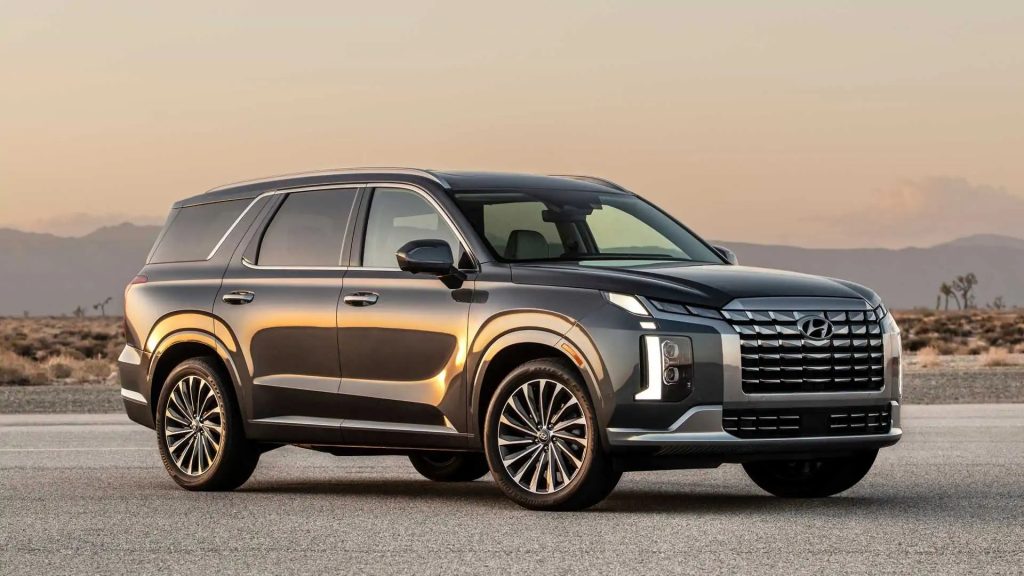
The Hyundai Palisade is a midsize SUV that provides exceptional value for its price. It combines a spacious and comfortable interior with high-quality materials, advanced safety features, and a smooth driving experience, all while remaining competitively priced compared to similarly sized SUVs from luxury brands.
One of the standout features of the Palisade is its interior design. Soft-touch materials, ambient lighting, and available leather seating create a premium feel that rivals more expensive vehicles.
The cabin is spacious, offering three rows of seats that accommodate families comfortably. Features like ventilated front seats, heated rear seats, a panoramic sunroof, and a large infotainment screen further enhance the sense of value.
On the performance side, the Palisade is equipped with a capable V6 engine paired with an eight-speed automatic transmission. Ride quality is smooth, and handling is confident for a vehicle of its size. Available all-wheel drive ensures traction and stability in various conditions, making it practical for both city driving and weekend trips.
Safety is another area where the Palisade impresses. Hyundai includes advanced driver-assistance systems as standard, such as adaptive cruise control, blind-spot monitoring, lane-keeping assist, and automatic emergency braking. These features are often optional on more expensive competitors, adding to the vehicle’s perceived underpriced value.
I selected the Hyundai Palisade because it illustrates that a large SUV can offer near-luxury comfort, performance, and advanced features without a prohibitive price tag.
Buyers receive a well-rounded package that addresses comfort, technology, safety, and practicality, creating a vehicle that feels significantly more expensive than it actually is.
4. Toyota Corolla
The Toyota Corolla has long been a benchmark for reliability and value, but recent models have elevated its appeal with refined design, improved performance, and a wealth of standard features, all at an accessible price. The combination of affordability, dependability, and practicality makes it feel underpriced relative to what it offers.
Recent Corolla models come equipped with a modern infotainment system, advanced safety technology, and comfortable seating.
Standard features like adaptive cruise control, lane-departure warning, and automatic emergency braking provide a level of driver assistance typically reserved for higher-priced sedans. Interior quality has also improved, with soft-touch materials and thoughtful cabin layout contributing to a more premium feel.
The Corolla’s driving dynamics are more engaging than one might expect from a compact sedan. Its efficient engines offer adequate acceleration, and suspension tuning balances comfort with responsive handling. Fuel economy is another strong point, reducing ownership costs and enhancing value for everyday driving.
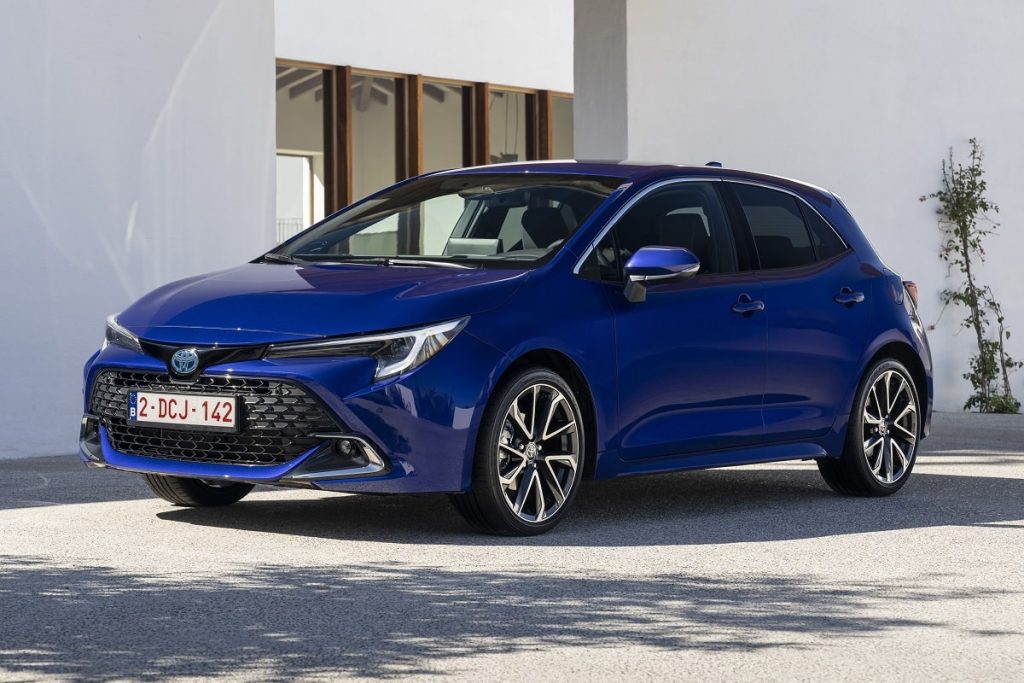
Reliability and resale value further enhance the Corolla’s underpriced reputation. Toyota’s long-standing track record for durability ensures owners can expect many years of trouble-free operation, making it a smart investment in the compact sedan segment.
I selected the Toyota Corolla because it demonstrates that a small, affordable vehicle can offer high-quality features, safety, and efficiency without a steep price.
Its combination of reliability, technology, and driving experience creates a sense of value that exceeds its modest cost, making it an example of an underpriced vehicle in today’s market.
5. Honda Civic
The Honda Civic is another compact car that delivers more than its price suggests. Known for reliability and practicality, the Civic also offers refined design, engaging handling, and modern technology, making it a standout value in the segment.
The Civic’s interior has evolved, featuring quality materials, an intuitive infotainment system, and comfortable seating for passengers.
Standard driver-assistance features like adaptive cruise control, lane-keeping assist, and collision mitigation provide safety benefits often found in higher-priced vehicles. The cabin’s ergonomics and design create a premium feel without the associated cost.
Driving the Civic is also enjoyable. Its suspension is composed, providing a balance of comfort and responsiveness.
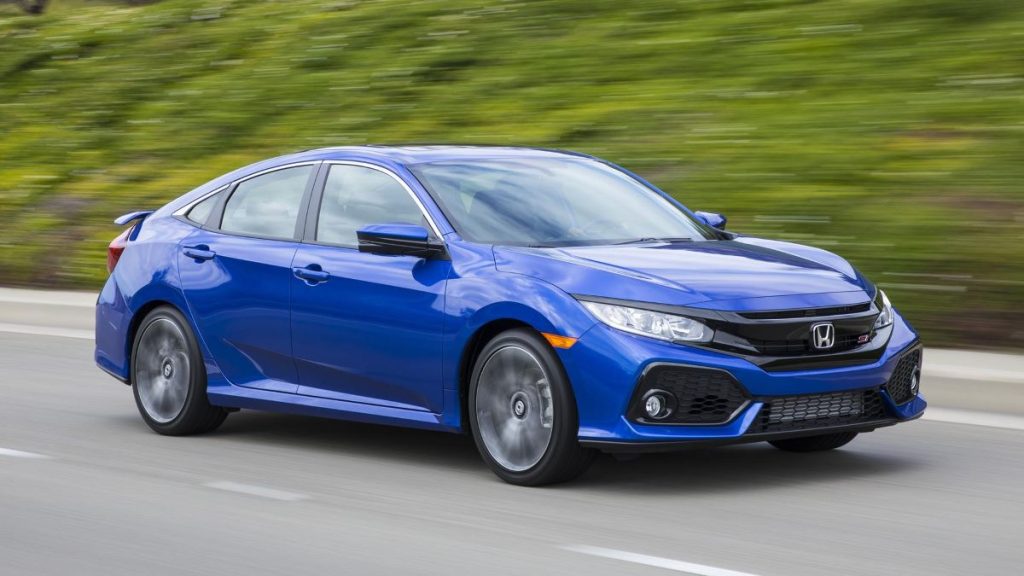
The turbocharged engine option adds spirited acceleration while maintaining efficiency, appealing to drivers who want both performance and economy. Fuel efficiency and low maintenance costs further reinforce the vehicle’s sense of value.
I selected the Honda Civic because it exemplifies how a compact car can combine reliability, safety, comfort, and performance without a high price.
Owners enjoy a well-rounded, enjoyable driving experience that often feels more expensive than its sticker price, making it a clear example of a car that feels underpriced relative to the competition.
5 Cars That Feel Overpriced
While some vehicles deliver exceptional value for their price, others command a premium that may not align with the benefits they offer.
Overpriced cars often provide limited additional performance, features, or quality compared to more affordable alternatives, leaving buyers feeling that the price tag exceeds the actual worth of the vehicle.
Understanding which cars fall into this category can help buyers make informed decisions and avoid paying for brand prestige or styling rather than tangible advantages.
Cars that feel overpriced often share several characteristics. They may offer incremental improvements over competitors while charging a significantly higher price.
Some rely on brand recognition, luxury badges, or marketing appeal to justify their premium, rather than offering a substantial advantage in performance, technology, or comfort. Limited standard features or outdated systems compared to similarly priced rivals can also make a car feel less justified in its pricing.
Performance may be another factor in perceived overpricing. Vehicles with underwhelming acceleration, handling, or driving dynamics compared to competitors in the same price range can leave buyers questioning the value.
Similarly, interior materials and technology may fall short of expectations, further contributing to the sense that the car is overpriced.
This section examines five vehicles that exemplify this phenomenon. Each is chosen for the disparity between cost and delivered benefits, whether through performance, features, or overall driving experience.
Highlighting these models illustrates how pricing can sometimes exceed actual value, helping buyers identify which vehicles may not provide a rewarding ownership experience relative to their cost.
By contrasting these overpriced cars with underpriced alternatives, readers can better understand the balance between cost and value in today’s automotive market and make decisions that align with both budget and expectations.
1. Jaguar XE
The Jaguar XE is a luxury compact sedan that often feels overpriced relative to its performance, features, and interior quality.
While it carries a prestigious badge and stylish design, buyers frequently note that its price does not correspond to a compelling advantage over competitors like the BMW 3 Series or Audi A4, which offer more advanced technology, comparable performance, and better reliability.
Performance is adequate but not exceptional. Base engines deliver modest acceleration, and even the higher-powered variants may not match similarly priced German rivals in terms of refinement and driving dynamics.
Steering feel and chassis balance are competent, but enthusiasts may find the handling less precise than expected at this price point. Additionally, ride quality can feel inconsistent over varying road surfaces, which diminishes overall driving satisfaction.
The interior design, while visually attractive, does not always meet expectations for the segment. Materials are of reasonable quality, but some controls and infotainment systems lag behind the competition in usability and responsiveness.
Standard features are limited compared to other vehicles in the same price range, requiring additional investment in optional packages to reach comparable levels of comfort, technology, and safety.
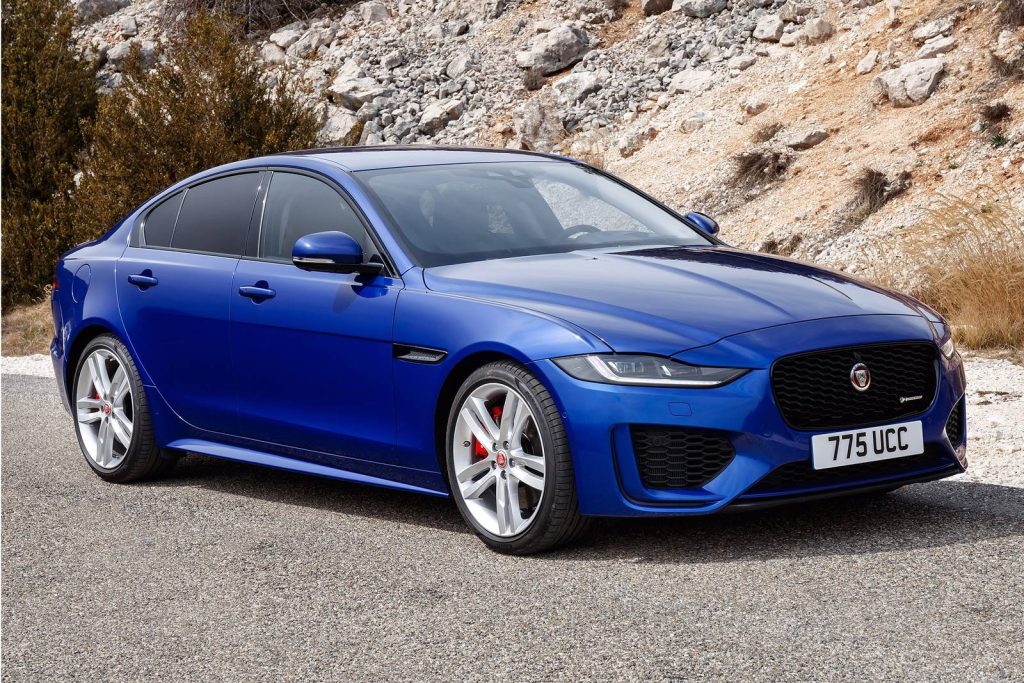
I selected the Jaguar XE because it highlights how a prestigious brand name does not always equate to proportional value.
Buyers pay a premium for styling and badge recognition, yet the practical and performance-related advantages are often incremental rather than transformative.
Its combination of limited features, moderate driving dynamics, and high cost contributes to a sense of overpricing, emphasizing the importance of evaluating both tangible benefits and perceived prestige when purchasing a luxury sedan.
2. Mercedes-Benz CLA
The Mercedes-Benz CLA is a stylish compact sedan, but its pricing often feels disproportionate to the value it delivers.
While the exterior design and brand recognition attract buyers, the vehicle’s performance, interior quality, and feature content can fall short when compared to similarly priced rivals from BMW, Audi, or even Lexus.
Performance in base models is underwhelming, with smaller engines delivering modest acceleration and limited driving engagement.
Handling is adequate for daily commuting but lacks the precision and feedback expected from a vehicle with this price tag. Even higher trims can feel expensive relative to the driving experience they provide, making it difficult to justify the premium solely based on performance.
The interior, while visually appealing, has limitations. Standard technology and comfort features are minimal, and many desirable amenities require expensive packages.
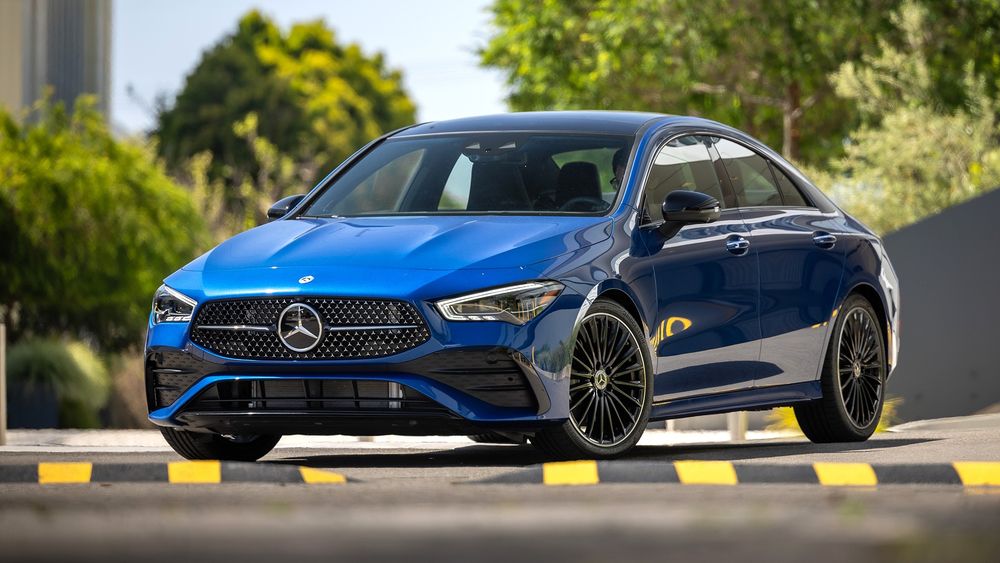
Materials and fit-and-finish are generally good but do not always match the expectations set by the price, particularly when compared with competitors offering more advanced infotainment, driver-assistance systems, or premium cabin touches as standard.
I selected the Mercedes-Benz CLA because it demonstrates how design and branding can inflate perceived value beyond actual content.
Buyers pay for aesthetics and the prestige of the Mercedes badge, but in terms of features, performance, and practicality, the car may not provide sufficient justification for its cost. This makes it a clear example of a vehicle that feels overpriced relative to alternatives in its segment.
3. Cadillac XT5
The Cadillac XT5 is a midsize luxury SUV that often feels overpriced compared to competitors in the same segment. While it offers a comfortable ride and a premium badge, its pricing does not always align with the features, technology, or driving dynamics it delivers, especially when compared to European rivals like the Audi Q5 or BMW X3.
Performance is adequate for daily driving but lacks excitement. The base engine provides modest acceleration, and even higher trims struggle to offer the level of engagement expected for the price. Handling is smooth but uninspiring, with body roll noticeable in tighter corners, reducing confidence for drivers seeking a more dynamic experience.
Interior quality is another area where the XT5 falls short of its price. Materials are generally acceptable but lack the refinement of similarly priced European SUVs.
Infotainment systems and technology features are functional but not class-leading, and many premium amenities are locked behind optional packages, which further increases the total cost. Space and practicality are good, but these factors alone do not justify the elevated price point.
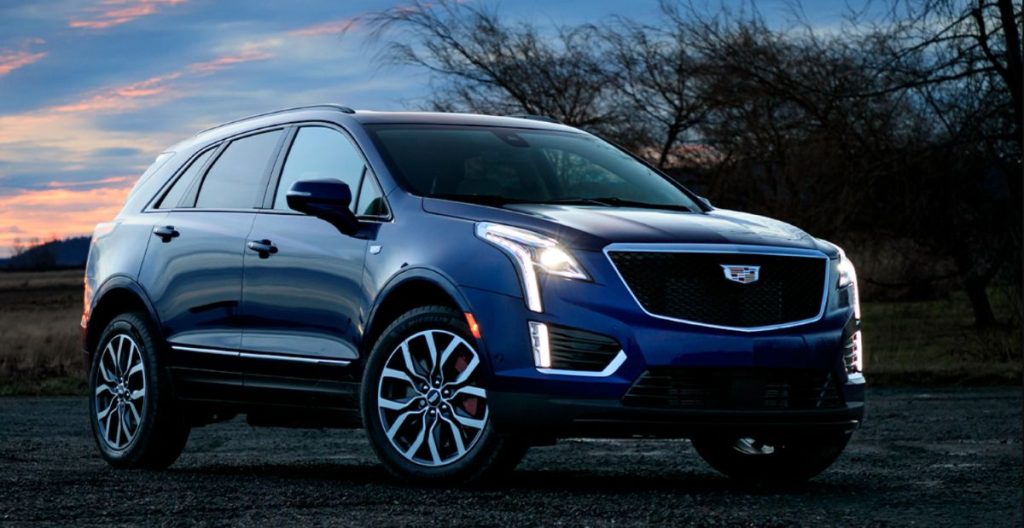
I selected the Cadillac XT5 because it demonstrates how a luxury badge can inflate perceived value beyond the tangible benefits offered.
While comfortable and reasonably equipped, the SUV does not match the driving dynamics, technology, or interior refinement of competitors at similar prices.
Buyers often pay for the Cadillac name rather than a compelling package of features and performance, making the XT5 a clear example of an overpriced vehicle in today’s market.
4. Lincoln Nautilus
The Lincoln Nautilus is a luxury SUV that frequently feels overpriced due to its high base price relative to what it offers in terms of performance and features.
While it boasts a smooth ride and attractive design, buyers often find that competitors provide more advanced technology, engaging driving dynamics, and refined interiors at similar or lower price points.
The Nautilus delivers comfort-oriented handling, but the driving experience lacks excitement. Acceleration is adequate but not remarkable, and the steering does not offer the feedback expected for a vehicle in its segment.
Compared to European or Japanese rivals, the Nautilus’s performance feels conservative and less engaging, making it harder to justify the premium cost.
Interior quality is visually appealing but falls short in certain areas. Materials are decent, but the fit-and-finish does not always reflect the elevated pricing.
Standard features are limited, with many advanced options requiring costly packages. Infotainment and driver-assistance systems are serviceable but may not match the intuitive operation found in competitors.
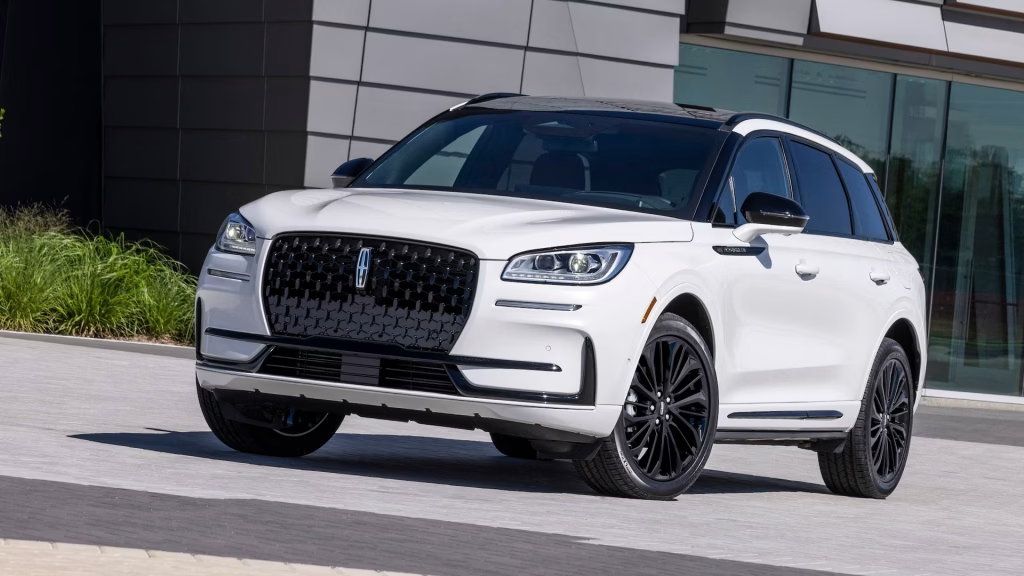
I selected the Lincoln Nautilus because it demonstrates how comfort and style alone cannot justify a high price point.
While it offers a smooth, quiet ride and a recognizable luxury badge, the overall driving experience, technology, and features may not meet expectations for the cost.
Buyers often pay for perceived luxury rather than tangible value, making the Nautilus a clear example of an overpriced vehicle.
5. Infiniti QX50
The Infiniti QX50 is a compact luxury SUV that commands a high price without consistently delivering a compelling advantage over similarly priced competitors. While the vehicle emphasizes design and brand prestige, its performance, interior refinement, and feature content can leave buyers questioning whether the cost is justified.
The QX50’s driving experience is competent but not exceptional. Its turbocharged engine offers smooth power delivery, but handling and steering feel do not match the responsiveness of rivals such as the BMW X3 or Audi Q5.
Ride quality is comfortable, but the lack of dynamic engagement diminishes the perceived value, especially given the premium pricing.
Inside, the QX50 offers modern styling and a decent layout, but materials and technology fall short of expectations for the price. Infotainment interfaces can feel dated, and many luxury features are optional, increasing the final cost significantly. Cabin space is adequate but not exceptional, meaning that comfort alone cannot justify the elevated price.
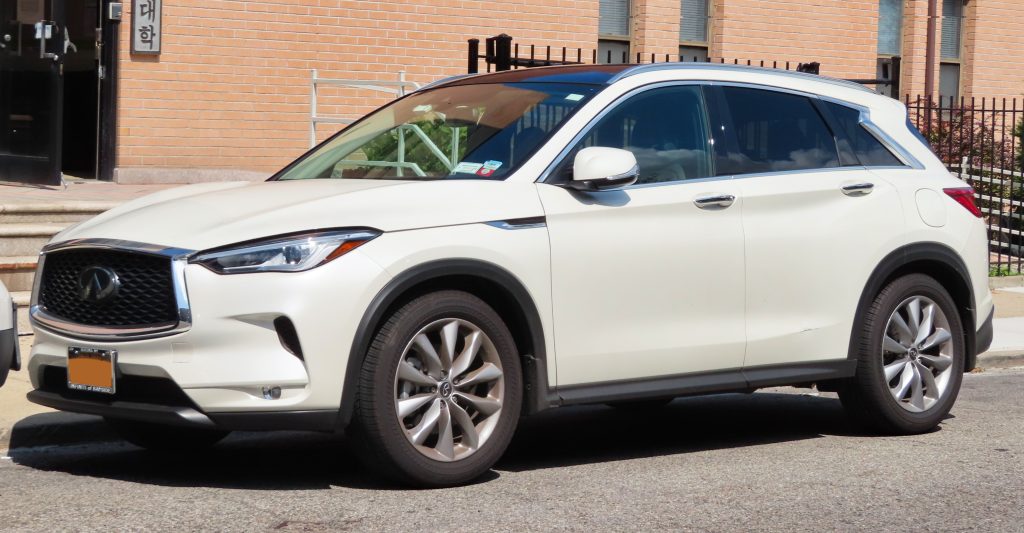
I selected the Infiniti QX50 because it illustrates how branding and styling can inflate perceived value beyond tangible benefits.
While the vehicle provides comfort and a premium appearance, it lacks the performance, technology, and refinement of similarly priced competitors. Buyers often feel they are paying more for a badge than for substance, making the QX50 a clear example of a car that feels overpriced in today’s market.
