
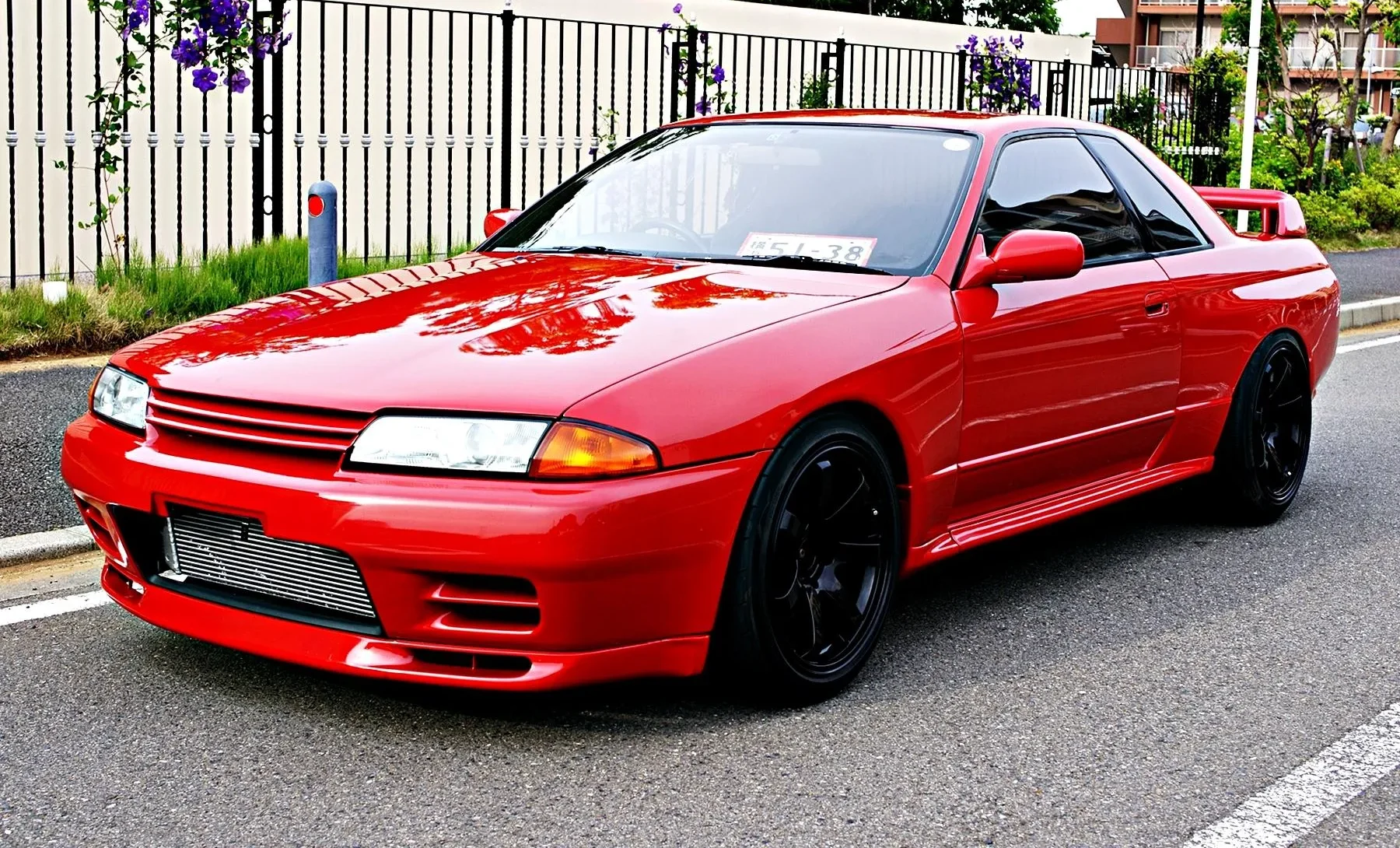
Sports cars have always symbolized speed, performance, and the thrill of driving, but not all models deliver genuine power.
While some vehicles provide raw acceleration, responsive handling, and a visceral driving experience, others rely on appearance, marketing, or inflated specifications to create the illusion of performance.
For enthusiasts seeking authentic engagement behind the wheel, distinguishing between true performance cars and those that only appear powerful is essential.
Cars that deliver real power combine engine performance, chassis dynamics, and driver feedback to create a compelling driving experience.
They provide rapid acceleration, sharp handling, and mechanical reliability, ensuring that drivers feel the strength and responsiveness of the vehicle in every maneuver.
These sports cars reward skillful driving, offer upgrade potential, and maintain their performance even under demanding conditions, making them desirable for both casual and serious enthusiasts.
Conversely, some sports cars fail to live up to expectations. They may feature flashy designs, aggressive styling, or impressive specifications on paper, but the actual driving experience can feel subdued, disconnected, or overly dependent on electronic aids.
Weak engines, heavy weight, or restrictive transmissions limit acceleration and responsiveness, leaving owners with a vehicle that looks fast but does not deliver the promised excitement.
This article highlights both sides of the sports car spectrum. First, it focuses on five models that deliver genuine power, showcasing their engines, handling, and overall performance. Then, it examines five models that fail to provide true driving excitement, demonstrating how appearances can be misleading.
By comparing these vehicles, readers gain insight into which sports cars provide an authentic, thrilling experience and which merely pretend, ensuring informed choices for anyone seeking real performance.
Also Read: 5 Trucks That Are Worth Every Dollar vs 5 That Aren’t
5 Sports Cars That Deliver Real Power
True sports cars offer more than just style or a brand name they deliver an authentic driving experience defined by acceleration, handling, and mechanical responsiveness.
In 2025, several models exemplify these qualities, combining powerful engines, well-tuned chassis, and driver-focused features to provide a level of engagement that separates them from vehicles that merely look fast.
Choosing a sports car with genuine power ensures that every drive is thrilling, whether on twisty roads, open highways, or the occasional track day.
Sports cars that deliver real power typically feature engines capable of strong performance without excessive reliance on electronic aids. Transmission systems respond smoothly to inputs, while suspension and steering provide precise feedback that allows the driver to feel connected to the road.
Reliability is also crucial; true sports cars maintain their performance under stress, making them enjoyable both as daily drivers and weekend performance machines.
Beyond raw performance, these vehicles benefit from enthusiast communities and aftermarket support.
Owners can enhance performance or personalize the driving experience while maintaining mechanical integrity. Interior ergonomics, safety, and comfort are balanced with performance, allowing the car to remain usable without sacrificing excitement.
This section focuses on five sports cars that exemplify these qualities. Each model is selected based on engine strength, handling precision, reliability, and the ability to deliver a driving experience that lives up to its reputation.
These vehicles represent benchmarks for performance enthusiasts, showing what a sports car should feel like when it truly delivers on the promise of power, responsiveness, and driving enjoyment.
1. Chevrolet Corvette C8 (2020–2025)
The Chevrolet Corvette C8 marks a significant milestone in American sports cars, transitioning to a mid-engine layout that enhances performance and handling.
Its naturally aspirated 6.2-liter V8 produces 490–495 horsepower in base trim, providing thrilling acceleration that reaches 0-60 mph in under three seconds with the Z51 performance package. The engine’s responsiveness and linear power delivery make the Corvette feel lively at all speeds, rewarding skilled driving.
Handling is a standout feature. The mid-engine placement improves weight distribution and cornering balance, while magnetic ride control and optional performance suspension allow the car to tackle tight corners with confidence.
Steering feedback is precise, giving the driver a clear sense of road conditions and vehicle dynamics. Braking performance is strong, supported by standard Brembo brakes that handle spirited driving without fade.
Inside, the Corvette balances driver-focused ergonomics with modern technology. The cockpit is oriented toward the driver, ensuring controls are accessible and intuitive. Advanced infotainment, safety features, and comfort enhancements maintain usability without detracting from performance.
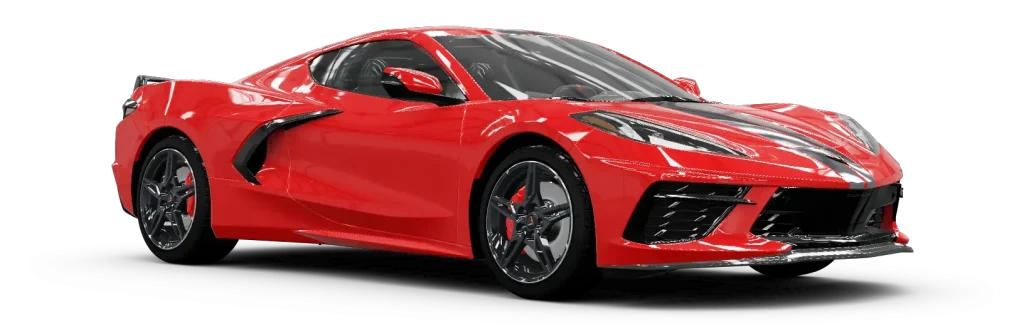
The C8 also benefits from extensive aftermarket support, allowing enthusiasts to further enhance power, suspension, or aesthetics.
Its reliability, combined with impressive performance and handling, makes the Corvette C8 a compelling choice for anyone seeking a sports car that delivers real power. This vehicle exemplifies what modern American engineering can achieve in terms of performance, balance, and driving excitement.
2. Porsche 911 Carrera S (992 generation, 2019–2025)
The Porsche 911 Carrera S remains an iconic sports car, delivering power, precision, and a thrilling driving experience. Its 3.0-liter twin-turbo flat-six engine produces 443 horsepower, offering instant torque and smooth acceleration.
The 911 reaches 0-60 mph in around 3.5 seconds, providing impressive performance without compromising daily usability. Engine responsiveness and linear power delivery contribute to the car’s reputation for precision driving.
Handling is a hallmark of the 911. Rear-engine weight distribution, adaptive suspension, and Porsche Active Suspension Management (PASM) provide exceptional stability, cornering agility, and feedback.
The steering is precise and communicative, allowing the driver to confidently tackle challenging roads or tracks. Brakes are highly capable, ensuring consistent performance during spirited driving.
The interior balances luxury and driver engagement. Ergonomic controls, supportive seats, and a high-quality digital display enhance comfort and usability while keeping the driver connected to the road. Infotainment and safety features are integrated without distracting from the primary goal: performance driving.
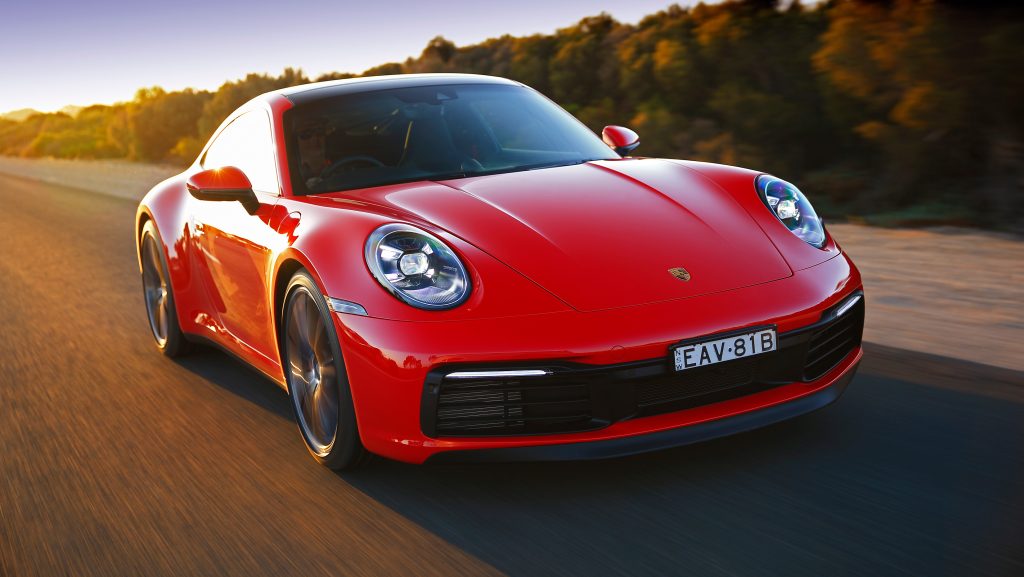
Reliability and engineering excellence ensure that the 911 remains a high-performance sports car even after years of ownership. Strong aftermarket support allows enthusiasts to fine-tune power, suspension, and aesthetics to their preferences, enhancing the personalization experience.
The Porsche 911 Carrera S exemplifies what a true sports car should deliver: responsive power, balanced handling, and a driving experience that rewards both skill and passion. Its combination of engineering, performance, and heritage makes it a benchmark in the sports car segment.
3. Nissan GT-R (R35, 2009–2025)
The Nissan GT-R is a high-performance sports car renowned for its powerful engine, advanced all-wheel-drive system, and precise handling.
Its 3.8-liter twin-turbo V6 produces 565–600 horsepower depending on the trim, delivering explosive acceleration that reaches 0-60 mph in just under 3 seconds in higher-performance variants.
The engine’s turbochargers provide instant response, and the dual-clutch transmission ensures smooth, rapid shifts, giving drivers a thrilling driving experience.
Handling is exceptional thanks to the GT-R’s ATTESA E-TS all-wheel-drive system and sophisticated suspension setup.
The car maintains composure through tight corners and provides impressive traction under acceleration, making it one of the few sports cars that can handle immense power with stability.
Steering feedback is precise, allowing drivers to feel the nuances of the road and maintain control even at high speeds. Braking performance is robust, with large Brembo calipers capable of repeated high-performance stops without fade.
Inside, the GT-R balances comfort and performance. While not as luxurious as European rivals, the cockpit is functional, with supportive seats, clear instrumentation, and modern infotainment. Ergonomics focus on driver engagement, keeping essential controls within easy reach.
The GT-R also benefits from a strong aftermarket community. Turbo upgrades, suspension enhancements, and aesthetic modifications are widely available, allowing owners to further increase performance or personalize the car.
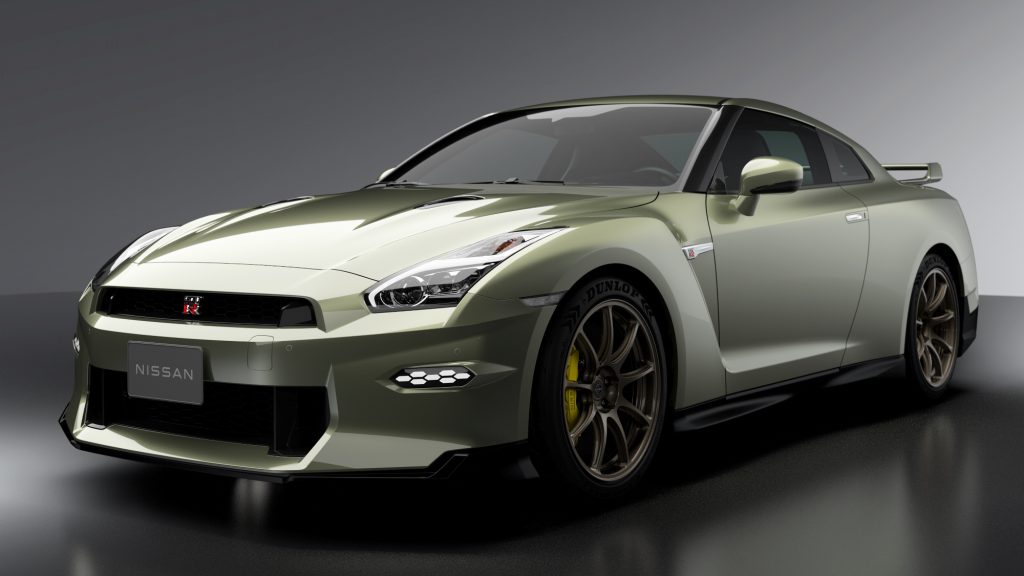
The Nissan GT-R demonstrates what a modern sports car can achieve when engineering, power, and handling are executed in harmony.
It provides a visceral driving experience, immense acceleration, and cornering capability that truly delivers real power, making it a benchmark for enthusiasts seeking excitement and performance.
4. Chevrolet Camaro ZL1 (2017–2025)
The Chevrolet Camaro ZL1 is a muscle car that delivers serious power and performance on both straight roads and tracks. Its supercharged 6.2-liter V8 produces 650 horsepower and 650 lb-ft of torque, enabling the car to reach 0-60 mph in just 3.5 seconds.
The engine’s immediate throttle response and deep exhaust note make acceleration feel explosive and engaging.
Handling is enhanced by Magnetic Ride Control suspension, performance-tuned steering, and wide tires that provide impressive grip.
The ZL1 can navigate corners confidently, and brake performance is supported by large Brembo calipers for consistent stopping power. The chassis balances weight and stiffness, offering both agility and stability at high speeds.
The interior is driver-focused, with supportive sports seats, intuitive controls, and modern infotainment. While the cabin leans toward functionality rather than luxury, it maintains comfort for spirited driving and daily usability.
Aftermarket support is extensive, with opportunities for exhaust, supercharger, suspension, and aesthetic upgrades. This allows enthusiasts to further enhance performance and personalize the vehicle without sacrificing reliability.
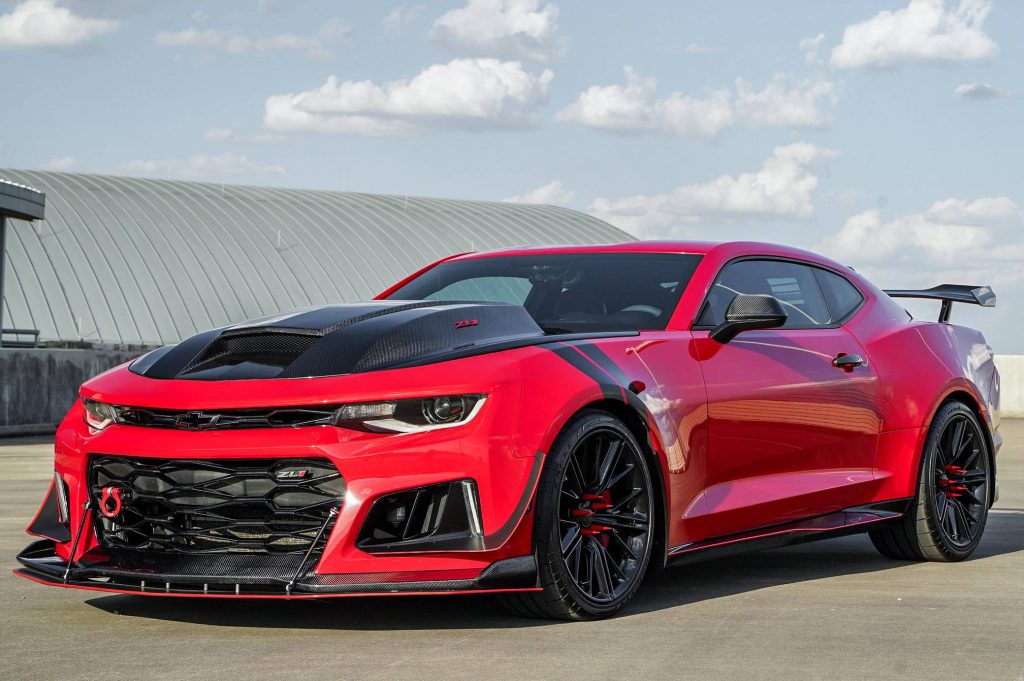
The Camaro ZL1 exemplifies a sports car that truly delivers power. Its combination of a potent engine, capable handling, and strong brakes makes it a thrilling option for drivers seeking an authentic performance experience. The car’s blend of muscle, technology, and accessibility ensures that owners feel genuine power in every drive.
5. Audi RS5 (B9, 2018–2025)
The Audi RS5 is a high-performance coupe that combines precision engineering with raw power. Its 2.9-liter twin-turbo V6 produces 444 horsepower and 443 lb-ft of torque, allowing 0-60 mph acceleration in just 3.7 seconds.
The engine delivers strong, linear power across the rev range, making it responsive in both city driving and high-speed conditions.
Handling is aided by Audi’s Quattro all-wheel-drive system and adaptive suspension, providing exceptional stability, cornering precision, and traction.
Steering feedback is communicative, allowing drivers to feel the nuances of the road and maintain control at high speeds. Braking performance is excellent, with large calipers and ventilated discs that handle repeated spirited driving without fading.
The RS5’s interior is luxurious yet functional. Ergonomic seats, intuitive controls, and high-quality materials maintain driver focus while offering comfort and usability. Infotainment systems are modern, providing navigation, connectivity, and driver assistance without compromising performance focus.
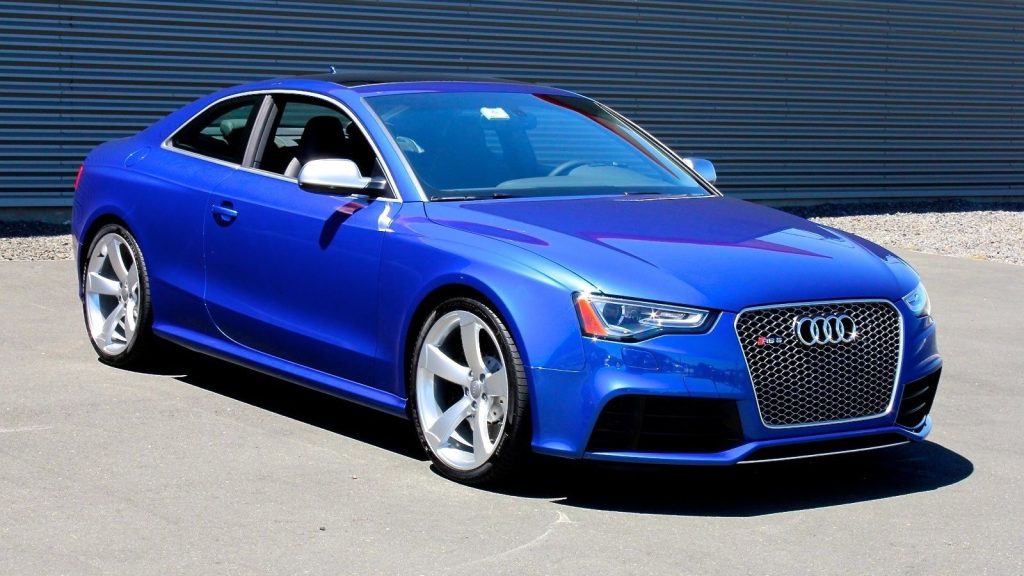
Aftermarket options exist, though more limited compared to American or Japanese sports cars, yet upgrades in exhaust, suspension, and aesthetics remain accessible.
The Audi RS5 delivers real power through a combination of engine performance, balanced chassis, and driver-focused technology.
Its refined engineering, strong acceleration, and cornering capability ensure an engaging driving experience, making it a sports car that genuinely lives up to its performance credentials.
5 Sports Cars That Just Pretend
Not every car that wears a sporty badge delivers true performance. Some vehicles may appear fast, feature aggressive styling, or carry impressive specifications on paper, yet the actual driving experience falls short of expectations.
These sports cars often rely on marketing, aesthetics, or superficial upgrades to create the illusion of performance, leaving enthusiasts disappointed when acceleration, handling, or responsiveness fails to match the image.
Cars that just pretend often suffer from weak engines, heavy weight, or overly complicated electronics that dampen the driving experience. Even if they can reach high speeds in ideal conditions, the connection between the driver and the road may feel disconnected.
Steering, suspension, and braking may be tuned more for comfort or stability than engagement, preventing the car from offering true performance thrills. In some cases, turbocharged or high-output engines feel artificially boosted rather than naturally responsive, creating an impression of power without substance.
The appeal of these cars often lies in their styling, branding, or perceived status rather than authentic driving enjoyment.
Aggressive body kits, large wheels, or sport badges may suggest speed, but without balanced chassis dynamics, responsive engines, and reliable mechanical performance, the experience remains superficial. Owners may feel excitement initially, but the lack of genuine feedback and responsiveness becomes apparent over time.
This section highlights five cars that fall into this category. Each model is chosen based on engine limitations, weight, chassis performance, or reliance on electronic aids that prevent a truly engaging experience.
By examining these vehicles, readers gain insight into the difference between cars that deliver real performance and those that merely pretend, ensuring informed choices for enthusiasts seeking genuine excitement behind the wheel.
1. Toyota 86 / Subaru BRZ (2012–2021)
The Toyota 86 and Subaru BRZ are often praised for their handling, lightweight design, and affordability. However, despite their sporty image, they are frequently criticized for underwhelming engine performance.
The 2.0-liter naturally aspirated flat-four produces only around 200 horsepower, which results in modest acceleration that feels sluggish compared to other sports cars in the same segment. Enthusiasts expecting raw power often find the driving experience less thrilling than anticipated.
While the chassis and handling are competent, the lack of significant engine output limits their true performance potential. Modifications can improve acceleration and responsiveness, but the stock setup leaves many drivers wanting more in terms of outright speed.
Steering and suspension are precise but cannot compensate for the limited power when attempting aggressive driving or track performance.
The interior is functional but minimalistic, offering little to enhance the sensation of sportiness. The cabin’s design focuses more on ergonomics and comfort than providing a visceral connection to the road.
Electronic aids like stability control, though helpful for safety, also reduce driver engagement by smoothing out the car’s natural dynamics.
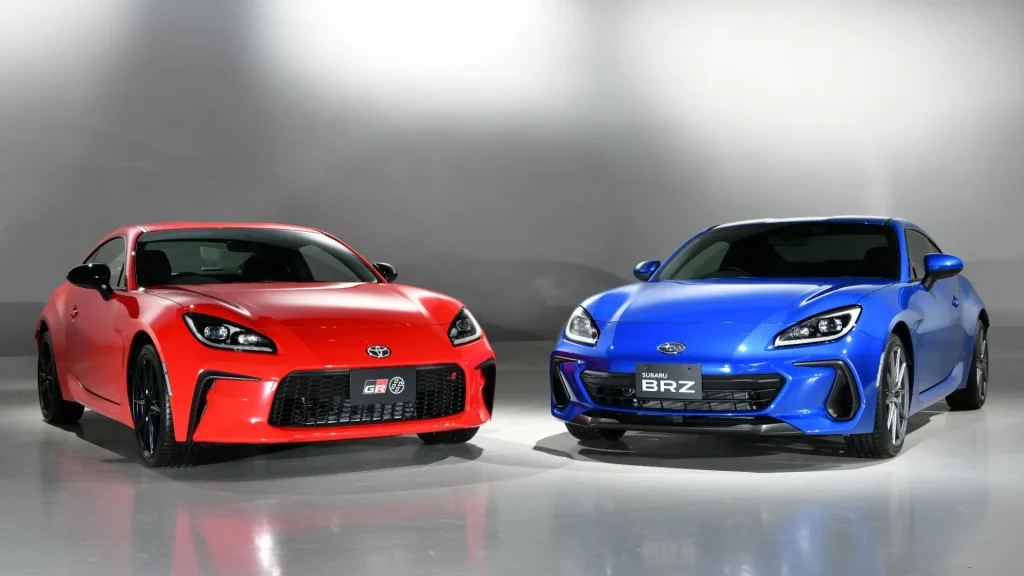
Although these cars provide fun handling and can be enjoyable for casual driving, their low power output and modest acceleration reveal a disconnect between sporty appearance and real performance.
Drivers seeking genuine thrills may find the Toyota 86 or Subaru BRZ lacking, as the cars rely more on balanced chassis and lightweight design than raw engine power to deliver excitement.
The perception of sportiness is stronger than the actual capability, making them examples of vehicles that merely pretend to deliver true power.
2. Ford Mustang EcoBoost (2015–2021)
The Ford Mustang EcoBoost presents a sporty appearance and aggressive styling reminiscent of the Mustang GT, but its 2.3-liter turbocharged four-cylinder engine delivers underwhelming performance relative to expectations.
Producing approximately 310 horsepower, the engine struggles to match the visceral acceleration and muscle-car feel that enthusiasts anticipate from a Mustang. The car looks powerful, but the driving experience exposes its limitations.
Handling is adequate for daily driving, but the chassis is tuned more for comfort than track-focused dynamics.
Steering feedback can feel numb at higher speeds, and the suspension setup does not offer the agility or cornering precision found in higher-performance sports cars. Braking performance is sufficient but lacks the confidence-inspiring feel required for spirited driving.
The interior is sporty in design but does not compensate for the modest engine output. Electronic driving aids such as traction control and stability management further reduce engagement, giving the impression of power without actual delivery.
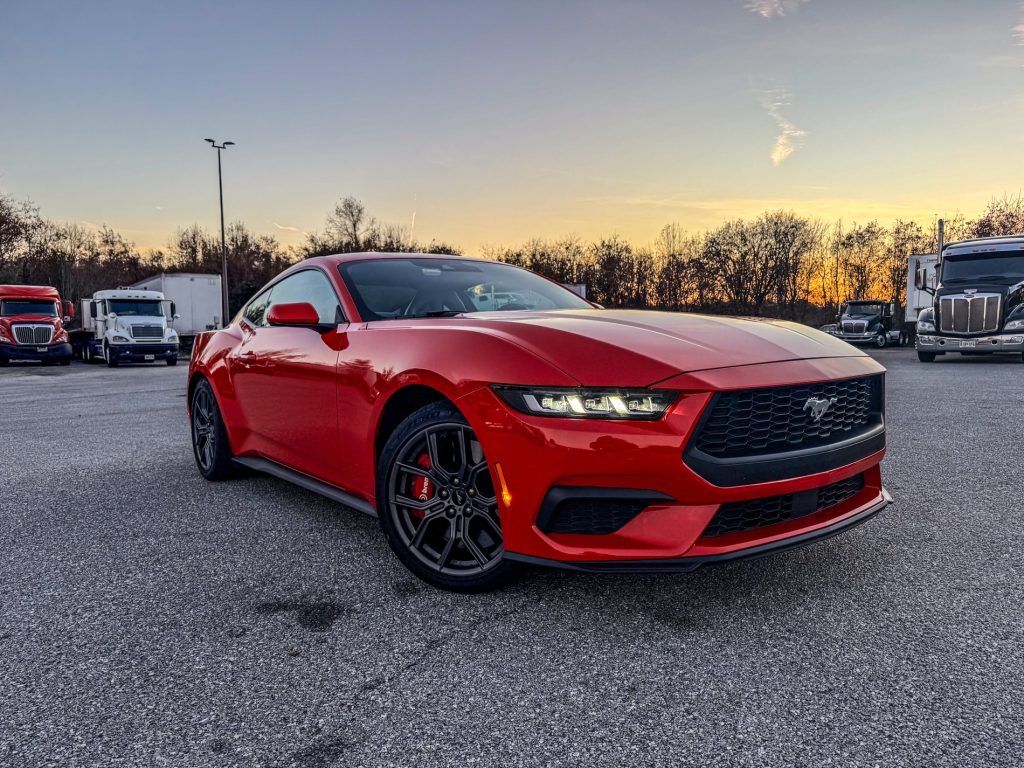
While the EcoBoost Mustang can handle casual performance driving, it falls short of providing the raw, unfiltered excitement expected from a true muscle car.
Aftermarket upgrades exist, but the stock car’s limitations make it feel less authentic compared to its V8 counterparts. Its exterior and branding suggest aggressive performance, but the vehicle relies heavily on perception rather than substance.
The Mustang EcoBoost serves as a reminder that appearance alone does not define a sports car’s capability, making it a model that pretends to deliver real power without fully achieving it.
3. Jaguar F-Type P300 (2013–2020)
The Jaguar F-Type P300 offers sleek styling and the prestige of a luxury sports car, but its performance often falls short of expectations.
The P300 model, equipped with a 2.0-liter turbocharged four-cylinder engine producing around 296 horsepower, delivers modest acceleration that cannot match the car’s aggressive appearance.
Drivers anticipating a thrilling sports-car experience often find themselves disappointed by the lag and limited torque at lower RPMs.
Handling is competent, with well-engineered suspension and rear-wheel-drive dynamics, but the car’s weight and electronic stability systems dilute the responsiveness that defines true high-performance vehicles.
Steering feedback is present but does not convey the visceral connection to the road expected from a sports car in this segment.
Inside, the F-Type combines luxury with sportiness, featuring high-quality materials and modern infotainment. While visually impressive, the cabin does not enhance the sense of raw performance, and comfort-focused tuning reduces the overall driving engagement.
The P300’s electronic aids, designed to improve safety and stability, further diminish the driver’s perception of power.
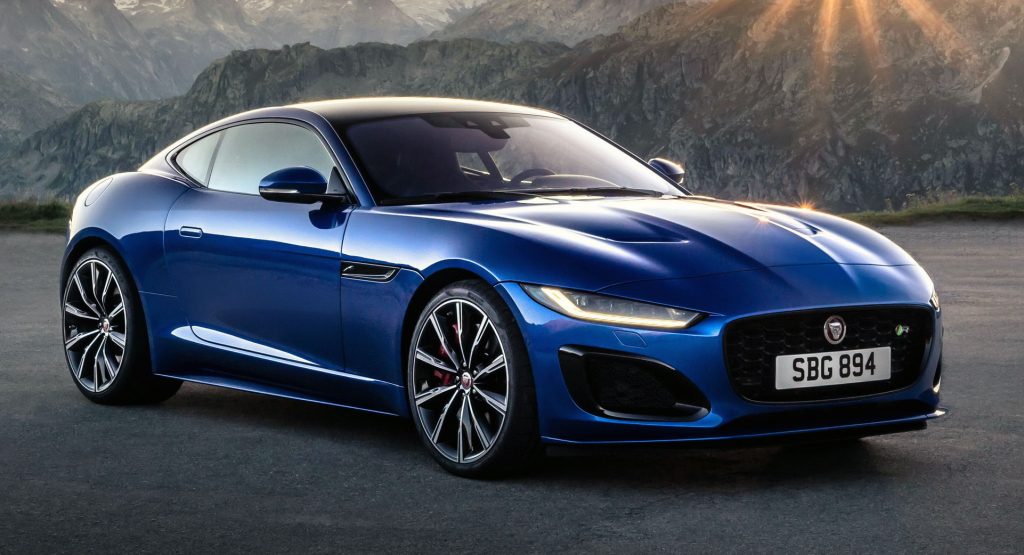
Aftermarket options are limited compared to other sports cars, restricting opportunities to extract significantly more performance from the platform. While the car excels in looks, brand appeal, and refinement, its actual power output and driving dynamics reveal that it prioritizes style over substance.
The Jaguar F-Type P300 exemplifies a vehicle that pretends to deliver true sports performance.
Its sleek design and reputation suggest high capability, but engine limitations, electronic intervention, and weight prevent it from providing an authentic thrill behind the wheel. Enthusiasts looking for genuine power will likely find the P300 underwhelming despite its aesthetic appeal.
4. BMW Z4 sDrive30i (G29, 2019–2025)
The BMW Z4 sDrive30i is a lightweight roadster that appears sporty, but its 2.0-liter turbocharged inline-four engine producing 255 horsepower limits its performance potential.
Acceleration is adequate for daily driving, yet it does not deliver the visceral power expected from a vehicle with aggressive styling and a convertible layout. Drivers seeking true sports-car thrills may find the Z4 sDrive30i lacking.
Handling is refined and comfortable, but the chassis is tuned for stability and smoothness rather than sharp, engaging dynamics.
While steering feedback is precise, the overall driving experience feels subdued, with electronic aids smoothing out performance to the point where the car feels less connected to the road. Braking is sufficient but not exceptional, further emphasizing its compromise between sportiness and comfort.
The interior features premium materials, intuitive controls, and modern technology, making it comfortable and user-friendly. However, the luxury focus reduces the perception of raw performance, and the car’s electronic management systems restrict the engagement of the driver.
Aftermarket support is limited compared to more enthusiast-focused vehicles, making it harder to extract significantly more power or improve handling dramatically.
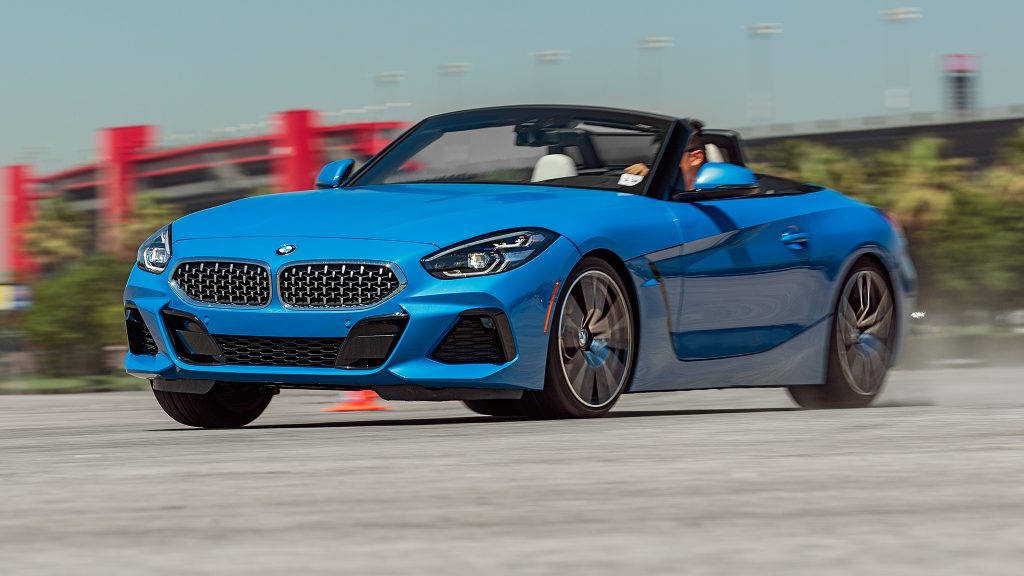
While the Z4 sDrive30i is visually appealing and enjoyable for casual driving, it relies heavily on appearance and brand reputation rather than genuine high-performance capability.
The BMW Z4 sDrive30i serves as an example of a sports car that pretends to deliver real power. Its modest engine, electronic smoothing, and comfort-oriented tuning mean that it does not offer the thrilling, responsive experience that enthusiasts expect from a true performance roadster.
5. Mercedes-Benz SLC 300 (2016–2020)
The Mercedes-Benz SLC 300 is a compact luxury roadster that emphasizes style and comfort over true sports performance.
Its 2.0-liter turbocharged four-cylinder engine produces approximately 241 horsepower, which results in modest acceleration that fails to match the car’s aggressive exterior. While visually sporty, the vehicle lacks the engine output and torque to deliver an engaging performance experience.
Handling is smooth and composed, designed more for comfort and cruising than track-focused driving. Steering feedback is muted, and the suspension prioritizes ride quality over sharp cornering. Braking is adequate for daily driving but does not inspire confidence during spirited maneuvers.
The interior reflects Mercedes’ focus on luxury, with high-quality materials, infotainment, and a comfortable seating layout. While attractive and technologically advanced, the cabin does little to enhance the perception of genuine performance.
Electronic aids, including stability control and traction management, further dampen responsiveness, reducing the connection between the driver and the road.
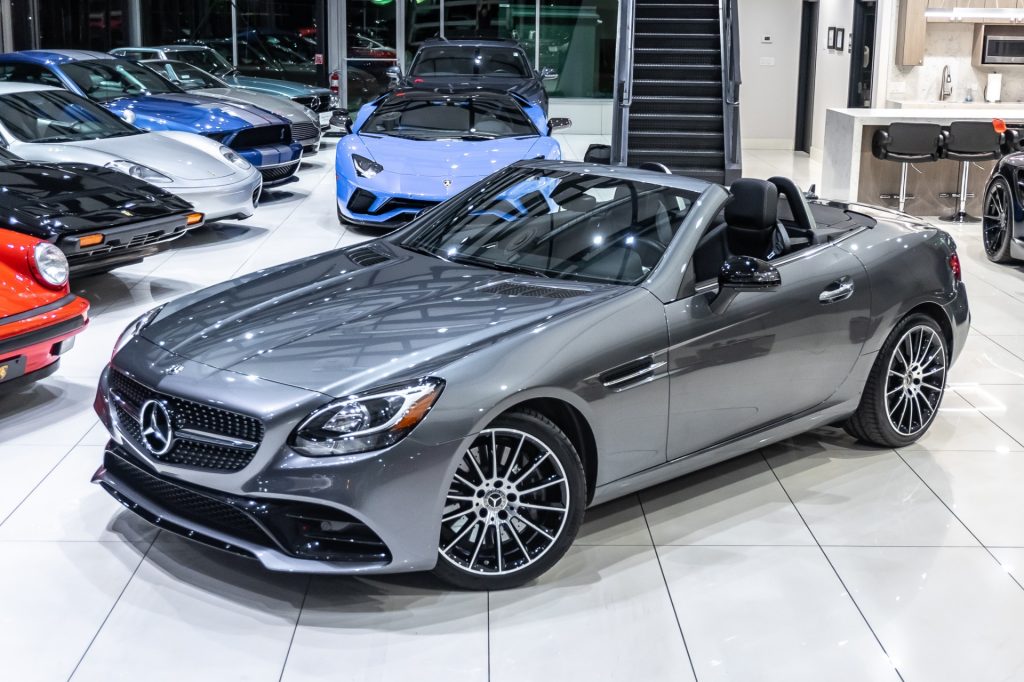
Aftermarket support for the SLC 300 is limited, and significant performance upgrades are difficult or expensive. While the car looks the part of a sports car, its mechanical limitations, electronic intervention, and comfort-oriented tuning reveal that it is more about appearance than substance.
The Mercedes-Benz SLC 300 exemplifies a vehicle that pretends to deliver real power. Its modest engine, subdued dynamics, and luxury focus make it an underwhelming choice for enthusiasts seeking authentic sports-car thrills, emphasizing style over genuine performance.
Sports cars are designed to provide excitement, speed, and a genuine connection between driver and machine, but not all vehicles live up to that promise.
Some cars deliver authentic power through responsive engines, well-balanced chassis, and precise handling, while others rely on appearance, branding, or superficial features to create the illusion of performance.
Understanding the difference between these two categories is crucial for enthusiasts seeking a truly engaging driving experience.
The Chevrolet Corvette C8, Porsche 911 Carrera S, Nissan GT-R, Chevrolet Camaro ZL1, and Audi RS5 exemplify sports cars that deliver real power. Each of these vehicles offers engines with strong output, rapid acceleration, and responsive power delivery.
Their handling, steering, and braking systems are engineered to maximize driver control and engagement. Reliability, ergonomics, and driver-focused interiors further enhance the overall experience, allowing these cars to perform well both on daily drives and spirited outings.
Additionally, aftermarket support and enthusiast communities provide opportunities for further customization, ensuring that owners can refine performance or aesthetics according to their preferences.
Conversely, the Toyota 86/Subaru BRZ, Ford Mustang EcoBoost, Jaguar F-Type P300, BMW Z4 sDrive30i, and Mercedes-Benz SLC 300 represent cars that only pretend to deliver true performance.
While visually sporty and featuring marketing that suggests high capability, these vehicles are limited by modest engine output, comfort-oriented suspension, electronic interventions, and chassis constraints.
Even with upgrades, their driving dynamics fail to match the excitement offered by genuine performance cars. Steering feedback, acceleration, and cornering responsiveness are often muted, leaving owners with a vehicle that looks fast but does not deliver a thrilling driving experience.
Recognizing the difference between authentic sports cars and those that merely appear powerful allows buyers to make informed decisions.
Choosing vehicles with real performance ensures that driving is engaging, rewarding, and aligned with expectations, while avoiding models that rely on perception rather than substance prevents disappointment and frustration.
Also Read: 5 Trucks That Age Gracefully vs 5 That Rust Too Soon
