
Modern cars increasingly rely on technology to enhance convenience, safety, and performance. Infotainment systems, driver-assistance features, and connectivity options have become central to the driving experience.
However, integrating these technologies can be a double-edged sword. While some vehicles successfully combine advanced systems with dependable engineering, others struggle to maintain reliability, leaving owners frustrated with glitches, failures, or costly repairs.
Cars that balance technology and reliability offer drivers confidence. They incorporate advanced features that improve safety, navigation, and comfort without compromising mechanical durability.
Engines, transmissions, and electronics work harmoniously, reducing the likelihood of breakdowns while providing an enjoyable, modern driving experience. Such vehicles are particularly appealing to daily drivers, families, and anyone who values convenience alongside dependability.
Conversely, some cars attempt to impress with flashy tech or complex systems but fail to deliver reliability. Infotainment screens may freeze, sensors may misbehave, and engines or transmissions may be prone to unexpected issues.
In these cases, the technology intended to improve driving often becomes a source of stress. The combination of frequent repairs, costly parts, and malfunctioning systems diminishes both usability and owner satisfaction.
This article highlights both ends of the spectrum. First, it focuses on five cars that successfully integrate technology with long-term reliability, showing how smart engineering and thoughtful design can coexist.
Then, it examines five cars that struggle with both tech and dependability, illustrating the challenges of poorly executed integration and design compromises.
Comparing these vehicles helps readers identify which cars provide modern features without sacrificing trustworthiness and which are best approached with caution.
By understanding these differences, drivers can make informed choices that combine innovation with peace of mind.
Also Read: 5 Affordable Cars That Are Fun to Mod vs 5 That Aren’t
5 Cars That Balance Tech and Reliability
Finding a car that combines advanced technology with long-term reliability is no easy task. Many modern vehicles offer impressive infotainment systems, driver-assistance features, and connectivity options, but they often come at the expense of dependability.
Cars that achieve both provide a unique advantage: owners benefit from innovative features without the constant worry of malfunctions or expensive repairs.
Vehicles that balance tech and reliability successfully integrate sophisticated systems while maintaining proven engineering standards.
Engines, transmissions, and electronics are designed to endure daily use, minimizing unexpected failures and ensuring peace of mind. Infotainment, safety, and convenience features enhance usability rather than detract from it, creating a cohesive driving experience that feels both modern and dependable.
These cars are particularly valuable for daily drivers, families, and anyone who relies on their vehicle for commuting or long-distance travel.
Owners can enjoy advanced navigation, driver aids, connectivity, and comfort features without sacrificing reliability. Maintenance costs are predictable, and the vehicle continues to perform as intended over time.
This section focuses on five cars that exemplify this balance. Each model is selected based on its track record for reliability, robustness of mechanical components, and integration of technology that genuinely improves the driving experience.
By highlighting these vehicles, readers can identify options that offer innovation without compromise. These cars demonstrate that modern features and mechanical trustworthiness can coexist, providing a practical yet enjoyable ownership experience.
1. Toyota Camry (2018–2025)
The Toyota Camry has long been recognized for its reliability, and the latest generations maintain this reputation while integrating advanced technology.
Modern Camrys feature a comprehensive suite of safety systems, including adaptive cruise control, lane-keeping assist, and automatic emergency braking, all designed to work seamlessly with the vehicle’s drivetrain.
The infotainment system is intuitive and responsive, supporting Apple CarPlay, Android Auto, and built-in navigation without lag or glitches. The touchscreen and physical controls are ergonomically placed, ensuring ease of use for drivers of all experience levels.
Mechanically, the Camry benefits from proven engines, including the 2.5-liter four-cylinder and 3.5-liter V6, both known for durability and efficiency.
Transmissions are smooth and reliable, requiring minimal maintenance beyond routine service. The chassis provides comfortable handling and a quiet cabin, making daily commuting or long trips pleasant.
Ownership satisfaction is high because the Camry balances modern features with dependable engineering. Parts are widely available, repair costs are moderate, and the vehicle maintains its performance over extended periods.
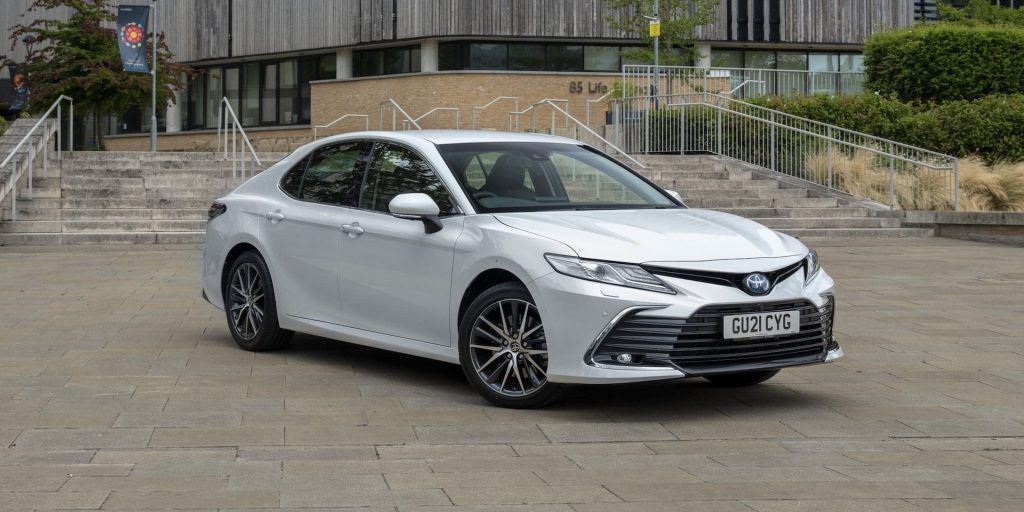
Even with advanced technology, owners rarely report systemic issues, making it a practical choice for anyone seeking a tech-savvy yet reliable sedan.
The Toyota Camry demonstrates that technology does not need to compromise dependability. Its combination of advanced driver aids, connectivity, and robust mechanical design provides an example of a car that truly balances modern innovation with long-term reliability.
2. Honda CR-V (2017–2025)
The Honda CR-V is a compact SUV that successfully integrates technology with a reputation for dependability. Safety and driver-assistance features, including adaptive cruise control, collision mitigation braking, and lane-keeping assist, function consistently and complement the vehicle’s solid chassis and responsive handling.
Infotainment is user-friendly, featuring a responsive touchscreen, smartphone integration, Bluetooth connectivity, and voice commands. The system’s layout is intuitive, reducing distractions and enhancing the driving experience. Navigation and multimedia features operate reliably without frequent glitches.
Mechanically, the CR-V’s engines, including the 1.5-liter turbocharged four-cylinder, are durable and fuel-efficient. Transmissions are smooth, and the all-wheel-drive system provides stability without sacrificing reliability. Maintenance is straightforward, with parts widely available and costs generally predictable.
The CR-V’s interior design prioritizes comfort and practicality while incorporating technology that improves usability. Seat adjustments, climate control, and storage solutions complement the advanced systems, ensuring the vehicle feels cohesive rather than overloaded with unnecessary gadgets.
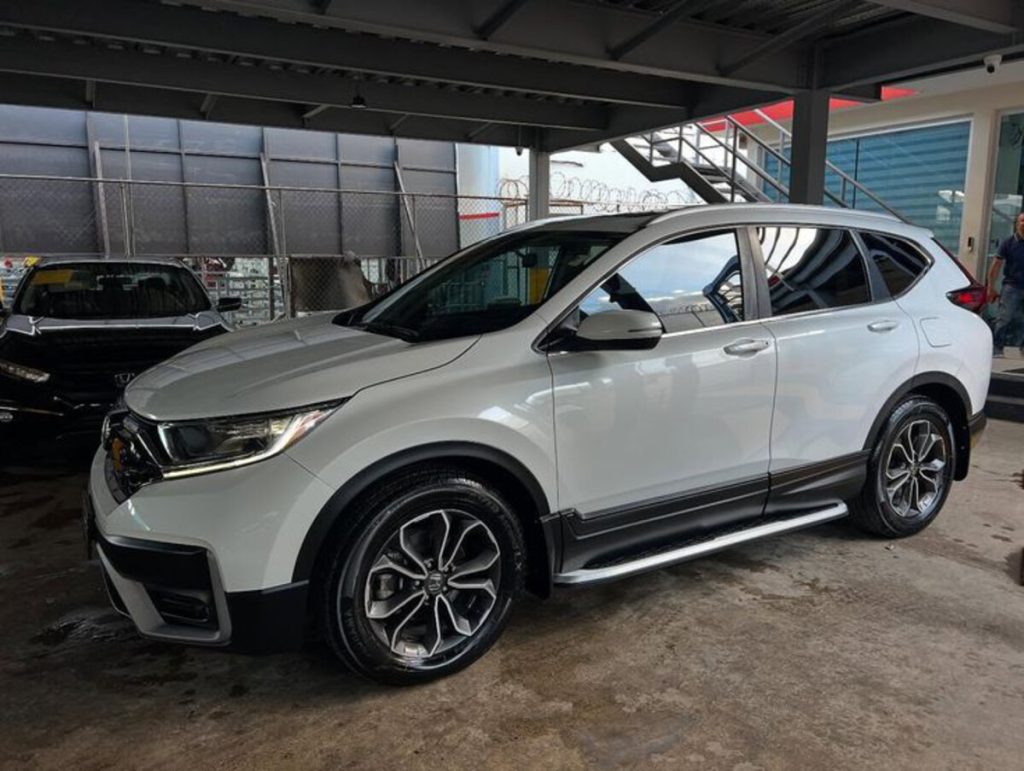
Honda’s reputation for quality ensures that the CR-V retains value and performance over time.
Owners enjoy the benefits of modern tech without worrying about persistent electronic issues or mechanical failures. This combination makes it an ideal choice for individuals or families seeking an SUV that is both feature-rich and dependable.
The Honda CR-V exemplifies a car that balances innovation with trustworthiness, showing that advanced systems can coexist with proven reliability to provide a satisfying and stress-free ownership experience.
3. Lexus RX (2019–2025)
The Lexus RX is a midsize luxury SUV that combines advanced technology with a long-standing reputation for reliability.
Safety and driver-assistance features, such as adaptive cruise control, lane-departure warning, blind-spot monitoring, and automatic emergency braking, operate consistently and contribute to an overall secure driving experience.
These systems are well-integrated, ensuring that technology enhances rather than hinders the driving experience.
The infotainment system is modern and intuitive, featuring touchscreen functionality, smartphone integration, and voice control. While the system may have a slight learning curve, it is stable, responsive, and free from frequent glitches, which is crucial in maintaining long-term usability.
Mechanically, the RX benefits from Lexus’ proven engineering. Engines, including the 3.5-liter V6 and hybrid variants, are durable and efficient.
The continuously variable transmission (CVT) or automatic gearbox operates smoothly, providing a comfortable ride while remaining reliable under daily use. Suspension and chassis tuning strike a balance between comfort and handling, giving drivers confidence in both urban and highway settings.
Interior quality is exceptional, with high-quality materials, ergonomic design, and well-placed controls. Technology complements the cabin without feeling overwhelming, and the combination of comfort, utility, and performance makes the RX versatile for families or long-distance travel.
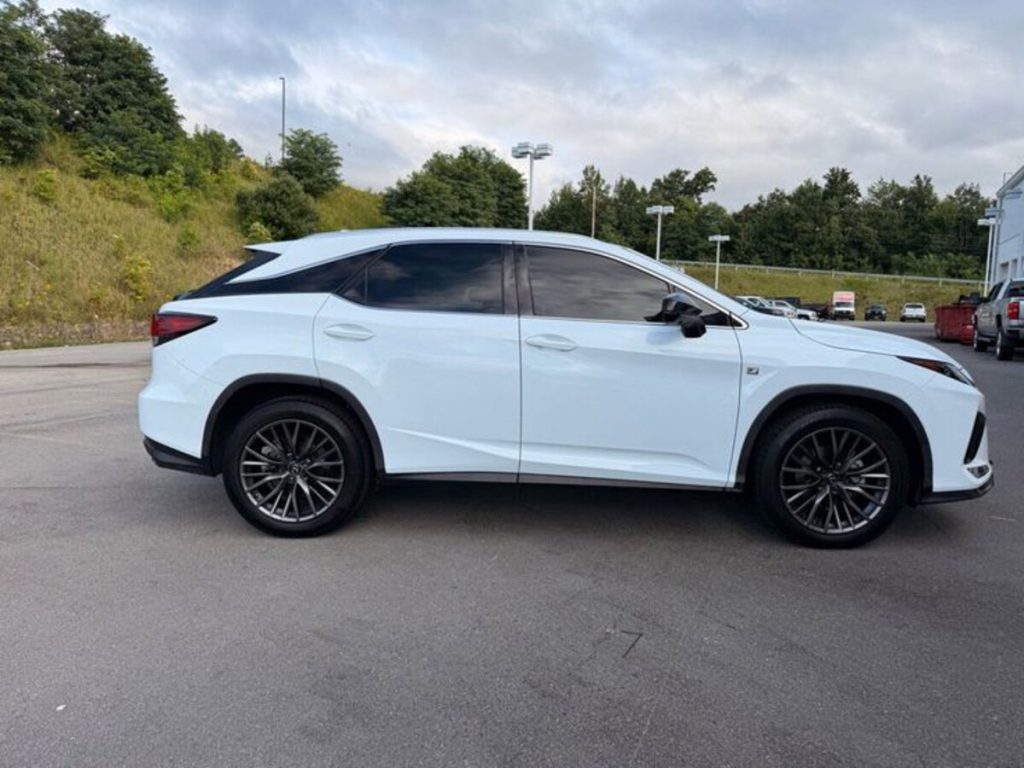
Owners report minimal issues even after several years of ownership, highlighting the vehicle’s dependability alongside its technological offerings. Parts availability and service networks are extensive, further enhancing long-term satisfaction.
The Lexus RX demonstrates that luxury, advanced features, and reliability can coexist. Its seamless integration of technology, proven mechanical systems, and user-focused design make it a standout choice for buyers seeking an SUV that delivers modern convenience without sacrificing trustworthiness.
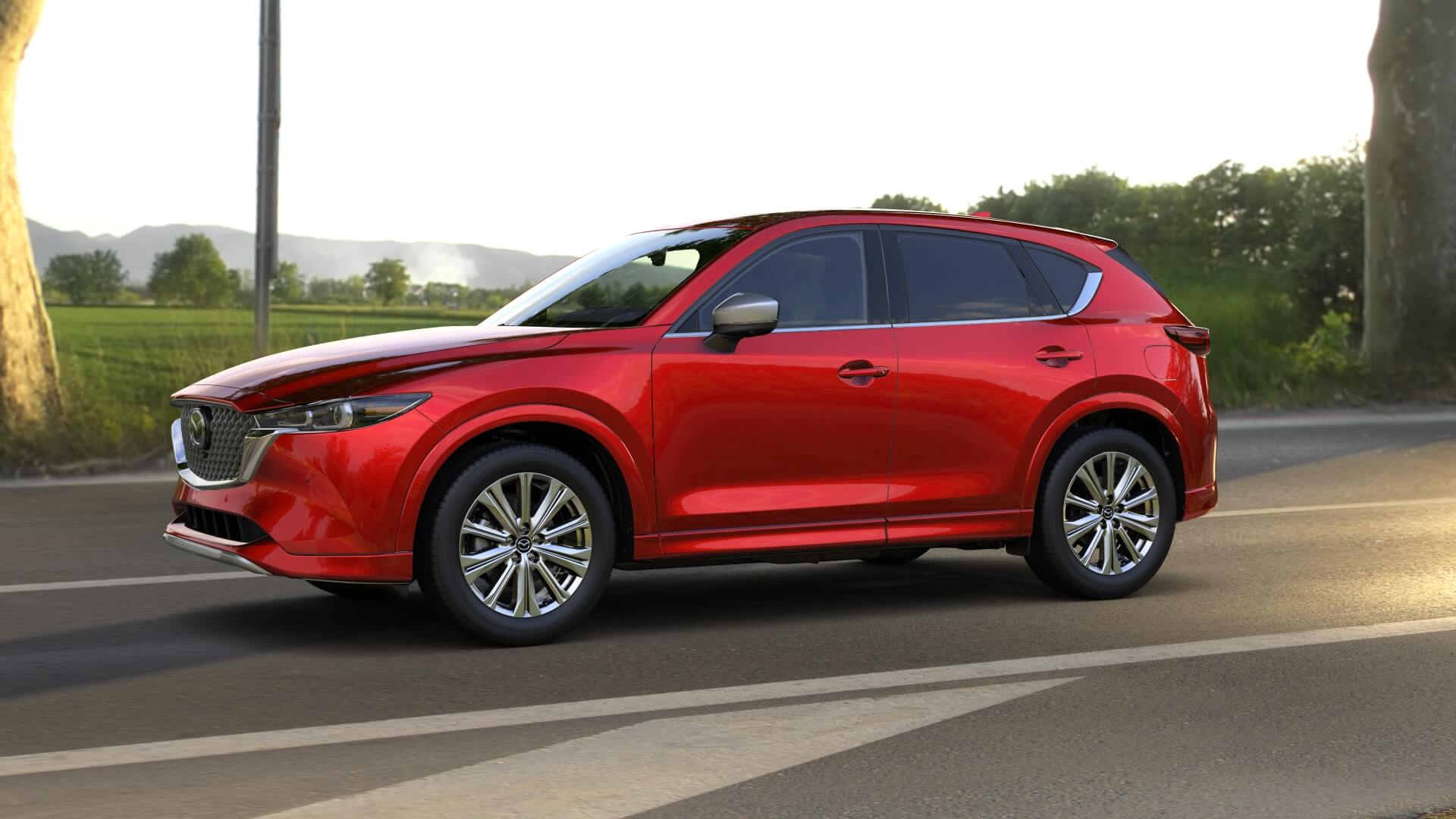
4. Mazda CX-5 (2017–2025)
The Mazda CX-5 is a compact SUV that blends modern technology with exceptional reliability. Driver-assistance systems, including adaptive cruise control, lane-keeping assist, blind-spot monitoring, and forward-collision warning, function smoothly and consistently, providing safety benefits without excessive electronic complexity.
Infotainment is intuitive, featuring touchscreen displays, smartphone integration, and voice commands. The system operates reliably, without frequent crashes or freezes, making it practical for daily use. Physical controls for climate and audio further enhance usability.
Mechanically, the CX-5’s engines, including the 2.5-liter naturally aspirated and turbocharged variants, are known for durability.
Transmissions are smooth and reliable, and the chassis provides agile handling while maintaining comfort. Maintenance is straightforward, with predictable costs and readily available parts.
Interior quality is high for the segment, with ergonomic layouts, comfortable seats, and practical cargo space. Technology complements the overall design rather than dominating it, giving drivers a sense of balance between convenience and control.
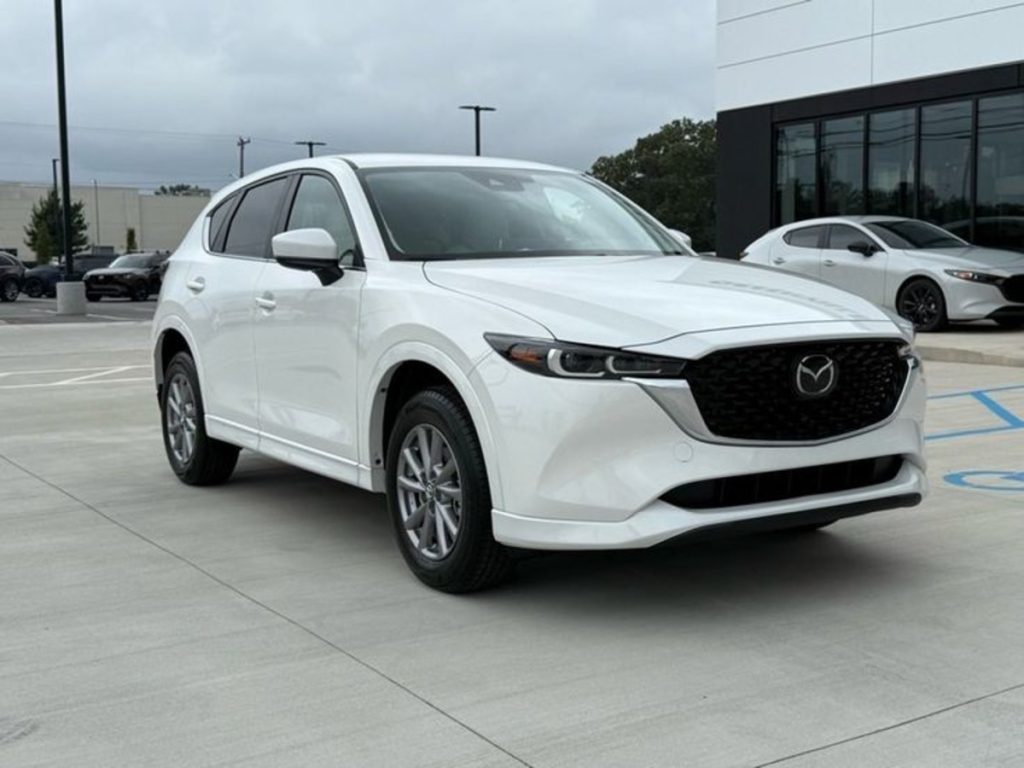
Owners consistently report strong long-term reliability, and Mazda’s engineering ensures that electronics do not compromise mechanical durability. The CX-5 offers an experience where technology genuinely improves the vehicle without introducing stress or failure risks.
The Mazda CX-5 exemplifies how a compact SUV can provide modern safety and convenience features while remaining dependable.
Its thoughtful integration of technology, reliable engines, and practical interior design make it an ideal choice for buyers seeking a combination of innovation and trustworthiness.
5. Subaru Outback (2020–2025)
The Subaru Outback is a midsize crossover that successfully balances technology with proven reliability.
Standard features include adaptive cruise control, pre-collision braking, lane-keeping assist, and blind-spot detection, all integrated through Subaru’s EyeSight system. These systems function consistently, enhancing safety without compromising dependability.
Infotainment is straightforward, with a responsive touchscreen, Apple CarPlay, Android Auto, and intuitive navigation options. The system operates reliably and is complemented by physical controls for essential functions, minimizing driver distraction.
Mechanically, the Outback benefits from durable engines, including the 2.5-liter flat-four and 2.4-liter turbocharged variants, paired with Subaru’s CVT and standard all-wheel drive. The drivetrain is designed for longevity and handles both city and off-road driving with confidence. Regular maintenance is simple and predictable, supporting long-term ownership satisfaction.
Interior design emphasizes comfort and utility. Ergonomic seating, ample cargo space, and thoughtfully arranged controls create a practical yet modern environment. Technology integrates seamlessly into the cabin without overwhelming the driver.
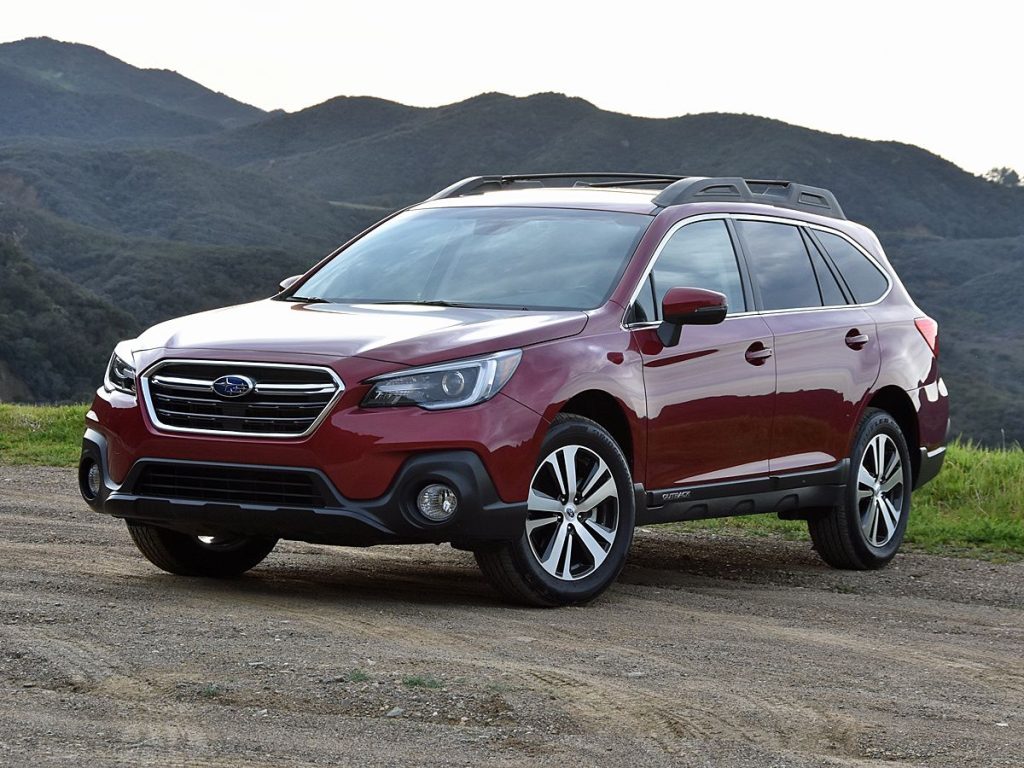
Subaru’s reputation for reliability is reinforced by the Outback’s performance over time. Owners report minimal electronic issues, consistent drivetrain performance, and strong overall durability. The combination of technology and robust engineering makes the vehicle suitable for daily use, family travel, and outdoor adventures.
The Subaru Outback demonstrates that a midsize crossover can provide advanced features while remaining dependable.
Its safety systems, user-friendly infotainment, durable drivetrain, and practical design create a harmonious balance of innovation and reliability, making it a standout option for buyers seeking a trustworthy yet modern vehicle.
5 Cars That Fail at Both
While some vehicles successfully combine technology and reliability, others struggle on both fronts. Cars in this category may offer flashy features, advanced infotainment systems, or driver-assistance gadgets, but they fail to provide dependable performance.
Frequent malfunctions, unresponsive electronics, and mechanical issues make ownership frustrating and expensive.
Vehicles that fail at both tech and reliability often suffer from poorly integrated systems. Infotainment may freeze, touchscreens may respond slowly, and connectivity features can be inconsistent.
Safety and driver-assistance systems might malfunction or operate unpredictably, reducing both convenience and confidence. Mechanical components may also be prone to failure, with engines, transmissions, or electronics requiring frequent repairs.
The combination of unreliable technology and mechanical weakness creates a negative ownership experience. Drivers may feel stressed by constant issues, and maintenance costs can escalate unexpectedly. Even minor repairs can become time-consuming, and the overall satisfaction of owning such a vehicle is diminished.
This section highlights five cars that exemplify these challenges. Each model is selected based on reports of frequent electronic glitches, mechanical issues, or poor integration of advanced features. By analyzing these vehicles, readers can identify cars to approach with caution and understand why certain models fail to deliver a reliable, tech-savvy experience.
Comparing cars that fail on both fronts with those that successfully balance technology and dependability underscores the importance of thoughtful engineering.
Owners who prioritize convenience, safety, and durability should carefully evaluate vehicles before purchasing, as appearances and advertised features may not accurately reflect real-world performance. This examination allows drivers to make informed decisions and avoid the frustration associated with unreliable vehicles.
1. Land Rover Discovery Sport (2015–2021)
The Land Rover Discovery Sport is a compact luxury SUV that struggles with both technology and reliability. While it offers modern infotainment systems, touchscreen navigation, and advanced driver-assistance features, these systems are often inconsistent and prone to glitches.
Touchscreens may freeze, Bluetooth connectivity can fail, and navigation updates are occasionally problematic, causing frustration for owners who expect seamless operation.
Mechanically, the Discovery Sport is also known for issues with engines, transmissions, and electrical systems. Reports of sensor malfunctions, software glitches, and drivetrain failures are common, leading to frequent visits to dealerships or repair shops.
The combination of sophisticated technology with underlying mechanical weaknesses exacerbates the challenges, as electronic systems often depend on stable mechanical components to function correctly.
Despite its appealing design and off-road capability, the SUV’s performance suffers from its unreliability. Owners face unpredictable maintenance costs, and minor issues can escalate into expensive repairs.
Even standard features such as air conditioning, power seats, or adaptive cruise control may malfunction over time, further reducing satisfaction.
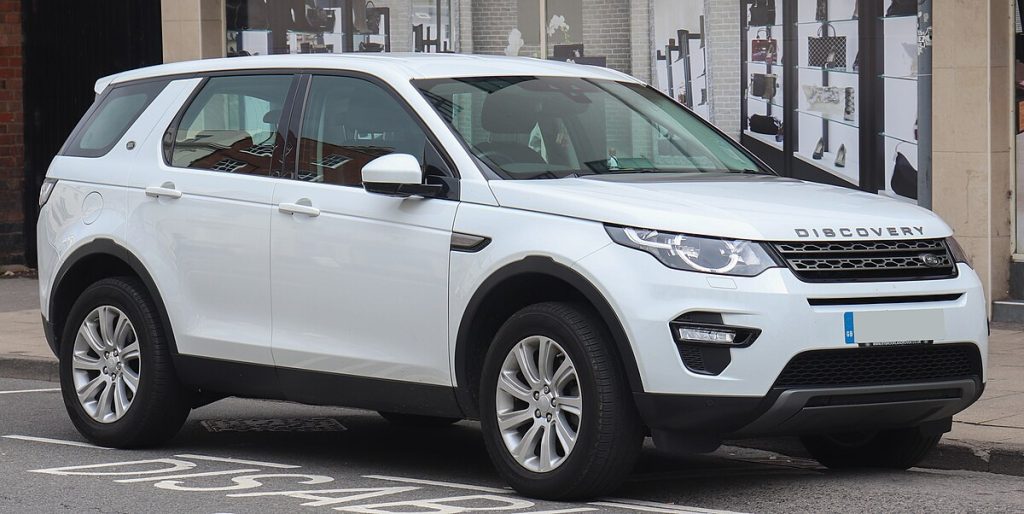
The interior is stylish and modern, but the frequent tech failures overshadow the comfort and luxury elements. While Land Rover markets the vehicle as capable and technologically advanced, the reality is that the Discovery Sport often underperforms in both reliability and usability.
The Land Rover Discovery Sport exemplifies a vehicle that fails to deliver consistent performance or dependable technology.
Its combination of electronic glitches, mechanical issues, and expensive maintenance makes it a challenging ownership experience, highlighting the risks of choosing vehicles that promise advanced features without ensuring long-term reliability.
2. Jeep Cherokee (KL, 2014–2021)
The Jeep Cherokee KL is a compact SUV that suffers from unreliable technology and inconsistent mechanical performance. Its infotainment system, Uconnect, is known to freeze, reboot unexpectedly, or fail to respond to touchscreen inputs.
Connectivity features like Apple CarPlay and Android Auto may malfunction, reducing usability and convenience for daily driving. Navigation systems often lag or lose signals, undermining the vehicle’s tech-driven appeal.
Mechanically, the Cherokee KL experiences frequent engine and transmission issues, particularly in models equipped with the 2.4-liter four-cylinder or 3.2-liter V6.
Transmission hesitation, rough shifting, and engine stalling have been reported, creating a stressful ownership experience. Electrical problems, including malfunctioning sensors and warning lights, further compound reliability concerns.
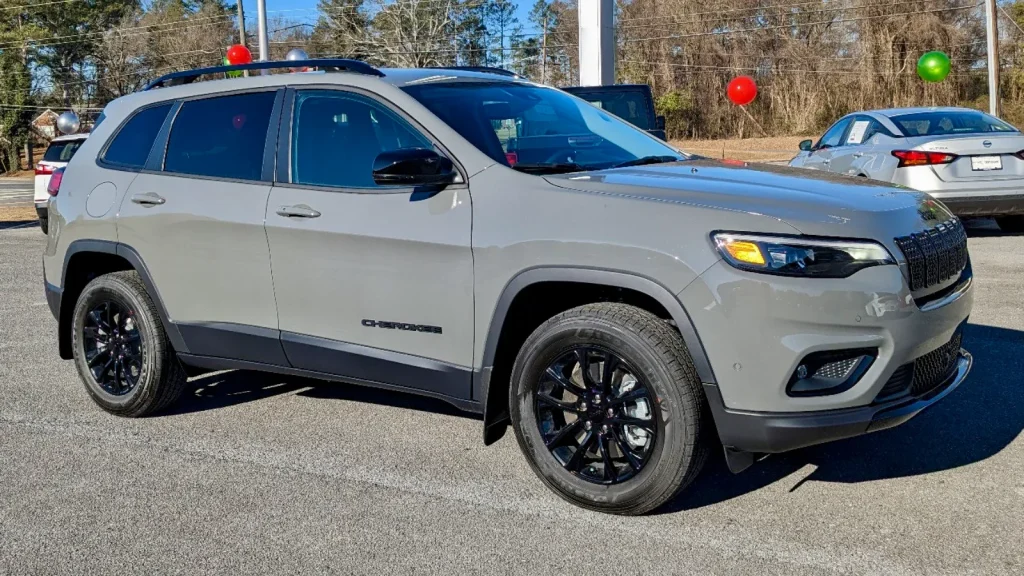
While the exterior design is rugged and the SUV offers off-road capability, the combination of tech and mechanical shortcomings diminishes overall satisfaction. Safety features such as lane-departure warning or adaptive cruise control may not function reliably, reducing confidence in the vehicle’s advanced systems.
Interior comfort is adequate, but the frequent technology failures overshadow these benefits. Owners may spend significant time and money addressing recurring issues, and long-term reliability is questionable.
Despite Jeep’s reputation for off-road capability, the Cherokee KL demonstrates that robust performance and reliable technology are not guaranteed.
The Jeep Cherokee KL serves as a clear example of a vehicle that fails at both tech and reliability. Its inconsistent electronics, mechanical vulnerabilities, and unpredictable performance make ownership frustrating, highlighting the importance of evaluating both technological integration and mechanical durability before purchase.
3. Cadillac XT5 (2017–2021)
The Cadillac XT5 is a midsize luxury SUV that promises advanced features and premium design but often fails in both technology and reliability.
Its infotainment system, featuring a touchscreen interface, navigation, and smartphone integration, is prone to glitches such as freezing, unresponsive controls, and Bluetooth connectivity problems. Voice commands may not function reliably, making routine tasks frustrating for drivers.
Mechanically, the XT5 has reported issues with its engines, transmissions, and electronic components. Some owners experience rough shifts, stalling, or electrical failures that affect critical systems like lighting, climate control, or driver-assistance features. Even minor malfunctions can lead to costly repairs due to the vehicle’s luxury components.
While Cadillac markets the XT5 as a technologically advanced SUV, the integration of electronics often exposes weaknesses in hardware and software.
Safety features such as blind-spot monitoring or adaptive cruise control may operate inconsistently, reducing confidence in the vehicle’s advanced systems. The cabin is comfortable and visually appealing, but these benefits are overshadowed by frequent operational problems.

Owners frequently report unpredictable maintenance costs and recurring issues, highlighting the disconnect between advertised innovation and real-world reliability. Despite its aesthetic appeal and high-end materials, the XT5 fails to deliver a dependable driving experience that matches its technology-heavy design.
The Cadillac XT5 exemplifies a vehicle that struggles on both fronts, combining flashy tech with questionable reliability.
Its frequent electronic and mechanical issues make it a less desirable choice for those seeking a dependable and tech-savvy SUV, emphasizing the importance of evaluating performance beyond appearances.
4. Infiniti QX60 (2016–2021)
The Infiniti QX60 is a midsize luxury crossover that integrates modern technology but often falters in both functionality and reliability.
Its infotainment system, including touchscreen navigation, voice control, and smartphone integration, frequently suffers from freezes, delayed responses, and connectivity failures. These tech issues undermine the usability of the vehicle’s advanced features.
Mechanically, the QX60 has reported transmission hesitations, engine performance inconsistencies, and electrical problems.
Owners often experience warning lights triggered without cause, malfunctioning sensors, or intermittent failures of driver-assistance systems like adaptive cruise control. These issues make ownership both stressful and expensive.
Although the interior is spacious and comfortable, the frequent technology failures overshadow these advantages. Safety systems, including lane departure alerts and collision avoidance, may not operate reliably, reducing driver confidence in both the vehicle and its advertised capabilities.
The combination of unreliable electronics and mechanical vulnerabilities makes the QX60 a challenging vehicle to own.
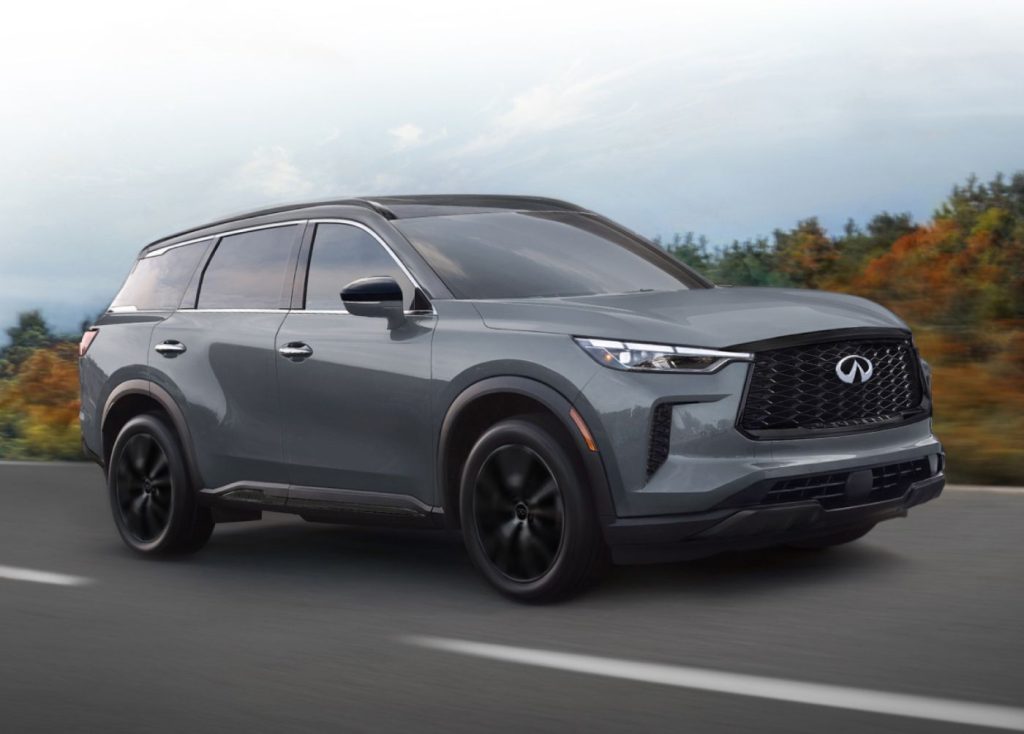
Maintenance costs can escalate quickly, and minor issues often require significant time and effort to resolve. Despite Infiniti’s luxury branding and aesthetic appeal, the QX60 demonstrates that attractive features do not guarantee dependable performance.
This model highlights the risks associated with cars that fail at both tech and reliability. While it offers convenience and modern systems, the lack of dependable integration and mechanical consistency results in a frustrating and unpredictable ownership experience, emphasizing the need for cautious evaluation before purchase.
5. Jeep Grand Cherokee (WK2, 2014–2021)
The Jeep Grand Cherokee WK2 is a full-size SUV that struggles with technology and long-term reliability.
Its infotainment system, including touchscreen navigation, multimedia functions, and connectivity options, is prone to freezing, slow responses, and occasional system crashes. Bluetooth and smartphone integration may fail intermittently, making routine use inconvenient.
Mechanically, the WK2 suffers from transmission issues, engine misfires, and electrical malfunctions.
Reports of rough shifting, faulty sensors, and unexpected warning lights are common, often requiring repeated repairs. Even high-end trims with advanced features are affected, as luxury systems rely on stable electronics to function correctly.
Despite its off-road capability and robust design, the Grand Cherokee WK2’s unreliability diminishes owner satisfaction. Safety and driver-assistance systems, such as lane-keeping assist or adaptive cruise control, may not function consistently, compromising the intended benefits of these technologies.
The interior is comfortable and visually appealing, but frequent tech and mechanical problems overshadow these positives.
Maintenance costs are unpredictable, and repairs can be expensive due to the SUV’s complex systems. Owners seeking dependable, technologically advanced vehicles often find the WK2 disappointing.
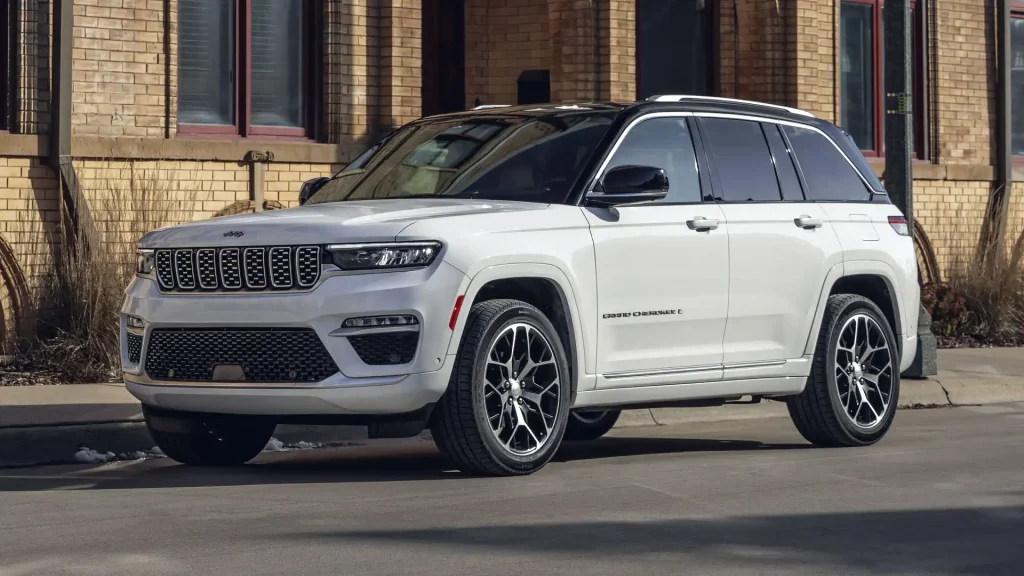
The Jeep Grand Cherokee WK2 exemplifies a vehicle that fails at both technology and reliability. Its combination of inconsistent electronics, mechanical vulnerabilities, and unpredictable performance makes ownership frustrating, reinforcing the importance of evaluating both innovation and durability when selecting a vehicle.
Technology has become a defining feature of modern vehicles, offering conveniences such as touchscreen infotainment, driver-assistance systems, and connectivity features that improve both safety and comfort.
However, these advancements are only valuable if paired with mechanical reliability. Cars that achieve both provide a satisfying ownership experience, while those that fail on both fronts can lead to frustration, costly repairs, and diminished confidence in the vehicle.
Vehicles that balance technology and reliability, such as the Toyota Camry, Honda CR-V, Lexus RX, Mazda CX-5, and Subaru Outback, demonstrate how advanced systems can be integrated without compromising dependability.
These models incorporate user-friendly infotainment, intuitive driver-assistance features, and modern connectivity, all of which operate consistently over time. Mechanically, these cars rely on proven engines, smooth transmissions, and durable chassis, ensuring longevity and predictable maintenance costs.
Owners benefit from safety, comfort, and convenience without being burdened by frequent electronic failures or mechanical issues. Interiors are thoughtfully designed, with ergonomics, quality materials, and practical layouts that complement the technological features.
These vehicles show that innovation and reliability can coexist, providing a stress-free and enjoyable ownership experience.
On the other hand, cars that fail at both technology and reliability, such as the Land Rover Discovery Sport, Jeep Cherokee KL, Cadillac XT5, Infiniti QX60, and Jeep Grand Cherokee WK2, highlight the risks of poorly executed integration.
Infotainment systems often freeze, connectivity features malfunction, and driver-assistance systems operate inconsistently.
Mechanical weaknesses, including transmission issues, engine problems, and electrical faults, further exacerbate the challenges, resulting in unpredictable maintenance costs and frustrating ownership experiences.
Even when these vehicles offer appealing design or luxury features, their unreliability undermines usability and safety.
Comparing these two groups emphasizes the importance of evaluating both technological integration and mechanical durability when choosing a vehicle.
Cars that balance tech and reliability provide peace of mind, convenience, and long-term satisfaction, whereas vehicles that fail on both fronts often lead to disappointment, additional expenses, and stress.
For buyers prioritizing innovation without compromise, understanding these differences is crucial to making informed choices that deliver both modern features and dependable performance.
Also Read: 5 Trucks That Age Gracefully vs 5 That Rust Too Soon
