
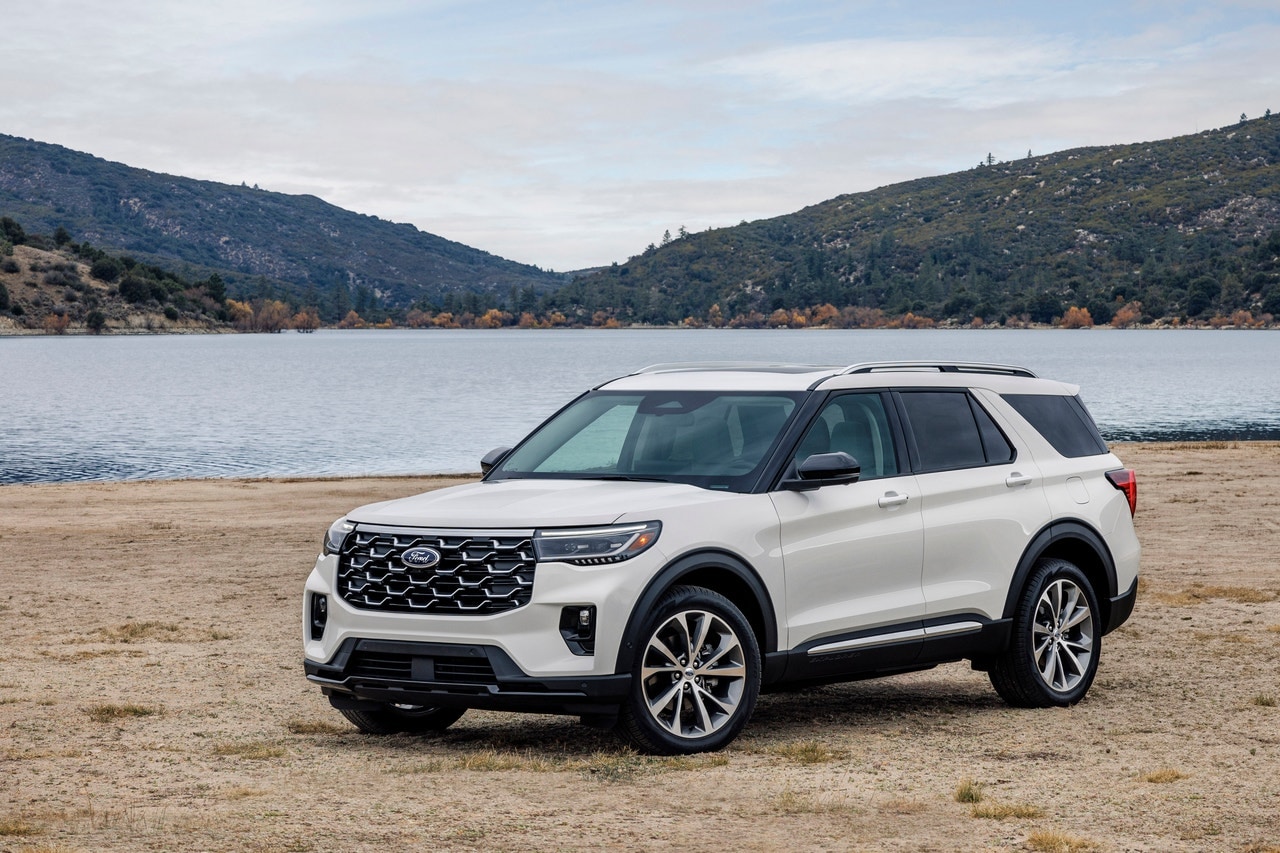
The 1990s were a defining decade for SUVs, producing vehicles that balanced rugged utility with comfort, and often came equipped with engines and drivetrains built to last.
Many of these SUVs were engineered with simple, durable mechanics that have allowed them to survive decades of use. Today, some 90s SUVs continue to run reliably on a daily basis, serving as a testament to their engineering and the care of their owners.
These enduring models are valued for their reliability, ease of maintenance, and practical design. Parts are often still available, and their simpler mechanical systems make repairs straightforward compared to modern, electronics-heavy vehicles.
Owners who maintain these SUVs properly can rely on them for daily commutes, off-road adventures, or long-distance travel, keeping a piece of automotive history on the road.
On the other hand, several 90s SUVs are no longer with us. Some models were produced in limited numbers, while others suffered from engineering flaws, market changes, or poor sales that led to their early demise.
These vehicles are rarely seen today, and finding one in working condition can be almost impossible. Even when survivors exist, parts scarcity, rust, or outdated technology often prevent them from being viable daily drivers.
This article examines both sides of the spectrum. The first section focuses on five 90s SUVs that still perform reliably today, highlighting why they have endured and remain practical for modern use.
The second section looks at five 90s SUVs that have disappeared, discussing the factors that contributed to their decline and why they failed to stand the test of time.
Comparing these models provides insight into durability, engineering decisions, and market influences, helping enthusiasts understand why some SUVs from the 1990s remain roadworthy while others have vanished from streets and garages.
Also Read: 5 Affordable Cars That Are Fun to Mod vs 5 That Aren’t
5 90s SUVs That Still Run Daily
Some 1990s SUVs have earned a reputation for durability and dependability, standing the test of time to remain daily drivers decades later.
These vehicles were often built with simple, robust mechanics, including solid engines, straightforward transmissions, and dependable four-wheel-drive systems. Their reliability and practicality have allowed them to remain relevant even as automotive technology advanced rapidly.
The appeal of these SUVs lies in their combination of toughness and comfort. Many featured high ground clearance, spacious cabins, and utility-focused designs, making them ideal for both city commuting and off-road use.
Unlike modern vehicles, which rely heavily on electronics and complex systems, these 90s models often benefit from mechanical simplicity, which translates to easier maintenance, lower repair costs, and longer lifespans.
Owners who maintain these vehicles carefully find that they can be relied upon for daily driving, whether for work, errands, or recreational use. Parts are often still available through dealerships, aftermarket suppliers, or salvage yards, allowing repairs to be completed without extensive difficulty.
Additionally, their rugged construction and straightforward engineering make them highly adaptable, appealing to enthusiasts who value long-term dependability and versatility.
This section highlights five 1990s SUVs that continue to perform admirably today. Each model has earned its place due to a combination of engineering excellence, availability of parts, and the ability to maintain functionality across decades of use.
These vehicles demonstrate how solid construction, thoughtful design, and a focus on reliability can ensure that an SUV remains a practical and enjoyable option for daily driving even thirty years after its introduction.
1. Toyota 4Runner (1990–1999)
The Toyota 4Runner from the 1990s is an icon of SUV durability. Built with a body-on-frame design and a robust 3.0-liter V6 or 2.4-liter four-cylinder engine, it delivers reliable performance under various conditions.
Its simple mechanical setup minimizes potential points of failure, allowing owners to maintain these vehicles for decades without major issues.
The 4Runner’s four-wheel-drive system is straightforward yet effective, making it capable both on paved roads and off-road trails.
Suspension components are rugged, and parts like shocks, brakes, and drivetrain elements are widely available, contributing to low-cost maintenance. Many 90s 4Runners have exceeded 200,000 miles while still serving as daily drivers, a testament to their longevity.
The interior is practical and functional, designed for comfort without unnecessary complexity. Basic electronic systems ensure minimal glitches, while the air conditioning, stereo, and power windows are generally durable.
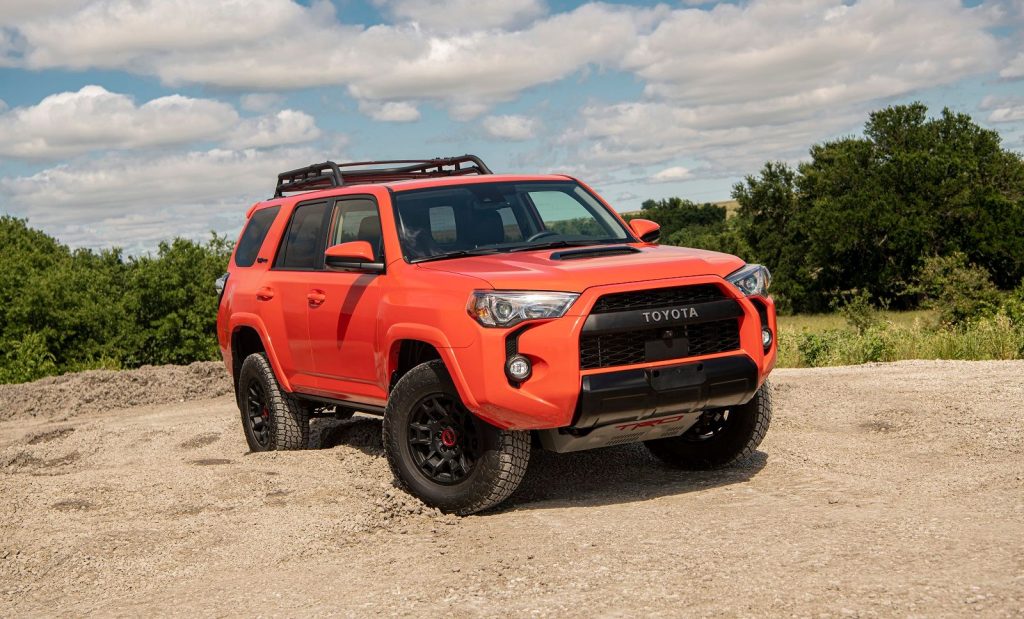
These factors contribute to its reputation as a reliable daily driver, even as modern vehicles become increasingly electronics-dependent.
Owners appreciate the 4Runner for its versatility, durability, and ease of repair. Its combination of proven engineering, dependable drivetrain, and rugged construction ensures that it remains a practical choice for commuting, family use, and outdoor activities.
The 4Runner exemplifies a 90s SUV that has endured the passage of time while continuing to meet the demands of daily driving.
2. Jeep Cherokee XJ (1984–2001)
The Jeep Cherokee XJ is a legendary 90s SUV known for its rugged construction and dependable inline-six engine. Its unibody design, while lighter than traditional body-on-frame SUVs, is durable and capable of handling both off-road conditions and daily driving demands.
The 4.0-liter inline-six engine is particularly praised for longevity, often surpassing 300,000 miles with routine maintenance.
Its straightforward four-wheel-drive system and solid axles make it easy to repair and maintain.
Parts remain widely available, thanks to the model’s popularity, ensuring that even decades later, repairs and upgrades are feasible. The simplicity of the drivetrain and suspension contributes to fewer breakdowns and easier troubleshooting.
Inside, the Cherokee XJ offers a practical and functional layout. While not luxurious, the cabin is ergonomic and built to withstand heavy use.
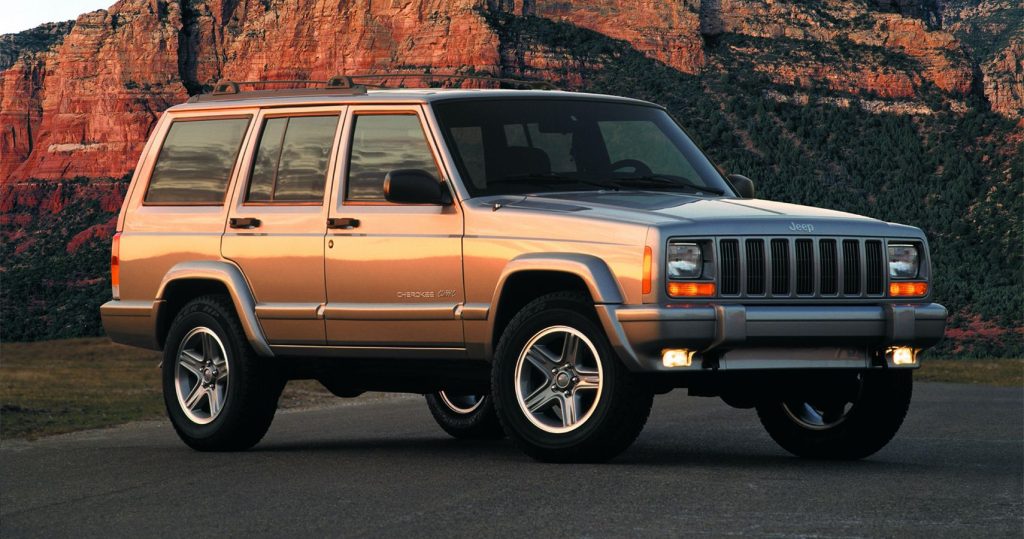
The electronics are minimal, reducing the risk of failure compared to modern SUVs. Heating, ventilation, and basic audio systems typically continue to operate reliably after decades of use.
Owners value the XJ for its durability, versatility, and adaptability. It performs well as a daily driver while remaining capable off-road.
The combination of simple, proven mechanics and a robust build has allowed the Cherokee XJ to survive the test of time, making it a quintessential example of a 90s SUV that still runs reliably on a daily basis.
3. Ford Explorer (1991–1999)
The 1990s Ford Explorer is a midsize SUV that gained a reputation for durability and practicality. Equipped with engines such as the 4.0-liter V6 or 5.0-liter V8 in earlier models, it delivers dependable performance for daily driving and light towing.
The Explorer’s body-on-frame construction contributes to long-term structural integrity, and the vehicle can endure years of use without major issues when properly maintained.
The Explorer’s four-wheel-drive system is reliable and relatively simple, making repairs and maintenance straightforward. Suspension components, brakes, and drivetrain elements are widely available and easy to service, which helps extend the vehicle’s lifespan.
Many owners report Explorer models from this era performing reliably with 200,000+ miles, highlighting their durability.
Inside, the Explorer prioritizes functionality over luxury, with durable materials and a practical layout. Electronics are basic by modern standards, reducing the potential for malfunctions. Heating, ventilation, and stereo systems typically remain operational for decades, and the interior offers ample space for passengers and cargo.
Owners appreciate the Explorer for its versatility. It performs well as a daily driver, offers sufficient cargo capacity for family or recreational use, and handles occasional off-road excursions reliably. With routine maintenance and attention to key mechanical components, the Explorer remains a capable and dependable SUV.
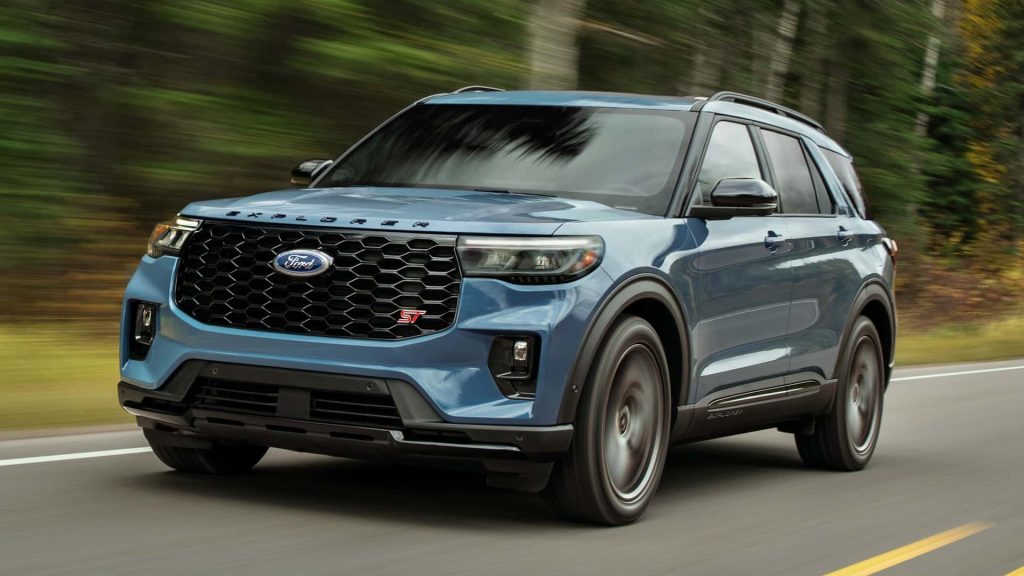
The 1990s Ford Explorer demonstrates how solid engineering and simple, reliable systems can keep a vehicle functional for decades.
Its combination of practicality, durability, and manageable maintenance costs makes it a notable example of a 90s SUV that continues to run daily while remaining relevant for modern use.
4. Chevrolet Tahoe (1995–1999)
The Chevrolet Tahoe from the late 1990s is a full-size SUV built to last. Its body-on-frame construction and rugged V8 engines, such as the 5.7-liter small-block, provide reliability and long-term durability. Designed with a focus on strength and utility, the Tahoe has become a symbol of 90s SUV resilience.
The drivetrain is straightforward and durable, with four-wheel-drive options available for off-road use. Transmission and suspension systems are robust, and replacement parts remain readily available, making maintenance practical even decades after production.
Many examples continue to serve as daily drivers with minimal mechanical issues, demonstrating their lasting reliability.
Inside, the Tahoe offers a spacious and functional cabin. Materials are durable, and electronics are minimal, reducing the likelihood of system failures. Heating, ventilation, and basic audio equipment are generally reliable, allowing the SUV to function effectively in both urban and rural environments.
Owners value the Tahoe for its versatility, comfort, and ability to handle heavy loads or long trips. Its large cargo area and seating capacity make it suitable for families, while its strong chassis ensures a stable ride.
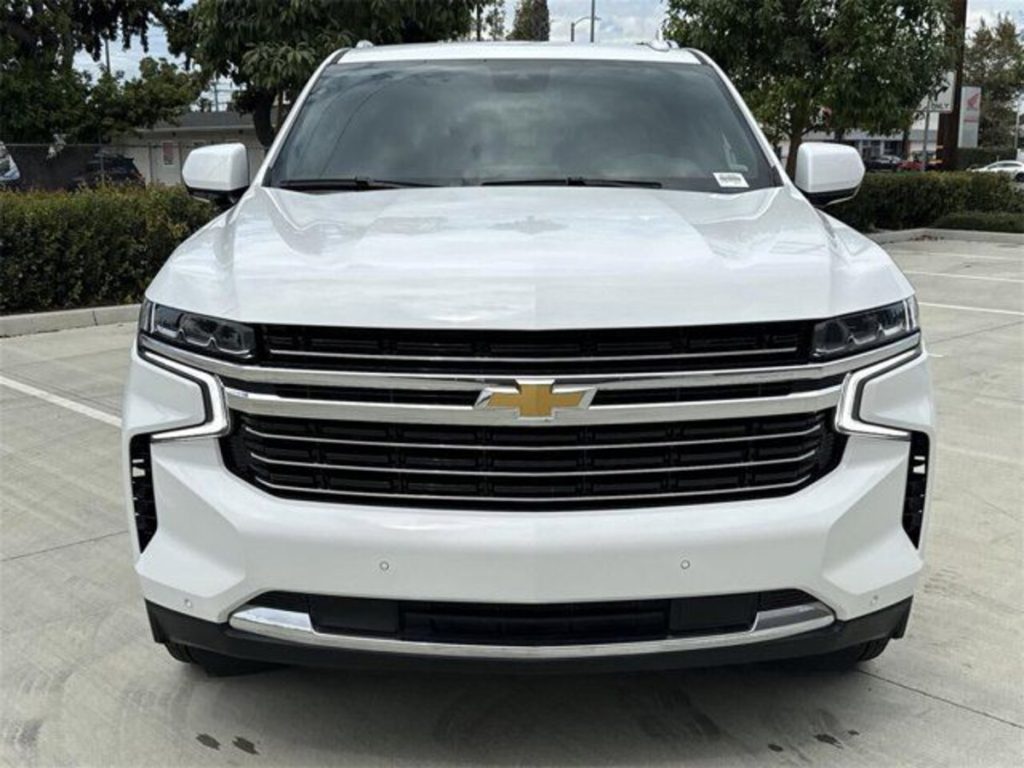
The combination of a powerful engine, dependable drivetrain, and simple electronics allows the vehicle to continue performing well as a daily driver.
The Chevrolet Tahoe exemplifies how 90s SUVs were engineered to endure. Its rugged construction, dependable mechanical systems, and practical design ensure that it remains functional and reliable decades later, making it a standout example of an SUV that still runs daily.
5. Nissan Pathfinder (1990–1995)
The 1990s Nissan Pathfinder is a compact-to-midsize SUV renowned for its durability and reliability. Early models came with engines like the 3.0-liter V6 or 2.4-liter four-cylinder, paired with straightforward transmissions that are both durable and easy to maintain.
Its body-on-frame construction contributes to a long-lasting vehicle capable of handling off-road conditions as well as urban commuting.
The Pathfinder’s four-wheel-drive system is robust, and key drivetrain components are known for longevity.
Replacement parts are still available, and mechanical simplicity makes repairs accessible, even decades after the SUV’s release. This combination allows many Pathfinders to remain operational as daily drivers with consistent performance.
Interior design emphasizes practicality. Seats, controls, and storage areas are built to withstand frequent use, and electronics are minimal, reducing the potential for failure. Heating, ventilation, and audio systems generally continue to function reliably, supporting everyday use.
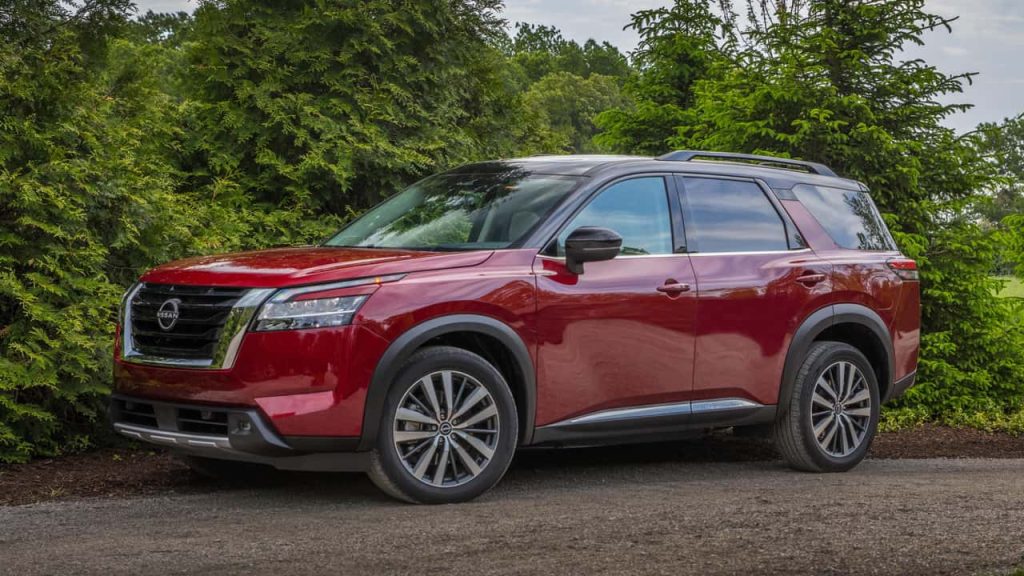
Owners value the Pathfinder for its balance of utility, comfort, and durability. It performs well for commuting, family transportation, and outdoor adventures. Routine maintenance is straightforward, and the vehicle’s robust construction ensures a long operational lifespan.
The Nissan Pathfinder demonstrates that thoughtful engineering and mechanical simplicity can allow a 90s SUV to remain functional and dependable decades later.
Its reliability, practicality, and ease of maintenance make it a prime example of a vehicle that still runs daily, proving that some 1990s SUVs were built to endure both time and use.
5 90s SUVs That Are Gone Forever
While some 1990s SUVs have endured and continue to run reliably today, others have vanished from roads and garages.
These discontinued models often fell victim to market shifts, limited production, or engineering challenges that prevented them from standing the test of time. Many were once celebrated for design, performance, or innovation, yet failed to maintain relevance, leaving few survivors.
Vehicles that are gone forever often suffered from mechanical weaknesses, excessive complexity, or poor reliability. Parts may no longer be readily available, and repairs can be prohibitively expensive or impossible.
Electronics, engines, and drivetrains may have been prone to failure even during the vehicles’ production years, further reducing their long-term viability. Additionally, changing consumer preferences and stricter emissions or safety regulations contributed to the disappearance of certain SUVs.
These models, though no longer common, remain interesting for enthusiasts and collectors. They represent a snapshot of automotive design and engineering from the 1990s, reflecting trends, priorities, and ambitions of manufacturers during that era.
Their rarity and uniqueness have often transformed them into sought-after vehicles for restoration projects, but they are generally impractical for daily driving today.
This section focuses on five 1990s SUVs that are largely gone from public roads. Each model is examined in terms of its historical significance, reasons for its decline, and factors that prevented it from becoming a lasting, practical vehicle.
By contrasting these SUVs with the durable 90s models that still run daily, readers can understand how design decisions, reliability, and market success determined which SUVs survived and which faded into obscurity.
The following analysis highlights how certain 90s SUVs failed to endure due to engineering, maintenance challenges, or consumer trends, offering insight into why some vehicles withstand the test of time while others disappear entirely.
1. Isuzu Trooper (1991–1999)
The Isuzu Trooper was a rugged 1990s SUV that offered off-road capability and solid construction but has largely disappeared from roads today.
Despite its durable body-on-frame design, the Trooper suffered from mechanical issues, including head gasket failures, suspension wear, and transmission problems in later models.
These weaknesses, combined with limited parts availability, contributed to its decline in popularity and eventual disappearance from most daily driving duties.
The Trooper’s four-wheel-drive system was capable and straightforward, making it suitable for off-road adventures.
However, repairs often required specialized knowledge or hard-to-find components, creating challenges for owners who wished to maintain these vehicles over decades. Rust-prone body panels and aging interior materials also diminished its long-term practicality.
Inside, the Trooper provided a spacious and functional cabin, but electronics were prone to failures. Simple features such as power windows, climate control, and audio systems occasionally malfunctioned, reducing usability over time.
These issues, combined with mechanical vulnerabilities, made the Trooper less reliable than competing SUVs of the same era.
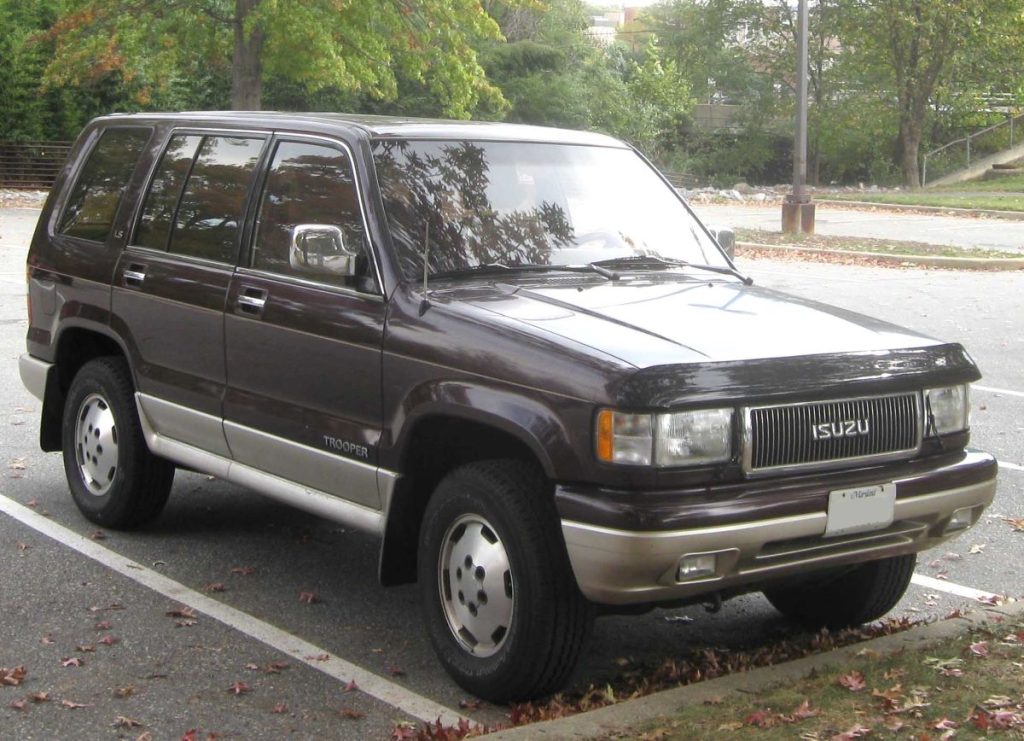
Market factors also contributed to its disappearance. Isuzu’s limited dealership network and declining brand presence in the U.S. reduced support and resale value. As newer, more refined SUVs entered the market, the Trooper’s utilitarian design and reliability issues made it a less appealing choice for consumers.
Despite these challenges, the Isuzu Trooper remains appreciated by enthusiasts for its rugged off-road capability and distinctive design.
However, its combination of mechanical issues, aging components, and scarce parts ensures that few are viable for daily driving today, making it an emblematic example of a 90s SUV that is effectively gone forever.
2. Dodge Durango (First Generation, 1998–2003)
The first-generation Dodge Durango entered the SUV market in the late 1990s with ambitious styling and towing capability. Built on a truck platform, it offered strong V8 engine options and generous cargo capacity.
However, despite its promise, it is difficult to find functioning examples today, primarily due to reliability challenges and aging mechanical systems.
Transmission and engine issues plagued early models, with owners reporting overheating, premature wear, and occasional electronic failures.
The Durango’s suspension, while capable for heavy loads, was prone to deterioration over time, leading to costly repairs. Parts scarcity for certain components has further reduced its presence on the road.
The interior, though spacious, suffered from inconsistent build quality. Dashboard electronics, climate controls, and power accessories often failed with age, and replacement parts were expensive or hard to locate. These factors discouraged long-term ownership and contributed to its decline as a daily driver.
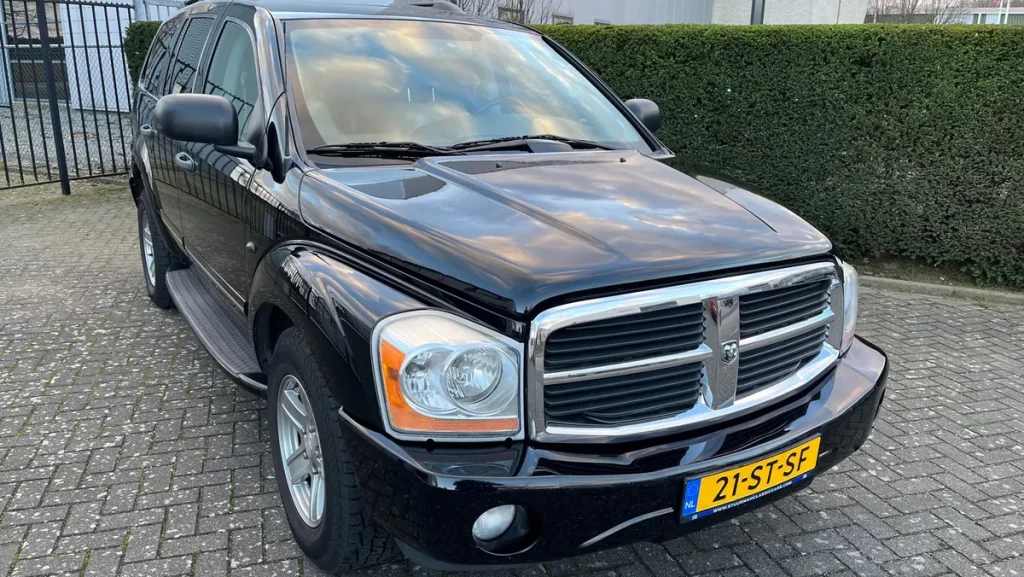
Market dynamics also played a role. Competition from more reliable and technologically advanced SUVs in the early 2000s shifted buyer preference away from the Durango. Coupled with early mechanical flaws, this reduced its popularity and accelerated the disappearance of well-maintained examples.
While enthusiasts occasionally restore early Durangos, they are largely impractical for daily driving today.
Their combination of mechanical and electronic challenges, limited support, and aging design makes them a clear example of a 90s SUV that has effectively vanished, illustrating how even capable vehicles can fail to endure over time.
3. Mercury Mountaineer (1997–2001)
The Mercury Mountaineer was introduced in the late 1990s as a more luxurious sibling to the Ford Explorer.
While it offered a comfortable ride and attractive styling, it ultimately failed to endure, leaving very few examples on the road today. Mechanical issues, aging electronics, and limited brand support contributed to its disappearance.
The Mountaineer shared many components with the Explorer, including engines and drivetrain systems, yet it added complexity through luxury features.
Early models suffered from transmission problems, including rough shifting and premature wear. Electrical issues with power windows, climate control, and dashboard electronics were also common, reducing reliability.
Its four-wheel-drive system was capable but required careful maintenance to remain dependable. Rust-prone areas, particularly around wheel wells and frames, further decreased long-term durability. As a result, many Mountaineers were retired early or replaced, contributing to their rarity today.
Inside, the Mountaineer emphasized comfort and aesthetics over rugged simplicity. While plush seating and wood-trimmed panels created a luxury feel, the additional electronic components introduced failure points. Even minor malfunctions could be costly and time-consuming to repair, discouraging long-term ownership.
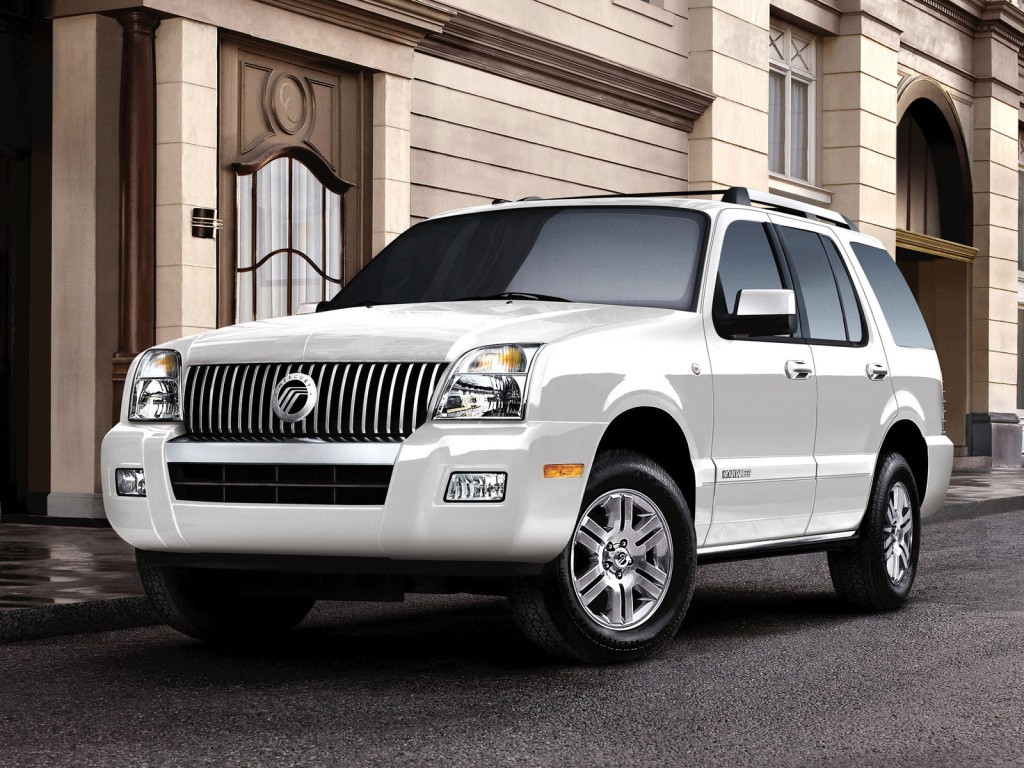
Market forces accelerated its disappearance. The Mercury brand struggled in the U.S., and customers shifted toward more reliable or modern SUVs. Even though the Mountaineer had strong styling and capable mechanics, these factors made it a less desirable choice for long-term use.
Today, the Mercury Mountaineer is largely absent from daily roads. Its combination of mechanical and electronic issues, limited parts availability, and the decline of the Mercury brand has ensured that very few survive in operational condition, making it a definitive example of a 90s SUV that is gone forever.
4. Suzuki Vitara (Escudo, 1990–1998)
The Suzuki Vitara, known as the Escudo in some markets, was a compact 90s SUV celebrated for its lightweight design and off-road capability. Despite its versatility, the Vitara has largely disappeared from North American roads, mainly due to mechanical limitations, aging components, and low brand support.
The Vitara’s four-cylinder engines were generally reliable, but the small size and simplicity that made it nimble also limited its long-term durability under heavy use.
Transmission issues, suspension wear, and rust-prone body panels became problematic as the vehicles aged. Electrical components, including lighting, climate systems, and dashboards, were prone to failure, making repairs increasingly difficult.
Its compact four-wheel-drive system provided capable off-road performance, yet maintenance required specialized parts and knowledge, which became scarce over time. Low sales volumes in certain regions further reduced the availability of replacement components, discouraging continued use.
Inside, the Vitara prioritized function over luxury. Interiors were simple, and electronics were minimal, but aging switches, stereo units, and HVAC systems often failed, leaving the vehicle inconvenient for daily use. Owners seeking a practical, long-term SUV found these issues prohibitive.
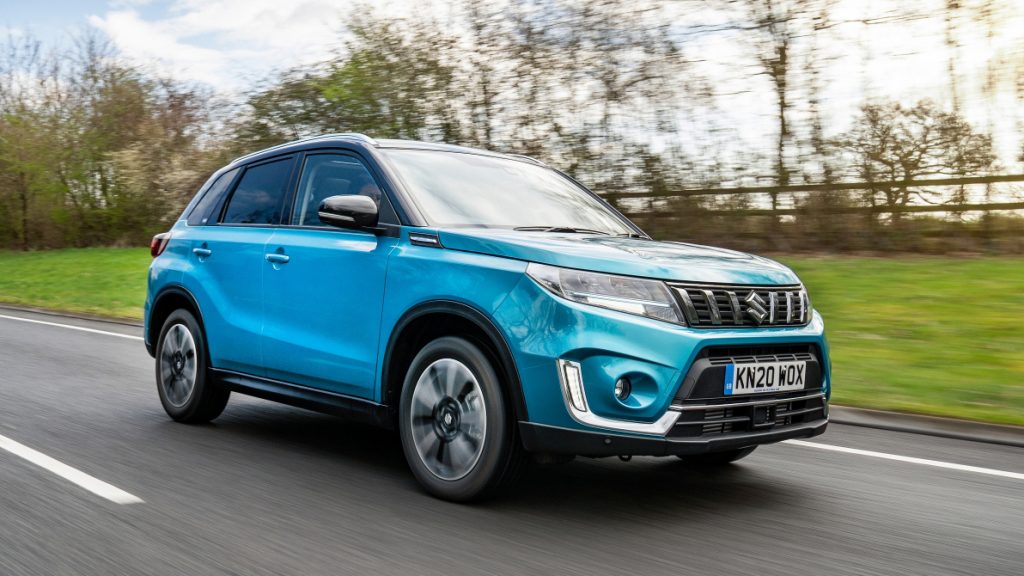
The combination of mechanical vulnerabilities, scarce parts, and limited market support resulted in most Vitara units being retired or scrapped. While some enthusiasts still restore or modify these vehicles, they are largely impractical for modern driving.
The Suzuki Vitara represents a 90s SUV that, despite its capable off-road performance and unique design, has mostly vanished from roads. Its decline highlights how even well-engineered vehicles can fail to endure without sustained maintenance, parts availability, and market support.
5. Chevrolet S-10 Blazer (1992–1999)
The Chevrolet S-10 Blazer was a compact SUV designed for versatility, offering four-wheel drive and truck-based durability. While popular in its era, few examples remain today due to mechanical issues, corrosion, and declining practicality as vehicles aged.
Its engines, including the 2.2-liter four-cylinder and 4.3-liter V6, were generally reliable initially, but many faced premature wear in older models.
Transmission and suspension issues became common after decades of use, and rust in the frame and body panels further reduced roadworthiness. Electrical failures with lighting, heating, and dashboard systems added to maintenance challenges.
The Blazer’s drivetrain was competent, and the SUV handled off-road and towing tasks effectively, yet aging components often required extensive repairs. Parts availability has diminished over time, making restoration or long-term use difficult.
Interior design emphasized utility over comfort, but aging HVAC systems, audio, and power accessories often failed, reducing convenience. Combined with the mechanical issues, this made the Blazer less practical for daily driving.
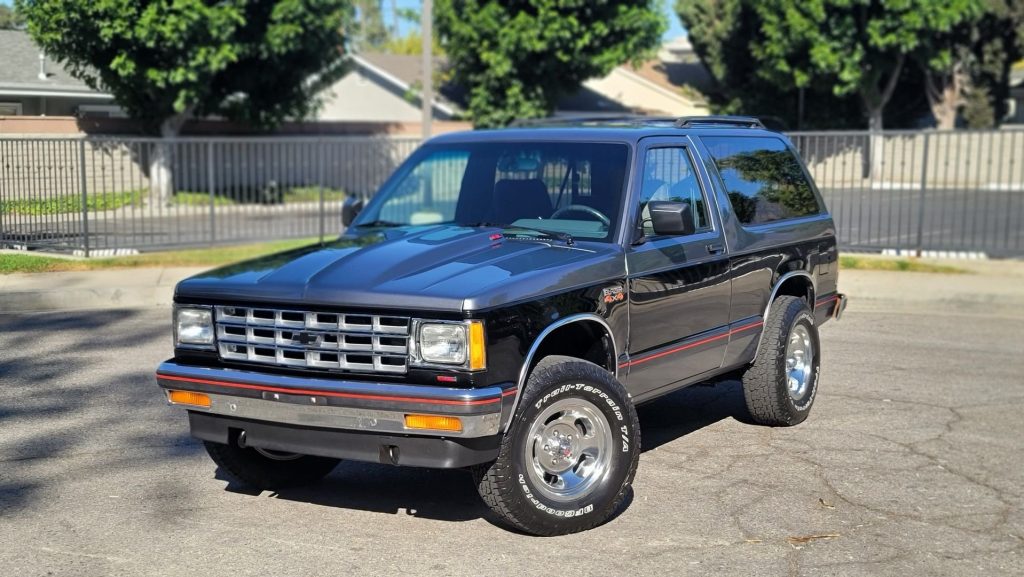
Market trends also influenced its disappearance. As compact and midsize SUVs became more refined and modern, the S-10 Blazer’s aging design and reliability problems made it less appealing. Many were retired or scrapped, leaving few surviving examples.
Today, the Chevrolet S-10 Blazer serves as a clear example of a 90s SUV that has largely vanished.
Its combination of aging mechanical systems, electronic failures, and limited parts availability ensures that it is rarely seen as a reliable daily driver, highlighting how certain vehicles fail to endure despite their initial popularity and capability.
The 1990s produced a variety of SUVs, some of which have proven remarkably durable while others have vanished from roads entirely.
Vehicles like the Toyota 4Runner, Jeep Cherokee XJ, Ford Explorer, Chevrolet Tahoe, and Nissan Pathfinder continue to run daily thanks to robust engineering, simple yet effective mechanical systems, and readily available replacement parts.
Their body-on-frame or durable unibody designs, combined with reliable engines and straightforward drivetrains, allow them to endure decades of use.
Minimal electronics and practical interiors contribute to ease of maintenance and long-term reliability, making them practical for modern commuting, family use, and recreational activities.
In contrast, SUVs such as the Isuzu Trooper, Dodge Durango (first generation), Mercury Mountaineer, Suzuki Vitara, and Chevrolet S-10 Blazer have largely disappeared due to mechanical vulnerabilities, aging electronics, and limited parts availability.
Issues like transmission failures, rust, and unreliable electrical systems made them less sustainable for long-term ownership. Market factors, including declining sales and competition from more reliable or modern vehicles, further accelerated their disappearance.
Comparing these two groups illustrates how thoughtful engineering, durability, and maintenance support determine which vehicles endure over time. While some 90s SUVs remain functional daily drivers, others serve as reminders that not every capable vehicle can survive the test of time.
Also Read: 5 Sports Sedans That Deliver Daily Thrills vs 5 That Don’t
