
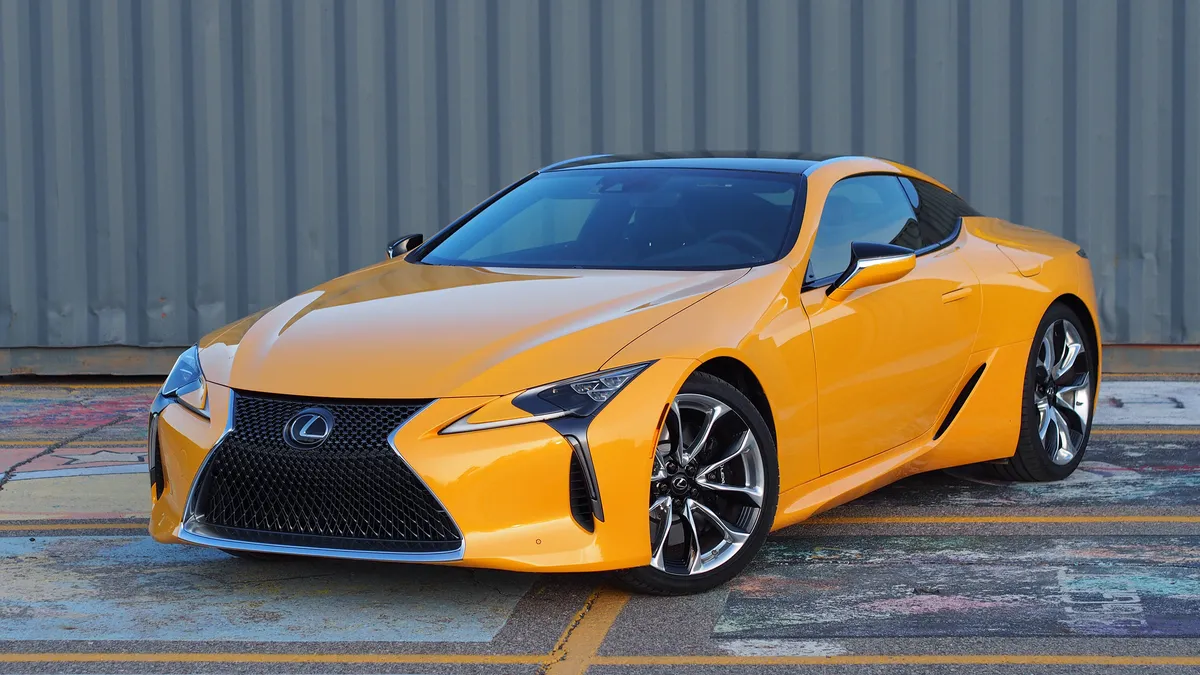
Japanese luxury automakers have long competed with their German counterparts, offering vehicles that combine refinement, reliability, and advanced technology.
While German luxury cars are often celebrated for performance, engineering precision, and brand prestige, Japanese luxury cars have made significant strides in providing value, comfort, and long-term dependability. Comparing the two highlights where Japanese models excel and where they fall short.
Some Japanese luxury cars outperform German rivals in areas such as reliability, lower maintenance costs, cabin quietness, and practical technology. Brands like Lexus, Infiniti, and Acura focus on delivering a refined driving experience without sacrificing durability.
Owners often find that these vehicles require less frequent maintenance, have fewer unexpected mechanical issues, and maintain comfort and build quality over long periods. This combination of dependability and luxury makes certain Japanese models appealing alternatives to German vehicles.
Conversely, there are Japanese luxury cars that, despite their refinement, fail to match the driving dynamics, engineering sophistication, or prestige of German rivals. Some models lack the sharp handling, advanced performance technologies, or brand recognition that German cars typically provide.
While these vehicles may remain reliable and comfortable, they do not offer the same engagement or status appeal that many buyers expect from a luxury car, which can make them less desirable for enthusiasts and collectors.
This article examines both sides of the spectrum. First, it identifies five Japanese luxury cars that are widely regarded as surpassing German competitors in key areas, and then it highlights five models that fall short in comparison.
Understanding these differences helps readers appreciate the strengths and limitations of Japanese luxury vehicles relative to their German peers, providing insight into performance, comfort, reliability, and long-term ownership value.
Also Read: 5 Cars That Bring Back Driving Joy vs 5 That Feel Robotic
5 Japanese Luxury Cars That Beat Germans
Japanese luxury cars have earned a reputation for combining refinement, reliability, and advanced features with thoughtful pricing and practical performance. Several models have successfully challenged German luxury vehicles, often surpassing them in long-term dependability, comfort, and ownership satisfaction.
Reliability is one of the key advantages Japanese luxury cars have over German counterparts. While German vehicles may require expensive maintenance or exhibit occasional electronic or mechanical issues over time, Japanese models tend to maintain performance with lower operating costs. This consistency appeals to buyers seeking a combination of luxury and practicality.
Comfort and cabin quality also favor Japanese luxury cars in many cases. Materials are carefully chosen for longevity and tactile satisfaction, and ergonomics are designed to reduce fatigue during long drives.
Technology and infotainment systems are typically intuitive and user-friendly, enhancing the overall ownership experience without overwhelming drivers with overly complex controls.
Performance is another area where certain Japanese luxury models compete effectively with German rivals.
While German cars are often praised for sharp handling and sport-oriented dynamics, Japanese vehicles offer a balanced driving experience that combines sufficient power with smooth, predictable handling.
In some cases, these models achieve performance levels comparable to German competitors while offering greater reliability.
Cultural and market significance plays a role as well. Japanese luxury brands like Lexus, Acura, and Infiniti have earned strong reputations for creating vehicles that hold their value, require minimal repairs, and provide a premium experience without excessive cost.
This balance makes them attractive alternatives to German luxury cars, appealing to buyers who prioritize durability, comfort, and intelligent engineering over brand prestige alone.
The following five Japanese luxury cars have been selected because they consistently outperform German rivals in key areas such as reliability, comfort, value, and driving experience.
Each example demonstrates why Japanese engineering can rival or surpass German craftsmanship, offering buyers luxury without compromise.
1. Lexus LS (various generations)
The Lexus LS series, Toyota’s flagship luxury sedan, has consistently challenged German competitors such as the BMW 7 Series, Mercedes-Benz S-Class, and Audi A8.
Introduced in 1989, the LS quickly earned a reputation for combining refined design, exceptional reliability, and advanced technology with quiet, comfortable driving dynamics.
Mechanically, the LS is known for durability and low maintenance requirements. Its engines, typically smooth V8 units, are built for longevity, and the transmissions are engineered for seamless operation.
Even with high mileage, these sedans rarely suffer from major mechanical failures, giving them a reliability edge over German rivals, which may require more frequent maintenance or costly repairs.
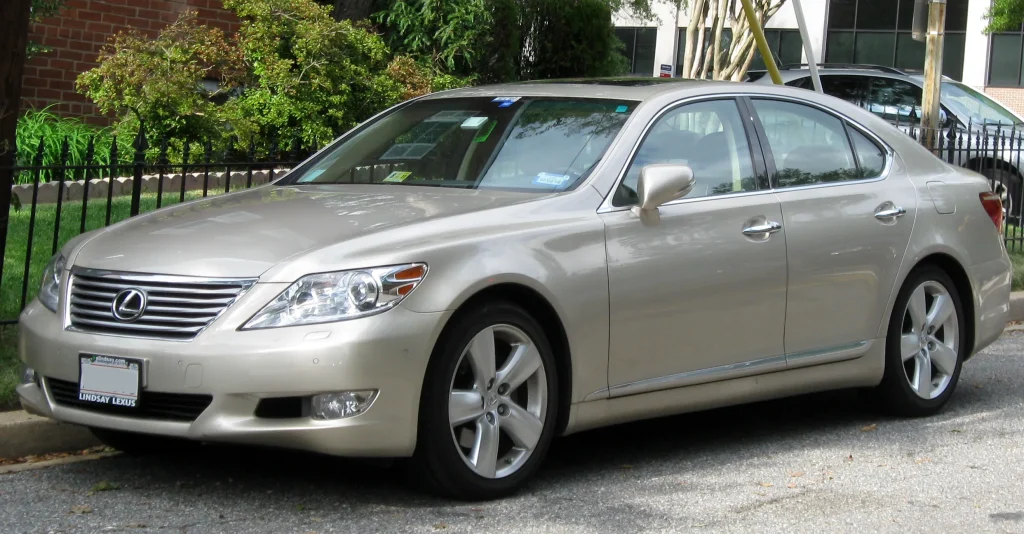
The LS also excels in ride comfort and interior refinement. Materials are carefully chosen for tactile satisfaction, seats provide ample support for long journeys, and cabin insulation reduces road and wind noise to a minimum.
Technology and infotainment systems are designed for ease of use, avoiding the steep learning curve sometimes associated with German luxury vehicles.
Performance is balanced rather than aggressive. While the LS may not always match the sharp handling of a BMW or Mercedes, its V8 engines deliver smooth acceleration, and suspension tuning prioritizes composure and predictability.
This combination creates a luxury driving experience that emphasizes comfort without sacrificing capability.
Value retention and resale are additional advantages. The LS maintains strong long-term value due to Toyota’s reputation for reliability and the model’s enduring appeal. Buyers benefit from lower ownership costs, fewer repairs, and a comfortable, capable sedan that rivals German vehicles in most respects.
The Lexus LS demonstrates how Japanese engineering can compete with German luxury sedans by offering consistent reliability, refined interiors, balanced performance, and long-term value. Its enduring popularity among luxury buyers highlights its position as a benchmark in Japanese automotive excellence.
2. Acura NSX (second generation, 2016–2022)
The second-generation Acura NSX redefined Japanese performance and luxury, directly challenging German sports cars such as the Porsche 911 and Audi R8.
Launched in 2016, this hybrid supercar combines advanced engineering, precision handling, and innovative technology to deliver a compelling alternative to European rivals.
The NSX features a twin-turbocharged V6 paired with three electric motors, producing instantaneous power delivery and exceptional acceleration.
The hybrid system provides both efficiency and performance, creating a balance that German competitors cannot always match. Its all-wheel-drive system and advanced torque vectoring enhance handling, allowing the NSX to remain stable and responsive even at high speeds or in challenging driving conditions.
Reliability and build quality are strong points. Unlike some European supercars, which may require frequent maintenance and costly repairs, the NSX benefits from Honda and Acura’s engineering standards.
Key components are durable, and the integration of hybrid systems has been refined to minimize long-term issues, making ownership less stressful and more predictable.
Interior quality is another area where the NSX competes effectively. The cabin combines driver-focused ergonomics with premium materials and modern infotainment, creating a comfortable, intuitive environment.
Unlike some German rivals, the NSX avoids excessive complexity, offering functionality alongside a sense of occasion and luxury.
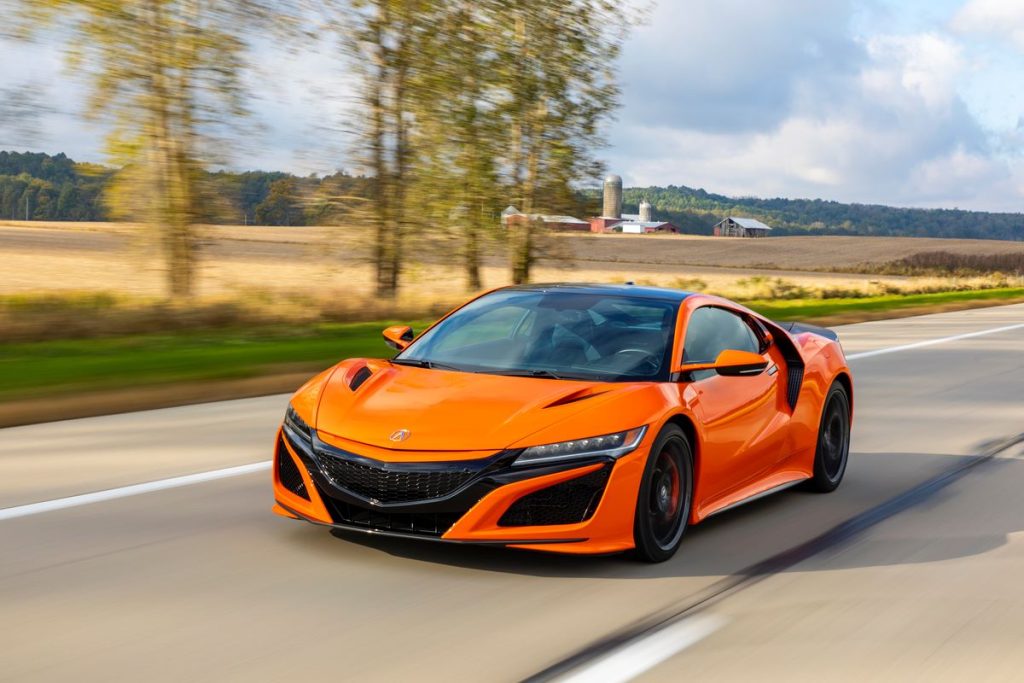
Cultural significance also enhances its appeal. The NSX embodies Japanese innovation in high-performance engineering, blending supercar excitement with daily usability and reliability. Its distinctive design, technological sophistication, and real-world performance make it a credible competitor to European sports cars.
The Acura NSX demonstrates that Japanese luxury and performance vehicles can match or surpass German rivals in handling, reliability, and advanced technology.
It combines cutting-edge engineering with everyday usability, establishing itself as a benchmark for Japanese automotive excellence in the supercar segment.
3. Lexus LC
The Lexus LC coupe has been widely praised for its combination of luxury, performance, and design, making it a serious competitor to German models such as the BMW 8 Series and Mercedes-Benz S-Class coupe. Introduced in 2017, the LC exemplifies Japanese attention to detail, reliability, and refined driving dynamics.
Mechanically, the LC offers robust powertrains, including a naturally aspirated V8 and a hybrid option that delivers smooth acceleration with impressive efficiency.
These engines are built to last, and the automatic transmissions provide seamless shifts, ensuring reliability that often surpasses German rivals over time. Owners benefit from lower maintenance costs and durable components, which makes the LC attractive for long-term ownership.
The interior is a standout feature, with high-quality materials, meticulous craftsmanship, and a driver-focused layout. Seats are comfortable for long journeys, and cabin insulation reduces road and wind noise effectively.
Infotainment and control systems are intuitive, avoiding the steep learning curves sometimes found in German luxury vehicles. The combination of tactile finishes, elegant design, and comfort enhances the overall ownership experience.
Performance is balanced yet engaging. The LC delivers precise handling, excellent road grip, and controlled cornering, providing a sport-luxury experience comparable to German counterparts.
Suspension tuning emphasizes comfort without sacrificing dynamic responsiveness, allowing drivers to enjoy spirited driving and long-distance cruising alike.
Styling is another area where the LC excels. Its sleek, aggressive lines and distinctive front fascia create a visually compelling vehicle that stands out in the luxury coupe segment. This design, combined with Japanese reliability and engineering, allows the LC to rival German competitors in both aesthetics and driving experience.
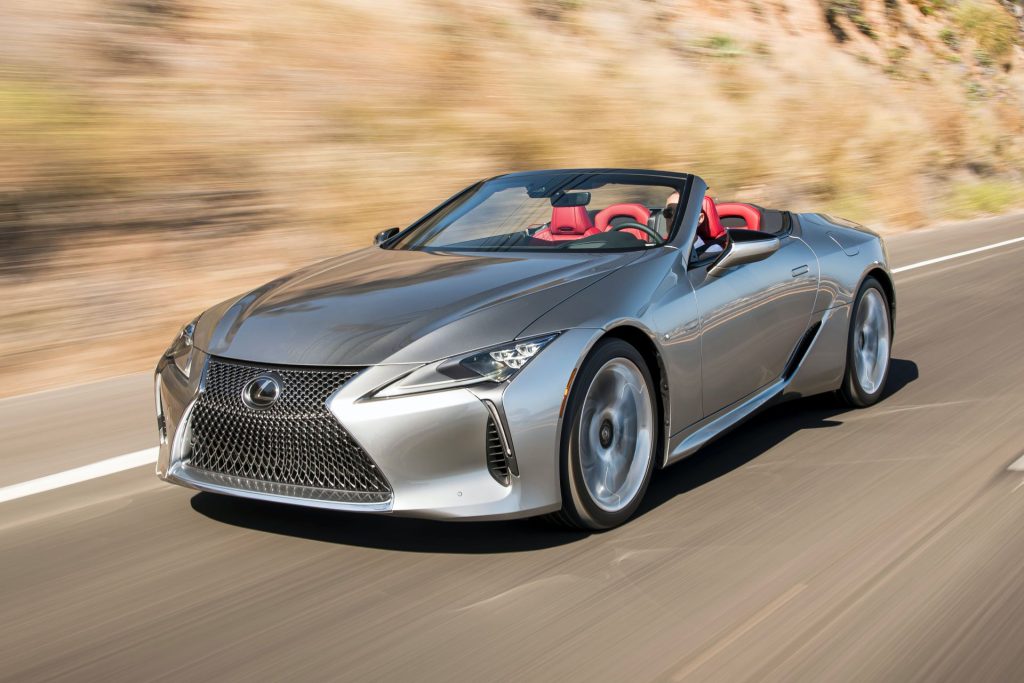
The Lexus LC demonstrates how Japanese luxury cars can combine beauty, performance, and long-term dependability, effectively challenging German models. Its combination of design, comfort, reliability, and engaging driving dynamics makes it a top choice for buyers seeking a luxury coupe that excels in multiple dimensions.
4. Infiniti Q50 Red Sport
The Infiniti Q50 Red Sport is a performance-oriented luxury sedan that competes with German rivals such as the BMW 3 Series and Audi S4. Introduced in the mid-2010s, the Q50 Red Sport combines a potent engine, advanced technology, and refined comfort, positioning it as a credible alternative to European performance sedans.
Mechanically, the Q50 Red Sport features a twin-turbocharged 3.0-liter V6 engine producing over 400 horsepower, paired with a responsive automatic transmission.
The drivetrain delivers smooth power delivery and rapid acceleration, providing driving enjoyment comparable to many German competitors.
Infiniti’s engineering ensures durability, with fewer maintenance concerns compared to some European sports sedans, giving owners peace of mind for long-term ownership.
Handling and performance are strong points. The Q50 Red Sport incorporates an adaptive suspension system and advanced steering technology, which enhances stability and precision during spirited driving.
Its performance is balanced, offering both comfort for daily commuting and responsiveness for enthusiastic driving, bridging the gap between practicality and excitement.
Interior quality is carefully crafted, featuring premium materials, ergonomic design, and modern infotainment. The cabin is comfortable and intuitive, allowing drivers to access controls without distraction.
Compared to some German vehicles, Infiniti prioritizes user-friendly technology alongside luxury, improving the overall ownership experience.

Cultural and market recognition contributes to its appeal. The Q50 Red Sport represents Infiniti’s focus on combining performance, style, and reliability in a luxury sedan format.
While it may lack the historical prestige of certain German brands, it has earned a reputation for delivering performance, comfort, and advanced engineering at a competitive price point.
The Infiniti Q50 Red Sport demonstrates that Japanese luxury cars can surpass German counterparts in reliability, user-friendly technology, and balanced performance.
Its combination of power, handling, comfort, and affordability makes it a strong option for buyers seeking a performance-oriented luxury sedan without the long-term maintenance concerns often associated with German vehicles.
5. Acura RLX
The Acura RLX is a full-size luxury sedan that has challenged German competitors such as the BMW 5 Series and Mercedes-Benz E-Class in areas like reliability, comfort, and ownership experience.
Introduced in 2014, the RLX emphasizes refinement, advanced technology, and long-term durability, making it a standout among Japanese luxury sedans.
Mechanically, the RLX is powered by a smooth 3.5-liter V6 engine with an optional Sport Hybrid system that enhances performance while improving efficiency.
The drivetrain is durable and engineered for low maintenance, allowing owners to enjoy the vehicle without the high upkeep often associated with German sedans.
The continuously variable transmission (CVT) and all-wheel-drive options are reliable and deliver smooth power delivery, further contributing to long-term dependability.
Interior quality and comfort are major strengths. The RLX features high-grade materials, well-bolstered seats, and an ergonomically designed cabin that reduces driver fatigue during long journeys.
Noise insulation is excellent, creating a quiet, serene environment. Infotainment systems are intuitive and straightforward, offering modern connectivity without overwhelming drivers with complex interfaces.
Performance is balanced, offering confident acceleration and stable handling without overly aggressive tuning. While the RLX may not match the sporty dynamics of certain German rivals, it provides a composed, predictable driving experience that appeals to buyers seeking comfort and reliability alongside capable performance.
Cultural and ownership significance enhances its appeal. The RLX represents Acura’s commitment to engineering longevity, technological integration, and luxury refinement.
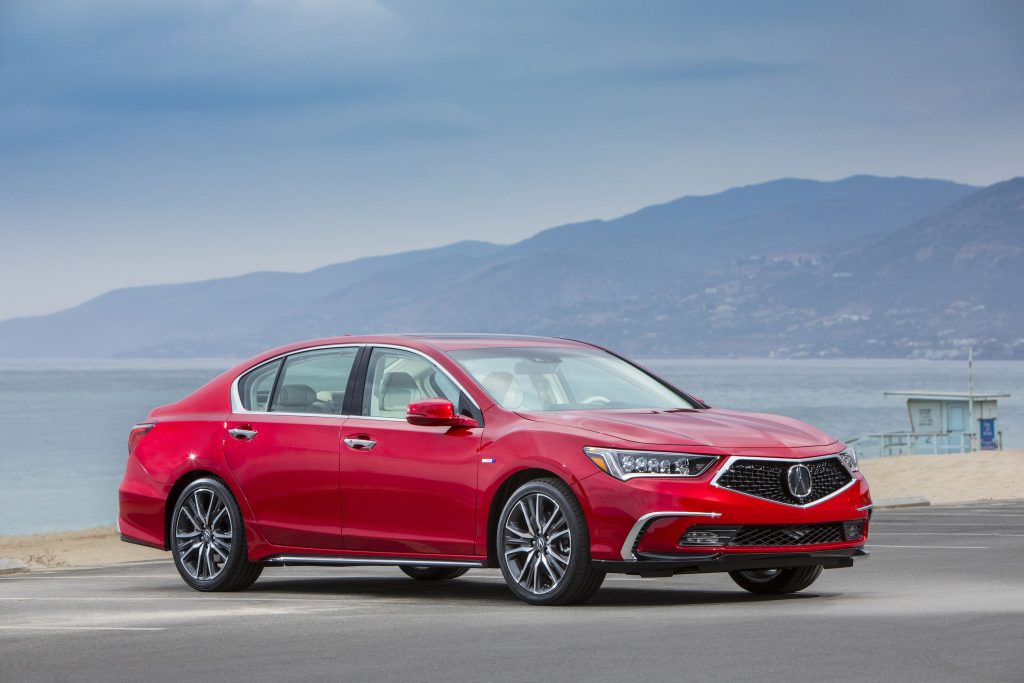
Its combination of comfort, reliability, and thoughtful design ensures that it competes effectively with German luxury sedans in practical areas that matter to most buyers.
The Acura RLX demonstrates that Japanese luxury vehicles can outperform German competitors by focusing on durability, comfort, user-friendly technology, and balanced driving dynamics.
Its strengths in reliability and ownership experience make it a compelling choice for buyers seeking luxury without the higher maintenance and complexity often associated with European sedans.
5 Japanese Luxury Cars That Don’t
While many Japanese luxury cars successfully challenge German competitors, there are notable models that fail to meet the same standard. These vehicles, despite offering comfort and reliability, often lag behind German sedans and coupes in driving dynamics, engineering refinement, performance, and prestige.
One common limitation is handling and performance. Some Japanese luxury models prioritize comfort over dynamic driving, resulting in sedans or coupes that feel less engaging than their German rivals.
Drivers accustomed to the sharp steering, precise suspension, and sporty characteristics of BMW, Audi, or Mercedes vehicles may find certain Japanese alternatives underwhelming in comparison.
Design and interior quality also play a role. While Japanese brands excel in ergonomics and user-friendly technology, some models rely on conservative styling, lacking the visual impact or luxurious touches that German competitors offer.
Interiors may feel functional rather than opulent, reducing their perceived value among buyers who prioritize status and aesthetic refinement.
Technology implementation can be another area of weakness. Although Japanese luxury vehicles often include advanced features, they may not integrate them as seamlessly or innovatively as German counterparts. Infotainment, driver assistance, and connectivity systems can feel less refined, limiting the overall premium experience.
Brand prestige and market perception further differentiate these vehicles. Certain Japanese luxury models do not carry the same heritage or global recognition as German brands, affecting desirability and long-term value.
Even if mechanically reliable, these vehicles can feel less aspirational to buyers who value prestige alongside performance and comfort.
This article examines five Japanese luxury cars that fall short when compared to German competitors, highlighting areas where handling, design, technology, or brand perception prevent them from fully competing in the luxury segment.
Understanding these limitations helps illustrate why not all Japanese luxury vehicles achieve parity with their German rivals.
1. Infiniti Q70
The Infiniti Q70, previously known as the M series, is a full-size luxury sedan that struggles to match German competitors such as the BMW 5 Series, Audi A6, and Mercedes-Benz E-Class in performance, driving dynamics, and overall refinement. While it offers comfort and a well-equipped interior, it often falls short in areas that enthusiasts and luxury buyers prioritize.
Mechanically, the Q70 provides a smooth ride and reliable engines, including V6 and V8 options. However, its handling is less precise compared to German rivals. Steering lacks sharpness, body control is moderate, and cornering can feel subdued.
While comfortable for daily commuting, the driving experience does not deliver the engaging performance expected in this segment.
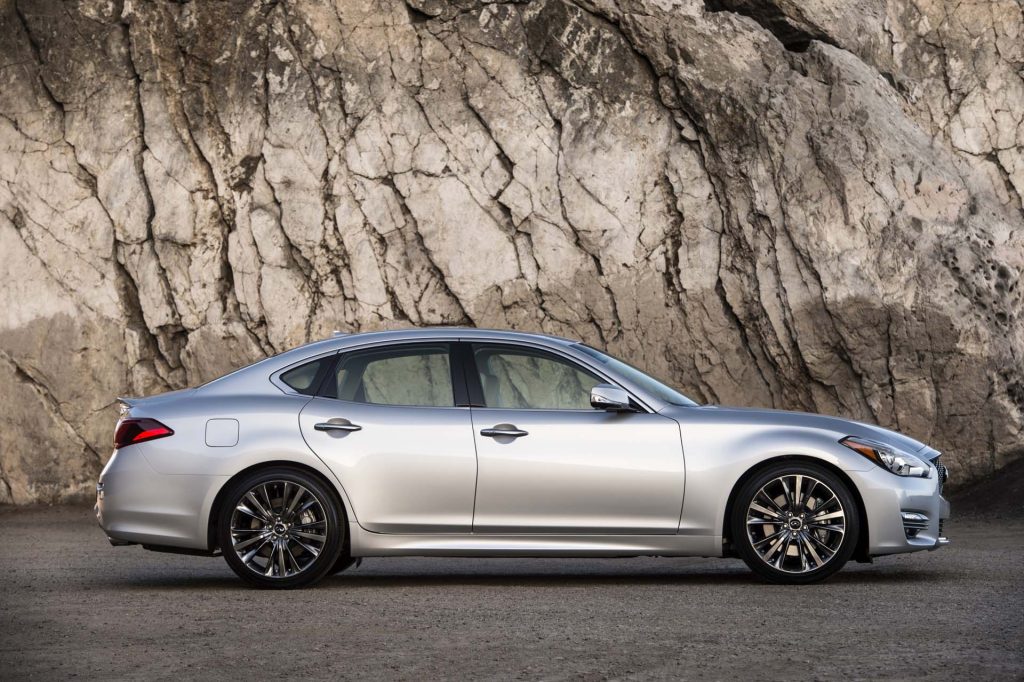
Interior design is functional but conservative. Materials are of good quality, but the layout and aesthetics do not convey the same level of luxury or modernity found in German vehicles. Infotainment and control systems are sometimes less intuitive, with slower response times compared to competitors, which can diminish the premium feel.
Performance metrics also lag slightly behind German rivals. Acceleration is adequate, but the Q70 rarely matches the responsiveness and driving engagement offered by similar BMW, Audi, or Mercedes models. Suspension tuning prioritizes comfort at the expense of sporty handling, which may disappoint buyers seeking a balanced blend of luxury and performance.
Brand perception and prestige further impact desirability. While Infiniti is respected for reliability, it does not carry the same cachet or historical significance as German luxury brands.
This can affect resale value and long-term desirability, making the Q70 less competitive in a market dominated by German sedans.
The Infiniti Q70 illustrates that reliability and comfort alone are insufficient to surpass German rivals. Its conservative design, lackluster handling, and modest performance prevent it from achieving the level of refinement and engagement that buyers expect in the premium sedan segment.
2. Lexus ES (older generations, pre-2019)
The Lexus ES, particularly older generations produced before the 2019 redesign, is a reliable and comfortable luxury sedan but often falls short when compared to German rivals such as the BMW 5 Series, Audi A6, and Mercedes-Benz E-Class.
While it excels in dependability, it lacks the dynamic driving characteristics and premium feel that define German luxury cars.
Mechanically, the ES offers smooth V6 engines and durable transmissions, providing a dependable and quiet ride. However, steering precision and handling are subdued.
The suspension prioritizes comfort, resulting in a soft, compliant ride that can feel disconnected from the road. Enthusiasts seeking the engaging, responsive experience of German sedans may find the ES lacking in this regard.
Interior design is comfortable and well-crafted, but older ES models often rely on conservative styling. Materials and finishes are good, yet the cabin lacks the bold, luxurious accents and modern technology integration found in German competitors.
Infotainment systems in older models are less intuitive, and touch interfaces may feel dated, reducing the perceived premium experience.
Performance is adequate for everyday driving but rarely excites. Acceleration is smooth but not particularly fast, and handling does not inspire confidence on winding roads or during spirited driving.
Compared to German sedans, the ES emphasizes comfort over sportiness, which may limit its appeal to buyers who value performance alongside luxury.
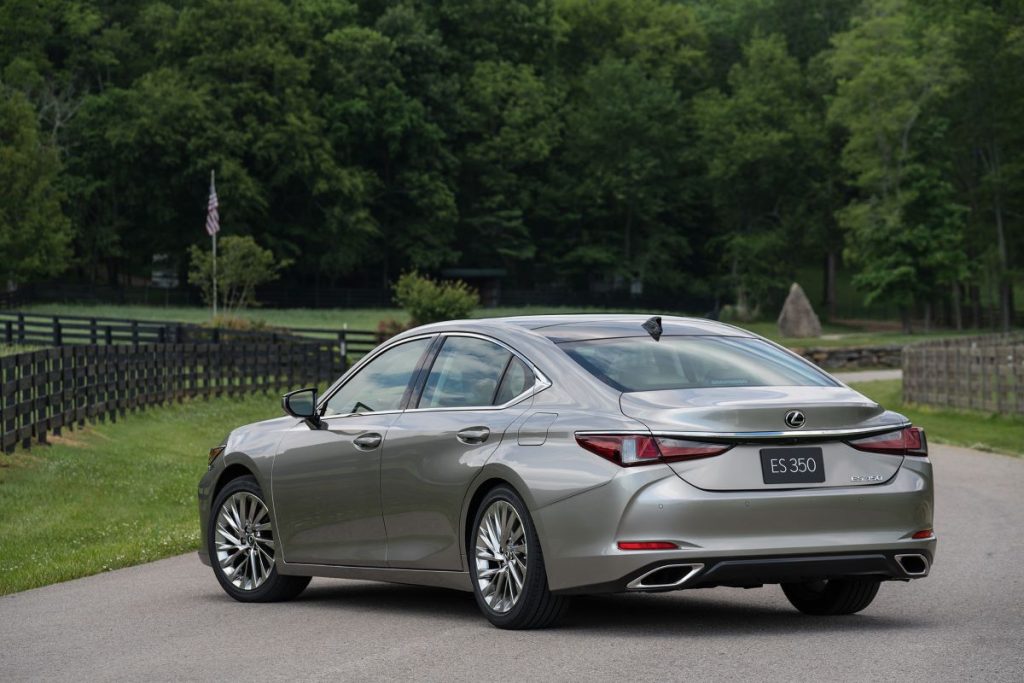
Brand prestige and market perception are additional factors. While Lexus is respected for reliability, the ES does not carry the same aspirational image as German sedans. This affects both desirability and long-term value retention, particularly among buyers seeking a status symbol alongside performance.
The older Lexus ES demonstrates that even a well-built and reliable luxury car can fall short in comparison to German rivals. Its comfort-focused design, conservative styling, and modest performance prevent it from delivering the full luxury experience expected in this segment.
3. Infiniti Q50 (non-Red Sport)
The standard Infiniti Q50, without the Red Sport enhancements, is a luxury sedan that struggles to compete with German rivals like the BMW 3 Series, Audi A4, and Mercedes-Benz C-Class in driving engagement, refinement, and overall performance.
While it offers comfort and reliability, it lacks the dynamic qualities and premium feel expected in this segment.
Mechanically, the base Q50 features a naturally aspirated V6 engine paired with a standard automatic transmission. While smooth and dependable, power delivery is less responsive compared to German sedans, and acceleration feels moderate rather than exciting.
Steering precision is adequate for daily driving, but it lacks the sharpness and feedback found in BMW or Mercedes vehicles, reducing driver confidence during spirited driving.
Interior quality is functional but conservative. Materials are decent, but the cabin design does not exude the same level of luxury or technological sophistication as German competitors.
Infotainment systems, while equipped with modern features, can be less intuitive, leading to a less seamless user experience compared to the more refined interfaces of German sedans.
Handling is balanced for comfort but fails to impress those seeking a sporty or engaging drive. Suspension tuning favors ride quality over dynamic performance, resulting in body roll during cornering and less responsive road manners.
This makes the standard Q50 feel less refined when compared to German counterparts that blend comfort with precise handling.
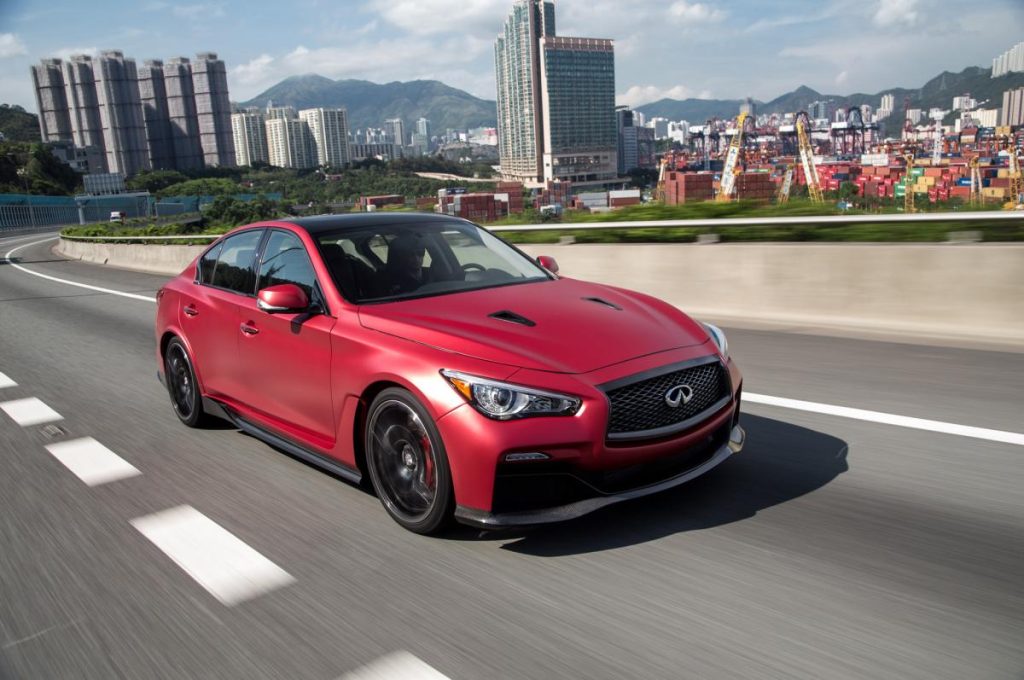
Brand perception is another limitation. Infiniti lacks the heritage and prestige associated with German luxury brands, which affects both desirability and long-term resale value. Buyers looking for a combination of performance, style, and brand prestige may find the base Q50 lacking in these aspects.
The standard Infiniti Q50 illustrates that reliability and comfort alone do not guarantee competitiveness against German rivals. Its moderate performance, conservative interior, and subdued handling prevent it from fully matching the engagement, refinement, and status offered by European luxury sedans.
4. Acura TLX (base trim, pre-2021)
The Acura TLX, particularly in base trims produced before the 2021 redesign, is a dependable luxury sedan but falls short when compared to German competitors like the BMW 3 Series, Audi A4, and Mercedes-Benz C-Class.
While it provides comfort and reliability, the TLX base models often lack performance, handling, and premium refinement to match European sedans.
Mechanically, the TLX base trim is equipped with a four-cylinder or standard V6 engine paired with a conventional automatic transmission.
While reliable and smooth, the engine output and responsiveness do not compete with German rivals known for their performance-focused driving dynamics. Acceleration is sufficient for daily driving but lacks the excitement or engagement expected in this segment.
Handling and steering are competent but uninspiring. The suspension emphasizes comfort, which results in a softer ride and reduced precision during spirited driving.
Drivers seeking the sharp cornering, responsive steering, and sporty feel of German sedans may find the TLX base trim underwhelming in terms of driver involvement.
Interior quality is decent but conservative. Materials are functional, and seating is comfortable for everyday use, but cabin design lacks the elegance, advanced technology integration, and premium touches associated with European competitors.
Infotainment systems, although modern, may feel less polished or intuitive compared to German interfaces, limiting the overall luxury experience.
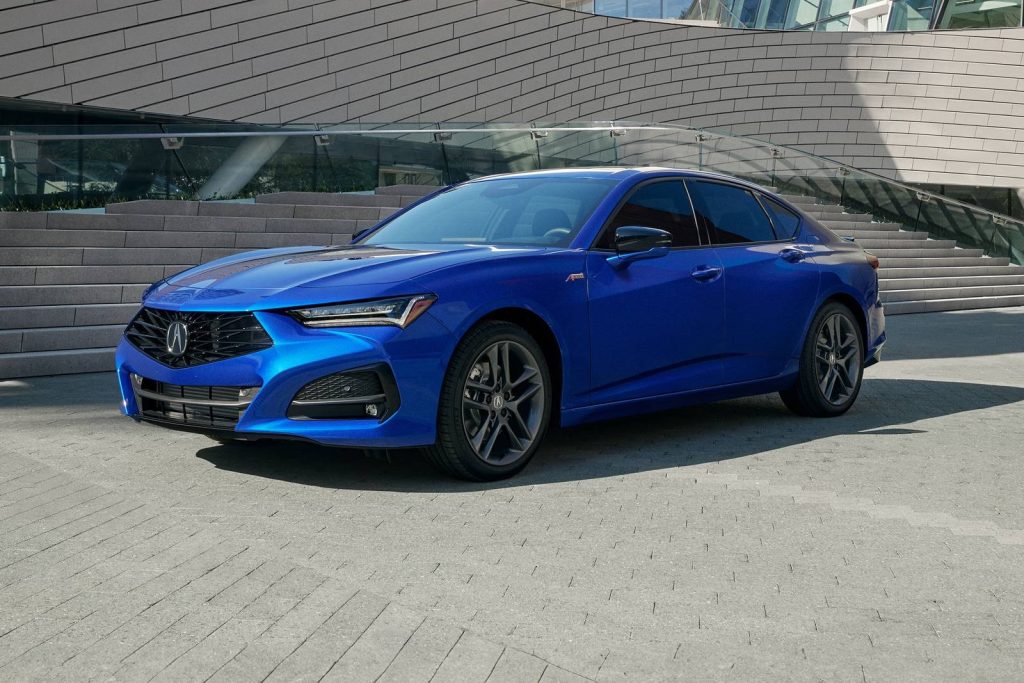
Brand perception and prestige also affect desirability. While Acura is respected for reliability, the TLX does not carry the same aspirational image as German luxury brands. Buyers looking for a status symbol alongside performance and refinement may find the TLX base trim less compelling.
The Acura TLX base trim demonstrates that reliability and comfort alone are not enough to compete with German rivals.
Its conservative interior, limited performance, and subdued handling prevent it from fully matching the dynamic driving experience, technological sophistication, and brand prestige of European luxury sedans.
5. Lexus GS (older generations, pre-2019)
The older Lexus GS, produced before the 2019 redesign, is a mid-size luxury sedan that struggles to compete with German rivals such as the BMW 5 Series, Audi A6, and Mercedes-Benz E-Class. While it offers comfort, reliability, and refined interiors, it falls short in handling, performance, and overall driving engagement.
Mechanically, the GS is powered by naturally aspirated V6 or V8 engines paired with automatic transmissions. These powertrains are reliable and durable, providing smooth acceleration and long-term dependability.
However, the engines do not deliver the same level of responsiveness and excitement as German competitors, which are engineered for sharper throttle response and more engaging performance.
Handling is comfortable but uninspiring. Steering feedback lacks precision, and body control during cornering feels subdued compared to German sedans.
The suspension prioritizes ride comfort, which benefits long-distance cruising but reduces driver involvement and sporty appeal. Buyers seeking dynamic handling often find the GS less engaging than European alternatives.
Interior design is well-crafted yet conservative. High-quality materials and comfortable seating contribute to a pleasant cabin experience, but the overall aesthetic does not match the bold styling, advanced technology integration, or cutting-edge infotainment systems found in German vehicles.
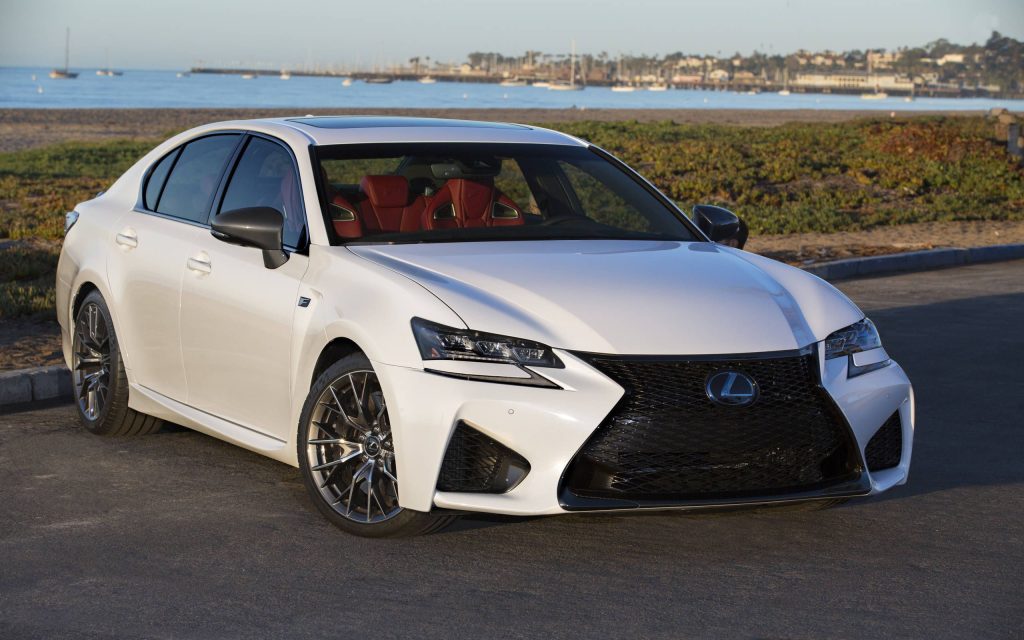
Older touch interfaces and control layouts may feel dated, reducing the perceived luxury and refinement.
Brand prestige also plays a role. While Lexus is respected for reliability, the GS lacks the historical significance and aspirational status of German luxury brands. This perception affects both desirability and long-term value retention.
The older Lexus GS illustrates that comfort and reliability alone cannot surpass German competitors. Its conservative design, moderate performance, and subdued handling prevent it from fully matching the dynamic driving experience, technological sophistication, and brand prestige expected in the mid-size luxury segment.
Japanese luxury cars have made significant strides in competing with German vehicles, yet the comparison reveals both strengths and limitations across different models.
Certain Japanese models outperform German counterparts, offering a combination of reliability, comfort, technology, and balanced performance that appeals to buyers seeking luxury without high maintenance costs or complex engineering.
Also Read: 5 Cars That Bring Back Driving Joy vs 5 That Feel Robotic
