
Automobiles have always stirred strong opinions, and sometimes, the initial reactions to a car can be wildly misleading. Certain models, when they first hit showrooms, faced criticism for their styling, performance, or unconventional design choices.
Buyers and critics alike dismissed them, labeling them as mistakes or misfires. Yet, as time passed and ownership experience accumulated, perspectives often changed.
Some of these once-derided cars found devoted fanbases, with drivers appreciating qualities that went unnoticed at launch reliability, affordability, practicality, or a unique driving experience.
These vehicles prove that first impressions can be deceiving, and that value can emerge gradually with time and experience.
On the other hand, not all cars age gracefully. Some models that were initially criticized failed to gain any traction among drivers over the years.
Their flaws be it awkward design, underwhelming performance, or persistent reliability issues, remained as apparent as ever.
Even in the used market, these vehicles struggle to find enthusiasts, maintaining the negative reputation they earned at launch.
This article focuses on both sides of this phenomenon. First, it highlights five cars that were initially hated but have since earned respect and affection among used car buyers.
These vehicles often offer an excellent balance of performance, comfort, and value that may not be immediately apparent. Second, it examines five cars that remain widely disliked, even years after their debut, showing that some first impressions are justified.
By analysing these ten vehicles, we can gain insight into how perceptions evolve and why some models succeed in the used market while others continue to face criticism.
Whether you’re a car enthusiast, a prospective buyer, or simply curious, this comparison offers insights into the unpredictable journey from new car skepticism to used car appreciation or continued disdain.
Also Read: 5 Affordable Sedans That Outlast Luxury Cars vs 5 That Don’t
5 Cars That Were Hated New but Loved Used
Not every car is appreciated the moment it hits the market. Some models are dismissed for unconventional styling, underwhelming performance, or features that seem out of place at launch.
Early reviews and buyer reactions can be harsh, labeling these cars as failures before they have a chance to prove themselves.
Yet, time often changes the perspective. Cars that were initially criticized sometimes emerge as favorites among used car buyers, offering qualities that were overlooked or undervalued at debut.
One major reason for this shift is real-world experience. Drivers quickly notice strengths that critics may have missed, such as reliability, practicality, fuel efficiency, or driving comfort.
A car that seemed awkward or unattractive when new can later be recognized for its clever design choices or functional advantages.
Additionally, affordability in the used market allows more buyers to experience features and performance that were once considered exclusive or out of reach.
Another factor is the development of enthusiast communities. Certain models gain followings for their performance potential, ease of maintenance, or customization possibilities.
These communities highlight aspects of a car that the mainstream initially ignored, creating a secondary appreciation that grows over time.
This section focuses on five cars that illustrate this transformation. Each of these vehicles faced skepticism or even outright dislike at launch but has since earned respect and affection among used car buyers.
They demonstrate how initial impressions can be misleading and how a car’s value and appeal often become clearer with experience.
From underrated performance machines to practical hybrids, these examples highlight why some cars are better appreciated after the first wave of criticism has passed, proving that the used market can reward patience, insight, and perspective.
1. Ford Mustang S197 (2005–2014)
When the fifth-generation Ford Mustang debuted in 2005, reactions were mixed at best. Critics dismissed its retro styling as overdone and clunky, while purists complained that it strayed too far from the muscle car heritage.
The interior was also criticized for cheap materials, and the initial V6 models were deemed underpowered compared to competitors.
Early buyers often questioned whether the car was worth its price tag, leaving the Mustang’s reputation on shaky ground.
However, time has significantly improved its perception. Used car buyers discovered that the S197 offers a genuine muscle car experience at an accessible price.
The V8 variants, particularly the GT, are praised for their robust engines, distinct exhaust notes, and relatively straightforward maintenance.
Beyond performance, the S197 also has excellent aftermarket support, allowing owners to personalize and upgrade the car without significant expense. Reliability, once questioned, has generally proven solid, especially in well-maintained examples.
Another factor contributing to its growing appeal is affordability. Compared to newer sports cars, the S197 can be obtained at a fraction of the cost, giving buyers the thrill of a muscle car without a massive financial commitment.
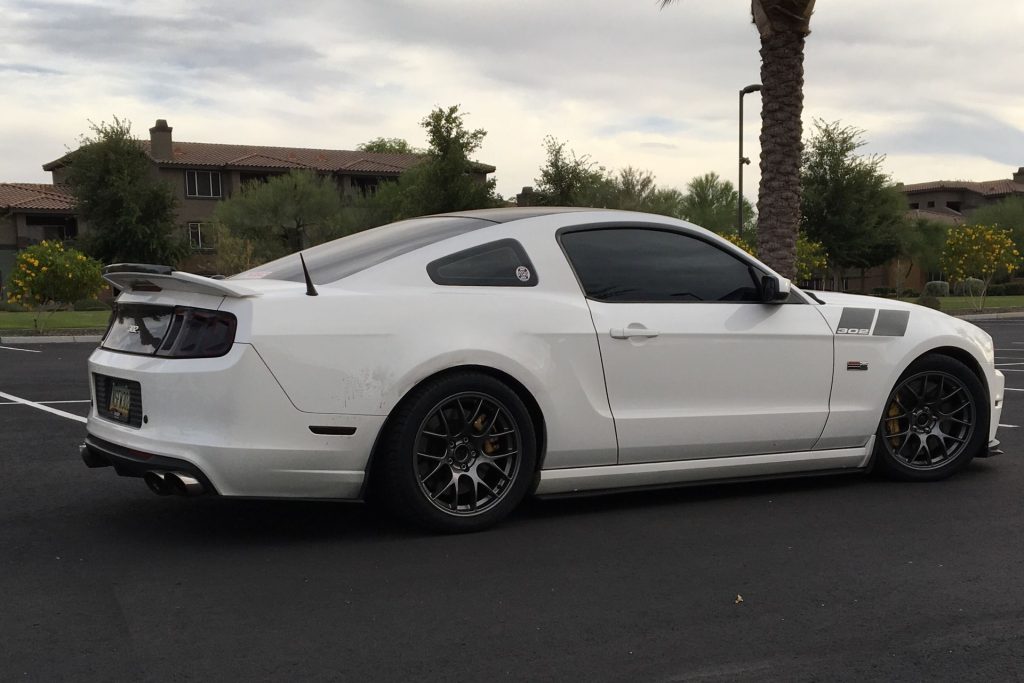
The retro styling, once a point of contention, now resonates with enthusiasts who appreciate its nod to heritage. What was once a criticized exterior is now considered iconic by many.
Ultimately, the S197 demonstrates how a car can transform in public opinion. Initial skepticism fades when real-world ownership experience highlights strengths like engine performance, durability, and customization potential.
Today, it is celebrated in the used market as a practical yet thrilling American muscle car, proving that early criticism does not always reflect long-term value or enjoyment.
2. Toyota Prius (Second Generation, 2004–2009)
When the second-generation Toyota Prius launched, it faced considerable skepticism. Critics often mocked its odd wedge-shaped design and futuristic, “space-age” look. The interior, dominated by a digital dashboard and unusual controls, also polarized buyers.
Performance was another sticking point: with a 1.5-liter gasoline engine paired with an electric motor, many felt the car was slow and unexciting.
In addition, early hybrid technology raised concerns about battery longevity and maintenance costs. The Prius initially became a target of ridicule, often caricatured as a car for overly cautious or eco-obsessed drivers.
Despite these criticisms, the Prius has gained massive popularity in the used car market. Owners quickly realized its advantages: remarkable fuel economy, reliability, and low running costs.
The hybrid system, while unconventional, proved durable, with many examples surpassing 200,000 miles with minimal issues. The cabin, though unconventional, offers a spacious and practical layout ideal for daily commuting or family use.
Another factor driving its appeal is its value retention. Used Priuses are often significantly cheaper than their new counterparts, yet they maintain the same impressive efficiency.
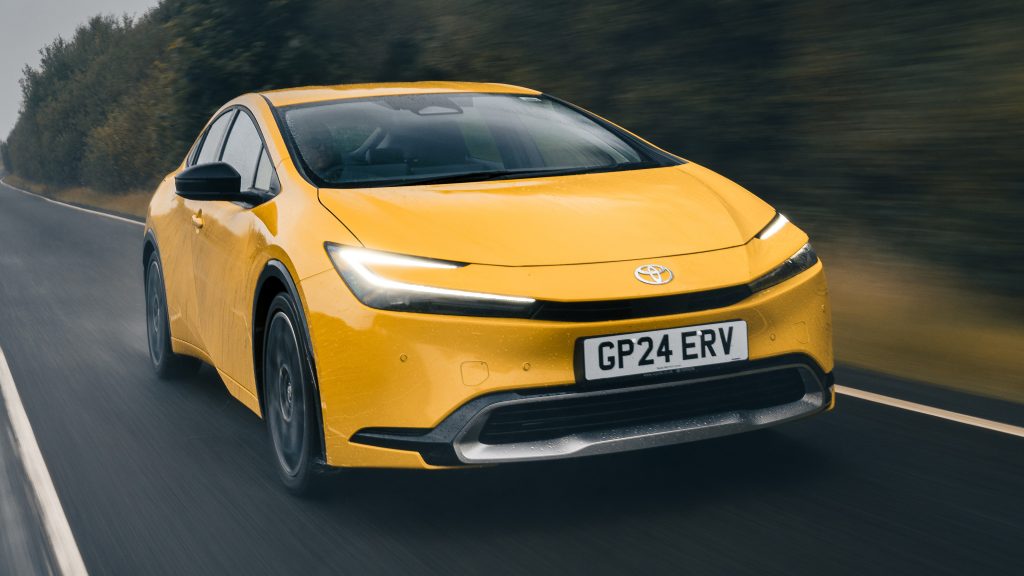
Drivers began to appreciate the quiet, smooth ride and the sense of purpose that comes with owning one of the most fuel-efficient cars of its era.
What was once seen as awkward design is now recognized as futuristic and functional, reflecting Toyota’s forward-thinking approach.
The second-generation Prius illustrates how public perception can shift dramatically. Initial skepticism about looks, performance, and technology gave way to respect for practicality, durability, and efficiency.
In the used market, it has become a symbol of intelligent ownership rather than a subject of mockery.
3. Nissan 350Z (2003–2009)
When the Nissan 350Z arrived in 2003, it faced mixed reactions from critics and buyers. Its bold styling, low-slung stance, and aggressive lines were polarizing.
Some enthusiasts felt it lacked the refinement and prestige of European sports cars, while others criticized the interior for cheap plastics and a somewhat cramped cabin.
Early reviews also highlighted that while the V6 engine delivered strong performance, the ride could feel firm and harsh for daily driving. As a result, initial sales were modest, and many doubted whether the 350Z could compete with more established sports cars.
Over time, the 350Z’s reputation improved significantly. Used car buyers discovered that it offered a pure, engaging driving experience at a surprisingly reasonable price.
Its 3.5-liter V6 engine produces a thrilling combination of power and responsiveness, with smooth power delivery and a distinctive exhaust note.
Rear-wheel drive and balanced chassis design make it ideal for spirited driving, giving enthusiasts a car that is both fun and accessible.
Another factor in its growing popularity is the aftermarket support. Performance upgrades, aesthetic modifications, and handling improvements are plentiful and affordable, allowing owners to create a car that suits their style and driving preferences.
Reliability has also proven solid, particularly with regular maintenance, which adds to its appeal in the used market.
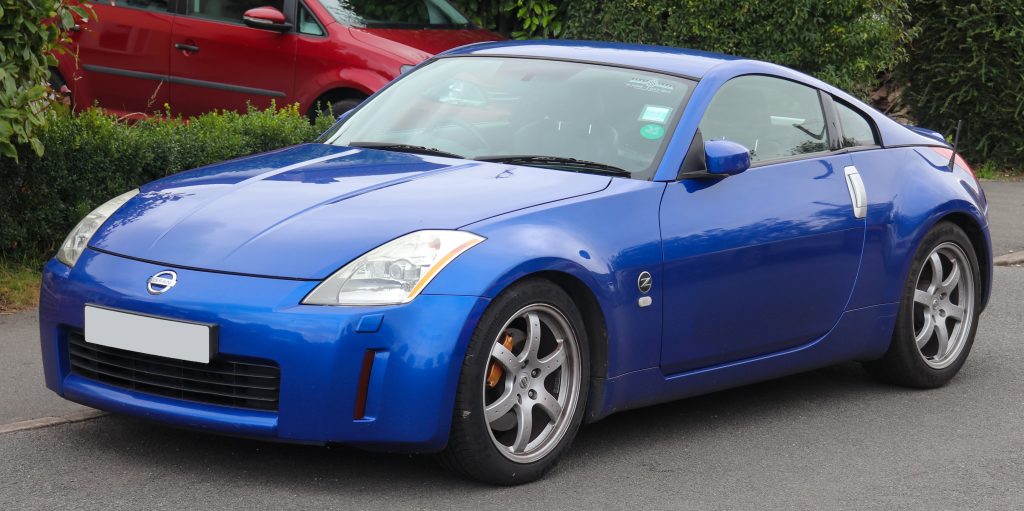
In addition, depreciation worked in favor of buyers. The 350Z’s value dropped significantly compared to its original price, making it an attractive option for those seeking a performance car without breaking the bank.
What was once considered an awkward compromise between style and substance is now celebrated as a balanced, capable, and affordable sports car.
The Nissan 350Z demonstrates that strong driving dynamics, durability, and enthusiast support can turn early skepticism into lasting admiration.
4. BMW 1 Series (E82/E88, 2007–2013)
When the BMW 1 Series coupe and convertible debuted in 2007, reactions were lukewarm. Critics argued that its proportions looked awkward and that the rear-wheel-drive layout in a compact car seemed unnecessary.
Interior space was limited, especially in the coupe, and some questioned whether the smaller engines provided a true “BMW driving experience.”
Compared to the brand’s more established sedans and coupes, the 1 Series initially struggled to impress, and early buyers often hesitated due to uncertainty about performance and practicality.
Over the years, the 1 Series has earned respect in the used market for several reasons. Its rear-wheel-drive chassis delivers excellent balance and driving engagement, a hallmark of BMW engineering.
The inline-six engines in higher trims, especially the 135i, provide impressive power and smooth acceleration, rivaling larger and more expensive models. The car is compact, making it ideal for urban driving, while still retaining the agility expected from the brand.
Maintenance, while more costly than mainstream cars, is straightforward for those familiar with BMWs, and many components are widely available, which helps manage ownership costs.
Additionally, the 1 Series depreciated quickly, creating opportunities for buyers to own a premium sports coupe at a relatively low price.
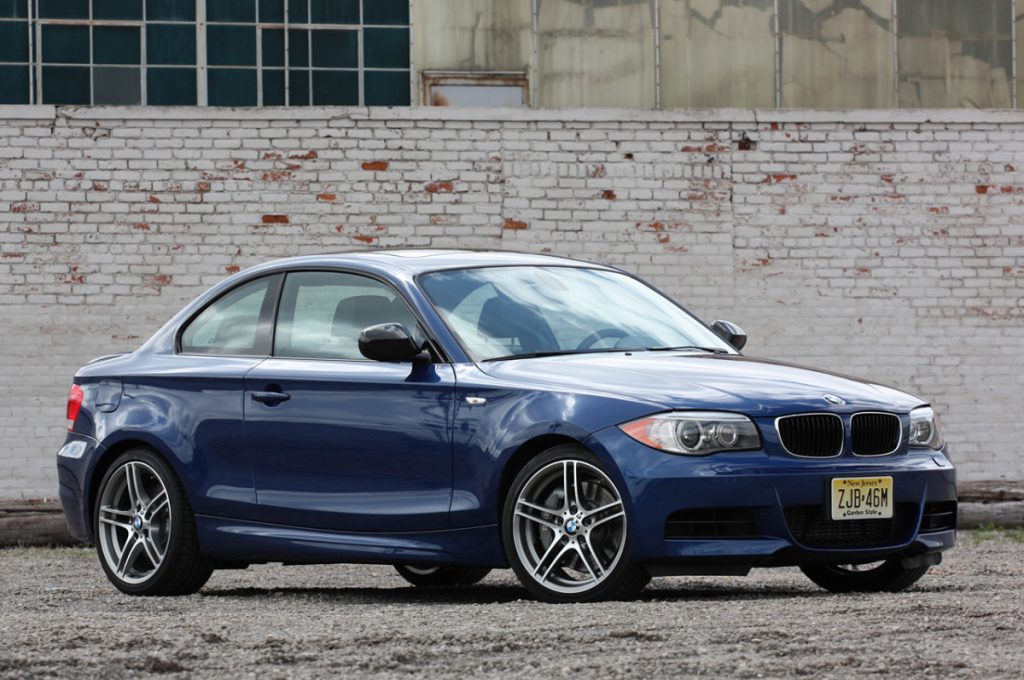
Design perception has shifted as well. What was once viewed as awkward is now appreciated as compact and sporty, with clean lines that suit its small footprint.
The BMW 1 Series shows that initial doubts about size, style, or performance can fade when a car proves engaging, reliable, and fun to drive. Its transformation from a questioned newcomer to a respected used car highlights the value of experience over first impressions.
5. Volkswagen Touareg (First Generation, 2002–2010)
When the first-generation Volkswagen Touareg was introduced in the early 2000s, reactions were divided. Critics questioned the combination of luxury and off-road capability in a relatively bulky SUV.
Some felt the design was uninspired compared to more rugged competitors like the Land Rover or Toyota Land Cruiser.
Others raised concerns about reliability and maintenance costs, particularly for early V8 and diesel models, which were more complex than standard SUVs. For many buyers, it seemed like an expensive experiment that lacked a clear identity.
Over time, the Touareg found a strong following among used car buyers. One of its greatest strengths is its combination of comfort, capability, and build quality.
Well-maintained examples offer a smooth, refined ride that rivals premium SUVs, while still providing the ability to handle light off-road conditions.
Its interior, initially criticized for complexity, now impresses with solid materials, ergonomics, and features that were ahead of their time.
Performance has also stood the test of time. The V6 and V8 engines, along with the diesel variants, provide ample power and towing capacity, making the Touareg versatile for families, outdoor enthusiasts, and long-distance drivers alike.
In the used market, depreciation has made it far more affordable than new, offering buyers a luxury SUV experience at a fraction of the original price.
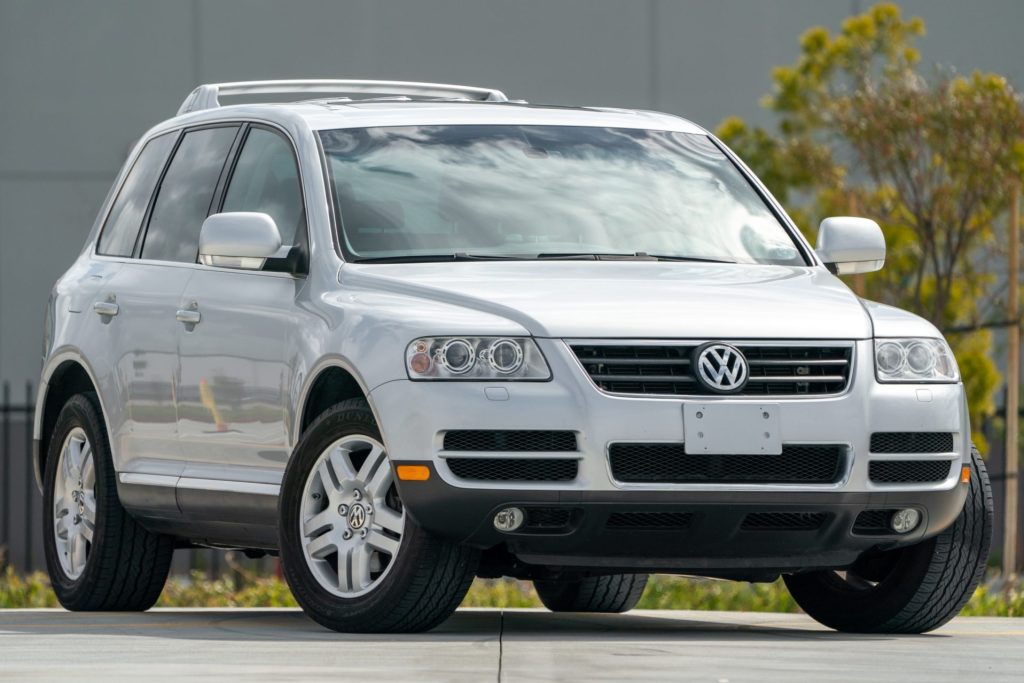
Reliability concerns, once a major criticism, have been mitigated through proper maintenance, and many owners report trouble-free operation for well-kept models.
The Touareg’s design, which was once considered dull or generic, is now recognized as understated and timeless, appealing to buyers who value functionality over flash.
The Volkswagen Touareg illustrates how an SUV initially met with skepticism can evolve into a respected choice for practical luxury, demonstrating that early criticism often fades once real-world performance, comfort, and versatility are experienced.
5 Cars Still Hated
While some vehicles overcome early criticism, others remain widely disliked even years after their release. These cars failed to resonate with buyers and critics alike, whether due to awkward styling, poor performance, questionable reliability, or a combination of factors.
Unlike models that eventually find appreciation in the used market, these vehicles struggle to earn respect, often retaining the negative reputation they gained at launch.
Some cars are disliked because of design choices that feel off-balance or unattractive. Styling can be polarizing, and certain models failed to strike a connection with buyers, making them appear awkward or outdated almost immediately.
Others fall short due to performance issues, with engines that feel underpowered, handling that is unsatisfying, or driving dynamics that lack refinement. In some cases, reliability concerns or high maintenance costs compound negative perceptions, keeping a car unpopular even years later.
Another reason some models remain disliked is their inability to establish a fanbase. Unlike cars that gain cult followings through enthusiast communities or practical value, these vehicles fail to excite or engage drivers.
Even depreciation and reduced pricing in the used market are often insufficient to overcome lingering skepticism, leaving them largely ignored by buyers seeking long-term value or enjoyment.
This section examines five cars that continue to struggle with public opinion. Each of these models demonstrates that not every first impression can be redeemed over time.
Whether it’s a design misstep, mechanical weakness, or a combination of flaws, these vehicles remain largely unloved, even in the used market.
Understanding why these cars continue to face criticism provides insight into how critical factors like performance, reliability, and aesthetics determine whether a car can maintain long-term appeal or remain an object of disdain.
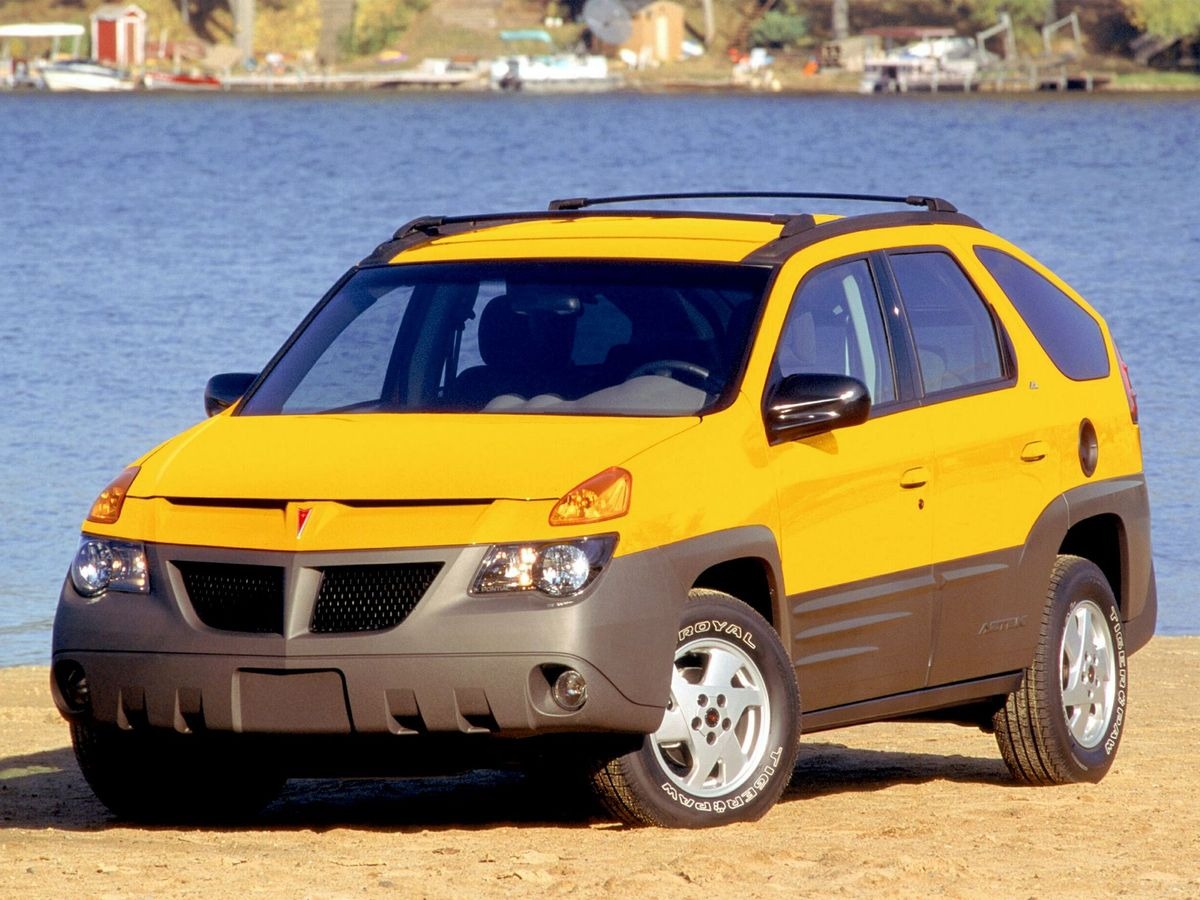
1. Pontiac Aztek (2001–2005)
The Pontiac Aztek is widely cited as one of the most criticized vehicles in automotive history, and the reasons are clear. From the moment it was released, its styling drew nearly universal ridicule.
The bulbous, awkward proportions and unusual rear end made it appear more like a science project than a practical SUV. Many buyers were put off by the design, feeling it lacked cohesion and aesthetic appeal, and marketing campaigns failed to shift public perception.
Performance was another weak point. The Aztek was equipped with modest V6 engines that delivered average power but lacked excitement.
Handling and ride quality were unremarkable, and the interior, while functional, was often criticized for cheap materials and a confusing layout.
Features such as the rear cargo tent and integrated cooler were clever in concept but failed to compensate for the overall awkwardness of the vehicle.
Even in the used market, the Aztek struggles to find appreciation. Its bold styling remains polarizing, and reliability, while decent for a GM SUV of the era, does not overcome its reputation.
Depreciation made it affordable, but the design and lack of enthusiast support ensure it remains a vehicle avoided by most buyers.
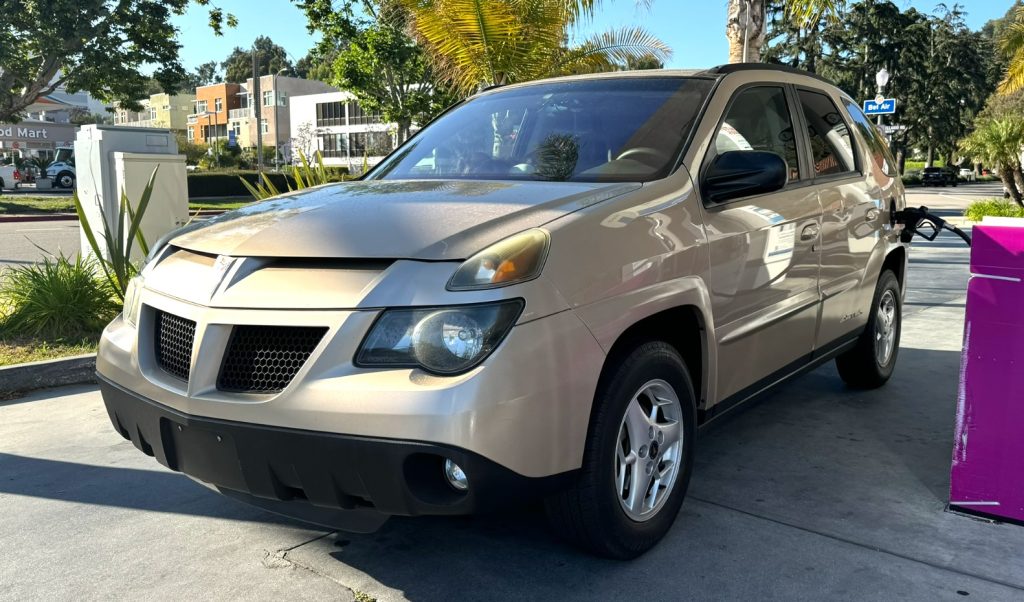
The Aztek’s legacy demonstrates that extreme design missteps can outweigh practical advantages. Even though it offers a spacious cabin, versatile cargo options, and an affordable price in the used market, these qualities are overshadowed by its persistent visual unpopularity.
The vehicle has become a cautionary tale, a reminder that styling and first impressions can define a car’s reputation for decades.
2. Fiat Multipla (1998–2010)
The Fiat Multipla is notorious for its unconventional design, particularly its truncated, bulbous front end and wide cabin. From launch, critics and buyers alike found the styling unattractive and awkward.
While it offered a highly functional interior, including six seats in two rows, the exterior immediately alienated potential buyers, making it a frequent subject of jokes and negative media coverage.
Performance and driving dynamics did little to offset the design criticism. Its small engines provided adequate city driving power but felt underwhelming on highways.
Handling was compromised by its unusual dimensions, making it feel top-heavy despite its compact footprint. Interior quality was reasonable for its class, but the novelty of six-seat arrangements could not compensate for exterior styling that many found unsettling.
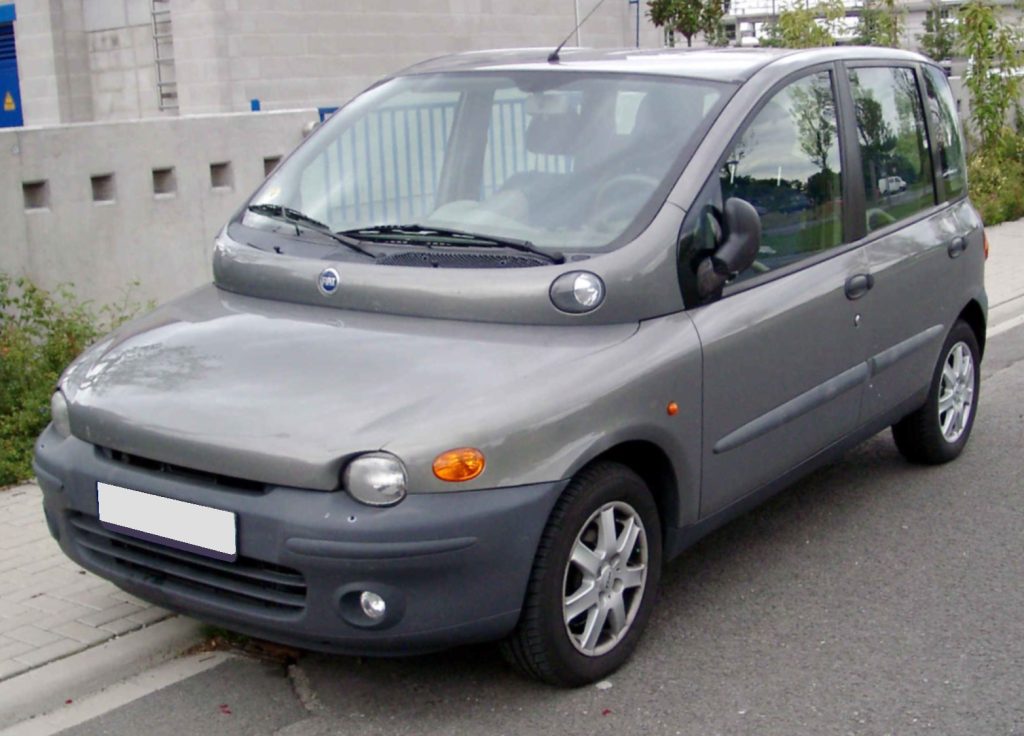
In the used car market, the Multipla remains largely unloved. While it offers unique practicality and efficient use of space, its appearance continues to divide opinion.
Enthusiast communities have not rallied around it, and resale value suffers as a result. Even buyers who recognize its clever interior layout are often hesitant to own one due to lingering negative perceptions.
The Fiat Multipla demonstrates that functionality alone cannot redeem a car’s reputation if styling alienates buyers.
Its innovative seating arrangement and practical interior are overshadowed by polarizing design, ensuring that this model remains a vehicle that is widely disliked even years after its launch.
3. Chrysler PT Cruiser (2001–2010)
The Chrysler PT Cruiser launched with a retro-inspired design that was intended to stand out but quickly became polarizing. Its tall, boxy proportions, rounded front end, and oversized headlights drew criticism for looking cartoonish rather than stylish.
Many felt that the design tried too hard to be unique and ended up feeling awkward and disproportionate. Interior space was functional, but the unusual layout could not fully compensate for the strikingly divisive exterior.
Performance was another area where the PT Cruiser fell short. Early models featured four-cylinder engines that delivered modest power, making acceleration sluggish for a vehicle of its size.
Handling was adequate for city driving, but the high ride height and tall profile contributed to body roll, reducing confidence in cornering.
The combination of quirky styling and underwhelming performance caused the PT Cruiser to be viewed as a novelty car rather than a practical or enjoyable daily driver.
In the used market, the PT Cruiser continues to struggle. Depreciation has made it affordable, but few buyers seek it out, and the lack of enthusiast support prevents it from gaining a cult following.
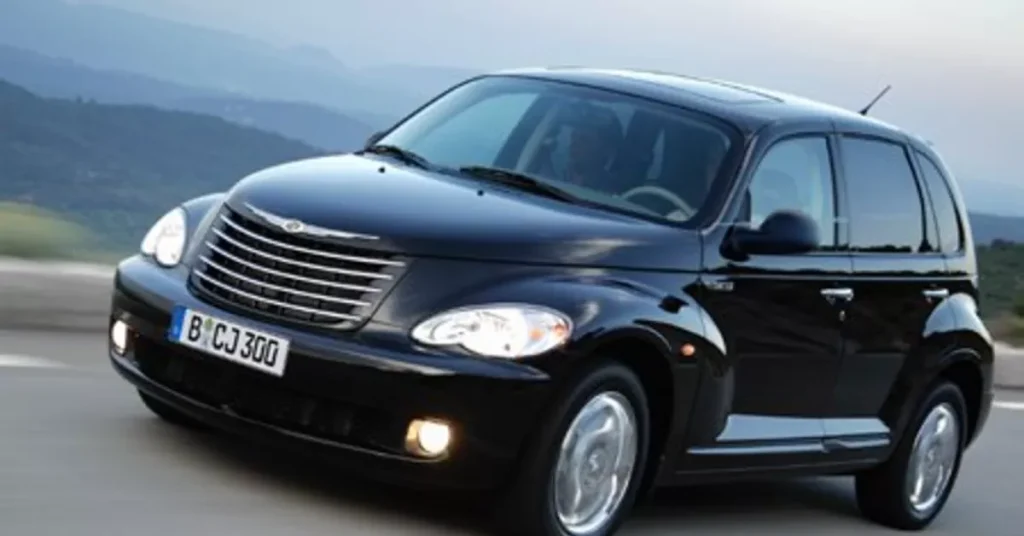
While some drivers appreciate its utility, versatile cargo space, and affordable price, these advantages are overshadowed by persistent design criticism and mediocre driving dynamics.
The PT Cruiser demonstrates that distinctive styling alone cannot guarantee long-term popularity. Its interior functionality and practicality are not enough to overcome the negative public perception shaped by first impressions.
Even years after its release, it remains a vehicle that many consider awkward and unappealing, confirming that certain cars retain their reputation for being disliked despite any practical merits.
4. Smart Fortwo (First Generation, 1998–2007)
The first-generation Smart Fortwo was revolutionary in concept but polarizing in execution. Its extremely compact dimensions, tall profile, and distinctive two-tone panels made it look unusual to many buyers.
While intended for urban efficiency and maneuverability, the design was often described as odd or unattractive, leading to skepticism about its appeal beyond city driving enthusiasts.
Performance was limited due to small engines, and the vehicle offered minimal acceleration and low top speeds. Handling was adequate for tight city streets, but the car felt unstable at highway speeds, reinforcing doubts about its practicality.
Interior space was confined, and while the layout was innovative for such a small footprint, it could not fully compensate for the vehicle’s peculiar exterior.
Even in the used market, the Smart Fortwo struggles to attract mainstream buyers. Its tiny size limits usability for families or longer trips, and maintenance of early models can be costly due to specialized components.
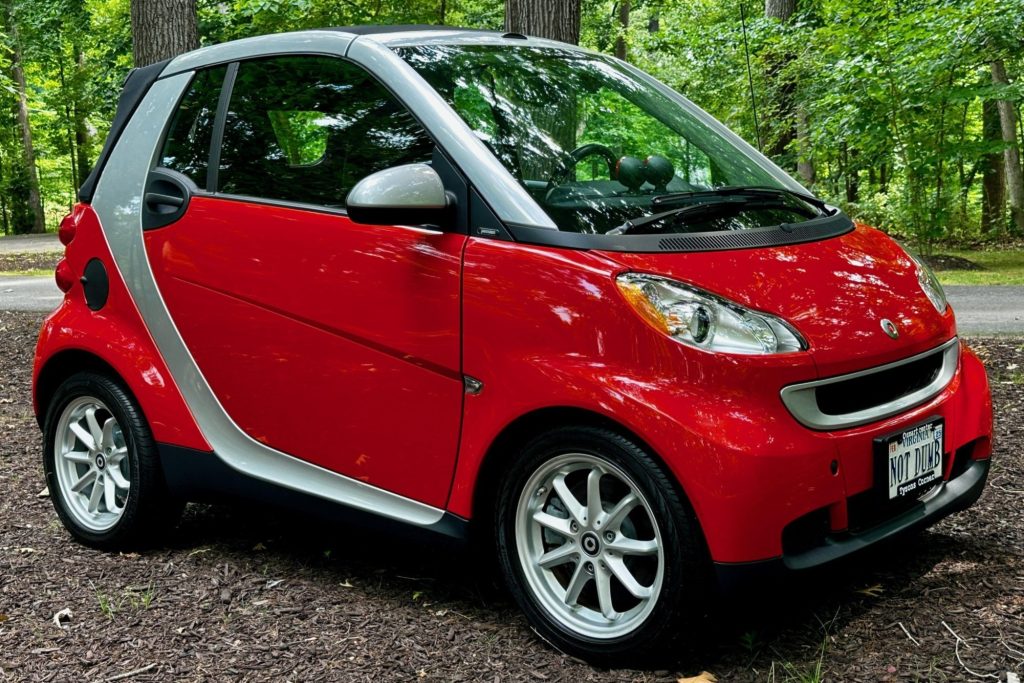
While it succeeds in urban efficiency and parking convenience, the car’s unusual aesthetics and limited performance ensure it remains polarizing. Enthusiast followings are small and niche, mostly centered around novelty rather than broader appeal.
The Smart Fortwo exemplifies a vehicle where innovation in size and efficiency fails to overcome public perception. Practical benefits exist, but the design and performance limitations prevent widespread appreciation.
As a result, it continues to be a car that is generally disliked, proving that originality and functionality alone do not always translate into enduring popularity.
5. Renault Avantime (2001–2003)
The Renault Avantime is widely regarded as one of the most controversial cars ever produced. Upon release, it faced immediate criticism for its unconventional design, which attempted to combine the traits of a coupe, SUV, and minivan.
The result was a tall, boxy profile with a long roofline and unusual rear styling that many found awkward and unattractive. Buyers and critics alike struggled to understand its purpose, making the Avantime a commercial failure from the start.
Performance did little to redeem the Avantime. It was powered by a selection of modest petrol and diesel engines that delivered adequate but uninspiring acceleration.
Handling was competent for everyday driving, but the car’s height and weight distribution led to a somewhat cumbersome feel in corners.
Interior space was generous, and the cabin featured innovative sliding rear seats and a panoramic roof, but these clever design elements could not overcome the negative perception caused by its exterior styling.
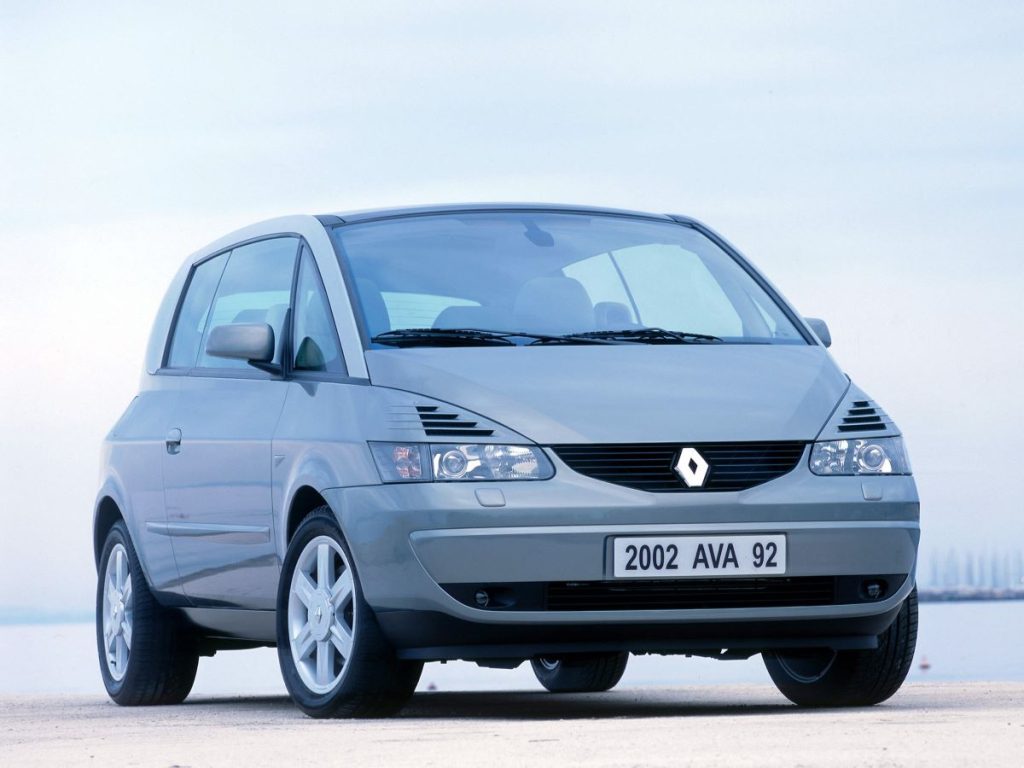
In the used car market, the Avantime remains largely unloved. Depreciation has made it affordable, but demand is minimal, and few buyers are willing to take a chance on such an unconventional vehicle.
Parts can be expensive and sourcing them is sometimes challenging, further discouraging potential owners.
While the car is praised by a small niche of enthusiasts for its originality and innovation, the mainstream response continues to be overwhelmingly negative.
The Avantime illustrates that extreme design experimentation can have lasting consequences. Its forward-thinking interior and ambitious concept could not compensate for exterior styling that failed to resonate with buyers.
Even years after production ended, the Avantime remains a car that is widely criticized and rarely sought after, demonstrating that some first impressions endure and that certain vehicles may never shake a reputation for being disliked.
Also Read: 5 Cars That Feel Made for the U.S. vs 5 That Don’t Belong Here
