
The 2000s produced a wide range of vehicles, from practical daily drivers to high-performance machines that pushed the limits of technology and design.
While many of these cars have faded from public attention, some are now emerging as collector favorites, prized for their rarity, performance, or cultural significance.
Others, despite initial appeal, are unlikely to gain value or recognition in the collector market due to widespread availability, uninspiring design, or lack of historical importance.
Cars becoming collector favorites often share traits that appeal to enthusiasts and investors alike. Limited production runs, special editions, or standout engineering make certain models desirable.
Vehicles that defined an era through styling, performance, or innovation also gain attention as enthusiasts look to preserve automotive history. These cars are more than transportation; they are symbols of a specific moment in automotive evolution, offering both nostalgia and investment potential.
On the other side are cars that, despite their presence in the 2000s, are unlikely to achieve collectible status. High-volume mainstream models, uninspired design choices, or mechanical weaknesses can prevent a car from being remembered fondly.
Even vehicles that were popular when new may be overlooked by collectors if they do not offer rarity, excitement, or cultural significance.
This comparison highlights how market trends, historical context, and unique characteristics influence which cars stand the test of time. By examining both groups, we can understand what makes certain 2000s cars desirable while others fade into obscurity.
The following sections focus first on 5 2000s Cars Becoming Collector Favorites, demonstrating why these models have captured enthusiasts’ attention and continue to grow in value and admiration.
Also Read: 5 Cars That Outspeed Luxury Brands vs 5 That Can’t Keep Up
5 2000s Cars Becoming Collector Favorites
Certain 2000s cars have gained attention in the collector market due to factors that go beyond basic performance or aesthetics. These vehicles represent milestones in automotive design, engineering breakthroughs, or limited editions that make them rare and desirable.
Unlike mainstream models that fade quickly in value, these cars hold strong appeal to enthusiasts who appreciate their significance and uniqueness.
Collector favorites often combine style, performance, and exclusivity. Some vehicles introduced new technologies or showcased exceptional driving dynamics, giving them a lasting reputation.
Others were produced in limited numbers or special trims, ensuring scarcity in the market. A combination of mechanical reliability, historical importance, and emotional resonance contributes to their desirability.
Another factor is cultural influence. Certain 2000s cars became icons through media, motorsports, or enthusiast communities.
These vehicles carry stories and memories that resonate with buyers decades later. A car’s ability to evoke nostalgia or represent a specific automotive moment greatly increases its potential as a collectible.
The five vehicles chosen here exemplify why some 2000s cars are now highly sought after. Each model stands out for its combination of performance, design, rarity, and influence.
These cars have demonstrated the ability to maintain value, attract enthusiasts, and serve as examples of what makes a vehicle special beyond its original role as transportation.
We are highlighting these models because they illustrate how certain 2000s cars have achieved an enduring reputation. They are not just machines but symbols of innovation, culture, and engineering ambition from the decade.
Their presence in the collector market confirms that not all vehicles are treated equally by history, and some continue to shine long after their initial release.
1. BMW M3 E46
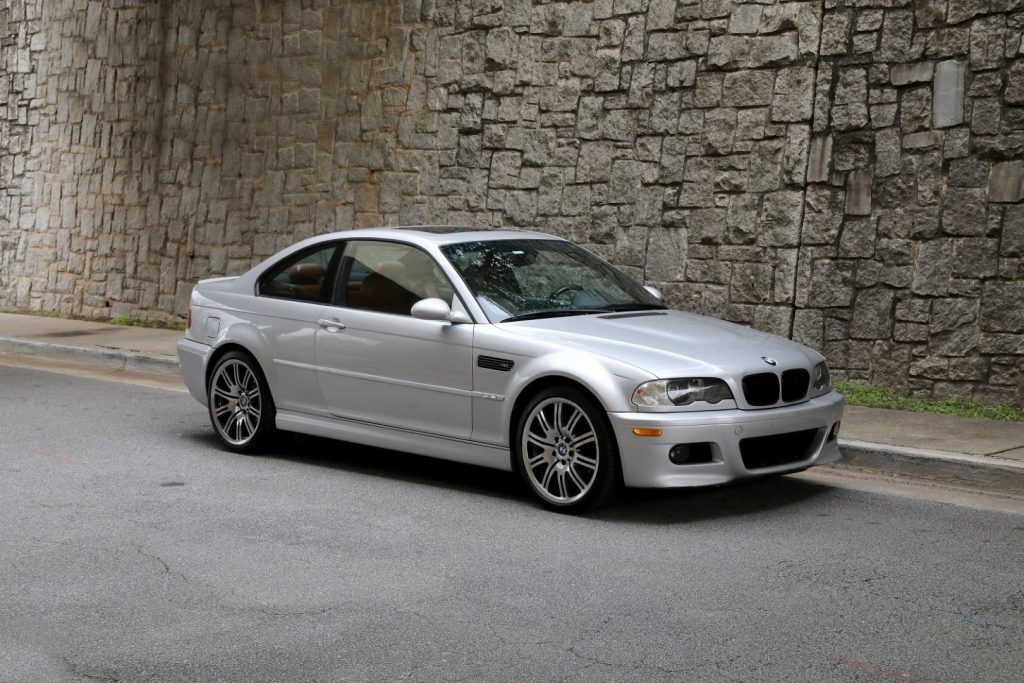
The BMW M3 E46, produced from 2000 to 2006, is widely regarded as one of the finest performance sedans of its era. Its combination of naturally aspirated inline-six engines, precise handling, and timeless styling has earned it a devoted following and growing collector interest.
Unlike newer performance cars, the E46 M3 emphasizes driver engagement over electronic assistance, giving enthusiasts a pure connection to the road.
Mechanically, the E46 M3’s S54 engine is celebrated for its high-revving character, smooth power delivery, and reliability when maintained properly. The six-speed manual transmission offers precise shifts, further reinforcing the car’s driver-focused ethos.
The balance of the chassis, coupled with rear-wheel drive, allows for an enjoyable yet controlled driving experience that has stood the test of time.
Limited production numbers and special editions, such as the M3 GTR street version and the CSL variants, have increased its desirability among collectors. These models are rare, and their value continues to rise due to scarcity and performance pedigree.
The M3’s design, with clean lines and a purposeful stance, has aged gracefully, reinforcing its appeal for both enthusiasts and investors.
Culturally, the E46 M3 has achieved iconic status. It is widely featured in automotive media, racing games, and enthusiast communities, further enhancing its collectibility. Owners appreciate not only its performance but also the emotional connection it fosters, combining nostalgia with driving excellence.
The E46 M3 exemplifies why certain 2000s vehicles are becoming collector favorites. Its blend of engineering precision, rarity, and cultural impact ensures that it remains desirable decades after its release. It proves that when performance, design, and emotion align, a car can achieve lasting value in the collector market.
2. Acura RSX Type S
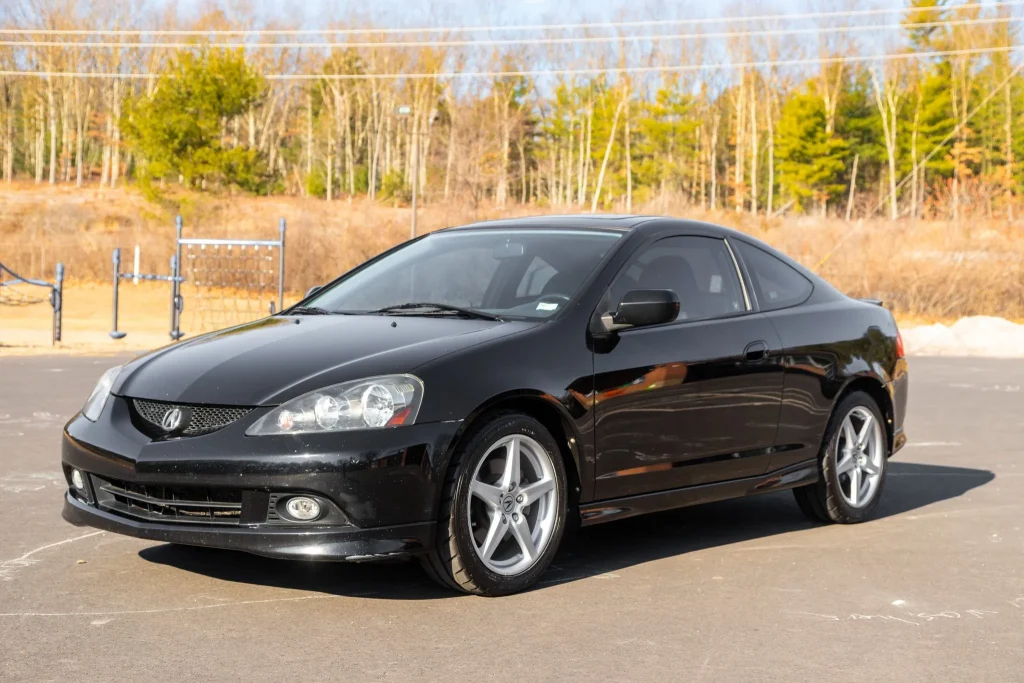
The Acura RSX Type S, produced from 2002 to 2006, is a compact sports coupe that has earned a strong following among enthusiasts and collectors.
Known for its lightweight chassis, high-revving K20A2 engine, and precise handling, the RSX Type S remains a benchmark for affordable, engaging performance from the 2000s.
The K20A2 engine is a key factor in the car’s appeal. It delivers strong power throughout the rev range and responds well to modifications, making it a favorite for tuners and performance-minded buyers.
The high-revving nature of the engine, combined with a crisp five-speed manual transmission, gives drivers a sense of control and connection uncommon in many compact cars of its era.
Design also contributes to the RSX Type S’s collectibility. Its clean lines, aggressive front fascia, and sporty proportions have aged well compared to many contemporary coupes. Interior materials and layout, while simple, prioritize functionality and driver engagement, offering a cockpit that emphasizes the driving experience.
Scarcity and cultural influence have elevated the RSX Type S in the collector market. Limited availability in certain regions and strong representation in tuner culture and motorsports communities have helped it maintain a reputation as a desirable compact performance car.
Enthusiasts value both its originality and potential as a modification platform, ensuring that it retains attention and value.
The RSX Type S represents a combination of affordability, driving enjoyment, and cultural relevance.
Its rising status as a collector favorite demonstrates that vehicles from the 2000s can achieve lasting appeal when performance, design, and community significance align. It is proof that even smaller, less expensive cars can become highly sought after over time.
3. Nissan 350Z
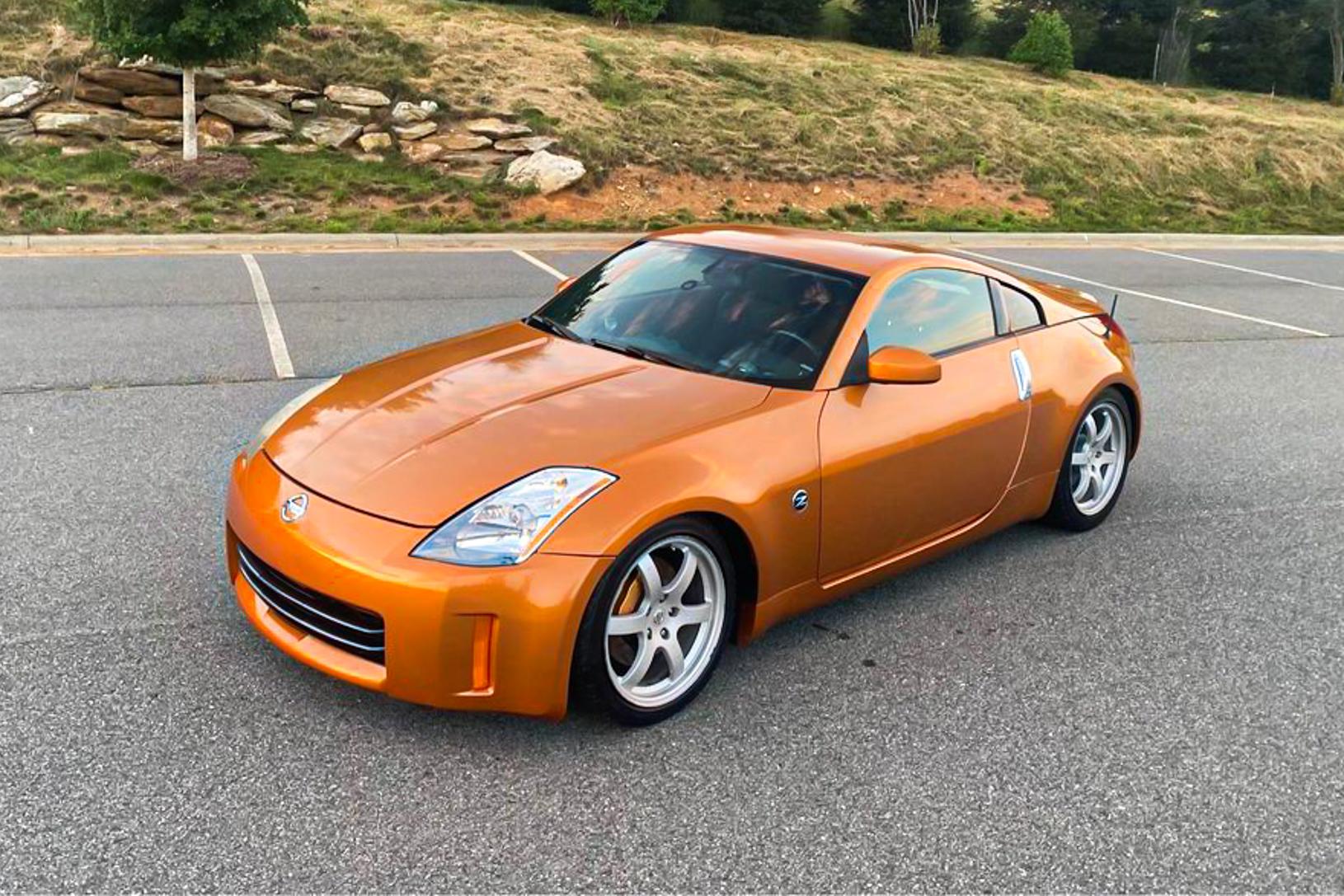
The Nissan 350Z, produced from 2002 to 2009, has become one of the most recognizable and desirable sports cars from the 2000s.
As part of Nissan’s Z-car lineage, it carries the heritage of the original 240Z while introducing modern performance and styling that still resonates with enthusiasts today. Its combination of a powerful V6 engine, rear-wheel drive, and striking design has made it a sought-after collector vehicle.
The 350Z’s VQ35DE engine delivers strong, linear power and a distinctive exhaust note that has become a hallmark of the Z series. Its responsive throttle, balanced chassis, and limited electronic interference provide a driving experience that rewards skillful handling.
Manual transmission models, in particular, are prized for the tactile engagement they offer, reinforcing the car’s reputation as a driver’s vehicle.
Limited edition models, such as the 35th Anniversary Edition, Touring, and Nismo variants, further increase the 350Z’s appeal.
These versions offer unique styling cues, upgraded suspensions, and performance enhancements, making them rare and highly sought after by collectors. Their scarcity ensures that demand remains high in the enthusiast market.
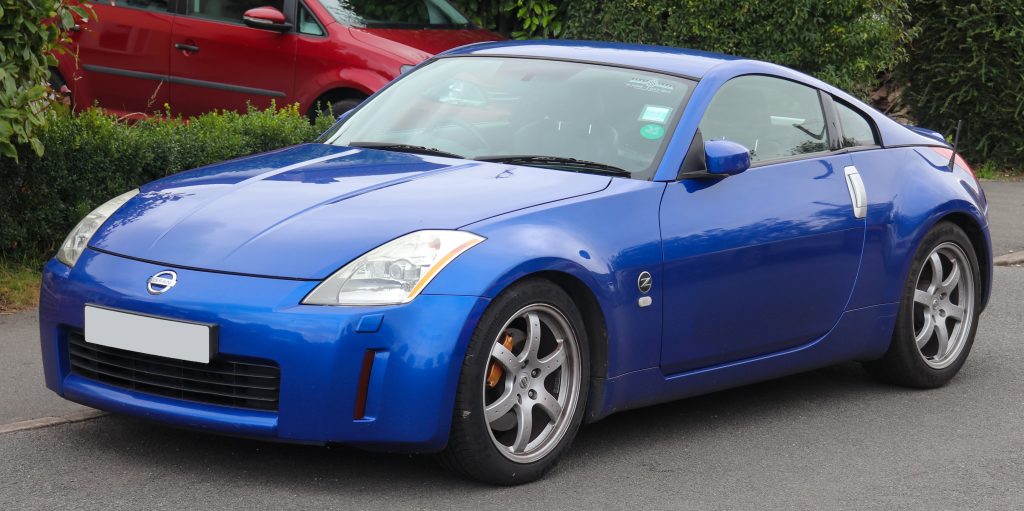
Styling also plays a significant role in the 350Z’s collectibility. Its long hood, wide stance, and muscular proportions have aged well compared to many contemporaries. Even interior design, with driver-focused controls and a sporty cockpit layout, continues to feel purposeful.
The 350Z has maintained cultural relevance through motorsports, video games, and automotive communities, further enhancing its desirability.
Collectors value it not only for performance but also for the nostalgia it represents a bridge between classic Z-cars and modern sports coupes. Its combination of style, engineering, and rarity ensures it remains a standout example of 2000s cars that are becoming collector favorites.
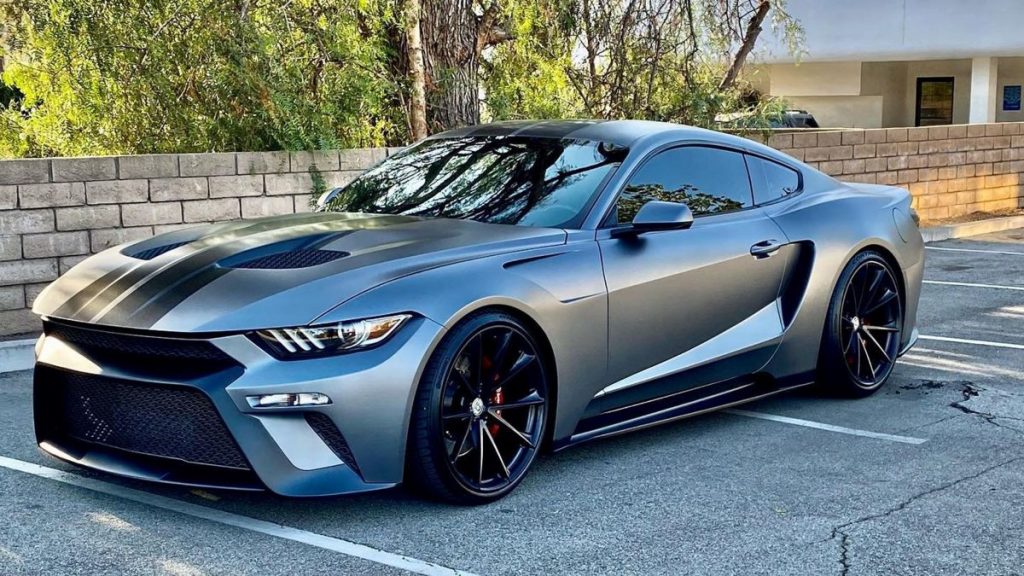
4. Ford Mustang GT (2005–2009)
The fifth-generation Ford Mustang GT, produced from 2005 to 2009, marked a return to the classic Mustang styling that emphasizes long hood proportions and retro-inspired design cues. Its blend of performance, heritage, and approachable pricing has helped it gain recognition as a collector favorite from the 2000s era.
Under the hood, the Mustang GT features the 4.6-liter Modular V8, delivering strong torque and a satisfying exhaust note that enthusiasts adore. Coupled with manual transmission options, the car offers a connected driving experience that is both engaging and accessible.
While modern Mustangs have become increasingly complex, this generation balances power, simplicity, and mechanical reliability, enhancing its appeal for collectors.
Styling is a key factor in the GT’s desirability. The retro design echoes the classic 1960s Mustangs while incorporating modern engineering.
Its muscular fenders, iconic grille, and flowing roofline have aged gracefully, making it recognizable and attractive even decades later. Limited edition trims, such as the Bullitt and California Special, add further rarity and value to specific models.
Cultural significance plays a role as well. The Mustang GT has maintained a strong presence in movies, motorsports, and enthusiast communities. Its affordability compared to higher-end sports cars ensures that it remains attainable for collectors while offering a genuine performance experience.
This combination of heritage, design, and driving engagement makes it a standout among 2000s vehicles that are appreciating in value.
The Mustang GT demonstrates that a car does not need extreme rarity or astronomical pricing to become a collector favorite. Its balance of iconic styling, robust performance, and cultural importance ensures that it will continue to attract enthusiasts and retain value for years to come.
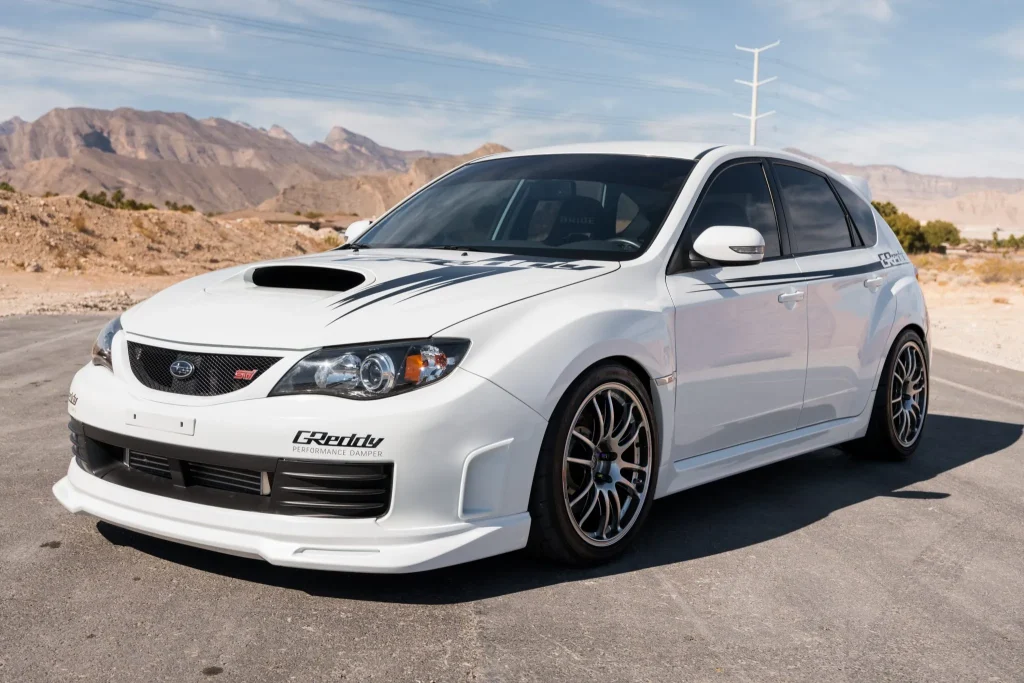
5. Subaru Impreza WRX STI (2004–2007)
The Subaru Impreza WRX STI from the mid-2000s has earned a reputation as one of the most iconic performance cars of its era.
Combining rally-bred all-wheel-drive capabilities with a turbocharged flat-four engine, it delivers thrilling performance that appeals to enthusiasts and collectors alike. Its distinctive styling, including the signature hood scoop and aggressive stance, ensures it remains visually striking even years after its release.
Mechanically, the WRX STI stands out for its symmetrical all-wheel-drive system and turbocharged EJ25 engine, which provides strong power delivery and responsiveness.
Manual transmissions coupled with precise steering and agile chassis dynamics make it a favorite for drivers seeking performance-oriented engagement.
Limited edition variants, such as the Spec C and STI S202 models, offer enhanced power, reduced weight, and unique styling cues, increasing their rarity and desirability.
The car’s cultural significance also contributes to its collectible status. The WRX STI was prominent in rally competitions, video games, and enthusiast communities, fostering a strong following that continues to value the model.
Its combination of performance, rarity, and historical relevance ensures that these cars maintain interest and value over time.
Reliability and practicality further enhance its appeal. Despite being a high-performance car, the WRX STI from this era is relatively manageable for enthusiasts who maintain it properly. Its combination of everyday usability with thrilling performance makes it an attainable collector vehicle, unlike some rare or exotic counterparts.
The WRX STI exemplifies why certain 2000s cars are becoming collector favorites. Its blend of performance, engineering, rarity, and cultural influence demonstrates how a vehicle can transcend its original market role to become a sought-after classic.
Collectors value it not only for its excitement behind the wheel but also for the story and heritage it represents within automotive history.
5 That Never Will
While some 2000s cars are gaining traction among collectors, many others are unlikely to ever achieve similar status.
Vehicles in this category often suffer from high production numbers, uninspired design, mechanical issues, or lack of cultural significance. Even if they were popular during their production run, their long-term appeal is minimal.
Cars that will likely never become collectible often prioritize practicality over character. They may have reliable engines and functional interiors, but they lack the traits that create nostalgia, rarity, or emotional attachment.
Common mainstream models, high-volume sedans, and unremarkable SUVs frequently fall into this category. Their ubiquity and absence of unique features prevent them from standing out in a market driven by scarcity and desirability.
Mechanical weaknesses or outdated technology can also hinder collectibility. Vehicles prone to reliability issues, frequent maintenance needs, or aging poorly in terms of design are less likely to retain value or attract enthusiasts.
Even performance models can fail to gain recognition if their handling, engine, or design does not remain appealing over time.
Cultural relevance plays a role as well. Cars that were never celebrated in media, motorsports, or enthusiast communities often struggle to maintain attention decades later.
Without a story, a connection, or a distinctive characteristic, these vehicles fade into the background, becoming forgotten examples of their era rather than cherished collectibles.
The following five vehicles illustrate why some 2000s cars are unlikely to become collector favorites. Each was popular or functional at the time but lacks the rarity, character, or cultural impact that drives collector interest.
By examining these models, we can understand the factors that separate vehicles that gain long-term value from those destined to remain ordinary in automotive history.
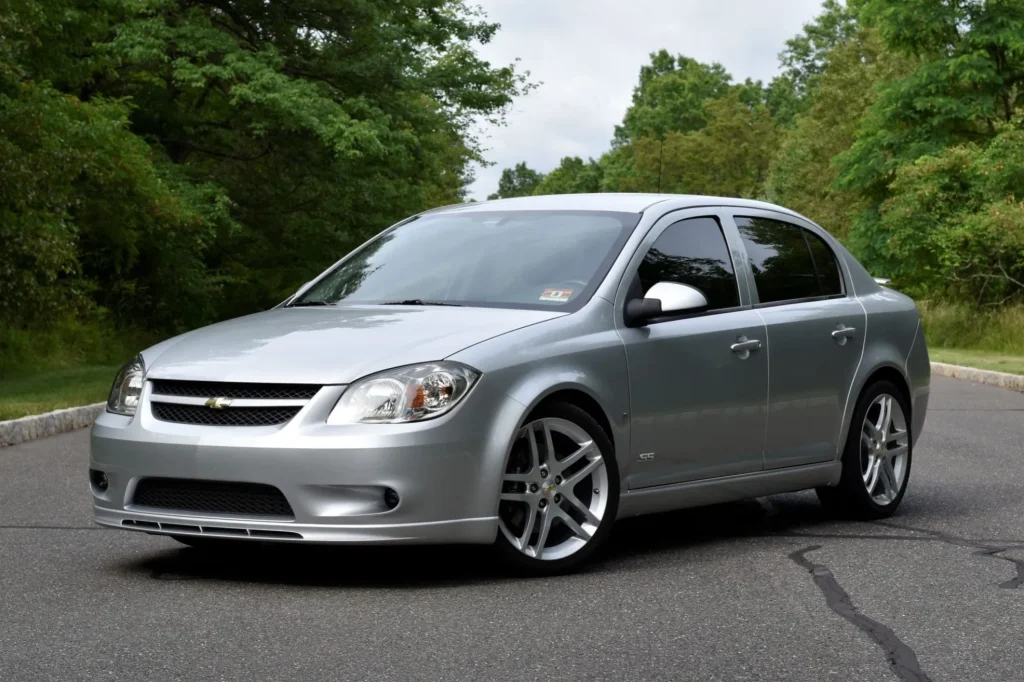
1. Chevrolet Cobalt SS
The Chevrolet Cobalt SS, produced from 2005 to 2010, was positioned as a sporty compact aimed at younger buyers seeking performance on a budget.
While it offered turbocharged power in later models and a variety of trim levels, it has struggled to achieve lasting collector appeal due to design choices, build quality, and mechanical issues.
One major factor limiting the Cobalt SS’s desirability is reliability. The supercharged and turbocharged engines in certain trims are prone to failure if not meticulously maintained.
Transmission issues and premature wear in suspension components have also been reported, creating concern among potential collectors. Even well-maintained examples carry the stigma of these vulnerabilities, making long-term ownership and investment riskier.
Styling plays a role in its lack of collectibility. The Cobalt’s boxy, conservative design fails to stand out decades later.
While some enthusiasts appreciate the SS trims’ subtle performance cues, the overall aesthetic is uninspiring compared to more iconic 2000s sports cars. Limited editions are rare, but not rare enough to generate excitement or demand.
Culturally, the Cobalt SS did not achieve a strong presence in motorsports, media, or enthusiast communities relative to competitors like the Honda Civic Si or Nissan 350Z. Its performance potential was often overshadowed by more engaging and reliable alternatives, which limits its appeal as a collectible.
The Chevrolet Cobalt SS demonstrates that popularity at launch does not guarantee long-term collectibility. Reliability concerns, unremarkable styling, and limited cultural impact prevent it from joining the ranks of desirable 2000s vehicles.
While it may remain a fun car for budget enthusiasts, it is unlikely to appreciate in value or gain attention from collectors in the years to come.
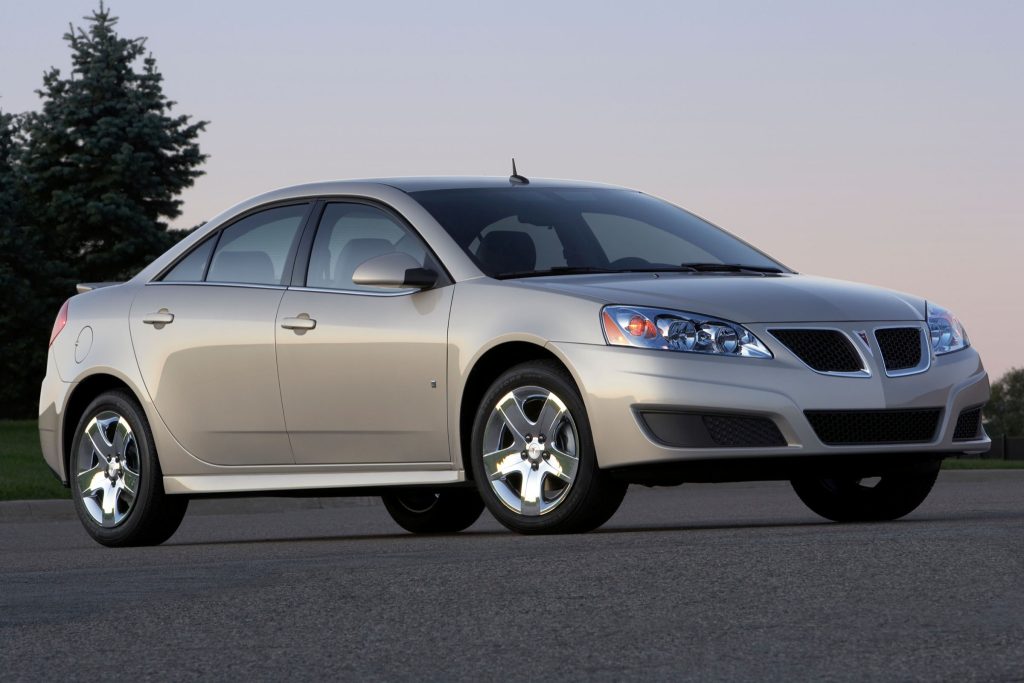
2. Pontiac G6
The Pontiac G6, produced from 2005 to 2010, was designed as a mid-size sedan aimed at mainstream buyers seeking practicality and comfort. While it met the needs of families during its production years, it lacks the attributes necessary to become a sought-after collector vehicle.
One of the primary reasons the G6 will not achieve collectibility is its high production volume. Tens of thousands were manufactured, making it a common sight on the roads and diminishing any sense of rarity.
Vehicles that are abundant rarely gain long-term value unless they offer exceptional performance or historical significance, which the G6 does not provide.
Design also contributes to its lack of appeal. The G6’s styling is functional but uninspired, with a conservative shape and bland exterior details.
Interior materials and finishes, while adequate for daily use, lack the quality and character found in more desirable models. Ergonomics are straightforward but unremarkable, leaving little emotional connection for drivers or collectors.
Mechanically, the G6 is reliable but unexciting. Its engines and transmissions provide adequate performance for commuting, but they do not offer engagement, refinement, or distinctive sound that might attract enthusiasts.
Even the sportier trims, such as the G6 GT, do not compensate for the overall mediocrity of the platform.
Culturally, the G6 never gained significant recognition in motorsports, media, or enthusiast communities. Without rarity, performance pedigree, or a strong emotional connection, it is unlikely to ever capture collector interest.
The Pontiac G6 serves as a clear example of a 2000s car that fulfilled its practical role but lacks the qualities needed to achieve lasting value or desirability in the collector market.
3. Chrysler PT Cruiser
The Chrysler PT Cruiser, produced from 2001 to 2010, was designed with a retro-inspired aesthetic intended to stand out in the crowded compact car market. While it achieved initial popularity due to its unique styling, it has failed to gain recognition as a collector vehicle.
One major reason the PT Cruiser will not become a collectible is its high production volume. Tens of thousands were manufactured over its lifespan, leaving the market saturated with used models. Scarcity is a key factor in collectibility, and the PT Cruiser’s abundance diminishes its long-term appeal.
Design, while memorable, has not aged gracefully. The retro curves and high roofline were divisive when introduced and continue to elicit mixed opinions.
Unlike vehicles with iconic styling that endures, the PT Cruiser’s appearance is often seen as quirky or outdated, reducing its desirability among collectors. Limited editions, such as the GT turbo models, offer some rarity but not enough to drive significant interest in the market.
Mechanically, the PT Cruiser is competent but unremarkable. Its engines provide adequate performance for daily driving, but handling, suspension, and steering lack the refinement and engagement that attract enthusiasts. Maintenance issues with certain models, such as turbocharged versions, further reduce their long-term appeal.
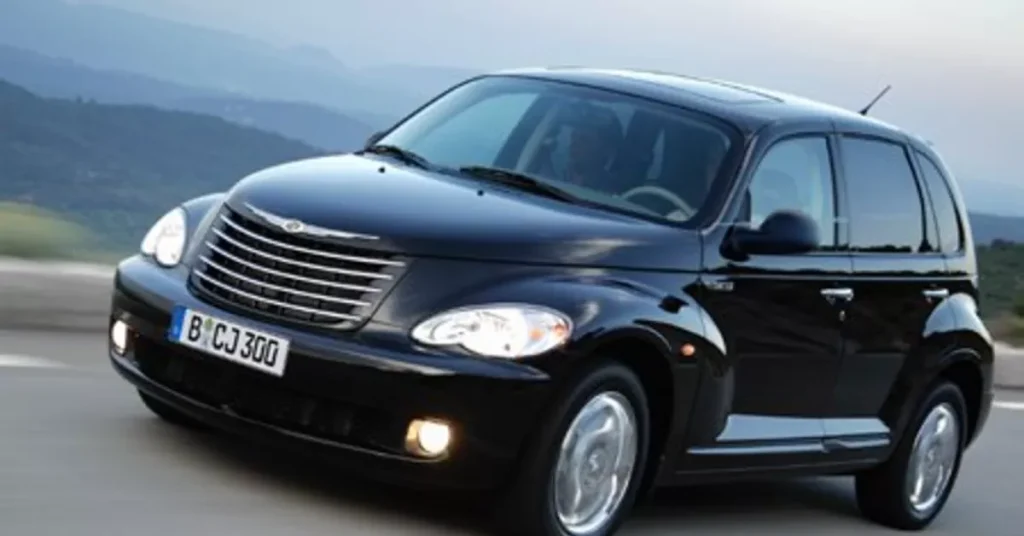
Cultural influence also plays a role. Despite its media presence in the early 2000s, the PT Cruiser has not developed a passionate enthusiast community or motorsports following. Collectors typically gravitate toward cars that inspire loyalty, nostalgia, or excitement, none of which the PT Cruiser reliably provides.
The PT Cruiser serves as an example of how novelty alone does not create long-term value. Its quirky design, mechanical limitations, and overproduction ensure that it remains a fun curiosity rather than a serious contender in the collector market.
4. Dodge Caliber
The Dodge Caliber, produced from 2007 to 2012, was intended as a versatile compact crossover, blending hatchback practicality with SUV-like styling. Despite its practicality, it is highly unlikely to become a collector vehicle due to styling, performance, and market reception.
Design is a major factor limiting the Caliber’s appeal. Its angular, somewhat awkward proportions and unconventional front-end styling failed to inspire enthusiasm.
Unlike cars that achieve collector status through timeless or iconic design, the Caliber’s appearance is often criticized for being bland or unattractive. Even sportier trims, such as the SRT4, fail to elevate its long-term desirability significantly.
Mechanically, the Caliber is functional but unremarkable. Engines provide adequate fuel efficiency and reliability but lack performance or excitement.
Handling and ride quality are competent for daily driving but do not offer the engagement or refinement that attract collector attention. The interior, while practical, features lower-grade materials and uninspired layouts, making it less appealing for long-term preservation.
High production numbers further limit its potential. Tens of thousands of Calibers were built, saturating the used car market and diminishing rarity. Collectors typically seek models that are scarce or distinctive, both of which are lacking in this vehicle.
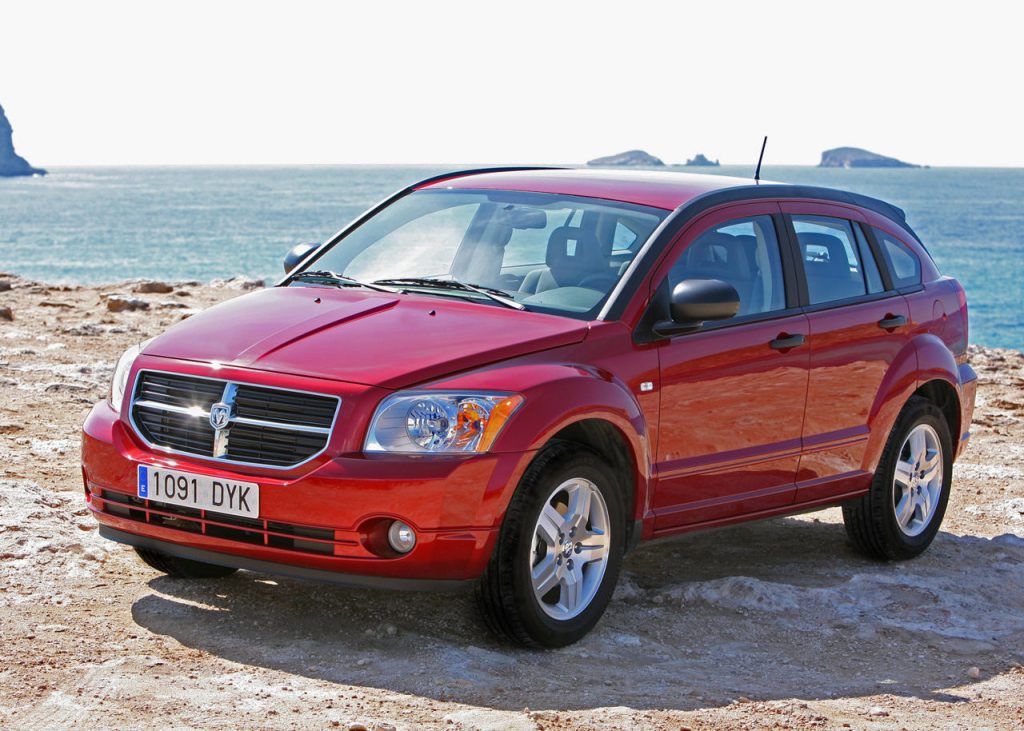
Culturally, the Caliber has minimal presence. It did not achieve recognition in motorsports or enthusiast communities and has limited nostalgic or historical significance. Without rarity, styling, or emotional connection, it lacks the characteristics necessary to attract collectors in the future.
The Dodge Caliber illustrates that practicality and affordability alone cannot create a collectible vehicle.
Its overproduction, uninspired design, and modest performance ensure that it remains a practical transportation solution rather than a future classic, highlighting the contrast between cars that appreciate over time and those destined to remain ordinary.
5. Saturn Ion
The Saturn Ion, produced from 2003 to 2007, was a compact sedan designed as an affordable, practical choice for everyday transportation. While it served its purpose during its production run, it is highly unlikely to ever become a collector vehicle due to styling, engineering, and market perception.
One of the primary reasons the Ion will not gain collector status is its uninspiring design. Its boxy shape, simple lines, and conventional proportions lack the appeal and uniqueness that attract long-term enthusiasts.
Even sportier trims, such as the Red Line, fail to elevate the model significantly in terms of styling or desirability. The interior is functional but made with lower-quality materials, contributing to a sense of mediocrity compared to vehicles that have achieved classic status.
Mechanically, the Ion is reliable for daily driving but unremarkable in performance or engagement. Its engines and transmissions are adequate for commuting but offer little excitement, while handling and ride quality are basic and unremarkable.
These factors reduce the car’s potential to capture the attention of collectors seeking distinctive or exciting vehicles.
High production numbers further hinder collectibility. The Ion was produced in large quantities, meaning scarcity is virtually nonexistent. Collectors generally seek vehicles that are rare or have special significance, neither of which applies to the Ion.
Cultural relevance is minimal. The Saturn brand, and the Ion in particular, did not achieve significant recognition in motorsports, media, or enthusiast communities.
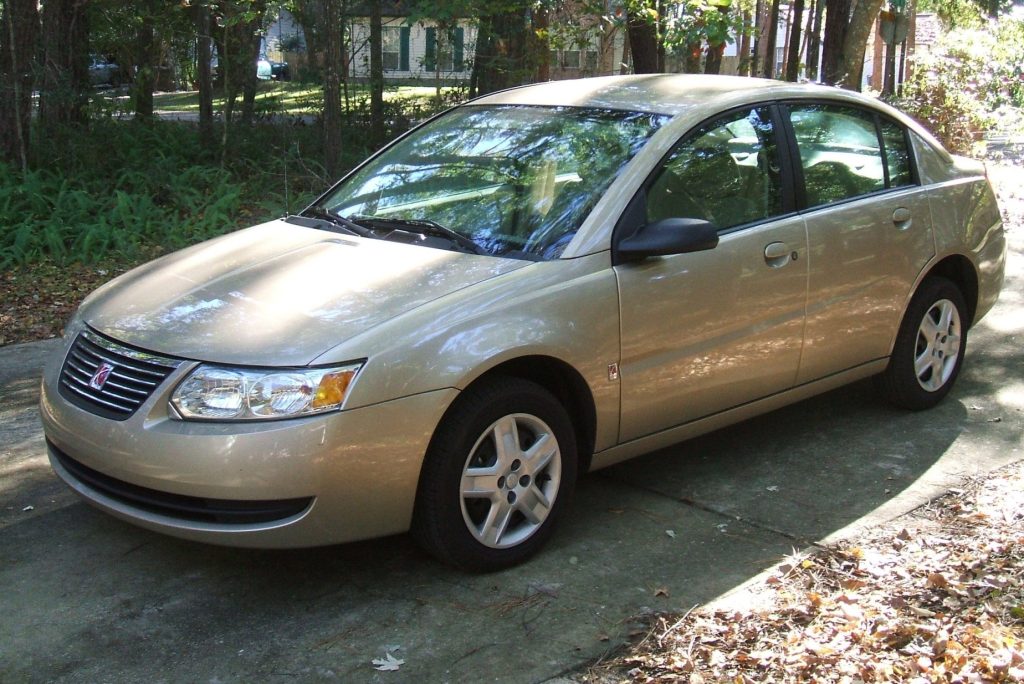
Without a compelling story, unique engineering, or memorable design, the Ion lacks the factors that create emotional attachment and lasting demand.
The Saturn Ion exemplifies how practicality and affordability alone cannot generate collector interest. Its uninspiring design, modest performance, and overproduction ensure it remains an ordinary vehicle, unlikely to appreciate or gain attention in the collector market.
It serves as a clear contrast to 2000s vehicles that have become favorites for their rarity, performance, or cultural significance.
Also Read: 5 Cars That Offer Real Steering Feel vs 5 That Don’t
