
In the world of driving, lightweight cars are often associated with speed, agility, and connection to the road.
When you remove excess weight, the engine has less mass to move, steering becomes more precise, and the entire experience feels more alive.
But not every light car delivers the thrill you might expect. Some are engineered so well they punch above their horsepower, while others despite their featherweight design somehow feel underwhelming.
For American enthusiasts who crave responsive handling and spirited acceleration, it’s important to separate the light and lively from the light but lazy.
Here are five lightweight cars that feel fast, followed by five that feel sluggish, even if the numbers suggest otherwise.
Lightweight Cars That Feel Fast
When it comes to driving thrills, raw horsepower isn’t the only path to excitement. Some of the most exhilarating cars on the road aren’t the ones with the biggest engines, they’re the ones that weigh less, respond quicker, and make every corner feel like a racetrack.
In this article, we dive into the world of lightweight cars that deliver outsized fun, proving that speed is as much about sensation as it is about statistics.
1. Mazda MX-5 Miata
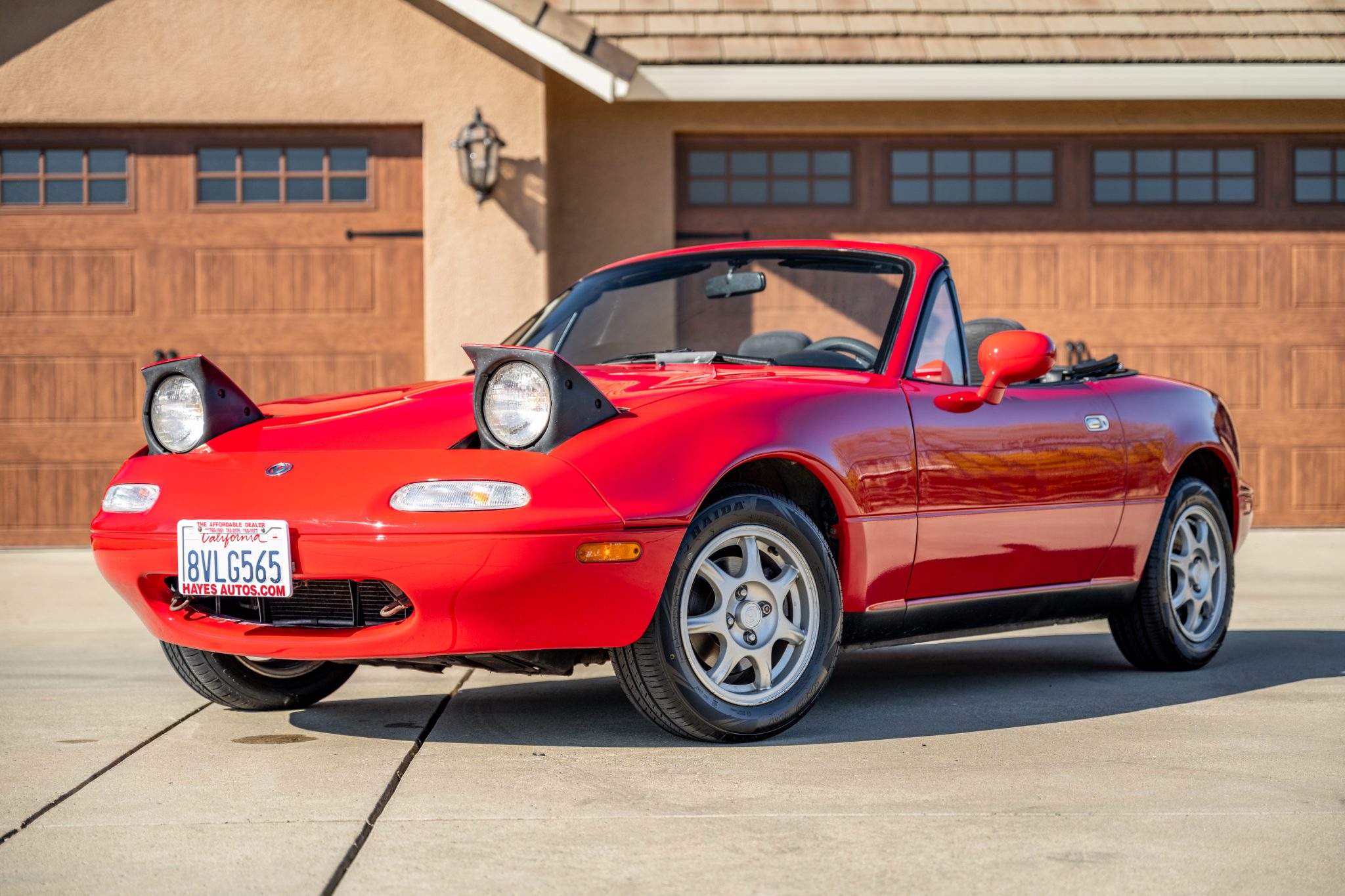
Few cars embody the essence of “light and fast” better than the Mazda MX-5 Miata. Weighing just over 2,300 pounds, the Miata’s secret isn’t raw power it’s balance.
The 2.0-liter four-cylinder engine only produces around 181 horsepower, but paired with a slick six-speed manual and near-perfect 50:50 weight distribution, it feels far quicker than the numbers suggest.
The Miata’s steering is razor-sharp, the chassis communicates every nuance of the road, and its low-slung seating makes even moderate speeds feel like an event.
On winding American backroads, few cars deliver as much fun per mile or per dollar. The Miata doesn’t just feel fast it feels alive.
In contrast to the stripped-down, lightweight MX-5 Cup variants, the 35th Anniversary Miata leans into a more refined and luxurious take on convertible driving. Mazda borrowed its Artisan Red Metallic paint from its flagship SUV, the three-row CX-90.
This rich hue requires a three-layer application and offers a deeper shimmer than the Soul Red that debuted with the ND-generation MX-5 Miata.
Additional exterior touches include a spoiler painted to match the body, unique 17-inch wheels exclusive to the edition, and 35th Anniversary badging that indicates each car’s production number.
A manually operated tan soft top harkens back to a feature that has appeared intermittently since the original NA-generation MX-5 Miata.
Inside, the tan Nappa Leather seats embossed with 35th Anniversary logos mirror the roof, completing the model’s nostalgic color scheme.
The tan motif continues from beneath the black dashboard and Artisan Red Metallic door panel uppers down to the carpet and floor mats, which also bear 35th Anniversary insignias.
Mazda extends the exterior color into the cabin by painting the trim around the AC vents in the same Artisan Red. For an added touch, the Miata comes with a Nappa leather–wrapped key fob sleeve that carries the tan theme beyond the car.
Mechanically, the 2025 Mazda MX-5 Miata 35th Anniversary Edition retains the familiar elements that fans have come to love.
It features a six-speed manual transmission exclusively paired with the 2.0-liter four-cylinder engine, delivering 181 horsepower and 151 lb-ft of torque.
Built on the Grand Touring trim, this special edition inherits all the performance enhancements, including front shock tower braces, a sport-tuned suspension with Bilstein dampers, a dynamic stability control system tuned for track use, and a limited-slip differential.
The tech suite mirrors that of the Grand Touring model, offering automatic climate control, a frameless auto-dimming rearview mirror, heated seats, and built-in navigation.
Blending sporty performance with upscale features, the MX-5 Miata 35th Anniversary Edition pays homage to the roadster’s legacy across four generations.
To heighten its exclusivity, Mazda will produce only 300 units. Starting at $37,435, each purchase includes a special ownership experience for those fortunate enough to secure one of these limited-edition convertibles.
Although the Miata has yet to enter the electric age, devoted fans can relish what is likely the final purely gasoline-powered generation with this richly appointed 35th Anniversary model.
There’s hope that the striking, rotary-assisted Iconic SP concept will eventually evolve into the next chapter of the Mazda MX-5 Miata.
Also Read: 12 Cars That Shock Drivers With Unstoppable Reliability
2. Toyota GR86/ Subaru BRZ
The Toyota GR86 and Subaru BRZ are the spiritual successors to old-school sports coupes lightweight, rear-wheel-drive, and made for driving enthusiasts.
At around 2,800 pounds, they’re not the lightest on this list, but their balance, low center of gravity, and linear power delivery make them feel agile and responsive.
The 2.4-liter flat-four engine delivers 228 horsepower, and thanks to tight gearing, it feels quicker than the stopwatch says.
More importantly, both cars offer incredible steering feel and chassis communication traits that make every corner feel like a reward. In the right hands, the GR86 and BRZ feel faster than many cars with double the power.
Criticizing the 2019 Toyota 86 is easy, and there are several areas where it falls short of greatness. The cabin is compact, offering minimal space for passengers and cargo.
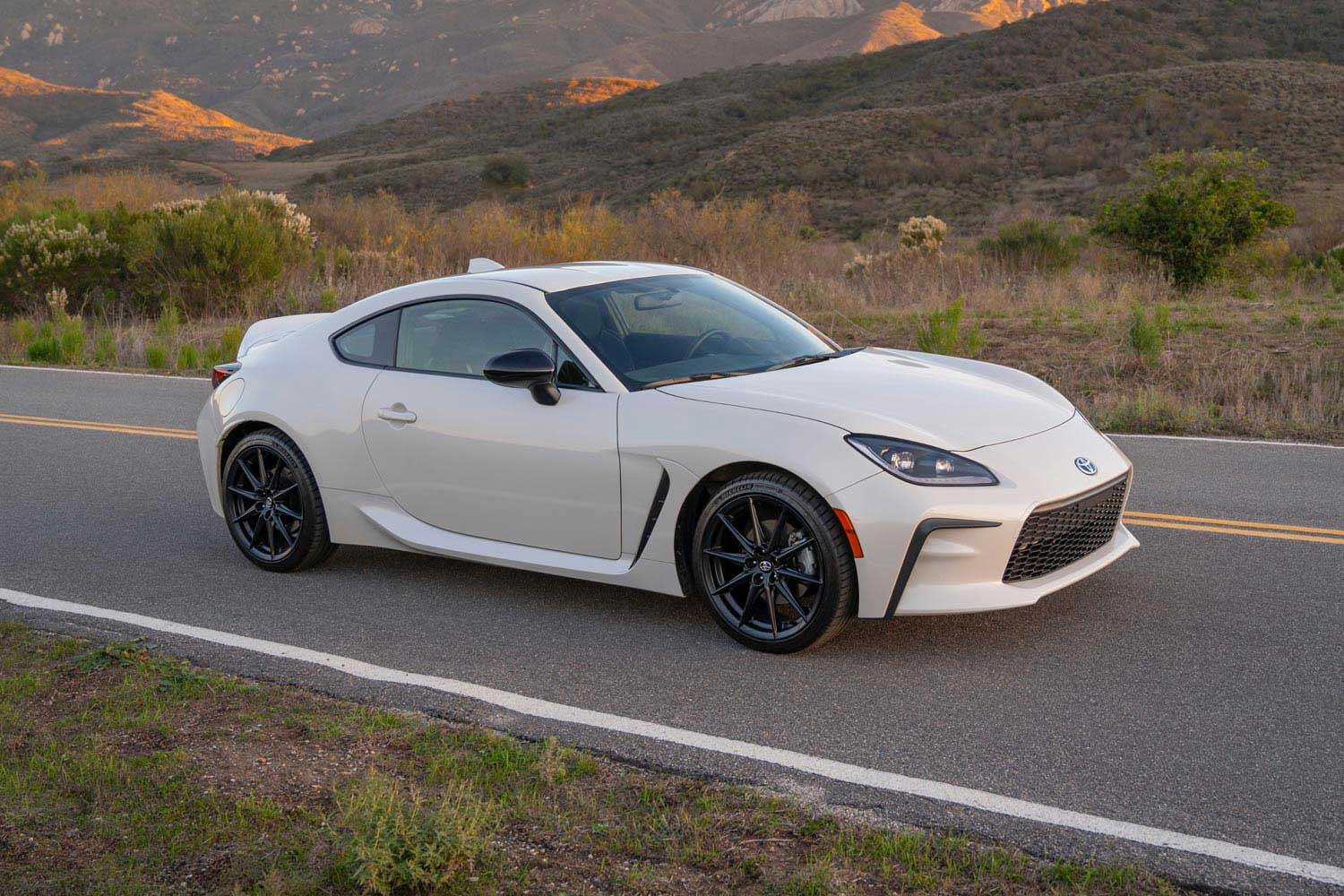
Comfort is not its strong suit, especially for taller individuals, and the onboard tech feels outdated and lacking. Perhaps its most glaring flaw is the lack of power; the 86 gives the impression of speed while idling, but fails to deliver once in motion.
Although aftermarket engine kits can boost performance, the stock version is slower than nearly every other vehicle you might consider alongside it. Still, that doesn’t mean it’s devoid of driving enjoyment.
The real joy of the 86 emerges when the road begins to curve. Its sharp steering and lively handling make it consistently engaging, especially when paired with the standard six-speed manual gearbox.
Push it hard through a freeway on-ramp or along a winding country road, and it responds with enthusiasm. Unfortunately, it runs out of breath quicker than you’d hope.
New for 2019 is the 86 TRD Special Edition. Though it doesn’t offer more speed than the standard 86 or the GT trim, it does come with enhanced suspension and braking components.
It’s a solid factory option for drivers looking to hone their skills at autocross events or weekend track days.
Despite the availability of other compelling performance coupes and hatchbacks at similar price points, the 86 still has a lot to offer.
Toyota designed it with enough flexibility for owners to customize its power, handling, and aesthetics through aftermarket upgrades, making it an ideal platform for enthusiasts.
Much like the Mazda MX-5 Miata, a kindred spirit with modest power, the 86’s appeal lies in its overall harmony. A capable driver can extract impressive performance, but you don’t need to be chasing lap times to appreciate what it brings to the table.
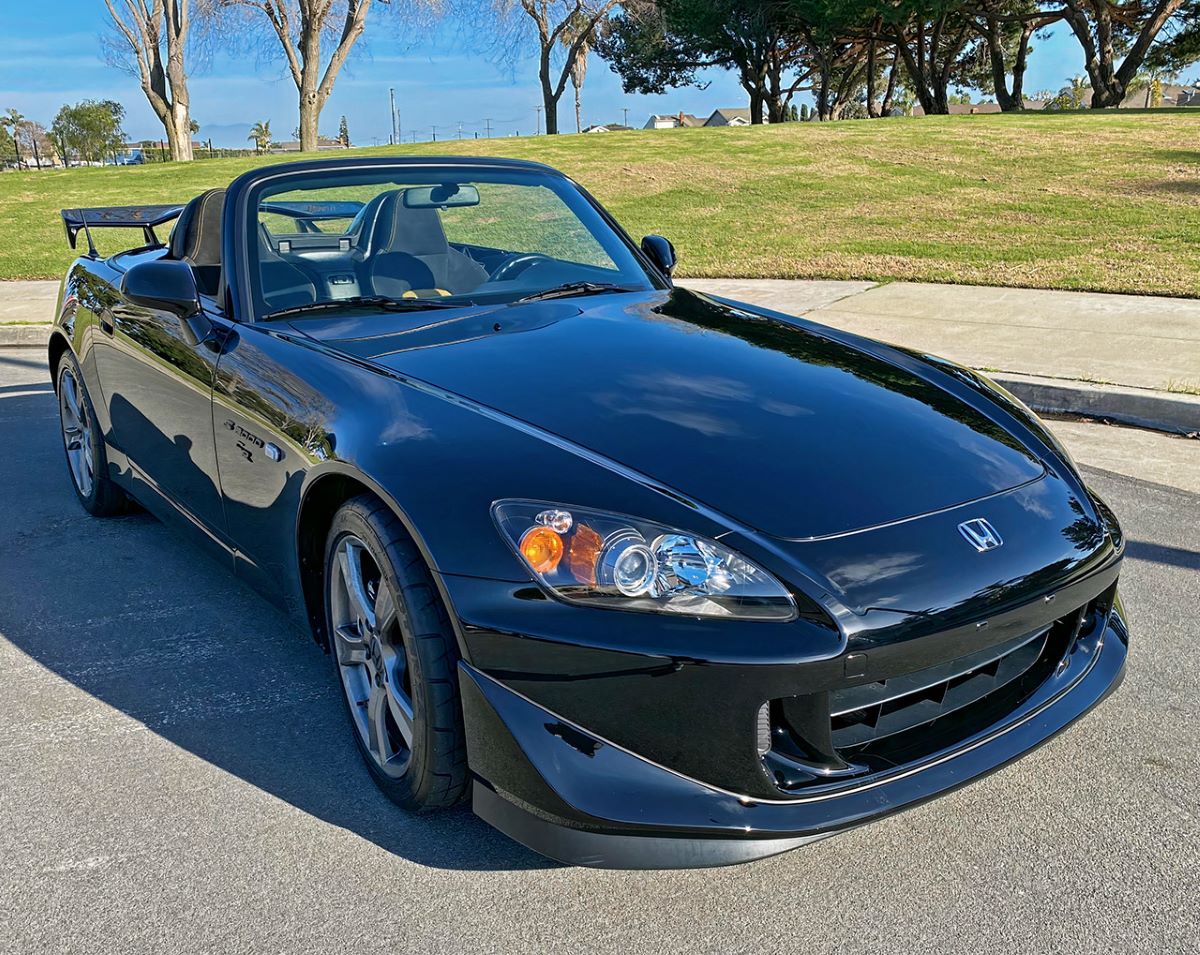
3. Honda S2000
Even years after its production ended, the Honda S2000 remains a benchmark for lightweight performance. Tipping the scales at around 2,800 pounds, the S2000’s magic comes from its 9,000-rpm F20C engine.
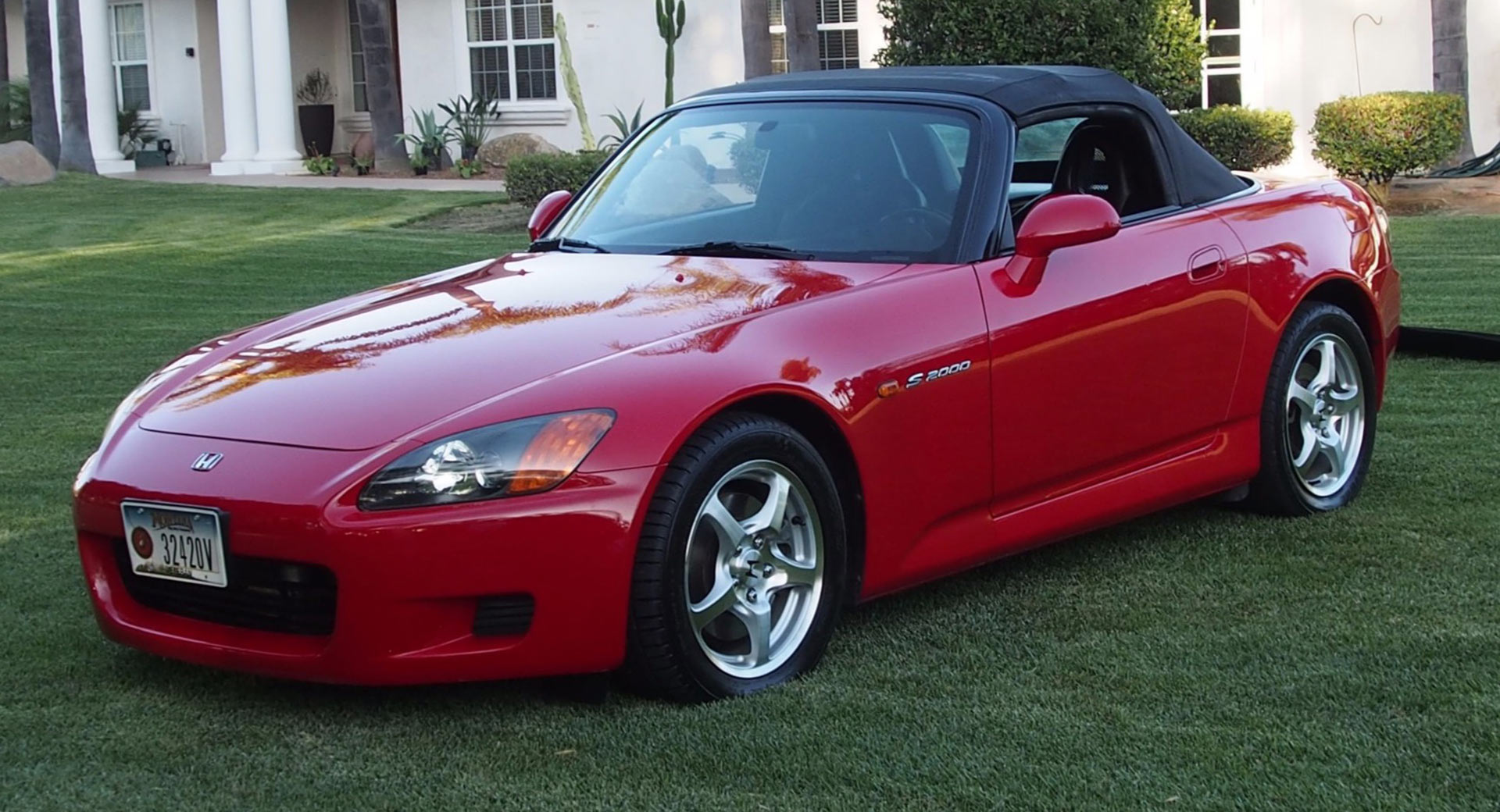
While it only produces about 240 horsepower, the sensation of revving that high combined with precise steering and a perfectly balanced chassis makes the car feel electrifyingly quick.
The S2000 doesn’t just feel fast; it makes you work for that speed. You have to keep the revs up and master its short-throw shifter, but when you do, few cars feel as thrilling or as connected.
4. Lotus Elise
The Lotus Elise is the definition of “less is more.” Weighing just over 1,950 pounds, this British roadster proves how little mass can transform the driving experience.
With around 190 horsepower, it can sprint to 60 mph in under five seconds, but it’s the cornering that steals the show.
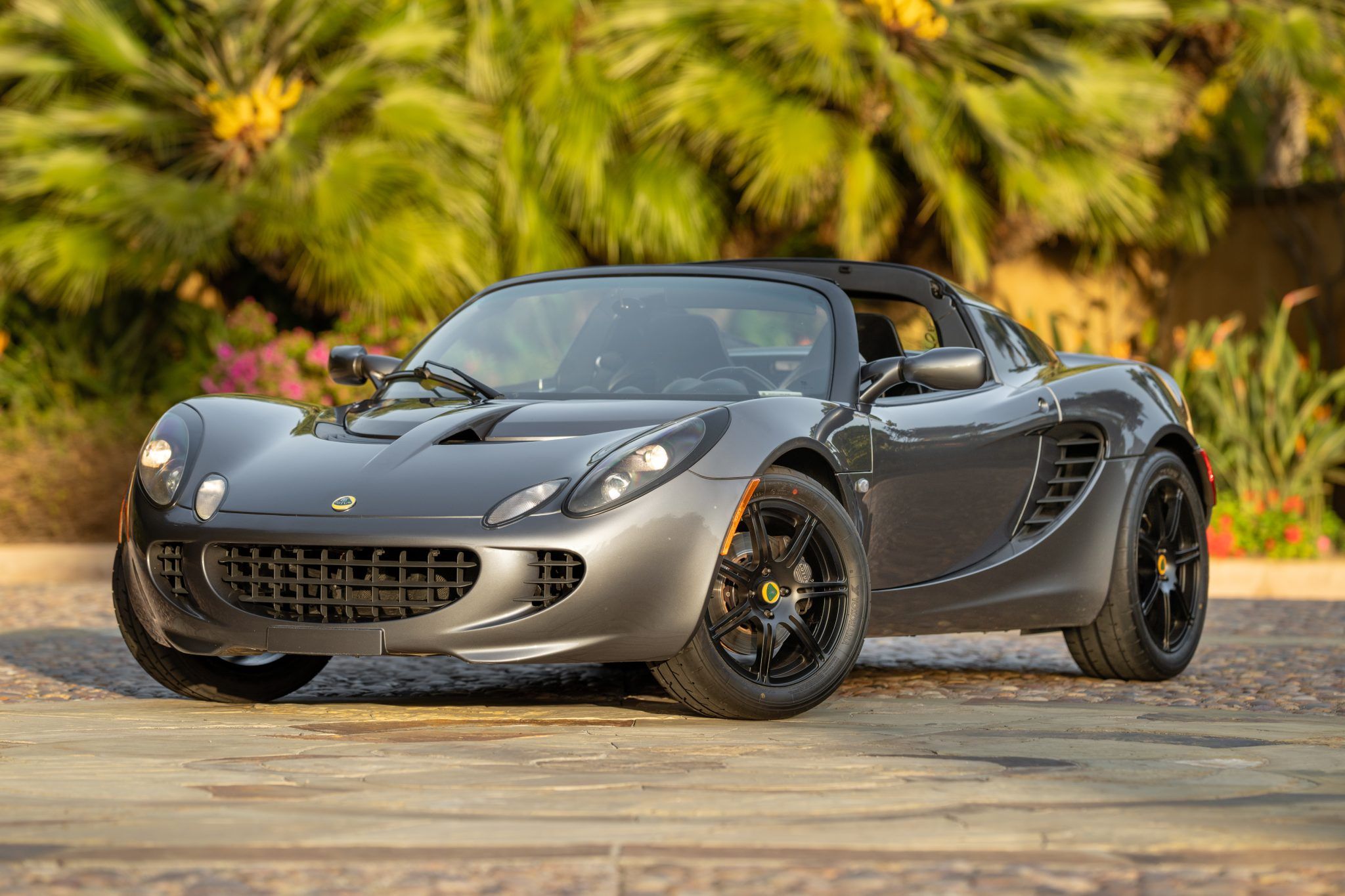
The Elise feels telepathic every input from the driver translates instantly into motion. There’s no power steering, minimal insulation, and hardly any luxury, but that’s the point.
The Elise isn’t about comfort it’s about purity. On a twisty canyon road, it feels like an extension of your body, reminding you that lightness can be a superpower.
Any race-car engineer will tell you: weight is the nemesis of performance. It influences everything from acceleration and braking to cornering grip and nearly every other quantifiable aspect of a vehicle’s dynamic behavior.
In today’s automotive landscape, it’s not unusual for sports cars to tip the scales at two tons or more.
This increase in mass stems from a variety of factors, including stringent safety standards, the integration of advanced technologies, and the inclusion of comfort and convenience features.
But it wasn’t always this way. During the 1980s and early ’90s, Lotus Cars underwent a series of ownership transitions, one of which included a brief yet pivotal period under the leadership of Italian entrepreneur Romano Artioli.
Eventually, the company came under the ownership of Malaysian automaker Proton, which soon greenlit the production of Lotus’s latest creation.
Named in honor of Artioli’s granddaughter, the Lotus Elise embodied the late founder Colin Chapman’s guiding principle: “Simplify, then add lightness.”
Featuring a fiberglass body mounted to a then-groundbreaking bonded extruded aluminum chassis, the mid-engine, rear-wheel-drive targa-top two-seater weighed in at an astonishingly light 1,600 pounds when it launched in 1996.
This featherweight construction delivered a raw and unfiltered driving experience, helping the Elise earn its place as one of the most revered sports cars ever built.
As the successor to the second-generation Elan, a front-wheel-drive convertible introduced in 1989, the Elise marked a return to the core values of the legendary British marque.
Manufactured from 1996 until 2021, the Elise reestablished Lotus’s commitment to pure performance. The car’s development was led by Julian Thomson, then head of design, and Richard Rackham, the chief engineer.
Although the Elise wasn’t initially available in the U.S., it was eventually federalized in 2005. It exited the American market in 2011 due to evolving regulations, but Lotus continued to refine and sell the model in other regions for another ten years.
Over its 25-year lifespan, the Elise saw numerous special edition variants focused on performance, solidifying its reputation as the ultimate choice for serious track enthusiasts.
While there’s no official successor to the Elise at present, the Lotus Emira has stepped in to fill that void to some extent.
Additionally, Lotus has hinted at a forthcoming electric sports car known as the Type 135, slated for release in 2028, which is expected to draw inspiration from the Elise.
5. Mini Cooper S (R53 Generation)
The early-2000s Mini Cooper S (R53) is a masterclass in making a small, relatively light car feel punchy.
With its supercharged 1.6-liter engine and curb weight of around 2,600 pounds, the R53 delivers instant throttle response and an addictive whine that makes it seem faster than its 168 horsepower output.
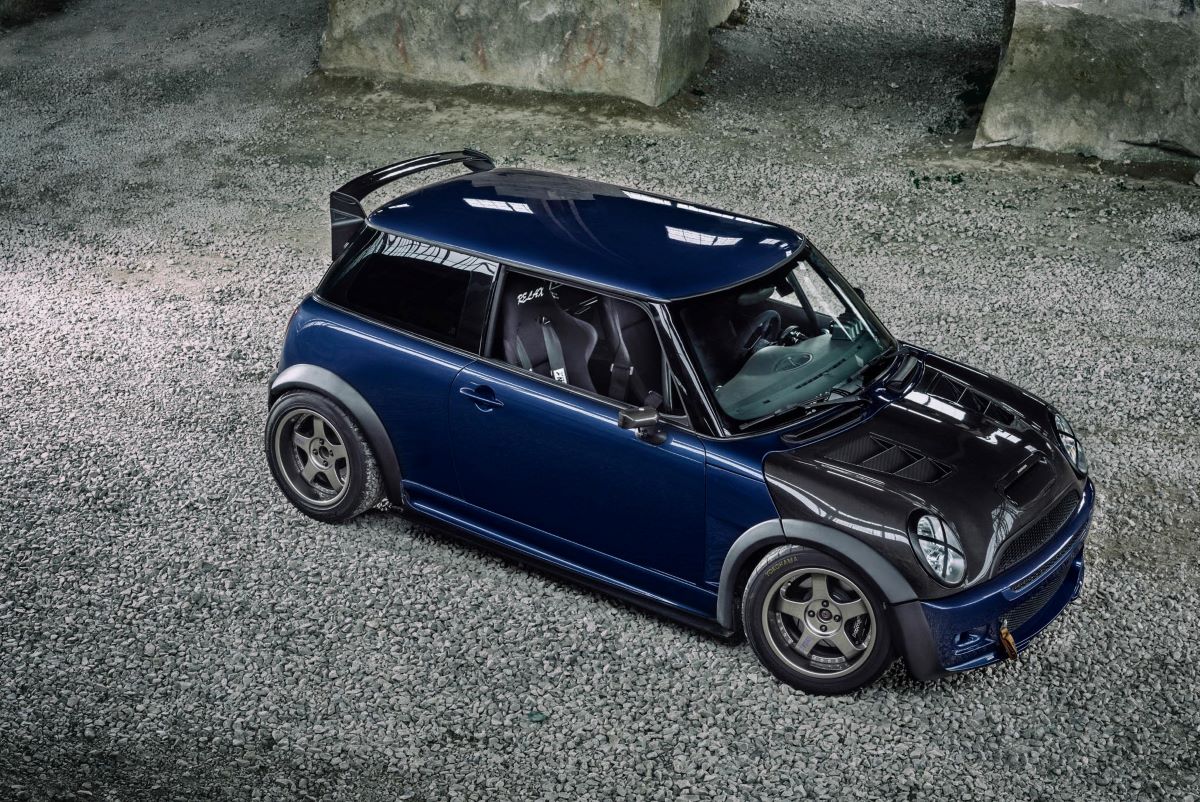
Its short wheelbase and taut suspension make it incredibly nimble, darting through traffic or corners with ease.
On a curvy backroad, the Cooper S feels eager and playful proof that a lightweight hatchback can provide as much excitement as a full-blown sports car.
Also Read: 4 SUVs With the Best Long-Term Comfort vs 4 That Lose It
Lightweight Cars That Feel Sluggish
Lightness usually promises agility, speed, and a visceral driving experience. But not every featherweight machine delivers the thrills you’d expect.
Some cars, despite their trim figures, manage to feel underpowered, uninspiring, or just plain slow. In this article, we explore the curious case of lightweight cars that fail to excite, where low curb weight doesn’t always translate to high performance.
1. Mitsubishi Mirage
At under 2,100 pounds, the Mitsubishi Mirage should, in theory, feel sprightly. Unfortunately, its 1.2-liter three-cylinder engine puts out just 78 horsepower, and the continuously variable transmission (CVT) saps what little energy it has.
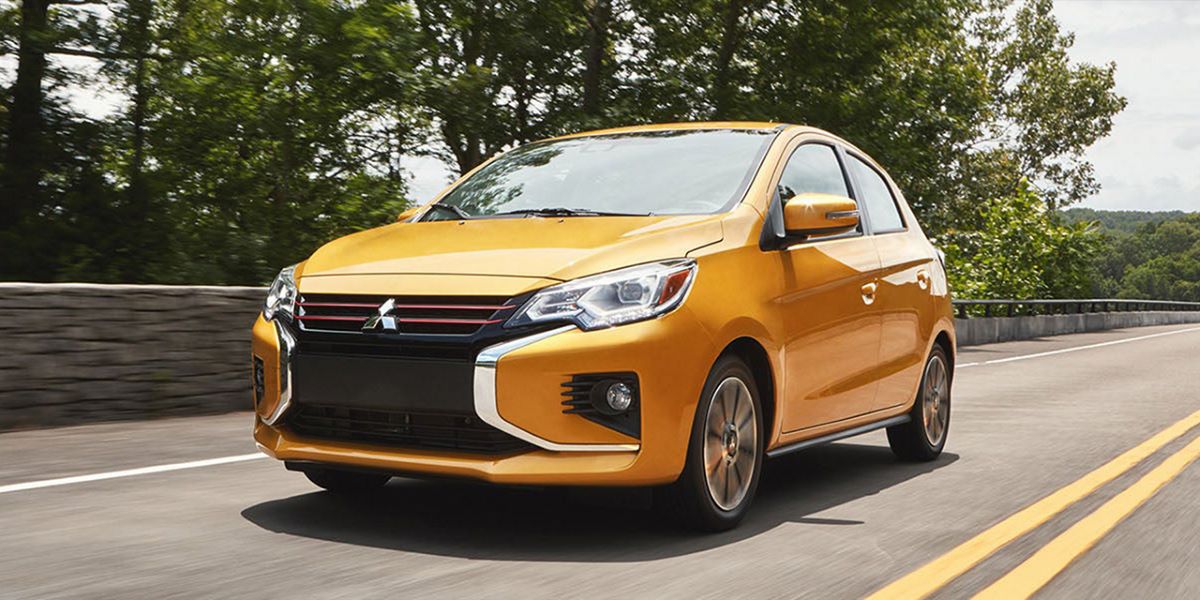
Acceleration is leisurely at best, and highway merging can feel stressful. Despite its lightness, the Mirage’s lack of refinement, vague steering, and soft suspension make it feel disconnected and slow. It’s proof that lightweight doesn’t automatically mean fun or fast.
2. Fiat 500 Pop
The Fiat 500 looks zippy and weighs just 2,400 pounds, but appearances can be deceiving. Its base 1.4-liter engine, paired with a sluggish automatic transmission, dulls the experience.
Even though the car’s compact size suggests nimbleness, the suspension tuning leans toward comfort, not performance.
Unless you opt for the Abarth version, which transforms the car entirely, the base Fiat 500 feels more like an urban runabout than a pocket rocket.
It’s charming but underpowered, and its lightweight build doesn’t translate into excitement behind the wheel.
As a two-door subcompact, the 500 is undeniably petite. Its design pays clear homage to the original Fiat 500 from the 1950s, delivering on both nostalgia and style. But when it comes to functioning as a modern daily driver, the verdict is less favorable.
To its credit, the 500 is among the easiest vehicles to maneuver and park. Its compact footprint makes it a natural fit for congested urban environments, and its agility is a plus in stop-and-go traffic. However, those same small proportions come at the cost of interior space.
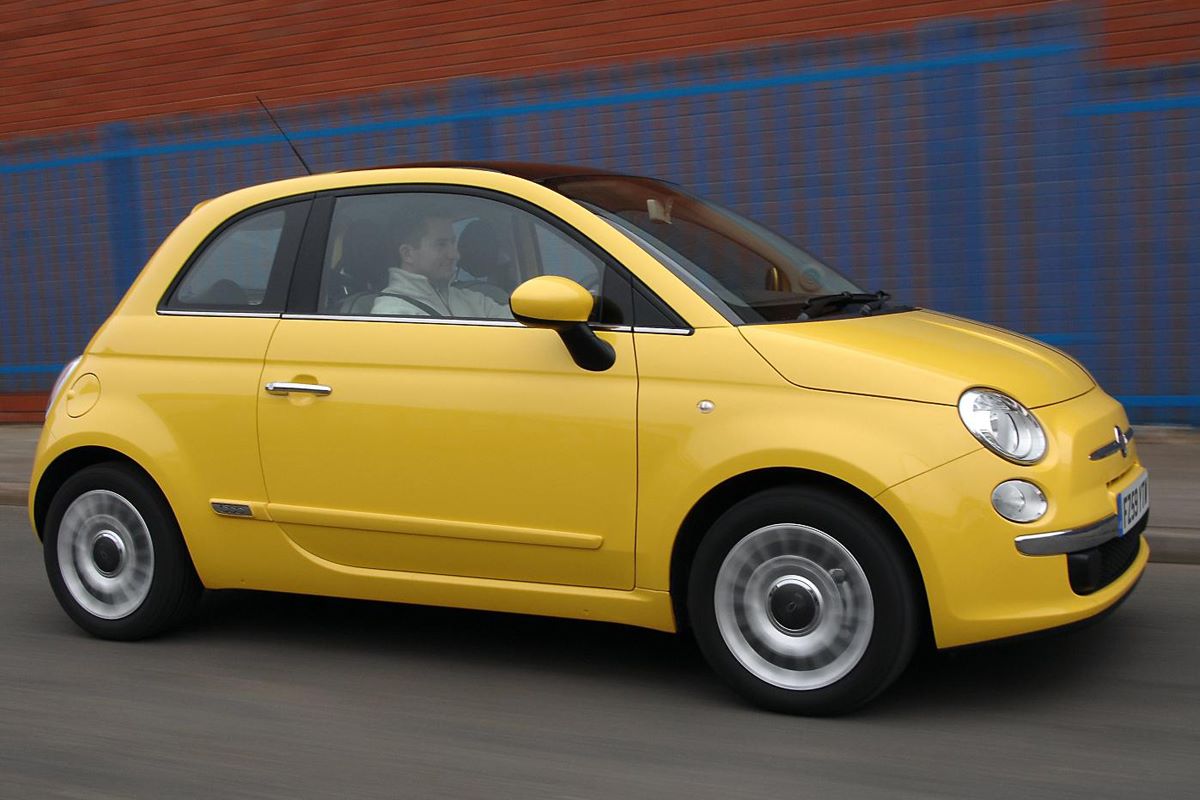
While front-seat occupants will find reasonable comfort, the rear seat is more of a decorative ledge than a usable space. The trunk doesn’t fare much better in terms of capacity.
Powering the 500 is a modest turbocharged 1.4-liter four-cylinder engine. It injects a bit of character into the driving experience, giving the car a lively feel in city settings. Still, the reality is that the 500 ranks among the slowest vehicles in its class. Its fuel economy figures are also underwhelming.
In the end, the 2019 Fiat 500 presents itself as a quirky and stylish choice for subcompact buyers, but it’s not our top recommendation. Many rivals come in at a lower price point and offer more features.
If you’re looking for extra room, four-door subcompacts like the Kia Rio or Honda Fit are worth considering. And for those set on a two-door city car, the standard Mini Cooper or the electric Fiat 500e, our preferred version over the gas-powered model, are better bets.
3. Chevrolet Spark
The Chevy Spark is among the smallest and lightest new cars sold in the U.S., weighing about 2,300 pounds. But with 98 horsepower and a transmission that prioritizes fuel economy over responsiveness, the Spark struggles to feel lively.
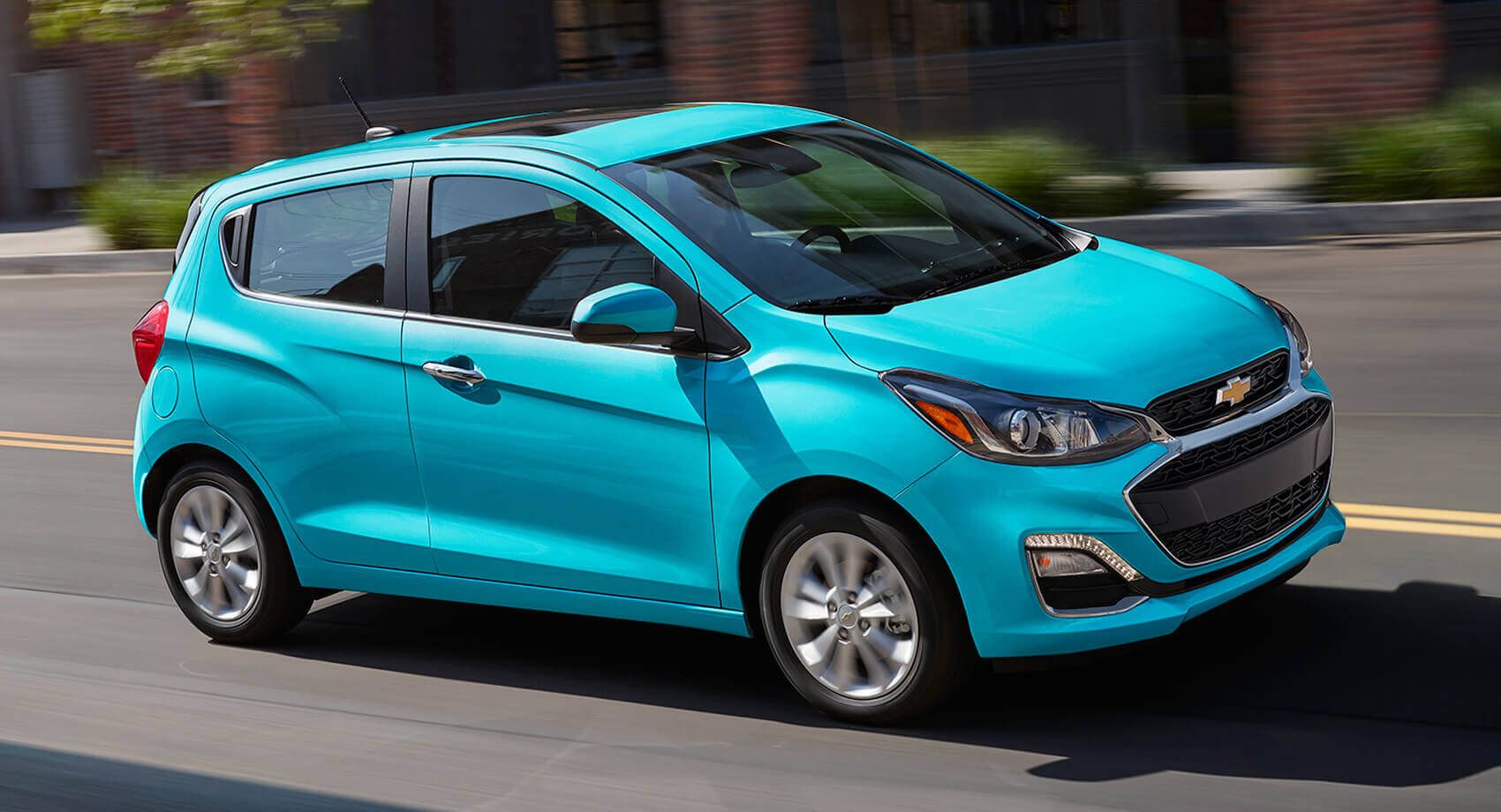
It’s competent for city driving, where its small size makes parking effortless, but once you hit open roads, it feels overwhelmed. The steering lacks feedback, and the engine runs out of breath quickly.
While practical and efficient, the Spark’s driving experience is more about getting from A to B than enjoying the journey.
The 2025 Chevrolet Spark continues to stand out as a compact car that blends cost-effectiveness with everyday usability.
Perfectly suited for urban driving and ideal for those purchasing their first vehicle, the Spark delivers a mix of practicality and contemporary features, securing its place as a strong player in the subcompact category.
Striking a notable balance between design, fuel economy, and tech, the 2025 Chevrolet Spark presents itself as a well-rounded option for budget-minded buyers in search of a dependable ride for city life.
The Spark’s exterior styling is fresh and spirited, showcasing a sleek front end with a prominent grille and eye-catching headlights.
Its small footprint makes navigating tight city streets a breeze, while the selection of bold color choices adds a layer of personalization that resonates with younger drivers.
Beneath the hood, the 2025 Spark houses a 1.4L inline-4 engine that generates 98 horsepower, enough to handle daily urban commutes with ease. Though it doesn’t lead the pack in speed, its standout fuel efficiency makes it a smart pick for those prioritizing economy over performance.
Inside, the Spark surprises with its roomy layout for a subcompact, offering comfortable seating for four adults.
The cabin features an intuitive infotainment system anchored by a 7-inch touchscreen, with Apple CarPlay and Android Auto integration. The materials used throughout the interior are of commendable quality, contributing to an enjoyable driving experience.
Safety-wise, the 2025 Spark is equipped with essential features such as a rearview camera, lane departure warning, and forward collision alert. Its strong safety ratings make it a dependable choice for families and novice drivers alike.
Chevrolet’s reputation for producing reliable vehicles is upheld by the Spark. With regular maintenance, owners can expect a long-lasting and trustworthy car that handles the demands of daily driving with confidence.
In terms of affordability, the 2025 Spark shines as a value-packed contender in its class. Despite its budget-friendly price tag, it doesn’t compromise on features or safety, making it a wise purchase for first-time buyers or those seeking a sensible city car.
The 2025 Chevrolet Spark delivers a compelling mix of practicality, dependability, and style in the subcompact segment.
Its affordability, fuel-saving performance, and up-to-date features make it a standout option for drivers who want a compact car without sacrificing quality. All in all, the Spark continues to be a competitive choice in the ever-evolving compact car landscape.
4. Smart Fortwo
At just 1,850 pounds, the Smart Fortwo is one of the lightest production cars in modern history. Yet somehow, it manages to feel slower than most compact sedans.
Its 89-horsepower turbocharged three-cylinder sounds promising, but the jerky automated manual transmission ruins the experience.
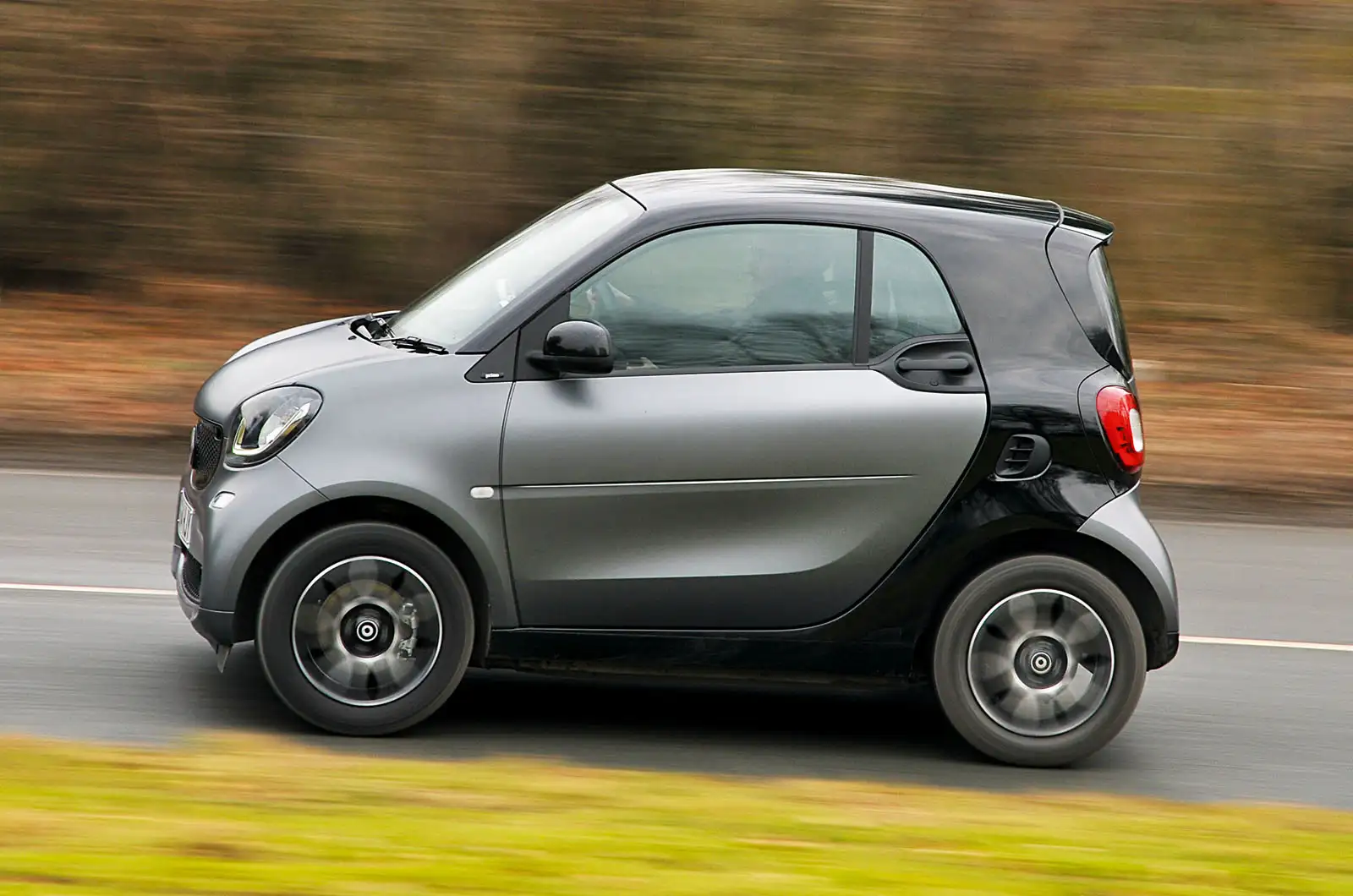
The Fortwo’s tiny footprint helps in tight city traffic, but it feels unstable at highway speeds and sluggish off the line.
Light weight only helps so much when gearing and aerodynamics work against you. For all its quirks, the Smart Fortwo is proof that small doesn’t always mean sporty.
5. Nissan Versa (Base Model)
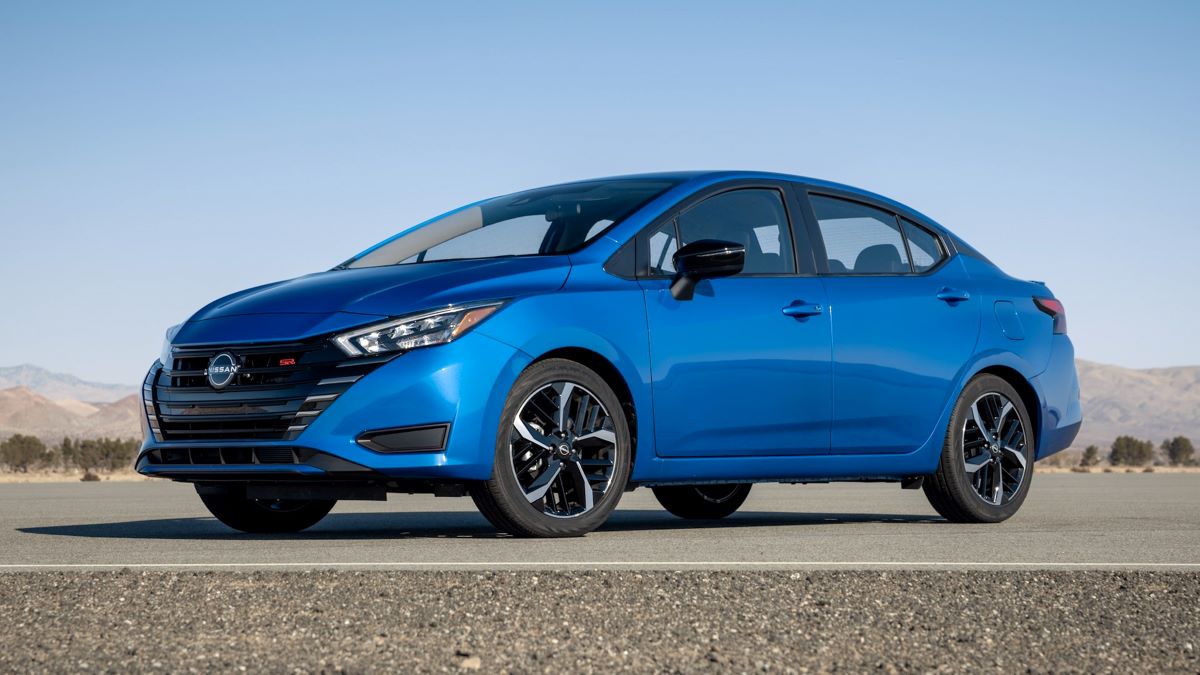
The Nissan Versa is built to be affordable and efficient, not fast or engaging. Weighing in at around 2,600 pounds, it’s light for a sedan, but its 122-horsepower engine and CVT tuning make acceleration feel distant and delayed.
While the Versa’s ride comfort is impressive for its price, the steering and throttle response feel dulled, robbing it of any sensation of speed.
It’s a solid commuter, but for anyone hoping for a lightweight car that drives with energy, the Versa doesn’t deliver the thrills.
Lightweight engineering can make a car feel faster, sharper, and more involving but only when the rest of the package complements it.
Cars like the Miata, S2000, and Lotus Elise prove that lightness paired with balance and driver engagement creates magic.
On the other hand, models like the Mirage and Smart Fortwo show that poor powertrains and numb handling can make even the lightest cars feel dull.
For American drivers seeking that “fast feel,” the lesson is clear: weight matters, but tuning, balance, and feedback matter even more. In the right car, every pound saved translates directly into fun and that’s what driving should be about.
