For many enthusiasts, the term “driver’s car” means something deeper than horsepower numbers or quarter-mile times.
It’s about feel the way a steering wheel communicates through your fingertips, how a clutch pedal bites, and how a chassis dances when you push it through a corner.
But driving pleasure often comes at a cost, and not all cars that promise excitement deliver it affordably. Some driver-focused machines reward you with affordable thrills, while others drain your wallet through maintenance, insurance, or repair bills.
Here’s a closer look at five driver’s cars that deliver pure joy without breaking the bank, and five that will leave your accountant shaking their head.
Driver’s Cars That Won’t Break the Bank
For many, the phrase “driver’s car” conjures images of exotic supercars and unobtainable six-figure machines, a fantasy reserved for the wealthy. This perception creates a formidable barrier, suggesting that genuine automotive joy, the kind forged by a perfect balance of steering feedback, agile handling, and a thrilling powertrain, has an impossibly high price of admission.
However, the truth is far more exciting for the true enthusiast. The automotive landscape is rich with vehicles that prioritize the pure, connected experience of driving, delivering immense satisfaction without demanding a crippling financial investment.
This article is dedicated to uncovering those gems: the engaging, responsive, and utterly captivating driver’s cars that steadfastly refuse to break the bank.
1. Honda Civic Si (11th Generation)
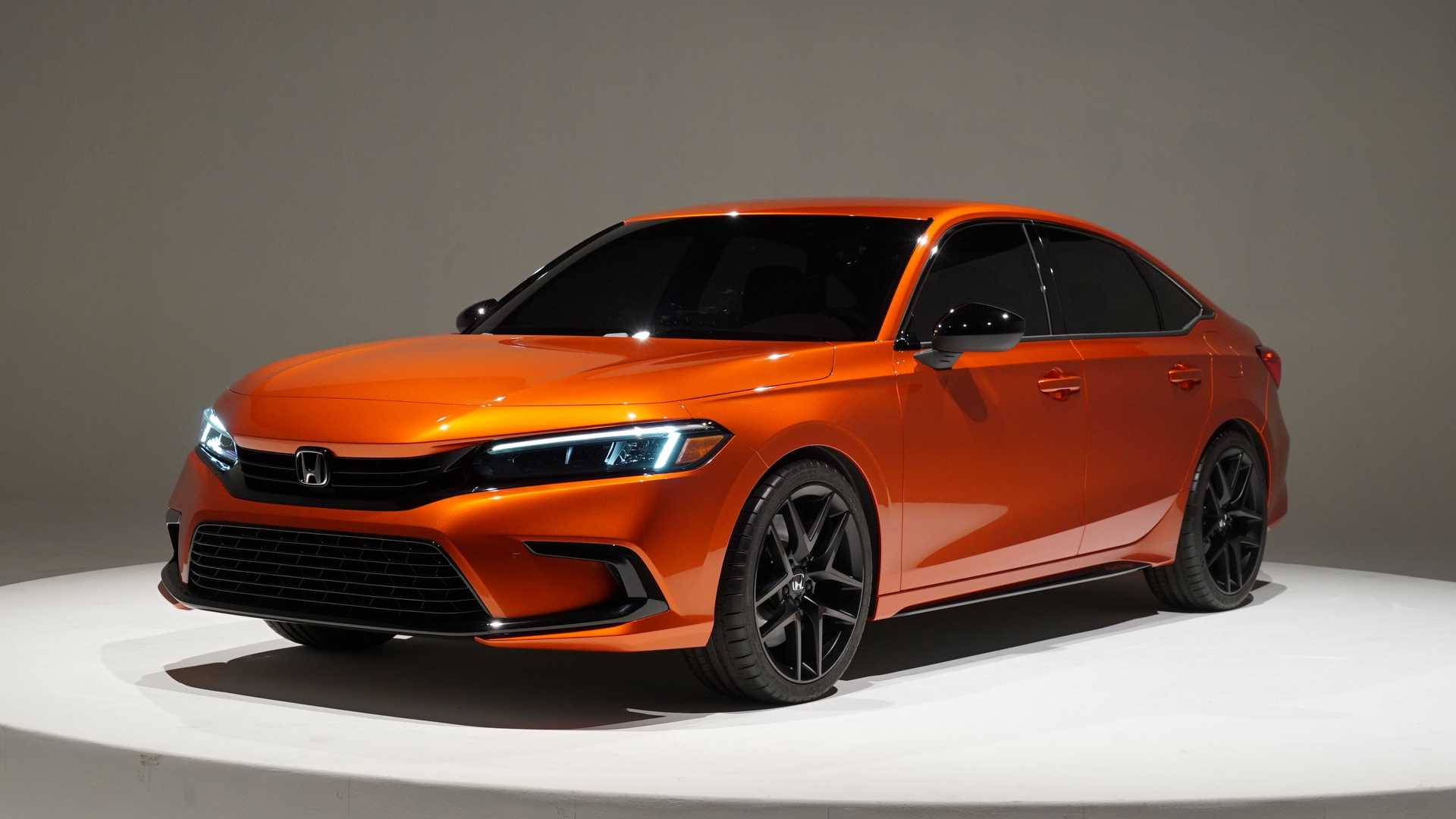
The 2022-and-newer Honda Civic Si is proof that fun doesn’t have to come with a luxury badge. For about $30,000 new, you get a turbocharged 1.5-liter engine that makes 200 horsepower, paired exclusively with a six-speed manual.
But what makes the Si a standout driver’s car is its balance it’s nimble, light on its feet, and endlessly engaging without feeling overpowered.
Honda reliability also means you can daily-drive it without worrying about expensive repairs.
Its interior feels premium for the price, and unlike many sporty compacts, it’s practical with a usable rear seat and excellent fuel economy. It’s the ideal mix of enthusiast enjoyment and everyday sensibility.
The Honda Civic is a compact vehicle accommodating five passengers, offered in both sedan and hatchback body styles. It has built a strong reputation for its agile handling and excellent fuel economy, establishing itself as a premier option for buyers seeking significant value.
Under the hood, the base powertrain consists of a 2.0-liter four-cylinder engine generating 158 horsepower, which is coupled with a continuously variable automatic transmission driving the front wheels.
Shoppers can also opt for a more spirited 180-horsepower, turbocharged 1.5-liter four-cylinder that maintains similar fuel efficiency. In the marketplace, the mainstream Civic competes directly with vehicles like the Hyundai Elantra, Kia Forte, Mazda3, and Toyota Corolla.
For those with a preference for performance, Honda offers the Civic in Si and Type R variants. The sport-tuned Si is exclusively a sedan and is equipped with a 200-horsepower iteration of the turbocharged 1.5-liter engine.
The more extreme, racetrack-oriented Type R commands a considerably higher price; it is sold solely as a four-seat hatchback and draws its power from a 315-horsepower, turbocharged 2.0-liter four-cylinder. A six-speed manual is the only transmission offered in the Si and Type R.
2. Ford Fiesta ST
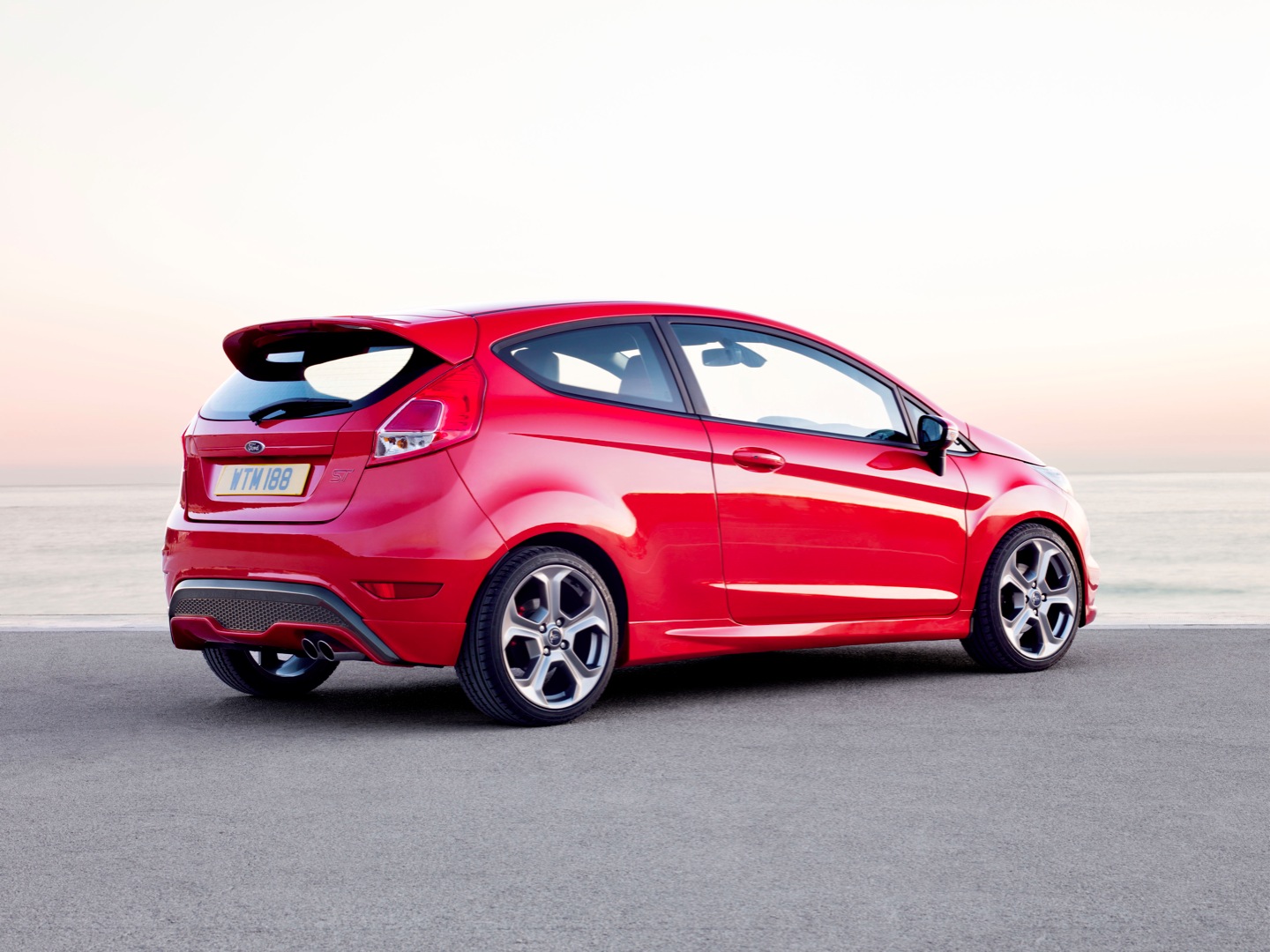
Though discontinued in the U.S. after 2019, the Ford Fiesta ST remains a favorite among budget-minded enthusiasts shopping the used market.
The turbocharged 1.6-liter EcoBoost engine packs 197 horsepower, and the car’s sub-2,800-pound weight makes it a blast to toss around tight corners. The short wheelbase and playful chassis tuning give it a go-kart-like feel few modern cars replicate.
You can still find clean examples for under $15,000, and maintenance costs are minimal. The interior feels basic, but every time you rip through the gears on a backroad, you won’t care. It’s an affordable reminder that great driving experiences don’t require deep pockets.
Also Read: 5 Hidden Gem Convertibles vs 5 Popular Convertibles With Leaky Tops
3. BMW 128i (E82)
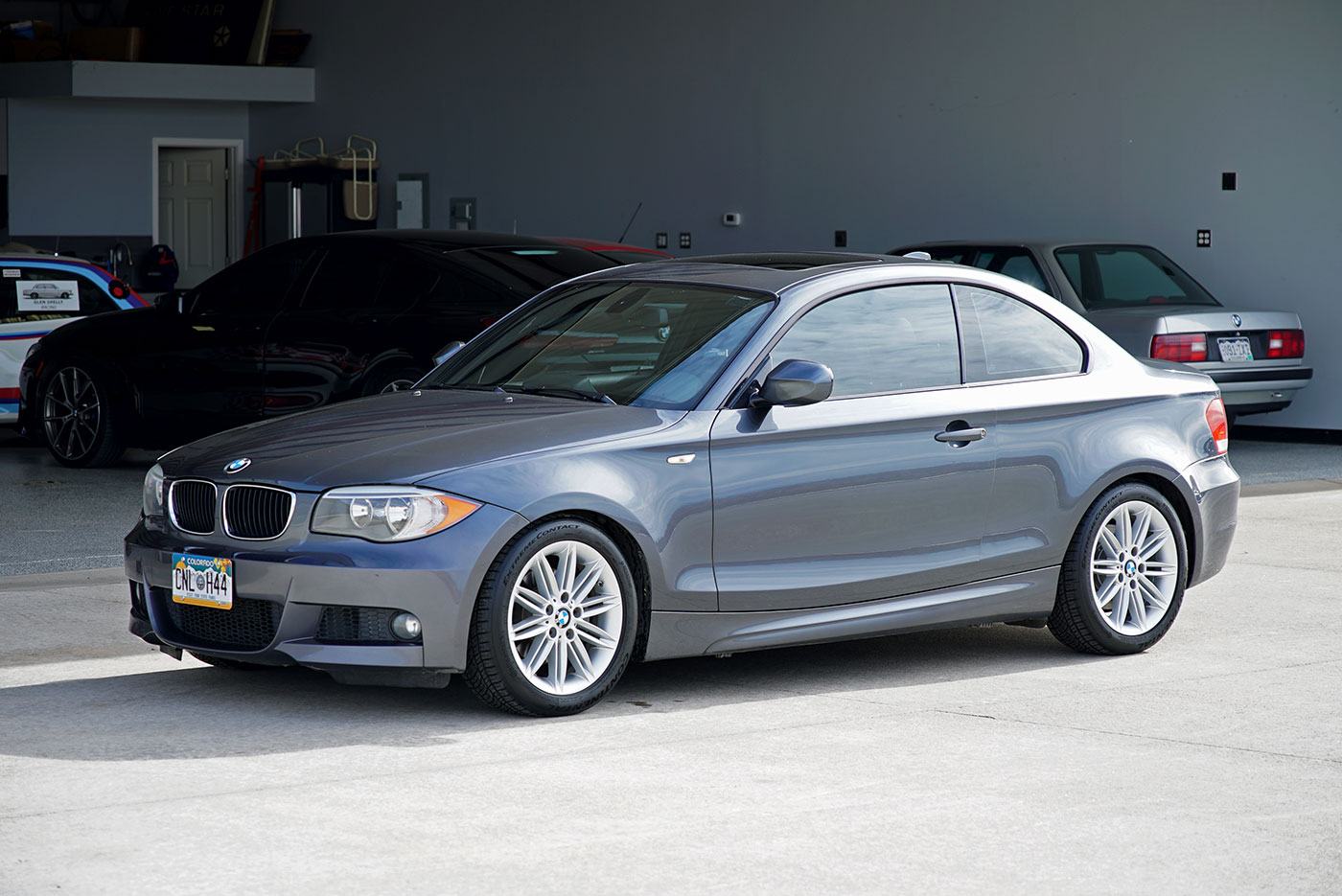
Before BMW chased turbocharging and tech-heavy luxury, it made small, naturally aspirated gems like the 128i. Built from 2008–2013, the E82 coupe came with a 3.0-liter inline-six engine making 230 horsepower and one of the sweetest exhaust notes this side of an M car.
It’s rear-wheel drive, compact, and available with a manual everything a purist could want.
Used prices hover around $10,000–$15,000, and maintenance isn’t terrible if you find a well-kept example. It’s not as flashy as a 135i, but its simpler powertrain means fewer turbos and electronics to fail.
For enthusiasts seeking an old-school BMW driving experience on a budget, the 128i delivers timeless joy at a fraction of the cost.
We have previously provided extensive coverage on the formidably powerful, 300-horsepower 135i variant of BMW’s new 1-series coupe, a model that is, in essence, a smaller 3-series, one of our perennially favored automobiles.
Utilizing powertrains shared with the larger and somewhat heavier 3-series provides an excellent foundation, and the twin-turbo 135i delivers performance figures worthy of a magazine cover, accelerating to 60 mph in 4.7 seconds and completing the quarter-mile in 13.3 seconds, results that come remarkably close to the swiftness of the previous-generation, 333-hp E46 M3.
Our overall impression was positive, though it is worth noting the price of our well-appointed test vehicle reached $42,895, a figure that ventures uncomfortably near the cost of a 335i coupe.
In all honesty, many of us found ourselves more captivated by the less costly and more fuel-conscious 128i. This model is powered by the refined 230-horsepower inline-six and paired with a six-speed manual transmission, both borrowed directly from the 328i.
This notably efficient powerplant employs lightweight aluminum-and-magnesium construction and is managed by a system that varies valve lift (a technology BMW calls Valvetronic) in place of a conventional, less efficient throttle plate.
The confluence of a $29,425 base price, which is $6300 less than a 135i and $7000 below a 328i coupe, superior fuel economy (with EPA ratings of 18 mpg city/28 mpg highway versus 17/25), and abundant power leads us to typically regard the 128i as the more intelligent purchase.
As one might expect, the 128i inherits many of the commendable virtues of the 3-series. The cabin’s materials, fit, and finish make it feel just as premium as a 3-series on the inside; the sole concession is the hard plastic situated on top of the gauge pod.
Our test car was optioned with a restrained hand, resulting in a nearly perfect specification with a price of $32,125. This included the $1300 Sport package, $500 for wood trim, $500 for heated front seats, and $400 for iPod and USB integration with the stereo.
As is the case in the 3-series, the 12-way-adjustable front seats included in the Sport package are among the finest in the industry, masterfully striking a difficult balance between comfort for long journeys and support for aggressive driving on twisting roads; even our taller drivers discovered ample space. Power adjustment is a $995 extra, but we found no issue with manually adjusting these superb seats.
The 128i achieves savings not only in cost but also in mass. Our test vehicle, weighing 3197 pounds, was 223 pounds lighter than the 135i we evaluated and also boasted a more balanced front-to-rear weight distribution.
Furthermore, its performance feels entirely sufficient, achieving 0-to-60-mph in 5.8 seconds and covering the quarter-mile in 14.5 seconds at 96 mph. Both of these times are 0.3 second quicker than those of a 328i.
4. Mazda MX-5 Miata (ND Generation)
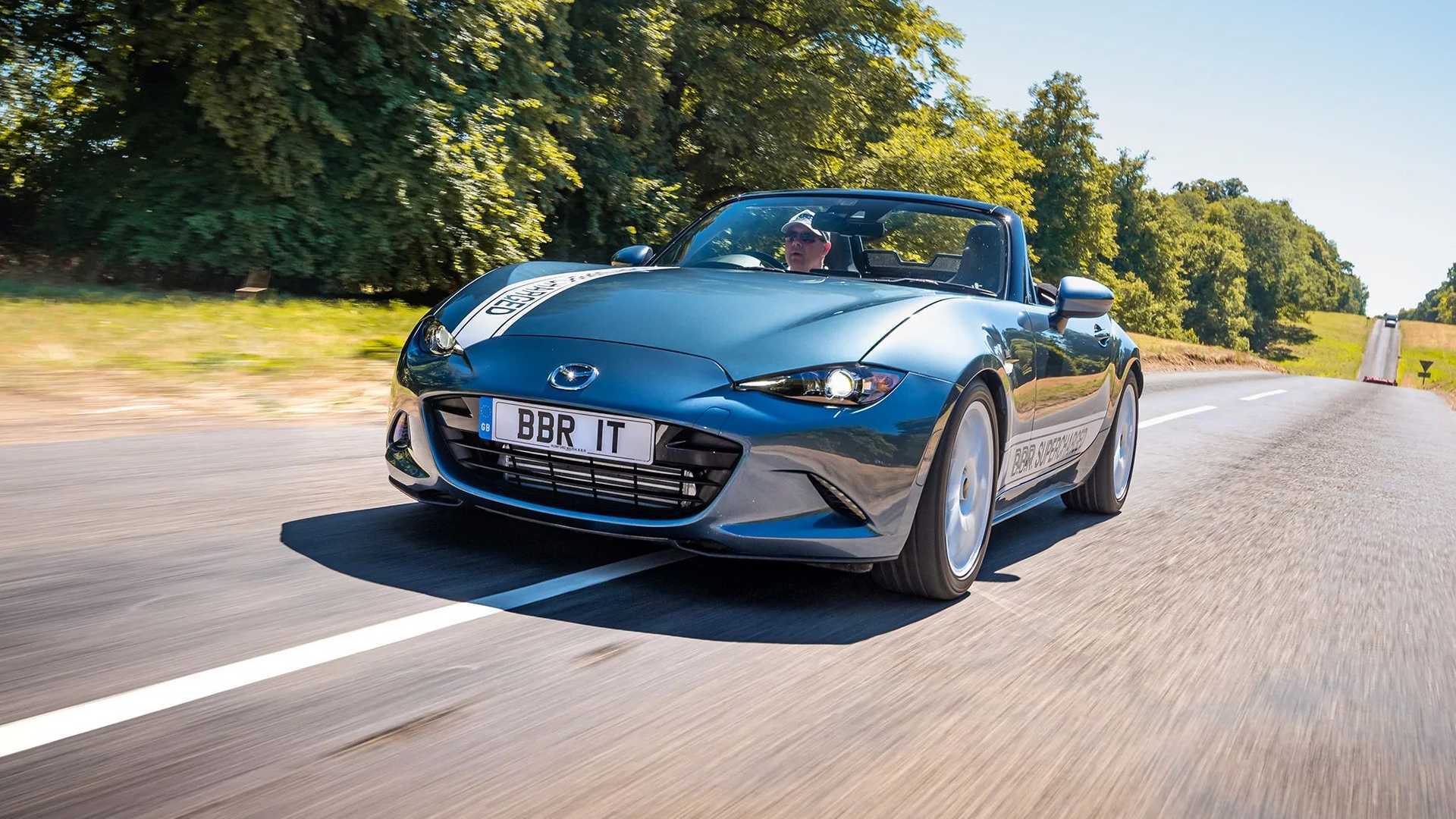
No list of affordable driver’s cars would be complete without the Miata. The ND generation (2016–present) continues the legacy of lightweight fun, offering a curb weight just over 2,300 pounds and a near-perfect 50:50 weight balance.
The steering is light yet communicative, the manual gearbox is snappy, and the open-top design enhances every drive.
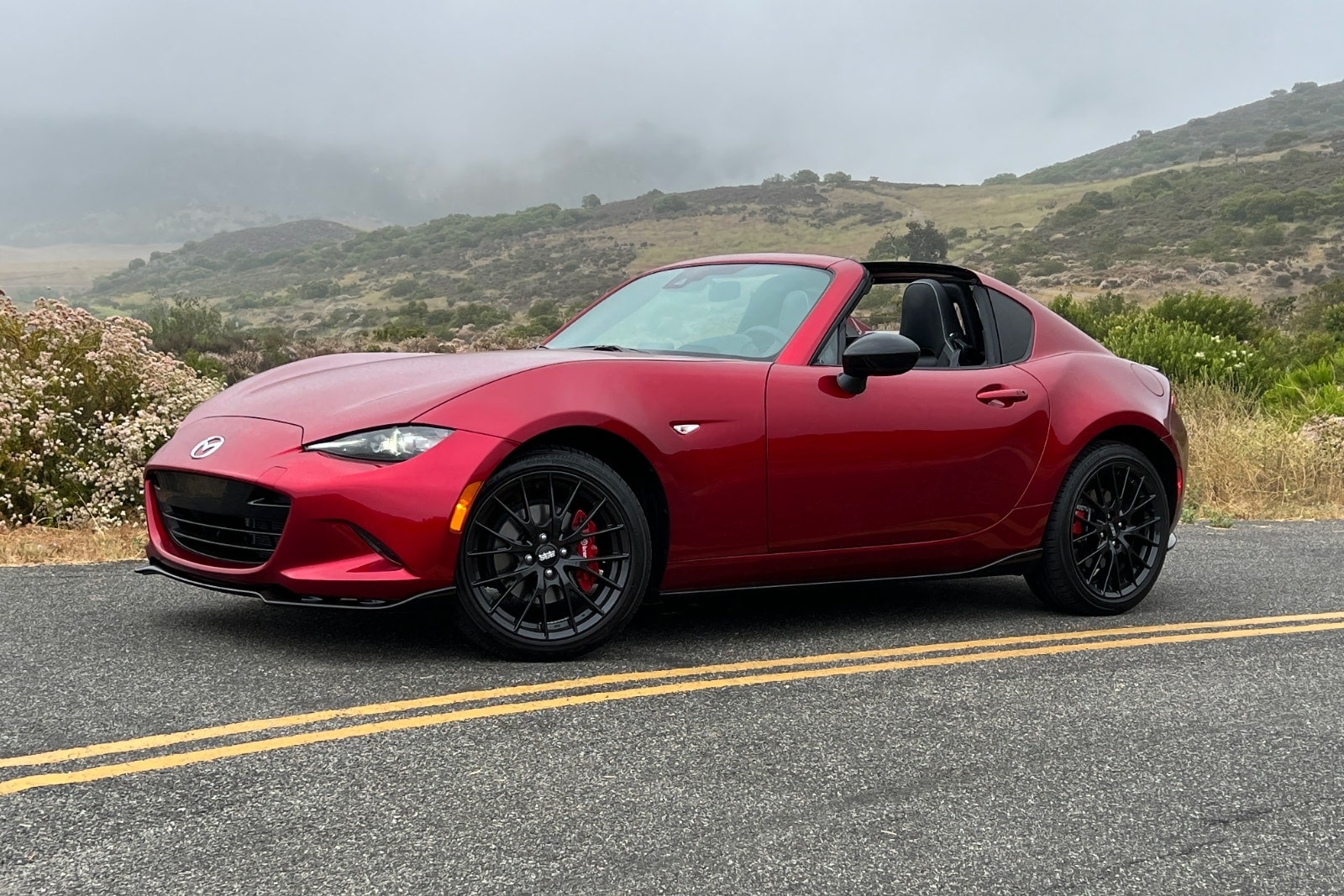
What makes the Miata special isn’t brute power its 181 horsepower doesn’t sound impressive on paper. Instead, it’s the purity of connection between driver and machine.
Maintenance costs are low, aftermarket parts are plentiful, and fuel economy is surprisingly good. For under $30,000 (even less used), there’s nothing that delivers more smiles per dollar in the U.S. market.
The Mazda MX-5 Miata is propelled by a 181-horsepower, 2.0-liter four-cylinder engine that operates with either a standard six-speed manual or an optional six-speed automatic transmission.
The essential, rear-wheel-drive two-seater features a standard manual-folding soft-top, while the innovative yet more expensive RF model incorporates a power-folding retractable hardtop that, when raised, gives the car the appearance of a sporty coupe. The MX-5’s main rivals are the Toyota GR 86 and the Subaru BRZ.
As for whether you should buy it, if you can justify spending nearly $29,000 on a highly impractical car, it is a fantastic option. The MX-5 Miata is thrilling to drive and remains fuel-efficient, though taller drivers will find the cabin to be a tight fit and the trunk is minuscule, capable of holding little more than a pair of soft bags for a weekend trip.
5. Subaru BRZ/ Toyota GR86
The twin coupes from Subaru and Toyota have redefined affordable rear-wheel-drive performance for a new generation.
Priced in the low $30,000s, they offer a high-revving 2.4-liter flat-four, a slick six-speed manual, and sharp handling dynamics thanks to their low center of gravity. These cars are balanced, tail-happy when you want them to be, and perfectly composed when you don’t.
They’re also relatively inexpensive to maintain compared to turbocharged competitors. The simple naturally aspirated setup means fewer costly failures, and insurance premiums aren’t outrageous for most drivers.
Whether you’re carving canyons or hitting weekend autocross events, the BRZ and GR86 represent true driver’s cars that remain financially reasonable.
The Subaru BRZ, along with its nearly identical sibling, the Toyota GR86, has been widely celebrated as the triumphant return of the budget-friendly sports coupe.
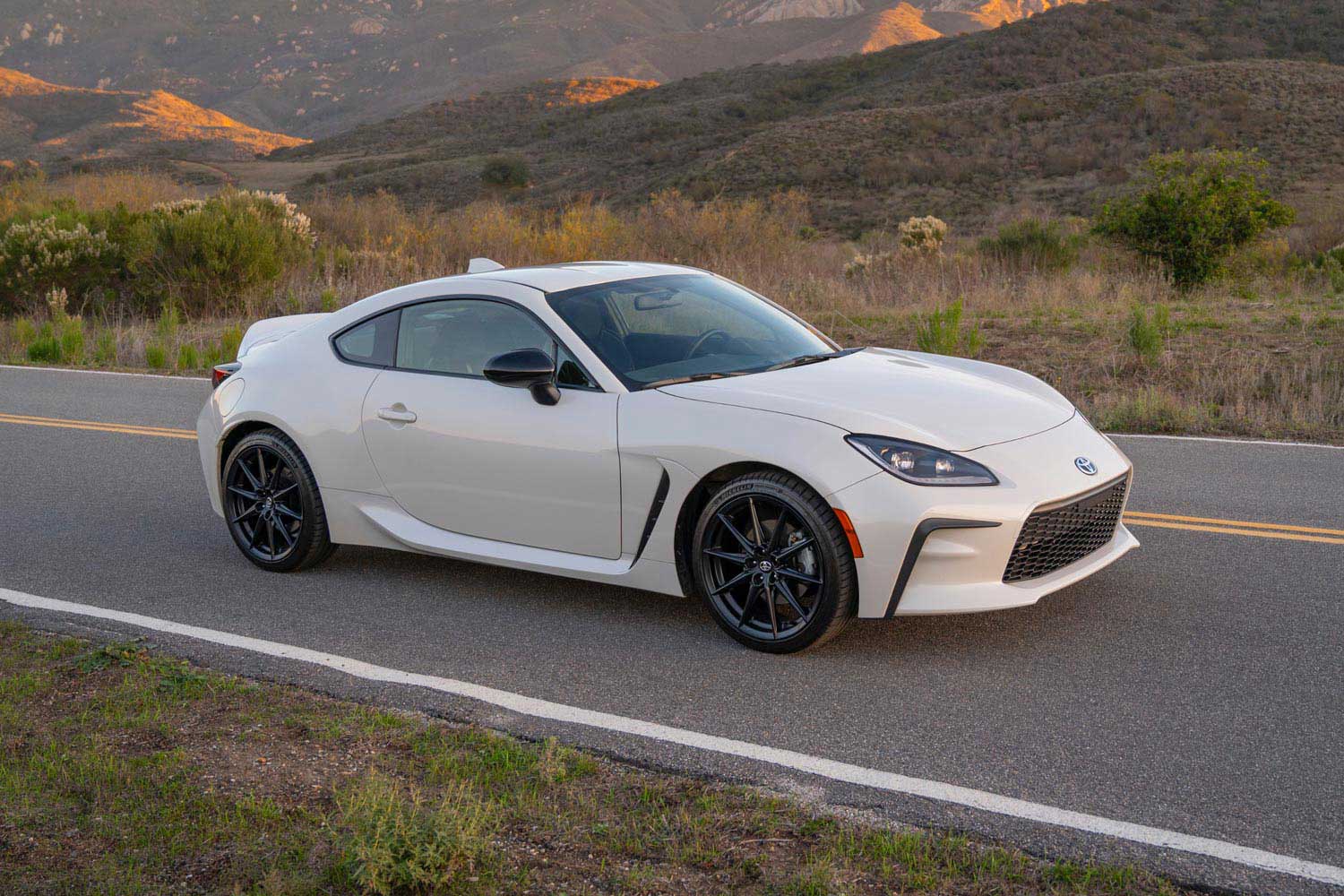
Every element crucial to a genuine driver’s car, abundant communication through the steering wheel, a manageable chassis with forgiving limits, and a standard manual gearbox, is present and expertly executed.
This Subaru’s interior is technically configured as a 2+2, but in our assessment, the rear seats are more practically used for storing luggage. Although the cabin isn’t particularly luxurious or opulently appointed, it is functional and comfortable enough for daily use; ultimately, your attention should be on the driving experience.
Beyond its Toyota counterpart, there are virtually no other fixed-roof sports cars available in this price range. The most compelling alternative is the Mazda MX-5 Miata, which you can get with a soft top or the RF model’s retractable, targa-style roof panel, but it cannot compete with the BRZ and GR86 when it comes to interior and cargo space.
Also Read: Top 10 Cars That Outlive Their Luxury Competitors
Driver’s Cars That Will Break the Bank
There exists a rarefied echelon of automobiles where the pursuit of driving perfection acknowledges no earthly constraints. These are not merely vehicles; they are engineering manifestos, rolling testaments to speed, technology, and exclusivity, crafted for those for whom cost is an afterthought.
In this realm, the sensations are purer, the forces more intense, and the capabilities are simply untouchable by common machinery. But such transcendent performance carries an equally supreme price, one that extends far beyond a staggering initial purchase into the realms of maintenance, insurance, and depreciation.
This article is a celebration and a cautionary tale, exploring the world’s most captivating driver’s cars, machines so extraordinary, so intoxicating, and so brutally expensive that they are unequivocally destined to break the bank.
1. Porsche 911 Carrera (996 and 997 Generations)
Porsche’s 911 has always been a benchmark for driver engagement but it’s also a masterclass in how expensive “fun” can get.
Even older 996 or 997 models (late ’90s to late 2000s) come with potential wallet-busting issues like IMS bearing failures, coolant leaks, and sky-high parts prices.
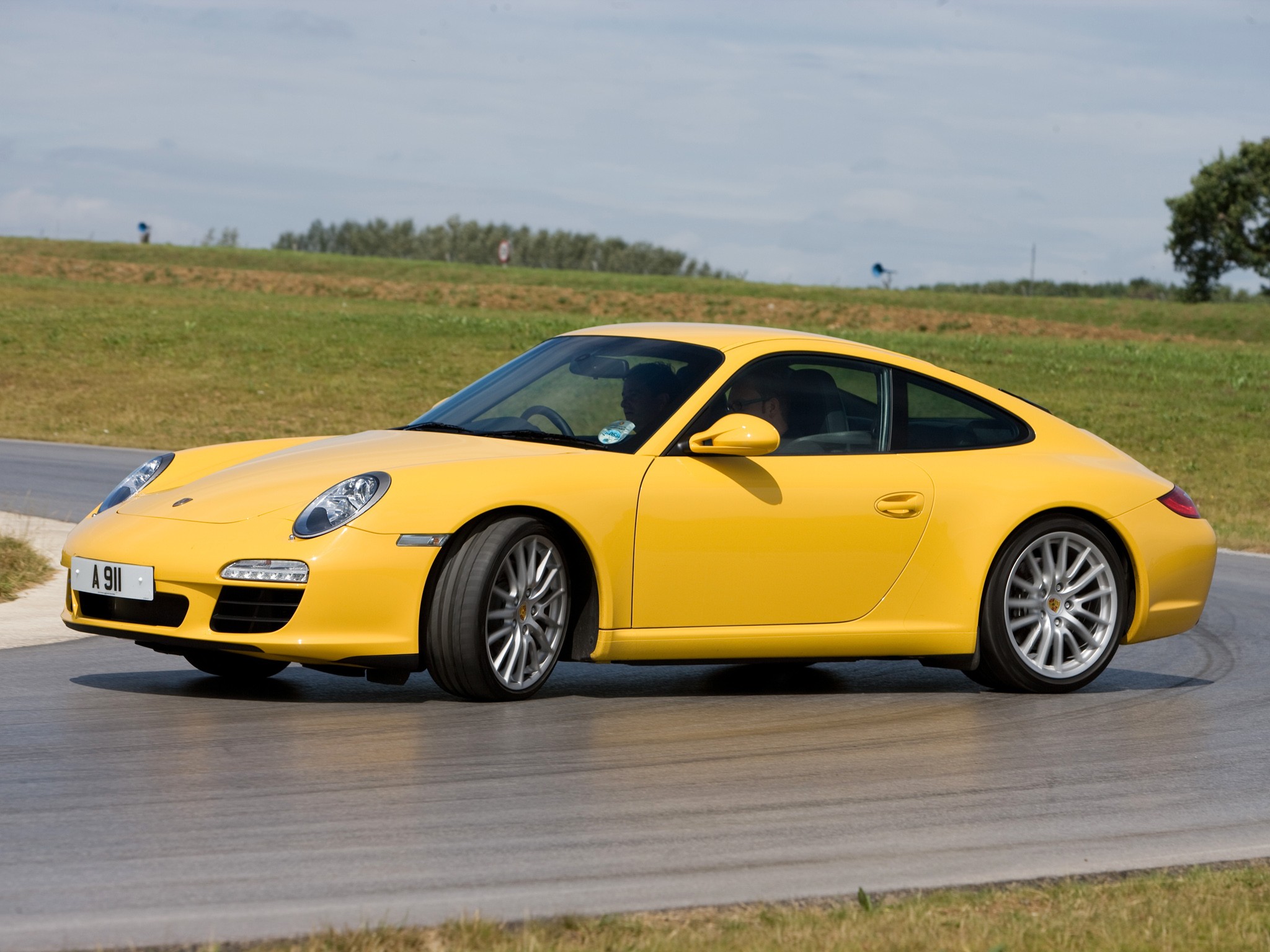
While a clean 997 offers a sublime steering feel and flat-six soundtrack, ownership costs often exceed expectations.
Oil changes, clutch replacements, and tires cost significantly more than comparable sports cars. It’s the kind of car you buy with your heart, not your budget spreadsheet.
2. Alfa Romeo 4C
The Alfa Romeo 4C looks like an Italian supercar and sometimes, it costs like one to maintain. The lightweight carbon-fiber chassis and mid-engine layout make it a thrilling driver’s car, but the combination of limited production and exotic construction leads to eye-watering repair bills. Even simple parts can take weeks to source.
While the 4C’s steering feedback and raw driving character are sensational, it’s not a car you can comfortably daily-drive or cheaply maintain. At around $60,000 used, it’s beautiful but brittle the kind of toy best left for sunny weekends and big repair budgets.
The 2018 Alfa Romeo 4C offers an experience that is the modern equivalent of driving a classic, vintage sports car. This mid-engine Italian thoroughbred is raw and unforgiving, offered in both coupe and Spider (convertible) body styles.
Neither version could be considered even remotely practical for everyday use, unless your daily drive consists of lapping a race circuit. For all its imperfections, or perhaps precisely because of them, the Alfa Romeo 4C is an addictive, intoxicating, and simply outrageous machine to pilot.
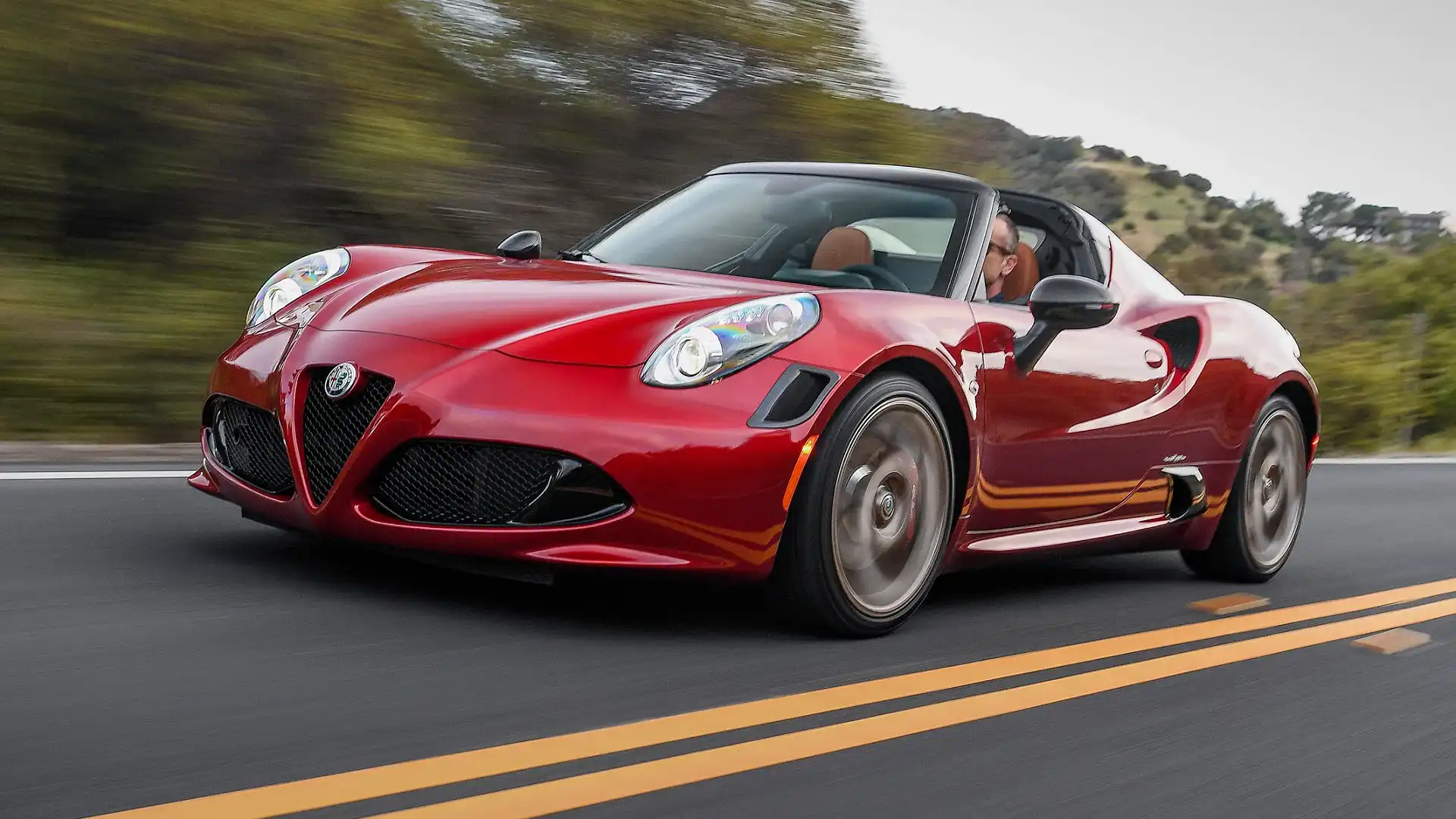
Mounted directly behind the 4C’s passenger compartment is a turbocharged 1.7-liter four-cylinder engine that sends 237 horsepower to the rear wheels through a six-speed dual-clutch automatic transmission.
While few automobiles feel like they need a manual gearbox option more than the 4C does, the provided automatic is never reluctant to help propel this lightweight Alfa forward with urgency.
The powertrain exhibits an old-school characteristic of turbo lag, placing the onus on the driver, rather than on intrusive electronic aids, to judge the correct moment to apply full throttle.
The 4C’s handling is nothing short of electrifying; it darts through corners with the agility of an open-wheel race car. At low velocities, however, the steering is exceptionally heavy, making routine parking maneuvers frustratingly time-consuming and spatially challenging to complete.
3. BMW M3 (E92 and F80 Generations)
The BMW M3 is the quintessential driver’s sedan sharp, fast, and balanced. But owning one long-term can be financially brutal.
The E92’s naturally aspirated V8 sounds glorious but suffers from rod bearing and throttle actuator issues, both of which can cost thousands to fix. The F80’s twin-turbo six adds complexity and even pricier maintenance.
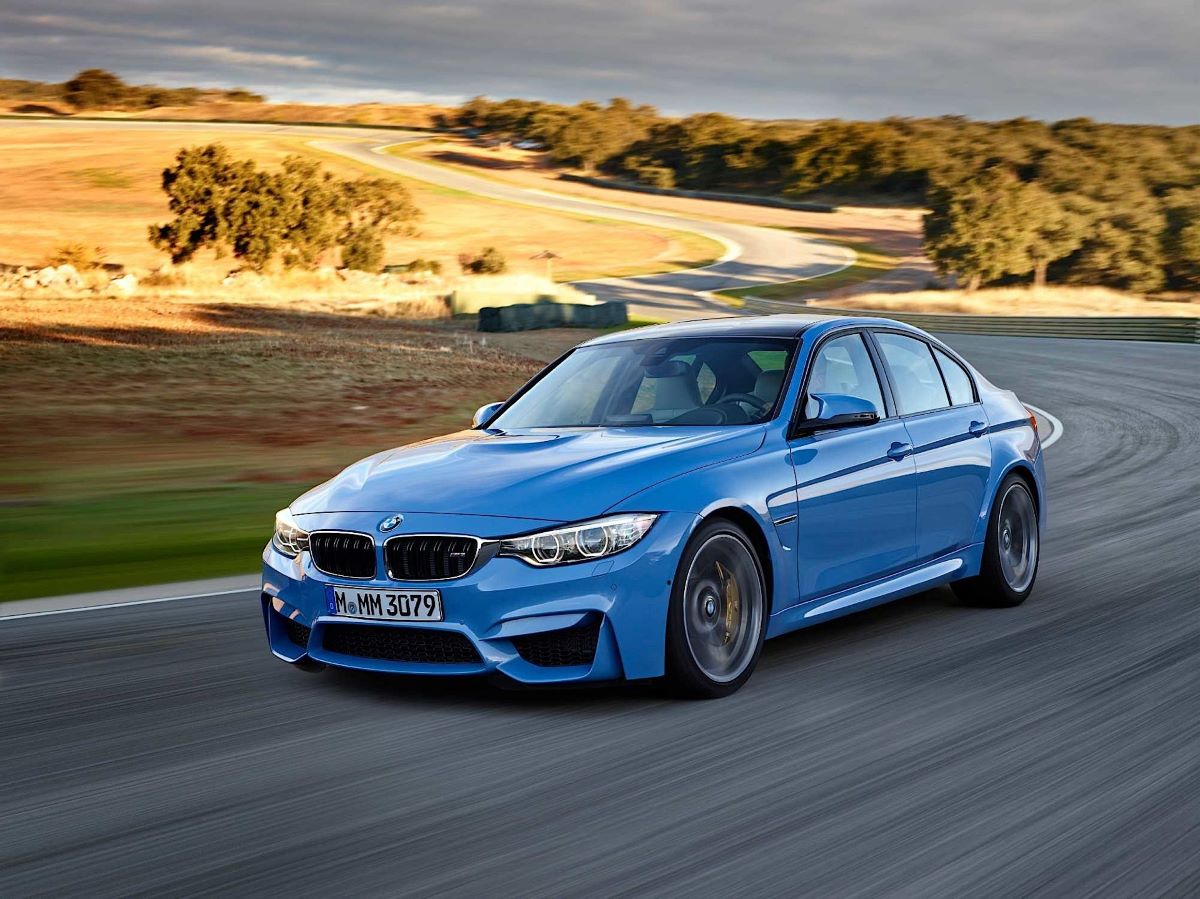
Beyond mechanical risks, consumables like tires, brakes, and fluids are expensive thanks to the car’s performance envelope.
While an M3 is intoxicating to drive, it’s not a budget-conscious choice unless you’re ready to spend M-level money for upkeep.
4. Lotus Evora
Few cars channel pure driving feel like a Lotus. The Evora, with its mid-engine balance and Toyota-sourced V6, delivers sublime steering and agility.
Unfortunately, even though some parts come from Toyota, everything Lotus-specific from suspension components to body panels carries a steep premium.
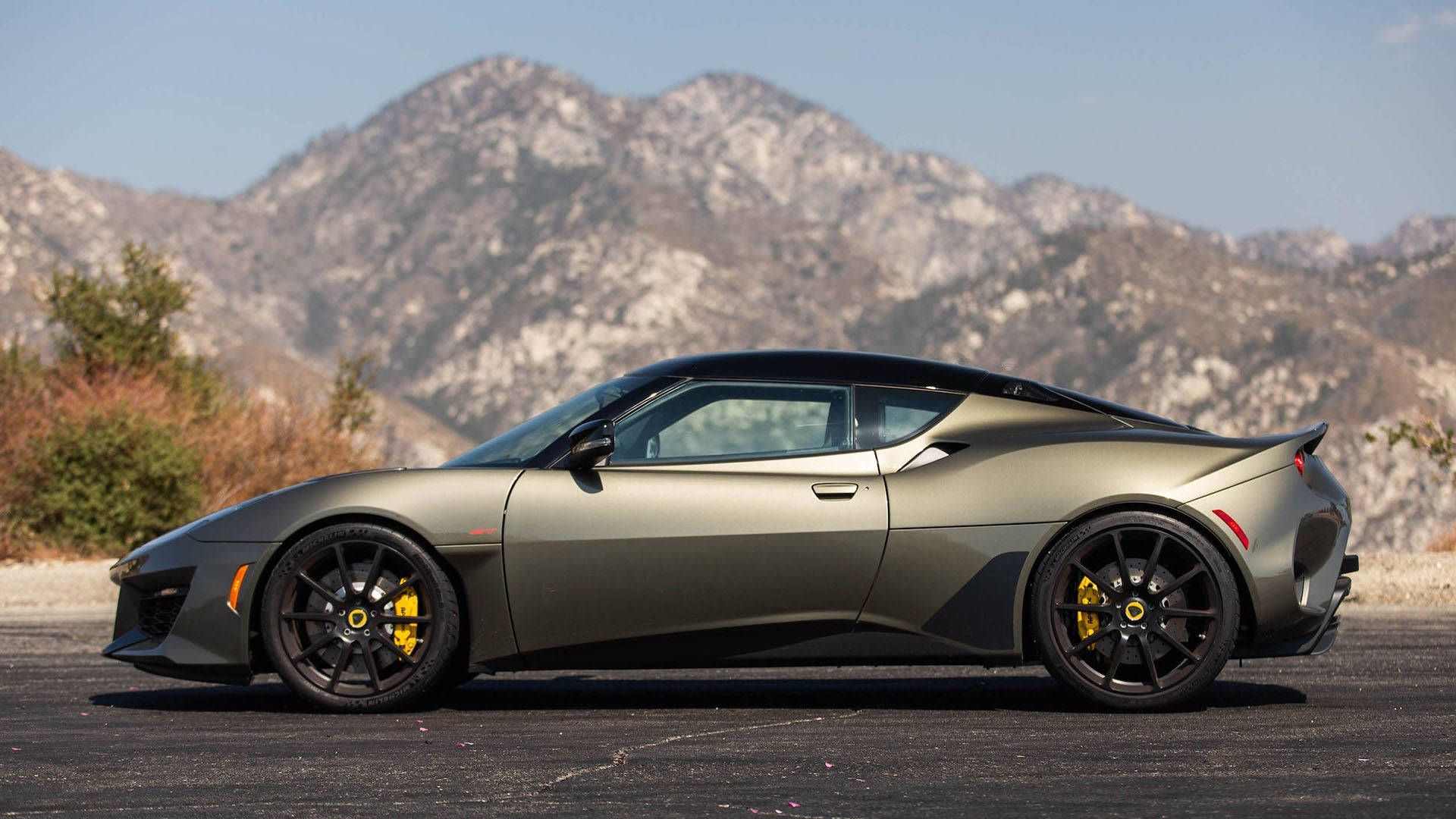
Insurance, labor, and rarity push ownership costs into exotic territory. It’s a driver’s car through and through, but it requires a deep wallet to keep running smoothly.
For many enthusiasts, the Evora is a dream car just one that demands supercar-level financial commitment.
Following a seven-year presence in the marketplace, the Evora matured into a refined iteration, developed increased power, and received a revitalized design that distanced its appearance from that of an Elise with a permanent roof.
When Sir Colin Chapman established Lotus in 1948, his philosophy was to build lightweight sports cars, a principle that became a lasting legacy for every subsequent vehicle the manufacturer produced. Although the company changed ownership on multiple occasions, this foundational ethos persisted and was clearly evident in the 2015 Evora 400.
Its front end displayed a fully restyled appearance. The manufacturer incorporated LED daytime running lights into the side scoops that bordered the wide, angular central grille.
The headlights featured a less organic and more sharply defined shape, while the profile of the British sports car revealed an uncommonly long cabin for a two-seat coupe, culminating in a steeply raked tailgate at the rear.
Furthermore, the rear quarter panels boasted redesigned air intakes on their upper surfaces and a more pronounced, muscular contour. Finally, the rear of the vehicle was fitted with a wing, an element essential for aerodynamic performance.
The extended cabin was, in fact, a necessity, as Lotus intended to create a 2+2 seating arrangement. Consequently, the Evora stood as one of the few mid-engine vehicles on the market that could offer such a configuration, a feature the 2015 model continued.
While those rear seats were only genuinely suitable for a child seat or a handbag, their inclusion served tax-related purposes in several European nations. In the front, the sports seats reinforced the car’s character, and the instrument cluster was tidily arranged with two large dials for the speedometer and tachometer, flanked by liquid-crystal, monochrome displays.
The manufacturer also installed a satellite-navigation infotainment unit on the center stack. Lotus positioned the Evora 400 as its flagship model, engineered with comfort and daily usability in mind.
Its mid-mounted powerplant was a supercharged 3.5-liter unit sourced from Toyota and enhanced by Lotus to produce 400 PS (396 hp). This power was directed to the rear wheels through a six-speed manual transmission, with an optional six-speed automatic featuring manual override via two paddle-shifters mounted behind the steering wheel.
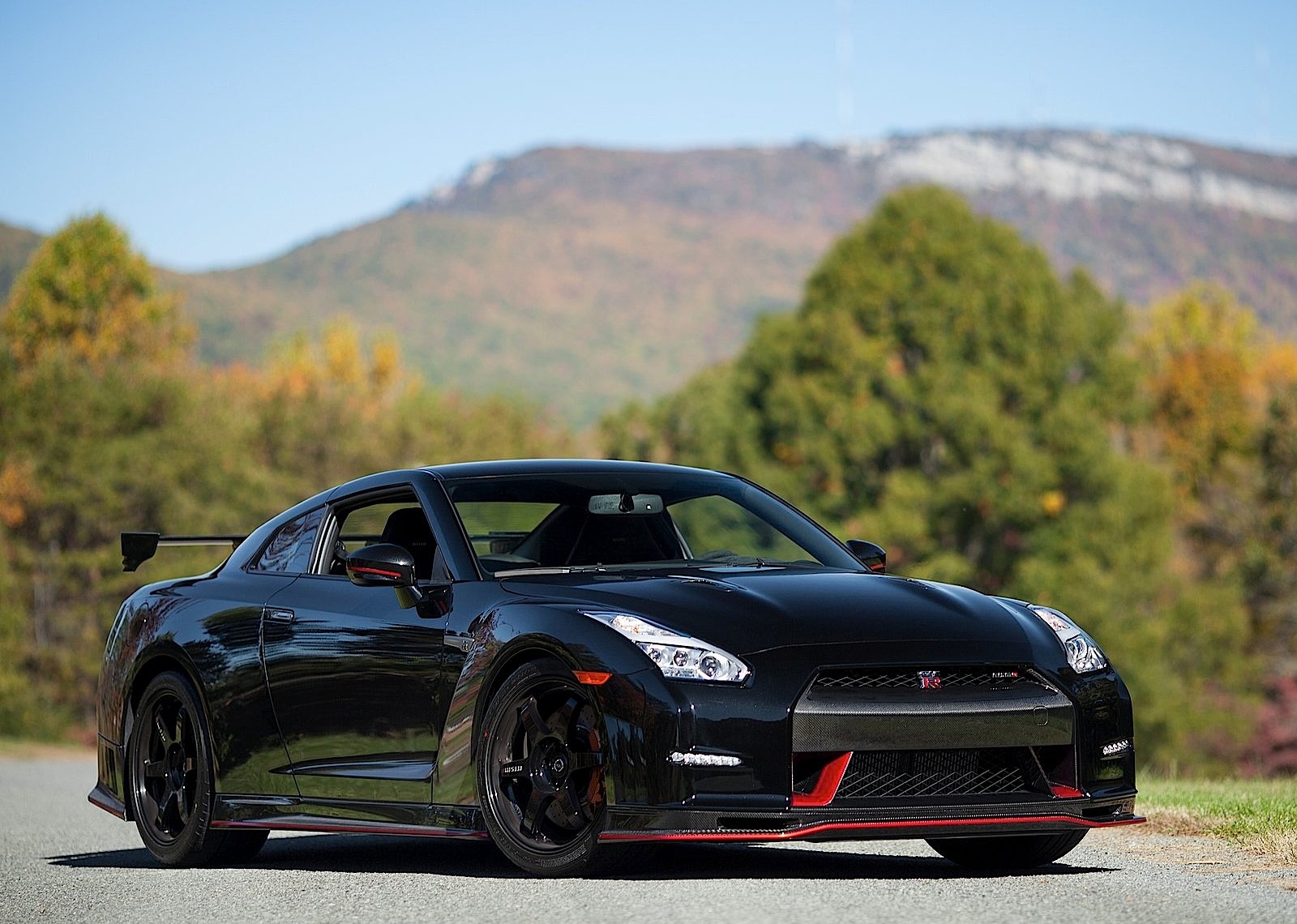
5. Nissan GT-R (R35)
The R35 GT-R redefined performance when it launched in 2009, offering supercar acceleration for half the price.
But while its performance per dollar remains unmatched, its maintenance costs are anything but budget-friendly. The GT-R’s dual-clutch transmission requires specialized fluid and service, and replacement parts come with supercar pricing.
Tires, brakes, and even minor services can cost thousands. Though it’s a brutally effective performance machine, it’s also a complex one with costs that rival Porsches and McLarens. In short, the GT-R might win on track, but it’ll lose the affordability race every time.
The best driver’s cars don’t necessarily come with sky-high horsepower or six-figure price tags. True driving enjoyment lies in engagement in how a car feels when you push it, not how fast it goes on paper.
The Mazda Miata, Subaru BRZ, and Honda Civic Si prove that accessible performance is still alive and well in the U.S. market.
But on the flip side, cars like the Porsche 911 and Nissan GT-R remind us that performance often comes with hidden costs.
If you crave pure connection between car and driver, the budget-friendly options deliver plenty of joy without the financial pain.
After all, driving passion shouldn’t depend on the size of your bank account just your love for the open road.