When it comes to car shopping in the U.S. today, safety is one of the top priorities for buyers and automakers know it.
Every brand loves to brag about “advanced safety technology” and “intelligent driver assistance,” but the truth is, not all systems are created equal.
Some brands invest heavily in sensors, machine learning, and real-world testing, while others simply use flashy buzzwords to make outdated systems sound new.
To help you separate genuine innovation from marketing fluff, here’s a breakdown of five cars with truly advanced safety tech and five that mostly rely on hype.
Cars With the Best Safety Tech
Your next car shouldn’t just protect you in a crash; it should do everything in its power to avoid the crash altogether. This is the promise of advanced driver-assistance systems (ADAS), the collective name for the brilliant safety technologies transforming our driving experience.
From highway driving that’s almost effortless to city commutes with an extra set of digital eyes, the right safety features reduce stress and, most importantly, save lives. In this article, we cut through the jargon to highlight the cars that offer the most comprehensive, reliable, and user-friendly safety suites, helping you make an investment in security that pays dividends with every mile.
1. Volvo XC90
Volvo has long been synonymous with safety, and the XC90 keeps that legacy alive with technology that goes beyond standard driver assists.
Its Pilot Assist system combines adaptive cruise control and lane-keeping in a way that feels almost intuitive it reads lane markings smoothly, anticipates curves, and automatically maintains a safe distance in traffic.
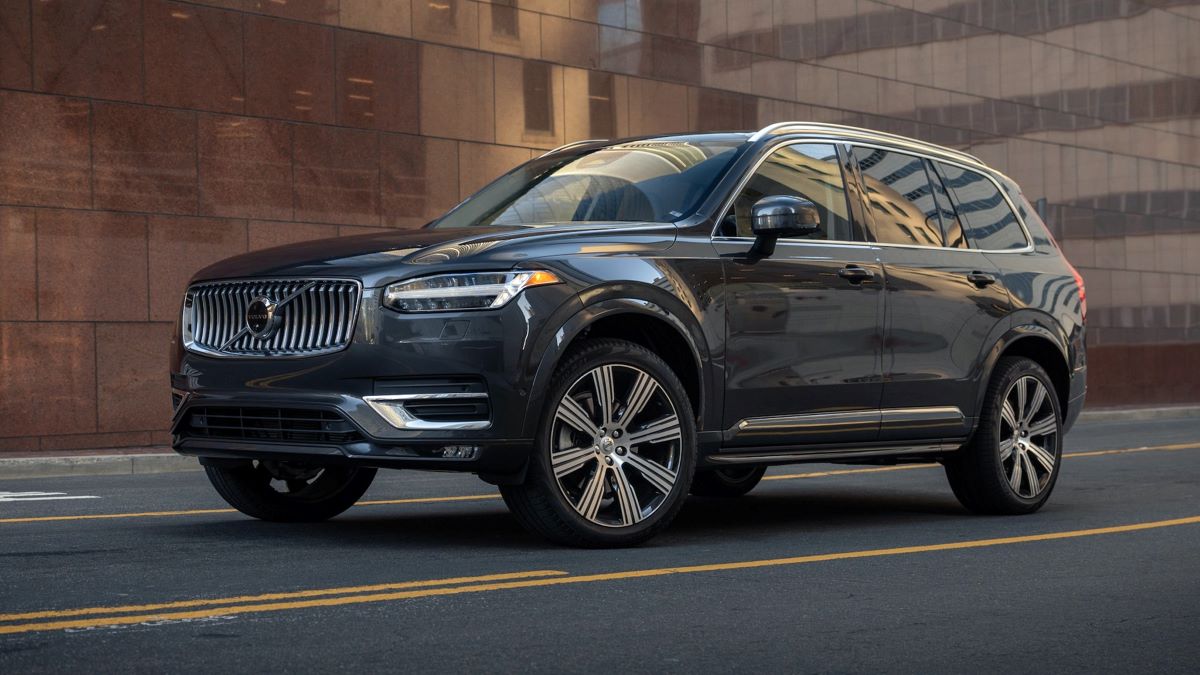
Volvo’s City Safety feature can detect pedestrians, cyclists, and even large animals, applying brakes automatically if you fail to react in time.
What sets it apart is how naturally these systems work together, minimizing false alarms and offering one of the most refined semi-autonomous experiences short of a Tesla or Mercedes EQ model.
The Volvo XC90 offers a relaxed driving experience that puts ride comfort over handling finesse. Suspension improvements for 2025 make the ride more refined, with the available active air suspension enhancing comfort for the top-of-the-line Ultra trim. The XC90 handles curves well for its size, but it can’t match the agility of some competitors. Larger wheel options can also reduce ride comfort on rougher roads.
The base B5 engine delivers steady power but can feel a bit weak when pushed. The B6 powertrain remedies that problem with more muscle, taking the horsepower rating from 247 to 295 and giving the XC90 quicker acceleration.
For those seeking a bit more verve, the optional Polestar software upgrade sharpens throttle response for a livelier feel. An eight-speed automatic transmission and all-wheel drive are standard in all trims. When properly equipped, the XC90 can tow up to 5,000 pounds, no matter which powertrain is under the hood.
2. Tesla Model Y
Despite Tesla’s controversies, the Model Y undeniably leads the industry in real-time safety tech integration. Its Autopilot and Full Self-Driving (FSD) Beta suite make use of pure vision-based AI rather than radar or lidar.
While that approach has sparked debate, it allows Tesla’s neural network to learn from billions of miles of real-world data from actual Tesla drivers.
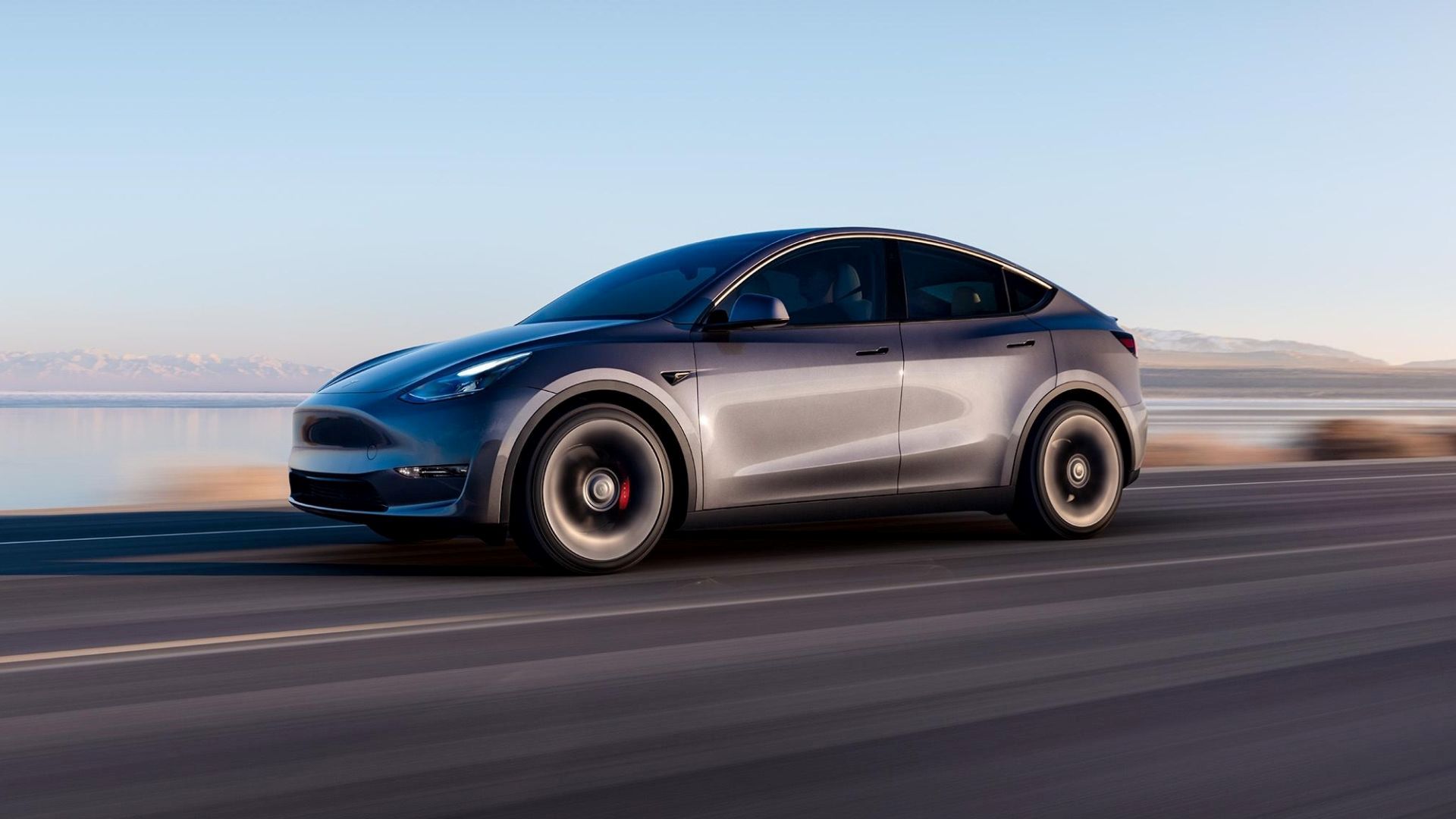
Features like Automatic Emergency Braking, Blind Spot Camera View, and Collision Avoidance Assist are always evolving through over-the-air updates.
Unlike many competitors, Tesla’s system genuinely improves over time making it one of the few cars that literally gets safer as it ages.
3. Subaru Outback
The Subaru Outback’s EyeSight Driver Assist Technology is one of the most reliable and effective safety systems on the market.
Using stereo cameras mounted near the rearview mirror, EyeSight can recognize lane markings, vehicles, and pedestrians with impressive accuracy.
The Adaptive Cruise Control with Lane Centering doesn’t feel jerky, and its Pre-Collision Braking performs exceptionally well in independent IIHS tests.
Subaru has built its reputation on practical safety rather than flashy gimmicks, and the Outback delivers that consistency offering robust protection at a reasonable price point, perfect for American families and outdoor enthusiasts alike.
This model presents itself as a raised station wagon, maintaining its status as a perennial favorite for those shopping in the crossover segment. The Outback has been available since the mid-1990s, with the present generation first introduced for the 2020 model year. For 2023, Subaru implements a number of revisions to ensure the Outback remains a leading contender.
Given its fusion of a car’s driving dynamics with an SUV’s practicality, all while sidestepping the frequent disadvantages associated with both, the Outback’s widespread popularity is easily understood. Subaru’s top-selling model holds a broad appeal for buyers.
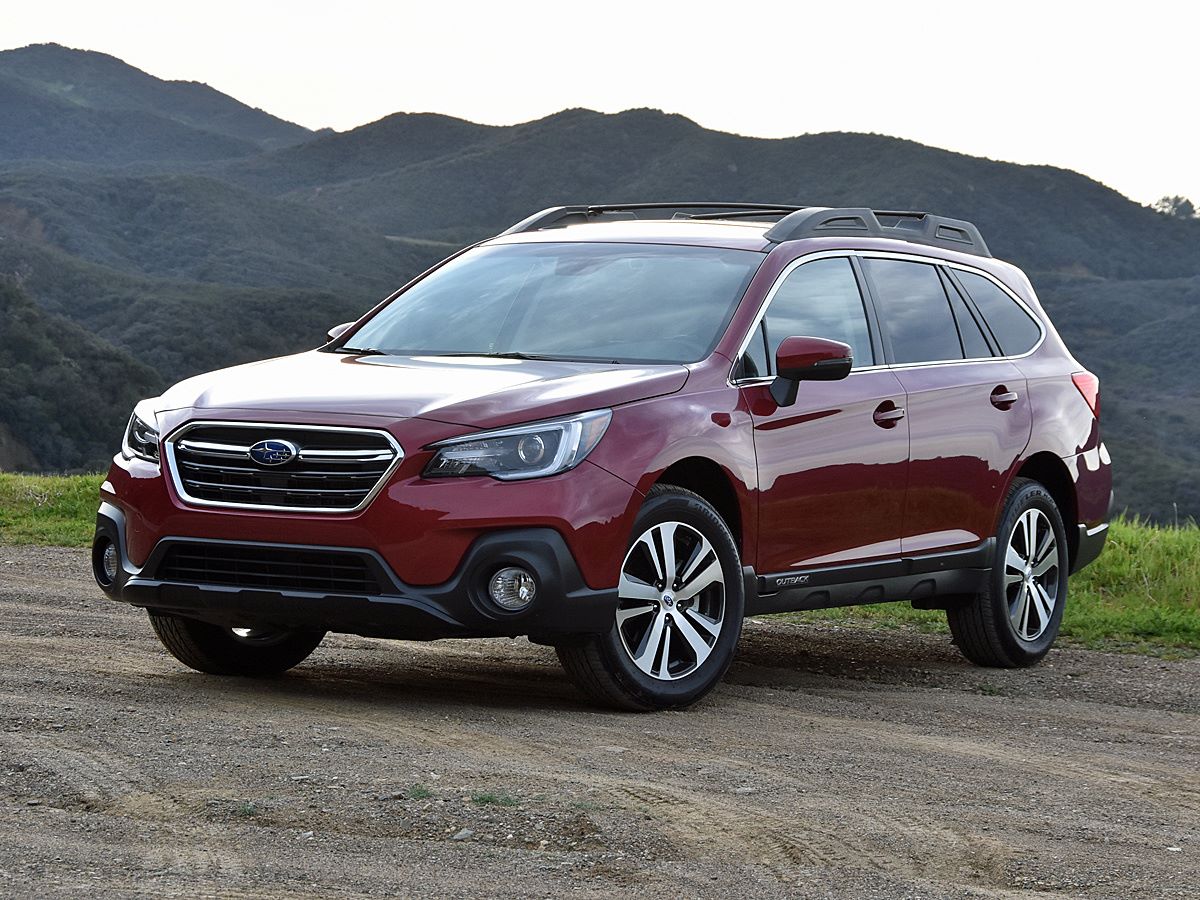
It serves as a comfortable partner on the road, offering occupants in its roomy interior a ride quality so smooth it competes with certain luxury automobiles.
At the same time, the Outback is prepared to venture off the paved road due to its generous ground clearance and renowned all-wheel-drive system, though the Wilderness model’s real-world capability may not fully match its rugged appearance.
The area where the Outback shows some weakness is in its general level of refinement. While the cabin is comfortable, it is not particularly hushed. Each of the two available powertrains comes with compromises: the standard engine feels underpowered, while the turbocharged unit suffers from lag.
Although the large infotainment screen and standard driver-assistance technology have immediate visual appeal, the responsiveness of both systems could be improved.
Even considering these drawbacks, the Outback’s popularity is well-deserved. Subaru has successfully executed a holistic package, delivering a highly versatile, capable, safe, and valuable crossover. The Subaru Outback continues to rank among our top-rated midsize SUVs.
In keeping with all other Subaru models (the sporty BRZ coupe being the sole exception), the Outback comes with standard all-wheel drive. Buyers can choose between two flat-four-cylinder engines, both of which are paired with a continuously variable transmission (CVT) automatic.
The base powerplant is a 2.5-liter unit that generates 182 horsepower and 176 lb-ft of torque. Its fuel economy is estimated at 26/33 mpg city/highway. Acceleration from a standstill to 60 mph will require approximately 8.7 seconds.
4. Mercedes-Benz S-Class
When you buy an S-Class, you’re essentially buying the future of automotive safety years before it trickles down to other models.
Mercedes’ Driver Assistance Package Plus offers semi-autonomous lane changing, adaptive cruise control, evasive steering assist, and even predictive side collision protection that slightly raises the suspension if it detects an impending crash.
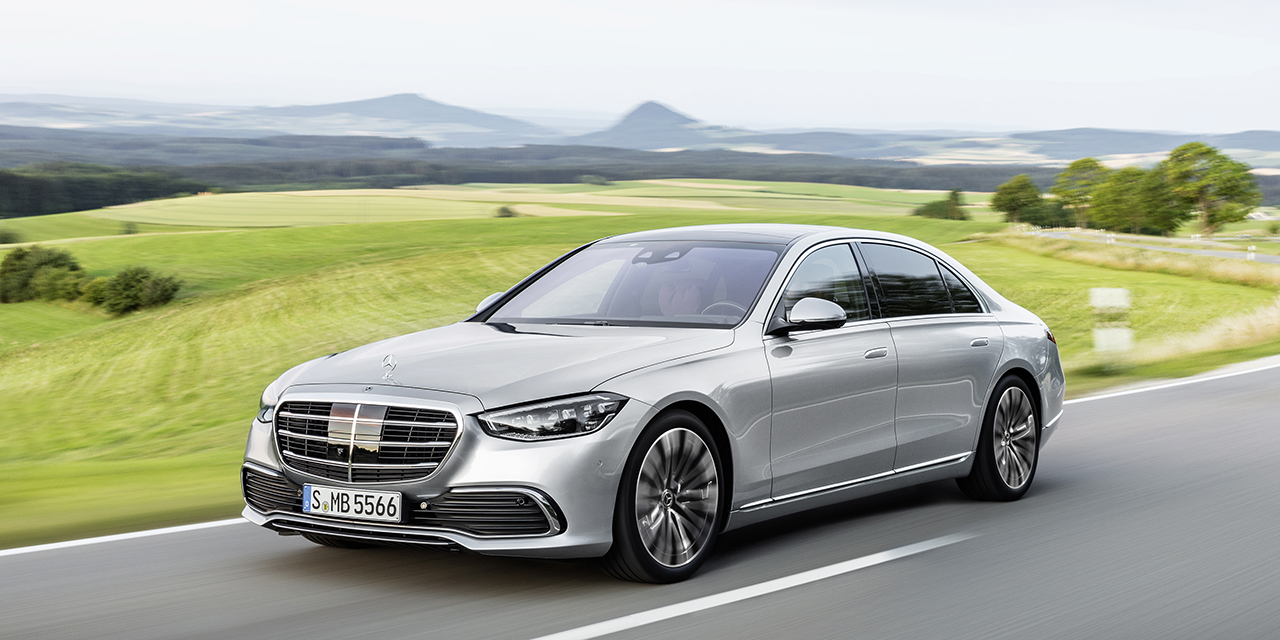
The car uses radar, cameras, and lidar sensors working in perfect harmony. Add to that PRE-SAFE Sound, which emits a specific frequency to protect passengers’ hearing before a collision, and you begin to see why the S-Class remains the gold standard for safety innovation.
Also Read: 12 Top Sedans With the Best Dashboard Layouts
5. Hyundai Ioniq 6
Hyundai has quietly become one of the biggest innovators in affordable safety tech. The Ioniq 6 features Highway Driving Assist II, which merges adaptive cruise control and lane-centering with AI-powered route learning.
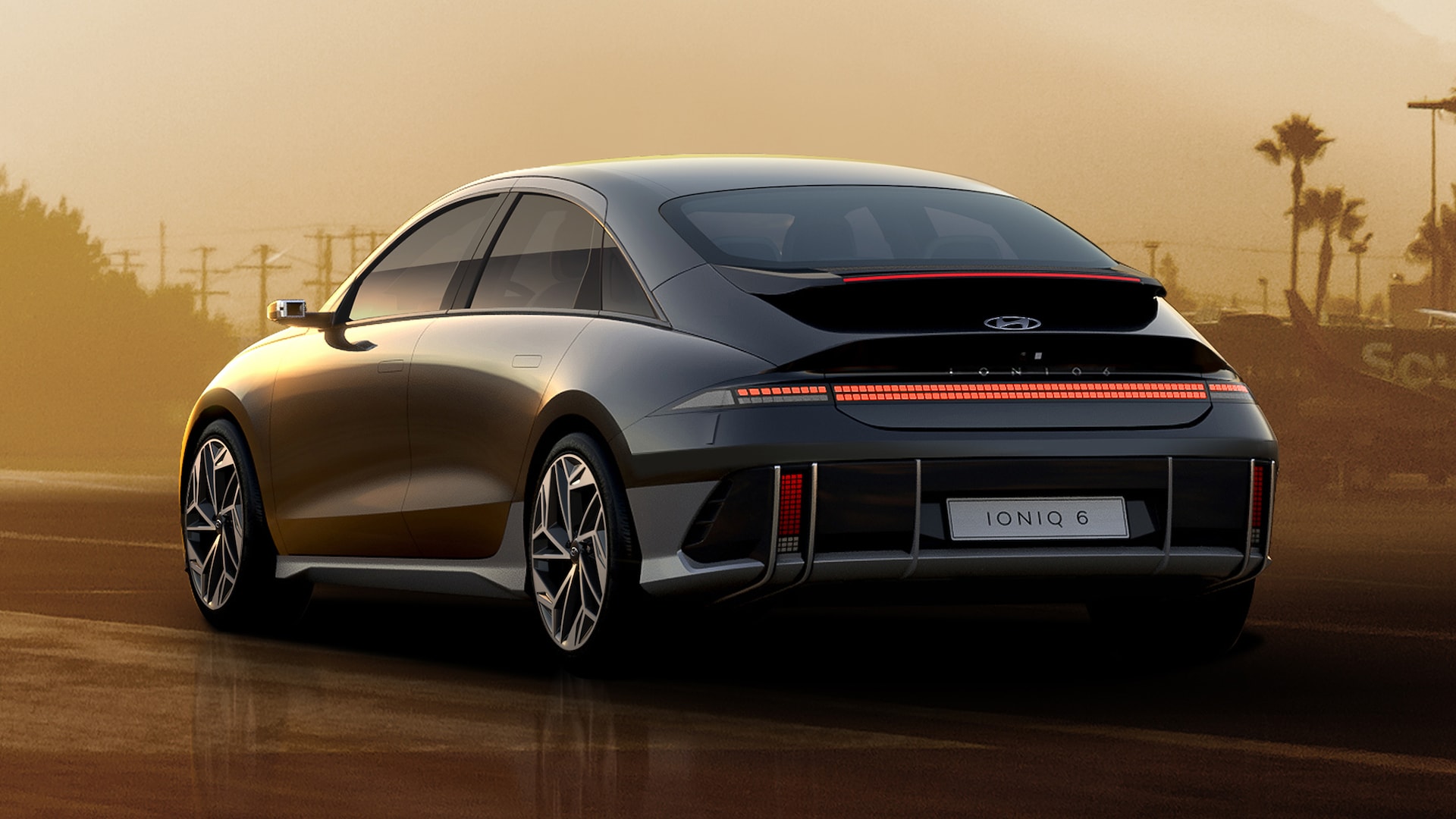
It even adjusts responsiveness based on how you typically drive. The system includes Forward Collision-Avoidance Assist that detects pedestrians and junction-turning traffic, and Blind-Spot Collision-Avoidance Assist that can actively steer you away from danger.
The Ioniq 6’s combination of advanced tech and affordability proves that cutting-edge safety doesn’t need to come from luxury brands.
Hyundai created a significant impact last year with the launch of the Ioniq 5, a compact all-electric SUV featuring a retro-cool aesthetic. After only a single year, Hyundai is already introducing its successor, the Ioniq 6.
This new model shares much of its electric vehicle hardware and functionality with the Ioniq 5, but it is presented in the shape of a stylish and streamlined sedan.
The vehicle’s striking appearance often polarizes observers, it seems most individuals either adore it or strongly dislike it. However, a point of universal agreement is its remarkable aerodynamic efficiency, which positions it among the most efficient vehicles globally, and this is the primary reason for its distinctive double-arch silhouette.
This design leads to a notable maximum EPA-estimated range of 361 miles, an achievement that is attractive in its own way. Furthermore, in our real-world driving evaluations, we have observed that the Ioniq 6 can actually surpass its official EPA range estimates.
Although the Ioniq 6 is an excellent vehicle, it does have some minor imperfections; nonetheless, the limited criticisms we have are likely to be easily overlooked by the majority of potential buyers.
Cars Where Safety Is Mostly Marketing
We’re constantly bombarded with ads for cars featuring “state-of-the-art safety suites” and “autonomous driving technology.” But behind the sleek commercials and confusing acronyms lies an inconvenient truth: not all safety tech is created equal.
In the competitive automotive market, safety has become a powerful marketing tool, and some manufacturers are more focused on checking boxes on a feature list than delivering genuinely effective, reliable protection. This article pulls back the curtain on the models where the safety promise is more gloss than substance, helping you see past the marketing to what truly keeps you safe.
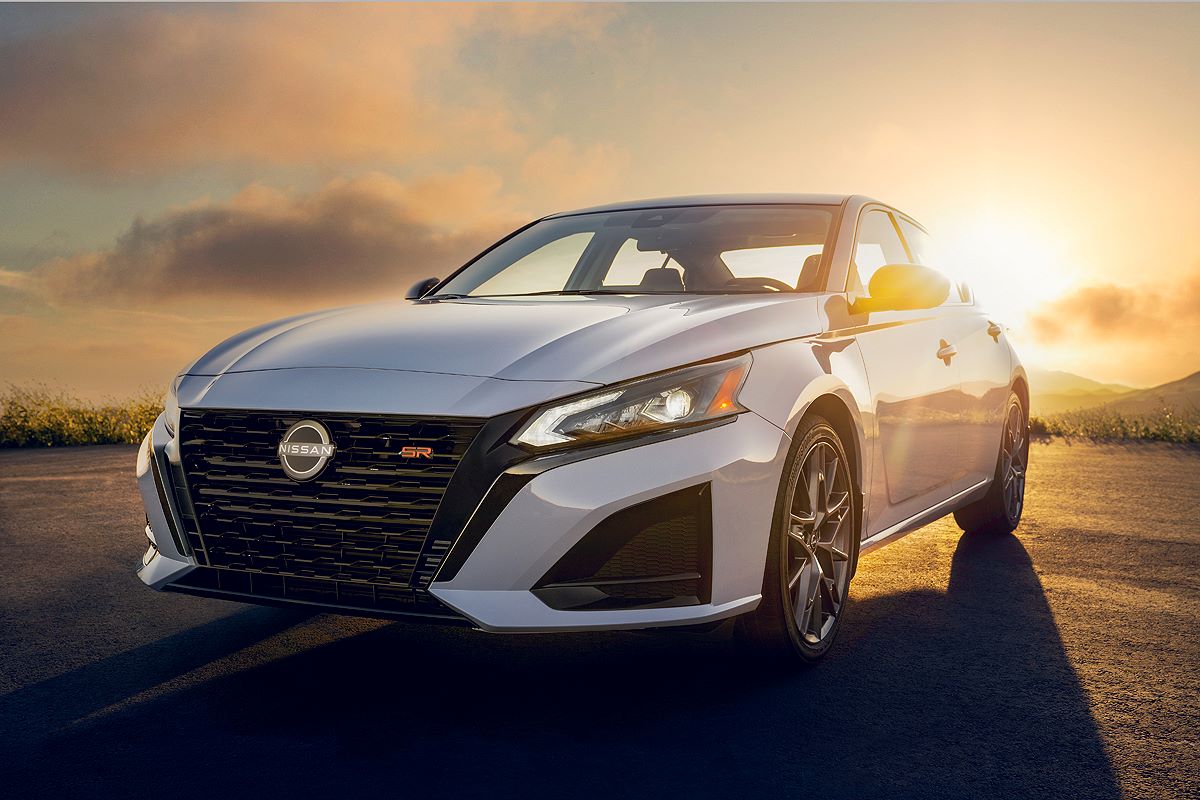
1. Nissan Altima
Nissan loves to tout its Safety Shield 360 system, but in reality, it’s a repackaging of fairly standard features like automatic emergency braking and blind-spot monitoring.
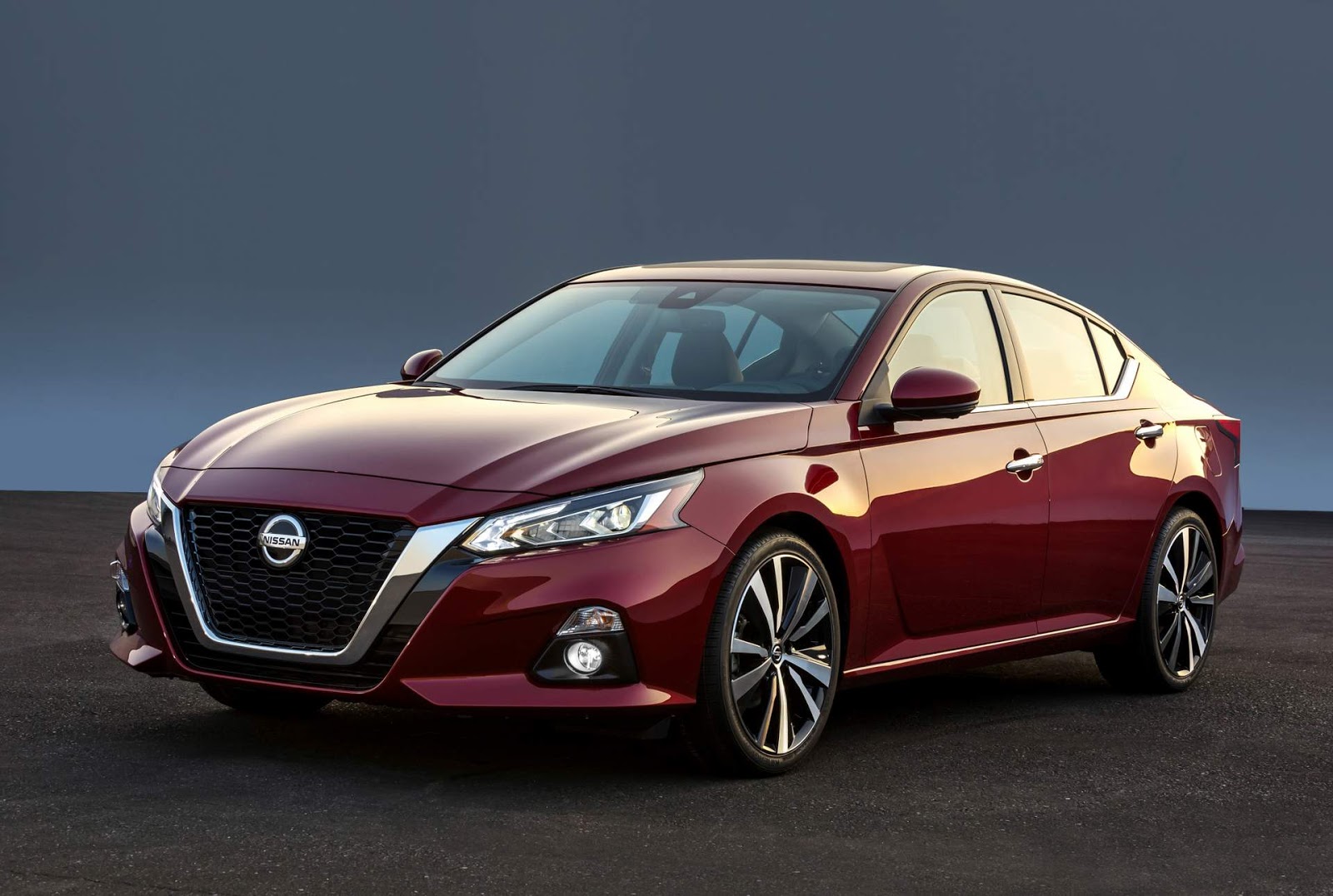
While helpful, these features aren’t particularly advanced or well-integrated. The adaptive cruise control can feel inconsistent, and lane-keeping assist often disengages when road markings fade a problem many U.S. drivers encounter on worn highways.
Despite the flashy branding, the Altima’s safety suite is far from industry-leading, often lagging behind rivals like Honda or Hyundai in responsiveness and refinement.
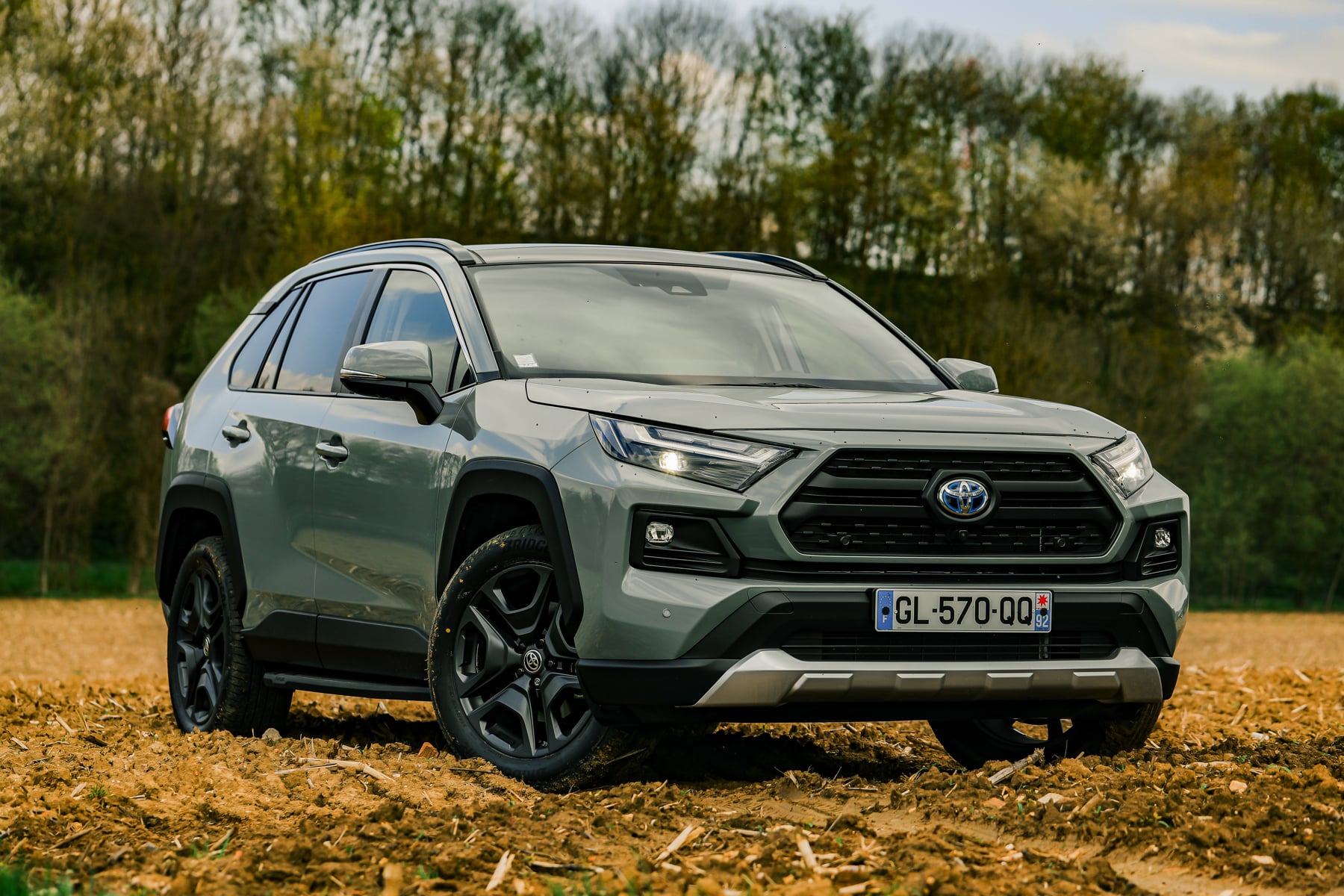
2. Toyota RAV4
Toyota’s Safety Sense 2.5+ is widely advertised, but the system feels dated compared to newer tech in the competition.
While Toyota deserves credit for making these features standard across trims, the RAV4’s lane-tracing assist is twitchy, and adaptive cruise control can overreact when a vehicle cuts in front.
Year after year, the Toyota RAV4 is one of the best-selling SUVs on the market. Toyota’s reputation for reliability certainly has a lot to do with its success. But we also praise this small SUV for its roomy interior, comfortable ride and easy-to-use technology features.
There are also a wide array of available trim levels to suit your budget or interests. The RAV4 TRD Off-Road trim, for example, is one of the few models in its class to offer enhanced off-road capabilities by way of its all-terrain tires and special suspension alterations.
For 2023, the RAV4 looks the same as it did last year, but there are some notable changes inside. A new infotainment system debuts with improved graphics, more intuitive menus and over-the-air software updates. Both the standard and upgraded touchscreens also get slightly larger too. Other upgrades include wireless phone integration and a new digital instrument panel.
However, we don’t expect these changes to dramatically improve the Toyota RAV4’s standing among other small SUVs.
The lack of seamless communication between systems creates a sense of artificial safety rather than real driver confidence. Toyota’s reliability remains top-notch, but when it comes to cutting-edge driver assistance, the RAV4 plays it safe perhaps too safe.
3. Jeep Grand Cherokee
Jeep’s Active Driving Assist sounds futuristic, but its real-world performance leaves a lot to be desired. The system uses radar and cameras to maintain lane position and distance, but it often disengages on curvy or poorly marked roads.
The brand emphasizes ruggedness and off-road capability more than highway safety, which shows in the inconsistency of its safety tech.
Moreover, updates and calibrations are limited Jeep lacks the over-the-air update capability that makes brands like Tesla or Hyundai continuously improve over time.
The Jeep Grand Cherokee played a pivotal role in shaping the contemporary SUV during the 1990s and remains a significant force within today’s intensely competitive marketplace.
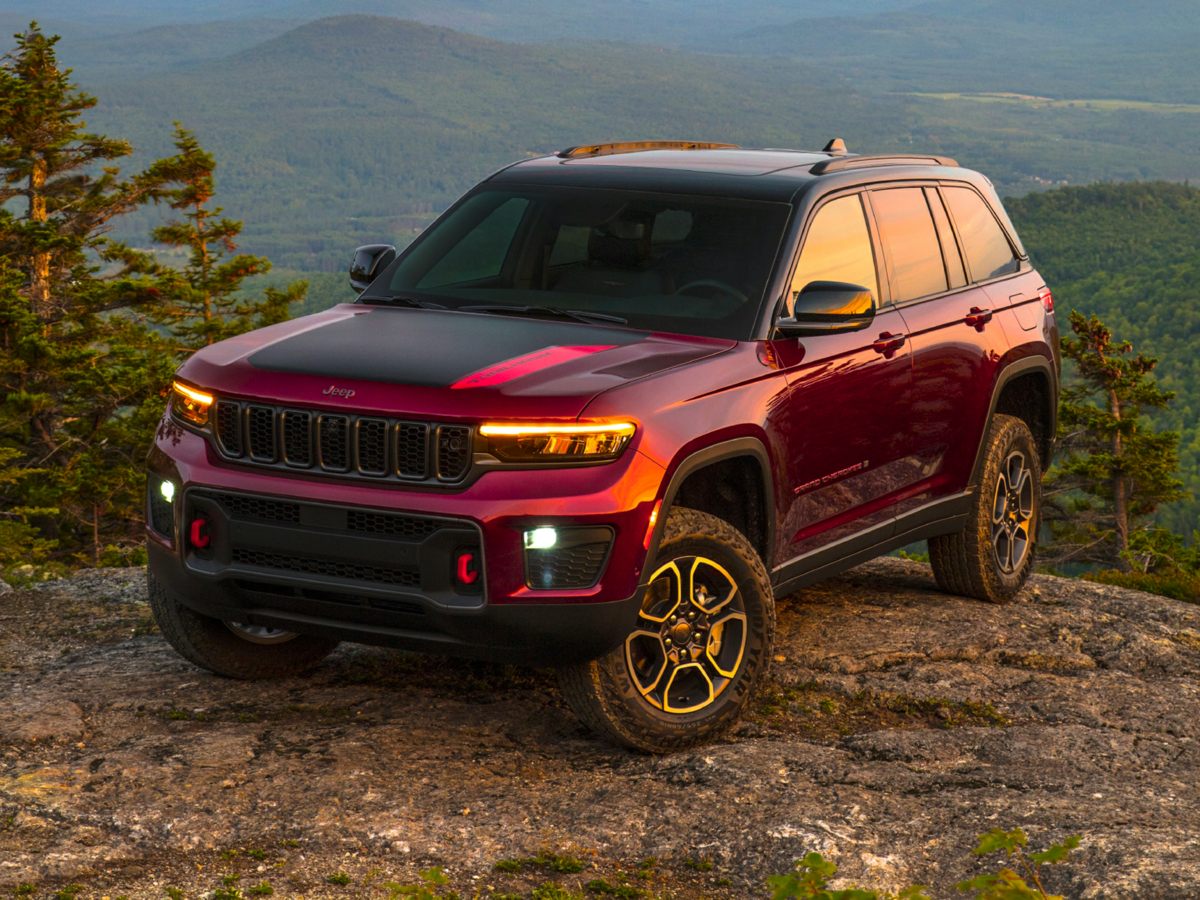
The model of the current generation was first launched for the 2022 model year, and while it is anticipated to receive an update, it seems that will be postponed until 2026.
Jeep provides the present Grand Cherokee in a standard wheelbase configuration with seating for five, as a long-wheelbase three-row Grand Cherokee L, and as a 4xe plug-in hybrid variant; the latter two are examined in individual reviews. Other midsize SUVs known for their off-road inclinations are the Subaru Outback and the Toyota 4Runner.
An update to the Jeep Grand Cherokee was anticipated for the 2025 model year, but it now seems the wait will be extended. Alterations for the new model year are confined to its pricing architecture, which features reduced Manufacturer’s Suggested Retail Prices across the complete trim lineup.
The cost of entry-level models has been reduced by $1,000, while the most premium trims are now $4,000 less expensive. Comprehensive information regarding the Grand Cherokee’s new pricing can be found in our report.
The Jeep Grand Cherokee possesses notable off-road prowess, delivers a comfortable on-road demeanor, and features a well-appointed, upscale cabin.
Having been most recently redesigned for 2022, this midsize SUV is ready for a refresh. To begin, its aging V-6 powerplant requires enhancements in both power output and fuel efficiency.
We have also noted that the Grand Cherokee’s brakes lack a certain sharpness and smoothness, and the standard driver-assistance technology is not as comprehensive as what is offered by the leaders in this segment.
We anticipate that the 2026 Jeep Grand Cherokee will undergo a substantial refresh, which will include exterior design revisions and new interior elements. Updates to the front and rear fascias are expected to be complemented by redesigned lighting details.
Inside the passenger compartment, Jeep may incorporate a larger standard infotainment screen. Furthermore, there is a possibility that Jeep will provide more advanced active safety technology.
The final area of speculation involves Jeep potentially introducing one or both versions of its Hurricane Twin Turbo engines, which we have commended for their refined operation and potent power delivery in other vehicles from the manufacturer.
A step of this nature would significantly contribute to rejuvenating the Grand Cherokee, preserving Jeep’s competitive standing until it enriches its lineup with more electric vehicles. Until that electrified future materializes, the Grand Cherokee will persist as a key contender in the midsize SUV category.
For the 2025 model year, Jeep once again fits the Grand Cherokee with a single engine option: a 3.6-liter naturally aspirated V-6 that produces 293 horsepower and 260 lb-ft of torque. Every model is fitted with an eight-speed automatic transmission. Rear-wheel drive is standard, and all-wheel drive is an available option.
Jeep provides additional performance equipment for both on-pavement and off-pavement use, which includes an available rear limited-slip differential, two available transfer cases, and an optional air suspension system capable of increasing ground clearance by 2.5 inches for a total of 10.9 inches.
During our testing, a Jeep Grand Cherokee outfitted with all-wheel drive achieved a 0-60 mph acceleration time of 7.3 seconds. For 2025, the EPA has rated its fuel economy at 19/26 mpg city/highway. Its maximum towing capacity is 6,200 pounds.
Also Read: 5 Retro Cars That Still Feel Cool vs 5 That Aged Poorly
4. Chevrolet Equinox
GM markets its Chevy Safety Assist suite aggressively, but most of its tech is baseline, not breakthrough. While the Equinox does offer automatic braking and lane-keep assist, the system’s reaction time and accuracy trail behind leading competitors.
The Super Cruise feature, available on higher-end GM vehicles, doesn’t even make it to this model, leaving buyers with older tech wrapped in modern terminology.
Chevy’s focus on marketing phrases like “360° awareness” can give drivers a false sense of cutting-edge protection that doesn’t quite match the experience.
While it carries the Equinox name, the 2024 Chevrolet Equinox EV shares very few components with its gasoline-powered compact SUV counterpart. The distinctions begin with its fundamental powertrain, which exchanges an internal combustion engine for a fully electric system.
The base front-wheel-drive configuration, employing a single electric motor, generates a respectable 213 horsepower. An all-wheel-drive system is offered as an option, and this dual-motor arrangement increases output to a more spirited 288 horsepower.
Models with front-wheel drive are estimated to achieve a maximum driving range of up to 319 miles, varying by trim, though selecting all-wheel drive lowers that estimate to 285 miles. The exterior design of the Equinox EV merges modern, forward-looking elements with conventional crossover styling notes, resulting in a notably appealing appearance.
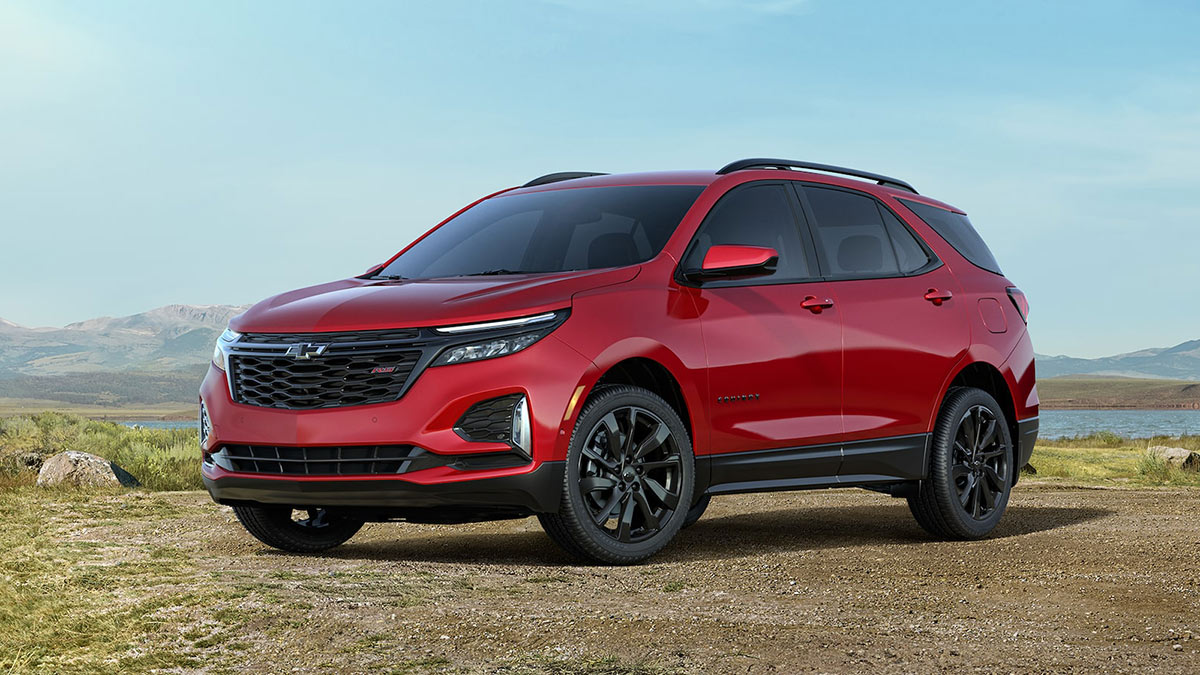
A wide array of features is available, such as GM’s Super Cruise hands-free driver-assistance technology; however, the interior cabin does not offer as much room as one might anticipate. With its compelling price point, the Equinox EV presents itself as a feasible option to a traditional gasoline-powered compact SUV for consumers who are prepared to transition to an electric vehicle.
Equinox EVs configured with front-wheel drive are equipped with a single electric motor producing 213 horsepower; however, choosing the optional dual-motor all-wheel-drive system boosts power to 288 horsepower.
The front-wheel-drive powertrain does not demonstrate the instant torque delivery that is characteristic of many electric motors, and in our driving experience, we found it to feel somewhat lethargic.
We would suggest the all-wheel-drive configuration, which is considerably more potent and imparts the Equinox EV with a more lively character. The vehicle’s ride quality is comfortable and the steering provides good feedback, and we appreciate the ability to choose from multiple levels of regenerative braking, which includes a dedicated one-pedal driving mode.
During testing at our track, the front-wheel-drive Equinox EV achieved a 60 mph time of 7.7 seconds, a performance that is similar to its gas-powered compact-SUV rivals. The all-wheel-drive model was notably faster, reaching 60 mph in just 5.8 seconds.
rear three quarter view of a white suv parked in front of a modern glass building surrounded by trees.
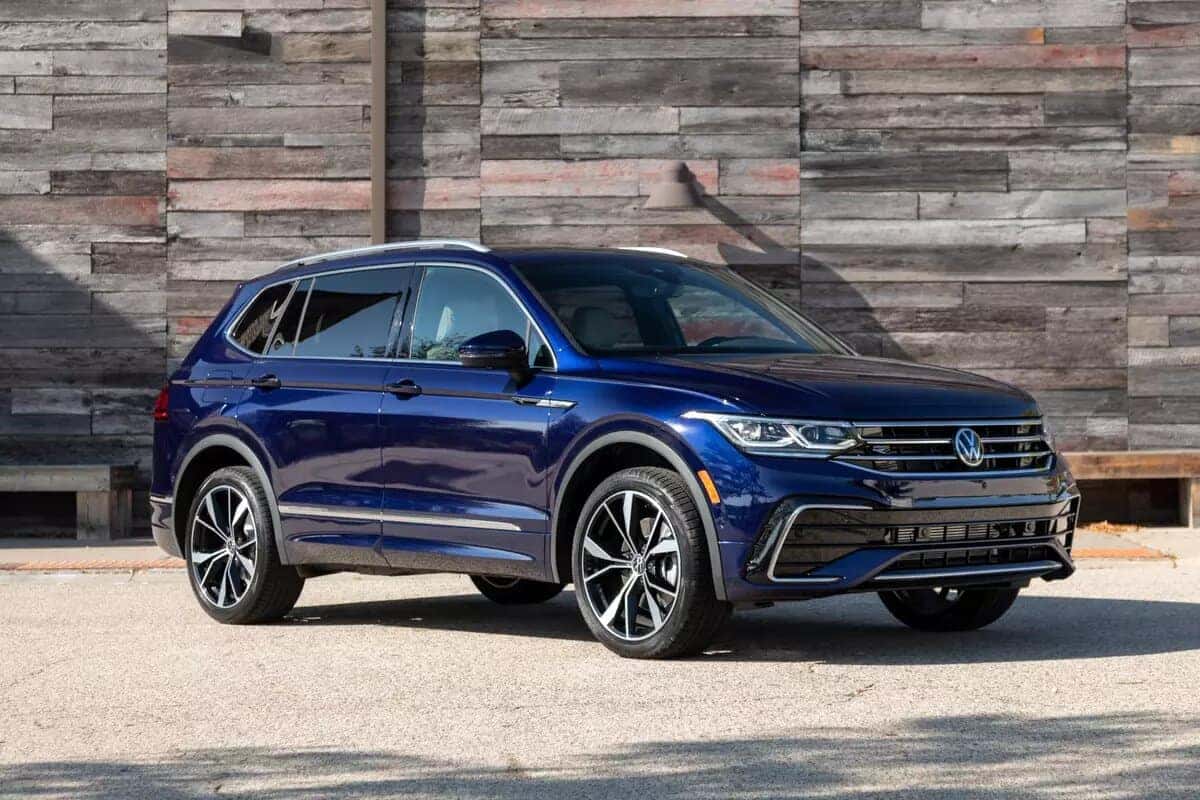
5. Volkswagen Tiguan
Volkswagen brands its driver aids under the IQ.DRIVE name, implying artificial intelligence and learning capability but it’s really a traditional adaptive cruise and lane-keep assist system.
The Tiguan’s system performs adequately, but it struggles in heavy rain or snow, where camera-based systems lose track of lanes. VW’s marketing emphasizes sophistication, yet the underlying tech feels a step behind rivals like Hyundai or Volvo.
There’s nothing inherently unsafe about it, but calling it “IQ.DRIVE” gives it more credit than it deserves.
In today’s car market, the line between genuine innovation and marketing spin is thinner than ever.
Automakers know that safety sells, so many slap catchy names on ordinary systems to appeal to buyers looking for peace of mind. But true safety innovation lies not in branding it lies in integration, reliability, and adaptability.
Vehicles like the Volvo XC90, Tesla Model Y, and Hyundai Ioniq 6 represent how far technology can go when it’s built on data and engineering excellence rather than slogans.
Meanwhile, cars like the Toyota RAV4 and Chevrolet Equinox remind us that catchy names can’t replace true technological evolution.
Ultimately, safety isn’t about how many features your car has it’s about how well they work together when you need them most.
Before believing the marketing, take a closer look at how these systems perform in real-world conditions. Your safety deserves more than a slogan; it deserves substance.