
In the ever-changing U.S. car market, trends shift faster than the seasons. SUVs may dominate one year, and electric cars take over the next.
Yet, certain vehicles continue to command strong demand year after year, maintaining solid resale value and loyal fanbases.
Meanwhile, other cars despite flashy marketing or ambitious engineering struggle to attract buyers even when offered at deep discounts. The difference often lies in reputation, long-term reliability, practicality, and brand perception.
Let’s explore five cars that consistently stay in demand across new and used markets and five that, for a mix of reasons, simply can’t win over the American car-buying public.
Cars That Never Go Out of Demand
Some cars are simply built to last a model cycle. Others are built to last in our collective imagination. They become stars in films, fixtures in our neighborhoods, and benchmarks in their segments. These are the cars that forge a deep, emotional connection, creating a legacy that transcends specifications and features.
From rugged off-roaders that define adventure to sport coupes that ignite passion and practical sedans that become family heirlooms, these vehicles have cemented their place in automotive culture. This is a look at the untouchable icons, the cars whose demand never cools.
1. Toyota Tacoma
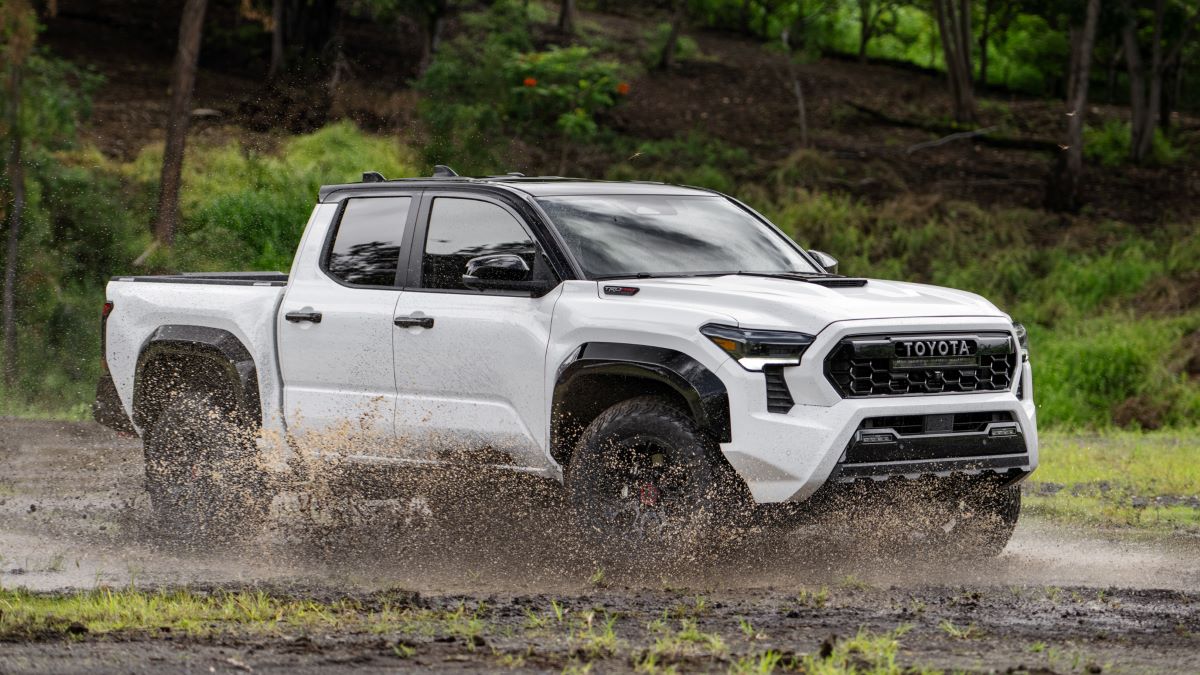
Few vehicles represent reliability and utility as well as the Toyota Tacoma. For decades, the Tacoma has held its status as the go-to midsize pickup in the U.S. market.
It’s rugged enough for off-roading but still comfortable for daily use. What truly sets it apart is its resale value Tacomas often retain more than 70% of their value after five years, according to multiple industry analyses.
Owners love the balance between durability and efficiency, and the truck’s bulletproof 3.5-liter V6 has earned legendary status.
In a world where pickups often get bloated or overly luxurious, the Tacoma stays true to its roots: practical, capable, and built to last.
Having maintained its position as the top-selling midsize pickup truck in the United States for over fifteen consecutive years, the Toyota Tacoma is clearly executing a successful formula.
Its attractive styling, well-established reputation for dependability, and compelling value continue to attract a steady stream of customers. The Tacoma is not, however, a perfect vehicle, and it now faces a more competitive landscape than at any previous point. For the 2022 model year, this midsize truck introduces changes with an updated Trail Edition.
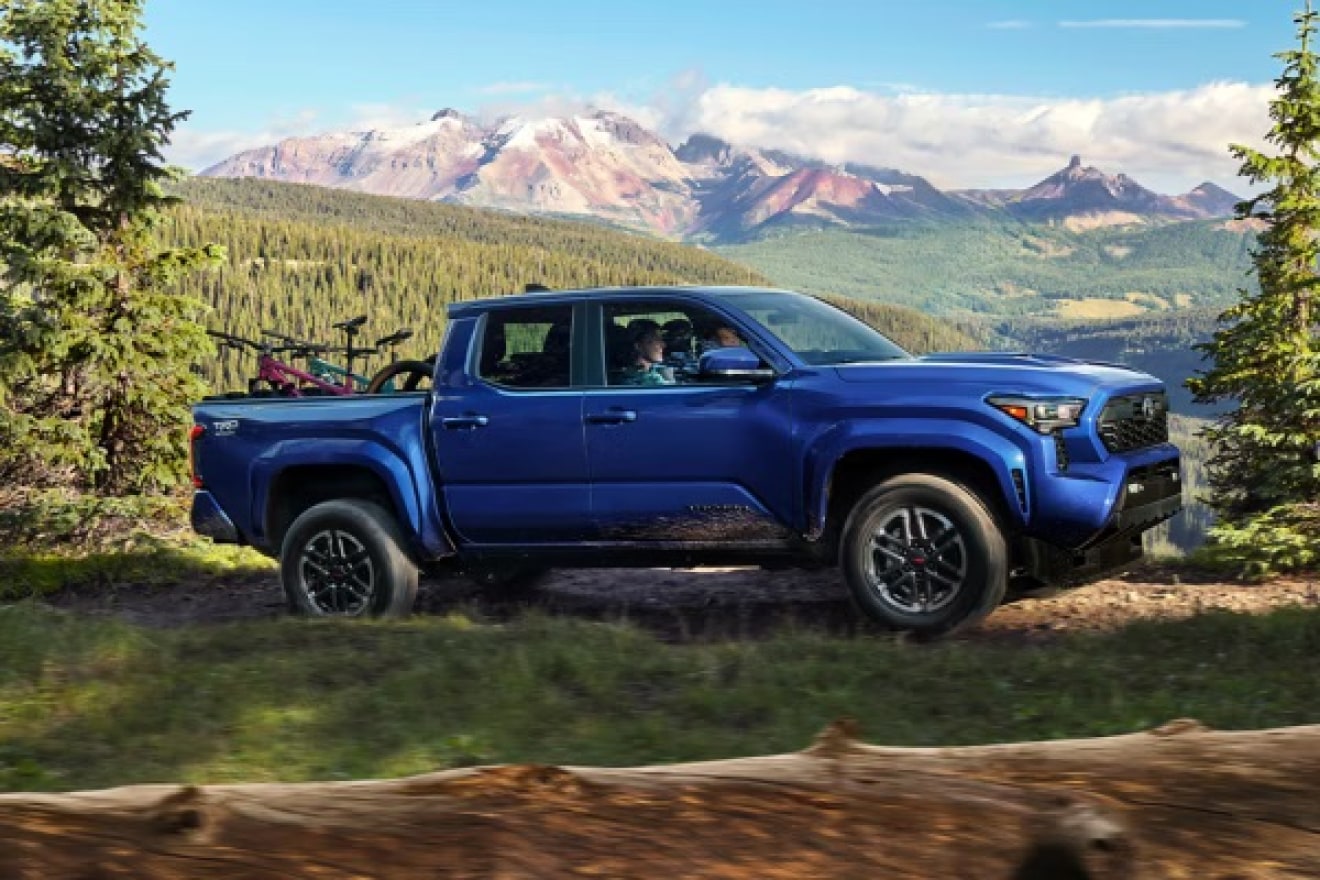
During our evaluation of the 2020 Toyota Tacoma TRD Pro, its exceptional off-road performance left a positive impression. Equipped with Fox shock absorbers and the smooth power delivery of its V-6 engine, the Tacoma confidently handles a wide variety of challenging terrain, from rocky paths to soft sand dunes, all while maintaining a comfortable environment for the occupants.
The truck also operates with a relatively quiet demeanor on paved roads. Regrettably, despite receiving updates for the 2020 model year, the Tacoma TRD Pro continues to exhibit a noticeable amount of brake dive.
Concerning other variants within the Tacoma lineup, we have previously expressed criticism regarding the truck’s firm ride quality and its underpowered engine options.
Toyota enhanced the Tacoma’s previously outdated interior for the 2020 model year, introducing a new 10-way power-adjustable driver’s seat that includes lumbar support and height adjustment, which alleviates some of the awkwardness in the driving position.
We also value the inclusion of the Multi-Terrain Monitor, which simplifies off-road navigation; our only reservation is that we wish the camera provided a higher-resolution image. Even with these few beneficial new additions, the Tacoma’s confined cabin and its relatively narrow cargo bed remain inherent limitations.
The standard powertrain for the 2022 Tacoma is a 2.7-liter four-cylinder engine that produces 159 horsepower and 180 lb-ft of torque. Customers can choose between rear-wheel drive and all-wheel drive configurations, though a six-speed automatic transmission is the sole gearbox available for this engine.
An optional 3.5-liter V-6 engine significantly increases output to 278 horsepower and 265 lb-ft of torque, and it is offered with a choice of rear-wheel or all-wheel drive. This engine can be paired with either a six-speed manual transmission or a six-speed automatic transmission.
2. Honda Civic
The Honda Civic continues to be a perennial bestseller, even as many automakers abandon compact cars altogether.
Its success comes from versatility whether it’s a daily commuter or a performance-packed Si or Type R model, the Civic appeals to nearly everyone.
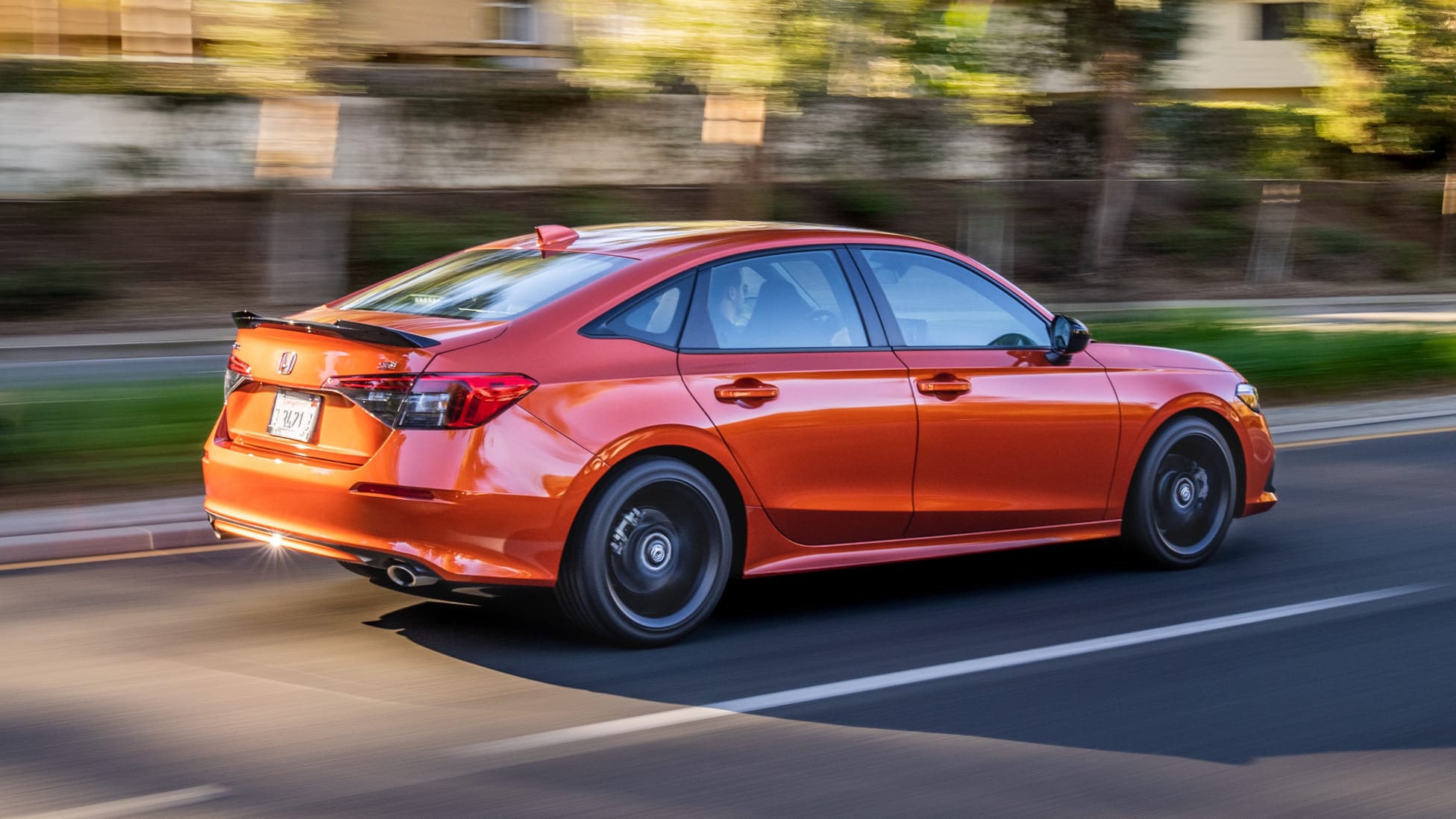
American buyers appreciate that it’s both affordable to buy and cheap to maintain, while offering excellent fuel economy and strong resale value.
The Civic’s reputation for reliability means used models disappear quickly from dealership lots. Even older generations still find eager buyers, making it one of those rare compact cars that never loses its luster.
3. Jeep Wrangler
The Wrangler remains one of the most distinctive and enduring nameplates on U.S. roads. Despite its utilitarian roots, the modern Wrangler attracts adventure seekers and city dwellers alike.
Its unmatched off-road capability and iconic styling ensure that it never goes out of fashion. Resale values for Wranglers are some of the best in the entire market thanks to a loyal fan base that prizes authenticity over refinement.

Even when competitors introduce more comfortable or high-tech alternatives, none deliver the same sense of freedom and fun. For many Americans, the Wrangler isn’t just transportation; it’s a lifestyle choice.
For the 2025 model year, the lineup’s Hemi V-8 powertrain makes a return after Jeep had previously announced that 2024 would be its final year. The eight-speed automatic transmission for models equipped with the V-6 engine is also back.
Even with its iconic standing in the automotive world, the Wrangler faces significant competition. Key rivals to the 2025 Jeep Wrangler include the Ford Bronco, the Land Rover Defender, and the Toyota 4Runner.
Jeep has reintroduced the V-8 Wrangler 392 for the 2025 model year, although it does not include the Mopar triple loop grille guard and the Mopar Jeep 83-piece toolkit.
Those particular items remain exclusive to the previous year’s Final Edition model. The eight-speed automatic transmission for Wrangler models powered by the V-6 engine also makes a comeback this year. All other features and specifications from the 2024 model year continue forward without any changes.
The Jeep Wrangler occupies a position in the off-road vehicle segment analogous to that of the Porsche 911 among sports cars. As a benchmark for off-pavement capability, the Wrangler benefits from many decades of progressive development, which has secured the legendary reputation it holds today.
This narrative is very similar to the way Porsche has continuously refined its own sports car philosophy while steadfastly adhering to the 911’s signature rear-engine configuration.
More recently, the Wrangler was given a substantial update for the 2024 model year that brought a number of new features designed to enhance the experience both on and off the trail.
A larger central display, more advanced safety technology, and the factory availability of a winch have made using a Wrangler as a daily driver and for off-road adventures a better proposition than ever before.
Despite the Wrangler’s extensive rugged utility and its enhanced day-to-day livability, Jeep’s most famous product does have several shortcomings that keep it from being a complete substitute for a unibody crossover SUV.
The Wrangler’s body-on-frame architecture, solid front and rear axles, and recirculating ball steering system impart a distinctly rough character that contributes to a lack of refinement on paved roads.
These inherent characteristics are a direct result of the Wrangler’s unwavering commitment to off-road supremacy, a commitment that led it to a victory against the Ford Bronco in a head-to-head comparison test. However, its subsequent loss to a Ford Bronco Sport in a separate four-way comparison test of affordable off-road SUVs serves to highlight the platform’s inherent limitations.
The Hemi engine continues for another year! The Wrangler’s four available drivetrain options are all carried over for the 2025 model year. Every version of the Wrangler comes with a standard eight-speed automatic transmission, with the exception of those models that are equipped with the 3.6-liter V-6 engine.
4. Toyota 4Runner
Like the Tacoma, the Toyota 4Runner has defied market trends for years. While crossovers dominate the SUV segment, the 4Runner proudly remains a true body-on-frame SUV built for rugged terrain.
Its old-school formula simple V6 engine, strong frame, and off-road hardware appeals to those who want reliability and toughness over tech gimmicks.
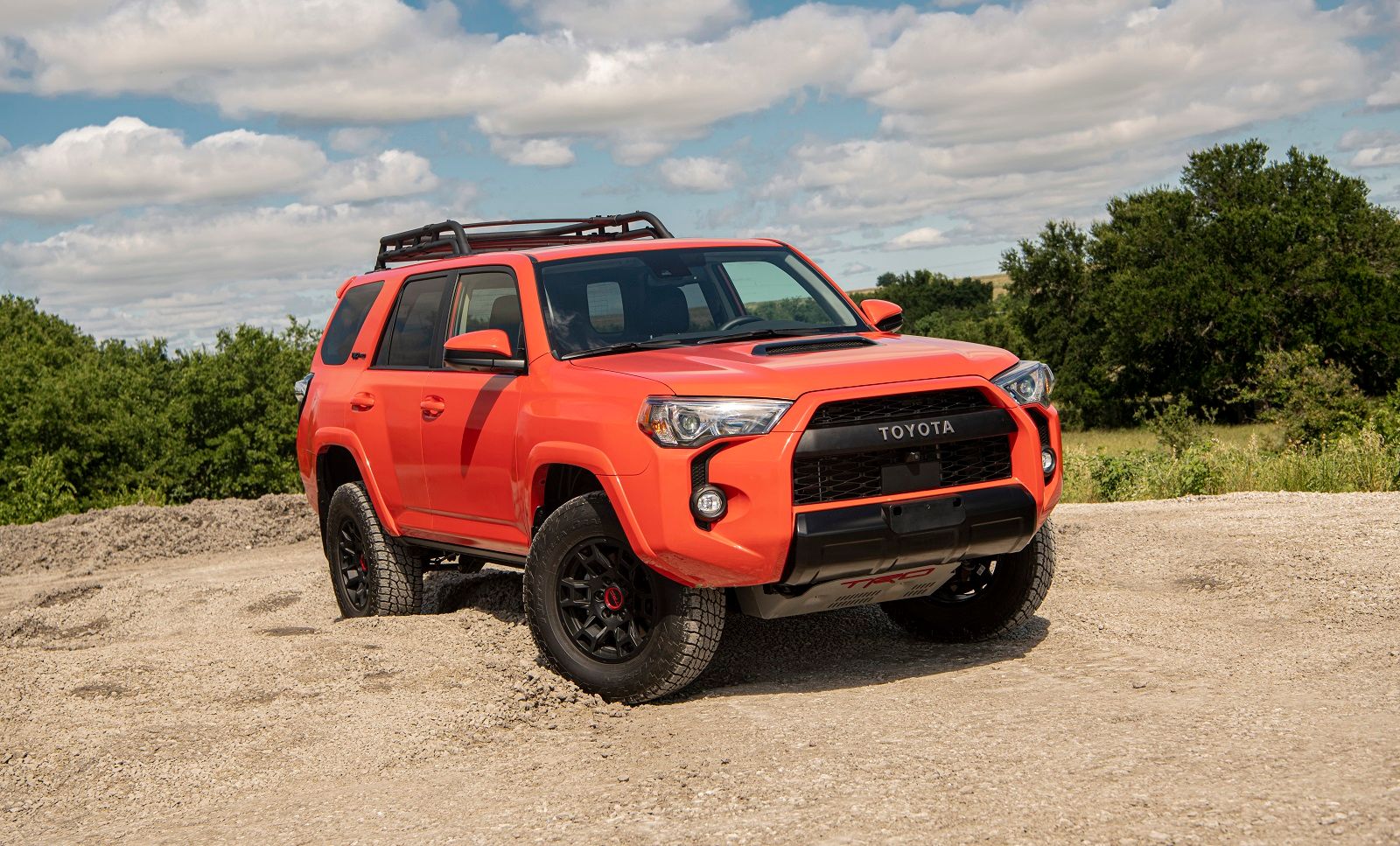
The 4Runner’s durability has created a cult following, and used models with over 200,000 miles often still command high prices.
It might not have the flashiest infotainment system or smoothest ride, but it delivers on what matters most: dependability and confidence in any environment.
5. Porsche 911
The Porsche 911 is proof that desirability doesn’t fade with time it evolves. For over six decades, the 911 has maintained its identity while continuously improving performance and refinement.
Even used models from years past remain in high demand, with air-cooled versions fetching astronomical sums. The car’s balance of luxury, performance, and timeless design makes it a must-have for enthusiasts.
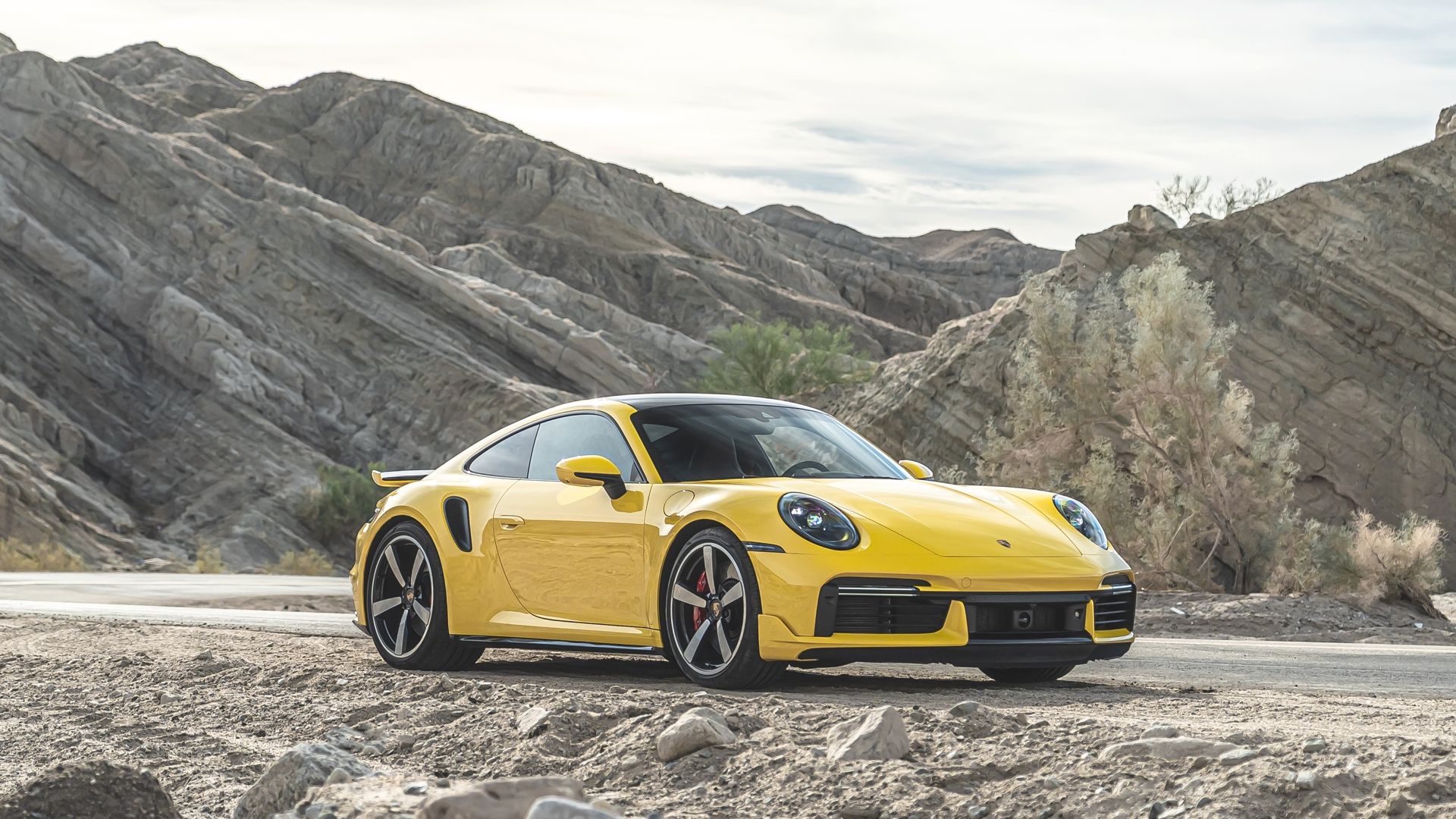
Unlike many sports cars that depreciate rapidly, the 911 often appreciates in value, especially special editions. It’s not just a car; it’s an automotive investment and a symbol of enduring engineering excellence.
For the 2018 model year, the GT3 version of the 911 undergoes a substantial update that includes a redesigned and more potent engine, an exclusive and optional six-speed manual transmission, revised suspension calibration, and several aerodynamic enhancements.
The other models within the 911 lineup receive only minimal alterations for this year. Every 911 model now includes the first year of scheduled maintenance as a standard feature. Additional updates consist of an improved cabin air filtration system and a refreshed selection of exterior and interior colors.
Few automobiles can equal the 911’s composure across such a diverse range of attributes. The 911 range manages to be both exceptionally fast and remarkably poised, offering a rewarding driving experience while remaining thoroughly civilized.
Similarly, there are very few cars that are available in such an extensive array of variants, for the 2018 model year, there are 20 distinct 911 models. Porsche’s strategy of systematically introducing a new version approximately every six months (or so it appears) has proven so effective that it has been imitated in different forms by numerous other automotive manufacturers.
The 911 shares its fundamental front-end structure with the more affordable 718 Boxster and Cayman models, a decision that helps control production costs, the core components from the firewall forward are mostly common.
Although the 911’s rear-engine layout has historically been the source of some unpredictable handling behavior, the advantages it provides for braking and traction during acceleration are undeniable. Furthermore, the contemporary 911 has successfully eliminated its more infamous dynamic tendencies.
Through this process of evolution, the 911 has transformed into more of a grand tourer, a vehicle that is larger and more comfortable for extended trips than the 911s of the past.
The Porsche 911 is the result of a process of continuous and relentless refinement. Its placement of the engine behind the rear axle is unique in the automotive world, and this configuration dictates its instantly recognizable silhouette and its fundamental driving dynamics. The Porsche 911 continues to set the standard for sports cars.
The competence of the Carrera S spans a vast range. It expertly balances power and high-speed performance with in-town drivability and everyday use. The dual-clutch automatic gearbox is a benchmark, and its acceleration from any speed is seamless. You have to look for turbo lag to find it.
The standard-bearer of comfort among sports cars. Great seats, a firm but forgiving ride and plenty of creature comforts. Road noise with the optional wheels and tires is the sole black mark.
Loads of headroom and good forward visibility. Materials quality and driving position are excellent. Though the backseats are small, not many competitors even offer them. Limited rear visibility and a backup camera that isn’t great.
The Carrera S is pretty practical for a sports car. Beyond the front trunk, the rear seat has a fold-down luggage shelf that’s quite useful. The cabin has smart small-item storage solutions.
While an improvement on previous systems, the current Porsche tech interface isn’t the most user-friendly on the market. Device integration and voice controls had a few hiccups during our test. Get past those quirks, though, and the system can do all of the basic tasks you’d expect.
Cars That No One Wants
The used car lot can be a treasure trove of value, but it can also be a graveyard of regrettable purchases. Shiny paint and a tempting price can hide a multitude of sins, from exorbitant repair costs to a complete lack of parts and community support.
For every reliable used car, there’s a model that mechanics dread and owners lament. This guide serves as a warning, highlighting the cars that no one wants for a reason, so you don’t become the next owner stuck with a stationary problem.
1. Chrysler 200
Despite its attractive styling and affordable price tag, the Chrysler 200 struggled to win over buyers. The problem wasn’t its looks, it was the driving experience.
The cramped interior, underwhelming powertrain, and unrefined transmission made it hard to recommend against rivals like the Honda Accord or Toyota Camry.

Reliability concerns and a confusing lineup didn’t help either. Chrysler eventually discontinued the 200 in 2017, and used models sit on dealership lots longer than almost any other midsize sedan.
Even steep discounts often fail to move them, cementing its reputation as a car that just never connected with the American public.
The Chrysler 200 was offered to consumers in either a sedan or a convertible body style. The four-door sedan variant was available in three distinct trim levels: LX, Touring, and Limited.
The base version, designated the LX, was equipped with 17-inch steel wheels, heated side mirrors, air-conditioning, cruise control, a four-speaker audio system featuring an auxiliary input jack and a CD player, as well as a 60/40 split-folding rear seat.
The Touring trim level added 17-inch alloy wheels, a steering wheel wrapped in leather, an upgraded six-speaker audio system, an eight-way power-adjustable driver’s seat, and automatic headlights. For this specific trim level, a Cold Weather package was offered as an option, which included heated front seats and a remote ignition system.
The top-of-the-range Limited trim offered a more powerful V6 engine that generated 283 horsepower and 260 lb.-ft of torque. In addition to this engine upgrade, it added leather upholstery and featured an optional premium audio system from Boston Acoustics.
For the lower LX and Touring trim levels, the Chrysler 200 was equipped with a 2.4-liter four-cylinder engine that produced 173 horsepower and 166 pound-feet of torque.
From a safety perspective, the standard features across the lineup included antilock brakes, traction and stability control systems, and side curtain airbags.
A particularly strong aspect of the Chrysler 200 was its well-finished interior, which utilized premium quality materials and provided occupants with a pleasant and refined ambiance.
2. Mitsubishi Mirage
The Mirage is one of the cheapest new cars on the U.S. market—but also one of the least desirable. While affordability is appealing, the Mirage sacrifices too much to achieve it.
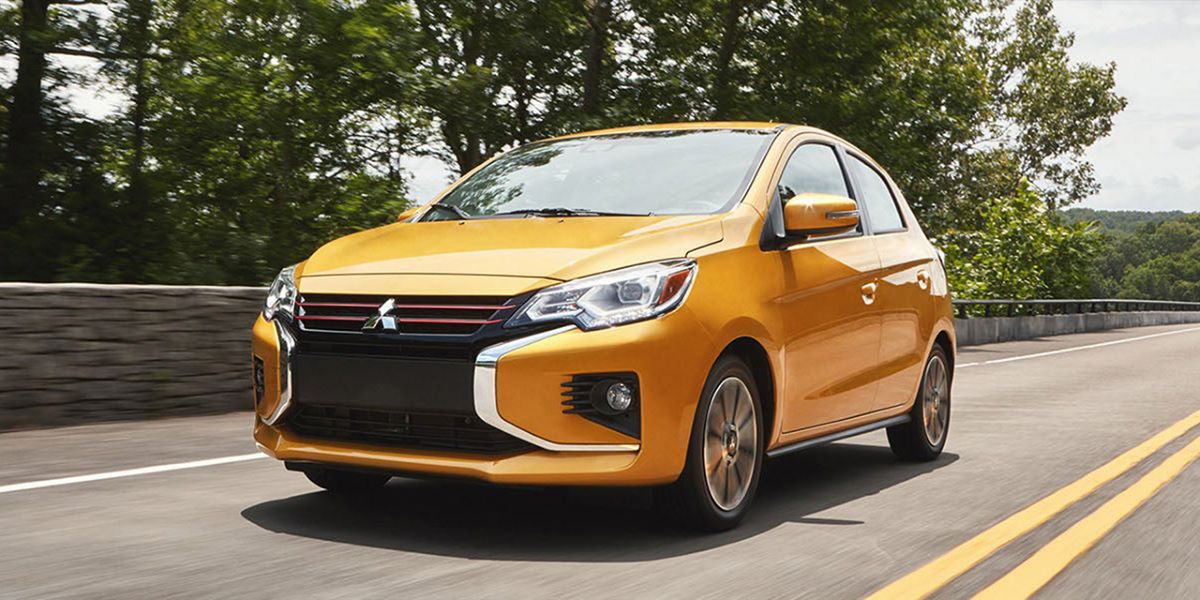
Its weak three-cylinder engine, lackluster ride quality, and barebones interior make it feel outdated. Buyers quickly realize that spending just a bit more can yield a far better car, like a Nissan Versa or Kia Rio.
Even used, the Mirage’s low-quality materials and lack of refinement turn off most shoppers. It’s proof that being inexpensive doesn’t always mean being good value.
3. Fiat 500L
When Fiat re-entered the U.S. market, it tried to capitalize on the charm of the tiny 500 by offering larger variants like the 500L. Unfortunately, the 500L lacked both the cuteness of the original and the practicality expected from a small family car.
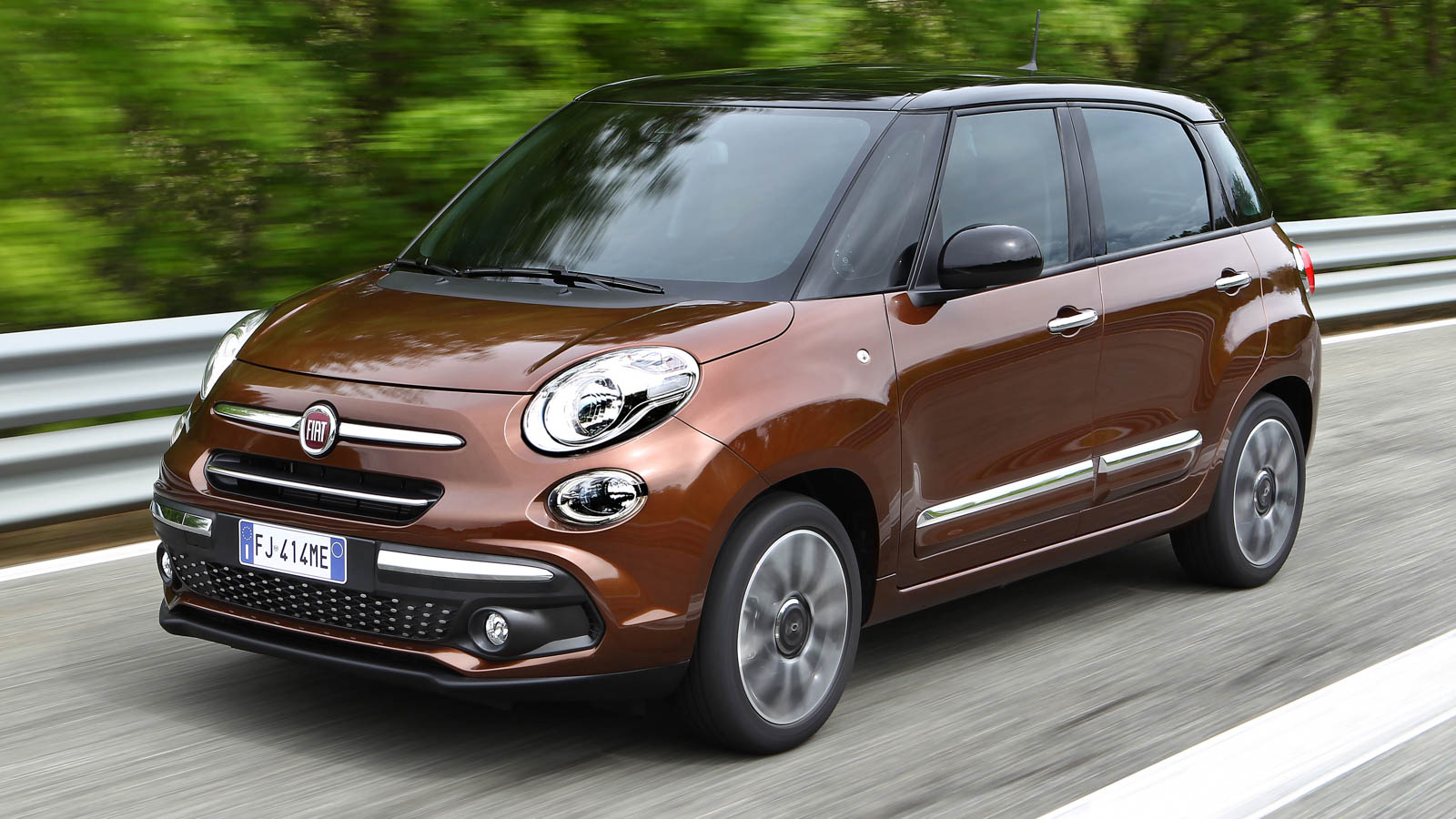
Its awkward proportions, below-average reliability, and poor driving dynamics alienated potential buyers. One of the slowest-selling cars of the last decade. Fiat eventually withdrew most of its lineup from the U.S., but the 500L remains a cautionary tale about misjudging what American buyers want.
Several models from Fiat utilize the 500 nameplate, so it is helpful to clarify the distinctions between them. The standard Fiat 500 is a compact two-door hatchback, the 500X is a crossover SUV that projects a somewhat rugged character, and the 2020 Fiat 500L is a wagon.
When compared to its platform siblings, the 500L offers greater interior room and enhanced practicality. Regrettably, this marks the conclusion of the relatively brief list of commendable attributes.
Very few automobile manufacturers continue to produce small wagons today, so perhaps Fiat warrants a degree of acknowledgment for the continued existence of the 500L.
However, when measured against the most recent generation of small crossover vehicles, the 500L feels decidedly outdated. The materials used throughout the interior are especially disappointing, with an abundance of hard plastic surfaces defining the cabin environment.
Once the vehicle is in motion, the 500L is notably loud and delivers an uncomfortable ride on the highway. Furthermore, the 500L’s asking price is not sufficiently low to position it as a genuine value proposition.
The 2020 Fiat 500L is a four-door compact wagon that is offered in three different trim levels: Pop, Trekking, and Lounge. Every Fiat 500L is equipped with a turbocharged 1.4-liter four-cylinder engine (160 horsepower, 184 lb-ft of torque) that sends power to the front wheels via a six-speed automatic transmission.
4. Nissan Murano CrossCabriolet
The idea of combining an SUV with a convertible sounded innovative but the execution fell flat. The Nissan Murano CrossCabriolet was neither a good SUV nor an appealing convertible.
Its odd shape, high price, and compromised practicality turned it into one of the most ridiculed vehicles of the 2010s.

While it offered a smooth V6 engine and a premium interior, few buyers could get past its awkward styling and limited trunk space. Today, the CrossCabriolet serves as a collector’s curiosity rather than a desirable used car.
5. Dodge Dart
Launched in 2013 with hopes of reviving Dodge’s small-car fortunes, the Dart looked promising at first. It had aggressive styling and a modern interior, but the driving experience didn’t live up to expectations.
Sluggish performance, confusing trim options, and spotty reliability doomed it quickly. In a fiercely competitive compact segment, the Dart never found its footing.
Fiat Chrysler pulled the plug just three years later, and today, even well-maintained used Darts struggle to find buyers. It’s a reminder that design alone can’t save a car that fails to deliver substance.

The U.S. car market rewards consistency, reputation, and emotional connection. Vehicles like the Toyota Tacoma, Jeep Wrangler, and Porsche 911 remain in perpetual demand because they deliver a clear identity and proven reliability.
On the other hand, models like the Chrysler 200 or Fiat 500L falter when they fail to meet expectations or misread what drivers truly value.
Americans don’t just buy cars they buy trust, legacy, and a sense of purpose. That’s why the best never go out of demand, while others fade into obscurity despite their potential.
