Electric vehicles (EVs) have quickly moved from futuristic novelties to mainstream reality in the United States.
Nearly every automaker now has an electric offering, and while most EVs excel in efficiency, range, and tech, not all deliver when it comes to the driving experience.
Some feel like high-tech appliances silent, smooth, and utterly uninspiring while others genuinely capture the thrill of the open road.
For American drivers who still value steering feedback, balance, and excitement behind the wheel, there’s a clear divide between EVs that feel alive and those that simply get the job done.
Below, we take a look at five EVs that are genuinely fun to drive cars that manage to blend instant torque with dynamic chassis tuning and five that feel more like mobile gadgets than machines meant for enthusiasts.
EVs That Feel Fun to Drive
Electric vehicles have come a long way from being just efficient and eco-friendly options, they’re now delivering the kind of excitement once reserved for high-performance gas cars
. With instant torque, precise handling, and advanced driving tech, today’s EVs prove that going green doesn’t mean giving up on fun. From sporty sedans to agile crossovers, here are some of the most thrilling EVs that make every drive an experience.
1. Porsche Taycan
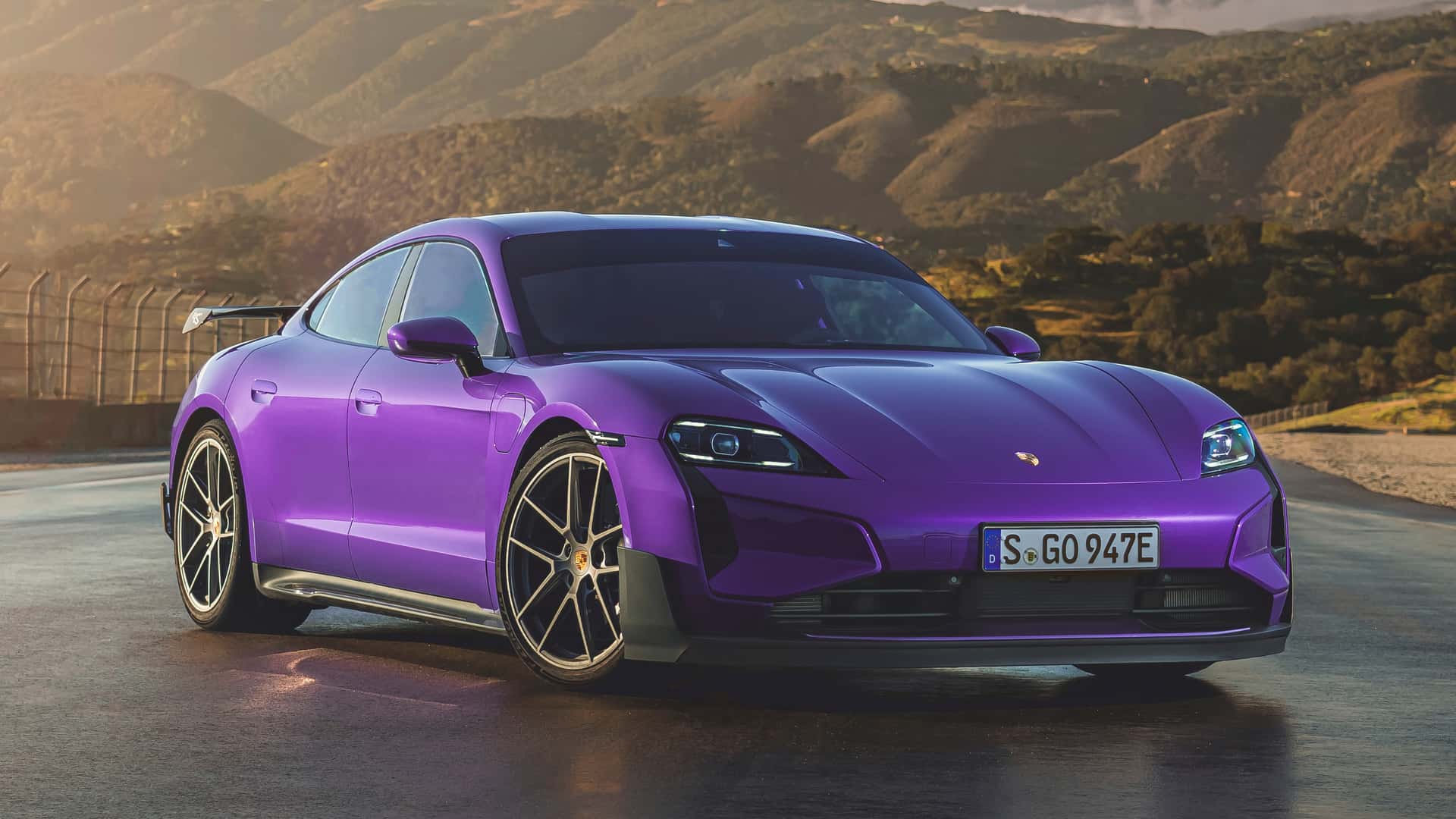
If there’s one EV that reminds drivers what performance really feels like, it’s the Porsche Taycan. Whether you opt for the base RWD model or the ballistic Turbo S, the Taycan exudes precision.
Its steering is among the best of any EV, perfectly weighted and communicative. The car’s low-slung stance and two-speed transmission deliver a surge of acceleration without feeling abrupt.
Porsche engineered the Taycan not as an eco-statement but as a true driver’s car it just happens to be electric. On winding roads, it handles with the same grace as a 911, proving that electrification and emotion can coexist.
Most Porsche Taycan models come equipped with dual electric motors, one driving the front wheels and the other powering the rear. Each setup delivers different performance levels depending on the trim.
The Taycan 4S, for instance, produces up to 522 horsepower with the standard 79.2-kWh battery and up to 562 horsepower when fitted with the optional 83.7-kWh pack.
That larger battery comes standard on higher trims, including the 670-hp Turbo and the 750-hp Turbo S. The base Taycan is rear-wheel-drive only, but it can be paired with either battery option. Its single electric motor generates up to 402 horsepower with the smaller pack and up to 469 horsepower with the larger one.
Every Taycan also includes an innovative two-speed transmission that adds excitement to hard launches. While all three main variants feature all-wheel drive and the same two-speed setup, a rear-drive version is also part of the lineup.
During our time behind the wheel of the Taycan 4S, we were impressed by its instant acceleration, hitting 60 mph in just 3.4 seconds, and its precise, point-and-shoot handling. Still, the brake pedal could feel more responsive, especially considering Porsche’s decision to skip one-pedal driving.
For those chasing ultimate performance, the Turbo S delivers staggering speed. In testing, it rocketed from 0 to 60 mph in a mere 2.4 seconds and completed the quarter-mile in 10.5 seconds at 130 mph.
While a Tesla Model S we tested also managed a sub-three-second sprint, it couldn’t repeat those runs without noticeable performance loss, something the Taycan handled effortlessly.
Combined with its low seating position, sharp steering, and solid feedback, these traits set the Taycan apart from other electric cars. It’s also remarkably comfortable; even equipped with 21-inch wheels and thin tire sidewalls, the Taycan Turbo S maintained a composed, compliant ride without ever feeling overly stiff or harsh.
Also Read: 5 Engines That Rarely Overheat vs 5 That Constantly Run Hot
2. Tesla Model 3 Performance
Say what you want about Tesla’s build quality or Elon Musk’s tweets the Model 3 Performance remains one of the most engaging electric cars on the market.
The dual-motor setup sends power to all four wheels, resulting in blistering acceleration and sharp, immediate throttle response.
With a 0–60 time under 3.5 seconds and a chassis tuned for agility, it dances through corners better than many gas-powered sedans.
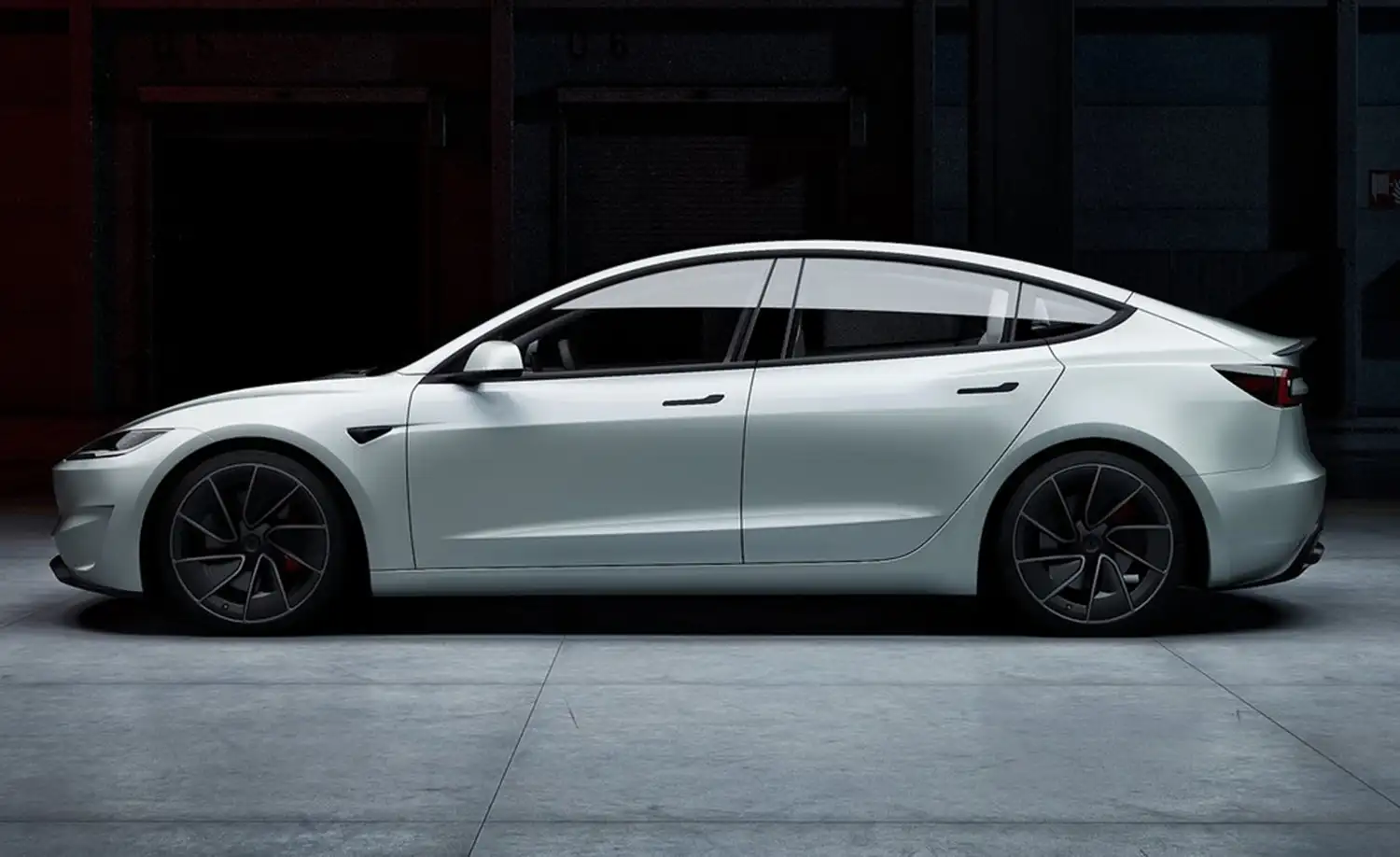
The minimalist interior focuses attention on driving, and the low center of gravity (thanks to the battery pack) adds stability. It’s the EV that converted many skeptics into believers that electric can also mean exciting.
The rise of electric vehicles into the mainstream can largely be credited to Tesla’s success. In particular, the Model 3 has played a major role in making EV ownership attainable for many everyday buyers
. Last year, Tesla refreshed the Model 3 with updated styling, most notably sleeker headlights, a quieter, higher-quality interior, and a smoother overall ride. For 2025, the Model 3 carries over mostly unchanged. However, since Tesla frequently rolls out midyear updates and new features via over-the-air software, changes could appear at any time without much notice.
When it comes to range, the current Tesla Model 3 continues to be among the top in its segment. According to the EPA, the Long Range Rear-Wheel Drive version can travel up to 363 miles on a single charge.
The Model 3 also offers impressive acceleration. The Long Range variant goes from 0 to 60 mph in 4.2 seconds, while the top-tier Performance model delivers supercar-like speed, reaching the same mark in just 3.0 seconds.
3. Hyundai Ioniq 5 N
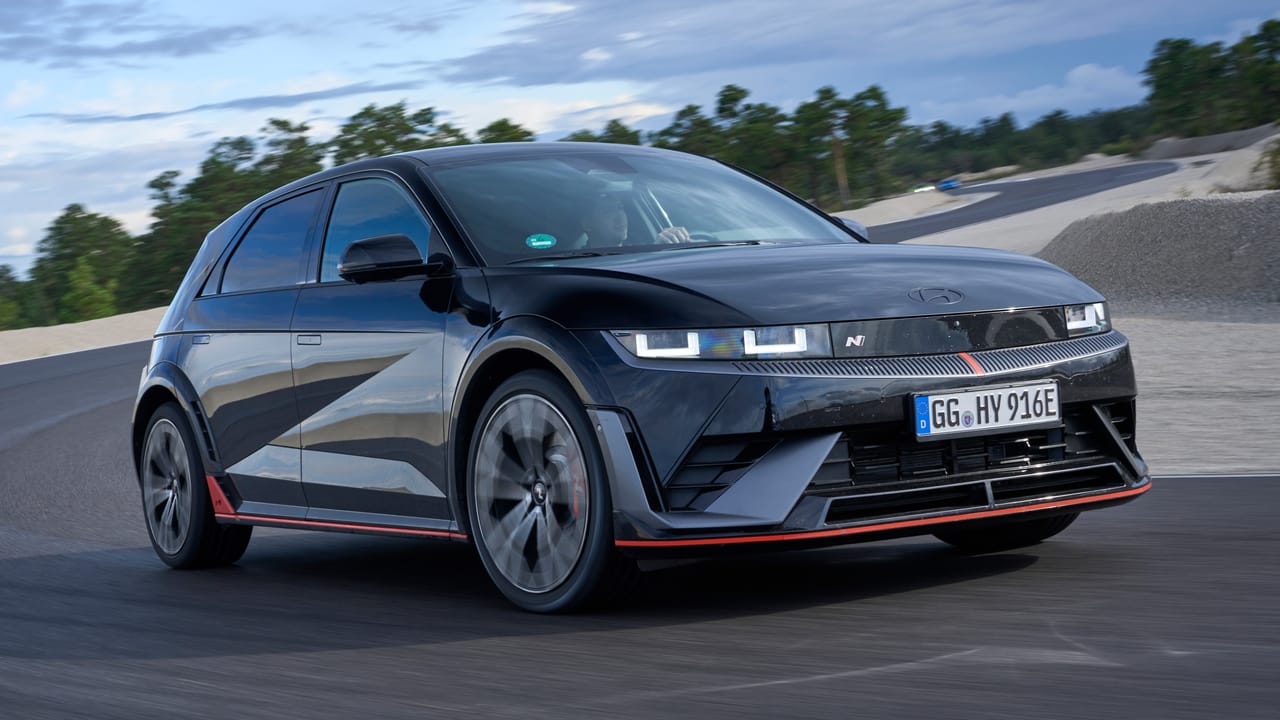
Hyundai’s N division brought a surprising level of passion to the electric world with the Ioniq 5 N. Unlike the regular Ioniq 5 a comfortable, futuristic cruiser the N version is engineered to thrill.
It features simulated gearshifts, aggressive torque vectoring, and a dedicated drift mode that lets drivers tap into their inner rally racer. The steering is quick, the brakes are strong, and the acceleration is immediate.
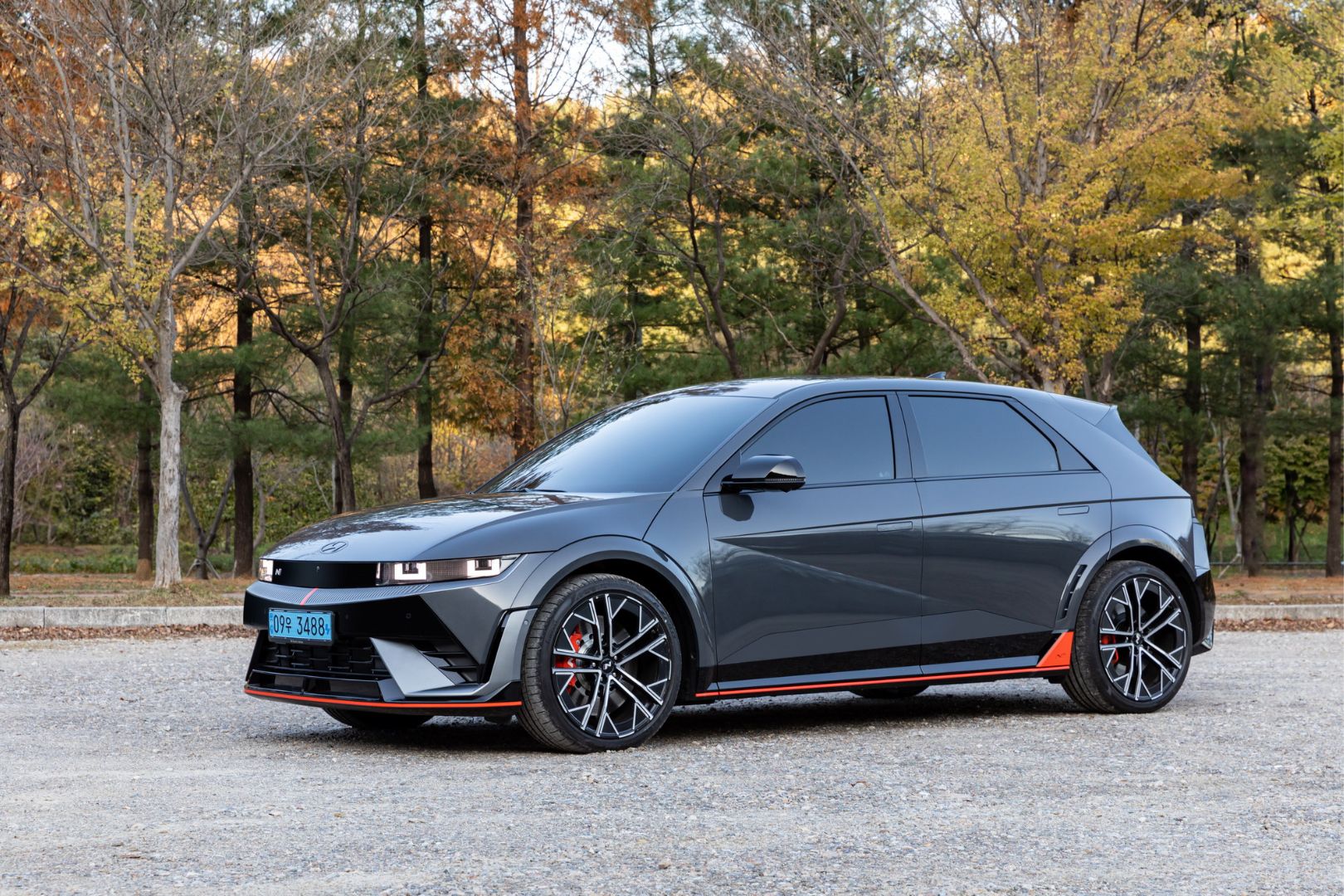
What sets it apart is its playfulness Hyundai added sounds and sensations that make the car feel alive, something many EVs lack. For those missing the character of combustion engines, the Ioniq 5 N delivers grins per mile.
4. Ford Mustang Mach-E GT Performance Edition
The name “Mustang” carries serious heritage, and Ford took that seriously when creating the Mach-E GT Performance Edition. While not every Mach-E feels sporty, this range-topping version brings genuine fun.
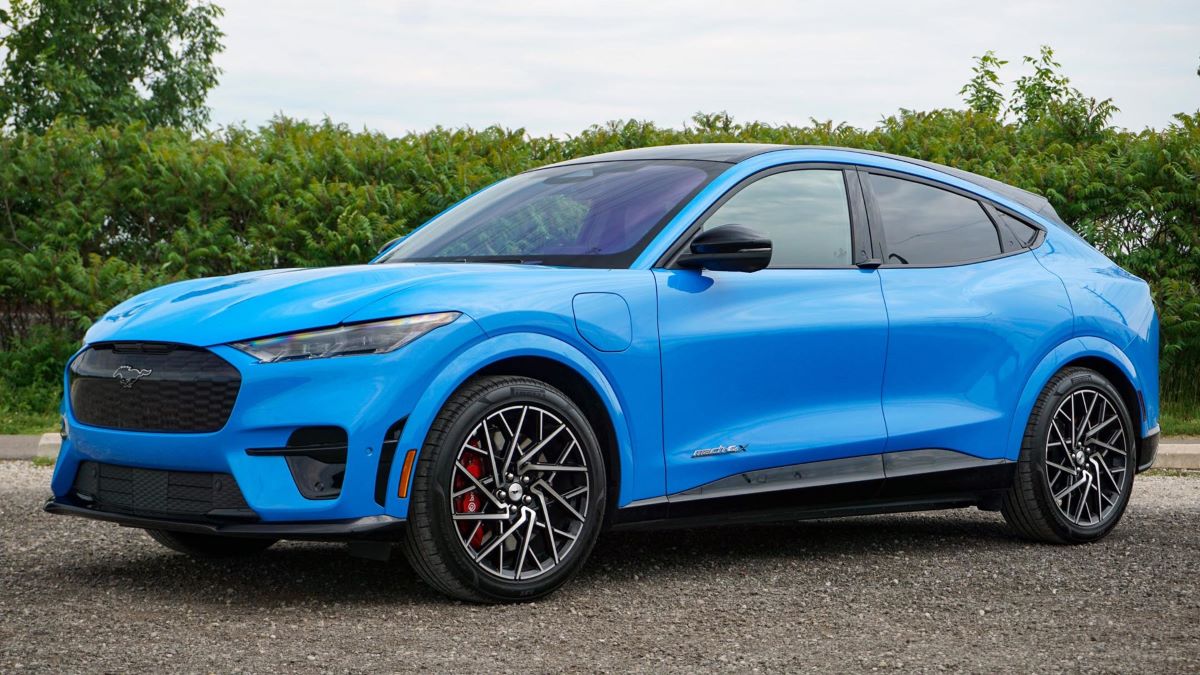
The instant torque hits hard, and the suspension tuning strikes a fine balance between comfort and control. It may not replace a V8 Mustang in sound or nostalgia, but it captures the spirit of American muscle in an electric package.
The GT’s magnetic dampers and grippy tires let it carve through corners with confidence. It’s proof that legacy brands can honor their performance DNA even in the EV era.
Also Read: 10 Affordable Cars That Refuse to Quit in College Parking Lots
5. Polestar 2 Performance Pack
Swedish automaker Polestar, Volvo’s performance spin-off, understands how to make electric driving engaging.
The Polestar 2 Performance Pack combines Scandinavian design minimalism with serious hardware: Öhlins dampers, Brembo brakes, and a rear-biased dual-motor setup.
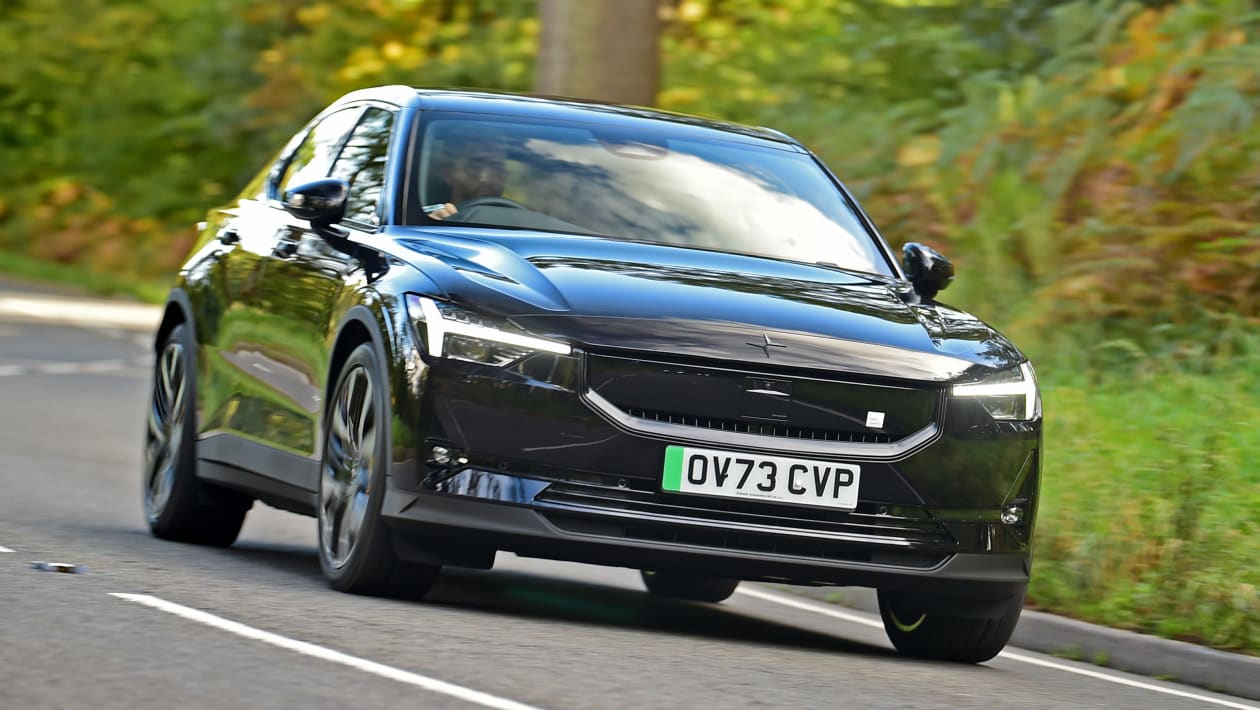
It’s not just quick it’s composed, with a tactile feel through the steering and chassis that rewards spirited driving.
While it may not have the brute acceleration of some rivals, it delivers a more analog feel in a digital age. It’s an EV for drivers who appreciate balance over bragging rights.
Six months and nearly 15,000 miles after its arrival, the Polestar 2 has proven to be everything we hoped it would be, reliable, refined, stylish, and a genuinely practical everyday electric car.
It may not draw as much attention as a Tesla, handle quite as sharply as a BMW i4, or have the imposing presence of a large electric SUV, but it comfortably hits the sweet spot. It’s a car that doesn’t feel like a statement about its owner’s ego or insecurities, and that’s exactly where Polestar should be aiming.
Polestar has evolved beyond its origins as Volvo’s performance division into a full-fledged brand with its own distinct personality. It’s effectively Volvo’s cooler, younger, all-electric sibling.
With a strong lineup on the horizon, including various sedans, crossovers, and even sportier models, there’s plenty to look forward to from this Chinese-Scandinavian collaboration.
The Polestar 2 itself, though, has been an impressive effort from the very beginning. The brand’s rapid learning curve and responsive approach to issues have helped it stand out.
Early battery concerns were swiftly and quietly resolved before they became public headaches, and initial software glitches with public rapid chargers were fixed promptly, no finger-pointing at customers, just action.
The Polestar 2 also feels like the right kind of car for the times. Technologically, it’s advanced but not needlessly complicated, free from excessive gimmicks, and refreshingly straightforward to use. Its styling, too, grows on you over time; what might initially seem conservative gradually reveals a sharp, confident design.
Quite a lot, and mostly good news. There are no major deal-breakers to speak of. The Polestar 2 has handled the rigors of daily life admirably, and after a professional valet, it looks nearly brand new.
Regular software updates ensure that the car never feels outdated, something even as simple as map data can show age quickly in other vehicles, and physically, it’s holding up extremely well after nearly 15,000 miles.
Minor gripes aside, the Polestar 2 has held up beautifully, an understated, capable, and quietly confident EV that proves substance matters more than flash.
EVs That Feel Like Appliances
While many electric vehicles are redefining performance and excitement, not every EV manages to capture that spark.
Some models, despite their impressive range and technology, end up feeling more like appliances than cars, efficient, quiet, and predictable, but lacking personality or engagement. These are the EVs that get the job done without stirring much emotion behind the wheel.
1. Nissan Leaf
The Nissan Leaf deserves credit as one of the pioneers of affordable EVs, but it’s now feeling dated. Its modest range, slow acceleration, and uninspiring handling make it more of a tool than a toy.
The Leaf is perfect for short commutes and errands but lacks any real driving excitement.
The soft suspension and vague steering emphasize comfort over control, making it one of the least engaging EVs on the market. It’s a fine choice for practicality just don’t expect it to stir your soul.
Once upon a time, the Nissan Leaf was the electric car. It stood as the world’s first affordable EV, the top-selling one globally, and the only model produced across three continents, including this one.
Over the years, Nissan has gained immense experience in electric mobility, having built around 700,000 Leafs since 2010. That’s enough to stretch to the moon several times or fill multiple Olympic-sized swimming pools, give or take a few.
But somewhere along the way, Nissan lost its momentum. The second-generation Leaf arrived, but it felt more like a version 1.5 than a true successor, coasting on the lack of serious competition.
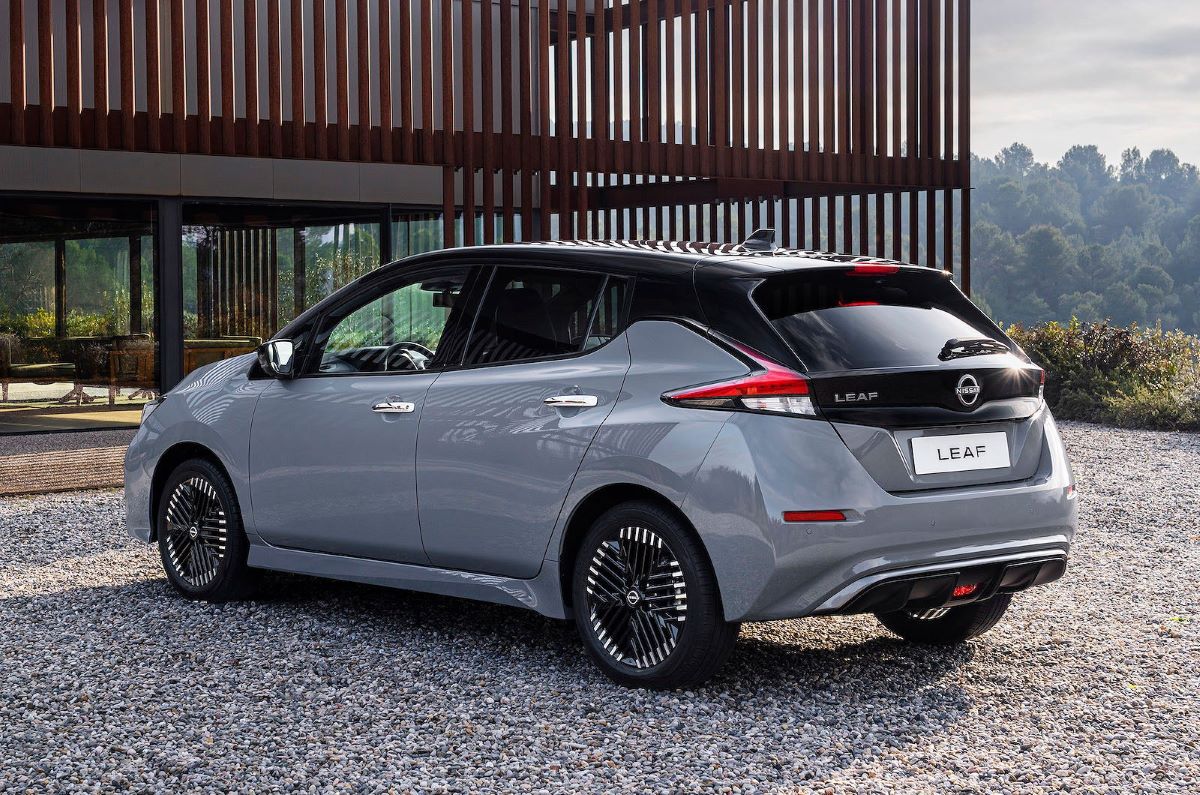
Its limited range and slow charging made long journeys tedious. Still, it remained a solid choice for owners who primarily charged at home, earning a well-deserved reputation for reliability and build quality, something not every EV can claim today.
Now, the all-new Leaf enters the scene with an established name and a clean slate. This latest generation represents a complete overhaul from bumper to bumper. Crucially, it’s now designed to handle long-distance travel, making it a viable option as a family’s primary car.
To achieve that, it’s become roomier thanks to a taller stance, though it’s actually shorter in length than before. Its aerodynamic efficiency, featuring a drag coefficient of just 0.25, compensates for its increased height, while a more advanced electrical system and low-resistance tires improve efficiency even further.
As a result, it travels farther on a charge, recharges faster, and features a completely redesigned interior and user interface that bear little resemblance to the old model.
The 2025 Leaf offers two battery options: a 52-kWh pack delivering up to 270 miles of range and a 75-kWh pack capable of up to 375 miles (WLTP) with narrower tires. Those figures suggest strong efficiency, as both variants achieve competitive range using smaller batteries than many of their rivals.
Charging speeds are solid, if not groundbreaking. Thanks to its modern, water-cooled battery system, the larger pack can handle a steady 150kW fast charge, reaching 10–80% in about 30 minutes. That’s a huge leap over the old Leaf’s air-cooled 50kW setup, which took around 75 minutes to achieve the same.
Nissan’s focus on incremental improvements has also paid off on the highway, a common weakness for EVs. At a steady 70 mph, the new Leaf manages about 267 miles on a charge. That’s impressive efficiency and a clear sign that the pioneer of affordable EVs is back in form.
2. Chevrolet Bolt EV
The Chevy Bolt EV offers solid value, good range, and a small footprint ideal for urban commuters. Unfortunately, it’s also one of the most “appliance-like” vehicles you can drive.
The steering feels light and numb, the body leans in corners, and the ride, while acceptable, lacks any emotional connection.
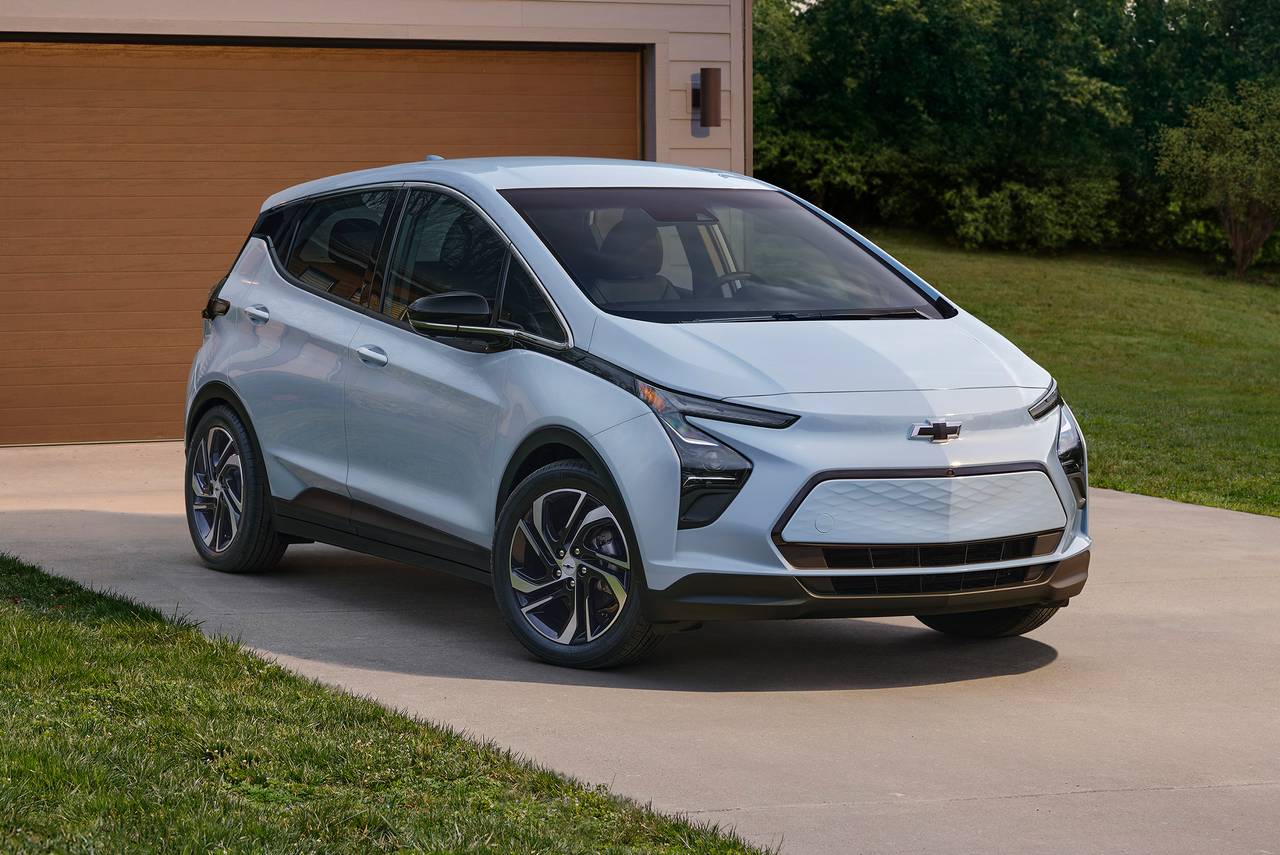
GM engineered the Bolt to be efficient and affordable, not sporty. It fulfills that mission but without excitement. It’s the equivalent of a reliable dishwasher practical, dependable, and utterly unmemorable.
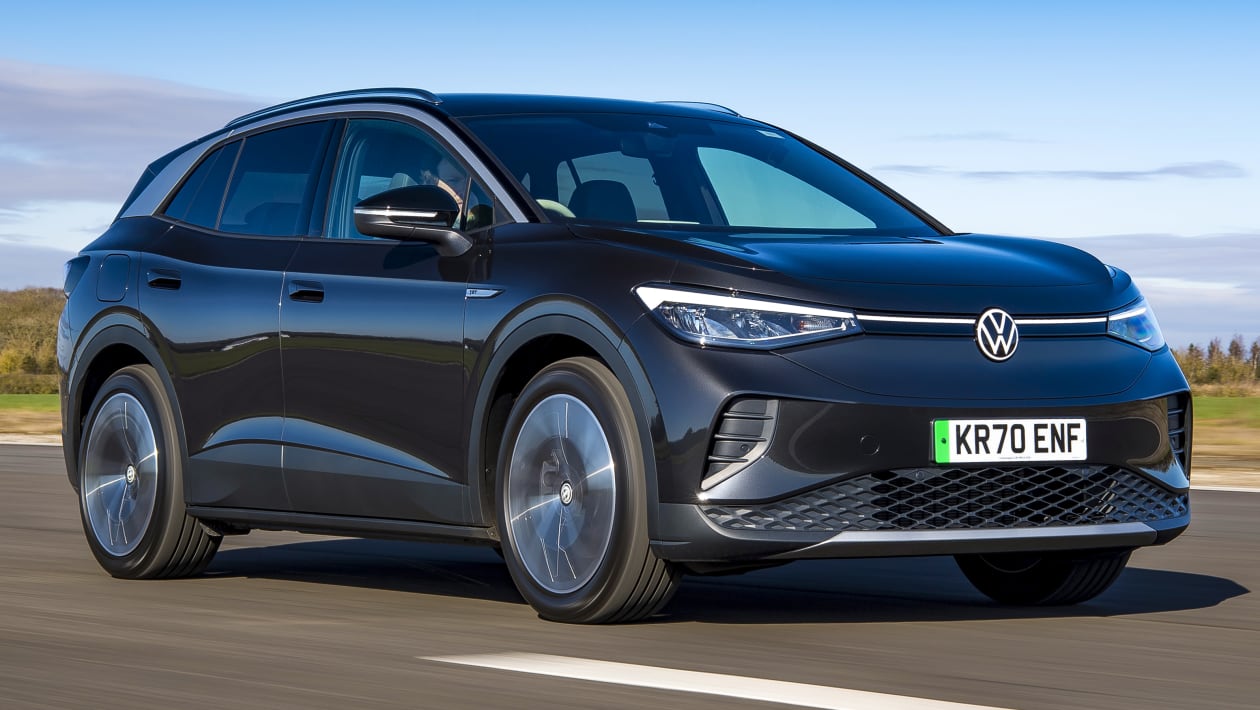
3. Volkswagen ID.4
Volkswagen positioned the ID.4 as a people’s EV, and it certainly fits the bill. It’s spacious, quiet, and well-equipped, but it’s far from engaging.
The soft steering, relaxed throttle response, and gentle suspension tuning make it feel more like a tech product than a driver’s car.
Even in sport mode, the ID.4 prioritizes serenity over stimulation. For families who just want comfort and range, it’s a great pick but enthusiasts will find it soulless.
The Volkswagen ID.4 is, unsurprisingly, the crossover counterpart to the ID.3 hatchback. Built on VW’s purpose-designed MEB platform for electric vehicles, the ID.4 comes in both rear- and all-wheel-drive configurations and offers two battery sizes: 52 kWh and 77 kWh.
There’s also the sportier ID.4 GTX, equipped with a 79-kWh battery, positioned as the brand’s electric-era answer to the GTI or R badge, though whether it truly earns that comparison remains to be seen.
Base models of the ID.4 deliver up to 221 miles of range from the smaller 52-kWh battery. Opting for the larger 77-kWh pack increases that to 339 miles, while adding all-wheel drive slightly reduces range due to the added weight and power demands. The range-topping all-wheel-drive GTX claims up to 321 miles on a full charge.
However, there’s one small issue, well, actually, a fairly significant one. The entry-level Skoda Enyaq offers more range across the board while being cheaper than the ID.4. That’s a tough pill to swallow.
Still, when judged on its own merits, the ID.4 is a comfortable, efficient, and straightforward family SUV. It’s calm and composed on the road, if not particularly engaging to drive.
Whether that matters in a family-oriented crossover is debatable, but even the performance-focused GTX doesn’t add much excitement to the experience.
Think Tiguan on the outside, but with even more space inside. Despite sharing its wheelbase with the ID.3, the ID.4’s taller stance provides a greater sense of legroom and a much roomier cabin overall. At roughly 300mm longer than the ID.3, it also offers a significantly larger boot.
The interior follows the minimalist design trend common among modern EVs, though that’s not necessarily an advantage here. It adopts the same touch-based control setup found in the ID.3, which remains one of its biggest frustrations. Even with illuminated touch-sensitive buttons and sliders on the steering wheel and dashboard, they’re still fiddly and unintuitive to use.
Pricing for the ID.4 starts at £39,590 for the version with the smaller battery. The 77-kWh variant begins at £44,400, while all-wheel drive models start from £46,120. At the top of the lineup, the GTX commands £52,245. For more details on trims and equipment, head over to the “Buying” section.
4. Toyota bZ4X
Toyota’s bZ4X is a solid attempt at entering the EV market, but it feels built by committee cautious, predictable, and dull. Its acceleration is modest, and the steering lacks feedback.
Even the futuristic name can’t disguise the fact that it feels sterile behind the wheel.
While Toyota’s reliability reputation will attract buyers, the bZ4X lacks any personality or joy. It’s transportation in its most literal sense: a way to get from A to B with minimal emotion.
The Toyota bZ4X comes standard with a front-wheel-drive, single-motor configuration producing 201 horsepower, the same output as the Kia Niro EV and the base front-wheel-drive Volkswagen ID.4.
Opting for the all-wheel-drive version adds a second motor, but power only rises slightly to 215 horsepower, which is notably less than rivals like the all-wheel-drive ID.4 (330 horsepower) or the Hyundai Ioniq 5 (320 horsepower).
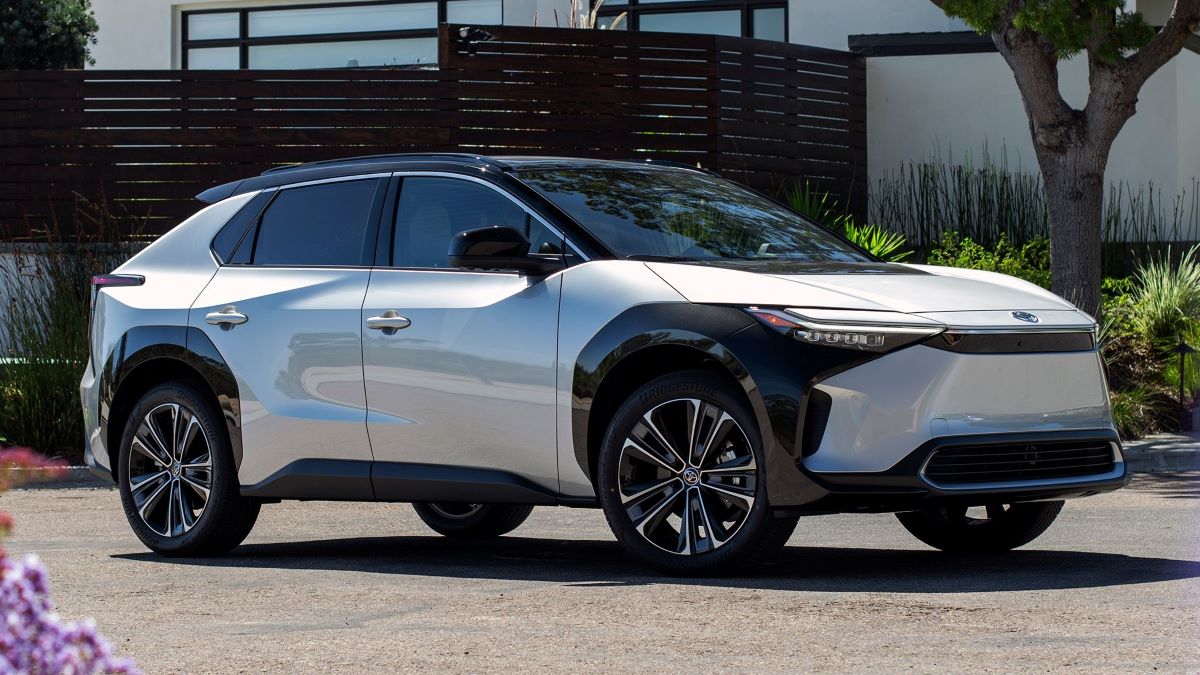
During our initial test drive, both the front- and all-wheel-drive variants delivered lively, responsive acceleration, though neither will be giving Teslas a run for their money in a straight line. On our test track, the dual-motor model hit 60 mph in 6.4 seconds, a solid showing, but far from thrilling.
On the road, the bZ4X impresses with its composed ride quality, soaking up bumps smoothly without feeling overly soft or disconnected. The steering feels naturally weighted and predictable, adding to its easygoing demeanor.
As for regenerative braking, there are only two settings, none and some, with the latter activated by a button on the center console. However, unlike many other EVs, the bZ4X doesn’t offer true one-pedal driving, which may disappoint those accustomed to stronger regenerative systems.
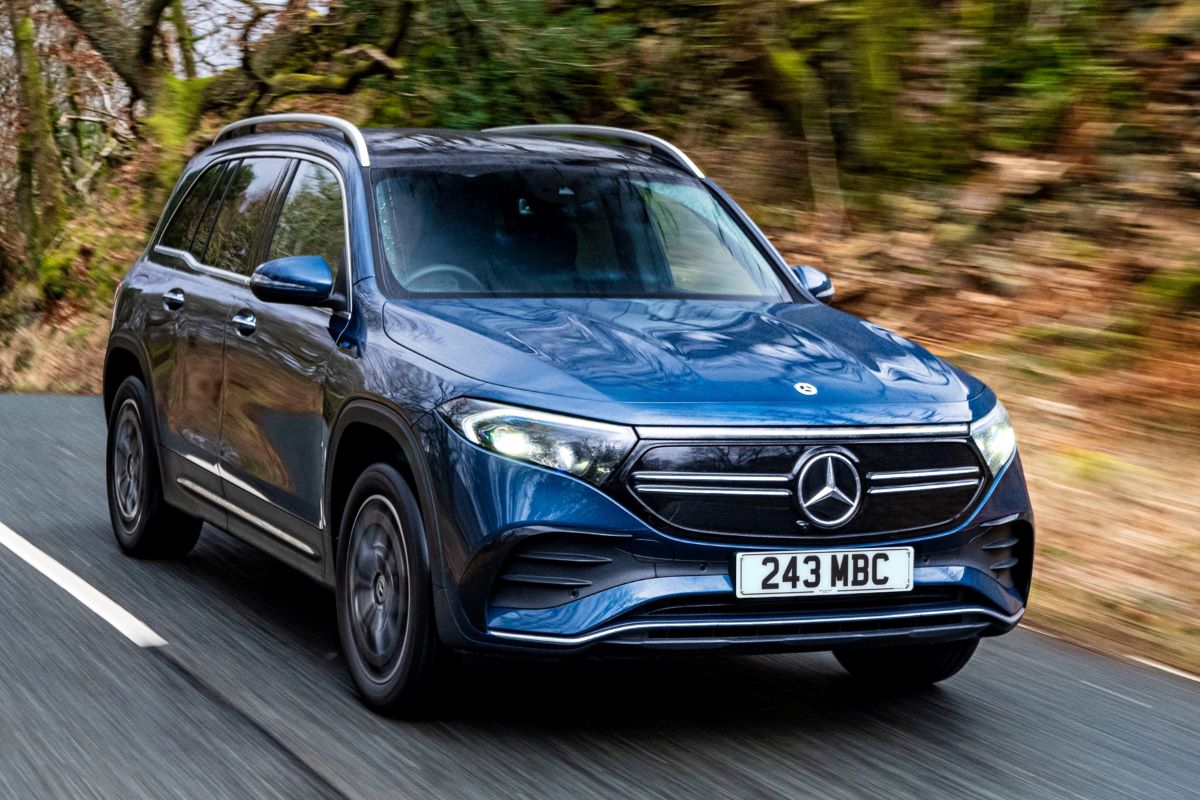
5. Mercedes-Benz EQB
Luxury doesn’t always equal fun, and the Mercedes EQB proves it. While the interior oozes premium comfort and high-tech flair, the driving experience feels heavy and detached.
The steering is over-assisted, and the throttle mapping is subdued, prioritizing refinement over responsiveness. It’s great for quiet commutes but utterly fails to engage the driver. The EQB feels more like a mobile lounge than a car designed for connection with the road.
The EV landscape in the U.S. is rapidly evolving, and the good news is that driving excitement hasn’t vanished with the internal combustion engine.
Cars like the Taycan, Ioniq 5 N, and Model 3 Performance prove that electric vehicles can be both sustainable and soulful. On the other hand, models like the Leaf and ID.4 remind us that some automakers still view EVs primarily as transportation appliances.
As battery technology improves and automakers refine their platforms, more electric cars will likely bridge the gap between practicality and passion.
Until then, drivers seeking thrills should look to performance-focused models the ones that make every trip feel like more than just a commute. Because even in an electrified future, driving should never feel like operating a household appliance.