
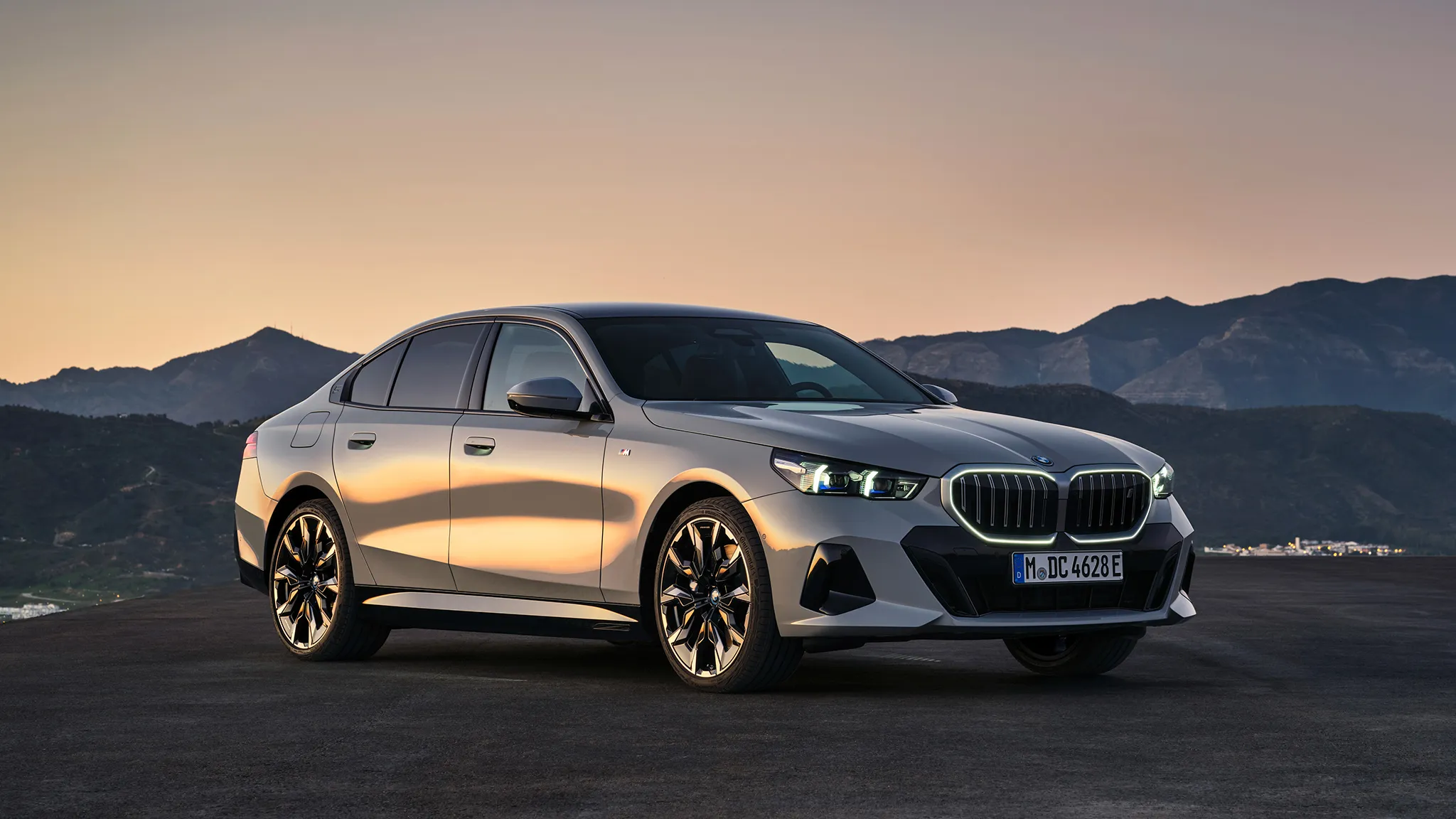
Some sedans command attention effortlessly, making pedestrians stop and stare as they glide past. They disappear into traffic like ghosts, so anonymous that even their owners struggle to locate them in crowded parking lots.
This dramatic difference in visual presence separates memorable cars from forgettable transportation, creating distinct categories that reveal how design, proportion, and character influence our perception.
Turning heads isn’t about flashy colours or ridiculous modifications. Certain sedans possess inherent qualities that demand second glances. Proportions flow perfectly. Details catch the light beautifully.
Presence feels substantial without being ostentatious. These cars make statements simply by existing, attracting admiration from enthusiasts and casual observers alike. They photograph well, age gracefully, and maintain their appeal long after newer models arrive.
Blending in represents the opposite extreme. Some sedans are so thoroughly unremarkable that they become invisible. Generic shapes, forgettable details, and a complete lack of character create vehicles that trigger zero emotional response.
People walk past them without registering their existence. Parking lot searches take forever because nothing distinguishes these cars from dozens of similar alternatives. They’re transportation in its most utilitarian form, sacrificing personality for practicality.
This guide examines ten sedans split between these extremes. Five continue attracting attention years after production, their designs remaining fresh and appealing. Five others blend into backgrounds so completely that describing them to police after witnessing accidents proves nearly impossible.
Understanding what separates memorable from forgettable reveals deeper truths about automotive design and helps you choose whether you want to stand out or disappear when selecting your next sedan.
Sedans That Still Turn Heads
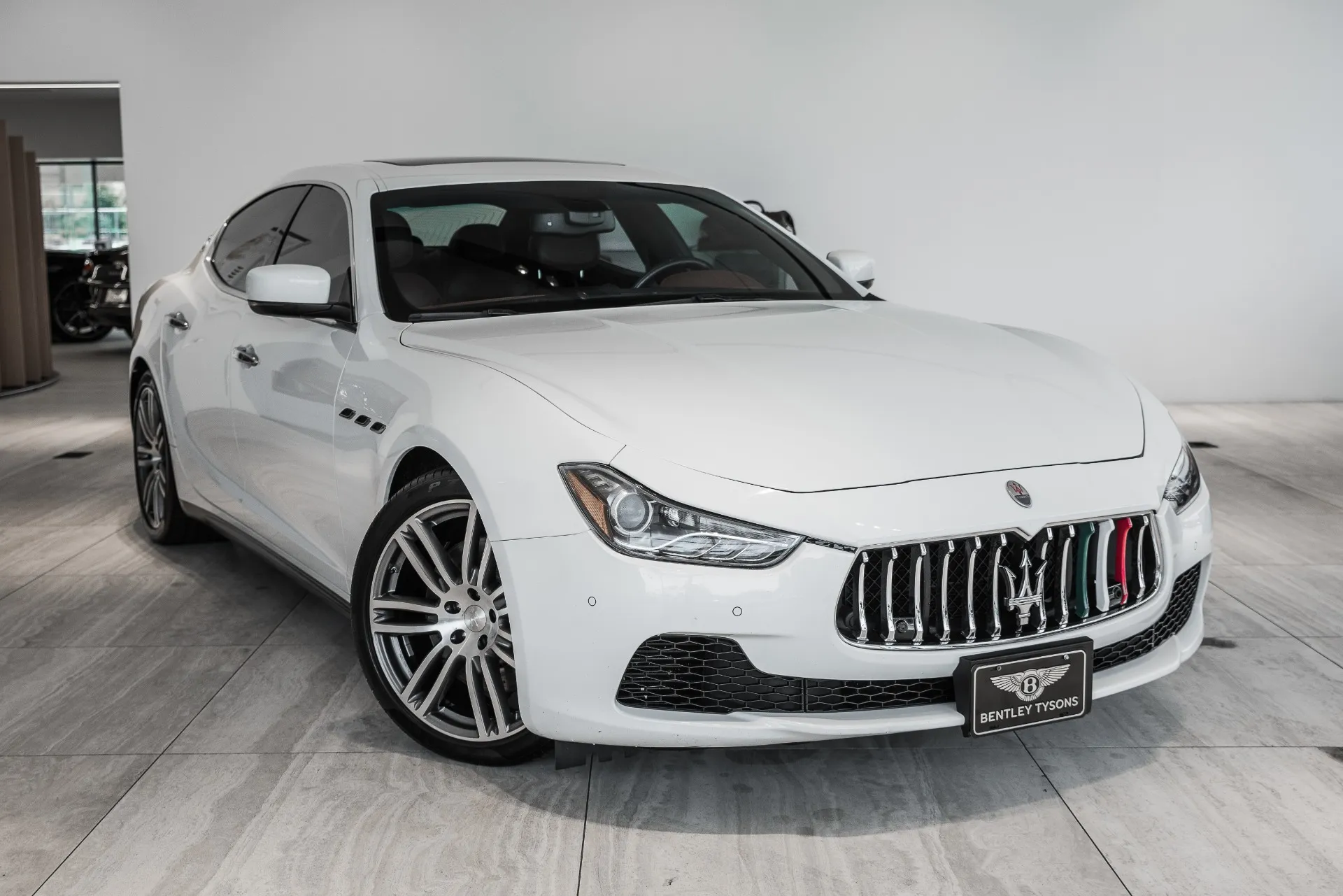
1. Maserati Ghibli S Q4 (2014-2018)
Italian exotics command attention automatically, and these Ghiblis deliver presence that cheaper sedans can’t match. Trident badges announce luxury heritage, while aggressive styling creates visual drama missing from conservative German competitors.
Years after release, these sedans still make pedestrians pause and stare, their distinctive character refusing to fade into automotive anonymity.
Styling remains aggressive without becoming cartoonish. Long bonnet proportions suggest powerful engines underneath. Sculptured side panels catch light beautifully, creating shadows that emphasize muscular bodywork.
Rear haunches bulge purposefully, communicating performance capability. These design elements work together, creating cohesive packages that photograph brilliantly from every angle.
Ferrari-derived V6 engines produce glorious soundtracks that announce arrivals long before visual contact. Twin-turbo powerplants deliver 404 horsepower with characterful delivery.
Exhaust notes are properly theatrical, crackling and burbling during deceleration. These auditory signatures complement visual drama, ensuring Ghiblis get noticed through multiple senses simultaneously.
Interior quality varies, with some materials feeling less premium than the pricing suggests. However, design flair compensates for occasional cheapness. Dashboard layouts are distinctive and stylish. Seats are comfortable and supportive. Everything feels special rather than generic, creating environments that justify luxury sedan classifications despite cost-cutting in certain areas.
Reliability concerns plague these Maseratis, yet their head-turning ability remains undeniable. Even parked, they command attention that BMWs and Mercedes struggle to match. Distinctive grilles are recognizable blocks away.
Side profiles are memorable rather than generic. These sedans make statements that conservative alternatives can’t, ensuring they’ll continue attracting stares for years to come. If visual presence matters more than perfect reliability, few sedans deliver as effectively as Ghiblis.
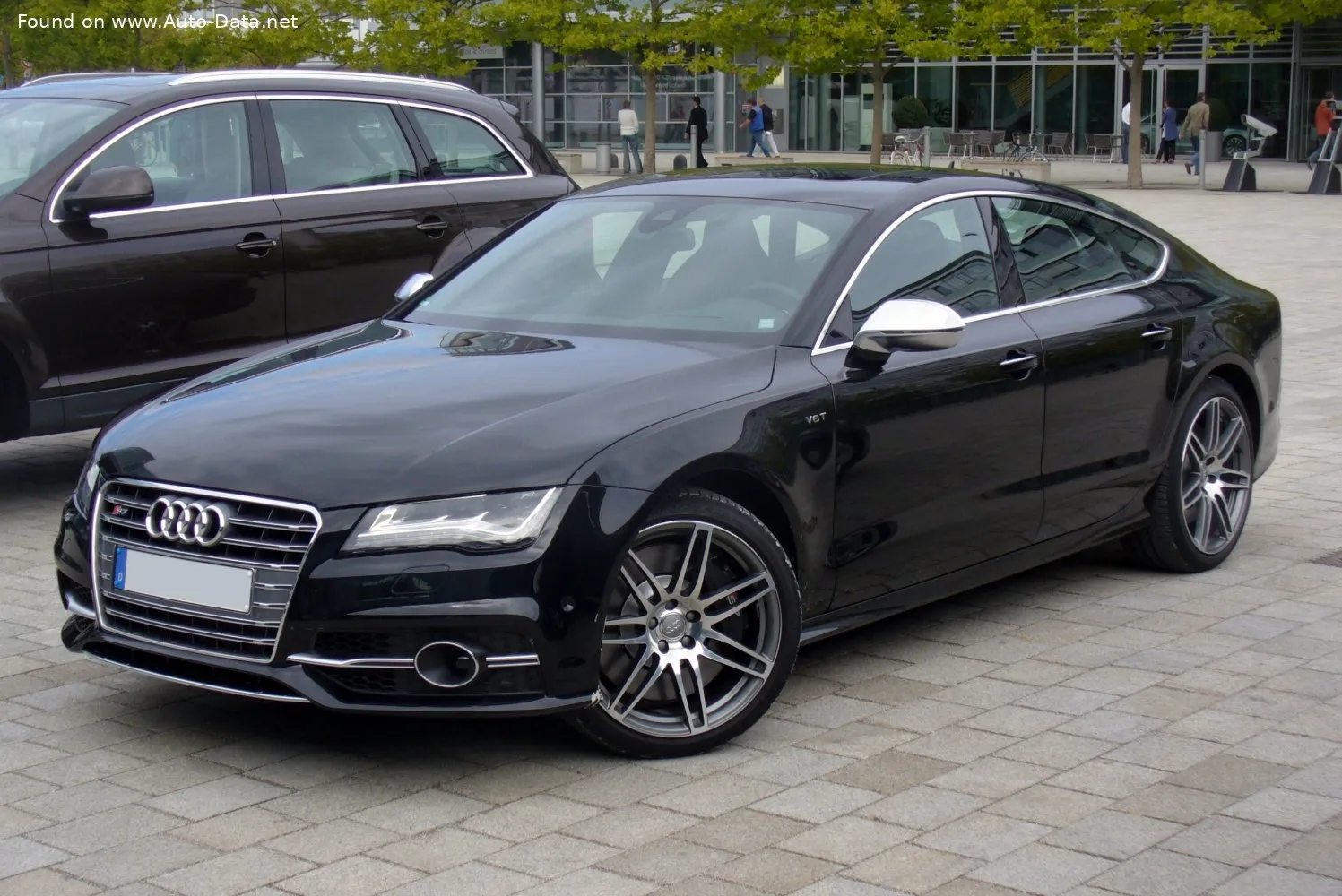
2. Audi S7 Sportback (2012-2017)
Fastback styling separates these Audis from conservative sedan crowds. Sloping rooflines create coupe-like profiles that stand out without screaming for attention. Subtle aggression and perfect proportions combine, producing designs that age beautifully while maintaining the ability to turn heads years after debut. These are thinking person’s statement cars, attractive without being flashy.
LED lighting signatures became Audi trademarks, and S7 implementations are particularly striking. Distinctive daytime running lights create recognizable faces that announce premium German engineering.
Rear light treatments flow across tailgates beautifully, creating visual width that emphasizes planted stances. These lighting elements remain modern despite years passing, proving that good design transcends temporary trends.
Performance credentials justify aggressive styling cues. Supercharged V8 engines produce 420 horsepower, delivering serious speed wrapped in sophisticated packages. Exhaust notes are cultured yet purposeful, rumbling satisfyingly without excessive volume. This combination of performance and refinement attracts enthusiasts who appreciate velocity delivered with class rather than vulgarity.
Interior design showcases Audi’s strengths brilliantly. Materials are excellent throughout the cabins. Build quality feels substantial and precise. Technology integrations are thoughtful rather than gimmicky. Everything works smoothly, creating experiences that justify premium pricing. Sitting inside feels special, reinforcing decisions to choose these distinctive sedans over boring alternatives.
Quattro all-wheel-drive systems provide year-round capability and planted handling that inspires confidence. These aren’t just pretty faces; they’re competent drivers’ cars that handle properly. This substance backing style creates packages that satisfy beyond superficial levels.
Years after release, S7 Sportbacks continue earning admiring glances because their designs remain fresh while competitors age poorly. Clean examples still command strong prices because demand stays healthy for sedans this distinctive.
Also Read: 5 Sedans That Stay Comfortable Past 15 Years vs 5 That Don’t
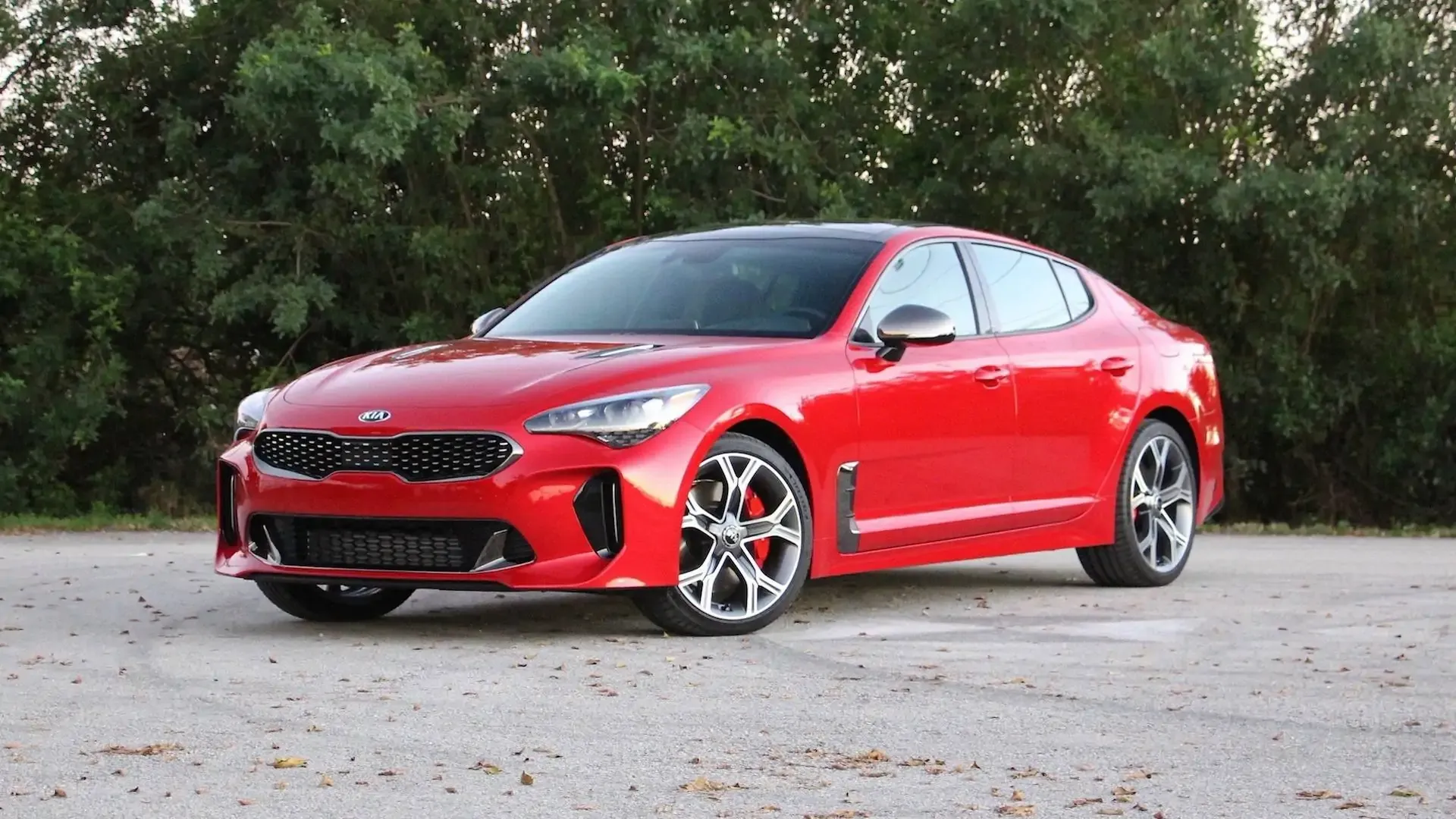
3. Kia Stinger GT (2018-2021)
Korean audacity created these rear-drive sports sedans that shocked critics and attracted stares immediately. Nobody expected Kia to build legitimate BMW alternatives, yet Stingers delivered exactly that while looking fantastic doing it.
Years later, these sedans continue turning heads because their designs work brilliantly, proving Korean brands have finally mastered styling alongside engineering.
Long bonnet proportions communicate rear-wheel-drive layouts and powerful engines. Fastback rooflines create sleek profiles that emphasize performance intentions. Quad exhaust tips and aggressive lower fascias announce serious capabilities.
Everything about Stinger designs screams sports sedan rather than economy transportation, completely redefining brand perceptions for anyone paying attention.
Twin-turbo V6 engines produce 365 horsepower, delivering legitimate performance that backs up aggressive styling. These aren’t all show and no go; they’re properly quick cars that handle competently. Eight-speed automatic transmissions move smoothly and quickly. Launch control enables impressive acceleration that embarrasses many pricier competitors. Performance credentials justify the attention these sedans attract.
Interior quality shocked critics, expecting typical budget Korean execution. Materials are excellent, particularly in GT2 trims. Dashboard designs are attractive and functional.
Technology integrations work smoothly without excessive learning curves. Build quality feels solid throughout. These cabins rival German competitors, costing more, proving Kia learned how to compete properly at higher price points.
Colour choices influence head-turning ability dramatically. Federation Red and Micro Blue particularly stand out, creating instant visual impact. Even conservative colours look good because the underlying shapes work brilliantly. These Stingers photograph beautifully, their proportions remaining attractive from every angle.
Years after their debut, they continue attracting positive attention because their designs age well while remaining distinctive. Budget pricing creates exceptional value propositions that smart buyers recognize, ensuring demand stays healthy for these Korean performance sedans.
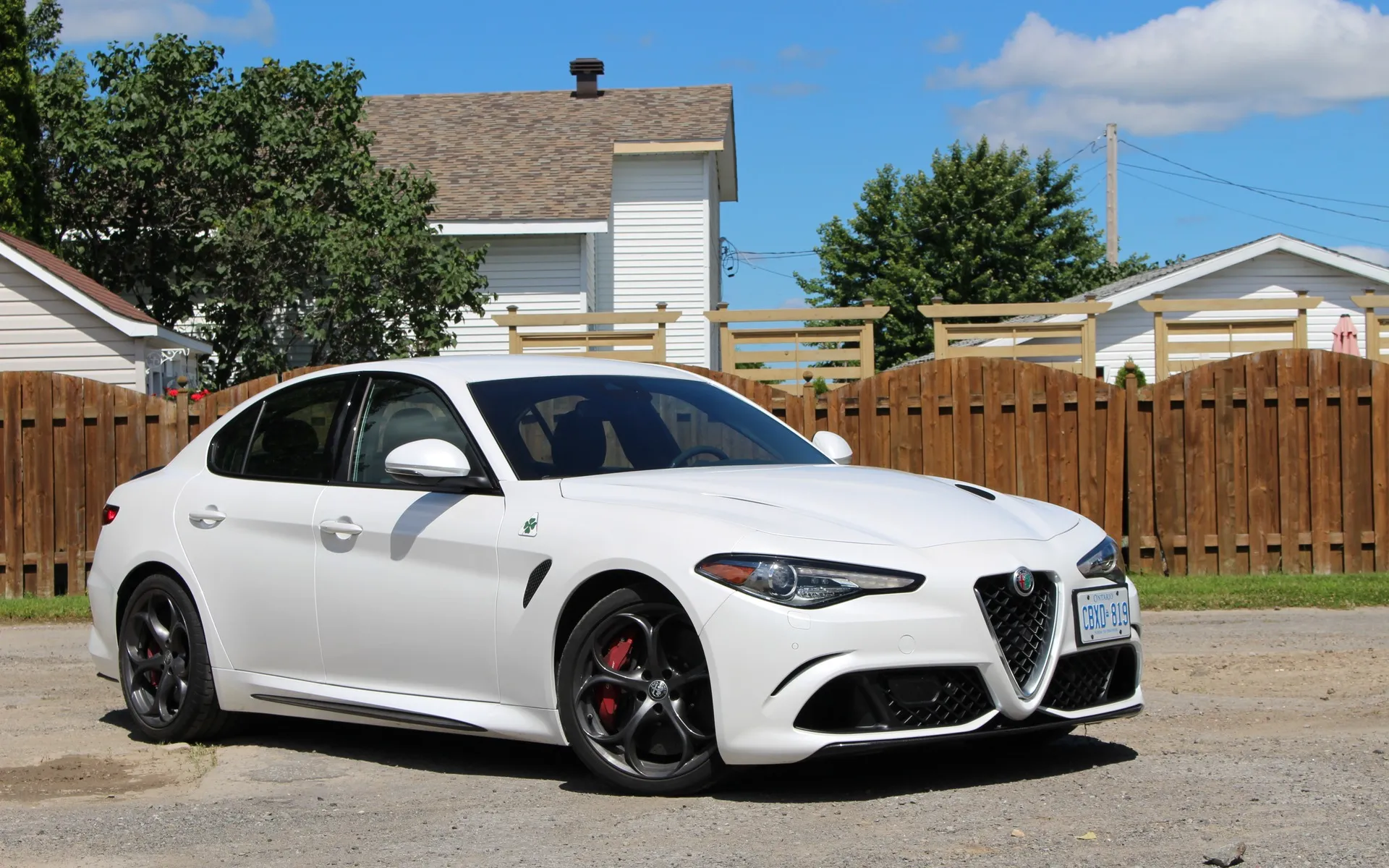
4. Alfa Romeo Giulia Quadrifoglio (2017-2020)
Italian passion meets proper engineering in these rare sedans that command attention through pure beauty. Alfa Romeo styling has always turned heads, and Quadrifoglio models amplify this through aggressive details that emphasize performance intentions.
Years later, these remain some of the most attractive sedans available, their designs aging gracefully while maintaining the ability to stop traffic.
Proportions are absolutely perfect. Long bonnets and short rear overhangs communicate rear-wheel-drive layouts beautifully. Muscular shoulders and sculpted panels create visual drama without excessive busyness. Everything flows naturally, creating cohesive designs that look expensive without trying too hard. These are simply gorgeous cars that photograph brilliantly from any angle.
Twin-turbo V6 engines produce 505 horsepower, delivering supercar performance in practical four-door packages. Ferrari heritage influences powertrains, creating characterful engines that sound glorious. Exhaust notes are properly Italian, crackling and snarling during hard driving. These auditory signatures complement stunning visuals, ensuring Quadrifoglios get noticed through multiple senses.
Handling capabilities justify Nürburgring lap time bragging rights. These sedans are properly quick around corners, delivering engagement that Germans struggle to match. Steering provides excellent feedback. Chassis balance is neutral and predictable. Everything about driving these Alfas reminds you they’re special rather than generic. Performance substance backs up styling flash.
Interior design emphasizes driver focus. Materials are decent, though not quite matching German luxury standards. Carbon fibre accents and Alcantara trim create sporty atmospheres. Everything feels purposeful rather than luxurious. You’re reminded constantly that these cars prioritize driving over comfort, exactly as they should.
Reliability concerns are real, but they can’t diminish visual impact. Even parked, Quadrifoglios attract crowds of admirers. Distinctive grilles and aggressive stances announce Italian exotica. These are special cars that few people buy but everyone notices. Years from now, they’ll still be turning heads because beautiful design never goes out of style completely.
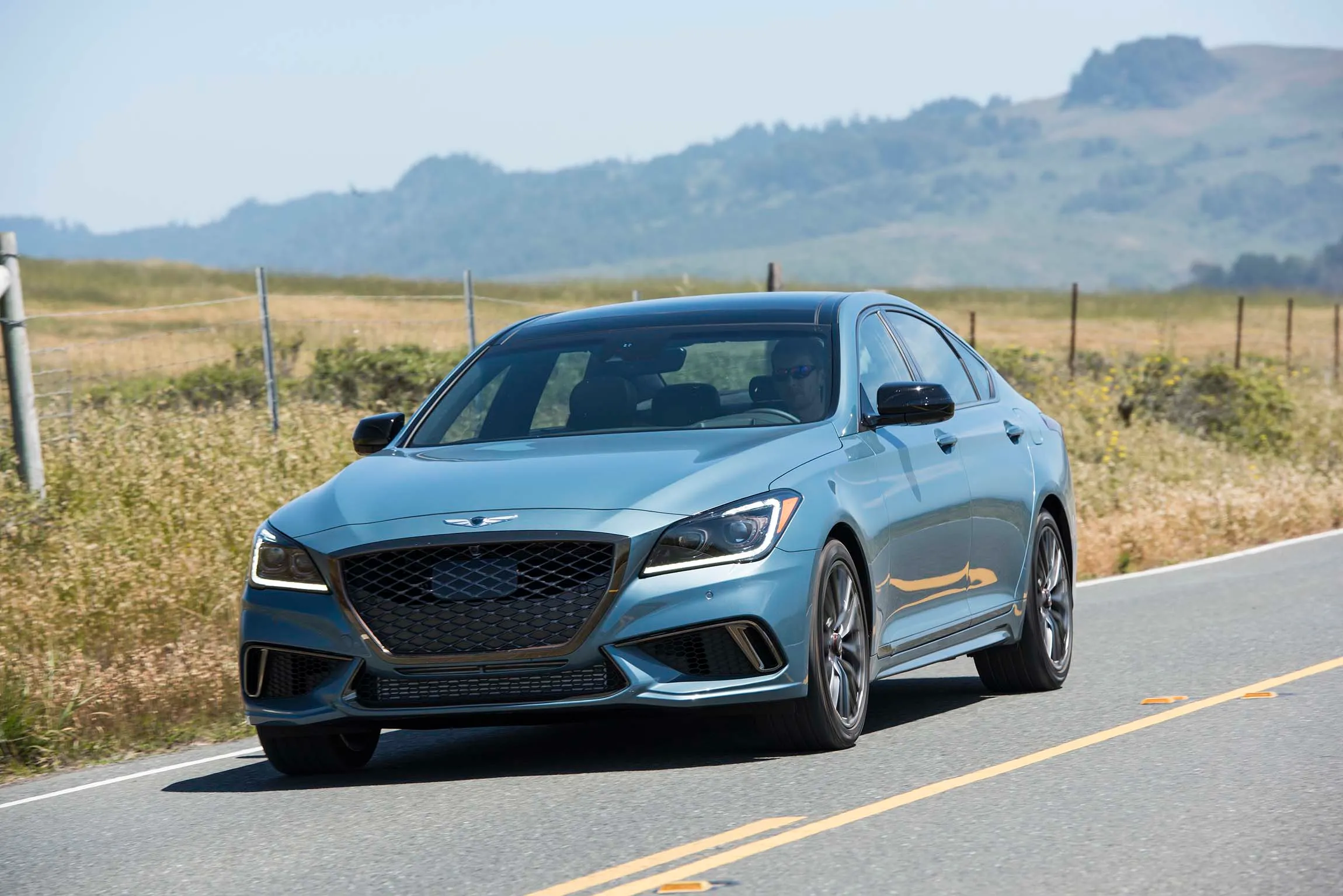
5. Genesis G80 Sport (2018-2020)
Korean luxury surprised everyone, and these G80 Sports back up premium aspirations with stunning designs. Genesis separated from Hyundai successfully by creating distinctive vehicles that command respect and attention. These sedans turn heads because they’re genuinely attractive, proving Korean brands have finally mastered premium aesthetics that compete with established luxury leaders.
Crest grilles create instant brand recognition while looking properly upscale. Distinctive lighting signatures frame grilles beautifully, announcing premium intentions. Bodylines are crisp and purposeful without being fussy. Proportions communicate luxury and substance. Everything works together cohesively, creating designs that age gracefully while remaining memorable.
Twin-turbo V6 engines in Sport models produce 365 horsepower, delivering legitimate performance wrapped in luxury packages. These aren’t just pretty sedans; they’re properly quick with handling that satisfies enthusiasts. Eight-speed transmissions move smoothly. Adaptive suspension balances comfort and performance. Substance backs up visual appeal.
Interior quality approaches German luxury standards at lower prices. Materials are excellent throughout the cabins. Build quality feels substantial and precise. Technology packages are comprehensive without being overwhelming.
Seats are comfortable and supportive. Everything feels thoughtfully designed rather than cost-cutting. These interiors justify premium pricing while undercutting German competitors substantially.
Value propositions are exceptional compared to German luxury alternatives. Similar performance and quality cost thousands more from BMW or Mercedes. Smart buyers recognize this, though brand snobbery still limits sales. Those willing to look past badges discover excellent sedans that happen to turn heads constantly.
Design language remains fresh years later, proving Genesis hired proper designers who understand timeless aesthetics. These sedans photograph beautifully, their shapes remaining attractive as competitors age poorly.
Clean examples maintain strong values because demand grows as people discover how good these Korean luxury sedans actually are. Head-turning ability combines with substance, creating complete packages that satisfy beyond superficial levels.
Sedans That Blend In
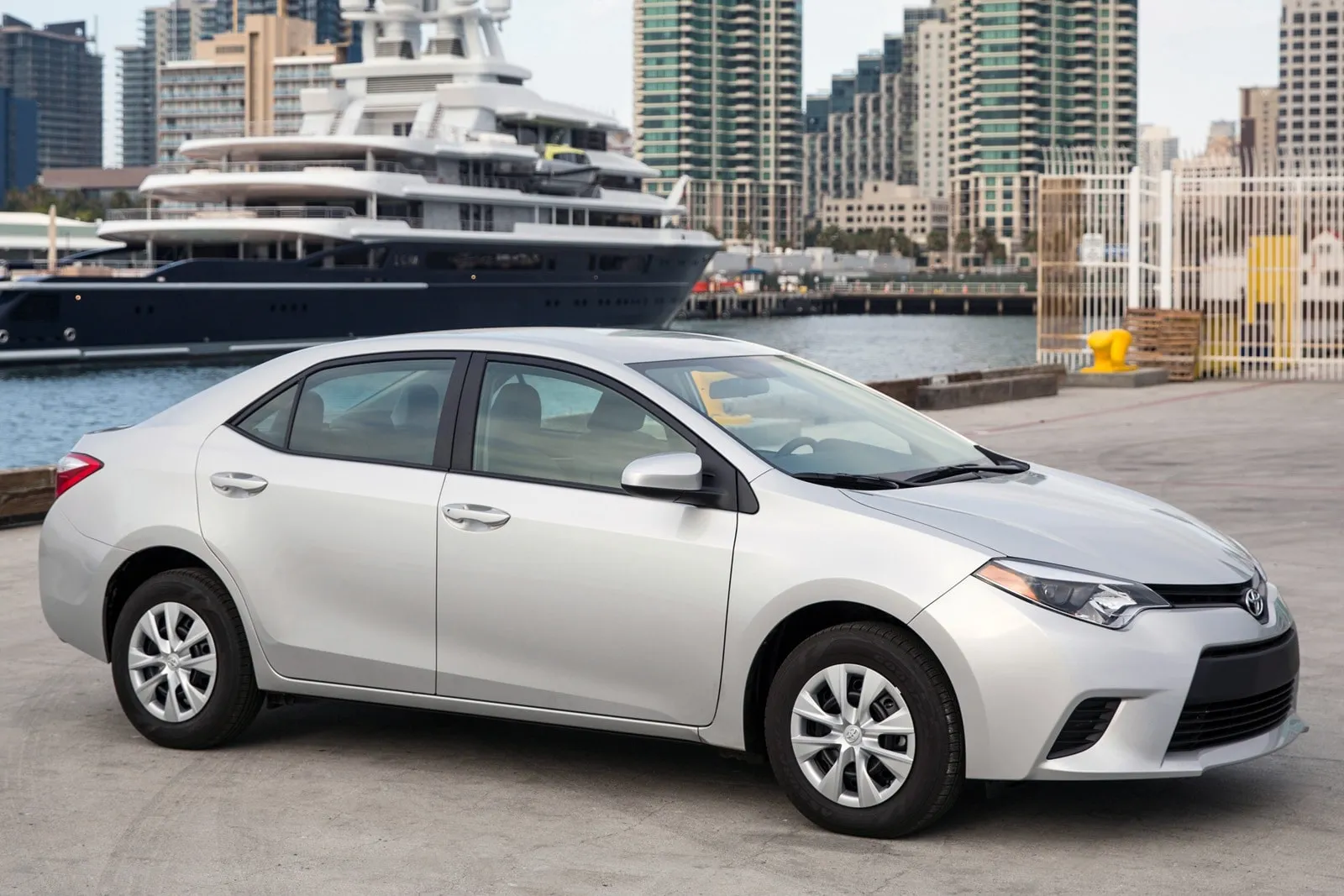
1. Toyota Corolla LE (2014-2018)
Appliance transportation defines these Corollas that disappear into traffic immediately. Styling is so thoroughly unremarkable that describing it to the police after accidents proves nearly impossible. Generic shapes, forgettable details, and a complete absence of character create vehicles that trigger zero emotional responses from anyone encountering them.
Proportions are adequate but uninspiring. Nothing about these sedans suggests excitement or premium quality. Bodylines are straight and simple, presumably to reduce manufacturing costs. Front fascias are forgettable. Side profiles bore instantly. Rear ends are anonymous. Every angle reveals designs that prioritize function over form completely.
Interior quality matches exterior blandness. Hard plastics dominate cabins. Seats are comfortable enough but styled generically. Dashboard layouts are functional but ugly. Technology is dated even when new. Nothing creates emotional connections or justifies calling these anything beyond basic transportation. You sit in these Corollas and feel nothing except perhaps mild disappointment.
Performance is adequate for commuting but uninspiring for anyone who enjoys driving. Four-cylinder engines produce minimal power. CVT transmissions drain whatever enthusiasm motors might generate. Handling is disconnected and numb. The brakes work adequately. Everything about driving these sedans reminds you they’re appliances rather than automobiles that stir passion.
Reliability justifies Corolla purchases for practical buyers. These sedans last forever with minimal maintenance. They’re sensible choices for people who view cars purely as transportation rather than expressions of personality. However, this dependability can’t overcome a complete lack of visual interest or driving engagement.
Parking lot searches take forever because dozens of identical-looking sedans surround your Corolla. You genuinely struggle to remember which anonymous beige sedan is yours. This invisibility appeals to people wanting to blend in completely, but it’s death for anyone who appreciates automotive design or presence. These Corollas are perfectly adequate transportation that nobody notices or remembers.
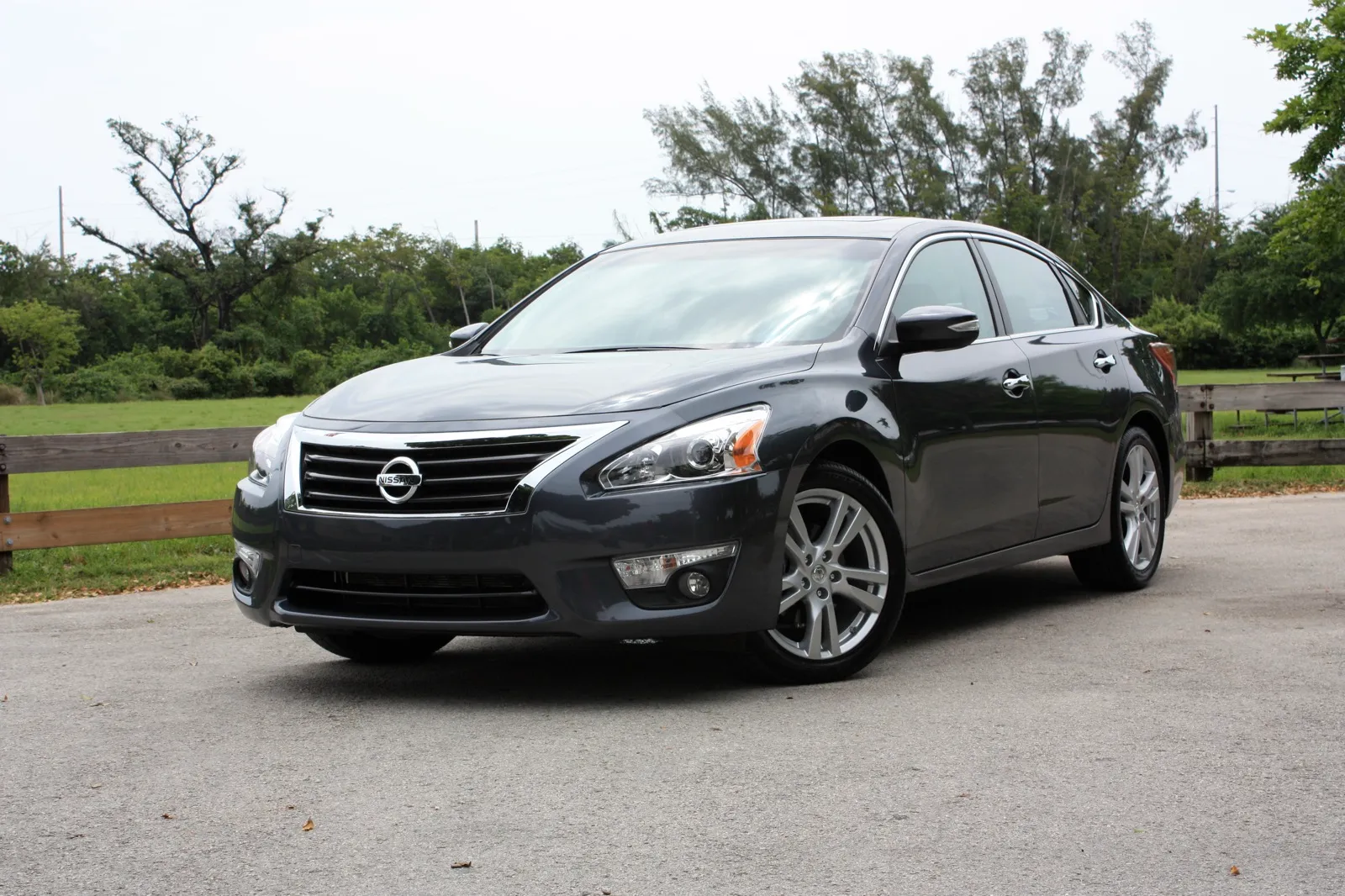
2. Nissan Altima S (2013-2017)
Generic mid-size sedans don’t get more anonymous than these Altimas. Styling is so thoroughly unremarkable that even Nissan enthusiasts struggle to remember design details. Everything about these cars screams rental fleet transportation, creating vehicles that blend into backgrounds so completely they become invisible.
Design language borrows from every competitor without creating a distinctive identity. Front fascias are forgettable mashups of current trends. Side profiles are generic three-box sedans without interesting details. Rear ends are anonymous. Nothing stands out or creates visual interest. You could show someone photos of these Altimas, and they’d forget them immediately.
Interior quality is disappointing even by mainstream standards. Cheap hard plastics dominate cabins. Seats are uncomfortable and poorly shaped. Dashboard designs are cluttered and ugly. Materials deteriorate quickly, creating interiors that feel worn out prematurely. Nothing suggests premium quality or thoughtful design anywhere.
Performance is adequate but uninspiring. Four-cylinder engines produce minimal power. CVT transmissions are terrible, droning constantly while sapping whatever enthusiasm motors generate. Handling is numb and disconnected. These Altimas drive exactly like you’d expect rental cars to drive, functional but completely devoid of engagement or joy.
Reliability concerns plague these model years. CVT failures are common and expensive. Engine problems aren’t rare. Electrical issues develop regularly. These problems destroy any value propositions that low prices might create. Smart buyers avoid these Altimas completely, choosing literally anything else.
Resale values plummeted because nobody wants these sedans. Even at current low prices, better alternatives exist everywhere. These Altimas blend in perfectly because they’re thoroughly forgettable transportation that satisfies nobody. They’re automotive wallpaper, present but completely unnoticed by anyone with functioning eyes and working taste.
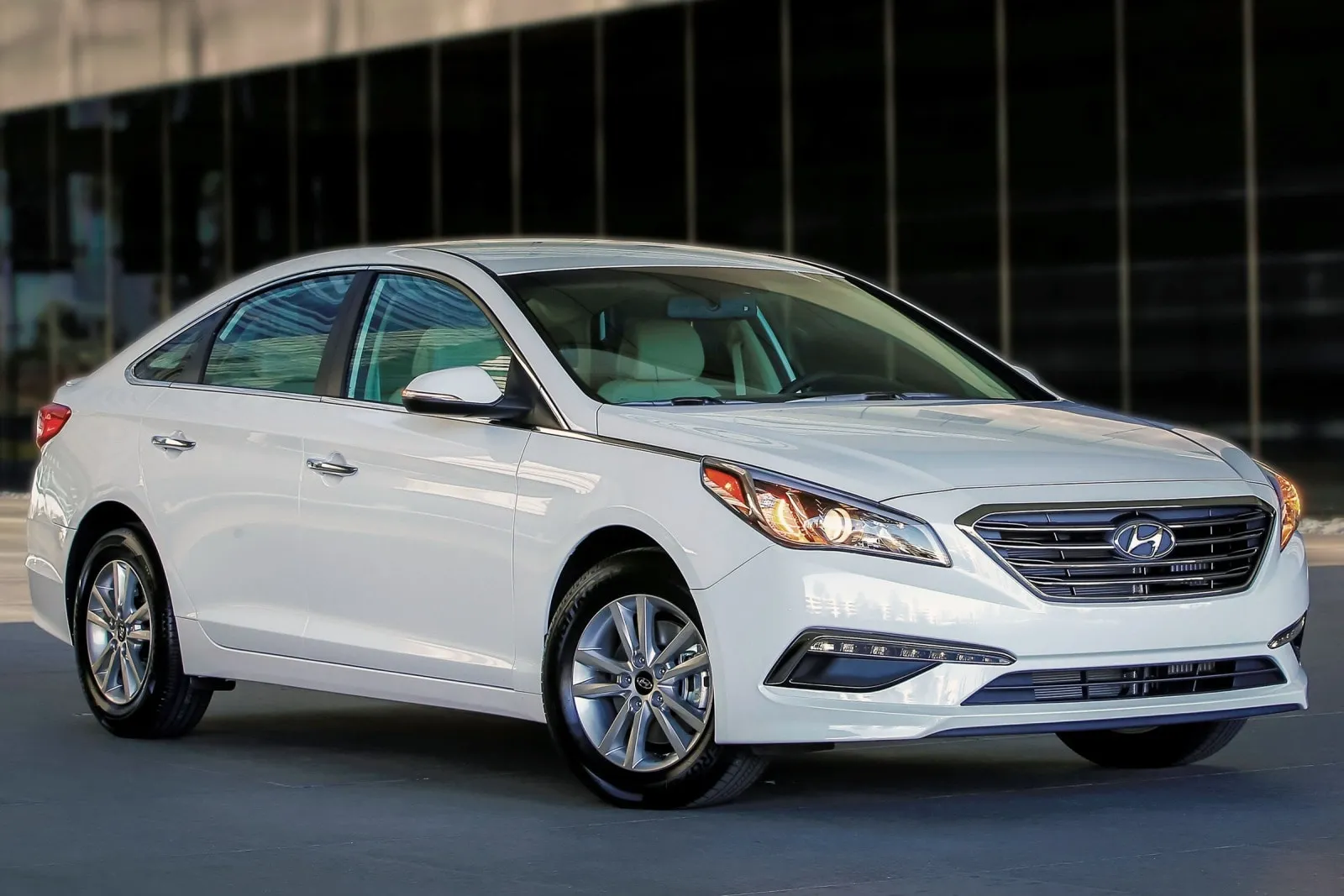
3. Hyundai Sonata SE (2015-2017)
Mid-cycle refresh ruined whatever visual interest earlier Sonatas possessed. These facelifted models are aggressively bland, their designs seemingly calculated to offend nobody while exciting nobody. Corporate committee styling created sedans that blend into traffic so completely that they become invisible immediately.
Styling is safe to the point of boring. Hyundai removed distinctive details from earlier models, replacing them with generic elements that could belong on any mainstream sedan. Front fascias are forgettable. Side profiles are anonymous. Rear ends trigger zero recognition. Everything screams rental car rather than desirable automobile.
Interior quality is acceptable but uninspiring. Materials are decent, though nothing feels premium. Dashboard designs are functional but ugly. Technology is adequate but quickly dated. Seats are comfortable enough but styled generically. Nothing creates emotional connections or suggests you’re driving anything special.
Performance is adequate for commuting, but forgettable. Four-cylinder engines produce minimal power. Automatic transmissions move adequately without personality. Handling is competent but numb. These Sonatas transport you reliably without creating any memories worth keeping.
Value propositions were decent when new, but depreciation destroyed any financial advantages. Current used prices are low because demand is minimal. Smart buyers choose alternatives easily. These Sonatas blend in because nobody wants them to stand out. They’re perfectly adequate transportation that absolutely nobody notices or remembers.
Parking lots full of similar sedans make finding yours challenging. You genuinely struggle to identify which generic silver sedan is yours among dozens of identical-looking alternatives. This anonymity appeals to nobody except perhaps criminals wanting forgettable getaway vehicles. For everyone else, these Sonatas represent automotive blandness at its most extreme.
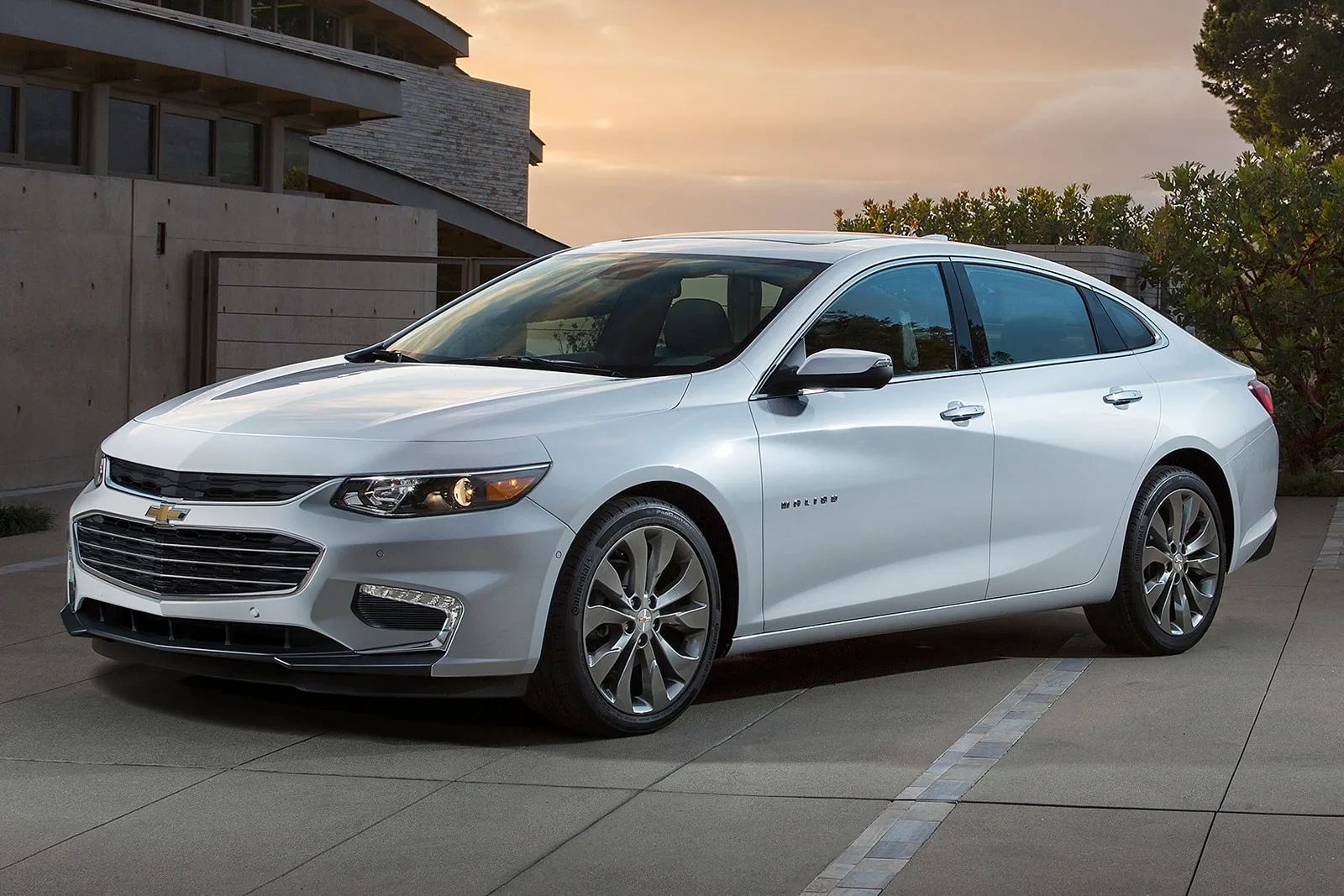
4. Chevrolet Malibu LS (2016-2018)
American mainstream sedans rarely excite, and these Malibus prove this perfectly. Styling is so thoroughly generic that describing it requires effort because nothing memorable exists. These cars blend into traffic instantly, their anonymous designs ensuring nobody gives them second glances or first thoughts.
Proportions are adequate but uninspiring. Nothing suggests premium quality or distinctive character. Bodylines are simple to the point of being boring. Front fascias are forgettable. Side profiles are generic. Rear ends are anonymous. Every angle reveals designs prioritizing cost reduction over visual interest.
Interior quality disappoints even by American mainstream standards. Cheap plastics dominate cabins. Seats are uncomfortable and poorly shaped. Dashboard designs are cluttered and ugly. Technology is dated and frustrating. Nothing suggests thoughtful design or quality materials anywhere.
Performance is barely adequate. Four-cylinder engines struggle to move these heavy sedans. Automatic transmissions hesitate constantly. Handling is numb and disconnected. Brakes feel uncertain. Everything about driving these Malibus reminds you they’re rental fleet transportation rather than cars anyone would choose voluntarily.
Reliability concerns developed quickly. Transmission problems appeared regularly. Electrical issues plagued owners. Engine problems weren’t uncommon. These problems destroyed whatever value propositions low prices created. Smart buyers avoided these Malibus completely.
Resale values collapsed because demand evaporated. Even at current extremely low prices, better alternatives exist everywhere. These sedans blend in because they’re thoroughly forgettable transportation that satisfies nobody.
They’re automotive background noise, present but completely ignored by everyone with alternatives. Nobody notices these Malibus because nothing about them deserves noticing.
Also Read: 5 Sedans That Stay Solid for Decades vs 5 That Age Poorly
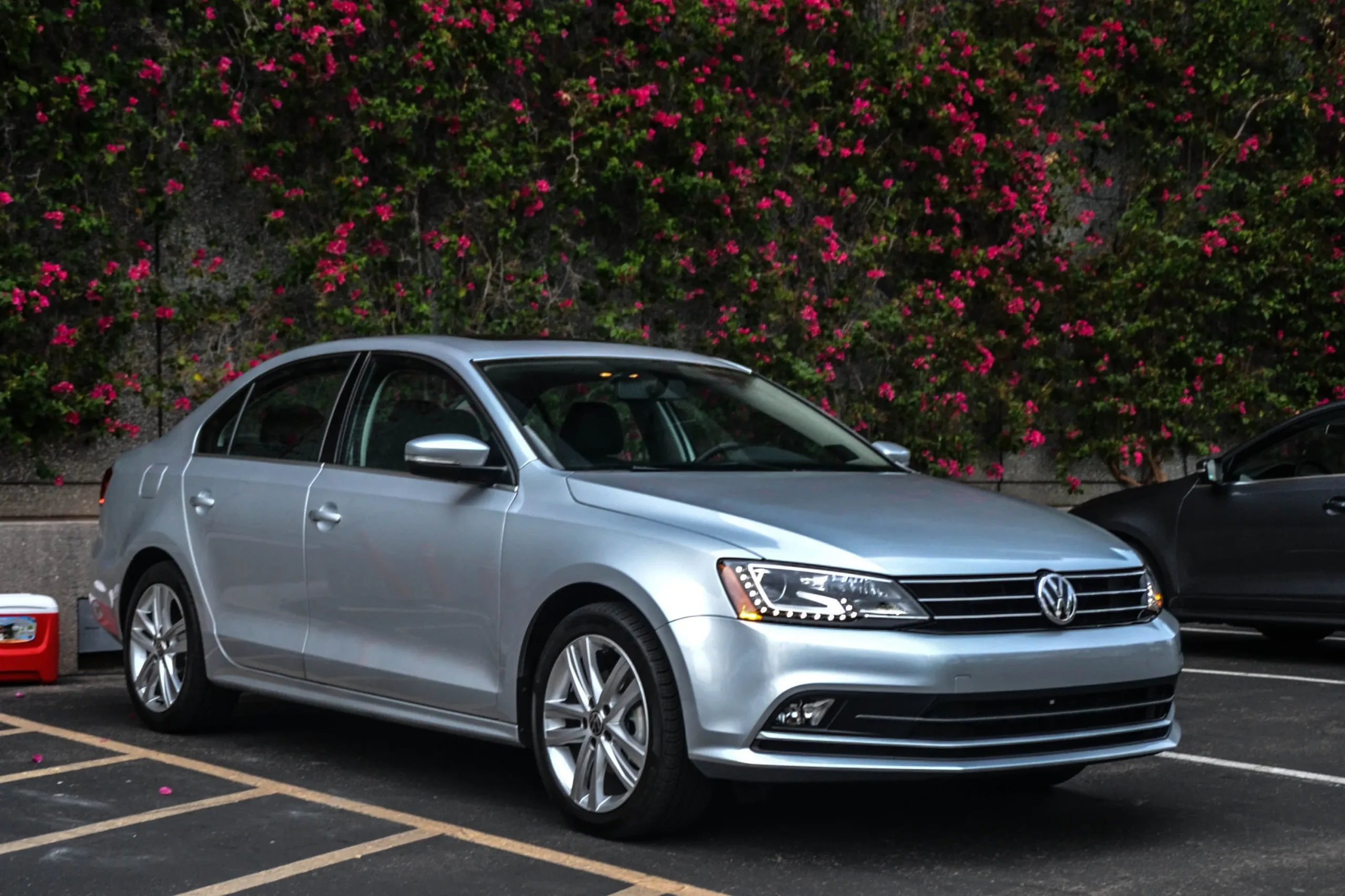
5. Volkswagen Jetta S (2015-2018)
Budget German sedans sacrifice everything that makes Volkswagens appealing. These base Jettas are stripped-down transportation that blends into traffic instantly. Styling is generic, interiors are cheap, and performance is adequate at best. Nothing creates visual interest or emotional connections. These are thoroughly forgettable sedans that disappear immediately.
Styling removed distinctive details that made earlier Jettas recognizable. These facelifted models are anonymous and bland. Front fascias are forgettable. Side profiles are generic three-box sedans. Rear ends trigger zero recognition. Everything suggests a rental car rather than premium German engineering.
Interior quality is shockingly bad for vehicles wearing Volkswagen badges. Hard plastics everywhere feel cheap and nasty. Seats are uncomfortable and poorly shaped. Dashboard designs are cluttered and ugly. Technology is minimal and dated. Nothing suggests premium quality or thoughtful design anywhere in these cabins.
Performance is adequate but uninspiring. Four-cylinder engines produce minimal power. Automatic transmissions are adequate without personality. Handling is competent but numb. These Jettas transport you without creating any engagement or joy. They’re appliances rather than automobiles that stir enthusiasm.
Reliability concerns scared buyers away. Electrical problems appeared regularly. Engine issues weren’t uncommon. Transmission problems developed. These concerns destroyed whatever value propositions budget pricing created. Smart buyers choose alternatives easily.
Resale values dropped quickly because demand stayed minimal. Current prices are low, but these Jettas still aren’t worth buying. Better alternatives exist at every price point.
These sedans blend in perfectly because they’re thoroughly forgettable transportation that nobody notices. They’re automotive camouflage, designed apparently to be invisible and succeeding completely at this unfortunate goal.
