
Buying an SUV feels like a smart investment until you try to sell it three years later and discover it’s worth half what you paid. That sinking feeling in your stomach when the dealer offers you peanuts for your pride and joy.
That’s the sound of bad resale value hitting you right in the wallet. Some people drive off the lot and basically watch their money evaporate like water in the desert sun.
Others make smart choices that protect their investment, allowing them to recover most of their purchase price when it’s time to move on.
Resale value separates winners from losers in the SUV market more brutally than any other factor. You could buy the flashiest, most expensive SUV on the market and still lose a fortune if nobody wants to buy it used.
Meanwhile, someone purchasing a less glamorous option might sell it years later for an amount that makes you question whether they even drove it. This difference can mean tens of thousands of dollars staying in your pocket or disappearing into thin air.
Smart buyers research depreciation rates before signing contracts, understanding that the purchase price is only part of the financial equation.
Total cost of ownership includes that inevitable moment when you sell or trade, and that’s where some SUVs shine while others collapse. Brands, models, reliability records, and market demand all play roles in determining which vehicles hold value and which ones tank faster than bad investments.
Which SUVs protect your money and which ones destroy it? Let’s examine ten vehicles that sit at opposite ends of the resale value spectrum and understand why some hold strong while others crash hard.
5 SUVs With Excellent Resale Value
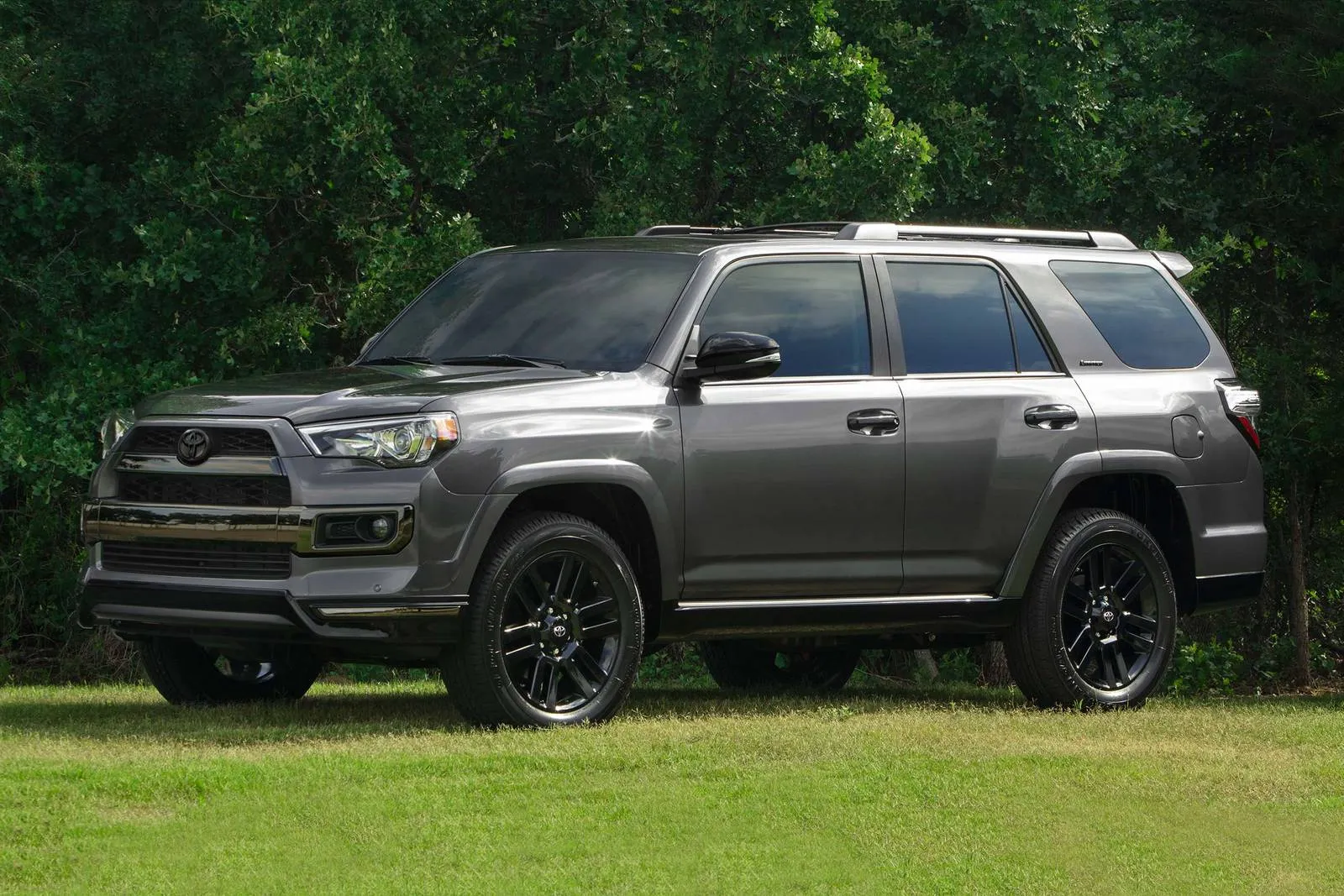
1. Toyota 4Runner 2019-2024
Ask anyone who knows vehicles which SUV holds its value best, and the 4Runner’s name comes up immediately. This body-on-frame beast refuses to depreciate like normal vehicles, maintaining resale values that make financial advisors weep with joy.
People selling five-year-old 4Runners get prices that seem impossible until you check market listings and realize buyers actually pay these amounts happily.
This value retention happens because demand consistently exceeds supply, creating seller’s markets where owners can practically name their prices.
Rugged construction appeals to buyers wanting SUVs that can handle serious abuse without falling apart. That traditional truck-based platform provides durability that crossovers with their car-based architecture simply cannot match.
Off-road enthusiasts trust 4Runners to tackle challenging trails and emerge unscathed, building reputations that drive used market demand. Someone buying a used 4Runner knows they’re getting proven capability rather than gambling on unknown reliability.
Reliability records spanning decades convince buyers that 4Runners represent safe purchases. These SUVs routinely exceed 300,000 kilometres without major mechanical failures, creating confidence among used buyers willing to pay premium prices.
Known problems remain minor and easily fixable, while major components like engines and transmissions just keep working. This dependability translates directly into strong resale values because buyers trust they won’t inherit expensive problems.
Limited model changes between years mean older 4Runners don’t look drastically outdated compared to newer ones. Someone driving a 2019 model doesn’t feel embarrassed parking next to 2024 versions because styling remains similar.
This timeless design prevents the dated appearance that kills the resale value of vehicles that change dramatically year to year. Classic looks age gracefully rather than appearing old and tired.
Aftermarket support keeps 4Runners desirable long after they leave showrooms. Owners modify these SUVs extensively with lift kits, bumpers, roof racks, and accessories, creating personalized vehicles that retain value better than stock configurations in many cases.
This modification culture maintains interest and demand that props up prices across the board. Used 4Runners with quality upgrades often sell for more than similar stock examples, proving modifications add value rather than destroying it.
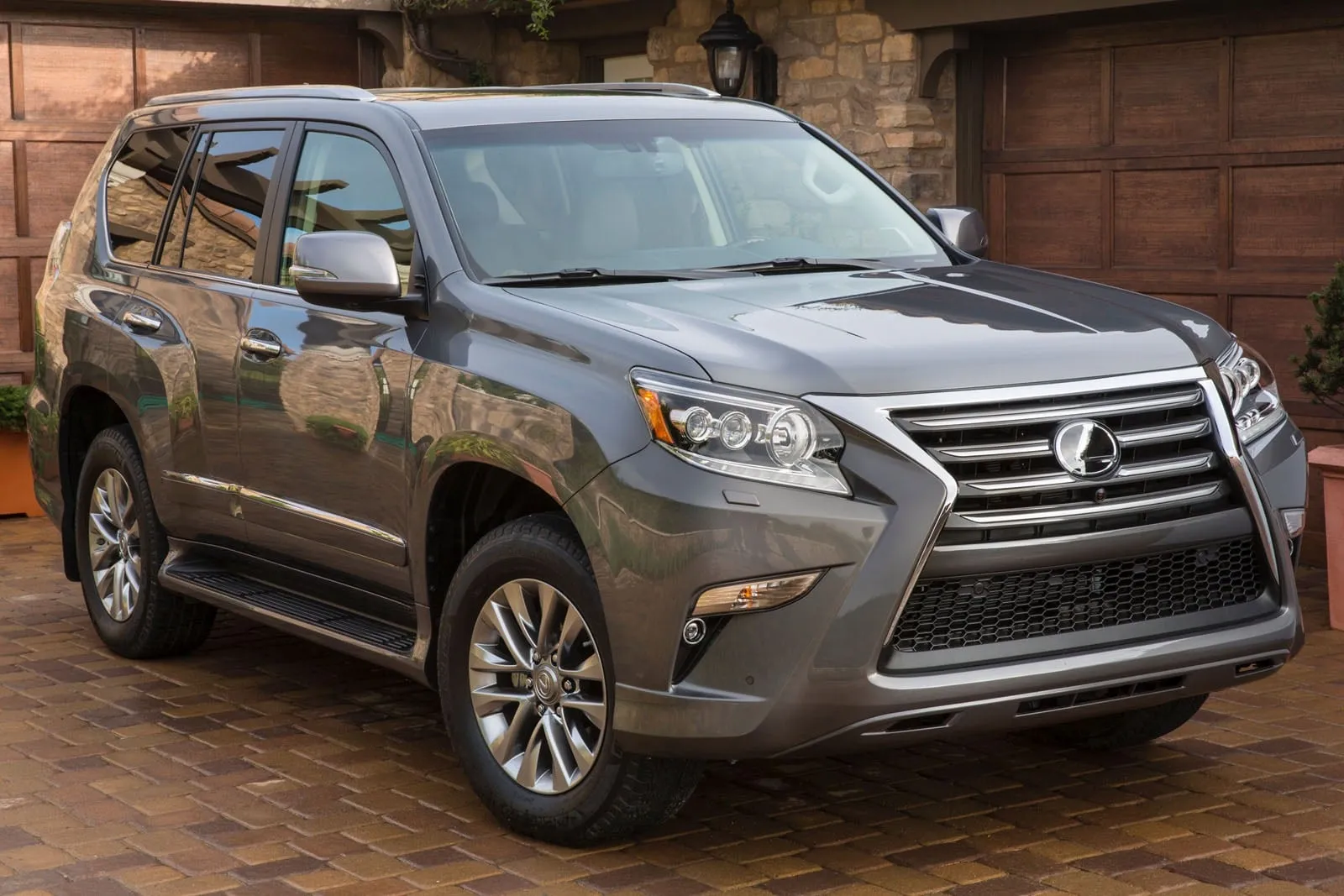
2. Lexus GX 460 2014-2024
Luxury vehicles usually lose value quickly, yet the Lexus GX 460 stands apart by maintaining strong resale performance. Sharing its foundation with the Toyota 4Runner and Land Cruiser Prado, this SUV combines proven Toyota engineering with Lexus comfort and sophistication.
The result is a luxury vehicle that lasts for decades, offering mechanical reliability wrapped in premium materials. Its 4.6-litre V8 engine is known for exceptional longevity, reassuring used buyers that they are purchasing a dependable long-term investment.
Built on a traditional body-on-frame platform, the GX 460 provides durability uncommon in modern luxury SUVs. While most rivals rely on unibody construction, this structure ensures long-term toughness and resistance to wear.
Owners keep these vehicles for many years, appreciating their ability to handle both city driving and demanding conditions without major issues. This durability helps the GX retain its value as buyers continue to seek reliable, rugged luxury options.
The GX 460’s conservative styling also contributes to its sustained appeal. Despite limited design changes since 2014, the SUV still looks current.
Its distinctive front grille and timeless proportions prevent it from appearing outdated, unlike many competitors tied to short-lived design trends. This classic appearance keeps older models desirable and protects resale prices.
Lexus also limits production numbers, creating scarcity that enhances market demand. Since the brand avoids oversupplying dealerships, used GX 460s remain relatively rare, encouraging buyers to pay more for well-maintained examples.
Beyond luxury, the GX 460 offers genuine off-road strength. With crawl control, locking differentials, and a solid rear axle, it delivers capability few rivals can match.
This blend of adventure readiness and premium comfort attracts both enthusiasts and practical buyers, expanding its audience and preserving high resale values as time goes on.
Also Read: 5 Compact Cars That Offer SUV Practicality vs 5 That Don’t
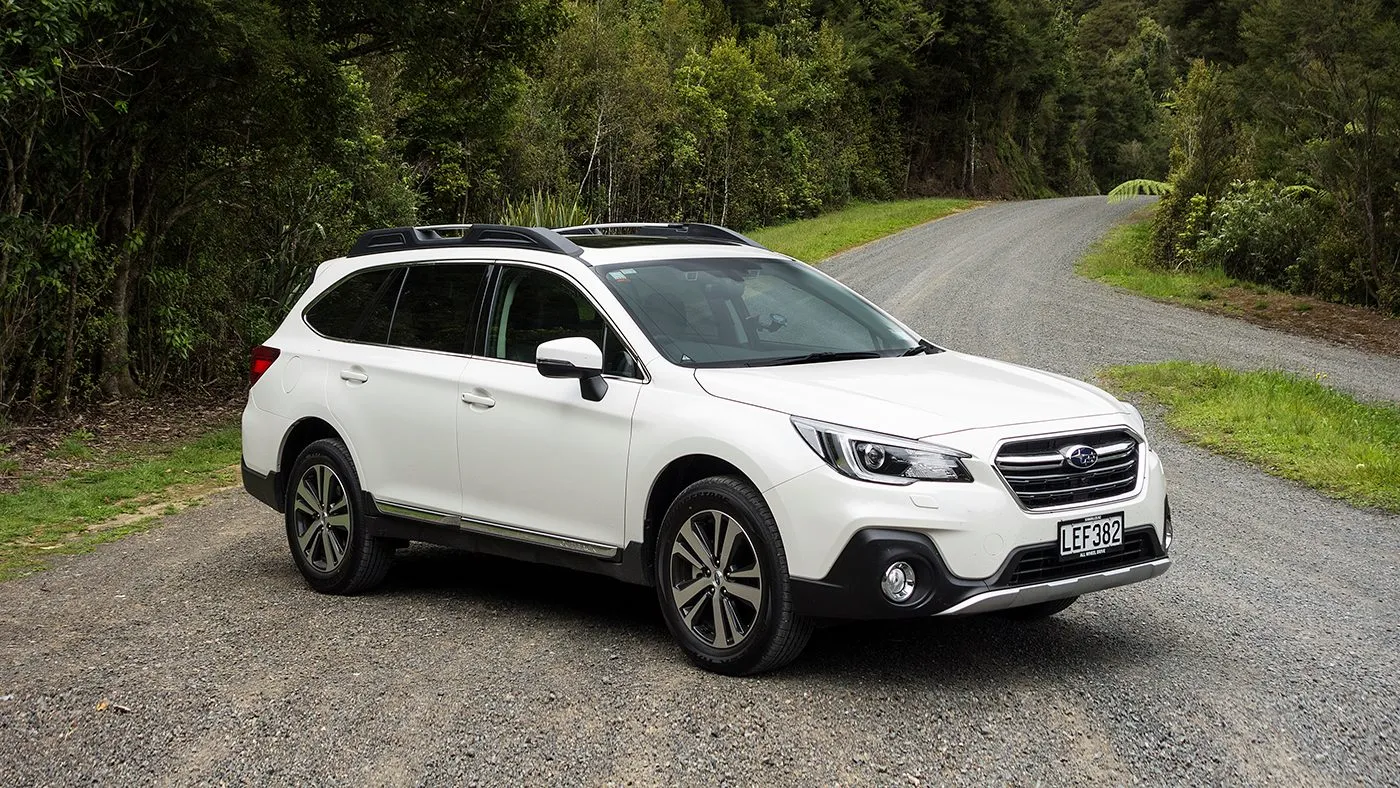
3. Subaru Outback 2018-2024
All-wheel-drive capability combined with wagon practicality makes the Outback appealing to buyers in climates where weather dictates vehicle choice.
Subaru’s symmetrical all-wheel-drive system provides confidence in snow, ice, and wet conditions that two-wheel-drive crossovers cannot match.
This capability attracts buyers in northern regions where proper winter traction means the difference between getting to work and sliding into ditches. Strong regional demand in these areas supports resale values year-round.
Reliability has improved dramatically from Subaru’s troubled past, with recent Outbacks avoiding the head gasket and oil consumption issues that plagued earlier models. Boxer engines now run reliably for hundreds of thousands of kilometres with proper maintenance.
Used buyers researching reliability data discover that newer Outbacks represent safe purchases rather than ticking time bombs. This improved reputation drives demand that supports strong resale values.
Practical design appeals to families needing space without SUV bulk or fuel consumption. That raised ride height provides SUV-like driving positions and ground clearance while maintaining wagon efficiency and handling.
Cargo space exceeds many three-row crossovers despite the Outback’s smaller footprint. Buyers wanting functionality without waste find exactly what they need, creating steady used market demand that props up prices.
Affordable pricing when new means used Outbacks remain accessible to budget-conscious buyers who still want quality vehicles. This broad affordability expands the potential buyer pool, preventing the narrow market appeal that depresses resale values of expensive vehicles.
Someone can buy a used Outback without taking on crushing debt, making these practical SUVs attractive to diverse demographics. Wide appeal translates into quick sales and strong prices.
Low operating costs enhance the Outback’s value proposition for used buyers concerned about total ownership expenses. Fuel economy stays reasonable, maintenance costs remain affordable, and parts availability keeps repair bills manageable.
Buyers calculating long-term costs recognize Outbacks as smart purchases that won’t drain bank accounts. This financial sense attracts practical shoppers willing to pay fair prices for vehicles that represent sound investments.
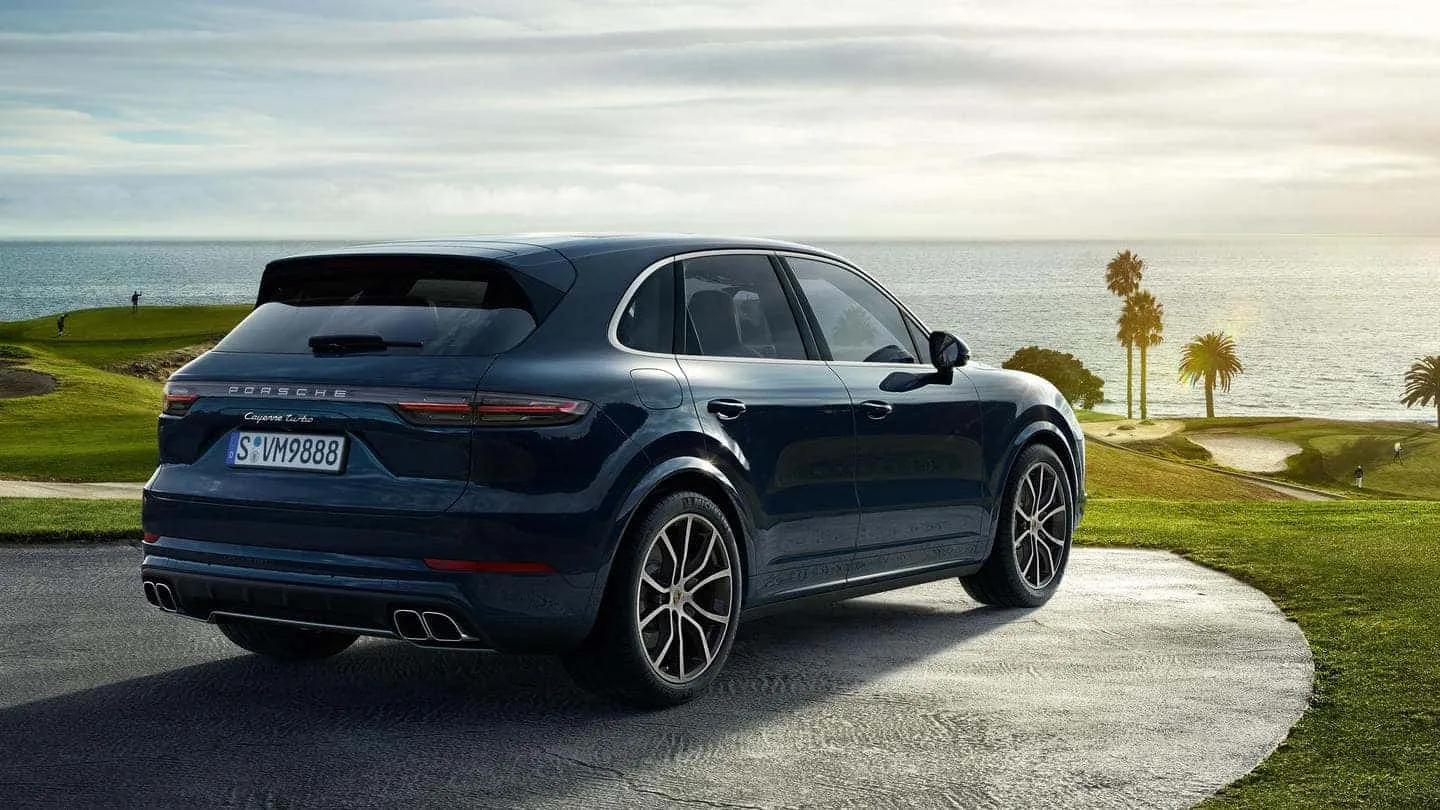
4. Porsche Cayenne 2019-2024
Luxury performance SUVs typically depreciate brutally, but Porsche defies this pattern with the Cayenne. Strong brand prestige and genuine performance capabilities create demand among used buyers wanting exotic experiences without supercar prices.
That Porsche badge carries weight in luxury markets, attracting buyers who value German engineering and sporting heritage. Premium positioning protects resale values by maintaining exclusivity that mass-market brands cannot achieve.
Performance credentials separate the Cayenne from pretender luxury SUVs that prioritize comfort over driving dynamics. Turbocharged engines deliver acceleration that embarrasses sports cars, while handling stays composed through corners that would overwhelm lesser vehicles.
Buyers seeking performance in practical packages recognize Cayenne’s capabilities as genuine rather than marketing hype.
This authentic sporting character drives enthusiast demand that supports strong prices. Build quality meets Porsche standards with solid construction and premium materials throughout.
Interiors age gracefully because craftsmanship exceeds typical automotive assembly quality. Used Cayennes maintain their upscale feel for years because components resist the wear that makes other luxury vehicles look tired.
This durability justifies premium pricing in used markets where buyers expect quality matching the expense. Limited production relative to mass-market luxury SUVs creates scarcity that supports values.
Porsche doesn’t chase volume like mainstream manufacturers, keeping Cayenne numbers controlled. This exclusivity prevents oversupply situations that tank resale values when too many used examples flood markets simultaneously. Buyers wanting Cayennes often face limited choices, giving sellers pricing power.
Performance modifications and personalization options allow owners to create unique Cayennes that retain or increase value. Factory performance packages, custom wheels, and upgraded brakes often add to resale prices rather than detracting.
Enthusiast buyers value these enhancements, recognizing quality upgrades as worthwhile investments. This modification culture maintains interest and supports prices across all Cayenne variants.
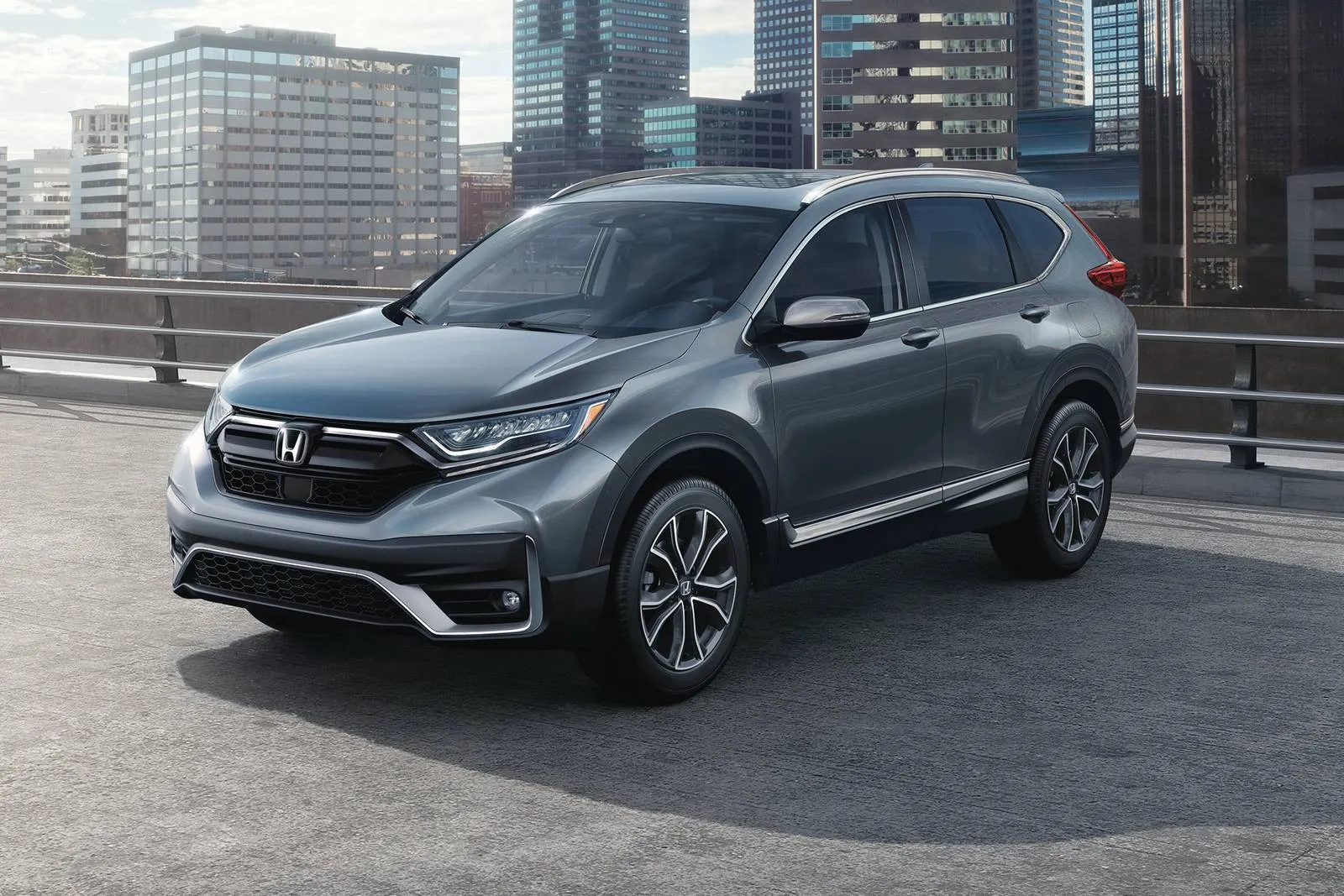
5. Honda CR-V 2020-2024
The Honda CR-V maintains some of the strongest resale values in the compact SUV segment because of its broad market appeal.
Millions of buyers searching for affordable and dependable vehicles automatically consider the CR-V, guaranteeing consistent demand. Its popularity among everyday drivers ensures that sellers rarely struggle to find interested buyers.
This wide buyer pool stabilizes prices and prevents the drastic depreciation seen in vehicles that attract only limited audiences.
One of the CR-V’s most appealing qualities is its renowned reliability. Honda’s reputation for durable engineering extends completely to this model, making it a low-risk choice for cautious shoppers.
Used buyers often check reliability reports often find the CR-V ranked among the most dependable options, which inspires confidence and reduces price negotiations. The assurance that it will last for years helps maintain high resale figures as people willingly pay more for peace of mind.
Fuel economy is another major factor supporting strong demand. The CR-V’s hybrid version offers excellent mileage while retaining Honda’s signature dependability and practicality.
Even the traditional petrol models deliver efficient performance, ensuring reasonable operating costs. Buyers who prioritize saving on fuel often choose used CR-Vs, accepting slightly higher purchase prices for long-term value.
Practicality further strengthens its market position. The CR-V provides generous cargo space and comfortable seating without unnecessary bulk, making it ideal for families, commuters, and retirees alike.
This adaptability expands its appeal across multiple lifestyles, enhancing its resale resilience.
Finally, the CR-V’s affordability in maintenance cements its financial advantage. Replacement parts are easy to find and reasonably priced, while scheduled services remain inexpensive.
Major repairs are rare, minimizing ownership stress. When buyers weigh the total cost of ownership, the CR-V consistently emerges as a sensible and trustworthy option, keeping its resale value high year after year.
5 SUVs That Crash Fast
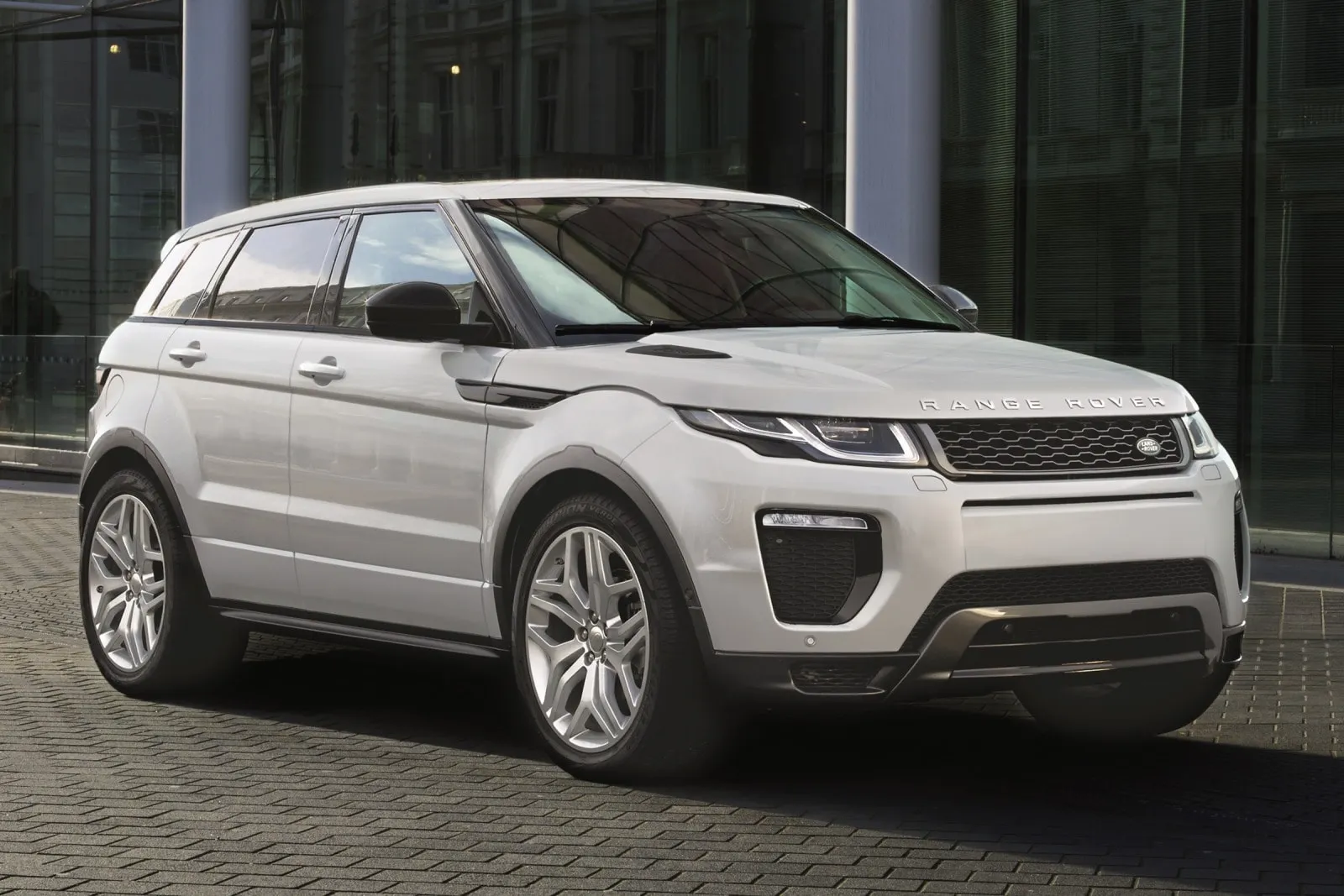
1. Land Rover Range Rover Evoque 2016-2020
British luxury sounds prestigious until you research Land Rover reliability records and realize you’re buying expensive problems.
Evoque depreciation hits so hard that three-year-old examples sell for half their original prices, destroying owner equity faster than bad stock market crashes.
Buyers avoid used Evoques because horror stories about repair costs and reliability problems circulate widely among automotive communities. This terrible reputation creates downward price spirals where weak resale reinforces poor value perceptions.
Reliability problems plague Evoques from early in their lives, scaring away used buyers worried about inheriting expensive nightmares. Transmission failures, electrical gremlins, and engine problems appear with disturbing frequency.
Repair costs that would total more than vehicle values keep buyers away, preferring reliable alternatives that won’t destroy budgets. When potential buyers research Evoques, they discover warnings telling them to run away, killing demand and crushing prices.
Complicated electronics fail regularly, creating frustrating ownership experiences that previous owners eagerly escape. Infotainment systems freeze, instrument clusters glitch, and various modules malfunction without warning.
Diagnosing and repairing these electrical problems requires expensive dealer visits and part replacements. Used buyers recognize these issues as inevitable rather than occasional, factoring huge repair budgets into purchase decisions or simply avoiding Evoques entirely.
Small size limits practicality compared to competitors offering more space at similar or lower prices. Cargo capacity disappoints buyers expecting Range Rover utility in compact packages.
Rear seat space feels tight for adults, limiting the Evoque’s family-hauling capabilities. This lack of versatility reduces buyer interest because people need vehicles that can actually serve their needs. When SUVs fail at basic SUV duties, resale values suffer accordingly.
Expensive maintenance requirements scare budget-conscious used buyers away from Evoques despite tempting low prices. Oil changes, brake services, and routine maintenance all cost premiums at Land Rover dealers.
Independent shops often refuse to work on these complicated British vehicles, forcing owners to dealers who charge luxury rates. These ongoing costs make Evoque ownership unaffordable for buyers attracted to crashed resale prices, limiting demand and depressing values further.
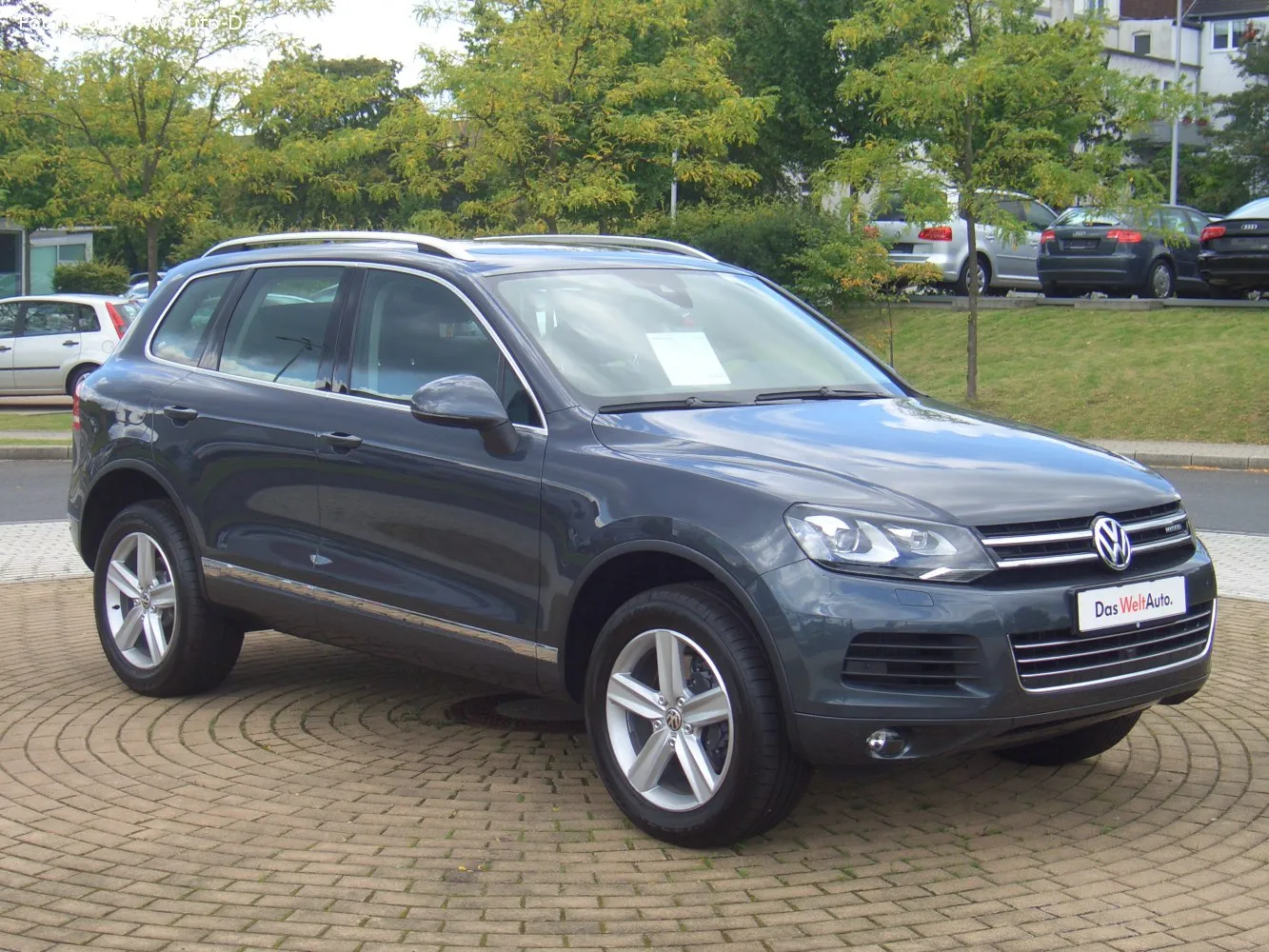
2. Volkswagen Touareg 2011-2017
German engineering may sound appealing, but owning a Touareg quickly exposes how costly that sophistication becomes when repairs start piling up. The SUV’s value plummets sharply, with five-year-old models selling for only a small fraction of their original prices.
Researching buyers often discover high repair costs and frequent reliability issues, prompting them to move toward dependable Japanese options instead. This shrinking demand creates an oversupply of used Touaregs, forcing sellers to cut prices drastically to attract hesitant buyers.
Volkswagen’s diesel emissions scandal further worsened the Touareg’s image. Even petrol-powered versions suffered from the brand’s damaged reputation, as many buyers continued associating VW with dishonesty and poor reliability.
The resulting loss of trust heavily suppressed resale prices, leaving owners struggling with low offers and slow sales.
The Touareg’s air suspension system is another financial burden. When it fails, repair bills can reach thousands, often exceeding the vehicle’s entire worth.
Many owners choose to abandon or scrap the SUV instead of fixing it, while potential buyers avoid these models altogether or insist on steep discounts.
Maintenance costs remain another major drawback. From costly brake replacements to expensive synthetic oil changes, keeping a Touareg running can exceed what the vehicle is worth. For most buyers, continued ownership makes little financial sense.
Service availability adds yet another problem. Volkswagen’s limited dealer network and reluctant mechanics make maintaining older Touaregs inconvenient.
This difficulty in finding qualified service discourages potential buyers, further shrinking resale value and the entire market demand.
3. Jeep Compass 2017-2022
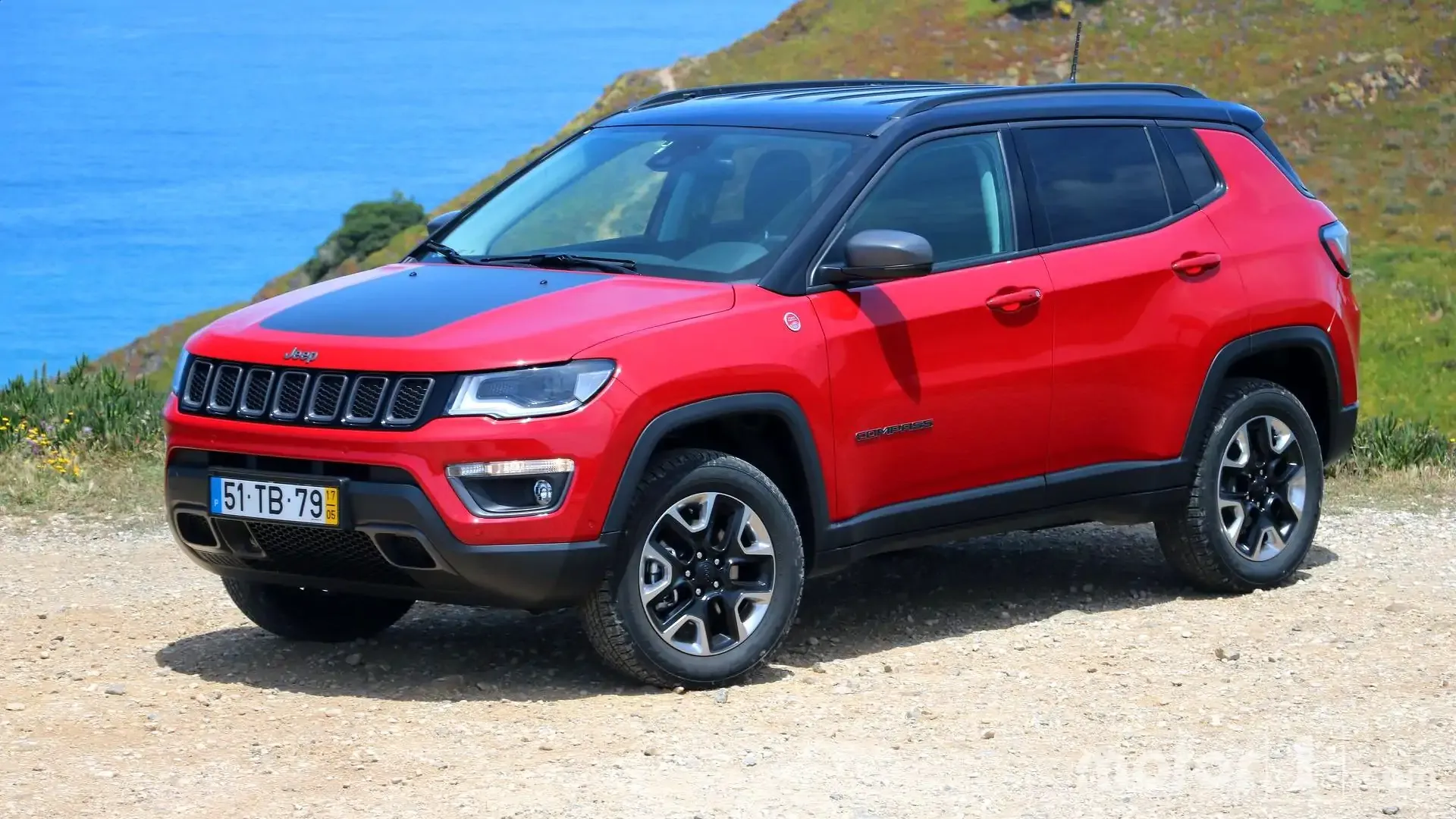
Cheap construction and poor reliability turn the Compass into a depreciation nightmares that lose value faster than ice cream melts on hot days. Three-year-old examples sell for less than half their original sticker prices, crushing original owner equity.
Buyers shopping the used SUV market avoid Compass models after researching reliability ratings showing dismal performances. This deserved reputation creates situations where sellers struggle to find anyone willing to buy, regardless of price cuts.
Transmission problems plague Compass models, with nine-speed automatics developing harsh moves, shuddering, and complete failures.
These transmissions became infamous for poor behaviour and expensive repair requirements. Potential buyers aware of transmission issues demand massive discounts or simply buy competitors instead.
Failed transmissions in relatively young vehicles destroy confidence and resale values simultaneously. Interior quality feels cheap from day one with hard plastics, flimsy controls, and materials that wear rapidly. Three-year-old Compass interiors often look ten years old because components age poorly.
Buyers expecting decent quality at Compass price points find themselves disappointed, leading to quick trades and glutted used markets. When vehicles feel cheap throughout ownership, resale values crash because nobody wants to buy worn-out interiors in relatively new SUVs.
Poor fuel economy defeats the purpose of buying small SUVs, with the Compass consuming fuel at rates matching larger competitors. Buyers expecting efficiency from compact SUVs discover their Compass vehicles cost as much to fuel as midsize alternatives offering more space.
This inefficiency adds to ownership costs while providing no offsetting benefits. Used buyers calculating operating expenses recognize Compass models as poor values, reducing demand and crushing prices.
Reliability problems beyond transmissions plague Compass ownership with electrical issues, engine problems, and various component failures. Check engine lights become constant companions, and trips to service departments happen far too frequently.
Buyers researching Compass reliability discover warnings everywhere, telling them to buy literally anything else. This universal condemnation among automotive experts and owners destroys resale values completely.
4. Lincoln MKC 2015-2019
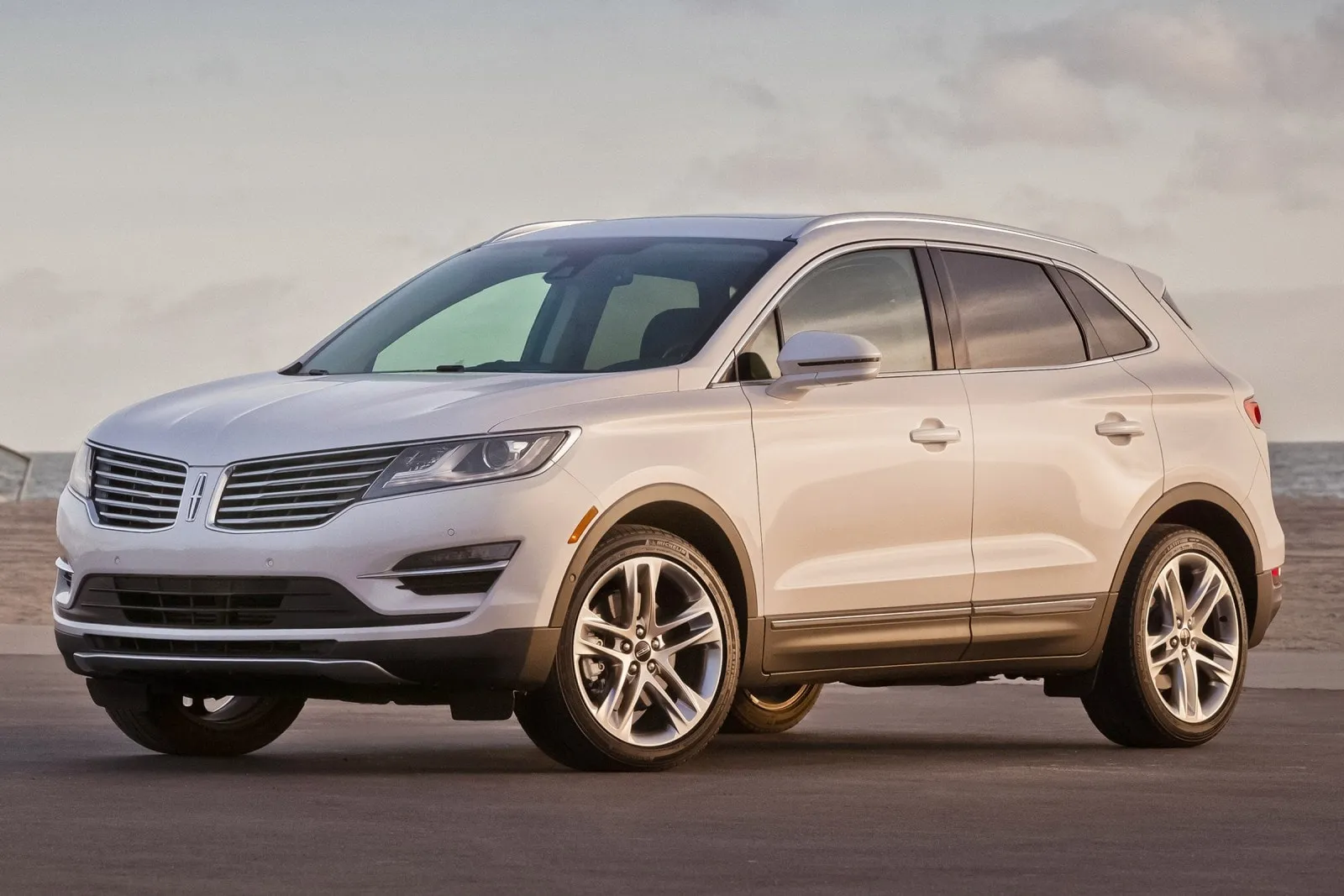
Badge engineering could not conceal that the MKC was essentially a Ford Escape with a higher price tag. Consumers soon realised they were paying luxury rates for an upgraded Ford and refused to buy in.
This perception caused the MKC’s value to drop sharply, as the market dismissed Lincoln’s attempt at premium positioning.
On used lots, these vehicles sit unsold because buyers prefer the cheaper Escape or genuine luxury SUVs from Germany. The weak value proposition keeps resale prices in steady decline.
Lincoln’s confusing naming system further hurt sales. Many shoppers could not distinguish between MKC, MKX, or MKZ models, making the lineup forgettable.
The lack of a clear, memorable identity prevented emotional attachment and loyalty, both essential for sustaining strong resale values. With unclear marketing, many buyers turned to brands with simpler, recognizable names.
Mechanical reliability also failed to meet luxury standards. Electrical faults and premature part failures were common, undermining Lincoln’s credibility compared to German and Japanese rivals.
Customers who expected refined dependability instead faced frequent repairs typical of lower-end vehicles. Word spread, lowering satisfaction and further damaging resale performance.
In addition, Lincoln’s limited dealership presence made maintenance inconvenient. Many potential buyers avoided the brand because servicing often required longer travel distances than for mainstream options.
Combined with plain, uninspired styling that offered no emotional draw or exclusivity, the MKC struggled to attract or retain interest. As demand weakened, sellers had little leverage, forcing prices downward.
Also Read: 5 SUVs With Growing Demand vs 5 Falling Out of Favor
5. Fiat 500X 2016-2020
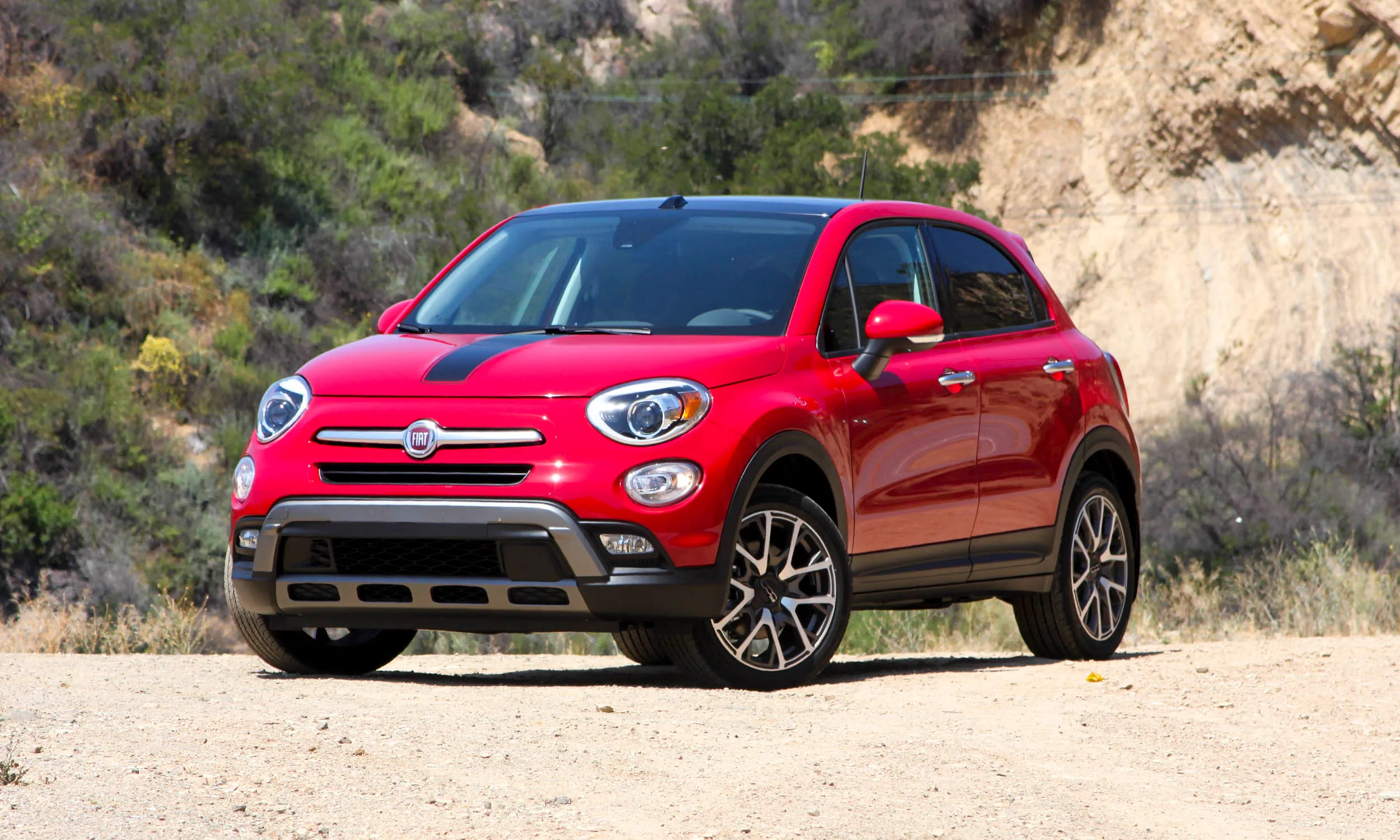
Italian styling couldn’t overcome fundamental problems with the 500X, which depreciated faster than most buyers thought possible. Three-year-old examples sold for roughly one-third of original prices, destroying owner equity catastrophically.
Buyers researching these Italian crossovers discovered reliability nightmares and limited dealer support that sent them fleeing toward Japanese alternatives. This buyer exodus created situations where sellers practically begged people to take 500X vehicles off their hands.
Reliability problems appeared early and often, with transmissions failing, electronics malfunctioning, and engines developing issues within warranty periods.
Fiat’s poor reputation for quality extended fully to the 500X despite hopes that American-market vehicles would improve. Buyers inheriting these problems discovered repair costs that seemed impossible for such inexpensive vehicles. This reliability disaster killed demand and crushed resale values to basement levels.
Tiny dealer networks meant finding service required long drives in many regions. Fiat’s limited American presence created huge service deserts where getting basic maintenance required traveling hours.
This inconvenience made 500X ownership impractical for many buyers, severely limiting used market demand. When people can’t easily service vehicles, they won’t buy them regardless of attractive pricing.
Poor fuel economy negated the supposed advantages of buying small crossovers. 500X vehicles consumed fuel at rates matching much larger SUVs while providing cramped interiors and limited cargo space.
This terrible efficiency added to ownership costs without delivering offsetting benefits. Used buyers calculating expenses recognized 500X models as terrible values, avoiding them completely and crushing prices.
Parts availability problems created situations where simple repairs required weeks of waiting for components. Fiat’s small market share meant parts distribution stayed limited, and dealers often lacked common service items in stock.
This created extended downtime when repairs became necessary, making 500X ownership frustrating and impractical. Buyers aware of these problems avoided 500X vehicles entirely, destroying any hope for decent resale values.
